Tag Archives: hiking

Washita Battlefield National Historic Site

Overview

Many retaliatory acts occurred in the aftermath of the 1864 Sand Creek Massacre in Colorado, leading the U.S. Army to launch a campaign against the Cheyenne, Arapaho, and Kiowa following the signing of several peace treaties.  In November 1868, after unsuccessfully seeking protection at Fort Cobb, Cheyenne Chief Black Kettle and Arapaho Chief Big Mouth returned to their winter villages in the Washita River Valley.  The very next day a surprise attack was launched by Lieutenant Colonel George Custer, capturing 53 and killing thirty to sixty Cheyennes, including Black Kettle and his wife.  Under Major General Philip Sheridan’s policy of “total war,” approximately 800 horses were then slaughtered and the village burned. 

Highlights

Museum, film, interpretive trail

Must-Do Activity

The events that took place the morning of November 27, 1868 in western Oklahoma have been described either as a battle or a massacre.  A small National Park Service (NPS) visitor center with exhibits on the events is shared with the U.S. Forest Service’s Black Kettle National Grassland.  Located just down the road on Highway 47 is a self-guided walking tour of the prairie battlefield. 

Best Trail

The 1.4-mile hiking trail through the battlefield leaves from an overlook of the historic site down to the Washita River where trees grow.

Instagram-worthy Photo

The vegetation is typical of Oklahoma prairie with grasses, yucca, and Indian blanket (in bloom in late May).

Peak Season

Summer

Hours

https://www.nps.gov/waba/planyourvisit/hours.htm

Fees

None

Road Conditions

All roads paved

Camping

There are private campgrounds in Cheyenne, Oklahoma, or you can head 25 miles southeast to Foss State Park.

Related Sites

Black Kettle National Grassland (Oklahoma-Texas)

Sand Creek Massacre National Historic Site (Colorado)

Little Bighorn Battlefield National Monument (Montana)

Chickasaw National Recreation Area (Oklahoma)

Explore More – When was this National Historic Site authorized by Congress?
Pu‘ukohola Heiau National Historic Site

Overview

Located on the west coast of the Big Island of Hawai‘i, Pu‘ukoholā Heiau translates as “temple on the hill of the whale.”  Under the rule of Kamehameha I, the heiau was built in 1790-91 after a prophet told his aunt he needed to appease the family war god.  In 1810, after years of warfare, Kamehameha I finally became the first king of the unified Hawaiian Islands.  Following his death nine years later, his son abolished the kapu system of beliefs and the heiau fell into ruin.  This 86-acre site was added to the National Park Service (NPS) system in 1972.

Highlights

Pu‘ukoholā Heiau, Mailekini Heiau, Ala Kahakai National Historic Trail, John Young’s Homestead

Must-Do Activity

Start your visit at the NPS visitor center and check out the metal artwork that tells the story of the demi-god Maui.  Then walk the interpretive trail for views of several heiau, including the submerged Hale o Kapuni Heiau dedicated to the shark gods.  You can also park across Highway 270 and walk to the site of John Young’s homestead.  Young was a British sailor stranded on Hawai‘i in 1790 who became a trusted military advisor of Kamehameha I. 

Best Trail

A short portion of the 175-mile long Ala Kahakai National Historic Trail runs through this site, though at present most of the trail is not publicly accessible.

Instagram-worthy Photo

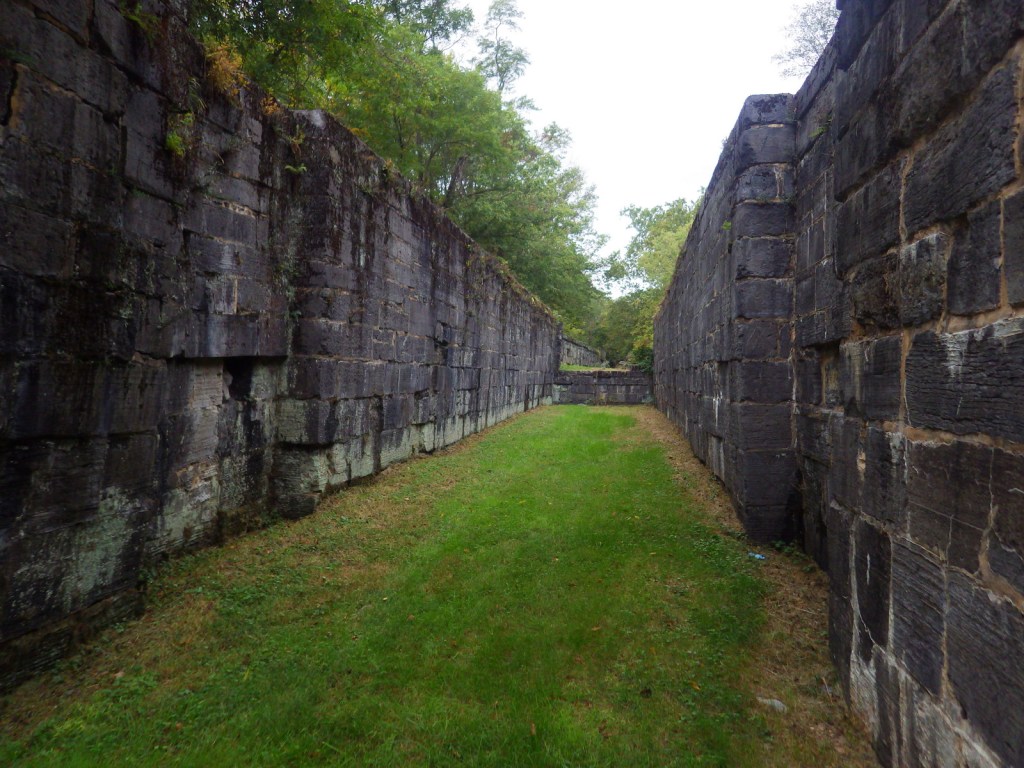
Pu‘ukoholā Heiau measures 224 by 100 feet with 20-foot high walls and was constructed without mortar by stacking volcanic rocks.  The heiau are closed to the public, but can be photographed from downhill.

Peak Season

Year round, but each August there are ceremonies held at the heiau.

Hours

https://www.nps.gov/puhe/planyourvisit/hours.htm

Fees

None

Road Conditions

All roads paved

Camping

Samuel Spencer County Park offers camping nearby, but reservations are required.

Related Sites

Pu‘uhonua o Honaunau National Historical Park (Hawai‘i)

Kaloko-Honokohau National Historical Park (Hawai‘i)

Hawai‘i Volcanoes National Park (Hawai‘i)

Explore More – The kikiako‘i (or stone leaning post) was at least six feet tall and used by chiefs to observe sharks feeding at Hale o Kapuni Heiau; when was it accidentally broken?

Canyonlands National Park

Overview

Canyonlands National Park was established in 1964, part of a large expansion of the National Park Service (NPS) system during the Johnson administration.  It is divided into four distinct areas that are not easily connected by roads: The Needles District, The Maze District, Horseshoe Canyon Unit, and the most heavily-trafficked Island in the Sky District near Moab, Utah.  Backpacking is a major draw to this park, as is whitewater rafting on the Colorado and Green Rivers.

Learn more in our guidebook to the 62 National Parks, A Park to Yourself: Finding Adventure in America’s National Parks (available on Amazon).

Highlights

Mesa Arch, Grand View Point, Chesler Park, Druid Arch, The Maze, Great Gallery

Must-Do Activity

Horseshoe Canyon is a separate unit of Canyonlands National Park accessible by good dirt road from Highway 24 southwest of Green River, Utah.  Its main attractions are four large pictograph panels estimated at 3,000 years old at the bottom of the 800-foot deep canyon.  The largest panel, dubbed the Great Gallery, stretches over 200 feet with numerous life-sized human figures painted in red and white on a sandstone wall.  It is a 3.5-mile hike to get there from the trailhead on top of the canyon rim that drops down to and then follows a meandering stream which passes three smaller panels.

Best Trail

There are miles of incredibly scenic trails in The Needles District, many of which leave from Elephant Hill Trailhead.  We recommend the six-mile roundtrip hike to Chesler Park where you will see the pointy formations that gave this district its name.  Druid Arch or Angel Arch make great destinations for long day hikes, but you should at least stop at Slickrock Foot Nature Trail to get a feel for sandstone beneath your soles.

Instagram-worthy Photo

You may have never heard of the Island in the Sky District, but you have surely seen a sunrise photograph of Mesa Arch since it makes it on many calendars.  Walk the half-mile loop to the edge of the cliff where this famous formation frames distant mountains.

Peak Season

Spring and fall

Hours

https://www.nps.gov/cany/planyourvisit/hours.htm

Fees

$30 per vehicle or America the Beautiful pass

Road Conditions

There are seriously rough 4×4 roads throughout this park, so ask a park ranger about road conditions before attempting any drive.  The scenic drive that dead ends at Grand View Point in the Island in the Sky District is entirely paved.

Camping

There is running water at Squaw Flat Campground in The Needles District, but none available at the small Willow Flat Campground in the Island in the Sky District.  White Rim Road and Chesler Park are also famous for their backcountry campsites accessible by 4×4 vehicles (permit required).  Due to high demand, backpacking permits within this park are among the most expensive in the entire NPS system.

Related Sites

Arches National Park (Utah)

Capitol Reef National Park (Utah)

Natural Bridges National Monument (Utah)

This design we created to celebrate Canyonlands National Park is available on a variety of products at Cafe Press and Amazon.

Explore More – It may look small in photographs, but just how tall is Druid Arch in The Needles District?

We are a participant in the Amazon Services LLC Associates Program, an affiliate advertising program designed to provide a means for us to earn fees by linking to Amazon.com and affiliated sites.

Lyndon B. Johnson National Historical Park

Overview

Lyndon B. Johnson National Historical Park is composed of two separate sites located 14 miles apart in Johnson City and Stonewall, Texas.  Museums here highlight the significant legislation that passed during his presidency from 1963-1969, including the pivotal Civil Rights Act, and, for nature lovers, the Wilderness Act.  Additions to the National Park Service (NPS) system during his presidency were extensive, including five sites in his home state of Texas (see Related Sites below).

Highlights

Johnson Settlement, films, Texas White House, Johnson Family Cemetery

Must-Do Activity

The 36th President of the United States is typically referred to as LBJ.  Birders know an “LBJ” as an acronym for those hard to identify “little brown jobs” that flit away before you can focus them in your binoculars.  Fittingly, President LBJ’s wife was named Lady Bird, and together they did much to preserve our public lands for native plants and animals.  Around the boyhood home where LBJ grew up in Johnson City, there are plenty of birds to watch, as well as longhorn cattle.  A driving tour through the Stonewall property (14 miles west) requires a permit from the LBJ State Park and Historic Site.  Once you get that, tickets for a guided tour of the Texas White House are available at the NPS visitor center located inside the Airplane Hangar.

Best Trail

A walking tour through Johnson City includes stops at Withers and Spauldings General Store, LBJ’s boyhood home, and barns and cabins that date back to the 1800s within the Johnson Settlement.

Instagram-worthy Photo

Longhorn cattle can be seen at the Johnson Settlement in Johnson City, Texas.  Hereford cattle are still raised at the working ranch in Stonewall.

Peak Season

Spring and fall

Hours

https://www.nps.gov/lyjo/planyourvisit/hours.htm

Fees

None except for the Texas White House tour ($3 per person or free with the America the Beautiful pass)

Road Conditions

All roads paved

Camping

East of Johnson City, Pedernales Falls State Park has a campground, as does Lady Bird Johnson Municipal Park in Fredericksburg, Texas.

Related Sites

Guadalupe Mountains National Park (Texas)

Padre Island National Seashore (Texas)

Alibates Flint Quarries National Monument (Texas)

Explore More – Which resort in Florida (later owned by a future U.S. President) was designated a National Historic Site under the Johnson administration (then eventually sold and disbanded)?

Chiricahua National Monument

Overview

Tucked away in the southeastern corner of Arizona, Chiricahua National Monument was established in 1924 to protect a spectacular collection of rhyolite rock formations.  Millions of years of erosion left behind tall pinnacles that rise above surrounding evergreen trees.  A six-mile long paved road leads up from the National Park Service (NPS) visitor center to Massai Point for great views of the volcanic pillars.  At an elevation of around 7,000 feet it can get cold in the winter, but still quite hot in the summer, so spring and fall are the best seasons to visit.

Highlights

Massai Point, Echo Canyon, Big Balanced Rock, Heart of Rocks Loop

Must-Do Activity

We recommend an all-day loop hike through Echo Canyon to the Heart of Rocks Loop where you will find rocks resembling camels, ducks, and anything else you can imagine.  The wildlife and vegetation here is diverse and representative of many ecosystems because of the elevation range of this “sky island.”  Many visitors that spend the night in the NPS campground report seeing coatimundi, a unique long-tailed omnivore related to the raccoon with a species distribution stretching into South America. 

Best Trail

There are 17 miles of trails in the park and hiking is the best way to explore the rock formations.  A self-guided loop at Massai Point is an option if you are short on time and cannot make it all the way to the impressive Big Balanced Rock.

Instagram-worthy Photo

There is a formation on the Heart of Rocks Loop that is appropriately known as Duck on a Rock. 

Peak Season

Spring and fall

Hours

https://www.nps.gov/chir/planyourvisit/hours.htm

Fees

None

Road Conditions

All roads paved

Camping

The small 24-site NPS campground is known for its nocturnal visitations by coatimundi.

Related Sites

Coronado National Memorial (Arizona)

Organ Pipe Cactus National Monument (Arizona)

Tumacacori National Historical Park (Arizona)

Explore More – Big Balanced Rock is 22-feet in diameter, so how much is it estimated to weigh?