Tag Archives: hiking

George Washington Carver National Monument

Overview

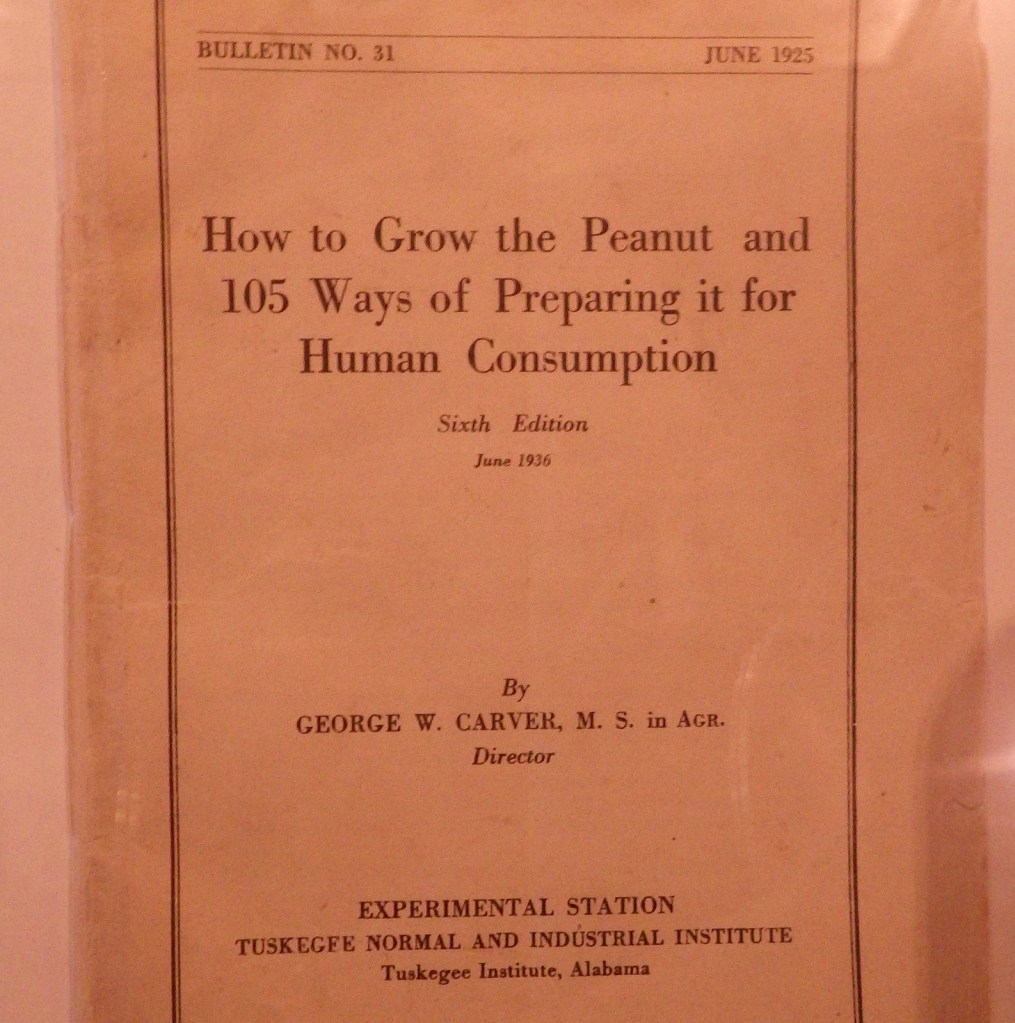
In southwestern Missouri is 210-acre George Washington Carver National Monument where the artist and inventor was born into slavery.  Near the end of the Civil War, raiders captured he and his mother (who was never seen again), but he was returned to his older brother and they were both raised by the Carver family.  He went on to earn a master’s degree in botany from Iowa State University in 1896 and work at Tuskegee Institute in Alabama for 47 years.  His most influential legacy is arguably his outreach work marketing peanut and soy plants, helping to turn them into the widespread agricultural products they are today.

Highlights

Museum, films, bronze sculptures, 1881 Moses Carver House, Williams Pond

Must-Do Activity

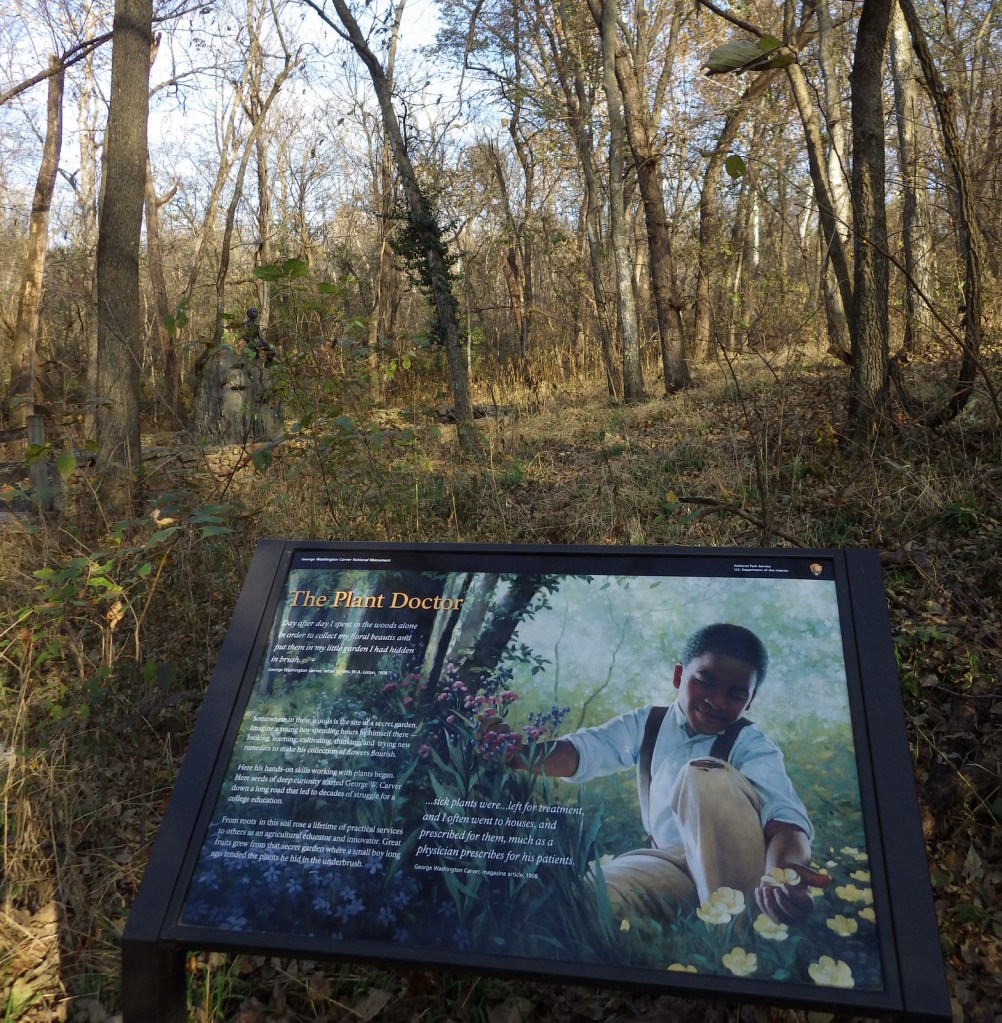
The National Monument has an excellent museum with interactive exhibits and examples of Carver’s paintings.  A self-guided 0.75-mile trail passes several bronze sculptures and interpretive signs.  It leads through the forest to Williams Pond and a house that dates back to 1881.  George Washington Carver’s spirit lives on at this site, inspiring future generations to great aspirations despite humble beginnings.

Best Trail

The self-guided 0.75-mile trail loops from the visitor center and is partially wheelchair accessible.

Instagram-worthy Photo

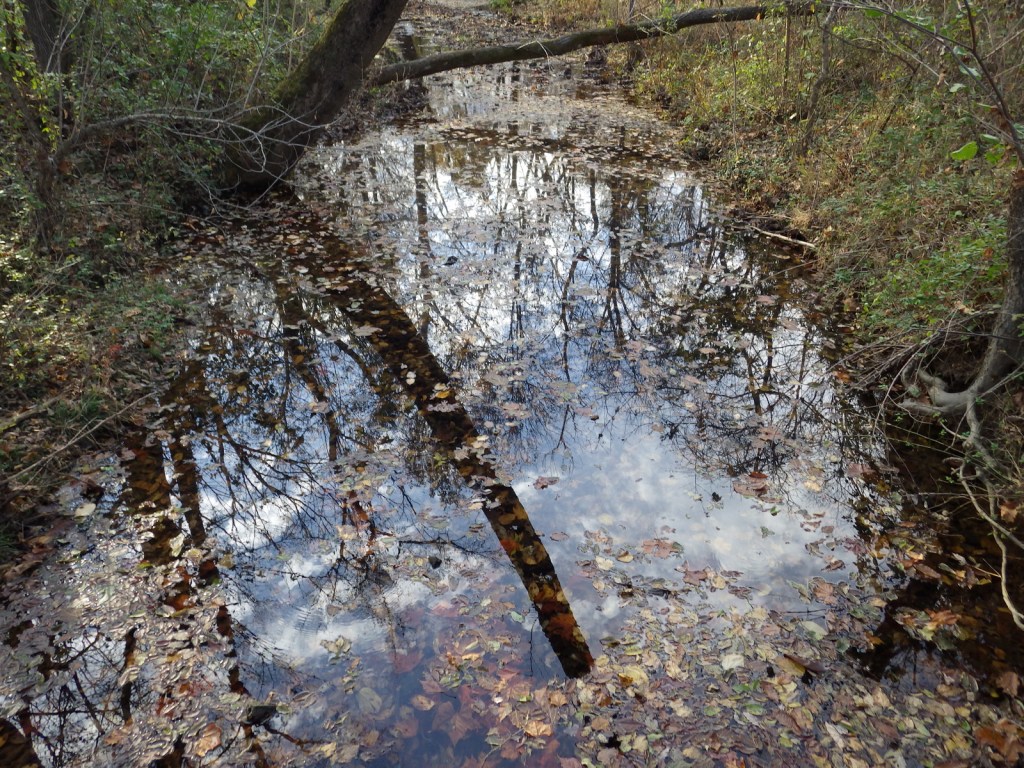
Williams Pond is a nice place to sit and contemplate what each of us can accomplish regardless of how we start.

Peak Season

Summer

Hours

https://www.nps.gov/gwca/planyourvisit/hours.htm

Fees

None

Road Conditions

All roads paved

Camping

There are private campgrounds around Joplin, Missouri and 50 miles away is Roaring River State Park.

Related Sites

Booker T. Washington National Monument (Virginia)

Tuskegee Institute National Historic Site (Alabama)

Wilson’s Creek National Battlefield (Missouri)

Explore More – When was the year the National Monument was dedicated, which was the same year Carver died?

Booker T. Washington National Monument

Overview

Booker T. Washington was born in 1856 on this small plantation farm in Hardy, Virginia and freed shortly after the Confederate army’s surrender at nearby Appomattox Court House.  He went on to earn an education and found the groundbreaking Tuskegee Institute in 1881.  Rather than dwelling on his horrible past, Washington was inspired to work hard and maintain an indefatigable spirit.  Later in life he wrote in his book Up From Slavery: “There was no period of my life that was devoted to play… From the time that I can remember anything, almost every day of my life has been occupied in some kind of labor.”

Highlights

Museum, film, reconstructed buildings, farm animals, Jack-O-Lantern Branch Trail

Must-Do Activity

A bronze bust of Booker T. Washington is the first thing visitors see when they approach the National Monument.  The National Park Service (NPS) has reconstructed several buildings on the farm in a style consistent with the 1850s, as seen on the quarter-mile self-guided trail.  The NPS keeps livestock similar to that which was here at the time, including pigs, cattle, chickens, turkeys, and ducks.  This site demonstrates that antebellum life in the South was not all aristocrats on large plantations. 

Best Trail

The Jack-O-Lantern Branch Trail winds 1.5 miles through the forest and fields.

Instagram-worthy Photo

None of the original buildings survive, but several have been reconstructed, including the birthplace cabin of Booker T. Washington.

Peak Season

Summer

Hours

https://www.nps.gov/bowa/planyourvisit/hours.htm

Fees

None

Road Conditions

All roads paved

Camping

Roanoke Mountain Campground is run by the NPS on the Blue Ridge Parkway 19 miles northwest of the monument.

Related Sites

Tuskegee Institute National Historic Site (Alabama)

George Washington Carver National Monument (Missouri)

Shenandoah National Park (Virginia)

Explore More – Washington graduated from what school for ex-slaves in 1875, which inspired him to establish Tuskegee Institute in Alabama?

Joshua Tree National Park

Overview

This National Park in southern California is named for a tall yucca plant that grows there in large numbers, but it also contains many other interesting desert life forms and neat rock formations.  In the less-developed southern portion of the park, be sure to stop at the palm trees at Cottonwood Spring, Cholla Cactus Garden, and Ocotillo Patch to learn more about how these unique plants have adapted to survive the harsh desert conditions. 

Learn more in our guidebook to the 62 National Parks, A Park to Yourself: Finding Adventure in America’s National Parks (available on Amazon).
Highlights

Jumbo Rocks, Keys View, Arch Rock, Cottonwood Spring, rock climbing

Must-Do Activity

Due to its proximity to Los Angeles, the park gets very busy on Easter weekend (in addition to Thanksgiving weekend).  Campgrounds, like scenic Jumbo Rocks, fill up early.  Other than rock climbing opportunities, the biggest attraction is the myriad of colorful wildflowers that bloom in the spring (including the Joshua trees).

Best Trail

There are many fun hiking options located throughout the park (which are detailed in our guidebook).  At White Tank Campground you can pick up the Arch Rock Nature Trail, which forms a short loop that passes an interesting arch.

Instagram-worthy Photo

Chuckwallas are huge lizards that can grow up to 18 inches long and are related to iguanas.  Chuckwallas can inflate themselves as a defense mechanism so that predators cannot remove them from narrow cracks in the rock. 

Peak Season

Spring and fall

Hours

https://www.nps.gov/jotr/planyourvisit/hours.htm

Fees

$30 per vehicle or America the Beautiful pass

Road Conditions

All major roads are paved, but there are many dirt roads to explore with the right vehicle.

Camping

There are numerous NPS campgrounds located throughout the park, and some take reservations.  The scenic Jumbo Rocks Campground is popular with rock climbers.

Related Sites

Death Valley National Park (California)

Mojave National Preserve (California)

Castle Mountains National Monument (California)
This design we created to celebrate Joshua Tree National Park is available on a variety of products at Cafe Press and Amazon.

Explore More – How tall can Joshua trees grow?

We are a participant in the Amazon Services LLC Associates Program, an affiliate advertising program designed to provide a means for us to earn fees by linking to Amazon.com and affiliated sites.
Big Cypress National Preserve

Overview

Big Cypress National Preserve was originally planned to be a part of Everglades National Park (established in 1947), but this wild area to the north did not gain federal protection until 1974.  There are few roads and trails in the 729,000-acre preserve, which makes it ideal habitat for the endangered Florida panther.  The easiest access points are along Alligator Alley (Interstate 75) or the Tamiami Trail (Highway 41).  While many of the “trails” require route-finding and slogging through deep water, there are also designated ATV and canoe trails located throughout the park.

Highlights

Kirby Storter Roadside Park, Big Cypress Bend Trail, canoeing

Must-Do Activity

Many of the baldcypress and pond cypress trees that once stood here were logged in the 1930s and 1940s.  At the Kirby Storter Roadside Park, you can still see some large examples of these trees famous for their buttressed boles and root nodules, or “knees,” that stand above the high water level.  We previously reported on these unique deciduous conifers at Congaree National Park in South Carolina, but here they grow right alongside tall palm trees that we typically associate with sandy beaches. 

Best Trail

Many of the trails in the park are underwater and require slogging.  Two exceptions with boardwalks are at Kirby Storter Roadside Park and Big Cypress Bend (technically within Fakahatchee Strand Preserve State Park).

Instagram-worthy Photo

Wherever you look, you are likely to spot an alligator or two in this wild section of south Florida.  An extra photo-op can be found at the smallest post office in the United States, a former irrigation pipe shed located in Ochopee, Florida since 1953.

Peak Season

Winter

Hours

https://www.nps.gov/bicy/planyourvisit/hours.htm

Fees

None (except for off-road vehicle permits)

Road Conditions

Highway 41 and Interstate 75 are paved, but just about every other road in the park is sandy (and/or submerged) and should only be attempted with an ATV or swamp buggy.

Camping

The NPS offers two campgrounds along Highway 41 (there is also one in Collier-Seminole State Park), as well as designated primitive wilderness sites.

Related Sites

Everglades National Park (Florida)

De Soto National Memorial (Florida)

Big Thicket National Preserve (Texas)

Explore More – What are the five main habitat types protected within the preserve?

Chesapeake and Ohio Canal National Historical Park

Overview

The Chesapeake and Ohio (C&O) Canal was supposed to connect ports in Washington, D.C. with the Ohio River, but it never reached its destination before the Baltimore and Ohio (B&O) Railroad rendered it obsolete in 1850.  It employed 35,000 laborers (mostly European immigrants) during its 22 years of construction and eventually carried coal out of the Appalachian Mountains for decades.  The canal closed in 1924, but it left behind indelible historic landmarks like locks, dams, aqueducts, historic hotels, and a 3,118-foot long tunnel.

Highlights

Historic locks, boat tours, Great Falls Tavern, boating

Must-Do Activity

C&O Canal National Historical Park is run by the National Park Service (NPS) and offers multiple free visitor centers along the route that are open seasonally.  Near Washington, D.C. both the Great Falls Tavern and Georgetown Visitor Centers offer mule-drawn canal boat rides on a first-come, first-served basis April through October.  We enjoyed touring the historic locks of the canal in Hancock, Maryland after visiting Catoctin Mountain Park and Antietam National Battlefield.

Best Trail

Today you can walk and bike the graded 184.5-mile towpath that follows the Potomac River, camping at designated sites along the way if you choose.

Instagram-worthy Photo

The canal locks at Hancock, Maryland became part of the park that was created in 1971.  The boarding house located there now serves as an NPS visitor center.

Peak Season

Summer, as most of the visitor centers are closed seasonally

Hours

https://www.nps.gov/choh/planyourvisit/hours.htm

Fees

None, except at Great Falls Tavern

Road Conditions

All roads paved

Camping

There are primitive drive-in camping areas at five spots along the canal path, as well as 30 backpacking campsites spaced approximately five miles apart.  There is also a nice NPS campground at Catoctin Mountain Park in Maryland.

Related Sites

George Washington Memorial Parkway (Virginia-Maryland)

Harpers Ferry National Historical Park (West Virginia-Maryland-Virginia)

Allegheny Portage Railroad National Historic Site (Pennsylvania)

Explore More – At its peak of operation, how many mule-drawn boats were in service on the C&O Canal?