Tag Archives: fossils

Malheur National Forest

Malheur National Forest

Oregon

Managed by U.S. Forest Service, Pacific Northwest Region

1,541,723 (1,465,287 federal/ 76,436 other)

Website: https://www.fs.usda.gov/r06/malheur

Overview

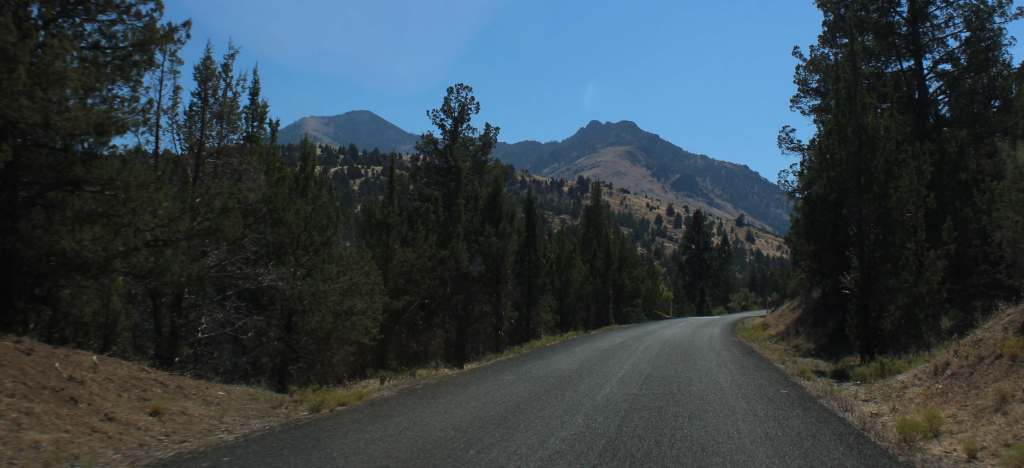
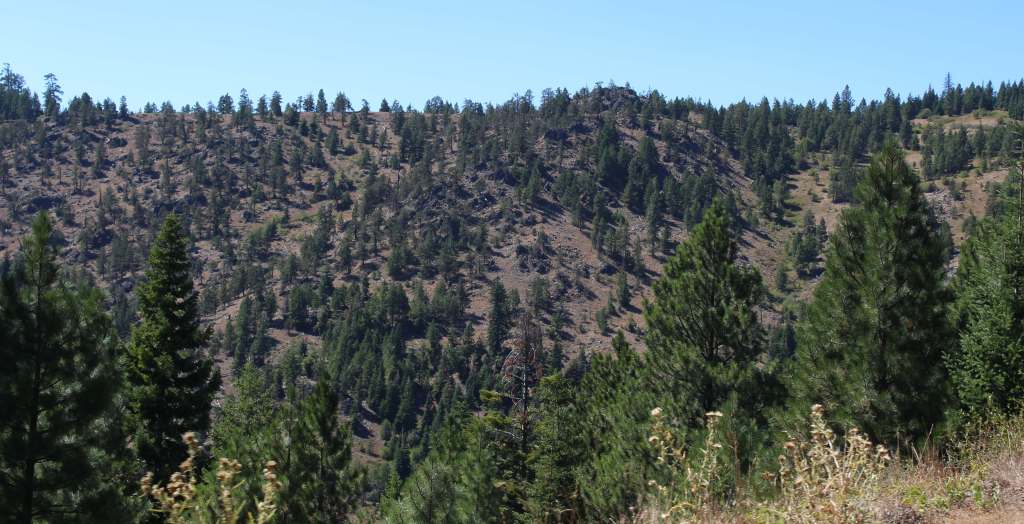
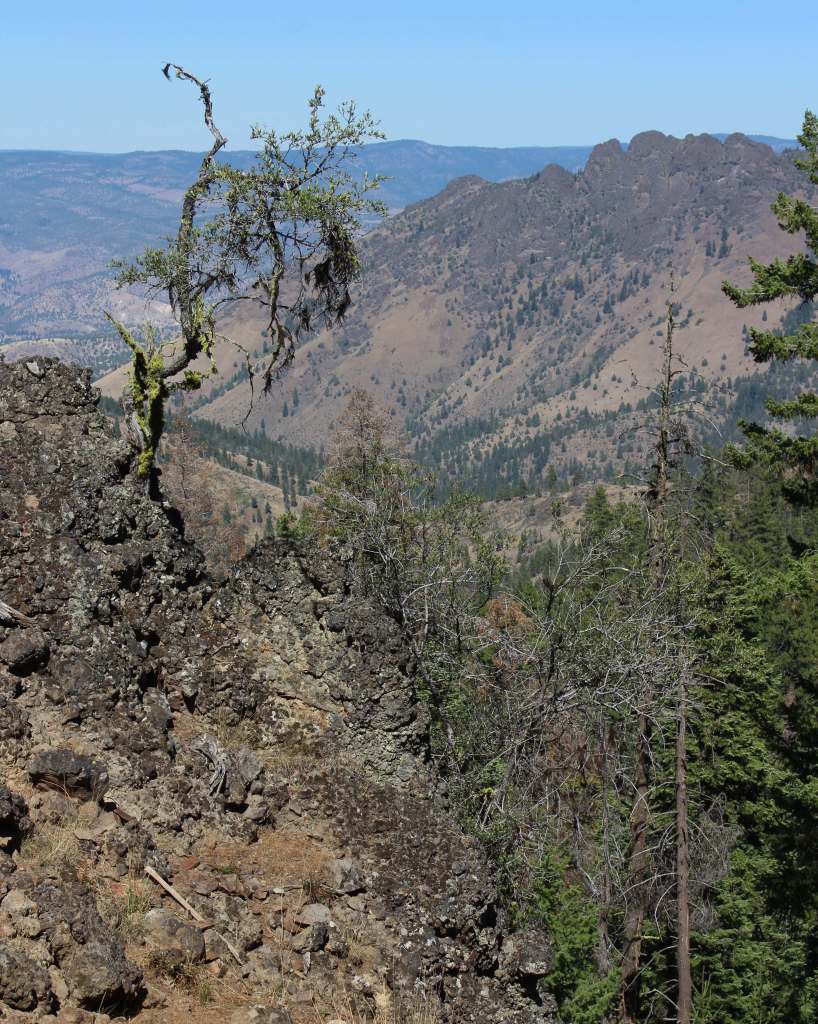
In central Oregon, Malheur National Forest encompasses the Strawberry Range and Aldrich Mountains that run into the Blue Mountains.  Much of its area is high desert, with grasslands, sagebrush, and juniper the predominant vegetation.  Malheur National Forest contains the “Humongous Fungus,” a honey fungus (Armillaria solidipes) that spans 2,200 acres and is considered the largest known organism by area in the world.  It is located mostly underground, high on a ridgeline immediately west of Clear Creek (44.4731°N 118.4816°W).

Highlights

Journey Through Time Scenic Byway, Cedar Grove Botanical Area, Yellowjacket Reservoir, Indian Rock-Vinegar Hill Scenic Area, Swick Old Growth Interpretive Site, Rosebud Creek, Arch Rock, Magone Lake, Tamarack Creek Trail, McClellan Mountain Trail

Must-Do Activity

The northeast corner of the National Forest includes the 4,000-acre Indian Rock-Vinegar Hill Scenic Area with its beautiful alpine meadows that bloom high in the Greenhorn Mountains.  For geology enthusiasts, Arch Rock is an easy hike to a 15-foot opening in soft ashflow tuff, Tex Creek has a natural bridge, and fossilized shells are found around Rosebud Creek.

Best Trail

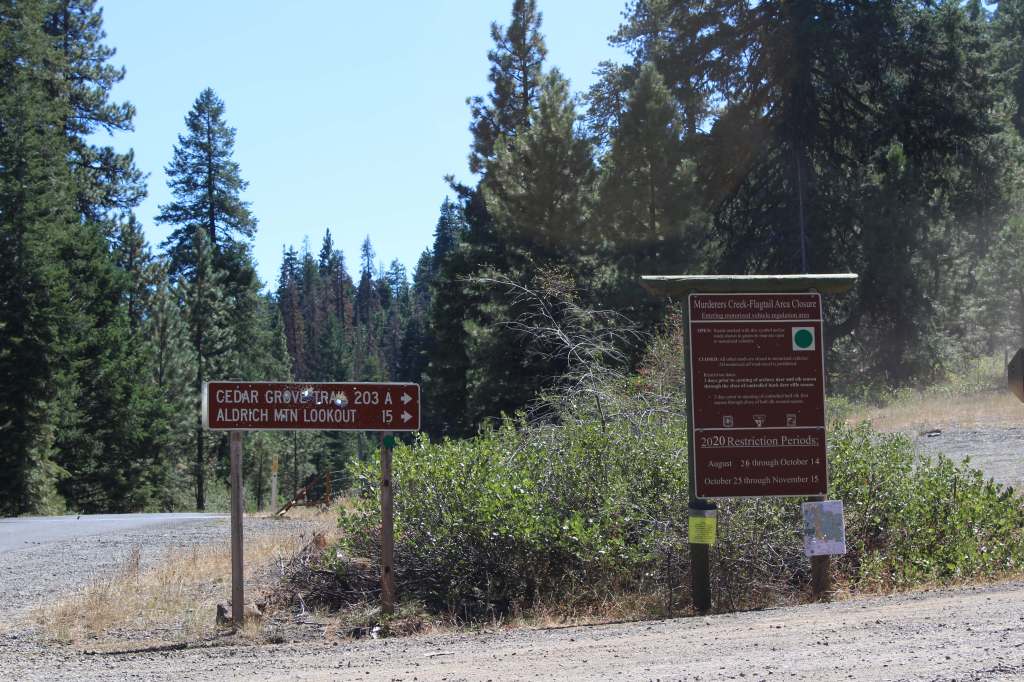
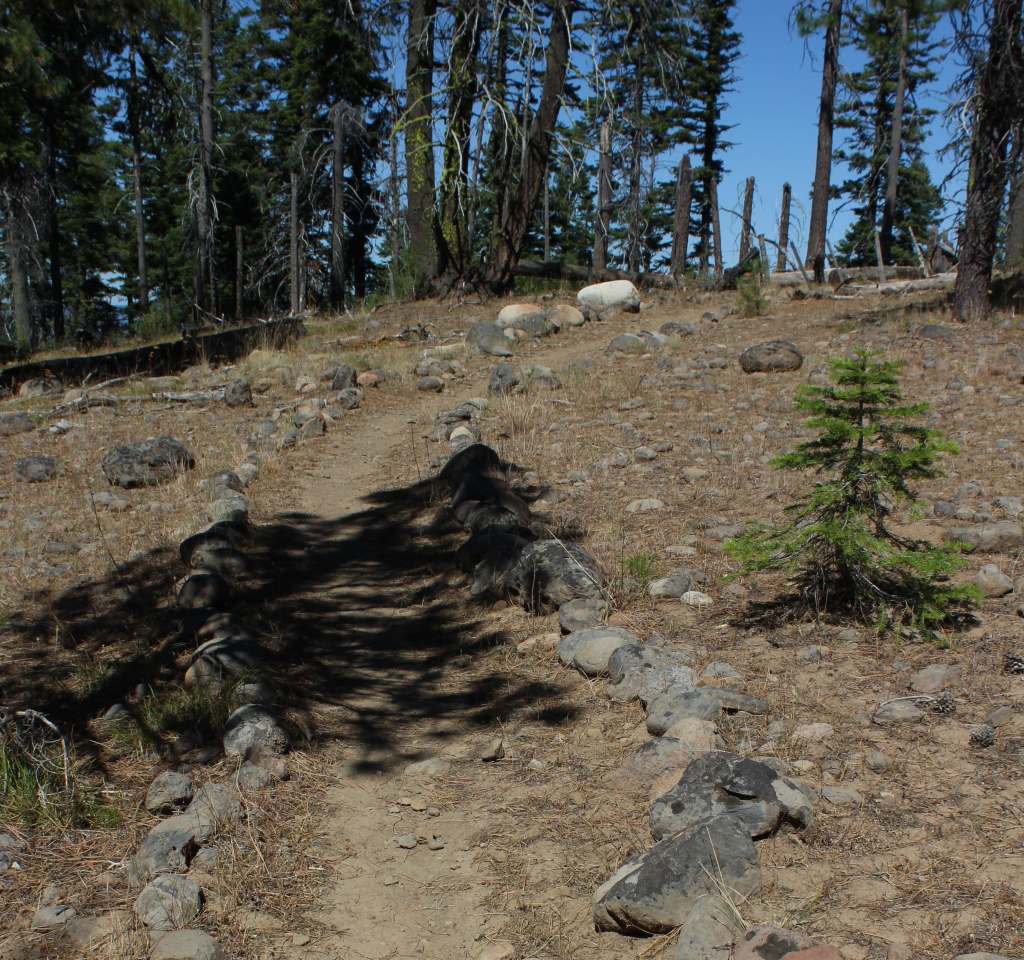
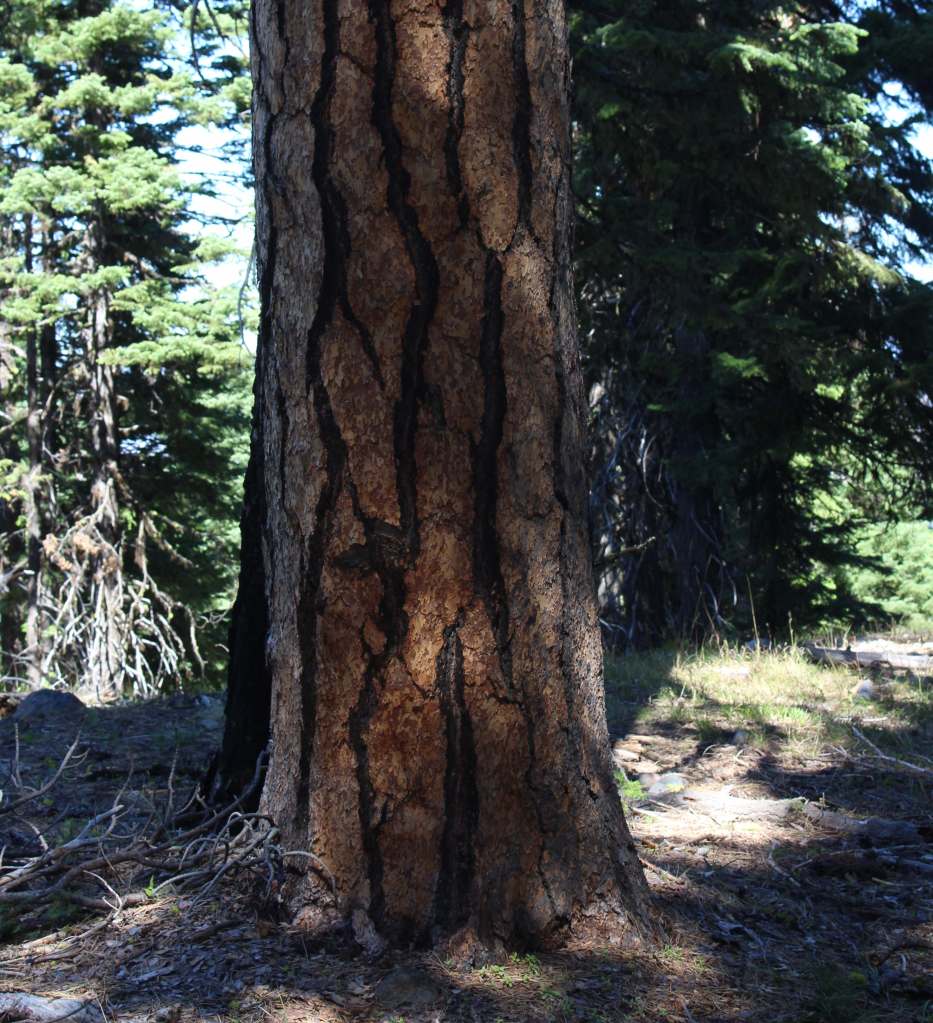
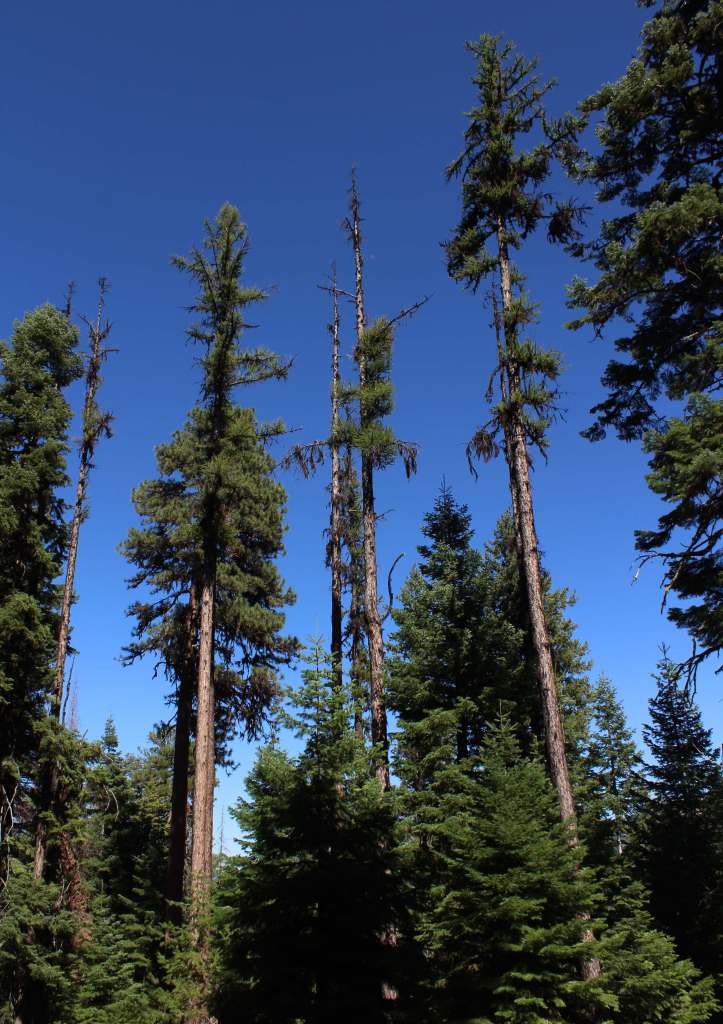
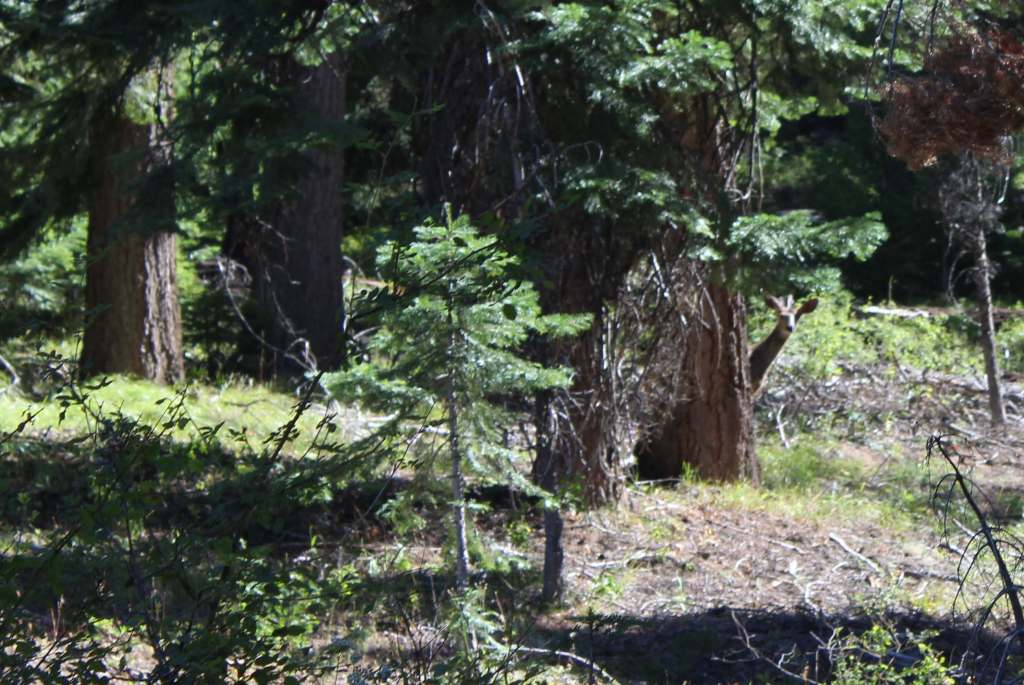
In the Aldrich Mountains, Cedar Grove Botanical Area preserves the only stand of yellow-cedars found east of the Cascade Range.  Some of these trees are more than 300 years old, hanging on for life along Buck Cabin Creek where a fire recently burned more than half of the 60-acre stand.  Access is by a National Recreation Trail, which drops precipitously into the grove, making for a strenuous hike out.  The trail is lined with plant identification placards and was pocked with deer hoofprints when we visited.  The trailhead is well-marked, located 5.5 miles down a dirt road after climbing ten miles on paved Forest Road 21 south of Highway 26.  Check conditions before departing, as some roads may be closed within the Rail Ridge Fire area.

Watchable Wildlife

Elevations in Malheur National Forest range from 4,000 feet up to the top of 9,038-foot Strawberry Mountain.  Elk, pronghorn, and mule deer are large ungulates found here.  Carnivorous mammals include black bears, coyotes, mountain lions, and bobcats that roam the high desert environment.  Large birds frequently seen are bald eagles, Canada geese, mallards, and whistling swans.  Streams and lakes found throughout the National Forest support a variety of gamefish, including trout.  To the south, Malheur National Wildlife Refuge encompasses 185,000 acres of marshes, meadows, and man-made ponds that provide habitat crucial for bird nesting and migration. 

Photographic Opportunity

I did my M.S. research project on yellow-cedar (Callitropsis nootkatensis), so I had to visit Cedar Grove Botanical Area.  The trees are a popular ornamental species best known for their drooping branches and shallow root systems that allow them to survive in extremely wet soils.  Found from sea level up to 7,000 feet, they regularly live more than 1,000 years, growing slowly with chemicals compounds that prevent wood rot.

Peak Season

Summer

Fees

None

Road Conditions

Highway 395 runs north-south through the National Forest, while Highway 26 runs east-west.  The dirt roads we drove to access Cedar Grove Botanical Area were in good condition, although dry and dusty at the end of the summer.

Camping

There are numerous campgrounds in Malheur National Forest; none take reservations and some have fees that apply from May through October.  Some campgrounds are free, like Cane Crossing, Crescent, and Elk Creek, and dispersed camping is also allowed.

Wilderness Areas

Monument Rock Wilderness (also in Whitman National Forest)

Strawberry Mountain Wilderness

Related Sites

John Day Fossil Beds National Monument (Oregon)

Newberry National Volcanic Monument (Oregon)

Fremont National Forest (Oregon)

Nearest National Park

Crater Lake

Conifer Tree Species

ponderosa pine, Douglas-fir, grand fir, white fir, yellow-cedar, western juniper

Flowering Tree Species

curlleaf mountain mahogany, sagebrush

Explore More – The Malheur River is named for the French word for “misfortune;” why was it given that name?

Learn more about this and the 154 other National Forests in our new guidebook Out in the Woods

Waco Mammoth National Monument

Overview

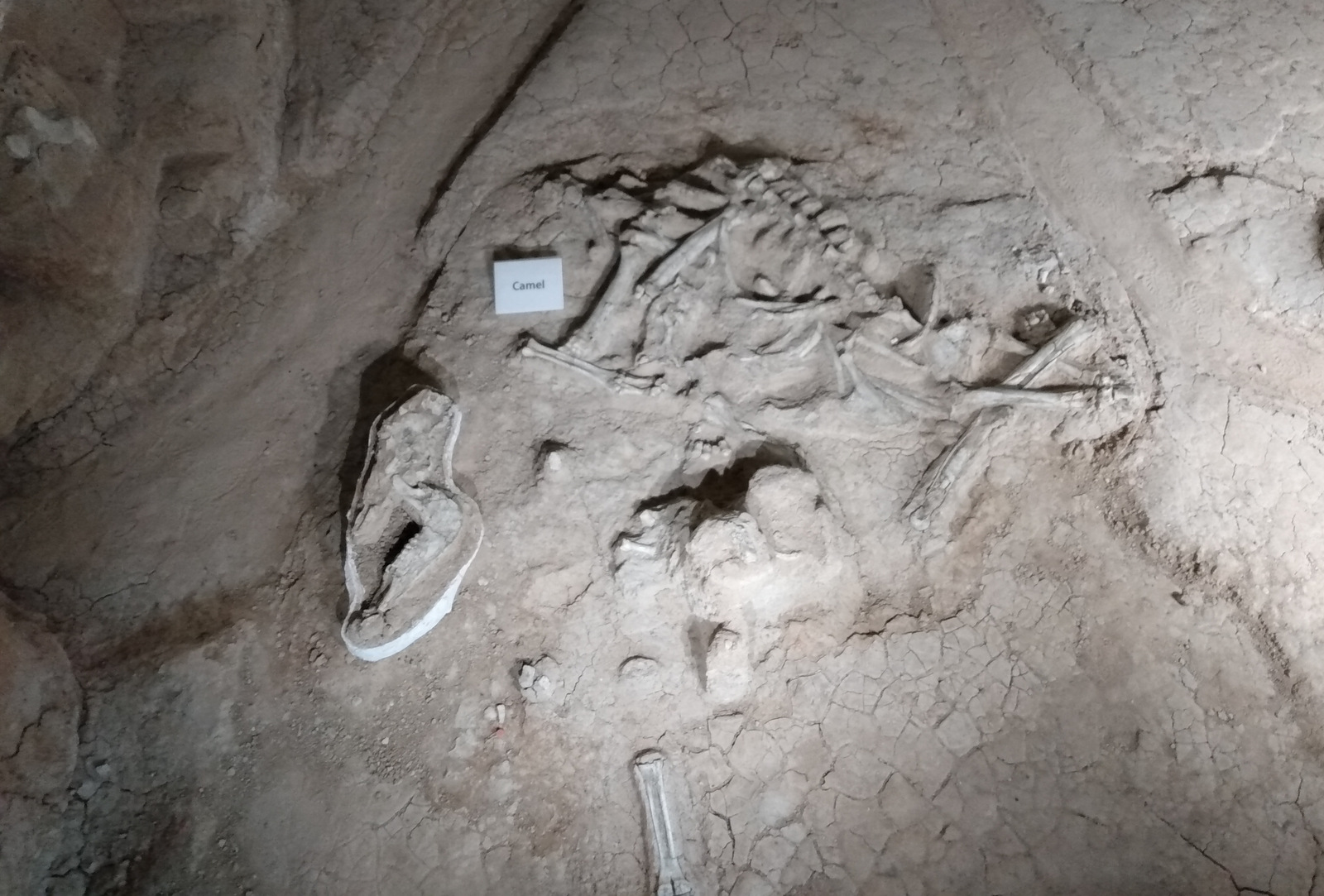
Columbian mammoths grew up to 14 feet in height, much larger than woolly mammoths that reached about 10 feet.  About 65,000 years ago, a nursery herd of Columbian mammoths died in a ravine here due to unknown causes, possibly a flood or drought.  Then about 51,000 years ago, another three mammoths died at the same spot before the onset of a new glacial period.  Many of the fossils have been left in situ within the Dig Shelter, but others are on display at Baylor University’s Mayborn Museum Complex.

Highlights

Dig Shelter tour, Eagle Trail

Must-Do Activity

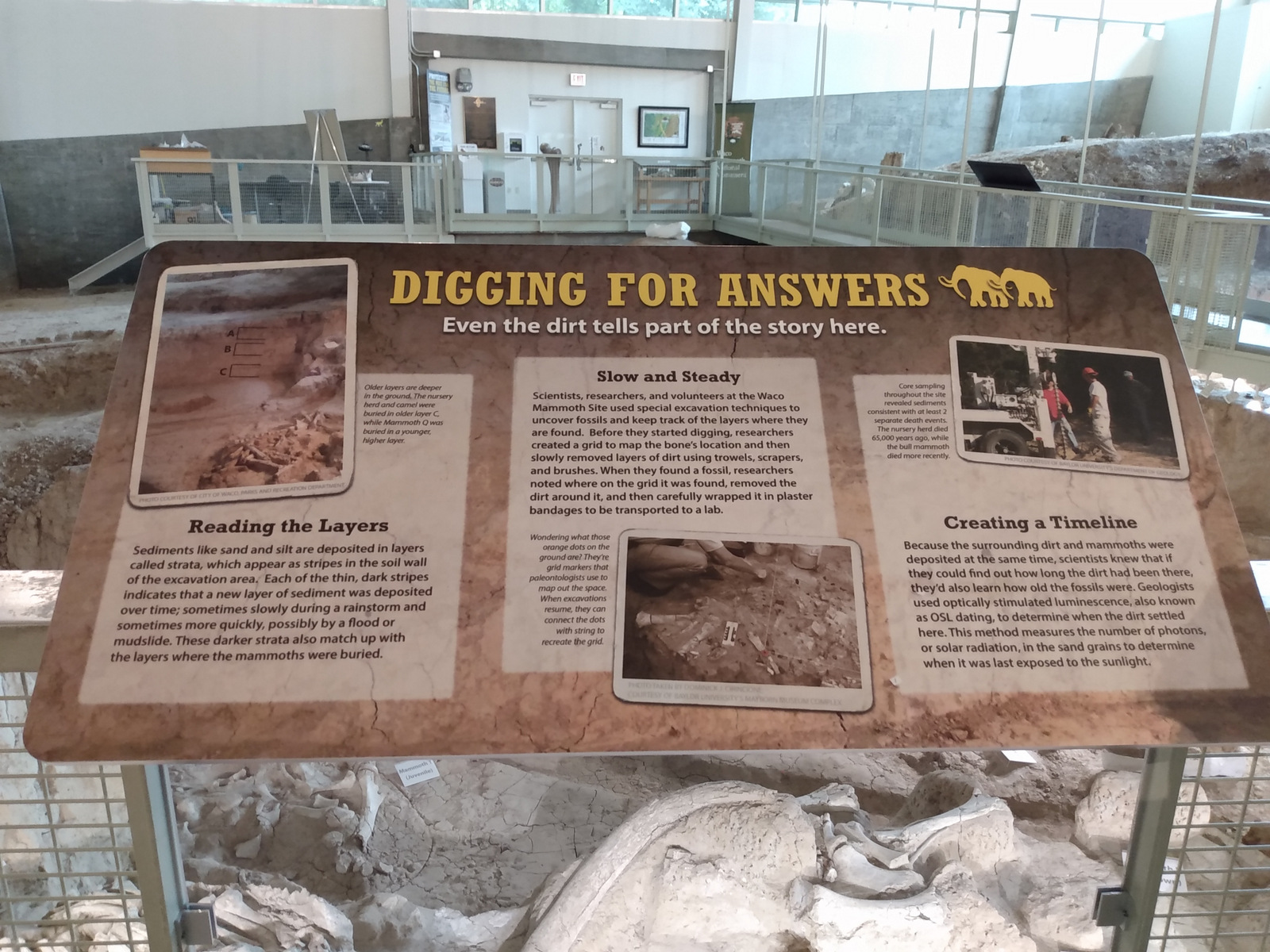
Established in 2015, this National Monument was already developed for visitors by the city of Waco and Baylor University.  As such, annual America the Beautiful passes provide no discount for the guided tour to the Dig Shelter where the 65,000-year-old Columbian mammoth and camel bones have been excavated.  First discovered in 1978, this dig site has since had a building constructed around it, making it a pleasant place to visit year round.

Best Trail

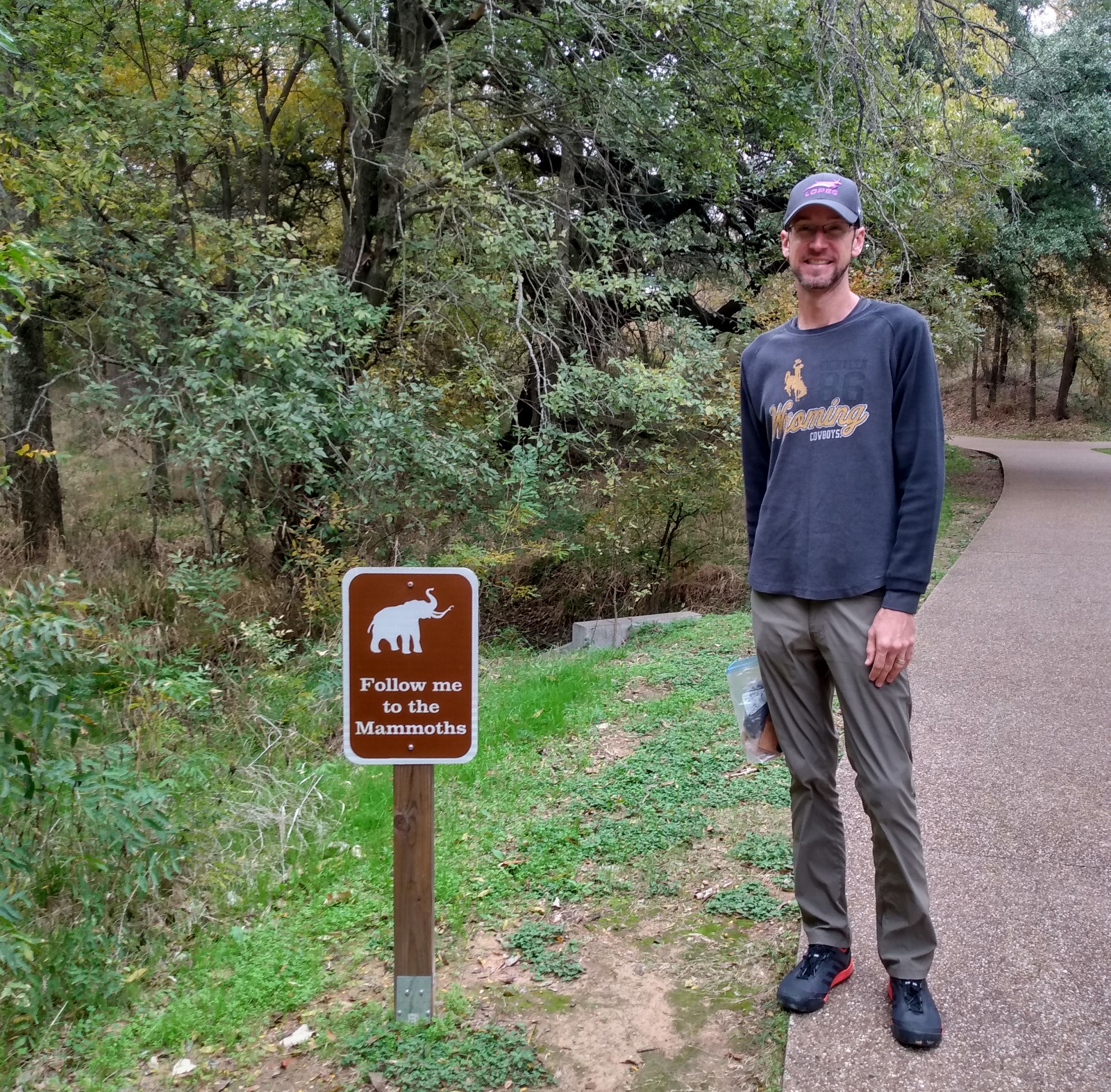
From the paved Mammoth Trail, there is the short Deer Loop that connects to the longer Eagle Trail.  Located south of Waco Mammoth National Monument, Cameron Park in Waco has trails along the Brazos and Bosque Rivers.

Instagram-worthy Photo

The Dig Shelter is only viewable on a guided tour (admission charged).

Peak Season

Spring and fall

Hours

https://www.nps.gov/waco/planyourvisit/hours.htm

Fees

$5 per person for the tour (no discount for America the Beautiful pass)

Road Conditions

All roads paved

Camping

Many private campgrounds can be found around Waco, Texas, in addition to six Corps of Engineers campgrounds on Waco Lake that take reservations.

Related Sites

Alibates Flint Quarries National Monument (Texas)

Guadalupe Mountains National Park (Texas)

Agate Fossil Beds National Monument (Nebraska)

Explore More – A small tooth was discovered here from a cub of what fearsome Ice Age predator?

Amistad National Recreation Area

Overview

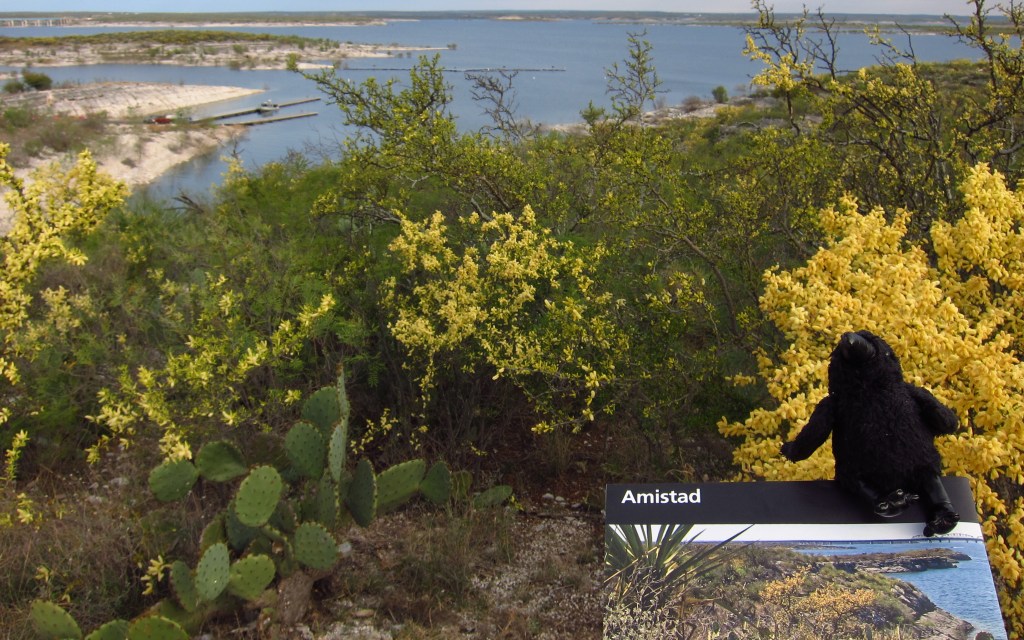
Amistad translates as “friendship” from Spanish, which is fitting given that this reservoir is shared by the U.S. and Mexico.  Marinas and boat ramps provide access to the lake for watersports, like fishing and waterskiing.  The 254-foot tall dam across the Rio Grande was built in 1968 and serves as a customs station in Del Rio, Texas.  The National Park Service (NPS) runs a free museum nearby.

Highlights

Panther Cave pictographs, Seminole Canyon State Park, watersports

Must-Do Activity

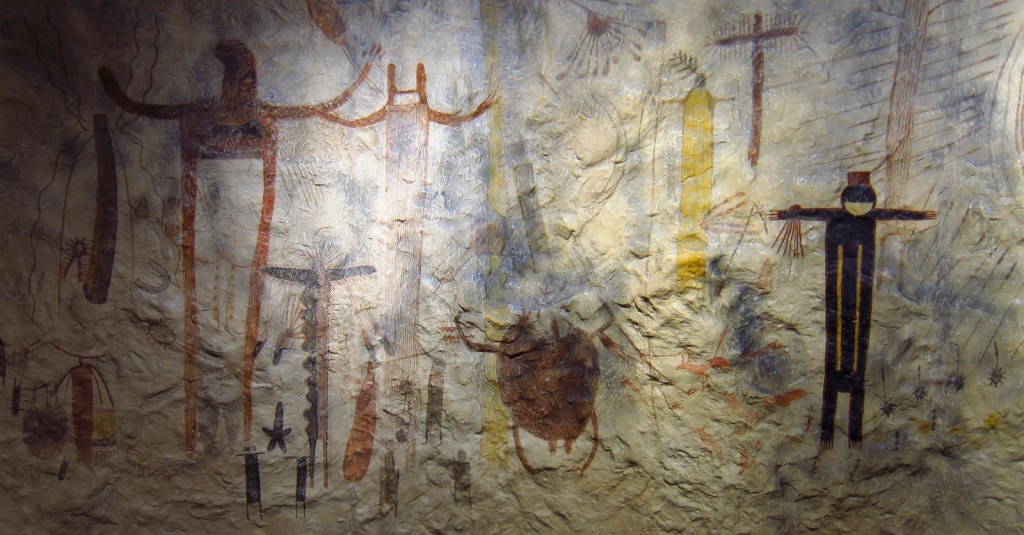
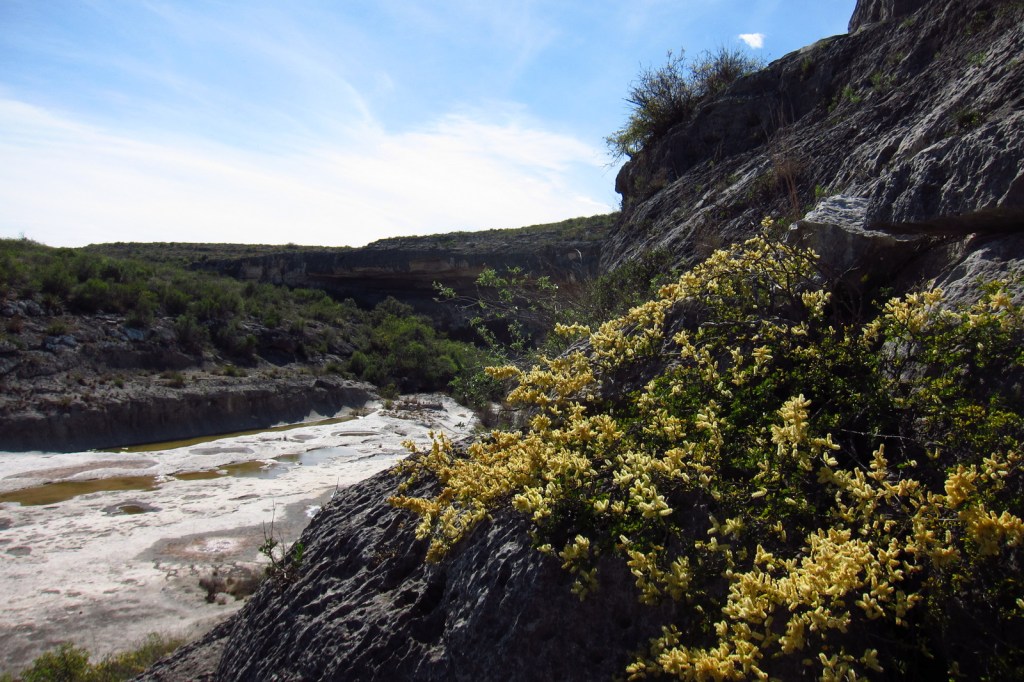
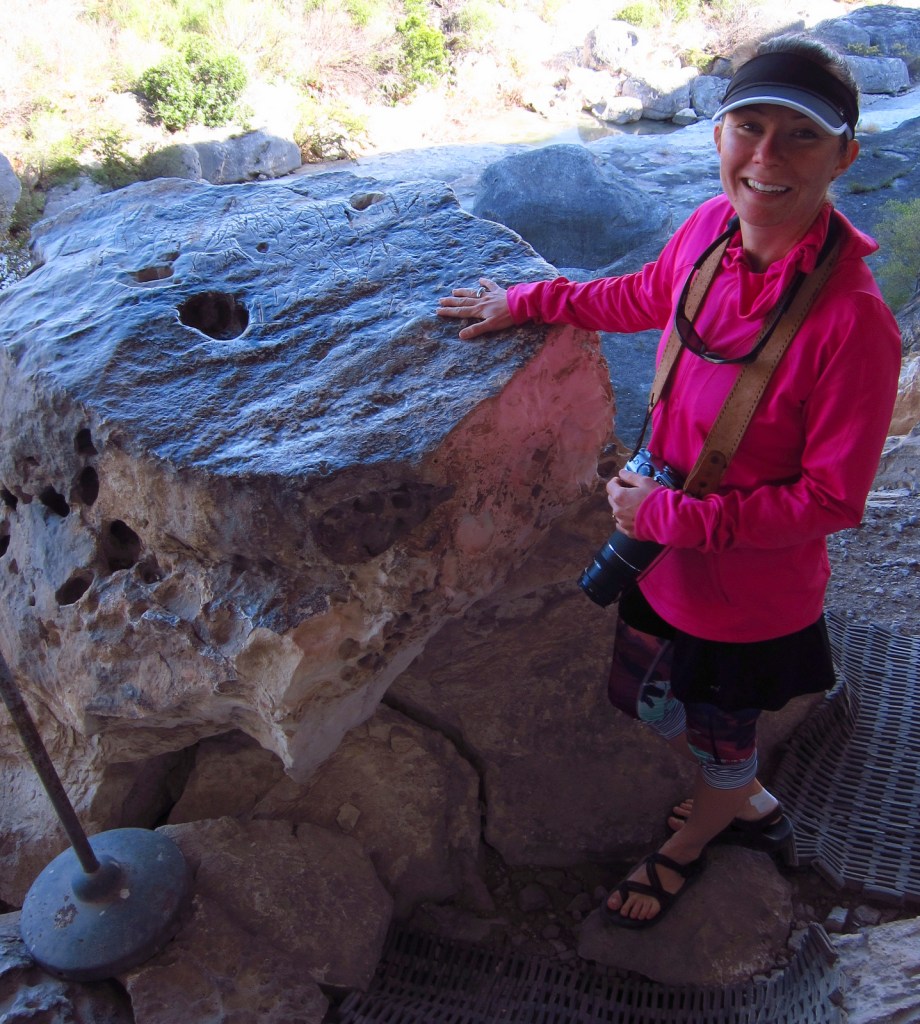
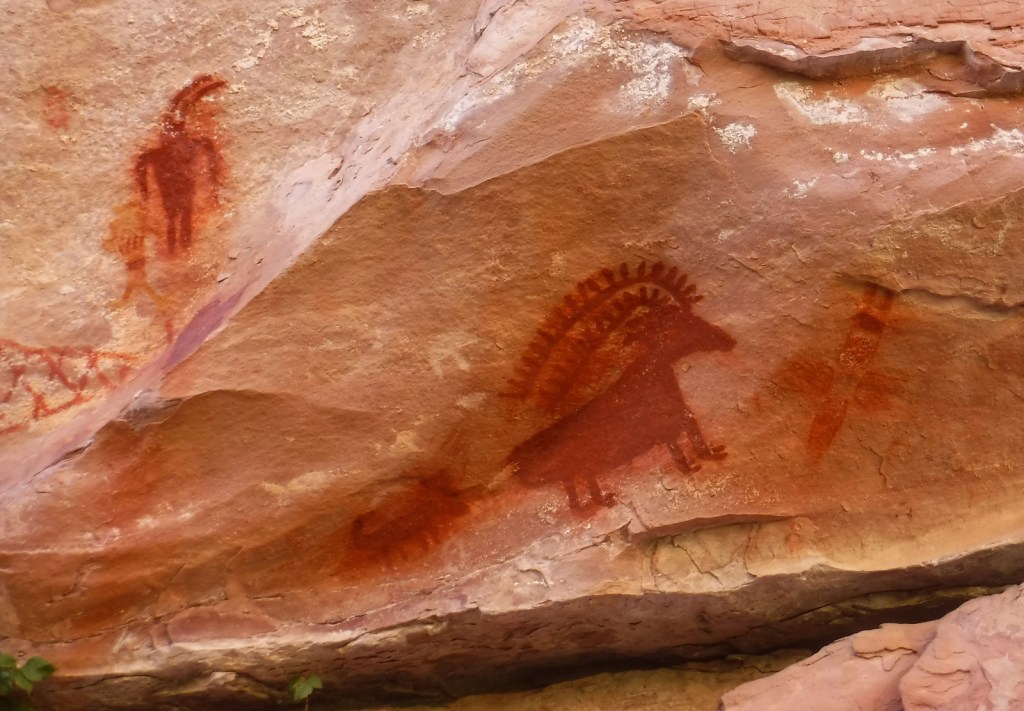
Amistad National Recreation Area is also famous for its 4,000-year-old pictographs, which can most easily be accessed on guided tours of Seminole Canyon State Park, 45 miles outside Del Rio, Texas on Highway 90.  Admission is charged for the museum and tour, but provides the only way to see the colorful artwork in Fate Bell Shelter.  Viewing fossils in the limestone was an added bonus on the tour.

Best Trail

The pictographs in Panther Cave can be seen from afar by hiking a trail in the state park or up-close by boating to the dock and climbing a steep stairway. 

Instagram-worthy Photo

If you are unable to hike down into the canyon, the Seminole Canyon State Park museum has a replica of the rock art.

Peak Season

Summer

Hours

https://www.nps.gov/amis/planyourvisit/hours.htm

Fees

Boating passes start at $4 for a 1-day pass, $8 per person to tour Seminole Canyon State Park

Road Conditions

All major roads paved

Camping

Two NPS campgrounds are available at Governors Landing and San Pedro and there is a campground at Seminole Canyon State Park.

Related Sites

Alibates Flint Quarries National Monument (Texas)

Waco Mammoth National Monument (Texas)

Canyonlands National Park (Utah)

Explore More – How many miles of the Rio Grande do the park’s boundaries encompass?

Dinosaur National Monument

Overview

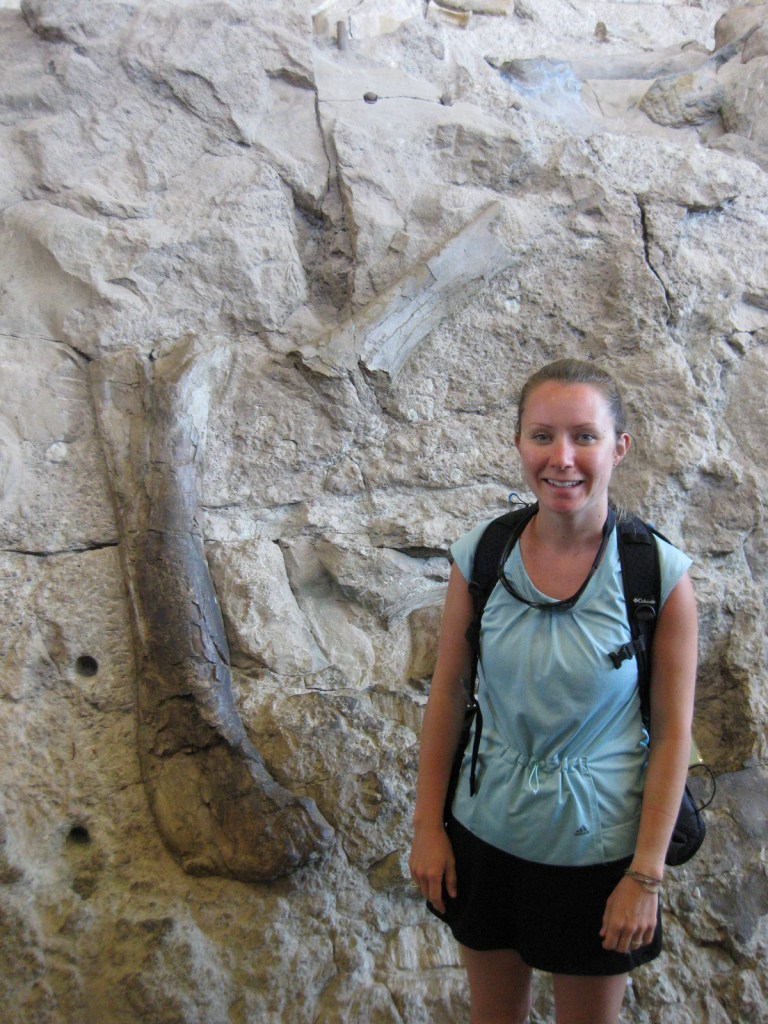
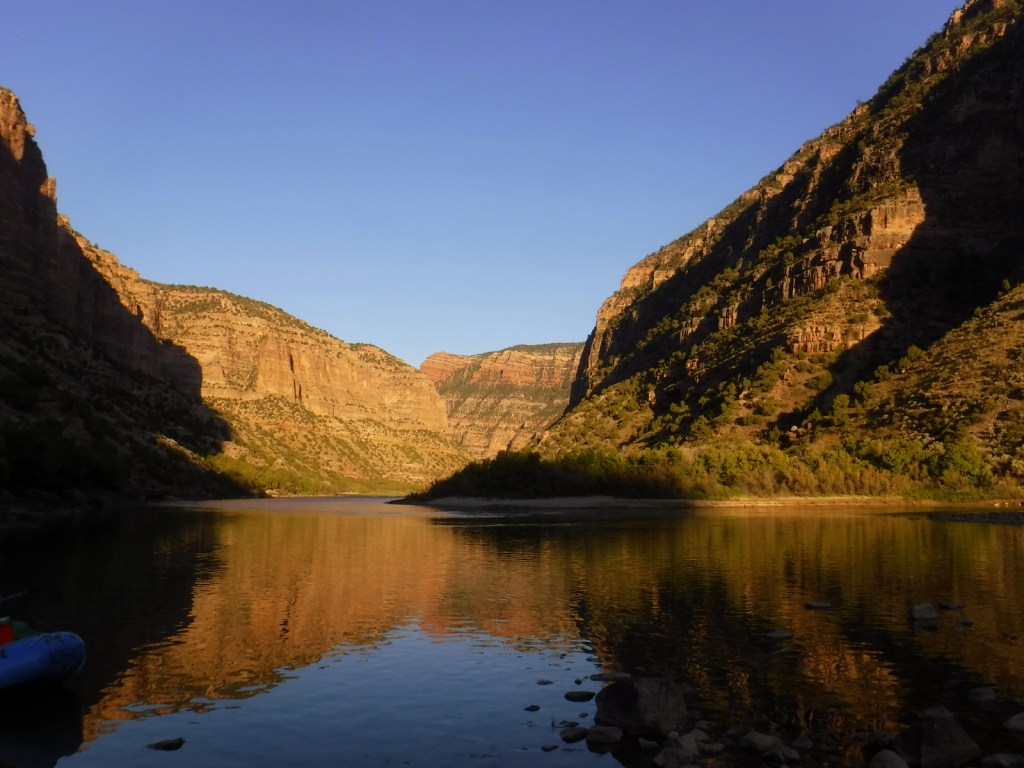
As its name suggests, Dinosaur National Monument was first created in 1915 to protect an archaeological dig.  The 200-foot long wall of unexcavated fossils at Dinosaur Quarry outside Jensen, Utah is still the park’s main attraction.  A major addition of 200,000 acres was added in 1938, stretching into the neighboring state of Colorado.  More than 90% of the National Monument (click here to see where it ranks in our Top 10) is managed as wilderness and is best explored by whitewater rafting the Green and Yampa Rivers.

Highlights

Dinosaur Quarry, Harpers Corner Road, Fremont pictographs, Jones Hole Trail, whitewater rafting

Must-Do Activity

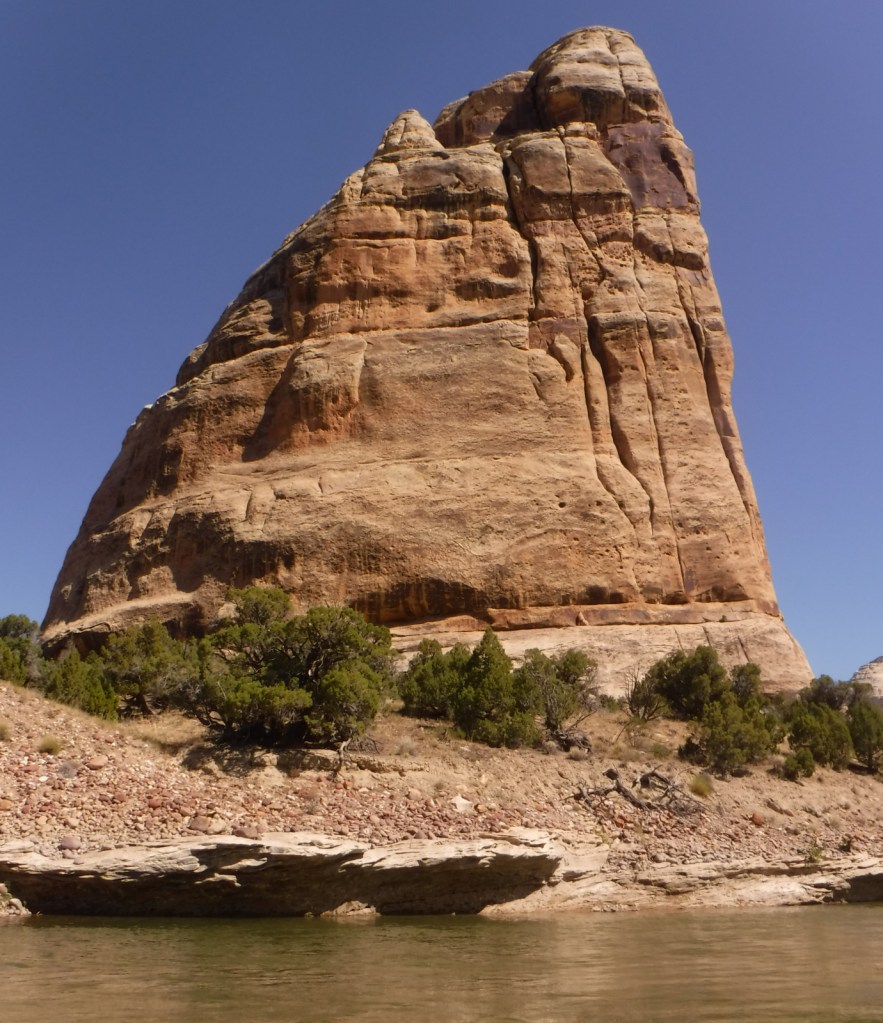
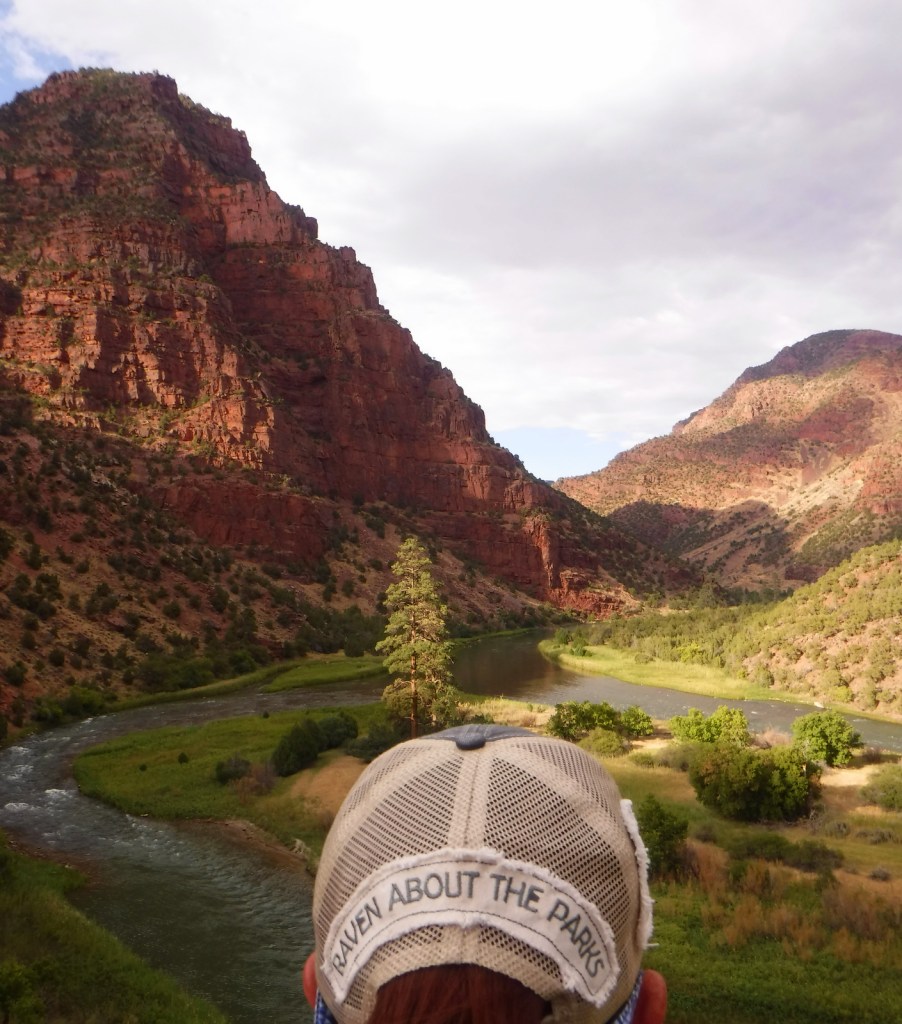
Whitewater rafting trips on the Green River can last a few hours or multiple days depending upon where you put in.  We highly recommend a three night trip starting at the Gates of Lodore with Adrift Dinosaur or one of several other outfitters.  They also offer multi-day trips down the Yampa River, which is undammed and only navigable during the spring snowmelt.  If you do not feel like getting wet, simply enjoy a quiet picnic on the shoreline at easily-accessible Split Mountain (or take a high-clearance vehicle down the rough road to scenic Echo Park).

Best Trail

The 4-mile long Jones Hole Trail is accessible to rafters on the Green River and from a fish hatchery at the end of a paved road near the Utah-Colorado border.  It provides access to Ely Creek Falls and the Deluge Shelter pictographs, which are approximately 800 to 1,400 years old.

Instagram-worthy Photo

Dinosaur Quarry may be the only mountainside in America surrounded by its own glass-enclosed, air-conditioned building.  It contains thousands of fossilized bones of giant creatures sitting in the same place they have been for the past 148-million years.  It is a completely different experience than seeing dinosaur skeletons reconstructed in a museum, although they have those, too. 

Peak Season

Spring and summer

Hours

https://www.nps.gov/dino/planyourvisit/hours.htm

Fees

No entrance fees for the Colorado side, but $25 per vehicle to enter the Utah side to view the Dinosaur Quarry.

Road Conditions

There are many dirt roads in the National Monument, some of which are impassable when wet, so check at a visitor center before entering.  The roads to the Dinosaur Quarry, Jones Hole Trailhead, Deerlodge Park, and Harpers Corner are paved.

Camping

There are several campgrounds within the park accessible by paved or unpaved roads, as well as numerous backcountry campsites located along the Green and Yampa Rivers (plus, one on the Jones Hole Trail). 

Explore More – Who was the one-armed Civil War veteran that led the first exploration of the Green River (and named the Gates of Lodore after a poem) in 1869?

WONDON WAS HERE

Agate Fossil Beds National Monument

Overview

Ancient mammal bones from Agate Fossil Beds can be found in museums around the world.  Excavations began at Carnegie Hill in 1904 and soon thereafter at University Hill to be shipped back to Lincoln, Nebraska.  You would never guess at the thousands of fossils removed from these nondescript hills while hiking the 2.7 miles across the prairie from the National Park Service (NPS) visitor center.

Highlights

Museum, film, Daemonelix Trail

Must-Do Activity

The NPS visitor center has an excellent display of the 20-million-year-old inhabitants of this spot, as well as a great collection of American Indian artifacts.  You can also learn about the mystery of the daemonelix, a corkscrew burrow which baffled researchers until it was eventually discovered to have been formed by palaeocastor, an ancestral land beaver.  
Best Trail

The Daemonelix Trail on the west side of the National Monument allows you to get an up close view of one of the palaeocastor’s corkscrew burrows.  A cast of this exact same formation is on display at the Smithsonian Museum of Natural History in Washington D.C.
Instagram-worthy Photo

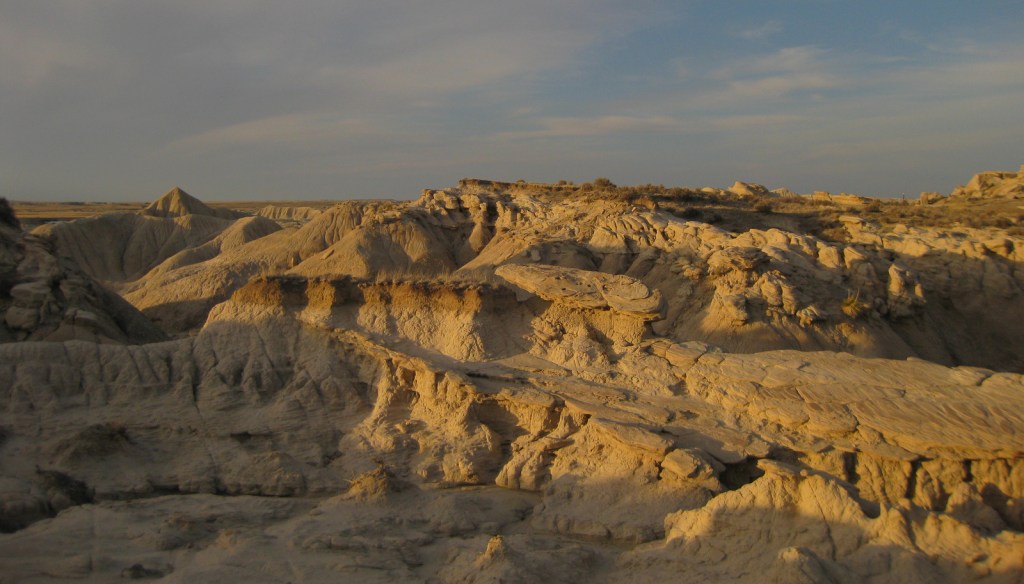
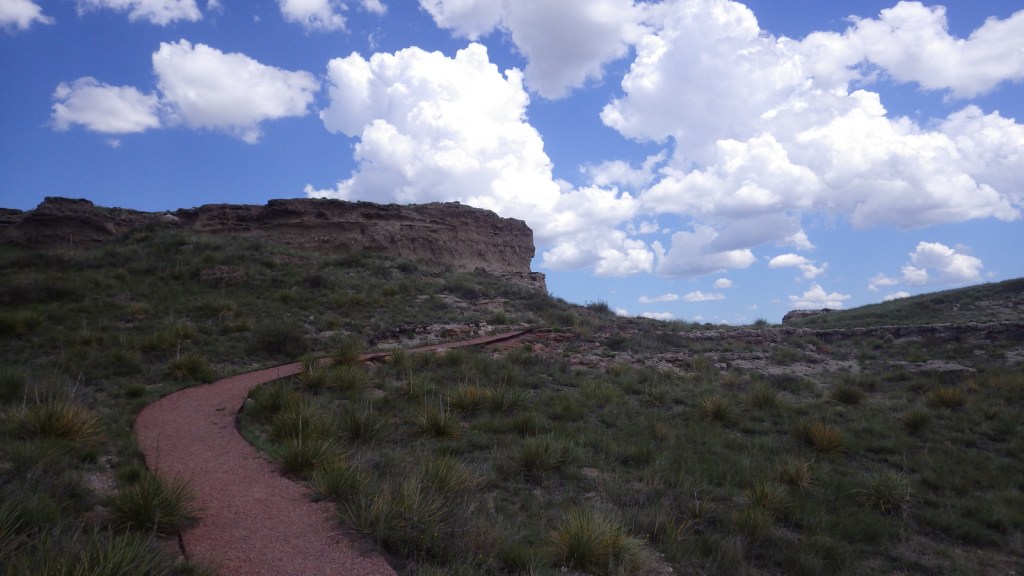
Northwest of the National Monument in Oglala National Grassland, Toadstool Geologic Park is a beautiful badlands that is best photographed at sunset.  While exploring its trails, look for fossilized bones and trackways, plus be sure to visit the Hudson-Meng Education and Research Center, which is open in the summer.

Peak Season

Summer

Hours

https://www.nps.gov/agfo/planyourvisit/hours.htm

Fees

None

Road Conditions

The entrance road from Highway 29 in the west and through the park is paved, but turns to well-graded gravel east of the National Monument.

Camping

No camping within the National Monument, but there is a free primitive campground at Toadstool Geologic Park in Oglala National Grassland.  Fort Robinson State Park offers camping, cabin rentals, and accommodations in former military barracks.

Explore More – How did the frontiersman James H. Cook collect the impressive array of American Indian artifacts now on display in the NPS visitor center?