Tag Archives: film

César E. Chávez National Monument

Overview

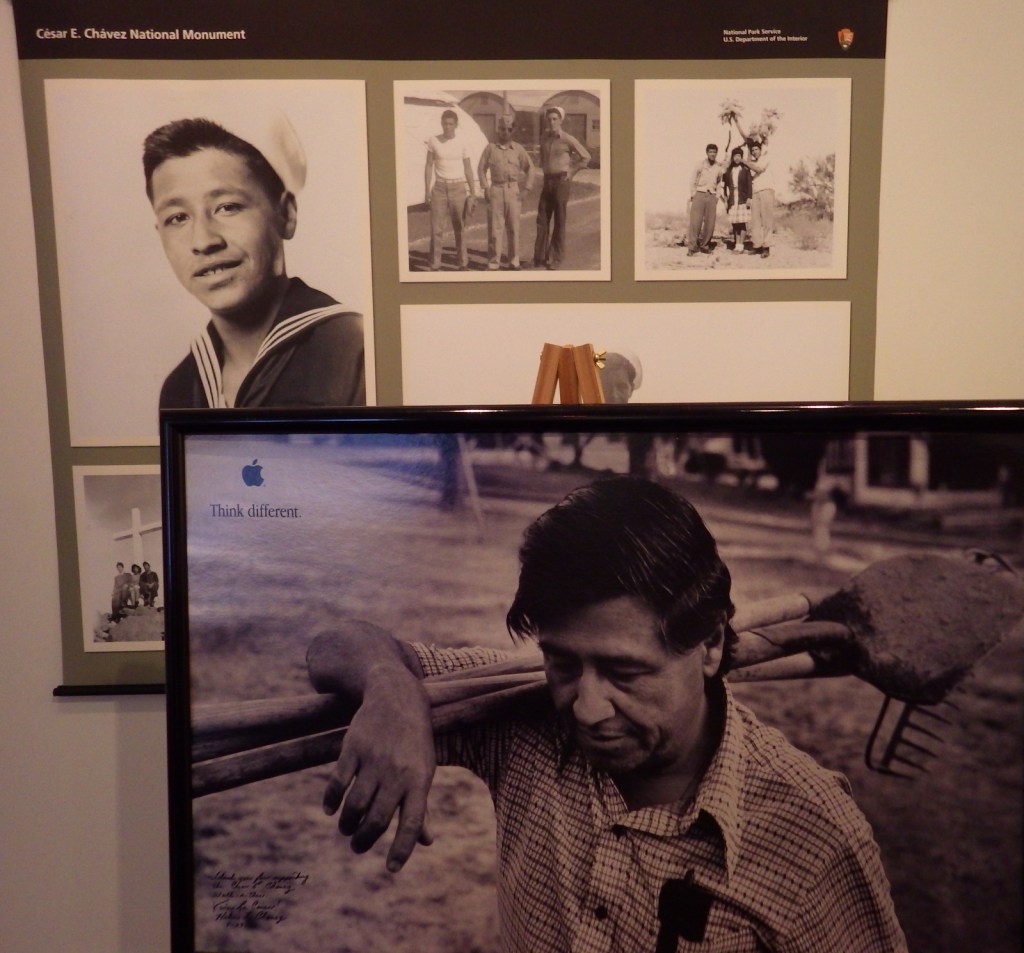
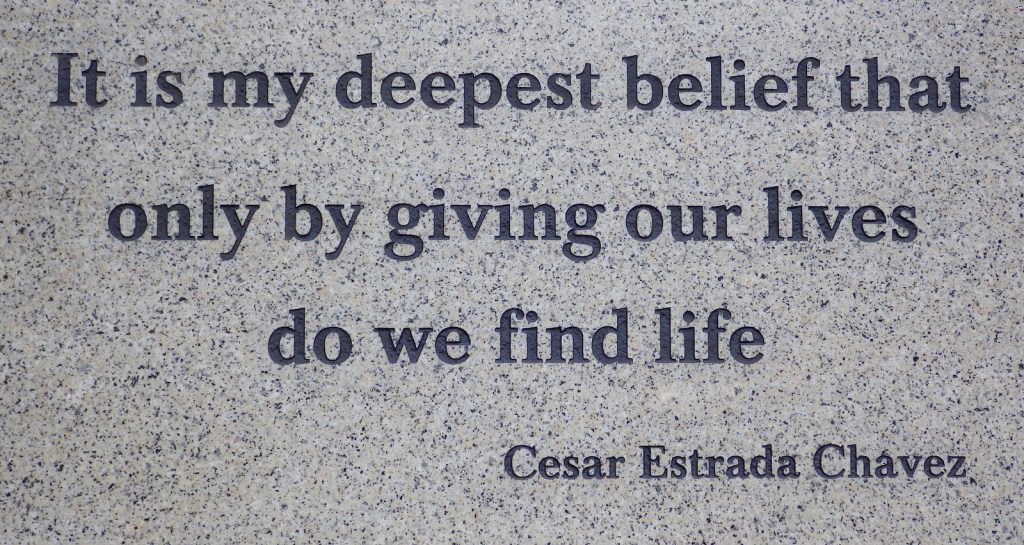
César Estrada Chávez was a Latino-American labor leader in the 1960s who led the fight for better working conditions and pay for all agriculture workers.  He helped form the National Farm Workers Association (NWFA) labor union, which became the United Farm Workers of America (UFW).  Similar to Martin Luther King, Jr., Chávez was an advocate of nonviolent protests, including fasts.  Chávez passed away in 1993 and César E. Chávez National Monument was established in 2012.
Highlights

Chávez gravesite, memorial garden, museum, Chávez office

Must-Do Activity

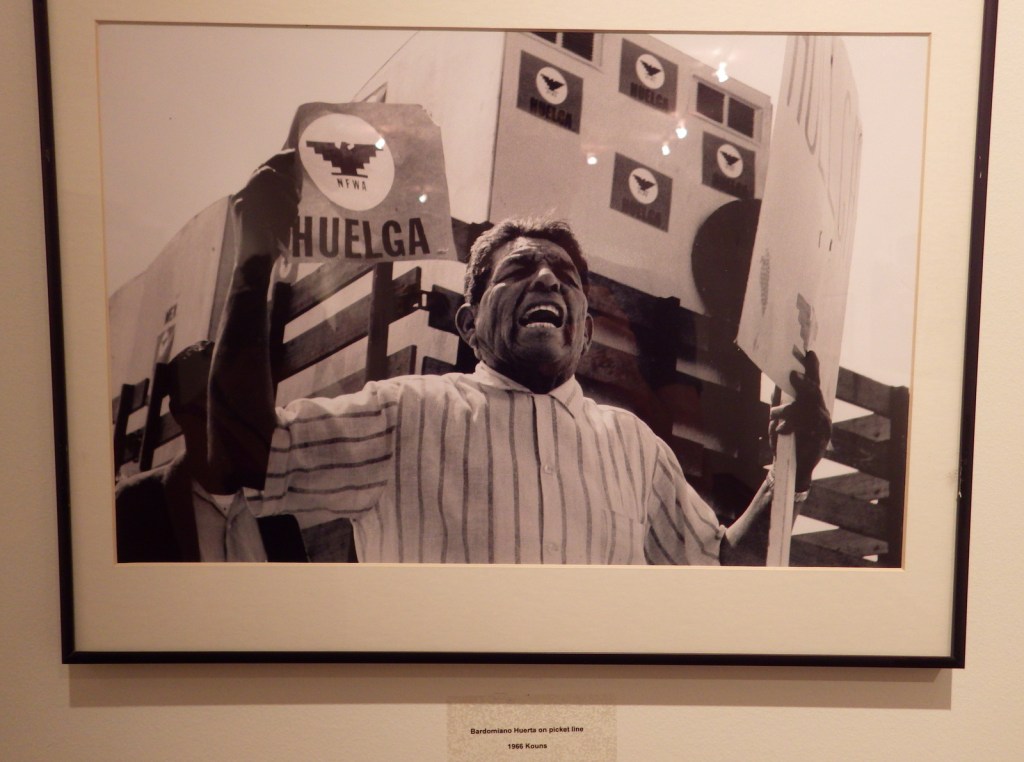
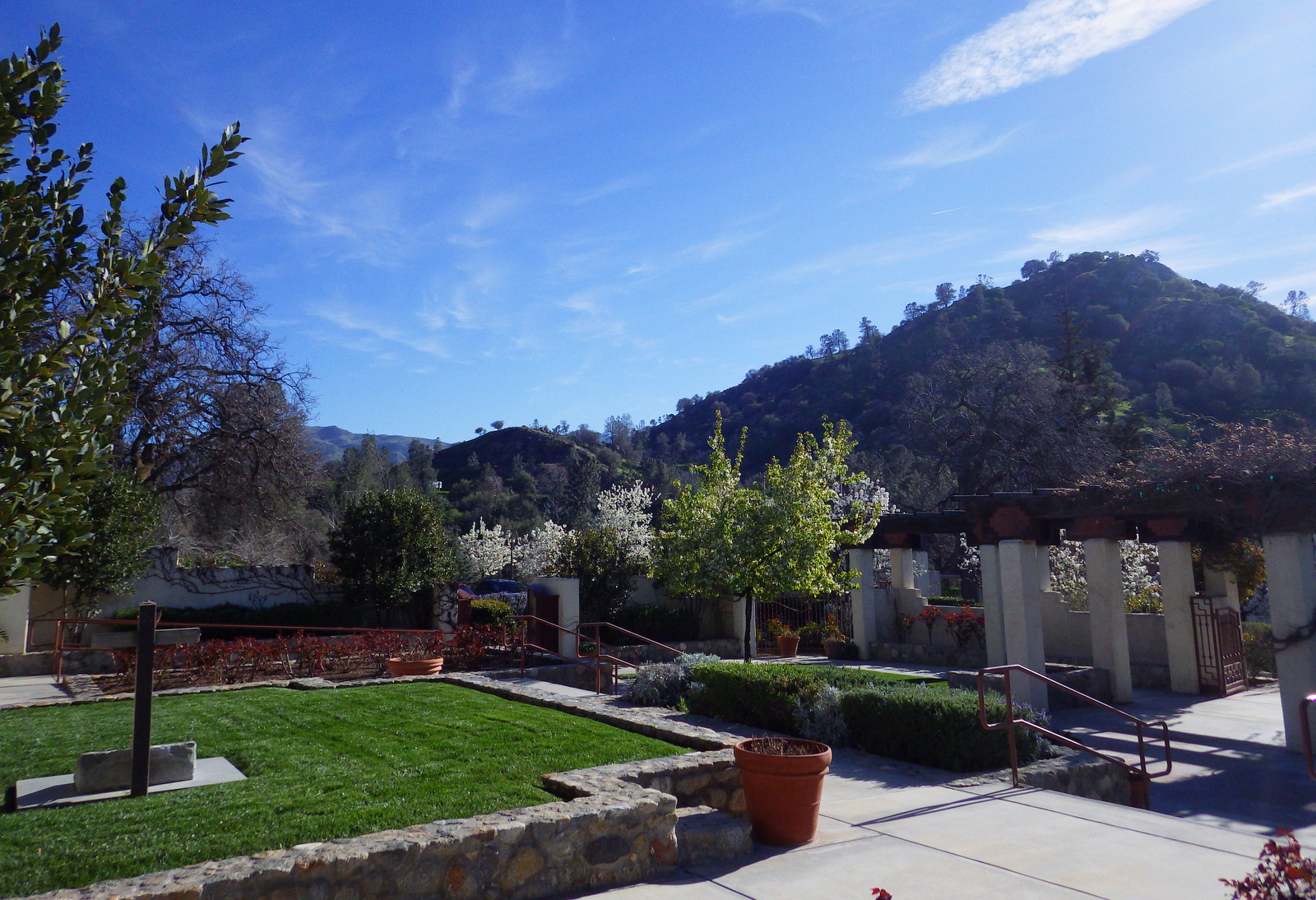
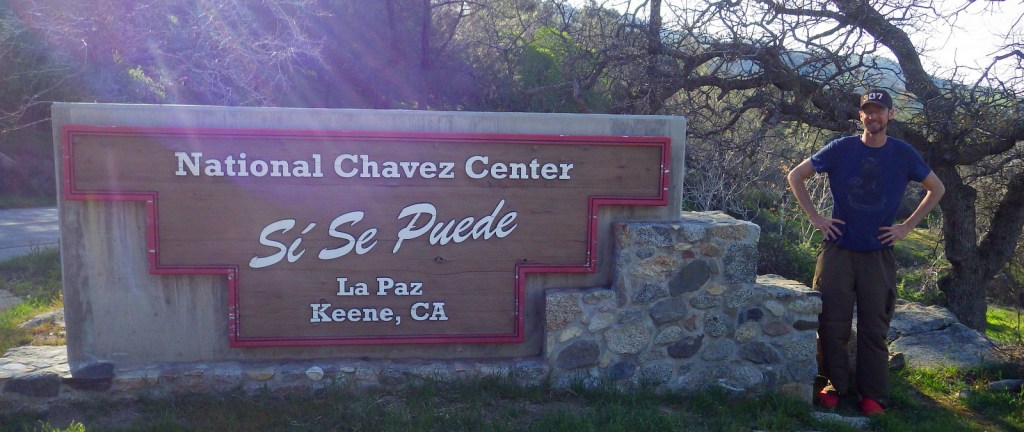
The National Park Service site is located at the historic Nuestra Señora Reina de la Paz property in Keene, California where César E. Chávez lived and the UFW was headquartered from 1970-84.  The site is now the home of the National Chávez Center, his gravesite, and a memorial garden.  The museum here includes exhibits, videos, and an audio program at Chávez’s old office.  A quick Spanish lesson before you go: “Huelga” translates to “Strike” and “Sí, se puede” means “Yes, we can.”

Best Trail

None

Instagram-worthy Photo

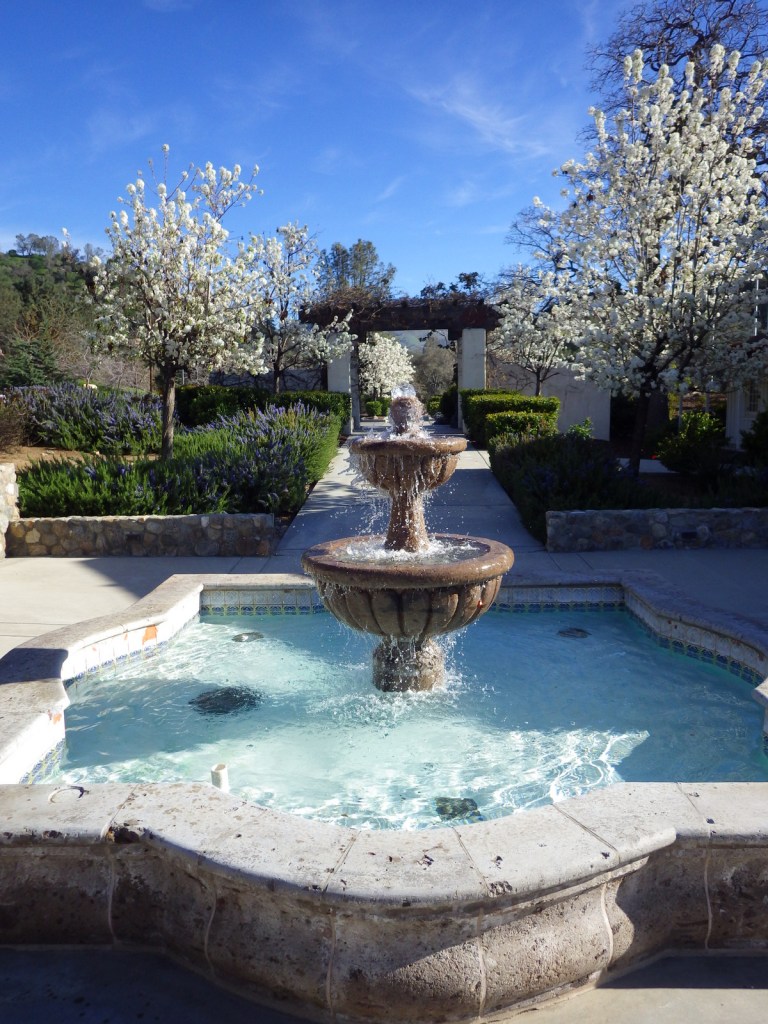
César Estrada Chávez is buried at the National Chávez Center in Keene, California surrounded by a well-landscaped memorial garden.

Peak Season

Summer

Hours

https://www.nps.gov/cech/planyourvisit/hours.htm

Fees

None

Road Conditions

The entry road is paved, but is located off the steeply inclined highway through Tehachapi, California in the southern Sierra Nevadas.

Camping

North of Keene, California, there are camping opportunities in Sequoia National Forest and around Isabella Lake.
Explore More – Which famous U.S. Senator called Chavez “one of the heroic figures of our time” in the 1960s?
Bent’s Old Fort National Historic Site

Overview

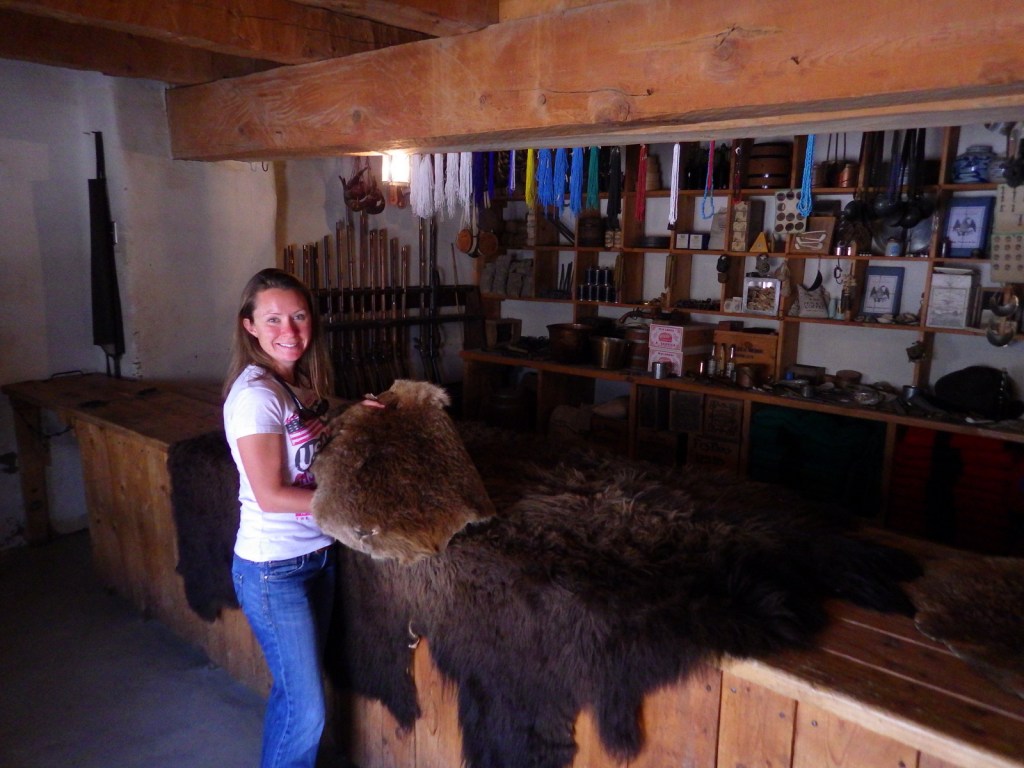
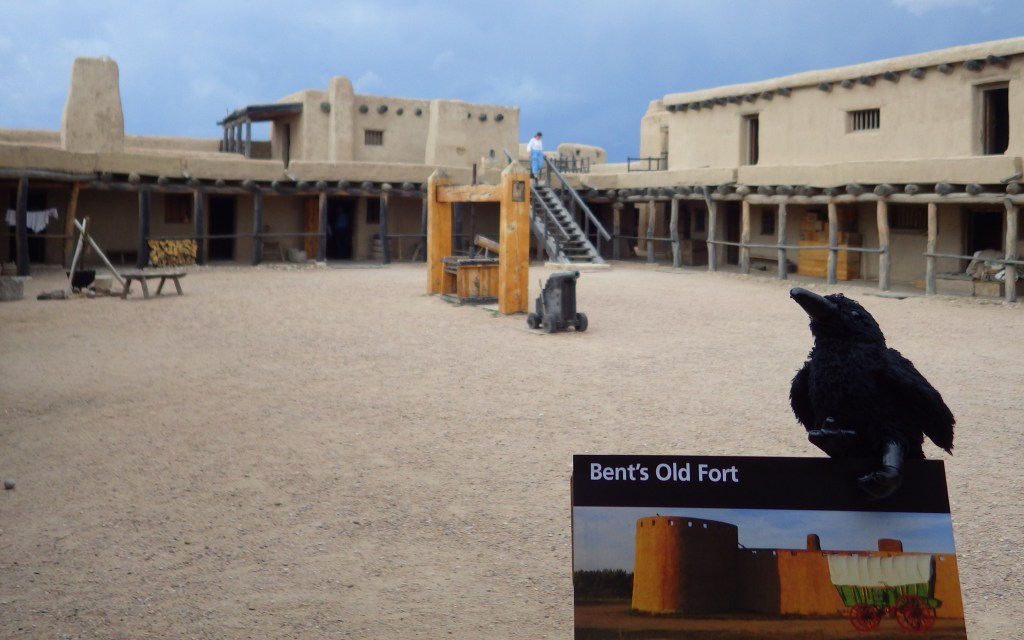
Bent’s Old Fort on the Arkansas River on the prairie of eastern Colorado has been painstakingly reconstructed to its appearance of 1845.  It was originally built in 1833, long before Fort Larned and Fort Union announced the U.S. military presence on the 1,200-mile-long Santa Fe Trail.  Historical reenactors are happy to talk to visitors about the site and its famous inhabitants and visitors.

Highlights

Reconstructed fort, film, living history

Must-Do Activity

The “old fort” was originally built with the financial backing of the two Bent brothers from St. Louis and a Taos trader named Ceran St. Vrain.  It was a huge success, bringing a period of peace to warring tribes on the Great Plains, particularly after William Bent married a Cheyenne woman.  Things changed once Texas was annexed by the U.S. in 1845 and the military moved in, spurring a move to Bent’s New Fort 38 miles downstream.  

Best Trail

The parking lot is less than a half-mile walk from the fort, yet we found that approaching on foot added to the historic experience, as did speaking with the reenactors roaming inside.  Closer handicap parking is available.  Another trail leads to the banks of the Arkansas River on a 1.75-mile loop.

Instagram-worthy Photo

In 1975, the adobe fort was reconstructed on its original foundation in southeast Colorado based on drawings by Lieutenant James Abert, a topographical engineer stationed here in 1845 and 1846. 

Peak Season

Summer, but watch for afternoon thunderstorms.

Hours

https://www.nps.gov/beol/planyourvisit/hours.htm

Fees

$3 per adult except $5 during June 8-9 Santa Fe Trail Encampment, September 15 Hispanic Heritage Day, October 20 Native American Heritage Day, and the December 7-8 Traditional Holiday Celebration. America the Beautiful pass accepted, too.

Road Conditions

All roads paved, although they can be closed due to spring floods on the Arkansas River.

Camping

There are private campgrounds in nearby La Junta, Colorado and a public one run by the Corps of Engineers at John Martin Reservoir (27 miles east on Highway 50).

Explore More – What combination of factors led William Bent to burn the original fort and build a new one 38 miles down the Arkansas River?

Colonial National Historical Park

Overview

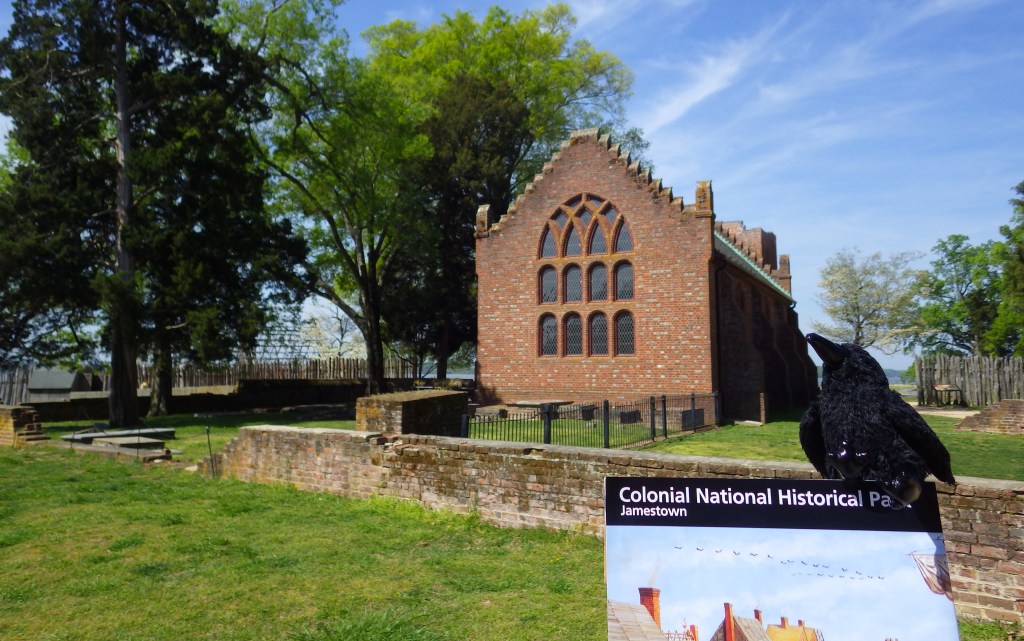
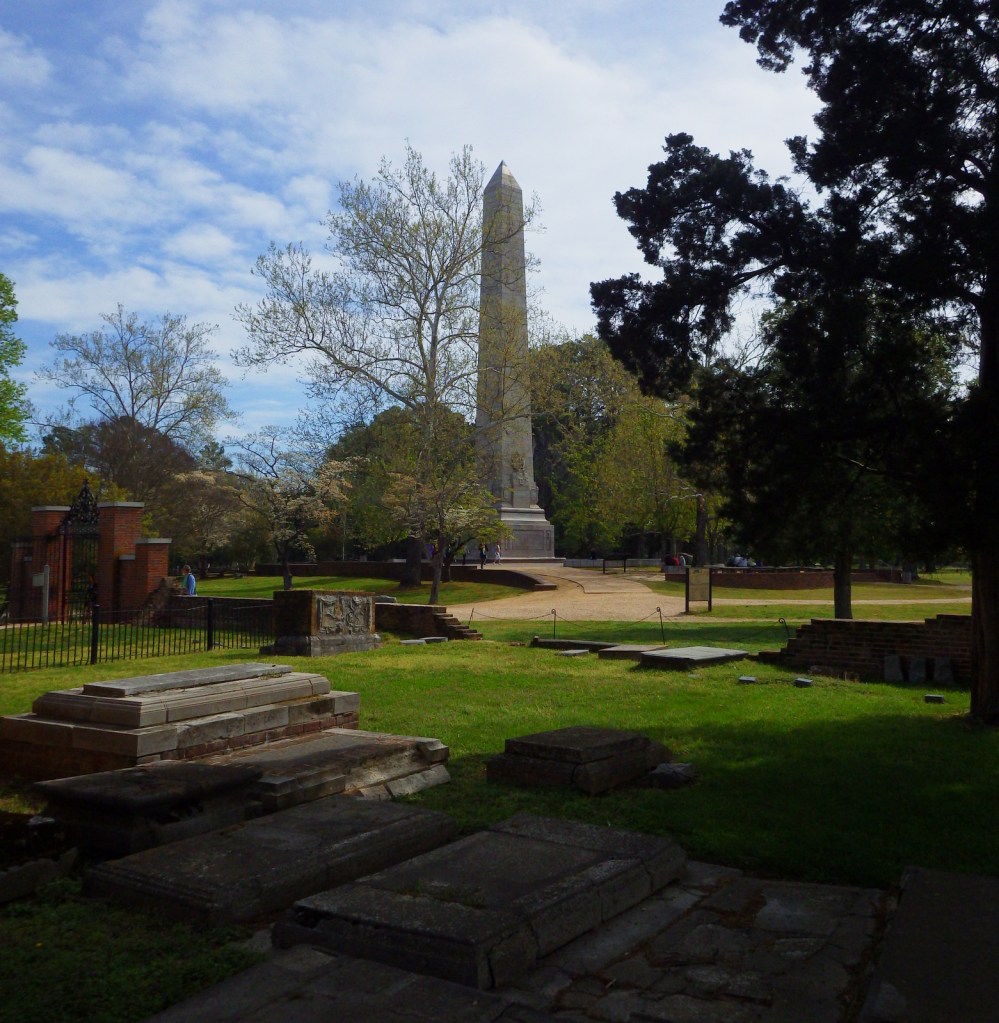
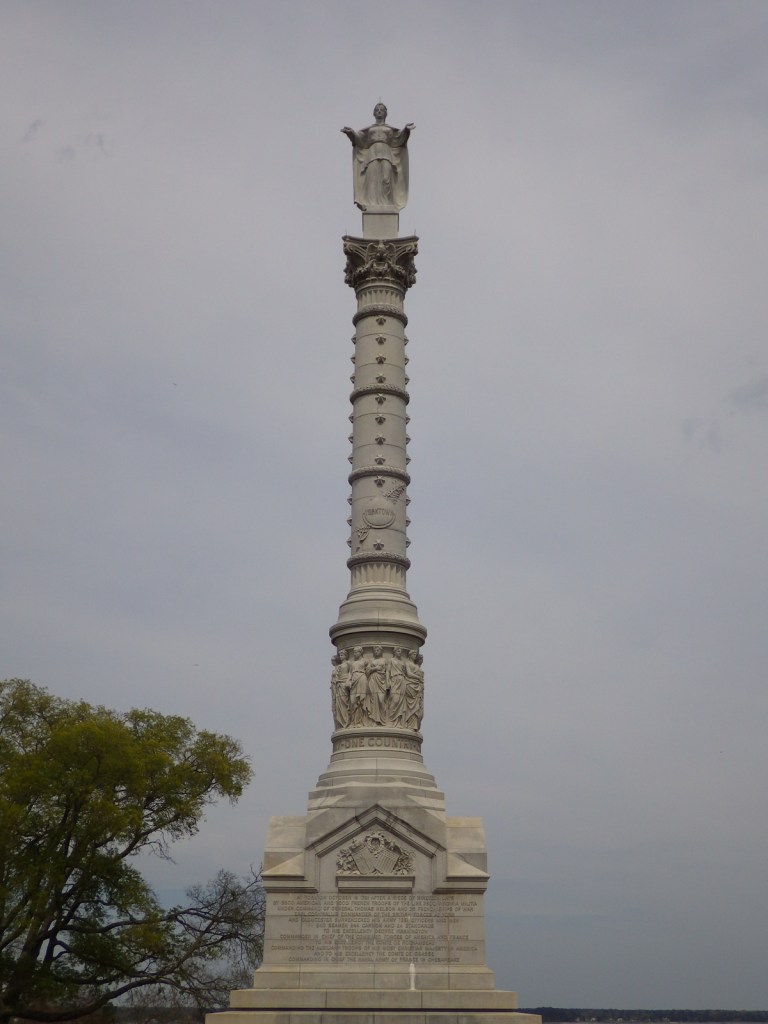
Jamestown and Yorktown, Virginia are linked by the 23-mile Colonial Parkway, which passes through the well-known tourist attraction of Colonial Williamsburg.  After the colony of Fort Raleigh proved a disaster, it was not until 1607 that the first successful English settlement was founded at Jamestown, Virginia.  On October 18, 1781, General Charles Cornwallis surrendered his British troops at Yorktown, effectively ending the Revolutionary War.  Though it was more than two years before a peace settlement was reached and General George Washington was able to march back into New York City, from where he retreated in 1776. 

Highlights

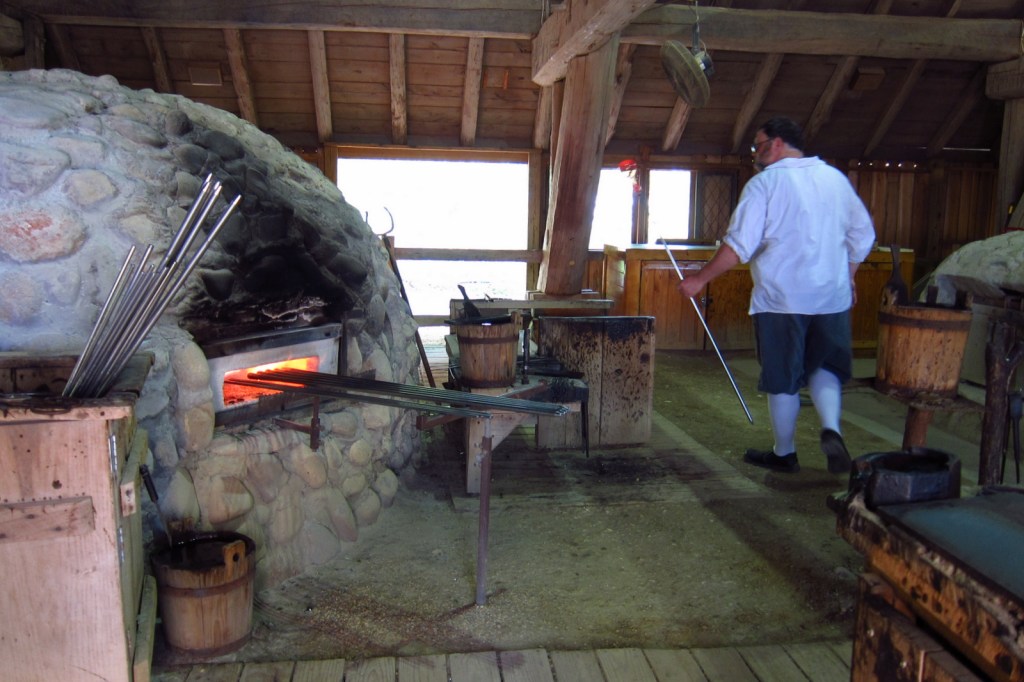
Historic structures, Voorhees Archaearium, glass blowing demonstrations, French ship replica, cannons, historic trails, Yorktown Victory Monument

Must-Do Activity

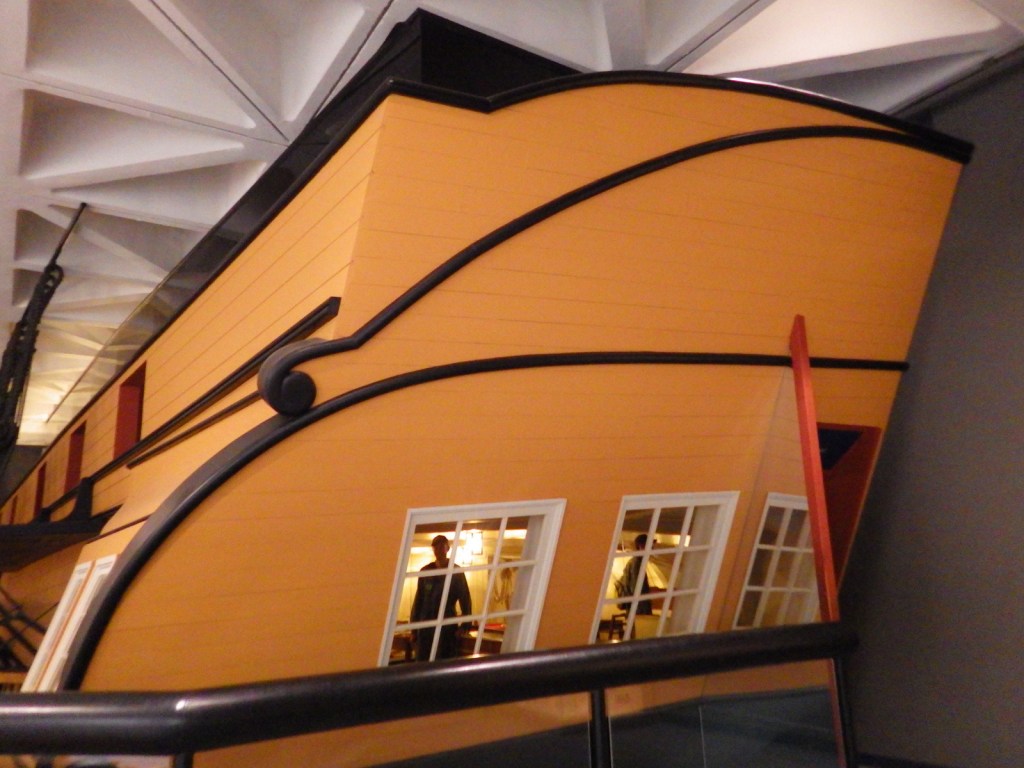
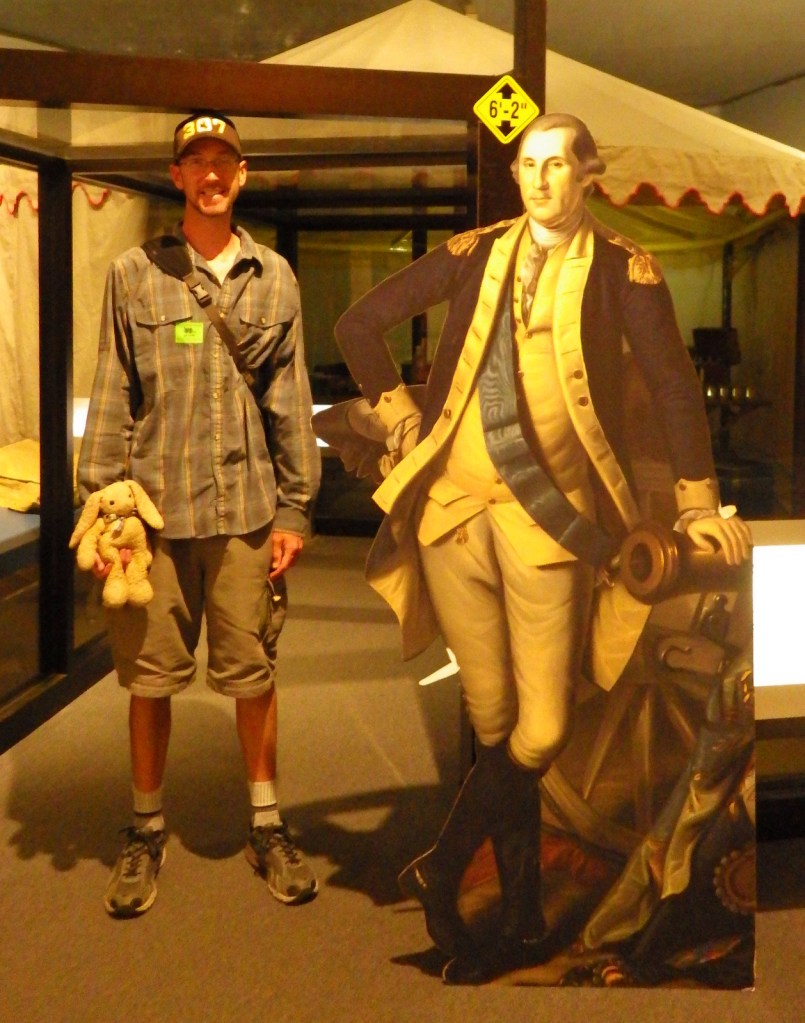
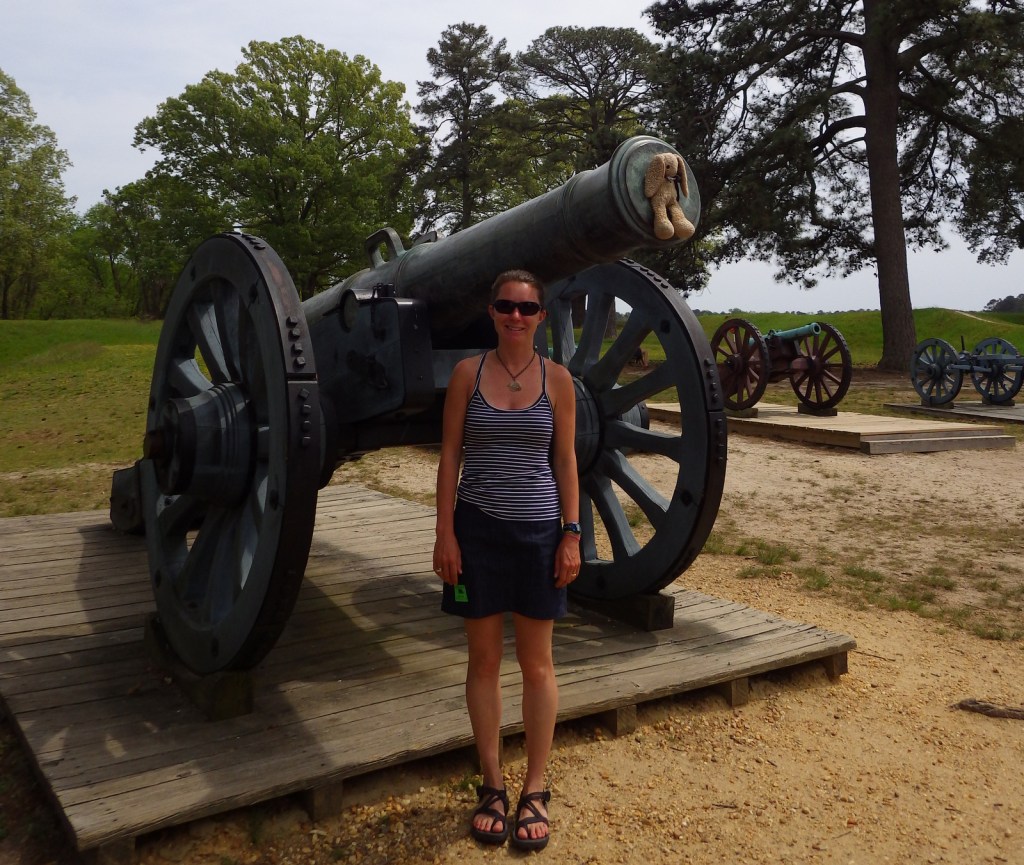
Remember back in 1777 in the aftermath of the battles of Saratoga when the French said they would help kick the British out of the 13 colonies?  Well, not much happened until nearly four years later when Admiral de Grasse defeated the British fleet at the mouth of the Chesapeake Bay.  The ships were unable to resupply General Charles Cornwallis’ troops at Yorktown, who then faced a siege by the combined American and French forces.  Inside the National Park Service visitor center at Yorktown is a replica of a French ship that you can walk aboard without getting seasick.  It also has a replica of General George Washington’s battlefield tent.  Outside, cannons abound along the auto tour.
Best Trail

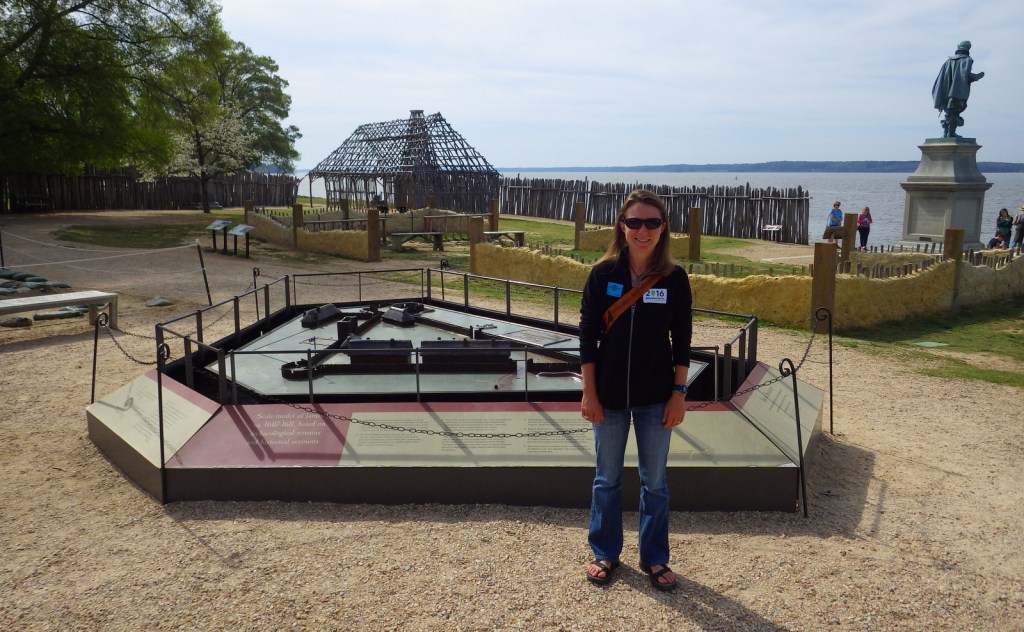
Five miles of trails wind through Old Towne and New Towne in Jamestown, Virginia.  There is an entry fee charged, since most of this section of the park is run by the non-profit organization Preservation Virginia.  This includes admission to the excellent Voorhees Archaearium, a museum built atop the foundation of the historic statehouse.  Do not miss the reproduction glassblowing house.  This area also contains portions of the Washington-Rochambeau Revolutionary War National Historic Trail and Captain John Smith Chesapeake National Historic Trail.

Instagram-worthy Photo

The original 1607 James Fort was triangular in shape and, of course, had cannons facing the James River.

Peak Season

Summer, though it can be muggy

Hours

https://www.nps.gov/colo/planyourvisit/hours.htm

Fees

Visiting Yorktown is $10 per person or free with the America the Beautiful pass, but entering Jamestown requires a payment of $20 per person or $5 per person with the America the Beautiful pass.  There is a separate entry fee for nearby Jamestowne Settlement living history museum , but it is free to walk the streets of Colonial Williamsburg (more info on our other travel blog).

Road Conditions

All roads paved

Camping

There is no camping permitted within the park, but several private campgrounds can be found in the area, as well as numerous hotels since you will probably want to spend more than a day given the park’s proximity to Colonial Williamsburg.

Explore More – When an “ill” General Cornwallis sent his second-in-command to formally surrender his 8,000 troops, General George Washington was insulted and deferred the honor of accepting to whom?

Kings Mountain National Military Park

Overview

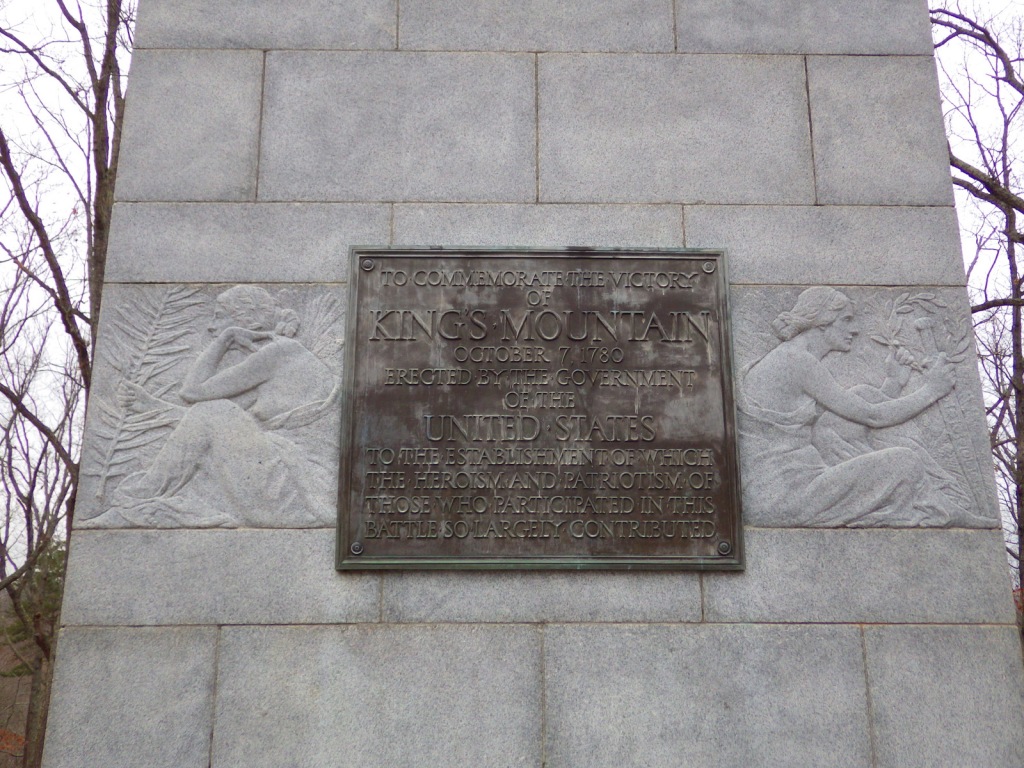
In 1780, the conclusion of the Revolutionary War was anything but decided with the British army firmly entrenched in New York City, Charleston, and Savannah.  General Charles Cornwallis commanded 2,200 troops in the colony of South Carolina and his plan was to meet up with Major Patrick Ferguson’s 1,100 men near Charlotte, North Carolina.  Many historians consider the events that took place here on October 7, 1780 the beginning of the end of the war that culminated less than a year later at Yorktown. 

Highlights

Museum, film, Battlefield Trail, U.S. Monument, grave of Major Ferguson

Must-Do Activity

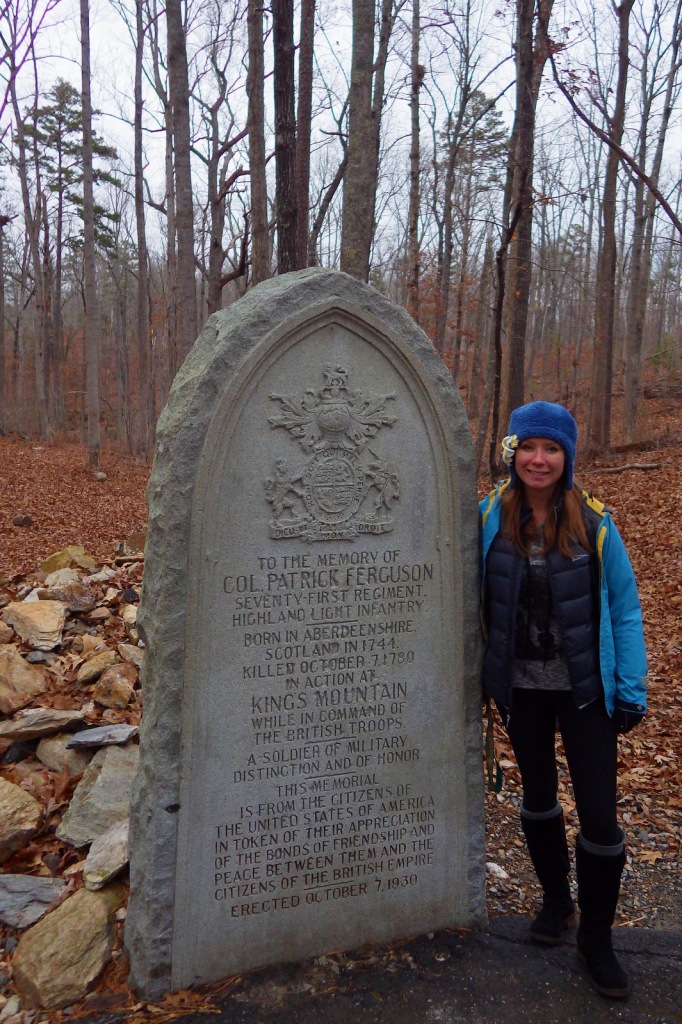
Though the museum in the National Park Service visitor center is small, it is well done and very informative.  You will learn that throughout 1780, a ragtag band of Patriot militia dogged Major Ferguson, forcing him to make a stand 39 miles south of his destination at Kings Mountain on October 7, 1780.  When the Loyalist force finally surrendered, the enraged Patriots gave them “Tarleton’s quarter.”  Killed during the fighting, Major Ferguson was the only person in the battle born in the British Isles (in Scotland).

Best Trail

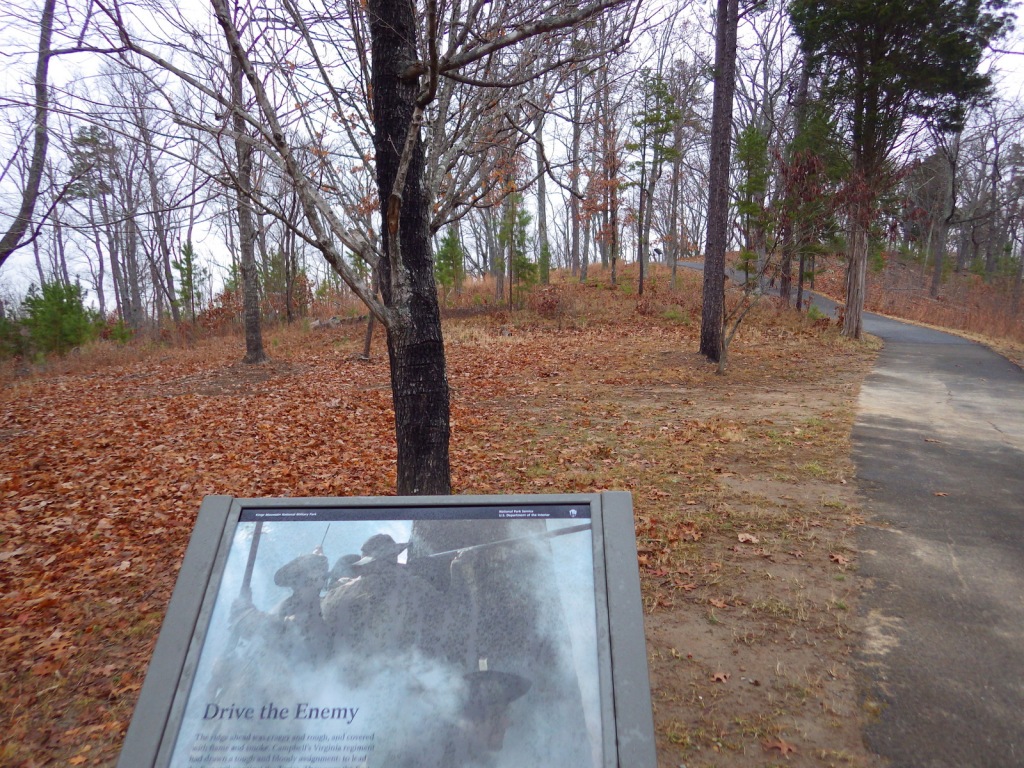
Start at the visitor center, then walk the 1.5-mile Battlefield Trail.  It is part of the Overmountain Victory National Historic Trail, which has 87 of its 330 miles publicly accessible, starting in Tennessee.  Just be sure to be out of the park before the gates close for the night.

Instagram-worthy Photo

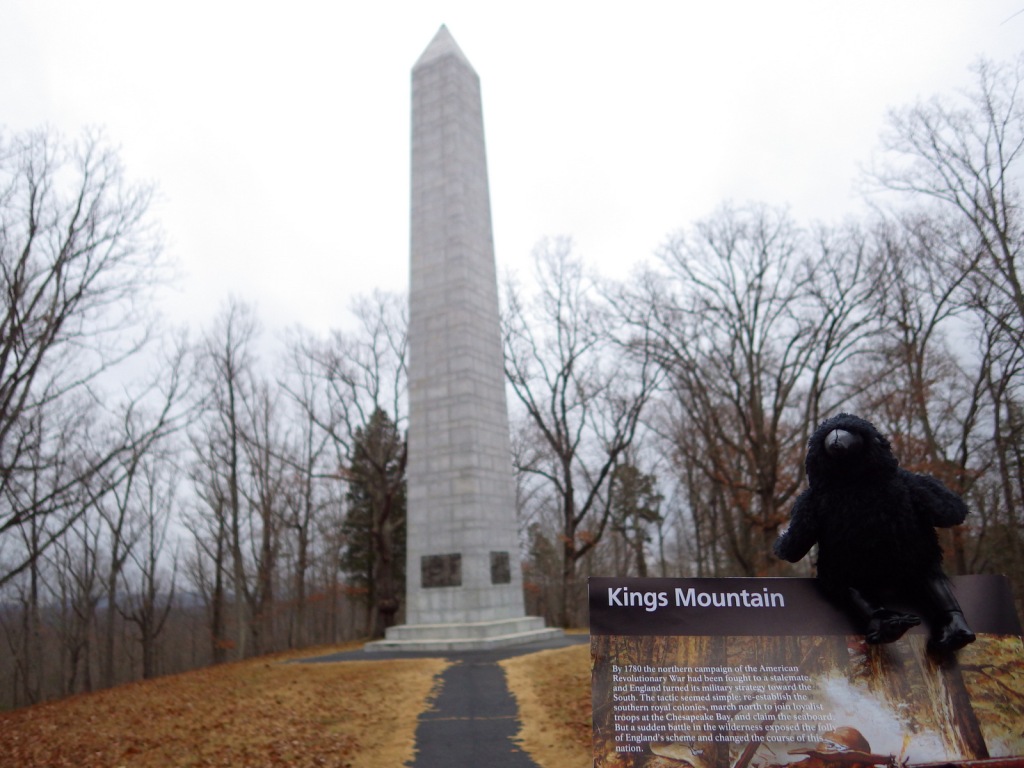
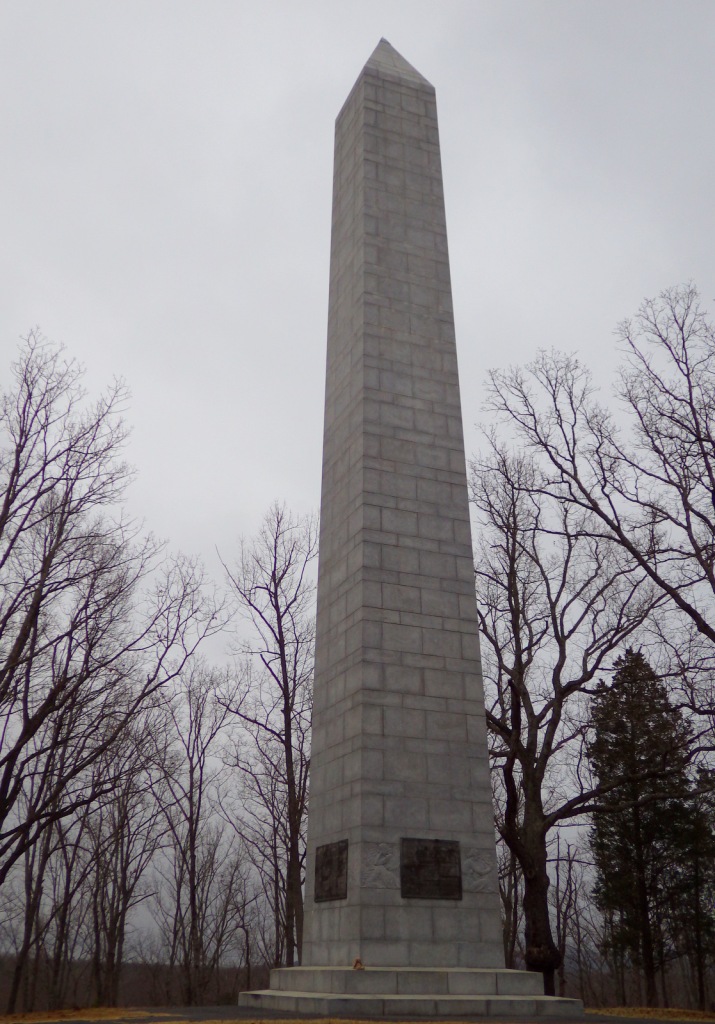
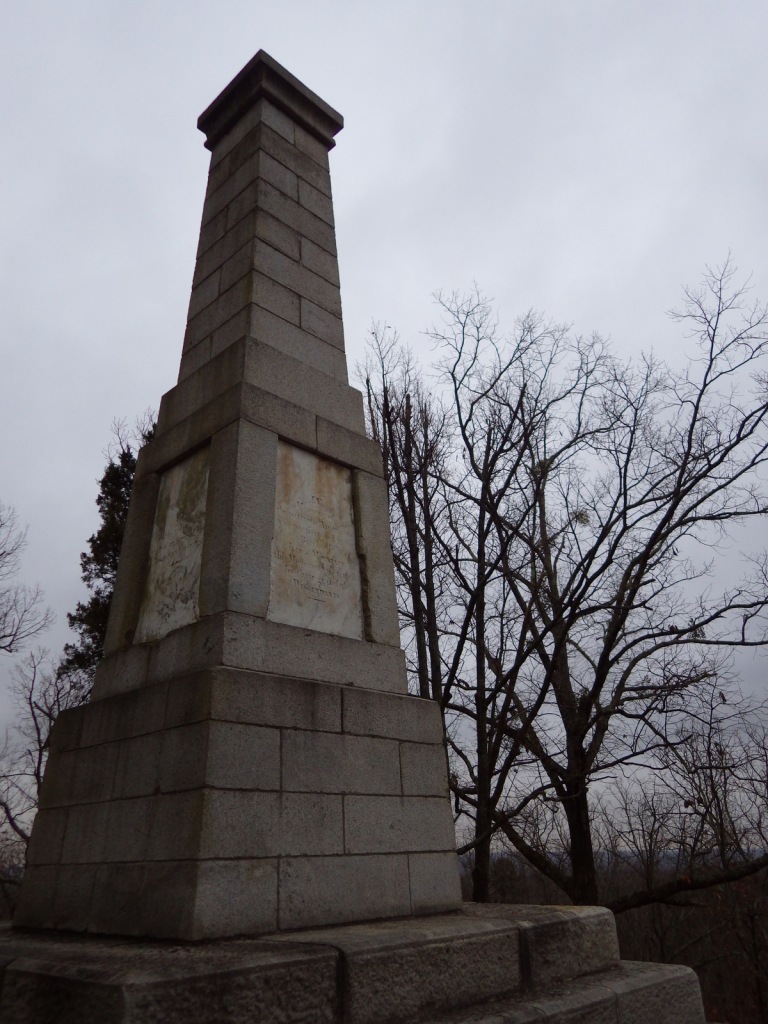
The 83-foot tall U.S. Monument was dedicated in 1909 by the Daughters of the American Revolution.

Peak Season

Late summer when 18th-century military encampments occur on select weekends.

Hours

https://www.nps.gov/kimo/planyourvisit/hours.htm

Fees

None

Road Conditions

All roads paved

Camping

There is one backcountry campsite on the grounds, which requires free registration at the visitor center.  Neighboring Kings Mountain State Park offers 119 campsites and many miles of trails.

Explore More – What earlier event provoked the Patriots to give “Tarleton’s quarter” after the Loyalists surrendered?

George Rogers Clark National Historical Park

Overview

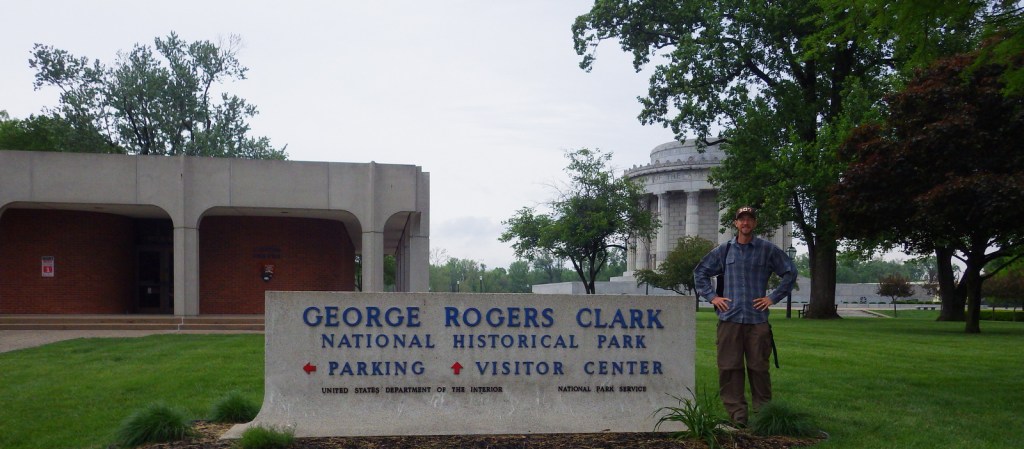
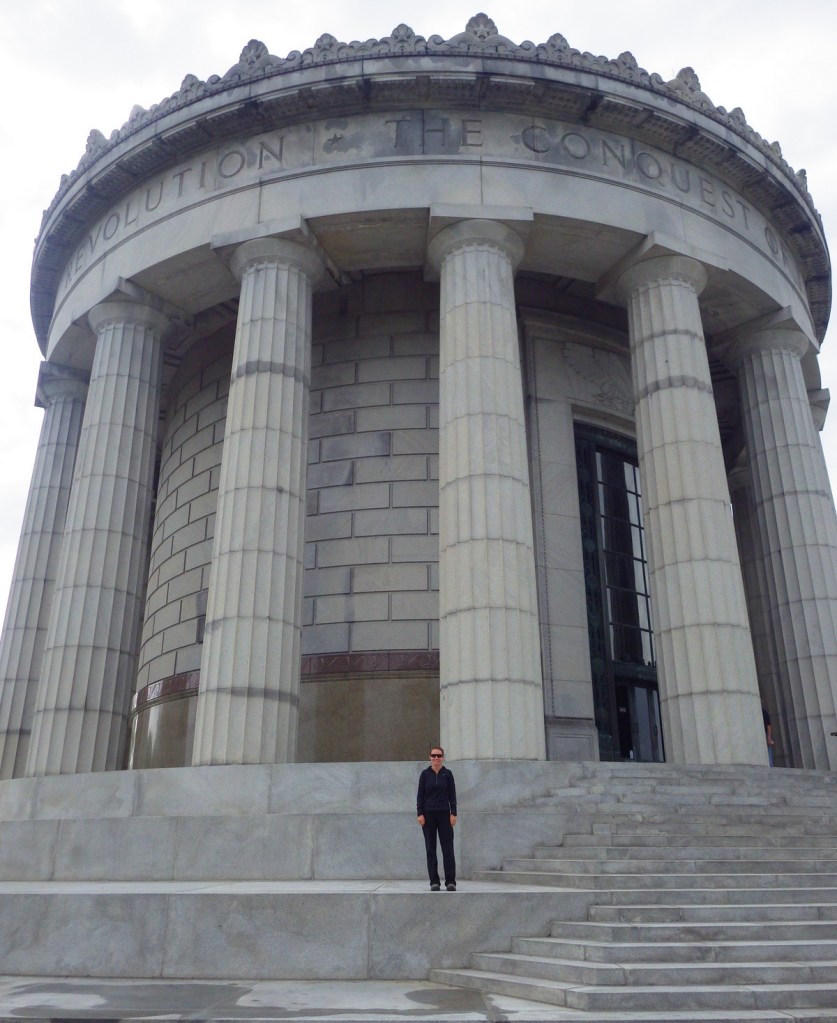
Perhaps less well-known today than his brother William Clark of the Lewis and Clark Expedition, during the American Revolution George Rogers Clark’s fame was on par with that of George Washington.  A beautiful 80-foot tall granite memorial was built on the site of Fort Sackville (in present day Vincennes, Indiana) in the 1930s to commemorate Clark’s achievements.

Highlights

Memorial building with statue and murals, Vigo statue, film

Must-Do Activity

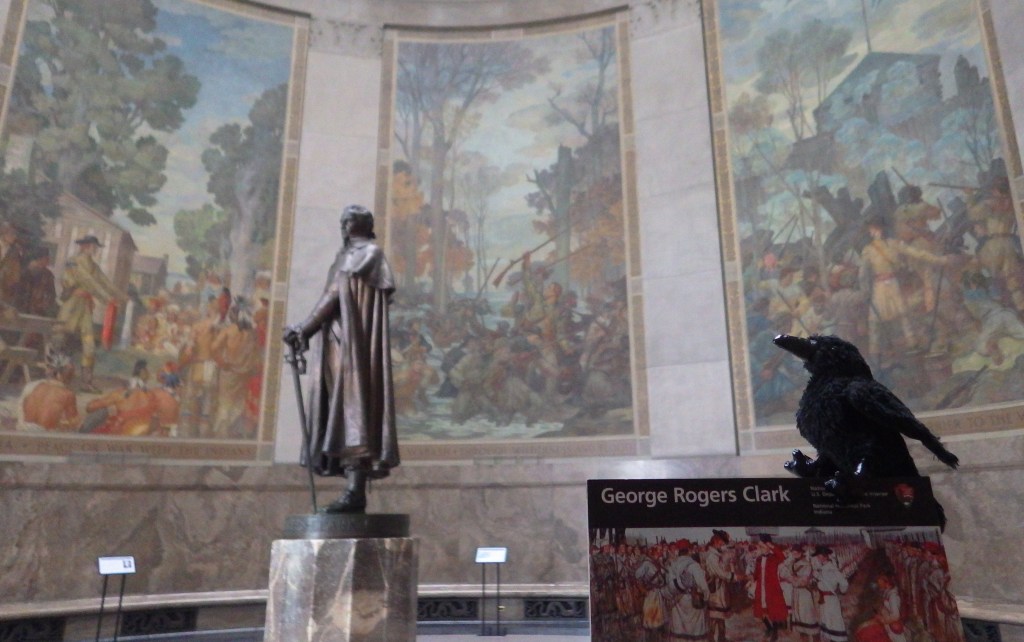
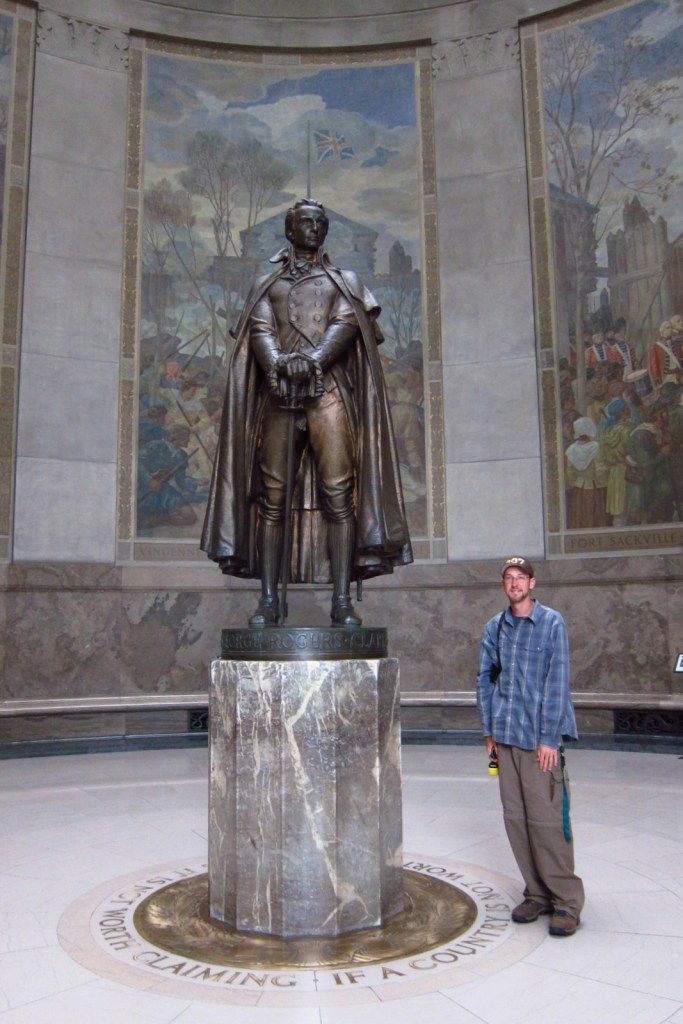
After watching the 20-minute film in the visitor center, go inside the circular memorial with 16 columns in classic Greek style to see a bronze statue surrounded by seven murals.  George Rogers Clark was one of the early pioneers in Kentucky and after war broke out he led 150 local men west to convince French settlers on the Mississippi River to join the patriots.  With the assistance of the French, he defeated the British at Fort Sackville on February 25, 1779.  After the 1783 Treaty of Paris, much of this territory would become part of the fledgling United States of America. 

Best Trail

There are no trails, but you can walk or drive a few blocks to visit the home of President William Henry Harrison and the old Indiana Territory capitol.

Instagram-worthy Photo

Francis Vigo was a French merchant who tipped off Clark that Fort Sackville was lightly guarded and then provided financial support for the mission.  His statue sits on the banks of the Wabash River.

Peak Season

Summer

Hours

The memorial closes daily at 4:45 p.m.

https://www.nps.gov/gero/planyourvisit/hours.htm

Fees

None

Road Conditions

All roads paved

Camping

Only 2 miles north of Vincennes, Indiana, the county-operated Ouabache Trails Park offers campsites with electric and water hookups.

Explore More – His bronze statue is larger than life, but the real George Rogers Clark stood what impressive height by eighteenth-century standards?

We are a participant in the Amazon Services LLC Associates Program, an affiliate advertising program designed to provide a means for us to earn fees by linking to Amazon.com and affiliated sites.