Tag Archives: District of Columbia

Mary McLeod Bethune Council House National Historic Site

Overview

In 1875, Mary McLeod Bethune was born the 15th of 17 children to former slaves in South Carolina.  Throughout her life she fought for civil rights, founding the Daytona Educational and Industrial School for Negro Girls in Florida (which later merged to become Bethune-Cookman College).  In 1943, she purchased a Victorian townhouse in Washington, D.C.’s Logan Circle area to serve as her residence for six years and headquarters for the National Council of Negro Women (until a fire in 1966).

Highlights

House tour, film, National Archives for Black Women’s History, Logan Circle Historic District

Must-Do Activity

Mary McLeod Bethune Council House National Historic Site was designated by Congress in 1982.  Since 1994, the National Park Service (NPS) has managed the property displaying historic photographs and original furnishings in some of the 15 rooms.  After a self-guided tour of the house, go check out a 12-foot tall statue of Mary McLeod Bethune located in Lincoln Park on East Capitol Street.

Best Trail

You can pick up an informational booklet at this site for the Washington, DC Black History National Recreation Trail.

Instagram-worthy Photo

This is the only NPS site we have visited where the first thing you do upon arrival is ring the doorbell.

Peak Season

Spring and summer

Hours

https://www.nps.gov/mamc/planyourvisit/hours.htm

Fees

None

Road Conditions

As with most NPS sites in Washington, D.C., it is easier to walk or take the Metro than find parking for your car.

Camping

There are no NPS campgrounds in the Washington, D.C. area, so it might be best to head for Shenandoah National Park in Virginia.

Related Sites

Carter G. Woodson Home National Historic Site (District of Columbia)

Belmont-Paul Women’s Equality National Monument (District of Columbia)

Martin Luther King, Jr.  National Memorial (District of Columbia)

Explore More – Before her death in 1955, Mary McLeod Bethune worked on civil rights issues for how many U.S. Presidents?
Chesapeake and Ohio Canal National Historical Park

Overview

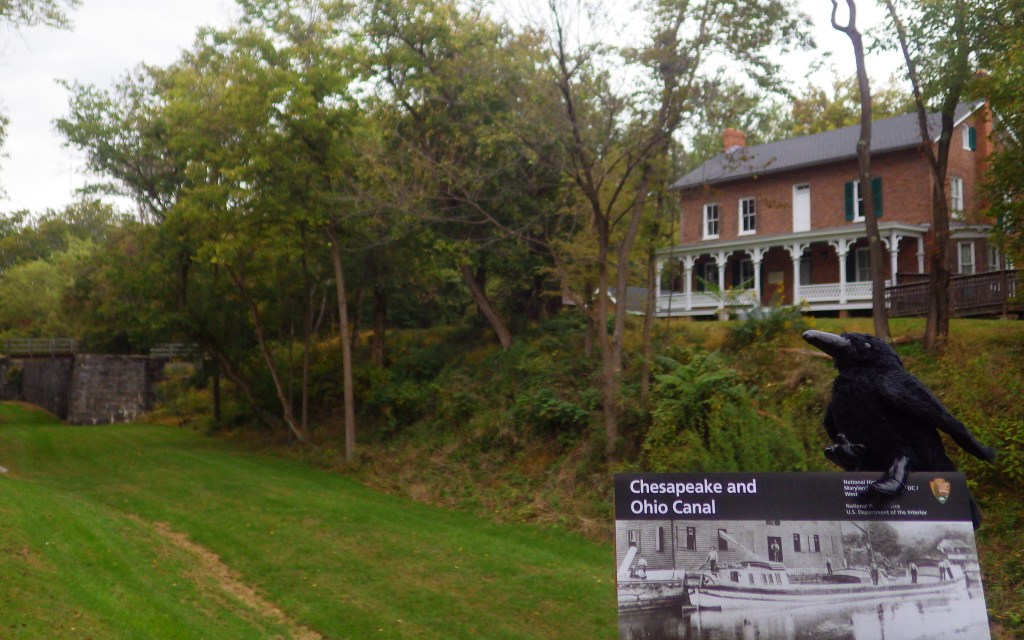
The Chesapeake and Ohio (C&O) Canal was supposed to connect ports in Washington, D.C. with the Ohio River, but it never reached its destination before the Baltimore and Ohio (B&O) Railroad rendered it obsolete in 1850.  It employed 35,000 laborers (mostly European immigrants) during its 22 years of construction and eventually carried coal out of the Appalachian Mountains for decades.  The canal closed in 1924, but it left behind indelible historic landmarks like locks, dams, aqueducts, historic hotels, and a 3,118-foot long tunnel.

Highlights

Historic locks, boat tours, Great Falls Tavern, boating

Must-Do Activity

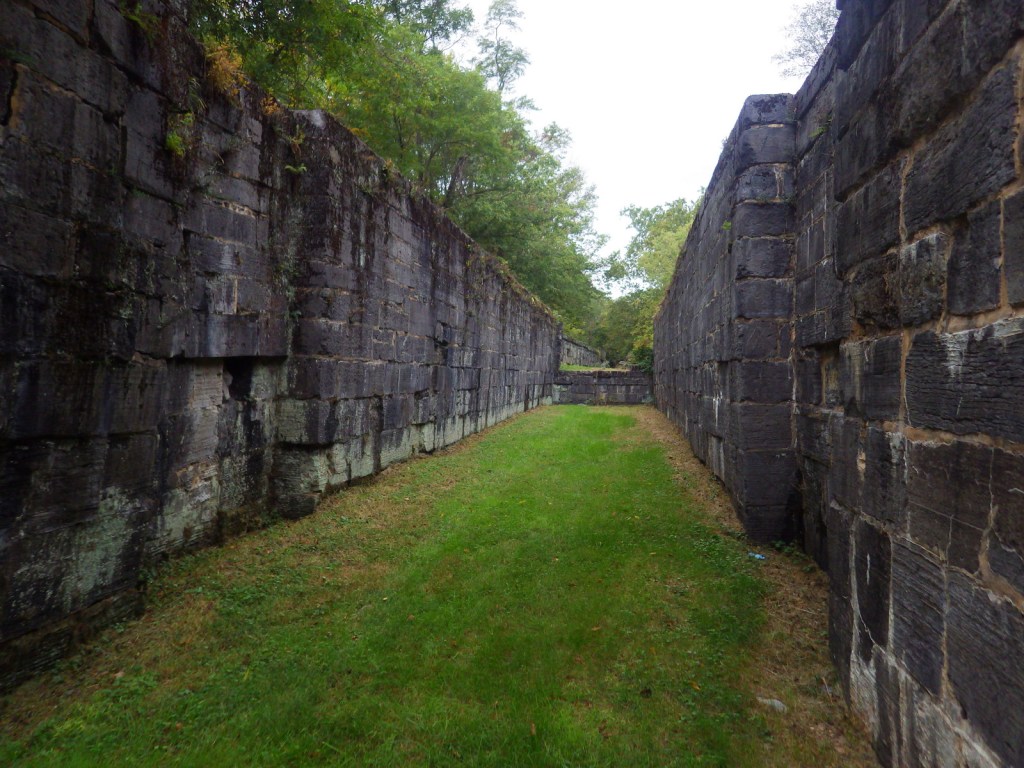
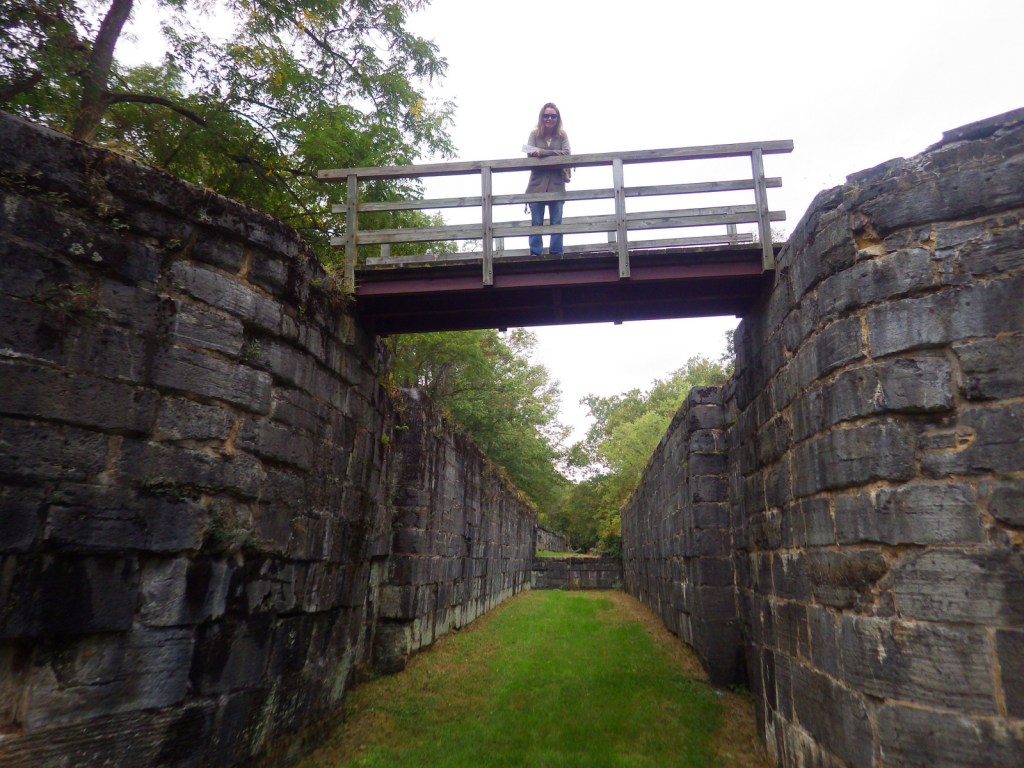
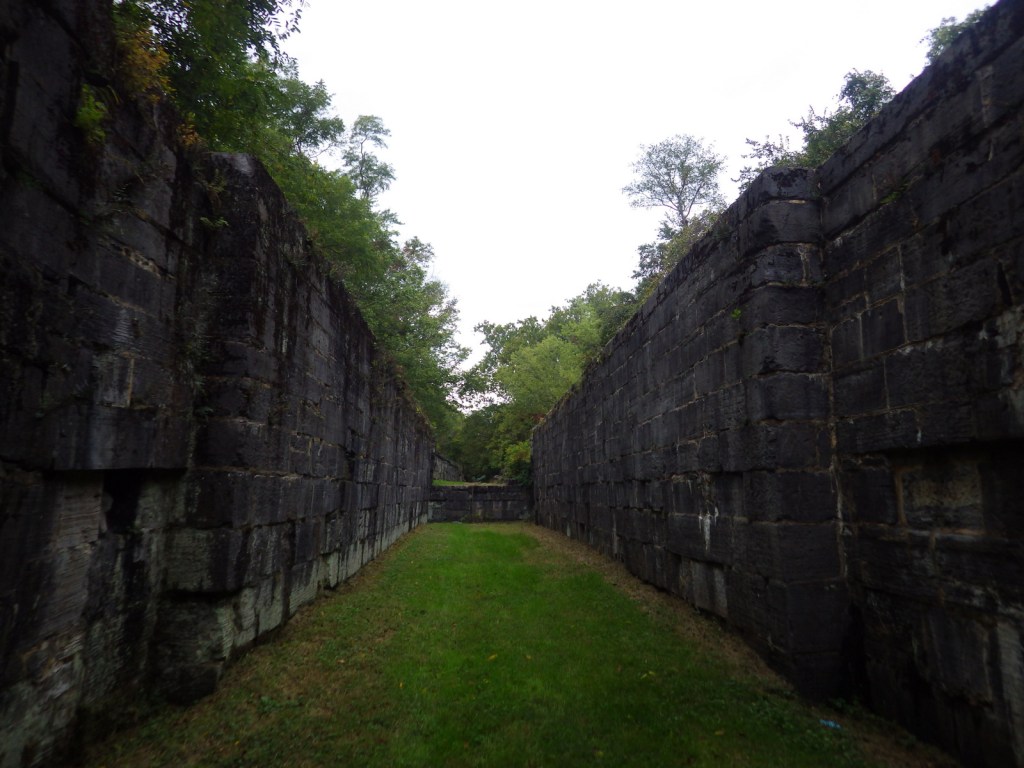
C&O Canal National Historical Park is run by the National Park Service (NPS) and offers multiple free visitor centers along the route that are open seasonally.  Near Washington, D.C. both the Great Falls Tavern and Georgetown Visitor Centers offer mule-drawn canal boat rides on a first-come, first-served basis April through October.  We enjoyed touring the historic locks of the canal in Hancock, Maryland after visiting Catoctin Mountain Park and Antietam National Battlefield.

Best Trail

Today you can walk and bike the graded 184.5-mile towpath that follows the Potomac River, camping at designated sites along the way if you choose.

Instagram-worthy Photo

The canal locks at Hancock, Maryland became part of the park that was created in 1971.  The boarding house located there now serves as an NPS visitor center.

Peak Season

Summer, as most of the visitor centers are closed seasonally

Hours

https://www.nps.gov/choh/planyourvisit/hours.htm

Fees

None, except at Great Falls Tavern

Road Conditions

All roads paved

Camping

There are primitive drive-in camping areas at five spots along the canal path, as well as 30 backpacking campsites spaced approximately five miles apart.  There is also a nice NPS campground at Catoctin Mountain Park in Maryland.

Related Sites

George Washington Memorial Parkway (Virginia-Maryland)

Harpers Ferry National Historical Park (West Virginia-Maryland-Virginia)

Allegheny Portage Railroad National Historic Site (Pennsylvania)

Explore More – At its peak of operation, how many mule-drawn boats were in service on the C&O Canal?

World War II Memorial

Overview

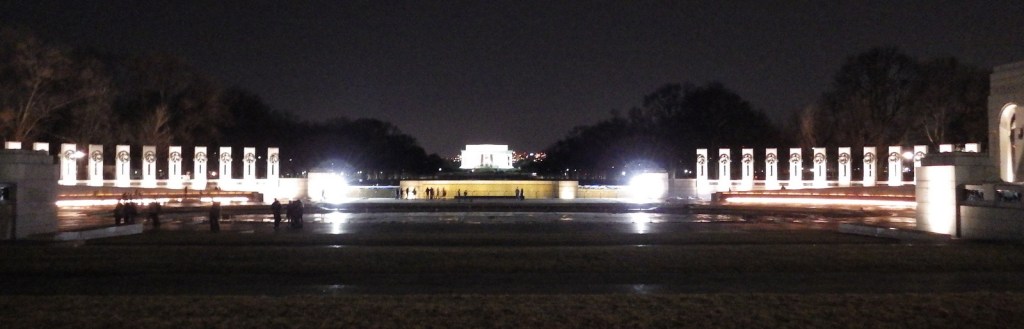
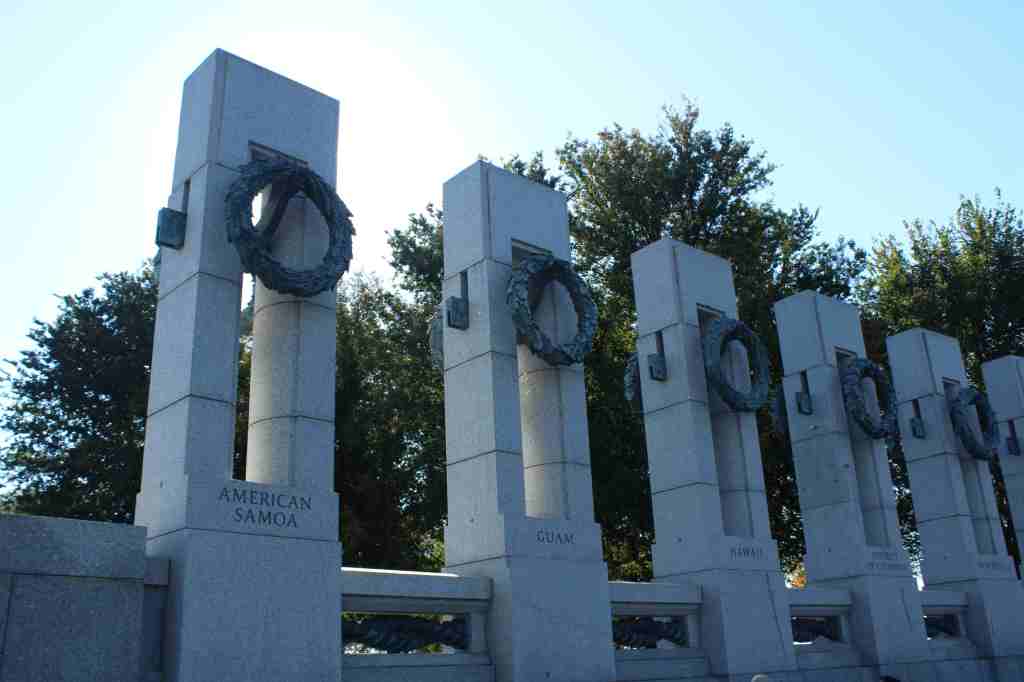
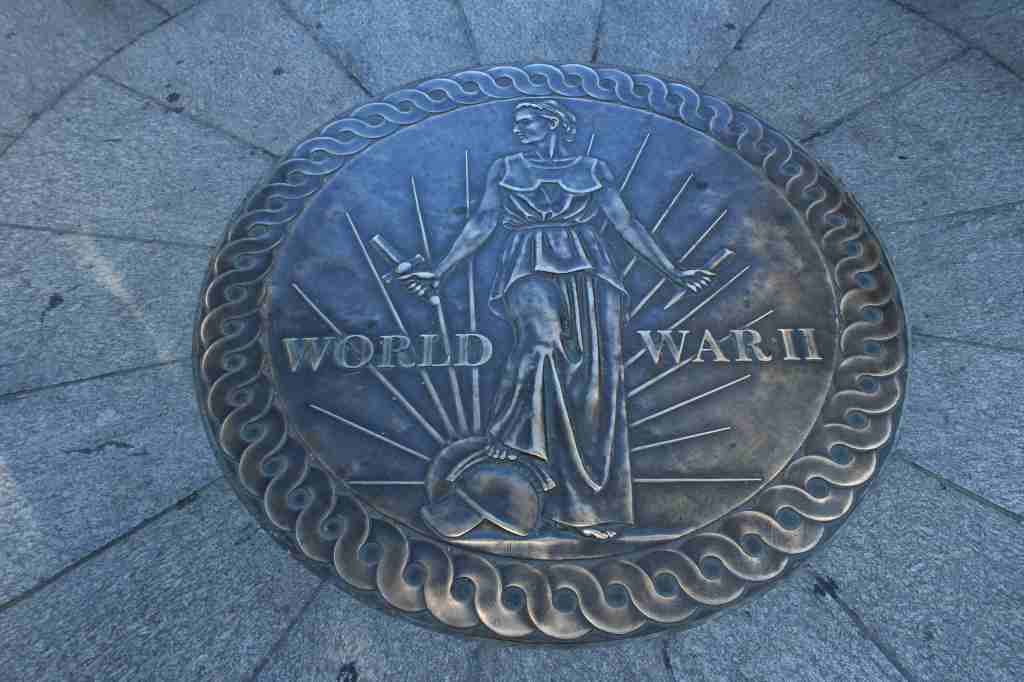
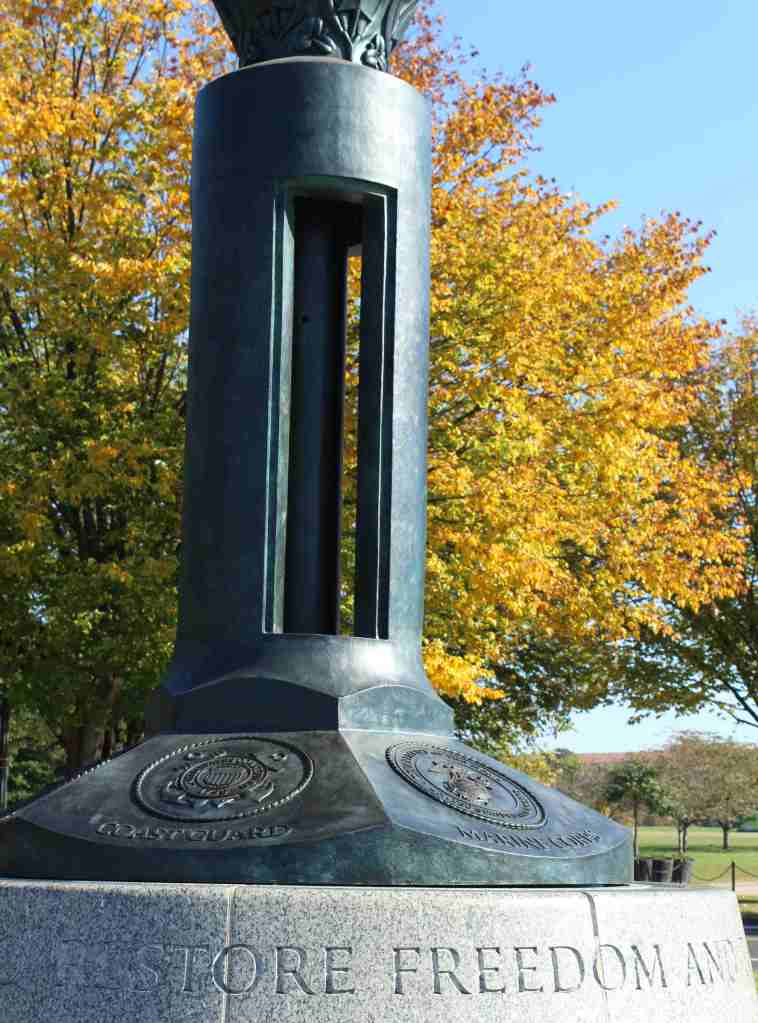
The World War II Memorial in Washington, D.C. was dedicated in 2004 to remember the 16-million Americans that served in uniform during the war.  It is located on the National Mall between the Washington Monument and Lincoln Memorial.  The seven-acre site is managed by the National Park Service (NPS).  There is not an NPS visitor center at the site, but there are information kiosks around the area, including two near the Lincoln Memorial.

Highlights

Pavilions, pillars, bas-relief sculptures, fountains

Must-Do Activity

The memorial’s design was chosen in a competition with more than 400 others and was created in 1997 by Austrian-born architect Friedrich St. Florian.  It features a large pool and fountains, two pavilions labeled Atlantic and Pacific, 56 pillars for each state and territory, as well as bas-relief sculptures and quotes from historic figures.  On the Freedom Wall, each gold star represents one hundred of the 405,399 Americans who died during World War II.

Best Trail

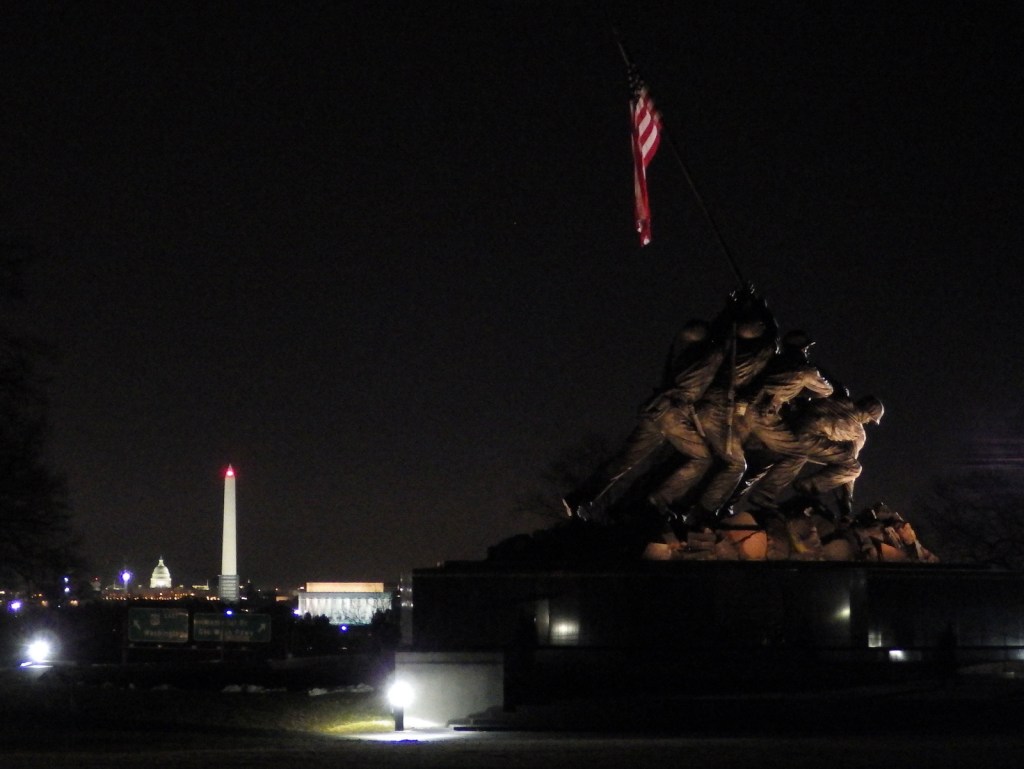
Walk the bridge across the Potomac River to Arlington, Virginia for a view of the U.S. Marine Corps War Memorial that depicts the American flag being raised over Mount Suribachi on Iwo Jima during World War II.  This is technically part of George Washington Memorial Parkway (another NPS site), and offers a commanding view of the National Mall and is especially photogenic at night.

Instagram-worthy Photo

After dark is a great time for photography on the National Mall, and the World War II Memorial is no exception.  You might consider bringing a tripod for clearer photos.

Peak Season

Spring

Hours

24 hours a day with NPS rangers posted until 10 p.m.

https://www.nps.gov/wwii/planyourvisit/hours.htm

Fees

None

Road Conditions

All roads are paved, but public transportation is recommended in Washington, D.C.

Camping

There are no NPS campgrounds in the Washington, D.C., so it might be best to head for Shenandoah National Park in Virginia.

Related Sites

World War I Memorial (District of Columbia)

Franklin Delano Roosevelt Memorial (District of Columbia)

Korean War Veterans Memorial (District of Columbia)

Explore More – The memorial contains two hidden “Kilroy was here” engravings; what is the significance of this inclusion?

.

Rock Creek Park

Overview

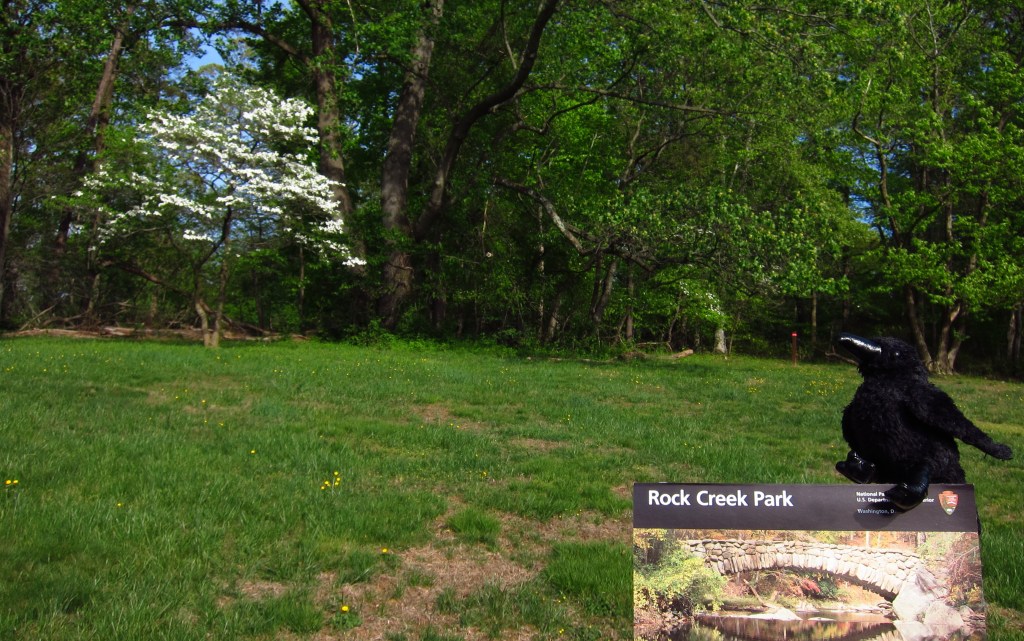
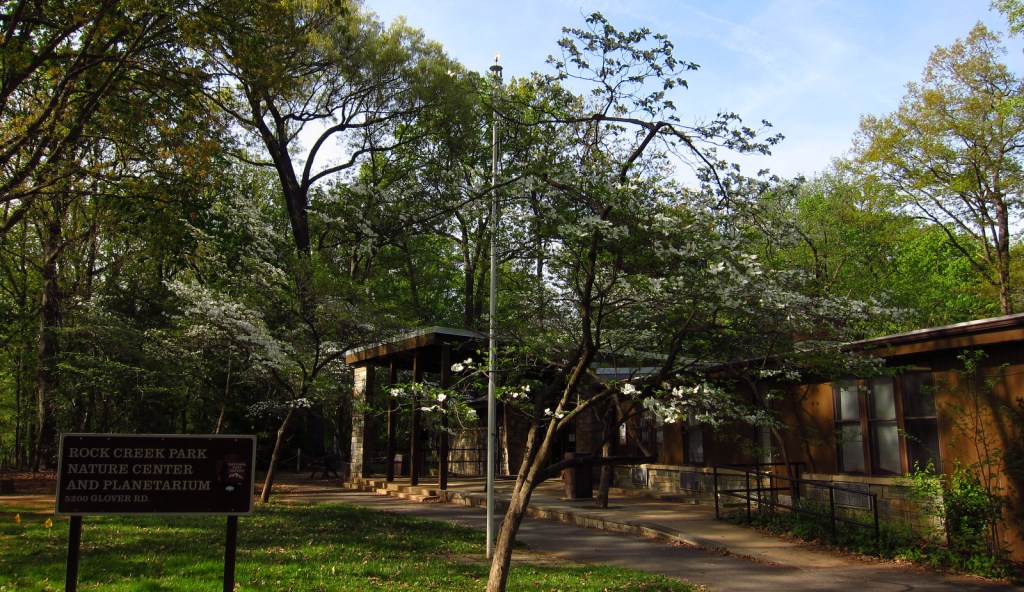
We are used to National Monuments and National Historical Parks being listed among the 419 units in the National Park Service (NPS) system, but there are also 11 sites that fall under the category of “Other.”  One of these is Rock Creek Park, a 1,754-acre urban park in northwestern Washington, D.C. established in 1890.  It contains an equestrian center and 13 miles of bridle trails, as well as the Thompson Boat Center, which rents bicycles and a variety of non-motorized boats.  It also has the amenities you would typically associate with any park, like picnic areas, tennis courts, playgrounds, and an amphitheater offering free concerts and plays during the summer.

Highlights

Nature Center and Planetarium, Peirce Mill, Old Stone House, Fort Stevens

Must-Do Activity

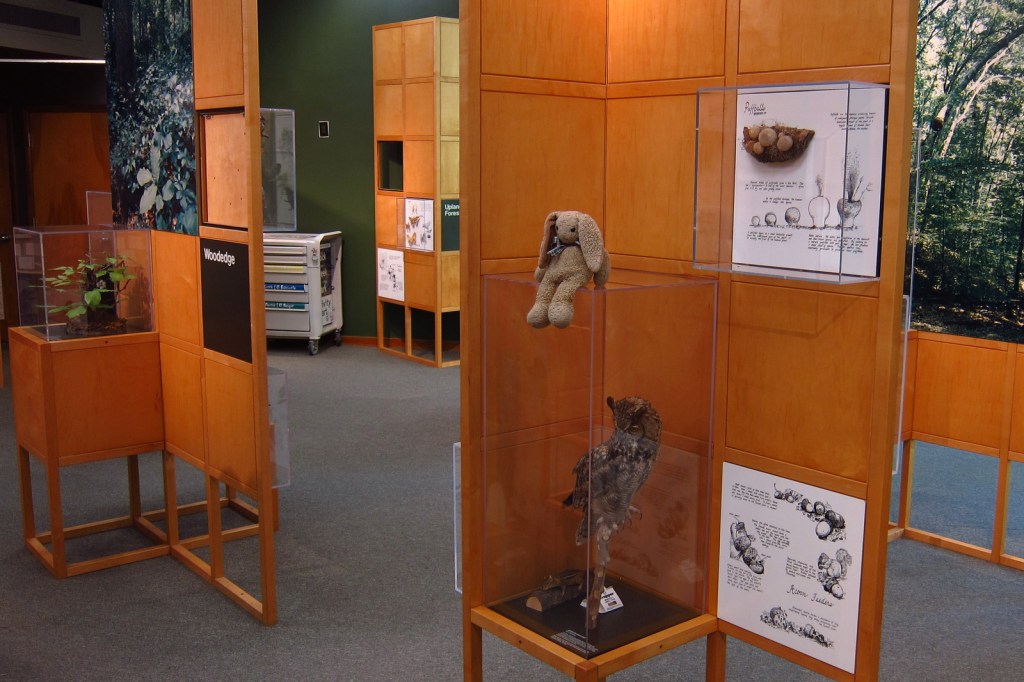
Rock Creek Park contains the only planetarium in the entire NPS system, which is at the same location as the Nature Center.  The planetarium offers free astronomy programs and holds monthly stargazing programs between April and November.  The site of Civil War-era Fort Stevens is located east of the main park where interpretive information explains the July 1864 battle that took place there.  It was during a visit to the fort that Abraham Lincoln became the only sitting president to ever come under enemy fire during wartime.

Best Trail

There are 25 miles of trails within Rock Creek Park, plus they connect to parkland in bordering Maryland.

Instagram-worthy Photo

Peirce Mill was originally in operation from the 1820s to 1897, utilizing slave labor (until the Civil War) to run the flour mill, sawmill, distillery, and nursery.  The mill was renovated by the NPS in the 1930s to produce flour during World War II and remains open to visitors seasonally.

Peak Season

Summer

Hours

https://www.nps.gov/rocr/planyourvisit/hours.htm

Fees

None

Road Conditions

All roads are paved, though some are closed on weekends and holidays for non-motorized users.

Camping

None

Related Sites

Fort Washington Park (Maryland)

Theodore Roosevelt Island (District of Columbia)

Franklin Delano Roosevelt Memorial (District of Columbia)

Explore More – Rock Creek also flows through the fee-free National Zoological Park, which is managed by what institution?

Belmont-Paul Women’s Equality National Monument

Overview

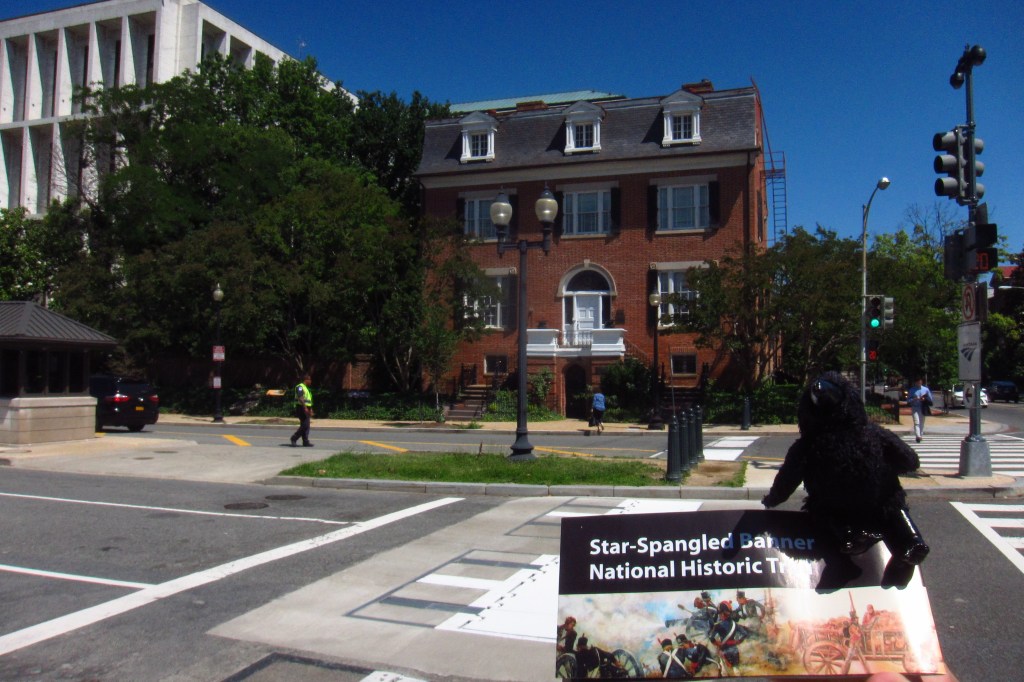
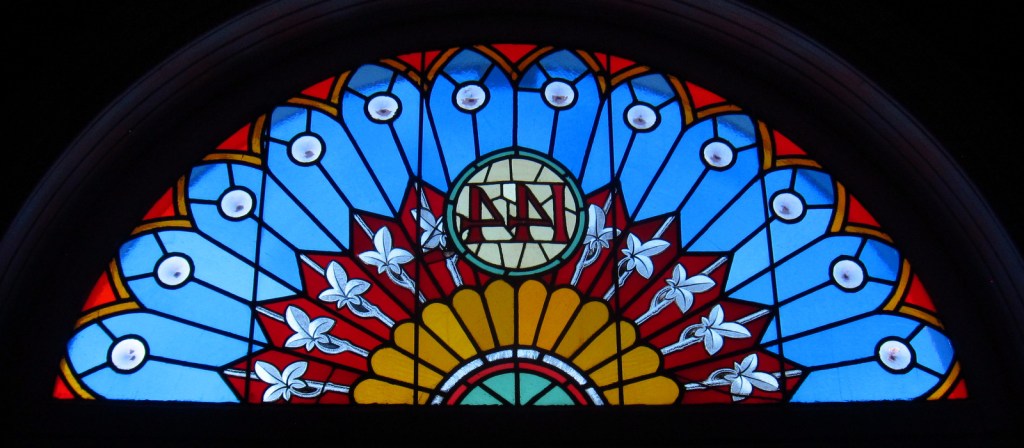
The house at 144 Constitution Avenue NE in Washington, D.C. has an interesting history.  First constructed by the Sewall family in 1799 near the new U.S. Capitol building, it was burned by British troops during the War of 1812.  After being renovated by Vermont Senator Porter H. Dale in the 1920s, it was purchased by Alva Vanderbilt Belmont as a replacement headquarters for the National Woman’s Party (NWP).  In 1972, it was named the Sewall-Belmont National Historic Site, affiliated with the National Park Service (NPS), who took over full control when it was established as a National Monument in 2016. 

Highlights

Historic artifacts, sculptures, tours

Must-Do Activity

Free tours are given at specific times (see Hours below) by the NPS, but otherwise visitors can read the museum displays on both floors of the house.  The name Belmont-Paul Women’s Equality National Monument refers to the aforementioned Alva Vanderbilt Belmont and Alice Paul, a militant suffragette who was arrested during World War I for picketing outside the White House.  The protesters were attacked by men on the street, vilified in the newspapers, and abused in prison where they were force-fed during hunger strikes.  In August 1920, these brave women achieved vindication with the passing of the 19th Amendment allowing all women the right to vote in the U.S.A.

Best Trail

The Sewell House has a placard outside as part of the Star-Spangled Banner National Historic Trail.  In 1814, the British believed there were snipers posted inside the house and burned it down, one of the few private residences destroyed during their march through Washington, D.C. during the War of 1812.

Instagram-worthy Photo

A statue of Joan of Arc greets visitors in the front hallway of the house.  Our tour guide said that the statue is attached to the house’s foundation and is completely immovable. 

Peak Season

Summer

Hours

https://www.nps.gov/bepa/planyourvisit/hours.htm

Fees

None

Road Conditions

There is no designated parking lot, so you have to find street parking or take the Metro.

Camping

None

Explore More – In August 1920, which state became the 36th to ratify the 19th Amendment, officially adding it to the U.S. Constitution?