Tag Archives: canyon

Caribou National Forest

Caribou National Forest

Idaho, Utah, Wyoming

Managed by U.S. Forest Service, Intermountain Region

1,085,966 acres (987,216 federal/ 98,750 other)

Website: https://www.fs.usda.gov/ctnf

Overview

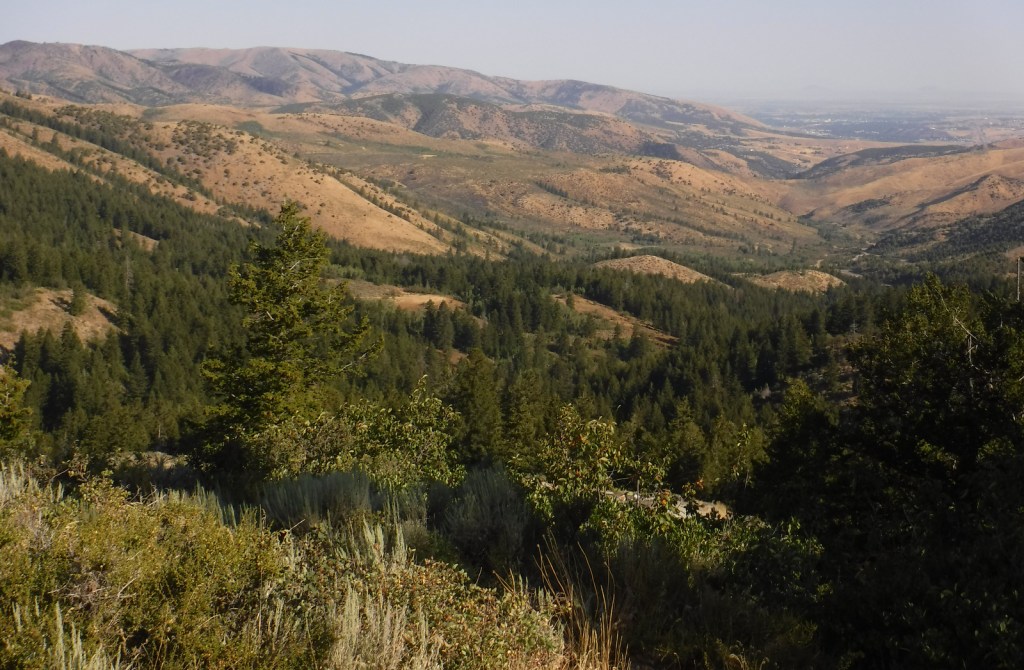
Co-managed as Caribou-Targhee National Forest since 2000, Caribou National Forest is located in the southeastern corner of Idaho.  To add to the jurisdictional muddle, Caribou National Forest has also administered the 263,940-acre Idaho portion of Wasatch-Cache National Forest since 1973 (see previous blog post).  However, nearly 50 years later all of the wooden signs in this area still read Cache National Forest.  Despite the signage, U.S. Forest Service publications and topographic maps identify Minnetonka Cave and Paris Ice Cave as being in Caribou-Targhee National Forest, so we went with that.  Confused?  So are we, so much so that we made a phone call to a Forest Service employee in this ranger district that still did not clear up the bureaucratic mess.

Highlights

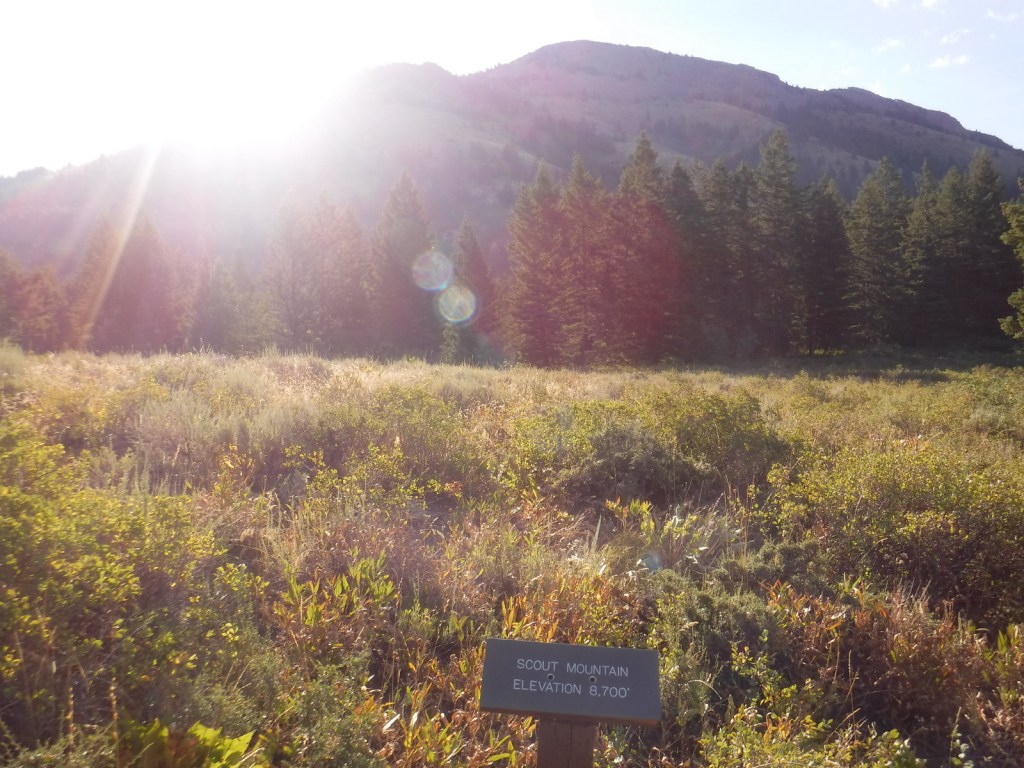
Pioneer Historic Scenic Byway, Minnetonka Cave, Paris Ice Cave, Caribou City ghost town, Malad Range, Tincup Mountain, Oregon Trail-Bear Lake Scenic Byway, Lander Cutoff, Oneida Salt Works, Cherry Springs Nature Area, Montpelier Canyon, Bloomington Lake, Scout Mountain Nature Trail

Must-Do Activity

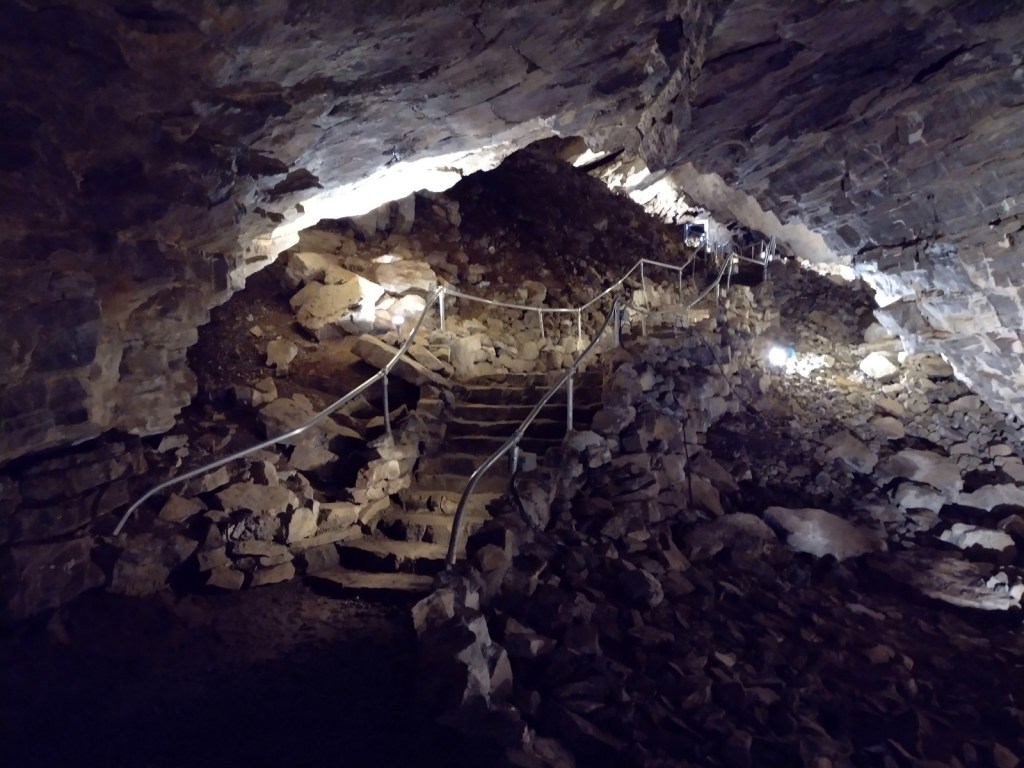
In Montpelier, Idaho, the National Oregon/California Trail Center is managed by the U.S. Forest Service on the Pioneer Historic Scenic Byway.  To the southwest, Minnetonka Cave is one of the few developed cave tours offered by (a concessionaire for) the Forest Service.  The natural entrance to Minnetonka Cave was widened and the route lighted by the Works Progress Administration in the 1930s when 444 stairs were installed to allow large groups to visit.  The tour goes out and back on the same route so the steep downward sections become climbs on the return trip, but guides make multiple stops in both directions to allow you to catch your breath at this high elevation.

Best Trail

Further north than Minnetonka Cave, a 9.5-mile long dirt road drive up to 7,800 feet in elevation leads to the short boardwalk through the Paris Ice Cave.  This photogenic natural tunnel is open at both ends so it does not require a flashlight, but does retain snowpack deep into the summer months.  Signs at both caves still say Cache National Forest even though this district has not been managed by them since 1973.

Watchable Wildlife

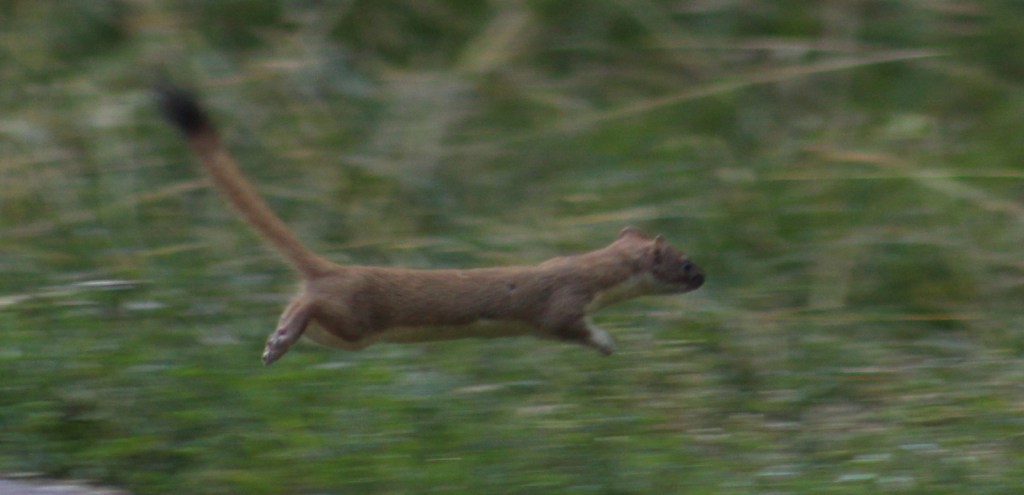
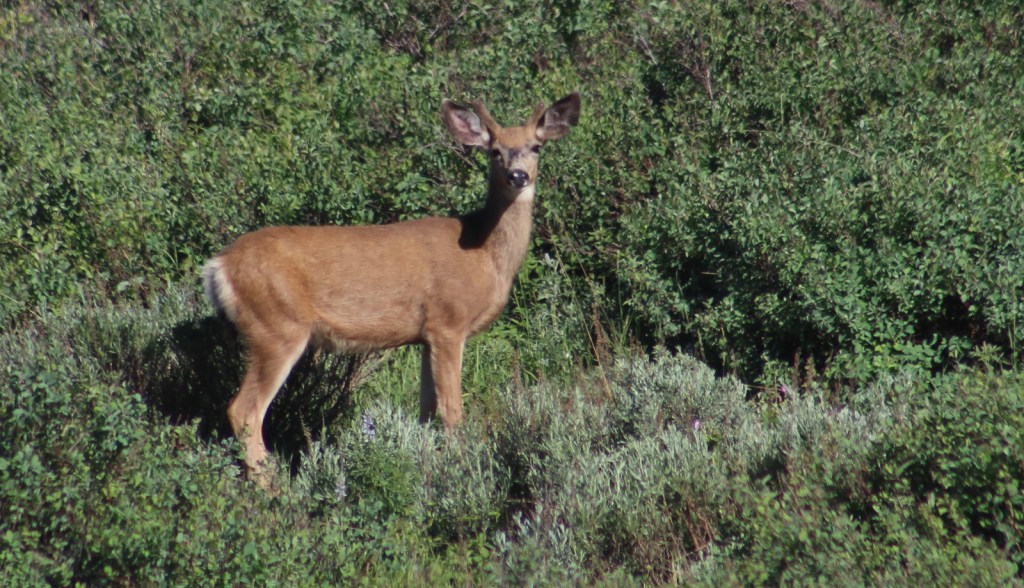
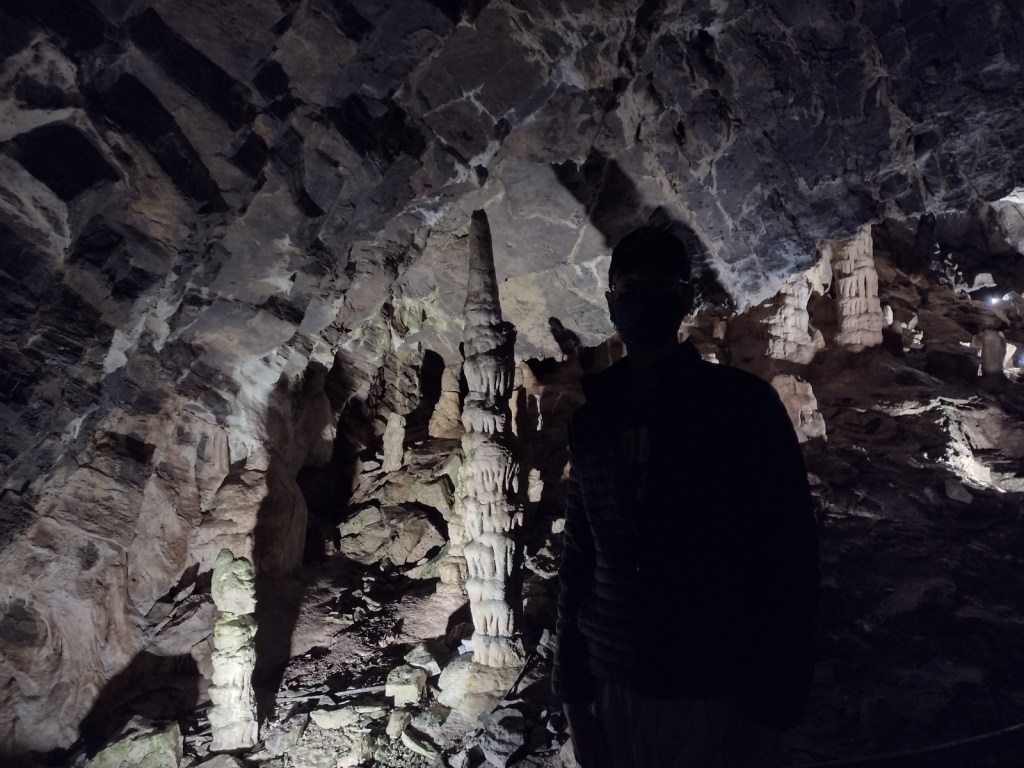
This is a fairly arid portion of the west, so you are more likely to see a ground squirrel, coyote, or mule deer than any other wildlife.  In Minnetonka Cave, our tour guide pointed out a couple Townsend’s big-eared bats, which is why they screen all visitors for white-nosed bat syndrome.  We disturbed a nesting robin when exiting the Paris Ice Cave.

Instagram-worthy Photo

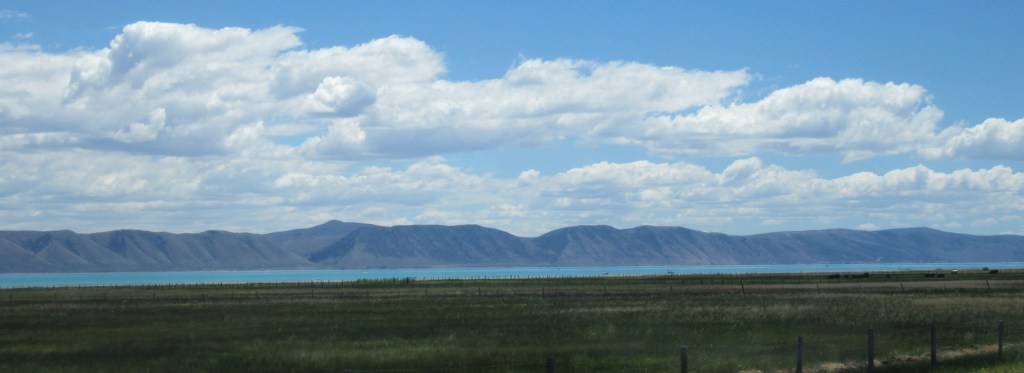
On the Idaho-Utah border, the 109-square-mile Bear Lake has been called the “Caribbean of the Rockies” because of its water’s intense turquoise color, due to suspended limestone sediment.  The naturally-formed lake sits at 5,924 feet in elevation and its maximum depth is 208 feet.  Both states have their own Bear Lake State Park with boat ramps and beaches for swimming. 

Peak Season

Summer

Fees

It costs $12 per person for the 80-minute Minnetonka Cave Tour that you must pay before driving up to the actual cave, but we did not come across any other fees.

Road Conditions

Access to Minnetonka Cave is paved and the 9.5-mile long dirt road drive up to Paris Ice Cave was good enough for our passenger vehicle to handle.

Camping

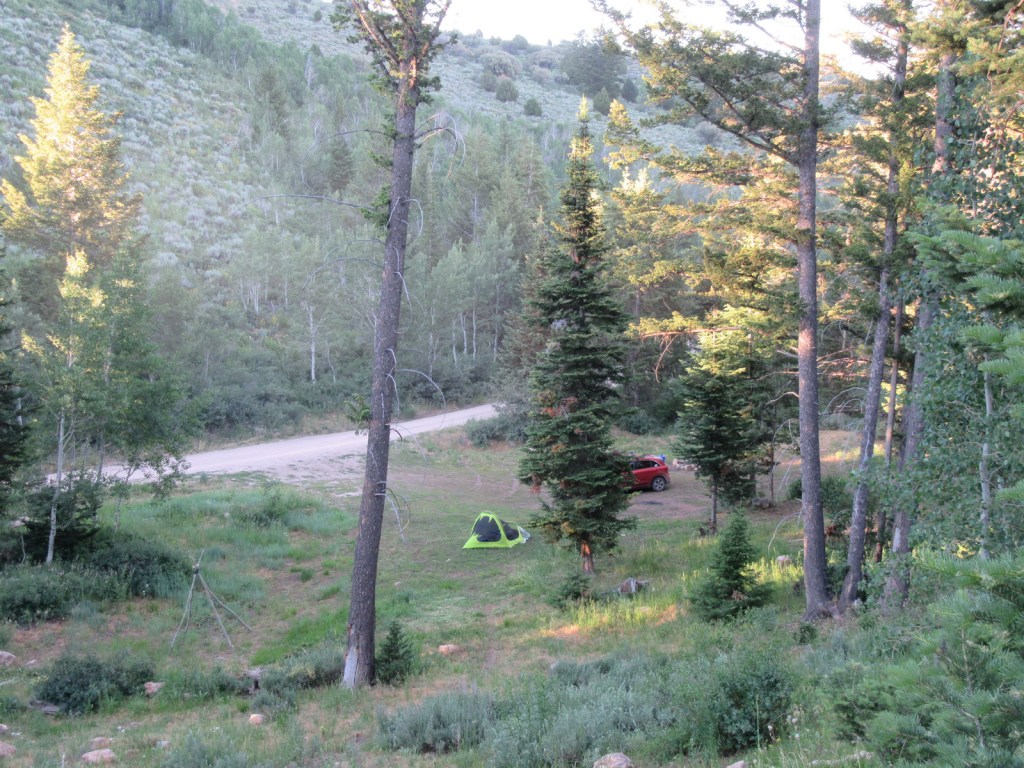
There are numerous campgrounds on the way to Minnetonka Cave and we found a large, flat dispersed camp along the road to Paris Ice Cave.

Wilderness Areas

None

Related Sites

Targhee National Forest (Idaho-Wyoming)

Fossil Butte National Monument (Wyoming)

Timpanogos Cave National Monument (Utah)

Nearest National Park

Grand Teton (Wyoming)

Conifer Tree Species

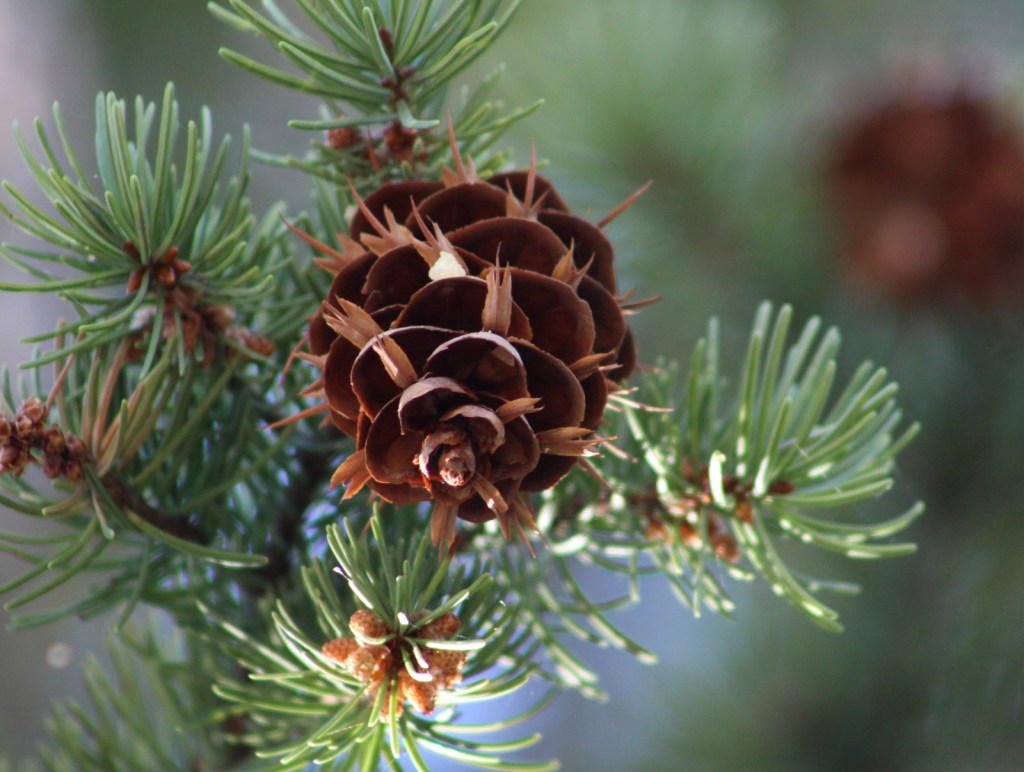
Rocky Mountain juniper, Utah juniper, limber pine, whitebark pine, ponderosa pine, lodgepole pine, Engelmann spruce, subalpine fir, white fir, Douglas-fir

Flowering Tree Species

quaking aspen, river birch, boxelder, Rocky Mountain maple, Bebb willow, blue elderberry, red osier dogwood, chokecherry, curlleaf mountain-mahogany, sagebrush

Explore More – The Caribou Mountains were named for a gold miner nicknamed “Cariboo Jack,” but what was his real name?

Learn more about Caribou and the 154 other National Forests in our new guidebook Out in the Woods

We are a participant in the Amazon Services LLC Associates Program, an affiliate advertising program designed to provide a means for us to earn fees by linking to Amazon.com and affiliated sites.

Cache National Forest

Cache National Forest

Utah, Idaho

Managed by U.S. Forest Service, Intermountain Region

1,216,778 acres (701,652 federal/ 515,126 other)

Website: https://www.fs.usda.gov/uwcnf

Overview

Cache National Forest surrounds Logan, Utah on three sides covering the Bear River Range and Wellsville Mountains, which are considered to have the steepest grade in the entire nation.  Since August 2007, Cache National Forest is officially part of the massive Uinta-Wasatch-Cache National Forest that sprawls across northeastern Utah.  To add to the bureaucratic confusion, the 263,940 acres of Cache National Forest in Idaho have been administered since 1973 by Caribou National Forest (see our next blog post).  When you subtract that land area, it only includes 437,712 acres of federal land, making it one of the smallest National Forests in the western U.S.

Highlights

Logan Canyon Scenic Byway, Wind Cave, Jardine Juniper, Tea Pot Rock, Old Limber Pine Nature Trail, Ogden River Scenic Byway, Pineview Reservoir, Tony Grove Lake Campground, Causey Reservoir, Wellsville Mountains, Naomi Peak National Recreation Trail

Must-Do Activity

Logan Canyon Scenic Byway follows Highway 89 and the beautiful Logan River up to a pass with views of Bear Lake, a naturally-formed body of water that gets its turquoise color from suspended limestone sediment (earning it’s the nickname “Caribbean of the Rockies”).  Logan Canyon is especially busy in the fall when the leaves change on quaking aspens and three species of maples: boxelder, canyon/bigtooth maple, and Rocky Mountain maple. 

Best Trail

Logan Canyon has two popular, but steep trails that lead to Wind Cave and the Old Jardine Juniper, the world’s largest Rocky Mountain juniper estimated to be at least 3,000 years old.  The 3.6-mile out-and-back trail to Wind Cave starts from a roadside pullout across from Guinavah-Malibu Campground and gains more than 900 feet in elevation.  Hiking to the Old Jardine Juniper requires a climb of over 2,100 feet along the five-mile one-way trail, which continues further into the Mt. Naomi Wilderness.

Watchable Wildlife

Trout fishing is a popular activity due to all of the rivers and streams in Cache National Forest.  Large mammalian species include elk, mule deer, pronghorns, and black bears.  Watch the skies above Logan Canyon for ravens and a variety of birds of prey.

Instagram-worthy Photo

The limestone arches of Wind Cave originally formed underground then were exposed when the Logan River cut its steep canyon.

Peak Season

Summer

Fees

None

Road Conditions

Logan Canyon (Highway 89) and Ogden River (Highway 39) Scenic Byways are both paved.  We did not drive any unpaved roads, but we did notice that the dirt roads around Bear Lake Summit (on Highway 89) looked very rutted and four-wheel-drive only.

Camping

There are numerous campgrounds along both the Logan Canyon and Ogden River Scenic Byways.  We did not notice any dispersed campsites in these areas, although there probably are some options in more remote portions of the National Forest.

Wilderness Areas

Mt. Naomi Wilderness

Wellsville Mountain Wilderness

Related Sites

Golden Spike National Historical Park (Utah)

Timpanogos Cave National Monument (Utah)

Wasatch National Forest (Utah-Wyoming)

Nearest National Park

Grand Teton (Wyoming)

Conifer Tree Species

Rocky Mountain juniper, Utah juniper, limber pine, whitebark pine, ponderosa pine, lodgepole pine, Engelmann spruce, subalpine fir, white fir, Douglas-fir

Flowering Tree Species

quaking aspen, river birch, boxelder, canyon/bigtooth maple, Rocky Mountain maple, Bebb willow, blue elderberry, chokecherry, curlleaf mountain-mahogany, sagebrush

Explore More – In what year did the Cache Valley host the second-ever rendezvous of fur-trapping mountain men?

Learn more about Cache and the 154 other National Forests in our new guidebook Out in the Woods

We are a participant in the Amazon Services LLC Associates Program, an affiliate advertising program designed to provide a means for us to earn fees by linking to Amazon.com and affiliated sites.

Bighorn National Forest

Bighorn National Forest

Wyoming

Managed by U.S. Forest Service, Rocky Mountain Region

1,115,160 acres (1,107,571 federal/ 7,589 other)

Website: https://www.fs.usda.gov/bighorn

Overview

In northern Wyoming, the Bighorn Mountains are crisscrossed by three scenic byways: Cloud Peak Skyway, Bighorn Scenic Byway, and Medicine Wheel Passage.  Bighorn National Forest has such amazing views you can even enjoy them without stepping foot on the ground.  While you could enjoy the National Forest strictly through your windshield, you should lace up your hiking boots and explore some of the 150 miles of trails within the spectacular 189,039-acre Cloud Peak Wilderness.

Highlights

Shell Falls, Fallen City, Medicine Wheel National Historic Landmark, Bucking Mule Falls, Coney Lake, Porcupine Falls, Crazy Woman Creek, Ten Sleep Canyon, Mistymoon Trail

Must-Do Activity

Medicine Wheel National Historic Landmark is an 80-foot-diameter circle of rocks divided into 28 spokes to match the lunar cycle.  This breathtaking archaeological site lies at nearly 10,000 feet in elevation with stunning panoramas in all directions.  It is possible to drive all the way to the site with a four-wheel-drive vehicle, but most visitors park in the lot located three miles up the road that climbs steeply from the turnoff on Highway 14A.  From the parking area, it is a 1.5-mile walk down the undulating road, which can be cold and windy even in the middle of the summer.

Best Trail

Mistymoon Trail is one of the most famous backpacking areas in the state of Wyoming, a six-mile jaunt into scenic Cloud Peak Wilderness with only about 1,000 feet elevation gain to Mistymoon Lake.  Leaving from the same trailhead at West Tensleep Lake, another trail leads to Mirror Lake and Lost Twin Lakes after multiple stream crossings.

Watchable Wildlife

As you might guess from its name, the National Forest is home to bighorn sheep, although they had to be reintroduced after being eradicated by diseases and hunting.  Given its location at the edge of the Great Plains, both white-tailed deer and mule deer overlap here, usually to the detriment of less-aggressive mule deer.  The North Tongue River is one of several clear waterways that attract trout fishermen, and elk hunters crowd this area in the fall.

Instagram-worthy Photo

You will definitely want to get out of the car to see 120-foot tall Shell Falls, which is located right off Highway 14. 

Peak Season

Summer

Fees

None

Road Conditions

Snow can close Cloud Peak Skyway (Highway 16) and Bighorn Scenic Byway (Highway 14) temporarily in the winter, and Medicine Wheel Passage (Highway 14A) until late spring.  Forest Road 27 is a wide gravel road that leads seven miles north from Highway 16 to West Tensleep Lake Campground and trailhead.  Accessing the short trail to 600-foot tall Bucking Mule Falls involves driving about ten miles of dirt roads.

Camping

There are many campgrounds, including popular ones at Meadowlark Lake and West Tensleep Lake.  For a more-developed experience, try Medicine Lake Lodge or Meadowlark Lake Resort.  We have driven through this area multiple times and found a couple good dispersed campsites on dirt roads.

Wilderness Areas

Cloud Peak Wilderness

Related Sites

Bighorn Canyon National Recreation Area (Montana-Wyoming)

Little Bighorn Battlefield National Monument (Montana)

Black Hills National Forest (South Dakota-Wyoming)

Nearest National Park

Yellowstone (Wyoming-Montana-Idaho)

Conifer Tree Species

Douglas-fir, Rocky Mountain juniper, subalpine fir, Engelmann spruce, white spruce, limber pine, ponderosa pine, lodgepole pine

Flowering Tree Species

quaking aspen, Rocky Mountain maple, curlleaf mountain-mahogany, sagebrush

Explore More – How tall is Cloud Peak, namesake for the 189,039-acre Cloud Peak Wilderness?

Flaming Gorge National Recreation Area

Flaming Gorge National Recreation Area

Wyoming, Utah

Managed by U.S. Forest Service, Ashley National Forest

207,363 acres

Website: https://www.fs.usda.gov/attmain/ashley/specialplaces

Overview

Flaming Gorge National Recreation Area surrounds the Flaming Gorge Reservoir that straddles the Wyoming-Utah border in the northern portion of Ashley National Forest.  The partially-submerged canyon was named by John Wesley Powell who in 1869 started his expedition down the Colorado River near the headwaters of the Green River.  The reservoir has 360 miles of shoreline, five full-service marinas, and numerous boat launches and campgrounds.

Highlights

Sheep Creek National Geological Area, Flaming Gorge-Uinta Scenic Byway, Cart Creek Bridge, Flaming Gorge Dam, Red Canyon Recreation Complex, Green River, Firehole Canyon

Must-Do Activity

The top activities in Flaming Gorge National Recreation Area are boating and fishing, as the reservoir is known for its large population lake trout, as well as kokanee salmon, rainbow trout, brown trout, smallmouth bass, channel catfish, and burbot.  Ice fishing is available in the winter, as are trails for snowmobiling and cross-country skiing.  Southwest of the reservoir, Sheep Creek National Geological Area offers a scenic drive through nine rock formations with interpretive signs.  Downstream from the dam, the Green River is a rafting destination.

Best Trail

Little Hole National Recreation Trail runs 7.2 miles along the Green River from the Flaming Gorge Spillway to the Little Hole boat ramp.  Canyon Rim Trail starts at the Red Canyon Overlook and follows the canyon rim for 1.5 miles before cutting three miles towards the Greendale Overlook.

Instagram-worthy Photo

The Flaming Gorge Dam stands 502 feet high and is crossed by Highway 191 on the Flaming Gorge-Uinta Scenic Byway, as is beautiful Cart Creek Bridge.

Peak Season

Summer

Fees

Every boat launch and day-use area requires a recreation pass ($5 per day, $15 per week, or America the Beautiful pass), but there is no fee to drive the Flaming Gorge-Uinta Scenic Byway or across the dam.

Road Conditions

The 82-mile long Flaming Gorge-Uinta Scenic Byway is paved the whole way, but there are many unpaved roads including popular Red Canyon and Sheep Creek National Geological Area.  Access roads to boat ramps at Lucerne Valley, Antelope Flat, Cedar Springs, Mustang Ridge, Buckboard Crossing, and Firehole Canyon are paved.

Camping

There are numerous campgrounds on and off the lake, mostly open May to September, although Dripping Springs is open year round.

Related Sites

Canyonlands National Park (Utah)

Glen Canyon National Recreation Area (Arizona-Utah)

Lake Mead National Recreation Area (Nevada-Arizona)

Nearest National Park

Arches (Utah)

Explore More – When was the Flaming Gorge Dam completed?

Apache National Forest

Apache National Forest

Arizona, New Mexico

Managed by U.S. Forest Service, Southwestern Region

1,876,891 acres (1,813,601 federal/ 63,290 other)

Website: https://www.fs.usda.gov/main/asnf/home

Overview

Growing up in Arizona, we only ever heard this referred to as Apache-Sitgreaves National Forest since it was merged in 1974.  The more eastern Apache National Forest section represents about 69% of the combined forests total acreage and partly spills into New Mexico.  On its west side it borders the Fort Apache and the San Carlos Indian Reservations, only containing one side of Mt. Baldy (which is famous for its ski resort).  The National Forest contains the eastern portions of the White Mountains and Mogollon Rim, a forested escarpment that cuts 200 miles across much of the state of Arizona.

Highlights

Coronado Trail Scenic Byway, Mt. Baldy, Butler Canyon, Escudilla National Recreation Trail, Hannagan Meadow, Chitty Canyon, Big Tree Trail, Eagle National Recreation Trail

Must-Do Activity

The Coronado Trail Scenic Byway (Highway 191) is a narrow, winding paved road that runs 120 miles north-south through Apache National Forest and is the best way to explore.  Near the northern end of the highway, a steep unpaved road leads east up to the trailhead for Escudilla National Recreation Trail.  A fire burned the 10,912-foot mountain that the trail summits and on our hike in May 2020 we counted 75 downed trees that we had to step over, both on the three miles in and the three miles out.  To the east, the remote Blue Range Primitive Area was created in 1933, but has yet to receive Wilderness designation.  About 18 miles south of Alpine make a stop at the historic Hannagan Meadow lodge, the only place to get gas along the route (or air if like us you have to put on your spare tire).  The highway continues south dropping down from the Mogollon Rim into a more desert-like environment.

Best Trail

A short, but worthwhile hike descends west from Sardine Saddle near the southern end of the Coronado Trail Scenic Byway.  At the end of the 0.4-mile trail is the largest Arizona cypress tree growing in the United States (97 feet tall with a 181-inch trunk circumference).  There are also some big alligator juniper trees growing near the bottom of the canyon, and if you see their bark you will realize why they got their name.

Watchable Wildlife

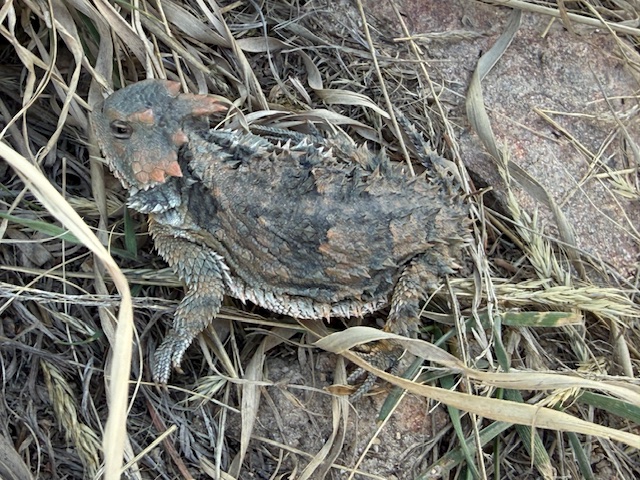
We were excited to find horned lizards (a.k.a. frogs or toads) along the Escudilla National Recreation Trail.  The cliffs of the Mogollon Rim provide good thermal updrafts so are a good place to looks for turkey vultures and a variety of raptors.  The ranges of mule deer and Coues whitetail deer overlap in this part of the country.  We saw turkeys on the road back to Rose Spring Trail (Forest Road 54).

Instagram-worthy Photo

There are great views from atop the Mogollon Rim at Blue Point Overlook on the Coronado Trail Scenic Byway.

Peak Season

Spring and fall

Fees

None

Road Conditions

Highway 191 is paved, but is a slow drive due to its many curves.  Many of the side roads are very rough and a high-clearance vehicle is recommended.  We got a flat tire on the rocky Forest Road 54.

Camping

There are several developed campgrounds, including one at Luna Lake and several along the East Fork of the Black River.  Dispersed camping options abound, including on the road to Escudilla National Recreation Trail and we found a nice campsite near the entrance to Forest Road 54.

Wilderness Areas

Bear Wallow Wilderness

Escudilla Wilderness

Mount Baldy Wilderness

[Blue Range Primitive Area]

Related Sites

Coronado National Memorial (Arizona)

Chiricahua National Monument (Arizona)

Fort Bowie National Historic Site (Arizona)

Nearest National Park

Petrified Forest (Arizona)

Conifer Tree Species

Arizona cypress, alligator juniper, pinyon pine, ponderosa pine, Chihuahua pine, Douglas-fir, white fir, Engelmann spruce

Flowering Tree Species

quaking aspen, Emory oak, Arizona white oak, turbinella oak, New Mexico locust, Rocky Mountain maple, pointleaf manzanita

Explore More – The Apache arrived in this area from the north in the 1300s and their name comes from a Zuni word translated as what?

We are a participant in the Amazon Services LLC Associates Program, an affiliate advertising program designed to provide a means for us to earn fees by linking to Amazon.com and affiliated sites.