Tag Archives: cabin

Baaj Nwaavjo I’tah Kukveni–Ancestral Footprints of the Grand Canyon National Monument

Baaj Nwaavjo I’tah Kukveni–Ancestral Footprints of the Grand Canyon National Monument

Arizona

Managed by U.S. Forest Service, Bureau of Land Management

Established 2023

917,618 acres

Website: https://www.blm.gov/national-conservation-lands/arizona/ancestral-footprints

Overview

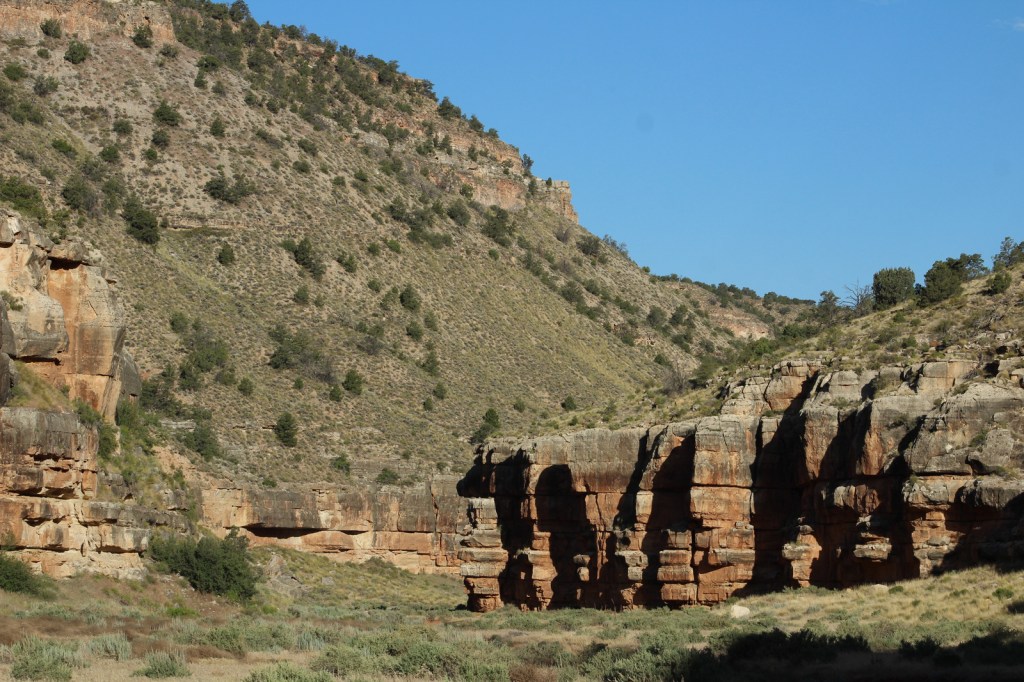
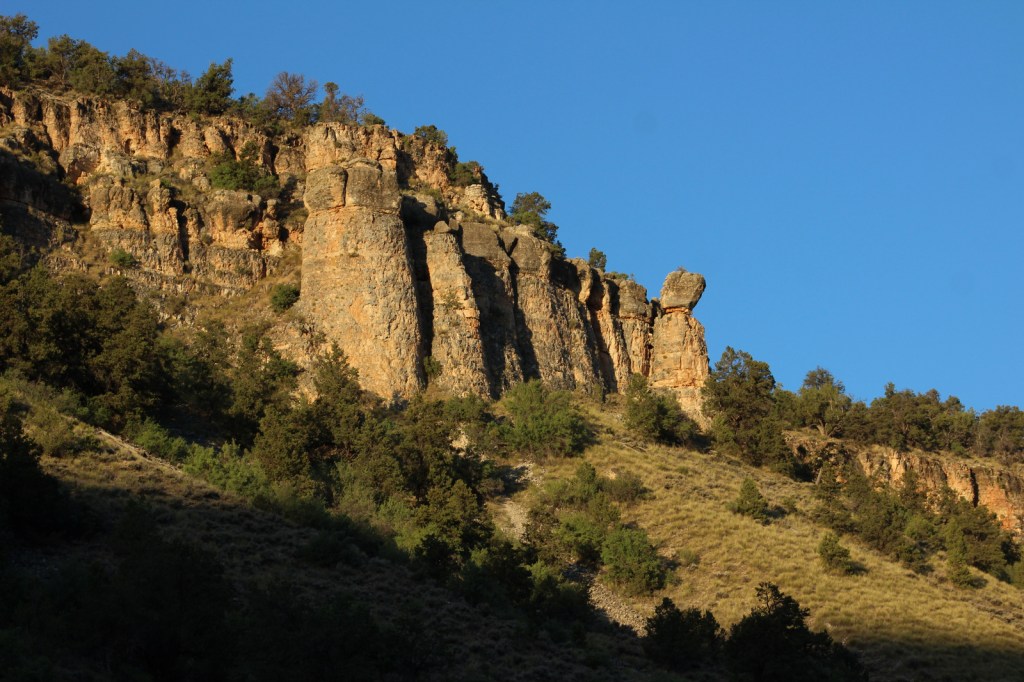
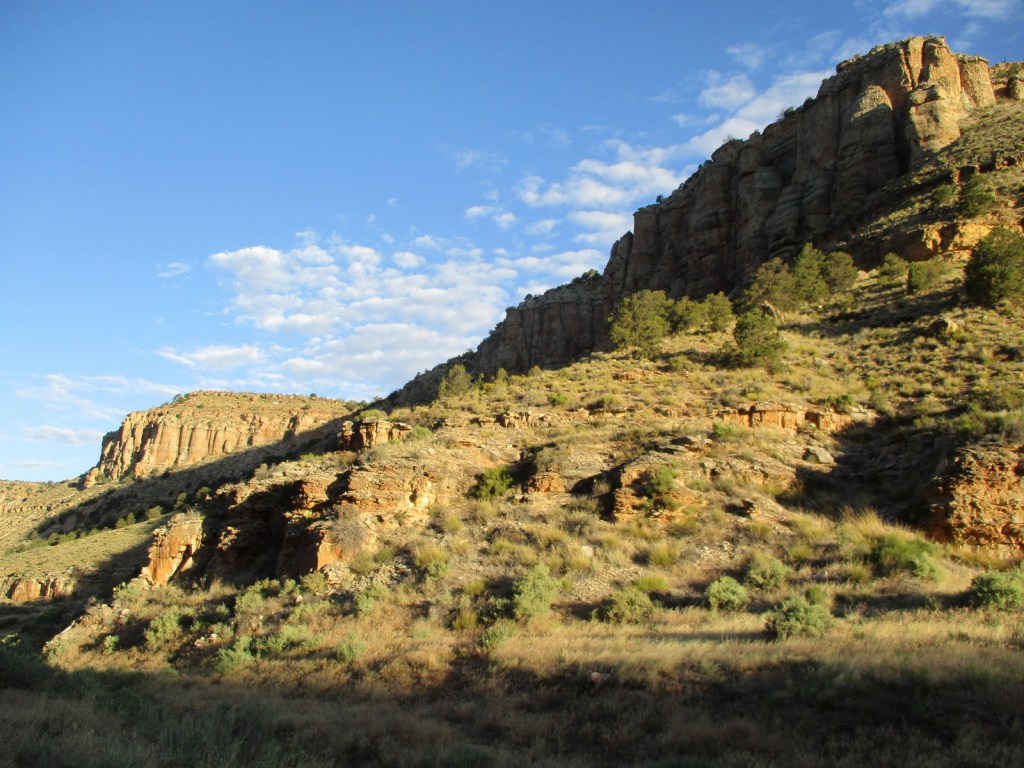
This new National Monument is situated on both the North and South Rim of the Grand Canyon, but outside the boundaries of Grand Canyon National Park.  It includes the entirety of the Tusayan District of Kaibab National Forest on the South Rim, as well as two sections east and west of the 9,000-foot Kaibab Plateau on the Arizona Strip.  Its name is derived from the Havasupai words Baaj Nwaavjo, which translate as “where indigenous peoples roam,” plus the Hopi term I’tah Kukveni, which means “our ancestral footprints.”  According to the Bureau of Land Management (BLM) website it is pronounced “Baahj-Nuh-Waahv-Joh, Ee-Tah-Kook-Venny.”  The National Monument was created primarily to prevent future uranium mining claims in this area and further protect evidence of thousands of years of human habitation (see Best Trail).

Learn more about the other 137 National Monuments in our book Monumental America: Your Guide to All 138 National Monuments. It is now available for sale on Amazon.com.
Highlights

Red Butte, Hull Cabin, Apex Logging Camp, Grand Canyon Airport Historic District, Marble Canyon, Snake Gulch, Arizona National Scenic Trail

Must-Do Activity

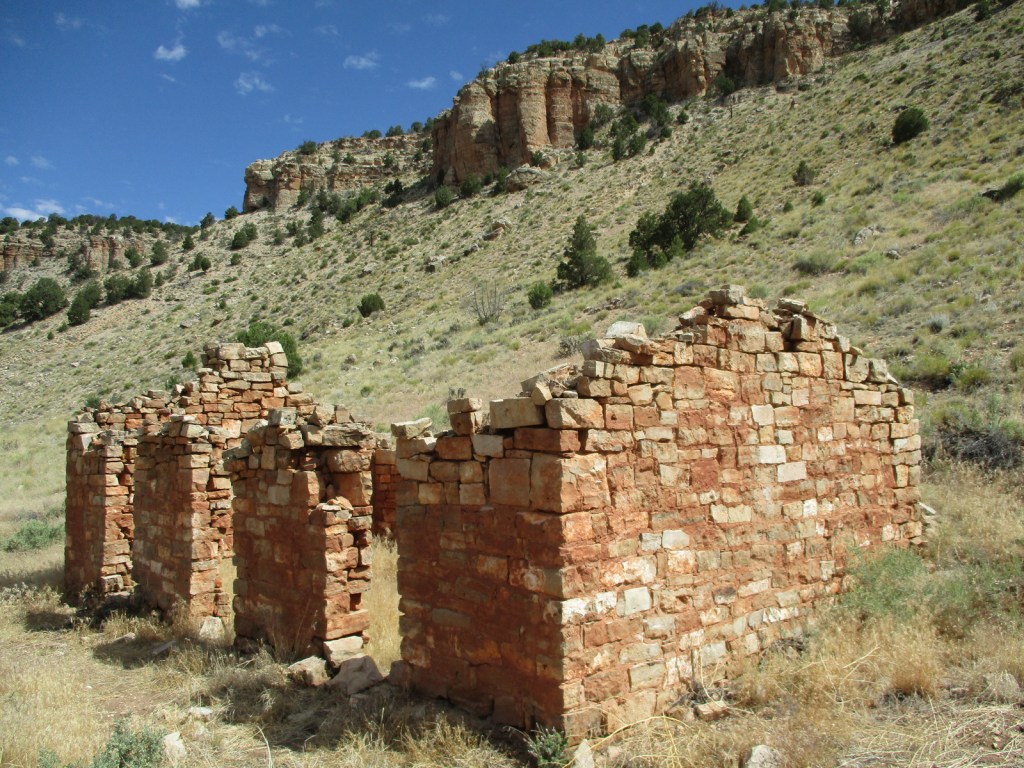
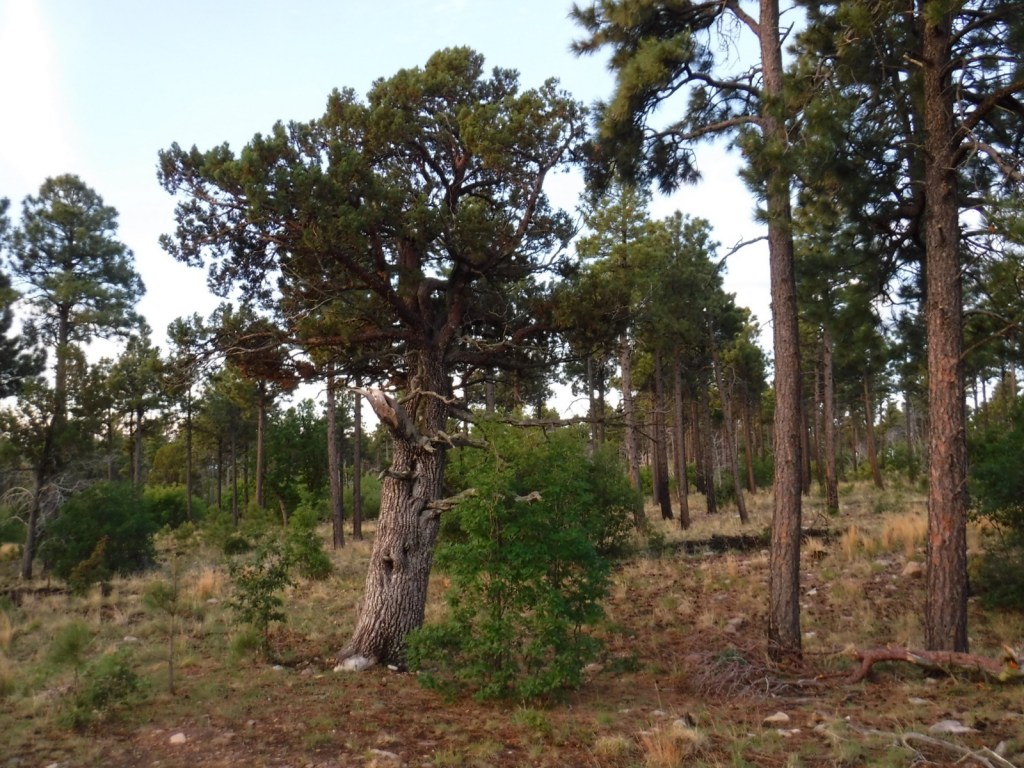
Red Butte is located just east of paved Highway 64/180 on the way to Grand Canyon National Park’s South Rim.  A short 3.3-mile out-and-back trail with 912 feet of elevation gain is found at this geological formation sacred to the Havasupai, Hualapai, Navajo, Hopi, and Zuni people.  Also in this area, Hull Cabin dates back to 1889 and Apex Logging Camp was situated along the Grand Canyon Railroad between 1928 and 1936 (although not much remains other than the foundation of a one-room schoolhouse).  The Arizona National Scenic Trail runs through this part of Kaibab National Forest before entering the Grand Canyon and crossing the Kaibab Plateau.

Best Trail

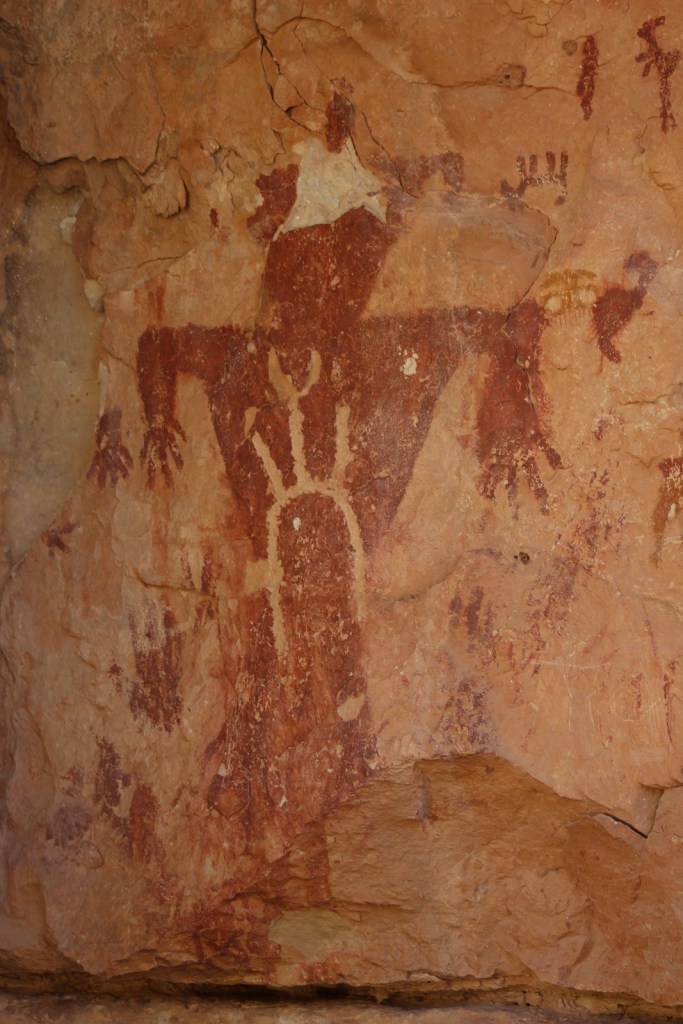
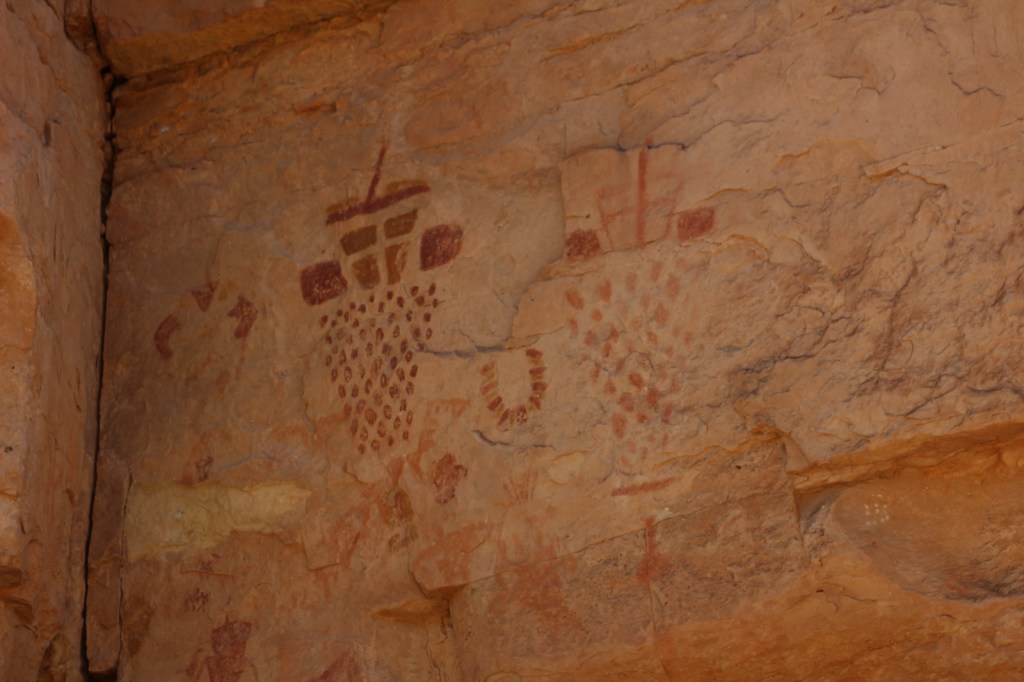
Snake Gulch-Kanab Creek Trail #59 starts at the end of unpaved Forest Road 642 (about five miles from the end of pavement on Forest Highway 22).  It soon passes an old homestead and turns left to enter the canyon, part of the extensive Kanab Creek Wilderness (and within the National Monument boundary).  The first pictographs can be seen about 2.5 miles in and from then on consistently on the north side of the canyon.  The images are primarily done in red paint from the Basketmaker People who resided in this region from 300 BCE to AD 800.  We hiked in seven miles then turned around as it started to get really hot in late June, but the trail through the canyon continues 21 miles to where it connects with Ranger Trail #41.  Our favorite pictographs were located about four miles in, which would make a good turnaround point for a day hike.

Instagram-worthy Photo

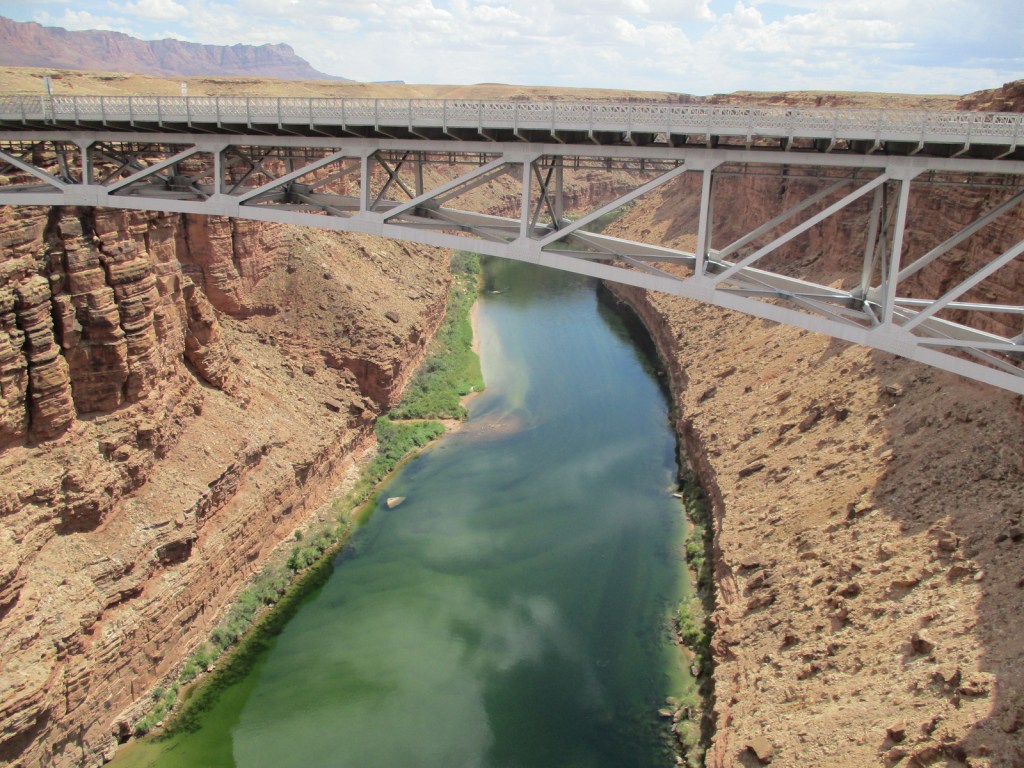
Stop at the historic Navajo Bridge that crosses the Colorado River at Marble Canyon where four public lands meet: Grand Canyon National Park, Glen Canyon National Recreation Area, Vermilion Cliffs National Monument, and Baaj Nwaavjo I’tah Kukveni-Ancestral Footprints of the Grand Canyon National Monument.
Peak Season

Spring and fall, as summer can be very hot

Hours

Navajo Bridge Visitor Center (National Park Service)

https://www.nps.gov/glca/planyourvisit/visitorcenters.htm

Fees

None

Road Conditions

There are many unpaved and four-wheel-drive-only roads spread across this area, but Highway 64/180 to the South Rim is paved.  High clearance is recommended to access Snake Gulch-Kanab Creek Trailhead.  Highway 67 and most Forest Roads on the Kaibab Plateau are closed in winter due to heavy snowfall.

Camping

There are good, dispersed camping options throughout Kaibab National Forest, including along the dirt roads just outside the east entrance of Grand Canyon National Park’s South Rim before entering the Navajo Nation.

Related Sites

Glen Canyon National Recreation Area (Arizona-Utah)

Vermilion Cliffs National Monument (Arizona)

Grand Canyon-Parashant National Monument (Arizona)

Pipe Spring National Monument (Arizona)
Explore More – When were beefalo (bison and cattle mix) introduced to the House Rock Valley area west of Marble Canyon (and now found roaming inside Grand Canyon National Park and Kaibab National Forest)?

Learn more about the other 137 National Monuments in our book Monumental America: Your Guide to All 138 National Monuments

Lake Clark National Park and Preserve

Lake Clark National Park and Preserve

Alaska

Managed by National Park Service

Established 1978 National Monument, 1980 National Park

4,030,025 acres

Website: nps.gov/lacl

Overview

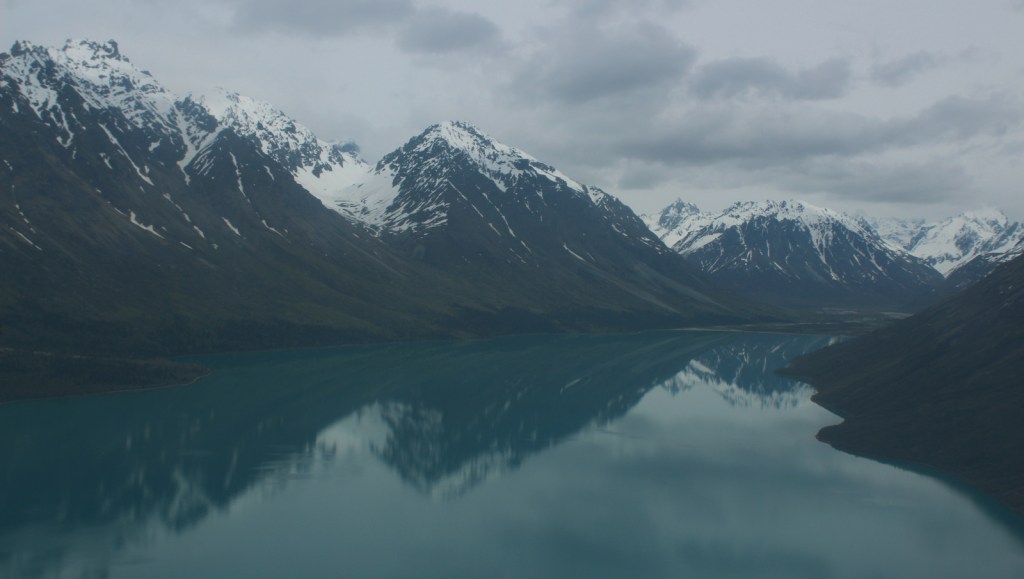
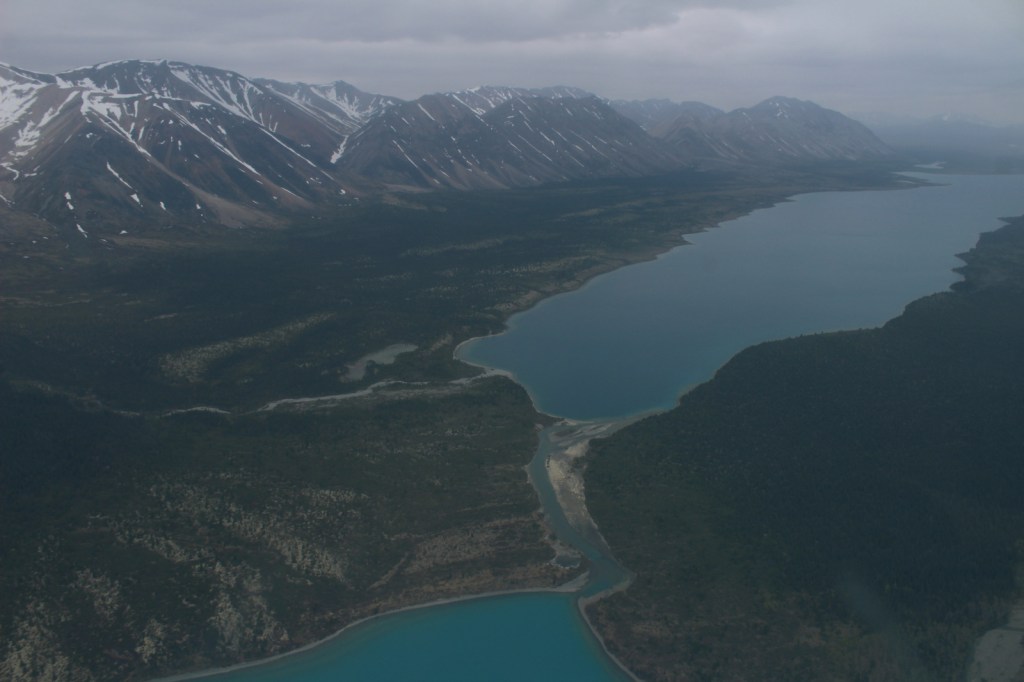
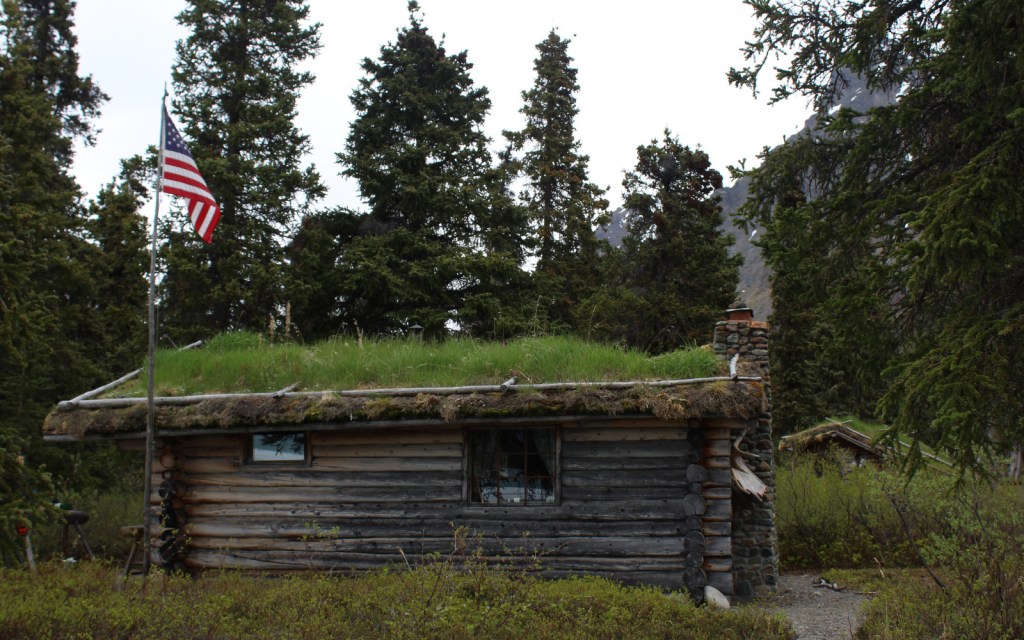
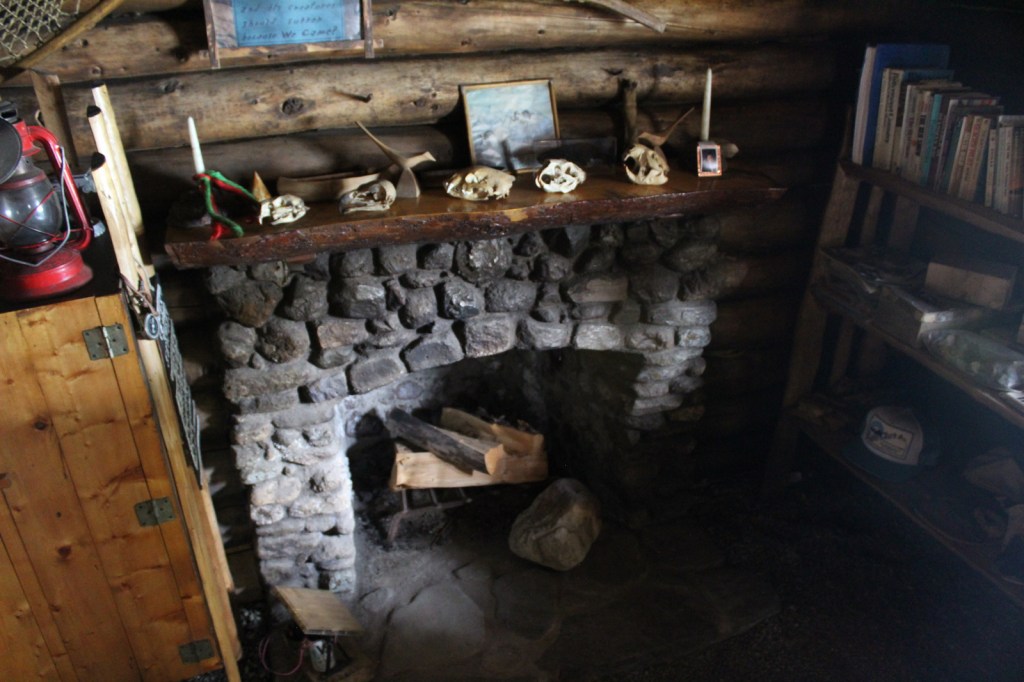
Lake Clark National Park and Preserve is inaccessible by road and receives only about 15,000 visitors annually.  It sits at the northern end of the massive Alaska Peninsula southwest of Anchorage, home to the twin 10,000-foot volcanoes Redoubt and Iliamna.  Cloaked in the whitest of snow, on a clear day they dominate the skyline view from a boat bobbing in Cook Inlet or a vehicle driving the Sterling Highway.  Behind the mountains lies massive Lake Clark itself, as well as the Twin Lakes made famous in the film Alone in the Wilderness and the book One Man’s Wilderness that both documented Richard “Dick” Proenneke’s cabin building and backcountry lifestyle (see our list of the Top 10 Non-Fiction Books Set in a National Park and Alaska).  Many visitors take flightseeing tours and never step foot on the ground, but that does not make their experience any less extraordinary. 

Learn more in the expanded 2nd edition of our guidebook to the National Parks— A Park to Yourself: Finding Solitude in America’s 63 National Parks.

Highlights

Redoubt Volcano, Iliamna Volcano, Port Alsworth, Lake Clark, Richard Proenneke Historic Site, Double Glacier

Must-Do Activity

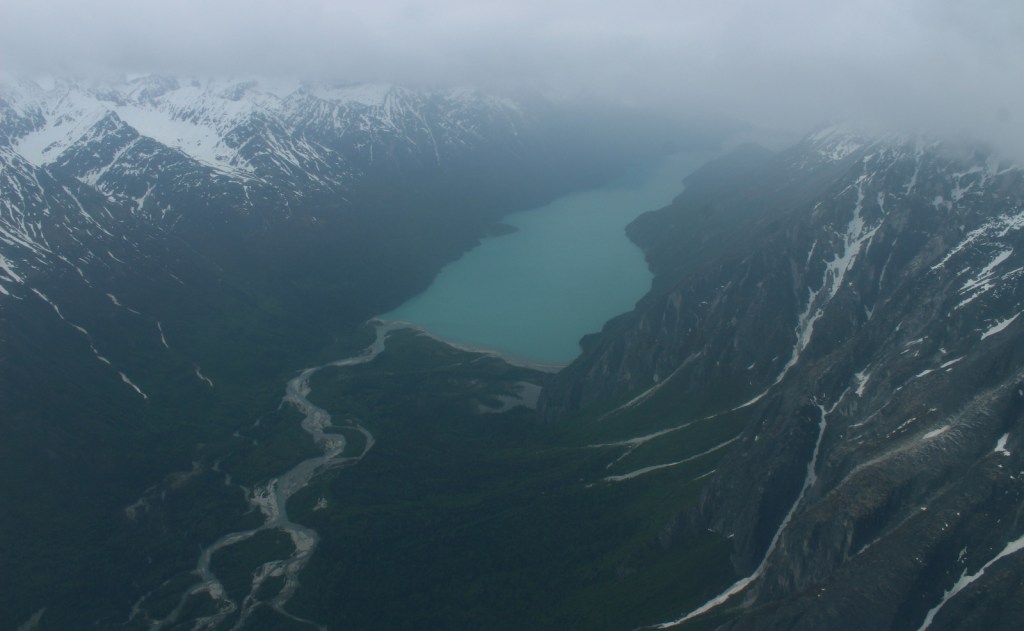
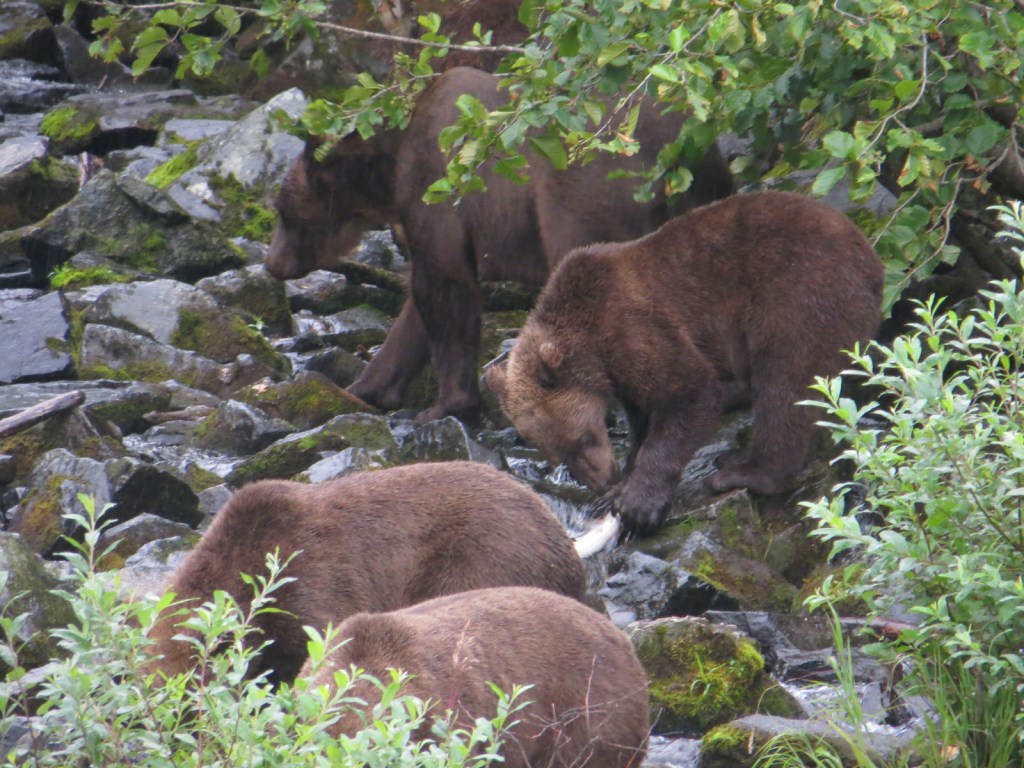
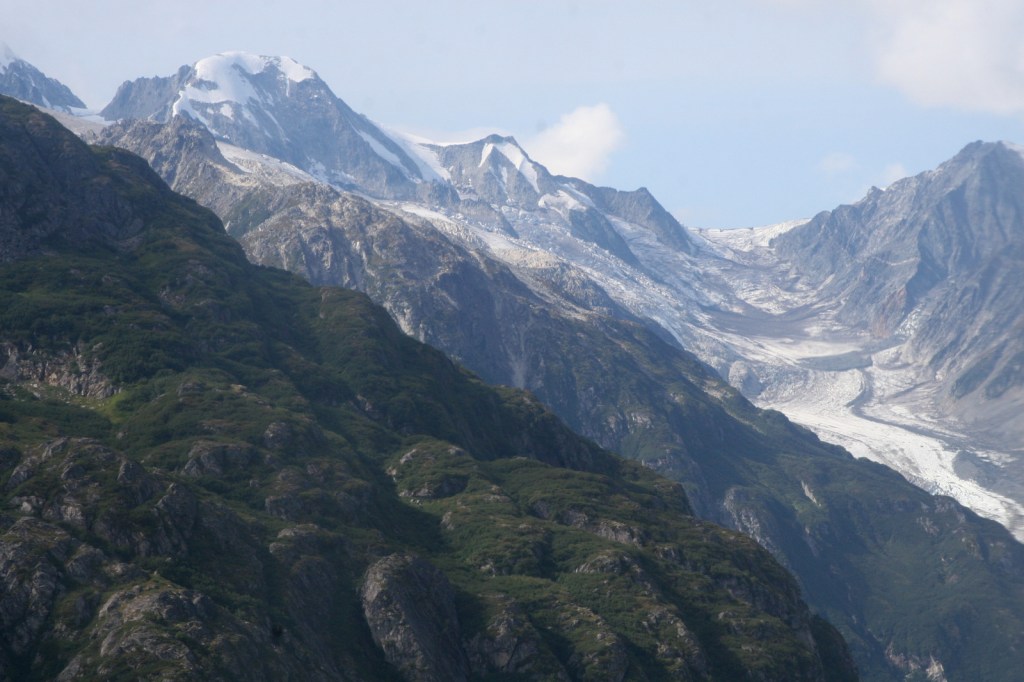
You can easily see the twin 10,000-foot volcanoes (Redoubt and Iliamna) within the park from Anchorage or Homer on a clear day, but getting to them is no easy task.  Your best bet is to take a float plane charter service and land on one of the big, glacier-fed lakes.  While you are over there try to do some salmon fishing; that is why the brown bears and bald eagles like it here.  The park’s visitor center is in Port Alsworth on Lake Clark, and another popular destination is Richard Proenneke Historic Site on Twin Lakes.  The park’s best attraction may be the massive glaciers that cling to the peaks of the Alaska and Aleutian Ranges and the Chigmit and Neacola Mountains.  Flying over a jagged glacial field offers a unique perspective on these giant rivers of ice and the boulder strewn valleys where gray, milky streams follow the wide pathways left by receded glaciers. 

Best Trail

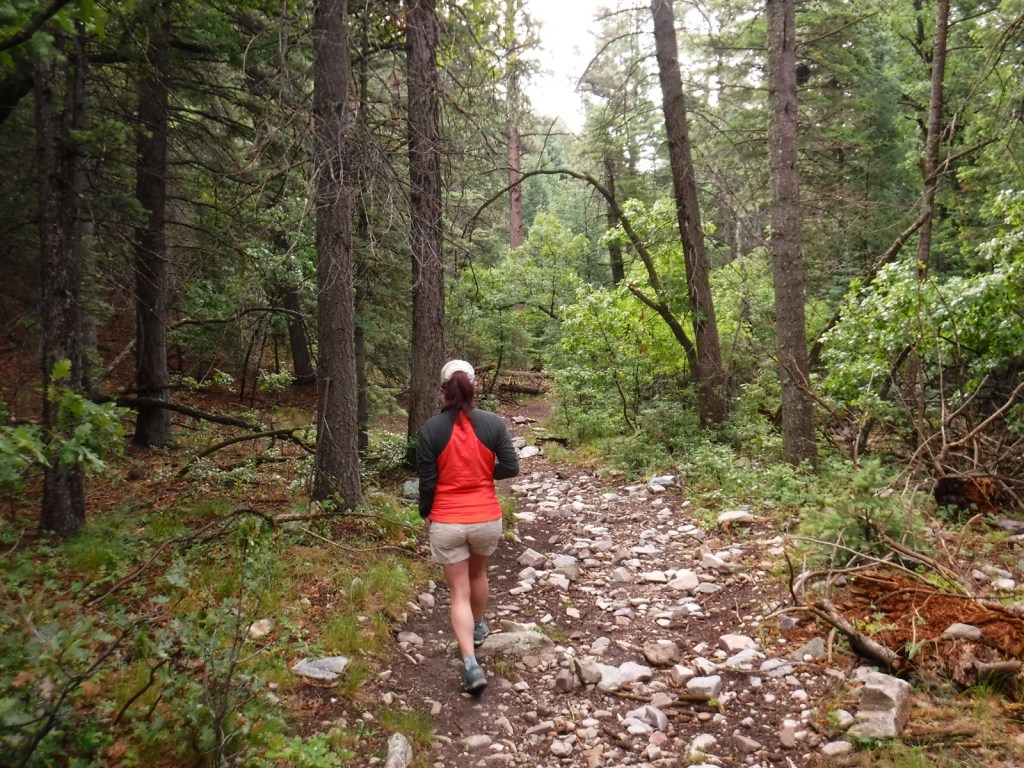
At the park’s visitor center in Port Alsworth, 2.5-mile Tanalian Falls Trail is the only officially maintained trail and a popular destination for backpackers.  At Richard Proenneke Historic Site, we hiked the scenic and steep Teetering Rock Trail less than a mile up to its namesake boulder that moves when you push on it.

Instagram-worthy Photo

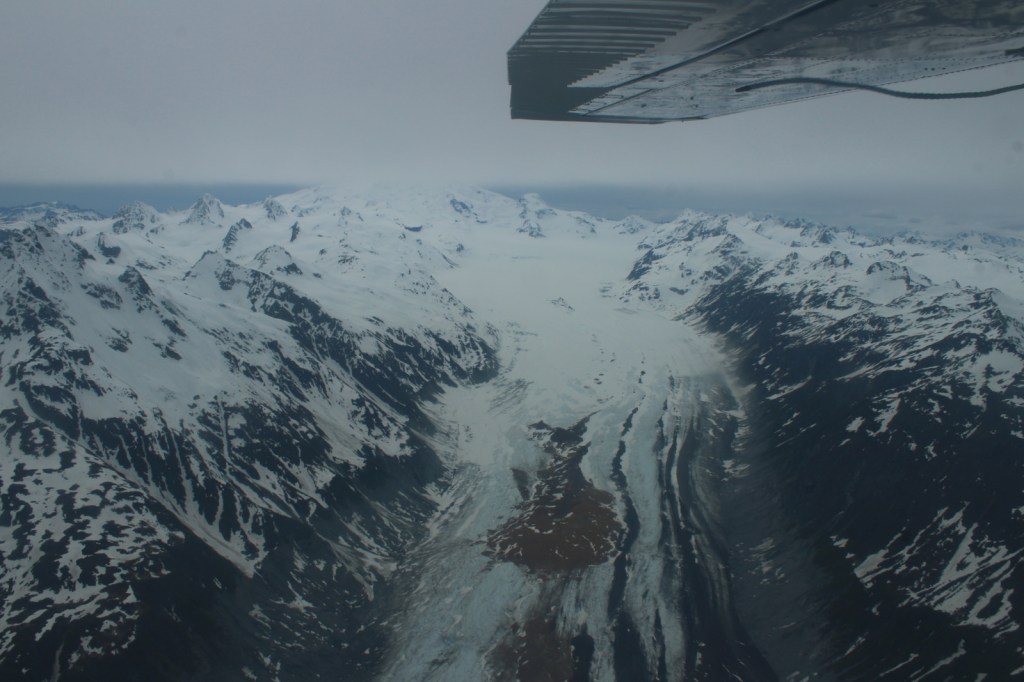
Viewed from above, Double Glacier appears cracked and fissured like the skin on the back of a human hand.  Rocky debris in lines of black accentuate the frozen white that hint at the slow flow of the ice river down the valley.  Deeper crevasses reflect a cerulean shade that bewilders the eye in this otherwise monochrome landscape.

Peak Season

Summer

Hours

https://www.nps.gov/lacl/planyourvisit/hours.htm

Fees

None, but it is expensive to access by airplane. We took Kachemak Air Service to Twin Lakes and Talon Air Service to Double Glacier and Big River Lakes/Wolverine Creek.

Road Conditions

Essentially, there are no roads in Lake Clark National Park and Preserve.

Camping

No designated campgrounds exist within the park, so backcountry campers must come prepared with everything they need, plus the supplies required to wait an extra week for pickup should the weather turn bad.

Related Sites

Katmai National Park and Preserve (Alaska)

Chugach National Forest (Alaska)

Kenai Fjords National Park (Alaska)

Explore More – Before this area was a National Park, when did Richard “Dick” Proenneke arrive at Twin Lakes to begin building his cabin?

We are a participant in the Amazon Services LLC Associates Program, an affiliate advertising program designed to provide a means for us to earn fees by linking to Amazon.com and affiliated sites.

Cibola National Forest

Cibola National Forest

New Mexico

Managed by U.S. Forest Service, Southwestern Region

2,103,528 acres (1,633,783 federal/ 469,745 other)

Website: https://www.fs.usda.gov/cibola

Overview

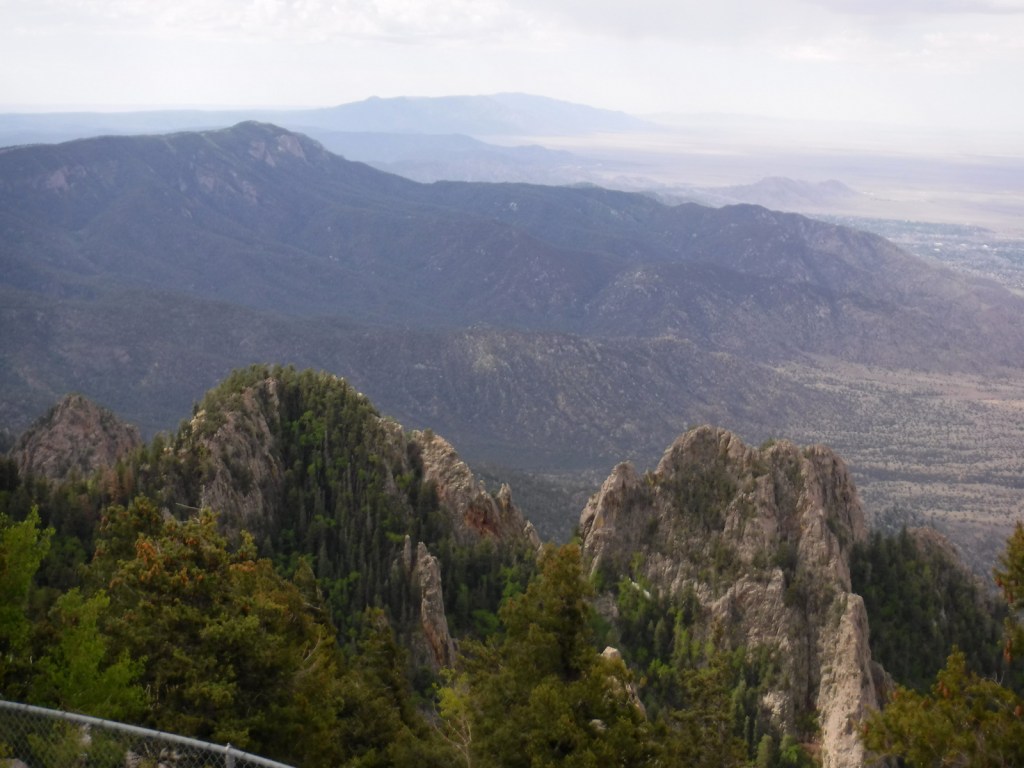
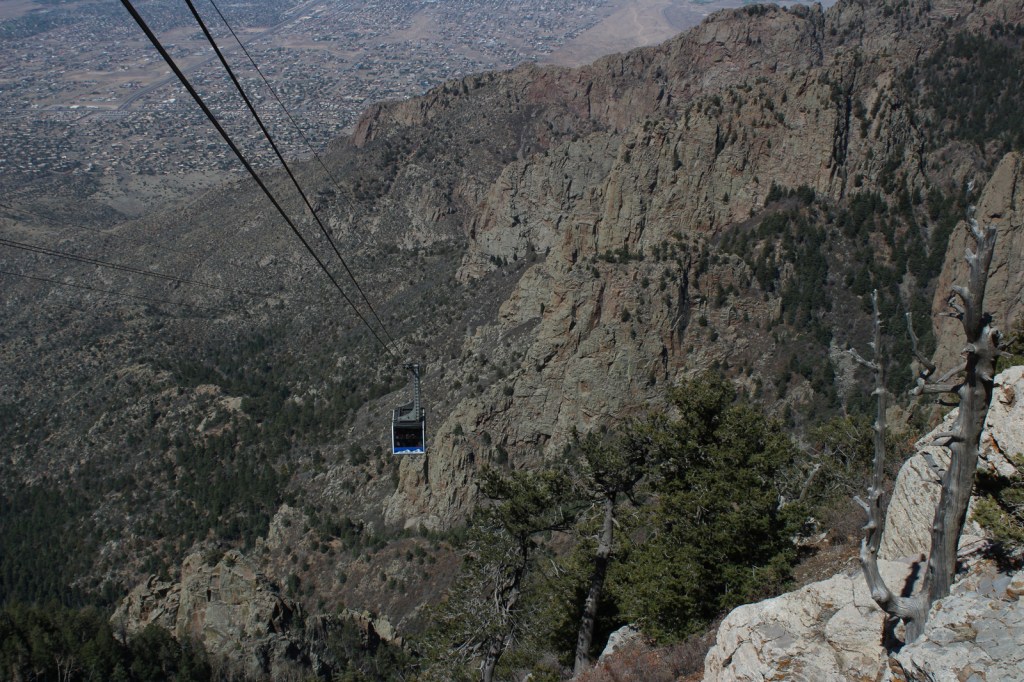
Cibola National Forest is spread across many mountain ranges in central New Mexico, including the Bear, Datil, Magdalena, San Mateo, Gallinas, Manzano, and Zuni Mountains.  Due to their proximity to Albuquerque, the most visited are the Sandia Mountains, which have a ski resort that is only open during good snow years.  You can reach the top by riding the aerial tramway (admission fee), driving Sandia Crest Scenic Byway (fee), or hiking La Luz Trail that climbs 3,800 feet in elevation. 

Highlights

Sandia Crest Scenic Byway, Tajique Canyon, Continental Divide Loop Auto Tour, Mt. Taylor, Cienega Canyon Picnic Area, McGaffey Lake, Mt. Withington, Kelly ghost town, South Baldy Peak, Whitehorse Canyon, Paxton Cone, La Luz Trail, Kiwanis Trail

Must-Do Activity

Sandia Peak rises to 10,678 feet in elevation, dominating the skyline east of Albuquerque.  The mountain makes a great backdrop for photos during the International Balloon Fiesta held every October, but we can imagine it would also be fun to watch the balloons launch or do their night lighting from the summit.  Once atop the busy peak, the North Crest, 10K, and South Crest Trails are all good hiking options that do not lose too much elevation.  Some hikers choose to ride the aerial tramway up and then take a steep trail back down to the parking lot (trekking poles recommended).

Best Trail

In the Manzano Mountains, both the Red Canyon (3.5 miles one-way) and Fourth of July Trails (two miles) climb to the 22-mile-long Crest Trail, which offers stunning views along its length.  Further south, the Crest Trail also accesses 10,098-foot-tall Manzano Peak.  In the San Mateo Mountains north of Interstate 40, a trail (six miles roundtrip) summits 11,301-foot Mt. Taylor, an extinct stratovolcano that is one of four mountains sacred to the Navajo.

Watchable Wildlife

The “sky islands” of Cibola National Forest rise high above the surrounding landscape, providing habitat for numerous isolated and rare species.  Mule deer and pronghorn are the two main large ungulates found in Cibola National Forest, while its carnivores include black bears, coyotes, red foxes, bobcats, and mountain lions.  Due to its proximity to the Rio Grande Valley, many migratory birds pass through the National Forest during the spring and fall.  If you take the Sandia Peak tramway, watch for birds of prey flying the updrafts along the steep mountain grades.

Instagram-worthy Photo

From either the point where the Sandia Peak aerial tramway unloads passengers or the end of the Sandia Crest Scenic Byway, it is an easy one-hour roundtrip hike through the subalpine forest to the Kiwanis Cabin and its awesome views.

Peak Season

Summer

Fees

There is a day-use fee to park along the Sandia Crest Scenic Byway, although you can use the America the Beautiful Pass. Sandia Peak Tramway tickets are about $29 roundtrip.

Road Conditions

The Sandia Crest Scenic Byway is paved to the top, but Road 165 offers a rough dirt road alternative partway up.  Most of the roads in the Manzano Mountains are well-maintained gravel.

Camping

The Manzano Mountains south of Albuquerque are a great place for dispersed camping, and there are also several campgrounds.

Wilderness Areas

Apache Kid Wilderness

Manzano Mountain Wilderness

Sandia Mountain Wilderness

Withington Wilderness

Related Sites

Carson National Forest (New Mexico)

El Morro National Monument (New Mexico)

Petroglyph National Monument (New Mexico)

Nearest National Park

White Sands

Conifer Tree Species

Rocky Mountain juniper, alligator juniper, Engelmann spruce, limber pine, Rocky Mountain bristlecone pine, two-needle pinyon pine, ponderosa pine, Douglas-fir, white fir, subalpine fir

Flowering Tree Species

Gambel oak, quaking aspen, bigtooth maple, boxelder, New Mexico locust, Fremont cottonwood, netleaf hackberry

Explore More – How did the Manzano Mountains get their name?

Learn more about Cibola and the 154 other National Forests in our new guidebook Out in the Woods

We are a participant in the Amazon Services LLC Associates Program, an affiliate advertising program designed to provide a means for us to earn fees by linking to Amazon.com and affiliated sites.

Homestead National Historical Park

Overview

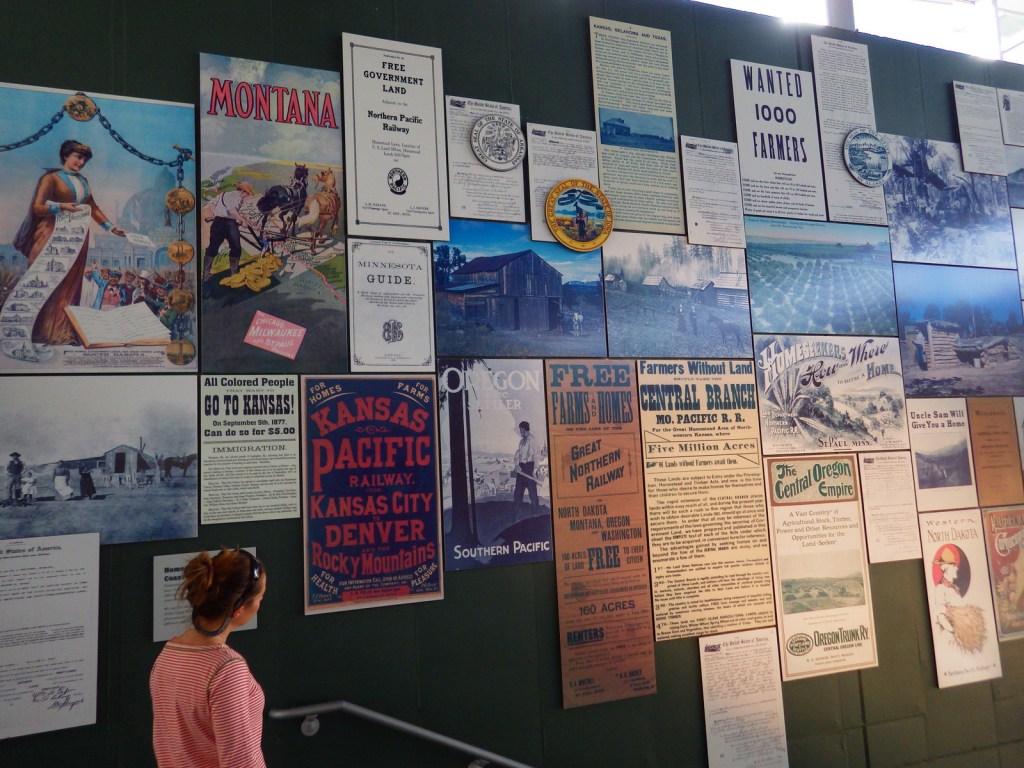
In the midst of the Civil War, a Republican-dominated legislature passed the Homestead Act of 1862, which allowed citizens to stake a claim to 160 acres of unappropriated government land.  Until its repeal in 1976, over 270-million acres across 30 states were transferred from public land to private ownership under this law.  Potential landowners had to apply and pay a fee then “prove up” their claim by farming at least 10 acres and building a home within five years.  Nebraska’s Homestead National Monument of America was authorized in 1936 to remember this era of settlement and renamed in 2021.

Highlights

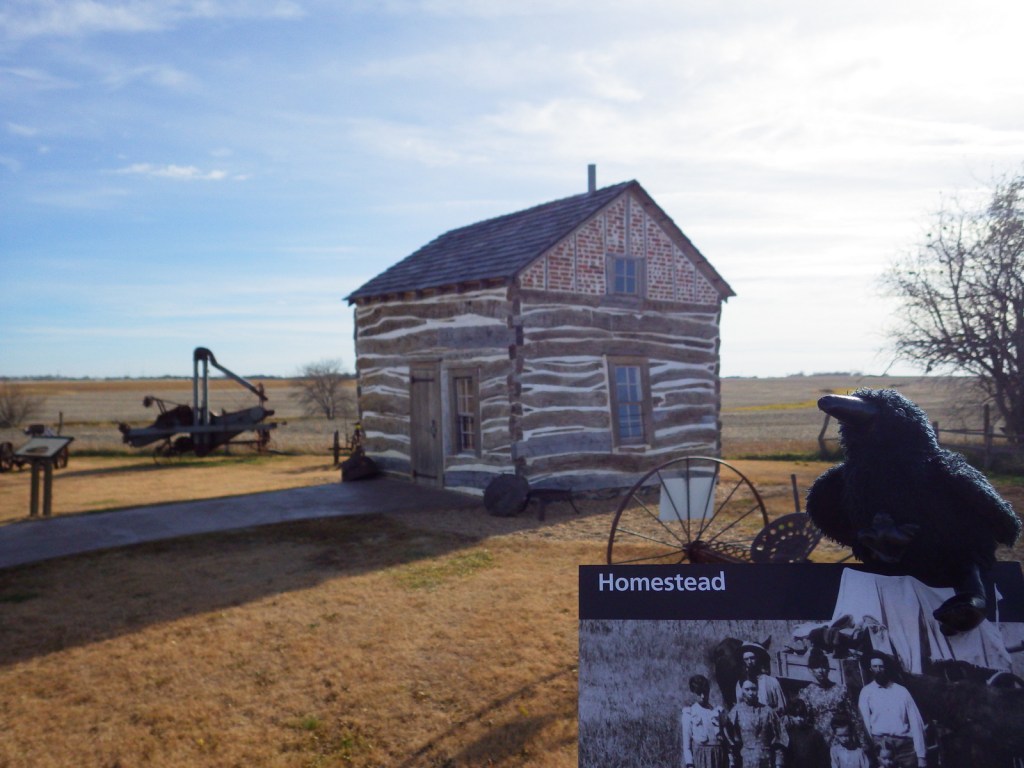
Heritage Center, film, Palmer-Epard cabin, Freeman School, restored tallgrass prairie

Must-Do Activity

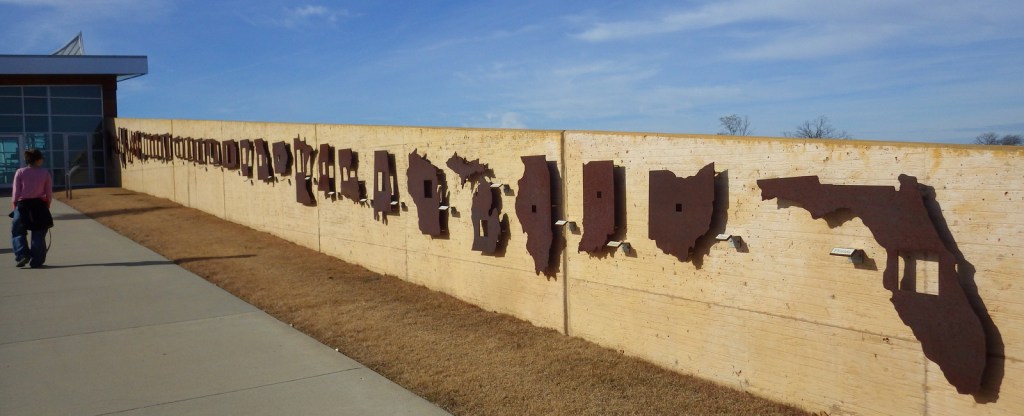
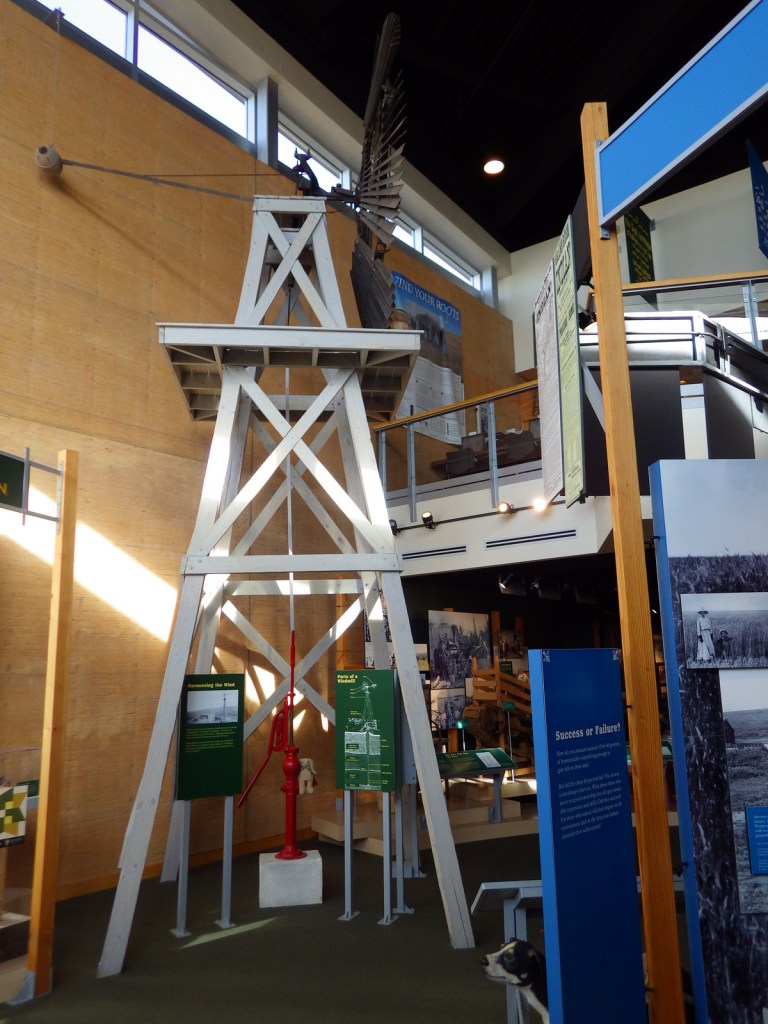
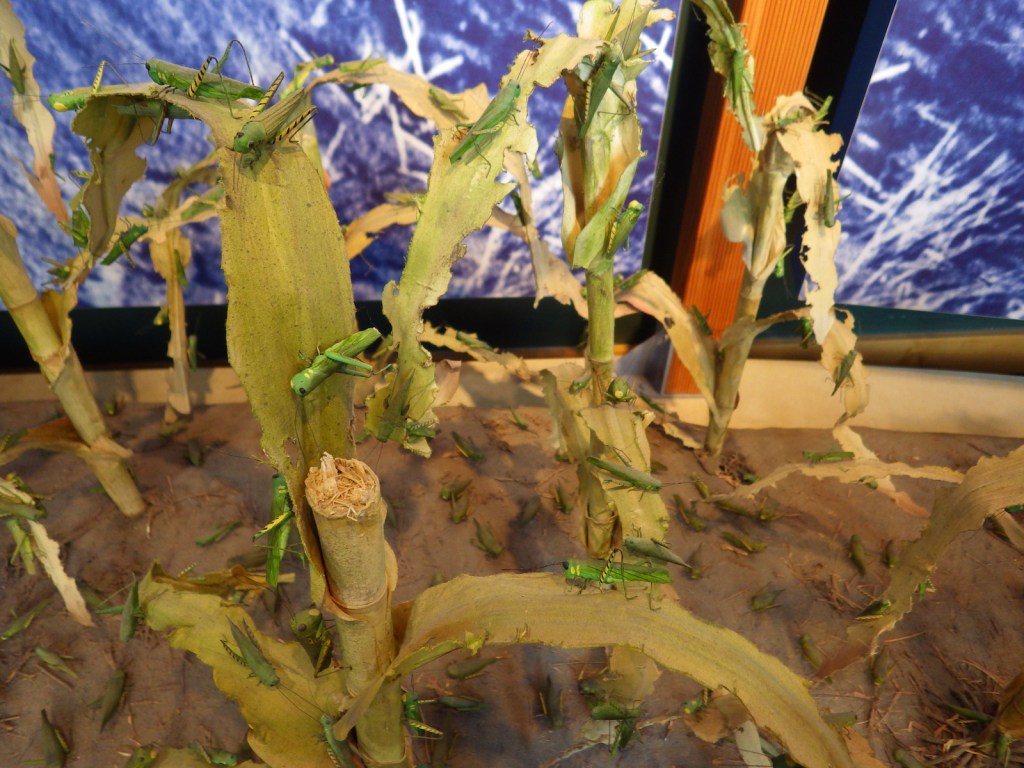
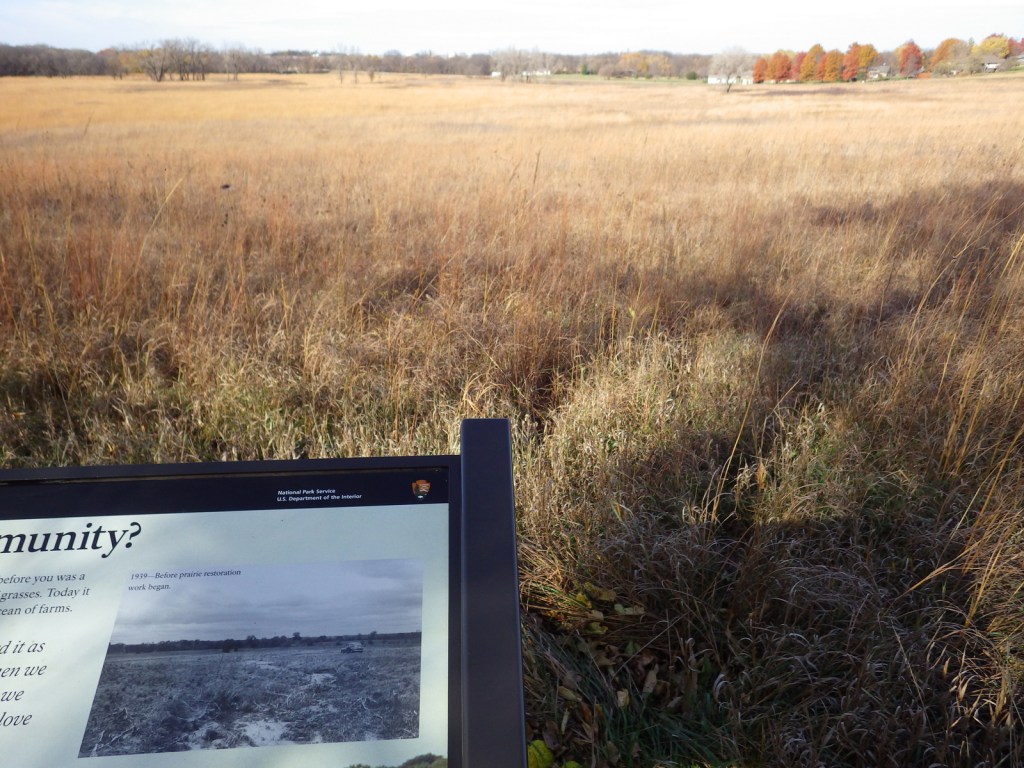
Since 1939, half of this 200-acre piece of land has been managed to resemble the tallgrass prairie that existed here when the Freeman family claimed this T-shaped homestead on January 1, 1863.  It was one of the first farms started after passage of the Homestead Act by Congress.  Inside the Heritage Center, there are many unique exhibits that tell the story of settlement across the western United States of America (plus Florida).  Do not forget to stop by the Education Center and one-room Freeman Schoolhouse that was used from 1872 to 1967.

Best Trail

At the park, 2.5 miles of walking trails connect the museums at the Heritage Center and the Education Center, passing by hedgerows of Osage-orange trees. 

Instagram-worthy Photo

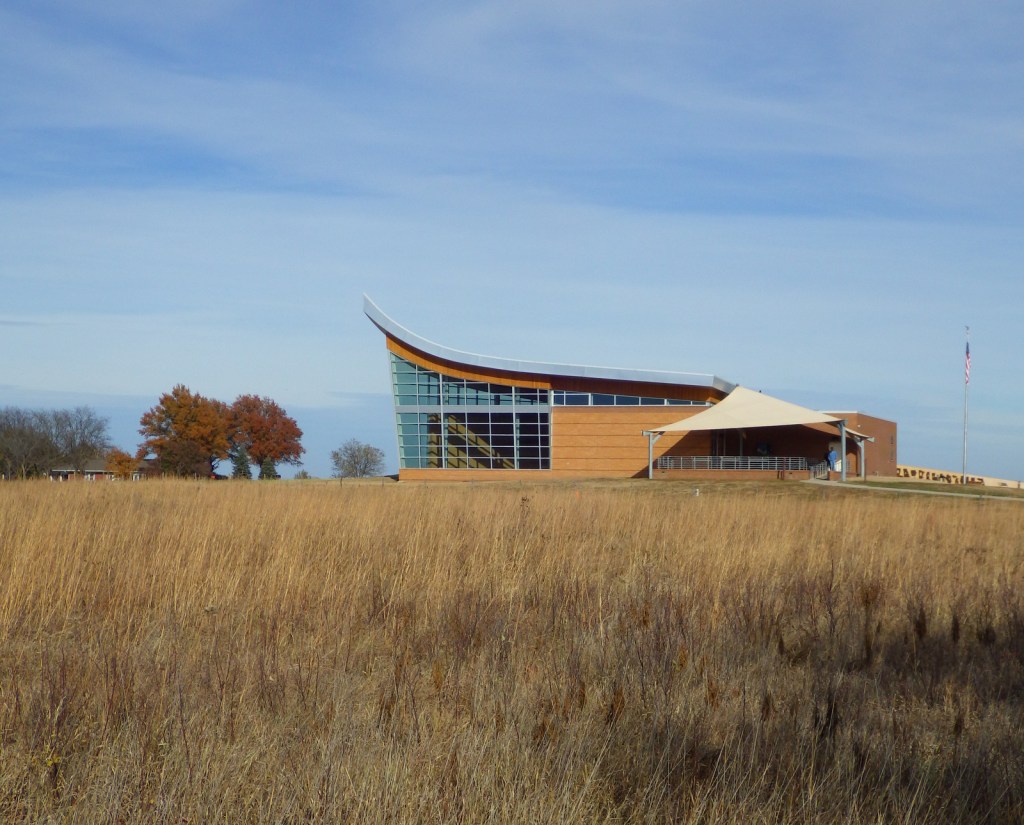
The Heritage Center’s roofline is designed to resemble a single-bottom plow stands and it sits at the edge of a restored tallgrass prairie ecosystem.  Similar to Fort Scott National Historic Site and Tallgrass Prairie National Preserve in Kansas, prescribed fire is used here to promote the growth of native plants.

Peak Season

Summer

Hours

https://www.nps.gov/home/planyourvisit/hours.htm

Fees

None

Road Conditions

All roads paved except a short section to access the parking lot for the Freeman School.  The parking lot at the Heritage Center is exactly one acre in size to help visitors visualize the 10 acres required to farm for “proving up” a homestead.

Camping

Four miles east of the park, Beatrice, Nebraska has two city parks with campgrounds.

Related Sites

Tallgrass Prairie National Preserve (Kansas)

Scotts Bluff National Monument (Nebraska)

Hubbell Trading Post National Historic Site (Arizona)

Explore More – Which First Amendment right was first challenged in court because of its use in teaching at the one-room Freeman School?

We are a participant in the Amazon Services LLC Associates Program, an affiliate advertising program designed to provide a means for us to earn fees by linking to Amazon.com and affiliated sites.