Tag Archives: backpacking

Chugach National Forest

Chugach National Forest

Alaska

Managed by U.S. Forest Service, Alaska Region

6,908,540 acres (5,384,460 federal/ 1,524,080 other)

Website: https://www.fs.usda.gov/chugach/

Overview

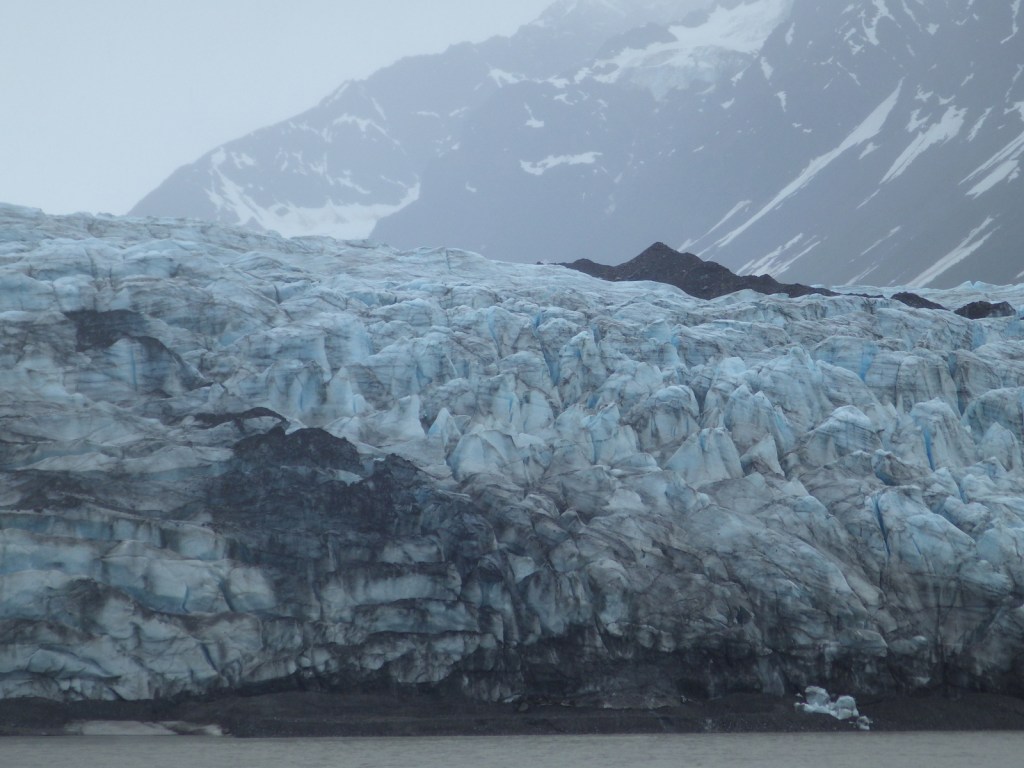
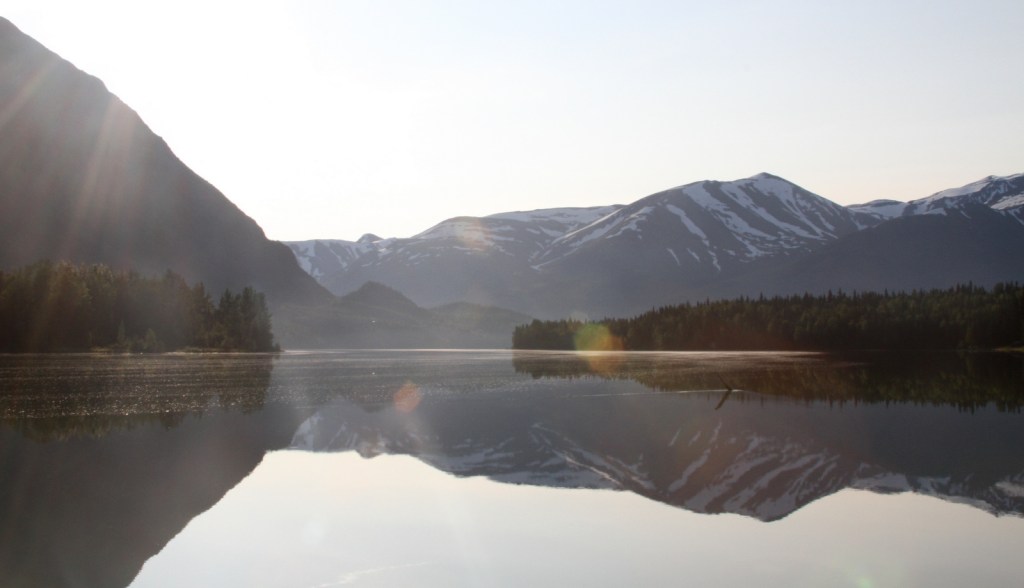
Roughly the size of New Hampshire, Chugach National Forest stretches from Seward, Alaska to the east beyond Cordova.  It encompasses 3,500 miles of shoreline in scenic Prince William Sound, one of the sport fishing world’s top destinations for halibut, ling cod, and salmon.  It is the northernmost and westernmost of all 155 National Forests, and 30% of its acreage is covered by glaciers (including 22 tidewater glaciers).  Chugach National Forest was established in 1907 from part of a Forest Reserve originally created in 1892, only 25 years after Alaska was purchased from Russia.

Highlights

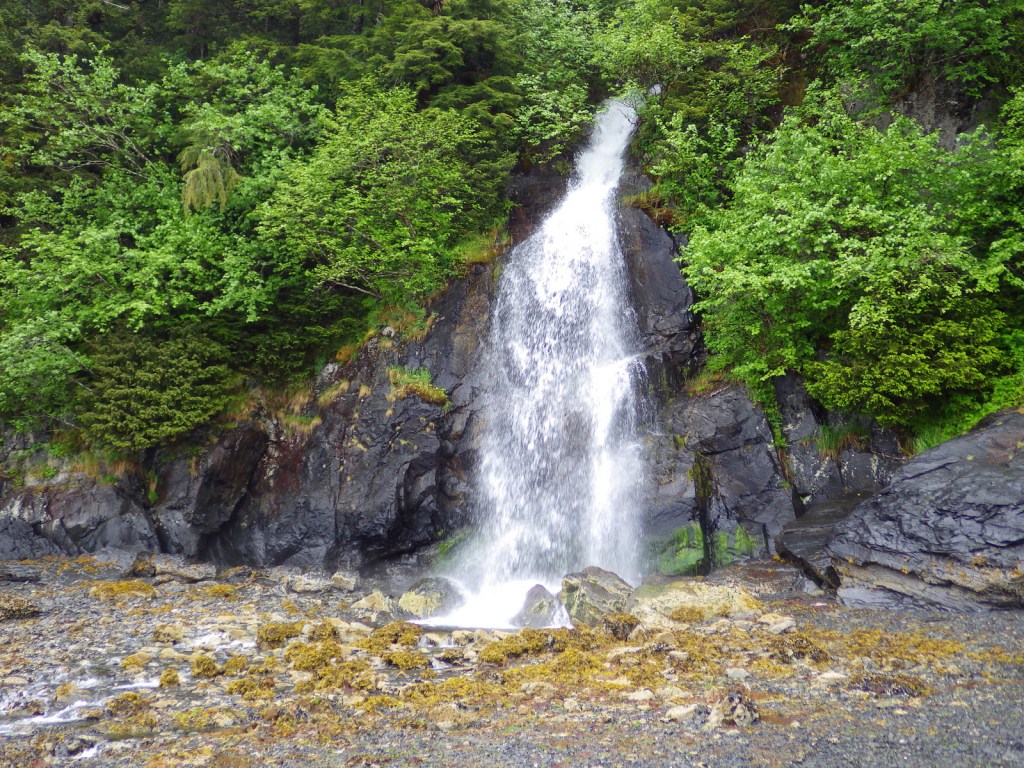
Seward Scenic Byway, Turnagain Arm, Portage Glacier, Porcupine Campground, Russian River, Columbia Glacier, Million Dollar Bridge, Childs Glacier, Grayling Lake, Porcupine Creek Falls, Hope Point Trail, Iditarod National Historic Trail, Johnson Pass Trail, Russian Lakes Trail

Must-Do Activity

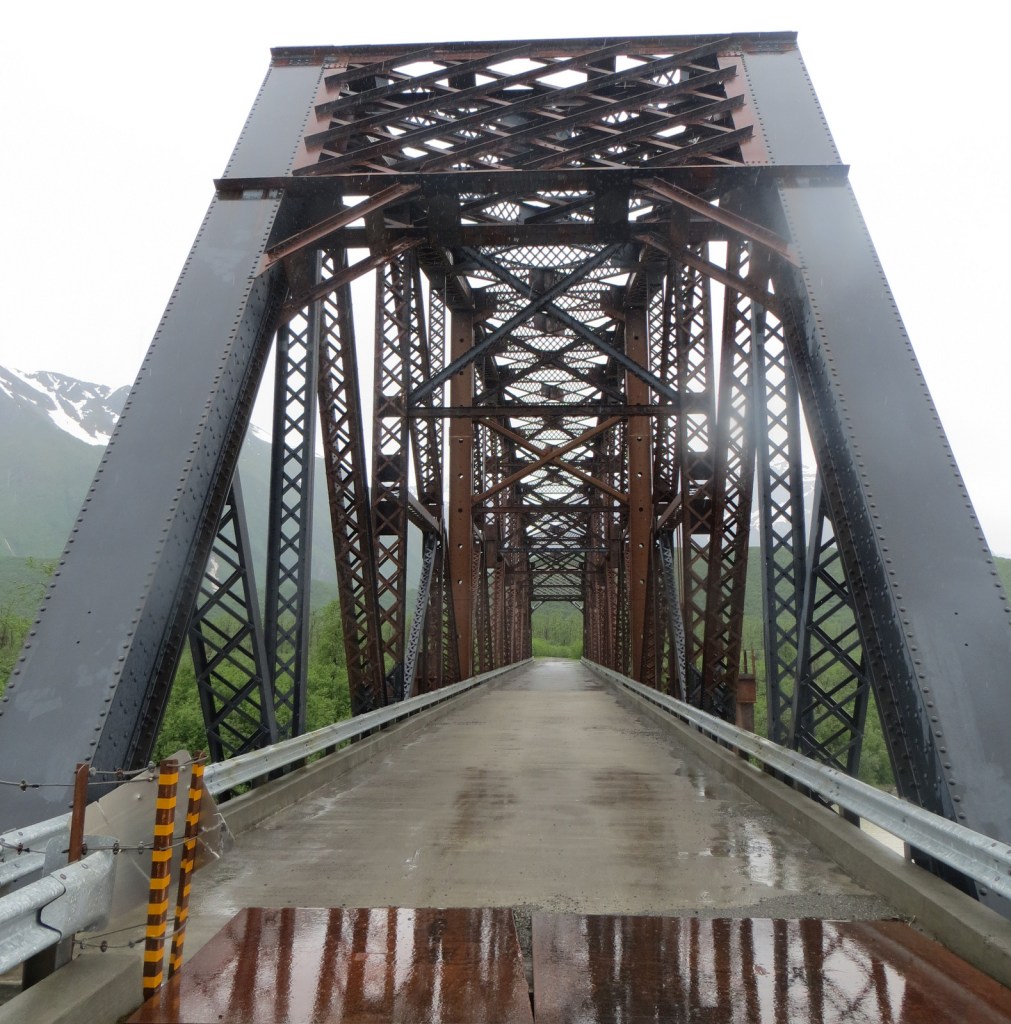
Cut off from the road system of Alaska, Cordova is a fishing village on Prince William Sound at the end of the Copper River Delta, which is considered the largest contiguous wetlands complex on North America’s Pacific coast.  Surrounded by Chugach National Forest, Cordova’s road network was dramatically shortened in 2011 when the mighty Copper River washed out a bridge 36 miles outside of town.  Now if you want to get to the dramatic Million Dollar Bridge or stunning Childs Glacier you have to arrange a trip by air boat.  Starting in 1911, the Million Dollar Bridge brought railcars full of copper ore from Kennecott Mine (which is now part of Wrangell-St. Elias National Park and Preserve).  Just across the Million Dollar Bridge, a short climb up a small hill provides great views of Miles Lake and the surrounding area.

Best Trail

There are over 500 miles of designated trails in the National Forest, including several long trails on the Kenai Peninsula, which is accessible by paved roads from Anchorage.  Three trails popular with backpackers are the 23-mile Johnson Pass Trail, 22-mile long Russian Lakes Trail (with three Forest Service cabins for rent along its route), and 39-mile Resurrection Pass Trail (with eight Forest Service cabins). 

Watchable Wildlife

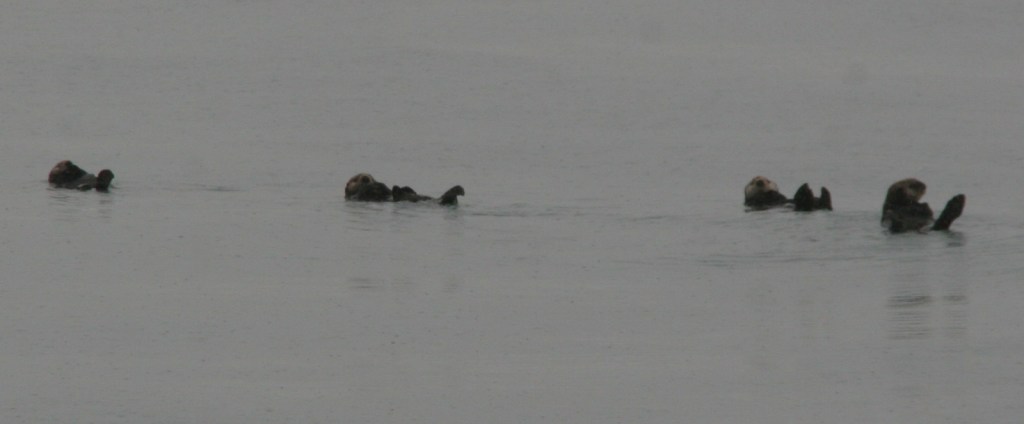
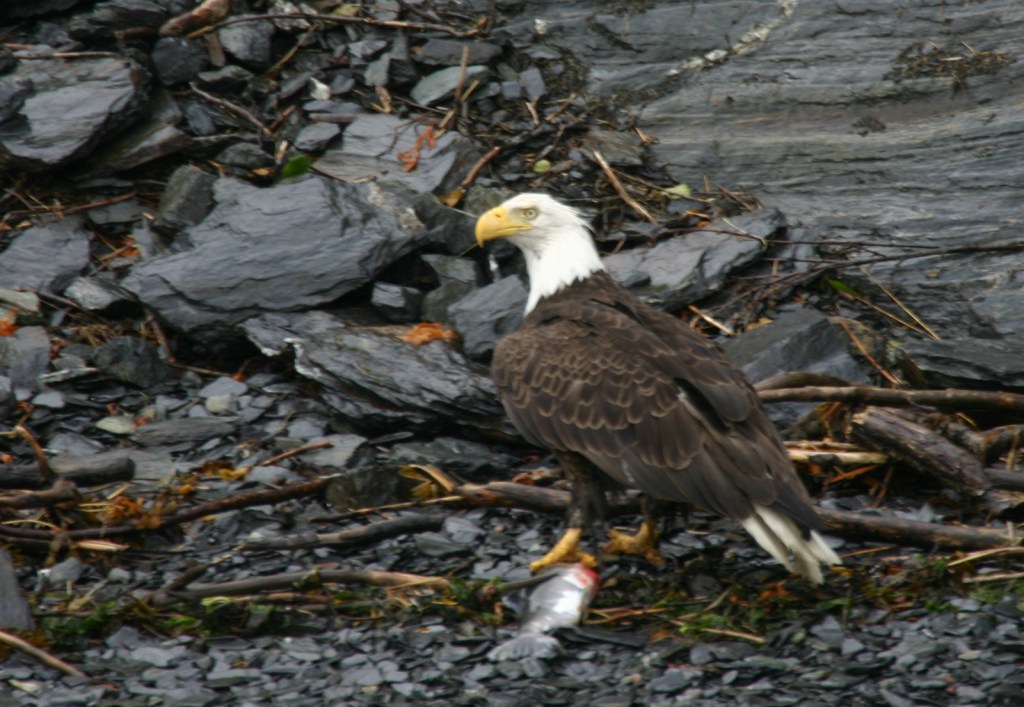
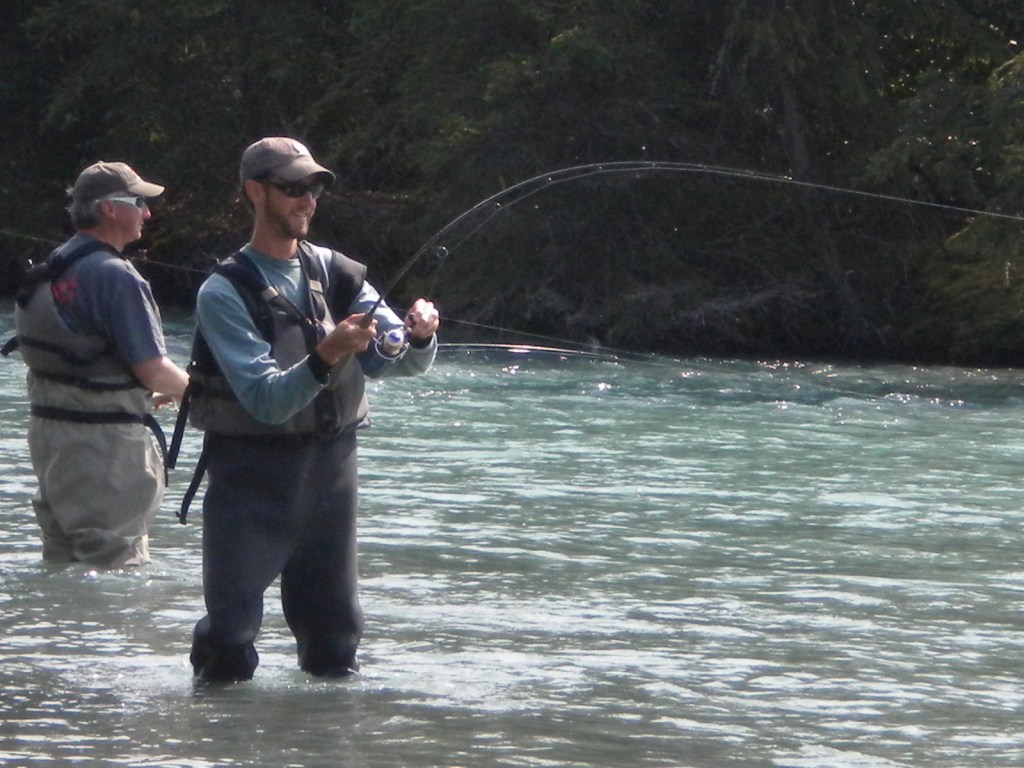
Chugach National Forest provides nesting habitat for millions of birds, including a huge population of bald eagles and more than 200 colonies of seabirds.  Large mammals include moose, caribou, Sitka black-tailed deer, Dall sheep, mountain goats, pine martens, coyotes, gray wolves, black bears, and grizzly/brown bears.  Marine mammals include humpback whales, minke whales, Dall’s porpoises, Steller sea lions, and sea otters.  Rivers and creeks provide spawning beds for all five species of Pacific salmon: chinook/king, sockeye/red, coho/silver, chum/dog, and pink/humpback. 

Instagram-worthy Photo

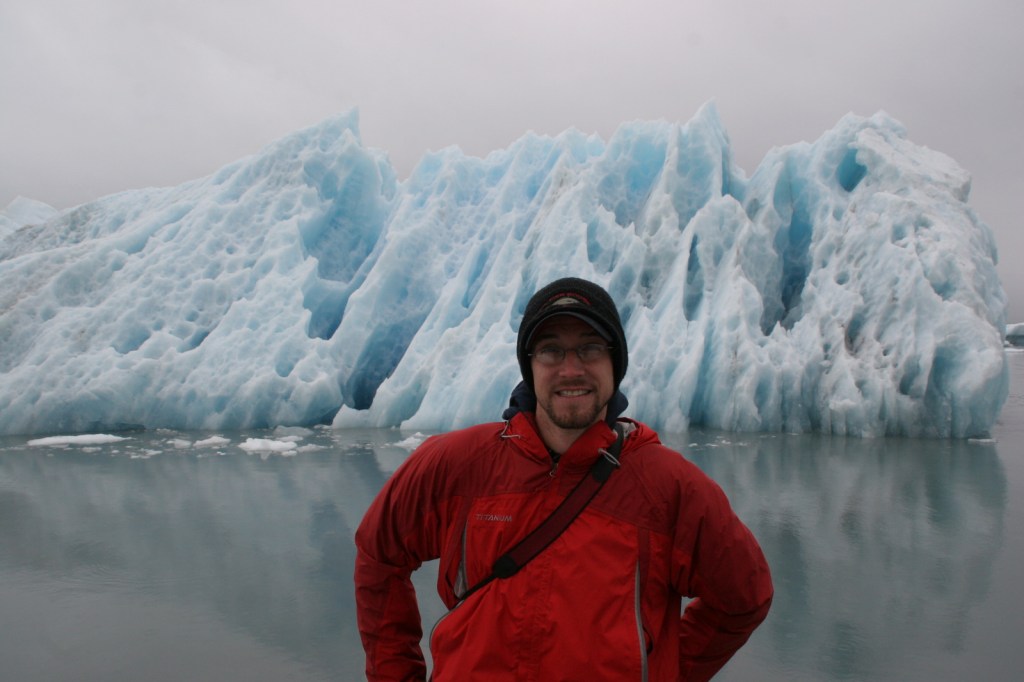
Boat tours out of the beautiful port of Valdez get close to the massive Columbia Glacier, a tidewater glacier that produces so many icebergs that it is inaccessible from the water.

Peak Season

Summer

Fees

None

Road Conditions

There are not many roads in Chugach National Forest, and to access the Million Dollar Bridge and Childs Glacier outside Cordova you will need to arrange a trip by air boat since a bridge washed out in 2011.

Camping

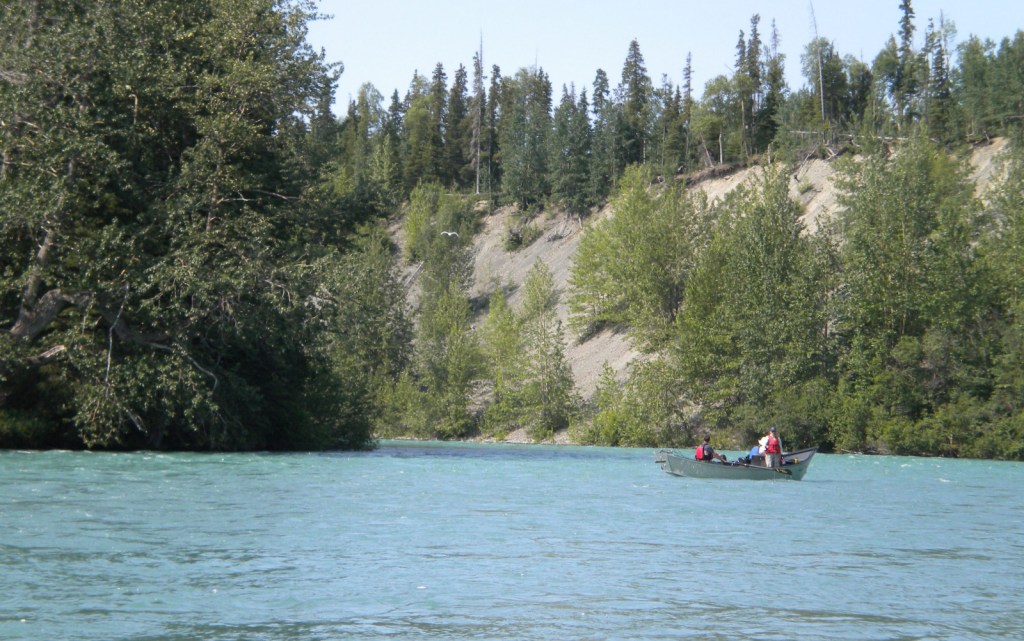
There are 16 campgrounds in Chugach National Forest, including the Porcupine Campground in Hope near a creek popular for salmon fishing.

Wilderness Areas

Nellie Juan-College Fiord Wilderness Study Area

Related Sites

Katmai National Park and Preserve (Alaska)

Wrangell-St. Elias National Park and Preserve (Alaska)

Glacier Bay National Park and Preserve (Alaska)

Nearest National Park

Kenai Fjords

Conifer Tree Species

Sitka spruce, western hemlock, mountain hemlock, yellow-cedar

Flowering Tree Species

thinleaf alder, balsam poplar, paper birch, Scouler willow, Bebb willow, feltleaf willow, undergreen willow, Barclay willow, netleaf willow, arctic willow, Sitka willow, Sitka mountain-ash, Oregon crab apple

Explore More – Chugach National Forest covers nearly seven-million acres of land, but how many miles of Forest Service roads are there?

Learn more about Chugach and the 154 other National Forests in our new guidebook Out in the Woods

We are a participant in the Amazon Services LLC Associates Program, an affiliate advertising program designed to provide a means for us to earn fees by linking to Amazon.com and affiliated sites.

Katmai National Park and Preserve

Katmai National Park and Preserve

Alaska

Managed by National Park Service

Established 1918 National Monument, 1980 National Park

3,674,529 acres

Website: nps.gov/katm

Overview

Katmai National Monument was created after the Novarupta Volcano erupted in 1912 (an event recorded in the skinny tree rings grown throughout Alaska that year).  Ash fell in Seattle (1,500 miles away) and piled up to 700 feet deep in the Valley of Ten Thousand Smokes.  The valley is no longer smoking, but it is there are still 15 active volcanoes within the park’s boundaries.  This remote park on the Alaska Peninsula has few roads and is only accessible by airplane (typically equipped with floats for water landings).  Oh yeah, and there are lots of grizzly bears, or brown bears as they are called in coastal areas of Alaska.

Highlights

Brooks Falls, North Arm of Naynek Lake, Hallo Bay, Valley of Ten Thousand Smokes, Baked Mountain Huts, Savonoski Loop

Must-Do Activity

The grizzly/brown bears of Brooks Falls are celebrities due to the annual Fat Bear Week vote for the chunkiest bear on social media.  Less famous are the bears that hang out around Hallo Bay on the coastline, eating grass and shellfish until the salmon arrive.  Regardless of your destination, flights from road-accessible portions of Alaska (like Homer and Kenai) can be quite costly.  Most of the approximately 50,000 annual visitors come only for a day trip, although there are three expensive lodges and a campground in the park.

Best Trail

Brooks Falls Trail connects the Lower River Bear Viewing Platform 1.2 miles to the Falls and Riffles Platforms at Brooks Falls.  Near the visitor center, the short Cultural Site Trail visits a prehistoric camp and reconstructed dwelling.

Instagram-worthy Photo

Brooks Falls is a world-class destination for wildlife photographers from around the world, so you might want to bring along a camera with a good zoom lens if you pay to get there during the peak months of July and September. This photo is from Scott’s father (see more of his photos and paintings at Bruce Sink.com)

Peak Season

Summer

Hours

https://www.nps.gov/katm/planyourvisit/hours.htm

Fees

The National Park Service does not charge an entry fee, but it is very expensive to fly to Brooks Camp or Hallo Bay.

Road Conditions

There is a 23-mile long road that leads from Brooks Falls to the Valley of Ten Thousand Smokes and a daily eight-hour ranger-guided bus tour is available in the summer.  Backpackers can buy one-way tickets and explore the area, with the Baked Mountain Huts a popular destination 12 miles away across two difficult river crossings.

Camping

There are 60 sites at Brooks Camp Campground (reservations required prior to arrival), which is surrounded by an electric fence to keep bears out.

Related Sites

Kenai Fjords National Park (Alaska)

Lake Clark National Park and Preserve (Alaska)

Denali National Park and Preserve (Alaska)

Explore More – How many grizzly/brown bears are estimated to live within Katmai National Park and Preserve?

We are a participant in the Amazon Services LLC Associates Program, an affiliate advertising program designed to provide a means for us to earn fees by linking to Amazon.com and affiliated sites.

Challis National Forest

Challis National Forest

Idaho

Managed by U.S. Forest Service, Intermountain Region

2,488,105 acres (2,463,471 federal/ 24,634 other)

Website: https://www.fs.usda.gov/scnf/

Overview

Challis National Forest covers the southern portion of the co-managed Salmon-Challis National Forest in central Idaho.  It includes the northern parts of Sawtooth National Recreation Area and a section of the Salmon Wild and Scenic River, as well as several northwest-southeast running mountain ranges.  In the forest’s scenic Lost River Range, 12,667-foot Borah Peak is the highest point in Idaho.  Further south near Arco, a steep half-mile trail leads to King Mountain Natural Arch in Bridge Canyon, a limestone formation with an 80-foot span. 

Highlights

Salmon River Scenic Byway, Stanley Museum, Sunbeam Hot Springs, Custer Adventure Motorway, Yankee Fork Hot Springs, Lemhi Range, White Knob Mountains, Camas Meadows, Challis Creek Lakes, Hidden Mouth Cave, Sawtooth Lake, White Cloud Peaks, Grover Creek Lake, Borah Peak

Must-Do Activity

The Salmon River Scenic Byway runs 162 miles to Lost Trail Pass, starting in Stanley where it intersects with the Sawtooth and Ponderosa Pine Scenic Byways.  Challis National Forest manages the free Stanley Museum there inside the historic Valley Creek Ranger Station.  Further down the road, the Sunbeam Bathhouse was built in 1937 by the Civilian Conservation Corps (CCC) at a hot springs on the Salmon River where people still go to soak seeking the perfect spot between the frigid river and scalding spring water.

Best Trail

We previously covered the trail to stunning Sawtooth Lake in our post on Sawtooth National Recreation Area.  While it is not for everyone due to its strenuousness, we will write here about the route up 12,667-foot Borah Peak.  From its beginning (which we started in the dark) the entire trail is incredibly steep, so much so that we ran back down the final two miles because it was easier on our knees.  The route gains 5,400 feet of elevation in 4.5 miles and often requires the use of your hands, but no special climbing equipment.  Even if you decide to turn around at Chicken-Out Ridge before ascending the Knife Edge, the panoramic scenery is well worth the effort.

Watchable Wildlife

This is a fairly arid portion of the west, so you are more likely to see a ground squirrel or coyote than any other wildlife.  Trout fishing is a popular activity in the Salmon River.  Large mammalian species include elk, mule deer, pronghorns, and black bears.  Ravens and a variety of birds of prey catch the thermals around Borah Peak.

Instagram-worthy Photo

The view of King Mountain Natural Arch’s 80-foot span is arguably better while driving in than it is after ascending the treacherous final mile of road and hiking the steep half-mile trail to its overlook (see below).

Peak Season

Late summer due to snowpack

Fees

None

Road Conditions

The road from Highway 93 to the Borah Peak Campground and Trailhead is well maintained.  The last mile of road to the trailhead for King Mountain Natural Arch requires a high-clearance vehicle, but the nine miles of unpaved roads before that are decent and well signed (although we got a flat tire).

Camping

The campground at the base of Borah Peak is only $5 per night and allows climbers to get an early start.  There are many campgrounds along the Salmon River Scenic Byway and historic Yankee Fork Road/ Custer Adventure Motorway.

Wilderness Areas

Frank Church-River of No Return Wilderness (also in Bitterroot, Boise, Nez Perce, Payette, and Salmon National Forests)

Jim McClure-Jerry Peak Wilderness (also run by the Bureau of Land Management)

Sawtooth Wilderness (also in Boise and Sawtooth National Forests)

Related Sites

Caribou National Forest (Idaho-Utah-Wyoming)

Craters of the Moon National Monument and Preserve (Idaho)

Minidoka National Historic Site (Idaho-Washington)

Nearest National Park

Yellowstone

Conifer Tree Species

Engelmann spruce, subalpine fir, ponderosa pine, lodgepole pine, limber pine, whitebark pine, Douglas-fir, Rocky Mountain juniper

Flowering Tree Species

quaking aspen, water birch, Rocky Mountain maple, boxelder, Bebb willow, blue elderberry, chokecherry, curlleaf mountain-mahogany, white alder, syringa, sagebrush

Explore More – How many Civilian Conservation Corps (CCC) camps were in Idaho during the Great Depression?

Learn more about Challis and the 154 other National Forests in our new guidebook Out in the Woods

We are a participant in the Amazon Services LLC Associates Program, an affiliate advertising program designed to provide a means for us to earn fees by linking to Amazon.com and affiliated sites.

Sawtooth National Recreation Area

Sawtooth National Recreation Area

Idaho

Managed by U.S. Forest Service, Intermountain Region

730,864 acres

Website: https://www.fs.usda.gov/recarea/sawtooth/recarea/?recid=5842

Overview

Sawtooth National Recreation Area claims some of the most incredible mountain scenery in the heart of Idaho and spreads across Boise, Challis, and Sawtooth National Forests.  According to a U.S. Forest Service publication, the 217,088-acre Sawtooth Wilderness claims the cleanest air in the continental United States, and it also contains over 270 miles of trails so there is plenty to explore.  In addition to the jagged peaks in the spectacular Sawtooth Wilderness, in 2015 President Obama signed the Sawtooth National Recreation Area and Jerry Peak Wilderness Additions Act creating three new Wildernesses that cover an additional 275,665 acres.
Highlights

Sawtooth Scenic Byway, Galena Overlook, Redfish Lake, Salmon River Scenic Byway, Stanley Lake, Cramer Divide, Alpine Lake (there are actually two in different places), Baron Lakes, Sawtooth Lake

Must-Do Activity

On our first drive north on Highway 75, we were not prepared for the beautiful mountain views once we summited 8,701-foot Galena Pass.  It was also a good observation point for a wildfire burning alongside the highway.  The date it ignited was July 4th, 2014 and it was burning near Fourth of July Creek, so naturally it was named the Hell Roaring Fire.  According to Inciweb it eventually closed the road and burned 325 acres.  Once through the smoke, we had great views of the Salmon River Valley on our way to scenic Redfish Lake, which is named for the endangered sockeye (or red) salmon that travel 900 miles and gain 6,500 feet in elevation to arrive here for spawning.  The lake also has chinook (or king) salmon and kokanee salmon (landlocked sockeyes that are not anadromous). We returned in 2022 to backpack 40 miles on trails off of Redfish Lake Creek.

Best Trail

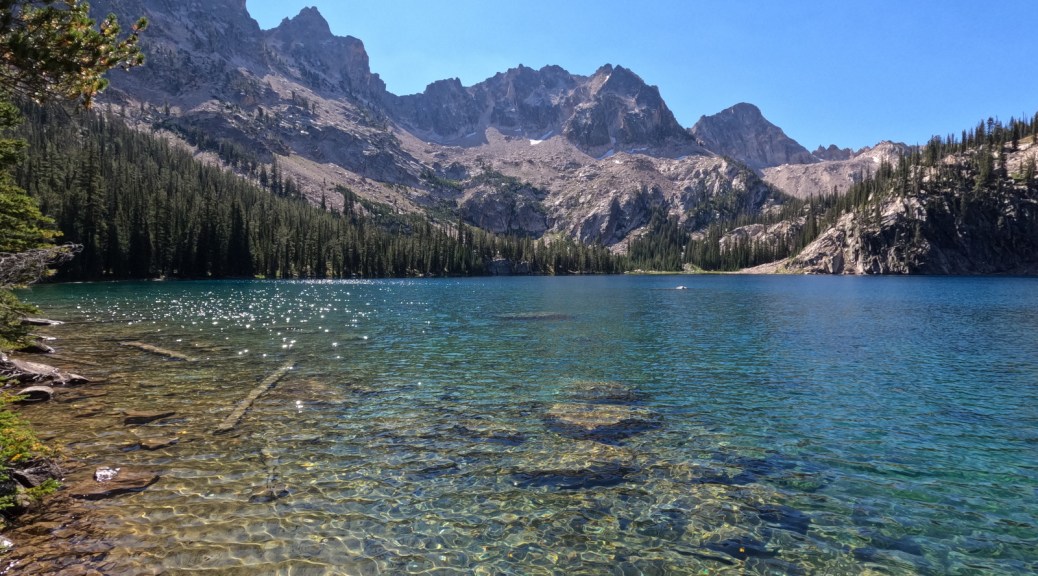
From Iron Creek Trailhead it is 11 miles roundtrip out-and-back with an elevation gain of 1,700 feet to access Sawtooth Lake.  As we hit 8,400 feet in elevation, the ponds were still predominantly frozen over and covered in snow.  We were initially disappointed, as we had originally considered stopping halfway up the trail at deep blue Alpine Lake thinking nowhere could be prettier.  Then we rounded a bend and realized we were wrong.  Our first view of Sawtooth Lake was a soul stirring sight (see Instagram-worthy Photo below).  A surprisingly warm night revealed an incredible firmament above snow-striped mountain peaks that seemed to glow in the dark.  In the morning the quiet here was profound, broken only by the occasional peep of a pika scurrying through the talus slope.  We found it hard to say goodbye to such a picturesque and revitalizing place.

Instagram-worthy Photo

On our first visit to Sawtooth Lake, snowy Mt. Regan was lit by the setting sun and reflected in open leads in the ice, glassy still but for the occasional ripple of a rising trout. 

Peak Season

Late summer after the snow melts

Fees

None

Road Conditions

The side road to Redfish Lake is paved and access to Iron Creek Trailhead was doable with our low-clearance passenger vehicle.

Camping

The shores of crystal-clear Redfish Lake have a lodge and four campgrounds near the scenic lake.  Stanley Lake and Alturus Lake also have popular campgrounds.

Related Sites

City of Rocks National Reserve (Idaho)

Minidoka National Historic Site (Idaho-Washington)

Craters of the Moon National Monument and Preserve (Idaho)

Nearest National Park

Yellowstone (Wyoming-Montana-Idaho)

Explore More – When was Sawtooth National Recreation Area established?

Ed Jenkins National Recreation Area

Ed Jenkins National Recreation Area

Georgia

Managed by U.S. Forest Service, Chattahoochee National Forest

23,330 acres

Overview

Your first question is probably, “Who is Ed Jenkins?”  Edgar Lanier Jenkins (1933-2012) was a politician who served as one of Georgia’s U.S. Congressional representatives from 1977 to 1993.  This spot was initially proposed as Springer Mountain National Recreation Area, but was renamed when established in 1991.  If Springer Mountain sounds familiar, that is because it is the southern terminus of the Appalachian National Scenic Trail that runs 2,185 miles to Katahdin in Maine through numerous National Forests (as well as Great Smoky Mountains and Shenandoah National Parks).  A memorable part of Bill Bryson’s book A Walk in the Woods takes place in Ed Jenkins National Recreation Area.

Highlights

Benton MacKaye Trail, Owen Vista, Appalachian National Scenic Trail southern terminus

Must-Do Activity

The southern terminus of the Appalachian National Scenic Trail was at Mt. Oglethorpe until 1958, when it was moved 14 miles northeast due to increased development.  Thru-hikers can access the bronze plaque and trail register at the top of Springer Mountain by hiking 8.5 miles from Amicolola Falls State Park.  An easier option is to start from potholed Forest Service Road 42 and ascend 0.9 miles south to the summit.  Some thru-hikers choose to spend the night in the open-front trail shelter near the top, but many simply turn around to head back north.

Best Trail

Similar to summiting Katahdin at the northern terminus of the Appalachian National Scenic Trail, thru-hikers have to hike to the end of the trail, and then turn around.  For day hikers, a nice option is to add the eastern part of the Benton MacKaye Trail to make a 4.7-mile loop that passes Owen Vista.

Instagram-worthy Photo

It was quite foggy when we visited, so we did not get any great vistas, but you have to photograph the bronze plaque marking the southern terminus of the famed Appalachian National Scenic Trail.

Peak Season

Spring

Fees

None

Road Conditions

Forest Service Road 42 that accesses the trailhead is dirt and full of potholes, but it is doable in a passenger vehicle. 

Camping

Some thru-hikers choose to spend the night in the open-front trail shelter near the summit of Springer Mountain.  If you have a car, we recommend you drive west in Chattahoochee National Forest to the free Hickey Gap Campground (which made our Top 10 Campgrounds in National Forests list).

Related Sites

Chickamauga and Chattanooga National Military Park (Georgia)

Kennesaw Mountain National Battlefield Park (Georgia)

Appalachian National Scenic Trail (Maine to Georgia)

Nearest National Park

Great Smoky Mountains

Explore More – How many National Forests does the 2,185-mile Appalachian National Scenic Trail cross?