Just in time for the holidays—we released our first coloring book available on Amazon.com! It is based on the 50 logos we created for our National Parks guidebook, many of which can be seen on our Shop page. It also includes the overview and wildlife information from the guidebook. It would make a great gift for any age!
Sample pages
We are a participant in the Amazon Services LLC Associates Program, an affiliate advertising program designed to provide a means for us to earn fees by linking to Amazon.com and affiliated sites.
Authorized in 1988, Natchez National Historical Park occupies 108 acres in the riverside town of Natchez, Mississippi. The town started as Fort Rosalie, a French trading post built on the Mississippi River in the early 1700s, now the site of the Visitor Reception Center. National Park Service (NPS) rangers or volunteers are always on location at the William Johnson House and Melrose Estate. A newer part of the park is located at the Forks of the Road where interpretive signs discuss its role as a major slave trading market from 1833 to 1863.
Highlights
Melrose Estate, William Johnson House, Fort Rosalie, Forks of the Road
Must-Do Activity
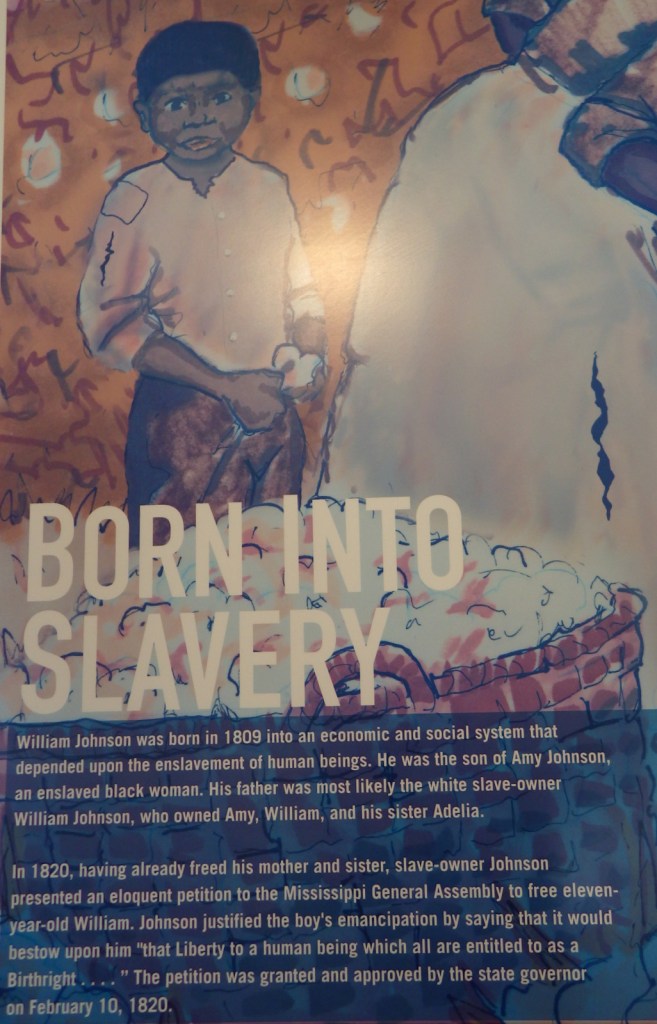
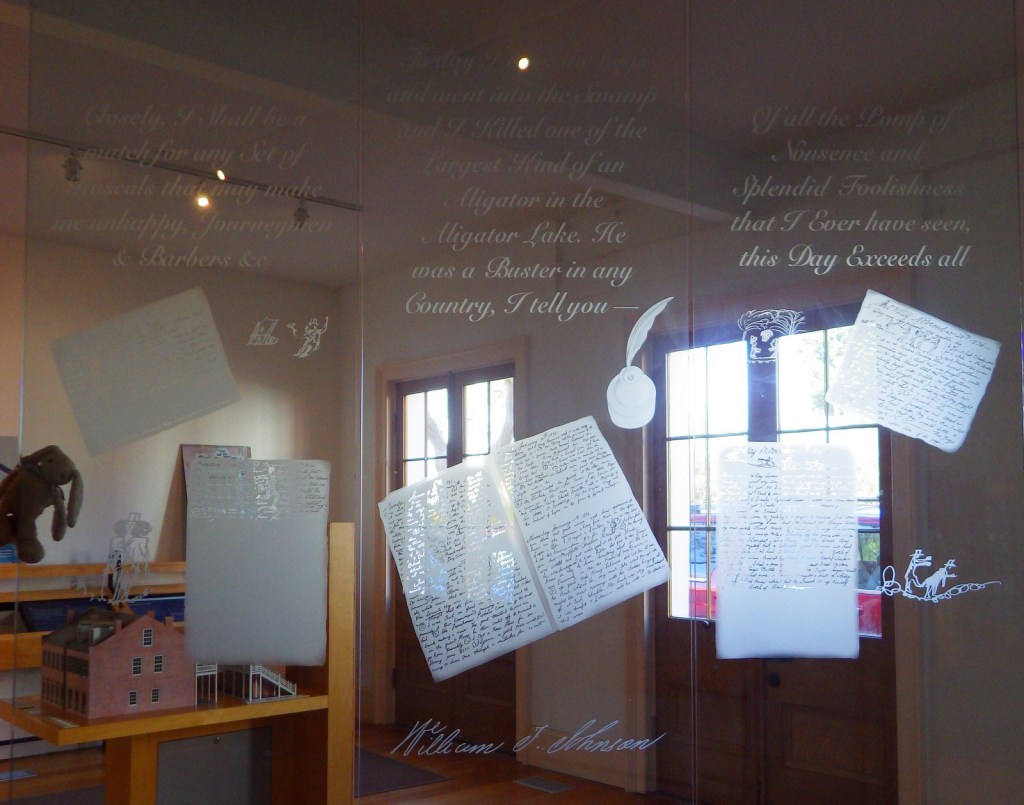
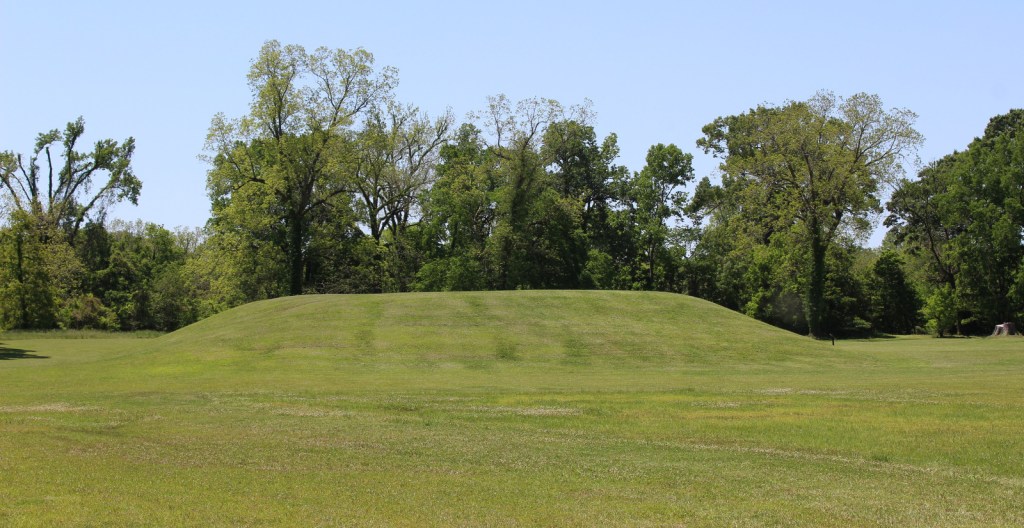
The museum in the William Johnson House tells the story of a slave freed at age 11 by his owner, also named William Johnson and presumed to be his father. The boy apprenticed to a barber, eventually becoming a successful businessman and slave owner himself. A diary he kept for 16 years provides insight into antebellum Natchez, including the May 7, 1840 tornado that destroyed downtown, which had about 5,000 inhabitants at the time. Inside the NPS museum you will learn the strange story of William Johnson’s murder in 1851 that ended in three mistrials. Although it is not part of the NPS unit, we also recommend a stop at the Grand Village of the Natchez Indians State Historic Site for its free museum, film, historic mounds, and air conditioning (which is important in the humid summer).
Best Trail
Naturally, Natchez is one terminus of the Natchez Trace Parkway, which also preserves its share of history starting at the Elizabeth Female Academy Site (Milepost 5.1) just outside town. There are a few portions of the Old Trace that you can still follow along on the Natchez Trace National Scenic Trail.
Instagram-worthy Photo
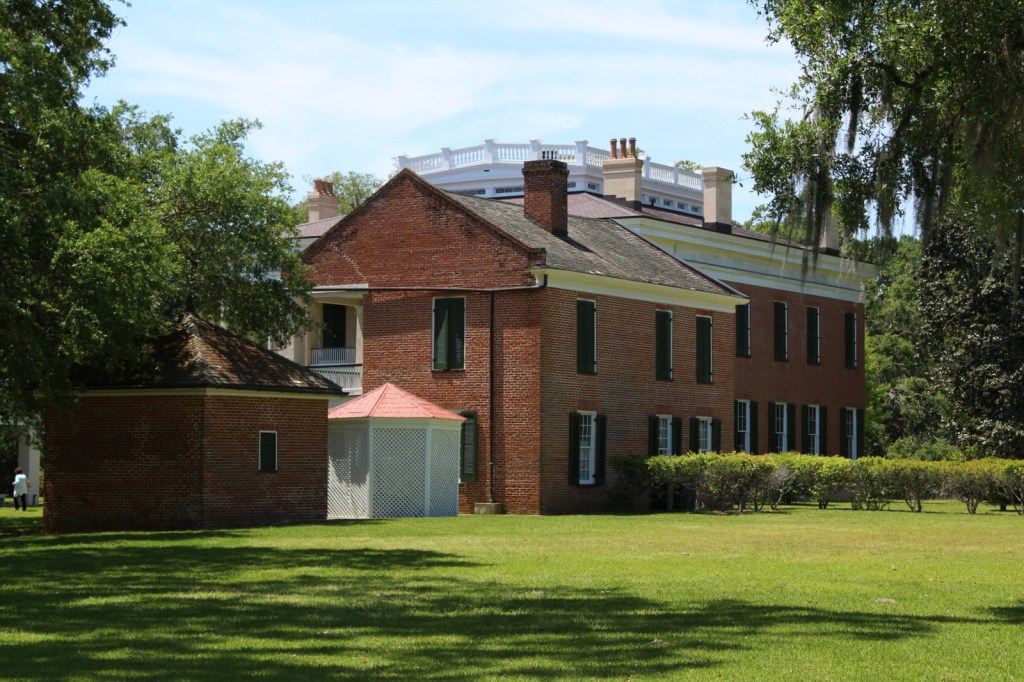
The Melrose Estate recalls the antebellum period when slaves grew cotton in the rich soil of the Mississippi River floodplains.
The NPS museum at the William Johnson House is closed daily for lunch.
Fees
None for Fort Rosalie, William Johnson House, and Melrose Estate grounds, but $10 per person for mansion interior tours (no discount for America the Beautiful pass)
Road Conditions
All roads paved
Camping
Rocky Springs is the furthest south campground managed by the NPS on the Natchez Trace Parkway (Milepost 54.8) and it has no fees for camping.
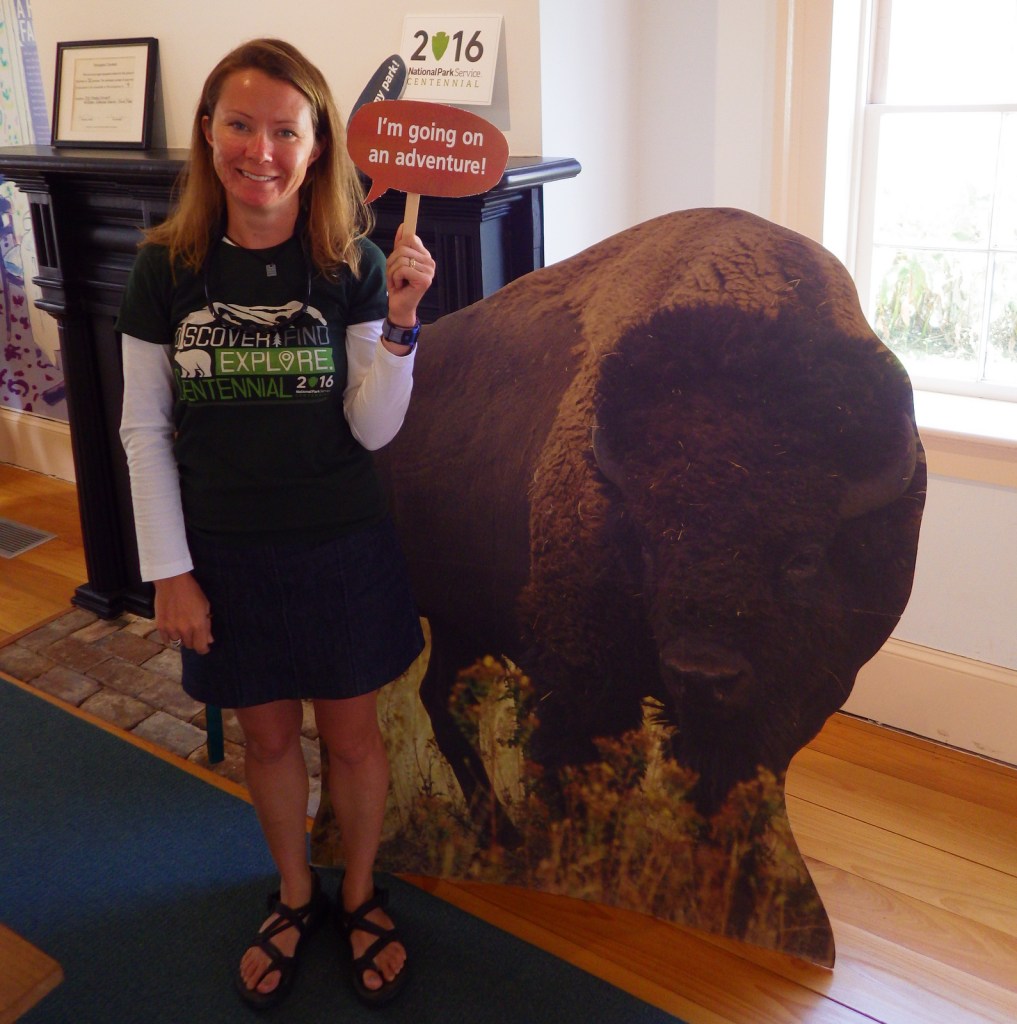
View of the Mississippi RiverScott at the William Johnson HouseExcerpts from William Johnson’s diaryTiff inside the William Johnson House in 2016Melrose EstateThe Great Sun’s Mound at the Grand Village of the Natchez IndiansThe museum at the Grand Village of the Natchez Indians
Explore More – In 1839 a fire burned through Natchez destroying the William Johnson House, but the family was living in the country at the time to avoid an epidemic of what disease?
In downtown Scranton, Pennsylvania, 52 acres have been turned into a dreamscape for railroad enthusiasts by the National Park Service (NPS). Specifically, the site is dedicated to steam engines, which truly got started in 1830 with the South Carolina Railroad and lasted more than century before being fully replaced by diesel locomotives. A unique opportunity at this park is the chance to take one of several steam train excursions (additional fee) that leave from the site.
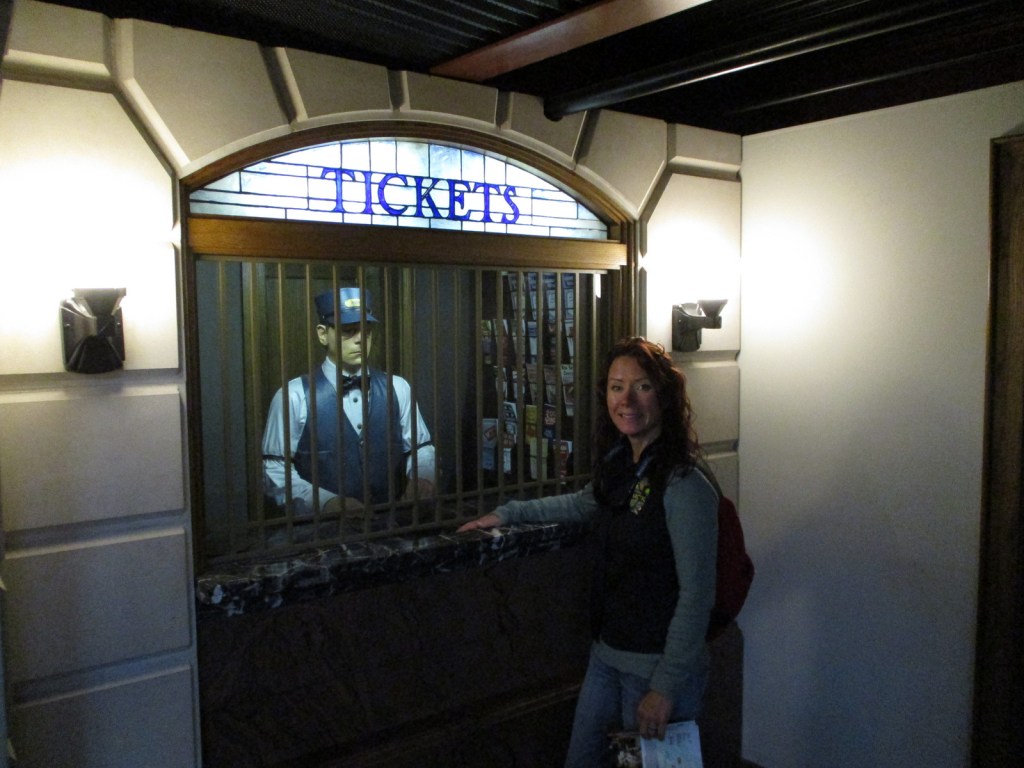
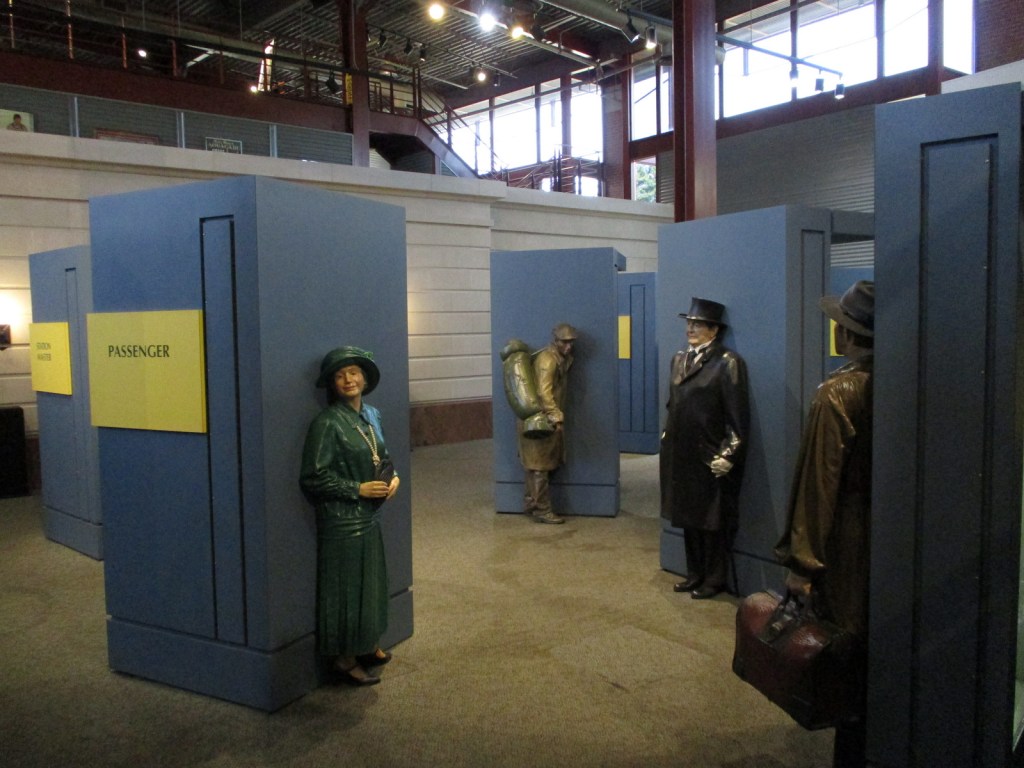
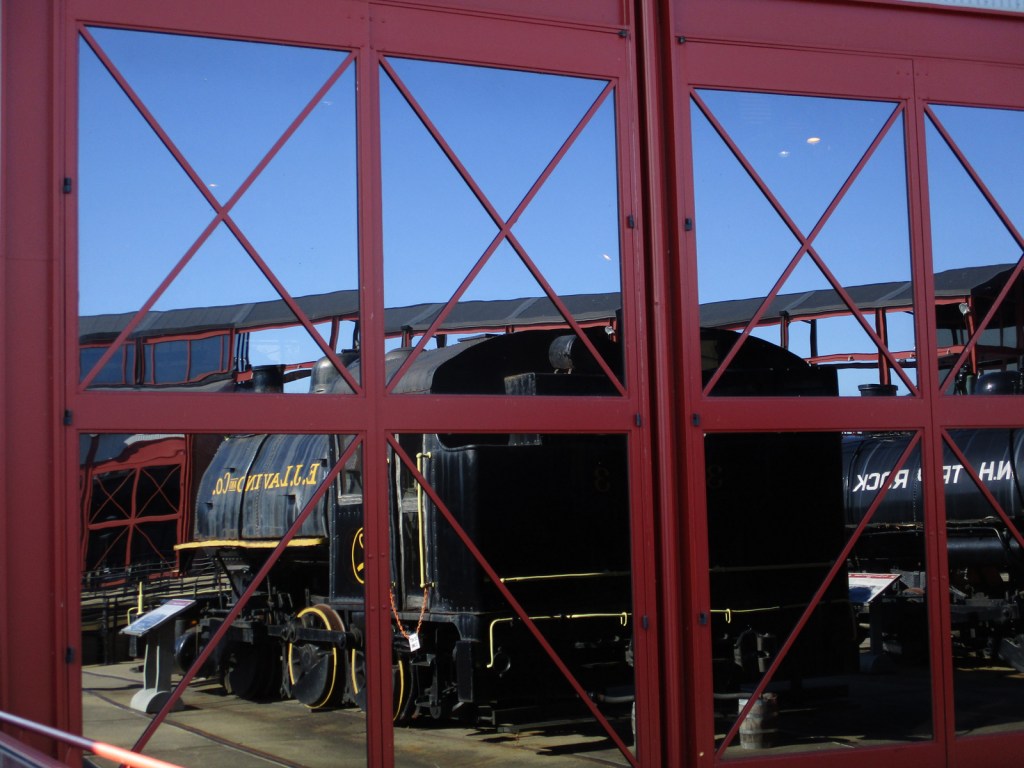
Steamtown National Historic Site is located on the grounds of the Delaware, Lackawanna & Western Railroad, which relied on the region’s cleaner-burning anthracite coal. The park includes a theater, multiple museums, a 90-foot-diameter operating turntable, restoration shops, locomotives, and a collection of railroad cars. A highlight is one of the few Union Pacific “Big Boys” built to haul freight trains through the mountains of Utah and Wyoming. Guided tours are included with your admission fee, although there is enough to read and watch in the extensive museums to keep you busy all day long.
Best Trail
There is no trail, but you will get your daily steps if you tour the entire facility.
Instagram-worthy Photo
The turntable is surrounded on one half by the glass-fronted NPS visitor center and history museum, which makes for some cool photographs.
Many visitors to the National Park Service (NPS) system bring along their bicycles to fully enjoy their vacation, planning to ride on paved pathways or bumpy trails. Although some NPS hiking and horse trails are closed to bikes, many allow them and some have been built just for them. For example, a paved bike trail now connects Jackson, Wyoming with Grand Teton National Park. The NPS sites we chose for this list all have trails specifically designated for bicycle use. Click here to see all of our Top 10 Lists.
Stone Cliff, Southside, Kaymoor, and Keeney’s Creek Rail Trail all track the New River, or try the 13 miles of mountain bike trails built by the Boy Scouts of America
A popular day trip is to bike 20 miles of the Ohio & Erie Canal Towpath Trail then pick up the Cuyahoga Valley Scenic Railroad for a cheap return ticket
Every spring when snow plows are working to clear roads, bicycles get exclusive access to the Great Loop Road, but come prepared because there are no services
Many cross-country bikers choose to take Logan Pass (6,646 feet) across the Continental Divide, but keep in mind that the 50-mile long Going-to-the-Sun Road is closed to bicycles between 11 a.m. and 4 p.m.
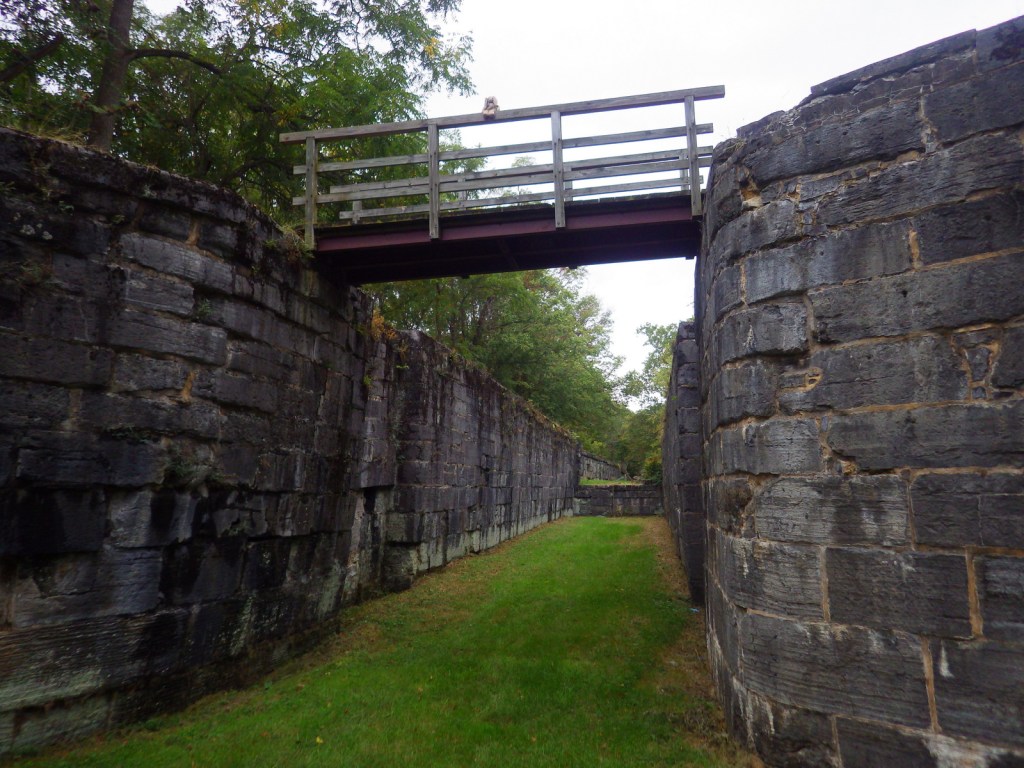
If you did not know there was a National Park in Ohio it is understandable since Cuyahoga Valley National Park was not officially designated until 2000. It is centered around the historic Ohio and Erie Canal, which opened in 1827 to connect Akron to the port of Cleveland on Lake Erie. Cuyahoga is an American Indian word meaning “crooked” and you will see why if you walk or bike down the 19-mile Towpath Trail where mules once pulled line boats through a series of locks (be sure to stop at Canal Visitor Center at Lock 38). If you plan it right, you can take your bike on board the Cuyahoga Valley Scenic Railroad for a cheap one-way ride.
Learn more in our guidebook to the National Parks, A Park to Yourself: Finding Adventure in America’s National Parks (available on Amazon).
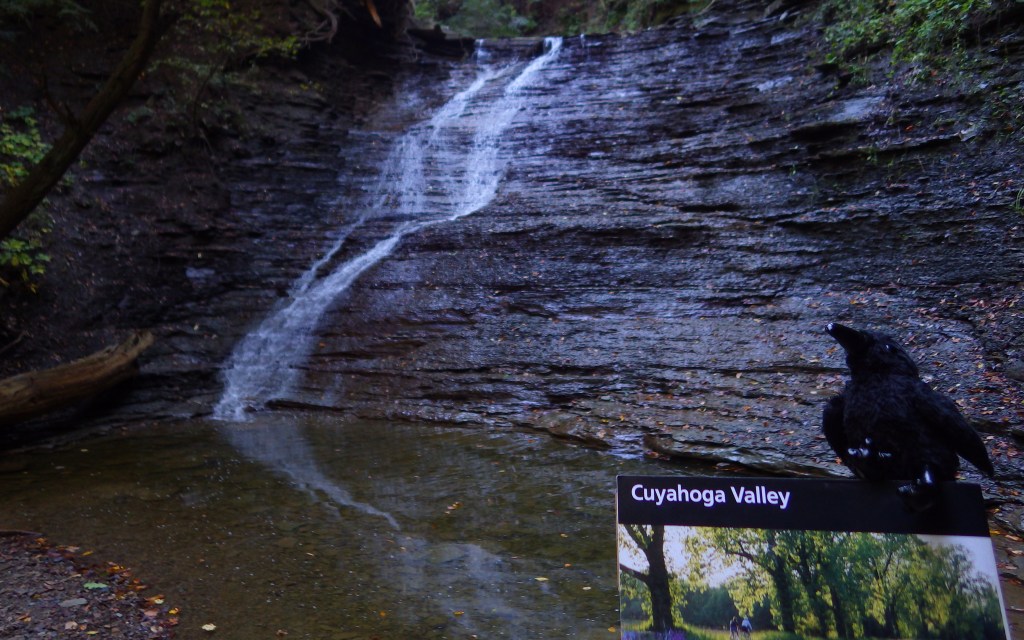
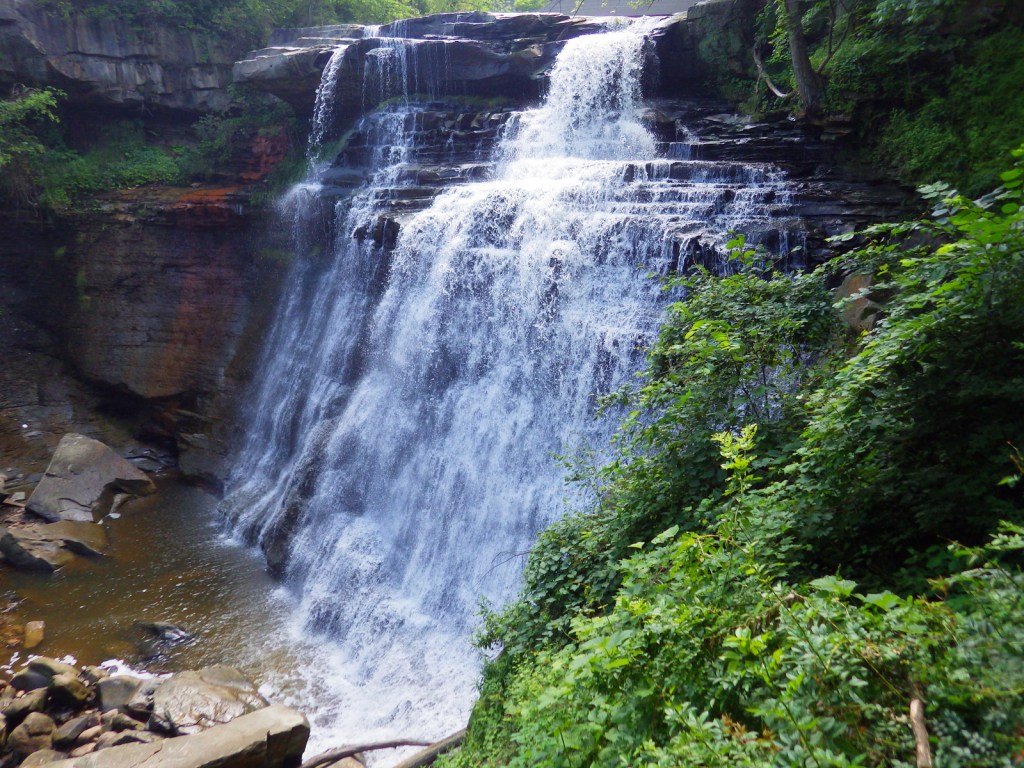
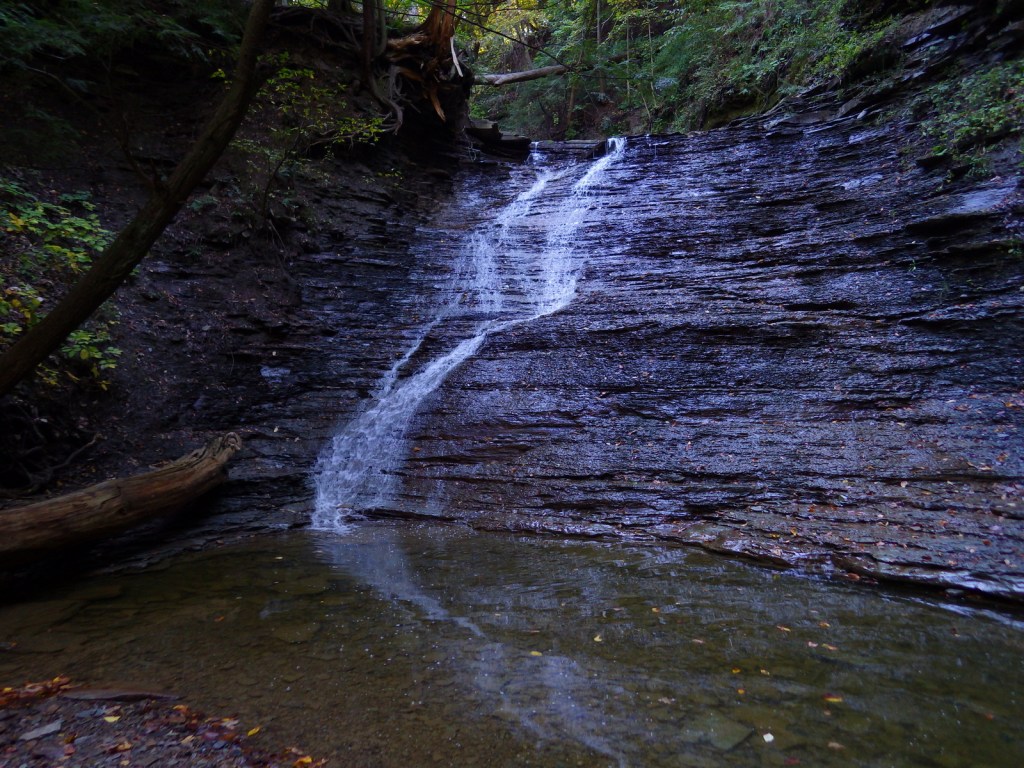
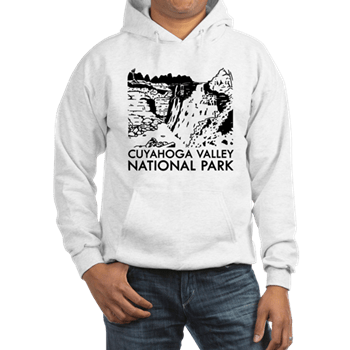
In the park’s southern end near Akron-Canton, you will find a great blue heron rookery and beaver marsh along the crooked Cuyahoga River. In the central section, you must stop to see the cascades of Brandywine Falls (see it depicted below in our original logo). Closer to Cleveland, discover the Bedford Reservation along Gorge Parkway, including beautiful Bridal Veil Falls. For a little culture in the outdoors, look up the summer schedule for Blossom Music Center or Porthouse Theatre. Fall is an especially popular time to visit when the leaves change, but with over 100 miles of trails within the park, there is plenty to explore in every season.
Best Trail
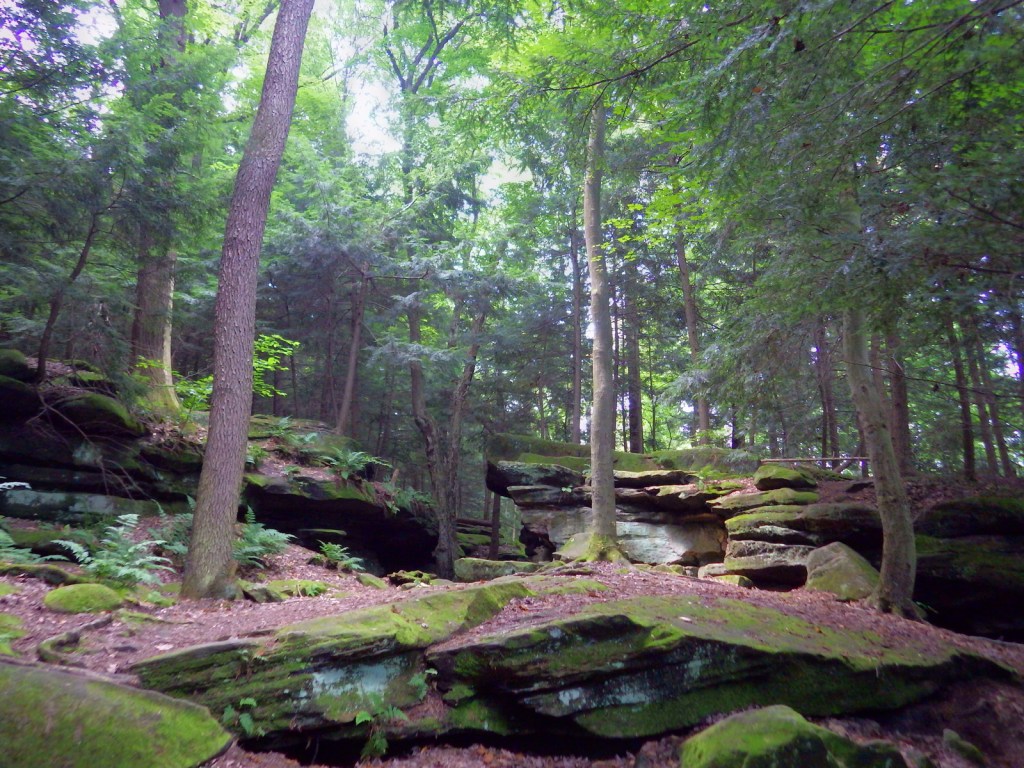
We highly recommend a hike on the two-mile Ledges Loop Trail where mossy sandstone cliffs are cloaked by a dense forest of hemlock and hardwood trees. Once a popular destination on the trail, Ice Box Cave is closed to protect the resident bat population, but similar spots nearby still offer a chance for exploration.
Instagram-worthy Photo
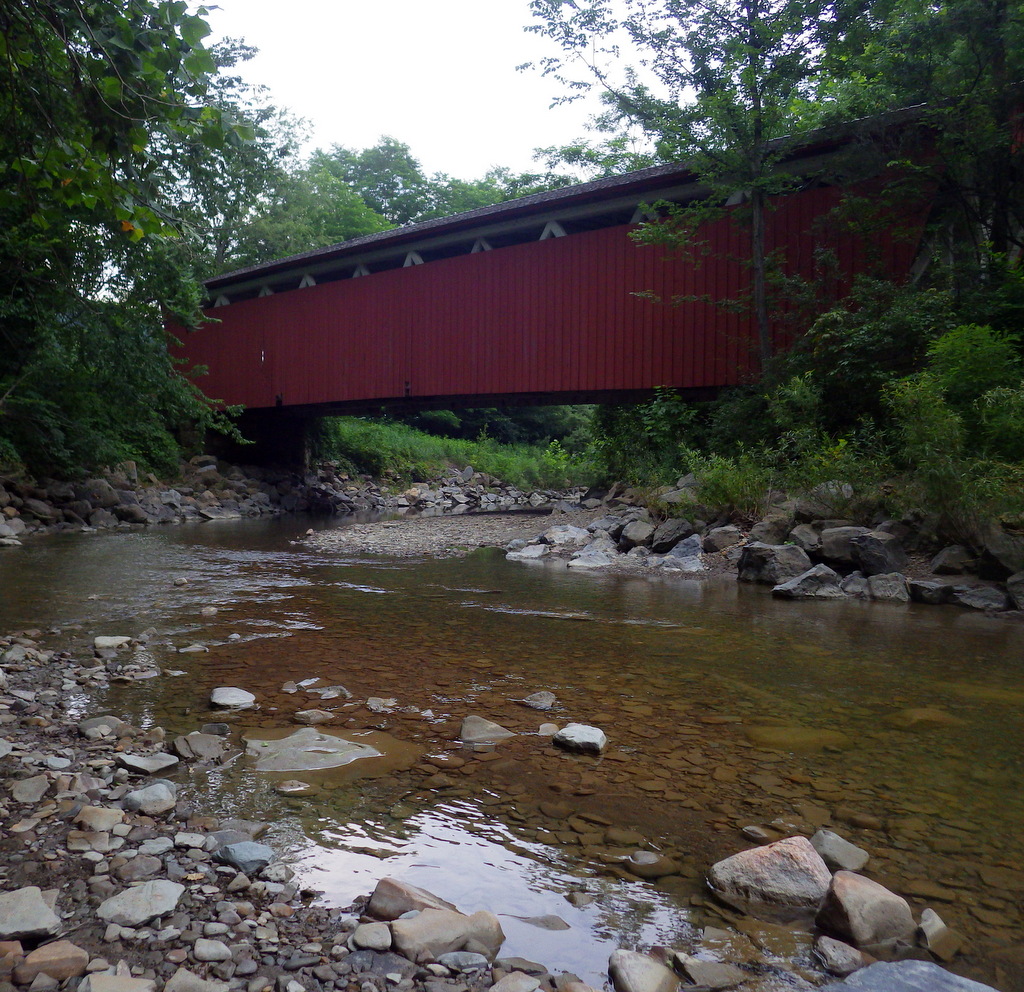
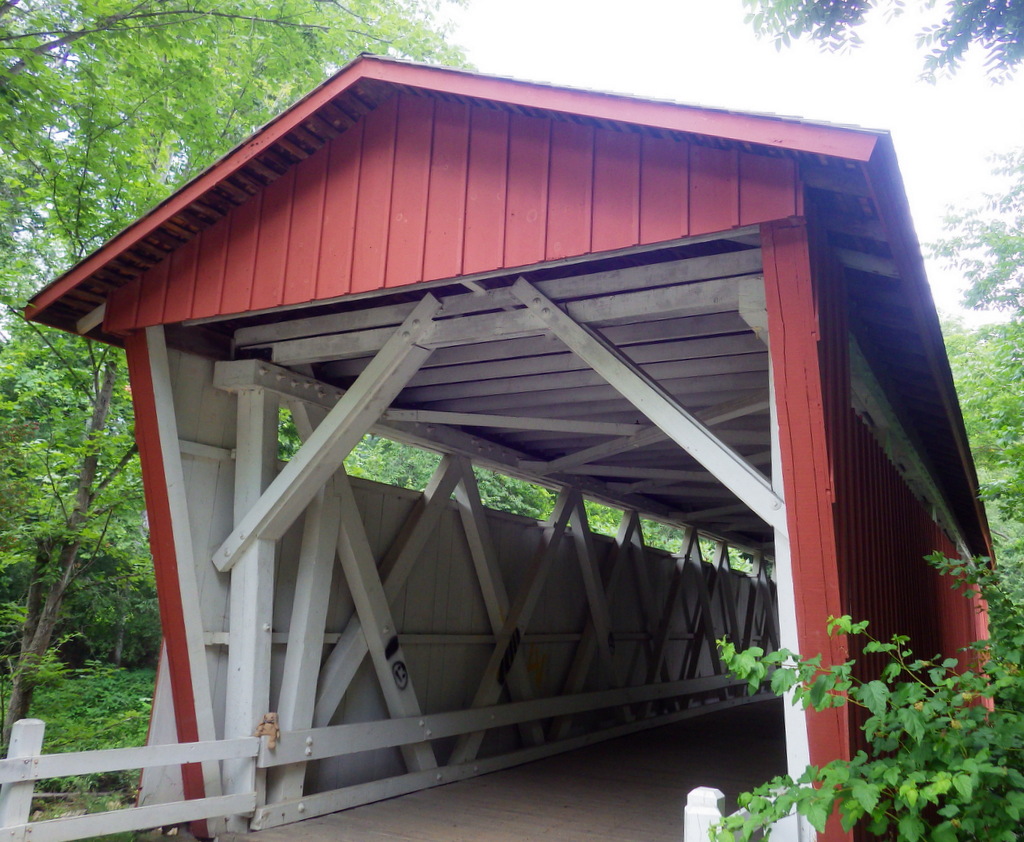
In the southern end of the park, Everett Road Covered Bridge has been rebuilt to demonstrate this once common construction method.
Explore More – Who manages the Hale Farm and Village where costumed re-enactors bring history to life?
We are a participant in the Amazon Services LLC Associates Program, an affiliate advertising program designed to provide a means for us to earn fees by linking to Amazon.com and affiliated sites.
Start your U.S. National Forests, National Parks, and National Monuments adventure here!























 Raven About The Parks