Category Archives: Oklahoma

Black Kettle National Grassland

Black Kettle National Grassland

Oklahoma, Texas

Managed by U.S. Forest Service, Southern Region

33,113 acres (31,286 federal/ 1,827 other)

Website: https://www.fs.usda.gov/detail/cibola/home/?cid=stelprdb5397425

Overview

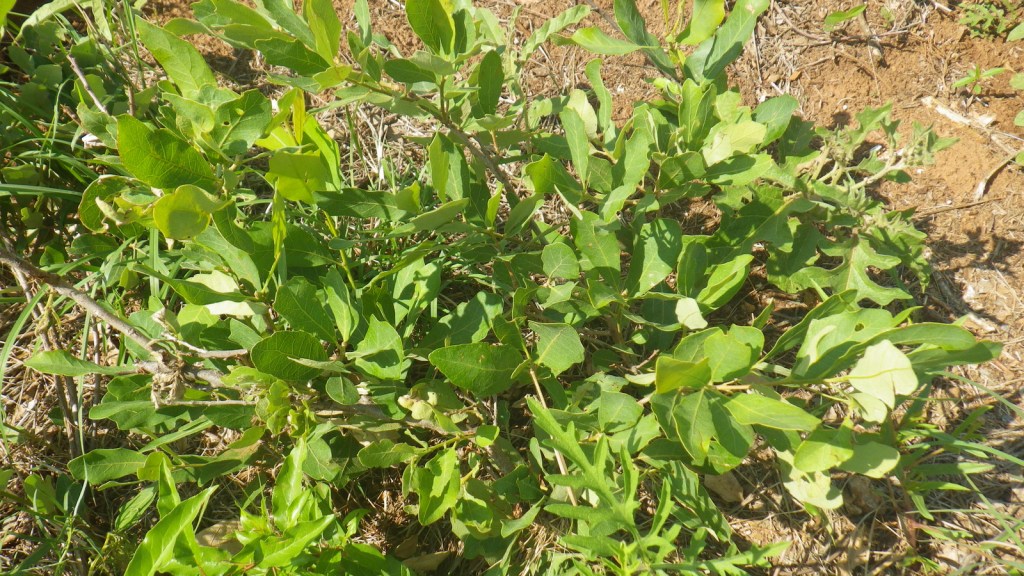
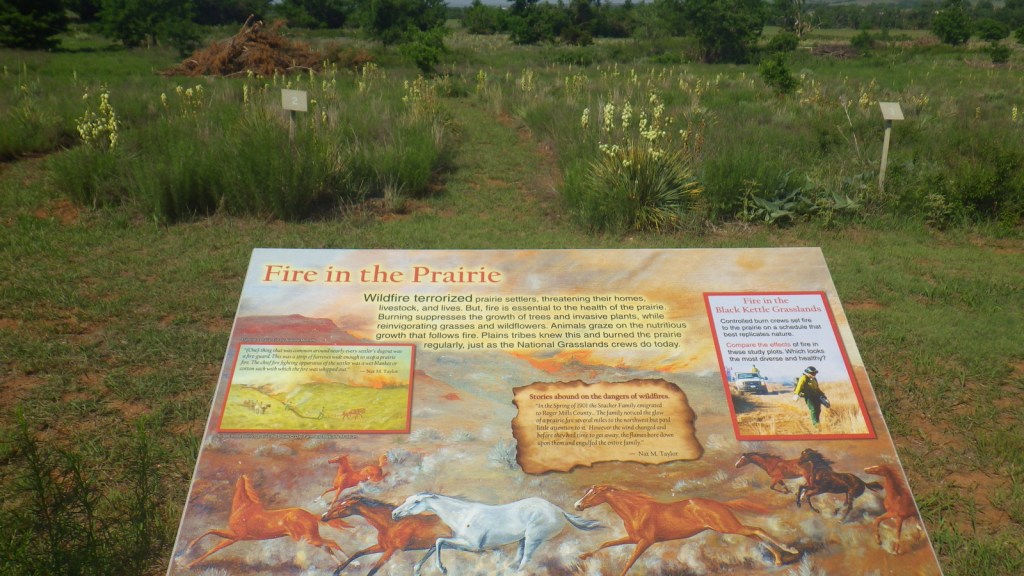
Like Cimarron National Grassland in Kansas, Black Kettle National Grassland was purchased by the federal government during the 1930s Dust Bowl.  This is one of the only National Grasslands with a visitor center, shared with the National Park Service (NPS) who manages Washita Battlefield National Historic Site at the site of an 1868 massacre that took the life of Chief Black Kettle of the Southern Cheyenne.  Even though the downstairs U.S. Forest Service office was closed on our Saturday visit, the NPS ranger at the desk provided a map and information on the National Grassland.  We also walked the paved interpretive trail at the visitor center that explained homesteading, prescribed burning, and preserving the rare shinnery oak species. 

Highlights

Black Kettle Recreation Area, Lake Marvin, Spring Creek Lake, Croton Creek Watchable Wildlife Area, Skipout Lake, Cheyenne Nature Walk

Must-Do Activity

Recreation here surrounds four reservoirs, including a tiny parcel around 63-acre Lake Marvin in Texas.  In Oklahoma, there are 60-acre Skipout Lake, 50-acre Spring Creek Lake, and 80-acre Dead Warrior Lake.  Fishing, picnicking, and free primitive camping are allowed at all four reservoirs, with a 1.75-mile trail circling Skipout Lake and wooded trails south of Dead Warrior Lake in Black Kettle Recreation Area. 

Best Trail

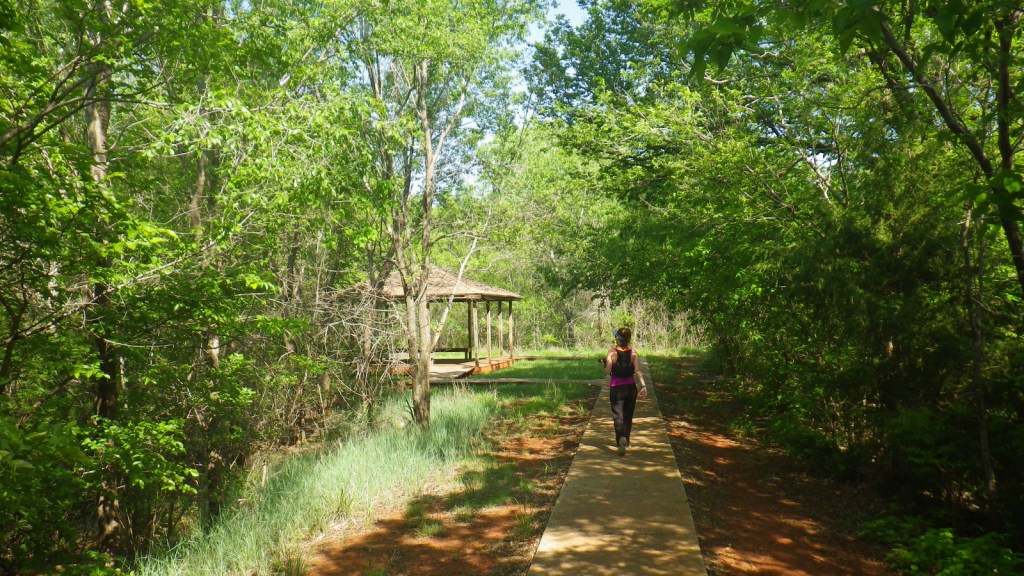
Unlike some other National Grasslands, there are multiple marked and maintained trails here, including two loops totaling 1.6 miles at Croton Creek Watchable Wildlife Area (south of Highway 47) lined by small signs describing native grasses, trees, and birds.  A slightly hidden trail is shown on the Forest Service app in the town of Cheyenne where a sidewalk heads into the woods leaving from the parking lot at the high school baseball field.  The Cheyenne Nature Walk is paved and has a gazebo and boardwalk crossing a wetland area that was dry during our May visit.

Watchable Wildlife

Three unique bird species we spotted during our May visit were Mississippi kites, northern bobwhite quail, and scissor-tailed flycatchers.  In addition, we saw cardinals and woodpeckers, and heard whippoorwills, barn owls, and barred owls overnight.  Wild turkeys, cedar waxwings, and lesser prairie chickens are also among the 277 bird species identified.  Tracks of white-tailed deer and raccoons were abundant on the Croton Creek Trail, plus there are bobcats, mountain lions, and beavers in the area.  Fishermen can catch black bass, saugeye, catfish, and other types of pan fish. 

Instagram-worthy Photo

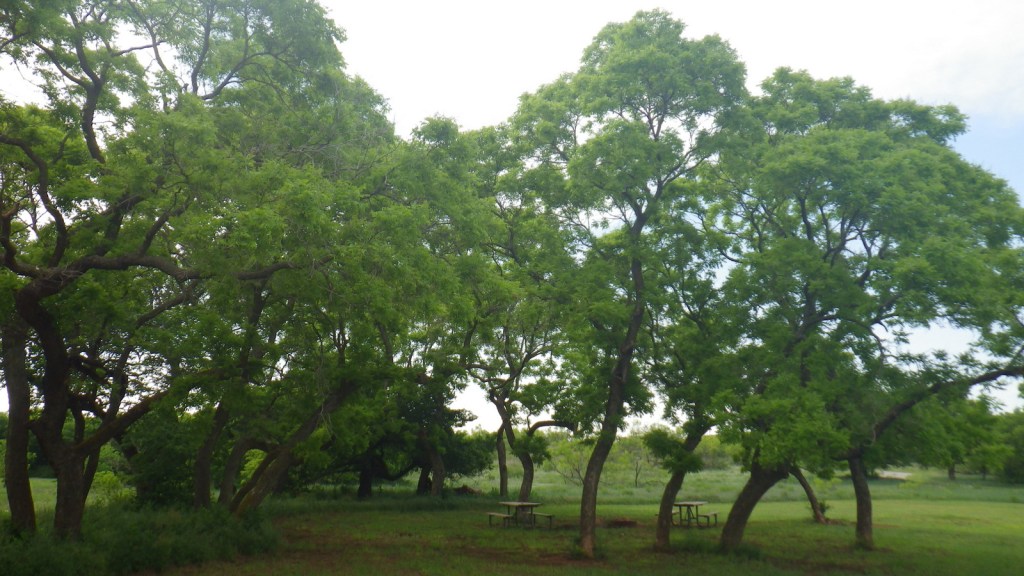
This area is more heavily wooded than some other prairie National Grasslands, which can be experienced on the Croton Creek Trail and Cheyenne Nature Walk (watch for poison-ivy).

Peak Season

Spring and fall

Fees

None

Road Conditions

Highways 283, 33, and 47 are paved roads that run through the National Grassland, and despite abundant spring rainstorms, we did not have any difficulty with the unpaved roads.

Camping

All four lakes offer free primitive campsites with some picnic tables, as does Croton Creek Watchable Wildlife Area where we stayed only six miles west of Cheyenne.  RV campsites with hookups at Lake Marvin cost $20 a night.

Related Sites

Washita Battlefield National Historic Site (Oklahoma)

Alibates Flint Quarries National Monument (Texas)

Cimarron National Grassland (Kansas)

Nearest National Park

Great Sand Dunes

Explore More – The South Canadian River flows north of Black Kettle National Grassland, but what is the river that runs through the middle of it?

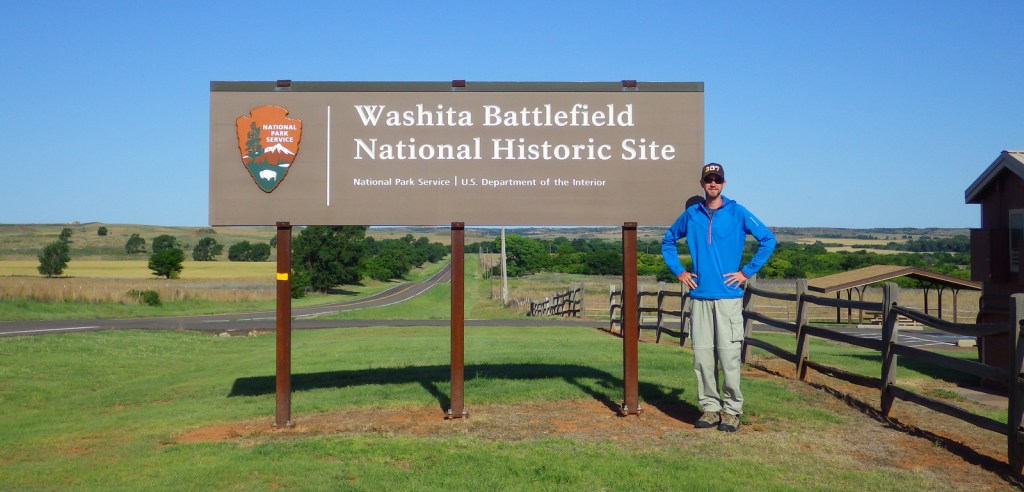
Washita Battlefield National Historic Site

Overview

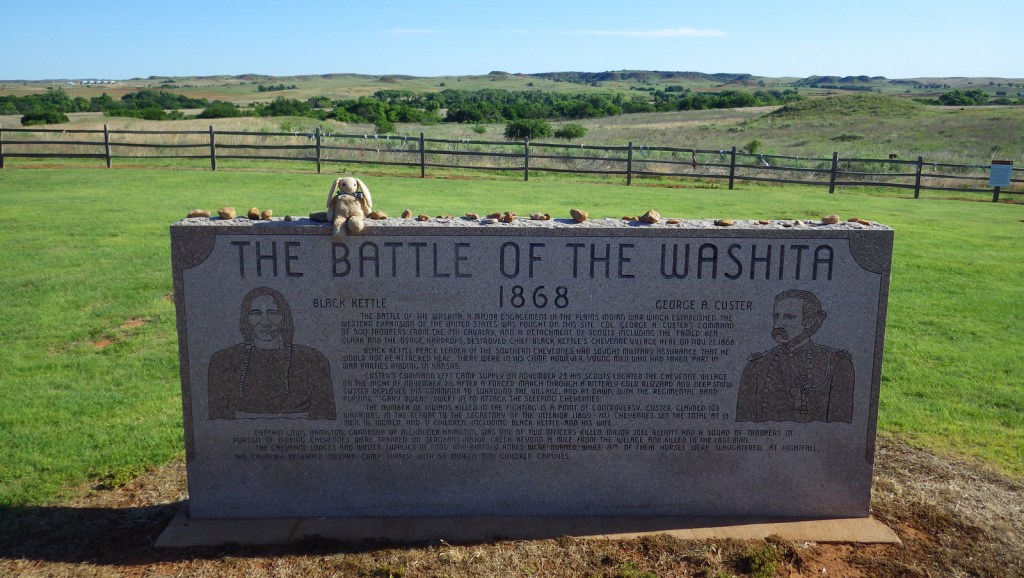
Many retaliatory acts occurred in the aftermath of the 1864 Sand Creek Massacre in Colorado, leading the U.S. Army to launch a campaign against the Cheyenne, Arapaho, and Kiowa following the signing of several peace treaties.  In November 1868, after unsuccessfully seeking protection at Fort Cobb, Cheyenne Chief Black Kettle and Arapaho Chief Big Mouth returned to their winter villages in the Washita River Valley.  The very next day a surprise attack was launched by Lieutenant Colonel George Custer, capturing 53 and killing thirty to sixty Cheyennes, including Black Kettle and his wife.  Under Major General Philip Sheridan’s policy of “total war,” approximately 800 horses were then slaughtered and the village burned. 

Highlights

Museum, film, interpretive trail

Must-Do Activity

The events that took place the morning of November 27, 1868 in western Oklahoma have been described either as a battle or a massacre.  A small National Park Service (NPS) visitor center with exhibits on the events is shared with the U.S. Forest Service’s Black Kettle National Grassland.  Located just down the road on Highway 47 is a self-guided walking tour of the prairie battlefield. 

Best Trail

The 1.4-mile hiking trail through the battlefield leaves from an overlook of the historic site down to the Washita River where trees grow.

Instagram-worthy Photo

The vegetation is typical of Oklahoma prairie with grasses, yucca, and Indian blanket (in bloom in late May).

Peak Season

Summer

Hours

https://www.nps.gov/waba/planyourvisit/hours.htm

Fees

None

Road Conditions

All roads paved

Camping

There are private campgrounds in Cheyenne, Oklahoma, or you can head 25 miles southeast to Foss State Park.

Related Sites

Black Kettle National Grassland (Oklahoma-Texas)

Sand Creek Massacre National Historic Site (Colorado)

Little Bighorn Battlefield National Monument (Montana)

Chickasaw National Recreation Area (Oklahoma)

Explore More – When was this National Historic Site authorized by Congress?

Fort Smith National Historic Site

Overview

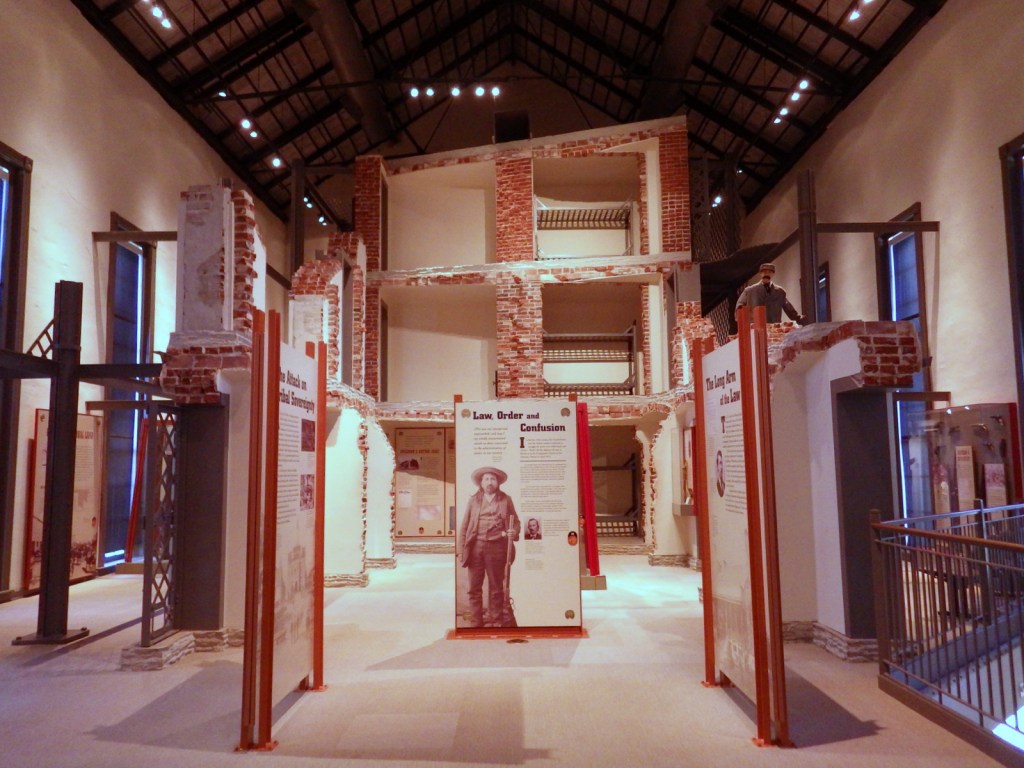
Along a segment of the Arkansas River serving as a border with Oklahoma, Fort Smith is a lovely 35-acre park surrounded by a bustling downtown and busy railroad track.  The first fort at this site was established in 1817 to assist in the Cherokee relocation at the end of the Trail of Tears.  A second fort was built nearby in 1838, occupied by both sides during the Civil War, then closed in 1871 when it became a Federal Court.

Highlights

Museum, restored courtroom, “Hell-on-the-Border” jail, Arkansas River

Must-Do Activity

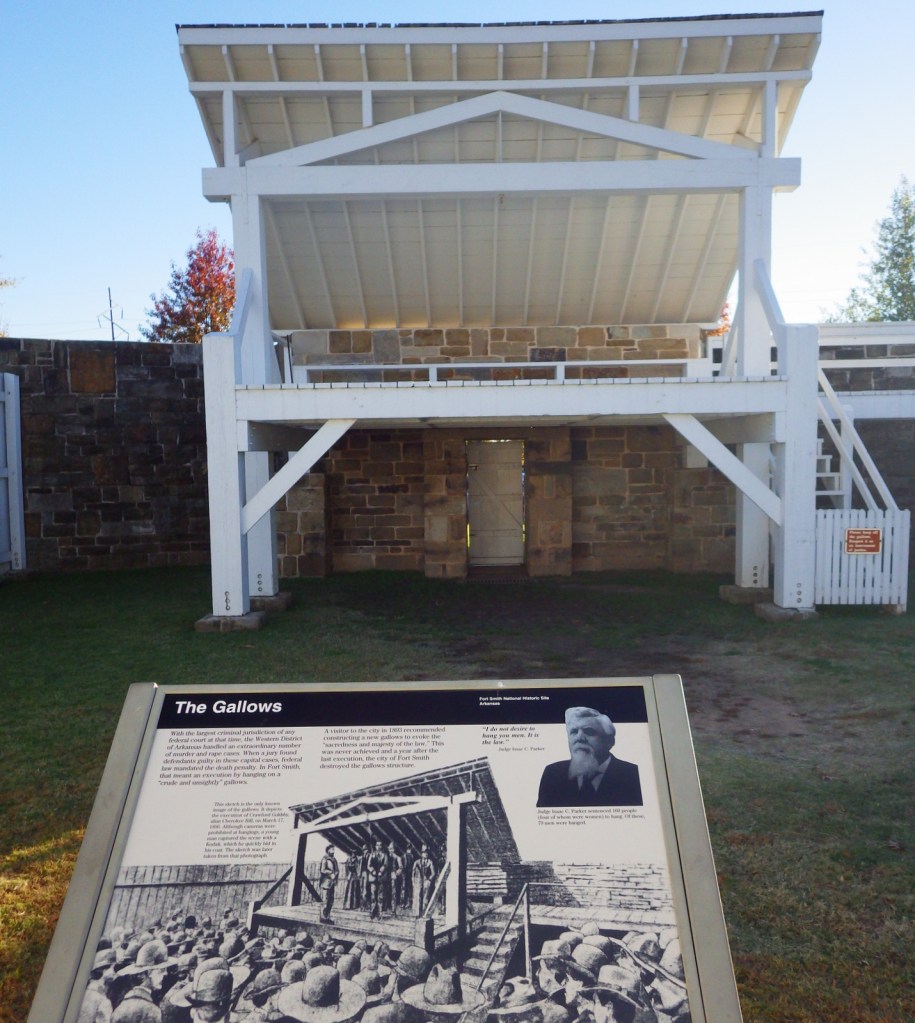
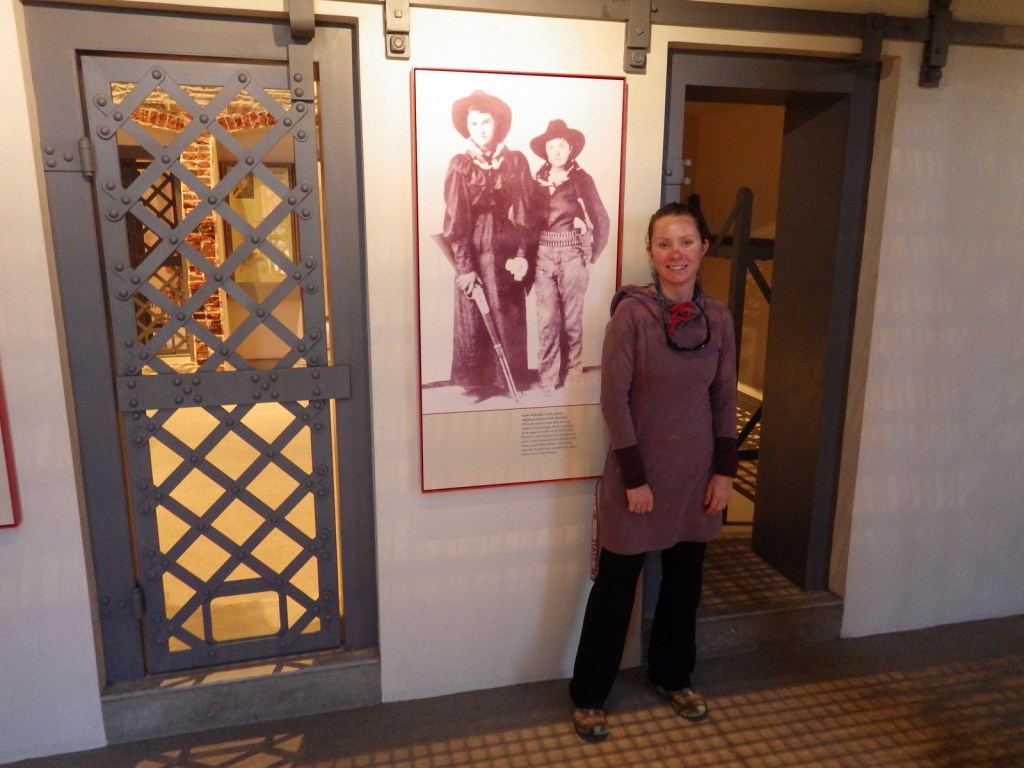
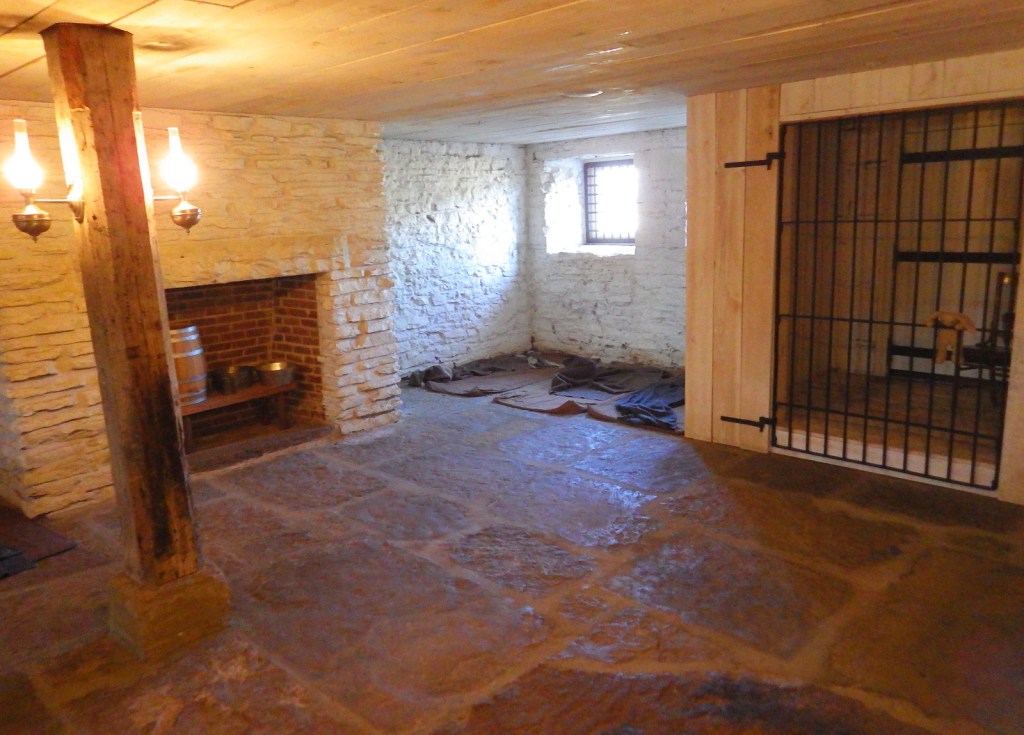
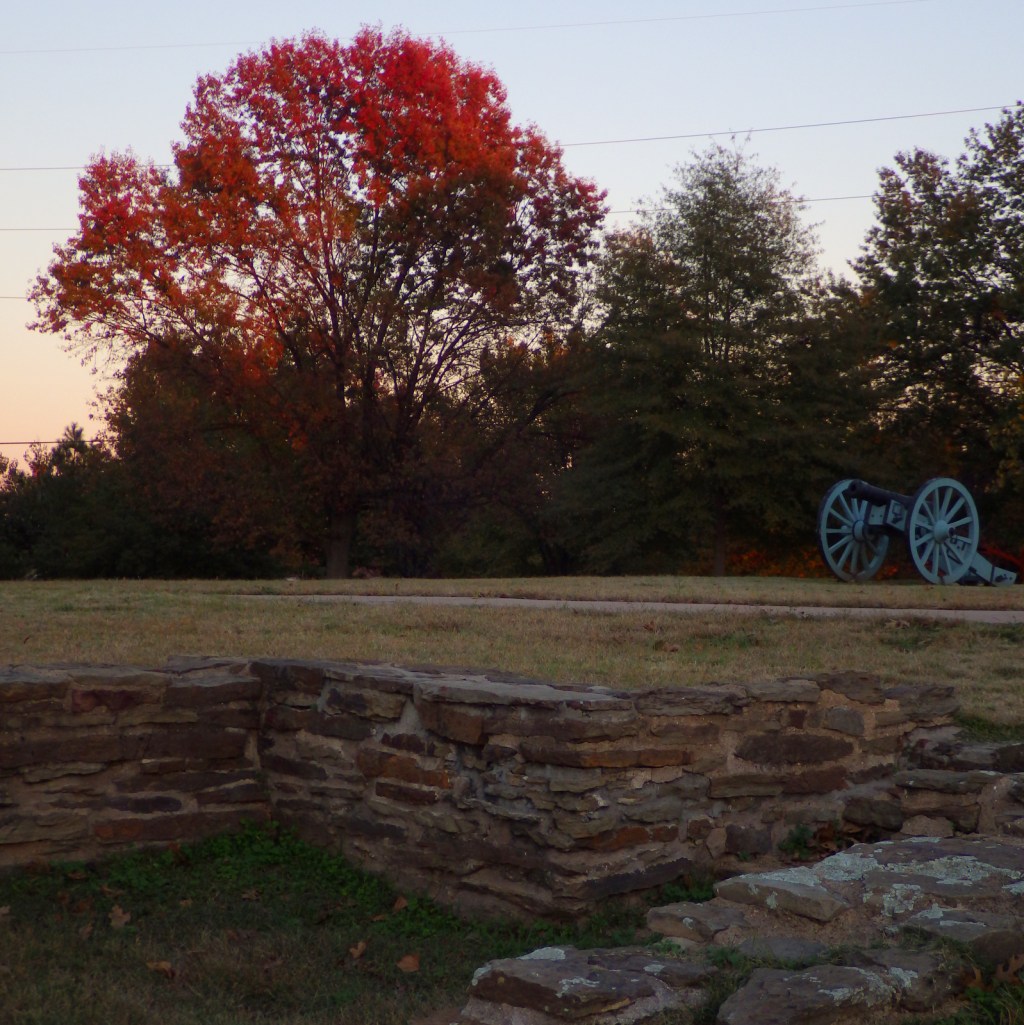
The exhibits here demonstrate the harsh prison conditions and tell harrowing stories of frontier life that will make you cringe.  Do not miss the “Hell-on-the-Border” jail in the basement and the restored courtroom.  Outside, a reproduction of the gallows and several cannon emplacements provide a counterpoint to the idyllic riverfront setting. 

Best Trail

A half-mile trail crosses the railroad tracks to the banks of the Arkansas River.  The scenic beauty of the shoreline at sunset belies the turbulent history of this place, including its connection with the Trail of Tears, designated a National Historic Trail.

Instagram-worthy Photo

Take a photo in the painstakingly restored courtroom where Judge Isaac C. Parker heard 12,000 criminal cases during his 21 years on the bench in the late 1800s.  He sentenced 160 persons to hang, and 79 executions took place right here at Fort Smith.

Peak Season

Spring and fall

Hours

https://www.nps.gov/fosm/planyourvisit/hours.htm

Fees

$10 per person or America the Beautiful pass

Road Conditions

All roads are paved and there is free parking on site.

Camping

Two miles north of Barling, Arkansas, the U.S. Army Corps of Engineers manages a campground on the Arkansas River.

Related Sites

Arkansas Post National Memorial (Arkansas)

Fort Scott National Historic Site (Kansas)

Pea Ridge National Military Park (Arkansas)

Explore More – Fort Smith was established in 1817 to assist in the Cherokee relocation at the end of the Trail of Tears, but what American Indian tribe already inhabited this region?

Chickasaw National Recreation Area

Overview

In 1976, Platt National Park was combined with the nearby reservoir at Arbuckle National Recreation Area to form Chickasaw National Recreation Area, named for the neighboring Chickasaw Nation of central Oklahoma.  The trails and infrastructure in the park were predominantly built in the 1930s by the Civilian Conservation Corps (CCC).

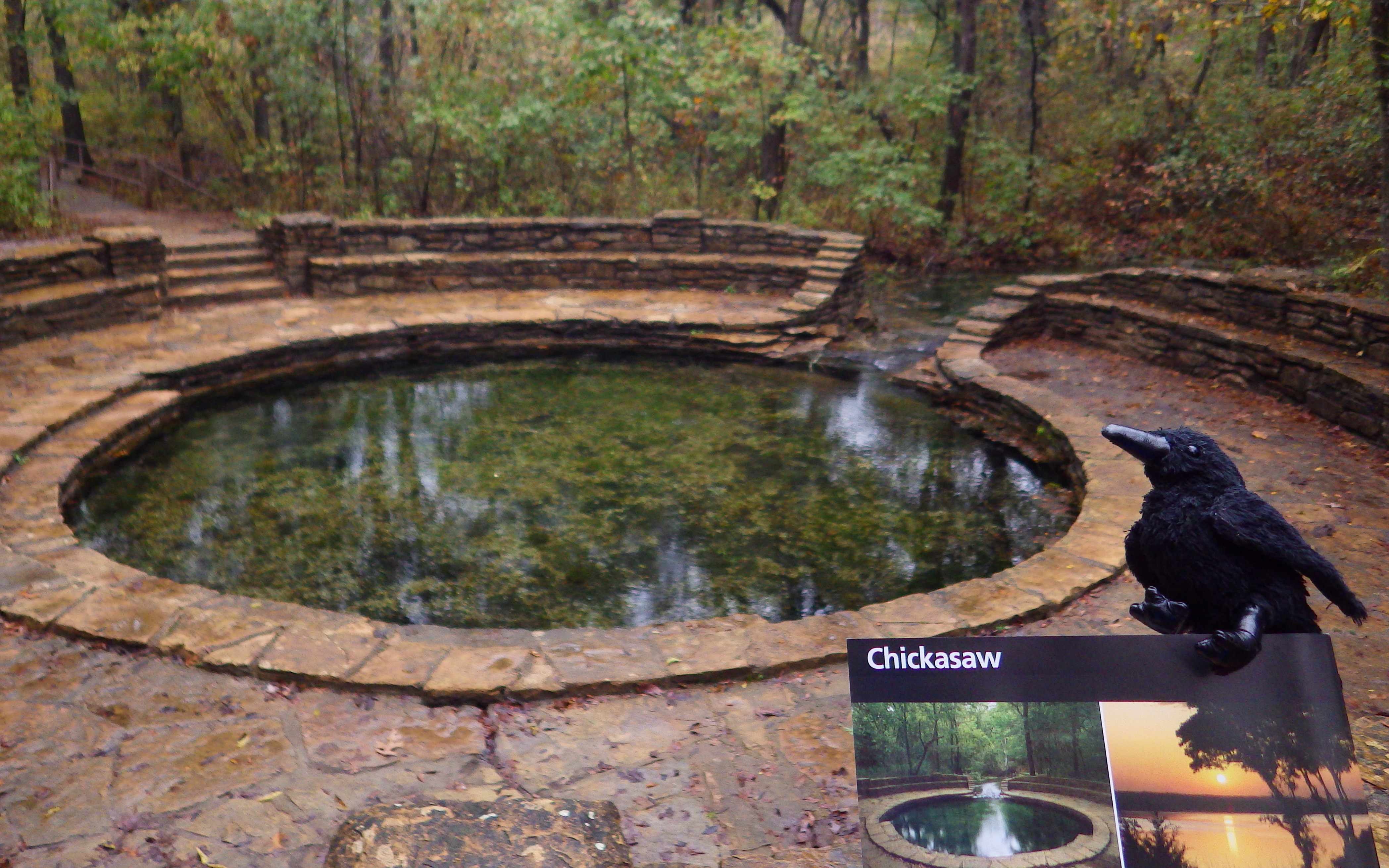
Chickasaw.JPG

Highlights

Natural springs, bison herd, Lincoln Bridge, reservoir

Must-Do Activity

Visitors should start at the Travertine Nature Center, then visit the bison pasture and “take the waters” at Vendome Well.  Other diverse recreational opportunities include camping and water sports on the Lake of the Arbuckles.

Best Trail

Take the trail from the Travertine Nature Center to Antelope Springs and photogenic Buffalo Springs.  There is also loop trail around the bison pasture.

Instagram-worthy Photo

The U.S. Mint quarter (see photo below) for Oklahoma depicts the Lincoln Bridge built by the CCC, but it can be difficult to photograph through the trees.

IMGP1910

Peak Season

Summer

Hours

https://www.nps.gov/chic/planyourvisit/hours.htm

Fees

None

Road Conditions

All roads paved, except in Bluestem Prairie.

Camping

Multiple campgrounds, including several on the shores of the Lake of the Arbuckles.

IMGP1892
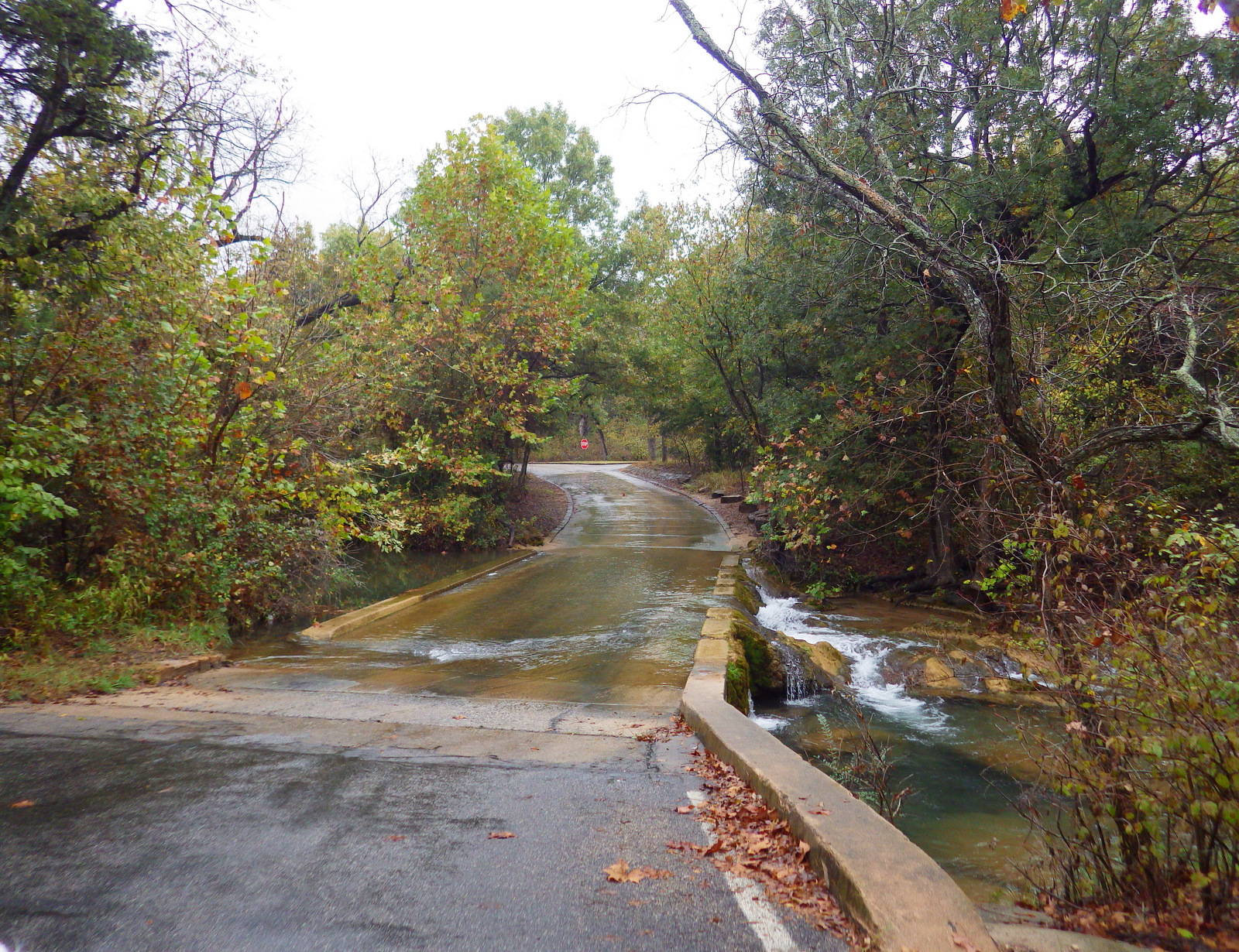
The adventurous road to Travertine Nature Center.

IMGP1896
There is a lot to learn inside the Travertine Nature Center.

IMGP1894

IMGP1907

IMGP1899

IMGP1898
The acorn caps from bur oak trees are huge.

IMGP1912
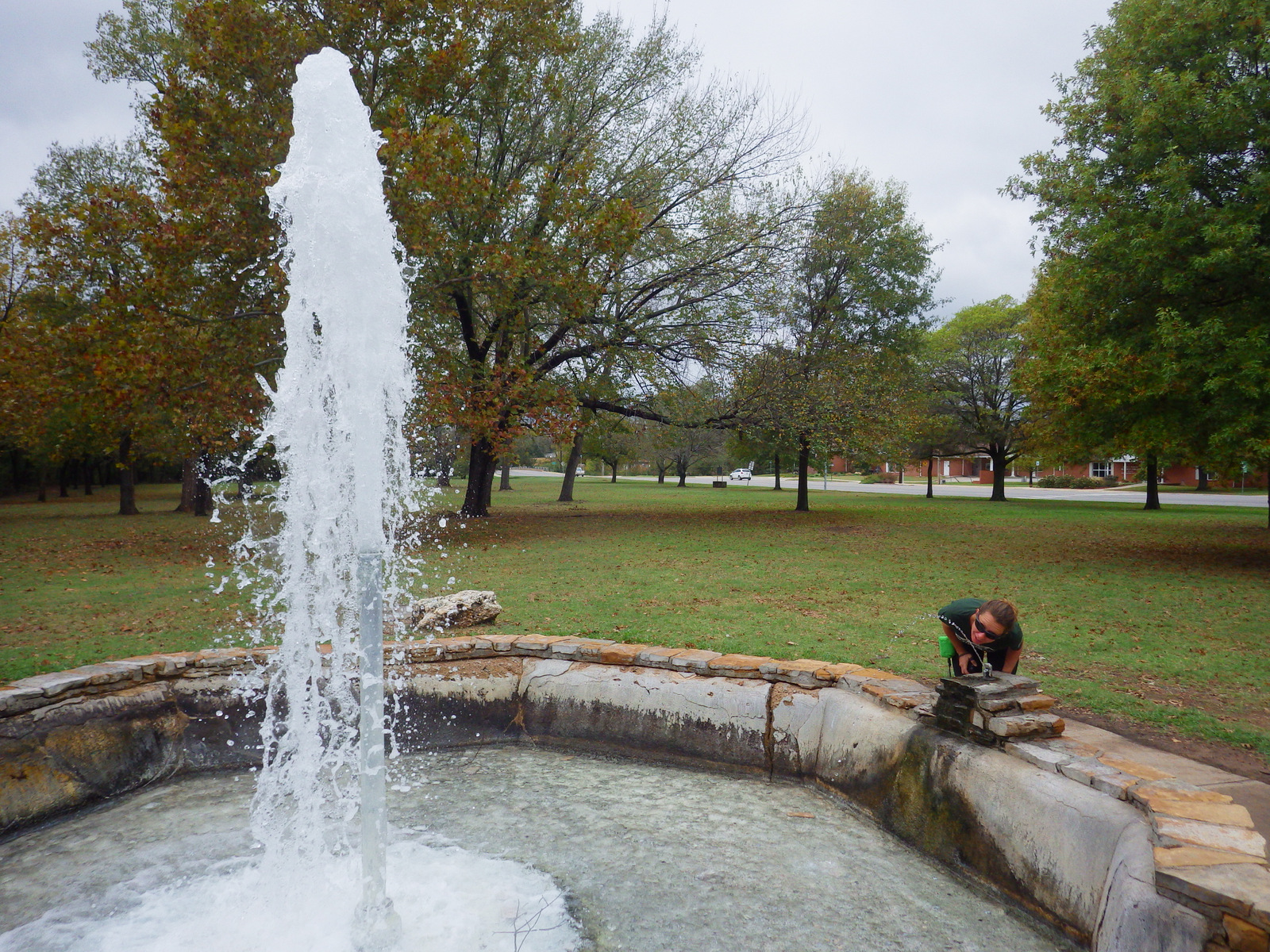
You have to try the sulphurous water fountain at Vendome Well.

Explore More – What was the original name for this federally protected area in 1902?

1WonsTiny2

WONDON WAS HERE

We are a participant in the Amazon Services LLC Associates Program, an affiliate advertising program designed to provide a means for us to earn fees by linking to Amazon.com and affiliated sites.