Category Archives: Illinois

New Philadelphia National Historic Site

New Philadelphia National Historic Site

Illinois

Managed by National Park Service

Established 2022

124 acres

Website: nps.gov/neph

Overview

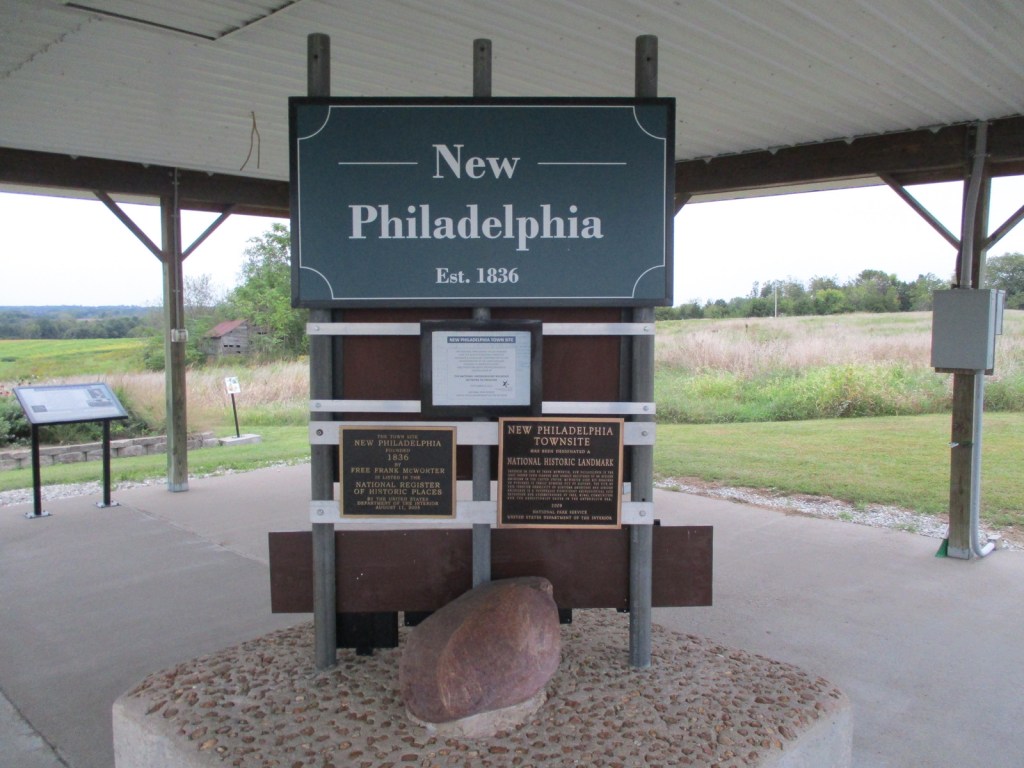
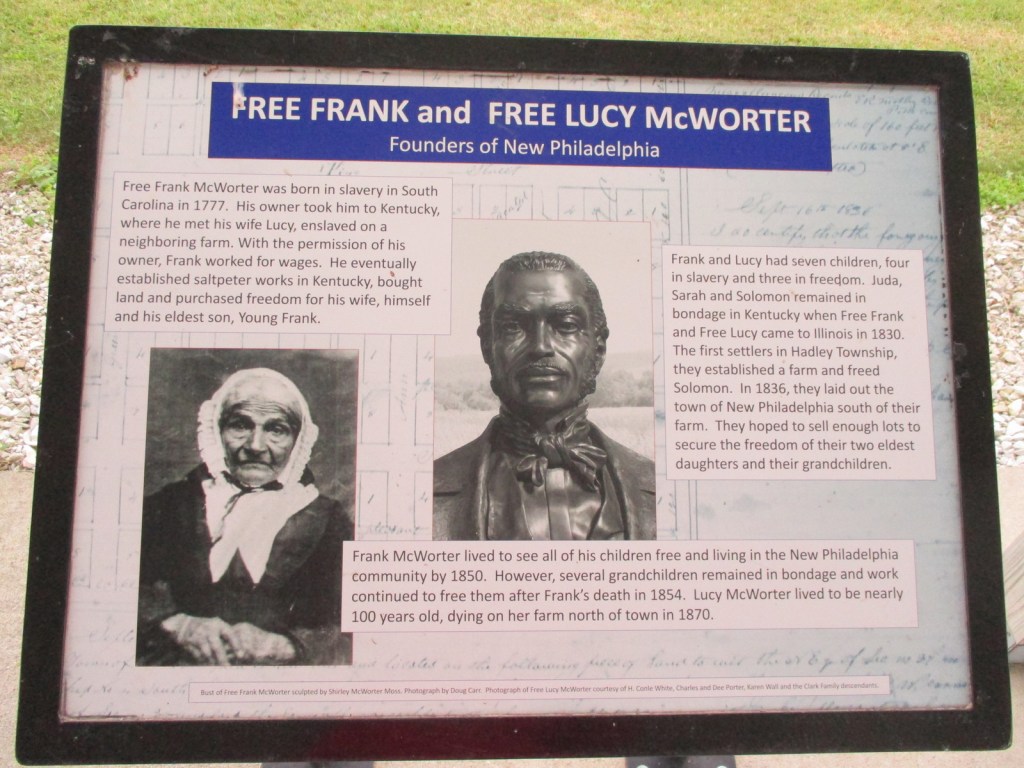
About 77 miles west of Springfield, Illinois, a 42-acre parcel of land became the first U.S. town platted and registered by an African American in 1836.  Back then, Illinois had stringent Black Codes that restricted African Americans and required proof they were not slaves.  This did not deter “Free” Frank McWorter who was born into slavery in South Carolina and after being moved to Kentucky worked to purchase his pregnant wife’s freedom in 1817, then his own two years later.  Once settled in Illinois, McWorter paid $100 for 80 acres and platted a portion of it into 144 lots that he named New Philadelphia.  This was a time of racial tension in Illinois, when an abolitionist was killed while trying to protect his printing press in Alton and a violence flared after a petition to abolish slavery was signed in Griggsville only 13 miles east.  It is likely that New Philadelphia served as a major stop on the Underground Railroad.  The town’s population peaked in 1865 with 160 individuals, 30% of whom were black according to the census.  Although the town was abandoned within a century, a major archaeological excavation in 2002 found artifacts including glass bottles, ceramics, children’s toys, possible pieces of the game Mancala, and a 1903 Illinois State Fair badge.  The site was added to the National Register of Historic Places in 2005 and became a National Historic Landmark in 2009.

Highlights

Kiosk, interpretive trail

Must-Do Activity

Where you park right off County Highway 2, there is an information kiosk that includes brochures and interpretive panels.  We could not get the Augmented Reality (AR) Tour app to work when we visited, but you might have better luck if you use the public WiFi provided by the New Philadelphia Association (the WiFi password is Frank1836).  You can always watch the AR videos before or after your visit on their website (http://newphiladelphiail.org/ar-website).  If you want to stamp your National Parks passport, go four miles west to the Barry City Hall or public library, or visit Lincoln Home National Historic Site in Springfield.

Best Trail

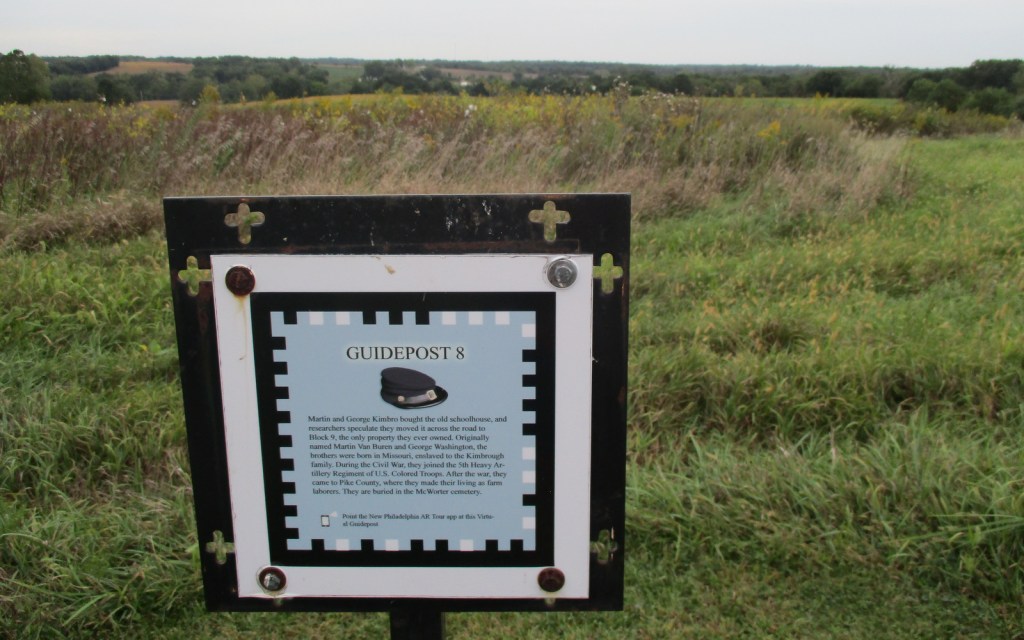
A quarter-mile-long walking trail is mowed into the grassy field where the Augmented Reality Tour has guideposts that also include written information. 

Photographic Opportunity

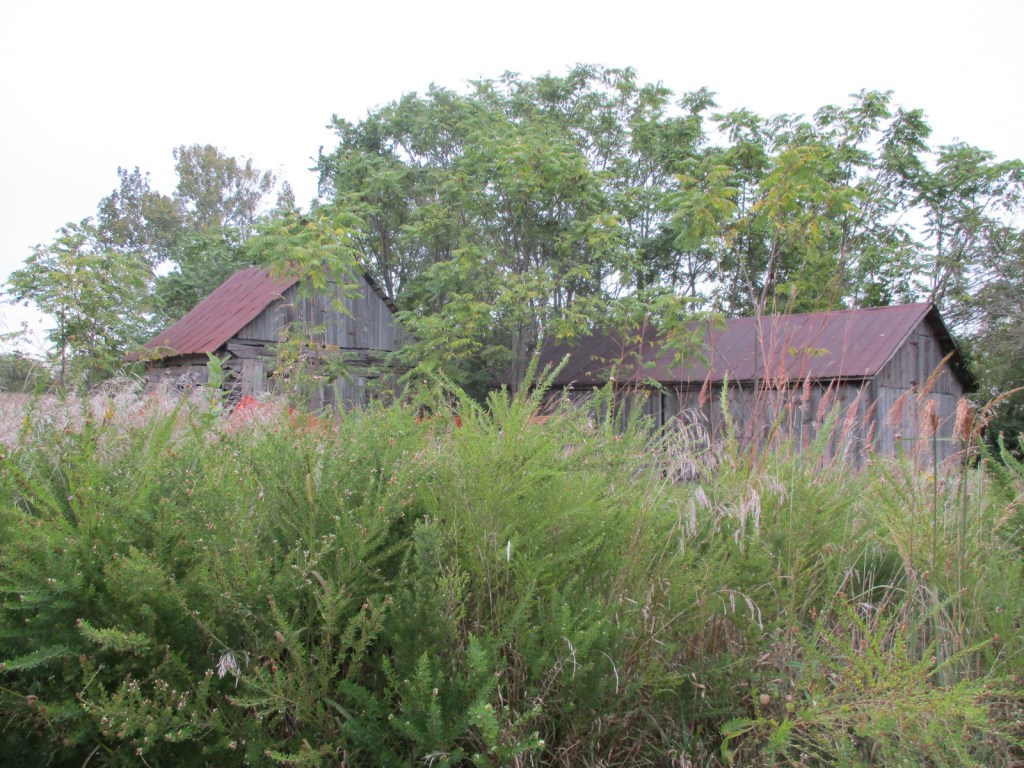
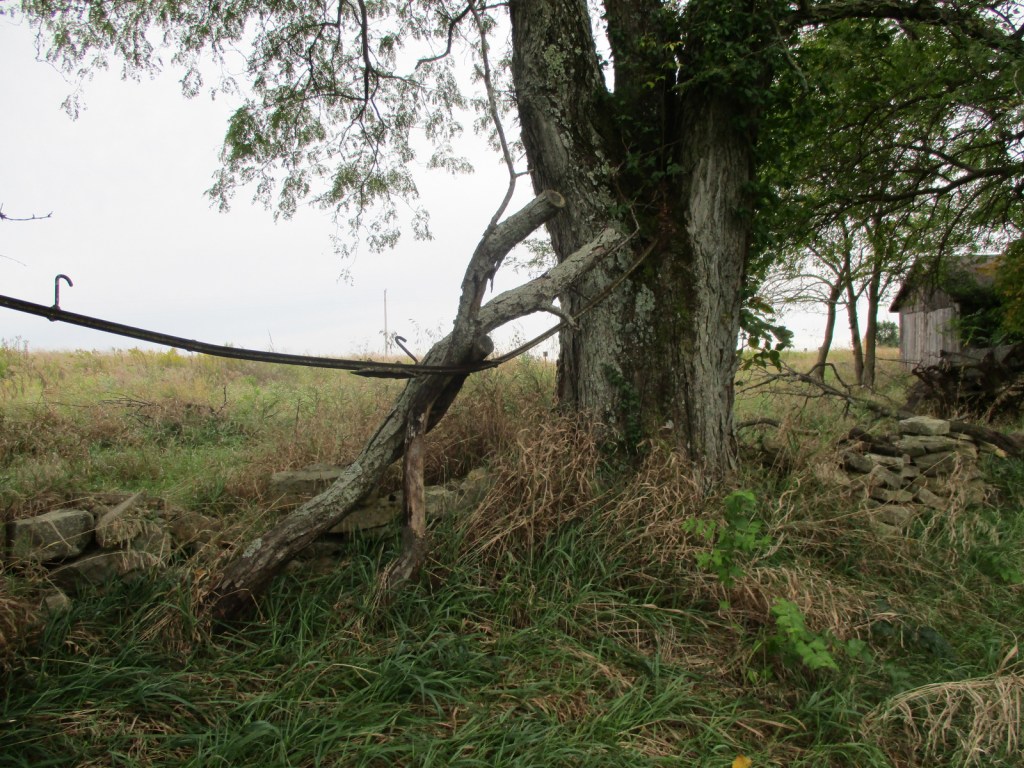
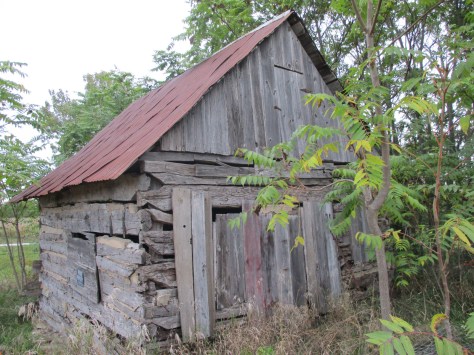
No original structures remain on the site of New Philadelphia, but there are some old farm buildings that make interesting photographic subjects.  Watch for poison-ivy if you step off the mowed trail for photographs.
Peak Season

Spring and fall

Hours

https://www.nps.gov/neph/planyourvisit/hours.htm

Fees

None

Road Conditions

There is a paved parking area right off County Highway 2 when you turn on the gravel 306th Lane, easily accessible from Interstate 72 only 27 miles east of the Mississippi River.  Springfield, Illinois is 76 miles east and St. Louis, Missouri is about 115 miles south.

Camping

There is a campground at Lincoln’s New Salem State Historic Site and other Illinois state parks, plus several in Mark Twain’s hometown of Hannibal, Missouri.

Related Sites

Nicodemus National Historic Site (Kansas)

Springfield 1908 Race Riot National Monument (Illinois)

Emmett Till and Mamie Till-Mobley National Monument (Mississippi-Illinois)

Nearest National Park

Gateway Arch

Explore More – Frank McWorter purchased the freedom from slavery for how many family members, (including his son who had escaped to Canada)?

Springfield 1908 Race Riot National Monument

Springfield 1908 Race Riot National Monument

Illinois

Managed by National Park Service

Established 2024

1.57 acres

Website: nps.gov/spra

Overview

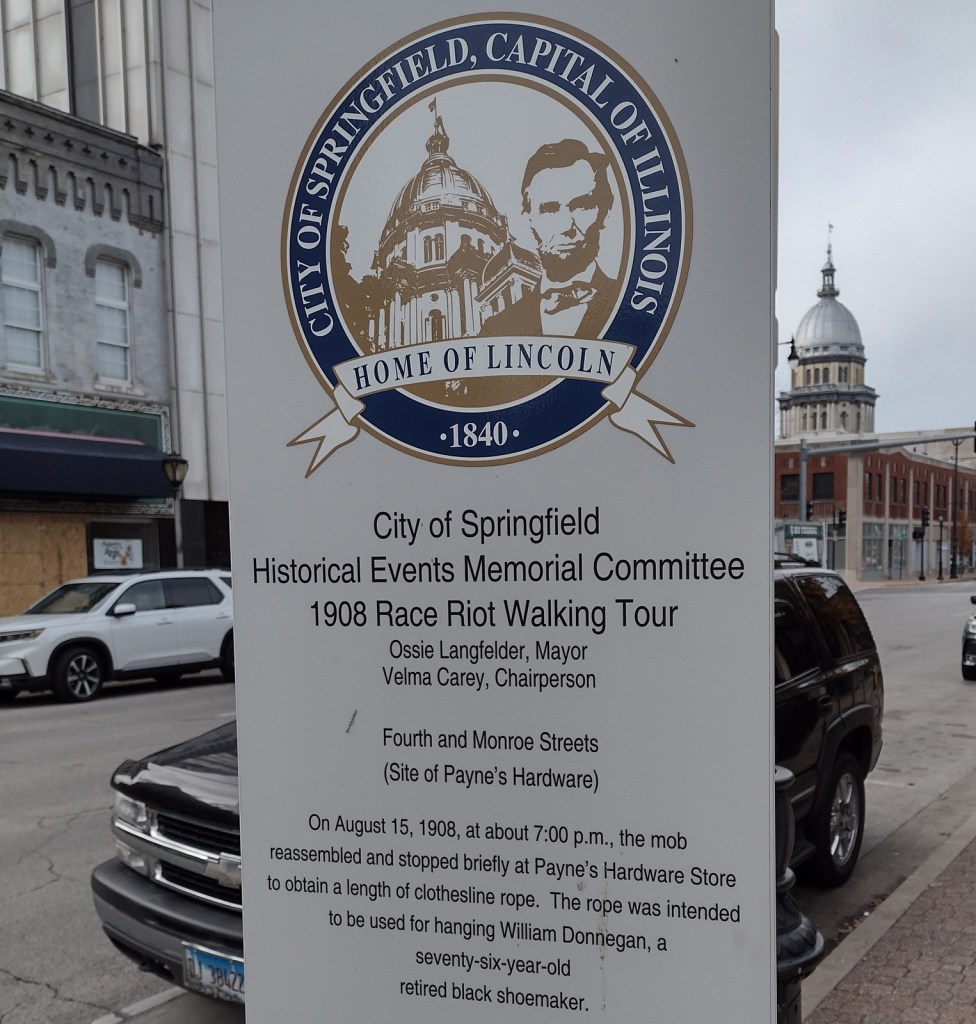
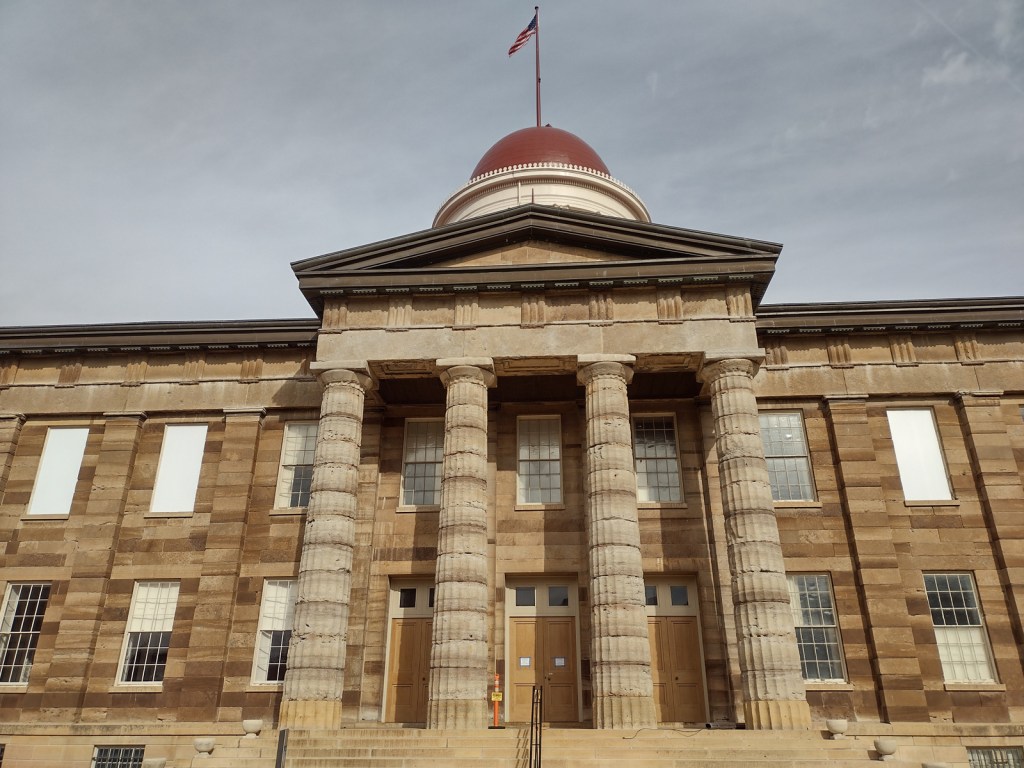
In 1908, African Americans made up only 5.5% of Springfield’s population of 47,000.  However, racial tensions ran high across the nation, and, on August 14, a mob formed outside the jail where two African-American men were accused of separate incidents of sexual assault and murder.  When the crowd found out the prisoners had been secretly moved 60 miles away, a full riot broke out.  They destroyed buildings, looted, and lynched two prominent members of the African-American community—a barber named Scott Burton and the wealthy William Donnegan.  By the time the National Guard arrived to restore order, seven people were dead and the mob had already burned the African-American neighborhood known as the “Badlands” to the ground.  Eventually, the trials of the 80 riot suspects at the Old Court House led to only one conviction for petty larceny.  While the rape suspect, George Richardson, was released when his accuser admitted fabricating the story, Joe James was convicted of murder and executed on October 23, 1908 despite being legally exempt from the death penalty as a minor.  These events catalyzed the formation of the National Association for the Advancement of Colored People (NAACP) a few months later in New York City.

Learn more about the other 137 National Monuments in our book Monumental America: Your Guide to All 138 National Monuments. It is now available for sale on Amazon.com.

Highlights

Walking tour, Acts of Intolerance sculpture, mural, Old Court House, Springfield and Central Illinois African American History Museum, Oak Ridge Cemetery, Mechanicsburg Cemetery

Must-Do Activity

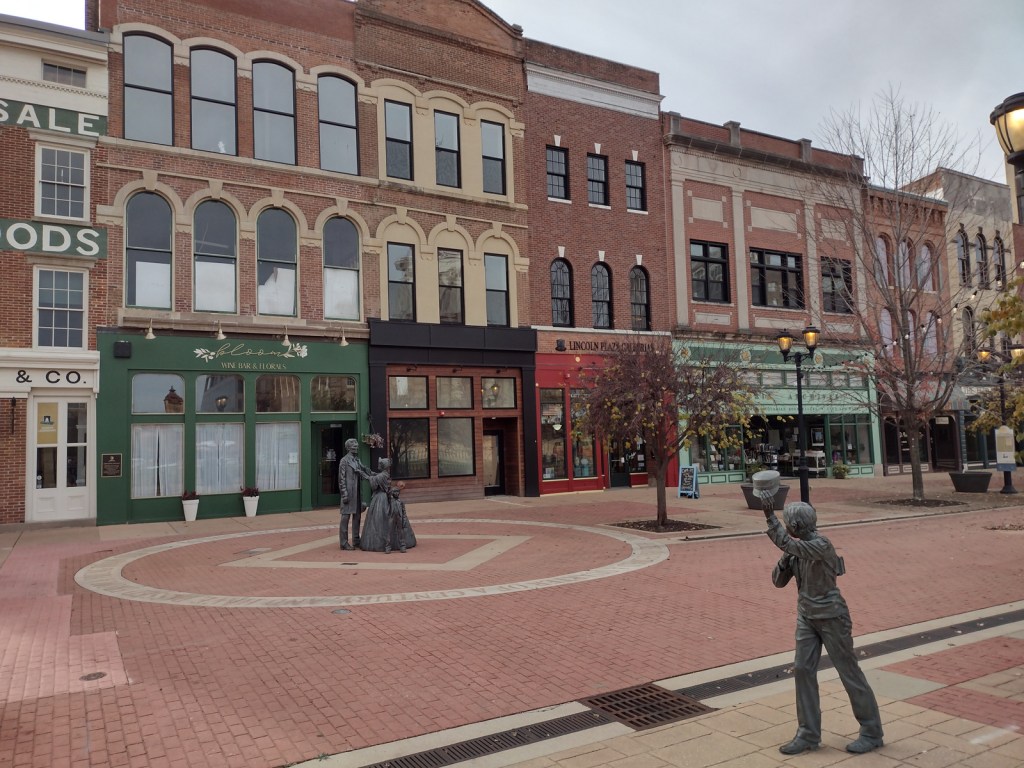
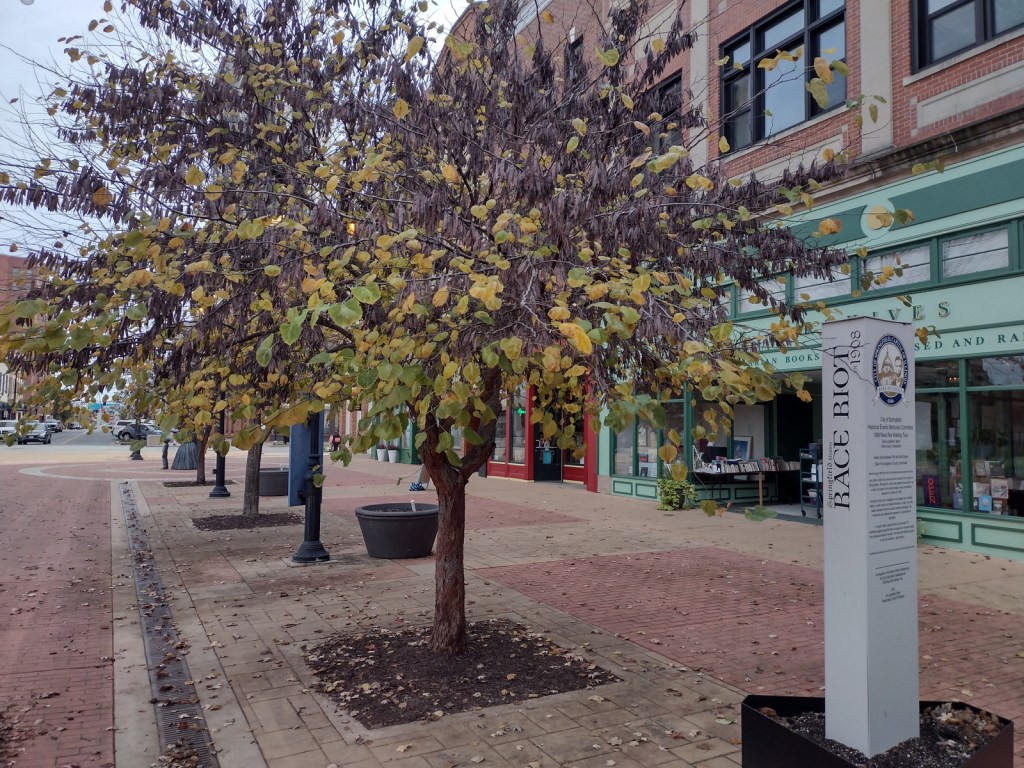
Before the National Monument was designated in 2024, the city of Springfield had already created a walking tour highlighting the events of the 1908 race riot marked by seven silver pillars.  After starting at the former site of the jail, the tour moves to where Loper’s Restaurant once stood; its white owner having assisted in moving the prisoners, his restaurant and his car were destroyed.  During the frenzy, a restaurant patron named Louis Johnson was shot and killed.  There are five other stops detailing the events chronologically, but they do not include the mural inside HSHS St. John’s Hospital Women & Children’s Clinic, which is next to the officially designated National Monument boundaries where the foundations of five homes burned in the “Badlands” remain fenced off.  Upon our visit less than three months after its creation, the National Park Service visitor center for Lincoln Home National Historic Site did not have any information on the new National Monument, but they already had a passport stamp.

Best Trail

When followed in chronological order, the walking tour bounces back and forth across the city, so you will get your steps in that day.  In the summer, guided tours are offered from the Springfield Convention and Visitors Bureau.  Alternatively, you can drive the route and read the descriptions in the publication available online and from the visitors bureau. 

Photographic Opportunity

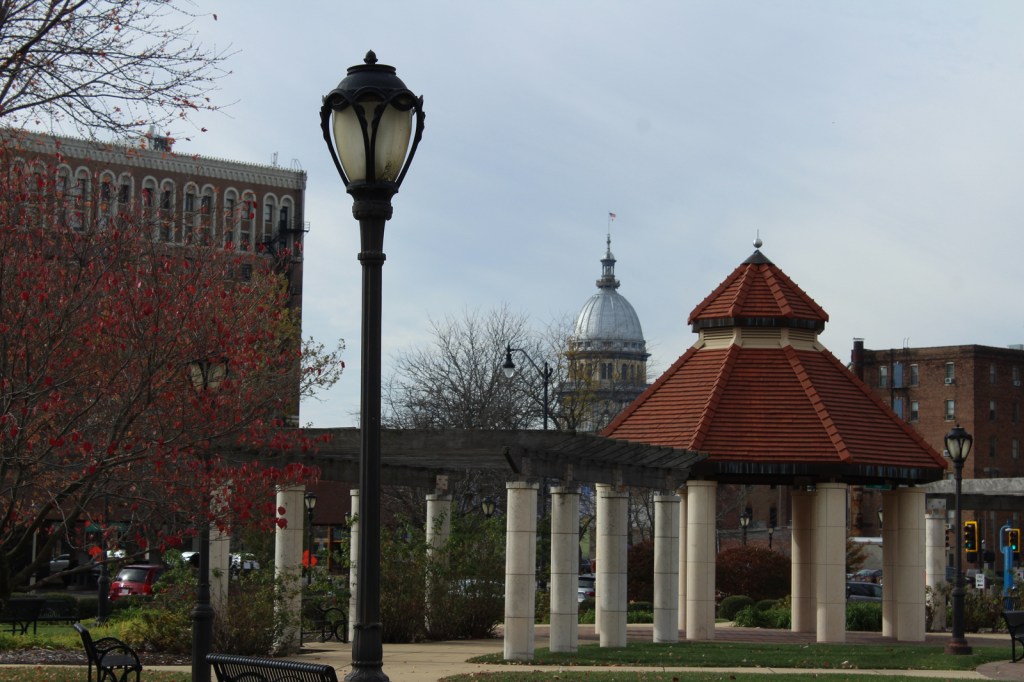
After the burning of the “Badlands” neighborhood, two chimneys were about the only structures left standing.  The sculptor Preston Jackson utilized this imagery in his work Acts of Intolerance that depicts scenes of the race riot in bas relief.  Dedicated in 2009, it stands across the street from the Abraham Lincoln Presidential Library in Union Square Park. 

Peak Season

Summer

Hours

https://www.nps.gov/spra/planyourvisit/hours.htm

Fees

None

Road Conditions

There is no free parking in downtown Springfield, so you can use a parking meter or the NPS pay lot at Lincoln Home National Historic Site. 

Camping

Lincoln’s New Salem State Historic Site is 20 miles northwest of Springfield and its campground has running water.  Further north, Starved Rock State Park is a beautiful spot for camping, and it also offers a historic lodge.

Related Sites

New Philadelphia National Historic Site (Illinois)

Emmett Till and Mamie Till-Mobley National Monument (Mississippi-Illinois)

Medgar and Myrlie Evers Home National Monument (Mississippi)

Explore More – Damage from the race riot to black businesses was estimated at $100,000 in 1908, equivalent to how many millions today?

Learn more about the other 137 National Monuments in our book Monumental America: Your Guide to All 138 National Monuments

Midewin National Tallgrass Prairie

Midewin National Tallgrass Prairie

Illinois

Managed by U.S. Forest Service, Northern Region

20,283 acres

Website: https://www.fs.usda.gov/midewin

Overview

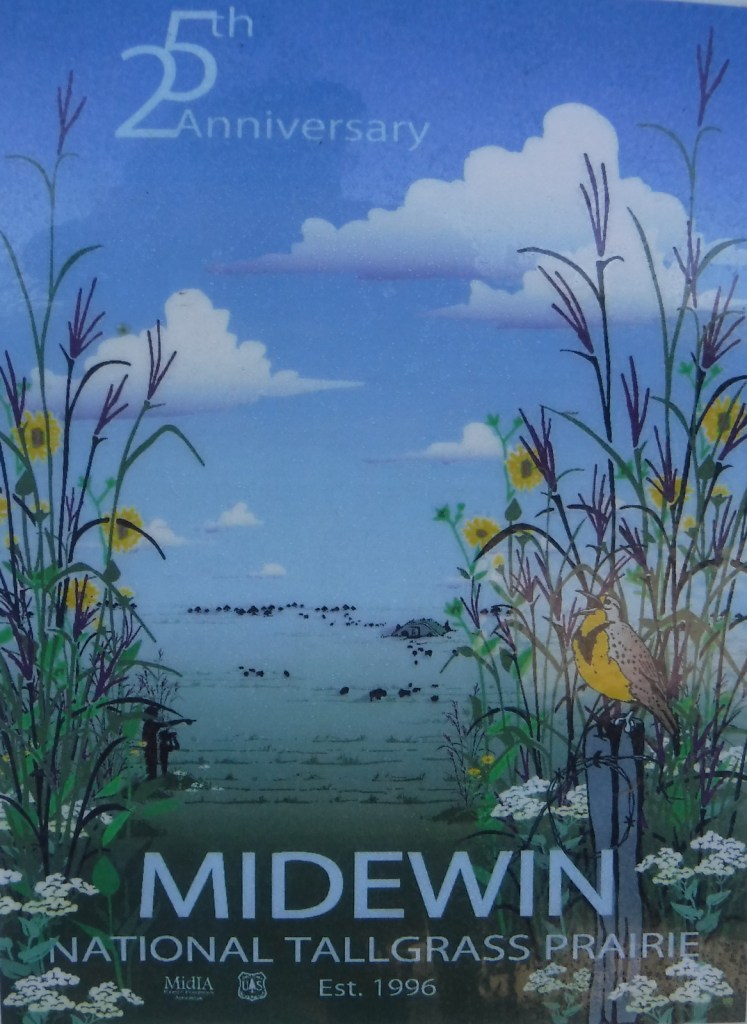
Midewin National Tallgrass Prairie was established in 1996 and opened to visitors eight years later following some ecological restoration and decontamination.  It is located on the site of the Joliet Army Ammunition Plant that produced TNT from 1940 to 1976.  In combination with neighboring Des Plaines Fish and Wildlife Area and other preserves, over 40,000 acres are protected in this area south of Chicago’s suburbs.  Restoration of the tallgrass prairie is ongoing with planting and prescribed burning to promote the growth of native plants.  In 2015, 27 bison were introduced on 1,200 acres and the herd has grown to more than 50.  Midewin (pronounced “mi-DAY-win”) is a Potowatomi word referring to tribal healers.

Highlights

Midewin Welcome Center, Route 66, historic bunkers, bison herd

Must-Do Activity

The best place to start a visit is the Midewin Welcome Center on Highway 53, just south of the Southwest Bison Overlook.  There you can read about the history of the area, pick up pamphlets on birds and wildflowers, and get information on the more than 30 miles of trails, including 21.7 miles open to bikers and equestrians.  The 7,000 acres of accessible public lands are open 4 a.m. to 10 p.m. daily.

Best Trail

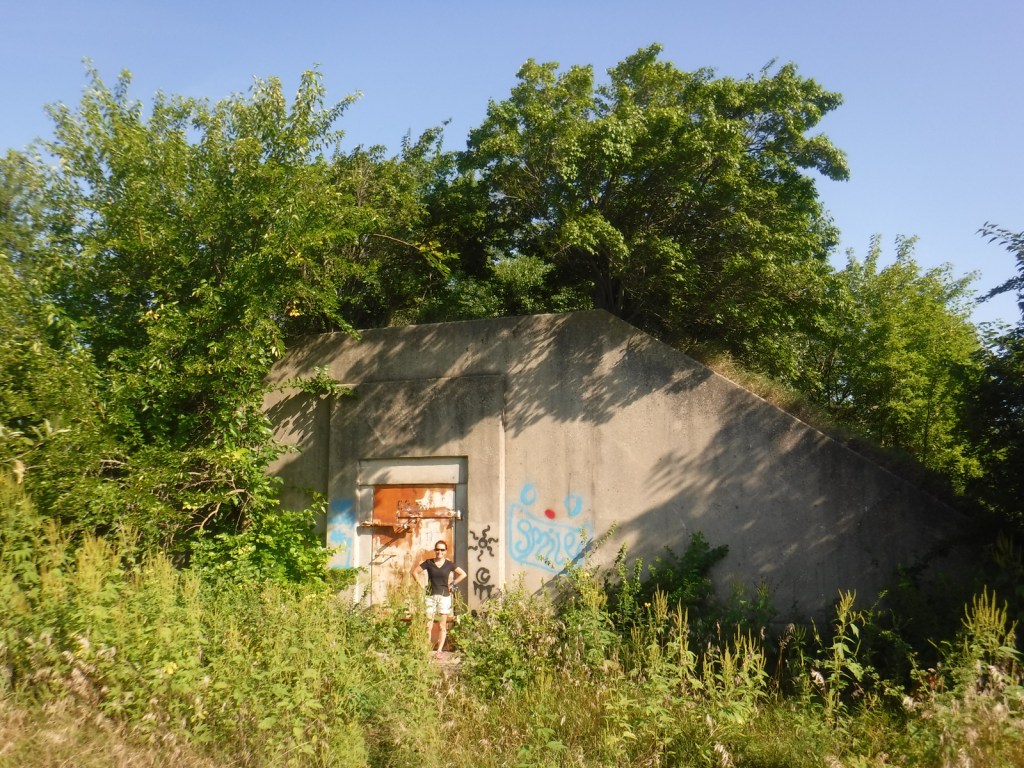
Several trails leave from the Iron Bridge Trailhead north of the visitor center.  We took Group 63 Trail that starts in a forest then opens up as it accesses Bunker 63-1, which is unlocked for exploration.  The entire trail makes a 3.5-mile loop around a group of bunkers following the northern border of the fenced-off bison pasture. 

Watchable Wildlife

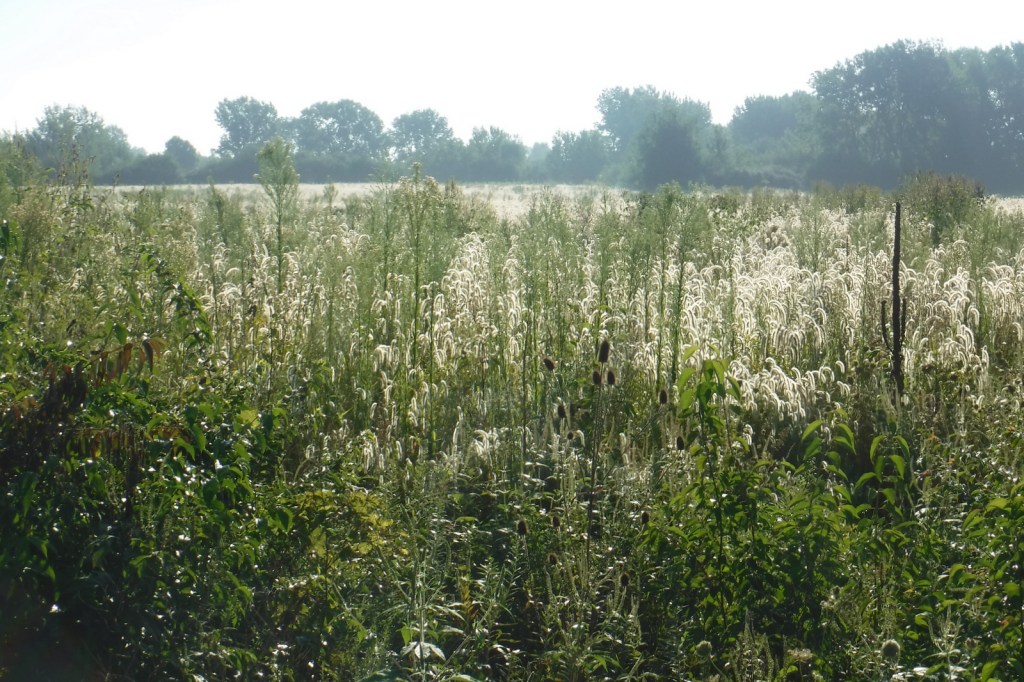
Midewin remains the only federal tallgrass prairie preserve east of the Mississippi River, restoring an extremely rare ecosystem that was mostly converted to agriculture.  Golden gophers (or 13-lined ground squirrels) fill the ecological niche of prairie dogs here.  Coyotes and white-tailed deer are also found in this area.  In 2015, bison were introduced on 1,200 acres of the preserve, and the herd has increased from the original four bulls and 23 cows.  A color pamphlet highlighting native birds is available at the visitor center and trailheads.  In addition to songbirds, raptors like red-tailed hawks, northern harriers, and short-eared owls can be seen.  We came across a flock of turkeys near the turtle pond south of Hoff Road. 

Instagram-worthy Photo

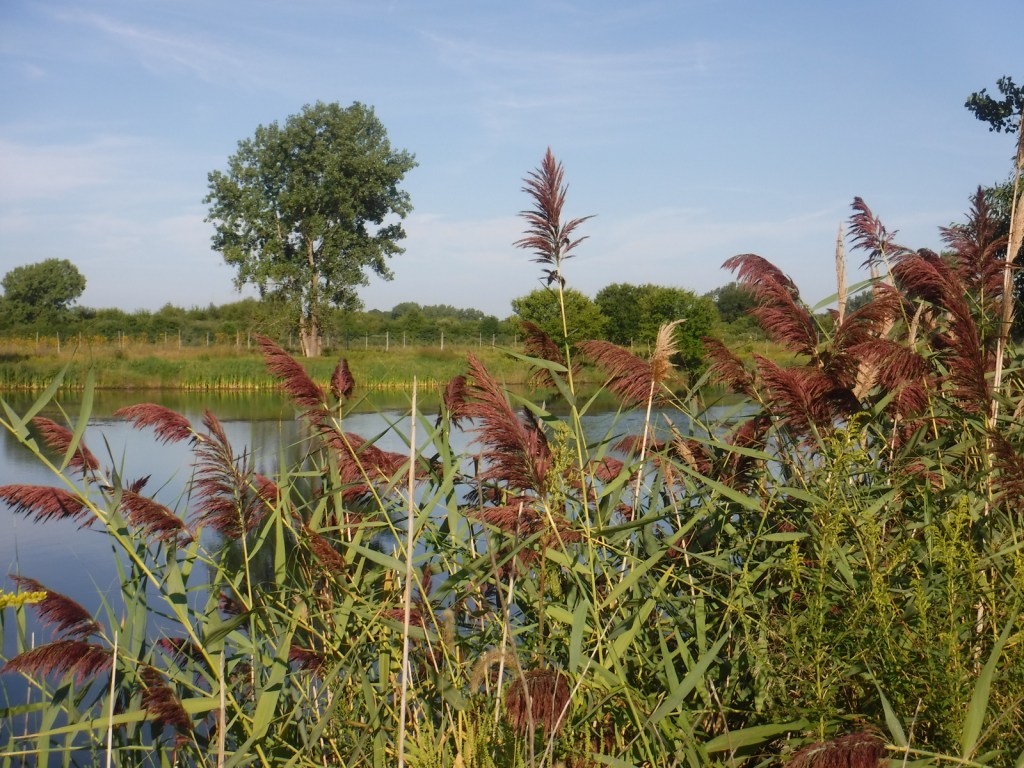
A turtle pond is accessible by walking a closed road one mile from the Hoff Road Trailhead.

Peak Season

Spring

Fees

None

Road Conditions

The main access roads are paved and the trailhead parking areas are gravel lots.  Many of the trails are former roads, both paved and unpaved.  At the Iron Bridge Trailhead, bicycles are available to rent as part of the 75 miles of trails following the Illinois and Michigan Canal National Heritage Corridor.

Camping

There is no camping at Midewin National Tallgrass Prairie, as the public lands are only open 4 a.m. to 10 p.m. daily.  Campgrounds outside of Chicago include Starved Rock State Park, Illini State Park, Des Plaines Conservation Area, and across the state border at Indiana Dunes National Park.

Related Sites

Tallgrass Prairie National Preserve (Kansas)

Pullman National Historical Park (Illinois)

Cedar River National Grassland (North Dakota)

Nearest National Park

Indiana Dunes

Explore More – During World War II, 3,400 women worked at the Joliet Army Ammunition Plant, representing what percentage of the workforce?

Pullman National Historical Park

Overview

South of Chicago, Illinois, the town of Pullman was built in 1880 as one of the first master-planned communities in the nation.  It was constructed by the Pullman Palace Car Company for its employees to rent houses with modern amenities typically unavailable in the city.  Due to the grassroots efforts of its residents over the years, the town was spared demolition in the 1960s and it remains incredibly well-preserved architecturally.  Pullman National Monument was established in February 2015 by the executive order of former Chicago resident Barack Obama, then changed to a National Historical Park in 2022 by President Joe Biden.

Pullman.JPG

Highlights

Historic buildings, introductory film

Must-Do Activity

The National Park Service (NPS) visitor center in the neighborhood shows a 20-minute film and offers walking tours.  You can also take a self-guided tour past the historic homes, most of which remain private residences.  More buildings may open to the public in the coming years as the NPS develops this unique historical site in cooperation with its current inhabitants.

Best Trail

None

Instagram-worthy Photo

Greenstone Church was made with serpentine quarried in Pennsylvania, giving it an interesting color that doesn’t even require a photo filter.  Also, it has gargoyles.

Green!

Peak Season

Open year round, but Chicago is known for its harsh and windy winters.

Hours

https://www.nps.gov/pull/planyourvisit/hours.htm

Fees

None

Road Conditions

All roads are paved and there is a free parking lot at the visitor center.

Camping

None

IMGP6272
Operated 1881 to 1975, the Hotel Florence had the only bar in Pullman until the 1900s and was under renovation in 2016, but may now be open to tours.

IMGP6258

The green rock church

IMG_3087
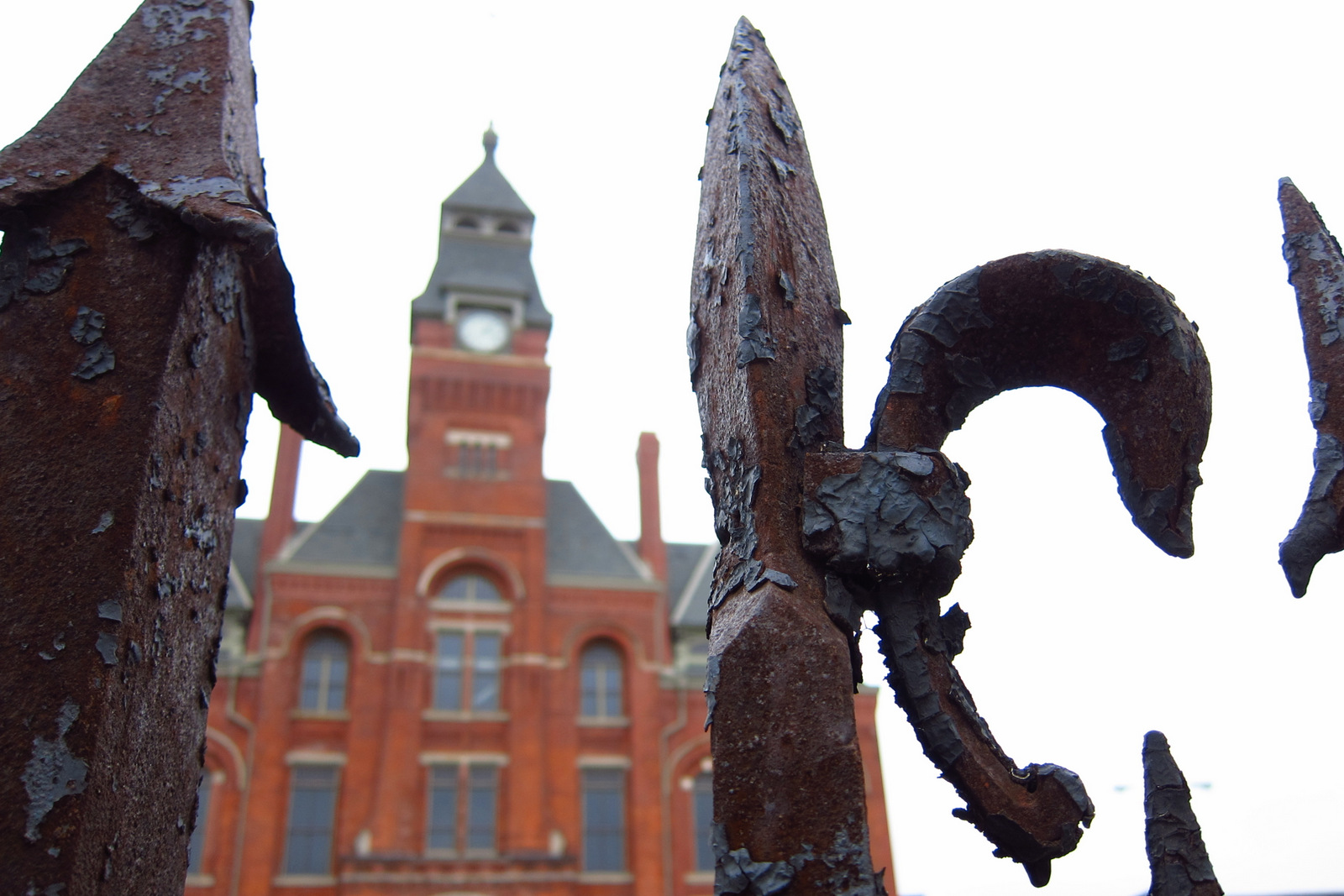
It will take a lot of restoration work to get the Pullman Factory Administration Building open to the public.

Pullman is known for making the fancy train cars
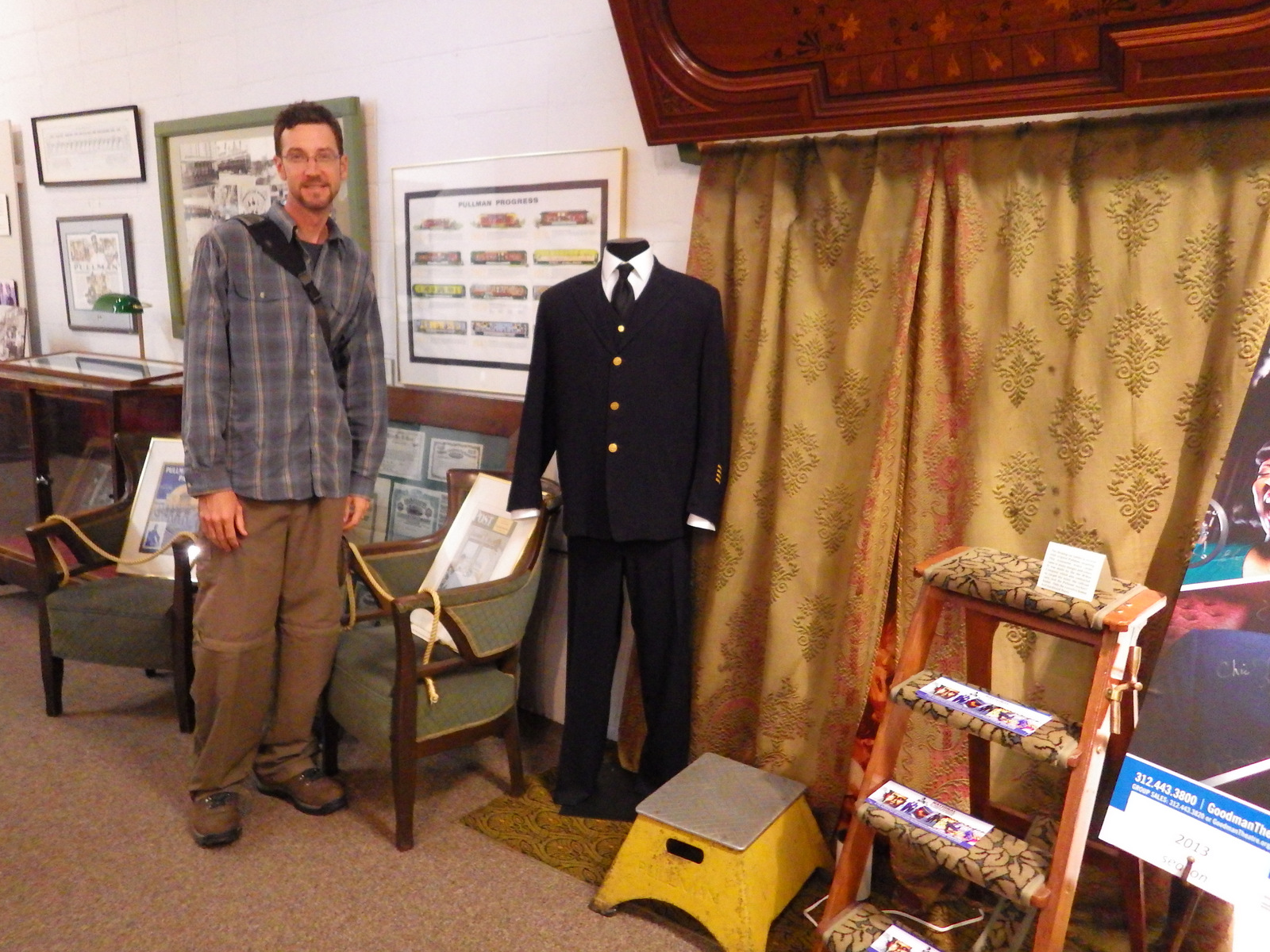
Scott inside the Visitor Center and museum.

Explore More – Why did President Grover Cleveland direct federal troops to disrupt the 1894 strike by Pullman Palace Car Company employees?

1WonsTiny

WONDON WAS HERE