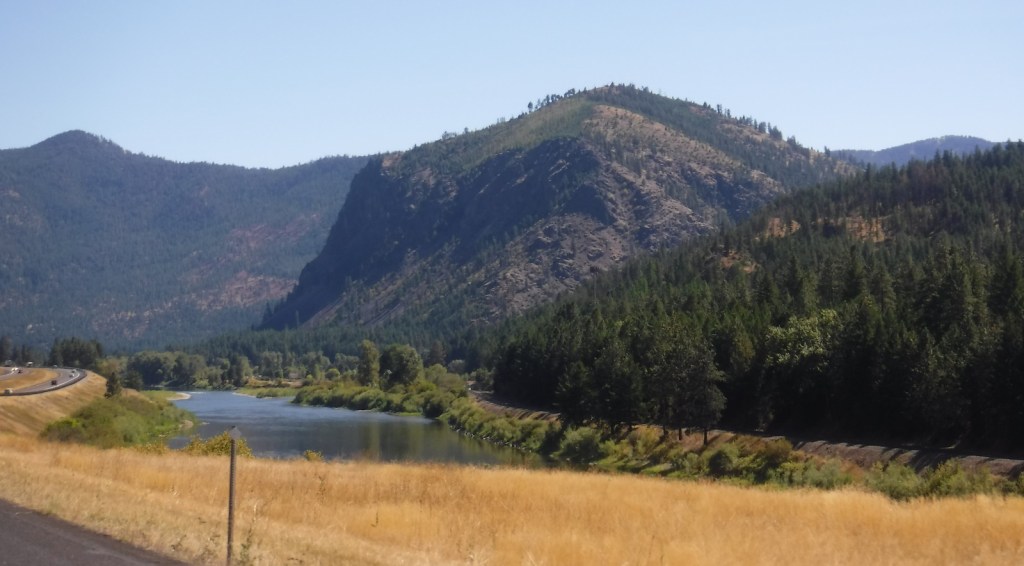
Located in western Montana, the elevation of Lolo National Forest ranges from less than 2,400 feet on the Clark Fork River below Thompson Falls to the top of 9,186-foot Scapegoat Mountain. West of Missoula off Interstate 90, the Ninemile Historic Remount Depot preserves a Civilian Conservation Corps (CCC) camp and pack stock training facility. Founded in 1907, the Savenac Historic Tree Nursery Area is also well developed for visitors, including an arboretum and cabin rentals in what were formerly the cookhouse and bunkhouse.
Know someone who loves the National Forests? Gift them our travel guidebook Out in the Woods so they can learn more about this and the 154 other National Forests.
Highlights
Rattlesnake National Recreation Area, Lolo Pass Visitor Center, Lolo National Historic Trail, Fort Fizzle, Blue Mountain Recreation Area, Cascade Falls, Savenac Nursery, Petty Creek Bighorn Sheep Viewing Site, Clearwater Canoe Trail, Stark Mountain Vista, Lewis and Clark National Historic Trail
Must-Do Activity
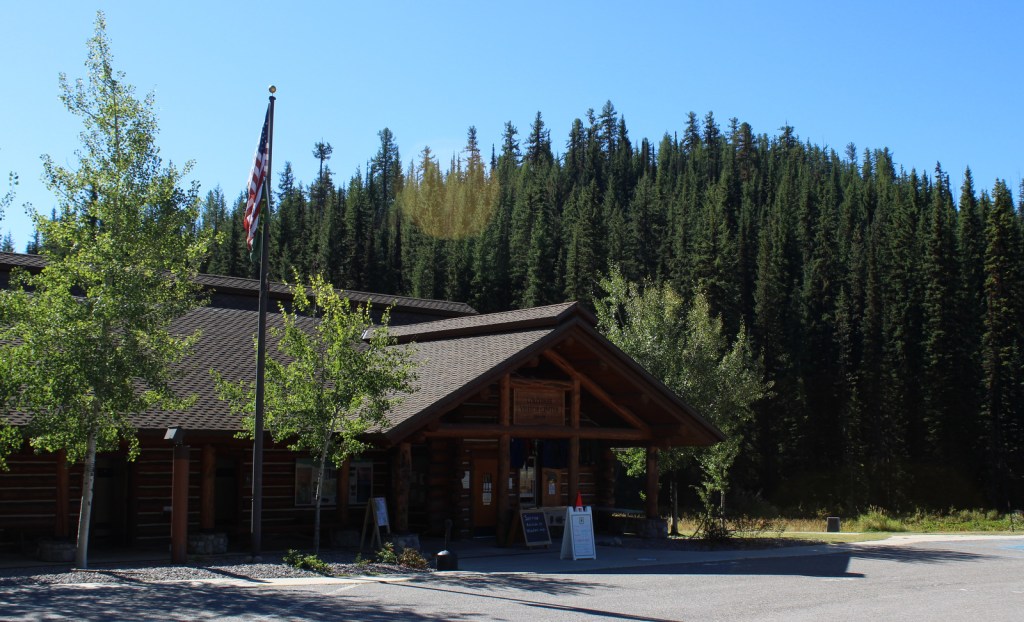
Lolo National Forest surrounds Missoula, where the Aerial Fire Depot and Smokejumper Center offers guided tours and exhibits. Right outside of the city are numerous hiking trails in Blue Mountain Recreation Area and Rattlesnake National Recreation Area, which contains 73 miles of trails (and has its own blog entry on our website). Following a path used by the Corps of Discovery in 1805, the Lolo National Historic Trail shadows Highway 12 west into Idaho (see Clearwater National Forest). Take time to stop at the Lolo Pass Visitor Center managed by the U.S. Forest Service.
Best Trail
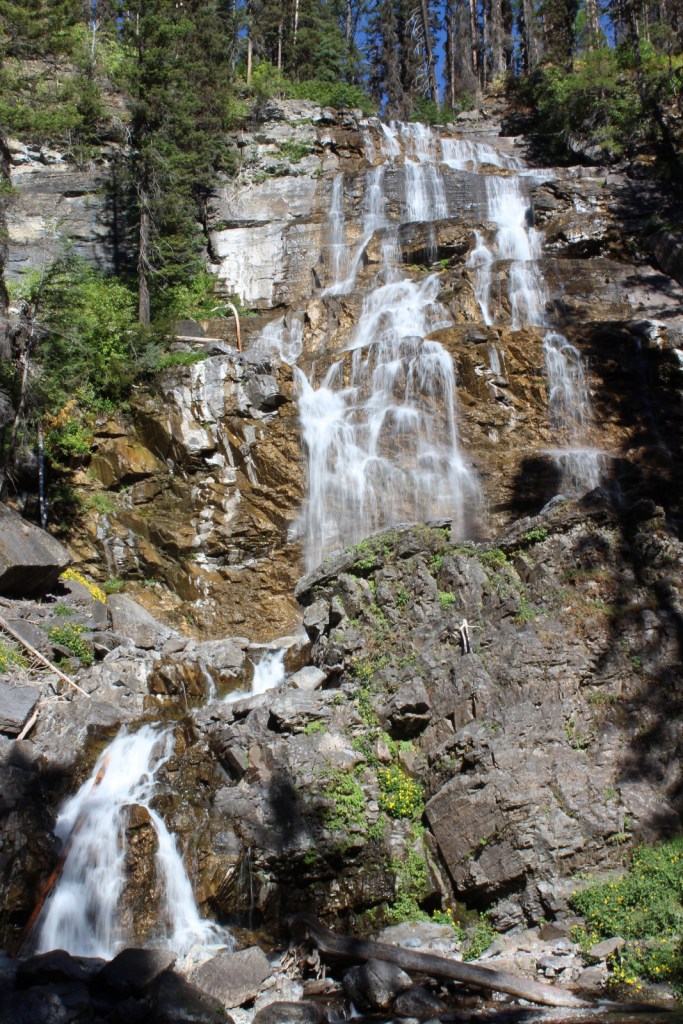
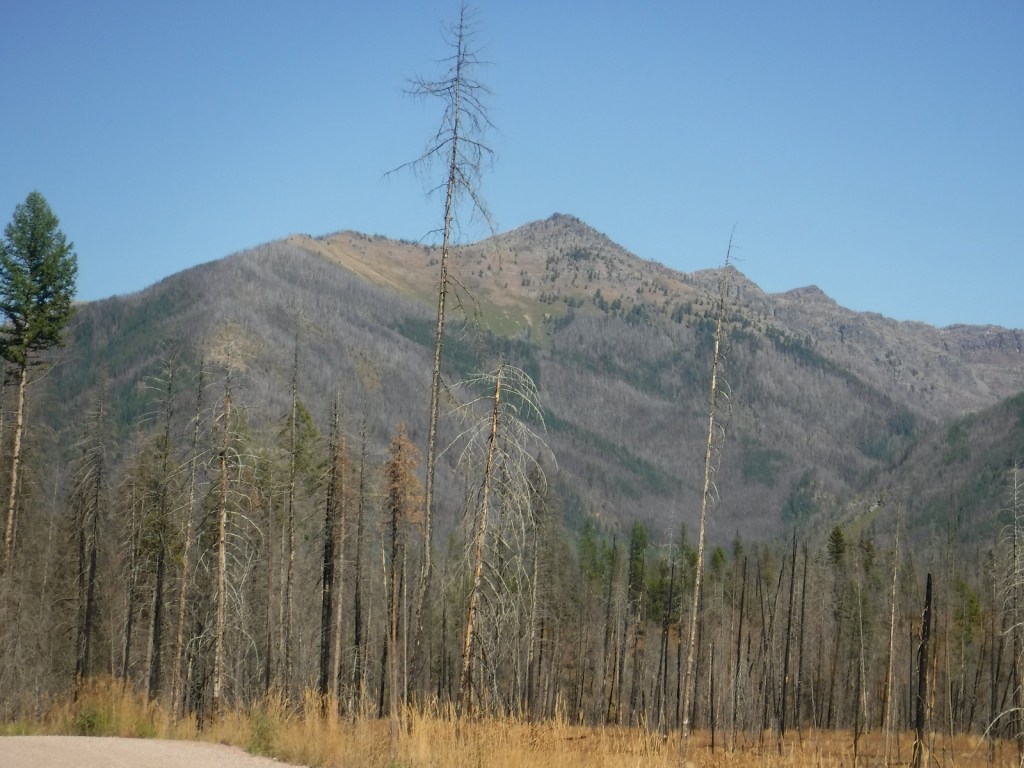
Morrell Falls National Recreation Trail leads to a 90-foot-tall waterfall on the western slope of the Swan Range. The trail is 5.5 miles out-and-back, mostly flat with some short inclines as it cuts through a burned area now full of beargrass and fireweed. The waterfall cascades down a rocky outcrop and is well lit in the afternoon. The trailhead is located 7.5 miles from Highway 83 on a good gravel road that has well-signed intersections. Also nearby, the Pyramid Pass Trailhead provides access to the Bob Marshall Wilderness in adjacent Flathead National Forest.
Watchable Wildlife
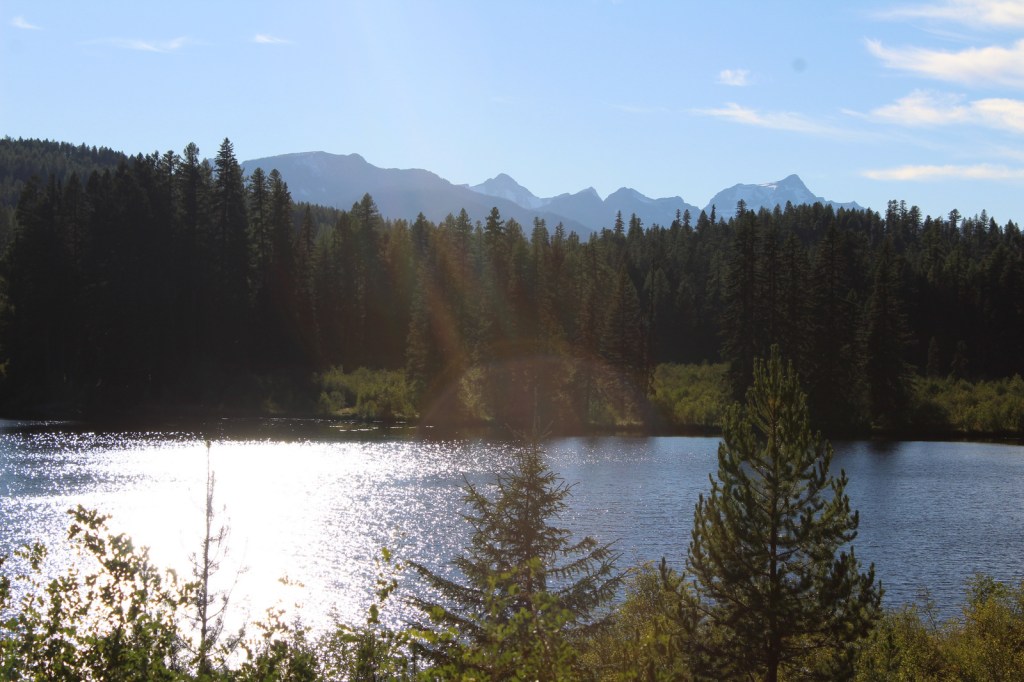
There are 60 species of mammals found in Lolo National Forest, including grizzly/brown bears, black bears, mountain lions, gray wolves, mountain goats, bighorn sheep, elk, moose, and mule deer. Among the largest of the more than 300 birds spotted are bald eagles, golden eagles, and trumpeter swans. The five rivers and over 100 lakes are home to 30 varieties of ducks and 20 types of fish.
Photographic Opportunity
Located on the western slope of the Swan Range, 90-foot-tall Morrell Falls is accessed on a 5.5-mile out-and-back hike.
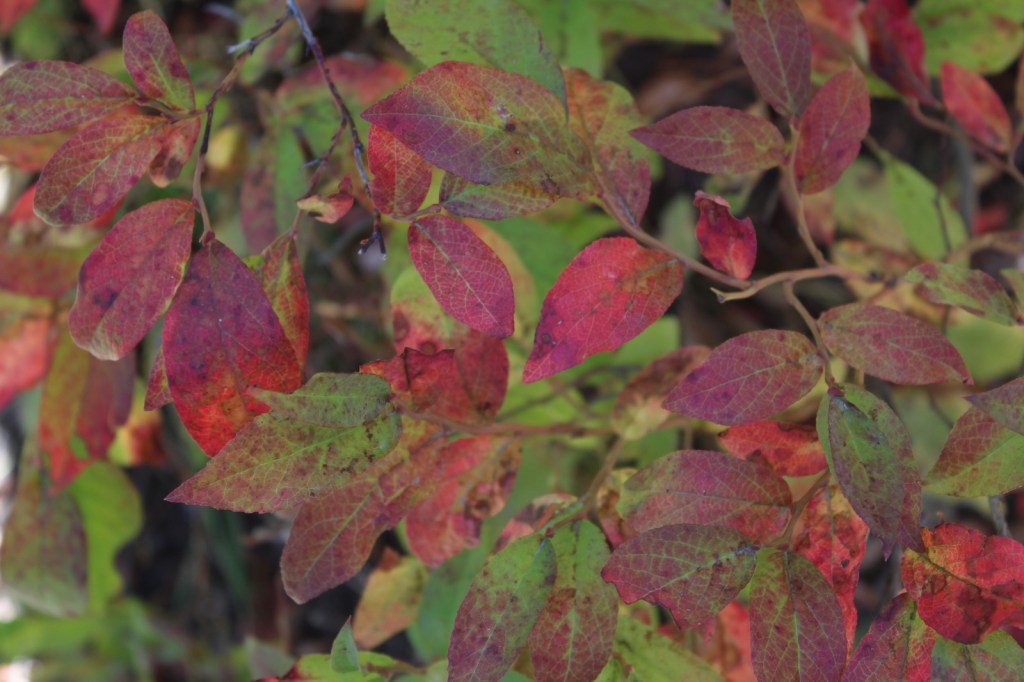
quaking aspen, Rocky Mountain maple, western serviceberry
Explore More – What is the origin of the name Lolo?
Know someone who loves the National Forests? Gift them our travel guidebook Out in the Woods so they can learn more about this and the 154 other National Forests.
Situated only four miles from Missoula, Montana within Lolo National Forest, Rattlesnake National Recreation Area is a popular area for outdoor recreation year-round. It was established in 1980, at the same time as the adjacent 32,976-acre Rattlesnake Wilderness, which ranges in elevation from 4,200 feet up to 8,620-foot McLeod Peak. The National Recreation Area has one of the only Sphagnum bogs in the western U.S. and Rattlesnake Creek hosts bull trout, cutthroat trout, and mountain whitefish.
Highlights
Rattlesnake Main Trail, Ravine Creek Trail. Sawmill Curry Gulch Loop Trail, Spring Gulch Trail, Stuart Peak Trail
Must-Do Activity
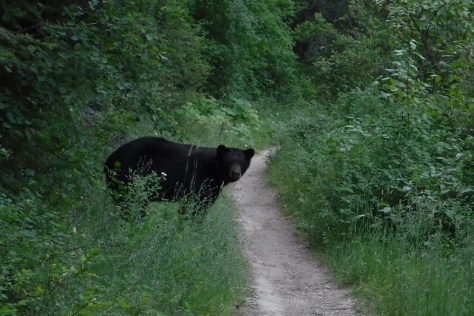
There are 73 miles of hiking trails in the National Recreation Area, but the most heavily used are the first three miles of Rattlesnake Main Trail along Rattlesnake Creek. These trails are also open to horseback riders, mountain bikers, and cross-country skiers. Be aware that mountain lions and black bears frequent the area, and we came across a bear on a warm morning in early August.
Best Trail
Rattlesnake Main Trail follows an old logging road along the creek for the first nine miles before it gets steeper. Other popular hiking options include Ravine Creek Trail, Sawmill Curry Gulch Loop Trail, Spring Gulch Trail with its moderate elevation gain, and Stuart Peak Trail that climbs steeply up into the Rattlesnake Wilderness.
Photographic Opportunity
Rattlesnake Creek attracts many animals, including the American dipper or ouzel, an aquatic songbird.
Peak Season
Summer
Fees
None
Road Conditions
From the Van Buren Street exit #105 off Interstate 90, head north as it turns into Rattlesnake Drive, which you drive for approximately three miles to the entrance.
Camping
There is no campground within the National Recreation Area and the closest ones in Lolo National Forest are much further west on Interstate 90 or to the north off Highway 83.
Last year we published our guidebook 50 States of Great: Road Trip Guide to America, so we decided to start a new type of blog post where we create a travel itinerary for all 50 states, in addition to our usual National Forest and National Park entries. After starting by jumping around to Kansas, Georgia, Idaho, Rhode Island, Minnesota, Hawai’i, Arizona, Louisiana, and South Dakota, we headed to the Midwest for our tenth state. We start in the northwest corner of Indiana on the shores of Lake Michigan near Chicago, then all roads lead to Indianapolis, so we head south with plenty of options to extend the trip. See for yourself why Indiana made it on our Top 10 States for State Parks list.
Indiana Dunes National Lakeshore was originally created in 1966 as a compromise between industrialists seeking to build more steel mills and conservationists wanting to preserve biodiversity. Though it is now one of the 63 National Parks, the quiet Dunewood Campground still provides hot showers in a wooded setting inland from the lakeshore.
Complete the 3 Dune Challenge by climbing the three tallest dunes in the State Park (separate entrance fee) to earn a prize at the visitor center shared with the National Park.
This museum on the University of Notre Dame campus in South Bend offers free admission and highlights Christian art from Europe. Guided tours are offered of the famous football stadium year-round, and the Basilica of the Sacred Heart and adjacent Grotto of Our Lady of Lourdes spiritual shrine are always open. On a college football gameday, do not miss the midnight drumming circle beneath the golden dome and other traditions throughout the day.
Optional stop at Studebaker National Museum
South Bend was once the headquarters for manufacturing Studebakers and the museum displays many made-in-Indiana automobiles.
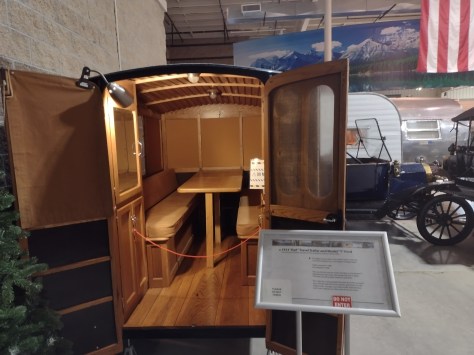
Elkhart is recognized as “the RV Capital of the World” since so many Recreational Vehicles are built in local factories. The Hall of Fame first opened in 1991 then moved to a larger building where it exhibits more than 50 historic vehicles dating back to the 1913 Earl Travel Trailer. You can also take a free plant tour of Jayco, Inc. to see RVs being manufactured in nearby Middlebury.
Six miles down the road in Elkhart, the Hall of Heroes Superhero Museum has more than 50,000 comic books and countless toys and movie props on display. All-you-can-play arcade games are included with your admission.
This popular state park is about an hour west of Indianapolis and offers camping, hiking, swimming, kayaking, and fishing.
Day 4
Indianapolis Motor Speedway
The first auto race took place here in 1909 and the first Indy 500 was held two years later. The car that won that inaugural Indy 500 was the Marmon Wasp and it is held in the track’s Hall of Fame Museum, along with the Borg-Warner Trophy. This is considered the world’s largest stadium (with a capacity of 257,325). When cars are not running, you can take a bus tour around the oval (at significantly less than 200 miles-per-hour) and kiss the 36-inch strip of bricks at the finish line left unpaved.
Optional stop at James A. Allison Exhibition Center
Down the road from the racetrack, the free James A. Allison Exhibition Center tells the story of a local auto parts builder who expanded his company (founded in 1915) into engines for military airplanes.
Optional stop at the Children’s Museum of Indianapolis
Hands-on exhibits abound in this renowned museum southeast of downtown.
Today you can still buy cornmeal ground by the historic gristmill that runs for ten minutes every hour, part of Pioneer Village where costumed reenactors demonstrate chair caning, broom making, and fiddle making. The park also contains trails, an elevated flume reconstructed by the Civilian Conservation Corps (CCC), Hamer Pioneer Gardens, guided boat trips that enter 500 feet into Twin Caves, and the Grissom Memorial Museum dedicated to the local hero who was the second American astronaut in space and died in a 1967 launchpad fire.
Located in downtown Indianapolis, this unique State Park surrounds the Indiana State Museum, Eiteljorg Museum of American Indian and Western Art, Indiana Zoo, and NCAA Hall of Champions featuring many interactive exhibits next door to the National Collegiate Athletics Association (NCAA) headquarters.
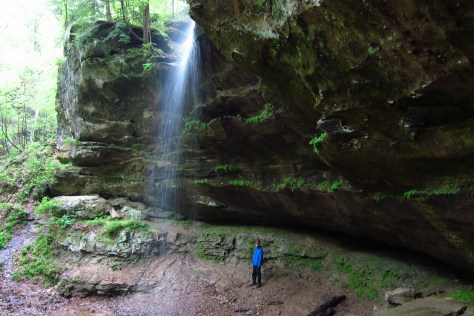
Created in 1935 from cutover and abandoned farmland, the National Forest’s best hike is Hemlock Cliffs Trail, a 1.2-mile loop through a canyon that passes two unique waterfalls. A 0.8-mile trail runs through the 88 acres of old-growth forest of Pioneer Mothers Memorial Forest. The tall trees here range in age from 150- to 600-years-old, and the black walnuts that grow in a moist cove known as Walnut Cathedral are considered the finest specimens in the country.
A visitor center and auto trail make this the most developed National Wildlife Refuge in Indiana for birding and fishing. The nearby Big Oaks National Wildlife Refuge encompasses a former military property and requires special authorization to visit.
The beautiful Lanier Mansion was built for James Franklin Doughty Lanier, a prominent businessman in the state of Indiana around the mid-1800s. The Greek Revival-style house was completed in 1844 and is one of the finest buildings in Madison’s National Historic Landmark District on the Ohio River. Well-preserved Madison was an important waystation on the Underground Railroad.
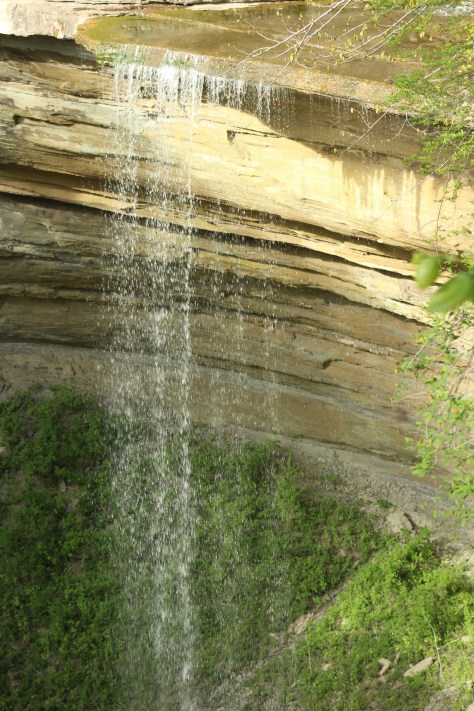
This park protects a deep, boulder-strewn canyon with several waterfalls, including one with a 60-foot drop. It also has a campground and the blufftop Clifty Inn built in 1924 with views of the Ohio River.
Optional stop on the Indiana Cave Trail
A driving route connects several show caves in the southern part of the state where the brisk air is always a humid 57°F. Highlights include Indiana Caverns, Wyandotte Caves State Recreation Area, Squire Boone Caverns, Marengo Cave, and Bluespring Caverns that offers a one-hour boat ride through America’s longest navigable underground river.
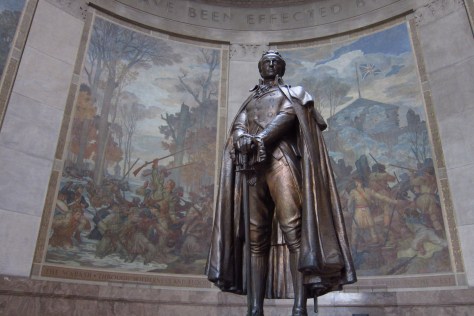
A beautiful 80-foot-tall granite memorial was built on the site of Fort Sackville in the 1930s to commemorate the victory Clark led there on February 25, 1779. After watching the 20-minute film in the visitor center in Vincennes, go inside the circular memorial with 16 columns in classic Greek style to see a bronze statue surrounded by seven murals. You can then walk down the Wabash River to see the home of President William Henry Harrison and the old territorial capitol.
Holiday World
Located in the town of Santa Claus, this Christmas-themed amusement park has roller coasters, a water park, and many shops.
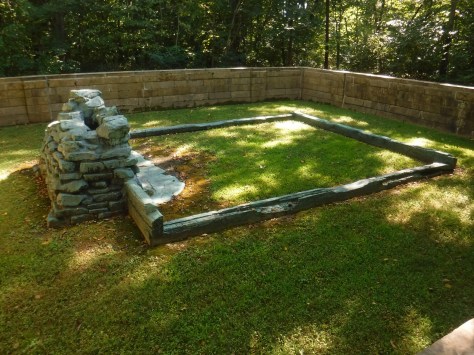
Take a walk past the pioneer cemetery to the Cabin Site Memorial where a bronze casting of sill logs and the fireplace hearthstones are at the site of Abraham Lincoln’s family cabin from 1829. The Living Historical Farm has costumed interpreters in the summer that depict homestead life at an authentic cabin and several outbuildings that were moved here from other parts of Indiana.
Angel Mounds State Historic Site
Near Evansville is a 430-acre site where there are 11 grass-covered Mississippian mounds built as early as 1,000 years ago, plus a replica village, simulated excavation site, and a visitor center full of artifacts.
Milan ’54 Museum
Commemorates the town’s 1954 high school boys’ basketball team that defeated the mighty Muncie Central for the state championship, as immortalized in the 1986 film Hoosiers.
Indiana Basketball Hall of Fame
In a state obsessed with basketball, this museum was moved from the capital city to New Castle in 1990 so it could have more room for expansion.
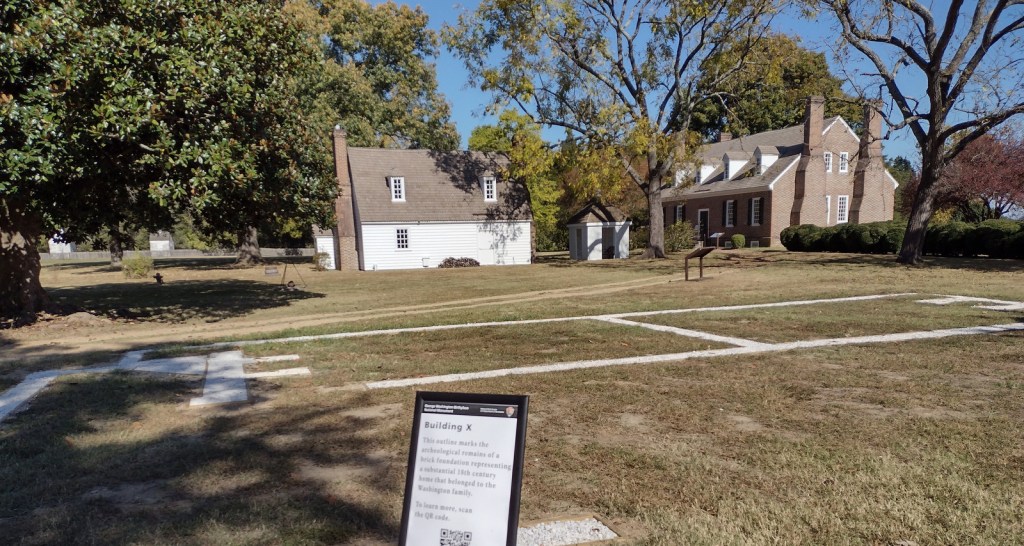
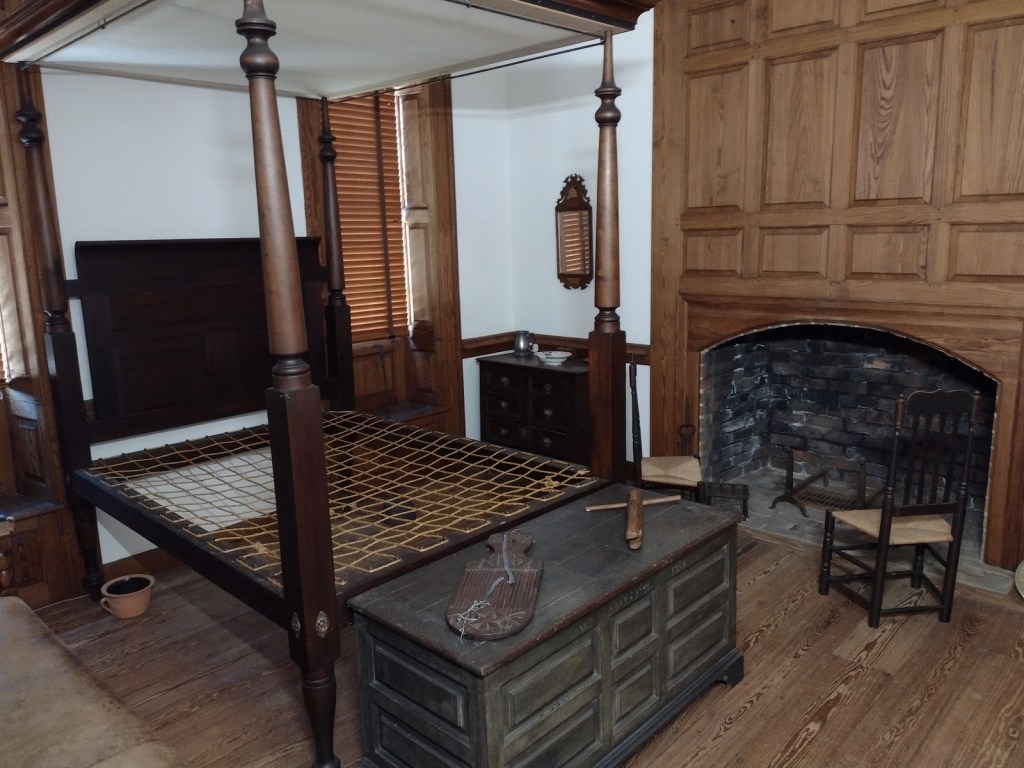
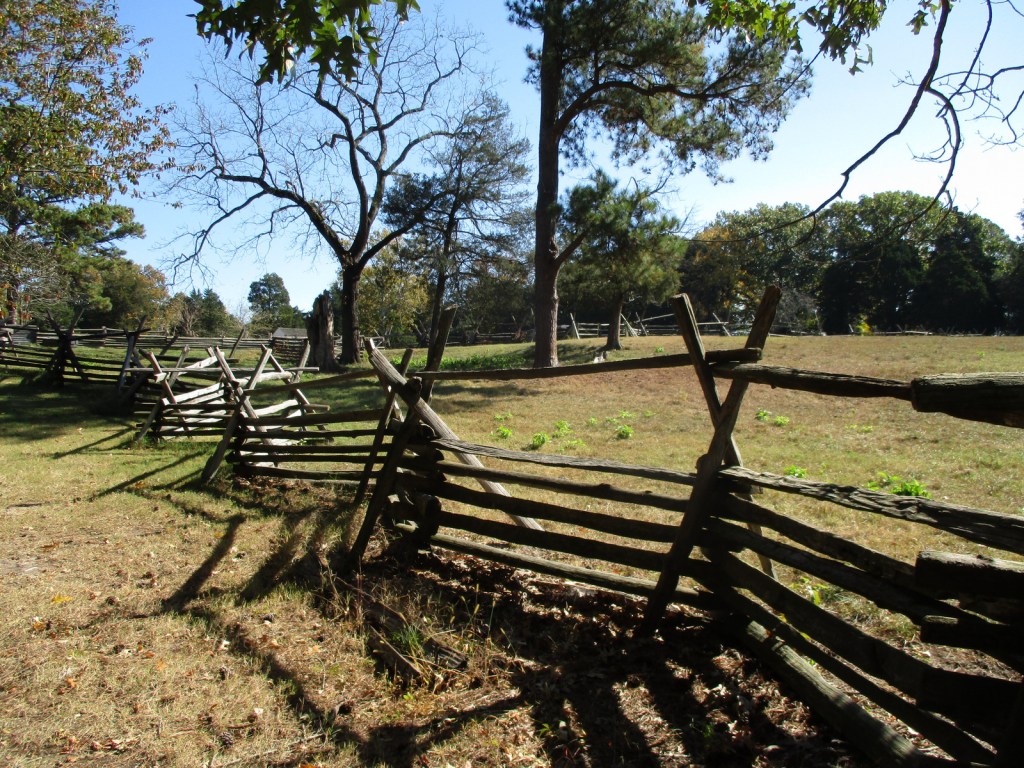
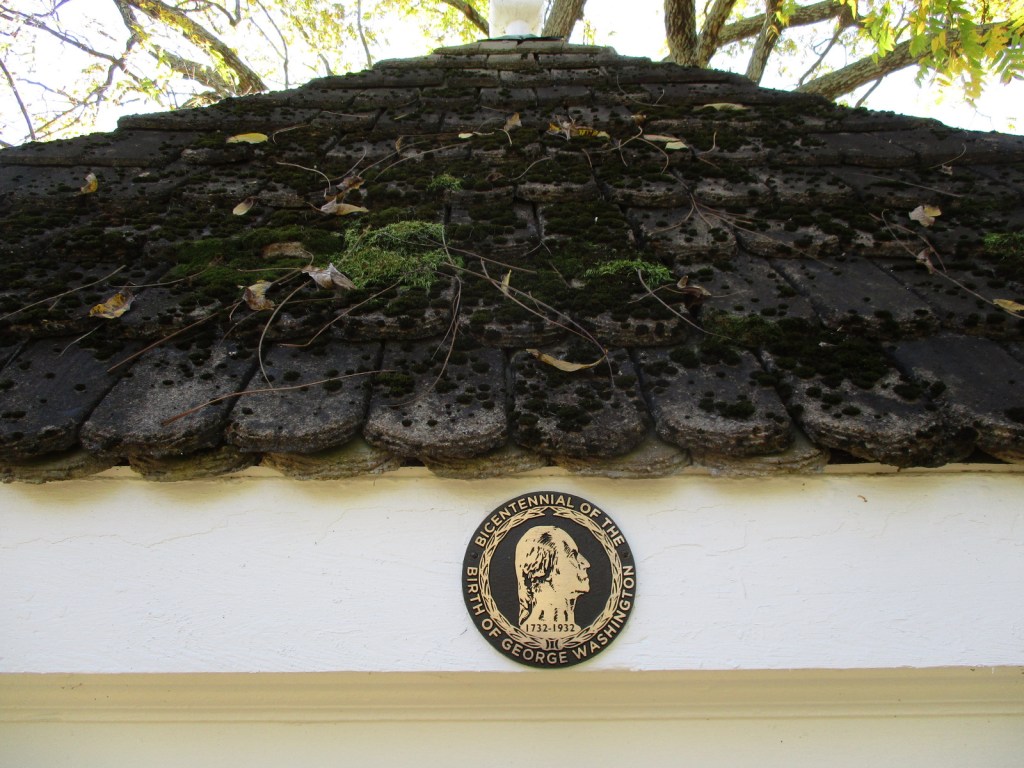
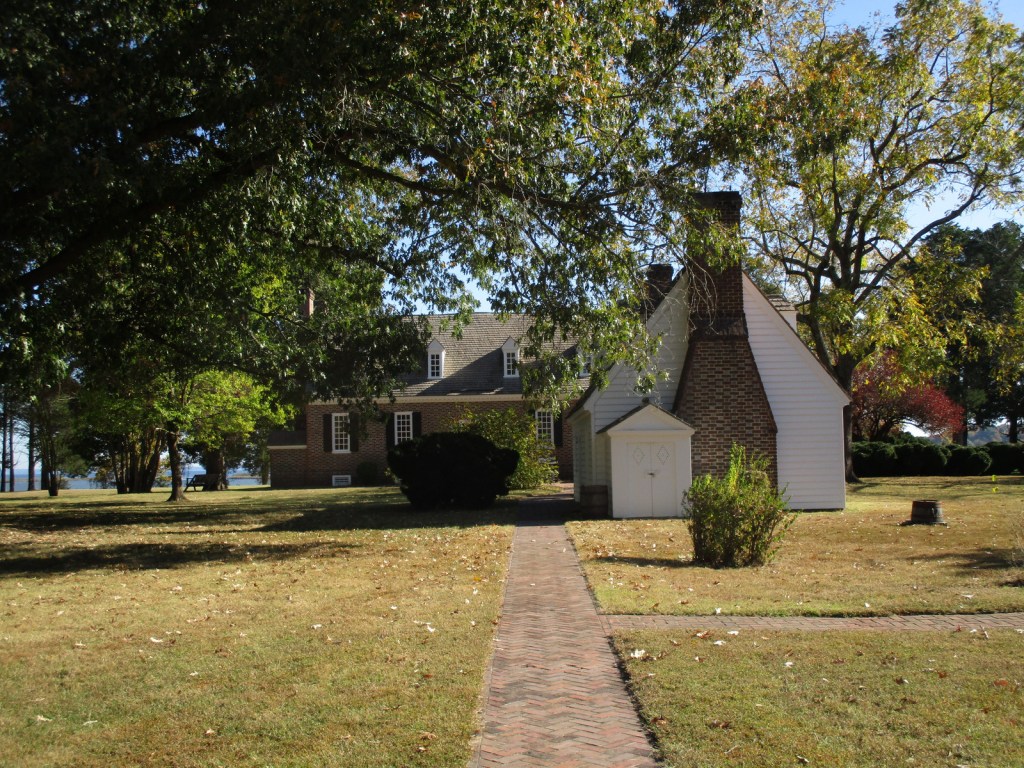
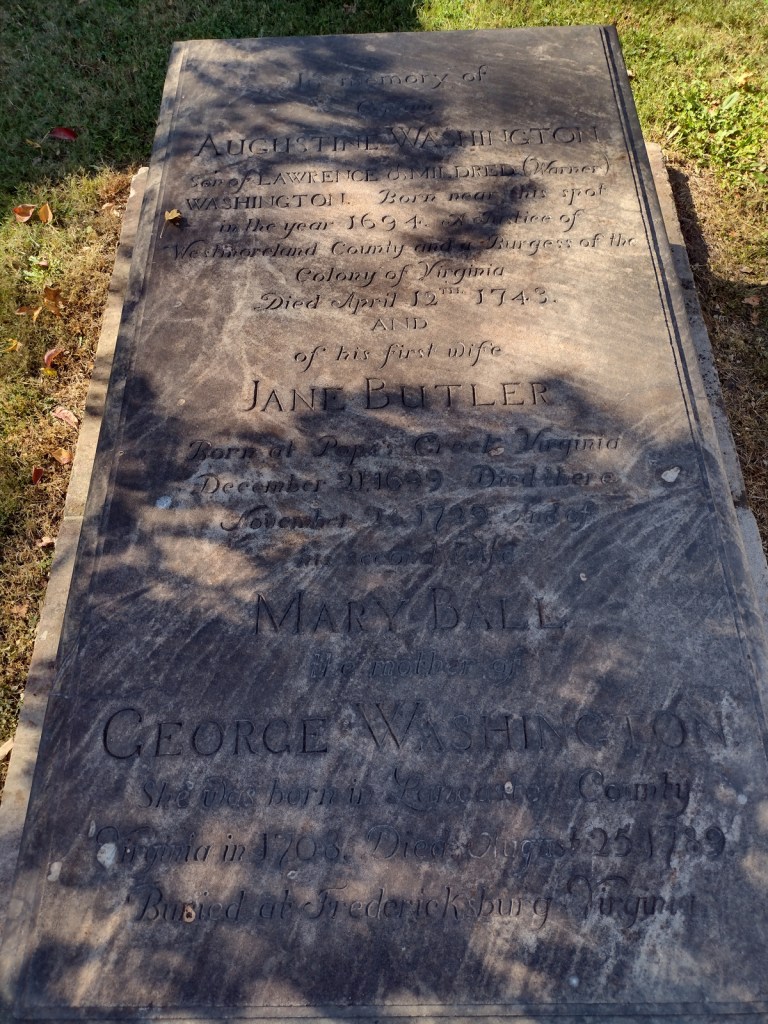
George Washington’s great-grandfather John first came to Virginia in 1657 and later settled this slave plantation on Popes Creek. The future general and president was born on the property in 1732 in a house that burned down whose foundation is now outlined in the ground by crushed oyster shells. The current Memorial House was constructed to celebrate the bicentennial of his birth, although the architect had no idea of the original house’s layout. Those interested in the first U.S. President should combine this free tour with an expensive visit to his mansion at Mount Vernon located 68 miles north.
Memorial Obelisk, film, Memorial House, Family Burial Ground, Nature Trail, Dancing Marsh Loop Trail
Must-Do Activity
After passing the Memorial Obelisk on the drive in, your first stop should be the visitor center to watch the 15-minute film, see artifacts from the burned-down house, and find out about a tour. The hour-long ranger-guided walking tour covers about a half-mile on a gravel pathway to the Memorial House with frequent interpretive stops. In the summer, the house also has open hours for dropping in before and after the tour. There may be living history demonstrations at the colonial herb and flower garden, farm workshop, and colonial revival kitchen. It is worth a short drive to the tidewater beach on the Potomac River and a stop along the way at the Washington Family Burial Ground that has replicas of gravestones.
Best Trail
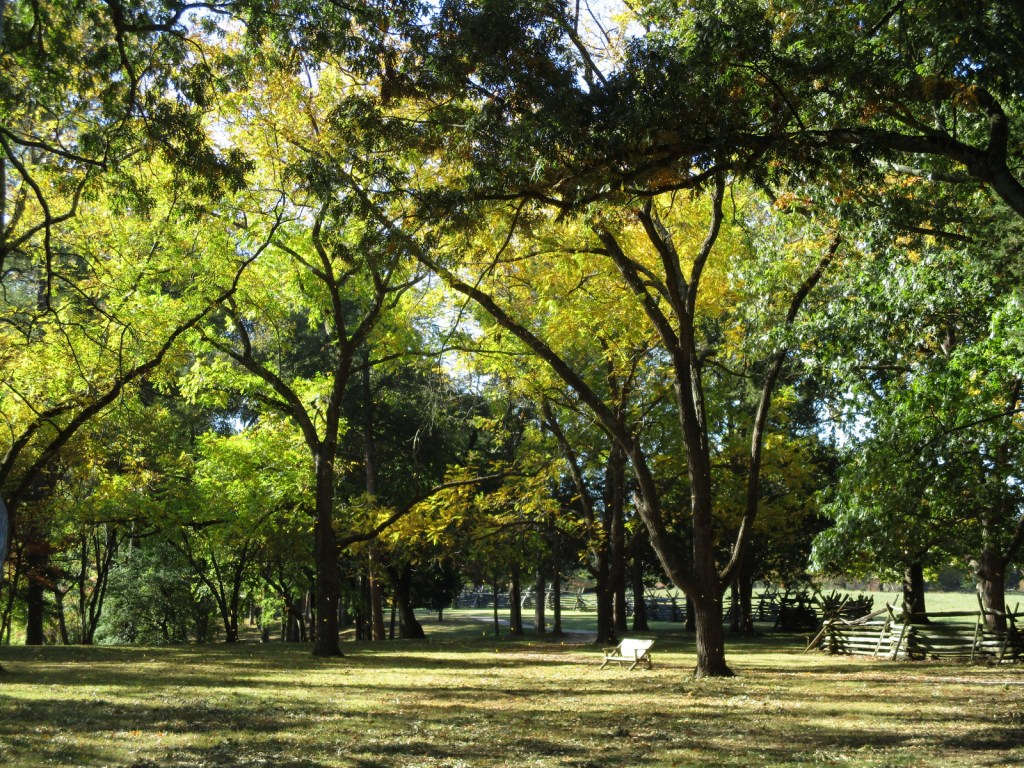
From the Memorial House, it is less than a mile to walk Dancing Marsh Loop Trail including open views on the footbridge across Popes Creek and the boardwalk through the marsh. This trail connects with the one-mile Nature Trail loop for a longer walk, and that is also accessible from the picnic area parking lot.
Photographic Opportunity
Originally constructed in 1896 by the War Department on the site where Memorial House now stands, the 50-foot-tall Memorial Obelisk is made of Vermont granite at one-tenth scale of the Washington Monument 70 miles to the north in Washington, D.C.
All roads are paved, but be aware there is a toll to cross the bridge into Virginia on Highway 301 southbound from Maryland.
Camping
There is no camping at the National Monument, so the nearest campground is seven miles southeast at Westmoreland State Park, which offers RV sites with hookups.
Lincoln National Forest is best known as the birthplace of Smokey Bear, a black bear cub that survived a 1950 wildfire in the Capitan Mountains and became a national symbol. The nearby Smokey Bear Historical State Park is the final resting place for the famous bear that passed away at Washington D.C.’s National Zoo in 1976. Lincoln National Forest includes parts of the Guadalupe, Sacramento, Sierra Blanca/White Mountains, Capitan, and Gallinas ranges. There are several long trails through the National Forest, including the 20-mile Crest Trail in the White Mountain Wilderness and the 11-mile South Base Trail in the Capitan Wilderness. All but one mile of the 29-mile-long Rim Trail is open to OHVs.
Highlights
Sunspot Scenic Byway, Billy the Kid Scenic Byway, Trestle Recreation Area, Sitting Bull Falls, Sierra Blanca Peak, Rim Trail, Willie White Trail, Dog Canyon National Recreation Trail, Capitan Peak Trail
Must-Do Activity
Sunspot Scenic Byway (State Road 6563) provides great views and access to one of the world’s largest solar observatories that is open for tours on summer weekends. At its remote southern end, the National Forest borders both Carlsbad Caverns and Guadalupe Mountains National Parks. Roads only connect with the latter, where a short detour takes you to the half-mile trail for 150-foot-tall Sitting Bull Falls. In 1898, the Alamogordo and Sacramento Mountain Railway was constructed to access timberland 4,747 feet in the mountains above. One of its scenic remnants is the 320-foot trestle over Mexican Canyon near Cloudcroft. Lincoln National Forest has six fire lookouts listed on the National Register of Historic Places, including the stone Monjeau Lookout built by the Civilian Conservation Corps (CCC) that is accessible on a steep dirt road. Given its proximity to Carlsbad Caverns National Park, it is not surprising that there are hundreds of caves in the National Forest that require a permit to explore.
Best Trail
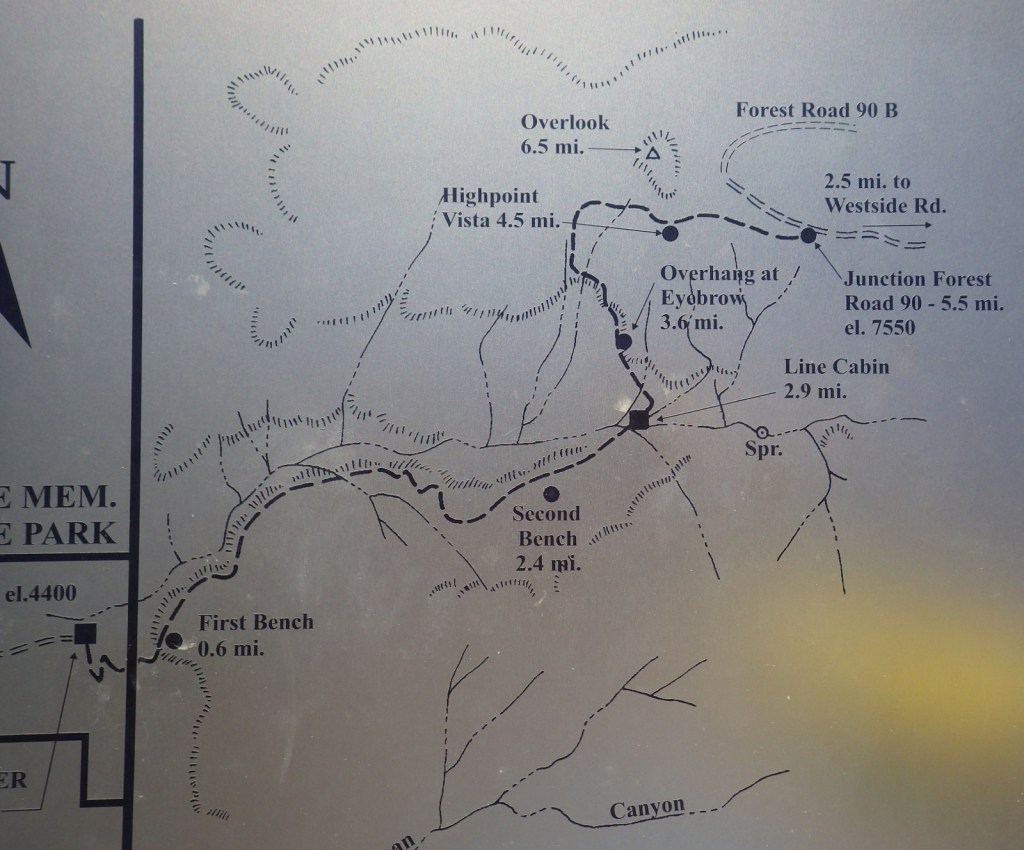
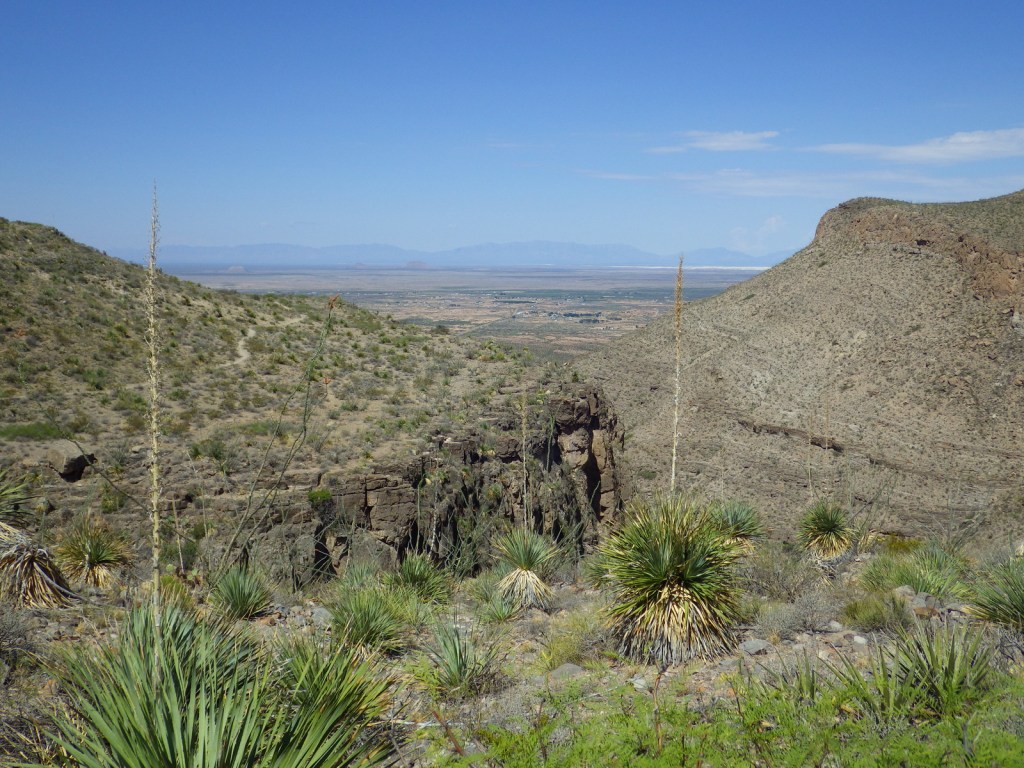
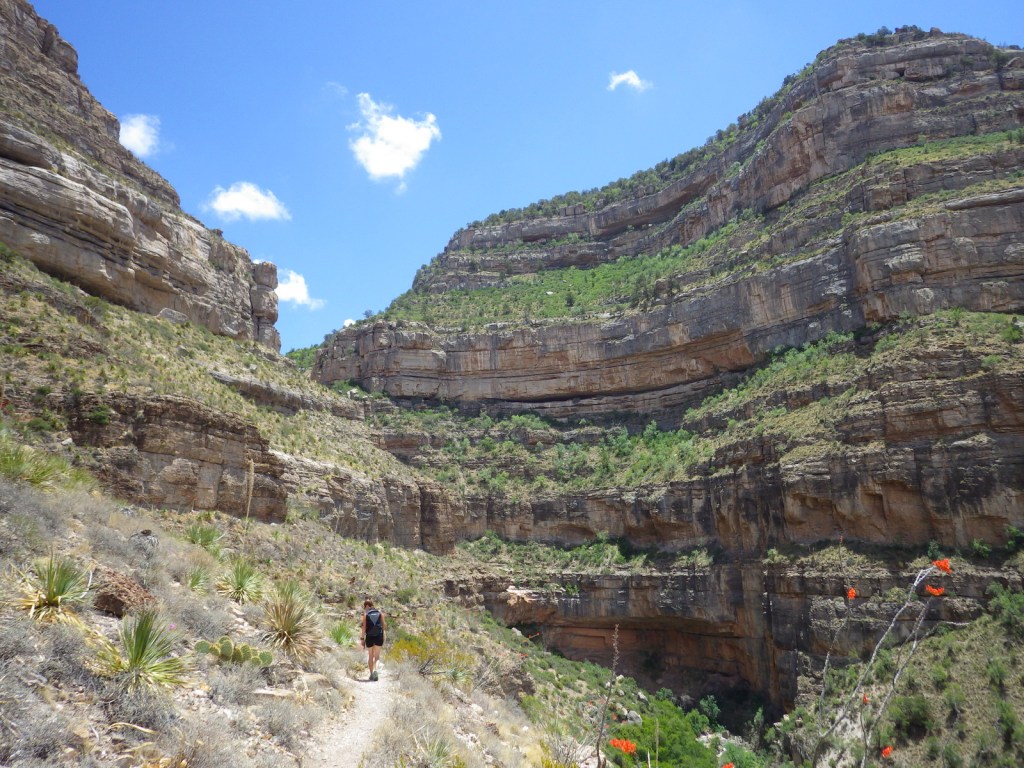
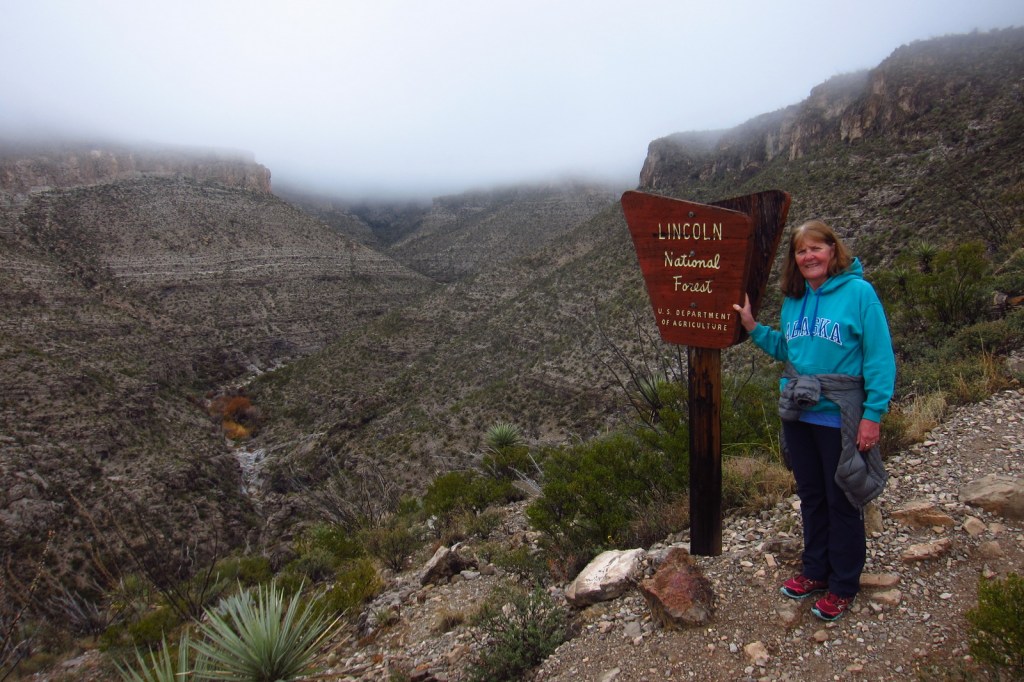
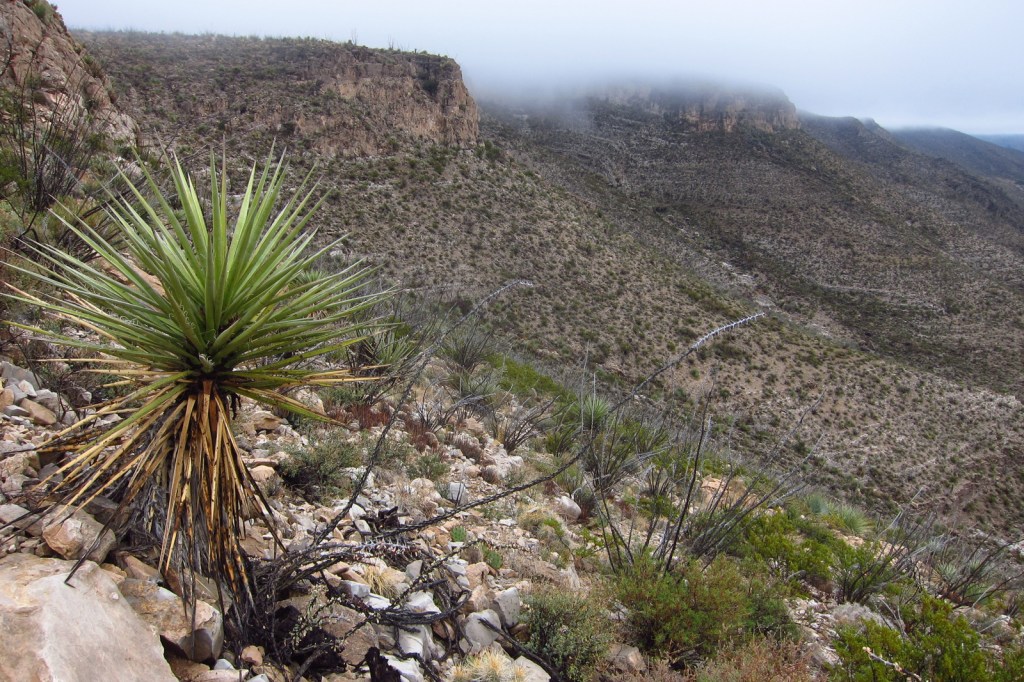
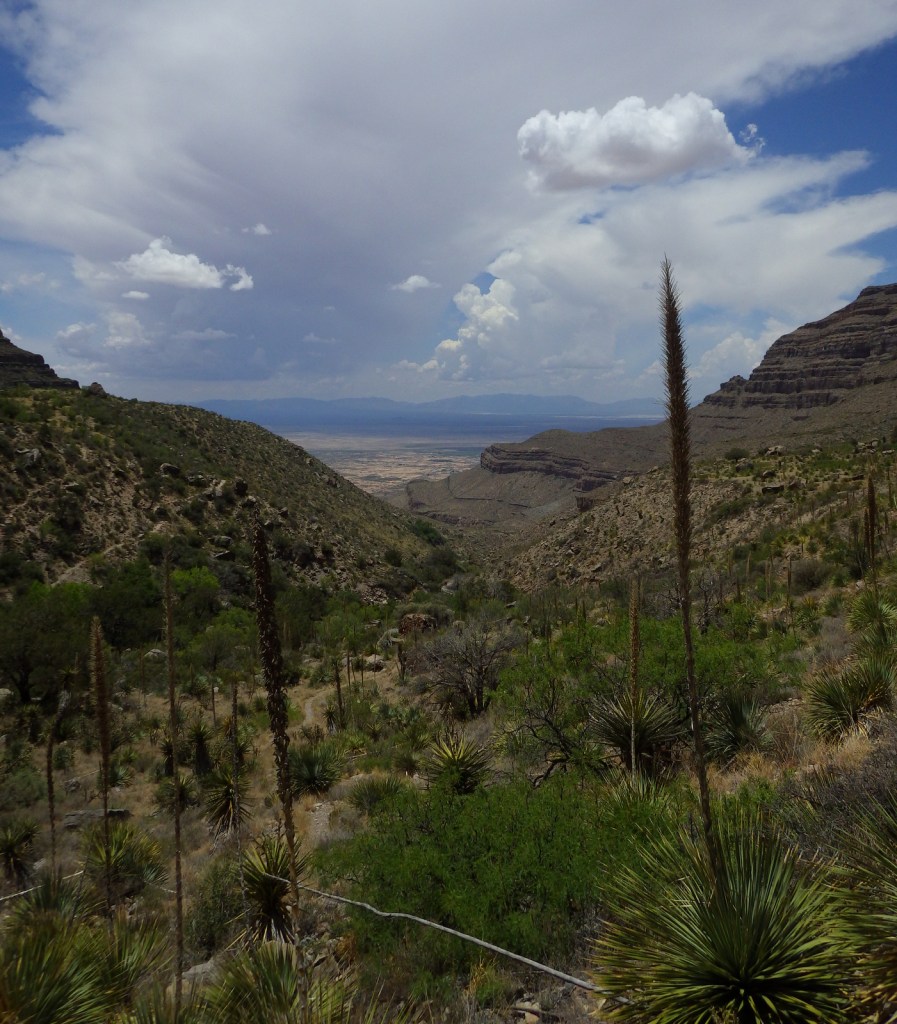
Dog Canyon National Recreation Trail follows a prehistoric travel route into the Sacramento Mountains east of White Sands National Park. The trailhead starts in Oliver Lee Memorial State Park, which has a nice campground and charges a day use fee (though we have seen cars avoid this by parking just outside its entrance). The 5.5-mile one-way trail climbs quickly above a beautiful canyon providing views of the Tularosa Basin before leveling out. Past the cabin ruins at the three-mile point, look for fossils along the trail as it again steeply rises into the agave and cacti-studded mountains. After gaining more than 3,000 feet in elevation, it dead ends at Forest Road 90B.
Watchable Wildlife
Ecosystems in the National Forest vary widely since it is spread across several mountain ranges and encompasses Chihuahuan Desert, pinyon-juniper woodlands, pine forests, and alpine meadows above 11,000 feet. Game species include elk, mule deer, black bear, mountain lion, and exotic Barbary sheep.
Photographic Opportunity
Look for fossils in the rocks along Dog Canyon National Recreation Trail.
Peak Season
Spring and fall
Fees
None
Road Conditions
The Sunspot Scenic Byway and the road into Oliver Lee Memorial State Park are both paved and maintained, although the paved access road (137) through Lincoln National Forest to the north part of Guadalupe Mountains National Park has many potholes in it. Be aware that there are also four-wheel-drive only roads to some trailheads.
Camping
There are a few developed campgrounds in the middle of the National Forest off Highway 82. Although not all areas are open to dispersed camping, popular spots include Upper Bonito Dispersed Camping Area northwest of Ruidoso and Lower Karr Canyon south of Cloudcroft.
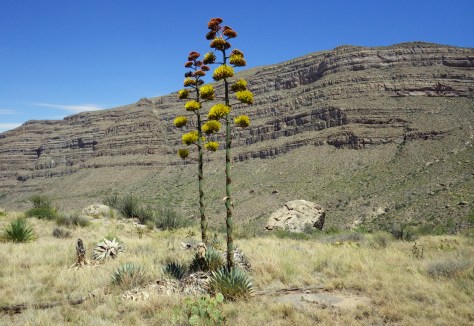
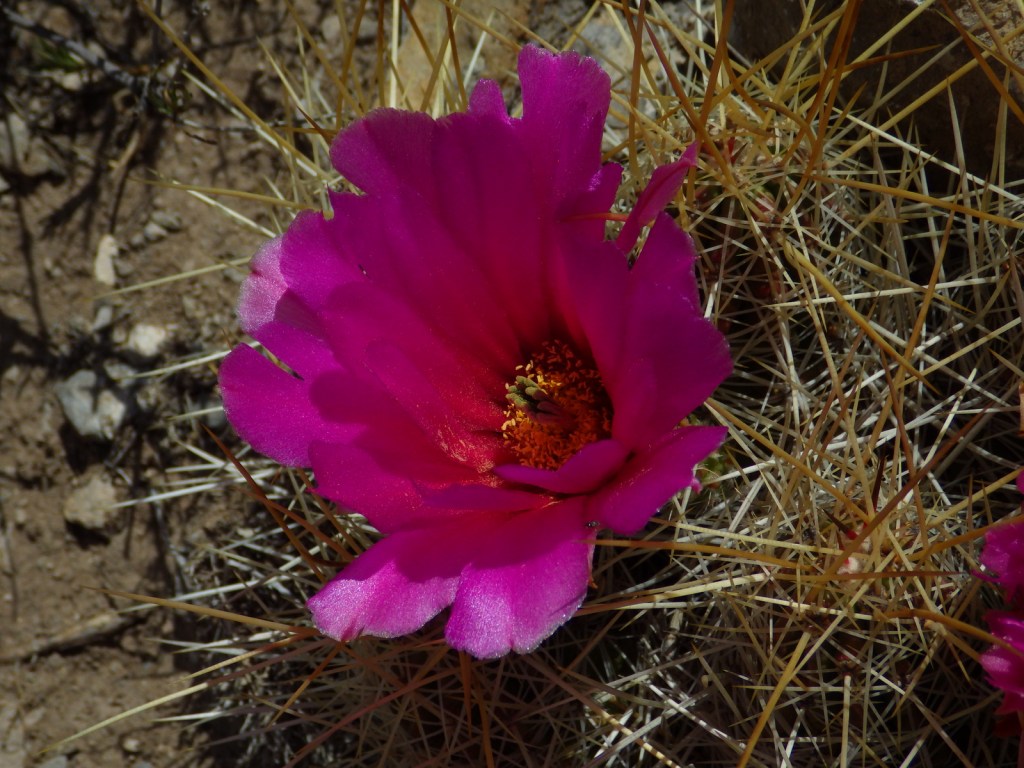
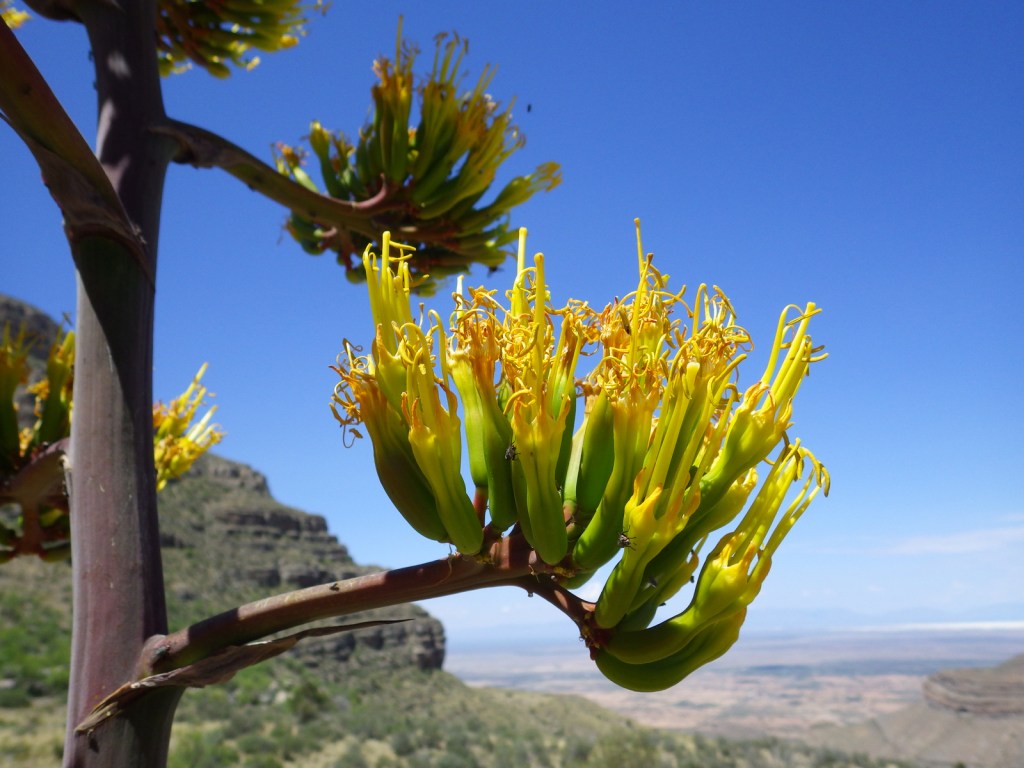
Baby barrel cactusMillipedeAgave bloomsCheckered whiptail lizardScott with a buckhorn chollaBeetleSpiny crevice lizardFossilsOcotillo bloomScott’s mother on Dog Canyon National Recreation Trail

































 Raven About The Parks