All posts by Raven About The Parks

Ashley National Forest

Ashley National Forest

Utah, Wyoming

Managed by U.S. Forest Service, Intermountain Region

1,402,656 acres (1,382,346 federal/ 20,310 other)

Website: https://www.fs.usda.gov/ashley

Overview

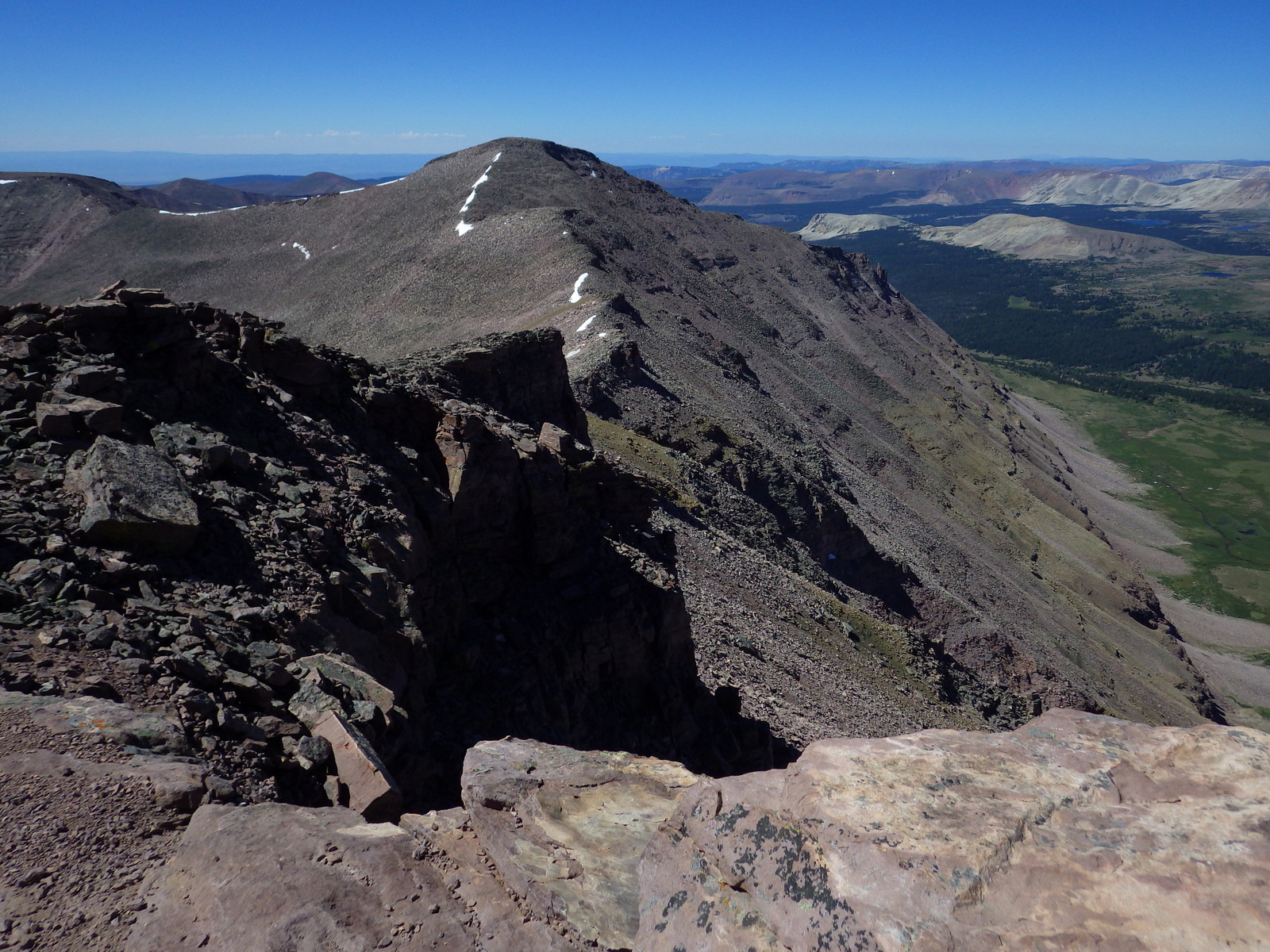
Ashley National Forest is located on the Utah-Wyoming border and includes the High Uintas Wilderness and Flaming Gorge National Recreation Area (which we will discuss in our next blog post).  The Uinta Mountains are a popular destination for campers, hikers, mountain bikers, horseback riders, and anybody who is into magnificent mountain peaks and picturesque lakes.  It is one of the few east-west running ranges in North America and includes the highest point in Utah: 13,528-foot tall Kings Peak.  In 2019, Congress set aside 173,475 acres of the National Forest as the Ashley Karst National Recreation and Geologic Area, the first such designation in the U.S.

Highlights

Flaming Gorge National Recreation Area, Red Cloud Loop Scenic Backway, Flaming Gorge-Uinta Scenic Byway, Indian Canyon Scenic Byway, Outlaw ATV Trail, Moon Lake, Strawberry Peak, Swett Ranch, Kings Peak, Highline Trail

Must-Do Activity

The High Uintas Wilderness is a premier backpacking destination with numerous lakes and 545 miles of trails.  The Wilderness is actually found in both the Wasatch and Ashley National Forests, but not Uinta National Forest.  Even if that makes sense to you, you will probably still need a good map to navigate your way to the highest point in Utah.  Summiting Kings Peak is a minimum 30 miles roundtrip from the Henrys Fork Trailhead in Wasatch National Forest to the north, and even further from the southern trailheads.

Best Trail

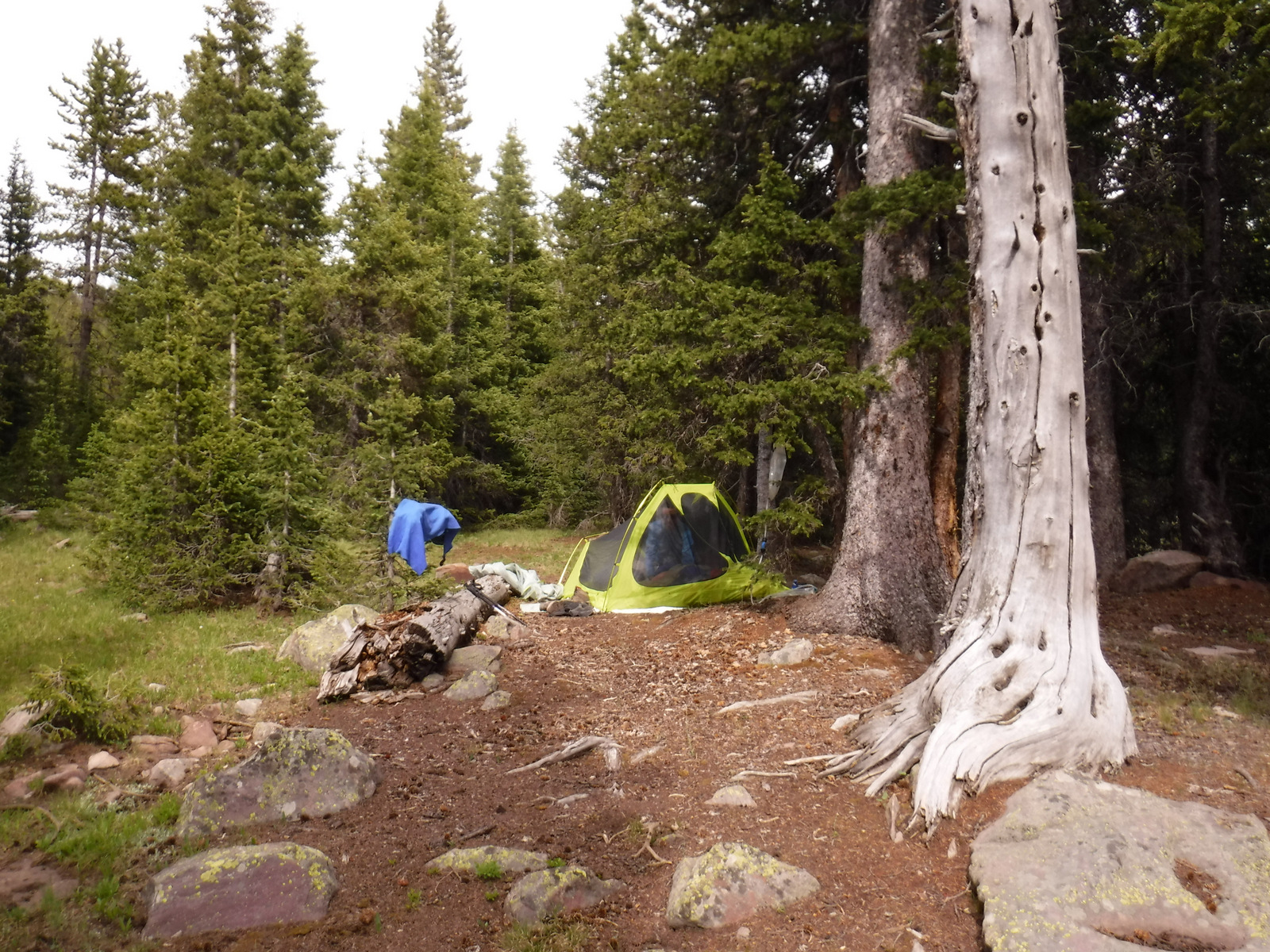
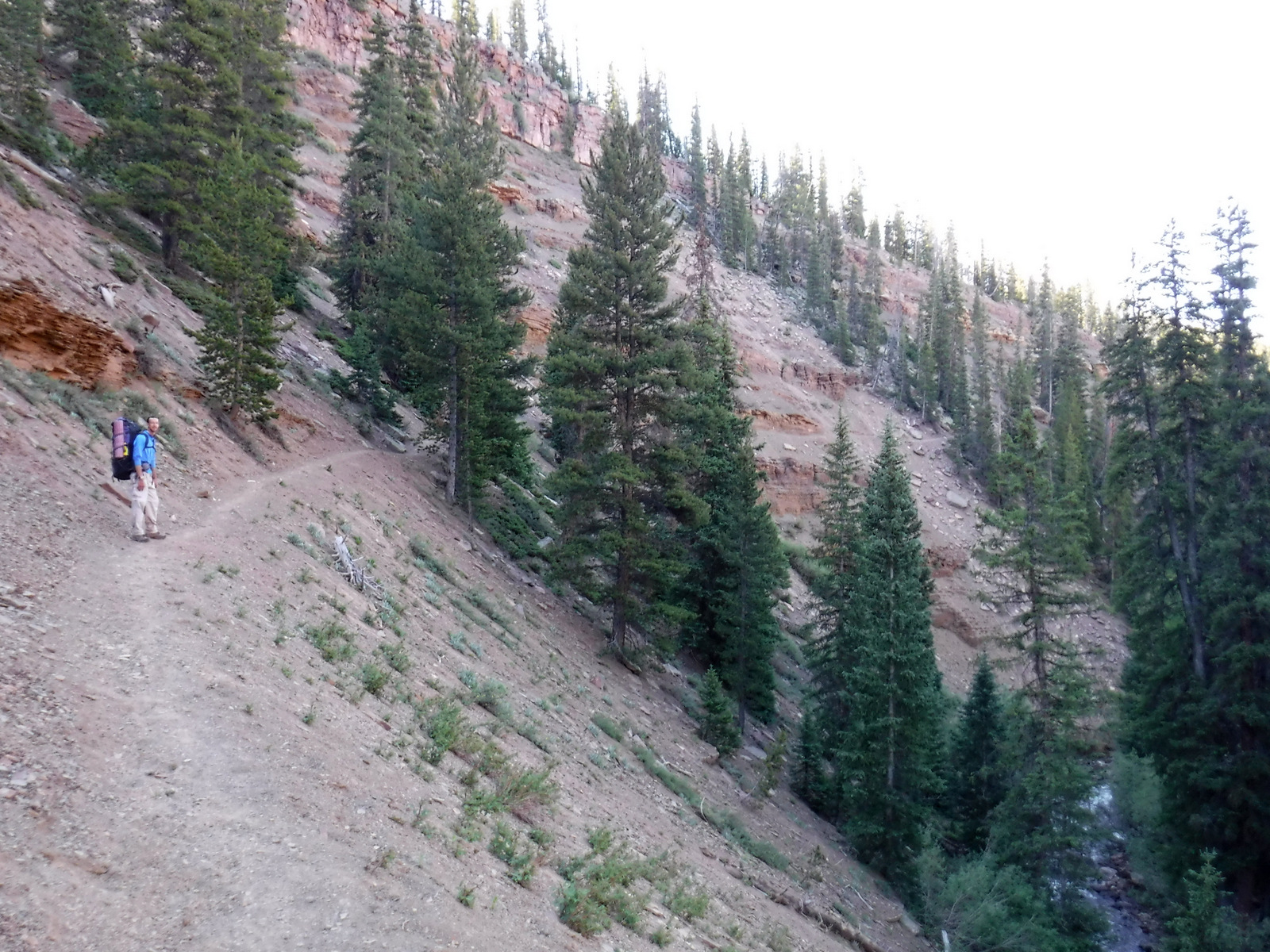
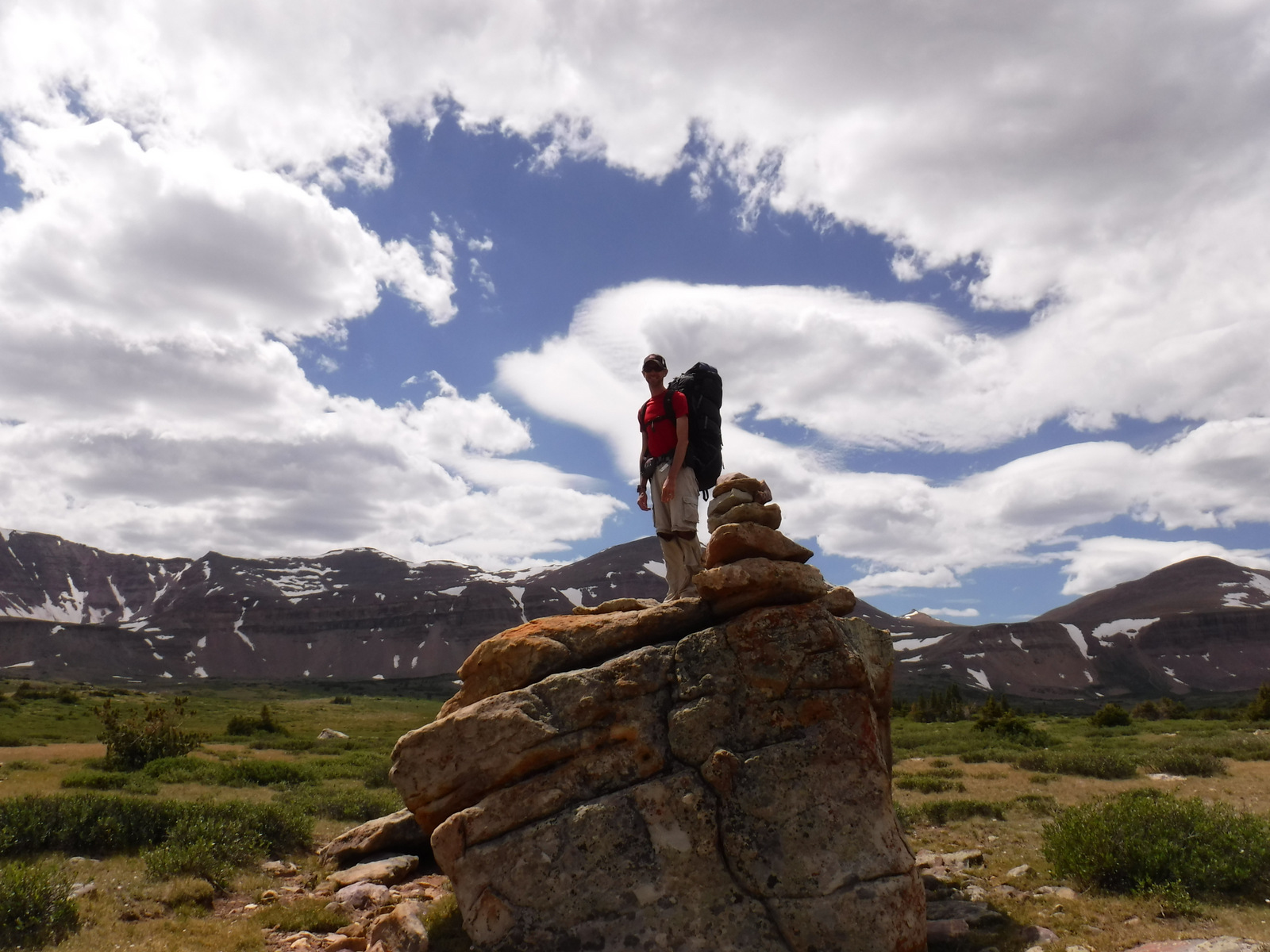
We backpacked into the High Uintas Wilderness on a 41-mile lollipop loop leaving from the Uinta Canyon Trailhead.  The first portion along the Uinta River Trail was flat, then started climbing when we split off on the Chain Lakes-Atwood Trail to cross Roberts Pass and Trail Rider Pass into Painter Basin, a beautiful area that sits below Kings Peak.  At more than 90 miles in length, the Highline Trail runs east-west through the area and is accessible from many side-trails, including the ones we were on.

Watchable Wildlife

Flaming Gorge Reservoir is known for its large population lake trout, as well as kokanee salmon, rainbow trout, brown trout, smallmouth bass, channel catfish, and burbot.  The reservoir also hosts a large nesting colony of ospreys, as well as many other raptors.  In the mountains, watch for moose, elk, mule deer, mountain goats, and black bears.

Instagram-worthy Photo

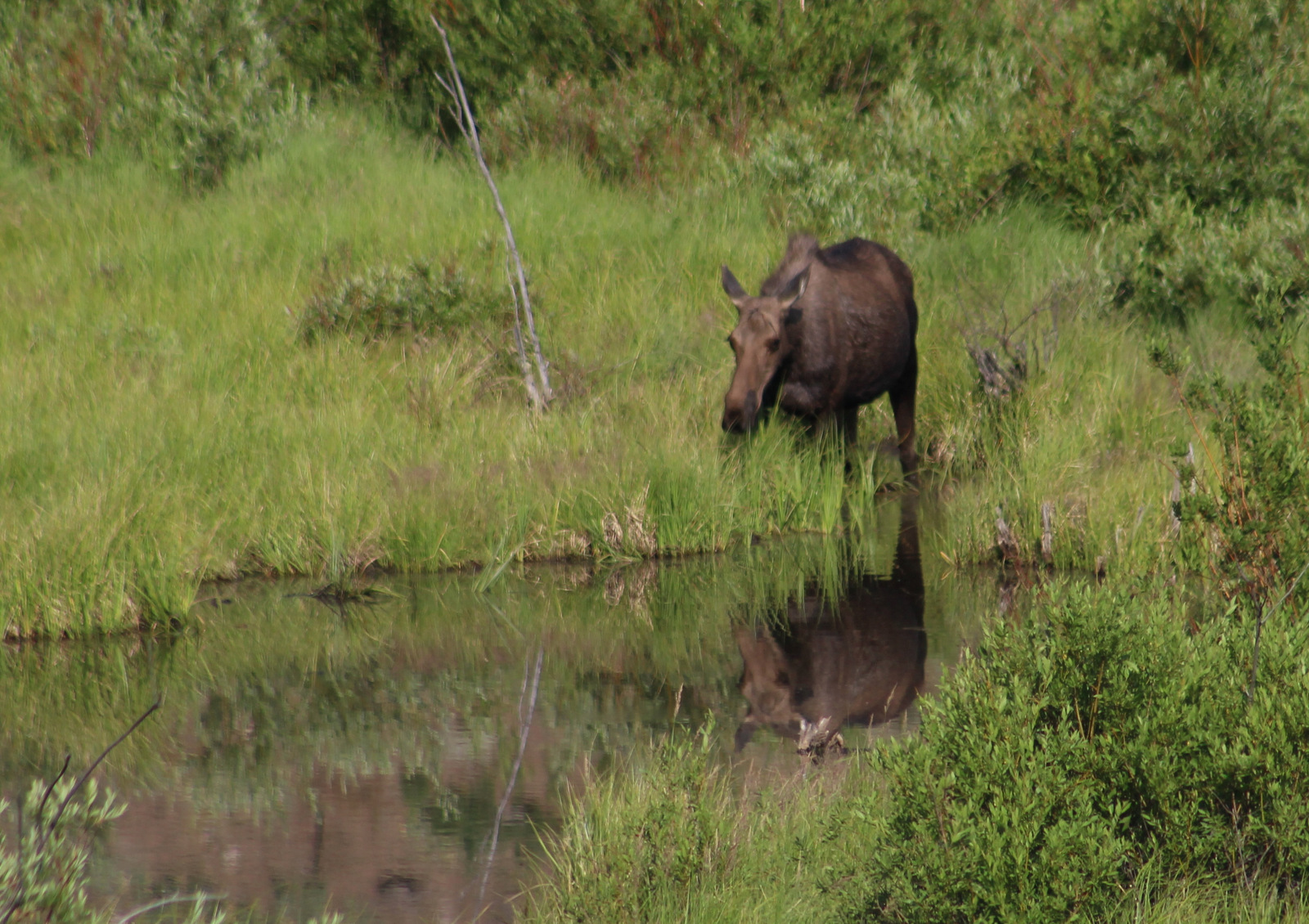
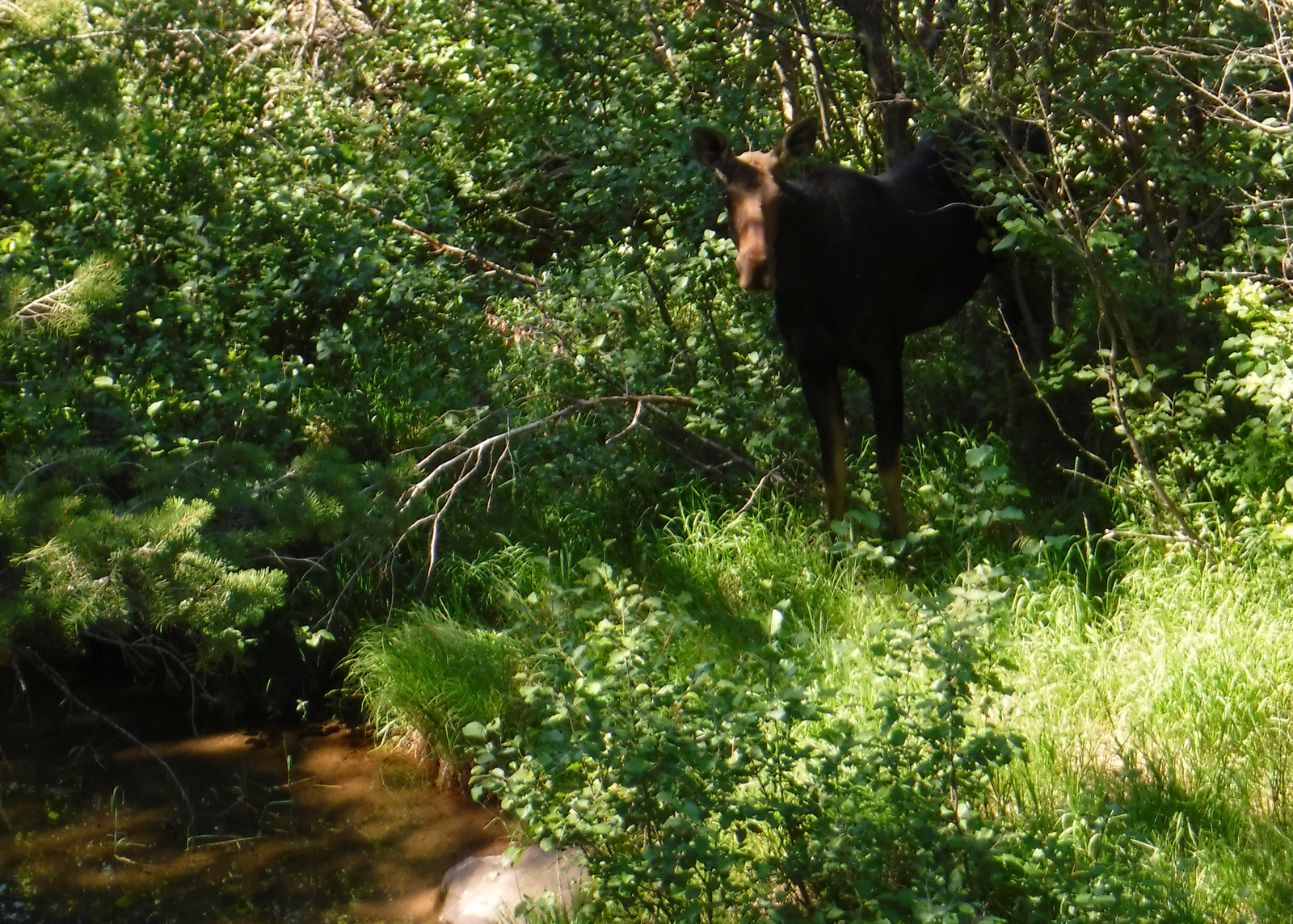
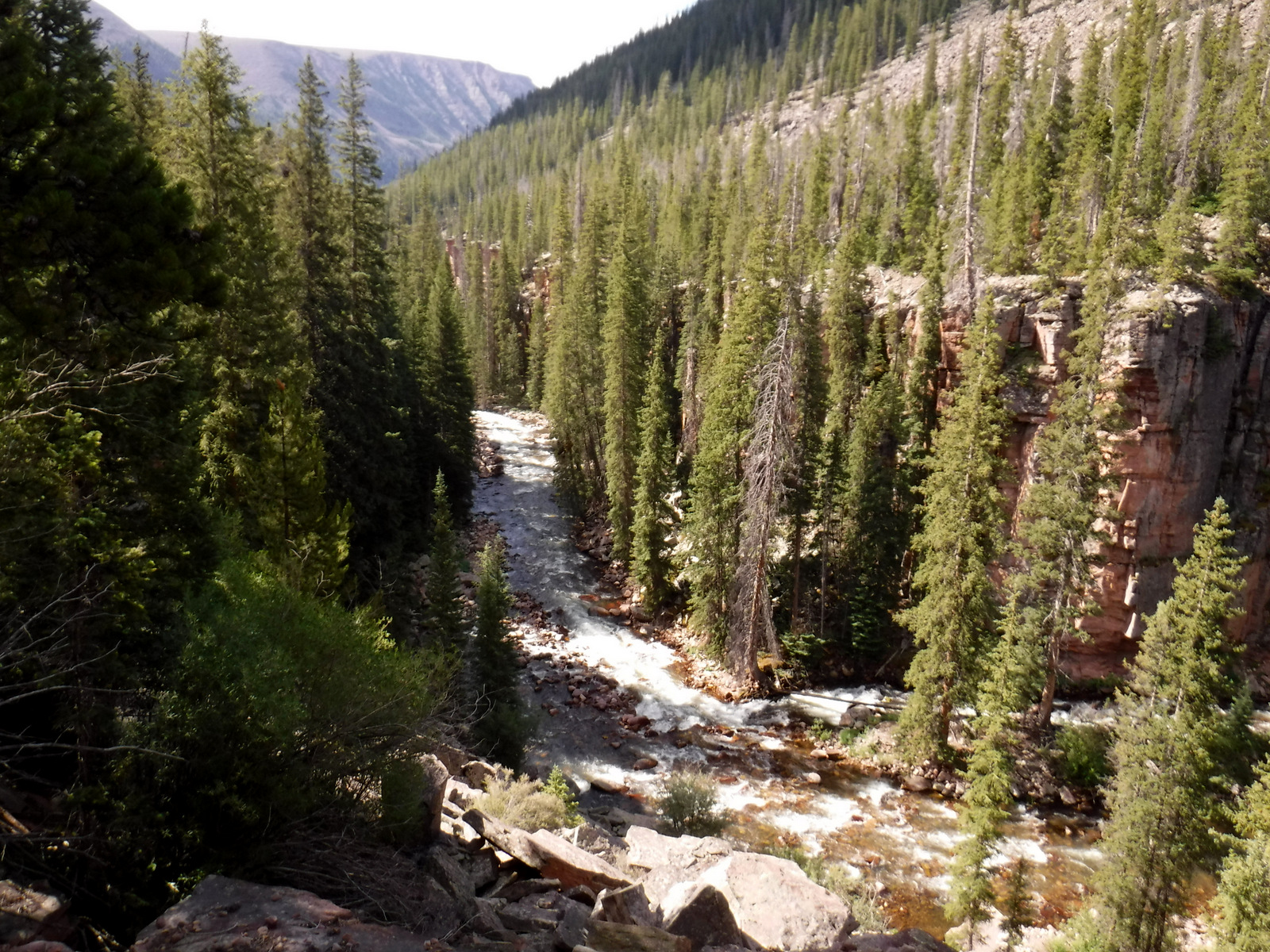
Leaving from the Uinta Canyon Trailhead, after about an hour of walking the Uinta River Trail reaches a bridge across its namesake.  The river is popular with fisherman and we spotted a moose grazing near the water.

Peak Season

Summer

Fees

Every boat launch and day-use area in Flaming Gorge National Recreation Area requires a recreation pass ($5 per day, $15 per week) or America the Beautiful pass, but there is no charge to drive the Flaming Gorge-Uinta Scenic Byway or cross the dam.  We did not encounter any fees in the rest of Ashley National Forest, except in campgrounds.

Road Conditions

The 82-mile Flaming Gorge-Uinta Scenic Byway is paved the whole way, but there are many unpaved roads off it including access to popular Red Canyon and Sheep Creek National Geological Area.  Many roads are closed seasonally, like Red Cloud Loop and Spirit Lake Scenic Backways.

Camping

There are numerous campgrounds on and off the lake in Flaming Gorge National Recreation Area, mostly open May to September, although Dripping Springs is open year round.  There are also campgrounds near most of the trailheads that access the High Uintas Wilderness.  We found dirt roads off Highway 191 to be packed with dispersed campers and RVs in mid-July 2020.

Wilderness Areas

High Uintas Wilderness (also in Wasatch National Forest)

Related Sites

Dinosaur National Monument (Utah-Colorado)

Timpanogos Cave National Monument (Utah)

Fossil Butte National Monument (Wyoming)

Nearest National Park

Arches (Utah)

Conifer Tree Species

lodgepole pine, limber pine, ponderosa pine, pinyon pine, Douglas-fir, subalpine fir, white fir, Engelmann spruce, Rocky Mountain juniper

Flowering Tree Species

quaking aspen, blue elderberry, Gambel oak, bigtooth maple, boxelder, western birch, red osier dogwood, narrowleaf cottonwood, sagebrush

Explore More –Ashley National Forest is named after whom?

Top 10 National Memorials

We recently posted about Saint Francis Dam Disaster National Memorial and Monument, so now feels like the perfect time to release this Top 10 List.  That is the only National Memorial managed by the U.S. Forest Service, but there are 31 in the National Park Service (NPS) system, and it only seems like all of them are in Washington, D.C. where the Dwight D. Eisenhower National Memorial opened in 2021.  There are many others not run by the NPS, and we have not been to all of them yet, but these are our favorites.  Click here to see all our Top 10 Lists.

10. Franklin Delano Roosevelt Memorial (District of Columbia)

Opened in 1997, this series of sculptures is appropriately wheelchair-accessible

9. Fort Caroline National Memorial (Florida)

The original French fort has never been found (and is probably underwater), but you can tour a one-third scale reconstruction of the triangular structure based upon a drawing from 1564

8. General Grant National Memorial (New York)

Often referred to as Grant’s Tomb, this 150-foot tall marble and granite rotunda is the largest mausoleum in North America

7. Perry’s Victory and International Peace Memorial (Ohio)

This 352-foot tall memorial tower is located on South Bass Island in western Lake Erie

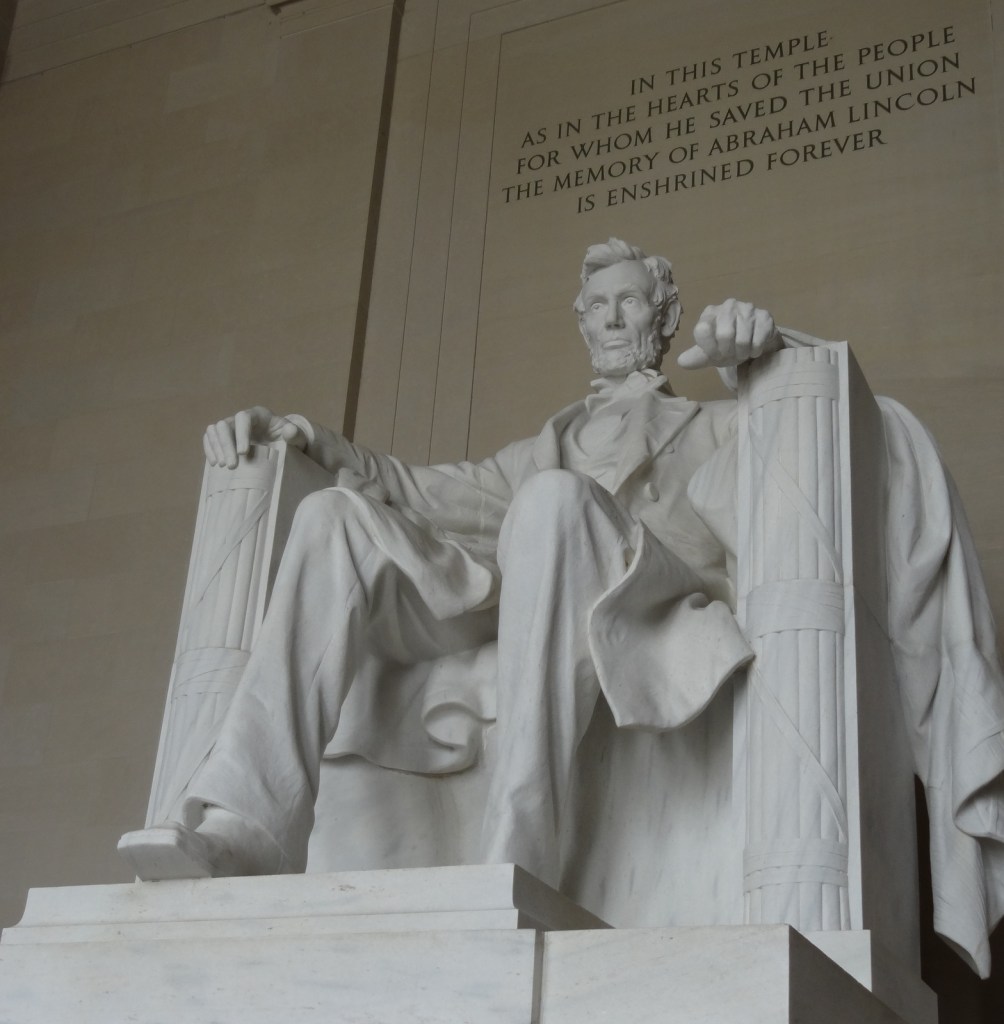
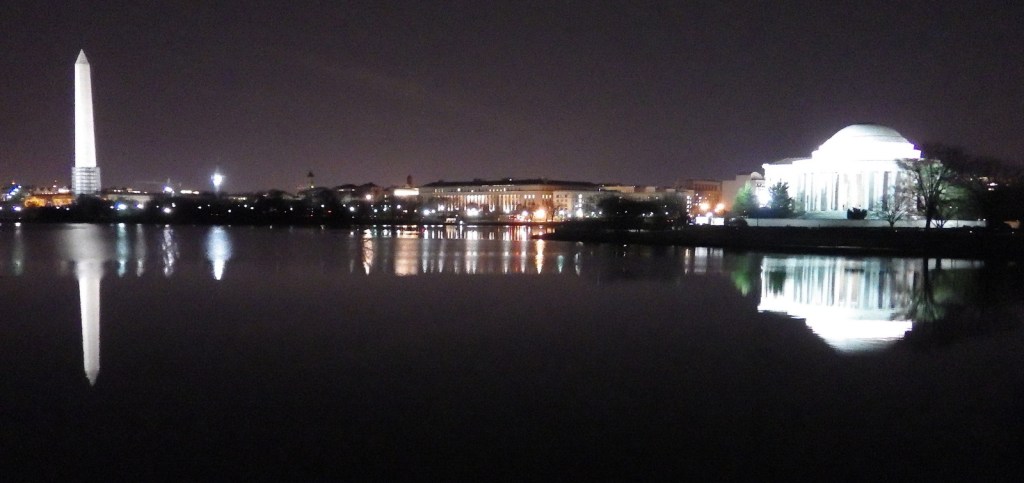
6. Lincoln Memorial (District of Columbia)

This iconic building at the west end of the National Mall receives around 7-million visitors annually

5. Flight 93 National Memorial (Pennsylvania)

As far we are aware, the only National Memorial representing the 21st century

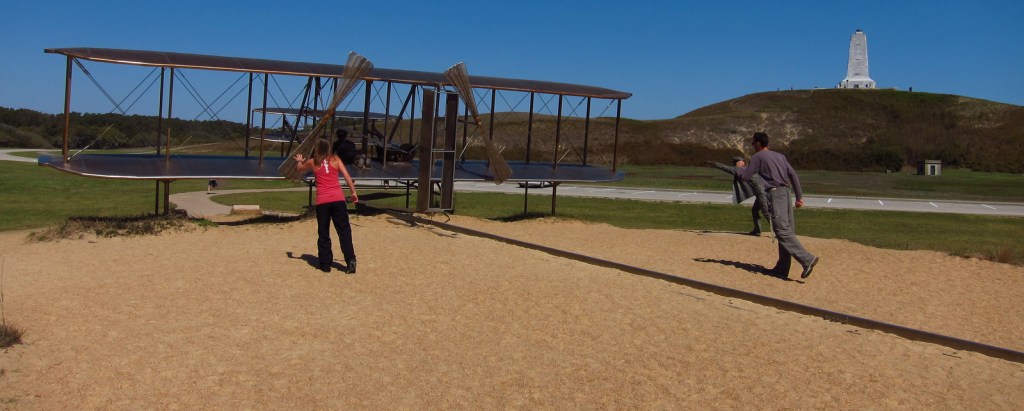
4. Wright Brothers National Memorial (North Carolina)

The brothers’ momentous 12-second flight occurred here on December 17, 1903

3. Coronado National Memorial (Arizona)

There is no statue of Coronado, but there is a steep three-quarter mile trail to a 600-foot long limestone cave

2. Pearl Harbor National Memorial (Hawaii)

The memorial built atop the sunken U.S.S. Arizona is tasteful and beautiful

…and finally our #1 National Memorial:

1. Mount Rushmore National Memorial (South Dakota)

Inspiring during the day, but for the full effect do not miss the Evening Lighting Ceremony offered May through September

Honorable Mentions

Theodore Roosevelt Island National Memorial (District of Columbia)

Washington, D.C. is full of memorials (even the Washington Monument counts), but this one is the most unique

Martin Luther King, Jr. National Memorial (District of Columbia)

Simple yet stunning, this statue of MLK is surrounded by some of his best quotes

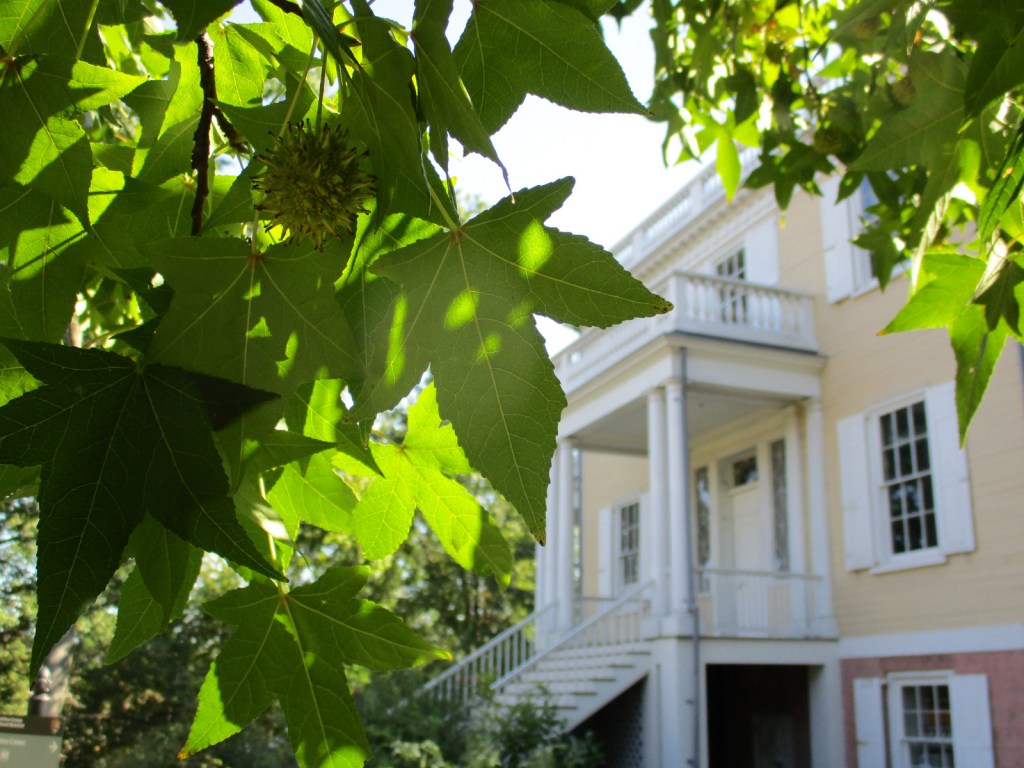
Hamilton Grange National Memorial (New York)

Alexander Hamilton’s house is the only memorial built by the person it honors, though it has been moved twice since his death

Arapaho National Recreation Area

Arapaho National Recreation Area

Colorado

Managed by U.S. Forest Service, Arapaho National Forest

30,690 acres

Website: https://www.fs.usda.gov/attmain/arp/specialplaces

Overview

On the west side of Rocky Mountain National Park are the first of many dams across the Colorado River forming several lakes around Granby, Colorado.  Arapaho National Recreation Area contains five reservoirs, the largest of which is Lake Granby (but not including Grand Lake and Shadow Mountain Lake).  Also nearby, Monarch Lake is the starting point for multiple trails into the Indian Peaks Wilderness.  Despite its proximity to the Denver metropolitan area, this untamed country is home to a variety of wildlife including moose, martens, and mountain lions, as well as the river otter and ouzel (or dipper) we saw during our January visit. 

Highlights

Lake Granby, Monarch Lake, Meadow Creek Reservoir, Roaring Fork Falls, Willow Creek Reservoir, High Lonesome Trail, Continental Divide National Scenic Trail

Must-Do Activity

The largest reservoir in Arapaho National Recreation Area is Lake Granby, an area popular with snowmobilers and ice fisherman in the winter.  Summer is also a good time to visit when the lakes are unfrozen and available for boating, swimming, and other water sports.  That’s when backpackers on the Continental Divide National Scenic Trail prefer to come through here.

Best Trail

Snowshoers looking for some quiet can drive to the eastern end of Lake Granby and hike a mile to Monarch Lake on a road that is closed during the winter months.  Throughout the year, Monarch Lake is the starting point for multiple trails that climb into the high elevations of the Indian Peaks Wilderness, plus the Continental Divide National Scenic Trail.

Instagram-worthy Photo

Under a blanket of snow, there is a majestic view from Monarch Lake looking at the Arapaho Creek Valley.

Peak Season

Summer

Fees

During the summer, day-use fees apply at portions of Arapaho National Recreation Area, like Monarch Lake and boat launches.

Road Conditions

The road back to Monarch Lake and many others are closed seasonally due to heavy snow accumulations.

Camping

Campgrounds on the lakes fill up in the summer and even the dirt roads around the west entrance to Rocky Mountain National Park can be jam-packed with dispersed campers.

Related Sites

Curecanti National Recreation Area (Colorado)

Colorado National Monument (Colorado)

Dinosaur National Monument (Utah-Colorado)

Nearest National Park

Rocky Mountain (Colorado)

Lake Granby in summer

Explore More – When was Arapaho National Recreation Area established?

Arapaho National Forest

Arapaho National Forest

Colorado

Managed by U.S. Forest Service, Rocky Mountain Region

770,604 acres (724,678 federal/ 45,926 other)

Website: https://www.fs.usda.gov/arp

Overview

Arapaho National Forest is managed jointly with Roosevelt National Forest and Pawnee National Grassland in northern Colorado.  Easily accessible from Interstate 70 west of Denver, the National Forest is best known for its many ski resorts.  Mt. Blue Sky (formerly Evans) Highway and Guanella Pass Scenic Byway provide access to the high country in the summer when a rainbow of wildflowers bloom, both above and below treeline.

Highlights

Arapaho National Recreation Area, Mt. Blue Sky (formerly Evans), St. Mary’s Glacier, Guanella Pass Scenic Byway, Devil’s Thumb Lake, Berthoud Falls, Ute Peak, Boardwalk Trail, Continental Divide National Scenic Trail

Must-Do Activity

Located just west of Denver, the Mt. Blue Sky (formerly Evans) Highway (the highest fully-paved road in North America) provides access to the rarely-seen world above 14,000 feet in elevation.  Online reservations are now required before you show up, so be sure to click to include a stop at Mt. Goliath Research Natural Area, which provides an interpretive hike through a forest of long-lived Rocky Mountain bristlecone pine trees.  Keep your eyes sharp for bighorn sheep and mountain goats along the road once you hit the switchbacks around Summit Lake.  While the Crest House is no longer in business near the summit, you can still park there and walk the remaining one-hundred feet to the top of the 14,264-foot peak for unsurpassed views.

Best Trail

The easiest way to access the aptly-named Never Summer Wilderness is from the Kawuneeche Valley in Rocky Mountain National Park.  You can backpack the 18-mile loop of Baker Gulch to Bowen Gulch in either direction, but keep an eye out for moose as we saw six along the way!  High elevation dwellers like yellow-bellied marmots and pikas were also abundant along the trail, which enters Routt National Forest on the west side of Fairview Mountain.

Watchable Wildlife

Moose and elk can be found throughout the National Forest, but are often easiest to locate around the west entrance to Rocky Mountain National Park.  Bighorn sheep and mountain goats are known to approach cars on the paved road to the top of Mt. Blue Sky (formerly Evans).  During our January visit to Arapaho National Recreation Area we spotted a river otter and ouzel (or dipper, a swimming songbird) in one of the few sections of unfrozen creek.

Instagram-worthy Photo

North of the ski resort town of Winter Park is Fraser Experimental Forest, managed by the U.S. Forest Service’s Rocky Mountain Research Station.  In winter, roads within Fraser Experimental Forest are closed and turn into routes for cross-country skiers and snowshoers with no entry fee charged.

Peak Season

Summer

Fees

A $15 fee is charged per vehicle (online reservation required before arrival, $2 fee even if you use your America the Beautiful pass) to drive the one-way Mt. Blue Sky (formerly Evans) Highway during its short open season.  Also during the summer, day-use fees apply at Fraser Experimental Forest and Arapaho National Recreation Area.

Road Conditions

The road to the top of Mt. Blue Sky (formerly Evans) is paved the whole way, but there are plenty of rough dirt roads to explore throughout Arapaho National Forest.  The road back to Monarch Lake is closed seasonally in Arapaho National Recreation Area.

Camping

Campgrounds fill up in the summer and even the dirt roads around the west entrance to Rocky Mountain National Park can be jam-packed with dispersed campers.  There are some scenic campgrounds around Fraser Experimental Forest near Winter Park, Colorado.

Wilderness Areas

Byers Peak Wilderness

Eagles Nest Wilderness (also in White River National Forest)

Indian Peaks Wilderness (also in Roosevelt National Forest)

Mt. Blue Sky (formerly Evans) Wilderness (also in Pike National Forest)

Never Summer Wilderness (also in Routt National Forest)

Ptarmigan Pass Wilderness

Vasquez Peak Wilderness

Related Sites

Arapaho National Recreation Area (Colorado)

Florissant Fossil Beds National Monument (Colorado)

Sand Creek Massacre National Historic Site (Colorado)

Nearest National Park

Rocky Mountain (Colorado)

Conifer Tree Species

Engelmann spruce, Colorado blue spruce, subalpine fir, Douglas-fir, Rocky Mountain bristlecone pine, ponderosa pine, lodgepole pine

Flowering Tree Species

quaking aspen, Rocky Mountain maple, narrowleaf cottonwood, mountain ash, dwarf willow, Scouler willow, mountain willow, alpine fen willow, purple-twig willow, sandbar willow, Geyer’s willow, Wolf’s willow

Explore More – When did research begin in Fraser Experimental Forest on the response of conifer species to different harvesting techniques, insect outbreaks, and climate conditions?

We are a participant in the Amazon Services LLC Associates Program, an affiliate advertising program designed to provide a means for us to earn fees by linking to Amazon.com and affiliated sites.

Apalachicola National Forest

Apalachicola National Forest

Florida

Managed by U.S. Forest Service, Southern Region

634,042 acres (563,403 federal/ 70,639 other)

Website: https://www.fs.usda.gov/main/florida/home

Overview

Apalachicola National Forest is the largest of the four National Forests in Florida and also manages the tiny 1,152-acre Choctawhatchee National Forest (which is off limits to the public on a military base, so we did not include it in our total of 155 National Forests).  The forests proximity to the state capital of Tallahassee makes it an outdoor recreation destination in the Florida Panhandle.

Highlights

Apalachee Savannahs Scenic Byway, Fort Gadsden Historic Site (closed), Ochlockonee River, Rock Bluff Scenic Area, Leon Sinks Geological Area (closed), Morrison Hammock Scenic Area, Silver Lake Recreation Area, Camel Lake Recreation Area, Post Office Bay, Florida National Scenic Trail

Must-Do Activity

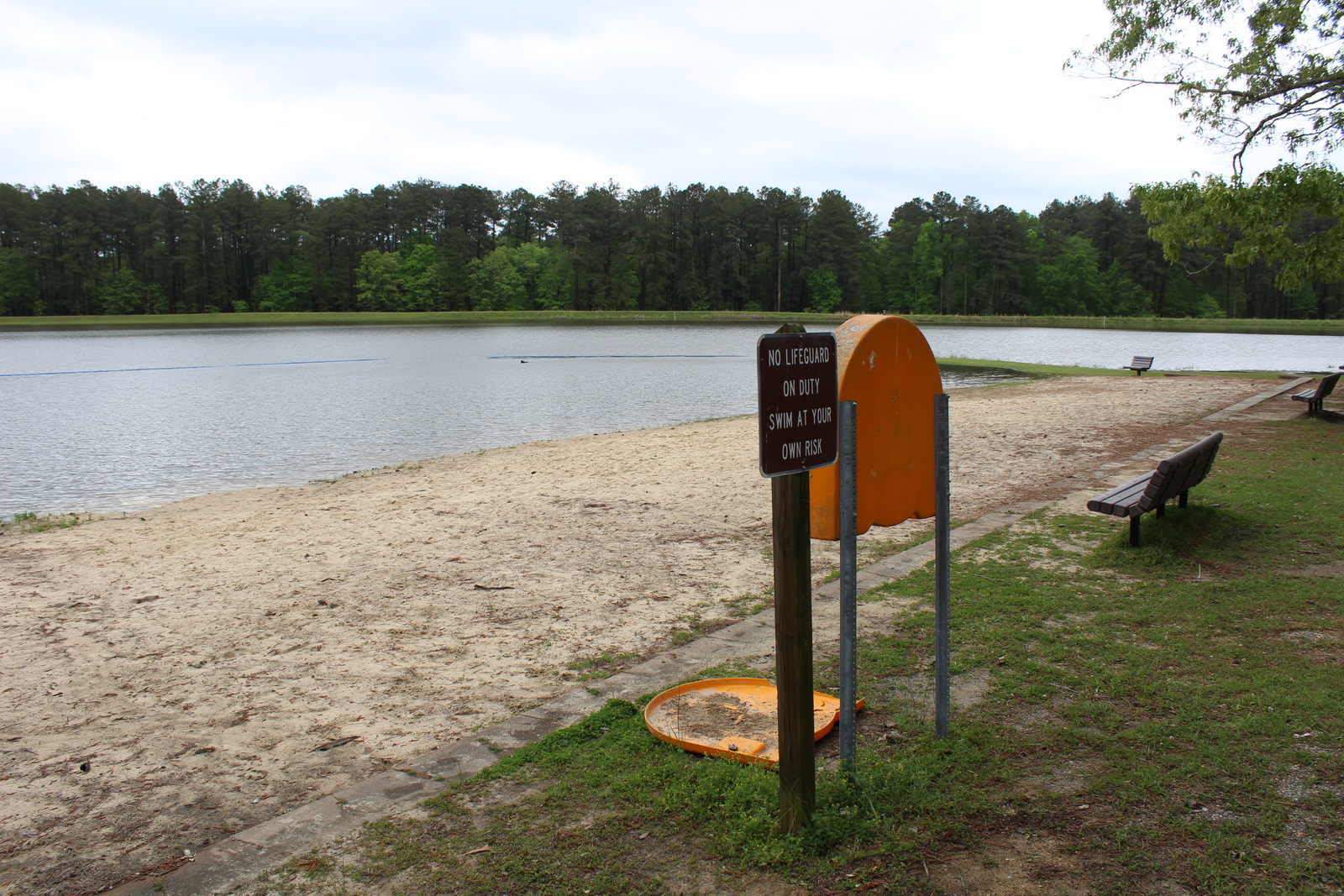
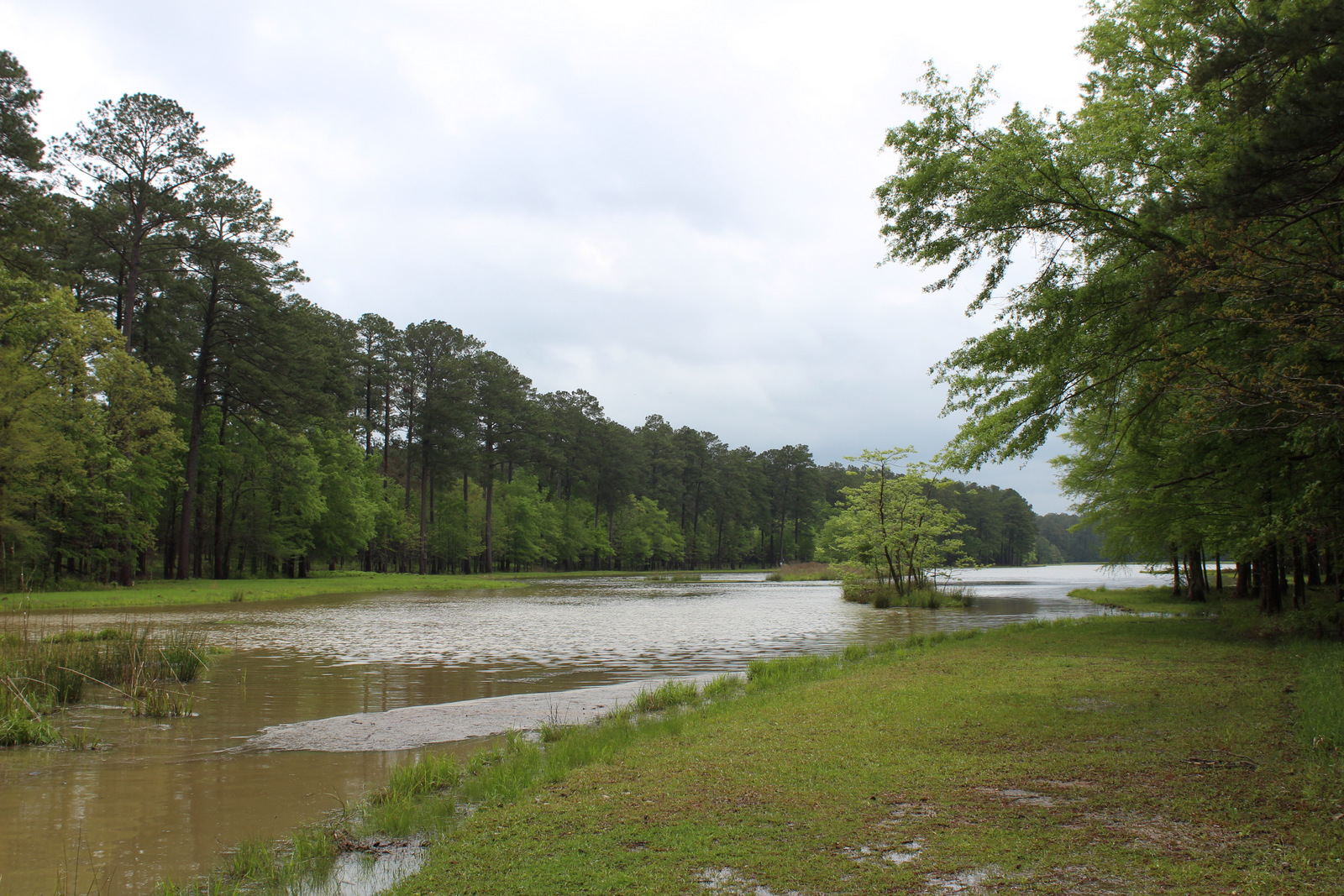
When we visited Apalachicola National Forest in April 2021, two of its biggest attractions were closed from hurricane damage: Fort Gadsden Historic Site and Leon Sinks Geological Area (a series of sinkholes in limestone karst).  We finally ended up at Camel Lake Recreation Area (day-use fee) where the beach was closed due to alligator presence, so we opted to hike a portion of the Florida National Scenic Trail.  We also made a stop to see the swamp at Big Gully Landing boat launch where Equaloxic Creek flows six miles west to the Apalachicola River.  We read that canoeing the Ochlockonee River is a popular activity.

Best Trail

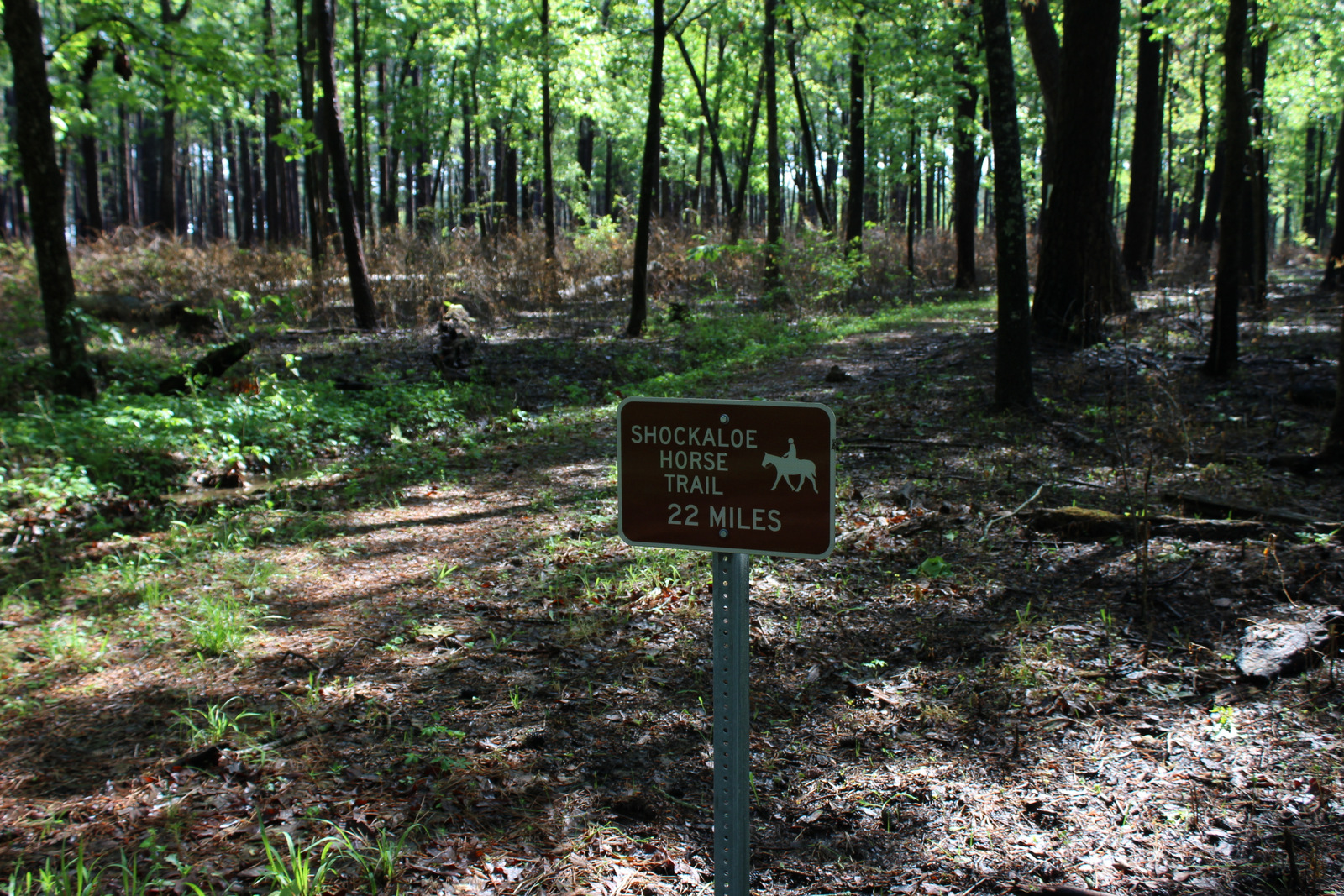
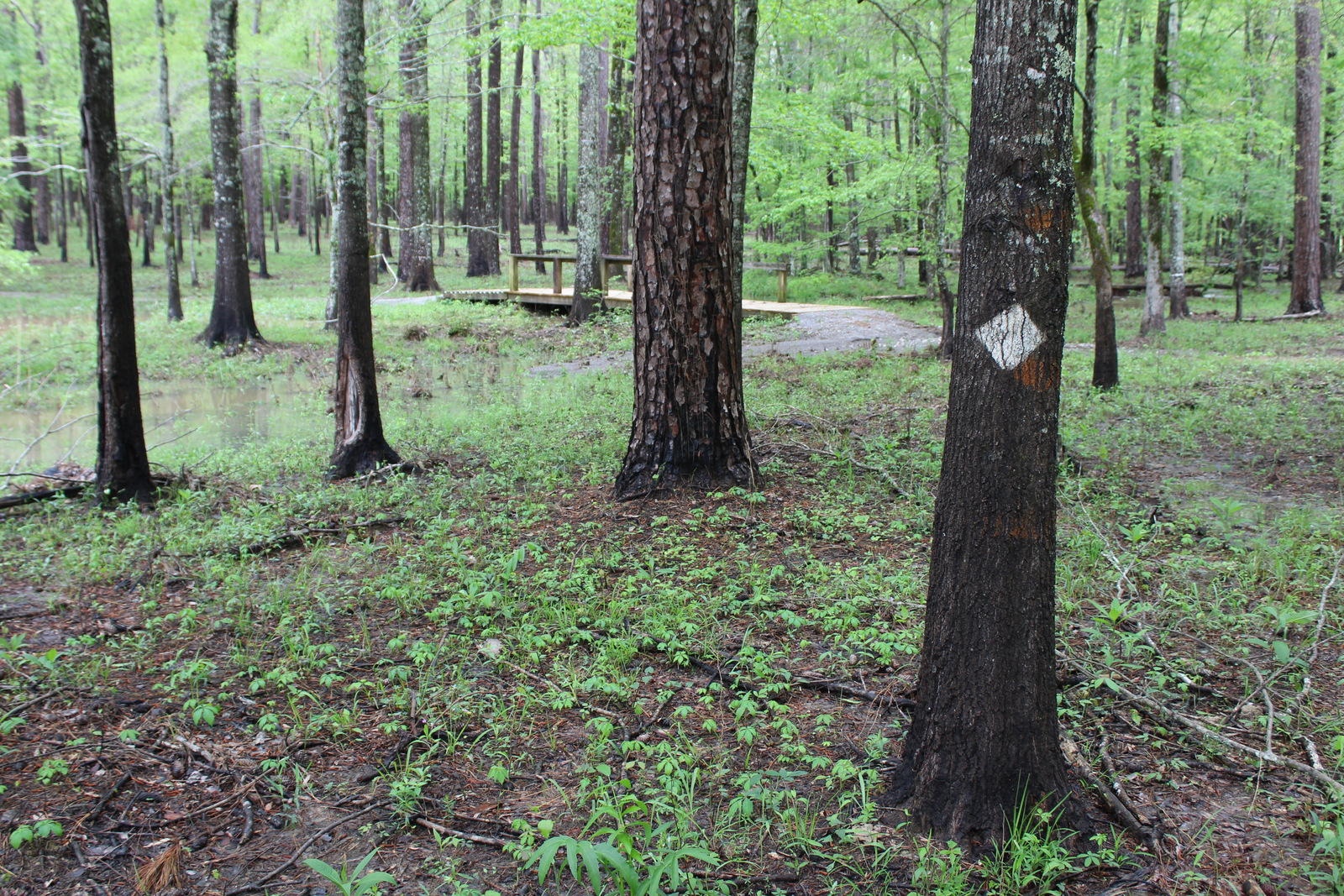
Apalachicola National Forest includes 67 miles of the Florida National Scenic Trail (FNST).  We hiked a portion of it at Camel Lake Recreation Area hoping to find where it connected to the Trail of Lakes nine-mile loop, but we never did locate the junction.  We read that the segment of the FNST from Oak Park Trailhead along the Sopchoppy River bluffs is especially beautiful.  Closer to the capital city, busy trails include the 14.4-mile Tallahassee Saint Marks Historic Rail Trail, 30-mile Vinzant Horse Trail, and 8.3-mile Munson Hills Trail (which is popular with mountain bikers).

Watchable Wildlife

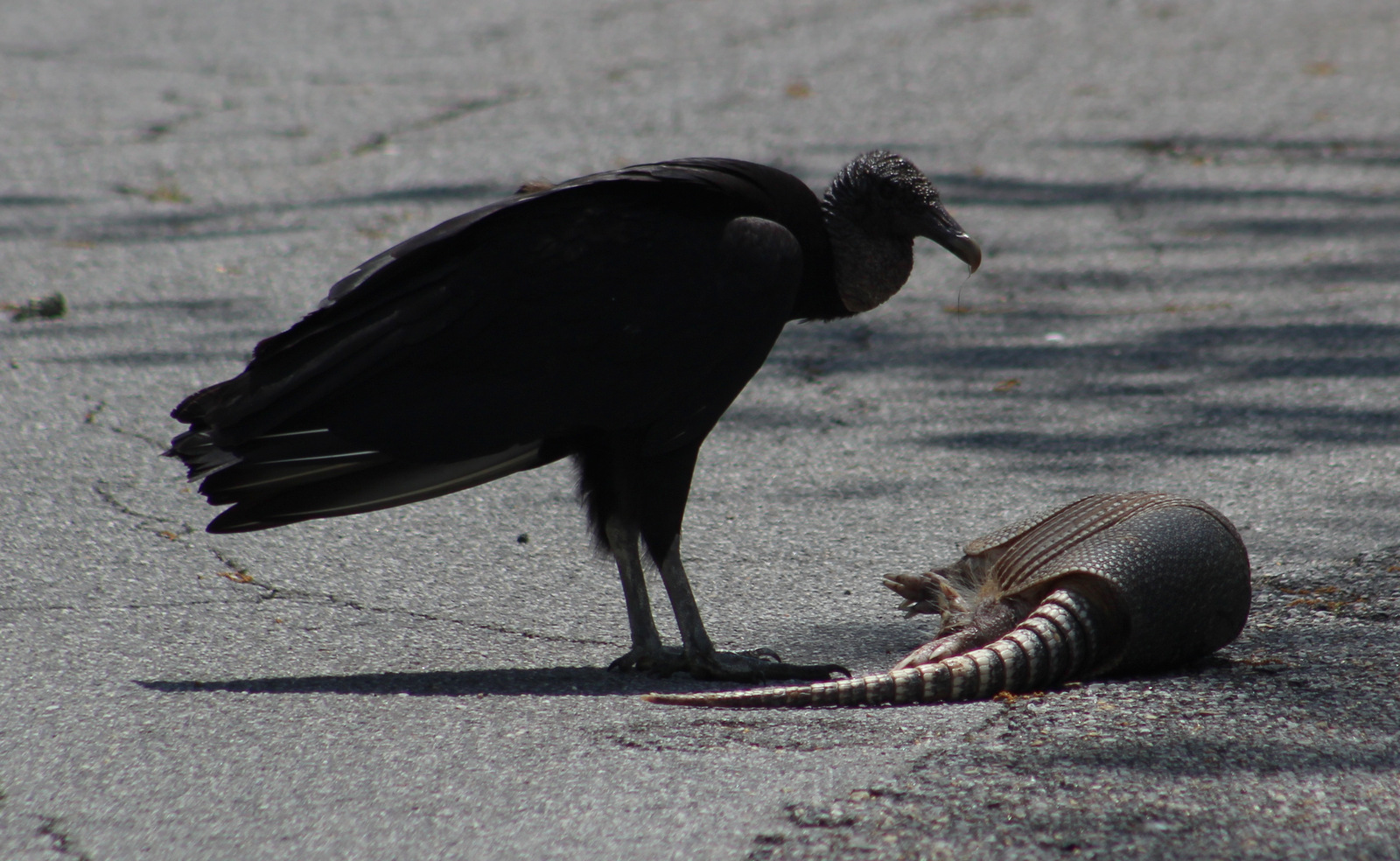
When we think of Florida wildlife the first animal that comes to mind is the alligator, so it was no surprise that the swimming beach at Camel Lake Recreation Area was closed due to their presence.  Other places to see alligators are Tate’s Hell Swamp and the Mud Swamp/New River Wilderness.  Cottonmouth snakes and plentiful mosquitoes also make the swamps uninviting to guests.  We were surprised to see signs warning of black bears since that is not an animal we associate with Florida.  Other wildlife includes turkeys, fox squirrels, gray foxes, bobcats, raccoons, and armadillos.

Instagram-worthy Photo

Stands of longleaf pine and turkey oak had us reminiscing about hiking the sandy trails on the coastal plains of North Carolina’s Croatan National Forest.

Peak Season

Winter

Fees

There was a day-use fee at Camel Lake Recreation Area, but it was half-off with an America the Beautiful pass.

Road Conditions

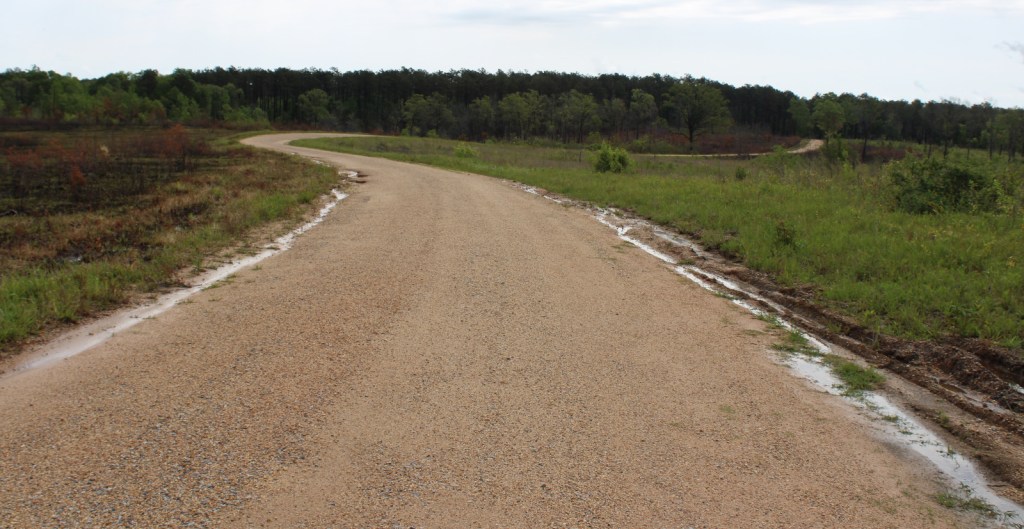
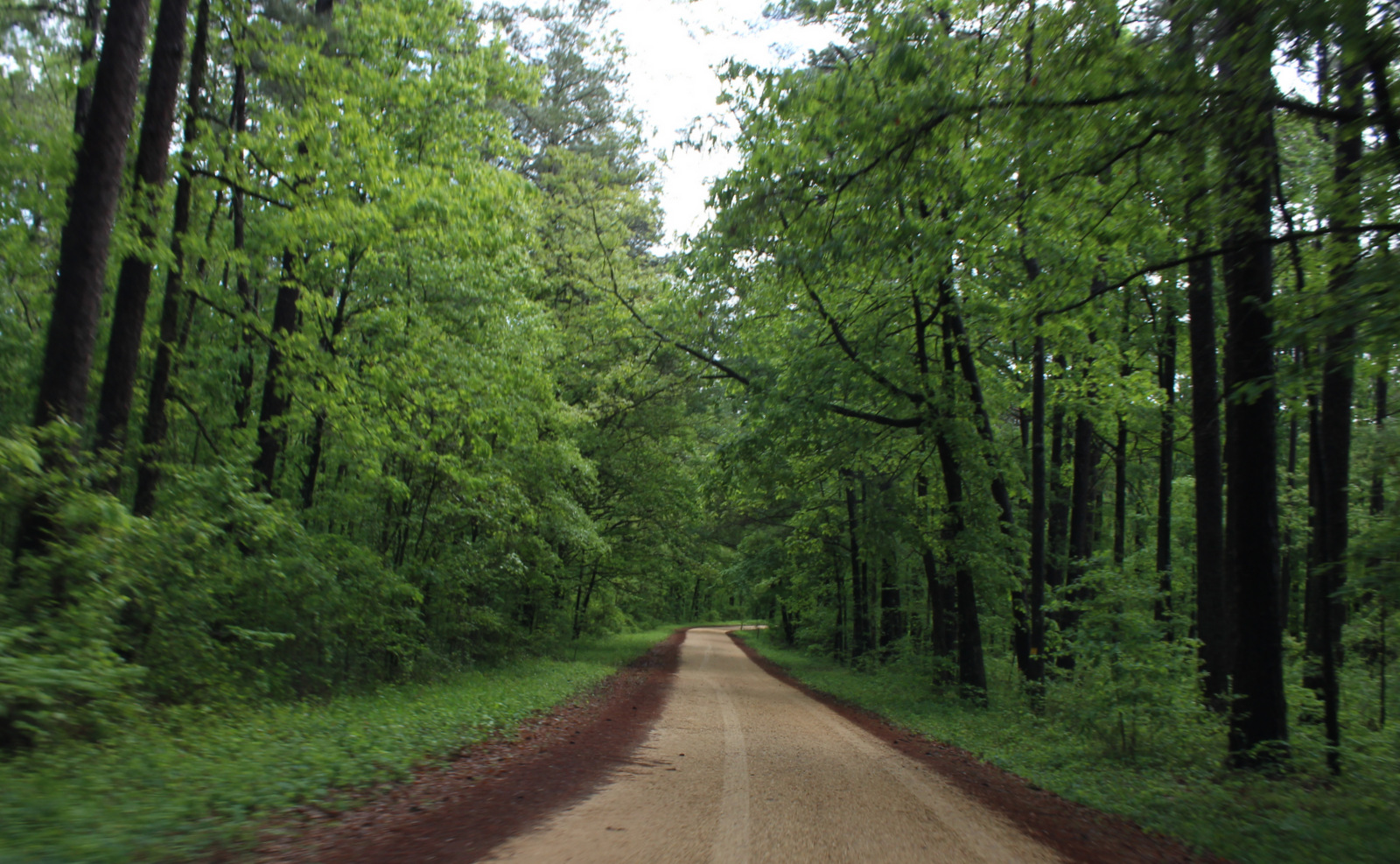
The unpaved roads were hard-packed sand, so they were in really good shape during our visit.

Camping

There was a nice 10-site campground (fee) suitable for RVs at Camel Lake Recreation Area, but there is no camping at Silver Lake Recreation Area closer to Tallahassee, Florida.

Wilderness Areas

Bradwell Bay Wilderness

Mud Swamp/New River Wilderness

Related Sites

Osceola National Forest (Florida)

Gulf Islands National Seashore (Florida)

Andersonville National Historic Site (Georgia)

Nearest National Park

Everglades (Florida)

Conifer Tree Species

baldcypress, pondcypress, longleaf pine, spruce pine, pond pine, slash pine, loblolly pine, Atlantic white-cedar

Flowering Tree Species

magnolia bay, sweetbay, black titi, myrtleleaf holly, swamp cyrilla, black cherry, sassafras, Darlington oak, southern red oak, live oak, bluejack oak, turkey oak, laurel oak, diamondleaf oak, mockernut hickory, pignut hickory, water hickory, persimmon, black gum, flowering dogwood, southern magnolia, basswood, American beech, sweetgum, ogeechee lime, swamp azalea, swamp cottonwood, pop ash, black willow, red buckeye, horse sugar tree

Explore More – Black titi is a shrub in this part of the world, but in Puerto Rico it grows as a large tree with what common name?

We are a participant in the Amazon Services LLC Associates Program, an affiliate advertising program designed to provide a means for us to earn fees by linking to Amazon.com and affiliated sites.