
Mono Basin National Scenic Area
California
Managed by U.S. Forest Service, Pacific Southwest Region
128,303 acres
Website: https://www.fs.usda.gov/detail/inyo/specialplaces/?cid=stelprdb5129903
Overview
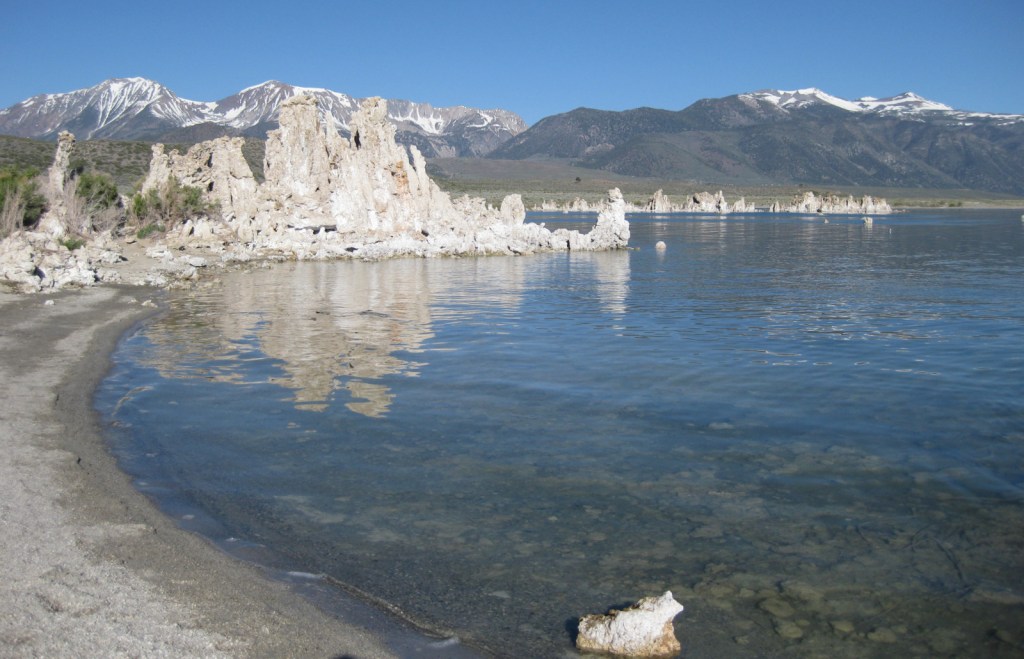
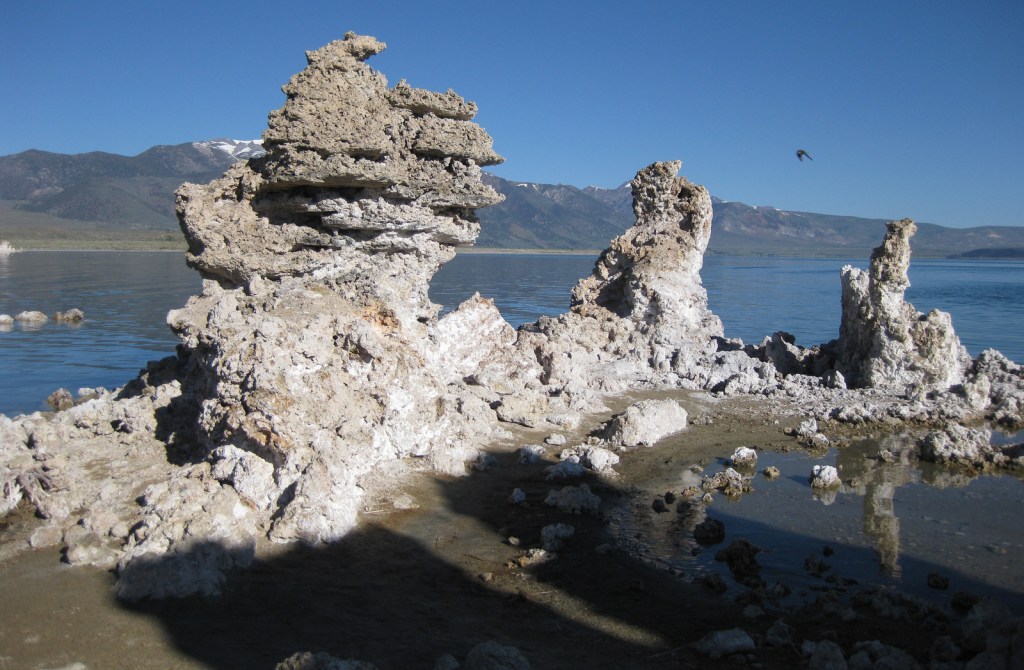
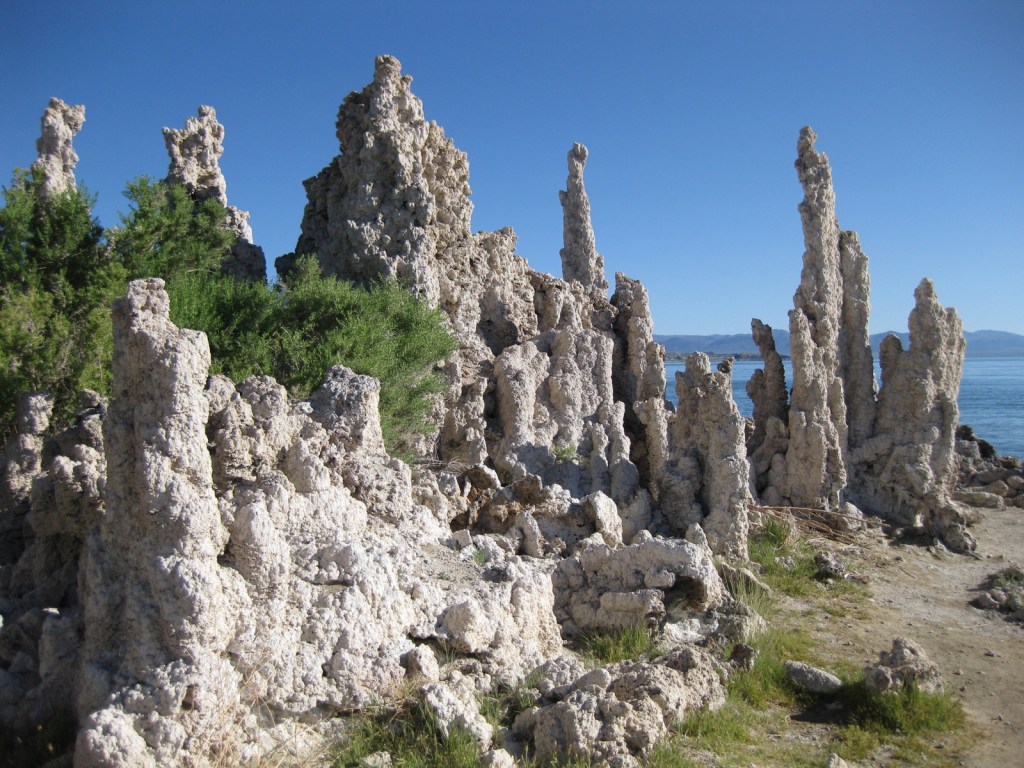
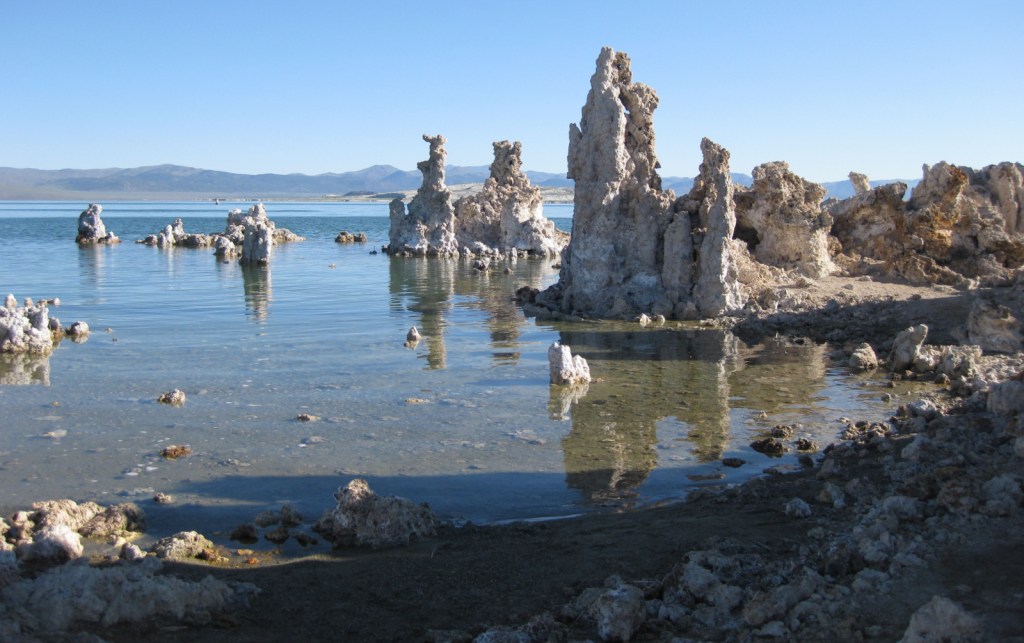
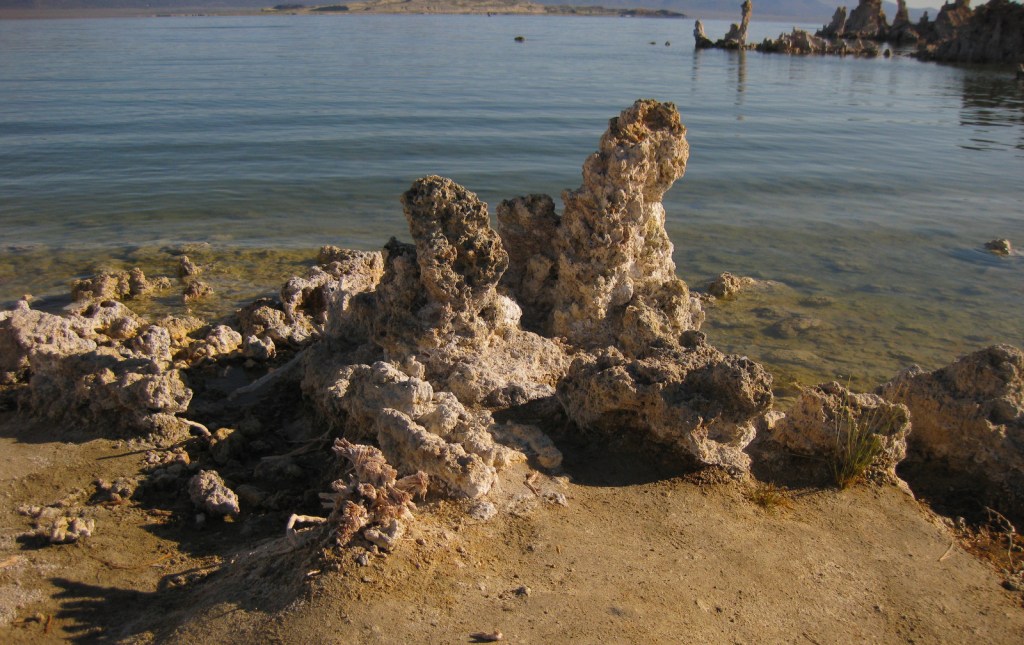
Established in 1984, this portion of Inyo National Forest is a geological wonderland that was once part of the former Mono National Forest. Along the edge of this ancient salt lake are ten-foot-tall tufa towers exposed after water levels dropped beginning in 1941 when river water was diverted to Los Angeles. Tufa is limestone that precipitated when the alkaline lake water combined with calcium from underground springs. Paoha Island in the center of Mono Lake is also a nesting area for snowy plovers and California gulls, giving its salty waters even more of a Pacific Ocean impression. This entire region is volcanically active as evidenced by isolated hot springs, cinder cones that erupted as recently as 350 years ago, and the forest devastation caused by a 1989 release of carbon dioxide from Horseshoe Lake. It is also rich in minerals, showcased by the mines at Bodie State Historic Park, a ghost town conserved in “arrested decay.”
Highlights
Mono Basin National Forest Scenic Area Visitor Center, film, Mono Lake Tufa State Natural Reserve, Panum Crater, Mono Craters, Bodie State Historic Park, South Tufa Trail
Must-Do Activity
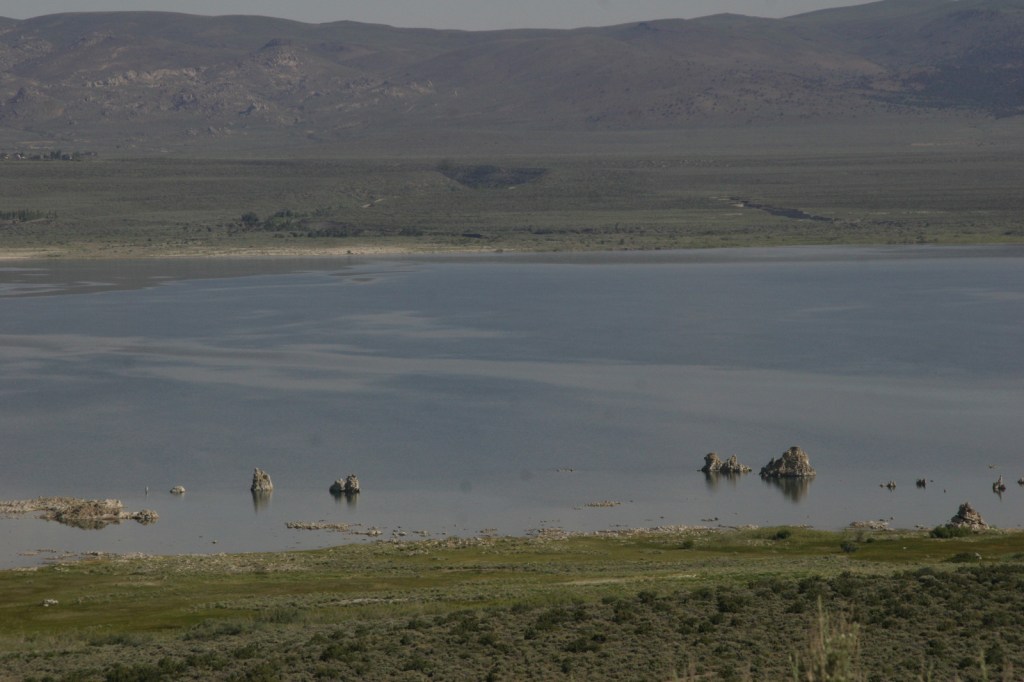
Open May through October, the Mono Basin National Forest Scenic Area Visitor Center is located on Highway 395, just east of Tioga Pass (the eastern entrance to Yosemite National Park). It features interactive displays on geology and human history, the 20-minute film Of Ice and Fire: A Portrait of the Mono Basin, photo exhibits, and a bookstore. Situated atop a hill on the lake’s western shore, it offers an overlook of Mono Lake, Paoha Island, and the Mono Craters.
Best Trail
On the lake’s south side is the fascinating Mono Lake Tufa State Natural Reserve, established in 1981. A short trail leads from the unpaved parking area to the shoreline. Just to the west, the 0.7-mile Plug Trail enters the cone of Panum Crater, a 650-year-old plugged dome volcano.
Instagram-worthy Photo
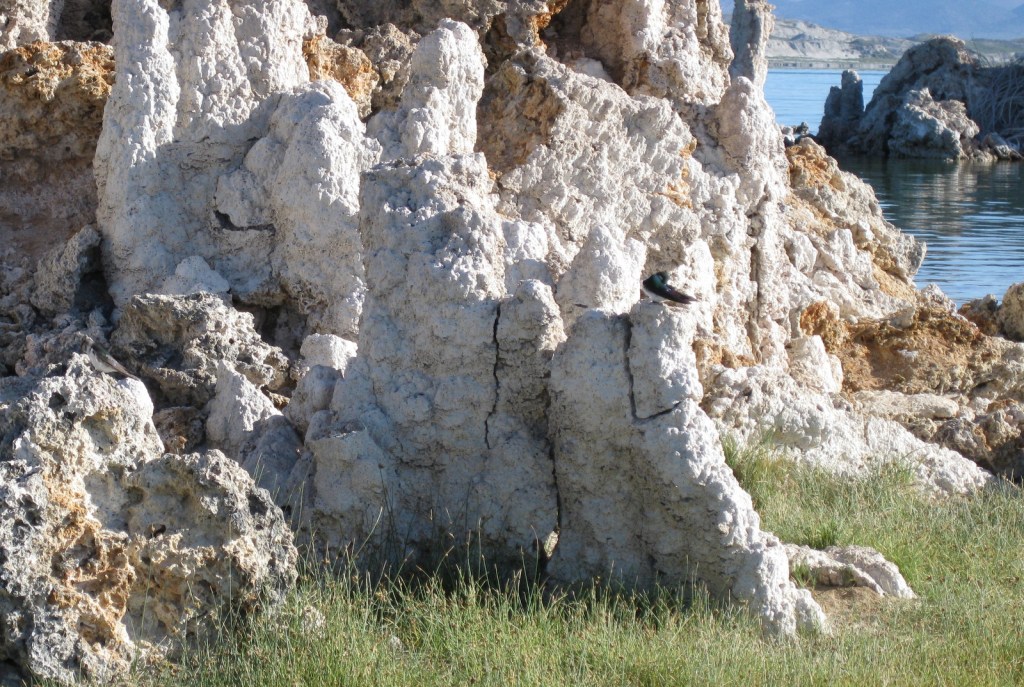
The fragile tufa formations are a great resting place for violet-green swallows and other migratory birds that come to feed on the lake’s abundant brine shrimp and alkali flies.
Peak Season
Summer
Fees
$3 per person at South Tufa Trail or America the Beautiful pass; $8 per person to enter Bodie State Historic Park
Road Conditions
There are well-graded dirt roads to Panum Crater, South Tufa, and Bodie State Historic Park. However, the routes on the north and east sides of Mono Lake are loose sand that require a four-wheel-drive vehicle.
Camping
There are campgrounds at June Lake and along Highway 120 to Tioga Pass, but that road is closed in the winter. Dispersed camping is allowed in Inyo National Forest, but be careful on the sandy roads around Mono Lake.
Related Sites
Inyo National Forest (California-Nevada)
Manzanar National Historic Site (California)
Devils Postpile National Monument (California)
Death Valley National Park (California-Nevada)
Nearest National Park








Explore More – Most of the 27 Mono Craters are phreatic volcanoes that have been plugged or over-topped by rhyolite domes and lava flows; what does “phreatic” mean?


Great post! I did not know about tufa, the formations are so artistic. Great pictures too, thanks for this informative post 🙂
LikeLiked by 1 person
Thanks for leaving a message. The tufa is really unique and fun to see up close.
LikeLiked by 1 person