
National Park of American Samoa
American Samoa (territory)
Managed by National Park Service
Established 1988
13,500 acres
Website: nps.gov/npsa
Overview
The only U.S. territory located south of the equator, American Samoa is home to a National Park unlike any other in the National Park Service system. In 1900, the U.S. Navy Governor outlawed the sale of land to non-Samoans so the federal government leases the land for the park on three separate islands in the South Pacific Ocean. There are two flights per week to Pago Pago (on the island of Tutuila) from Honolulu, Hawai‘i on Mondays and Thursdays, and flights from Pago Pago to Ofu Island on Tuesdays and Thursdays (only reservable once you are in American Samoa). You would need to charter a boat from Ofu to nearby Ta‘ū Island to see the highest sea cliffs in the world.

Highlights
Mt. ‘Alava Trail, Tuafanua Trail, Pola Island Trail, Blunts Point Trail (outside park), Matafao Peak Trail (outside park), Fagatele Bay (outside park, currently closed), Lower Sauma Ridge Trail
Must-Do Activity
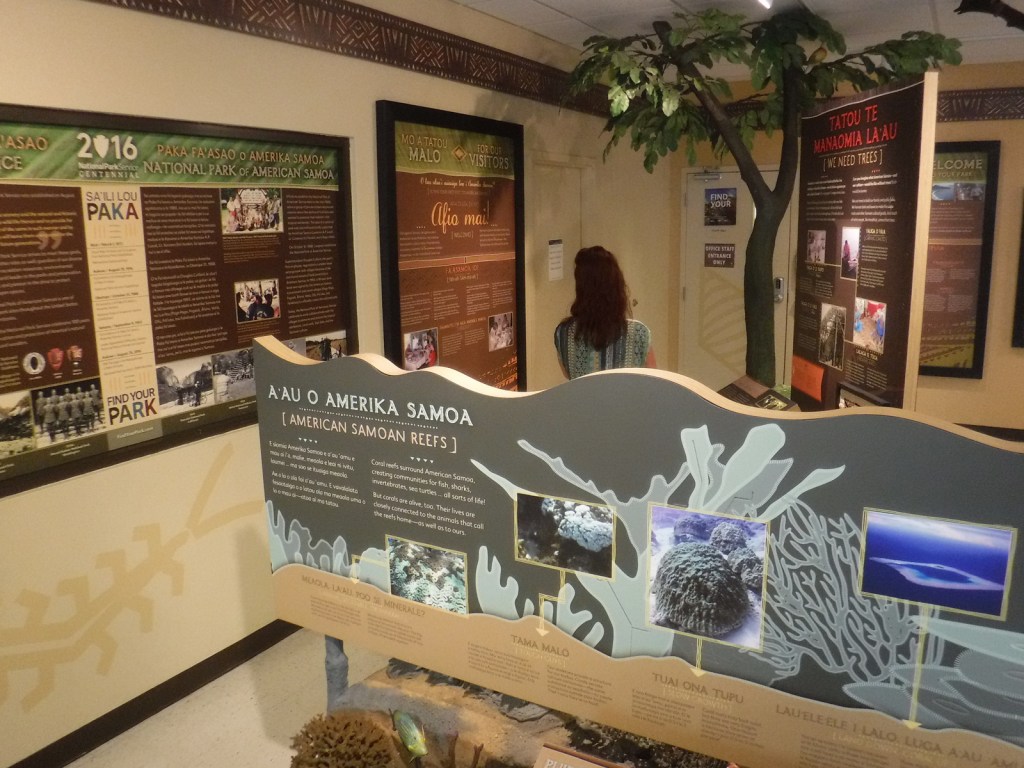
The best place to start is the visitor center in Pago Pago, where the park rangers can answer your questions and update you on what trails are currently open. Hiking is the only activity on Tutuila, at least with the waves as large as they were during our visit. We have heard there is good snorkeling right off the beach on Ofu, and we found good coral reefs in Utulei protected within Pago Pago Harbor (outside the National Park at Sadie’s by the Sea). The coral is very shallow in most places, so it is best to snorkel around high tide. Everything about this tropical forest is unique, but we were most fascinated by the fruit bats called flying foxes that are diurnal and have three-foot wingspans.
Best Trail
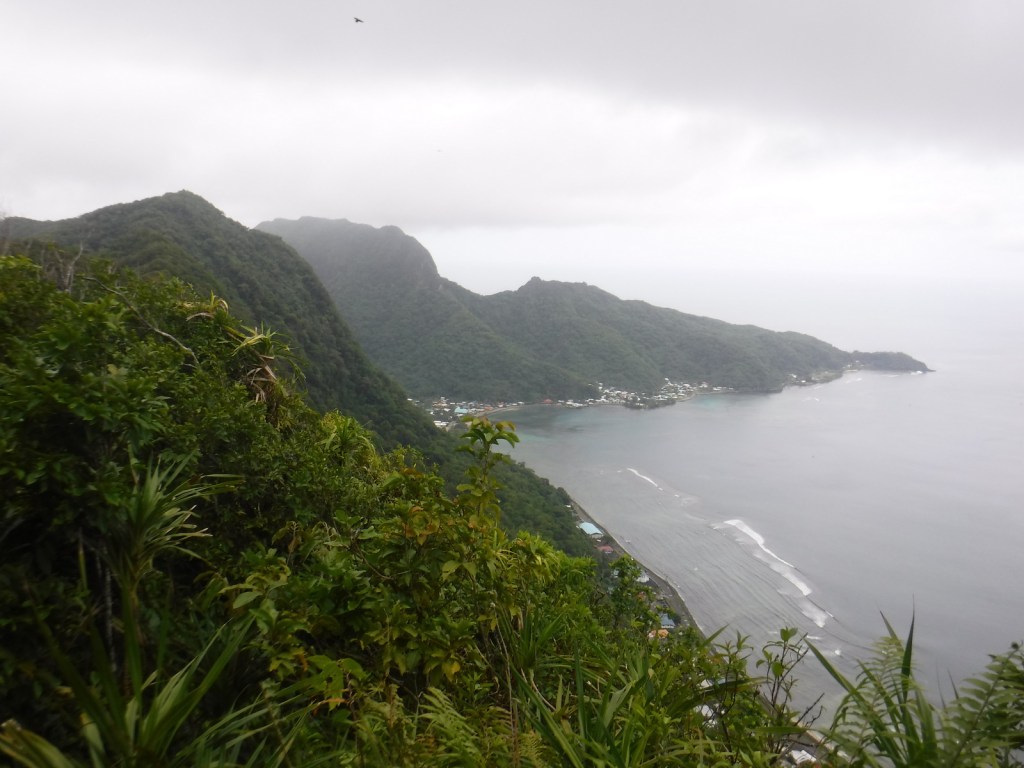
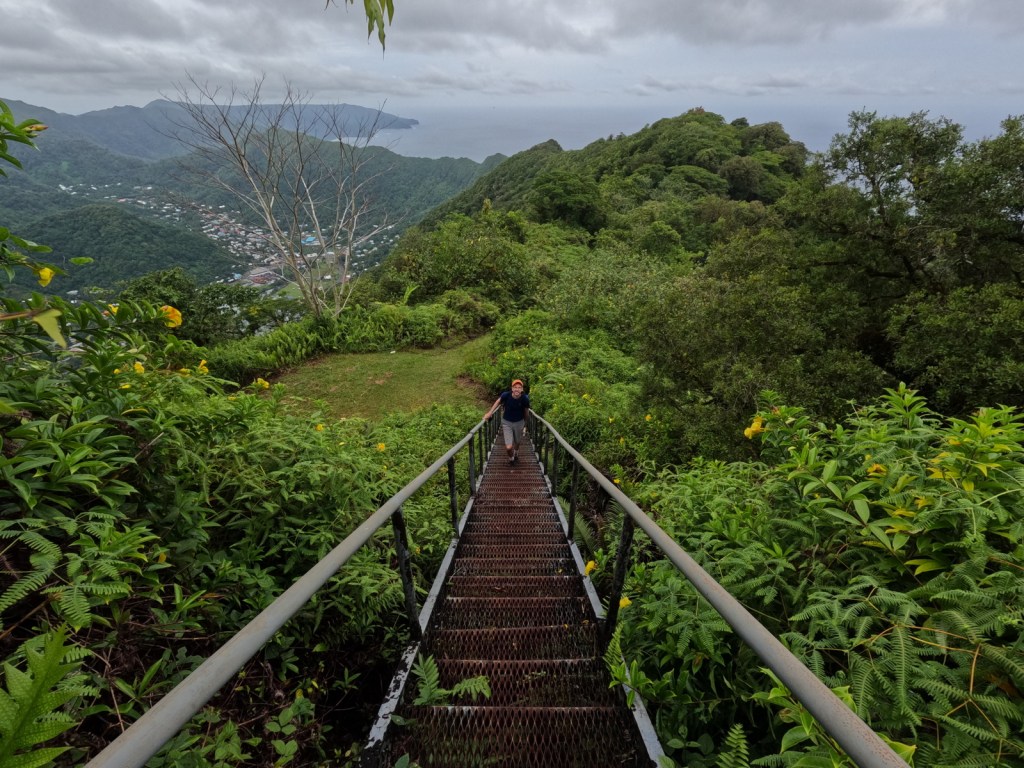
The Mt. ‘Alava Trail travels 3.4 miles one-way from Fagasā Pass on an old, rutted road to an incredible overlook of Pago Pago Harbor where an old tramway station sits rusting. If you continue along the ridgeline you immediately come to a “ladder” built into the slope with a knotted rope for dropping down the muddy hill, which is part of the Mt. ‘Alava Adventure Trail (which is partially closed and not a loop). This is the first of many ladders that descend the 1,610-foot mountain to the seaside village of Vatia. It would be difficult to find the trailhead from that side (it is basically in somebody’s backyard) and since there is not currently a bus to Vatia we rode in the bed of a pickup truck back to the main road in Aua.
Instagram-worthy Photo
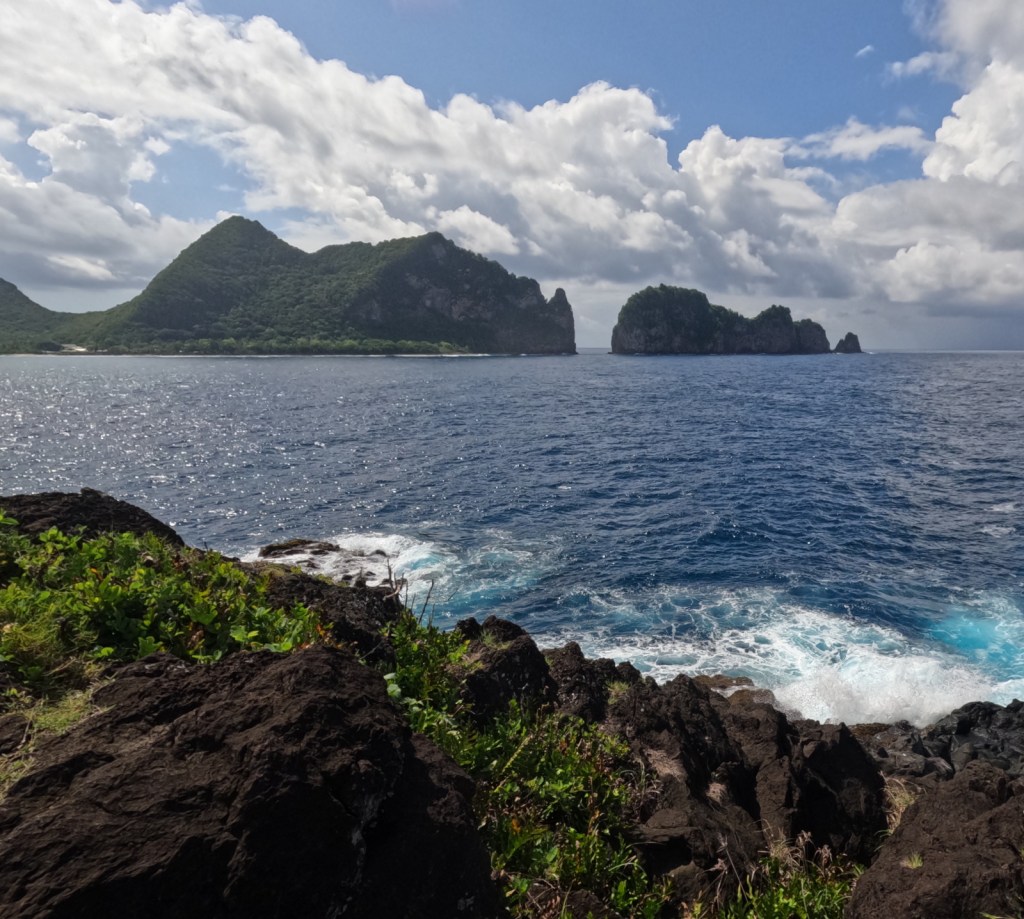
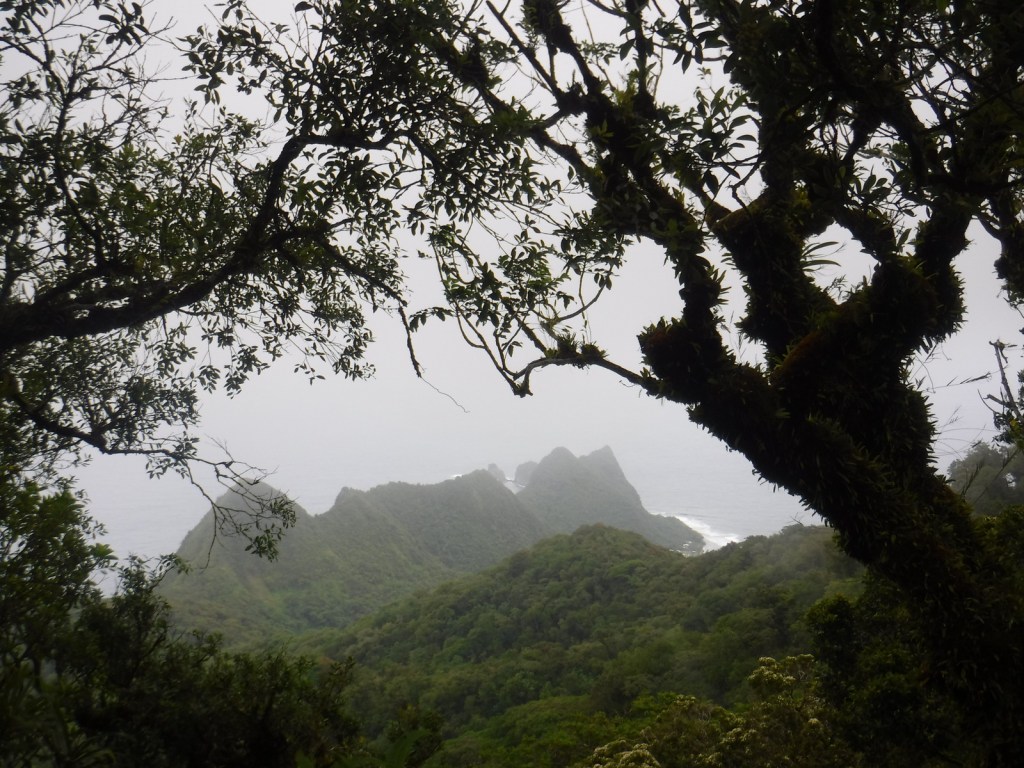
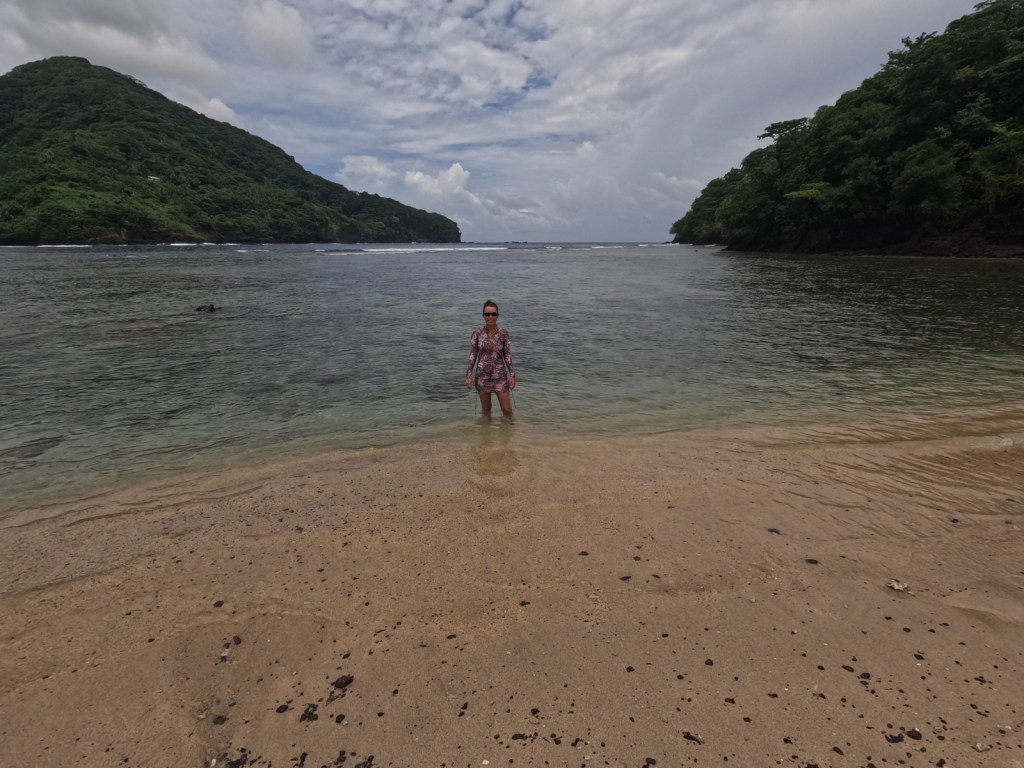
The Lower Sauma Ridge Trail quickly drops down about 300 feet to an incredible view of Pola Island and Vai‘ava Strait National Natural Landmark.
Peak Season
Year round, but the Park Ranger we met said she recommends April after the rainy season ends
Hours
https://www.nps.gov/npsa/planyourvisit/basicinfo.htm
Fees
There is no entrance fee, but this is one of the most expensive National Parks to visit (a roundtrip plane ticket from Honolulu costs around $1,000 per person).
Road Conditions
All roads are paved except for the short stretch to the Pola Island Trailhead, which requires high clearance. There is no longer a bus that runs to Vatia, so you will need to rent a car to access the trails on the north side of the island, but we did catch a bus to Fagasā Pass for the Mt. ‘Alava Trail (and some buses run on Sunday despite what we were told).
Camping
There is no camping allowed in the National Park, but there are other accommodations on Tutuila (we stayed at an Airbnb in Mesepa). Since the COVID-19 pandemic, the National Park Service has not been able to get any families to volunteer for the Homestay Program that this park was once known for.
Related Sites
War in the Pacific National Historical Park (Guam)
Haleakalā National Park (Hawai‘i)
El Yunque National Forest (Puerto Rico)









Explore More –What tragic event occurred in 1980 that shut down the tramway across Pago Pago Harbor?


We are a participant in the Amazon Services LLC Associates Program, an affiliate advertising program designed to provide a means for us to earn fees by linking to Amazon.com and affiliated sites.









 Raven About The Parks