Tag Archives: waterfall

Arapaho National Forest

Arapaho National Forest

Colorado

Managed by U.S. Forest Service, Rocky Mountain Region

770,604 acres (724,678 federal/ 45,926 other)

Website: https://www.fs.usda.gov/arp

Overview

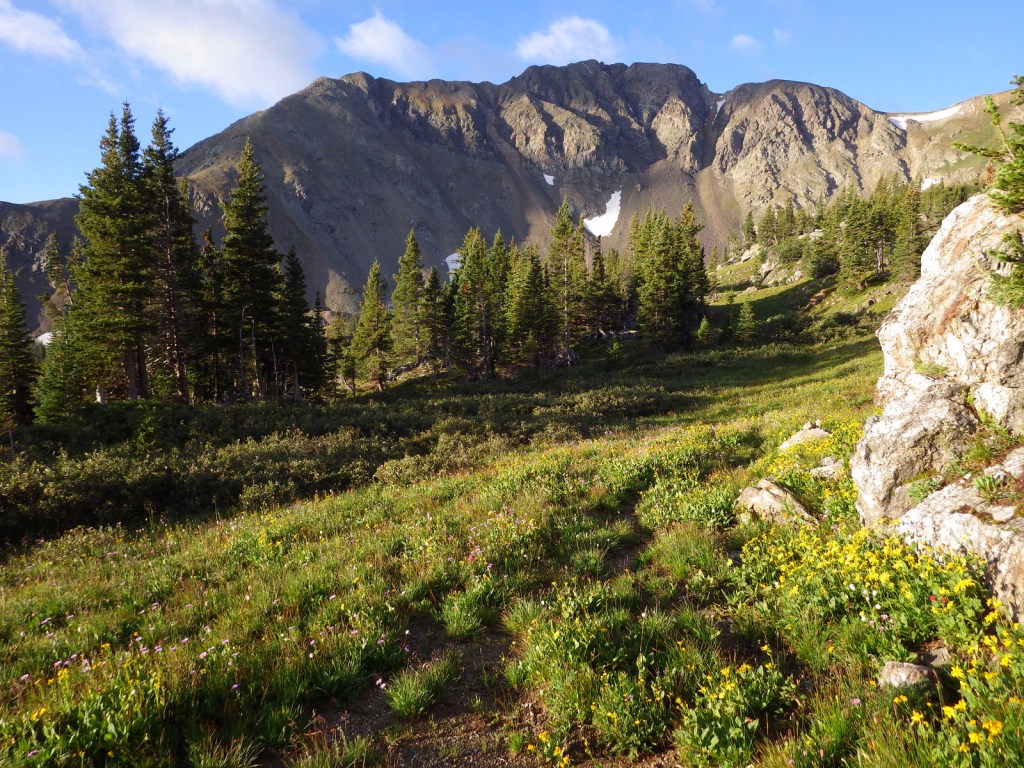
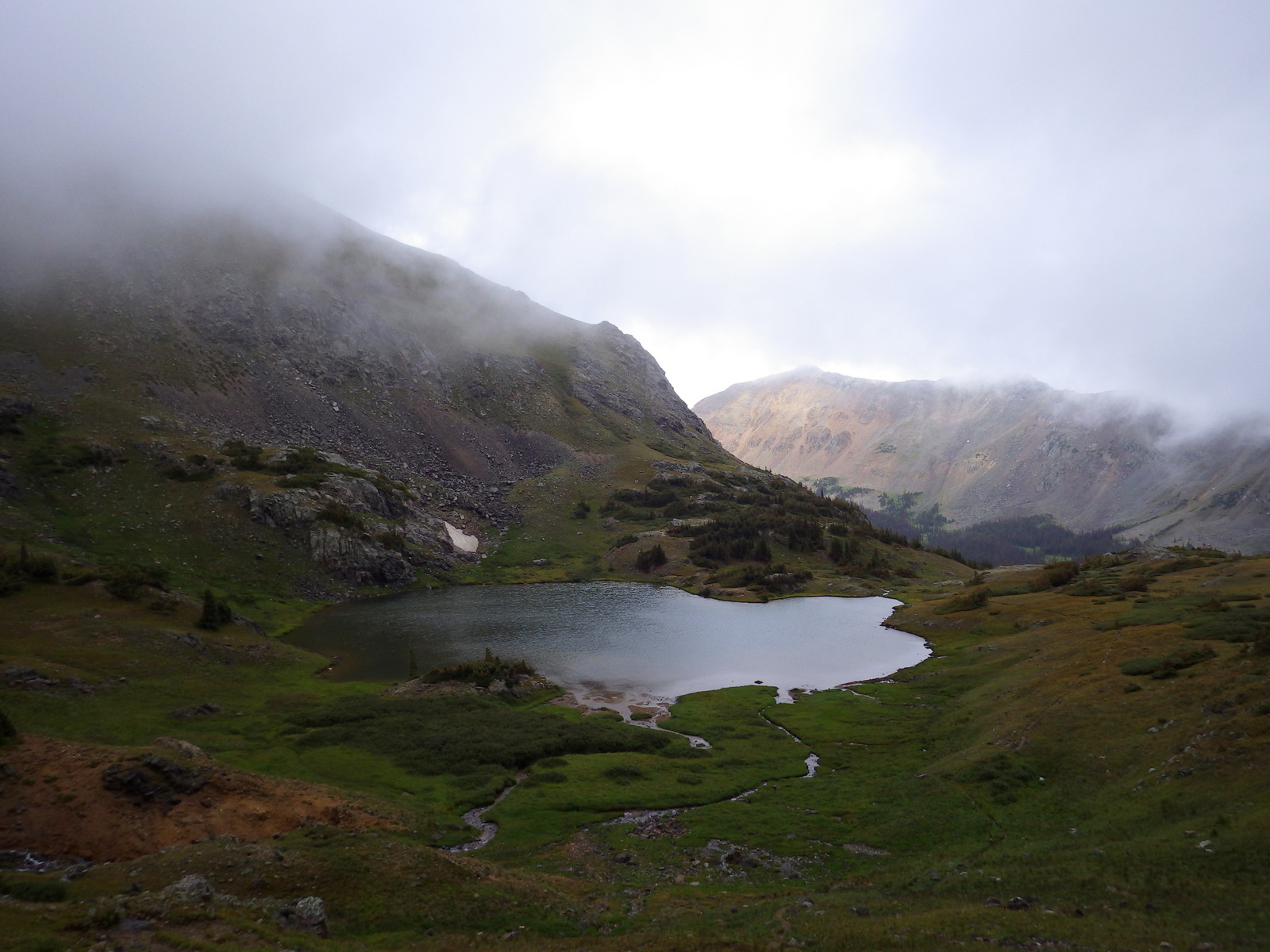
Arapaho National Forest is managed jointly with Roosevelt National Forest and Pawnee National Grassland in northern Colorado.  Easily accessible from Interstate 70 west of Denver, the National Forest is best known for its many ski resorts.  Mt. Blue Sky (formerly Evans) Highway and Guanella Pass Scenic Byway provide access to the high country in the summer when a rainbow of wildflowers bloom, both above and below treeline.

Highlights

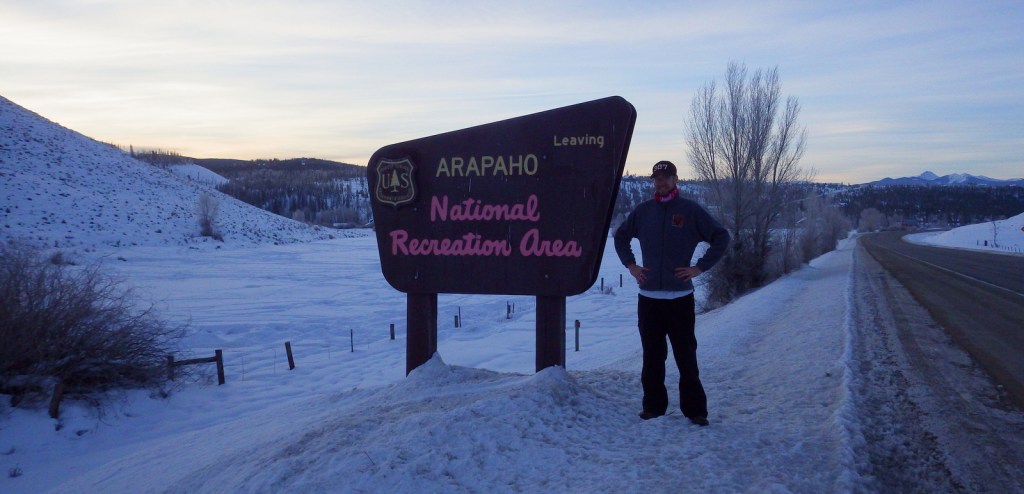
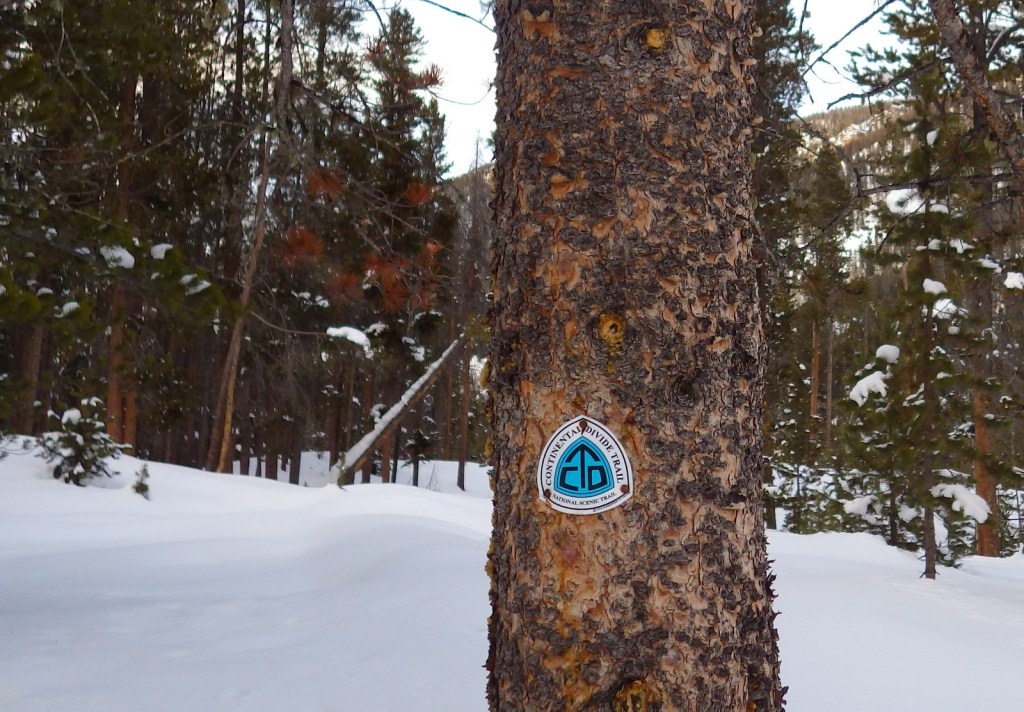
Arapaho National Recreation Area, Mt. Blue Sky (formerly Evans), St. Mary’s Glacier, Guanella Pass Scenic Byway, Devil’s Thumb Lake, Berthoud Falls, Ute Peak, Boardwalk Trail, Continental Divide National Scenic Trail

Must-Do Activity

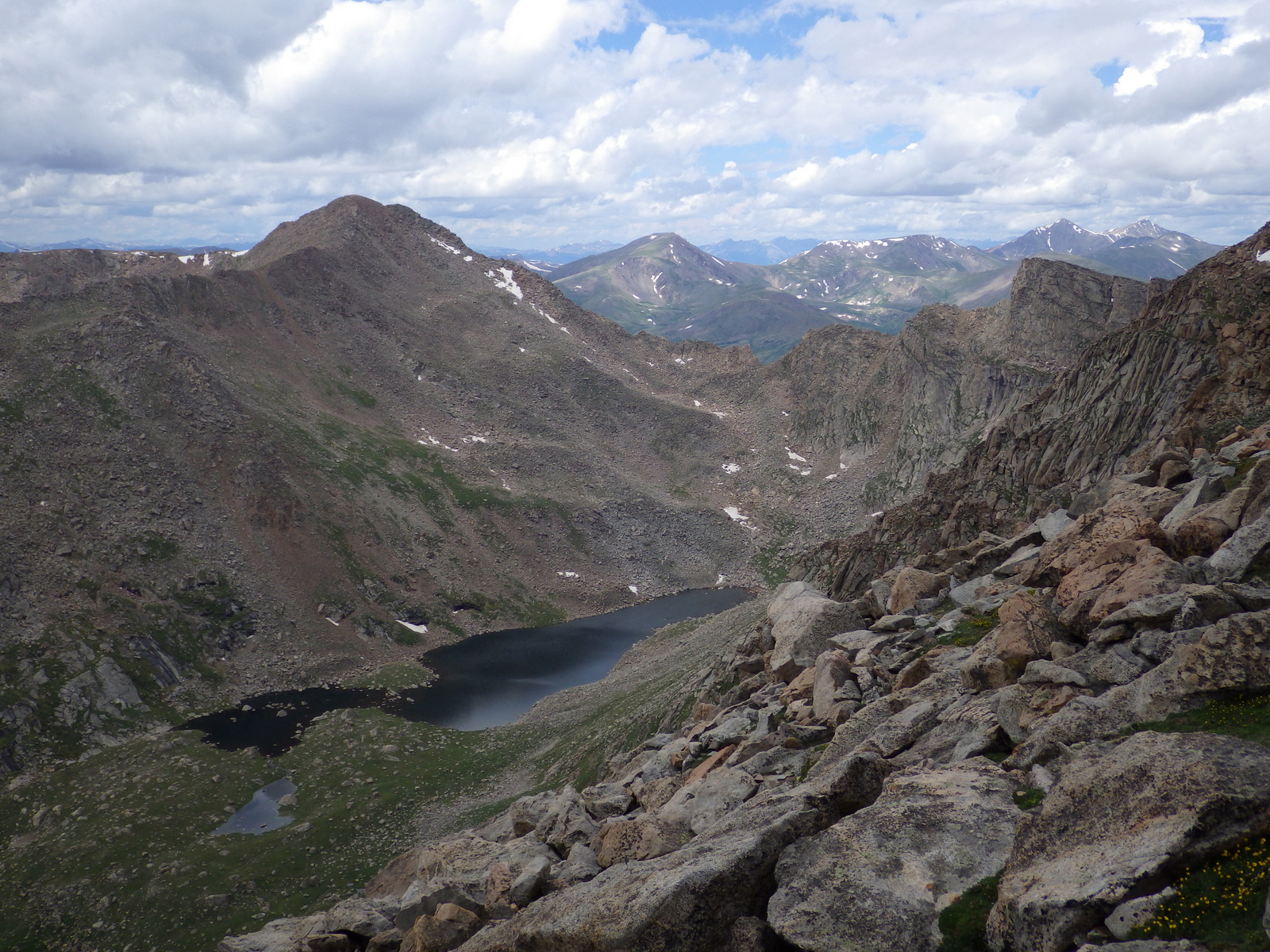
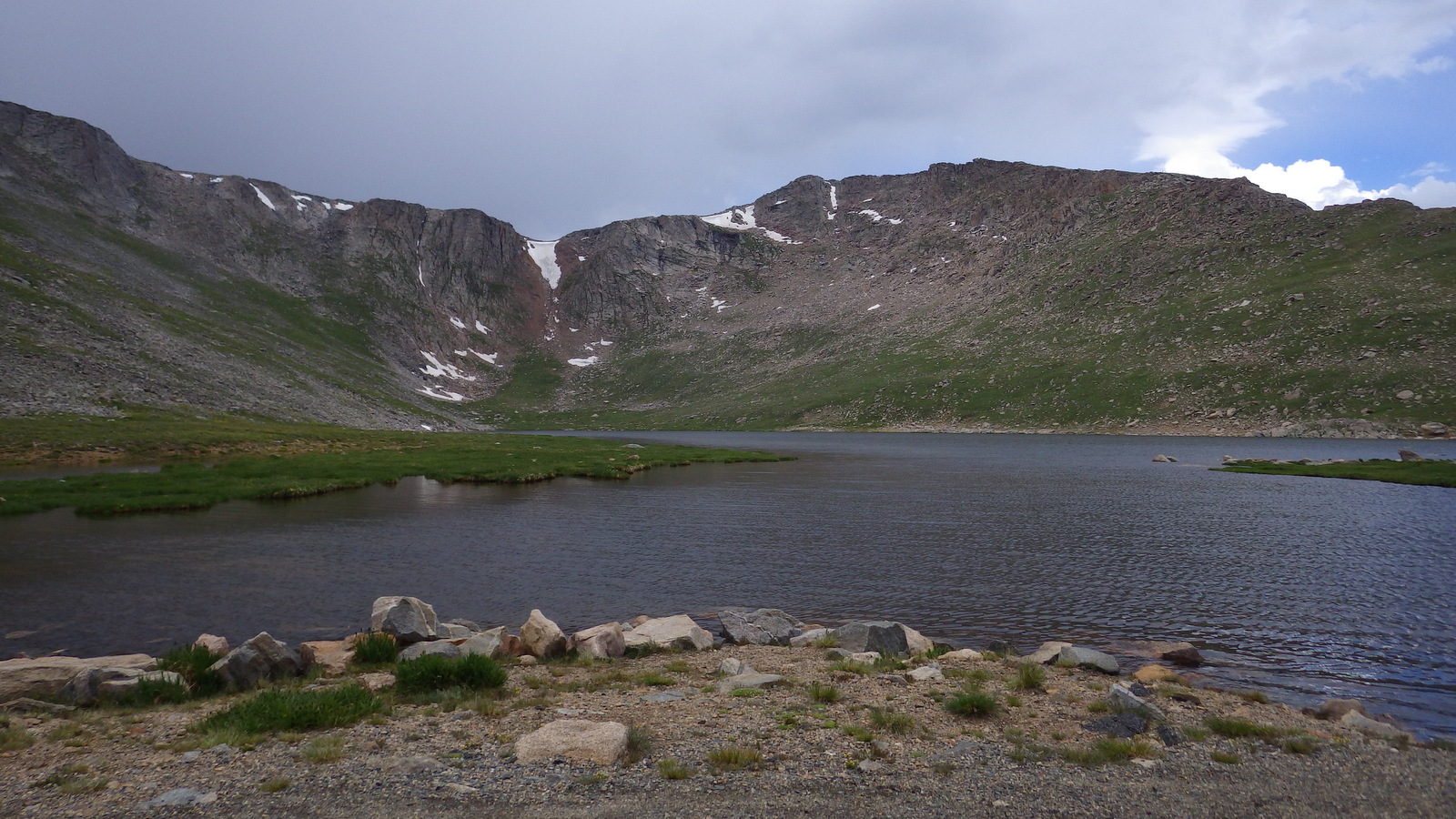
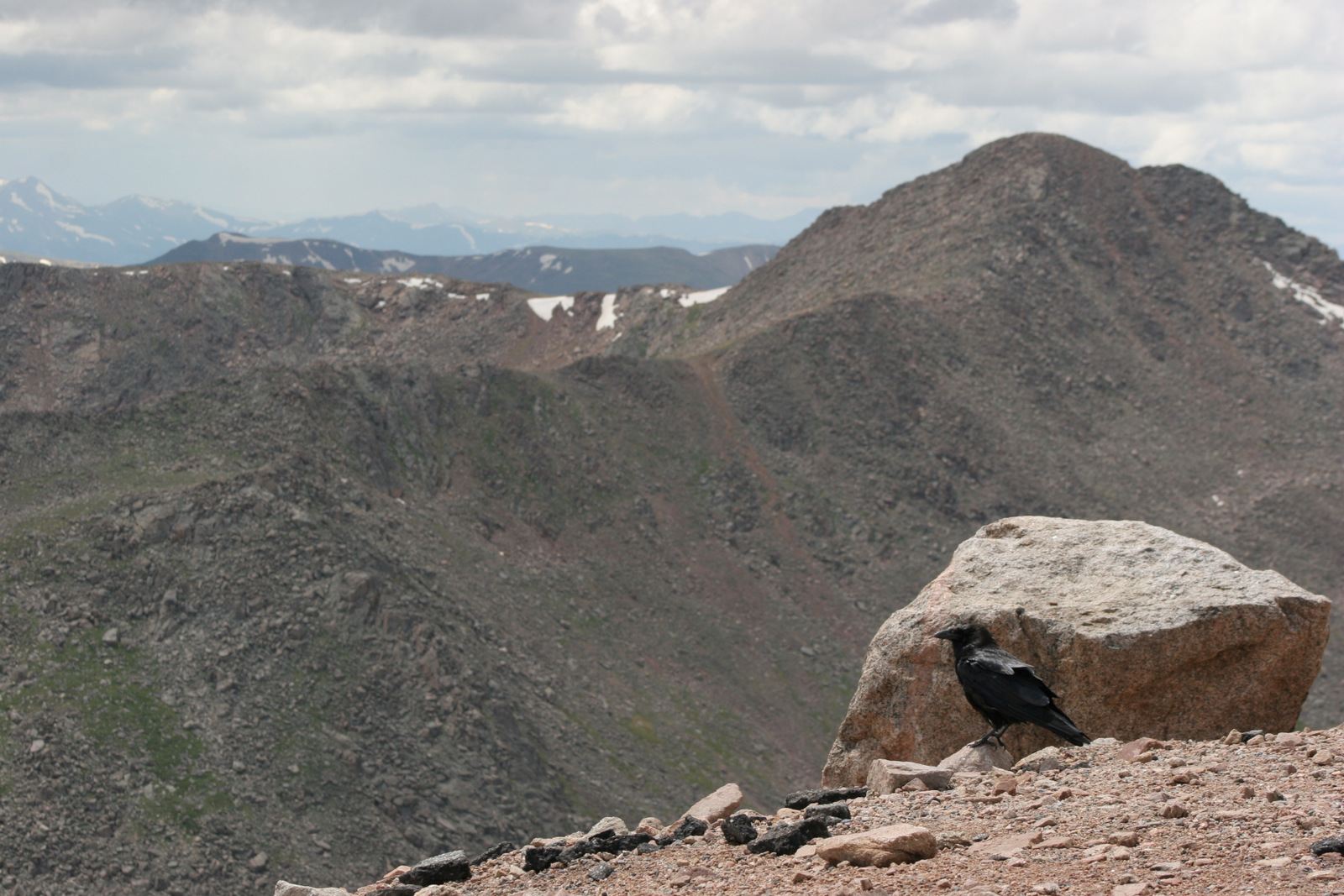
Located just west of Denver, the Mt. Blue Sky (formerly Evans) Highway (the highest fully-paved road in North America) provides access to the rarely-seen world above 14,000 feet in elevation.  Online reservations are now required before you show up, so be sure to click to include a stop at Mt. Goliath Research Natural Area, which provides an interpretive hike through a forest of long-lived Rocky Mountain bristlecone pine trees.  Keep your eyes sharp for bighorn sheep and mountain goats along the road once you hit the switchbacks around Summit Lake.  While the Crest House is no longer in business near the summit, you can still park there and walk the remaining one-hundred feet to the top of the 14,264-foot peak for unsurpassed views.

Best Trail

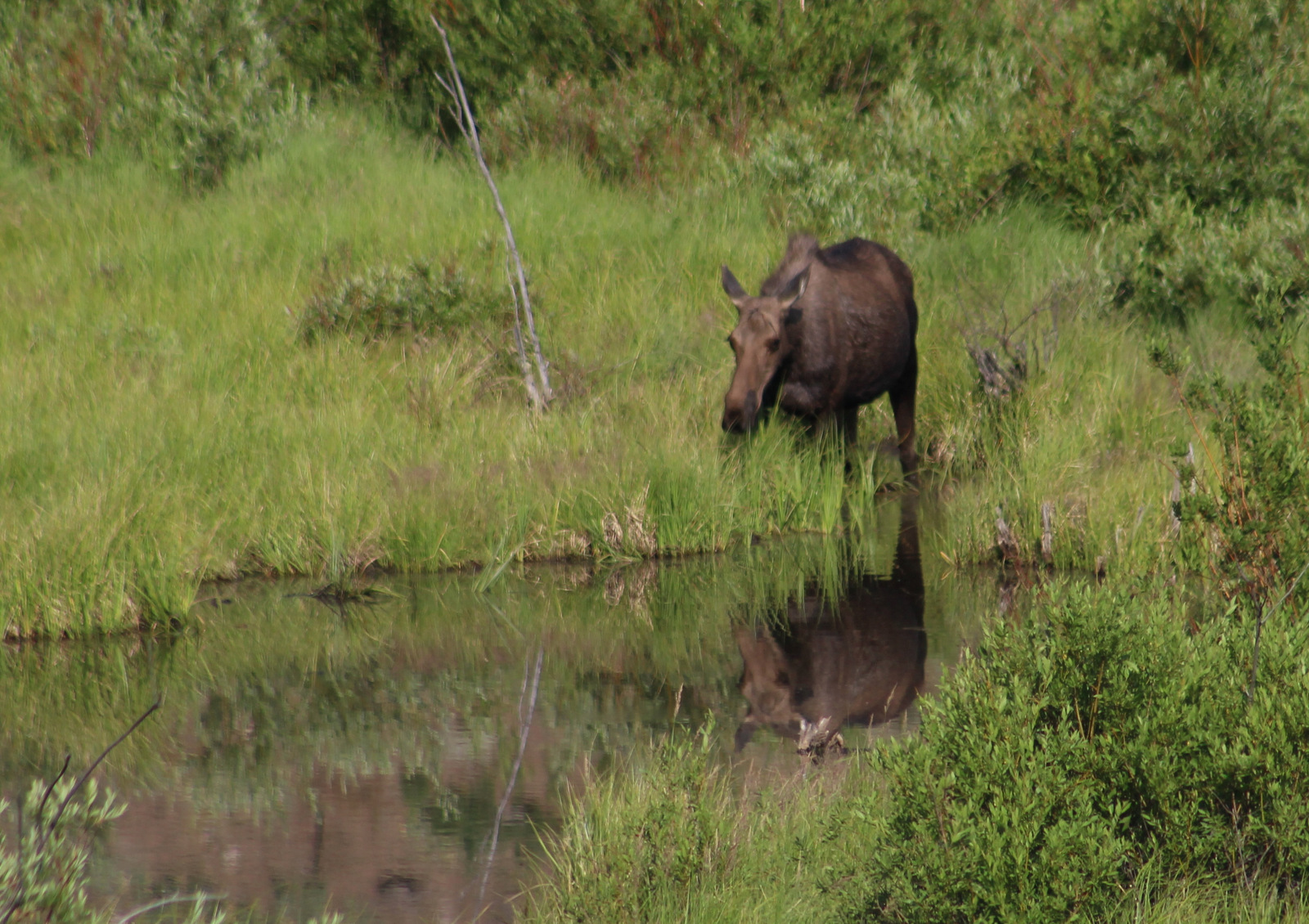
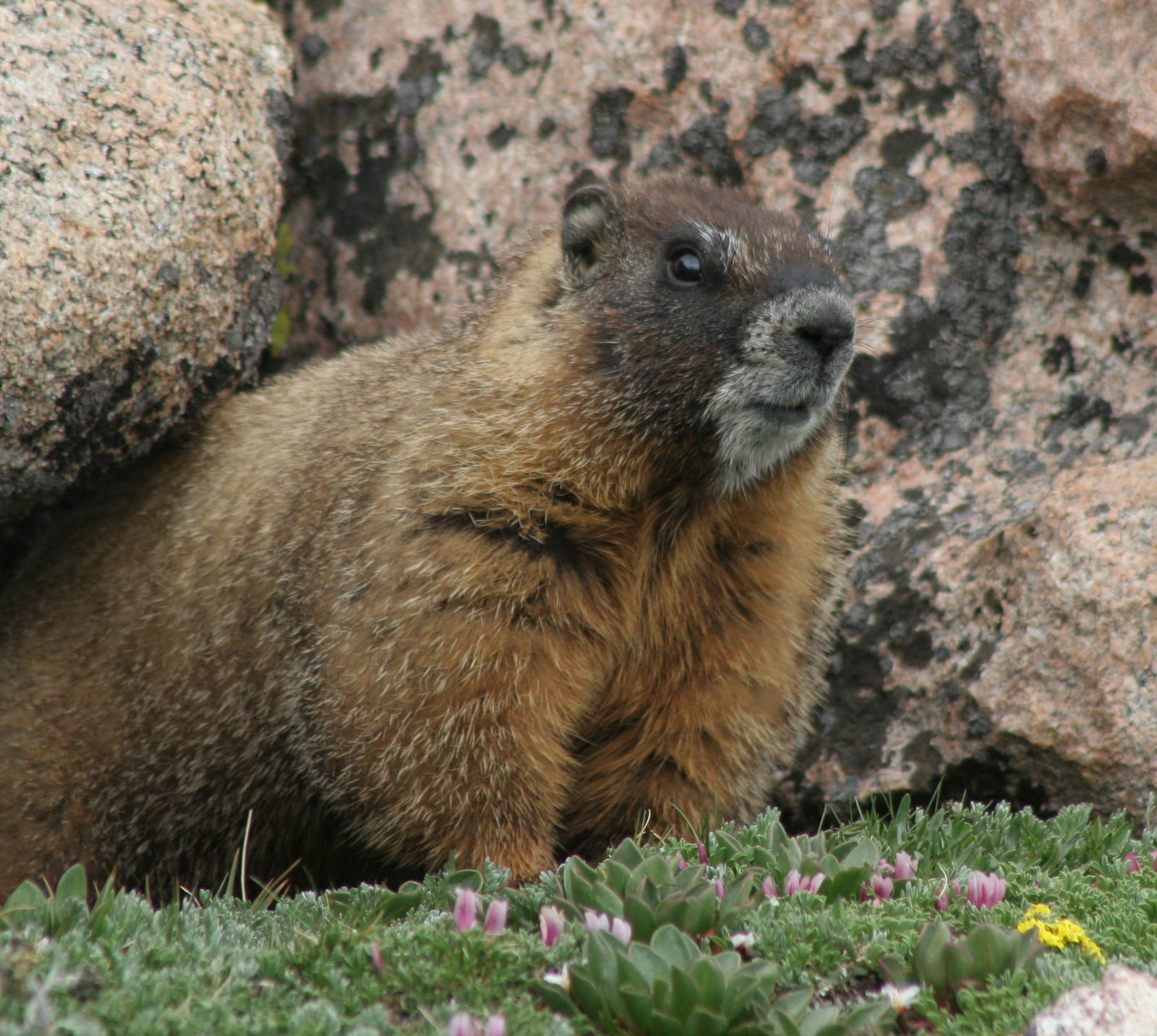
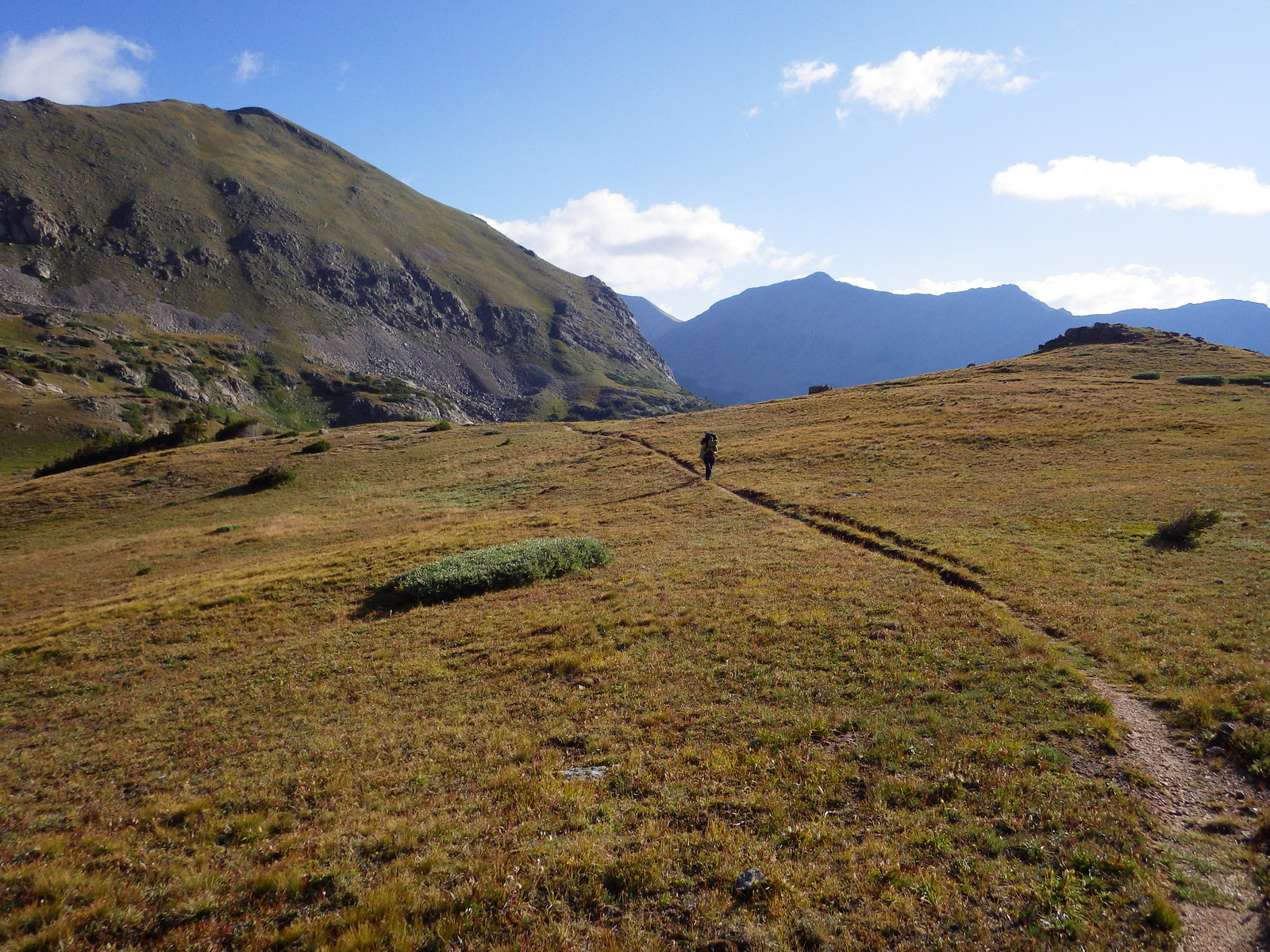
The easiest way to access the aptly-named Never Summer Wilderness is from the Kawuneeche Valley in Rocky Mountain National Park.  You can backpack the 18-mile loop of Baker Gulch to Bowen Gulch in either direction, but keep an eye out for moose as we saw six along the way!  High elevation dwellers like yellow-bellied marmots and pikas were also abundant along the trail, which enters Routt National Forest on the west side of Fairview Mountain.

Watchable Wildlife

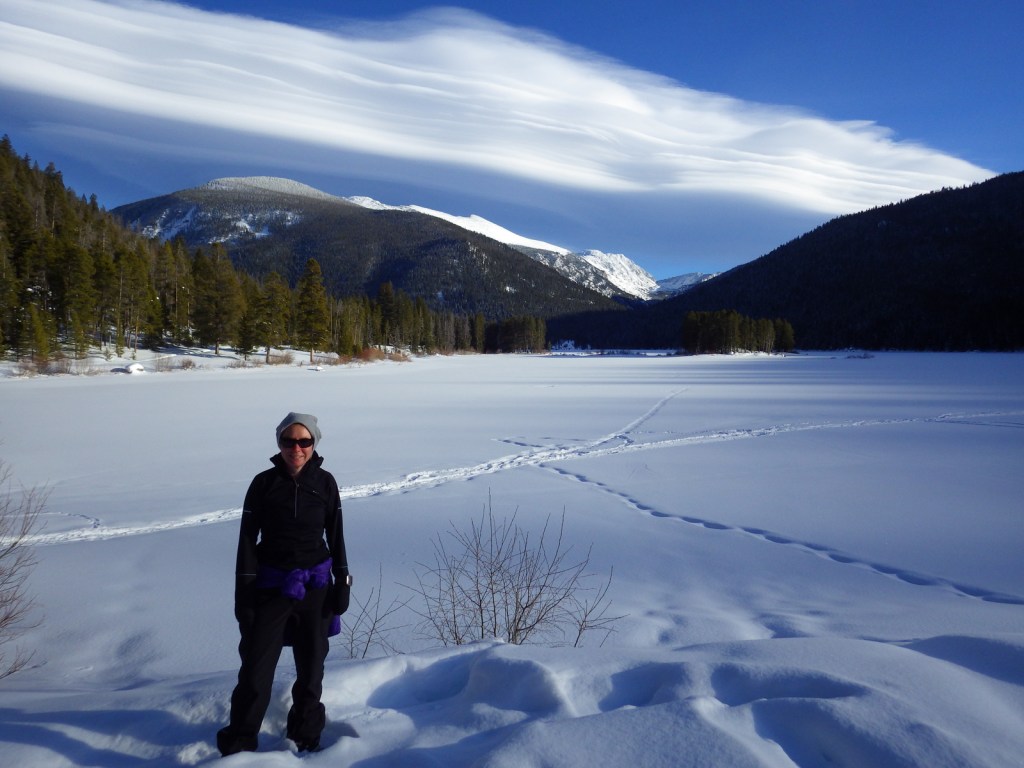
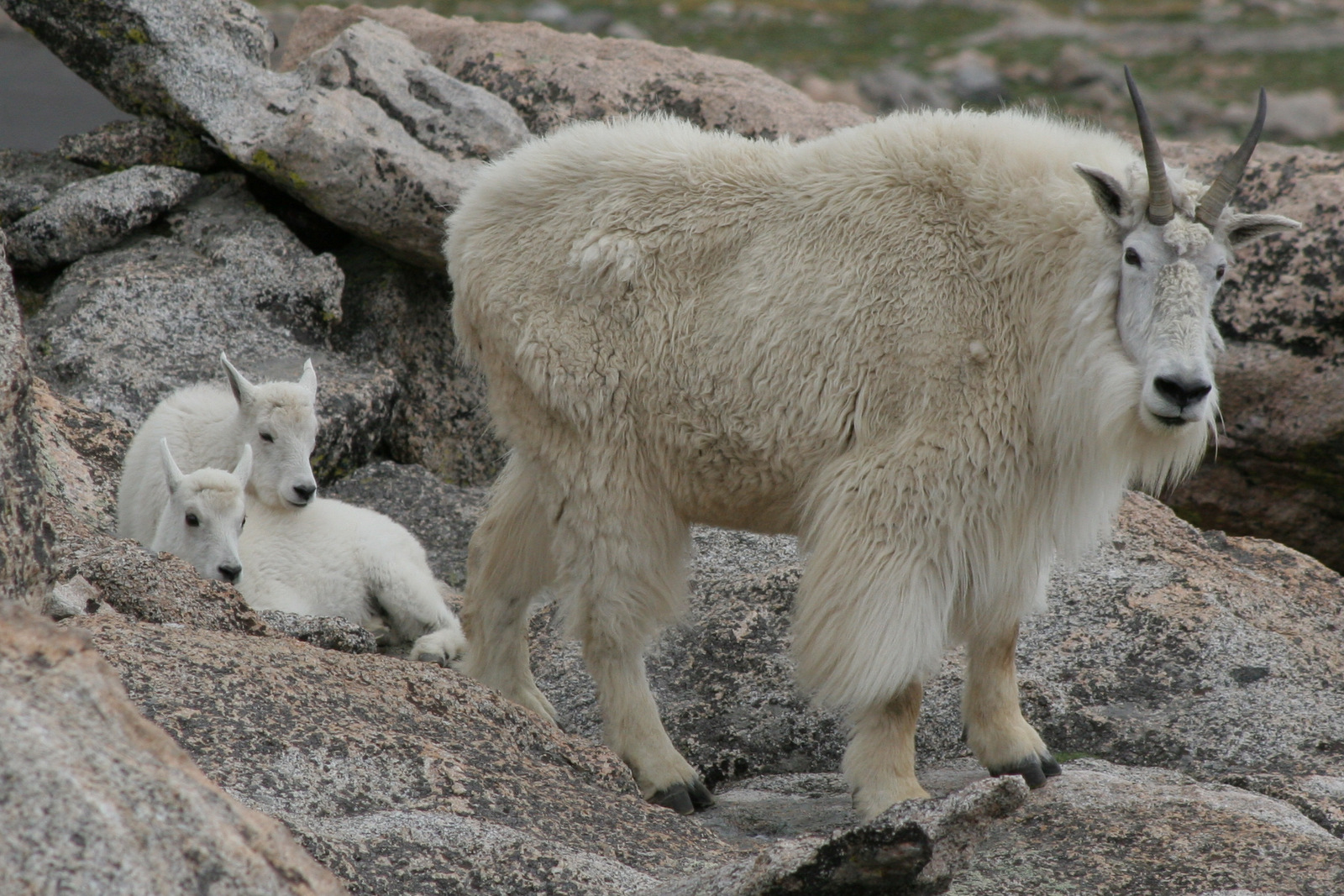
Moose and elk can be found throughout the National Forest, but are often easiest to locate around the west entrance to Rocky Mountain National Park.  Bighorn sheep and mountain goats are known to approach cars on the paved road to the top of Mt. Blue Sky (formerly Evans).  During our January visit to Arapaho National Recreation Area we spotted a river otter and ouzel (or dipper, a swimming songbird) in one of the few sections of unfrozen creek.

Instagram-worthy Photo

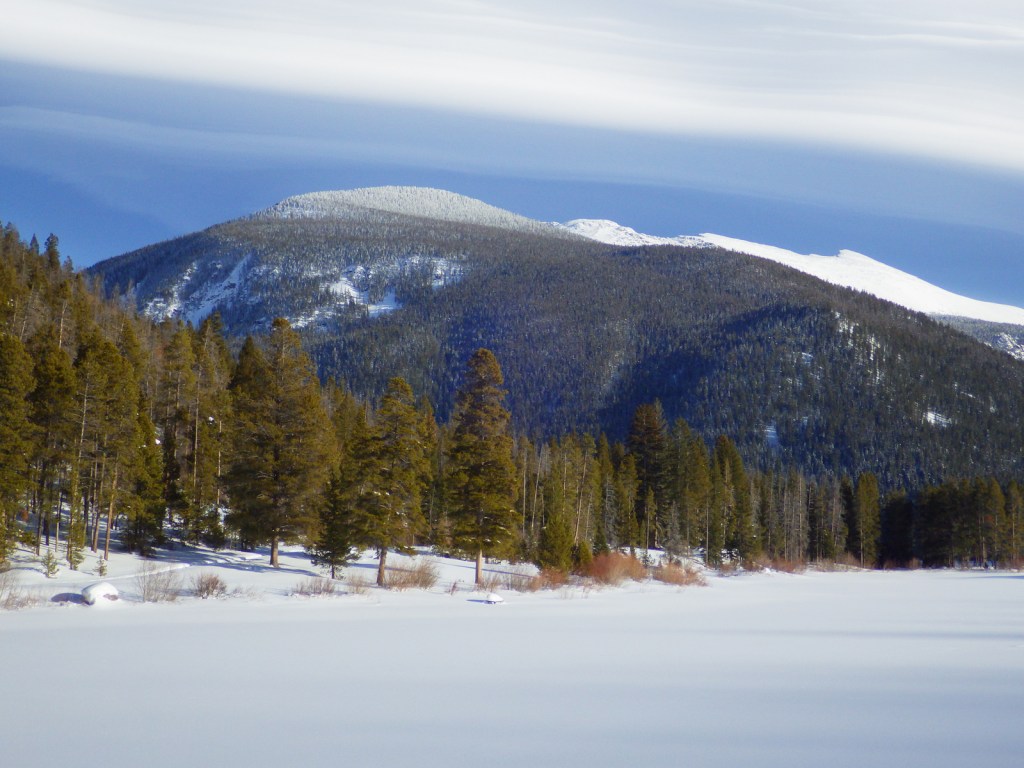
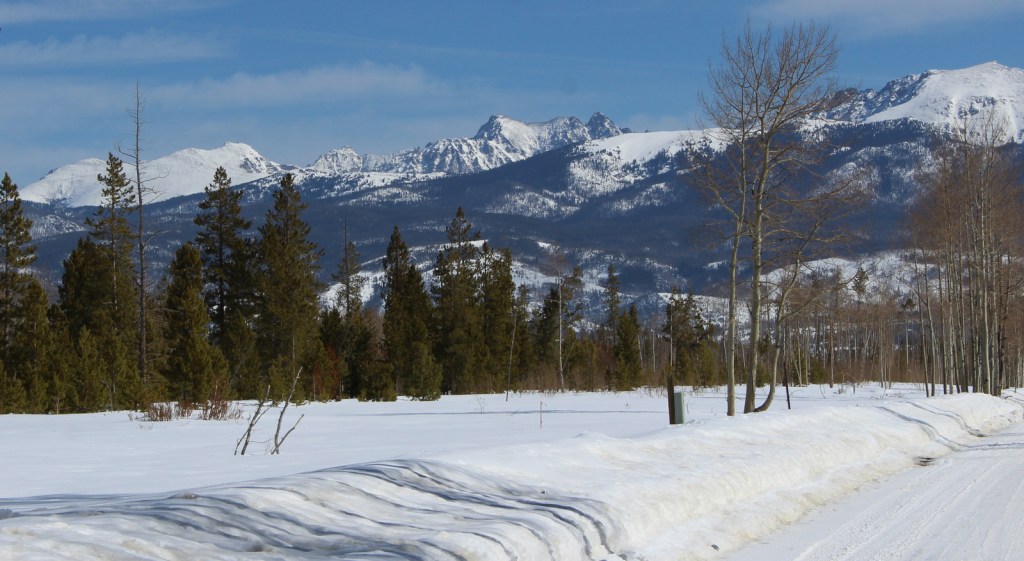
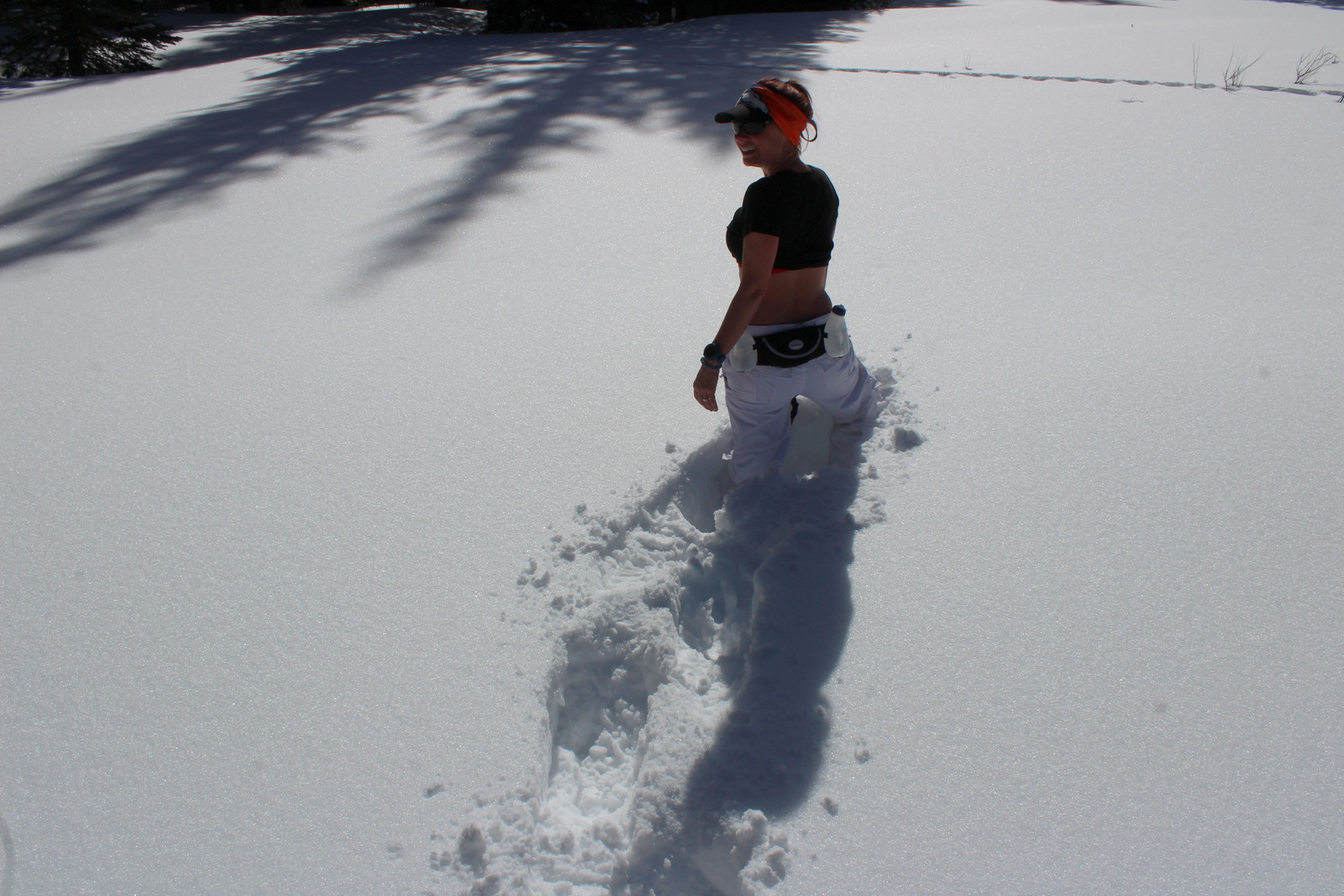
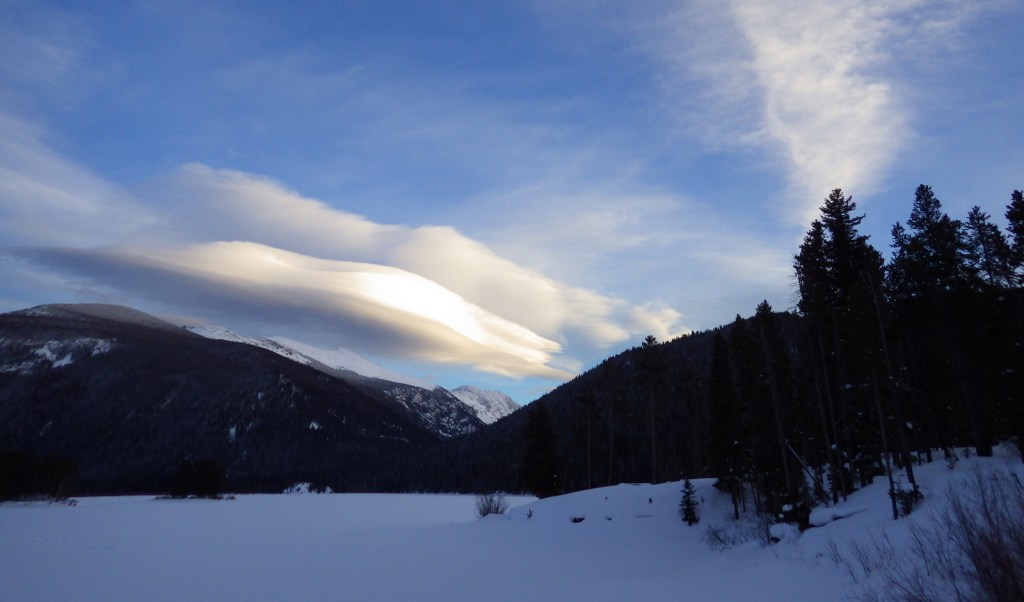
North of the ski resort town of Winter Park is Fraser Experimental Forest, managed by the U.S. Forest Service’s Rocky Mountain Research Station.  In winter, roads within Fraser Experimental Forest are closed and turn into routes for cross-country skiers and snowshoers with no entry fee charged.

Peak Season

Summer

Fees

A $15 fee is charged per vehicle (online reservation required before arrival, $2 fee even if you use your America the Beautiful pass) to drive the one-way Mt. Blue Sky (formerly Evans) Highway during its short open season.  Also during the summer, day-use fees apply at Fraser Experimental Forest and Arapaho National Recreation Area.

Road Conditions

The road to the top of Mt. Blue Sky (formerly Evans) is paved the whole way, but there are plenty of rough dirt roads to explore throughout Arapaho National Forest.  The road back to Monarch Lake is closed seasonally in Arapaho National Recreation Area.

Camping

Campgrounds fill up in the summer and even the dirt roads around the west entrance to Rocky Mountain National Park can be jam-packed with dispersed campers.  There are some scenic campgrounds around Fraser Experimental Forest near Winter Park, Colorado.

Wilderness Areas

Byers Peak Wilderness

Eagles Nest Wilderness (also in White River National Forest)

Indian Peaks Wilderness (also in Roosevelt National Forest)

Mt. Blue Sky (formerly Evans) Wilderness (also in Pike National Forest)

Never Summer Wilderness (also in Routt National Forest)

Ptarmigan Pass Wilderness

Vasquez Peak Wilderness

Related Sites

Arapaho National Recreation Area (Colorado)

Florissant Fossil Beds National Monument (Colorado)

Sand Creek Massacre National Historic Site (Colorado)

Nearest National Park

Rocky Mountain (Colorado)

Conifer Tree Species

Engelmann spruce, Colorado blue spruce, subalpine fir, Douglas-fir, Rocky Mountain bristlecone pine, ponderosa pine, lodgepole pine

Flowering Tree Species

quaking aspen, Rocky Mountain maple, narrowleaf cottonwood, mountain ash, dwarf willow, Scouler willow, mountain willow, alpine fen willow, purple-twig willow, sandbar willow, Geyer’s willow, Wolf’s willow

Explore More – When did research begin in Fraser Experimental Forest on the response of conifer species to different harvesting techniques, insect outbreaks, and climate conditions?
We are a participant in the Amazon Services LLC Associates Program, an affiliate advertising program designed to provide a means for us to earn fees by linking to Amazon.com and affiliated sites.

Cuyahoga Valley National Park

Overview

If you did not know there was a National Park in Ohio it is understandable since Cuyahoga Valley National Park was not officially designated until 2000.  It is centered around the historic Ohio and Erie Canal, which opened in 1827 to connect Akron to the port of Cleveland on Lake Erie.  Cuyahoga is an American Indian word meaning “crooked” and you will see why if you walk or bike down the 19-mile Towpath Trail where mules once pulled line boats through a series of locks (be sure to stop at Canal Visitor Center at Lock 38).  If you plan it right, you can take your bike on board the Cuyahoga Valley Scenic Railroad for a cheap one-way ride.

Learn more in our guidebook to the National Parks, A Park to Yourself: Finding Adventure in America’s National Parks (available on Amazon).

Highlights

Brandywine Falls, Lock 38, Hunt Farm, Everett Road Covered Bridge, Gorge Parkway

Must-Do Activity

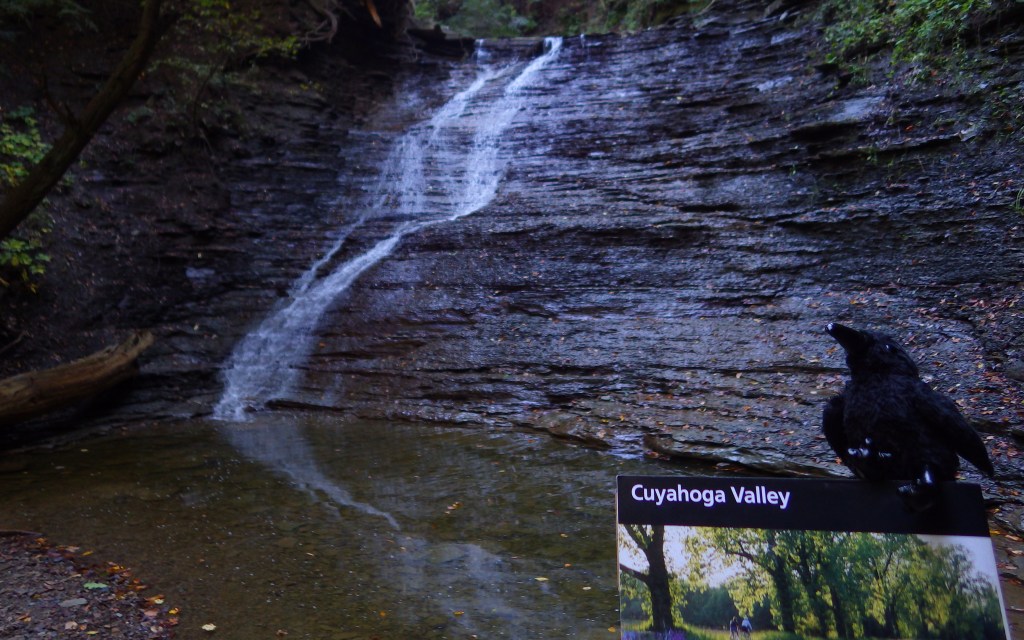
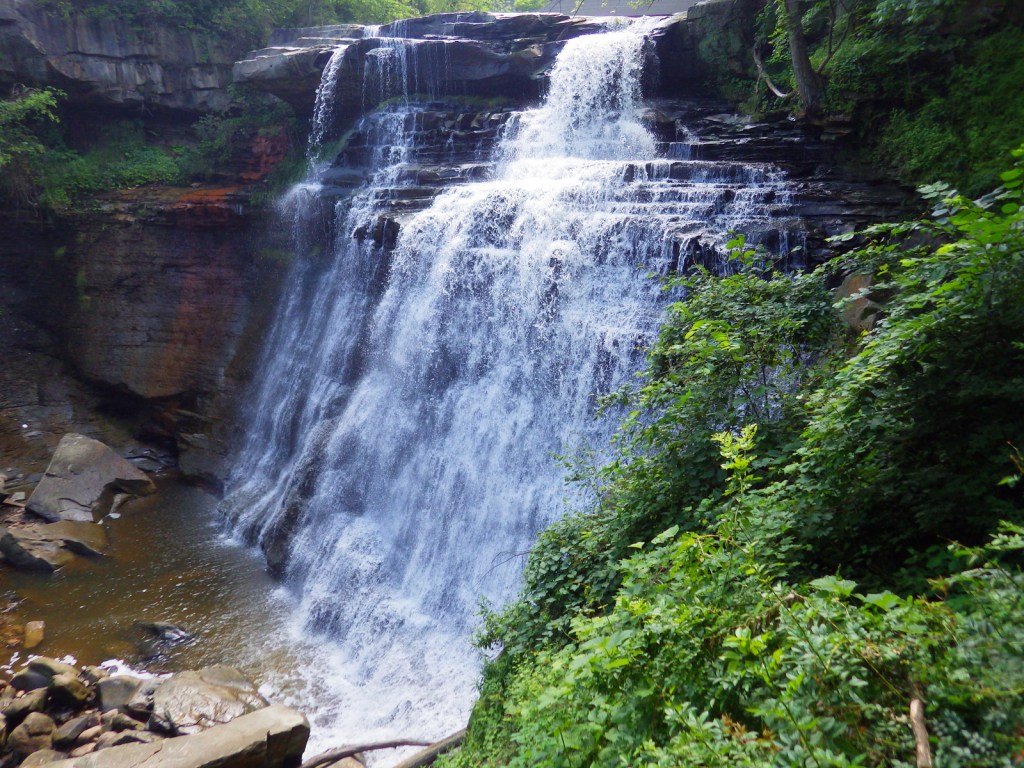
In the park’s southern end near Akron-Canton, you will find a great blue heron rookery and beaver marsh along the crooked Cuyahoga River.  In the central section, you must stop to see the cascades of Brandywine Falls (see it depicted below in our original logo).  Closer to Cleveland, discover the Bedford Reservation along Gorge Parkway, including beautiful Bridal Veil Falls.  For a little culture in the outdoors, look up the summer schedule for Blossom Music Center or Porthouse Theatre.  Fall is an especially popular time to visit when the leaves change, but with over 100 miles of trails within the park, there is plenty to explore in every season.

Best Trail

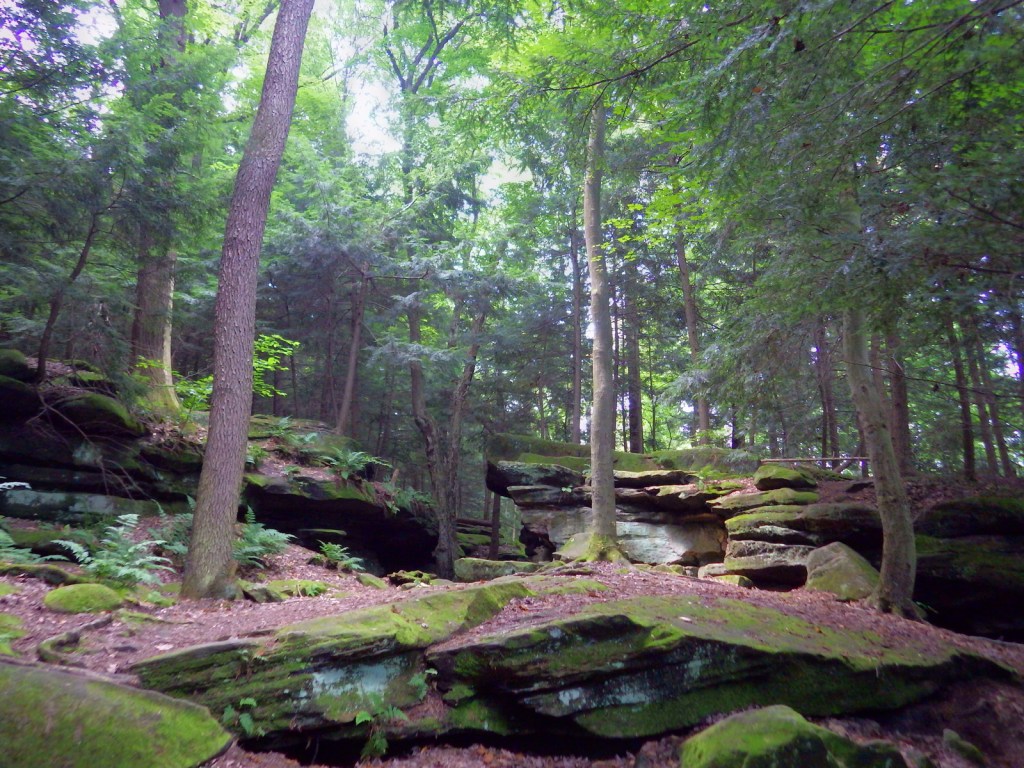
We highly recommend a hike on the two-mile Ledges Loop Trail where mossy sandstone cliffs are cloaked by a dense forest of hemlock and hardwood trees.  Once a popular destination on the trail, Ice Box Cave is closed to protect the resident bat population, but similar spots nearby still offer a chance for exploration.

Instagram-worthy Photo

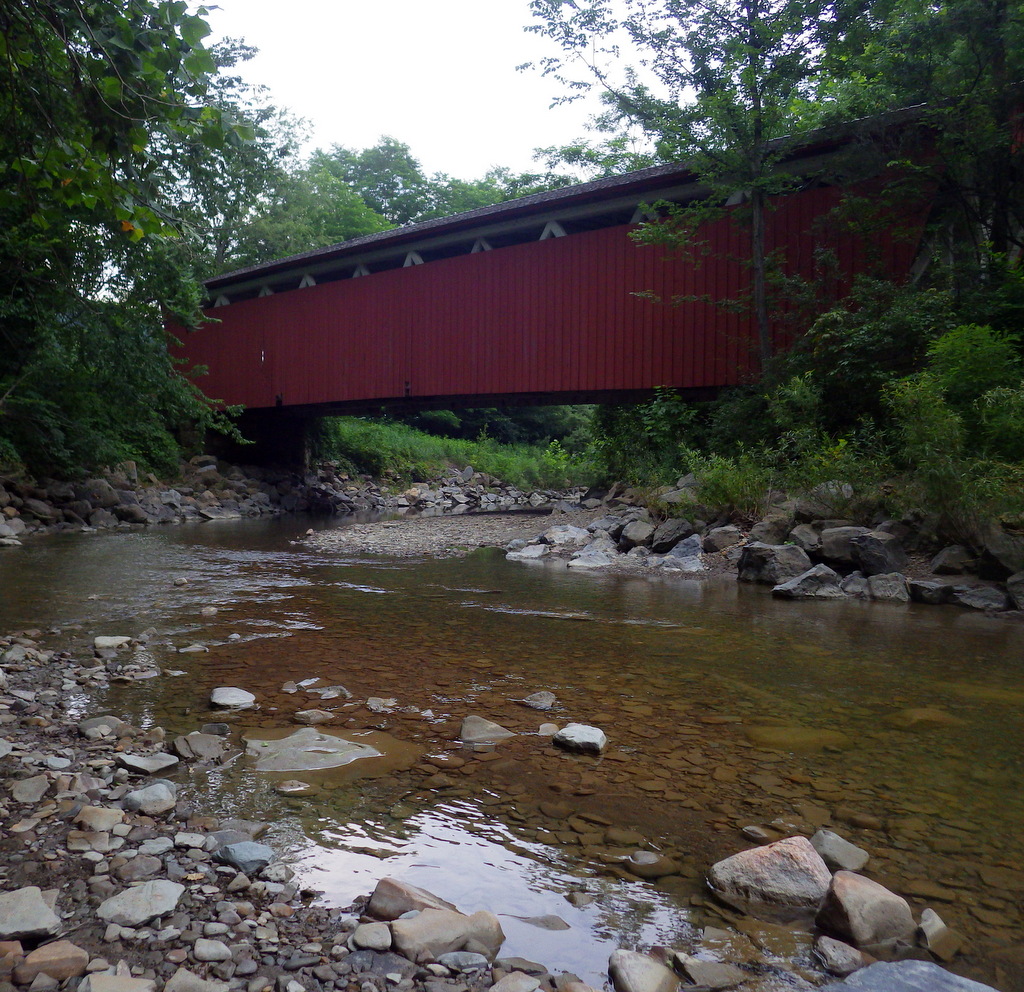
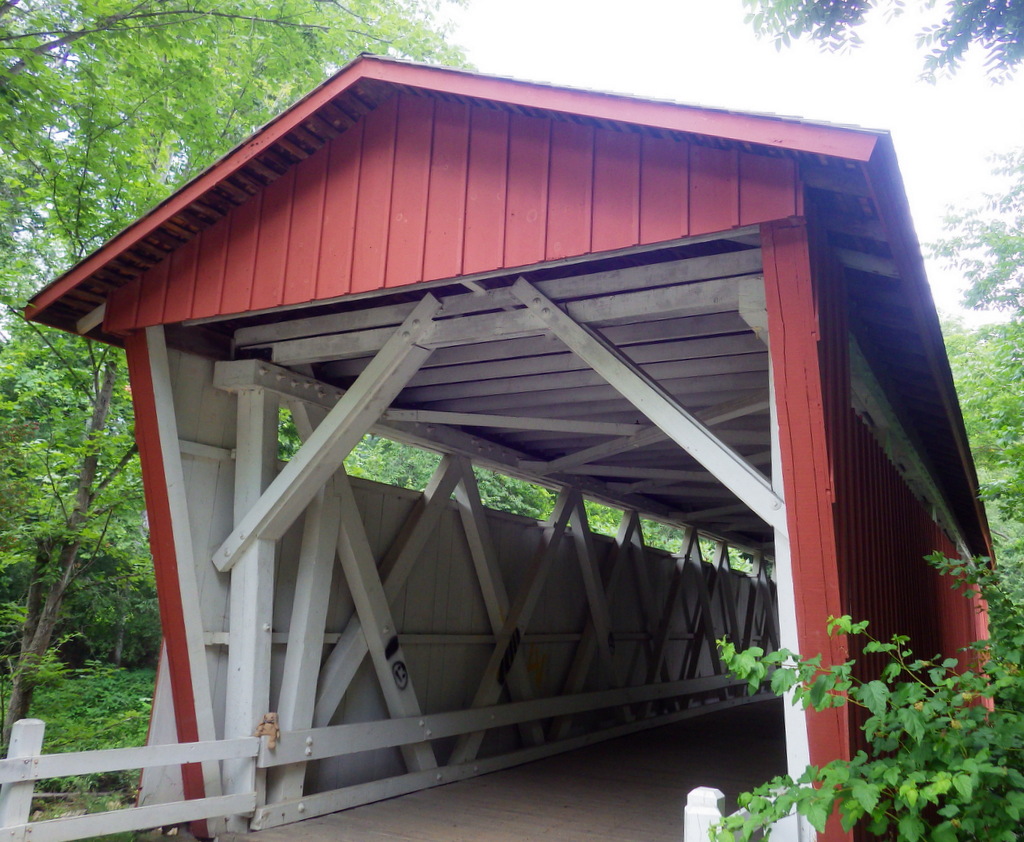
In the southern end of the park, Everett Road Covered Bridge has been rebuilt to demonstrate this once common construction method.

Peak Season

Fall

Hours

https://www.nps.gov/cuva/planyourvisit/hours.htm

Fees

None

Road Conditions

All roads paved

Camping

There is no official campground in the park, but there are a variety of other lodging options including the historic Inn at Brandywine Falls.

Related Sites

Allegheny Portage Railroad National Historic Site (Pennsylvania)

James A. Garfield National Historic Site (Ohio)

First Ladies National Historic Site (Ohio)

This design we created to celebrate Cuyahoga Valley National Park is available on a variety of products at Cafe Press and Amazon.

Explore More – Who manages the Hale Farm and Village where costumed re-enactors bring history to life?

We are a participant in the Amazon Services LLC Associates Program, an affiliate advertising program designed to provide a means for us to earn fees by linking to Amazon.com and affiliated sites.

Ross Lake National Recreation Area

Overview

Bisecting the two sections of North Cascades National Park in northern Washington is Ross Lake National Recreation Area.  The incredibly scenic Highway 20 (closed seasonally) cuts through the mountains here, less than two hours from Seattle.  The rainshadow effect is readily apparent to anyone who crosses these mountains from the lush west to the arid eastern portion of the state.  Access to the only boat ramp on Ross Lake actually requires a drive through Canada, but you can also pick up a water taxi near Diablo Dam.

Highlights

Diablo Lake Overlook, Gorge Creek Falls, Ross Lake Resort, Sourdough Mountain Trail

Must-Do Activity

If coming from Seattle, start your visit at the North Cascades National Park Visitor Center on the scenic North Cascades Highway (20).  Ross Lake National Recreation Area contains three hydroelectric reservoirs, which have an interesting turquoise color due to glacial silt, especially evident at Diablo Lake Overlook.  Nearby, Colonial Creek Campground offers a peaceful forest in which to spend the night and a good jumping off place for a day hike on Thunder Creek or Fourth of July Trails through old-growth forests with colossal mushroom conchs and giant banana slugs.

Best Trail

Summiting Desolation Peak is often found on the bucket lists of the writer Jack Kerouac’s biggest fans, as he did some of his best writing while stationed as a fire lookout here in 1956.  The observation tower is not far from the Canadian border and the trek is a daunting task, typically utilizing a water taxi to cross Ross Lake.

Instagram-worthy Photo

Do not drive past Diablo Lake Overlook, an awe inspiring and usually gusty stop along Highway 20.  The craggy heights of the geologically young mountains surrounding this spectacular reservoir are magnificent to behold, yet forbidding to enter.

Peak Season

Late summer

Hours

https://www.nps.gov/noca/planyourvisit/hours.htm

Fees

None

Road Conditions

The North Cascades Highway (20) is typically closed east of Ross Dam from mid-November through mid-April (or later).  The unpaved road to Thornton Lakes Trailhead is not suitable for trailers.

Camping

Colonial Creek Campground (164 sites) is only one option, additionally there are Newhalem Creek (119 sites), Goodell Creek (22 sites), and Hozomeen (122 sites accessed via a 40-mile gravel road from Hope, British Columbia).  For the full backcountry experience, pick up a free backpacking permit at the Wilderness Information Center in Marblemount, Washington.

Related Sites

Lake Chelan National Recreation Area (Washington)

Lake Roosevelt National Recreation Area (Washington)

Klondike Gold Rush National Historical Park (Alaska-Washington)

Explore More – Only two miles across at its widest point, how long is Ross Lake?

Mississippi National River and Recreation Area

Overview

The 2,320-mile long Mississippi River is legendary in our nation and well-known worldwide.  Mississippi National River and Recreation Area (NRRA) covers 72 miles of the famous river’s course through Minnesota, from busy metropolitan sections in the Twin Cities to secluded stretches of water.  Along this section it changes from its shallow headwaters to a powerful force at its confluence with the St. Croix River.  Established in 1988, the National Park Service (NPS) owns only 35 acres of the 54,000 acres protected within the NRRA.

Highlights

St. Anthony Falls, Minnehaha Falls, Coldwater Spring, Indian Mounds Park, Mississippi Gorge Regional Park

Must-Do Activity

Near downtown Minneapolis is St. Anthony Falls, the only true waterfall on the Mississippi River’s entire length.  The falls powered gristmills and sawmills on both banks that drove the settlement of Minneapolis-St. Paul.  Opportunities for walking, biking, boating, fishing, cross-country skiing, and wildlife watching (especially at Minnesota Valley National Wildlife Refuge) abound along the river depending upon the season.

Best Trail

In winter, urban trails along the Mississippi River are very pretty under a layer of white snow, and it can be very quiet and peaceful.

Instagram-worthy Photo

We enjoyed Minnehaha Regional Park where we found the 53-foot tall waterfall celebrated in Henry Wadsworth Longfellow’s Song of Hiawatha.

Peak Season

Summer

Hours

https://www.nps.gov/miss/planyourvisit/hours.htm

Fees

None

Road Conditions

All roads paved, but there is no free parking available at the NPS visitor center located inside the lobby for the Science Museum of Minnesota.

Camping

There are no campgrounds managed by the National Park Service within the NRRA, however, there are many places to camp in the area.

Related Sites

Saint Croix National Scenic Riverway (Minnesota-Wisconsin)

Missouri National Recreational River (Nebraska-South Dakota)

Pipestone National Monument (Minnesota)

Explore More – What did the city of Minneapolis do to make sure Minnehaha Falls was flowing for President Lyndon B. Johnson’s visit during the 1964 drought?

Natchez Trace National Scenic Trail

Overview

Not as well-known as the parkway it parallels, Natchez Trace National Scenic Trail is one of only three National Scenic Trails officially managed by the National Park Service (NPS).  The trace (or trail) started as an American Indian footpath.  Some of the mound builder sites protected here were inhabited when Hernando de Soto led the first Europeans into this area in 1540.  The Natchez Trace was heavily used in the 1800s by “Kaintuck” flatboatmen returning from New Orleans who left the Mississippi River from Natchez, Mississippi and continued on foot north to Nashville, Tennessee.  Today you can follow portions of the “sunken” trail worn down by travelers for centuries.

Highlights

Rocky Springs, Owens Creek Waterfall, Tupelo-Baldcypress Swamp, Grindstone Ford, Witch Dance Horse Trail, War of 1812 Memorial

Must-Do Activity

The Natchez Trace National Scenic Trail does not follow the entire 444-mile parkway, but exists in five segments totaling 67 miles in length.  The two longest sections are near Leipers Fork, Tennessee (Miles 408-427) and north of Jackson, Mississippi (Miles 108-130).  There are many other places to go hiking along the Natchez Trace Parkway, including one of our favorite spots, Tishomingo State Park (Mile 304) in Mississippi.  Near Tupelo, the Parkway Visitor Center at Mile 266 is another must-do stop to learn the history of the trace.

Best Trail

There are eight miles of the original trail around the Rocky Springs Campground near Mile 58 in Mississippi, which provides access to Owens Creek Waterfall and a historic town site.

Instagram-worthy Photo

In early April the dogwood trees bloom along the Natchez Trace.  At Mile 275 is Dogwood Valley, which also has a short section of “sunken” historic trail.

Peak Season

Spring and fall

Hours

https://www.nps.gov/natt/planyourvisit/hours.htm

Fees

None

Road Conditions

The entire 444-mile Natchez Trace Parkway is paved from Natchez, Mississippi to Nashville, Tennessee, but not all trailheads are RV accessible.

Camping

There are three NPS campgrounds along the route, as well as those in sites like Mississippi’s Tishomingo State Park.  The three NPS campgrounds are primitive and free, plus there are also five bike-only campsites along the route.

Related Sites

Tupelo National Battlefield (Mississippi)

Natchez National Historical Park (Mississippi)

Vicksburg National Military Park (Mississippi)

Explore More – The Natchez Trace Parkway officially joined the NPS system in 1938, but when was construction of the road finally completed?