Tag Archives: waterfall

Dixie National Forest

Dixie National Forest

Utah

Managed by U.S. Forest Service, Intermountain Region

1,967,165 acres (1,889,127 federal/ 78,038 other)

Website: https://www.fs.usda.gov/dixie

Overview

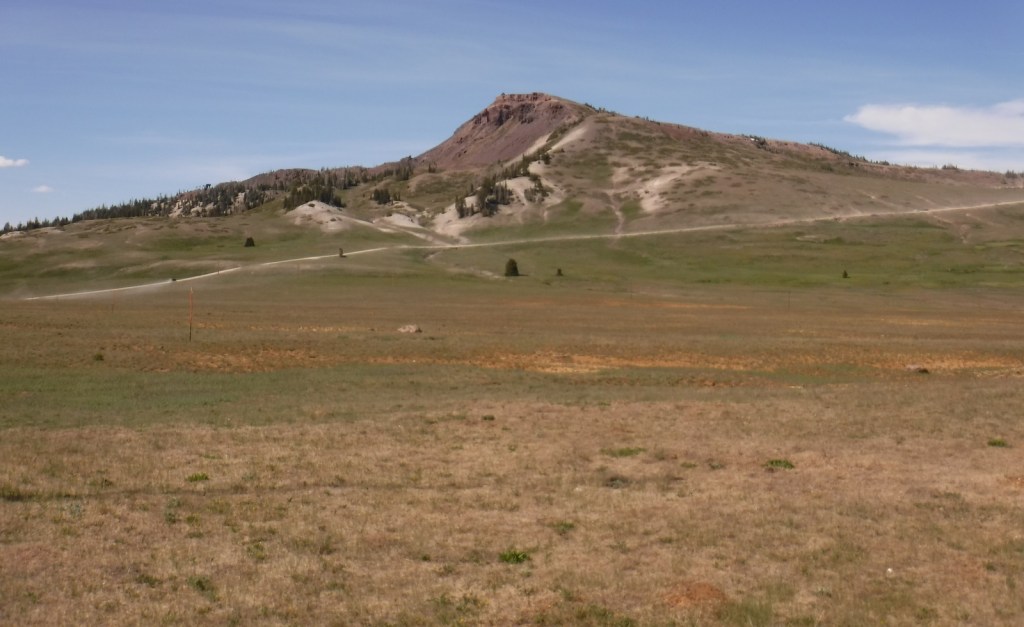
Dixie National Forest is spread across southwest Utah surrounding Cedar Breaks National Monument and near three National Parks: Bryce Canyon, Capitol Reef, and Zion.  The National Forest has a wide elevation range from 2,800 feet near St. George to 11,322 feet on Boulder Mountain.  The change in average temperature and precipitation leads to wide variety of ecosystems from a desert-like environment all the way up to subalpine conifer forests and tundra.  The warmth of southern Utah reminded some early emigrants of “Dixie,” the part of the U.S. south of the Mason-Dixon Line, but with growing public distaste for that name it may be changed in the future.

Highlights

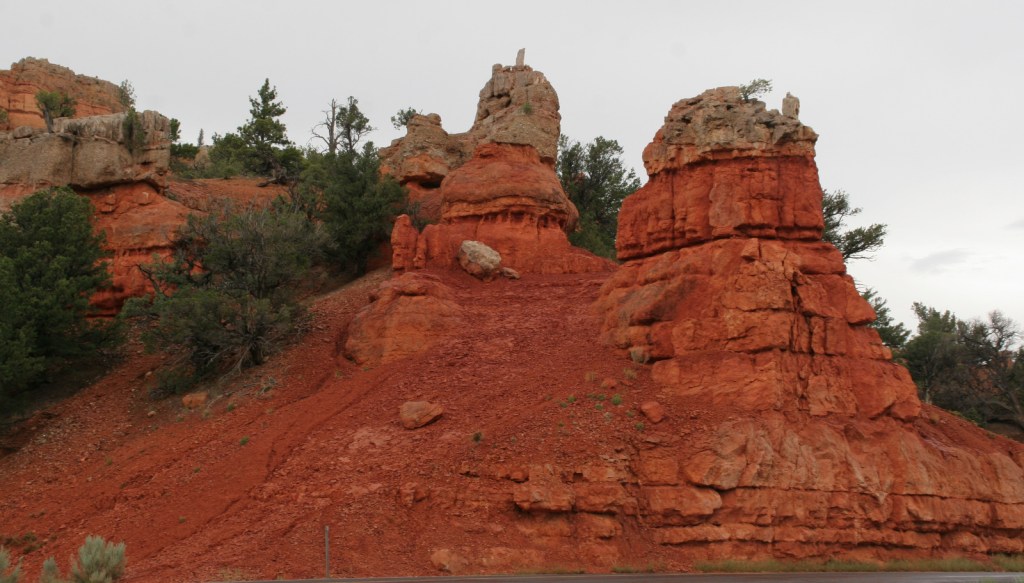
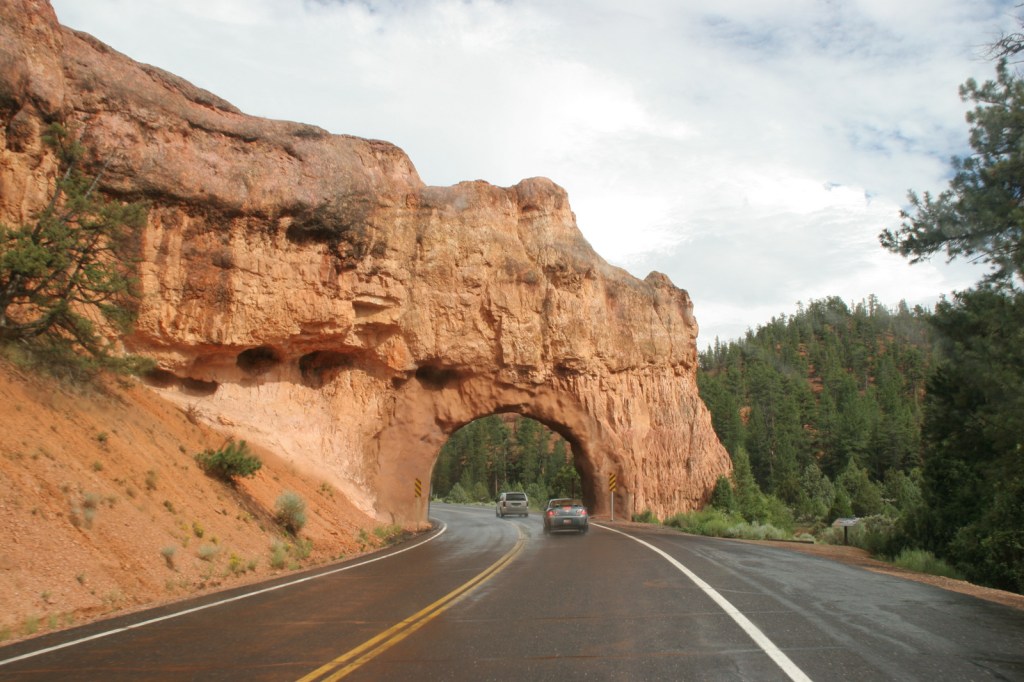
Markagunt National Scenic Byway, Brian Head, Navajo Lake, Cascade Falls, Strawberry Point, Red Canyon Recreation Area, Honeycomb Rocks, Powell Point, Hell’s Backbone Bridge, Virgin River Rim Trail, Hancock Peak Trail, Whipple Trail, Casto Canyon Trail

Must-Do Activity

Highway 12 Scenic Byway winds through much of the National Forest, including Red Canyon Recreation Area where the popular Casto Canyon Trail is open to hikers, bicycles, horses, and ATVs.  The mountain ranges west of Interstate 15 are a less-visited section of the forest, with numerous trails traversing the Pine Valley Mountains Wilderness, including the 35-mile Summit Trail.

Best Trail

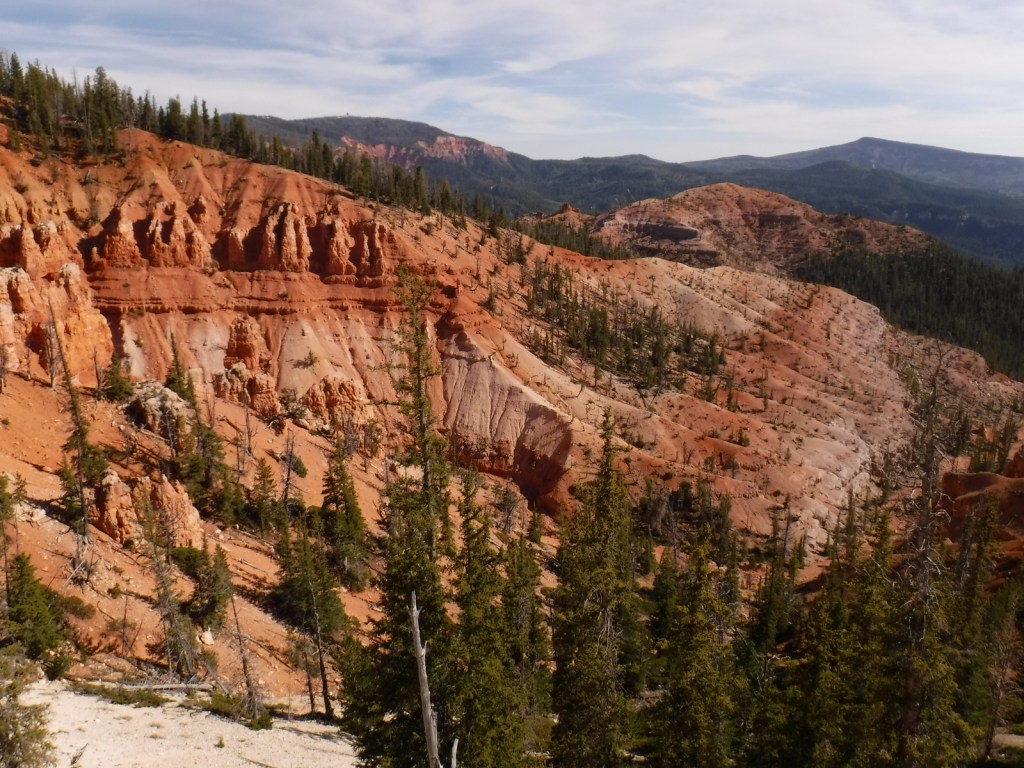
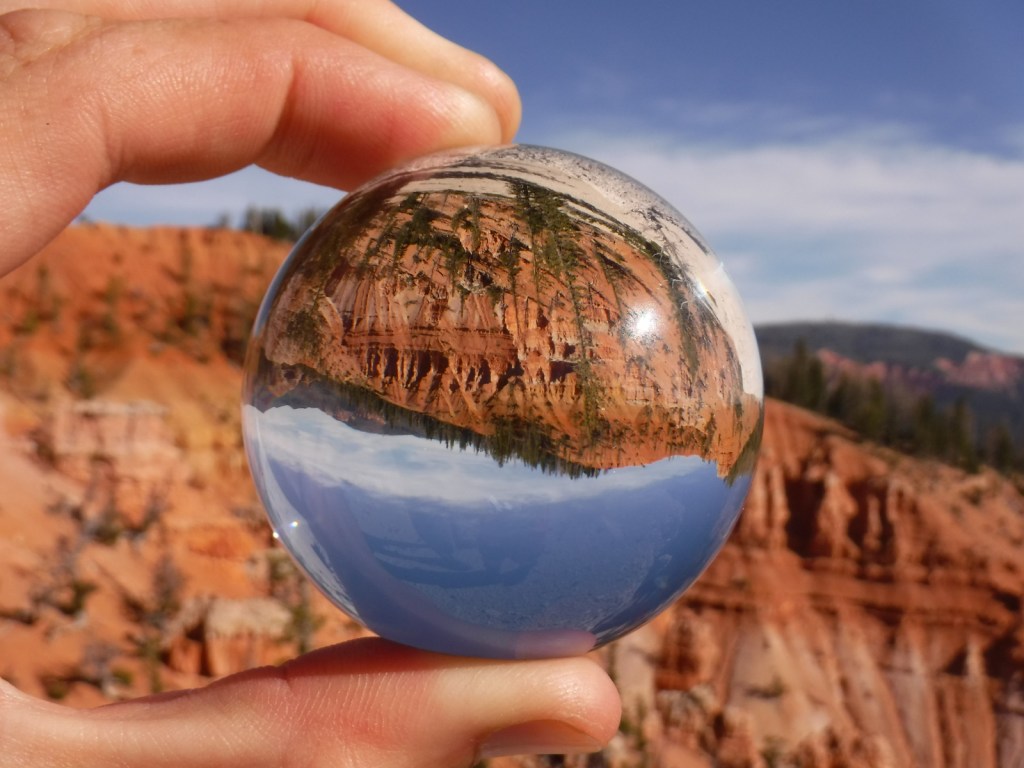
Leaving from a trailhead across Highway 143 from the road to the top of 11,312-foot-tall Brian Head, Rattlesnake Creek Trail skirts the edge of spectacular Cedar Breaks National Monument and enters the Ashdown Gorge Wilderness (established in 1984).  About one mile in, one of several side trails leads off to the left for an overlook of the Cedar Breaks, a red rock badlands full of hoodoos situated at the edge of the Markagunt Plateau.  Gnarled Great Basin bristlecone pine trees cling to the eroding edge of the natural amphitheater, making a great foreground for photographs with a beautiful backdrop.  The trail continues to drop more than 2,400 feet to the canyon bottom over four miles connecting with Ashdown Creek which eventually crosses Highway 14, but there is not an official trailhead there.

Watchable Wildlife

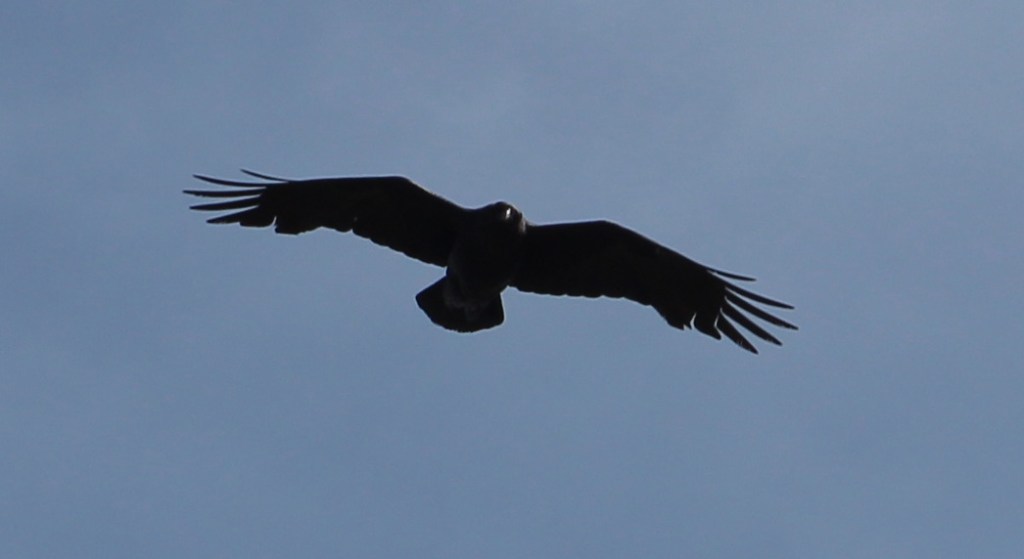
A variety of mammals call Dixie National Forest home: black bears, mountain lions, bobcats, coyotes, three species of foxes, minks, pine martens, porcupines, beavers, raccoons, skunks, badgers, snowshoe hares, pika, mountain goats, bighorn sheep, elk, mule deer, and pronghorns.  Large birds include bald eagles, golden eagles, California condors, turkey vultures, wild turkeys, and various species of woodpeckers.  There are many gamefish found in the streams and small lakes spread across the high-elevation Markagunt, Paunsaugunt, and Aquarius Plateaus.

Instagram-worthy Photo

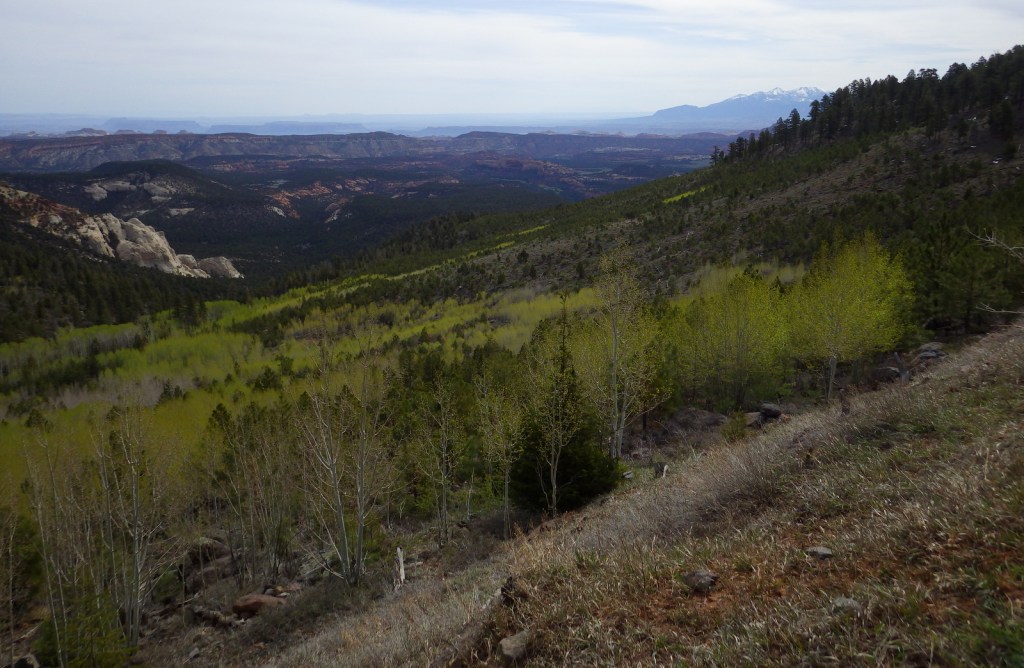
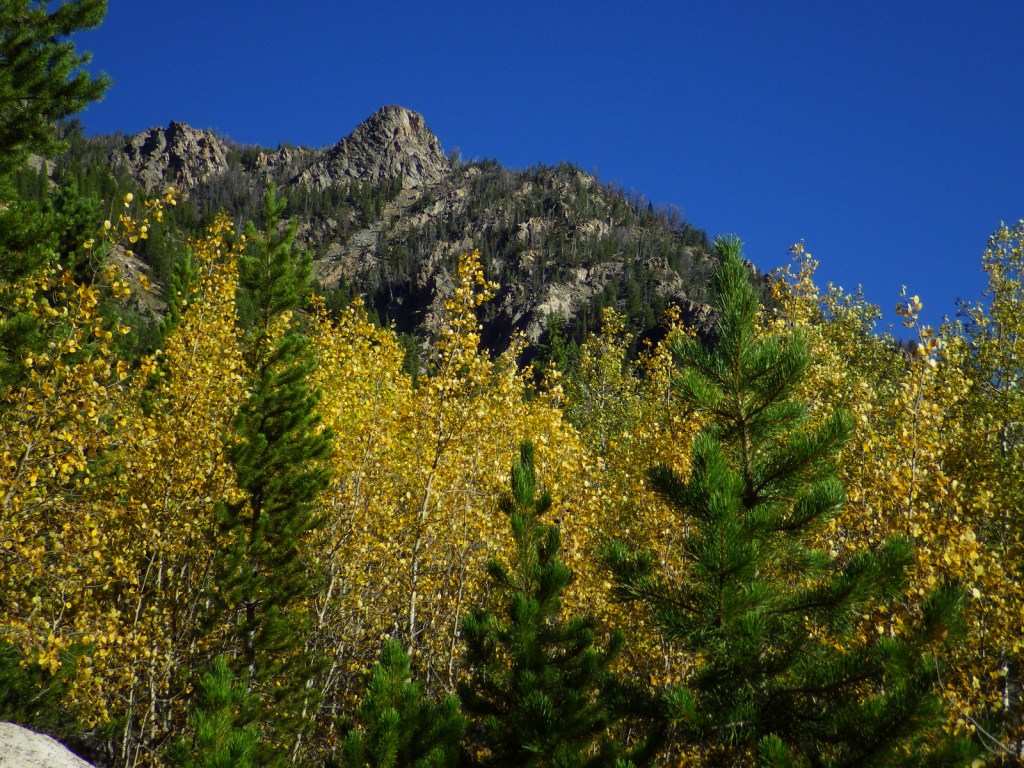
South of Torrey, Highway 12 climbs into an aspen forest with incredible views of Capitol Reef National Park and Waterpocket Fold.

Peak Season

Late summer

Fees

None

Road Conditions

Highway 12 and Highway 143 are paved roads that access the high elevations of Dixie National Forest, but they may be closed seasonally due to snow.  There are numerous dirt roads that traverse the area, including the popular route to the top of 11,312-foot-tall Brian Head.

Camping

There are numerous campgrounds located throughout the National Forest, as well as dispersed camping opportunities on dirt roads west of Bryce Canyon National Park.

Wilderness Areas

Ashdown Gorge Wilderness

Box-Death Hollow Wilderness

Cottonwood Forest Wilderness

Pine Valley Mountains Wilderness

Related Sites

Cedar Breaks National Monument (Utah)

Grand Staircase-Escalante National Monument (Utah)

Capitol Reef National Park (Utah)

Nearest National Park

Bryce Canyon

Conifer Tree Species

Utah juniper, singleleaf pinyon pine, ponderosa pine, Douglas-fir, Engelmann spruce, subalpine fir, Great Basin bristlecone pine

Flowering Tree Species

quaking aspen, Bebb willow

Explore More – On the Markagunt Plateau, Navajo Lake drains out of two lava tubes that formed how many millions of years ago?

Learn more about this and the 154 other National Forests in our new guidebook Out in the Woods

We are a participant in the Amazon Services LLC Associates Program, an affiliate advertising program designed to provide a means for us to earn fees by linking to Amazon.com and affiliated sites.

Newberry National Volcanic Monument

Newberry National Volcanic Monument

Oregon

Managed by U.S. Forest Service

Established 1990

54,822 acres

Website: https://www.fs.usda.gov/recarea/deschutes/recarea/?recid=66159

Overview

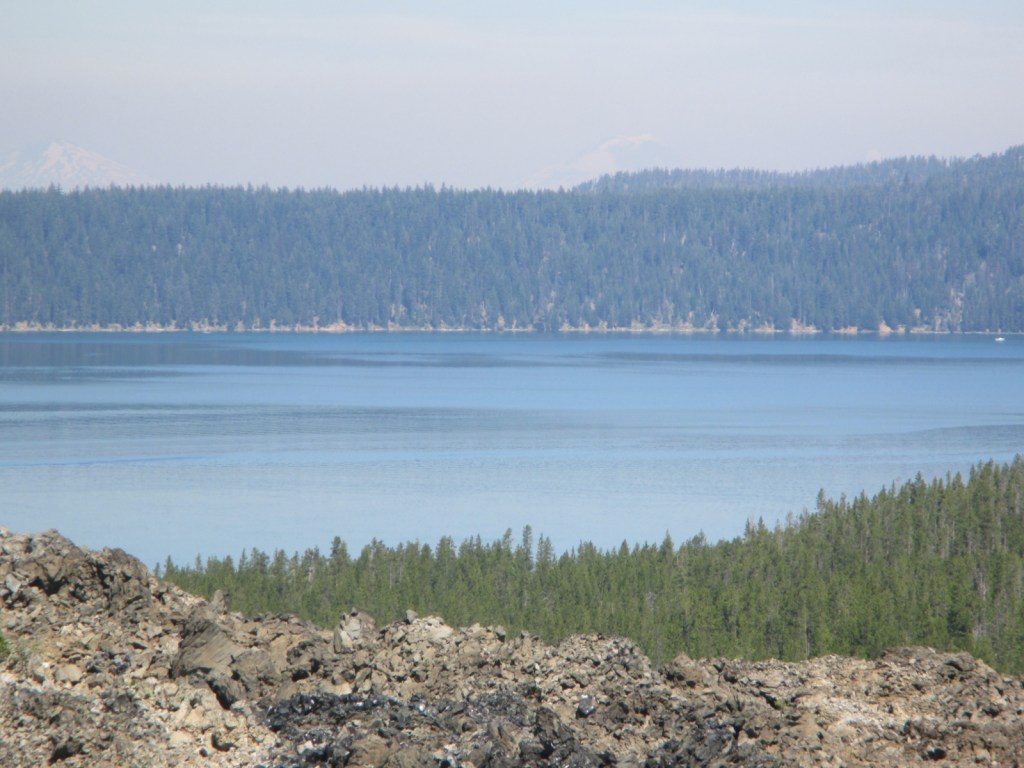
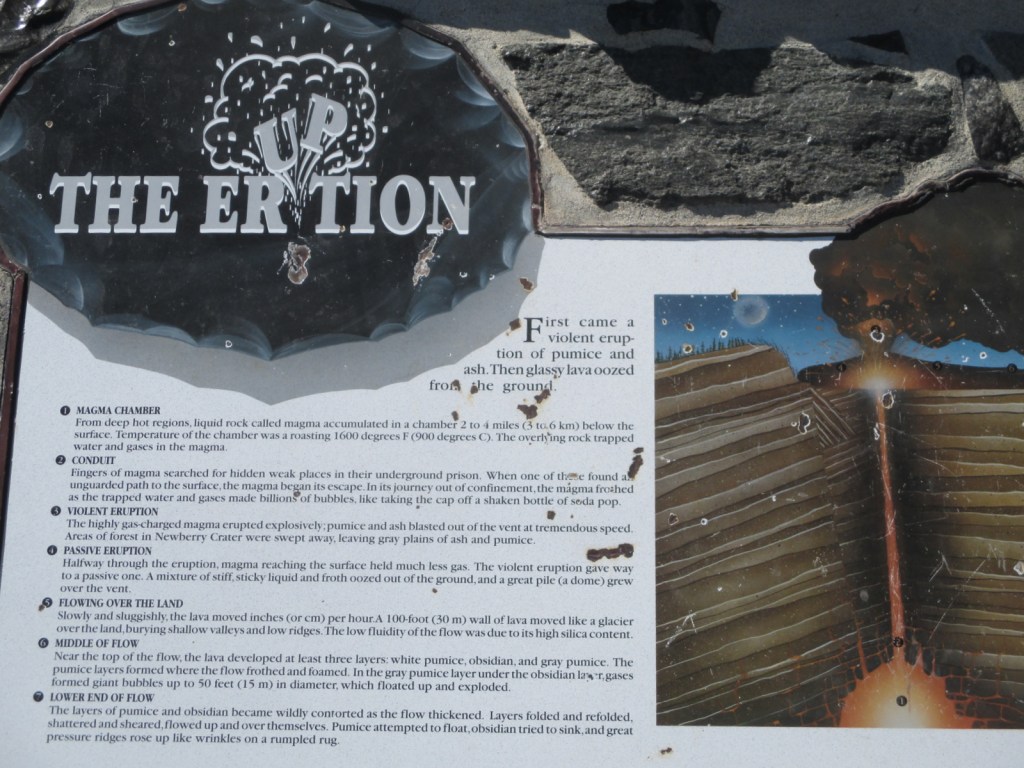
Newberry National Volcanic Monument was carved from Deschutes National Forest by presidential proclamation in 1990 and here you must purchase a recreation pass to visit.  The main area of development is around Paulina Lake, but short roads off Highway 97 also lead to Lava River Cave and the top of Lava Butte.  Lava River Cave, at 5,211 feet in length, is Oregon’s longest lava tube and one of more than 250 known caves found throughout Deschutes National Forest.  A one-mile interpretive trail enters the Lava Cast Forest, where 6,000 years ago the forms of trees were preserved in lava before burning up.

Highlights

Paulina Lake, East Lake, Paulina Falls, Lava Cast Forest, Paulina Peak, Lava River Cave, Lava Butte, Big Obsidian Flow Trail, Crater Rim Trail, Peter Skene Ogden Trail

Must-Do Activity

Newberry National Volcanic Monument has everything you would expect from a volcanic area: lava tubes, cinder cones, cast trees, and basalt flows.  There are also some things you might not guess, like an 80-foot tall waterfall, two big lakes for boating, forested campgrounds, and two lakeside resorts.  We have seen photos of people soaking in a hot springs on the shore of chilly Paulina Lake, but we are not sure exactly where those are located.

Best Trail

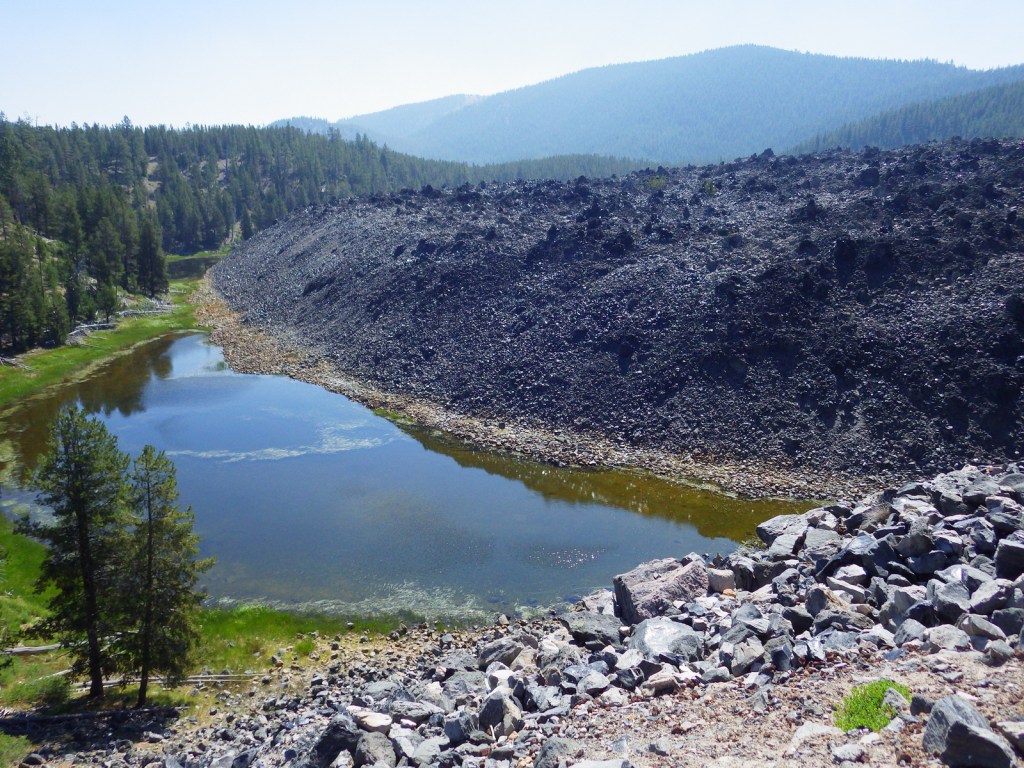
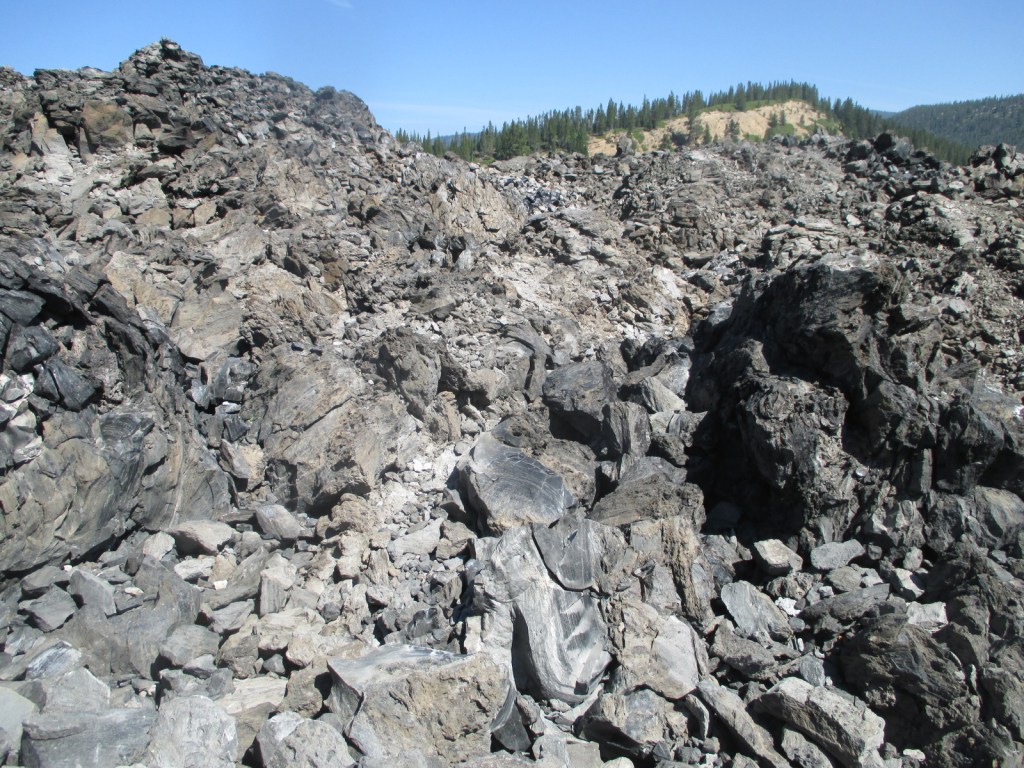
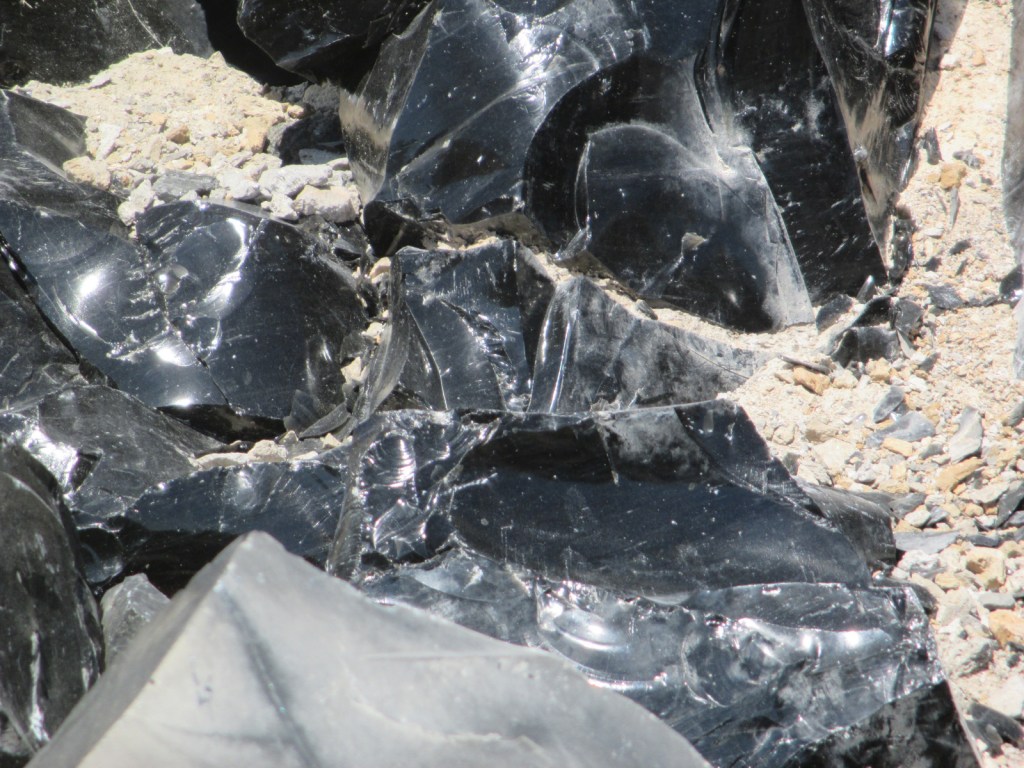
There are a variety of hiking trails in the area, like the 21-mile Crater Rim Trail that circles Newberry Caldera or the one-mile Big Obsidian Flow Trail.  These both offer outstanding views of Paulina Lake or you can drive to the top of 7,984-foot-tall Paulina Peak.  Sharp chunks of obsidian (volcanic glass) mean that you should wear good shoes (not sandals) on the Big Obsidian Flow Trail.  

Instagram-worthy Photo

Lovely Paulina Falls is split into two separate waterfalls off the cliff face on the caldera’s western edge.  The overlook is accessible by a short hike and user trails lead steeply to its base.

Peak Season

Late summer

Fees

$5 daily recreation pass or America the Beautiful pass

Road Conditions

The roads we drove to access Paulina and East Lakes were paved, but there are many other unpaved Forest Service roads in the National Monument.

Camping

One of numerous campgrounds, Little Crater Campground is situated on Paulina Lake, plus there are two lakeside resorts.

Related Sites

Craters of the Moon National Monument and Preserve (Idaho)

Mt. St. Helens National Volcanic Monument (Washington)

Sunset Crater Volcano National Monument (Arizona)

Explore More – What is the name of the popular museum of wildlife and living history located just north of Newberry National Volcanic Monument on Highway 97?

Daniel Boone National Forest

Daniel Boone National Forest

Kentucky

Managed by U.S. Forest Service, Southern Region

2,047,092 acres (706,680 federal/ 1,340,412 other)

Website: https://www.fs.usda.gov/dbnf/

Overview

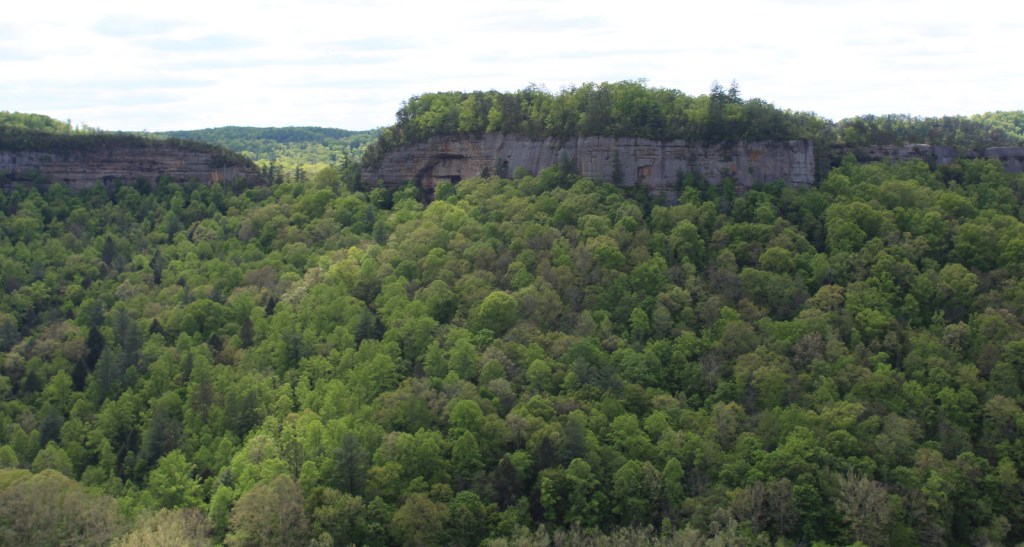
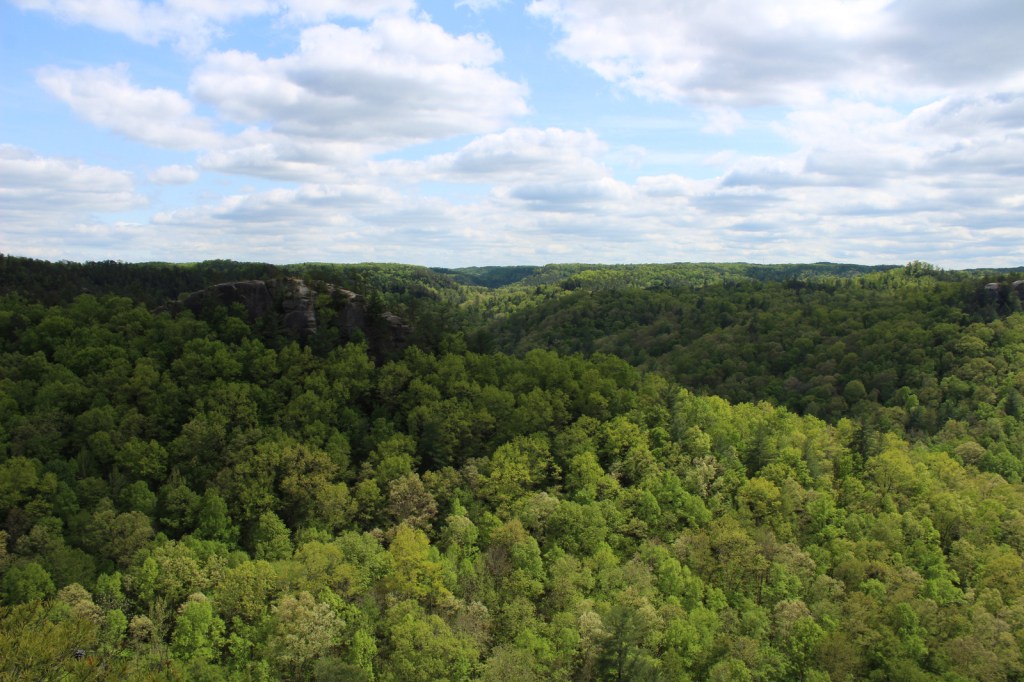
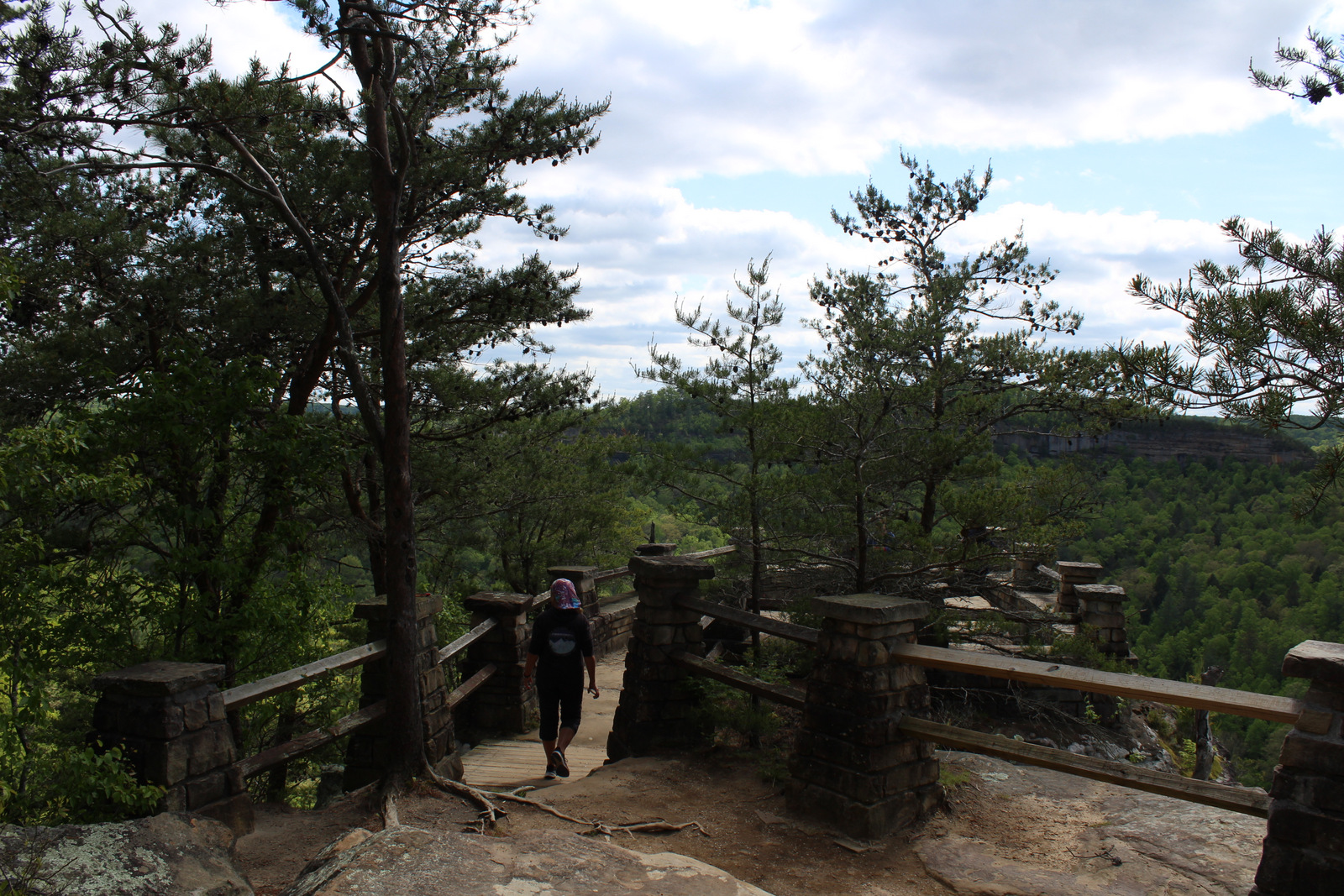
Daniel Boone National Forest is spread across the Cumberland Plateau in Kentucky, covering more than two-million acres when including private land and the 145,839-acre Redbird Purchase Unit.  The National Forest also surrounds three popular State Parks: Buckhorn Lake, Cumberland Falls, and Natural Bridge.  The latter is adjacent to the spectacular Red River Gorge Geological Area, which is a major reason Daniel Boone National Forest sees more than one-million visitors annually.  The forest has nearly 100 developed recreation areas and 600 miles of trails, plus several historic sites like Clear Creek Iron Furnace, Nada Railroad Tunnel, and Camp Wildcat (site of the first Civil War engagement of regular troops in Kentucky).

Highlights

Zilpo Scenic Byway, Red River Gorge Geological Area, Nada Tunnel, Cave Run Lake Recreation Area, Lick Creek Falls, Clear Creek Iron Furnace, Camp Wildcat, Laurel River Lake Recreation Area, Chimney Top Rock, Chestnut Knob, Yahoo Arch, Sheltowee Trace National Recreation Trail

Must-Do Activity

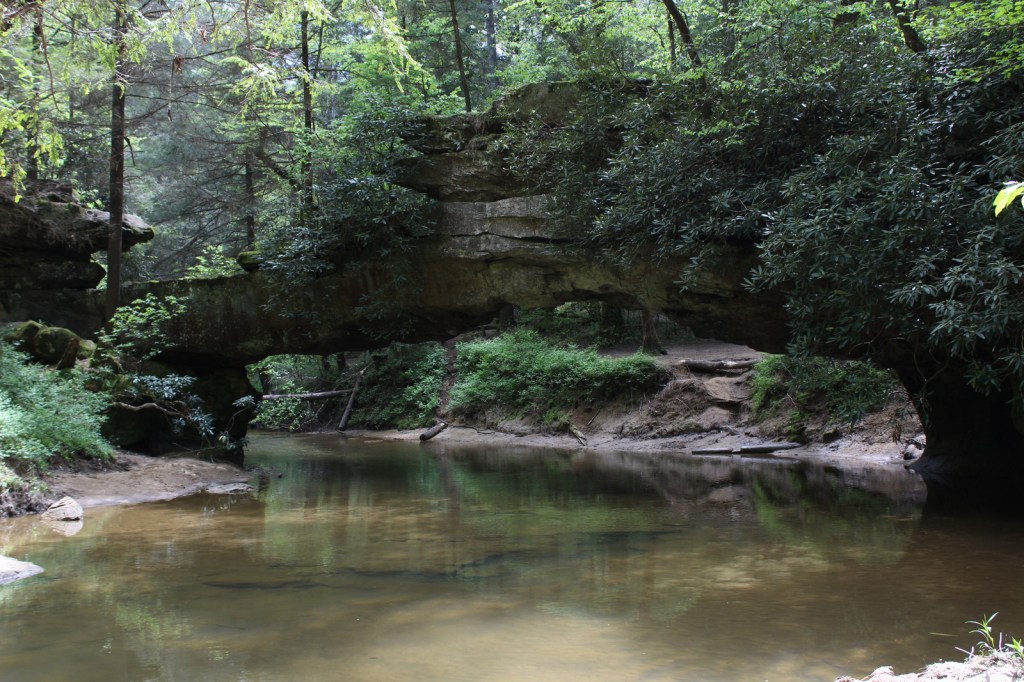
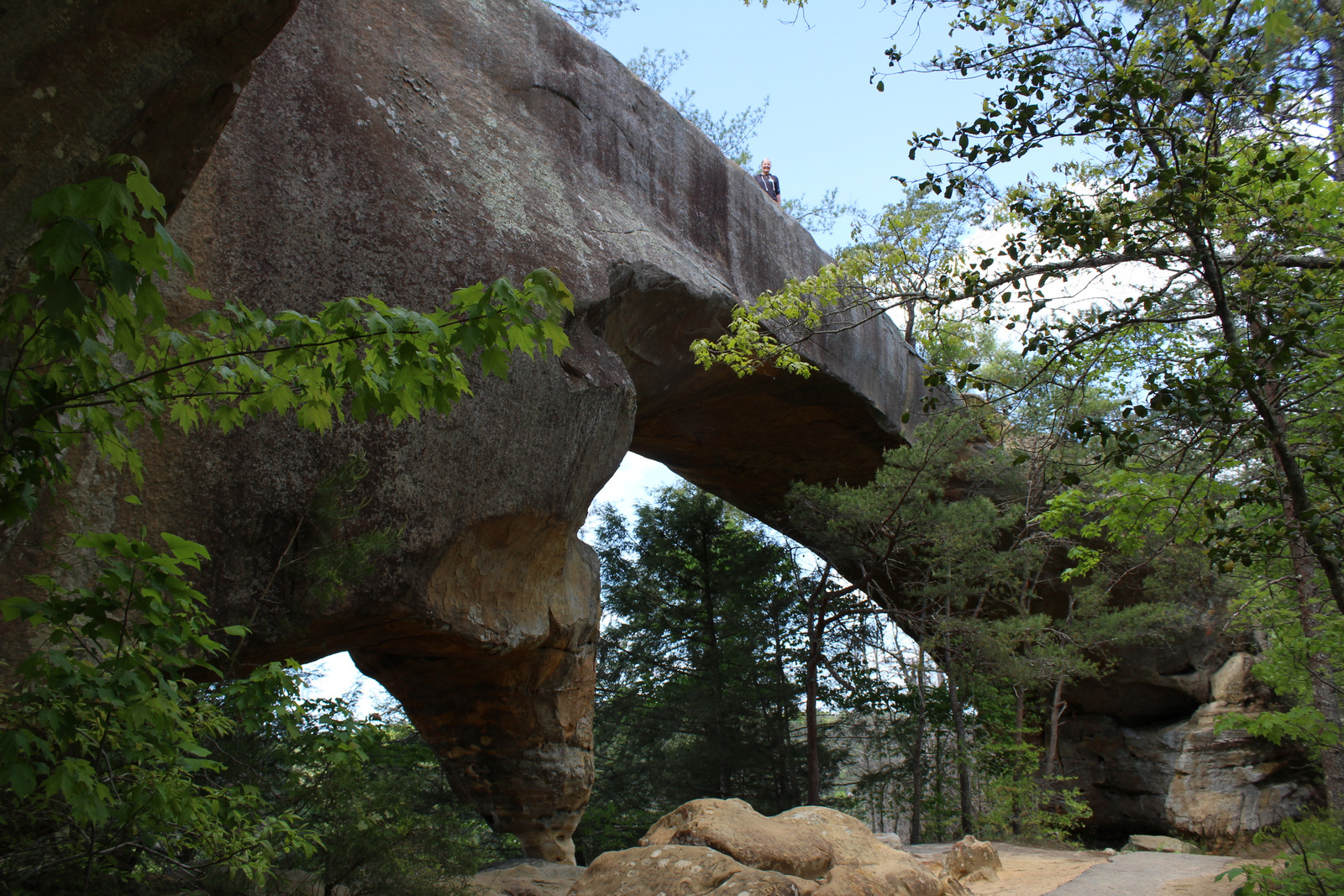
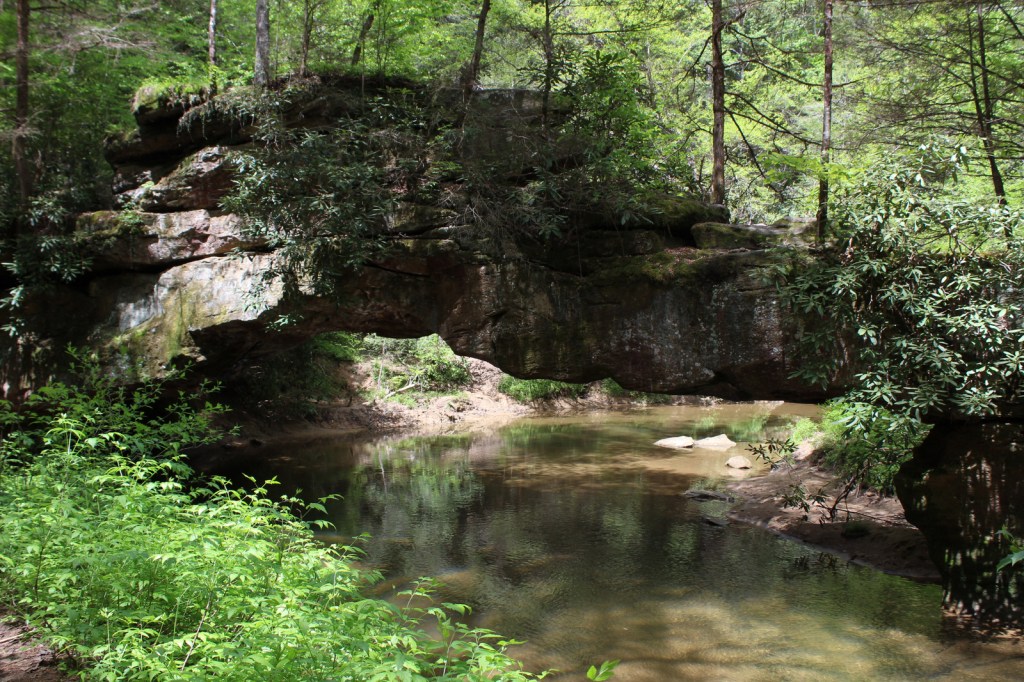
In the rolling hills of the Cumberland Plateau, Red River Gorge Geological Area is full of enough sandstone arches to keep you busy exploring for days.  Although 91-foot long Koger Arch was closed during our visit, we enjoyed short hikes to 75-foot Sky Bridge and 32-foot Princess Arch.  Rock Bridge Trail is a 1.3-mile loop that passes the sole natural bridge in the area with water flowing through it, and the only one formed by a waterfall cutting through the sandstone. 

Best Trail

The 282-mile-long Sheltowee Trace National Recreation Trail runs from Tennessee north into the southern end of Daniel Boone National Forest and Big South Fork National River and Recreation Area (where a camping permit is required by the National Park Service).  The trail marked by white turtle blazes passes through Alum Ford primitive campground on the Big South Fork of the Columbia River.  From Yahoo Falls Scenic Area, a short jaunt takes hikers to 113-foot-tall Yahoo Falls, which you can walk behind.  Yahoo Arch (17 feet tall) is accessible further up that two-mile section of trail or from a separate Forest Service trailhead on KY700, as is Markers Arch on a separate half-mile spur.

Watchable Wildlife

Major mammals found in Daniel Boone National Forest include black bear, coyote, bobcat, red fox, gray fox, mink, white-tailed deer, gray squirrel, muskrat, opossum, raccoon, cottontail rabbit, woodchuck, and three species of bat.  Wild turkey, northern bobwhite quail, ruffed grouse, red-cockaded woodpecker, and bald eagle are some of the 194 bird species identified.  Copperheads and timber rattlesnakes are two types of venomous snakes found here.  Lakes and streams have rainbow trout, largemouth bass, smallmouth bass, bluegill, crappie, and muskie.

Instagram-worthy Photo

Kentucky is riddled with caves—from the manmade Louisville Mega Cavern to Mammoth Cave National Park.  Daniel Boone National Forest has an estimated 1,500 to 2,000 limestone caves, in addition to small overhangs in the sandstone of Red River Gorge Geological Area.

Peak Season

Summer

Fees

There is not a day use fee to park, hike, or picnic in Red River Gorge Geological Area (unless you park overnight).

Road Conditions

Most of the trailheads in Red River Gorge Geological Area are accessed by well-marked and well-maintained dirt roads.

Camping

South of Interstate 64, Cave Run Lake stretches across 8,270 acres in northeastern Kentucky where we spent the night at a Forest Service campground on a cross-country roadtrip in 2007.  There are campgrounds in Red River Gorge Geological Area, where backpacking in the Clifty Wilderness only costs $5 per day per car for a permit.

Wilderness Areas

Beaver Creek Wilderness

Clifty Wilderness

Related Sites

Big South Fork National Recreation Area (Kentucky-Tennessee)

Cumberland Gap National Historical Park (Kentucky -Tennessee-Virginia)

Land Between The Lakes National Recreation Area (Kentucky-Tennessee)

Nearest National Park

Mammoth Cave

Conifer Tree Species

eastern hemlock, loblolly pine, Virginia pine, pitch pine, shortleaf pine

Flowering Tree Species

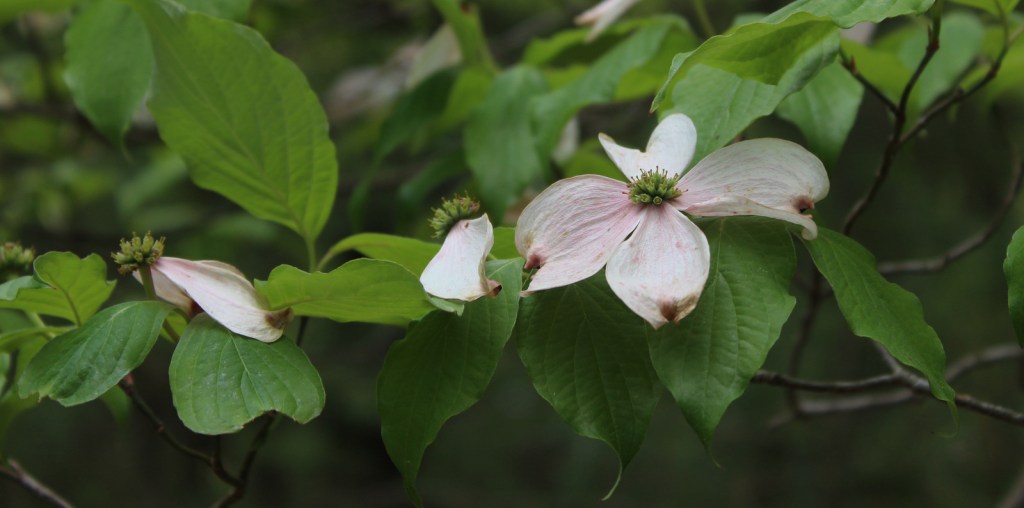
chestnut oak, scarlet oak, black oak, northern red oak, white oak, rock chestnut oak, tulip-poplar, American beech, mockernut hickory, bitternut hickory, pignut hickory, black gum, white ash, sassafras, mountain laurel, basswood, red mulberry, witch hazel, sugar maple, red maple, sourwood, cucumber magnolia, bigleaf magnolia, flowering dogwood, serviceberry, pawpaw, river birch, sycamore, silver maple, black willow, sweetgum, devil’s walkingtick, white rhododendron, Cumberland azalea

Explore More – In what year did the frontiersman Daniel Boone fight in the Battle of Blue Licks during the American Revolution?

Learn more about this and the 154 other National Forests in our new guidebook Out in the Woods

We are a participant in the Amazon Services LLC Associates Program, an affiliate advertising program designed to provide a means for us to earn fees by linking to Amazon.com and affiliated sites.

Custer National Forest

Custer National Forest

Montana, South Dakota

Managed by U.S. Forest Service, Northern Region

1,278,749 acres (1,188,130 federal/ 90,619 other)

Website: https://www.fs.usda.gov/custergallatin

Overview

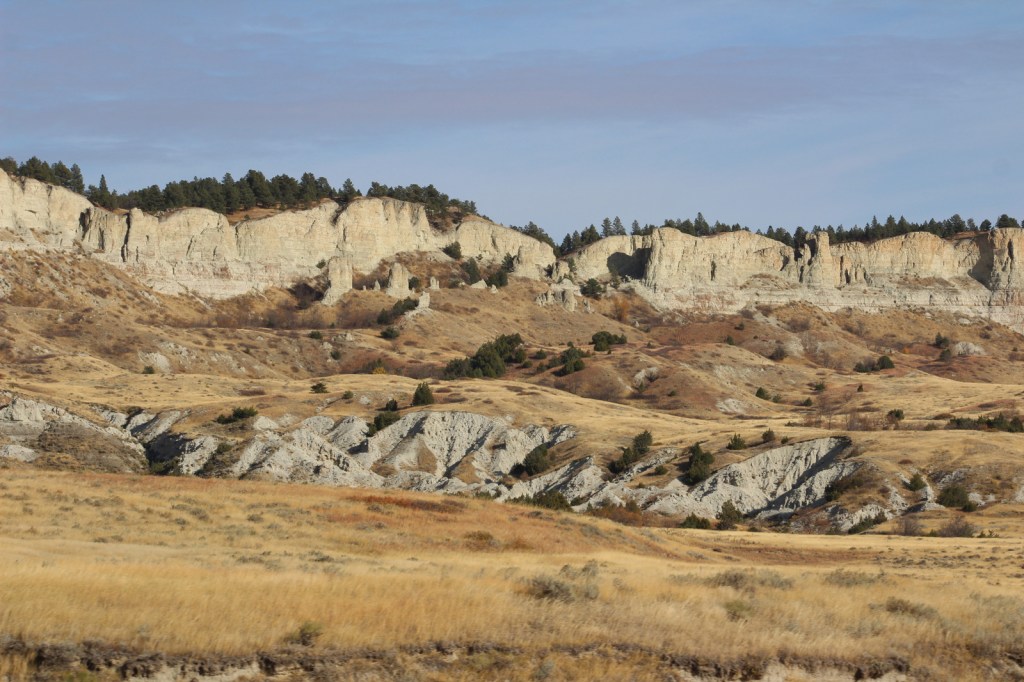
Custer National Forest is split across multiple units from the Absaroka Mountains in southern Montana east to five isolated patches in the northwest corner of South Dakota.  It ranges in elevation from dry prairies to glaciated summits, including the highest point in Montana (12,807-foot Granite Peak).  In eastern Montana, Capitol Rock is a sandstone and white clay formation that looks like a capitol dome from the east.  In South Dakota, the National Forest also encompasses The Castles National Natural Landmark.  Since 2014, Custer and Gallatin National Forests have been managed together as Custer-Gallatin National Forest.

Highlights

Beartooth All-American Road, Rock Creek Vista, Hellroaring Plateau, Granite Peak, East Rosebud Lake, Impasse Falls, Crooked Creek Canyon, Big Ice Cave, Pryor Mountains Wild Horse Range, Lost Water Canyon, Cook Mountains, Tongue River Breaks, Poker Jim Lookout, Chalk Buttes, Capitol Rock, Slim Buttes, The Castles, Glacier Lake, Basin Creek National Recreation Trail, Basin Lakes Trail

Must-Do Activity

Custer National Forest is most famous for its stretch of Highway 212 (Beartooth All-American Road) that climbs switchbacks from the prairie around Red Lodge, Montana up to 10,947 feet at Beartooth Pass across the Wyoming border in Shoshone National Forest.  These two National Forests also share with Gallatin National Forest the giant 943,626-acre Absaroka-Beartooth Wilderness, which contains 12,807-foot Granite Peak.  Backpackers come from around the world to this Wilderness in the summer because its trailheads start at such high elevations that it does not require much climbing to reach scenic alpine lakes.

Best Trail

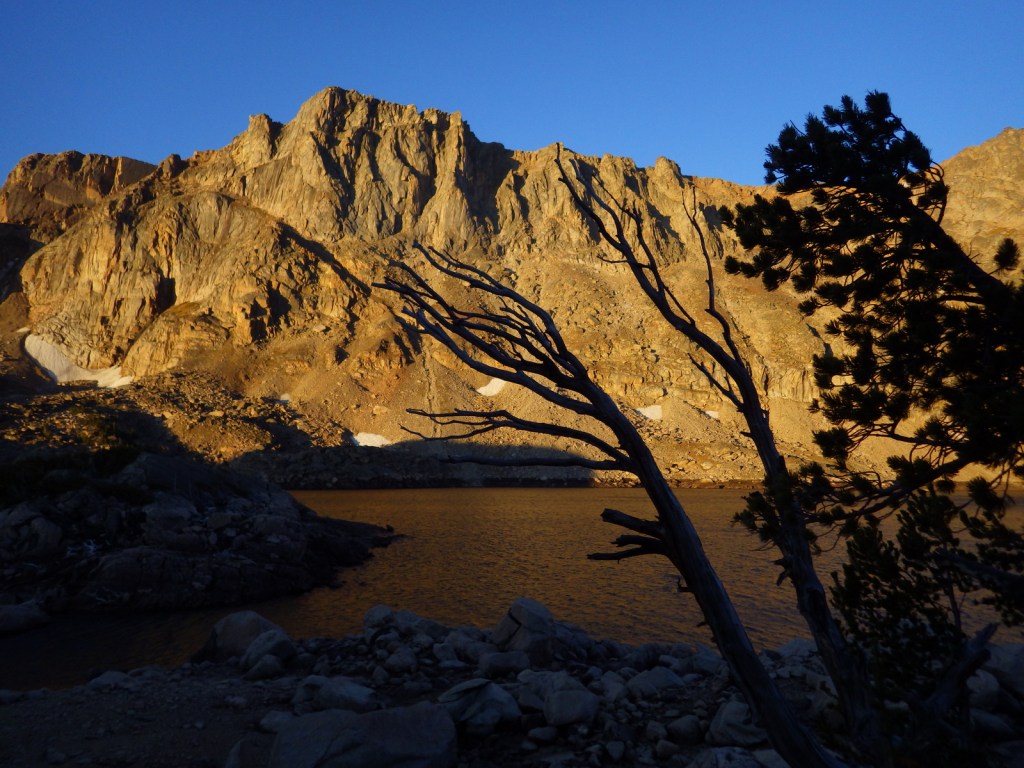
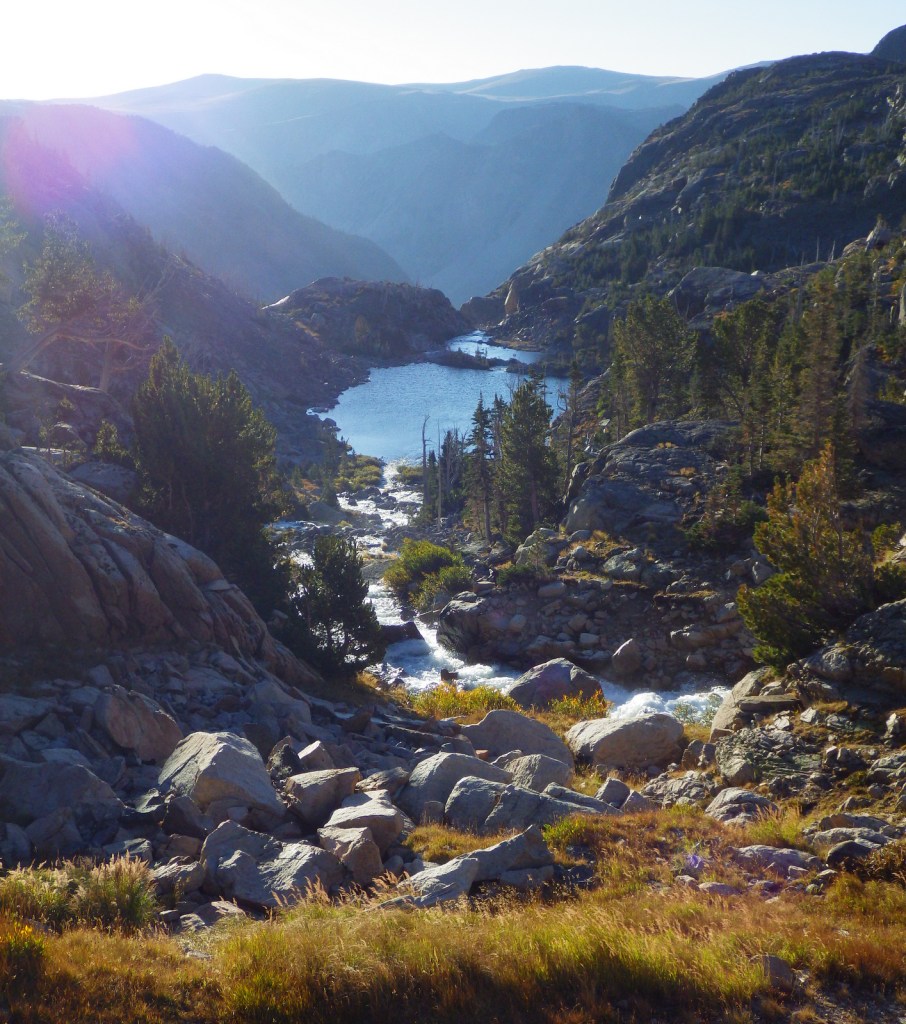
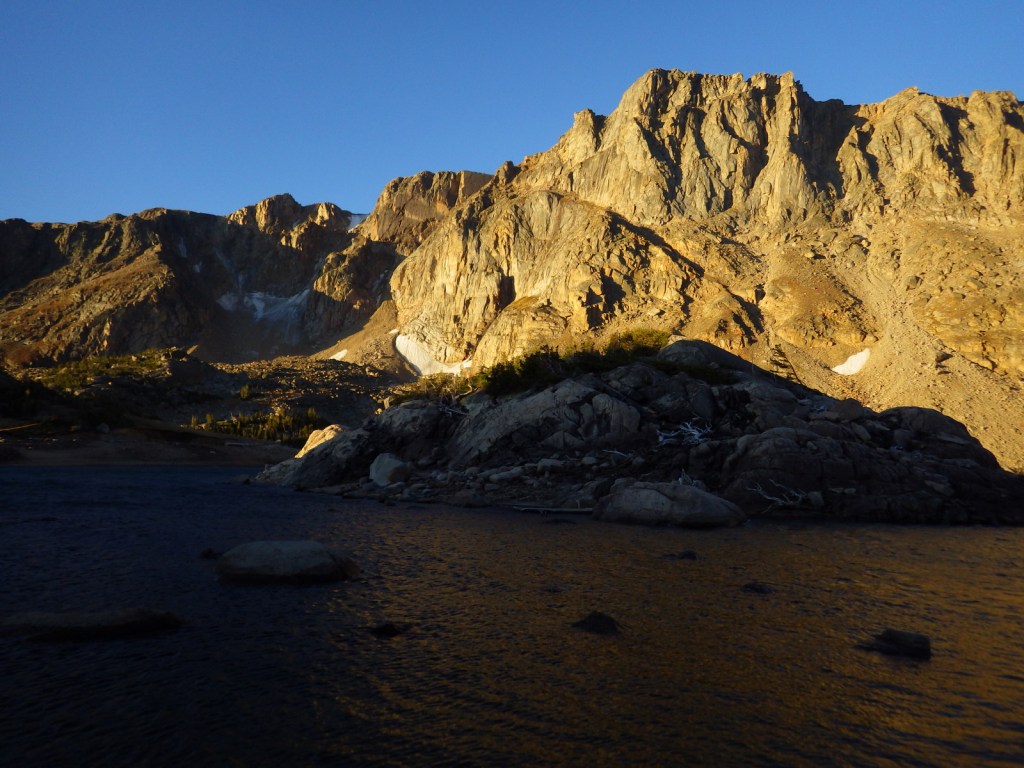
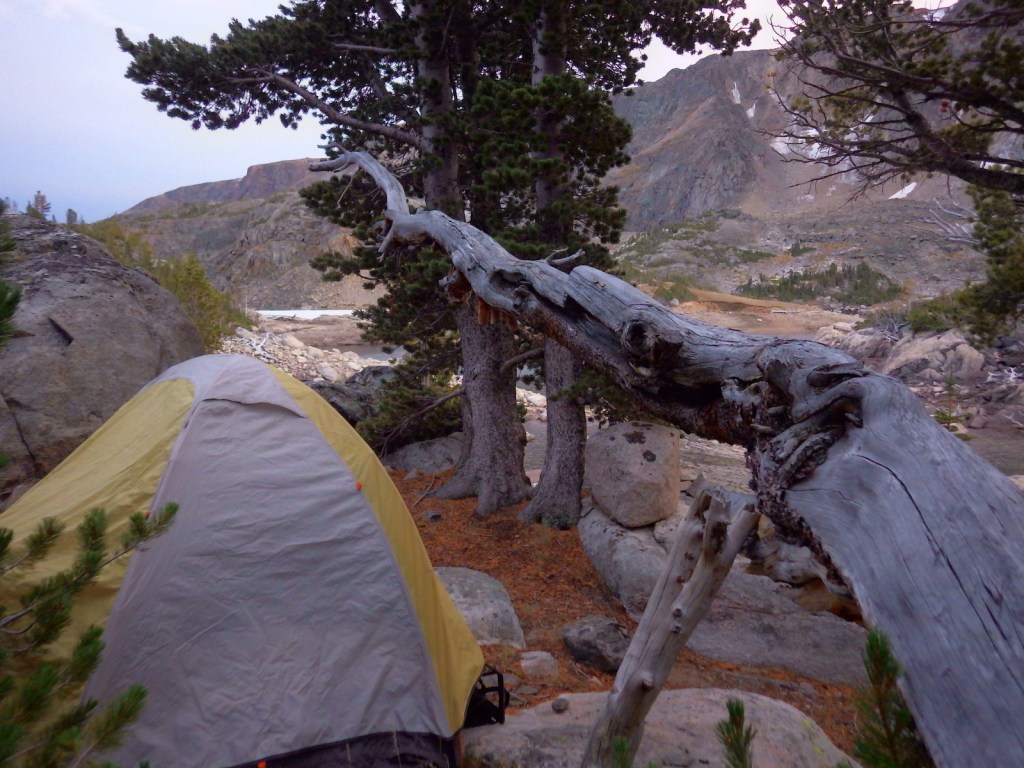
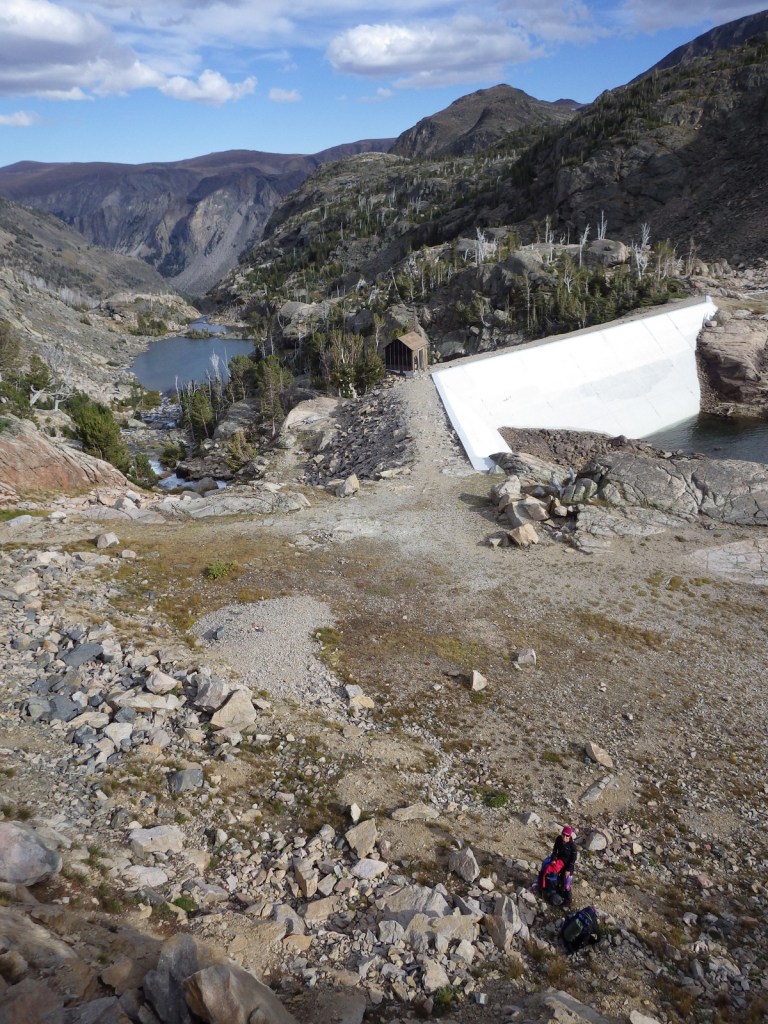
There are more than 1,500 miles of hiking trails in Custer National Forest, mostly concentrated in the western mountains.  From the Glacier Lake Trailhead (high-clearance vehicle required), the two-mile Glacier Lake Trail steadily climbs 1,100 feet then drops into a bowl containing a stunning reservoir that straddles the Wyoming-Montana state border.  You can turn around here at 9,691 feet in elevation or continue around the north side of the lake up to Goat and Sheep Lakes.  We backpack camped at Glacier Lake for one night during Labor Day weekend and had the place to ourselves.

Watchable Wildlife

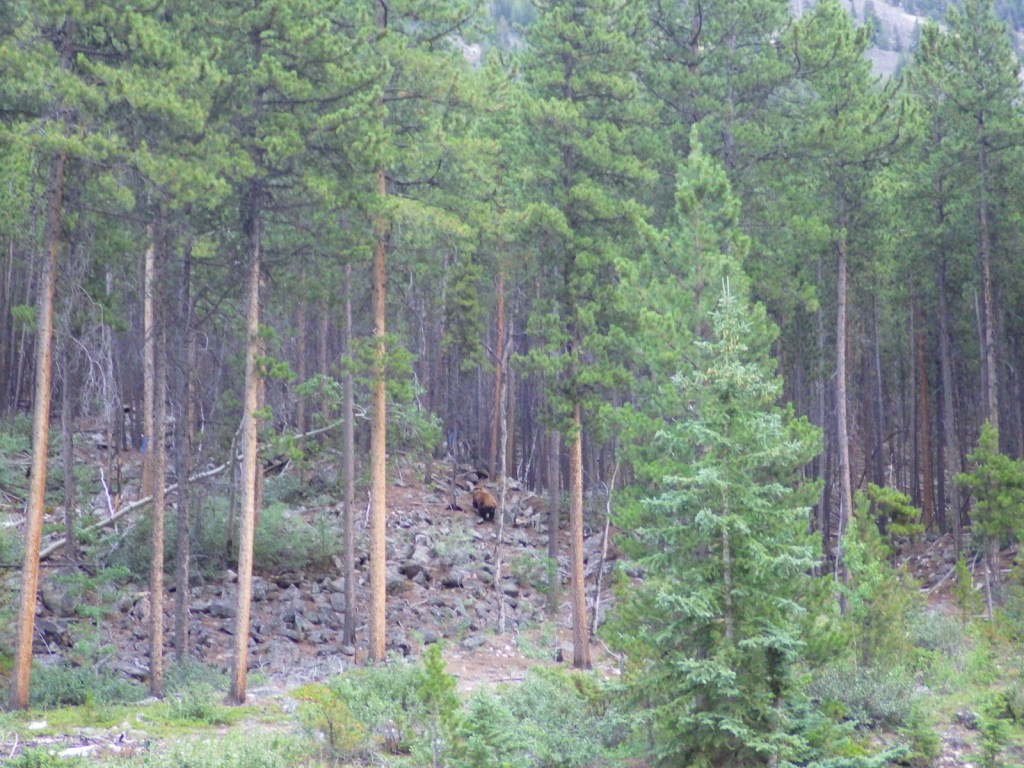
In addition to the raptors typical of western National Forests, merlins (a type of small falcon) are more common here than anywhere else in the country.  Mammalian predators include grizzly bears, black bears, gray wolves, coyotes, red foxes, pine martens, mountain lions, and bobcats.  Ungulates found here are pronghorns, moose, mountain goats, bighorn sheep, mule deer, elk, and bison (on private ranches).

Instagram-worthy Photo

During our backpacking trip, the Glacier Lake reservoir was especially scenic during the jaw-dropping twilight hours when the mountains were drenched in alpenglow.

Peak Season

Summer

Fees

None

Road Conditions

The paved Beartooth All-American Road (Highway 212) is typically open only June to October due to snow.  At the bottom of the “Beartooth Switchbacks” on Highway 212 in southern Montana is Main Fork Rock Creek Road, a rough dirt road that follows the shallow creek past campgrounds and dispersed campsites back to Glacier Lake Trailhead.  A high-clearance vehicle or an ATV is required if you want to drive the entire eight miles.  Many recreationists bring the latter to tackle the nearby road that steeply ascends to the top of 11,000-foot-high Hellroaring Plateau.

Camping

There are more than 30 campgrounds in Custer National Forest, as well as numerous dispersed camping options (especially on roads west of Red Lodge, Montana).

Wilderness Areas

Absaroka-Beartooth Wilderness (also in Gallatin and Shoshone National Forests)

Related Sites

Bighorn Canyon National Recreation Area (Montana-Wyoming)

Little Bighorn Battlefield National Monument (Montana)

Beaverhead National Forest (Montana)

Nearest National Park

Yellowstone

Conifer Tree Species

Douglas-fir, ponderosa pine, lodgepole pine, limber pine, whitebark pine, Engelmann spruce, subalpine fir, Rocky Mountain juniper

Flowering Tree Species

eastern cottonwood, quaking aspen, water birch, Rocky Mountain maple, boxelder, Bebb willow, blue elderberry, choke cherry, white alder, curlleaf mountain-mahogany, sagebrush

Explore More – Found on the side of Granite Peak, how did Grasshopper Glacier get its name?

Learn more about this and the 154 other National Forests in our new guidebook Out in the Woods

We are a participant in the Amazon Services LLC Associates Program, an affiliate advertising program designed to provide a means for us to earn fees by linking to Amazon.com and affiliated sites.

Colville National Forest

Colville National Forest

Washington

Managed by U.S. Forest Service, Pacific Northwest Region

1,029,617 acres (954,409 federal/ 75,208 other)

Website: https://www.fs.usda.gov/colville

Overview

In northeast Washington, Colville National Forest is divided into two sections on either side of the Columbia River.  In the west are the Kettle River Mountains, which are crossed by Sherman Pass Scenic Byway (Highway 20).  To the east, the remote Selkirk Mountains contain the Salmo-Priest Wilderness that spills over into Kaniksu National Forest.  Colville National Forest also borders Little Pend Oreille National Wildlife Refuge and Lake Roosevelt National Recreation Area.

Highlights

Sherman Pass Scenic Byway, Pewee Falls, Sullivan Lake, Marble Creek Falls, Trout Lake, Kettle Creek National Recreation Trail, Crowell Ridge Trail, Sherman Creek Trail, Grassy Top National Recreation Trail, Brown’s Lake Interpretive Trail, Pacific Northwest National Scenic Trail

Must-Do Activity

In the Selkirk Mountains east of the Pend Oreille River, the large Sullivan Lake is a scenic spot for boating and camping.  Designated in 1978, the Sullivan Lake National Recreation Trail runs 4.3 miles between the two campgrounds located at either end of the lake.  Colville National Forest is also known for 200-foot-tall Pewee Falls that cascades into the Boundary Dam Reservoir near the Canadian border, but we did not make it up there.

Best Trail

Hoodoo Canyon Trail is 4.8 miles one-way and accessible from two trailheads, one on unpaved Deadman Creek Road and the other at Trout Lake Campground, which is five miles from the Sherman Pass Scenic Byway.  We started out in the rain from our dispersed campsite along Deadman Creek Road and the trail soon made a steep climb through a dense conifer forest.  Eventually the route leveled out and we got our first view of shamrock green Emerald Lake, so we took a well-worn path down to its shoreline.  The trail was officially closed at the 3.2-mile point due to a small landslide (see photo), but it was not hard to navigate past that spot to gain a view of Trout Lake, at which point we turned around.

Watchable Wildlife

The remote Selkirk Mountains represent the sole place south of Canada where there is a herd of mountain caribou.  Grizzly bears, Canadian lynx, mountain lions, and gray wolves also inhabit this wild borderland region.  More common species include mule deer, bighorn sheep, moose, beavers, bald eagles, and loons.

Instagram-worthy Photo

The water of Emerald Lake truly lives up to its gem of a name, even on a cloudy day.

Peak Season

Summer

Fees

None

Road Conditions

Sherman Pass Scenic Byway (Highway 20) is paved, but most the roads we drove through Colville National Forest were unpaved but in very good condition.

Camping

Trout Lake Campground seemed like a nice spot, secluded but only five miles off the Sherman Pass Scenic Byway.  We found many excellent dispersed campsites along the unpaved portions of Deadman Creek Road.

Wilderness Areas

Salmo-Priest Wilderness (also in Kaniksu National Forest)

Related Sites

Lake Roosevelt National Recreation Area (Washington)

Ross Lake National Recreation Area (Washington)

Lake Chelan National Recreation Area (Washington)

Nearest National Park

North Cascades

Conifer Tree Species

Douglas-fir, grand fir, subalpine fir, lodgepole pine, western larch, western redcedar

Flowering Tree Species

syringa, quaking aspen, Pacific dogwood, red alder, balsam poplar, dwarf birch, paper birch, Piper’s hawthorn, boxelder, Bebb willow, western mountain-ash, choke cherry, western serviceberry, red alder, mountain alder

Explore More – Who was Andrew Colvile, other than the man that Fort Colville [sic] was misnamed for in 1825?

Learn more about this and the 154 other National Forests in our new guidebook Out in the Woods

We are a participant in the Amazon Services LLC Associates Program, an affiliate advertising program designed to provide a means for us to earn fees by linking to Amazon.com and affiliated sites.