Tag Archives: trail

Bryce Canyon National Park

Overview

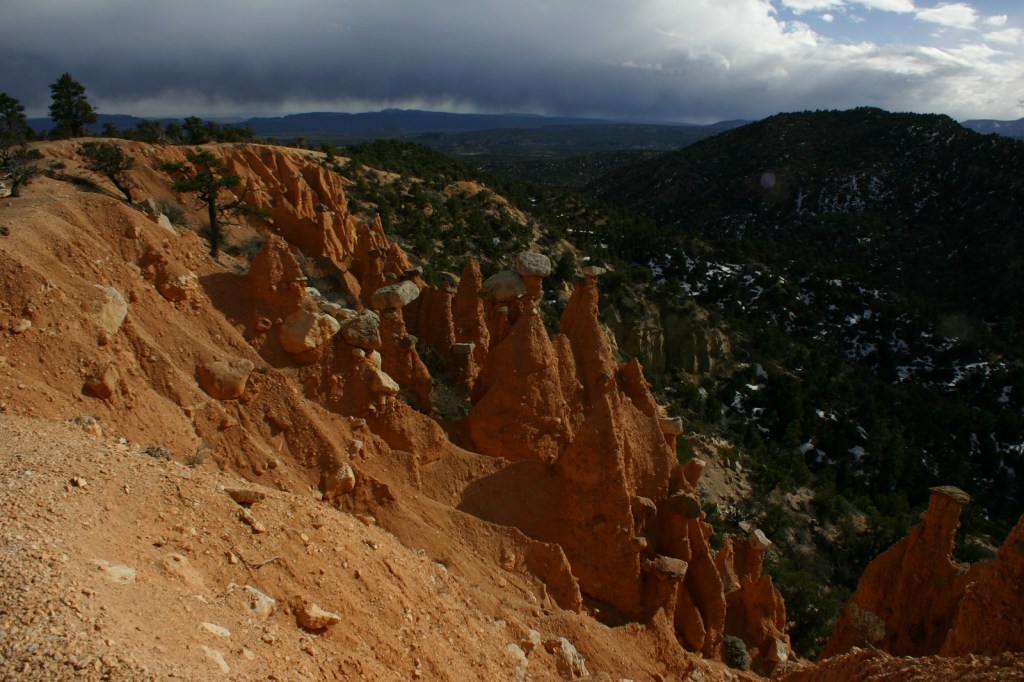
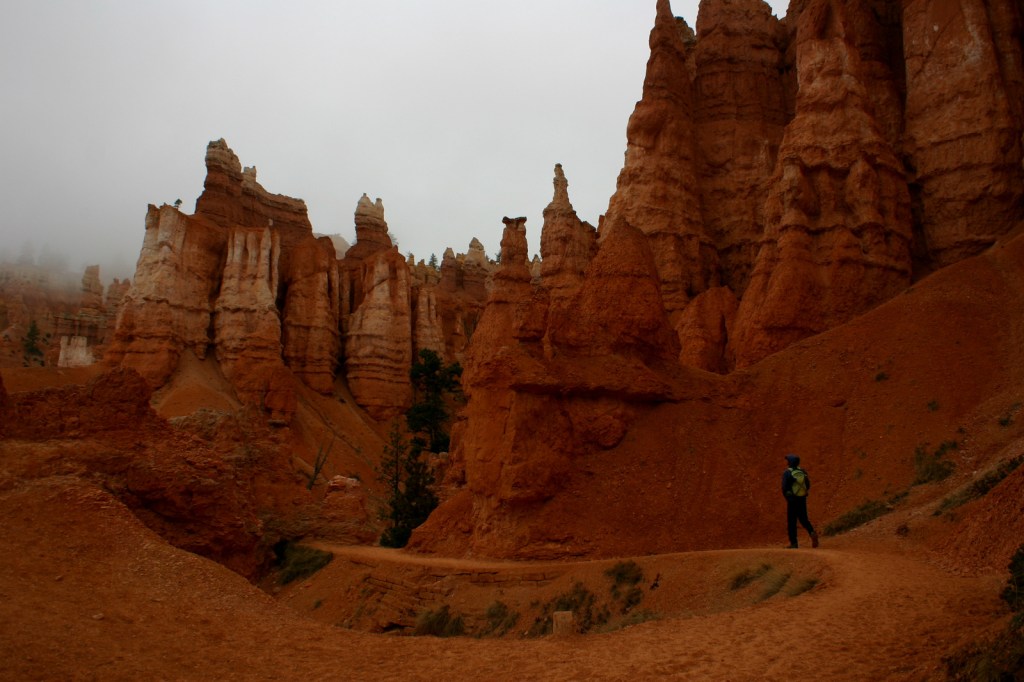
Bryce Canyon is not really a canyon at all, but instead a cliffside amphitheater eroded away into extravagant creamsicle-colored hoodoos.   Your first view from Sunrise or Sunset Point will surely take your breath away and not just because you are standing above 7,000 feet in elevation.  A portion of the main park road is only open during the busy summer season, but seeing the amphitheater under a fresh carpet of white snow makes the effort worthwhile to get here in the winter.  Learn more about the logistics of a winter visit in our first travel guidebook to the National Parks (available on Amazon).

Highlights

Sunrise Point, Sunset Point, Navajo Loop Trail, Queens Garden Trail, Natural Bridge, Rainbow Point

Must-Do Activity

The amphitheater is beautiful from the overlooks, but to really experience this park you have to hike down from the rim.  Peakaboo Loop is a strenuous four-mile hike with approximately 1,700 feet cumulative elevation gain that offers up close views of the hoodoos.  It is accessed from Sunset Point or Bryce Point.  You could easily spend your whole trip in this northern section of the park and not be disappointed, but be sure to take a slow drive south with stops at Natural Bridge and Rainbow Point to complete the experience.

Best Trail

It is four miles out and back on the Under-the-Rim Trail from Bryce Point to the Hat Shop, in the quiet backcountry area where hoodoos are topped with boulders (like they are wearing hats).  Ask a park ranger about the “I Hiked the Hoodoos” program to earn a prize.

Instagram-worthy Photo

Douglas-fir trees snake their way to the light in the narrow Wall Street section of the Navajo Loop Trail.  A photograph of Tiff walking into a snowy Wall Street made the cover (see below) of our first travel guidebook to the National Parks (available on Amazon). 

Peak Season

Summer due to long, snowy winters at this elevation.

Hours

https://www.nps.gov/brca/planyourvisit/hours.htm

Fees

$35 per vehicle or America the Beautiful pass

Road Conditions

The main park road is paved, but there are dirt roads that access the lower elevations of the park, though we have been warned that they are in rough shape.

Camping

The National Park Service has a campground that is open year round, but we prefer camping along the dirt roads in adjacent Dixie National Forest.  A free permit is required to camp in Grand Staircase-Escalante National Monument.

Related Sites

Cedar Breaks National Monument (Utah)

Zion National Park (Utah)

Capitol Reef National Park (Utah)

This design we created to celebrate Bryce Canyon National Park is available on a variety of products at Cafe Press and Amazon.

Explore More – Who described Bryce Canyon as “a hell of a place to lose a cow?”

We are a participant in the Amazon Services LLC Associates Program, an affiliate advertising program designed to provide a means for us to earn fees by linking to Amazon.com and affiliated sites.

Ninety Six National Historic Site

Overview

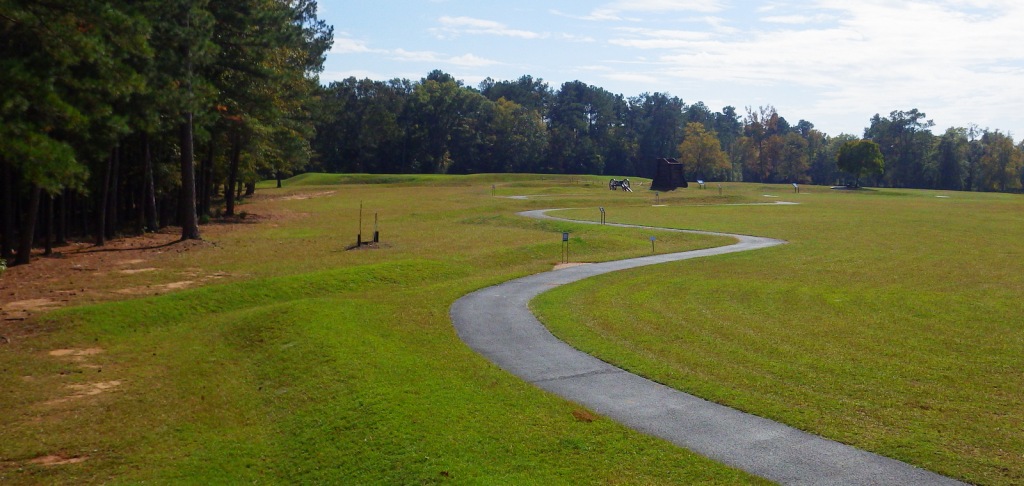
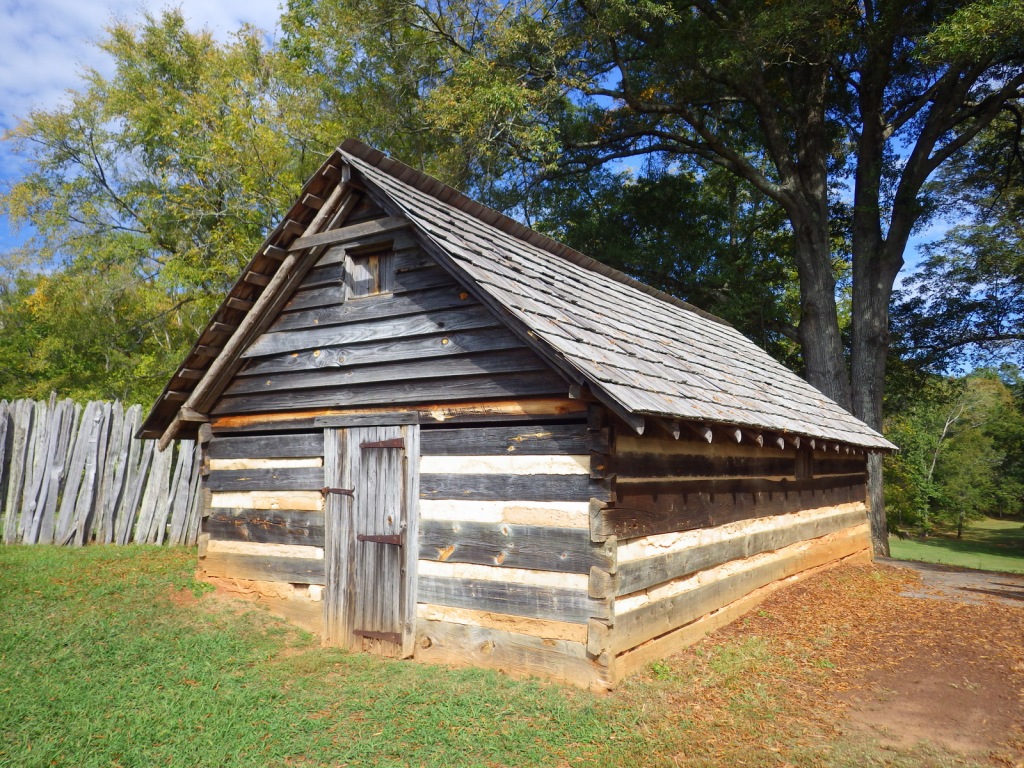
Ninety Six was a bit of a misnomer for this 18th-century trading village in South Carolina.  It was estimated at the time to be 96 miles from a major Cherokee village, but was actually closer to 78.  Then again, Seventy Eight does not have the same ring to it, does it?  A small stockade built around a barn survived two attacks by Cherokees in the 1750s, then during the American Revolution the town fell into British hands after a battle on November 19, 1775.  They proceeded to build a star-shaped earthen fort that was partially reconstructed in the 1970s.

Highlights

Reconstructed Revolutionary War earthen fort, museum, film

Must-Do Activity

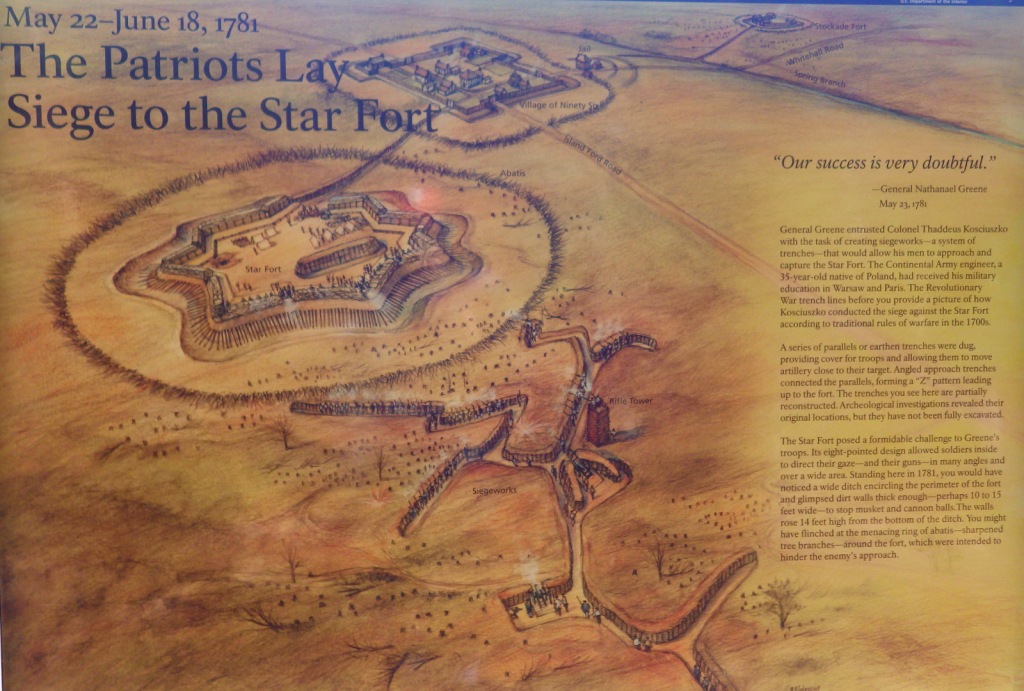
In 1781, six year after the town fell into British hands, a month-long Patriot siege led by General Nathanael Greene failed, but the Patriots abandoned their underground tunneling when they learned of British reinforcements arriving.  The British wound up retreating to Charleston anyway and burning the town behind them.  Ninety Six never fully recovered and remained undeveloped, which allowed archaeologists in the 1970s to rediscover the old tunnels and zigzag trenches designed by Colonel Thaddeus Kosciuszko. 

Best Trail

With interpretive pamphlet in hand, you can get a good idea of Colonel Thaddeus Kosciuszko’s strategy from atop the observation platform built along the one-mile self-guided trail.  The park also contains the 27-acre Star Fort Pond, which is accessible by road or the Cherokee Path Trail from the visitor center.

Instagram-worthy Photo

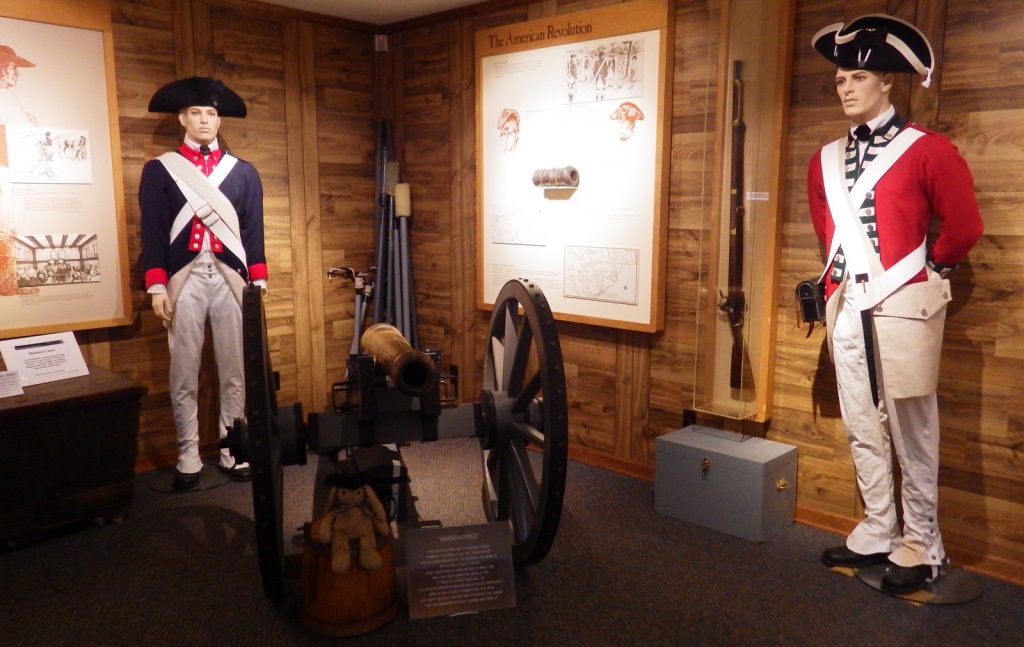
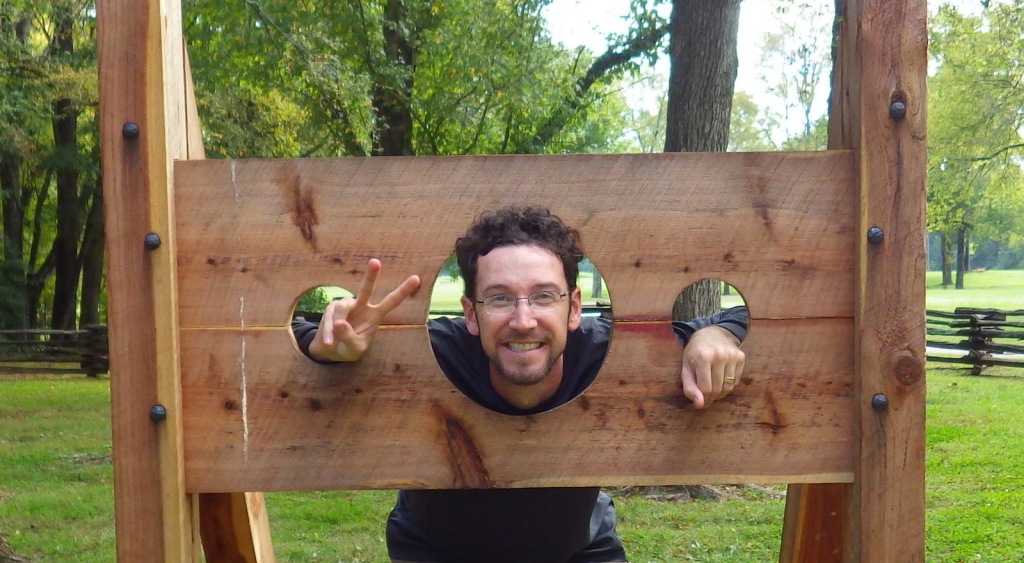
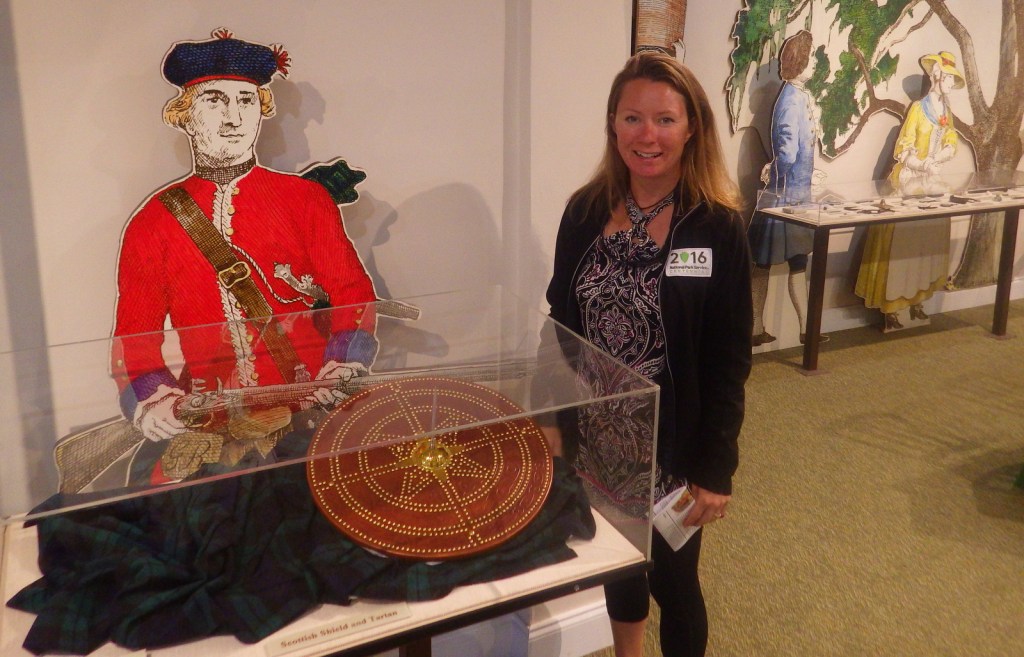
This is the only National Park Service site we know of where visitors are encouraged to brandish a musket.  They also have a pillory to pose in.

Peak Season

Spring and fall, since it can be very hot in the summer with little shade.

Hours

https://www.nps.gov/nisi/planyourvisit/hours.htm

Fees

None

Road Conditions

Access road paved

Camping

Greenwood State Recreation Area has a campground on a lake about nine miles north.

Related Sites

Cowpens National Battlefield (South Carolina)

Fort Sumter and Fort Moultrie National Historical Park (South Carolina)

Thaddeus Kosciuszko National Memorial (Pennsylvania)

Explore More – Who was Robert Gouedy and why was he significant in the history of Ninety Six?

Boston National Historical Park

Overview

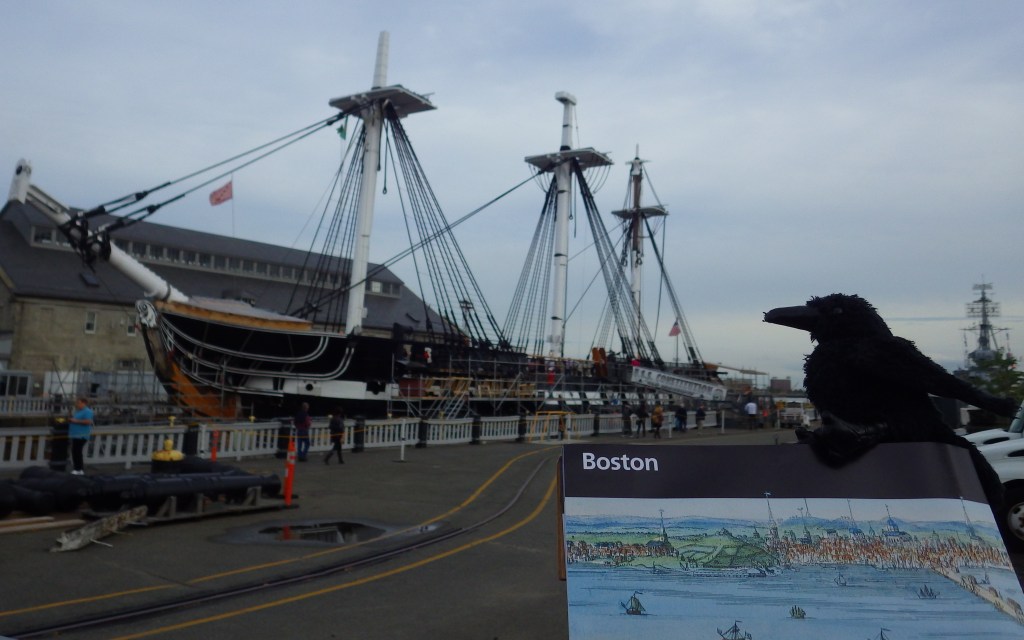
Boston National Historical Park is famous for the 2.5-mile Freedom Trail that leads through historic downtown Boston, Massachusetts.  Tourists should not try to drive into the city because parking is difficult and the public transportation system is so good.  We recommend that you hire a guide or bring along your own information because almost nothing along the route has outdoor interpretive signs.

Highlights

Faneuil Hall, Charlestown Navy Yard, Bunker Hill Memorial, burying grounds, Boston Common

Must-Do Activity

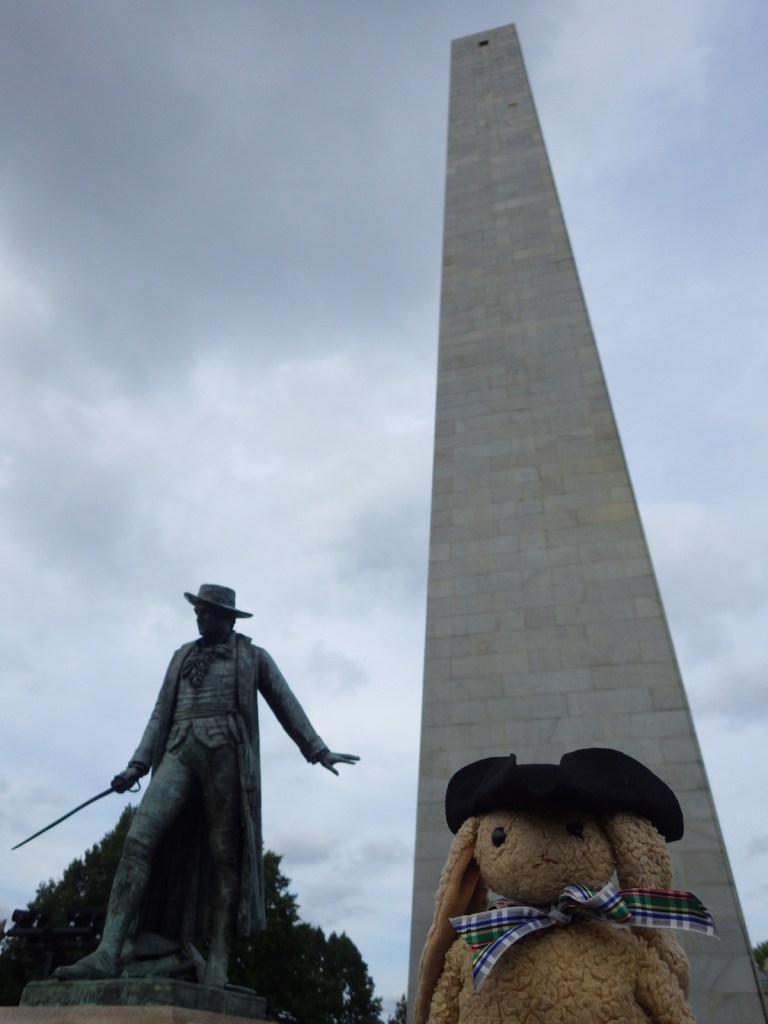
One of our favorite misnomers in American history is that the Battle of Bunker Hill actually took place on Breed’s Hill north of Boston.  This first major skirmish took place shortly after the Revolutionary War kicked off in Lexington, Massachusetts in 1775 and is well-known for the Patriot commander that told his men not to “fire ’til you see the whites of their eyes.”  The 221-foot obelisk built to memorialize this fight (which the Patriots lost) was started in 1825 but not completed until 1843.  The National Park Service does not charge to climb the 294 stairs to its peak for great views of the area. 

Best Trail

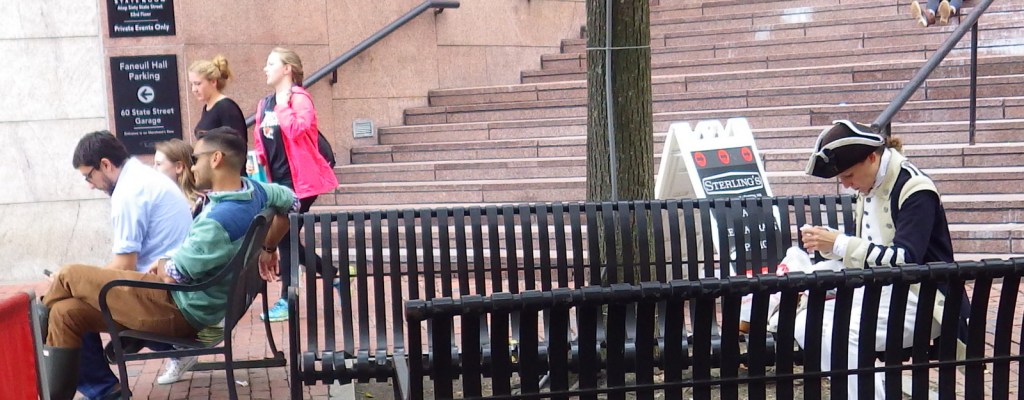
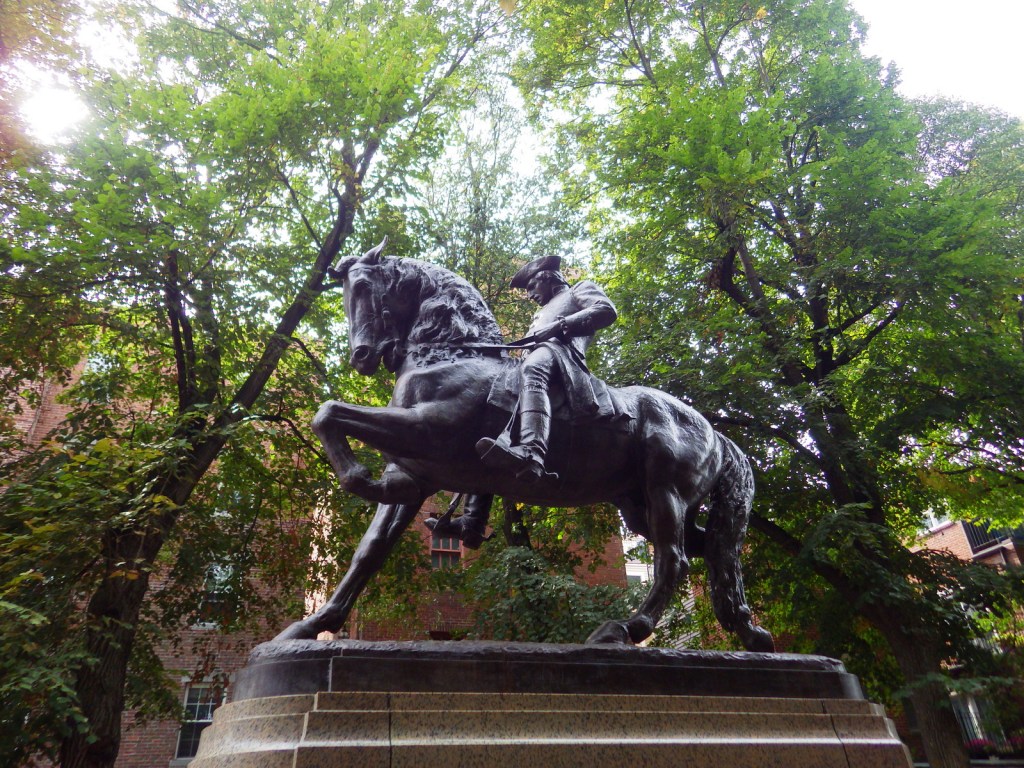
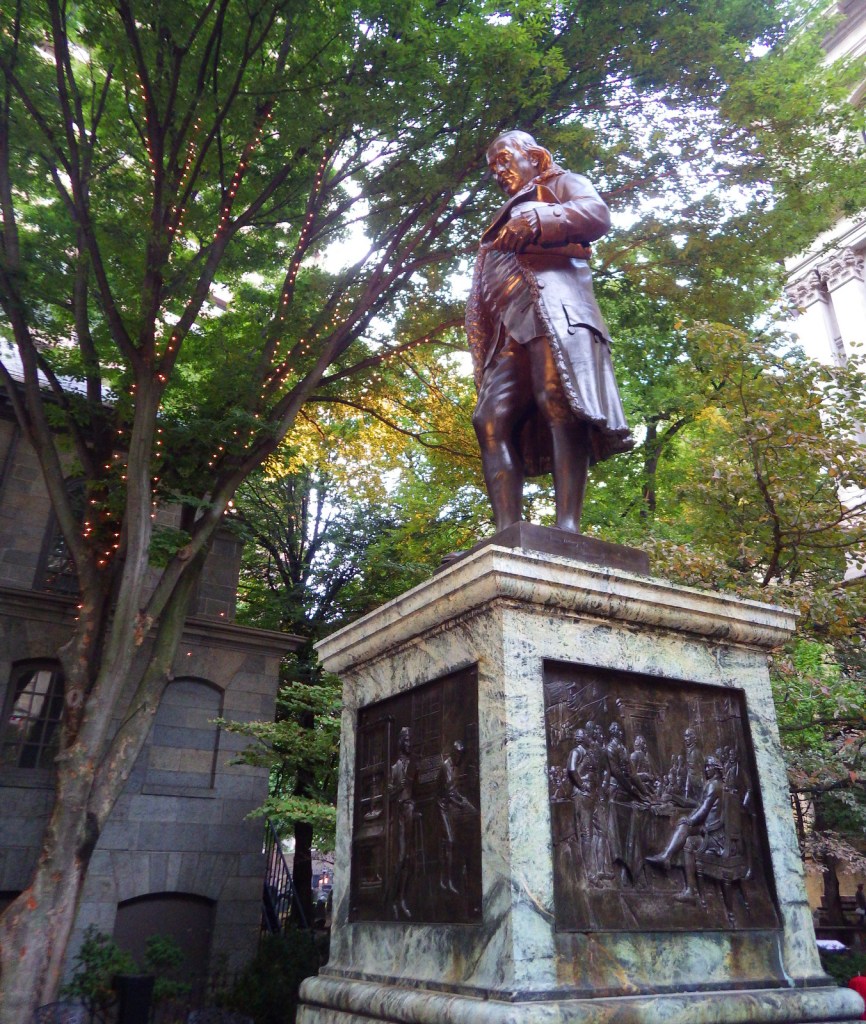
The famous 2.5-mile long Freedom Trail through downtown Boston, Massachusetts is a walking path marked by a line painted on the sidewalk.  Of the many historic places you will pass along the route, some of the free ones include the site of the 1770 Boston Massacre, Faneuil Hall known as the “Cradle of Liberty” (and now a National Park Service visitor center), the site of the first public school in America established in 1635, several burying grounds, and the Old Corner Bookstore that has been turned into a restaurant.  You can also pay to enter the Old State House and Paul Revere House, among other sites.

Instagram-worthy Photo

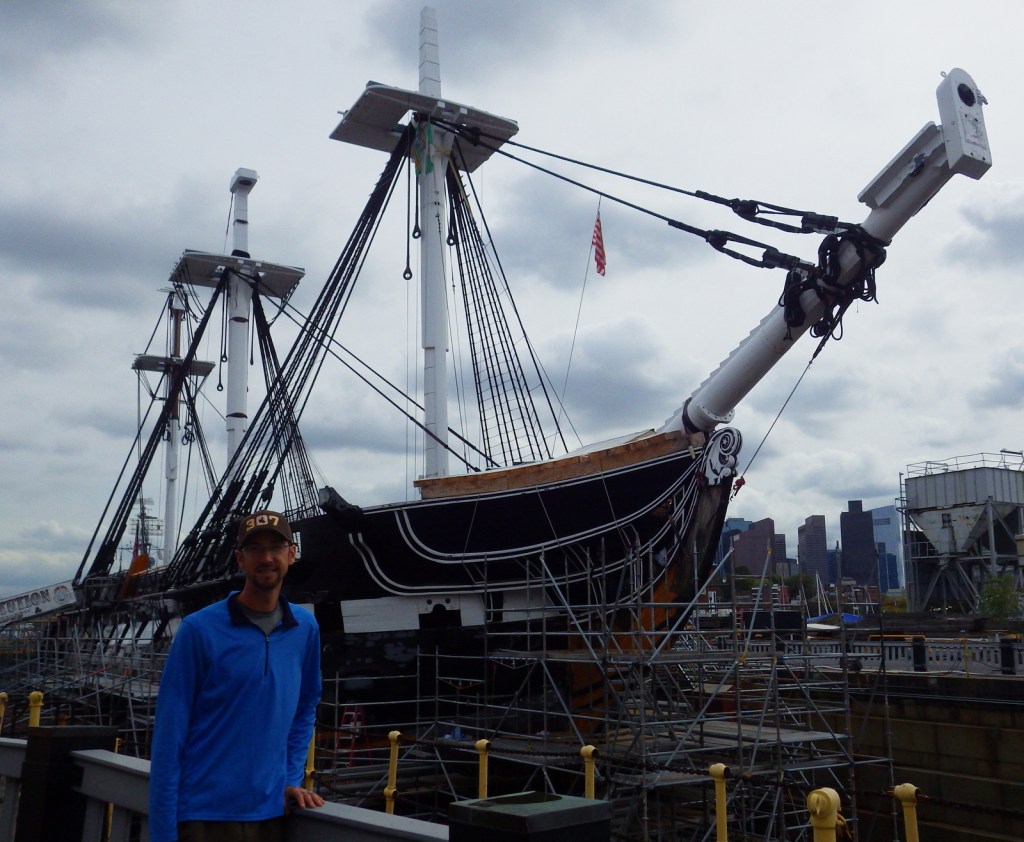
If you keep walking the Freedom Trail north you cross the Charlestown Bridge to the Charlestown Navy Yard where you can walk aboard the USS Constitution (“Old Ironsides”), the oldest commissioned warship afloat in the world, and learn about it from active-duty U.S. Navy servicemen and women.

Peak Season

Summer

Hours

https://www.nps.gov/bost/planyourvisit/hours.htm

Fees

None, except at specific buildings like the Old State House and Paul Revere House.

Road Conditions

Roads are paved, but traffic is bad and parking is expensive.  It is best to use public transportation to get into the city and then walk.

Camping

There are camping opportunities (reservations required) in Boston Harbor Islands National Recreation Area, which are accessible by ferry from the city.

Related Sites

Minute Man National Historical Park (Massachusetts)

Boston African American National Historic Site (Massachusetts)

Boston Harbor Islands National Recreation Area (Massachusetts)

Explore More – The live oak wood used to build the USS Constitution came from what island, now managed by the National Park Service?

Fort Frederica National Monument

Overview

The colony of Georgia was established by James Oglethorpe to be an alcohol-free utopia open to commoners in debtors’ prison back in England.  The aristocrats quickly discarded those ideals and introduced slavery after founding a town on the Savannah River in 1733.  That same year, to the south the Spanish constructed Fort Mose as a sanctuary to slaves who fled the British.  In response, Oglethorpe created Fort Frederica on St. Simons Island, with a palisade and 10-foot wide moat around the entire town.  Further, he led an unsuccessful siege of St. Augustine, Florida in 1740.  The Spanish retaliated, but were defeated at Bloody Marsh despite owning a two-to-one advantage in soldiers.

Highlights

Museum, ruins of colonial fort, Bloody Marsh Battle Site

Must-Do Activity

Fort Frederica’s regiment was disbanded in 1749 and the town was abandoned within a decade when it was mostly destroyed by fire.  Today, visitors can walk the ruins underneath picturesque live oak trees draped in Spanish moss.  Fort Frederica National Monument is part of the Gullah/Geechee Cultural Heritage Corridor that honors the unique traditions brought by slaves from West Africa and retained over the centuries on these isolated Atlantic coastal islands.  Cooking gumbo with okra, weaving sweetgrass baskets, and using the word “guber” for peanut are all examples of how the Gullah/Geechee culture has survived into modern times. 

Best Trail

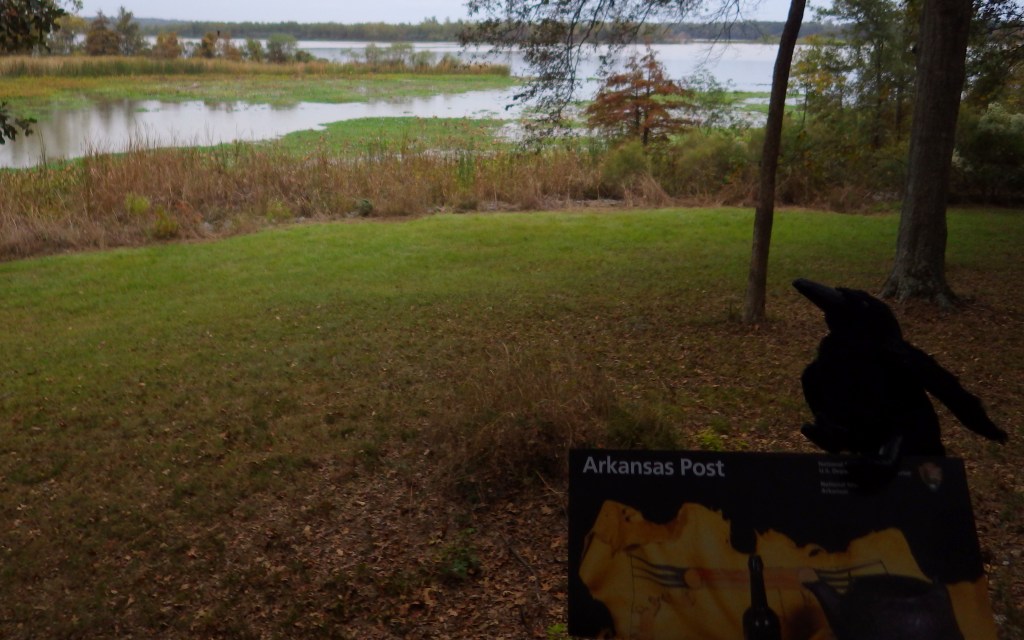
A self-guided tour passes excavated foundations of the town underneath Spanish moss-draped live oak trees.  During our visit in 2016, Hurricane Matthew had knocked down trees closing some of the trails.
Instagram-worthy Photo

The British established Fort Frederica to stop Spanish encroachment from Florida into their American colonies.  The town that formed around the fort peaked at a population of 1,000.  Today it is a beautiful setting with tabby wall ruins and Spanish moss-draped trees.

Peak Season

Spring and fall

Hours

https://www.nps.gov/fofr/planyourvisit/hours.htm

Fees

None, there is no longer a toll for the F.J. Torras Causeway that accesses St. Simons Island.

Road Conditions

All roads paved

Camping

Jekyll Island State Park offers camping 13 miles southeast of Brunswick, Georgia.

Related Sites

Fort Pulaski National Monument (Georgia)

Cumberland Island National Seashore (Georgia)

Fort Caroline National Memorial (Florida)

Explore More – Fort Frederica was named for which member of the British royalty?

Arkansas Post National Memorial

Overview

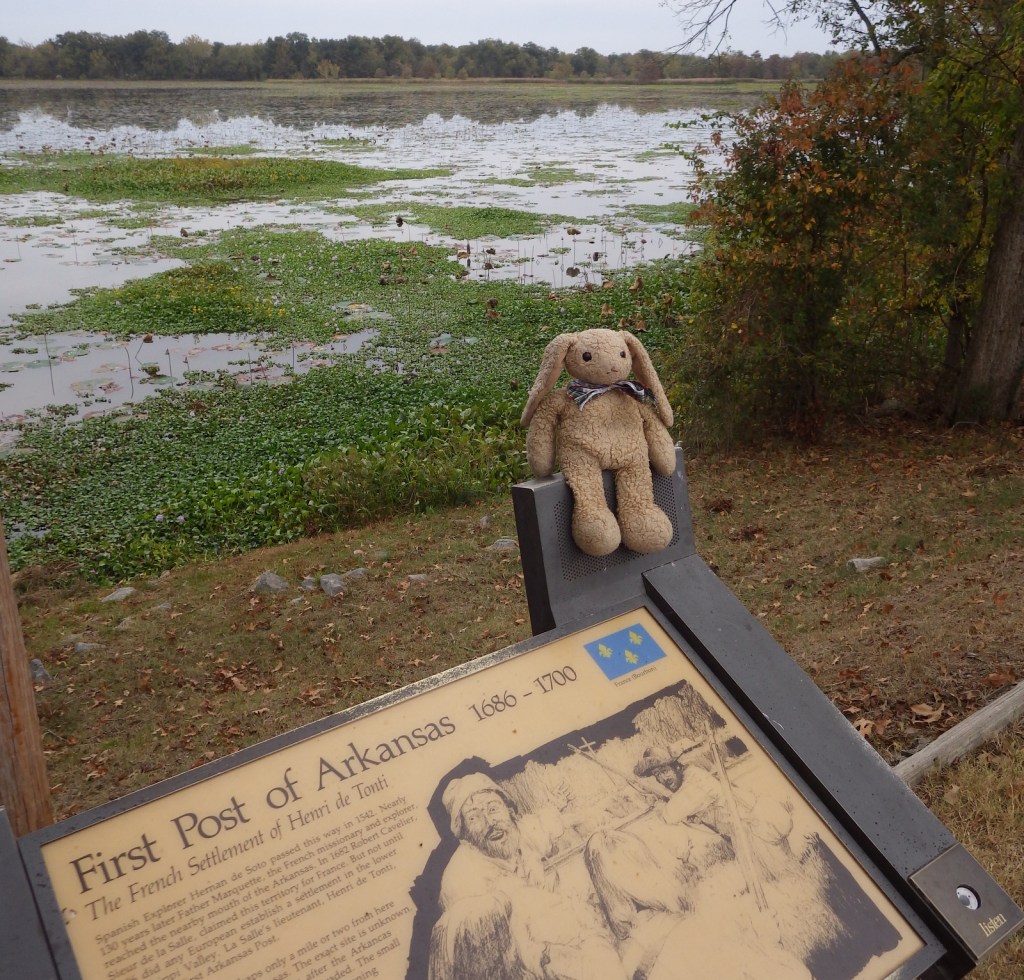
Arkansas Post National Memorial is in the southeastern section of its namesake state near the confluence of the Arkansas and Mississippi Rivers.  The French first settled this area in 1686 in order to trade with a large village of Quapaw Indians.  From 1763-1800 the fort was controlled by the Spanish, who were attacked by the British here in 1783 in what became known as the Colbert Incident, considered one of the final battles in the American Revolution.

Highlights

Museum, film, ruins, cannons, wildlife, fishing

Must-Do Activity

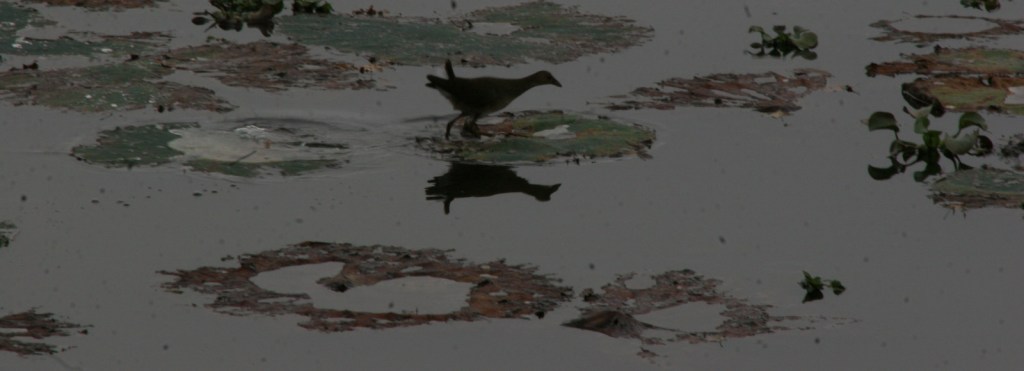
Following the Louisiana Purchase, the post briefly served as the territorial capital, then that moved to Little Rock, Arkansas in 1821.  It fell into decline until Fort Hindman was built during the Civil War, after which time much of the shoreline was washed away by the Arkansas River.  There are not many human structures left to see at the site, but the bayou offers great opportunities for birdwatching.

Best Trail

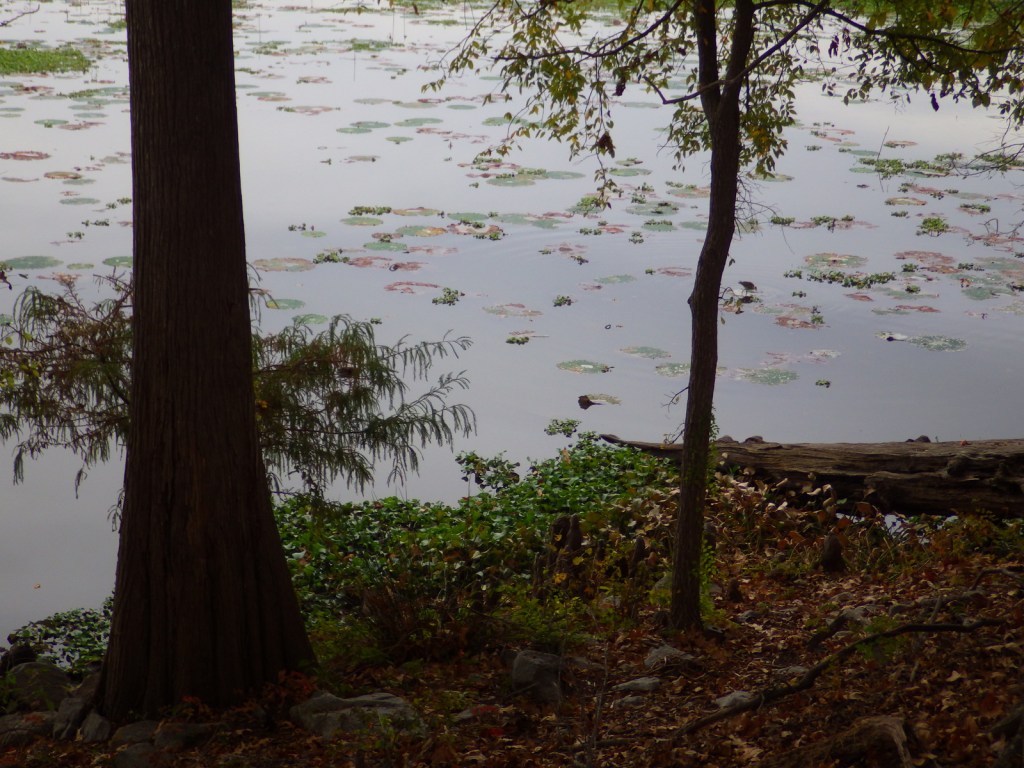
A trail passes Park Lake through the Old Townsite to shoreline views of Post Bayou and the Arkansas River.  A trench dug by the Confederate army during the Civil War is also visible from the trail and a side road north of the visitor center.

Instagram-worthy Photo

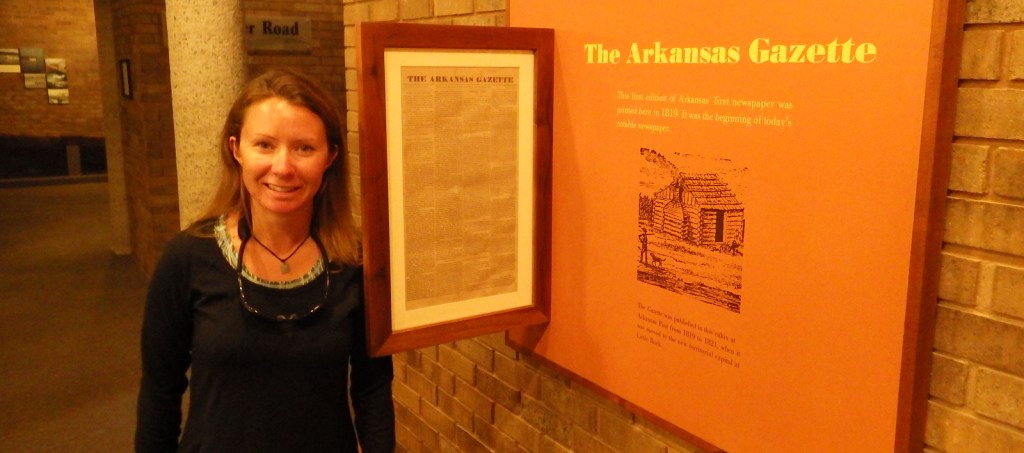
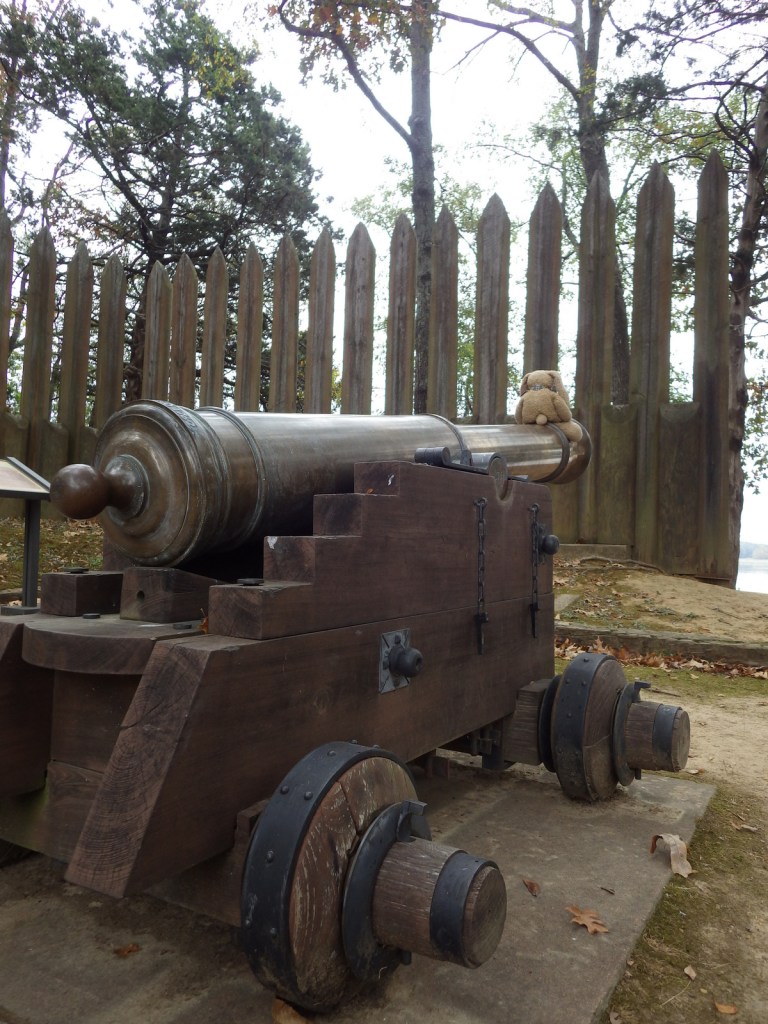
There are plenty of cannons around to pose with, but Tiff was most excited about the original location of The Arkansas Gazette newspaper that started right here in 1819 and is still printed today in Little Rock (which is where she grew up with Wondon).

Peak Season

Spring and fall when there are less mosquitoes.

Hours

https://www.nps.gov/arpo/planyourvisit/basicinfo.htm

Fees

None

Road Conditions

All roads paved

Camping

Camping is not allowed within the park, but the U.S. Army Corps of Engineers manages campgrounds at Pendleton Bend and Merrisach Lake Park.

Related Sites

Little Rock Central High School National Historic Site (Arkansas)

Hot Springs National Park (Arkansas)

Natchez Trace Parkway (Mississippi-Tennessee)

Explore More – Following the 1863 Civil War battle to take the fort, how many Confederate soldiers were taken prisoner?