Tag Archives: trail

Buck Island Reef National Monument

Overview

Located 1.5 miles north of the large Caribbean island of St. Croix is Buck Island, which covers only 176 acres of the 19,015 acres designated as Buck Island Reef National Monument.  Arguably the best coral reef in the entire National Park Service (NPS) system is the barrier reef around the island’s northern and eastern shore, which includes large examples of elkhorn coral with its beautiful yellow branches.  Private boats can get a permit to visit the island, but most tourists reserve trips with an NPS-authorized concessionaire that provides the gear for guided snorkeling and scuba diving experiences.

Highlights

Snorkeling, Underwater Trail, West Beach, Observation Point

Must-Do Activity

Snorkeling on the eastern end of the island is the highlight of a day trip to Buck Island.  The water offshore from St. Croix is cooler, even though your boat will moor in a lagoon, so consider wearing a wet suit.  There is an Underwater Trail with interpretive signs at one location along the coral reef.  Watch for a variety of parrotfish, angelfish, filefish, and sharks (lemon and nurse).  Sea turtles (green, hawksbill, loggerhead, and leatherback) are more common the west side of the island.

Best Trail

A steep, sandy trail climbs from Diedrichs Point and forms a loop when you walk West Beach, the designated anchorage area.  The 45-minute trek has a must-do spur to Observation Point for the best views, otherwise you will not be able to see through the thick vegetation of thorny trees interspersed with organ pipe cactus.  Stay on the trail and be careful not to touch poisonous manchineel trees or Christmas bush (related to poison-ivy).

Instagram-worthy Photo

Bring an underwater camera for great photo opportunities.  We followed a spotted eagle ray and a large school of blue tangs around the reef.  We also saw a nurse shark, lemon shark, and dozens of barracudas.

Peak Season

Anytime except hurricane season

Hours

Buck Island is only open during daylight hours

https://www.nps.gov/buis/planyourvisit/hours.htm

Fees

None, except for concessionaire boat trip

Road Conditions

There are no roads on the island, so a boat tour through an NPS-authorized concessionaire is necessary to access it.  There is a large parking lot (fee) near the Christiansted marina and floatplane airport.  Note: you drive on the left side of the road in the U.S. Virgin Islands, but in standard American left-side driver seat vehicles.

Camping

Buck Island is closed between sunset and sunrise, with no overnight mooring allowed.  On St. Croix, there is no official NPS campground at Salt River Bay National Historical Park and Ecological Preserve, but people camp along the coast there and at many beachside locations around the entire island.

Related Sites

Christiansted National Historic Site (U.S. Virgin Islands)

Salt River Bay National Historical Park and Ecological Preserve (U.S. Virgin Islands)

Virgin Islands National Park (U.S. Virgin Islands)

Explore More – What type of domesticated animals were let loose on Buck Island in the 1700s (permanently altering the vegetation)?

Haleakalā National Park

Overview

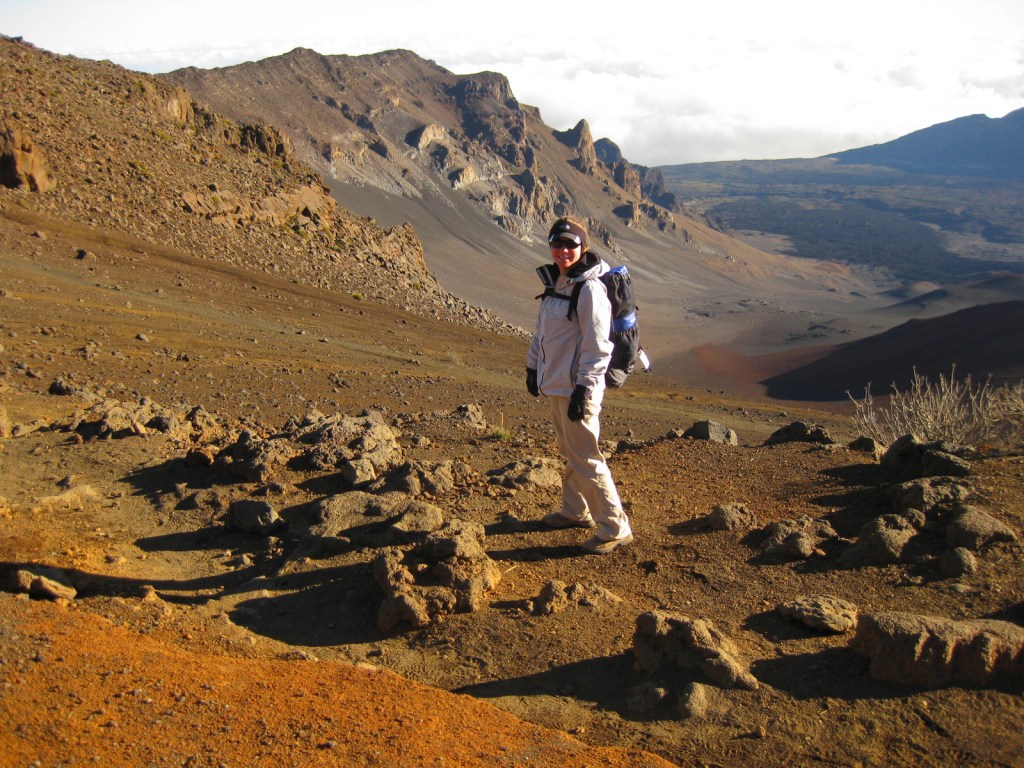
On the tropical island of Maui, Haleakalā National Park is accessible by two memorable roads.  One road climbs from sea level up to 10,023 feet overlooking Haleakalā Crater, which has almost no vegetation.  To the east, a lush tropical rainforest thrives in the Kīpahulu District located at the end of the winding road to Hana.  Both districts offer great hiking opportunities and free campgrounds. There is much more information about this park in our National Park guidebook, available on Amazon.

Highlights

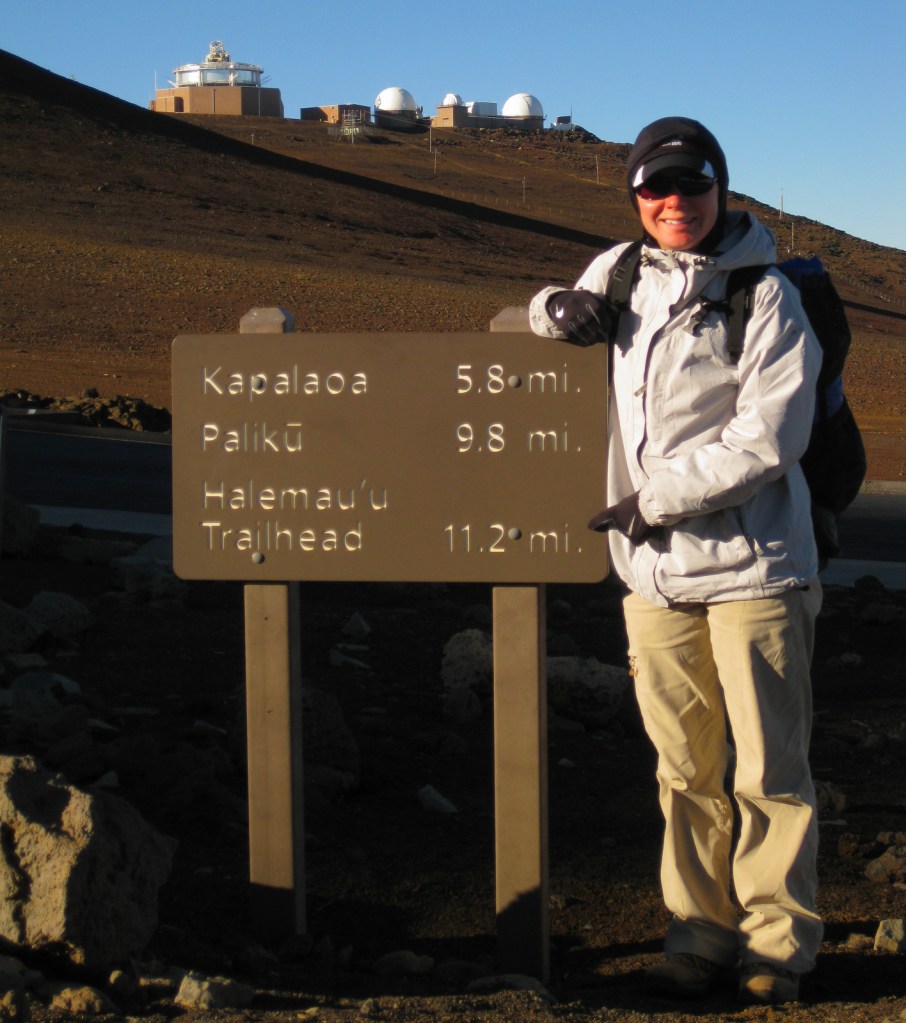
Haleakalā Crater, Sliding Sands Trail, Hosmer Grove, ‘Ohe‘o Gulch pools, Waimoku Falls

Must-Do Activity

The thing to do at Haleakalā National Park is drive up the curvy entrance road in the pitch dark to catch a sunrise from 10,000 feet.  Haleakalā translates to “the house of the sun” so it is kind of a big deal here.  It is like a party atmosphere in the chilly air waiting for the guest of honor.  Of course, we were up there one morning, though we thought the sunsets were prettier and much less crowded.  Several tours drive visitors to the summit for sunrise then provide bicycles to coast back down the switchbacks outside the park boundaries.

Best Trail

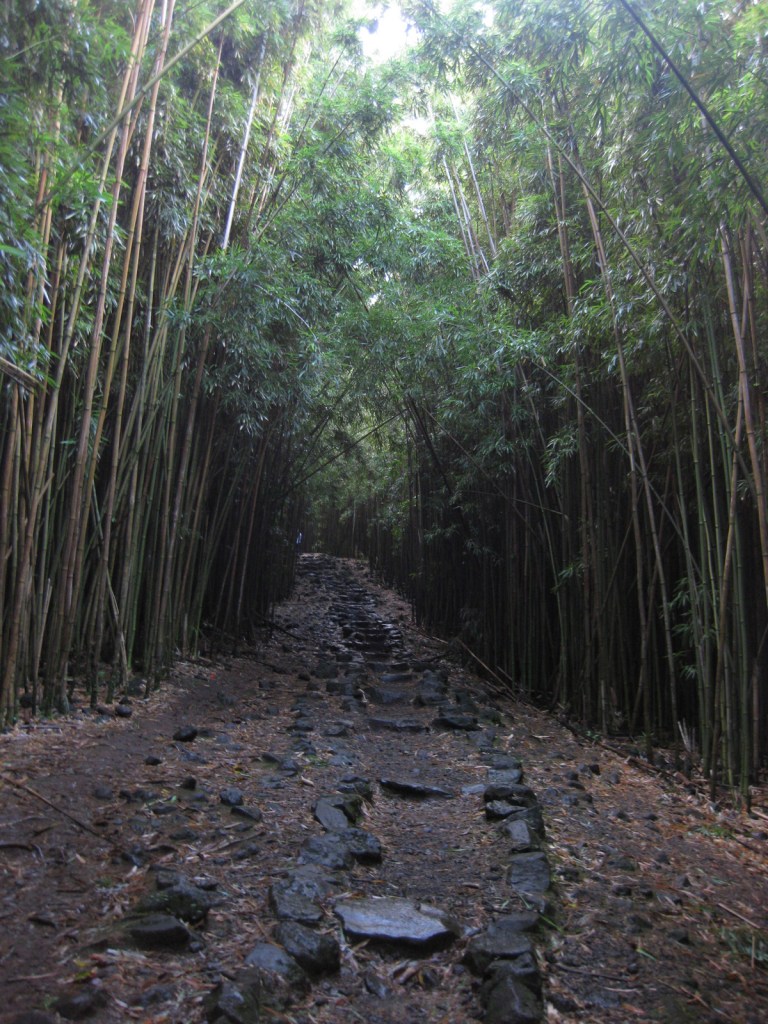
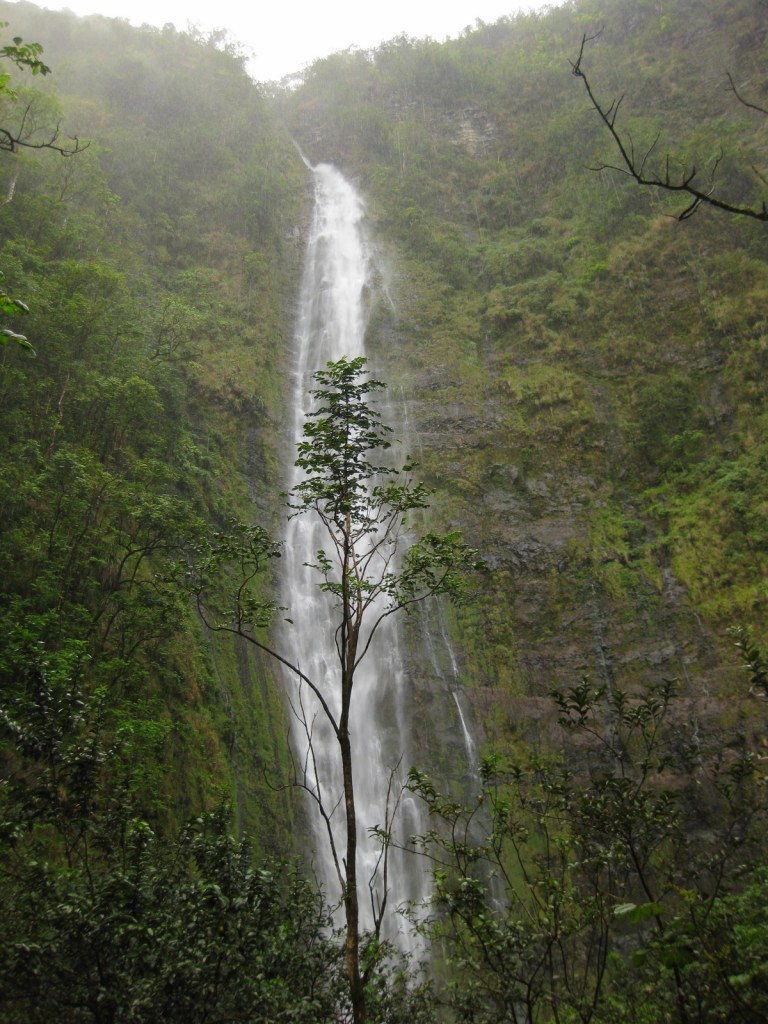
In the Kīpahulu District, we hiked the two-mile Pipiwai Trail to the 400 foot cascades of Waimoku Falls in a steady downpour.   The trail offers some protection from rain under sprawling banyan trees and incredibly dense bamboo thickets.  Like many of the plant and animal species found throughout Hawai‘i, the banyan and bamboo are not native to the islands, but have thrived on this isolated landmass 2,400 miles from the nearest continent. 

Instagram-worthy Photo

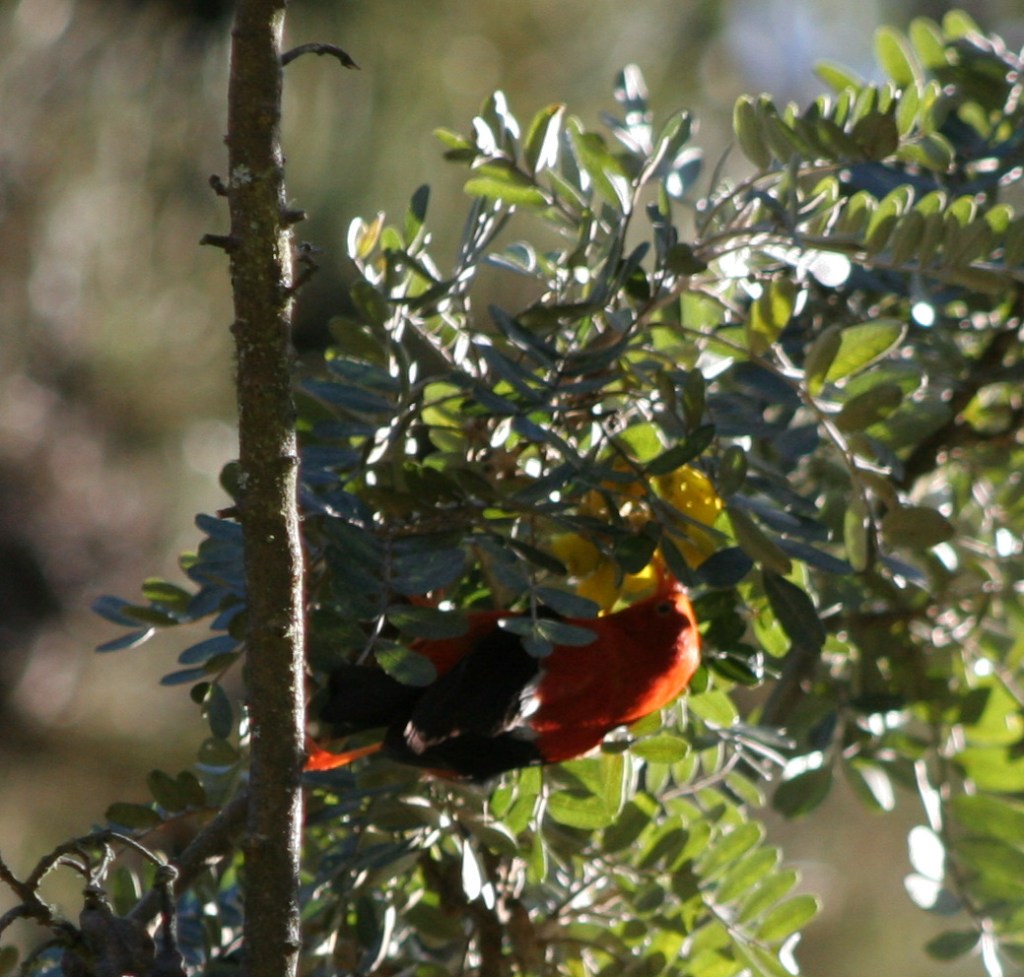
Silversword (‘ahinahina) plants grow all along the Sliding Sands Trail that accesses the bottom of the 2,000 foot deep crater.

Peak Season

Year round, though summer might be slightly warmer at 10,000 feet in elevation.

Hours

https://www.nps.gov/hale/planyourvisit/hours.htm

Fees

$30 per vehicle or America the Beautiful pass

Road Conditions

All roads are paved, but the road to the summit is full of switchbacks and bicyclists.  The curvy road to Hana is well known for its one-lane bridges, of which we counted 53 before we reached the Kīpahulu District.

Camping

The two National Park Service campgrounds here are free, a big savings in a place that can be expensive to visit.  There is a lottery for three hike-in cabins and permits available for wilderness backpacking campsites.

Related Sites

Kalaupapa National Historical Park (Hawai‘i)

Hawai‘i Volcanoes National Park (Hawai‘i)

Kaloko-Honokōhau National Historical Park (Hawai‘i)

This design we created to celebrate Haleakalā National Park is available on a variety of products at Cafe Press.

Explore More – How much annual precipitation does the Kīpahulu District receive (making it one of the wettest places on Earth)?

We are a participant in the Amazon Services LLC Associates Program, an affiliate advertising program designed to provide a means for us to earn fees by linking to Amazon.com and affiliated sites.

Fort Smith National Historic Site

Overview

Along a segment of the Arkansas River serving as a border with Oklahoma, Fort Smith is a lovely 35-acre park surrounded by a bustling downtown and busy railroad track.  The first fort at this site was established in 1817 to assist in the Cherokee relocation at the end of the Trail of Tears.  A second fort was built nearby in 1838, occupied by both sides during the Civil War, then closed in 1871 when it became a Federal Court.

Highlights

Museum, restored courtroom, “Hell-on-the-Border” jail, Arkansas River

Must-Do Activity

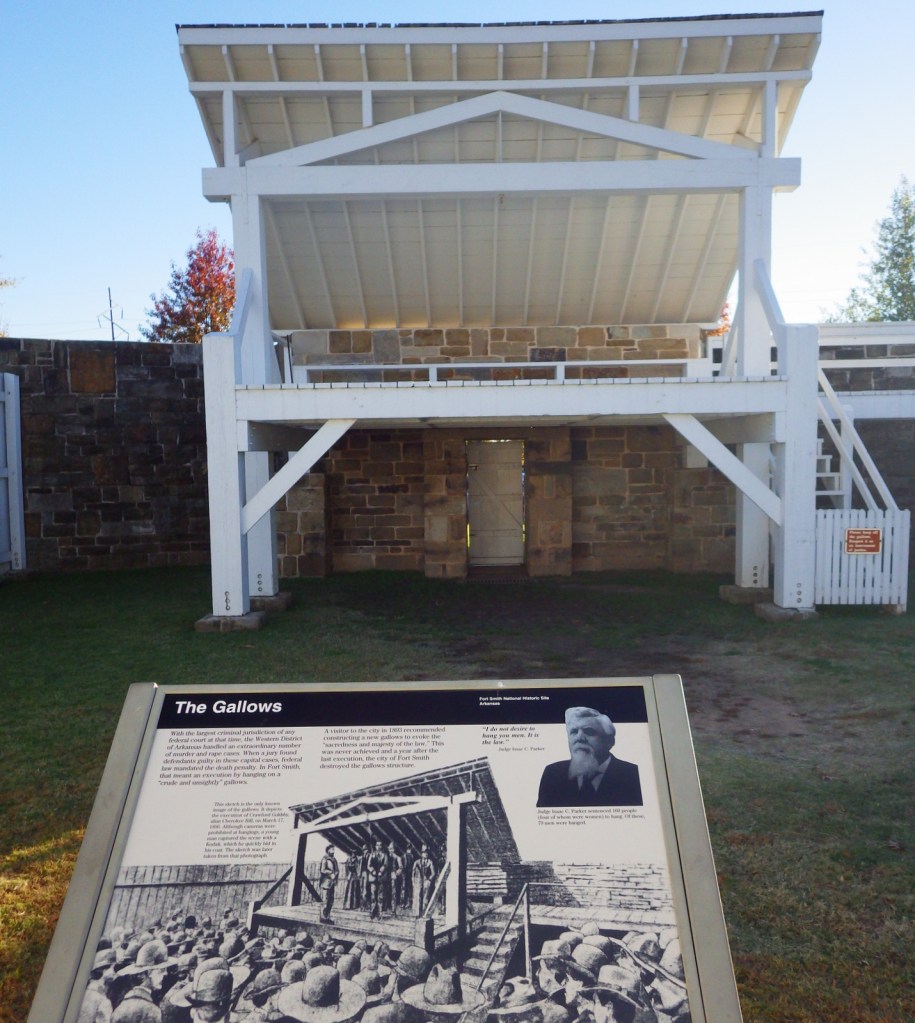
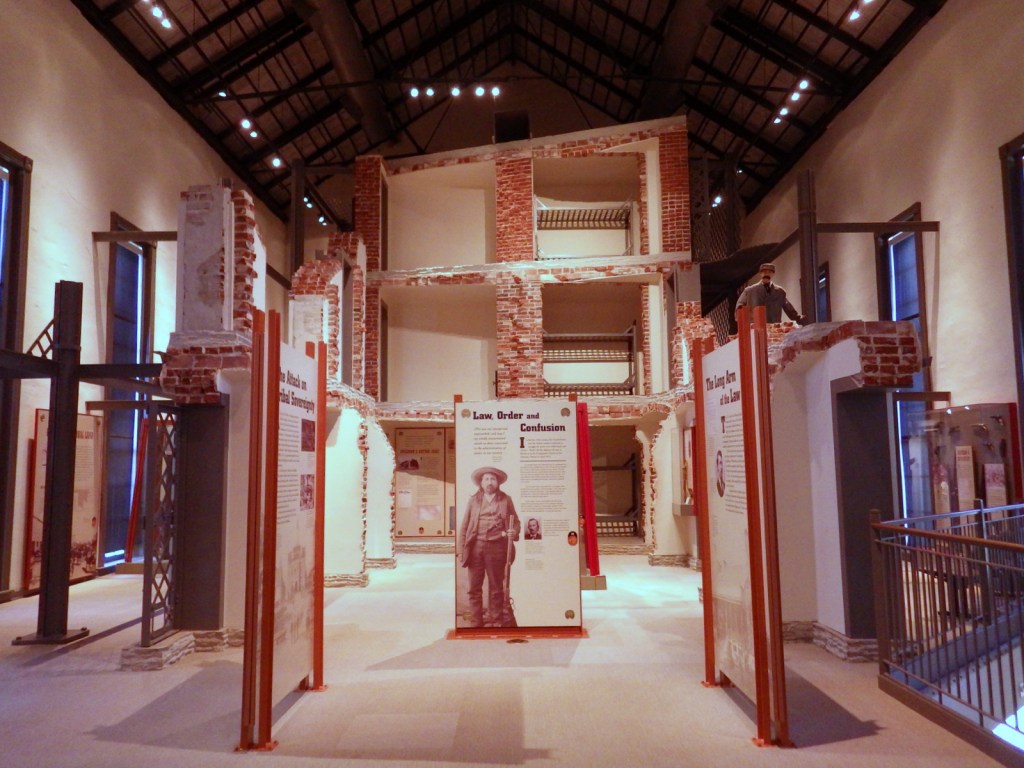
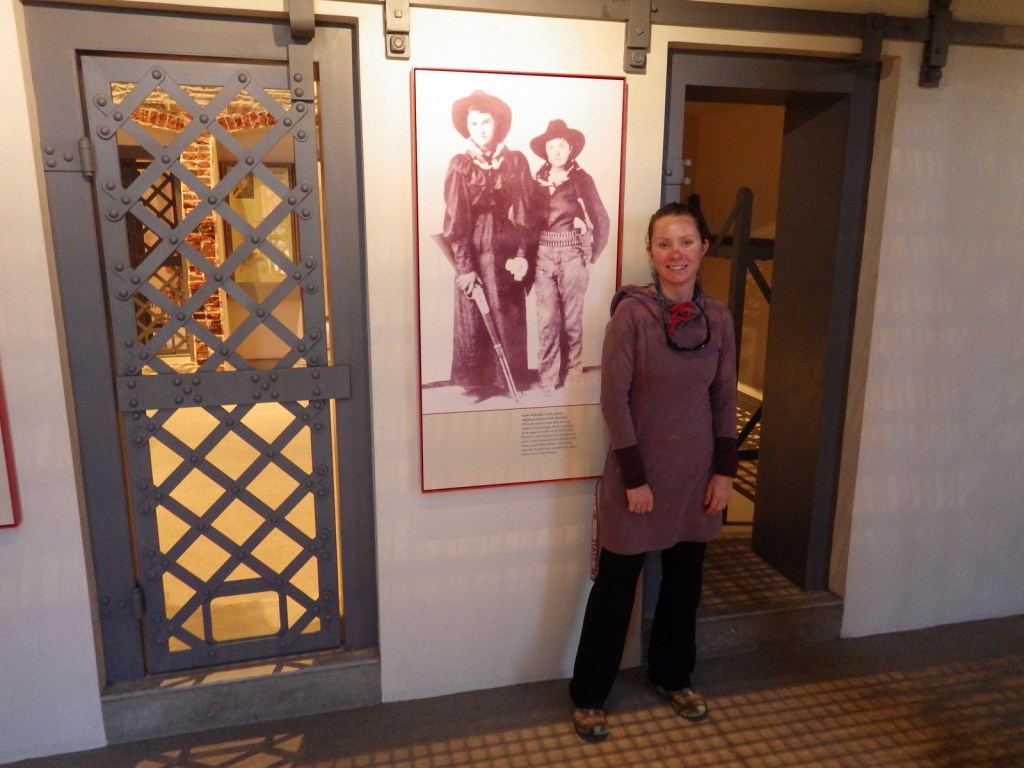
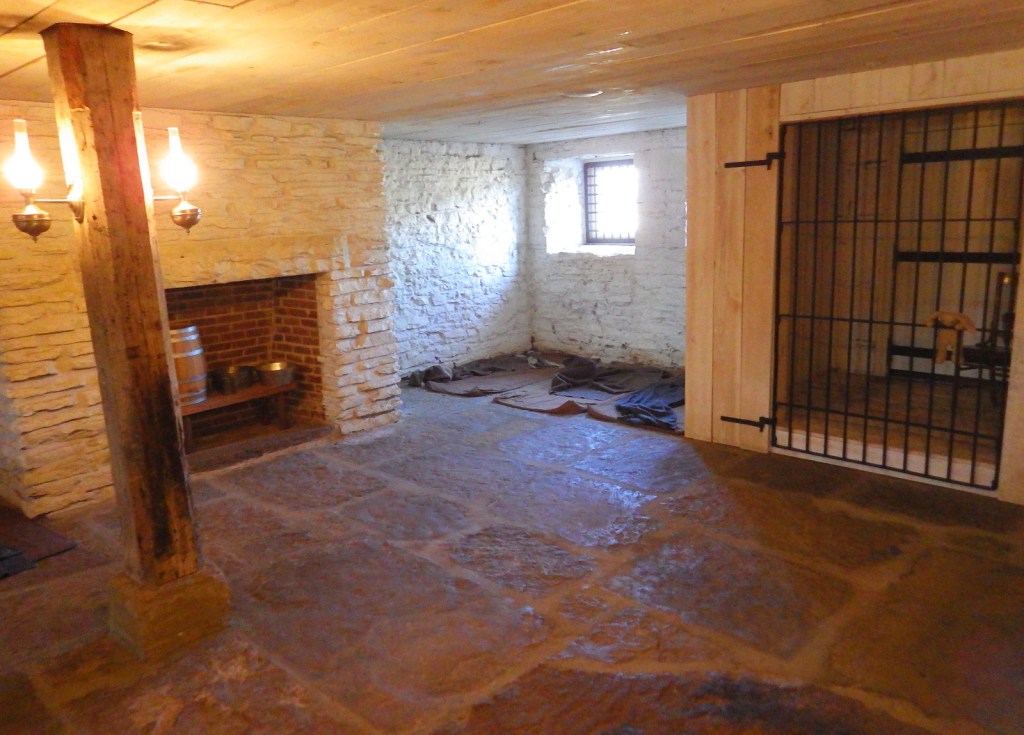
The exhibits here demonstrate the harsh prison conditions and tell harrowing stories of frontier life that will make you cringe.  Do not miss the “Hell-on-the-Border” jail in the basement and the restored courtroom.  Outside, a reproduction of the gallows and several cannon emplacements provide a counterpoint to the idyllic riverfront setting. 

Best Trail

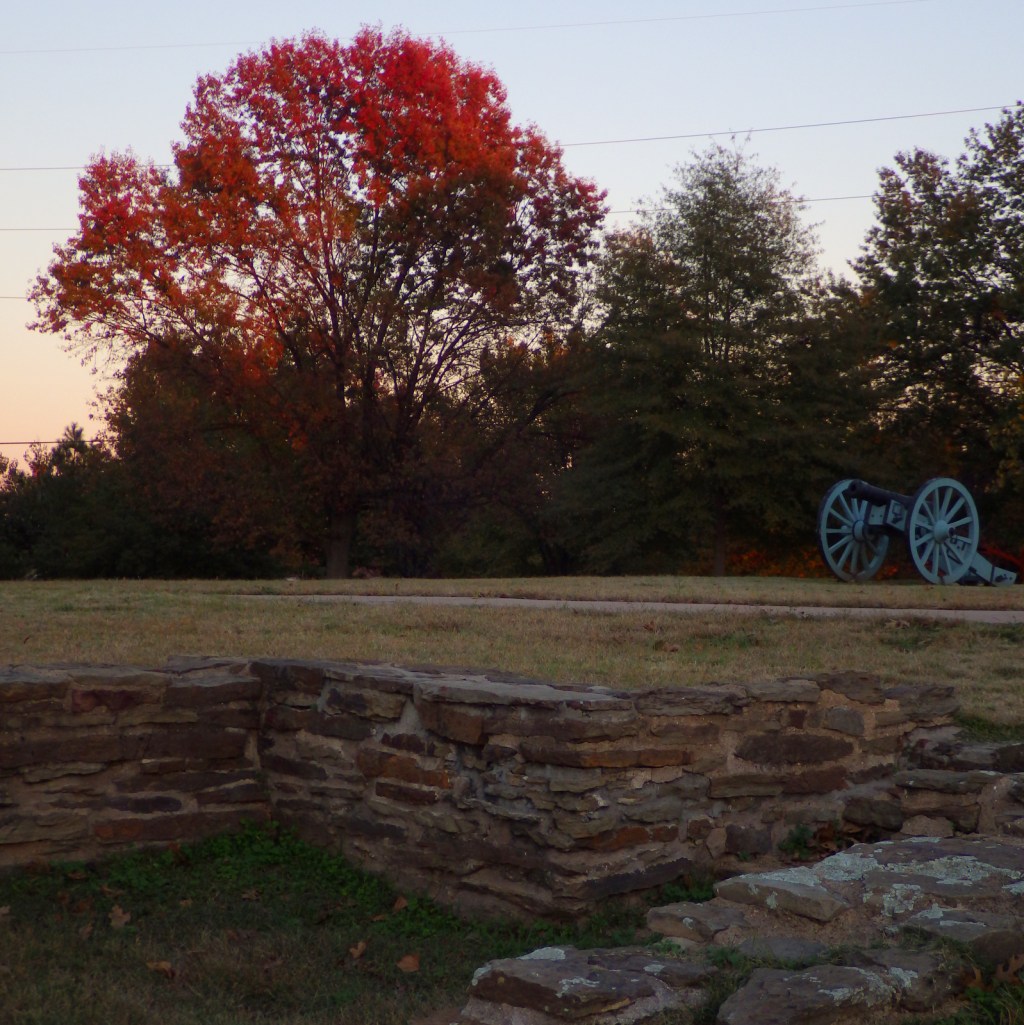
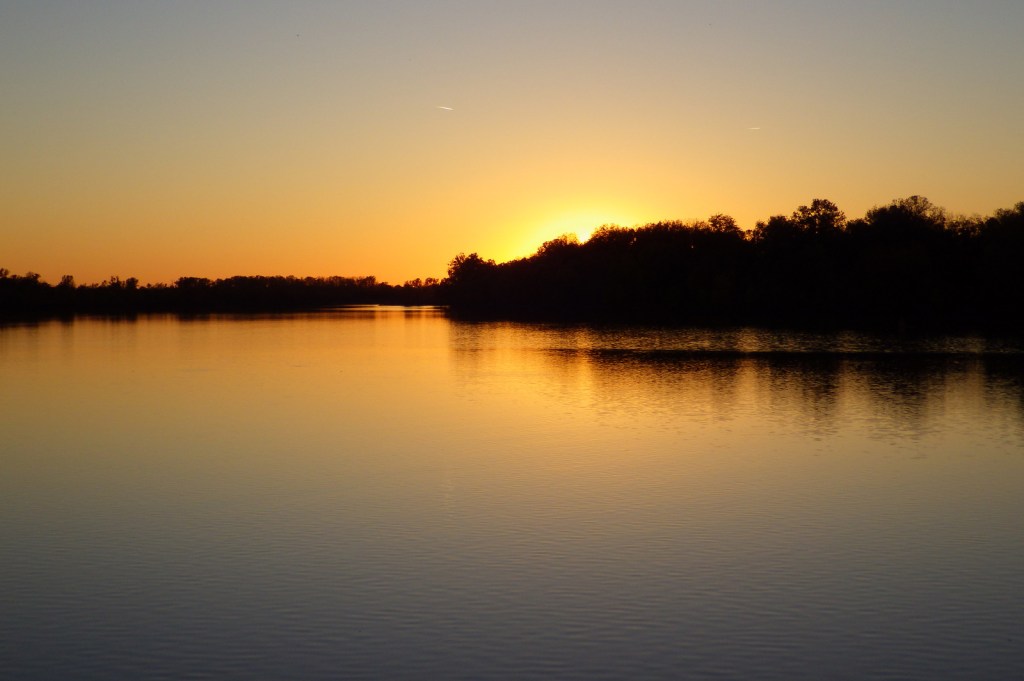
A half-mile trail crosses the railroad tracks to the banks of the Arkansas River.  The scenic beauty of the shoreline at sunset belies the turbulent history of this place, including its connection with the Trail of Tears, designated a National Historic Trail.

Instagram-worthy Photo

Take a photo in the painstakingly restored courtroom where Judge Isaac C. Parker heard 12,000 criminal cases during his 21 years on the bench in the late 1800s.  He sentenced 160 persons to hang, and 79 executions took place right here at Fort Smith.

Peak Season

Spring and fall

Hours

https://www.nps.gov/fosm/planyourvisit/hours.htm

Fees

$10 per person or America the Beautiful pass

Road Conditions

All roads are paved and there is free parking on site.

Camping

Two miles north of Barling, Arkansas, the U.S. Army Corps of Engineers manages a campground on the Arkansas River.

Related Sites

Arkansas Post National Memorial (Arkansas)

Fort Scott National Historic Site (Kansas)

Pea Ridge National Military Park (Arkansas)

Explore More – Fort Smith was established in 1817 to assist in the Cherokee relocation at the end of the Trail of Tears, but what American Indian tribe already inhabited this region?

Fort Union Trading Post National Historic Site

Overview

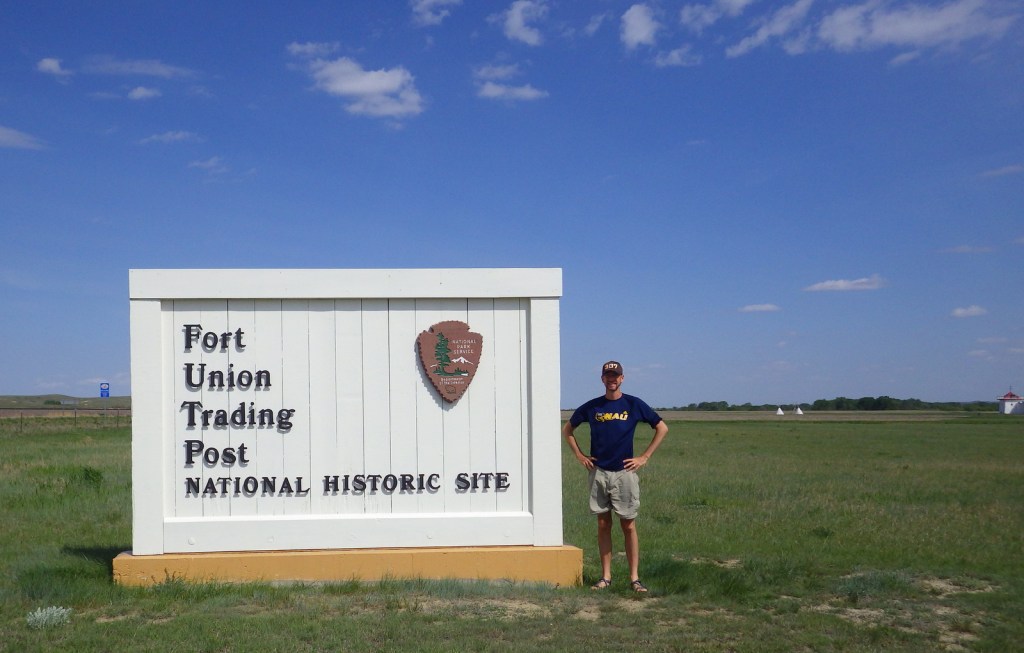
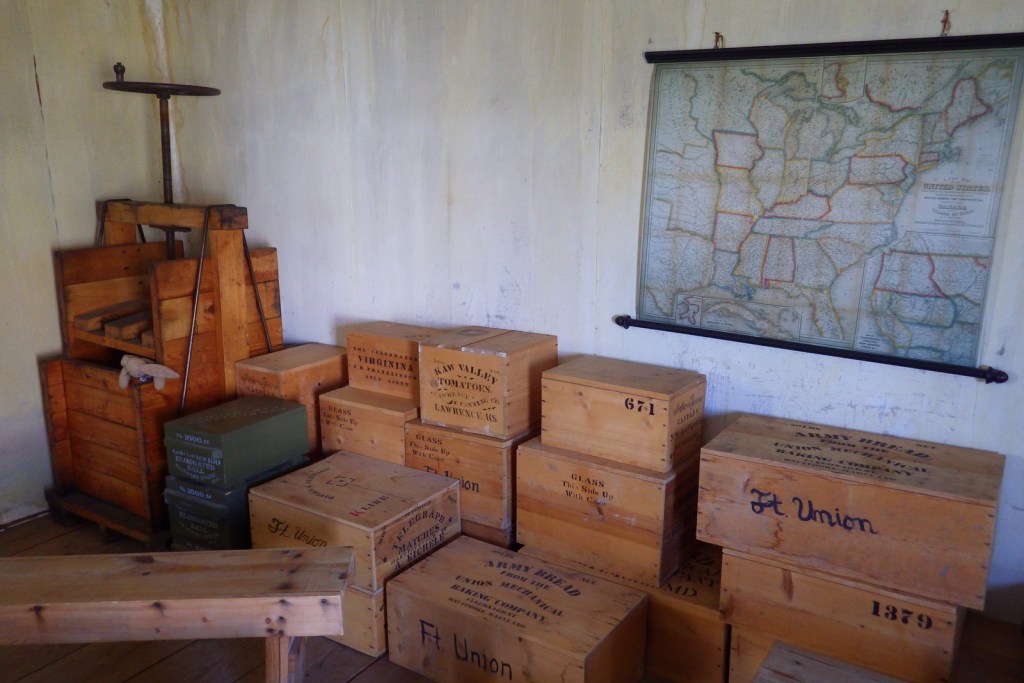
When you park at Fort Union Trading Post National Historic Site you are in Montana, but as you walk to the fort you cross into North Dakota, changing time zones from Mountain to Central Time.  Strategically located near the confluence of the Yellowstone and Missouri Rivers, the trading post lasted from 1828 to 1867 when it was sold to the U.S. Army who dismantled it to build Fort Buford two miles downstream.  Fort Union primarily traded with Plains Indians for bison hides, since beaver skin top hats were out of fashion by that point.

Highlights

Museum, reconstructed fort, Fort Buford State Historic Site, Missouri-Yellowstone River confluence

Must-Do Activity

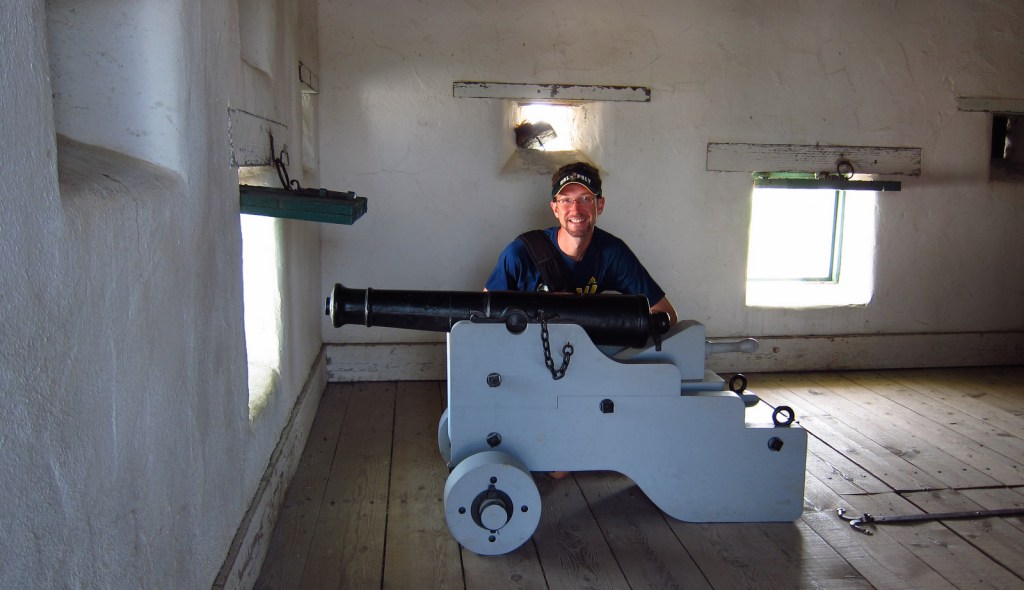
The National Park Service (NPS) visitor center is located inside the reconstructed Bourgeois (field agent) House, one of several buildings and palisades rebuilt between 1985 and 1991 using rot-resistant fir instead of the original cottonwood.  After touring Fort Union, drive to Fort Buford State Historic Site where a visitor center (fee) opened at the two rivers’ confluence in August 2003 as part of the Lewis and Clark bicentennial celebration.

Best Trail

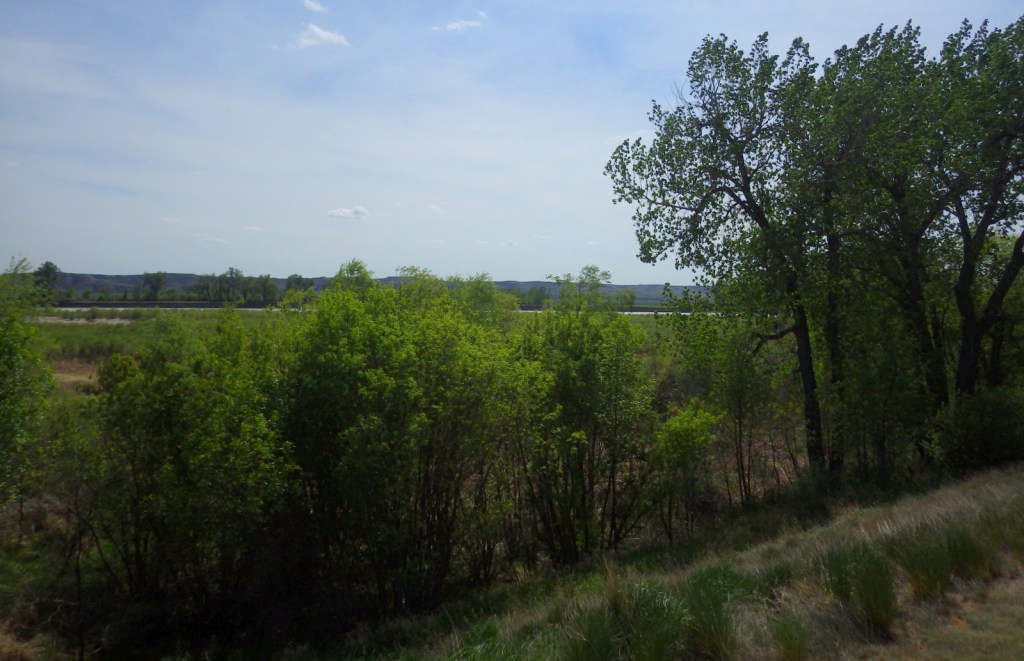
The Bodmer Overlook Trail climbs one mile to a point where Swiss painter Karl Bodmer sketched the fort in 1833.  The trailhead is located north of Highway 1804.

Instagram-worthy Photo

The colorful Bourgeois House is where the trading post manager lived.  A four-day fur-trade rendezvous is held annually at the park in June.

Peak Season

Summer

Hours

https://www.nps.gov/fous/planyourvisit/hours.htm

Fees

None at the NPS site, but there is an entrance fee at Fort Buford State Historic Site.

Road Conditions

Access roads are paved.

Camping

There is a campground at nearby Fort Buford State Historic Site.

Related Sites

Knife River Indian Villages National Historic Site (North Dakota)

Fort Vancouver National Historic Site (Washington)

Theodore Roosevelt National Park (North Dakota)

Explore More – What famous ornithologist stayed at the fort in 1843?

Horseshoe Bend National Military Park

Overview

It was near Daviston, Alabama on March 27, 1814 that a fortified village of Upper Creek (or Red Stick) Indians was attacked by a superior force under the leadership of Major General Andrew Jackson.  Jackson started by firing cannons at the barricade for two hours, then his overanxious Indian allies pressed the issue by crossing the river to fight.  Jackson quickly ordered his men to charge and overtook the stronghold.  This proved to be the final battle of the Creek Indian War of 1813-14, which is considered part of the War of 1812.  In the treaty that followed, the tribe ceded much of the land that became the state of Alabama to the United States.  When Jackson became president in 1828, he signed the Indian Removal Bill and soon both the Upper Creeks and his former Indian allies were forced west on the Trail of Tears.

Highlights

Museum, film, auto tour, nature trail

Must-Do Activity

A short but good film is the best way to start learning about this lesser known yet important battle of the War of 1812 that brought fame to Andrew Jackson.  A diorama in the visitor center illustrates the fortifications used at Horseshoe Bend.   On the three-mile auto tour, only short walks are required from any interpretive pullout.

Best Trail

An alternative to the auto tour is a 2.8-mile nature trail that visits the same interpretive sites.

Instagram-worthy Photo

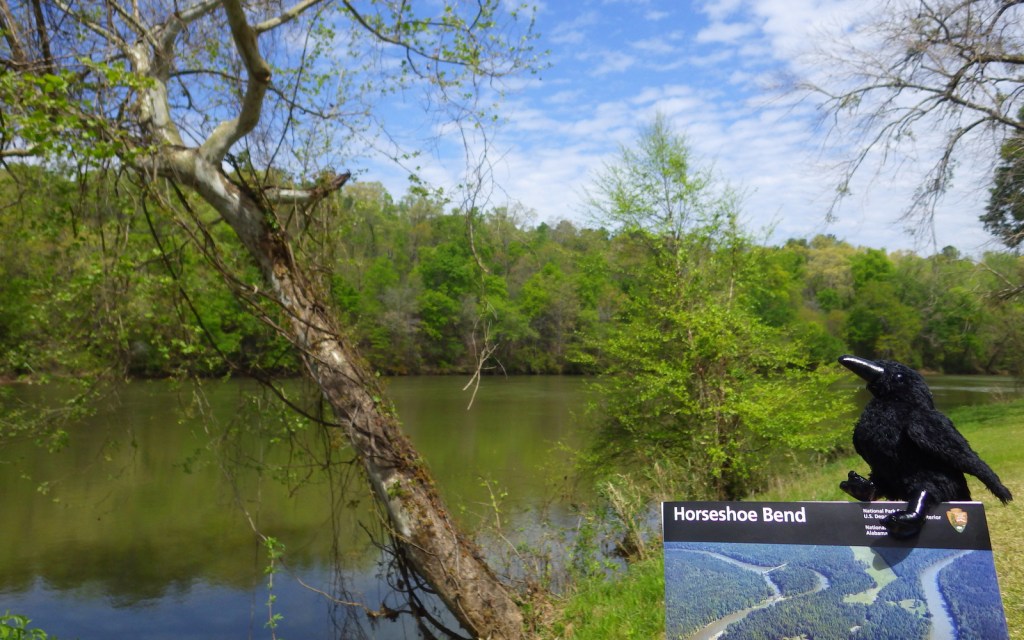
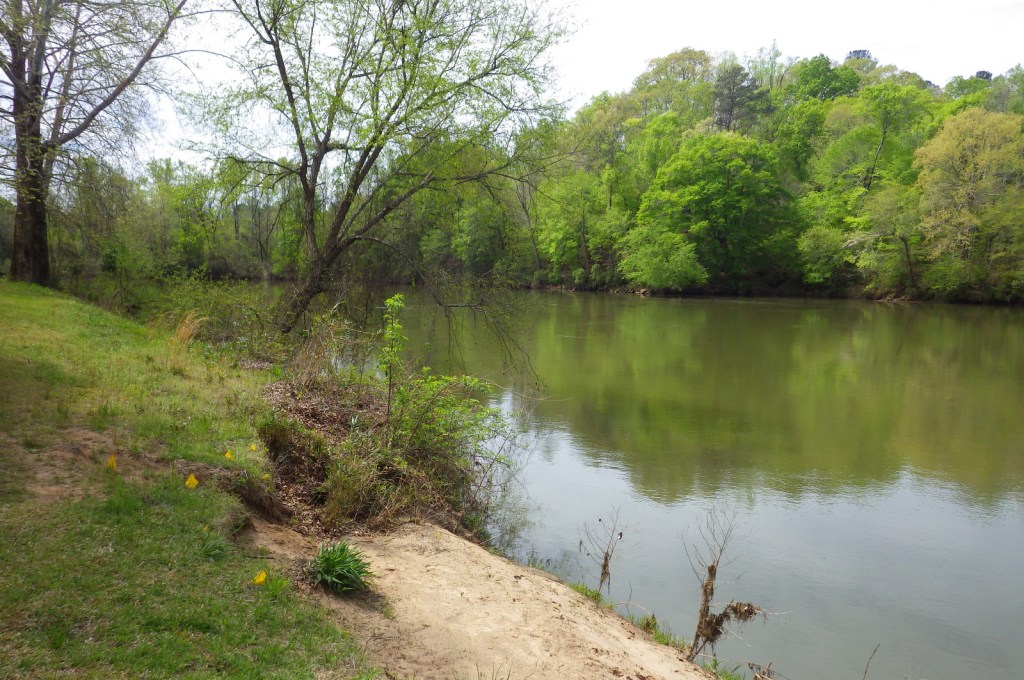
A tight curve in the Tallapoosa River in eastern Alabama provided the name for Horseshoe Bend National Military Park.  Indian allies of the U.S. started the 1814 battle by swimming then paddling stolen canoes across the river to get behind the fortifications.

Peak Season

Summer

Hours

https://www.nps.gov/hobe/planyourvisit/hours.htm

Fees

None

Road Conditions

All roads paved

Camping

There is no camping allowed here, but Wind Creek State Park has a campground 25 miles southwest of the park.

Related Sites

Jean Lafitte National Historical Park and Preserve (Louisiana)

Fort Smith National Historic Site (Arkansas-Oklahoma)

Russell Cave National Monument (Alabama)

Explore More – Where did a much more famous U.S. victory during the War of 1812 take place under the command of Major General Andrew Jackson?