Tag Archives: tour

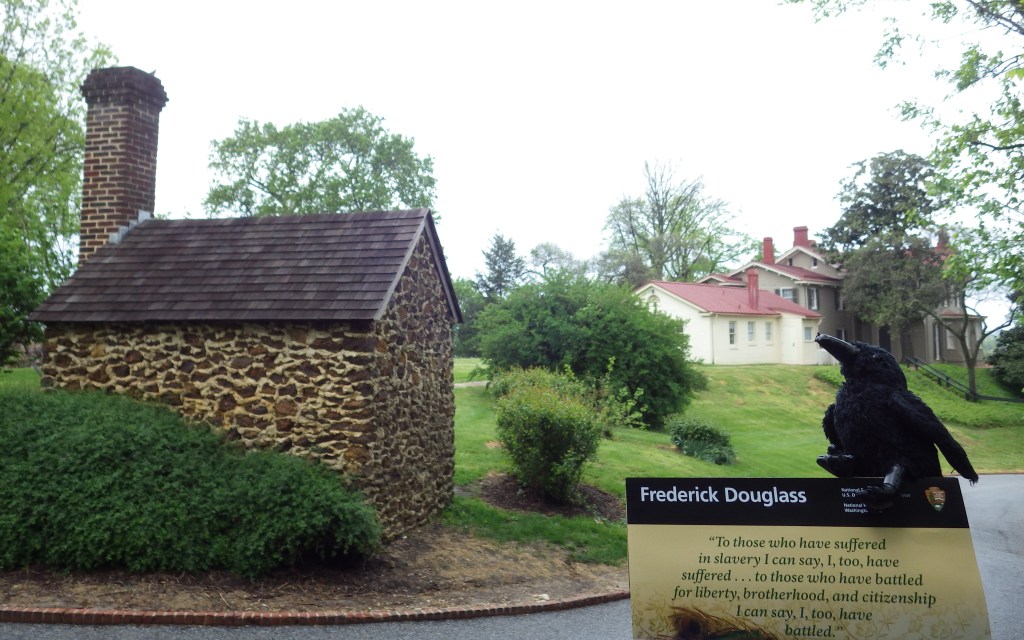
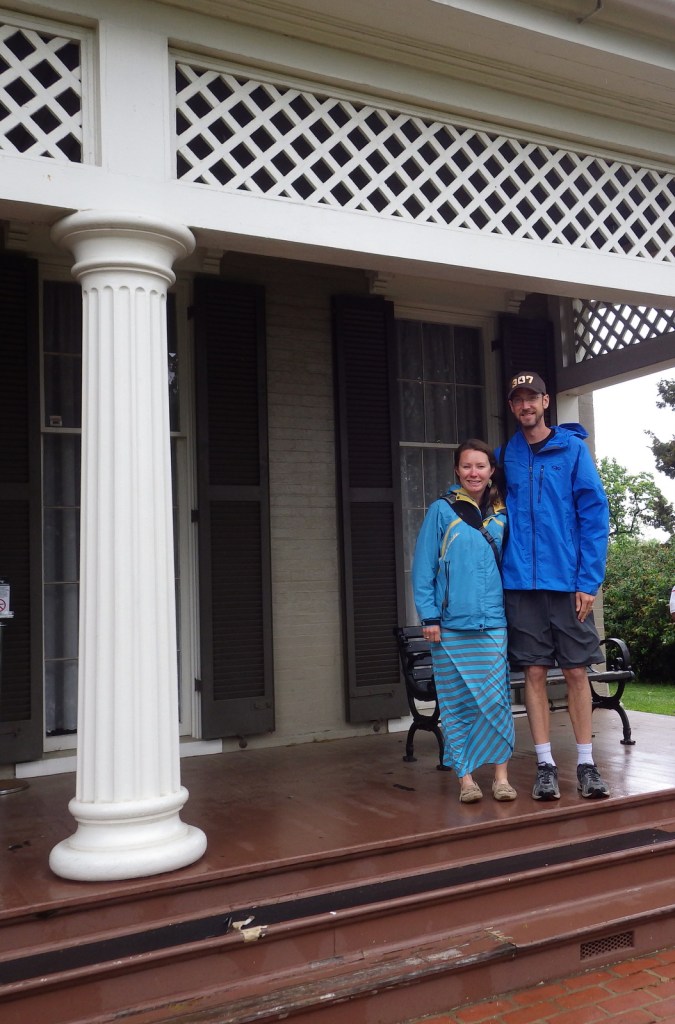
Frederick Douglass National Historic Site

Overview

Frederick Douglass was born into slavery in 1818 and learned to read despite rules against teaching slaves.  He later escaped his bondage and published his autobiography in 1845, becoming the leading African-American voice for the abolitionist movement.  He lived at the nine-acre Cedar Hill estate in the Anacostia neighborhood of Washington, D.C. from 1877 until his death in 1895.

Highlights

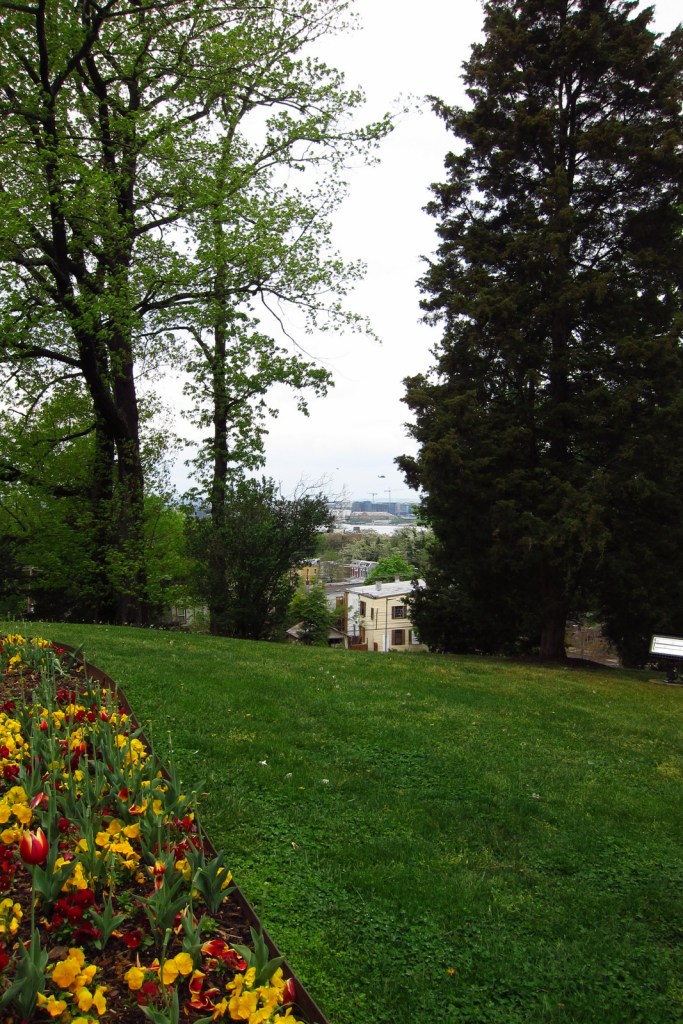
Historic home, great views of D.C., retro educational film

Must-Do Activity

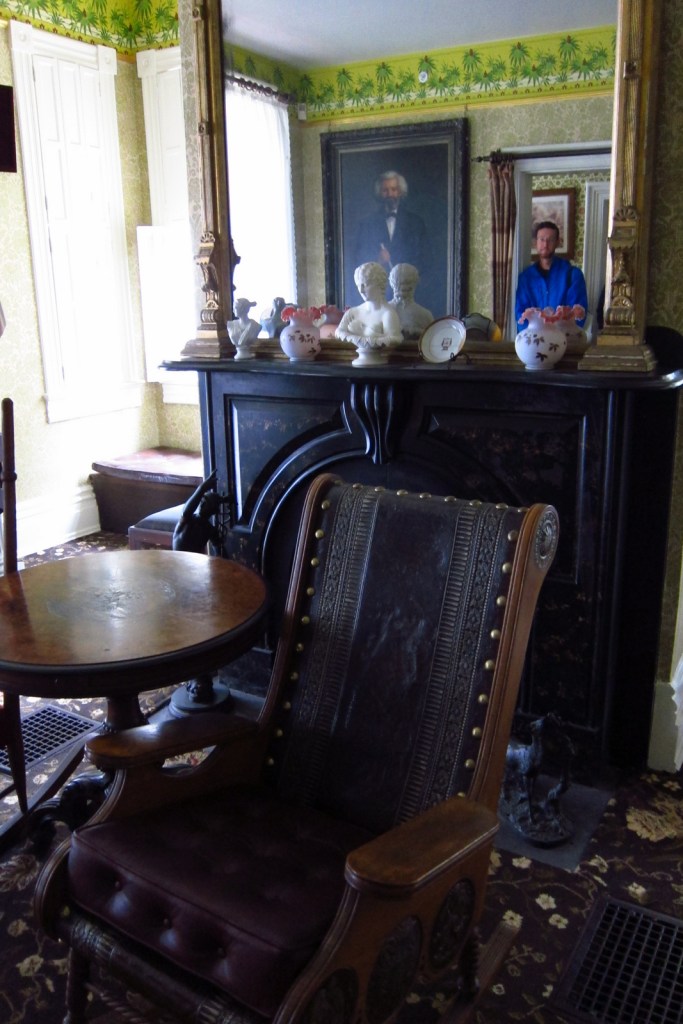
There is a small museum at the National Park Service (NPS) visitor center and there is an educational film which seemed like it was recorded in the 1970s.  There are limited tickets for each tour inside the Cedar Hill estate which are reserveable online or you can show up and hope to get in like we did.  You are allowed to take photos inside the house.  Spoiler alert: Frederick died in the front hallway where your tour starts.

Best Trail

No trails, but you can walk the grounds of Cedar Hill where picnicking is allowed.

Instagram-worthy Photo

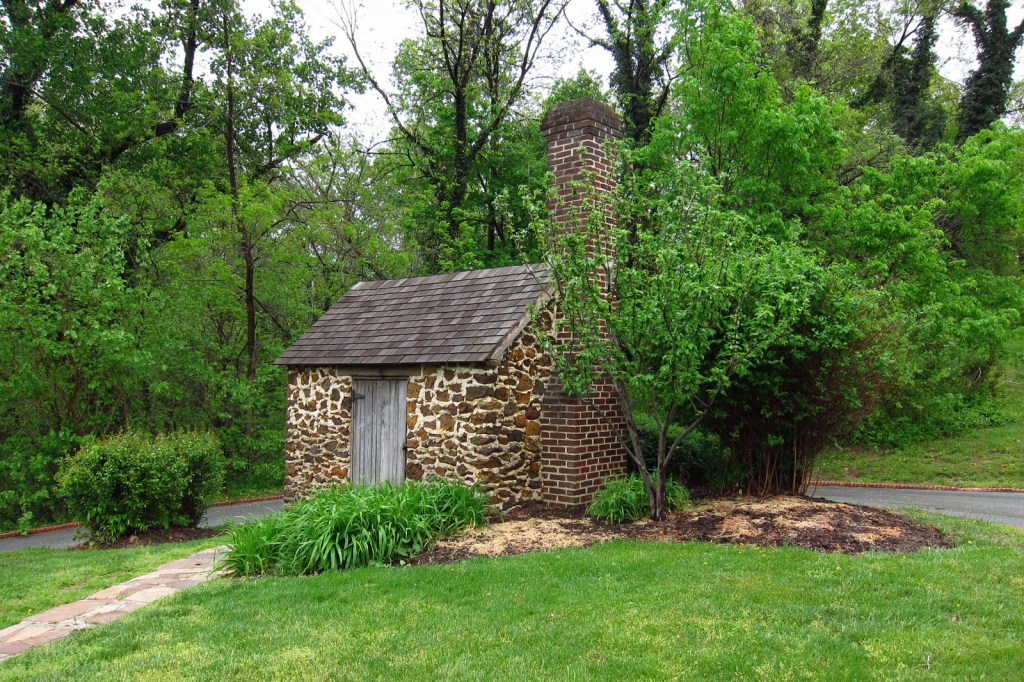
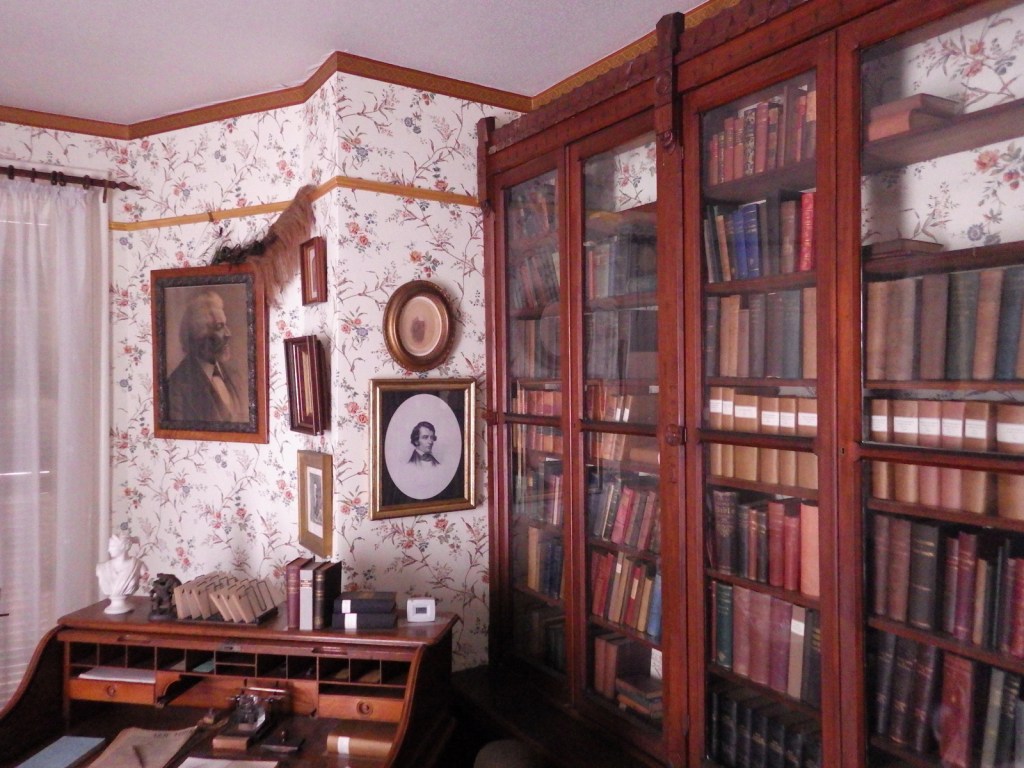
After you tour inside the home, be sure to stop at Frederick’s “man cave” which his family dubbed “the Growlery.”

Peak Season

Summer

Hours

https://www.nps.gov/frdo/planyourvisit/hours.htm

Fees

None, but a timed ticket it required for the tour inside the house.

Road Conditions

All roads paved with a small parking lot at the NPS visitor center.

Camping

There are NPS campgrounds in Greenbelt Park (Maryland) and Prince William Forest Park (Viriginia).

Explore More – Frederick Douglass served as U.S. Minister to which Caribbean nation?

Tumacácori National Historical Park

Overview

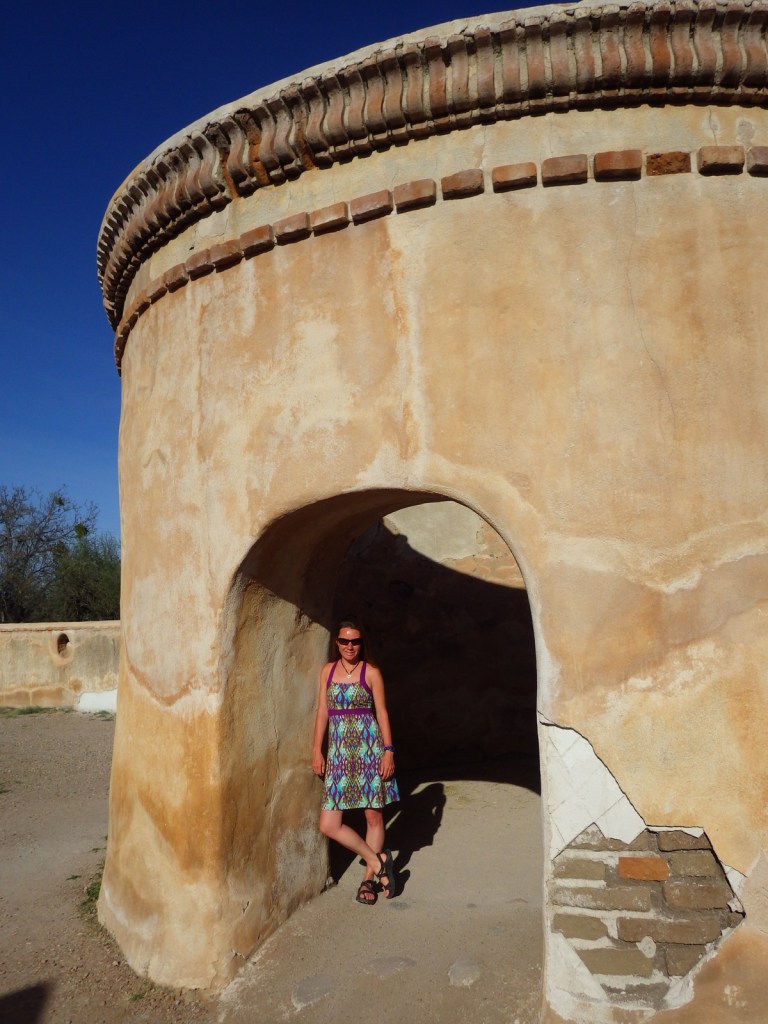
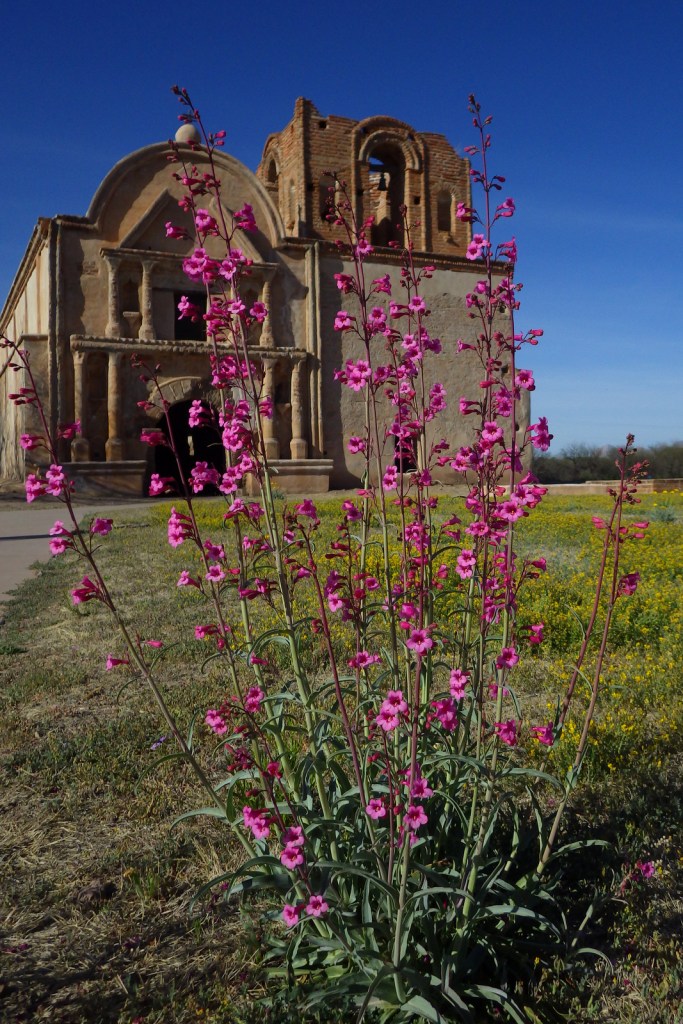
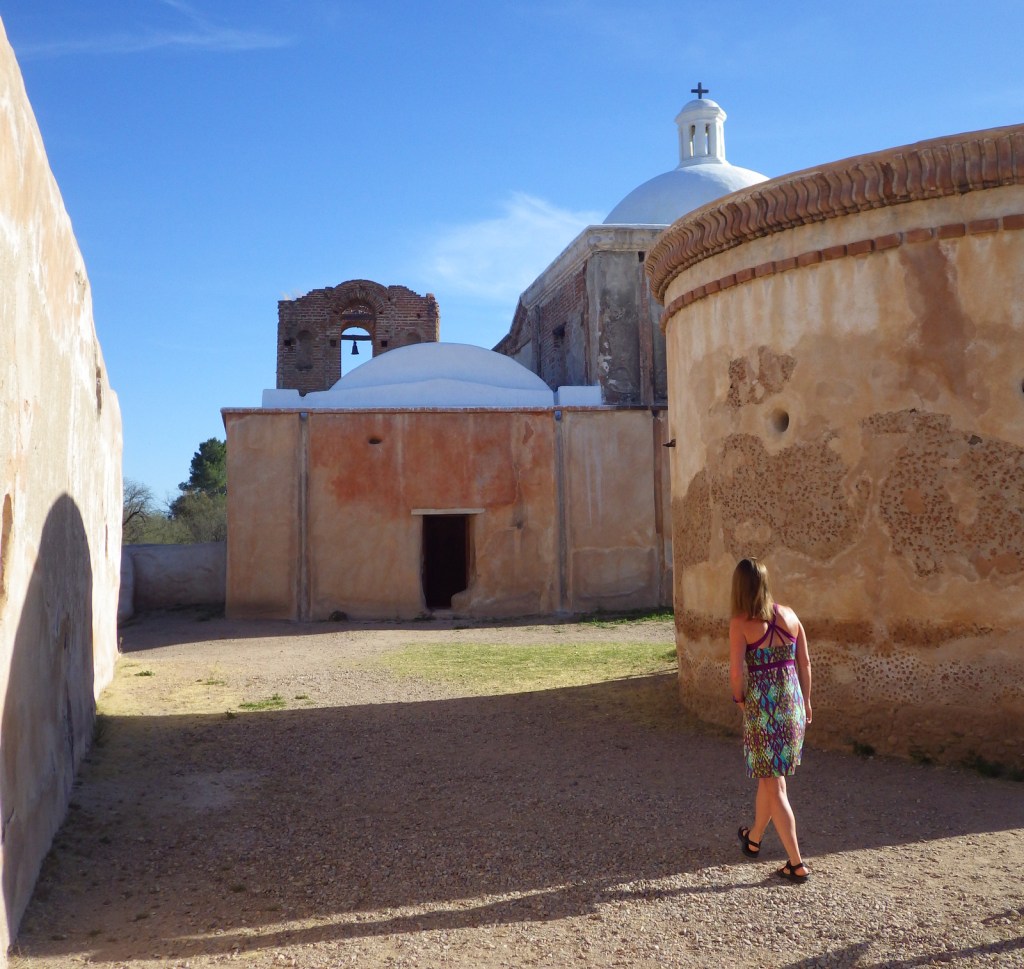
South of Tucson in Tubac, Arizona, San Cayetano de Tumacácori is a Spanish mission founded in 1691 by Padre Kino and abandoned in 1848.  It became a National Monument in 1908 when it was restored to its ruined state based on photographs dating from 1868.  Two additional mission ruins were added when it became a National Historical Park in 1990, but they are not open to the public except on special ranger-led tours January through March.

Highlights

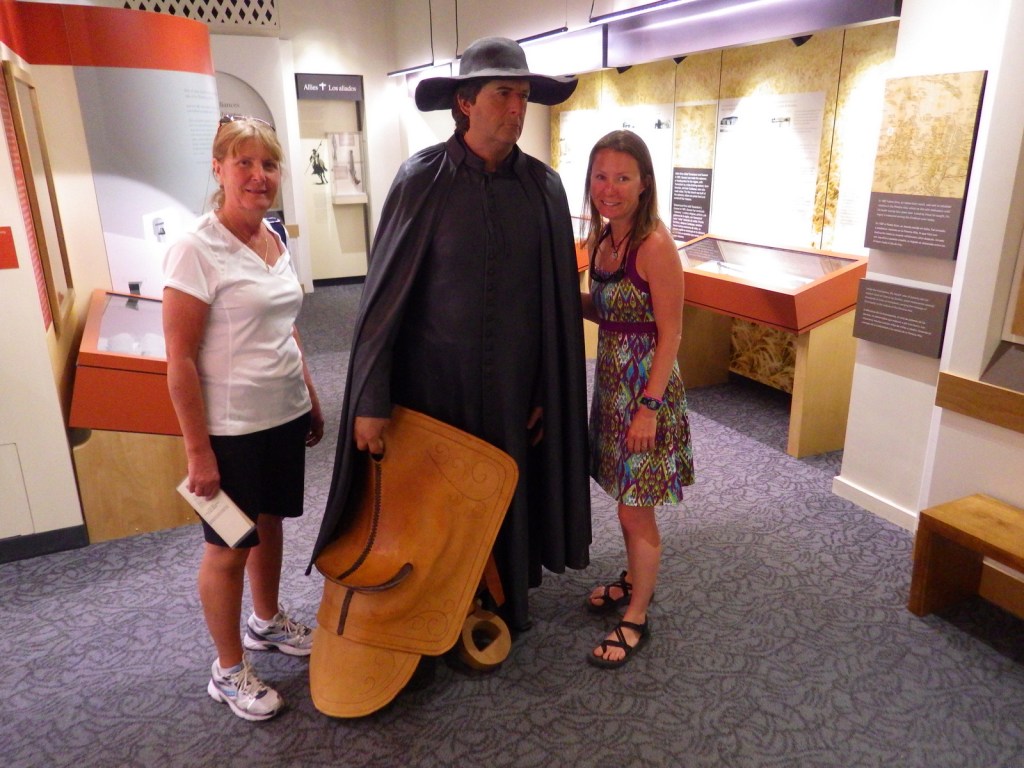
Historic mission, historic museum (built in 1937)

Must-Do Activity

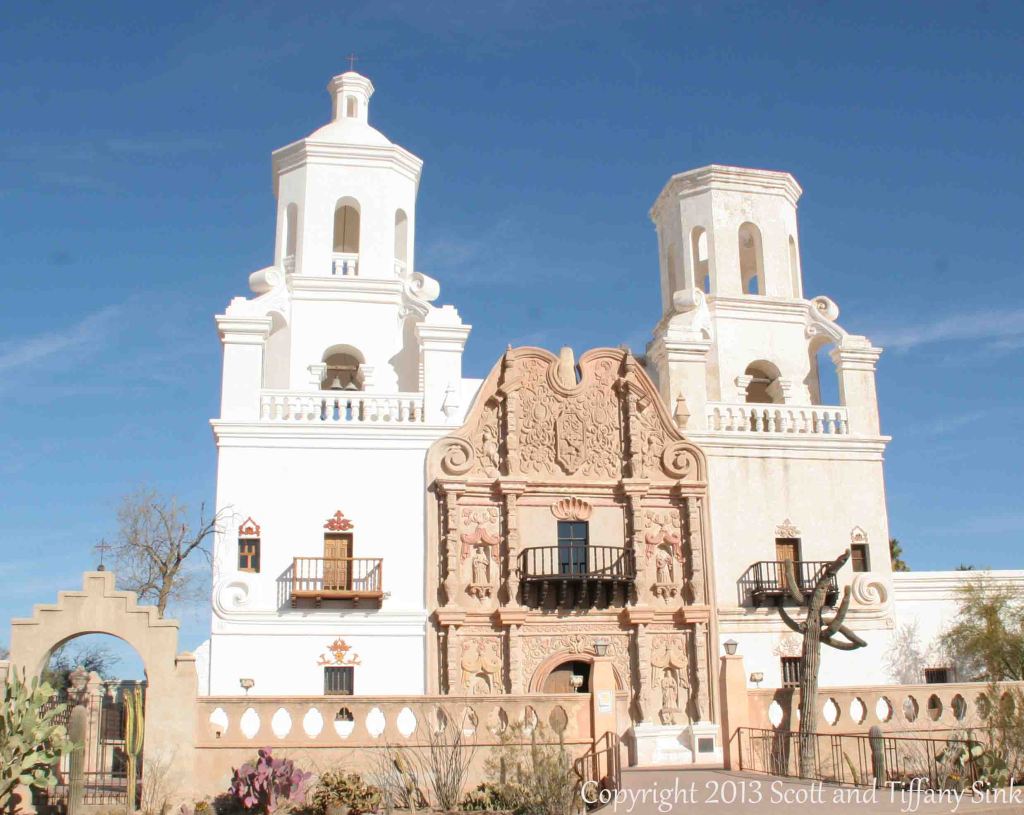
Jesuits, like the famous Padre Eusebio Kino, established more than 20 missions in this part of the Sonoran Desert in the late-1600s.  Some of the Pimas they were “serving” attacked in 1751, leading to the move of Tumacácori to its current location and the establishment of Tubac Presidio (now a State Park).   Mexico gained its independence from Spain in 1821 and the final phase of construction on the mission began two years later.  In 1853, the Gadsden Purchase brought this region into the United States of America.  When you visit the ruins of Tumacácori, consider a trip north to beautiful San Xavier del Bac, which is still an active church.

Best Trail

A 4-mile portion of the Juan Bautista de Anza National Historic Trail connects Tumacácori with Tubac Presidio State Historic Park, which offers a museum and an underground archaeological display.

Instagram-worthy Photo

At the end of the day in the winter months, trees surrounding the mission cast interesting shadows on its stucco walls.

Peak Season

Winter

Hours

https://www.nps.gov/tuma/planyourvisit/hours.htm

Fees

$7 per person or America the Beautiful pass

Road Conditions

All roads paved

Camping

Patagonia Lake State Park has more than 200 campsites northeast of Nogales, Arizona.

Explore More – Why was the Jesuit order expelled in 1767 and their missions assigned to Franciscan friars?

Tallgrass Prairie National Preserve

Overview

The tallgrass prairie formerly covered 170-million acres of North America, but today only 4% of that exists in a few isolated pockets due to conversion to agriculture.  The Flint Hills of eastern Kansas were too rocky for tilling, so this was an ideal place to create Tallgrass Prairie National Preserve in 1996.  Occasionally, land managers utilize fire to support fire-adapted native grasses against invasive species. Before our visit in November 2014, large areas were burned.  The bison that live here enjoy eating the fresh green grass that sprouts following a fire and wildflowers thrive with the release of available soil nutrients.

Echo at Tallgrass Prairie

Highlights

Spring Hill Ranch, Lower Fox Creek School, bison herd

Must-Do Activity

After reading the interpretive panels at the visitor center, walk around the buildings next door at the historic Spring Hill Ranch.  The 1881 ranch house is open for tours seasonally.

Best Trail

There are many trails that wander through the 10,894-acre preserve that is jointly run by the Nature Conservancy and National Park Service.  Many loop options are possible, but no backpacking is allowed, possibly due to the bison herd.

Instagram-worthy Photo

Just down the road from Spring Hill Ranch is the one-room Lower Fox Creek School which was open from 1884 to 1930.  Its walls are made of local limestone.

Peak Season

Summer

Hours

https://www.nps.gov/tapr/planyourvisit/hours.htm

Fees

None

Road Conditions

All roads paved

Camping

Chase State Fishing Lake has 10 primitive campsites two miles outside Cottonwood Falls, Kansas.  Several U.S. Army Corps of Engineers campgrounds surround Council Grove Lake, which is located 20 miles north.

Explore More – At first the grasslands may all look the same, but how many species of plants are found within Tallgrass Prairie National Preserve?
We are a participant in the Amazon Services LLC Associates Program, an affiliate advertising program designed to provide a means for us to earn fees by linking to Amazon.com and affiliated sites.

Sequoia National Park

Overview

In 1890, Sequoia became the second National Park in the United States in order to protect its famous groves of giant sequoia trees, not to be mistaken for California’s coast redwoods.  The park’s hub in the Giant Forest contains the General Sherman tree, the largest by volume in the world.  Most of the park is in the High Sierra and includes Mount Whitney, the highest point in the contiguous U.S. at 14,505 feet. 

Highlights

General Sherman Tree, Moro Rock, Crystal Cave, Mt. Whitney

Must-Do Activity

The remarkable giant sequoia tree can live over 2,000 years, reach three hundred feet in height, and grow the largest wood volume of any single-stemmed tree on the planet.  They are only found in 75 protected groves scattered throughout California’s Sierra Nevadas.  Bring your whole family to see how many people it takes arms linked to reach around the base of one of these massive trees.  With circumferences reaching over 100 feet, you are going to need a big family! 

Best Trail

Crescent Trail starts near the General Sherman tree, winds up the hill, and then connects with the Trail of the Sequoias, which passes the dense clusters of the Senate and House Groups.  It is especially nice when there is snow on the ground.

Instagram-worthy Photo

Any time of year is great to visit, but the winter is perhaps the prettiest as the snow contrasts nicely with the orange bark of the giant sequoia trees.

Peak Season

Summer due to the high elevation

Hours

https://www.nps.gov/seki/planyourvisit/hours.htm

Fees

$35 per vehicle or America The Beautiful pass

Road Conditions

Roads are paved, but steep, winding, and narrow.  The rough Mineral King Road is closed in winter.

Camping

There are several large campgrounds near the Giant Forest, as well as two on the rough road to the remote Mineral King section of the park.  All backcountry camping requires a permit and is on a quota system during the summer.


This design we created to celebrate Sequoia National Park is available on a variety of products at Cafe Press and Amazon.

Explore More – Why do park rangers recommend you wrap your car with chicken wire when you visit Mineral King?

Sitka National Historical Park

Overview

Sitka National Historical Park offers a good introduction to the Russian and native influences on this region, as well as a forested trail past beautifully carved totem poles.  Created in 1910, it was the first National Park Service (NPS) site in Alaska, nearly 50 years before statehood.

Highlights

1843 Russian Bishop’s House, Russian Orthodox cathedral, totem poles

Must-Do Activity

Two miles of trails wind through the spruce forest passing more than a dozen totem poles and the site of Kiks.ádi Fort where the 1804 battle took place between Russian fur traders and the native Tlingit community.  To further experience the Tlingit culture, attend a traditional dance at Shee’tka Kwaan Naa Kahidi Community House. 

Best Trail

The adventurous can summit 3,354 foot Mount Verstovia for unsurpassed views of the harbor and the mountainous heart of Baranof Island.  This steep route takes all day, starting with numerous switchbacks before the trail disappears and scrambling over rocks to the top.  Also scenic, Indian River Trail is a flatter alternative.

Instagram-worthy Photo

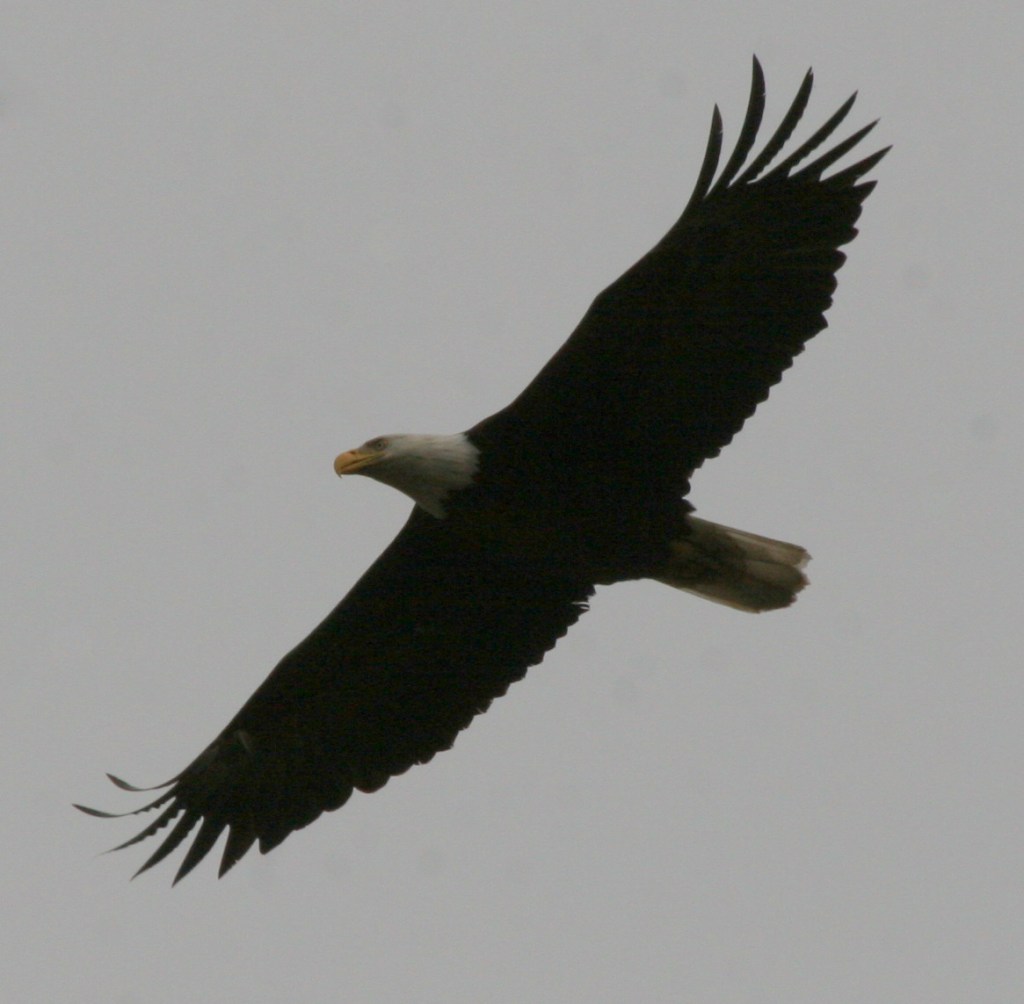
Jagged peaks and tiny forested islands make Sitka the most beautiful spot in Southeast Alaska.  Bald eagles abound in trees around the town’s quiet boat docks, while the volcanic cone of Mount Edgecumbe sits zen-like off to the west. 

Peak Season

Summer

Hours

https://www.nps.gov/sitk/planyourvisit/hours.htm

Fees

None

Road Conditions

There are no roads to Sitka, so you have to take an airplane, cruise ship, or ferry.  The main road on Baranof Island is paved and it is less than a mile walk to access the NPS visitor center from downtown.

Camping

Campsites are available at Blue Lake down a dirt road east of town in Tongass National Forest or at Old Sitka State Historic Park near the ferry terminal.

Explore More – When did the official transfer of Alaska from Russia to the U.S.A. take place on Castle Hill in Sitka (then known as New Archangel)?