Tag Archives: snowshoeing

Green Mountain National Forest

Green Mountain National Forest

Vermont

Managed by U.S. Forest Service, Eastern Region

821,040 acres (399,151 federal/ 421,889 other)

Website: https://www.fs.usda.gov/gmfl

Overview

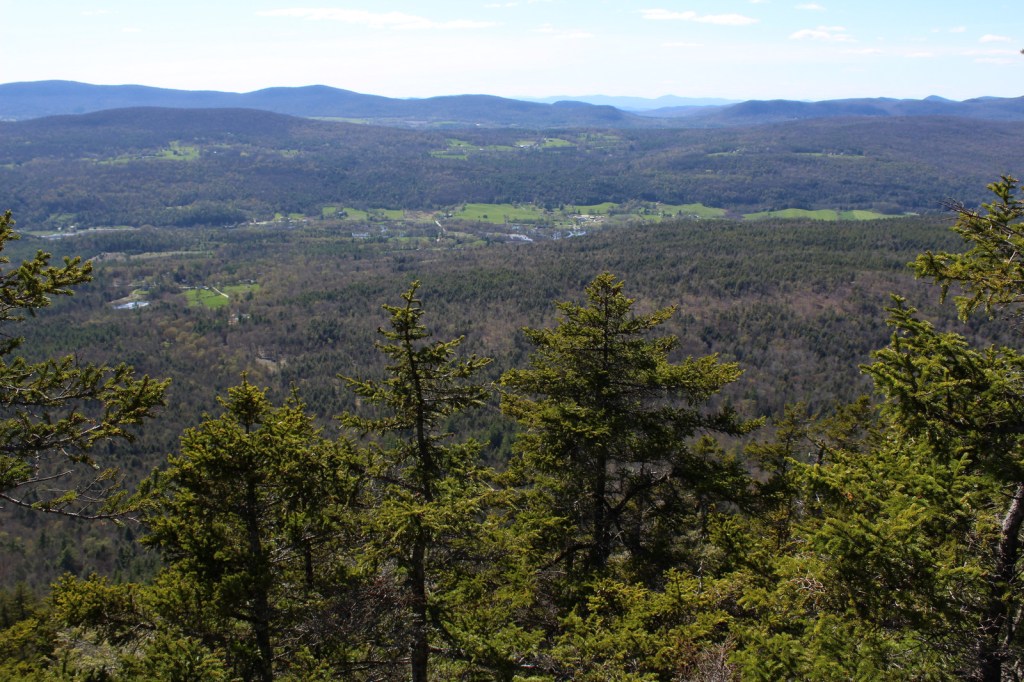
The only National Forest in Vermont is divided into a north and south section, each with its own National Recreation Area.  In the north, Moosalamoo National Recreation Area has the Voter Brook Overlook and trails to the Falls of Lana and Silver Lake, which has a popular backpacking campground.  In the south, Robert T. Stafford White Rocks National Recreation Area includes a portion of the historic Long Trail where the Appalachian National Scenic Trail overlaps it.  Vermont literally translates as Green Mountain from French, the name of the range that forms the state’s granite backbone.  Winter recreation is a big deal here, with three alpine ski areas in the National Forest and seven designated cross-country ski areas, as well as 900 miles of trails for snowshoeing and some areas open specifically for snowmobiling.  Green Mountain National Forest also co-manages Finger Lakes National Forest in central New York.

Highlights

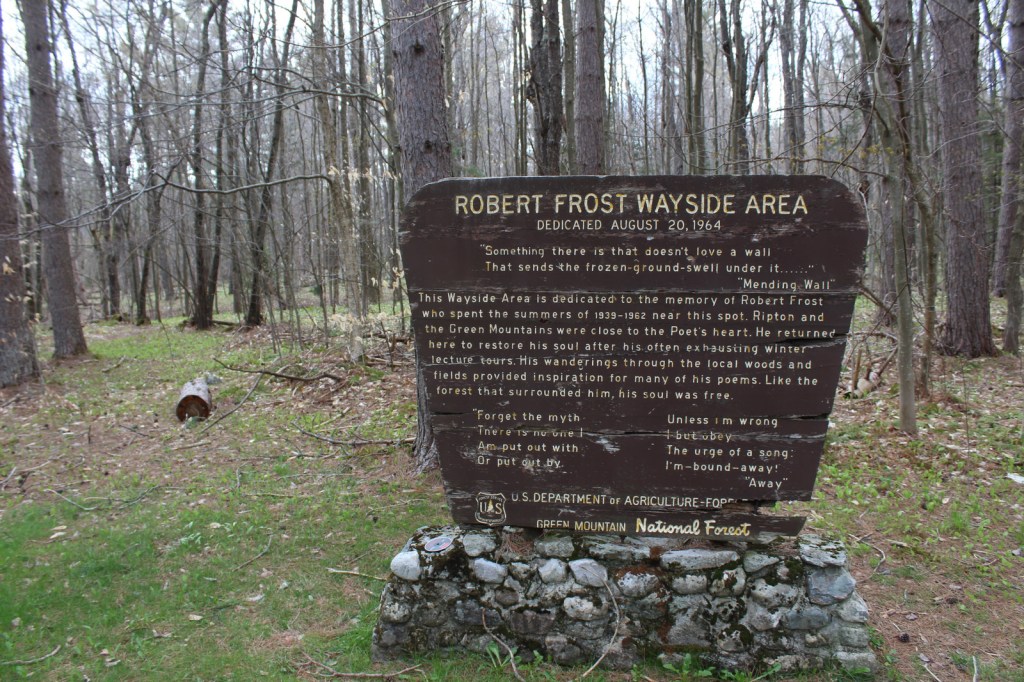
Moosalamoo National Recreation Area, White Rocks National Recreation Area, Hapgood Pond Recreation Area, Texas Falls, Robert Frost Wayside, Voter Brook Overlook, Falls of Lana, Devil’s Den Cave, Lye Brook Falls, Moss Glen Falls, Mt. Ellen, Robert Frost Interpretive Trail, Long Trail, Appalachian National Scenic Trail

Must-Do Activity

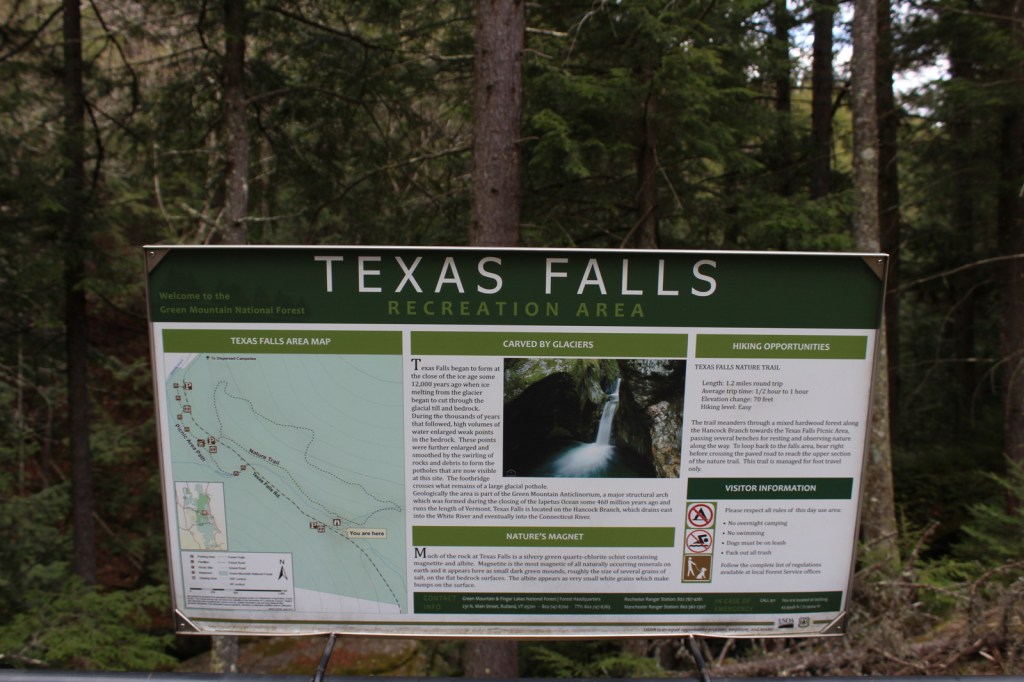
Texas Falls is not located in the right place on the Forest Service visitor app, but it is easy to get to right alongside paved Texas Falls Road off State Route 125.  The falls formed at the end of the Ice Age around 12,000 years ago, when meltwater scoured the quartz-chlorite schist.  A footbridge crosses the Hancock Branch over an interesting glacial pothole in the rock, and a nature trail continues uphill forming a 1.2-mile loop.  We did not make it to Lye Brook Falls or Moss Glen Falls, but found the off-trail Falls of Lana worth the effort (see Moosalamoo National Recreation Area).

Best Trail

Green Mountain National Forest contains about half of the 272-mile Long Trail, which in 1931 became the first named long-distance hiking trail in the U.S.  In Robert T. Stafford White Rocks National Recreation Area, the Long Trail is coincident with the Appalachian National Scenic Trail (AT) with several overnight shelters (some of which charge $5 per person, per night).

Watchable Wildlife

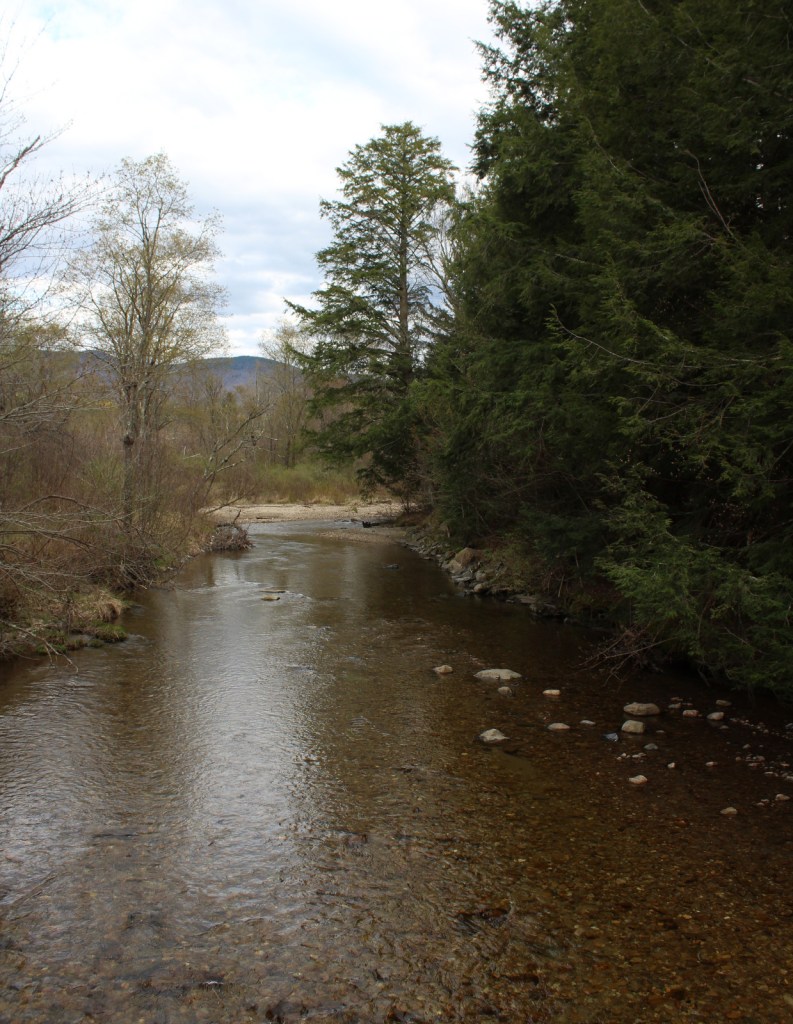
The National Forest contains 450 miles of streams, which is great for trout and salmon fishermen, especially since some wildlife management projects have been done to improve their habitat.  Other work has been completed to support ruffed grouse, wild turkey, black bear, and Bicknell’s thrush.  We were told by a local that there is a black bear named Jenny that hangs out around the White Rocks Day Use Area.  Additional species of interest include moose, white-tailed deer, coyote, porcupine, and beaver.

Instagram-worthy Photo

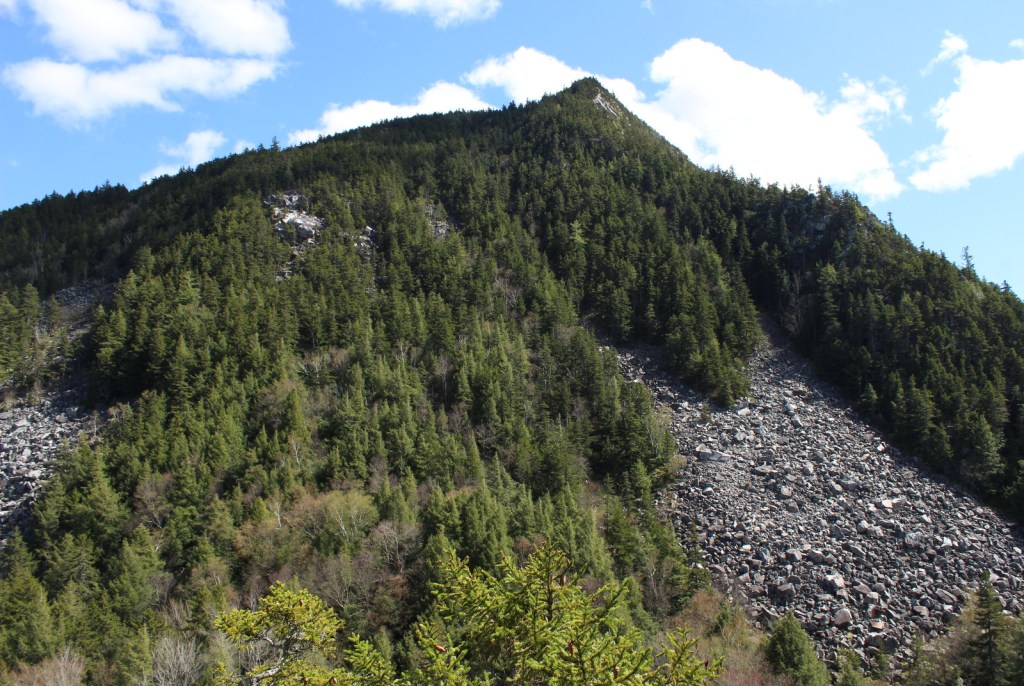
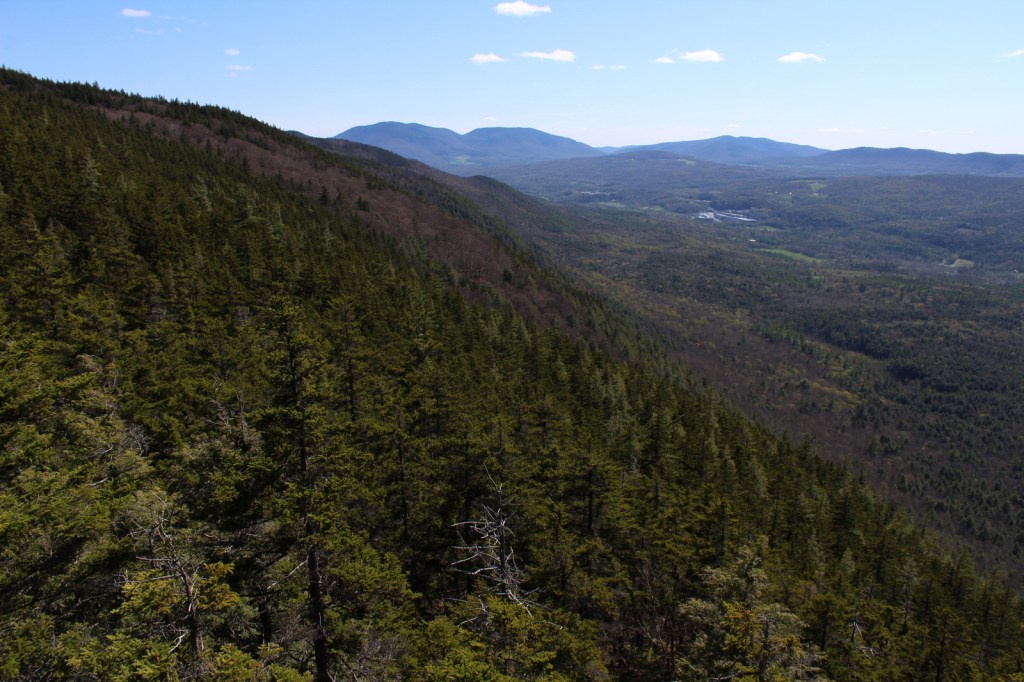
Less than a mile up the Ice Beds Trail, a short climb reaches a viewpoint of the white rocks, a glacier-scoured cliff of Cheshire quartzite that is (part of) the namesake for Robert T. Stafford White Rocks National Recreation Area.

Peak Season

Fall

Fees

Ski areas at Mount Snow, Stratton Mountain, and Bromley Mountain have recreation fees.  Along the Long Trail/AT, there is a camping fee of $5 per person, per night at Little Rock Pond, Peru Peak, Stratton Pond, and Griffith Lake.

Road Conditions

All the gravel roads we drove were in good shape during the spring, including the roads to Voter Brook Overlook and White Rocks Day Use Area.

Camping

One of the most developed parts of the National Forest is at 7-acre Hapgood Pond where there is a campground, swimming beach, and boat ramp.  Moosalamoo Campground has 18 campsites located at the base of the Mt. Moosalamoo Trail, near Voter Brook Overlook.  There are a couple dispersed campsites also on the road, but we had one of our worst nights camping here with college kids blasting music late and another group waking us up before sunrise.  The backpacking campground at Silver Lake is nice, or you can stay at Branbury State Park on Lake Dunmore.

Wilderness Areas

Big Branch Wilderness

Breadloaf Wilderness

Bristol Cliffs Wilderness

George D. Aiken Wilderness

Glastenbury Wilderness

Joseph Battell Wilderness

Lye Brook Wilderness

Peru Peak Wilderness

Related Sites

Marsh-Billings-Rockefeller National Historical Park (Vermont)

Saint-Gaudens National Historical Park (New Hampshire)

White Mountain National Forest (New Hampshire-Maine)

Nearest National Park

Acadia

Conifer Tree Species

eastern hemlock, eastern white pine, red pine, red spruce, balsam fir

Flowering Tree Species

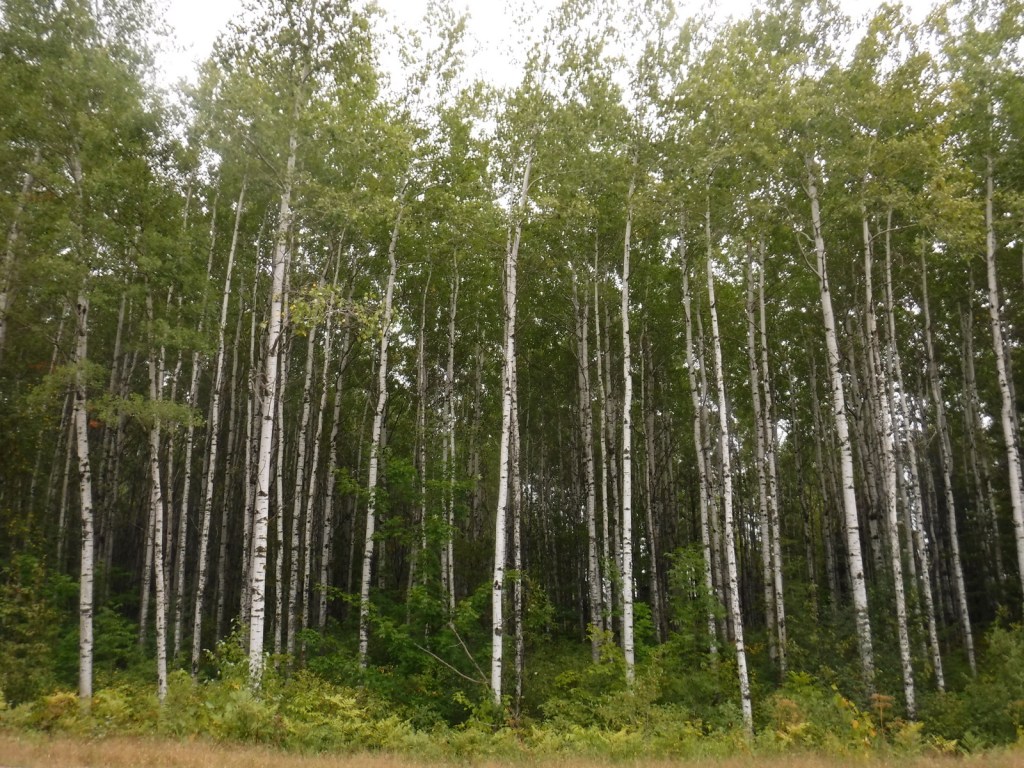
sugar maple, American beech, yellow birch, white birch, paper birch, mountain ash

Explore More – Texas Falls is located on the Hancock Branch, which feeds the White River that converges with what major river?

Learn more about this and the 154 other National Forests in our new guidebook Out in the Woods

We are a participant in the Amazon Services LLC Associates Program, an affiliate advertising program designed to provide a means for us to earn fees by linking to Amazon.com and affiliated sites.

White Rocks National Recreation Area

Robert T. Stafford White Rocks National Recreation Area

Vermont

Managed by U.S. Forest Service, Eastern Region

22,624 acres

Website: https://www.fs.usda.gov/recarea/gmfl/recarea/?recid=64987

Overview

White Rocks National Recreation Area is located in the southern portion of Vermont’s Green Mountain National Forest and was officially renamed Robert T. Stafford White Rocks National Recreation Area.  It encompasses Big Branch Wilderness, Peru Peak Wilderness, Big Branch Observation Area, and its namesake White Rocks Picnic Area (see Must-Do Activity).  A section of the Long Trail (which in 1931 became the first named long-distance hiking trail in America) passes through this area, where it coincides with the newer Appalachian National Scenic Trail (AT).  Other popular activities include biking, fishing, snowshoeing, cross-country skiing, and snowmobiling.

Highlights

Big Branch Observation Area, White Rocks Day Use Area, Bully Brook, Ice Beds Trail, Keewaydin Trail, White Rocks Cliffs Trail, Greenwall Shelter, Long Trail, Appalachian National Scenic Trail

Must-Do Activity

A great place to access Robert T. Stafford White Rocks National Recreation Area is the White Rocks Day Use Area off State Route 140.  Several trails start from the picnic area, including a short walk to a cascading waterfall on Bully Brook.  Less than a mile up the Ice Beds Trail, a short climb reaches a viewpoint of the white rocks, a glacier-scoured cliff of Cheshire quartzite, which was used by Native Americans to make tools.  Continue on this trail 0.9 miles one-way to the Ice Beds where ice melts deep in a scree slope throughout the summer.  You probably will not see any ice, but it is deep in the rocky recesses and releases cool drafts of air.  We were told by a local that there is a black bear named Jenny that hangs out around the trailhead.

Best Trail

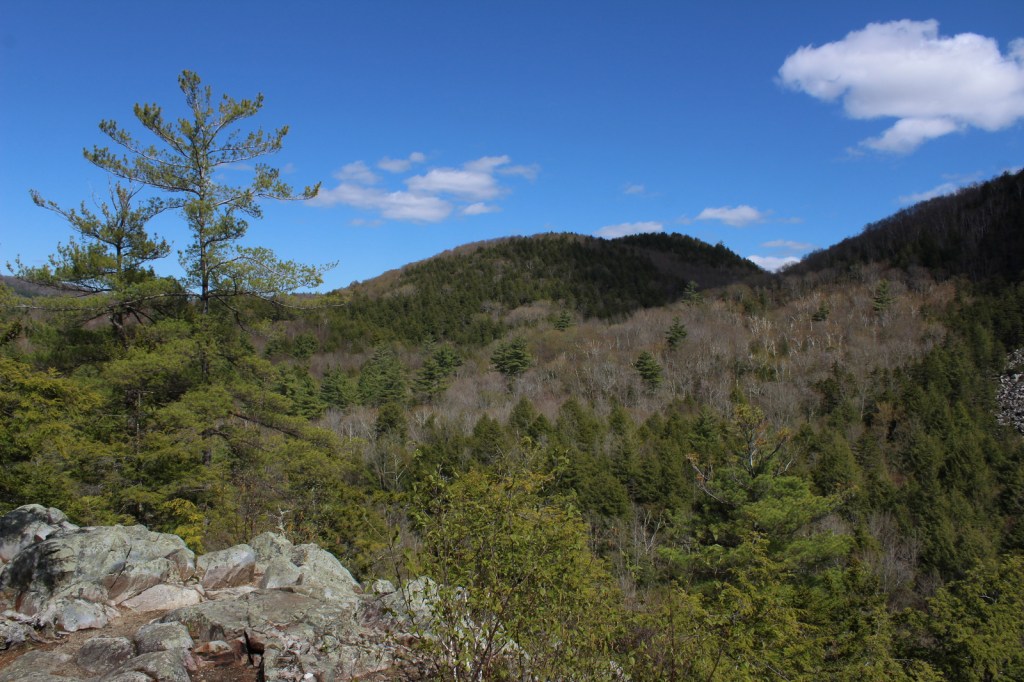
In 0.4 miles from White Rocks Day Use Area, Keewaydin Trail connects with the Long Trail and Appalachian Trail (AT).  By going south, the trail ascends 1,250 feet to a cutoff for the Greenwall Shelter and just past there watch for a stone cairn on the right side.  From there a side trail descends 0.2 miles to an overlook above the White Rock Cliffs providing views of the Adirondack and Taconic Mountains (3.8 miles roundtrip).

Instagram-worthy Photo

Visible less than a mile up the Ice Beds Trail, the white rocks are a glacier-scoured cliff of Cheshire quartzite once used by Native Americans to make tools.

Peak Season

Summer

Fees

None

Road Conditions

State Route 140 is paved, but the access road to White Rocks Day Use Area is an unpaved road passable by RVs.

Camping

Overnight shelters on the Long Trail/AT at Greenwall and Minerva Hinchey are free, while camping at Little Rock Pond, Peru Peak, Stratton Pond, and Griffith Lake requires a $5 per person, per night fee.  Drive-up campgrounds are located on Forest Road 10 at Big Branch and Black Branch near the Big Branch Wilderness.

Related Sites

Green Mountain National Forest (Vermont)

Moosalamoo National Recreation Area (Vermont)

Marsh-Billings-Rockefeller National Historical Park (Vermont)

Explore More – Who was Robert T. Stafford?

Chippewa National Forest

Chippewa National Forest

Minnesota

Managed by U.S. Forest Service, Northeastern Region

1,599,664 acres (666,623 federal/ 933,041 other)

Website: https://www.fs.usda.gov/chippewa

Overview

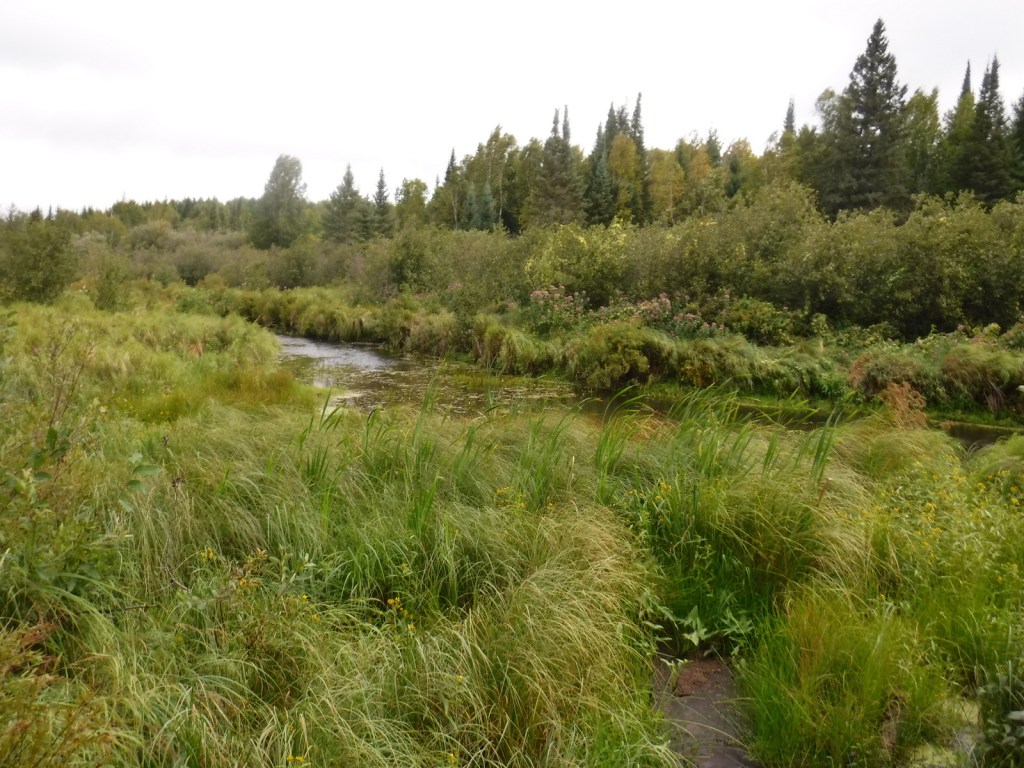
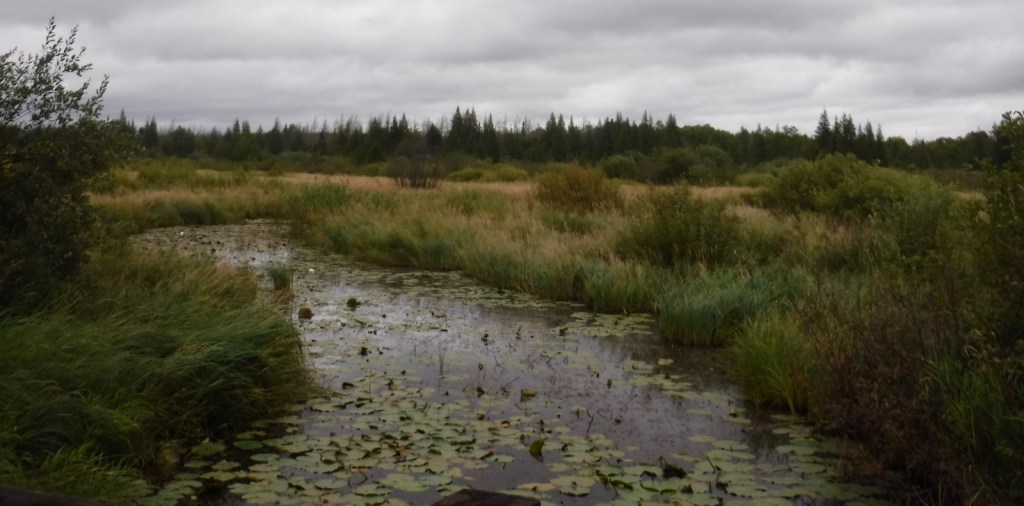
Following passage of the Morris Act in 1902, the Minnesota Forest Reserve was created from 200,000 acres of unallotted lands on Ojibwe Indian reservations.  It was renamed Chippewa National Forest in 1928 and 44% of its acreage remains part of the Leech Lake Indian Reservation.  The forest includes 1,300 lakes and ponds, 925 miles of rivers, and 440,000 acres of wetlands, which represents 13% of all surface water within the entire National Forest system and provides habitat for a variety of wildlife.  Three of the ten largest lakes in Minnesota are located here: Lake Winnibigoshish, Cass Lake, and Leech Lake.

Highlights

Edge of the Wilderness Scenic Byway, Avenue of Pines Scenic Byway, Lady Slipper Scenic Byway, Woodtick Auto Trail, Cass Lake, Camp Rabideau, Lake Winnibigoshish, Benjamin Lake, Norway Beach Recreation Area, Leech Lake, Lost 40 Natural Area, Heartland Bike Trail, Simpson Creek Trail, Cut Foot Sioux National Recreation Trail, Big Pine Forest Trail, Chippewa Adventure Trail, North Country National Scenic Trail

Must-Do Activity

Other than getting out on the water, a great way to explore Chippewa National Forest is by driving one of five designated Scenic Byways: Lake Country, Edge of the Wilderness, Avenue of Pines, Lady Slipper, and the Great River Road.  Chippewa National Forest has more than 3,000 archeological and historic sites, including Camp Rabideau, perhaps the best preserved Civilian Conservation Corps (CCC) camp left from the 1930s.  Free guided tours of the camp are offered in summer, or you can take a self-guided tour around the well-signed buildings during daylight hours.

Best Trail

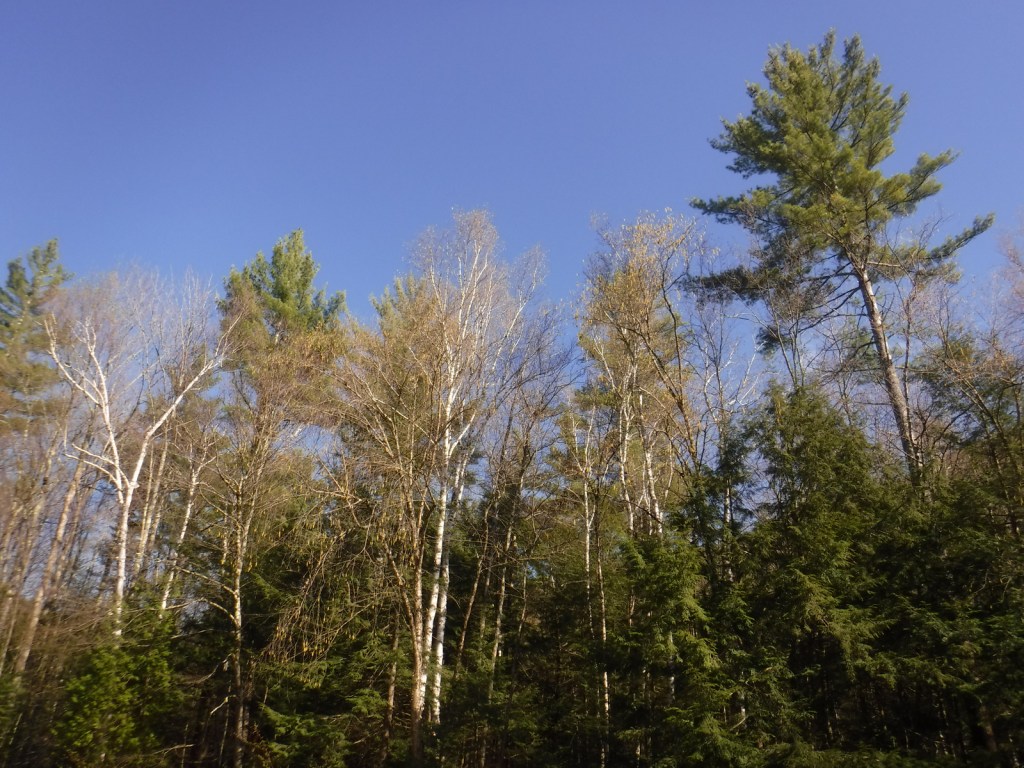
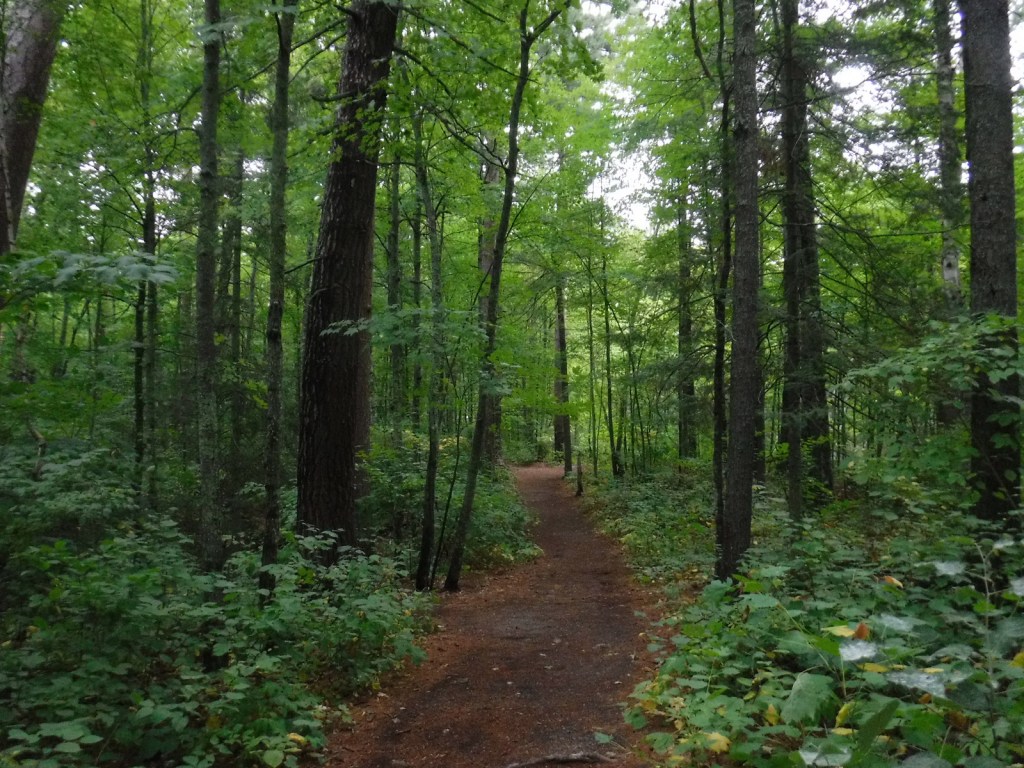
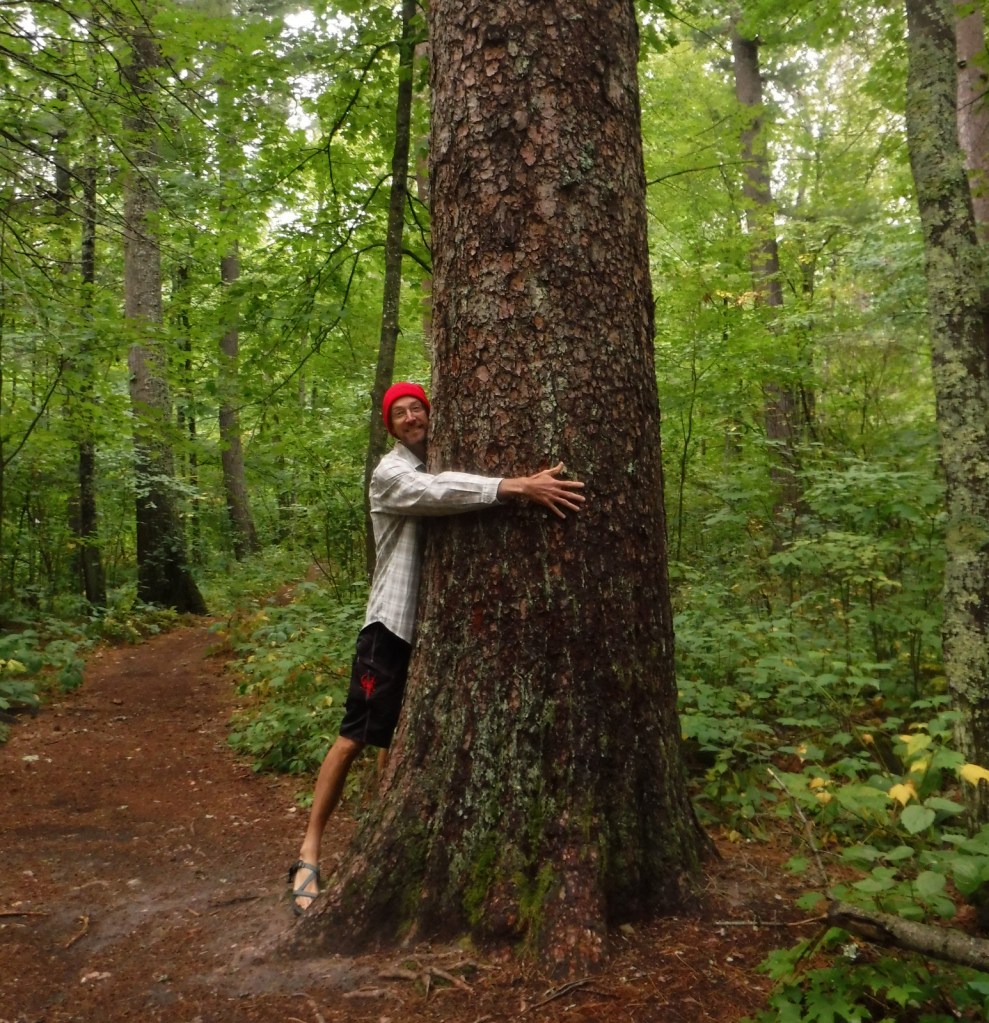
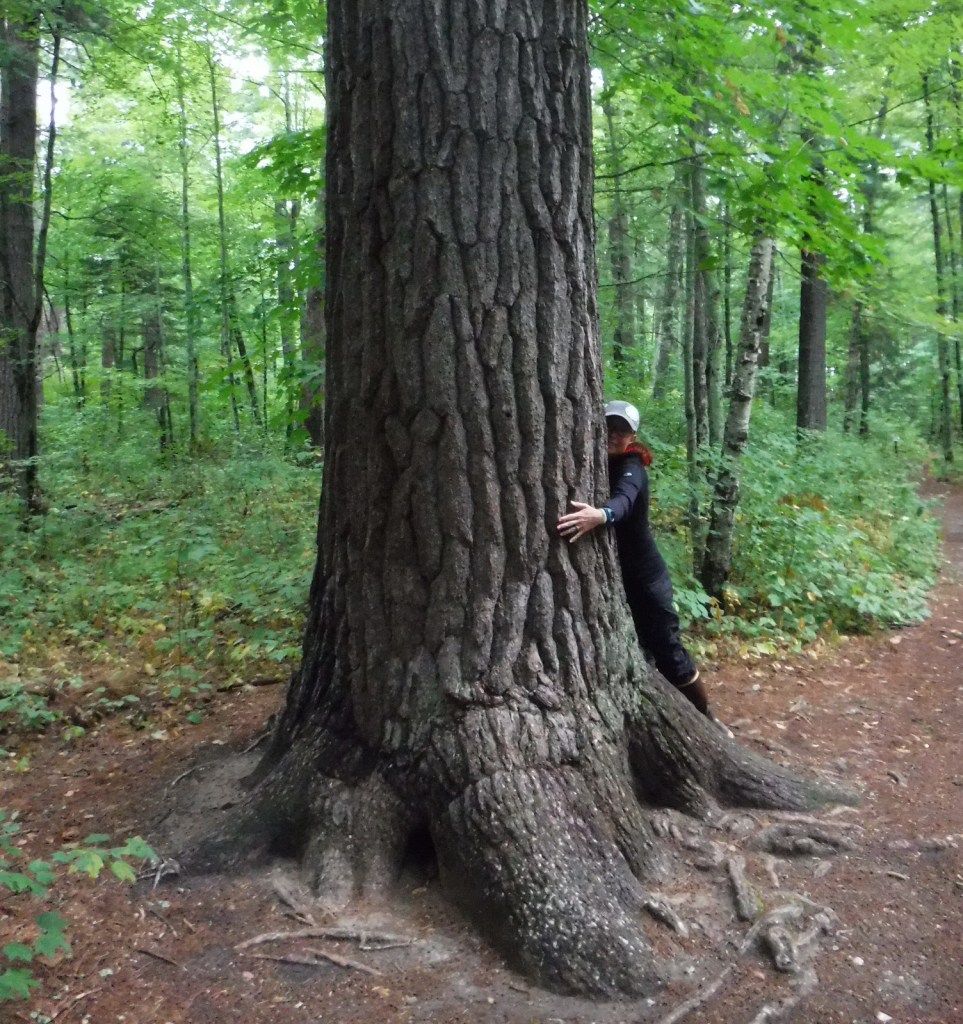
The Lost 40 is 144 acres of old-growth red and white pine forest that was never logged due to a surveying error that mapped the area as part of Coddington Lake in 1882.  The oldest tree here is more than 250 years old and can be seen on an easy one-mile loop trail with interpretive signs.  There is also an optional 0.2-mile one-way spur to an overlook of Moose Brook.  The trailhead is located east of Blackduck, Minnesota on well-signed back roads and is also popular for snowshoeing in the winter.

Watchable Wildlife

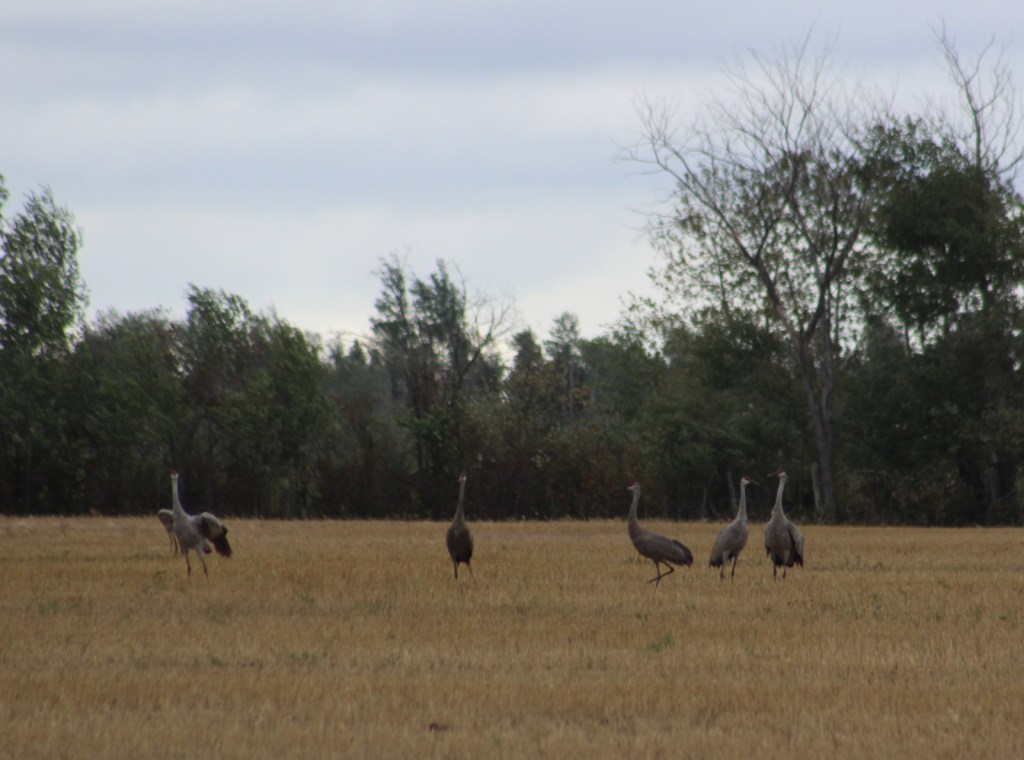
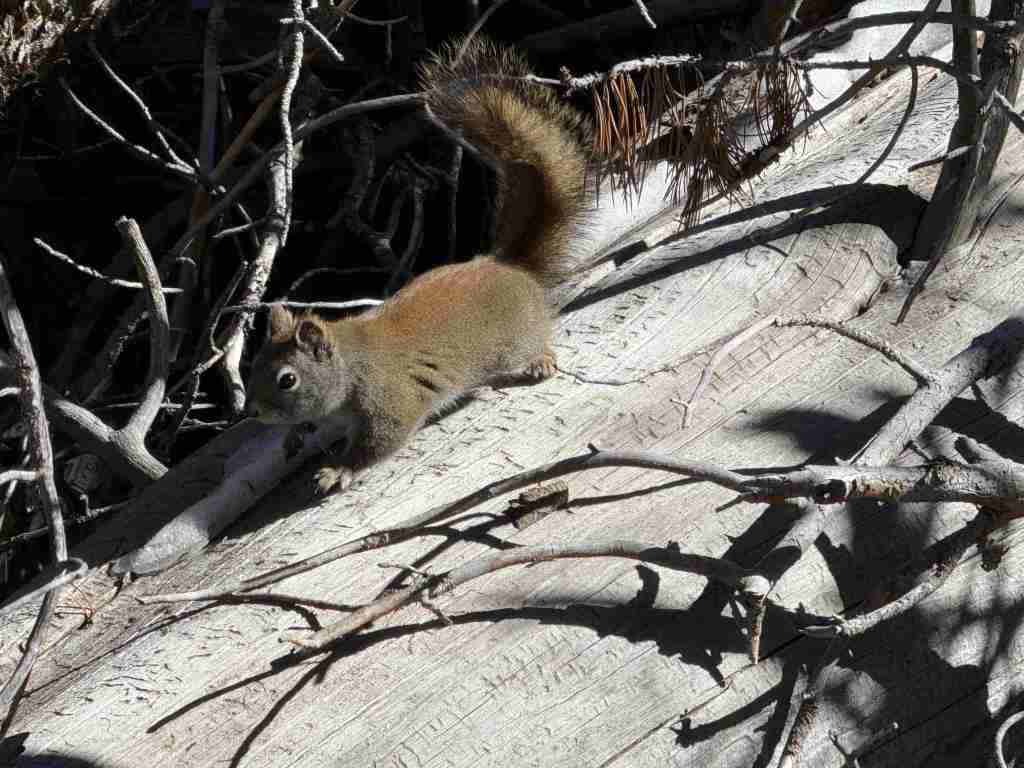
The most vocal and noticeable residents of Chippewa National Forest are its red squirrels, sandhill cranes, and common loons.  Its many rivers and lakes make ideal habitat for its 180 nesting pairs of bald eagles, one of the highest densities in the contiguous U.S.  Rarer wildlife sightings include Canadian lynx, black bears, moose, and trumpeter swans.  Important gamefish include lake trout, smallmouth bass, walleye, northern pike, and muskellunge (muskie). 

Instagram-worthy Photo

The largest red pine in the Lost 40 is 120 feet tall and three feet in diameter.

Peak Season

Summer

Fees

None

Road Conditions

The scenic byways seem to all be paved, but the roads accessing the Lost 40 and Camp Rabideau are unpaved, although well-signed and maintained.

Camping

The National Forest contains 21 developed campgrounds and 68 official dispersed camping locations. 

Wilderness Areas

None

Related Sites

Grand Portage National Monument (Minnesota)

Mississippi National River and Recreation Area (Minnesota)

Superior National Forest (Minnesota)

Nearest National Park
Voyageurs

Conifer Tree Species

northern white-cedar, tamarack, red pine, eastern white pine, jack pine, balsam fir, black spruce, white spruce

Flowering Tree Species

basswood, sugar maple, red maple, northern red oak, bur oak, basswood, American elm, slippery elm, bog birch, yellow birch, paper birch, bigtooth aspen, quaking aspen, balsam poplar

Explore More – The Lost 40 grows on an esker (or glacial ridge); how many years ago did the esker form?

Learn more about Chippewa and the 154 other National Forests in our new guidebook Out in the Woods

We are a participant in the Amazon Services LLC Associates Program, an affiliate advertising program designed to provide a means for us to earn fees by linking to Amazon.com and affiliated sites.

Arapaho National Recreation Area

Arapaho National Recreation Area

Colorado

Managed by U.S. Forest Service, Arapaho National Forest

30,690 acres

Website: https://www.fs.usda.gov/attmain/arp/specialplaces

Overview

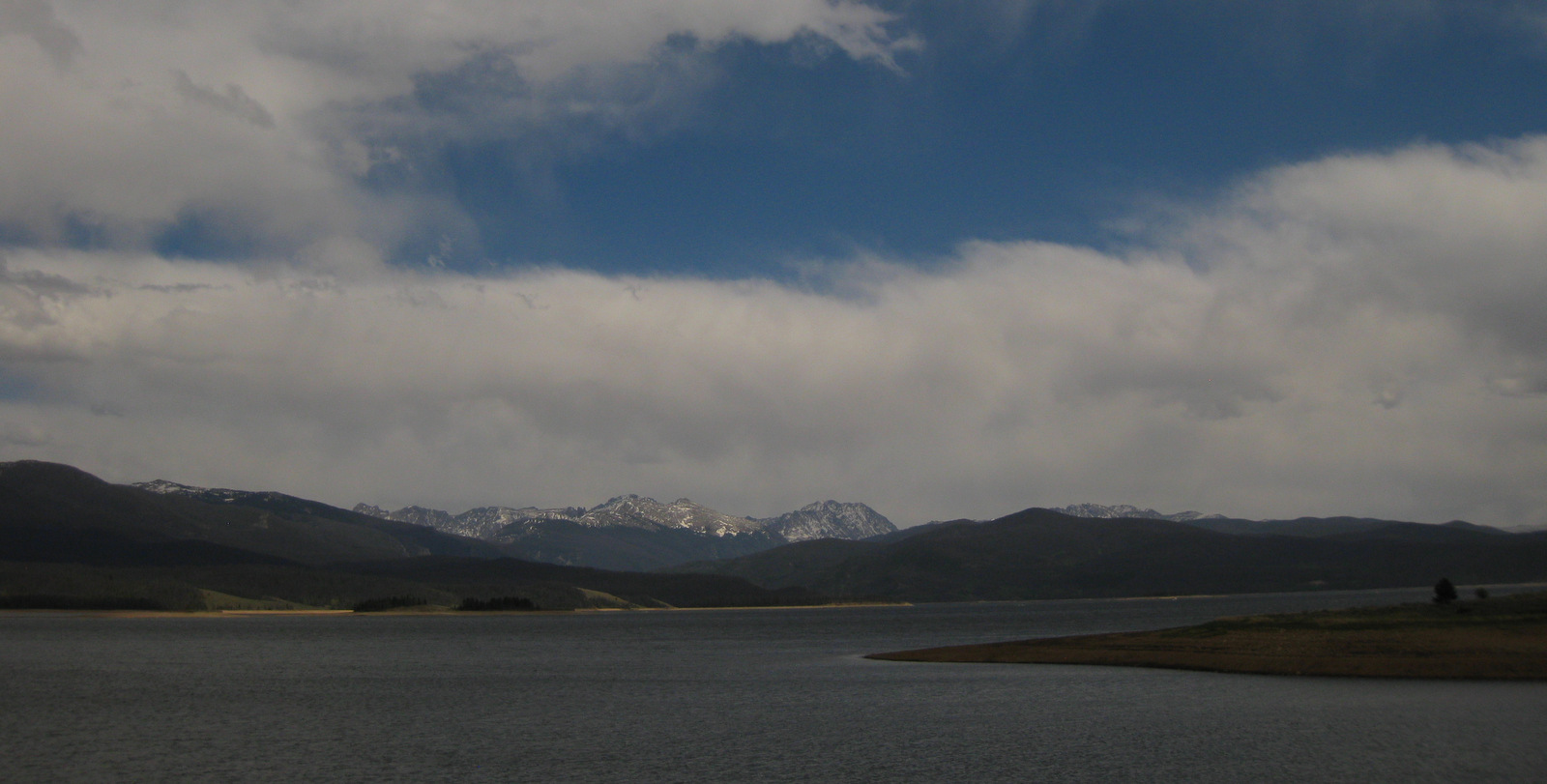
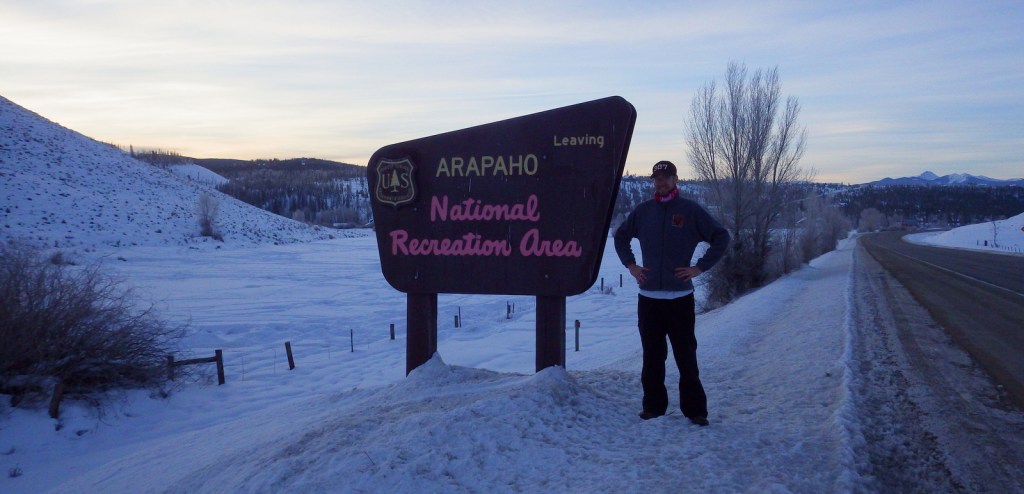
On the west side of Rocky Mountain National Park are the first of many dams across the Colorado River forming several lakes around Granby, Colorado.  Arapaho National Recreation Area contains five reservoirs, the largest of which is Lake Granby (but not including Grand Lake and Shadow Mountain Lake).  Also nearby, Monarch Lake is the starting point for multiple trails into the Indian Peaks Wilderness.  Despite its proximity to the Denver metropolitan area, this untamed country is home to a variety of wildlife including moose, martens, and mountain lions, as well as the river otter and ouzel (or dipper) we saw during our January visit. 

Highlights

Lake Granby, Monarch Lake, Meadow Creek Reservoir, Roaring Fork Falls, Willow Creek Reservoir, High Lonesome Trail, Continental Divide National Scenic Trail

Must-Do Activity

The largest reservoir in Arapaho National Recreation Area is Lake Granby, an area popular with snowmobilers and ice fisherman in the winter.  Summer is also a good time to visit when the lakes are unfrozen and available for boating, swimming, and other water sports.  That’s when backpackers on the Continental Divide National Scenic Trail prefer to come through here.

Best Trail

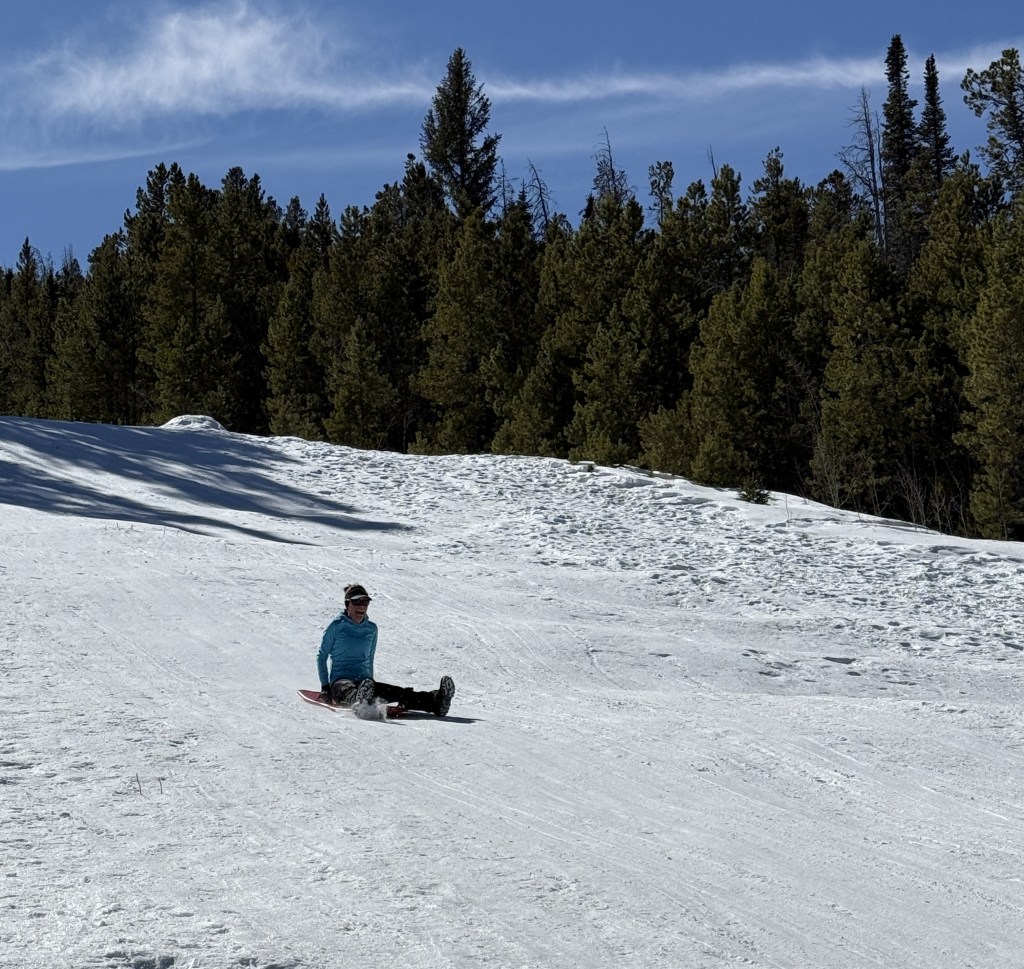
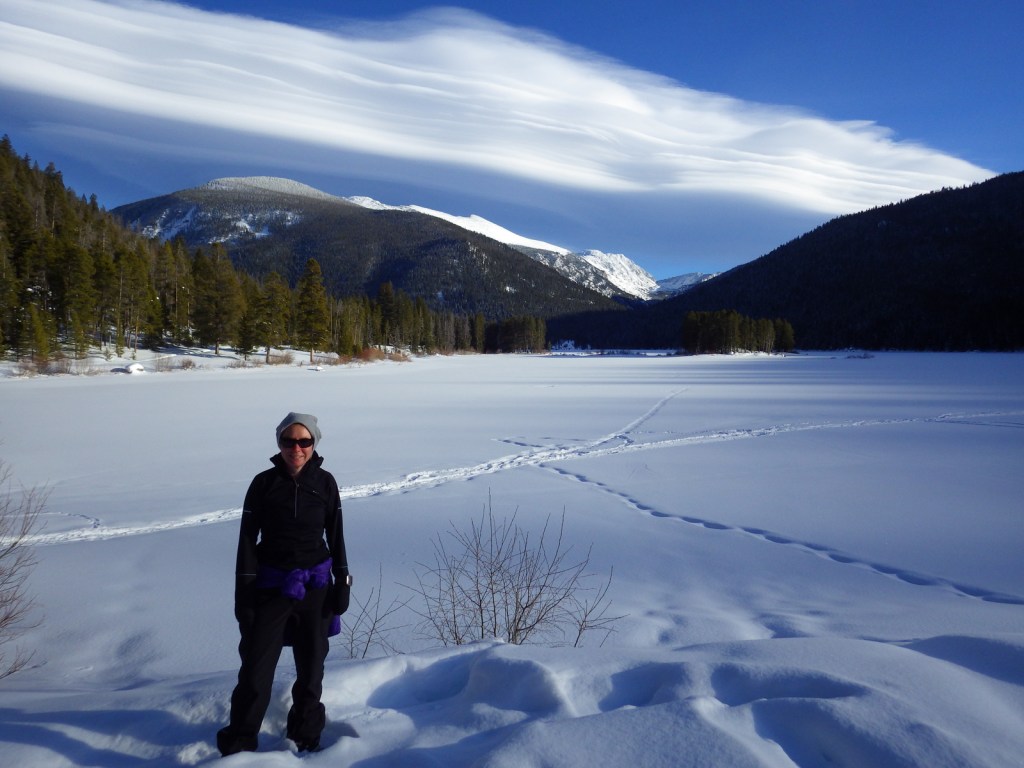
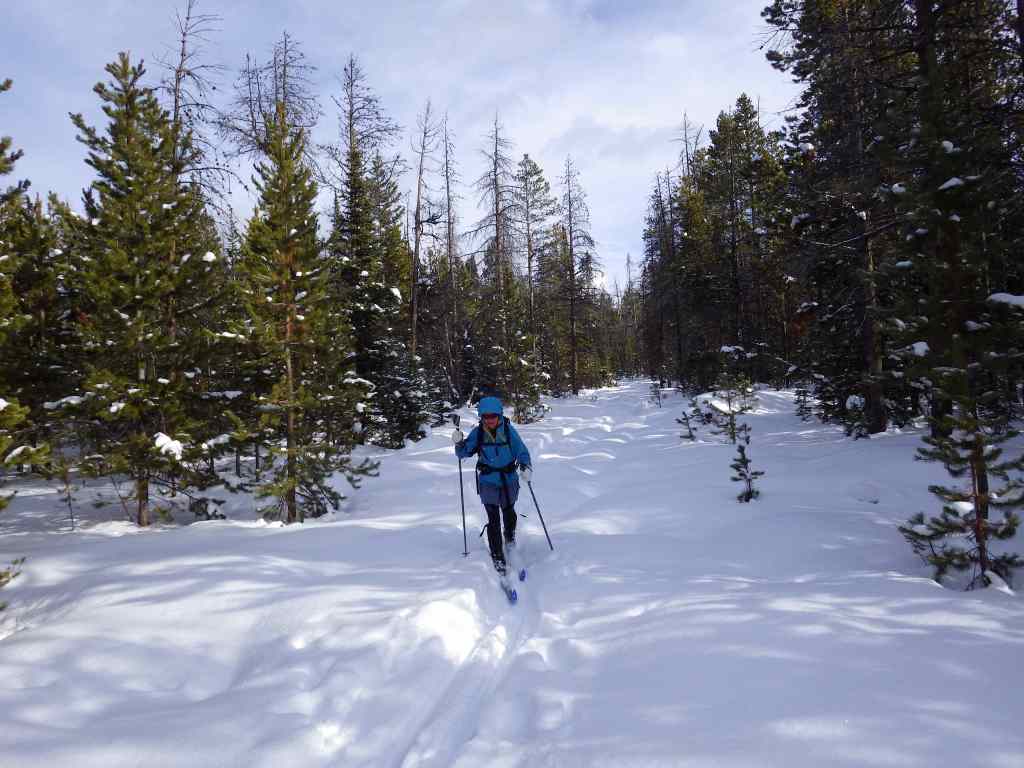
Snowshoers looking for some quiet can drive to the eastern end of Lake Granby and hike a mile to Monarch Lake on a road that is closed during the winter months.  Throughout the year, Monarch Lake is the starting point for multiple trails that climb into the high elevations of the Indian Peaks Wilderness, plus the Continental Divide National Scenic Trail.

Instagram-worthy Photo

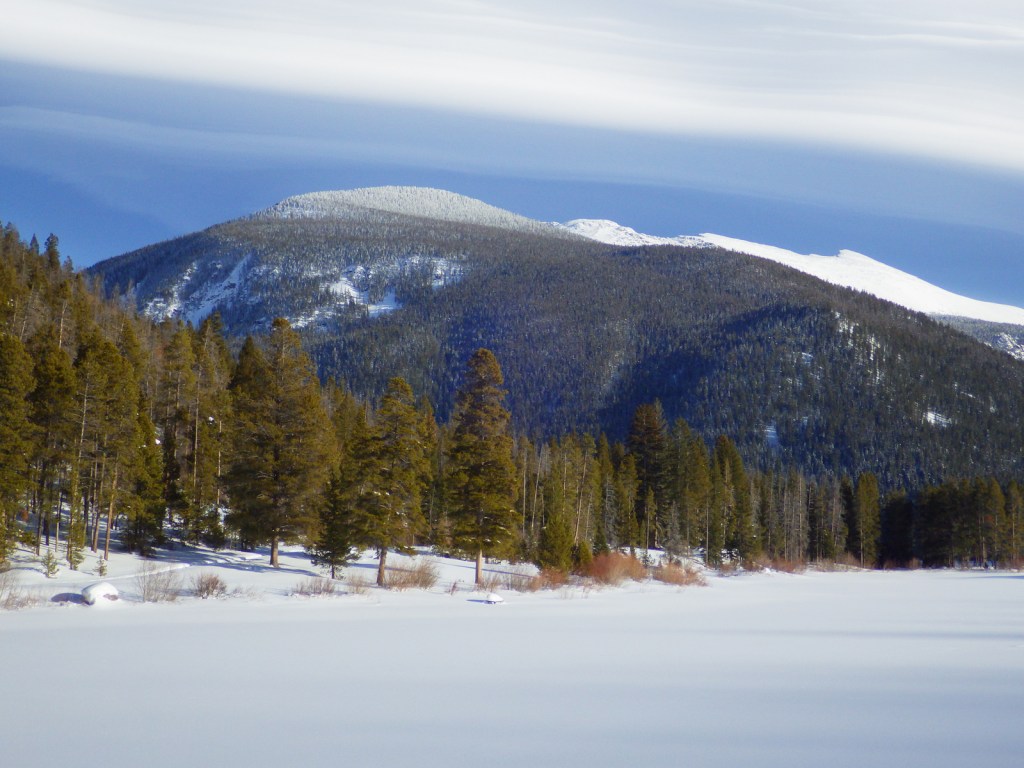
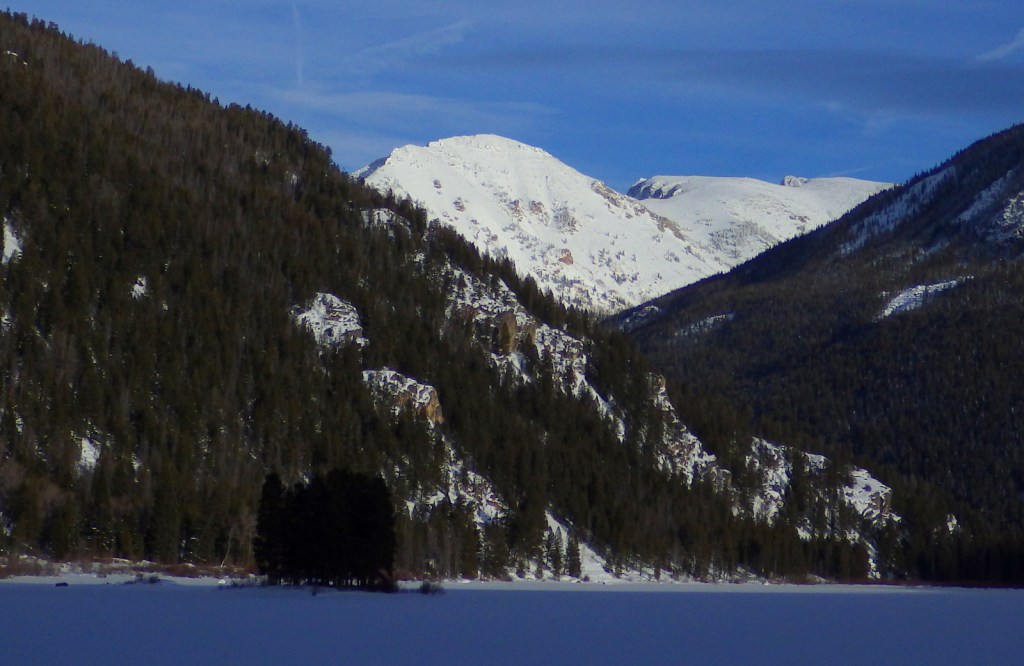
Under a blanket of snow, there is a majestic view from Monarch Lake looking at the Arapaho Creek Valley.

Peak Season

Summer

Fees

During the summer, day-use fees apply at portions of Arapaho National Recreation Area, like Monarch Lake and boat launches.

Road Conditions

The road back to Monarch Lake and many others are closed seasonally due to heavy snow accumulations.

Camping

Campgrounds on the lakes fill up in the summer and even the dirt roads around the west entrance to Rocky Mountain National Park can be jam-packed with dispersed campers.

Related Sites

Curecanti National Recreation Area (Colorado)

Colorado National Monument (Colorado)

Dinosaur National Monument (Utah-Colorado)

Nearest National Park
Rocky Mountain (Colorado)

Lake Granby in summer

Explore More – When was Arapaho National Recreation Area established?

Top 10 National Parks for Winter Recreation

Most of the 63 National Parks in snowy areas close their roads over the winter, but this allows for a variety of different recreation opportunities, including snowshoeing, cross-country skiing, snowmobiling, dog sledding, and snow biking.  There are several National Parks that are actually best to visit in winter to avoid the heat (like Everglades and Saguaro), but this ranking focuses on those where snow adds to the experience.  Click here to see all of our Top 10 Lists.

10. Lassen Volcanic (California)

Winter lasts so long in this park, you might find you need snowshoes in July

9. Grand Teton (Wyoming)

When the park roads close, they become cross-country skiing and moose traveling routes

8. Mount Rainier (Washington)

Plows make sure the popular snow play area at Paradise is always accessible

7. Bryce Canyon (Utah)

It snows often at 7,000 feet in elevation, making the hoodoo formations even more beautiful

6. Denali (Alaska)

Dog sledding is how the National Park Service (NPS) rangers get around during the long winter
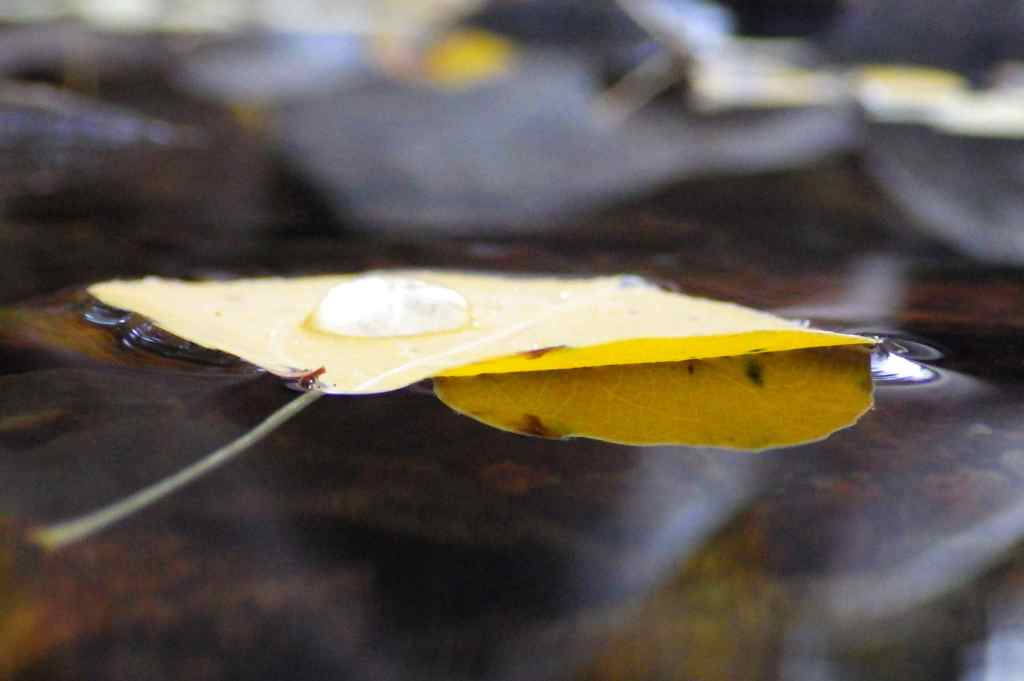
5. Voyageurs (Minnesota)

Ice fishing is such a draw when these lakes freeze over that the NPS even maintains an ice road

4. Rocky Mountain (Colorado)

It is possible that the trailhead at Bear Lake is actually busier in the winter (also try the Wild Basin area)

3. Crater Lake (Oregon)

The lake is never prettier than when surrounded by snow and the entry road is plowed year round

2. Sequoia (California)

The orange bark of giant sequoia seems to glow when surrounded by snow

…and finally the #1 National Park Service site for winter recreation:
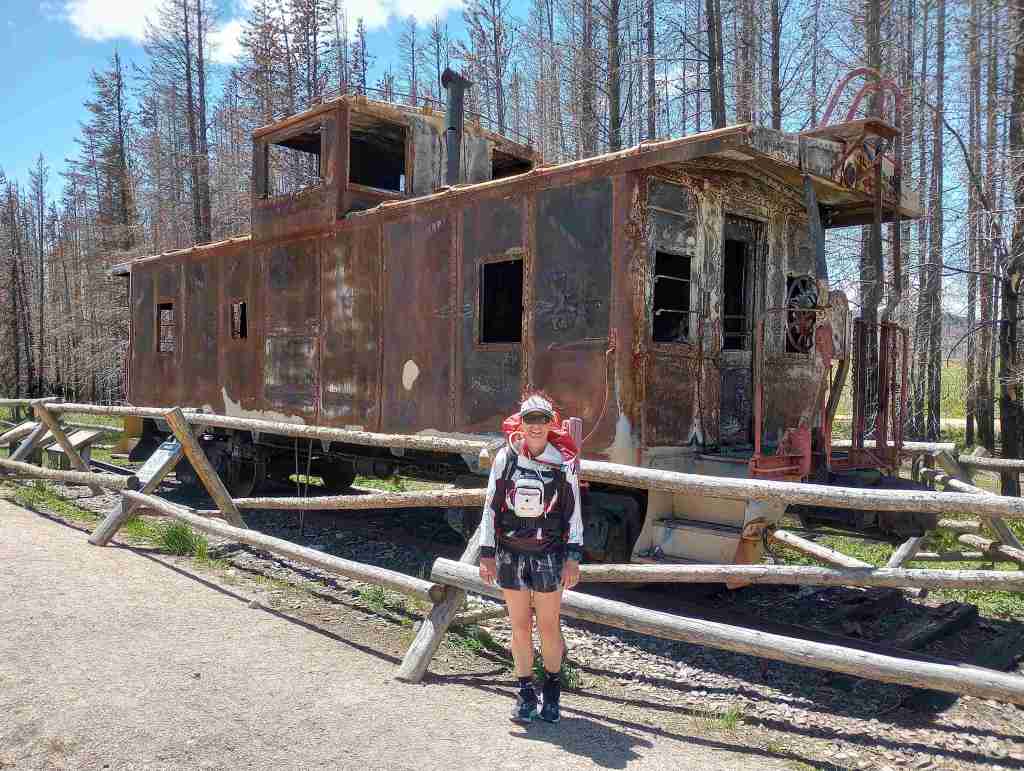
1. Yellowstone (Wyoming-Montana-Idaho)

Take a snow coach or snowmobile to the Winter Lodge at Old Faithful for a “bucket-list” experience

Honorable Mentions

Acadia (Maine)

The park’s 45 miles of carriage roads are ideal cross-country ski routes

Mesa Verde (Colorado)

Tours end in the winter, but we included it specifically for the one night in December when the NPS lights luminaries in the ruins

Kenai Fjords (Alaska)

There is a public use cabin located down the road to Exit Glacier open to snowmobilers by reservation

Badlands (South Dakota)

Nothing in this park really closes in the winter, but we think the formations are even prettier in snow

We are a participant in the Amazon Services LLC Associates Program, an affiliate advertising program designed to provide a means for us to earn fees by linking to Amazon.com and affiliated sites.