Tag Archives: National Monument

Hagerman Fossil Beds National Monument

Overview

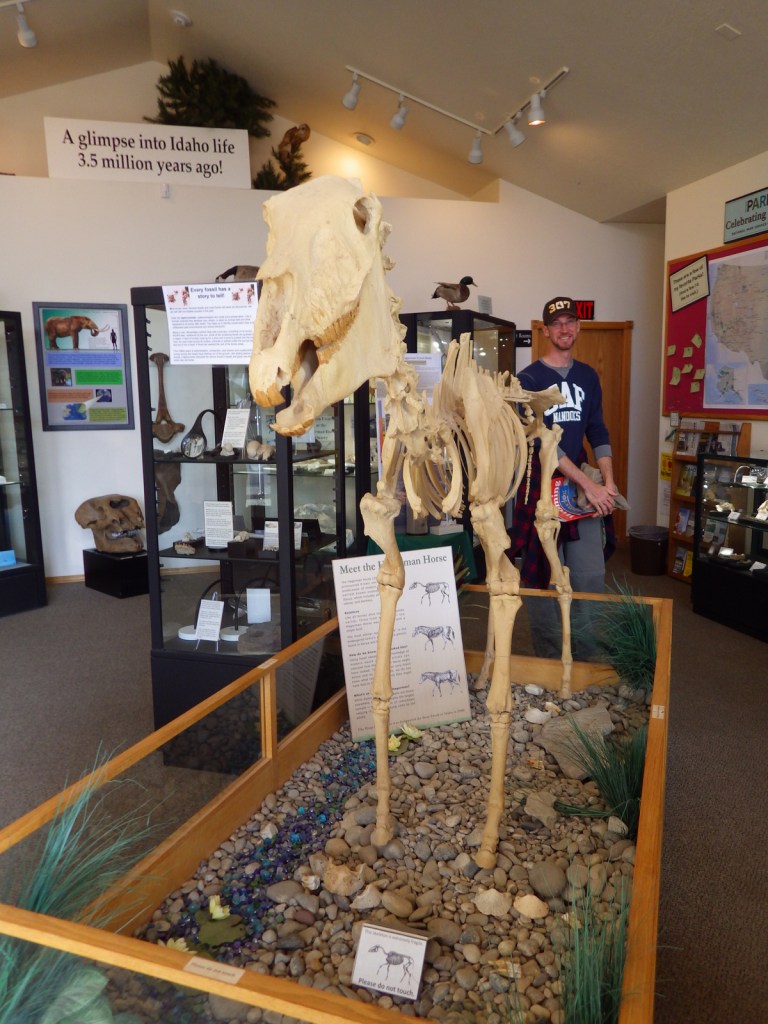
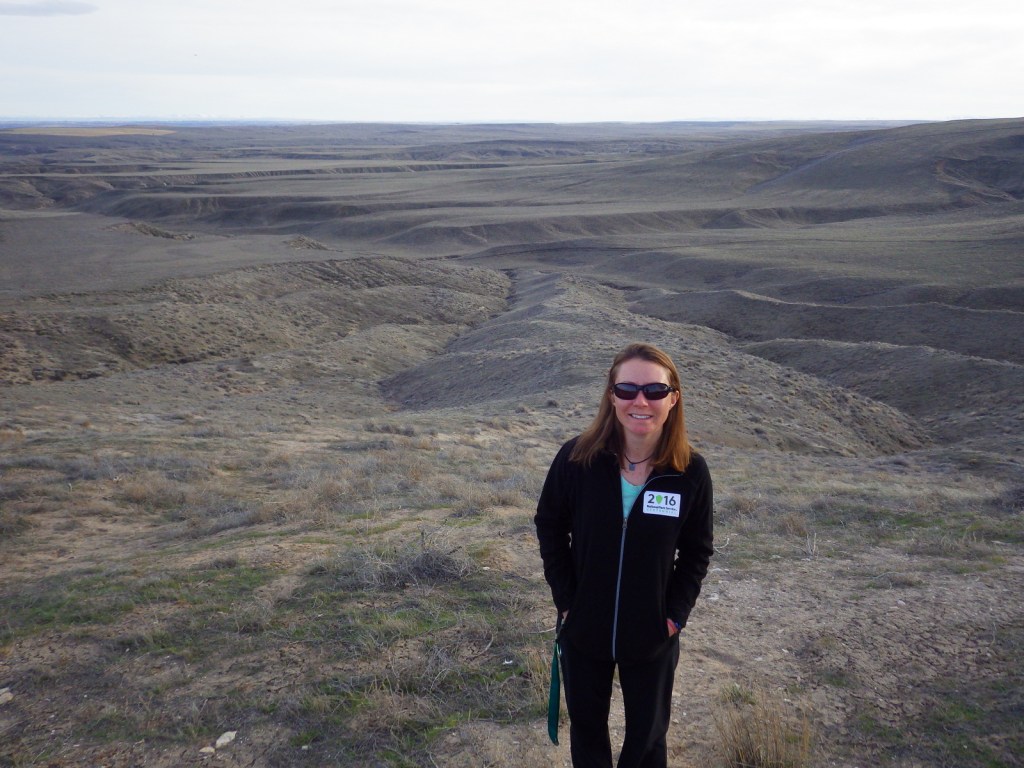
More than 3.5-million years ago, this section of southern Idaho was on a floodplain of a giant lake.  Lush grasslands and forests attracted camels, llamas, mastodons, zebra-like horses, and a variety of birds.  Their fossils were not discovered until 1928, on the steep bluffs on the west bank of the Snake River, now Lower Salmon Falls Reservoir.

Highlights

Museum, film, Snake River Overlook, Oregon Trail Overlook

Must-Do Activity

Numerous mammal fossils from the Pliocene Epoch are on display at the National Park Service visitor center, located on the main drag in the small town of Hagerman, Idaho.  Scenic overlooks of the Snake River and Oregon Trail are located further south, but there is no public access to the fossil beds.

Best Trail

The 3-mile long Emigrant Trail parallels the Oregon National Historic Trail, which has wagon ruts accessible from both the Snake River Overlook and Oregon Trail Overlook (where there is also a half-mile interpretive trail).

Instagram-worthy Photo

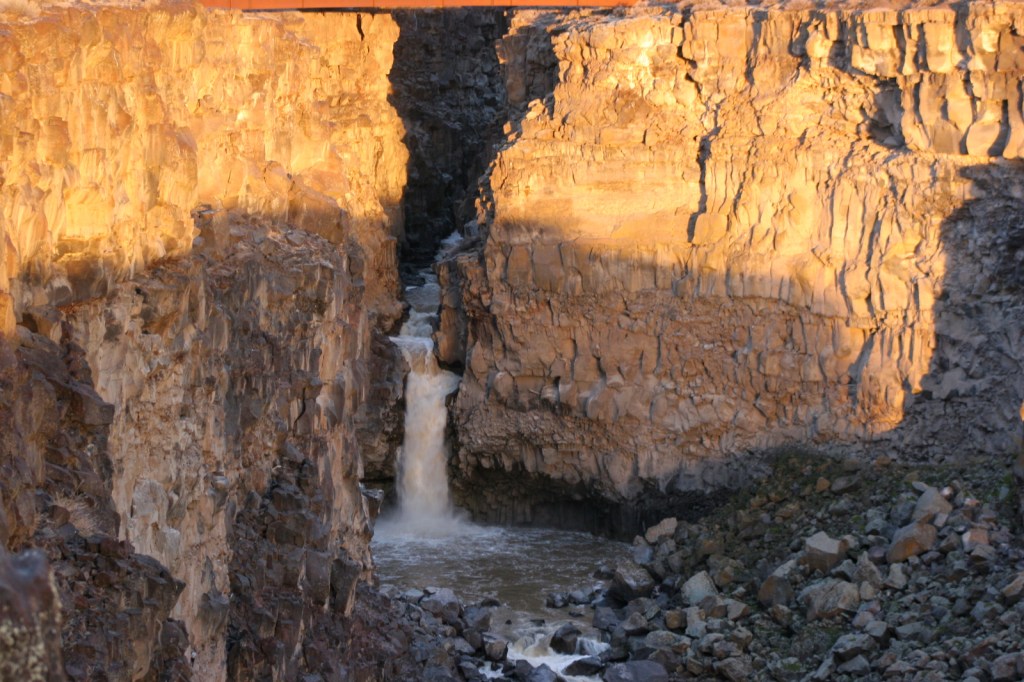
Interstate 84 passes directly over Malad Gorge State Park, north of Hagerman, Idaho.  Take the freeway exit and walk to the canyon rim to see the beautiful waterfall you missed from the bridge.

Peak Season

Summer

Hours

https://www.nps.gov/hafo/planyourvisit/visitor-center-operating-hours-seasons.htm

Fees

None for Hagerman Fossil Beds National Monument, but there is a day-use fee at Malad Gorge State Park.

Road Conditions

The main access roads are paved.  There is a one-lane bridge crossing the Snake River off Highway 30 that was closed during our visit so we took the Gridley Island Bridge instead.

Camping

There are places to camp along many sections of the Snake River, but not within the National Monument.

Explore More – How many complete skeletons of zebra-like horses were discovered within Hagerman Fossil Beds?

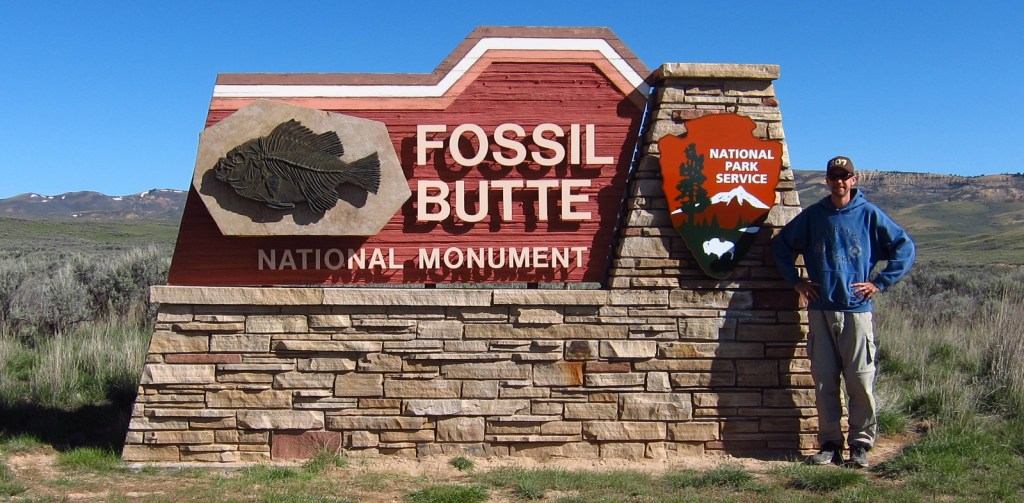
Fossil Butte National Monument

Wyoming

Managed by National Park Service

Established 1972

8,198 acres

Website: nps.gov/fobu

Overview

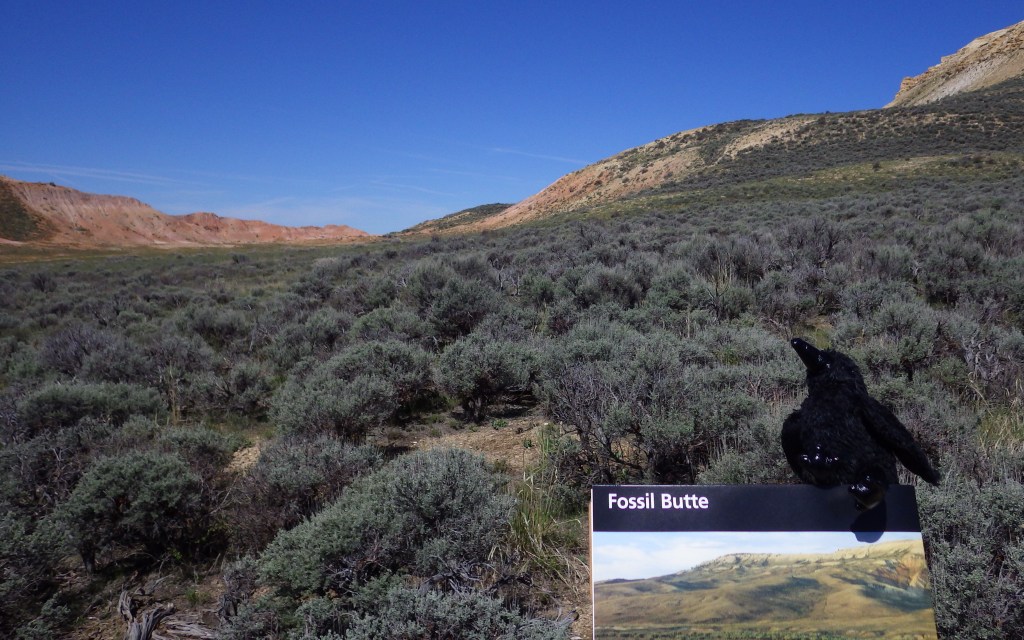
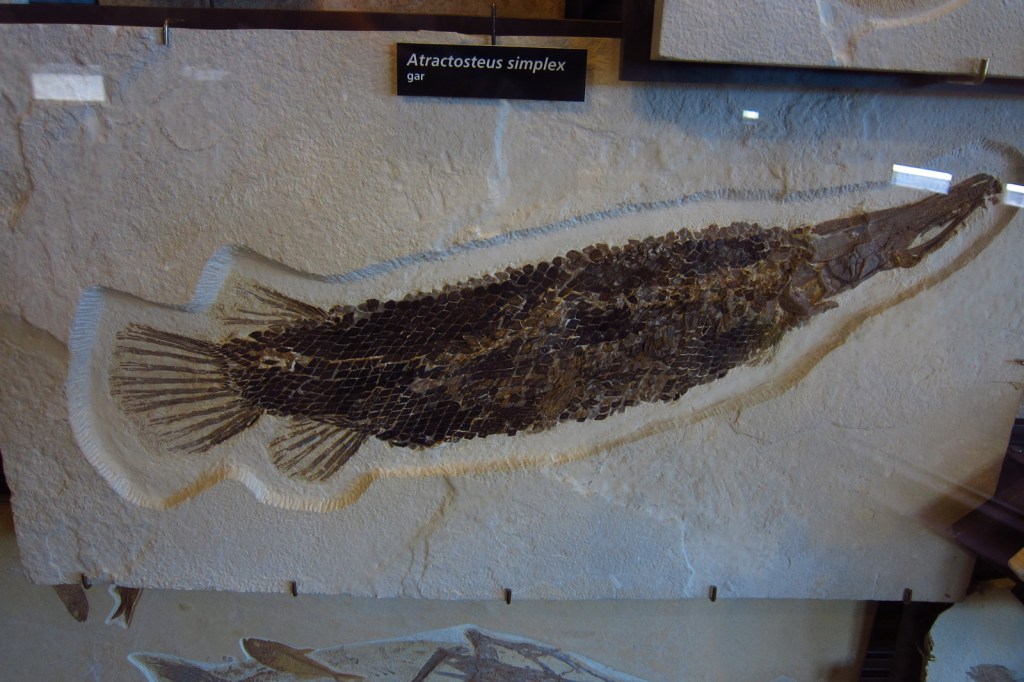
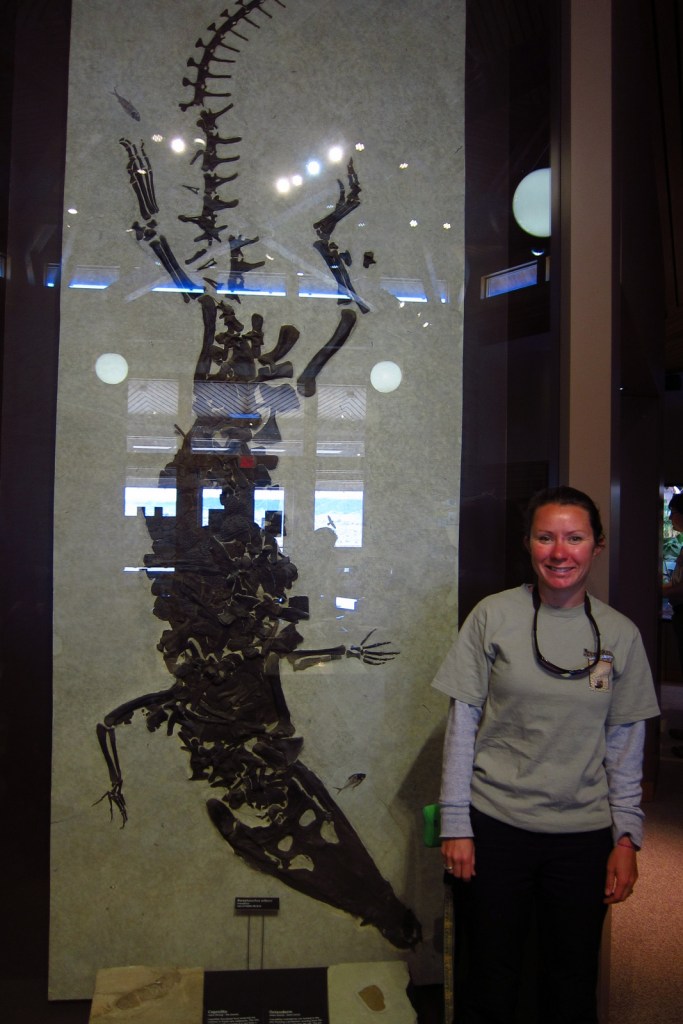
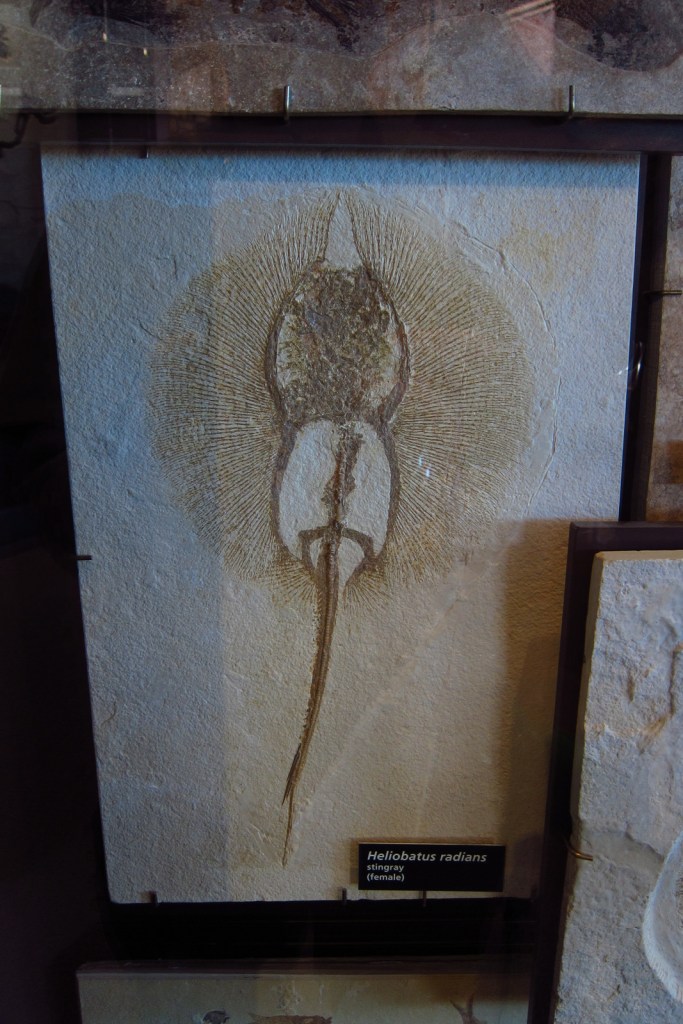
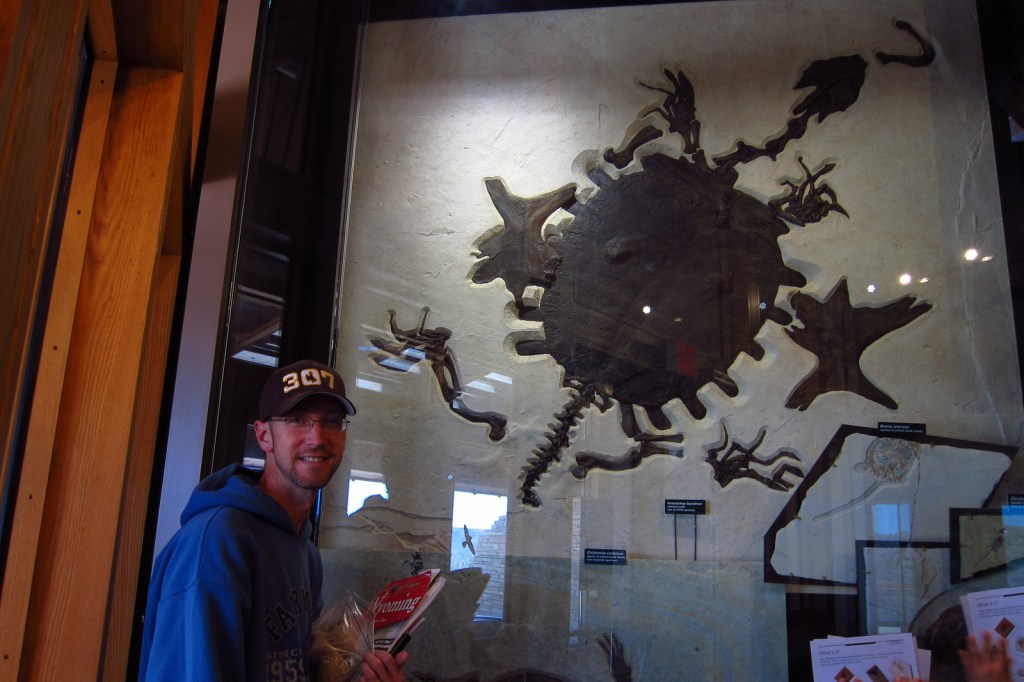
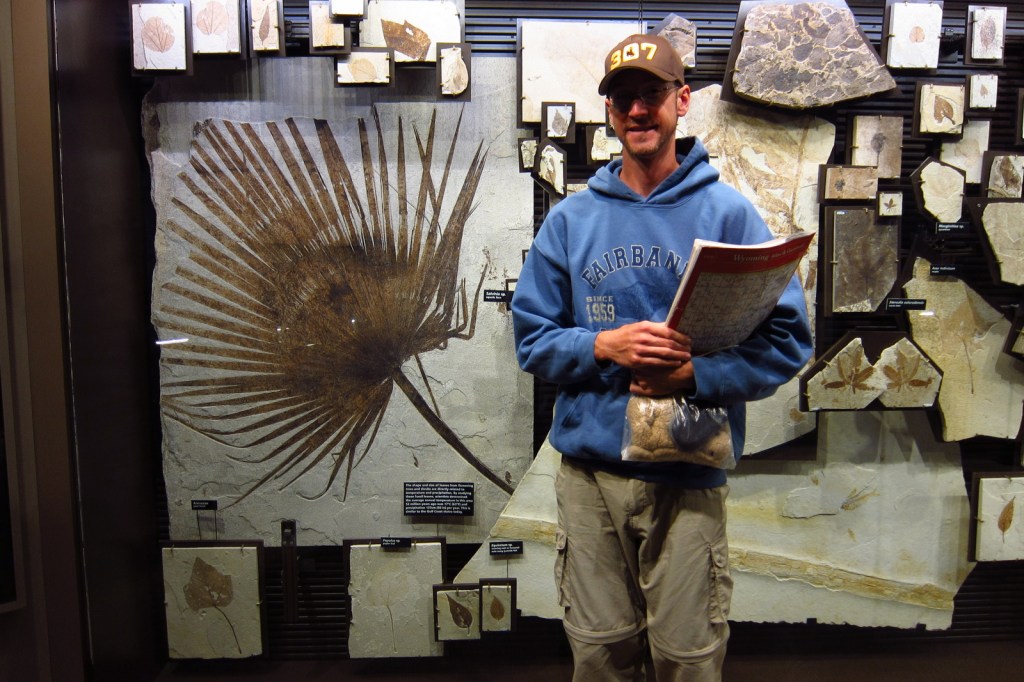
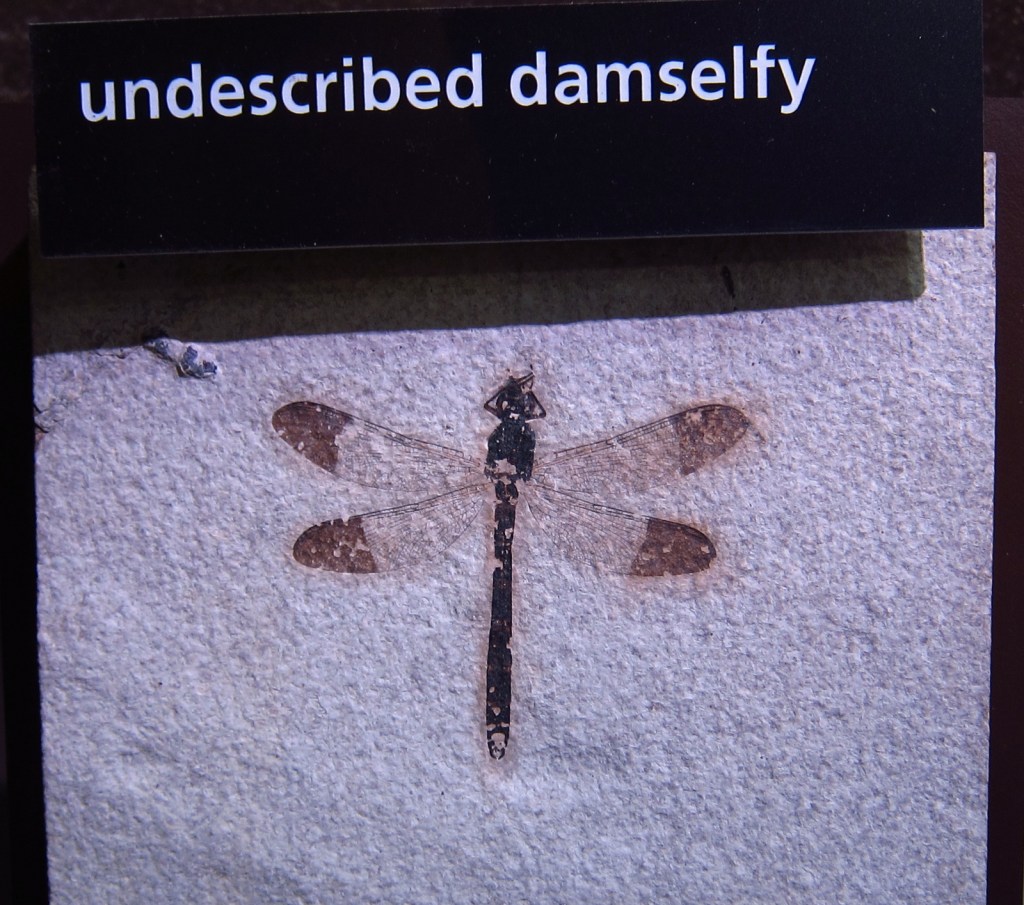
Exactly 100 years after the creation of Yellowstone National Park, another Wyoming site was added to the National Park Service (NPS) system in 1972: Fossil Butte National Monument.  It is dedicated to 50-million-year-old fossils found in an ancient subtropical lakebed, including plants (like palms and ferns) and animals (like turtles and lemurs). 

Know someone who loves the National Monuments? Gift them our travel guidebook Monumental America: Your Guide to All 138 National Monuments that is available for sale on Amazon.com.

Highlights

NPS museum, film, Fossil Lake Trail, Historic Quarry Trail

Must-Do Activity

Even 50-million years ago it was windy in Wyoming!  The excellent preservation of the fossils may be in part due to high winds that kept surface water well-oxygenated while deeper waters were stagnant.  If you need to get out of the wind, head into the visitor center to see fossil fish, turtles, and other species on display.  On the deck outside there is an awesome timeline that traces CO2 levels and life on Earth throughout geologic time.

Best Trail

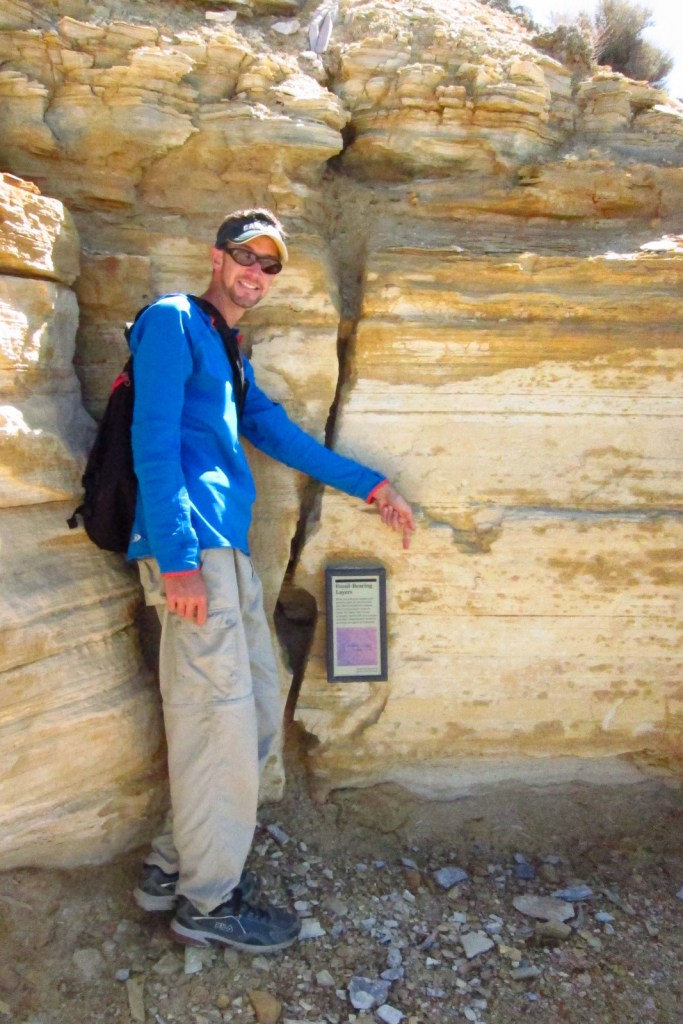
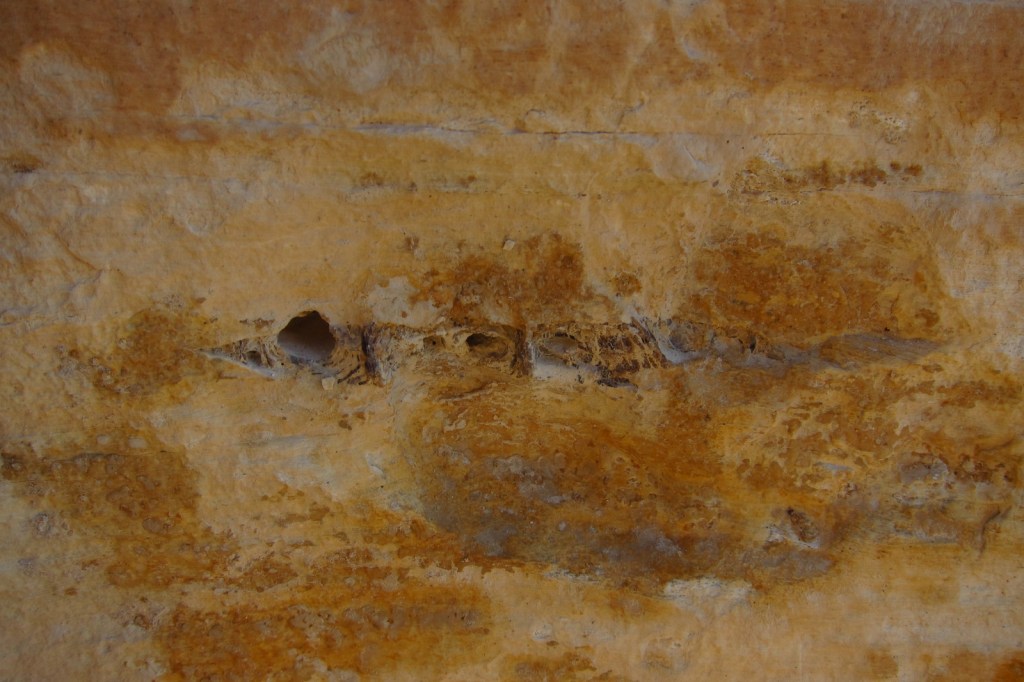
Take the steep steps up the Historic Quarry Trail to find fish fossils still in the rocks.  There is no shade along the trail, but even in the summer the weather is usually not that hot at 7,000 feet in elevation.  From the picnic area, the 1.5-mile Fossil Lake Trail leads to aspen groves.

Instagram-worthy Photo

Get up close with fossils that stand out against the white bedrock in the NPS museum or on the Historic Quarry Trail.  On private land nearby, you can pay to excavate your own fish fossils that you get to keep.

Peak Season

Summer

Hours

https://www.nps.gov/fobu/planyourvisit/hours.htm

Fees

None

Road Conditions

Entrance road is paved

Camping

None within the National Monument, but to the north Bridger-Teton National Forest provides opportunities for dispersed camping.

Related Sites

Yellowstone National Park (Wyoming-Montana-Idaho)

Bridger National Forest (Wyoming)

Devils Tower National Monument (Wyoming)

Nearest National Park

Grand Teton

Explore More – Kemmerer, Wyoming is home the very first example of which well-known department store?

Learn more about the other 137 National Monuments in our book Monumental America: Your Guide to All 138 National Monuments

Fort Pulaski National Monument

Overview

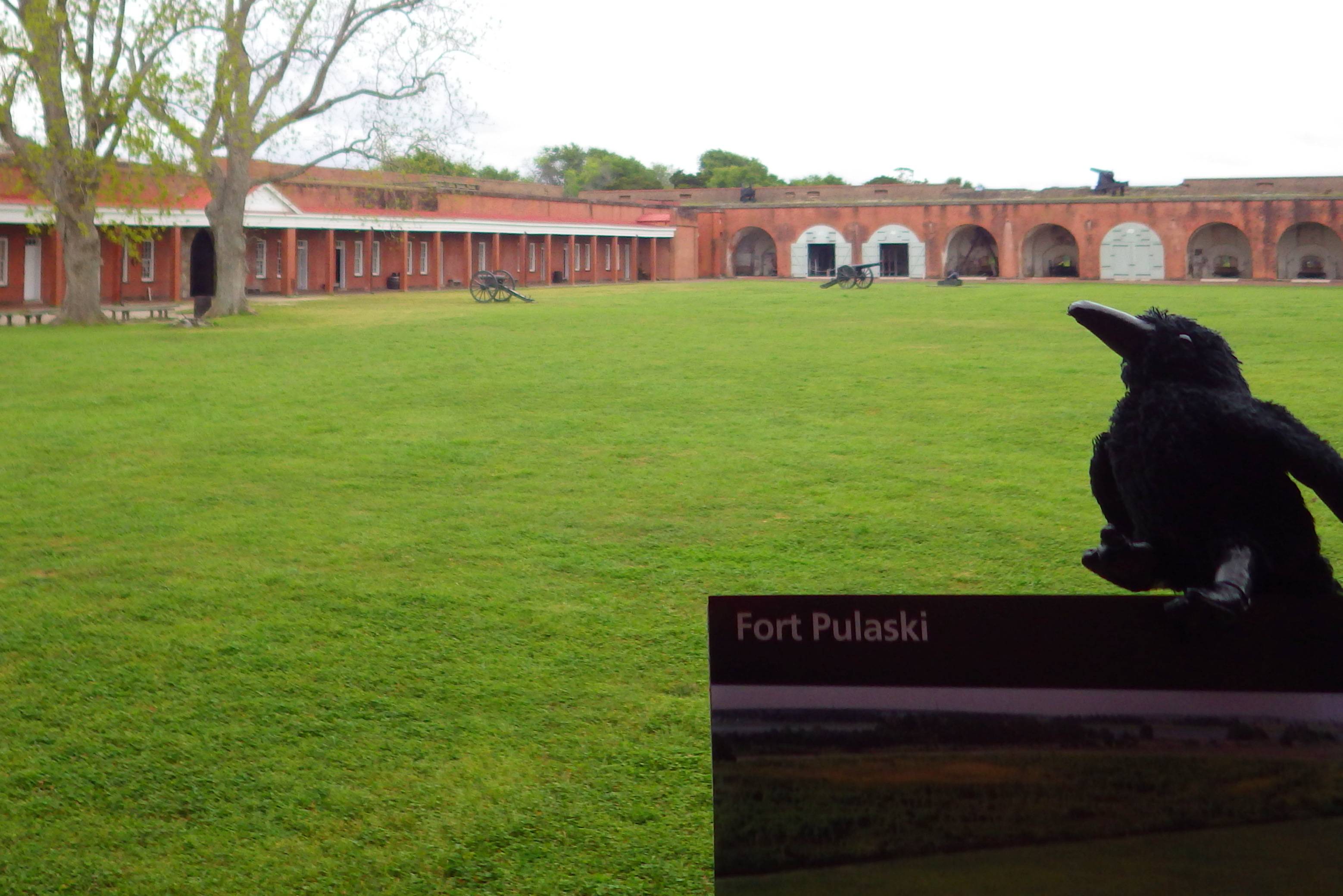
Located 17 miles east of Savannah, Georgia, Fort Pulaski National Monument makes a great daytrip destination near the coast.  The 5-sided brick fort was built in 1829 along the Savannah River and named for a Polish Count who was killed-in-action during the American Revolution. 

Highlights

Historic fort with a moat, 1856 Cockspur Island Lighthouse

Must-Do Activity

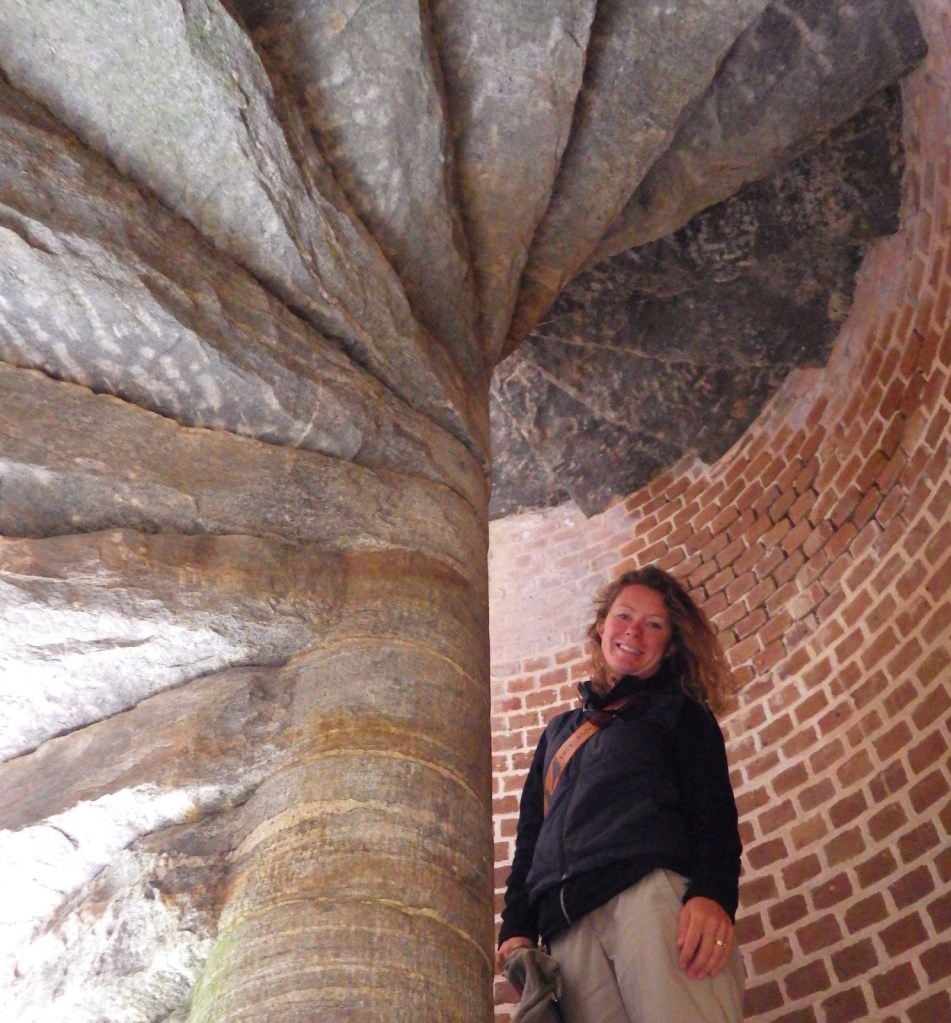
The invention of rifled cannons made forts like this (and Fort Jefferson in Florida) obsolete.  Fort Pulaski was claimed by the Confederacy early during the Civil War, but it was surrendered to the Union Army in April 1862 after thirty hours of shelling from nearby Tybee Island.  It has been mostly reconstructed and is safe to explore.  Rifle and cannon firing demonstrations are held throughout the day inside the parade grounds.

Best Trail

A 0.75-mile trail leads from the fort to an overlook of Cockspur Island Lighthouse, where wading birds are often seen.  Only 3 miles down the road, also check out the Tybee Island Light Station and Museum, first built in 1773, then reconstructed after the Civil War.

Instagram-worthy Photo

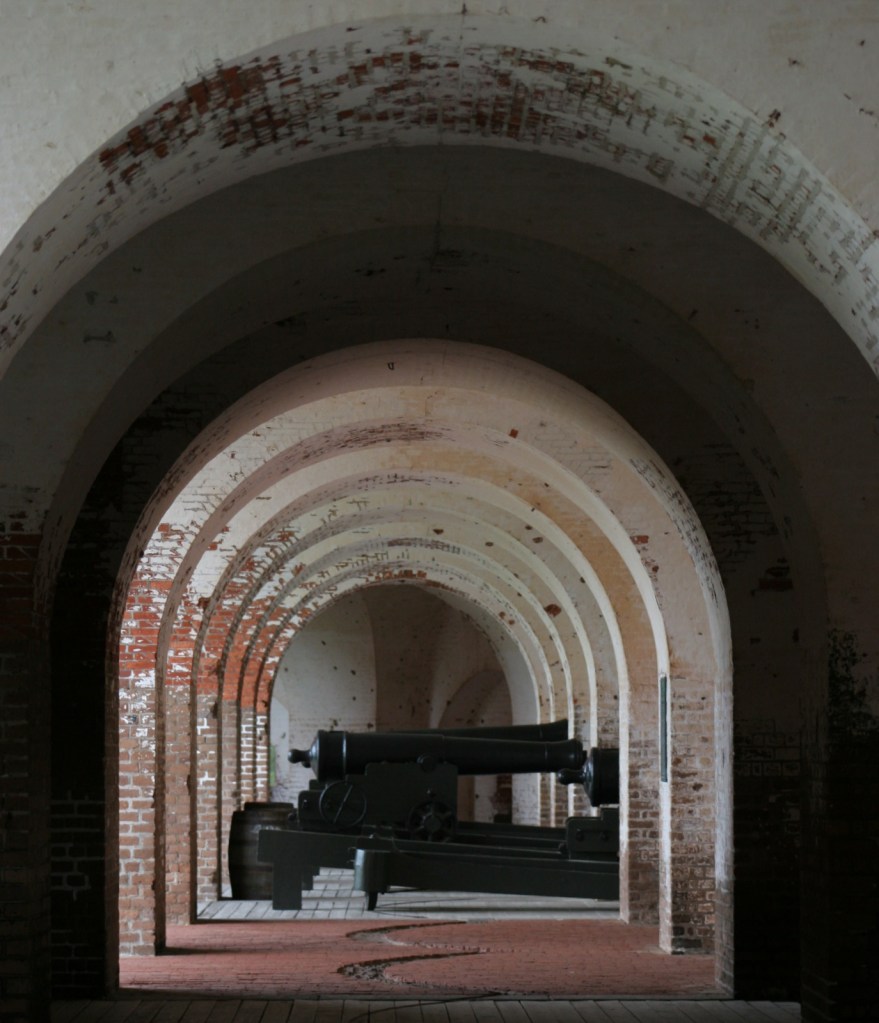
Fort Pulaski has 7-foot thick walls, a drawbridge, demilune (earthworks), and even a moat around its perimeter.  The fort’s symmetry makes for beautiful photos, especially inside the powder magazines.

Peak Season

Summer, though it can be quite muggy.

Hours

https://www.nps.gov/fopu/planyourvisit/hours.htm

Fees

$10 per person or America the Beautiful pass

Road Conditions

All roads paved

Camping

Skidway Island State Park has a campground just outside Savannah, Georgia.

Explore More – On nearby Tybee Island, Battery Garland was part of which decommissioned fort also named for a Revolutionary War casualty?

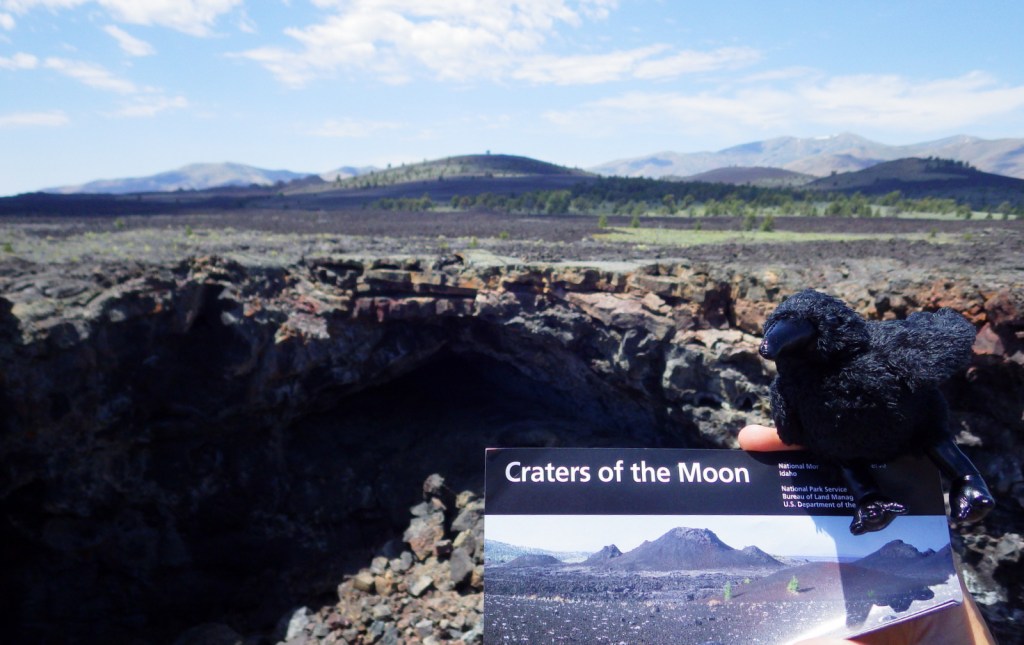
Craters of the Moon National Monument and Preserve

Overview

If you seek an otherworldly experience right here on Earth, look no further than Craters of the Moon National Monument and Preserve in southeastern Idaho.  In the 1800s, this massive lava flow proved an obstacle to avoid for immigrants on the Oregon Trail.  In 1969 it truly earned its lunar label by serving as a field school on volcanic geology for NASA Apollo astronauts. 

Highlights

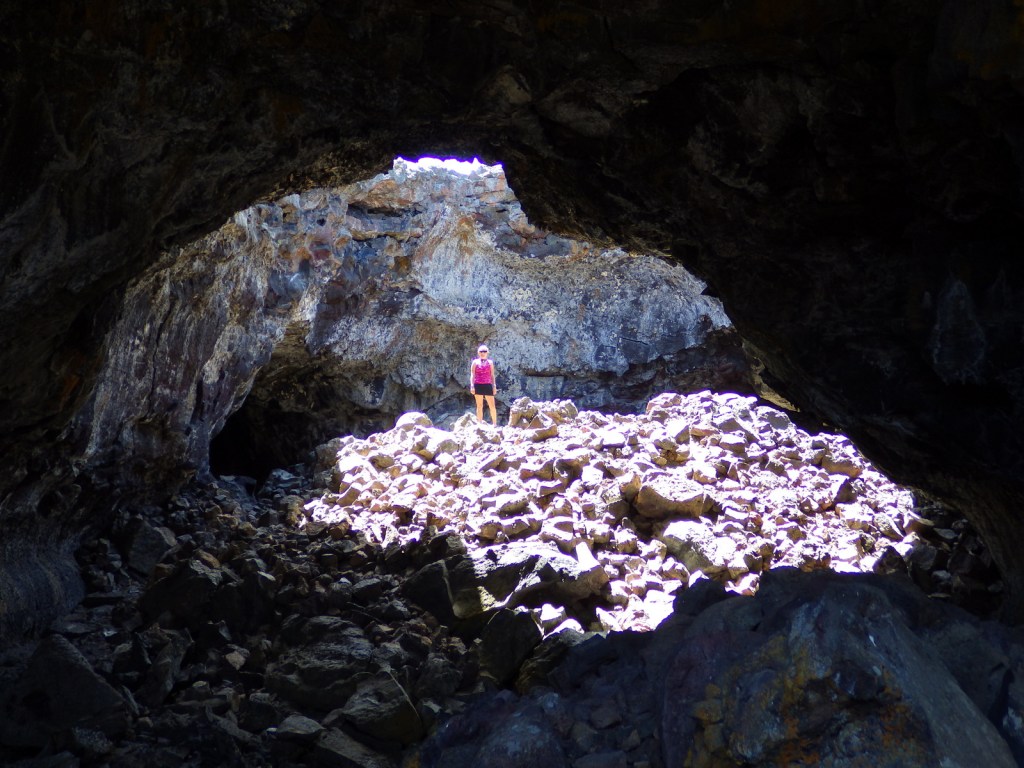
Boy Scout Cave, Indian Tunnel, cinder cones, tree molds

Must-Do Activity

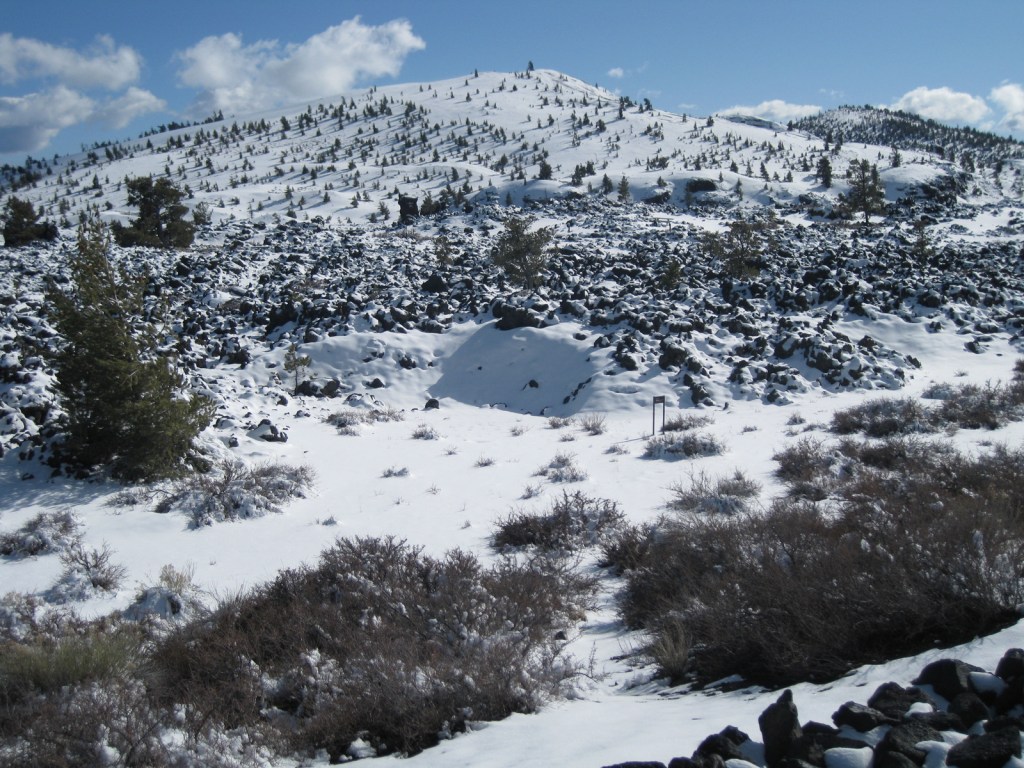
The 7-mile loop road is paved and provides parking at several trailheads, including the wheelchair-accessible Devils Orchard Nature Trail.  Cinder cones, lava tubes, and tree molds are some of the unique volcanic features seen from the trails.  If you come here in the winter the loop road closes due to the amount of snow they receive at 6,000 feet elevation, but you can still explore on snowshoes and cross-country skis.

Best Trail

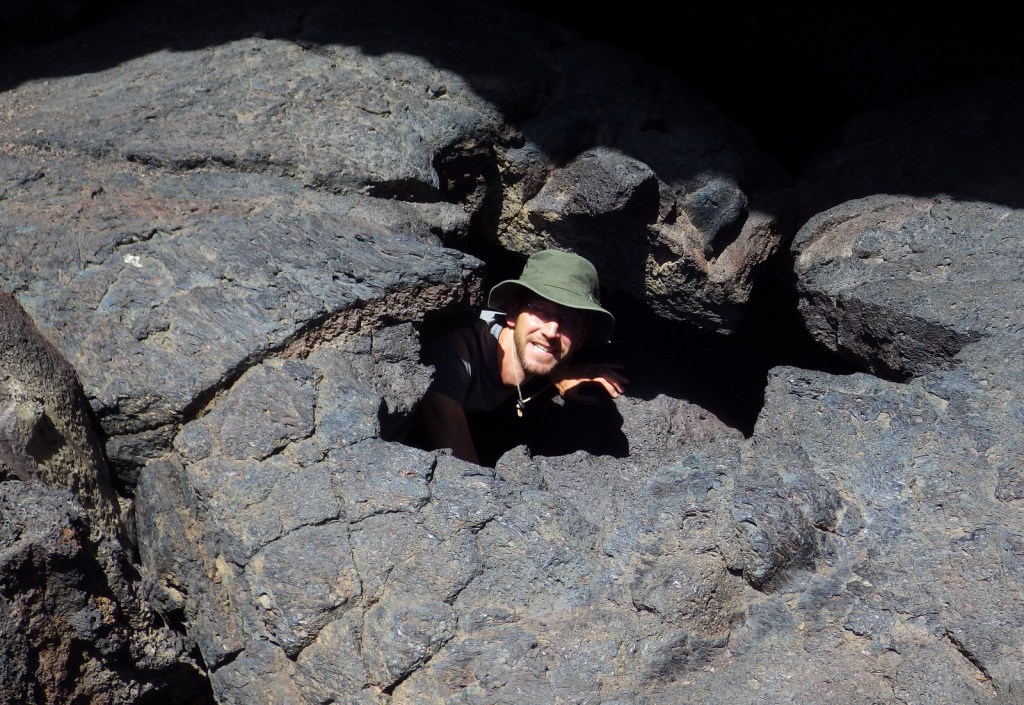
If you cannot make it to the incomparable Lava Beds National Monument in northern California, you can explore a couple of short lava tube caves here.  To explore Indian Tunnel you will need a free permit, but you do not even need a flashlight.  That is not the case inside the pitch black Boy Scout Cave.

Instagram-worthy Photo

Unlike the moon, there is life here despite its blackened, rocky appearance.  Hearty syringa bushes and limber pine trees sprout from cracks in the lava providing food and cover for sage grouse, pika, and other animals. 

Peak Season

Summer, but it can get very hot on the black rocks without any shade.

Hours

https://www.nps.gov/crmo/planyourvisit/hours.htm

Fees

$20 per vehicle or America the Beautiful pass

Road Conditions

The 7-mile loop road is paved, but other all roads into the monument require a heavy-duty 4×4 with excellent tires.

Camping

There is a first-come, first-served campground near the visitor center off Highway 93 that provides water, but no RV hookups.  Backpacking is allowed in the wilderness area.

Explore More – In what year did the nearby town of Arco, Idaho became the first community in the world to utilize nuclear power?

Salinas Pueblo Missions National Monument

Overview

This interesting National Monument protects three separate Spanish missions that date to the 1600s, though its main visitor center in Mountainair, New Mexico is not next to any of them.  Their location near salt flats led to the name Salinas and contributed to the pueblos’ abandonment when a major drought struck in the 1670s.

Highlights

Gran Quivira, Quarai, Abó, film at main visitor center

Must-Do Activity

Gran Quivira has the remains of two churches (the second unfinished at the time of abandonment) and the most significantly excavated pueblo ruins (with kivas) of the three sites.

Best Trail

Each of the three pueblos has a paved walkway that leads through its ruins that leaves from the parking lot and past its contact station staffed by a National Park Service employee. 

Instagram-worthy Photo

The church at Quarai is the most complete of the three sites and its red walls photograph well at sunset.

Peak Season

Spring and Fall

Hours

https://www.nps.gov/sapu/planyourvisit/hours.htm

Fees

None

Road Conditions

All roads paved

Camping

Manzano Mountains State Park has a seasonal campground 15 miles north of Mountainair, New Mexico.

Explore More – Other than the major drought in the 1670s, what other factors contributed to the abandonment of these pueblos?