Tag Archives: National Monument

Belmont-Paul Women’s Equality National Monument

Overview

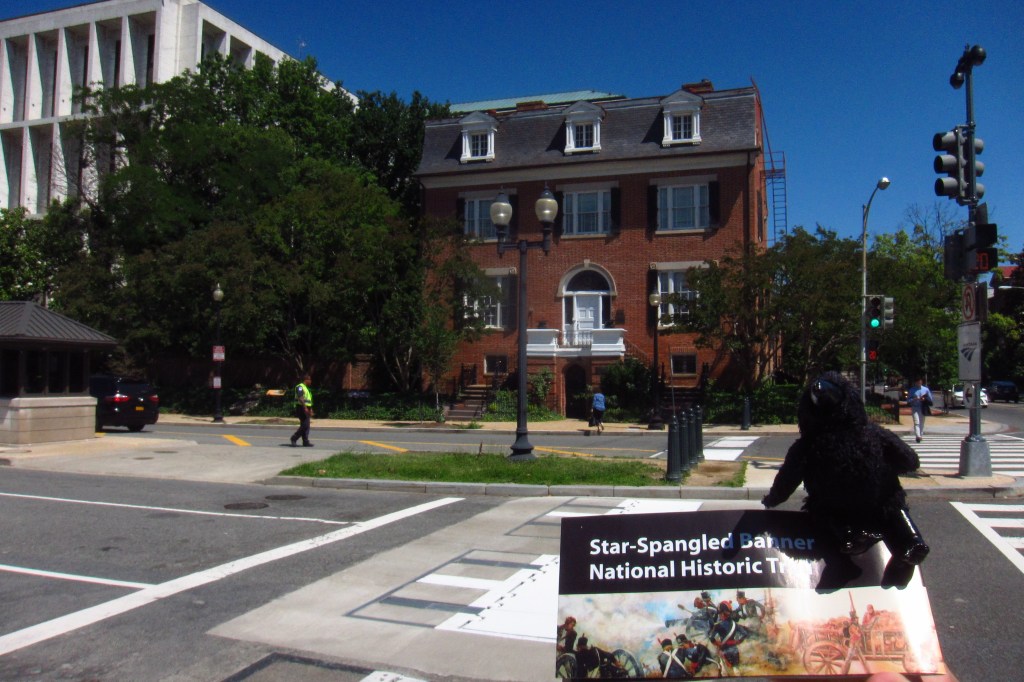
The house at 144 Constitution Avenue NE in Washington, D.C. has an interesting history.  First constructed by the Sewall family in 1799 near the new U.S. Capitol building, it was burned by British troops during the War of 1812.  After being renovated by Vermont Senator Porter H. Dale in the 1920s, it was purchased by Alva Vanderbilt Belmont as a replacement headquarters for the National Woman’s Party (NWP).  In 1972, it was named the Sewall-Belmont National Historic Site, affiliated with the National Park Service (NPS), who took over full control when it was established as a National Monument in 2016. 

Highlights

Historic artifacts, sculptures, tours

Must-Do Activity

Free tours are given at specific times (see Hours below) by the NPS, but otherwise visitors can read the museum displays on both floors of the house.  The name Belmont-Paul Women’s Equality National Monument refers to the aforementioned Alva Vanderbilt Belmont and Alice Paul, a militant suffragette who was arrested during World War I for picketing outside the White House.  The protesters were attacked by men on the street, vilified in the newspapers, and abused in prison where they were force-fed during hunger strikes.  In August 1920, these brave women achieved vindication with the passing of the 19th Amendment allowing all women the right to vote in the U.S.A.

Best Trail

The Sewell House has a placard outside as part of the Star-Spangled Banner National Historic Trail.  In 1814, the British believed there were snipers posted inside the house and burned it down, one of the few private residences destroyed during their march through Washington, D.C. during the War of 1812.

Instagram-worthy Photo

A statue of Joan of Arc greets visitors in the front hallway of the house.  Our tour guide said that the statue is attached to the house’s foundation and is completely immovable. 

Peak Season

Summer

Hours

https://www.nps.gov/bepa/planyourvisit/hours.htm

Fees

None

Road Conditions

There is no designated parking lot, so you have to find street parking or take the Metro.

Camping

None

Explore More – In August 1920, which state became the 36th to ratify the 19th Amendment, officially adding it to the U.S. Constitution?

Oregon Caves National Monument and Preserve

Overview

In the remote southwest corner of Oregon, this marble cave system has been federally protected since 1909.  The Civilian Conservation Corps (CCC) worked extensively on the trail system and chateau-style lodge in the 1930s.  In 2014, an additional 4,000 acres were added to preserve the surrounding old-growth forests, the most biodiverse conifer-dominated ecosystem in the world.

Highlights

Cave tours, Oregon Caves Chateau, Big Tree, Mt. Elijah

Must-Do Activity

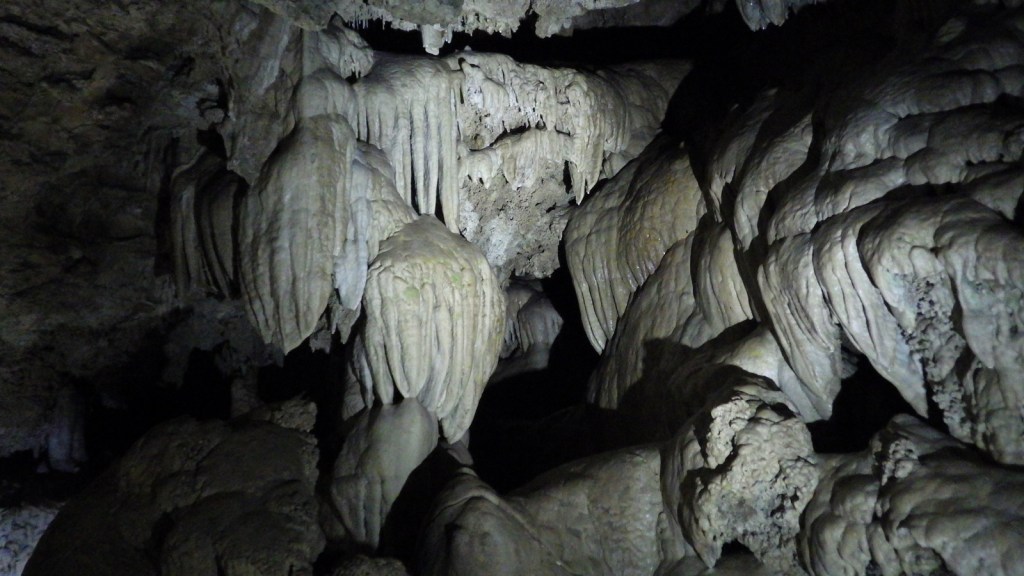
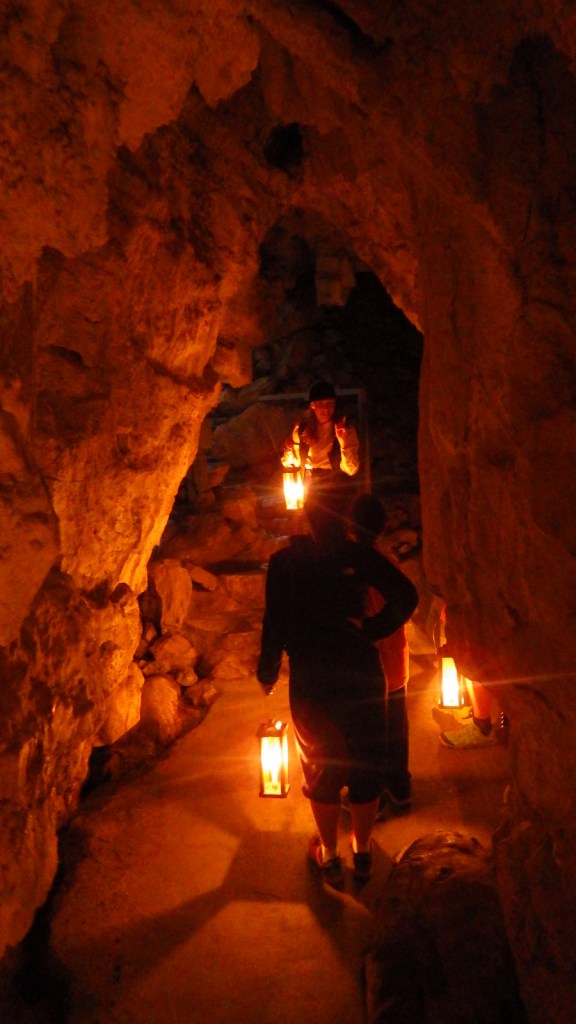
The Oregon Caves Chateau is currently closed for renovation, but is scheduled to reopen to guests in 2021.  That means the main reason to visit is to take a tour inside the cave, but bundle up because it remains a brisk 44°F year round.  The standard tour is 90 minutes, has a height requirement of 42 inches, and includes 500 stairs, which can be strenuous at 4,000 feet in elevation.  In the summer, a candlelight tour, off-trail “wild caving” tour, and family-friendly tour (for those with small children) are also offered.

Best Trail

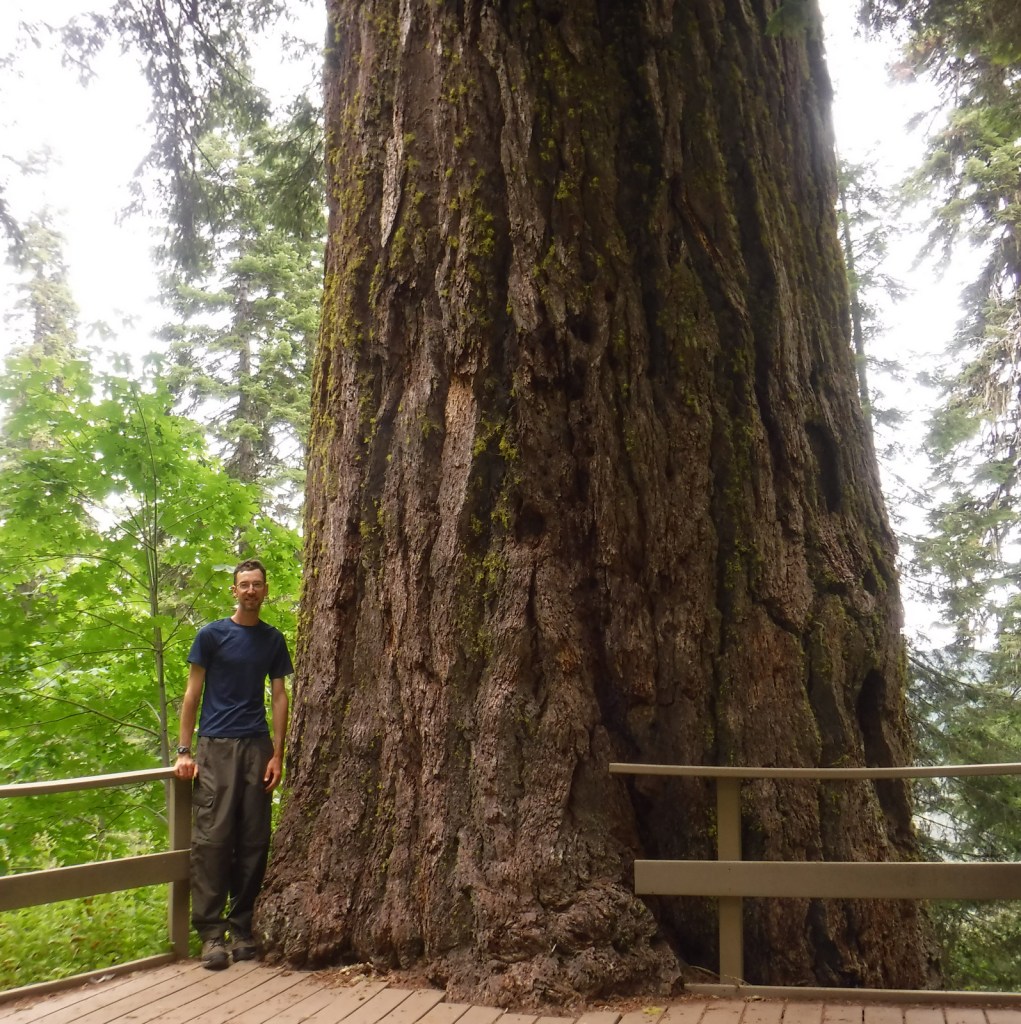
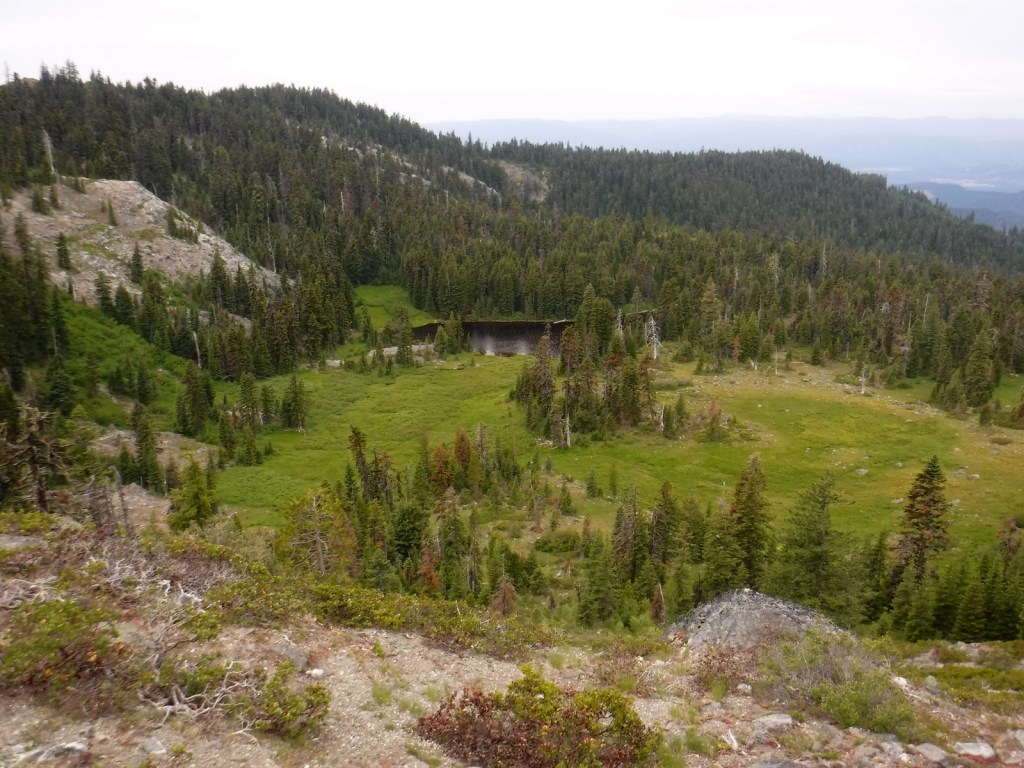
The Bigelow Lakes-Mt. Elijah Loop Trail covers 9.2 miles and gains 2,390 feet in elevation while providing the best views of the surrounding mountains.  At a minimum, you should try to hike the Big Tree Trail 2.6 miles roundtrip to the largest diameter Douglas-fir tree in Oregon.

Instagram-worthy Photo

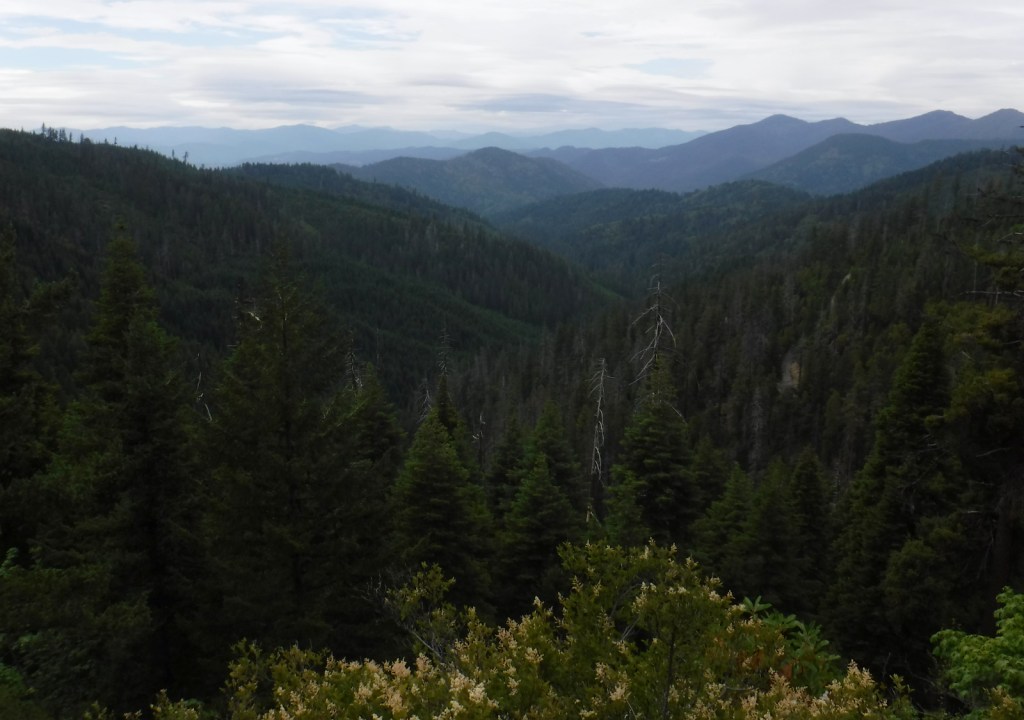
After your cave tour exits far uphill from its entrance, continue on the Cliff Nature Trail for a great view of the lush Siskiyou Mountains.

Peak Season

Summer, since cave tours are only offered from late March through November.

Hours

https://www.nps.gov/orca/planyourvisit/hours.htm

Fees

There is no entrance fee to the park, but there is a charge for all cave tours (which can be reserved in advance).

Road Conditions

The paved entry road is winding and climbs steeply.  Most surrounding Forest Service roads are unpaved and one climbs to provide access near the top of the Bigelow Lakes-Mt. Elijah Loop Trail.

Camping

Cave Creek Campground is located 4 miles from the cave entrance.  Trailers are only permitted at Grayback Campground, further down the hill.

Explore More – Which native conifer tree provided the siding for the Oregon Caves Chateau?

Agate Fossil Beds National Monument

Overview

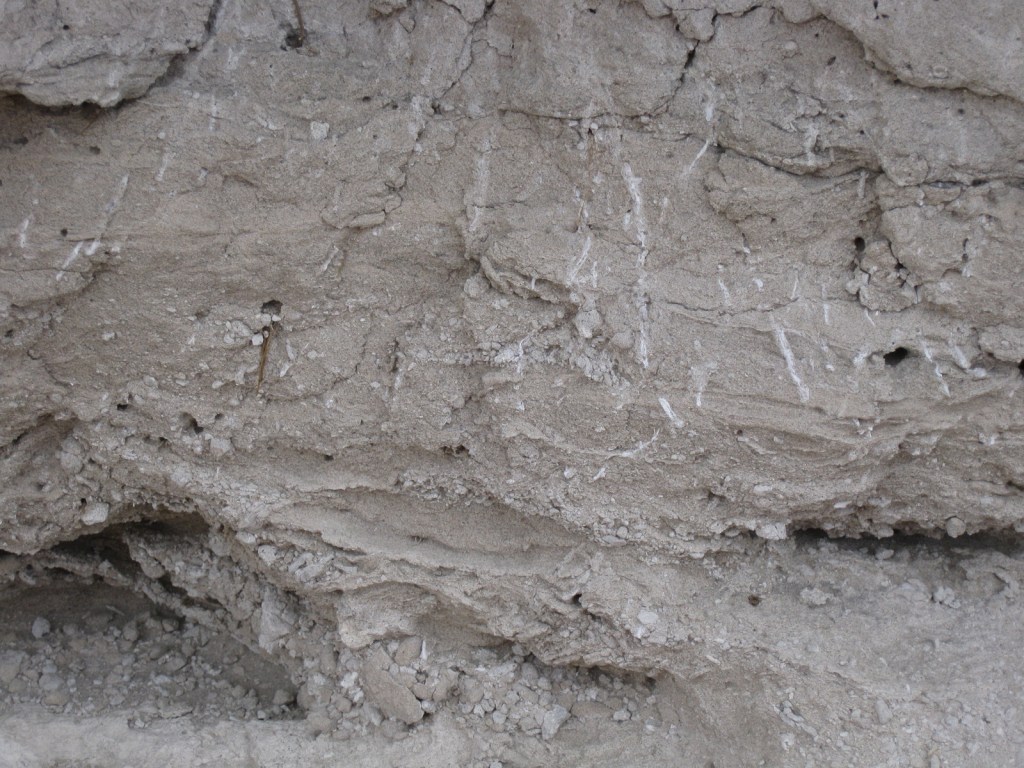
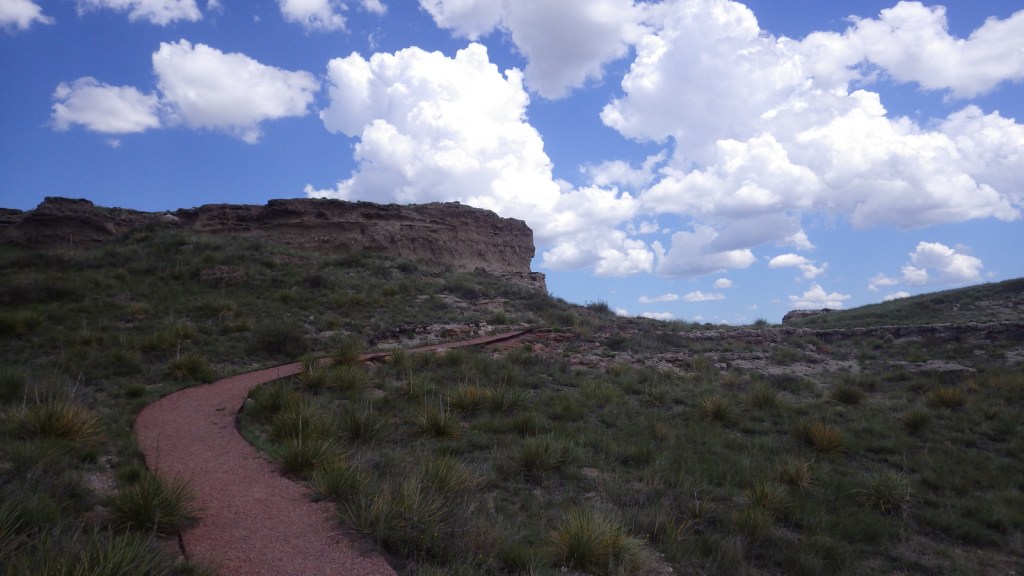
Ancient mammal bones from Agate Fossil Beds can be found in museums around the world.  Excavations began at Carnegie Hill in 1904 and soon thereafter at University Hill to be shipped back to Lincoln, Nebraska.  You would never guess at the thousands of fossils removed from these nondescript hills while hiking the 2.7 miles across the prairie from the National Park Service (NPS) visitor center.

Highlights

Museum, film, Daemonelix Trail

Must-Do Activity

The NPS visitor center has an excellent display of the 20-million-year-old inhabitants of this spot, as well as a great collection of American Indian artifacts.  You can also learn about the mystery of the daemonelix, a corkscrew burrow which baffled researchers until it was eventually discovered to have been formed by palaeocastor, an ancestral land beaver.  

Best Trail

The Daemonelix Trail on the west side of the National Monument allows you to get an up close view of one of the palaeocastor’s corkscrew burrows.  A cast of this exact same formation is on display at the Smithsonian Museum of Natural History in Washington D.C.

Instagram-worthy Photo

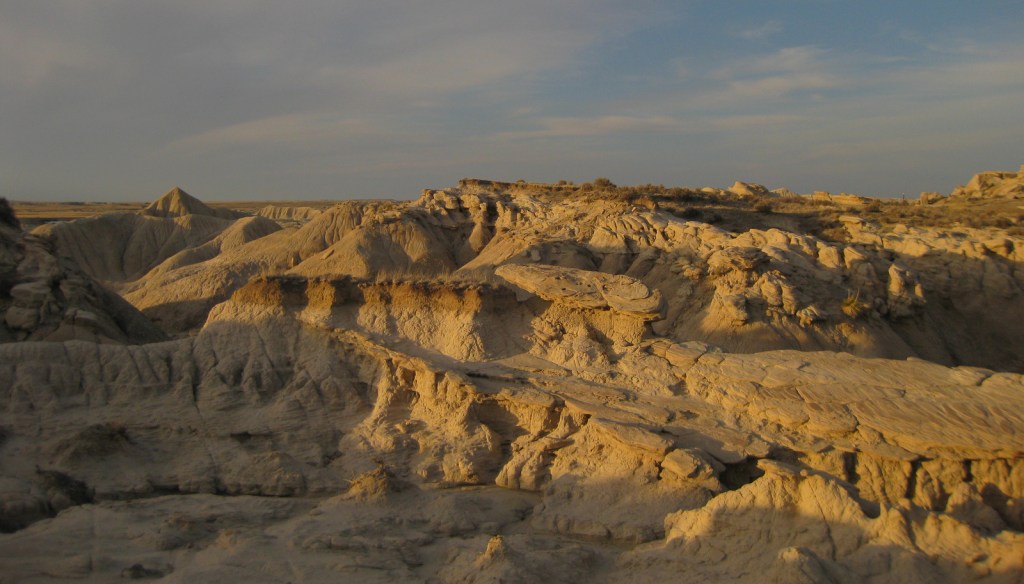
Northwest of the National Monument in Oglala National Grassland, Toadstool Geologic Park is a beautiful badlands that is best photographed at sunset.  While exploring its trails, look for fossilized bones and trackways, plus be sure to visit the Hudson-Meng Education and Research Center, which is open in the summer.

Peak Season

Summer

Hours

https://www.nps.gov/agfo/planyourvisit/hours.htm

Fees

None

Road Conditions

The entrance road from Highway 29 in the west and through the park is paved, but turns to well-graded gravel east of the National Monument.

Camping

No camping within the National Monument, but there is a free primitive campground at Toadstool Geologic Park in Oglala National Grassland.  Fort Robinson State Park offers camping, cabin rentals, and accommodations in former military barracks.

Explore More – How did the frontiersman James H. Cook collect the impressive array of American Indian artifacts now on display in the NPS visitor center?

Tule Springs Fossil Beds National Monument

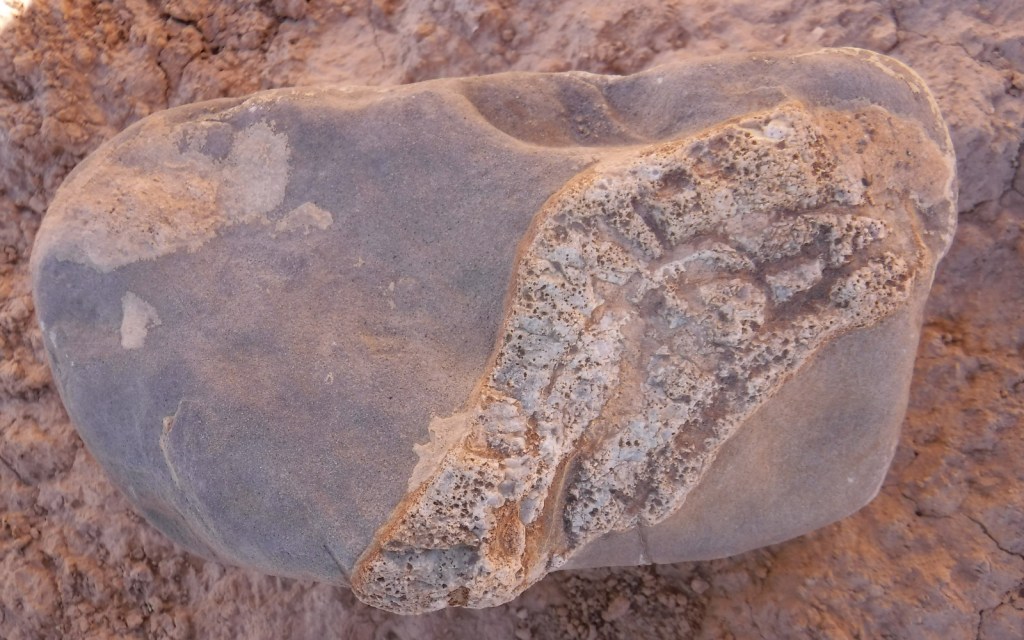
Following meetings in regards to development in North Las Vegas, the Protectors of Tule Springs was founded in 2006 and successfully preserved 22,650 acres of federal land eight years later.  The area contains fossils of Columbian mammoths, ground sloths, American lions, ancient camels, dire wolves, sabre-toothed cats, bison, and three ancient species of horse ranging from 7,000- to 250,000-years-old.  There are plans to open a National Park Service (NPS) visitor center at the end of Aliante Parkway.

Highlights

Upper Las Vegas Wash, natural bridge, trash cleanup

Must-Do Activity

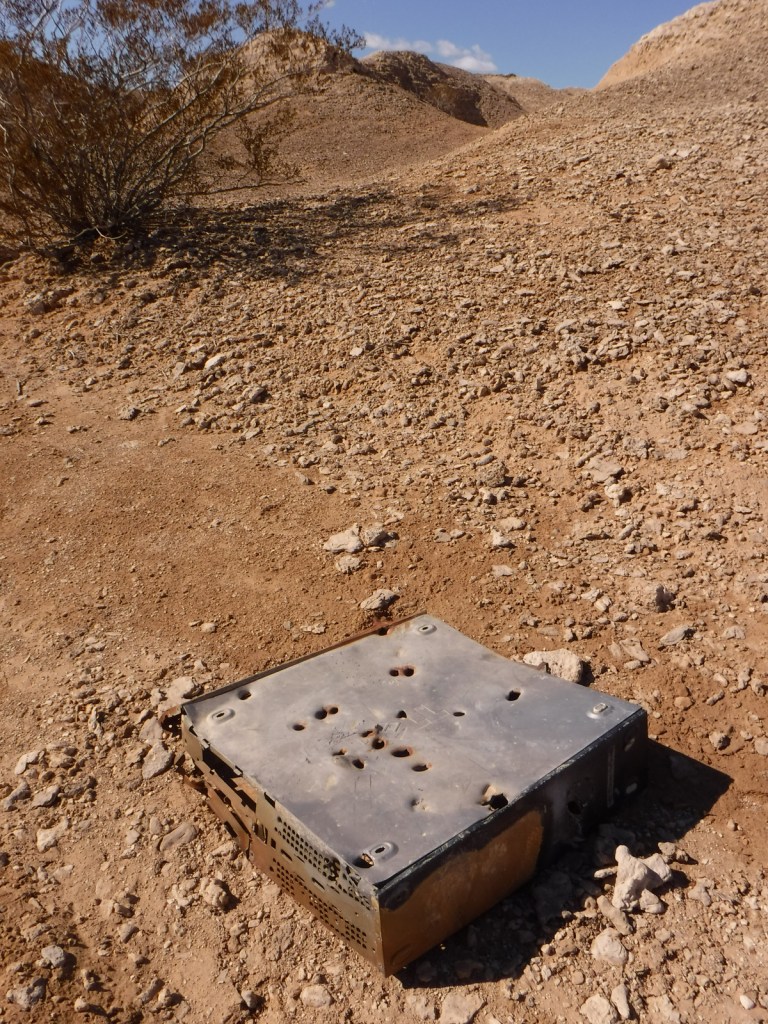
The actual Tule Springs are a desert oasis contained within Floyd Lamb Park, operated by the City of Las Vegas.  The Bureau of Land Management formerly controlled the acreage that became the National Monument and it was heavily impacted by garbage dumping, off-road driving, and shooting.  Your “must-do activity” here is to remove some trash.  The Protectors of Tule Springs have hosted several cleanup events.

Best Trail

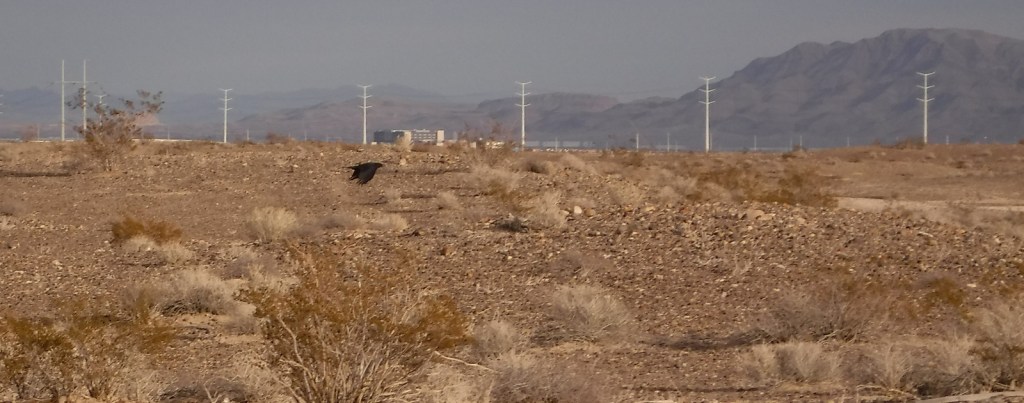
There are no trails within the National Monument yet, but there are two access points to Upper Las Vegas Wash from Durango Drive and Aliante Parkway.  The wash contains Joshua trees and several patches of the rare Las Vegas bear poppy, and provides habitat for threatened desert tortoises, burrowing owls, and kit foxes.

Instagram-worthy Photo

Hike the Upper Las Vegas Wash about a half-mile east from the end of Durango Drive and look for a natural bridge carved in the soft mudstone wall. 

Peak Season

Winter when snow dusts the top of the Sheep Range and Las Vegas Range of mountains.

Hours

Tule Springs Fossil Beds National Monument is open sunrise to sunset.  Information is available at visitor centers in Lake Mead National Recreation Area. https://www.nps.gov/tusk/planyourvisit/hours.htm

Fees

None

Road Conditions

Roads are paved to access points at the north end of Durango Drive and at the end of Aliante Parkway.  Look for wire barriers and small brown NPS signs at the two parking areas.

Camping

None within the National Monument, but free dispersed camping is allowed within Desert National Wildlife Refuge to the north.  There are campgrounds in nearby Humboldt-Toiyabe National Forest and Lake Mead National Recreation Area.

Explore More – In what year did National Geographic conduct a 4-month study here to catalog thousands of Ice Age mammal fossils?

Florissant Fossil Beds National Monument

Overview

Like John Day Fossil Beds in Oregon, this area in central Colorado protects a geologically significant window into the past.  Here the fossils are 34-million years old, buried by volcanic debris and lake sediments, with species that do not look that different from plants and animals we see today. 

Highlights

Museum, Ponderosa Loop, Petrified Forest Loop, Big Stump, Hornbek Homestead

Must-Do Activity

A variety of butterflies, birds, leaves, and flowers are nicely displayed in the visitor center.  Our favorite was the bloom of Florissantia speirii, an extinct member of the cocoa family that grew at this site when the climate was much warmer and wetter.  After exploring the museum, head outside on the wheelchair-accessible Ponderosa Loop or hike some of the monument’s 14 miles of trails.

Best Trail

Take a walk on the Ponderosa or Petrified Forest Loops to see excavated stumps of massive redwood trees, fossilized in place with beautifully colored minerals replacing the original organic compounds.  You can even see annual growth rings preserved in the petrified wood.  If you have not experienced the massive dimensions of coast redwoods in California, these stumps will make you want to visit those living trees in person.

Instagram-worthy Photo

On your walk through the ponderosa pine forest, you may spot an Abert’s squirrel, a species known for its long ear tufts.  Also watch for elk.

Peak Season

Summer due to high elevation

Hours

https://www.nps.gov/flfo/planyourvisit/hours.htm

Fees

$10 per adult or America The Beautiful pass

Road Conditions

The main roads are paved, but Upper Twin Rock Road is not.

Camping

None within the National Monument, but there are several campgrounds in the surrounding Pike National Forest, as well as dispersed camping opportunities.

Explore More – At the bottom of Ancient Lake Florissant, the microlayers of fine volcanic ash and clay formed what type of sedimentary rock?