Tag Archives: National Monument

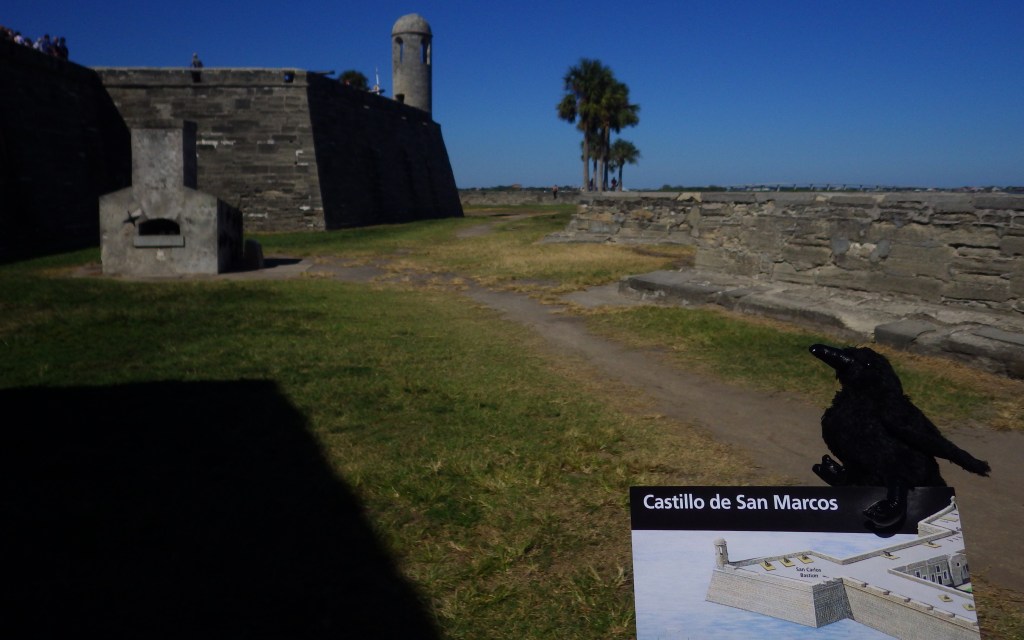
Castillo de San Marcos National Monument

Overview

Established in 1565, St. Augustine, Florida is the oldest permanent European settlement in the continental U.S.  Its centerpiece is Castillo de San Marcos National Monument, a four-sided stone fort dating back to 1672.  In 1702, the British army unsuccessfully besieged the Spanish fort for 50 days, but before they left they burned the entire city.  This explains why the oldest house in St. Augustine dates to this time period and why this charming coastal village is still laid out on a grid of narrow streets, as it was one of the first master-planned communities in America.

Highlights

Historic fort, museum, cannon demonstrations

Must-Do Activity

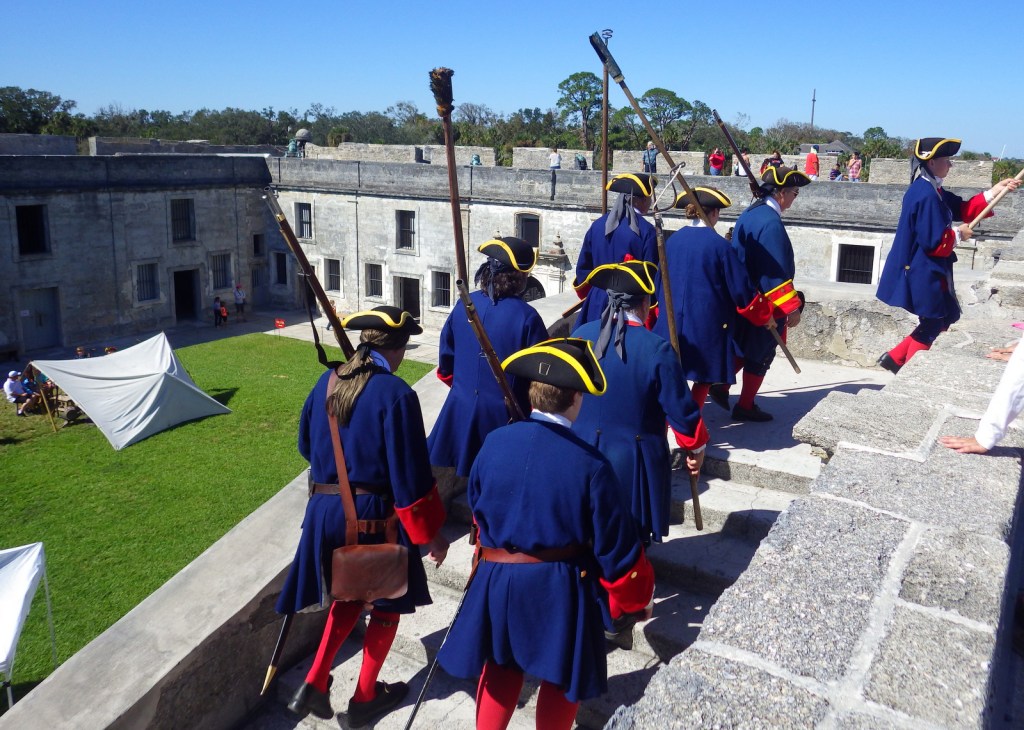
The National Park Service (NPS) charges an admission fee to enter the fort, but you can watch the cannon-firing demonstrations atop its corner bastion for free from outside.  Costumed reenactors shout orders in Spanish before firing the big cannon.  There is only one entrance to the Castillo de San Marcos across a wide moat.  Your entrance fee also allows you to explore the powder magazines and interpretive displays inside the fort’s walls.

Best Trail

None

Instagram-worthy Photo

The Castillo was renamed Fort Marion by the U.S. military in 1825, when the final changes were made to the coquina structure.  In 1924 it was named a National Monument along with nearby Fort Matanzas.

Peak Season

Winter

Hours

https://www.nps.gov/casa/planyourvisit/hours.htm

Fees

$15 per person or America the Beautiful pass

Road Conditions

Roads are paved, but there is limited pay parking at the fort, which is especially an issue on busy weekends.

Camping

Anastasia State Park is located just south of St. Augustine, Florida with access to a nice beach.

Related Sites

Fort Caroline National Memorial (Florida)

Fort Matanzas National Monument (Florida)

Dry Tortugas National Park (Florida)

Explore More – Which nation controlled the fort during the American Revolution until its conclusion in 1783 (Hint: It was called Fort St. Mark at the time)?

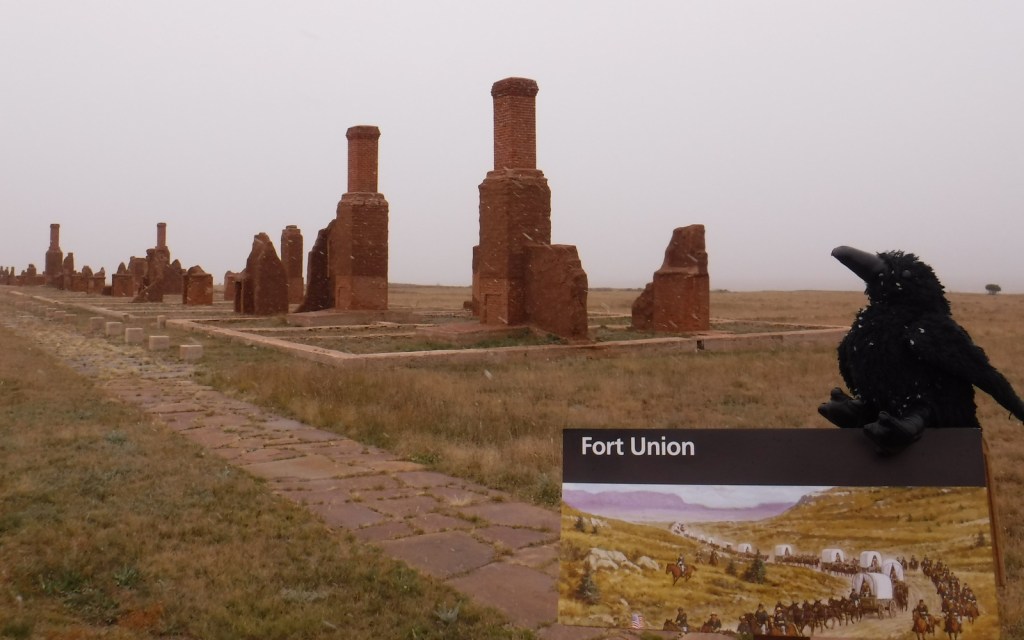
Fort Union National Monument

Overview

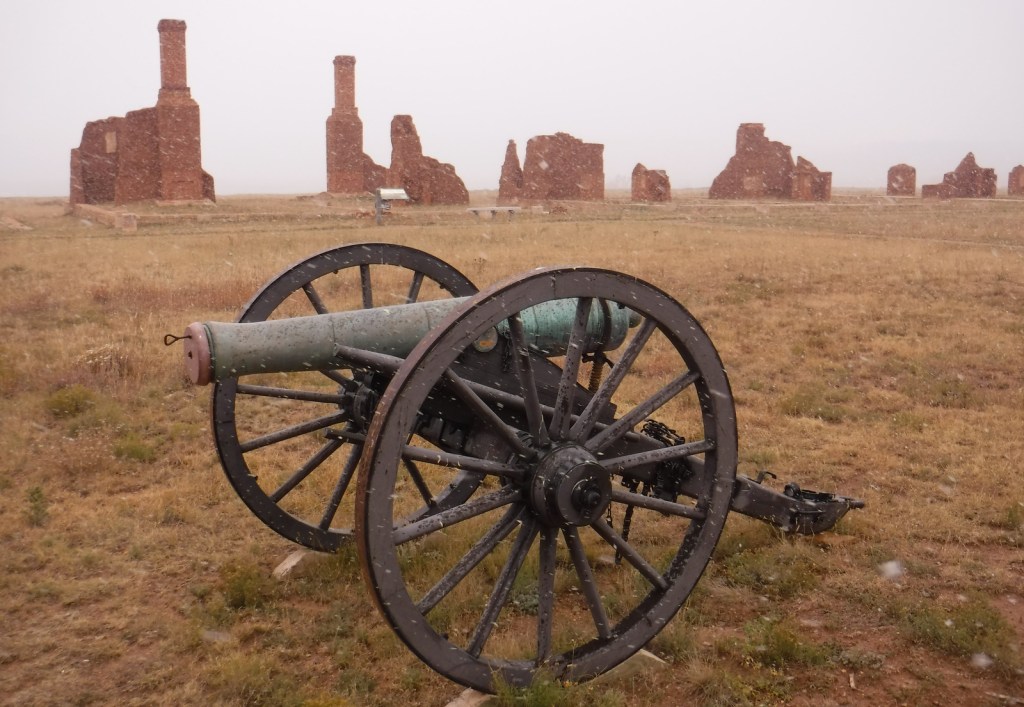
Fort Union was a military outpost on the historic Santa Fe Trail first constructed in 1851.  An earthwork fortification was built during the Civil War before Confederate troops were pushed back into Texas after a nearby battle in early 1862 (see Pecos National Historical Park).  At its peak, 1,666 soldiers were stationed here, making it the largest fort in the southwest U.S.  This expansive post was abandoned in 1891 and officially became a National Monument in 1954.

Highlights

Museum, film, adobe ruins, wagon ruts on the Santa Fe National Historic Trail

Must-Do Activity

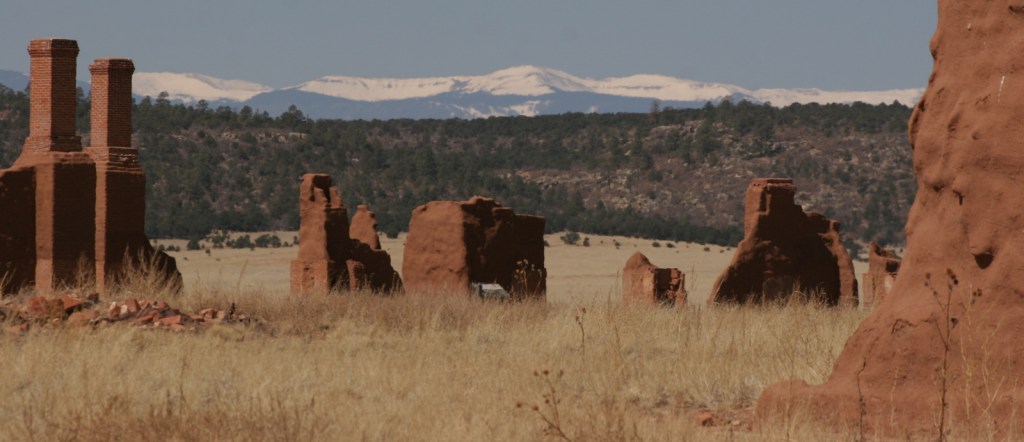
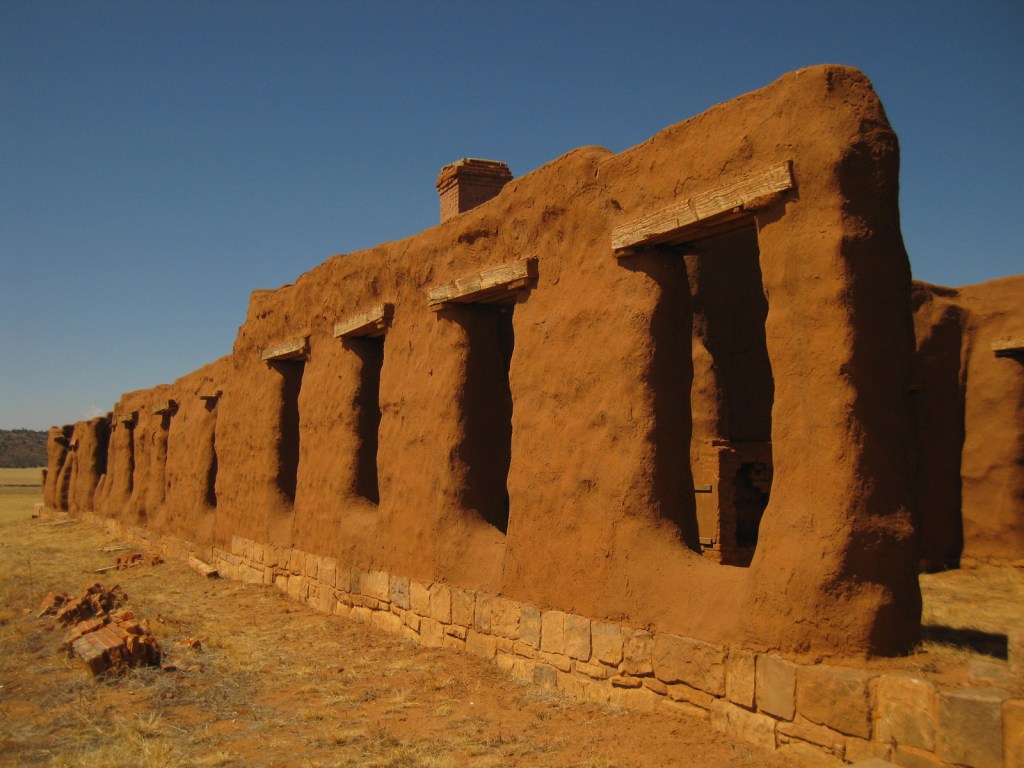
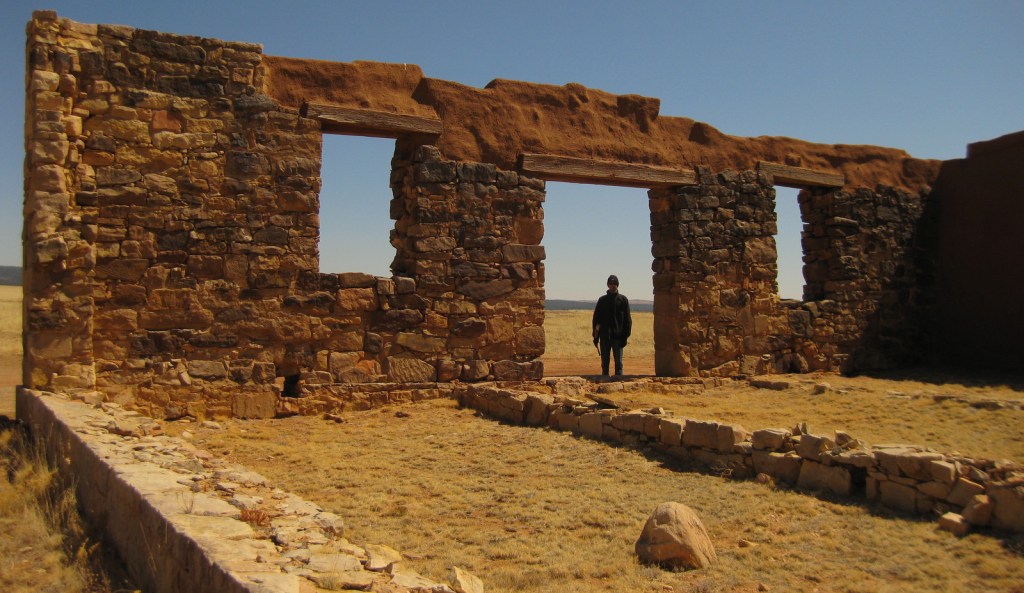
Fort Union was not the most popular place to be stationed in the 1800s, especially for the military wives who bemoaned the constant winds and frequent dust storms.  That said; expect it to be windy during your visit.  The adobe walls here are smoothed by years of erosion and appear to be melting back into the prairie soil from which their bricks were formed in the 1860s.  If you line it up right, you can take a neat photograph where all the window frames are in a row.

Best Trail

Wagon ruts can be seen at Fort Union since it was located on the 1,200-mile Santa Fe National Historic Trail (like Fort Larned in Kansas and Bent’s Old Fort in Colorado).  Since there was no stockade around the fort, walking to all of its ruins covers quite a distance (like Fort Laramie in Wyoming).

Instagram-worthy Photo

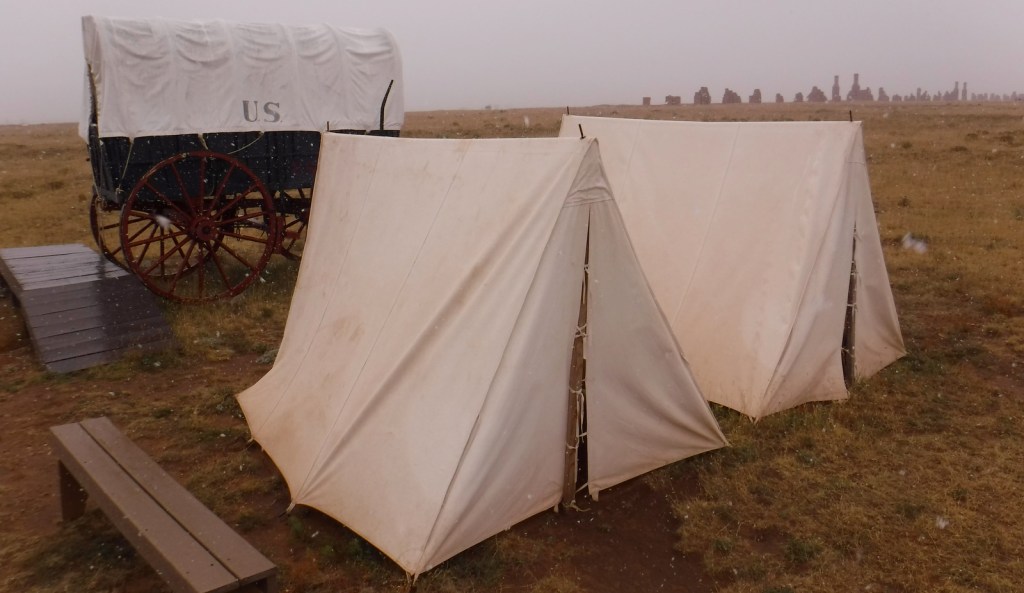
The smooth adobe walls make a great backdrop for a wagon that looks like it needs a fresh coat of paint before it hits the Santa Fe Trail again.

Peak Season

Summer

Hours

https://www.nps.gov/foun/planyourvisit/hours.htm

Fees

None

Road Conditions

The fort is not far off Interstate 25, but the last portion of the drive is a graded dirt road, as is the parking lot.

Camping

Storrie Lake State Park is 33 miles from Fort Union and there is also free camping in the summer at Maxwell National Wildlife Refuge located just off Interstate 25.

Related Sites

Bent’s Old Fort National Historic Site (Colorado)

Fort Larned National Historic Site (Kansas)

Pecos National Historical Park (New Mexico)

Explore More – When did Spain grant Mexico its independence, opening up commerce with the United States and starting the Santa Fe Trail?

Fort McHenry National Monument and Historic Shrine

Overview

More than 200 years ago, Fort McHenry survived a 25-hour bombardment from the British navy and inspired Francis Scott Key to write “The Star-Spangled Banner” (which did not officially become the U.S. national anthem until 1931).  The flag flying the night of September 13, 1814 measured 42 x 30 feet!  It is no wonder he was stirred while watching “the rockets’ red glare” from aboard a U.S. truce ship under British guard floating in the Chesapeake Bay outside Baltimore, Maryland.  The Congreve rocket was a new type of weapon at the time, and, luckily for the Americans, very inaccurate.

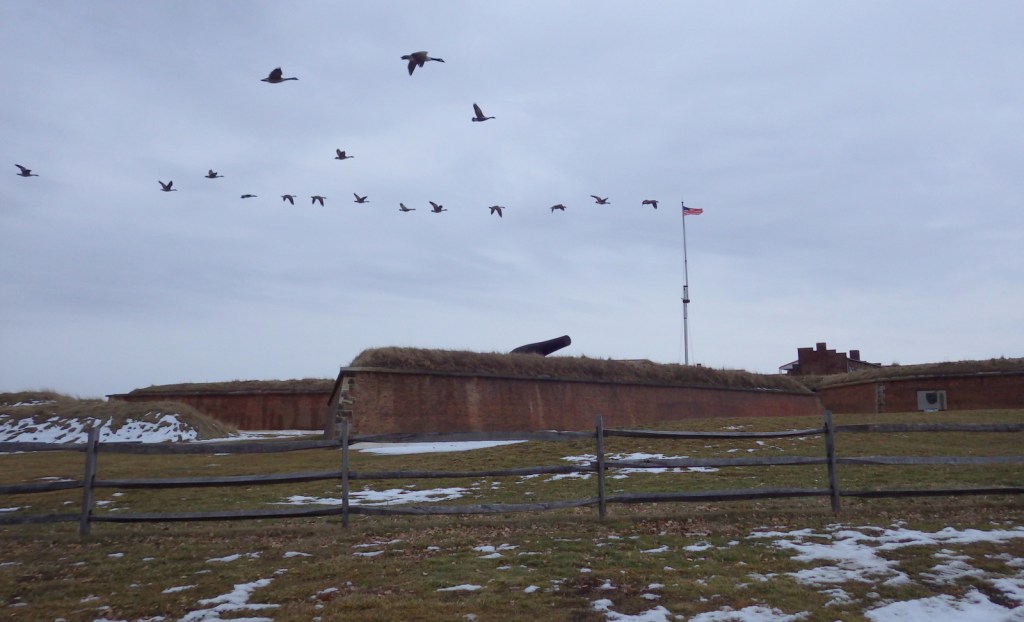
Geese flyover!

Highlights

Museum, film, fort, twice daily flag changes

Must-Do Activity

Fort McHenry went on to serve as a temporary prison during the Civil War, when its many cannons were pointed towards the city of Baltimore so Confederate sympathizers would not secede from the Union.  During World War I, the fort served as a veterans’ hospital before being designated a National Park Service (NPS) unit in 1925.  Later it was re-designated Fort McHenry National Monument and Historic Shrine, the only park with this unique distinction. 

Best Trail

Star Spangled Banner National Historic Trail is not a hiking trail so much as it is a collection of sites related to the War of 1812 in and around the Chesapeake Bay and Potomac River.

Instagram-worthy Photo

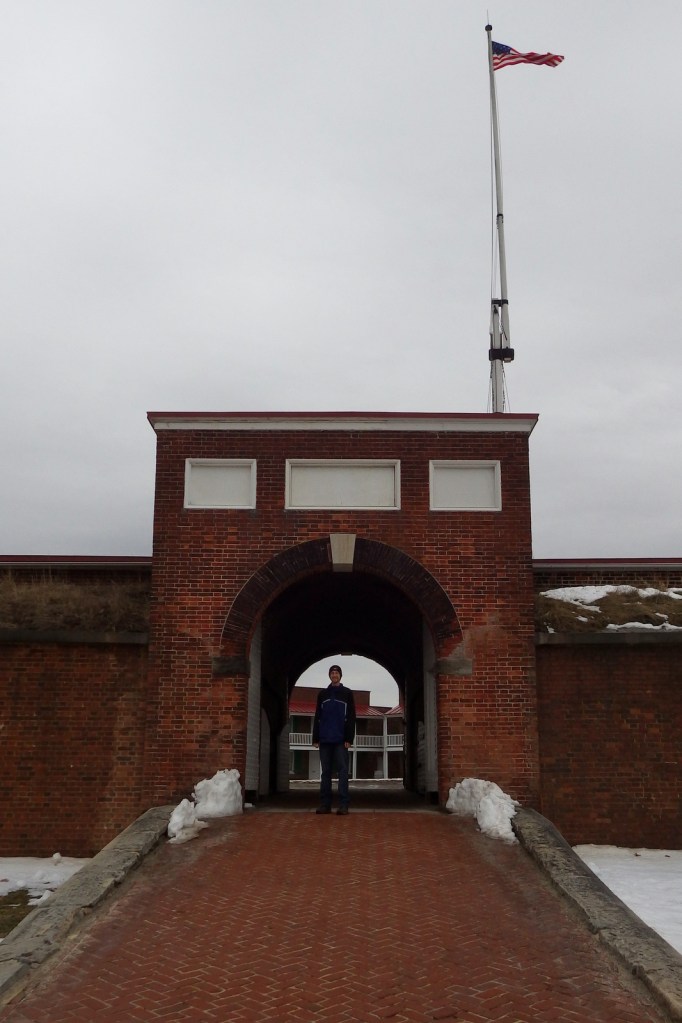
Our flag is still there.  This is officially the only NPS unit where the U.S. flag flies 24 hours a day.  Daily flag changes take place at 9:30 a.m. and 4:20 p.m., weather permitting.

Peak Season

Summer

Hours

https://www.nps.gov/fomc/planyourvisit/hours.htm

Fees

$15 per person or America the Beautiful pass

Road Conditions

All roads paved to the designated NPS parking lot.

Camping

Patapsco Valley State Park is located west of Baltimore, Maryland.

Related Sites

Belmont-Paul Women’s Equality National Monument (District of Columbia)

Hampton National Historic Site (Maryland)

Fort Washington Park (Maryland)

Explore More – When a new state is added to the union, the newly redesigned flag is first flown over Fort McHenry, so when did that last occur?

We are a participant in the Amazon Services LLC Associates Program, an affiliate advertising program designed to provide a means for us to earn fees by linking to Amazon.com and affiliated sites.

Montezuma Castle National Monument

Overview

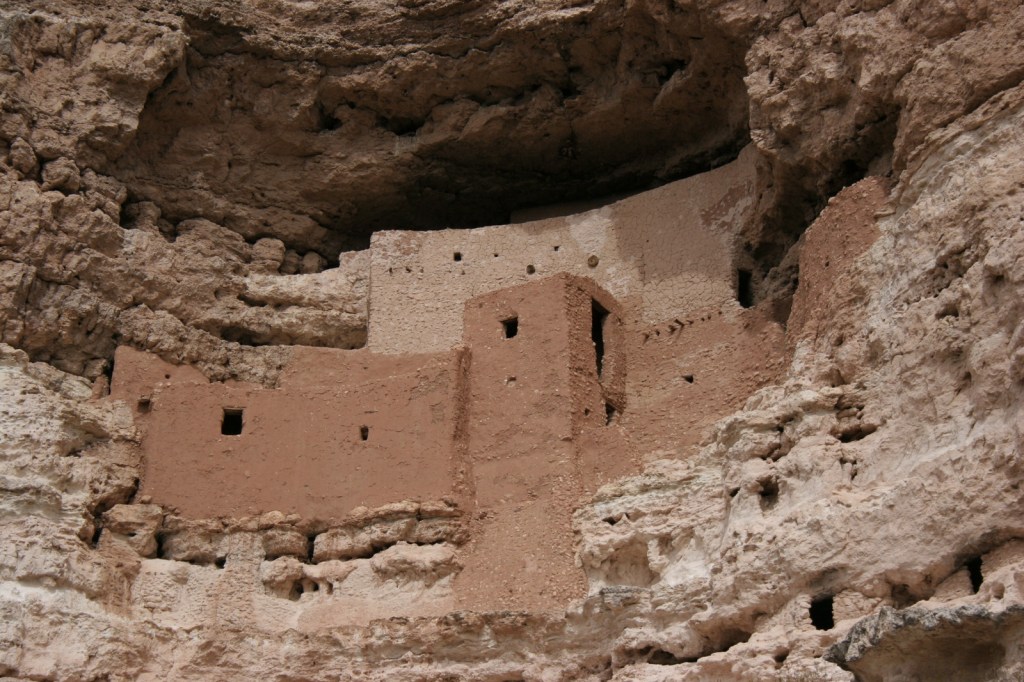
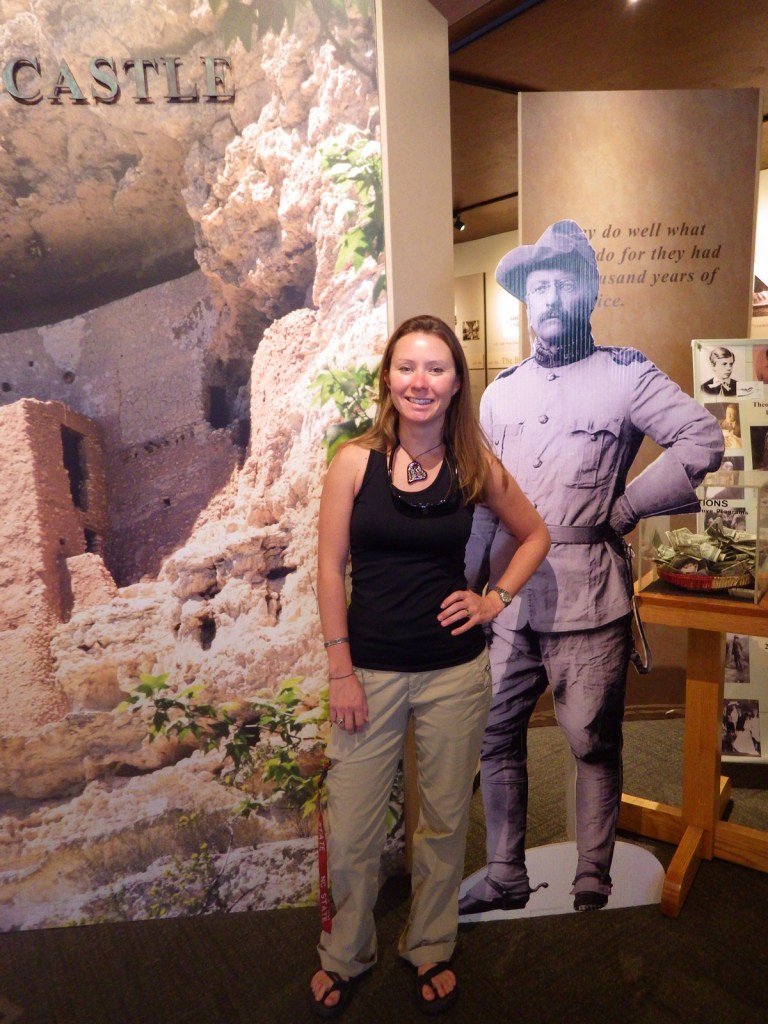
Central Arizona’s Montezuma Castle was one of the first four National Monuments established by President Theodore Roosevelt in 1906.  Conveniently accessible just off Interstate 17 on the way to Sedona or the Grand Canyon, it is a great place to stretch your legs after the 90-minute car ride from Phoenix.  Located in the scenic Verde River Valley, it is one of several sites related to the Sinagua people managed by the National Park Service (also see Walnut Canyon, Tuzigoot, and Wupatki).

Highlights

Cliff dwelling, Montezuma Well

Must-Do Activity

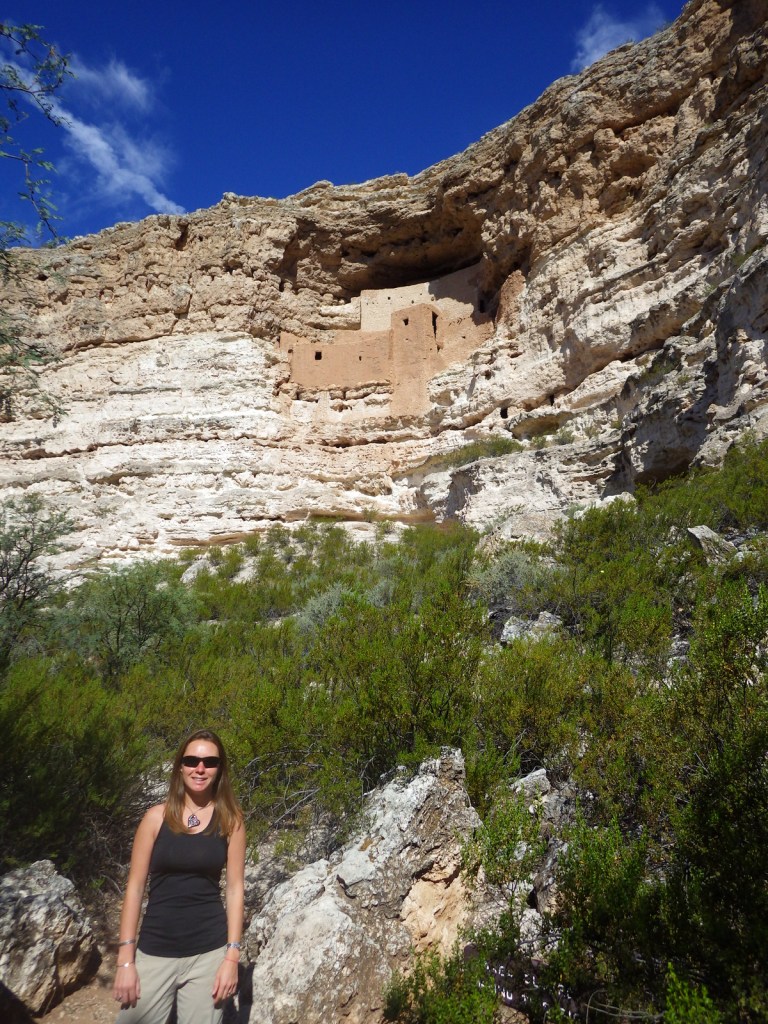
Protected in a cliff recess above Beaver Creek, the five-story tall ruin is not accessible to tourists and can only be viewed from below.  Its name “Montezuma” refers to the mistaken belief that it was somehow connected to the Aztec Empire of Mexico, but its inhabitants had more in common with the Sinagua people living in around Arizona in the 1400s.  Continue on the paved walkway to the ground-level ruins of Castle A and views of Beaver Creek.

Best Trail

To investigate a separate unit of Montezuma Castle National Monument, drive 11 miles north to Montezuma Well, a limestone sinkhole filled by a natural spring that produces 1.5-millions gallons of 74°F water daily.  The trail is only a half-mile long loop, but it is worth the trip to see the historic irrigation ditches and the 55-foot deep sinkhole.

Instagram-worthy Photo

It is unclear why the Sinagua people abandoned the cliff dwelling around 1425, but it may have been due to disease, drought, or climate change.  There were 35 to 50 inhabitants of Montezuma Castle and even more at Castle A, which had approximately 50 rooms.

Peak Season

Summer

Hours

https://www.nps.gov/moca/planyourvisit/hours.htm

Fees

$10 per person or America the Beautiful pass; Montezuma Well is free

Road Conditions

Access roads are paved.

Camping

There is no campground at the National Monument, but many located within massive Coconino National Forest, which also allows dispersed camping.

Related Sites

Tuzigoot National Monument (Arizona)

Tonto National Monument (Arizona)

Sunset Crater Volcano National Monument (Arizona)

Explore More – In what year did the National Park Service stop allowing visitors to climb ladders to walk inside Montezuma Castle?

Yucca House National Monument

Overview

Yucca House National Monument was established in 1919 outside Cortez, Colorado.  It is not far from Mesa Verde National Park, which has information about the National Monument at its visitor center on Highway 160.  The 34-acre site protects an unexcavated pueblo abandoned around 1300, so there is very little to see above ground.  The fact that there is public access at all is thanks to the ranching family that allows visitors to park in what is basically their driveway.

Highlights

Unexcavated pueblo, Canyons of the Ancients National Monument visitor center

Must-Do Activity

Unless you aim to visit every unit in the National Park Service (NPS) system, you are better off spending your time taking an extra tour or hike at Mesa Verde National Park.  There are no facilities and there is not much to see at Yucca House, but there are many interesting Ancestral Puebloan ruins within nearby Canyons of the Ancients National Monument, which is run by the Bureau of Land Management (BLM).  They have a large visitor center in Dolores, Colorado where you can get directions to archaeological sites, such as Painted Hand Pueblo.

Best Trail

Sand Canyon Trail lies within Canyons of the Ancients National Monument and its southern trailhead is located just off paved County Road G.  The trail provides access to numerous archaeological sites; just remember to leave everything where you found it.

Instagram-worthy Photo

The most interesting unexcavated pueblo we have visited is Posi-Ouinge, which is accessible by a short trail from Ojo Caliente Hot Springs Resort in New Mexico.  The ground there is littered with thousands of pot shards, many with painted designs still visible.

Peak Season

Summer

Hours

https://www.nps.gov/yuho/planyourvisit/hours.htm

Fees

None

Road Conditions

The access road is well-maintained dirt.

Camping

Dispersed camping is allowed in parts of nearby Canyons of the Ancients National Monument, which is run by the BLM.

Related Sites

Mesa Verde National Park (Colorado)

Hovenweap National Monument (Utah-Colorado)

Chaco Culture National Historical Park (New Mexico)

Explore More – Why did the Bureau of Land Management change the name of their visitor center in Dolores, Colorado from Anasazi Heritage Center?