Tag Archives: National Monument

Booker T. Washington National Monument

Overview

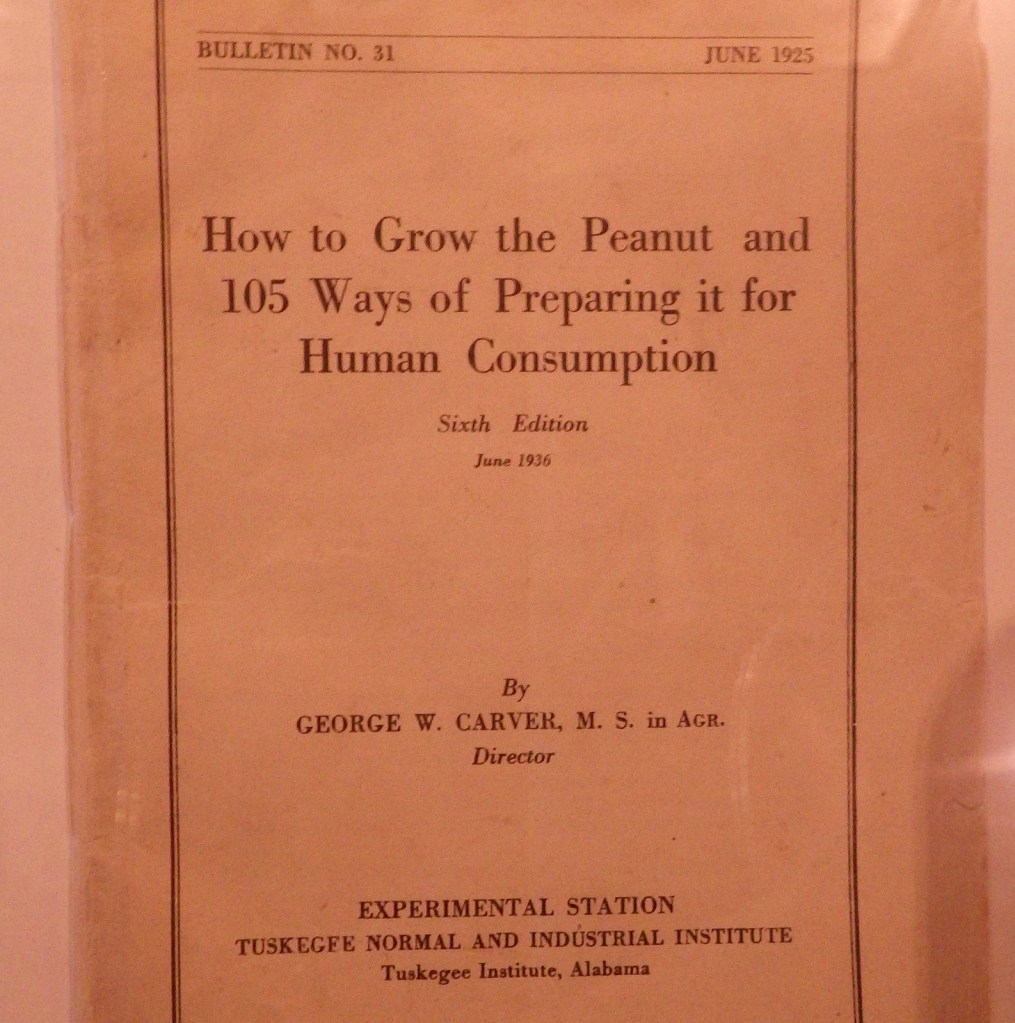
Booker T. Washington was born in 1856 on this small plantation farm in Hardy, Virginia and freed shortly after the Confederate army’s surrender at nearby Appomattox Court House.  He went on to earn an education and found the groundbreaking Tuskegee Institute in 1881.  Rather than dwelling on his horrible past, Washington was inspired to work hard and maintain an indefatigable spirit.  Later in life he wrote in his book Up From Slavery: “There was no period of my life that was devoted to play… From the time that I can remember anything, almost every day of my life has been occupied in some kind of labor.”

Highlights

Museum, film, reconstructed buildings, farm animals, Jack-O-Lantern Branch Trail

Must-Do Activity

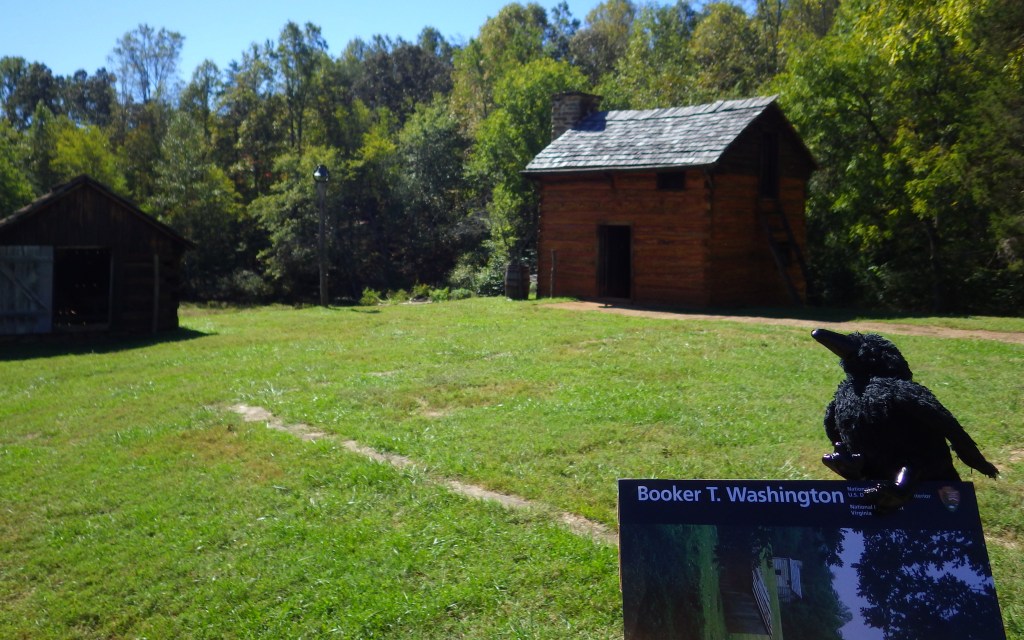
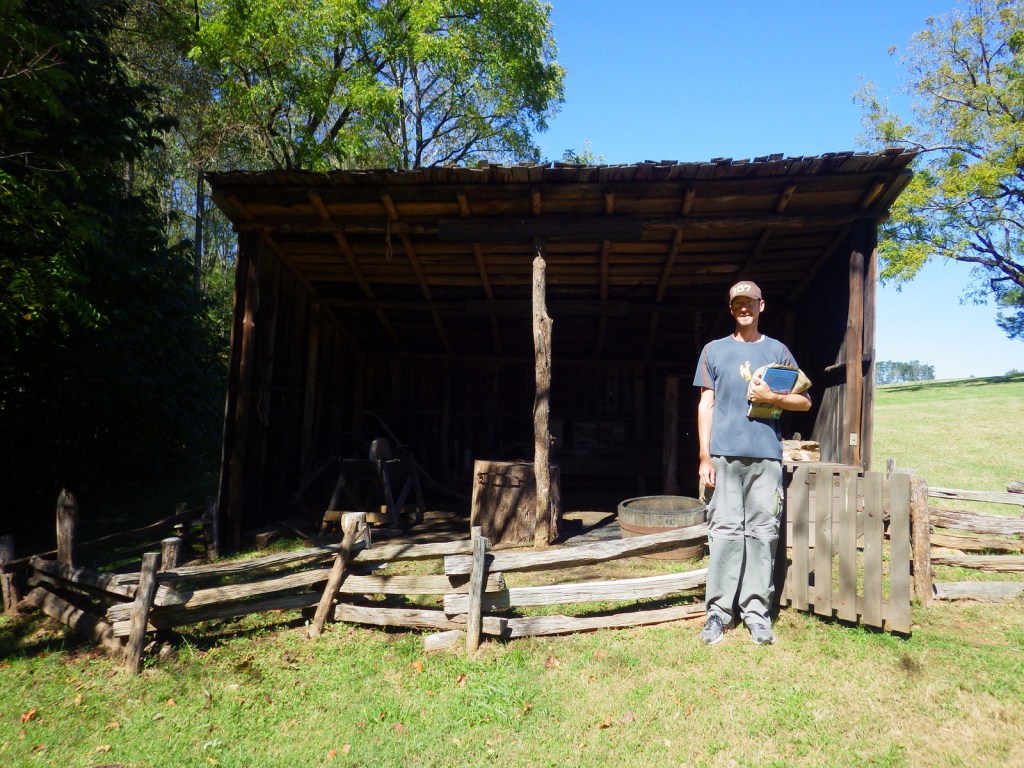
A bronze bust of Booker T. Washington is the first thing visitors see when they approach the National Monument.  The National Park Service (NPS) has reconstructed several buildings on the farm in a style consistent with the 1850s, as seen on the quarter-mile self-guided trail.  The NPS keeps livestock similar to that which was here at the time, including pigs, cattle, chickens, turkeys, and ducks.  This site demonstrates that antebellum life in the South was not all aristocrats on large plantations. 

Best Trail

The Jack-O-Lantern Branch Trail winds 1.5 miles through the forest and fields.

Instagram-worthy Photo

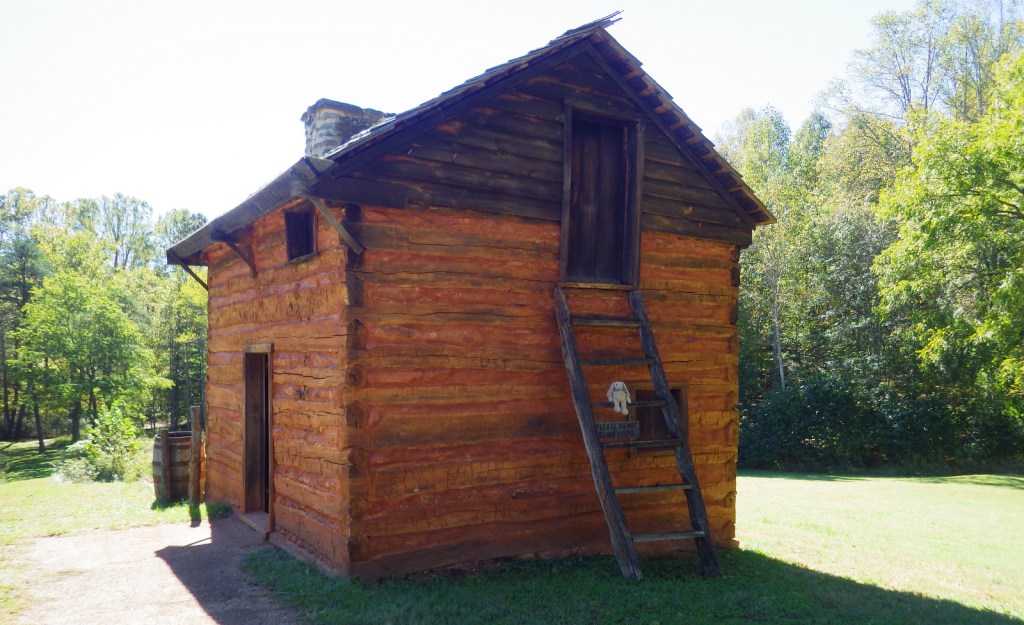
None of the original buildings survive, but several have been reconstructed, including the birthplace cabin of Booker T. Washington.

Peak Season

Summer

Hours

https://www.nps.gov/bowa/planyourvisit/hours.htm

Fees

None

Road Conditions

All roads paved

Camping

Roanoke Mountain Campground is run by the NPS on the Blue Ridge Parkway 19 miles northwest of the monument.

Related Sites

Tuskegee Institute National Historic Site (Alabama)

George Washington Carver National Monument (Missouri)

Shenandoah National Park (Virginia)

Explore More – Washington graduated from what school for ex-slaves in 1875, which inspired him to establish Tuskegee Institute in Alabama?
Aztec Ruins National Monument

Overview

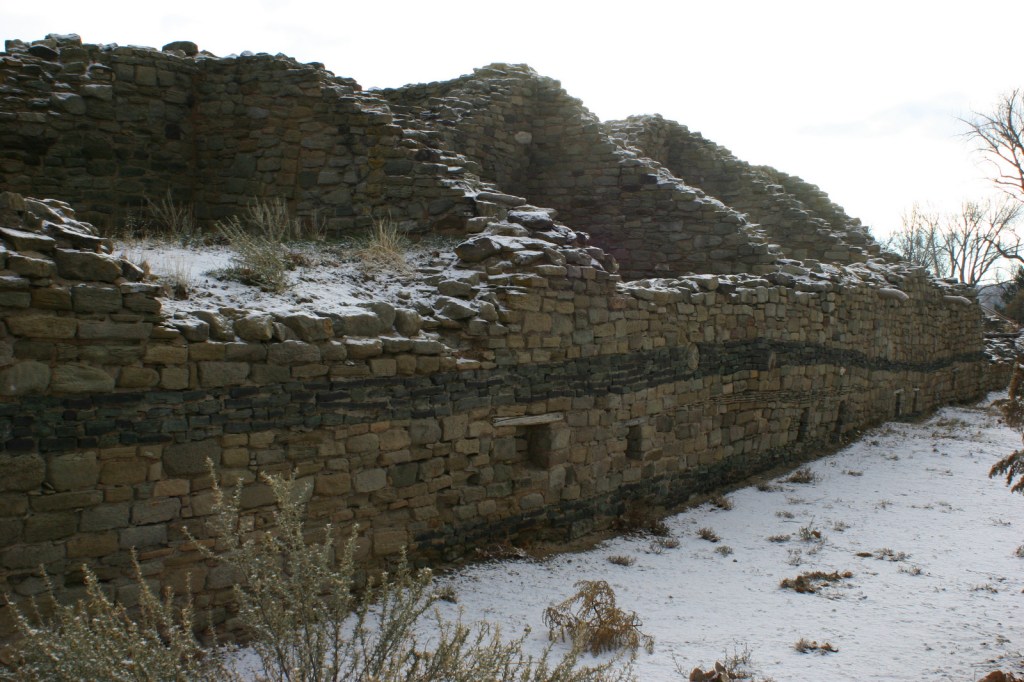
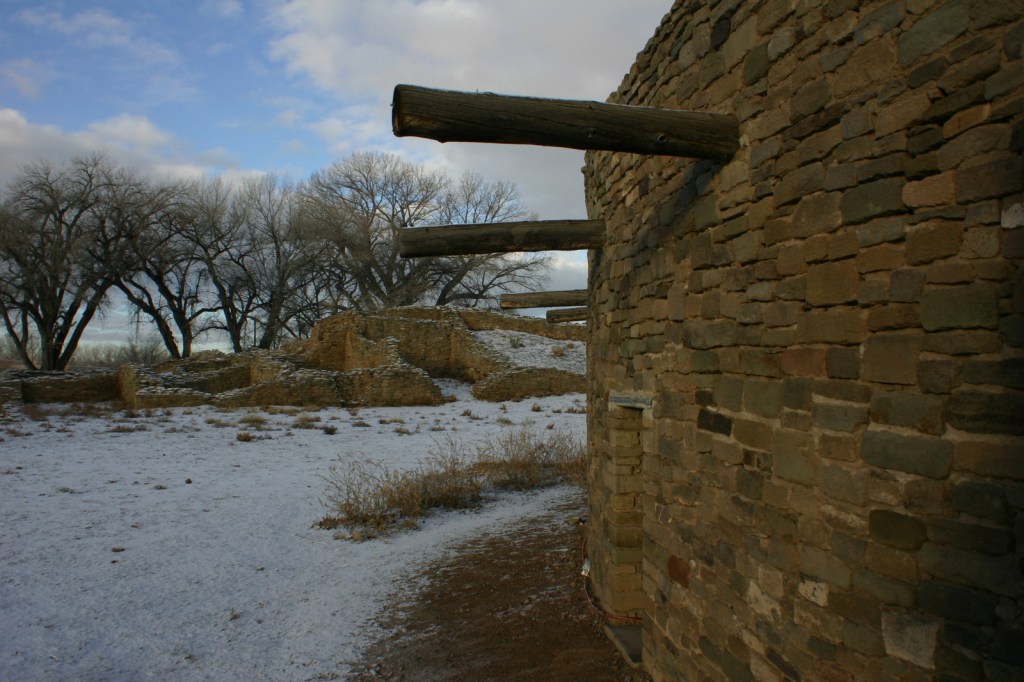
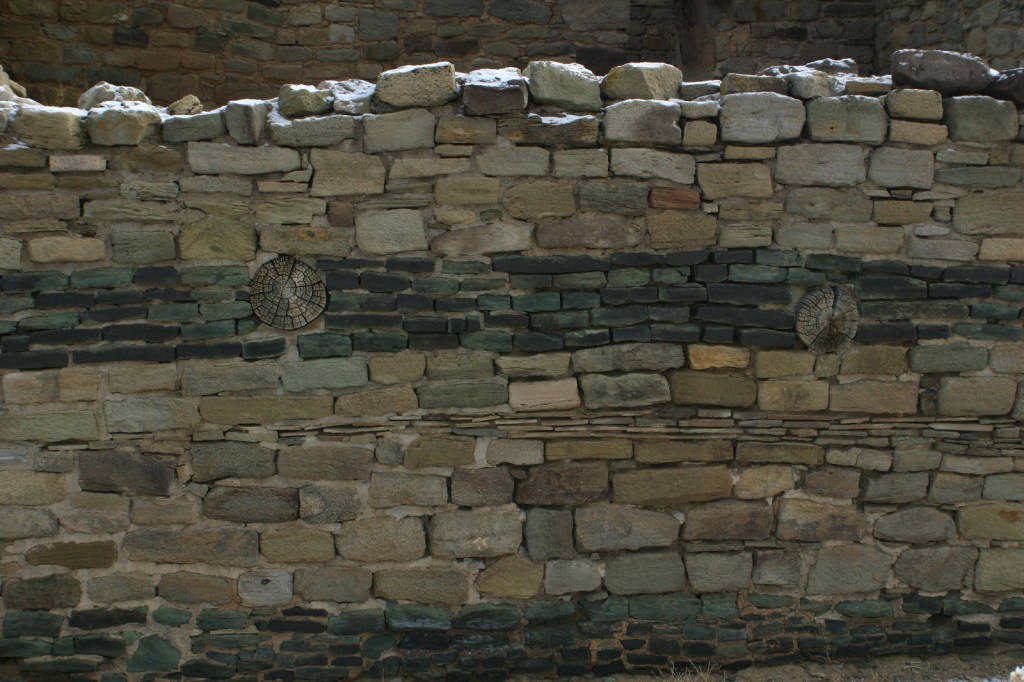
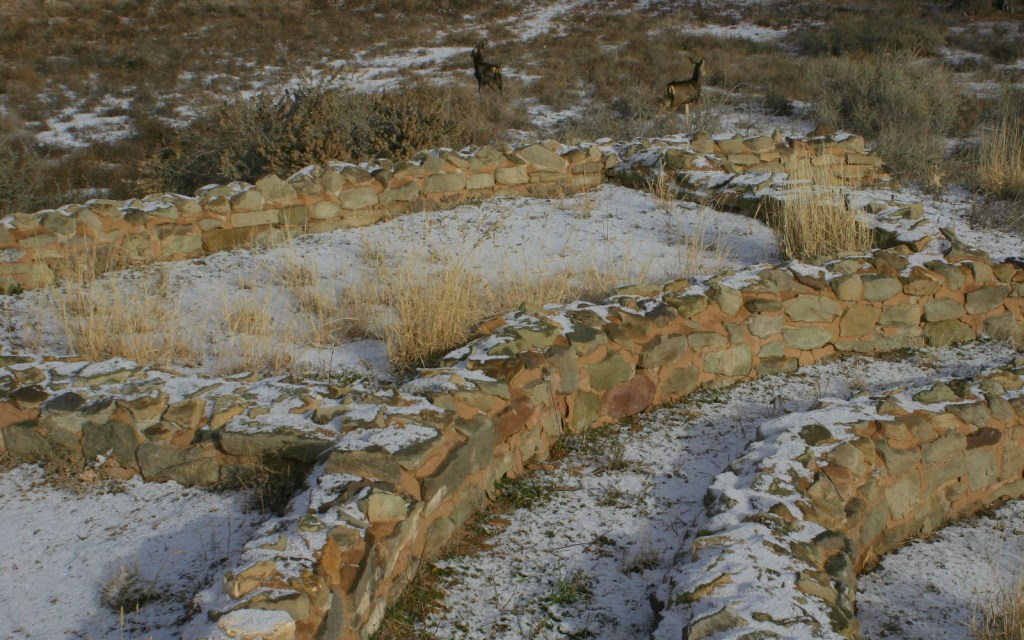
Aztec, New Mexico is home to the incredible Ancestral Puebloan ruins of a three-story, 400-room ancient apartment building near the Animas River.  Only partially excavated, Aztec Ruins National Monument has a variety of rock walls that display a change in building styles over the centuries.  Similar to Montezuma Castle National Monument in Arizona, Aztec was named for the Central Mexican culture mistakenly believed by earlier archaeologists to have had influence in this region.

Highlights

Museum, film, reconstructed great kiva, ruins

Must-Do Activity

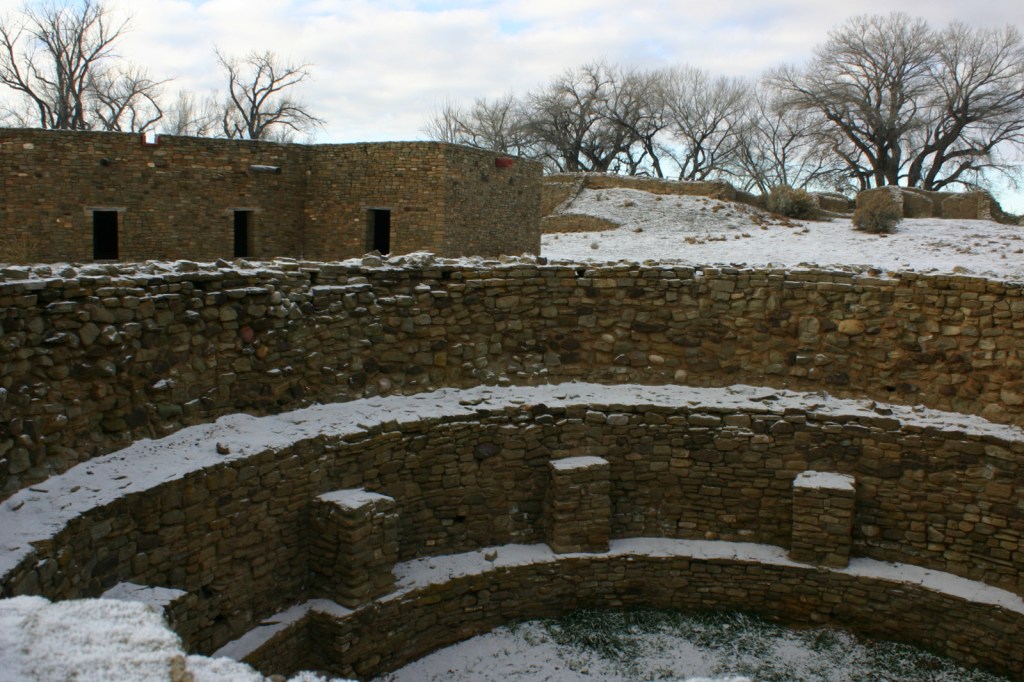
Aztec Ruins National Monument boasts a great kiva that was rebuilt to appear as it may have 800 years ago.  We especially recommend a visit before or after seeing the extensive ceremonial structures at nearby Chaco Culture National Historical Park.  Reconstruction is not appropriate at all National Park Service (NPS) sites, but here it helps the past come alive.  It is easy to imagine costumed dancers coming down the stairs into the smoky kiva to celebrate a religious ritual. 

Best Trail

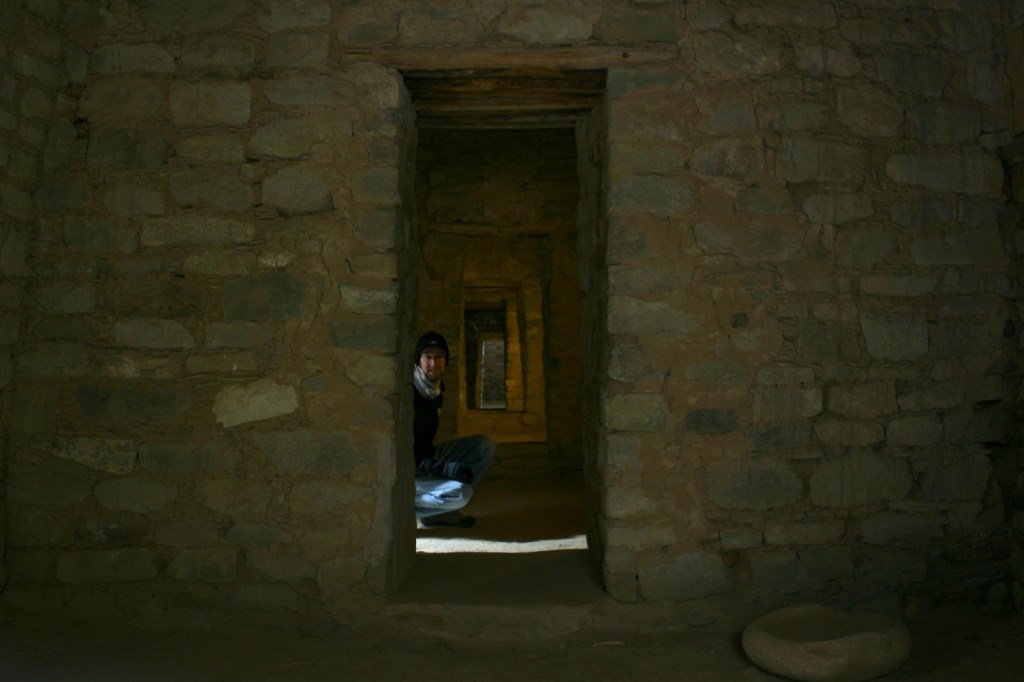
The half-mile self-guided trail leads through ruins where wooden roofs have been partially reconstructed.  Aztec Ruins also has the same T-shaped doorways you may have seen at Mesa Verde National Park and Chaco Culture National Historical Park.

Instagram-worthy Photo

Darker stripes in the walls were decorative, and evidence of several architectural styles are evident at this site.

Peak Season

Summer

Hours

https://www.nps.gov/azru/planyourvisit/hours.htm

Fees

None

Road Conditions

All roads paved

Camping

There is an NPS campground at Chaco Culture National Historical Park, but we recommend the free campground in Angel Peak Recreation Area run by the Bureau of Land Management east of Highway 550.

Related Sites

Chaco Culture National Historical Park (New Mexico)

Pecos National Historical Park (New Mexico)

Bandelier National Monument (New Mexico)

Explore More – How far away from Aztec were the nearest Douglas-fir, ponderosa pine, and aspen trees used in the original roof construction?

Little Bighorn Battlefield National Monument

Montana

Managed by National Park Service

Established 1879

765 acres

Website: www.nps.gov/libi

Overview

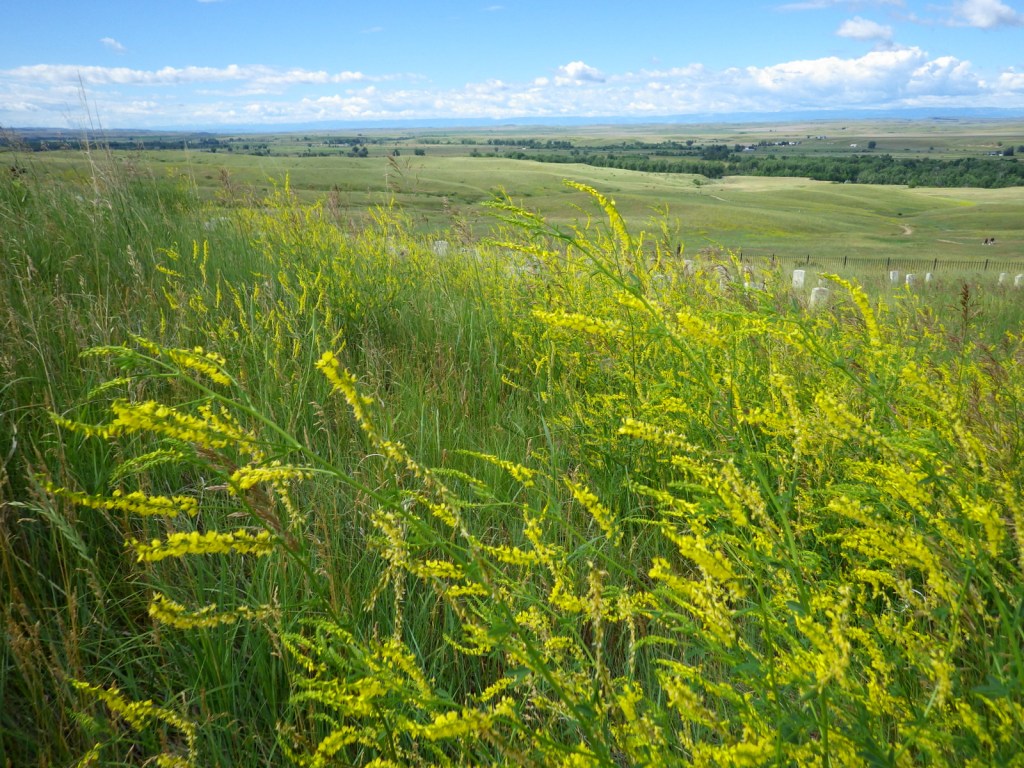
You may not recall the 1876 battle at the Little Bighorn River in southern Montana, but most Americans (even children) recognize its label “Custer’s Last Stand.”  For such a relatively minor skirmish in the bloody 1800s, it has an outsized legend that only grows with time.  At this site more than 140 years ago, a large portion of the 7th U.S. Cavalry met their demise for tactical reasons still debated to this day.  The blame is generally placed upon Lieutenant Colonel George Armstrong Custer who was believed to be jockeying for a presidential nomination in the 1876 election.  Today this National Park Service (NPS) site is located on the Crow Indian Reservation in southern Montana, just off Interstate 90.

Know someone who loves exploring new National Monuments? Gift them our book Monumental America: Your Guide to All 138 National Monuments that is available for sale on Amazon.com.

Highlights

Museum, Custer National Cemetery, driving tour, Last Stand Hill, Indian Memorial

Must-Do Activity

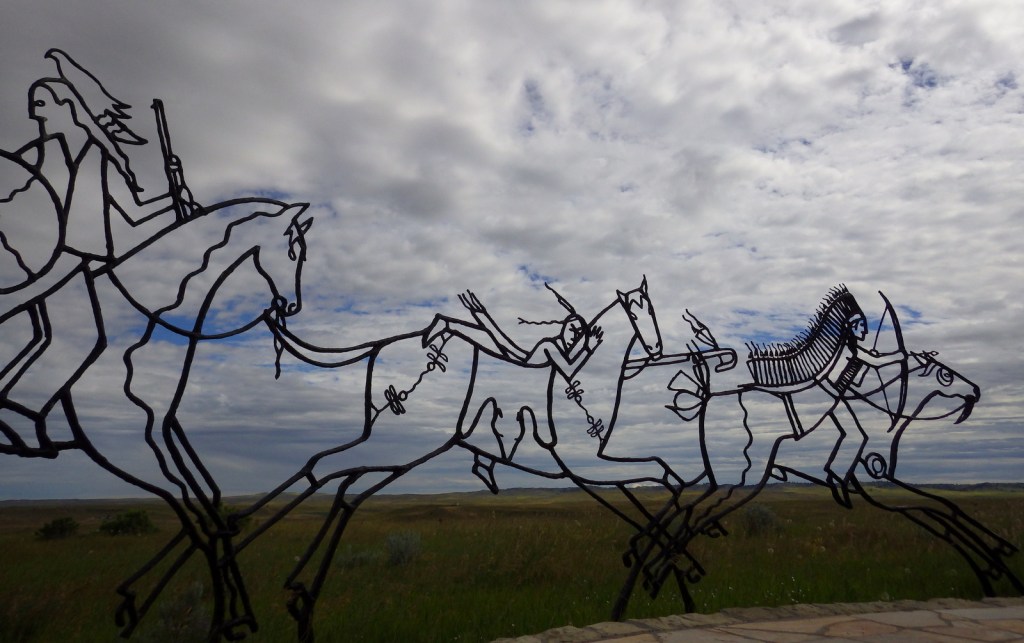
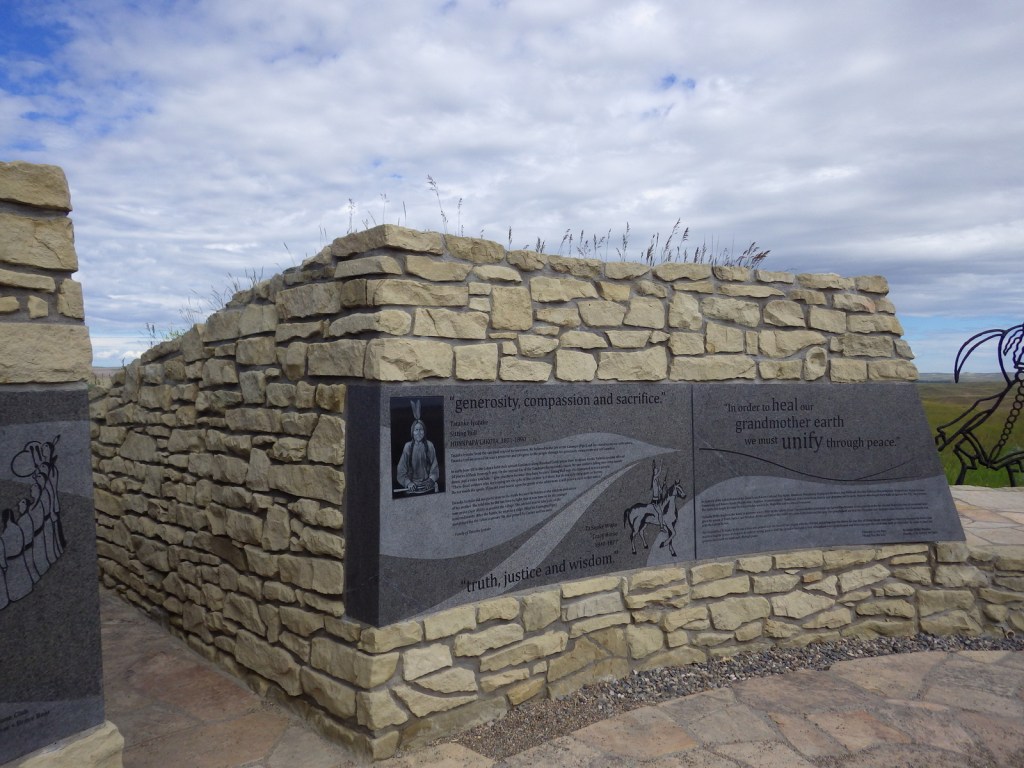
On June 25, 1876, with only 600 soldiers, Custer attempted to defeat a temporary village composed of multiple tribes numbering over 7,000 individuals.  Never before had so large an American Indian encampment been collected anywhere on the Great Plains.  Renowned war chiefs Sitting Bull, Crazy Horse, Two Moons, and many others have their words memorialized at the Indian Memorial, not built at Little Bighorn Battlefield National Monument until 2003 near the mass grave on Last Stand Hill.  Be sure to come in late June for the opportunity to witness a historical reenactment of the famous battle, which is held on the Crow Indian Reservation adjacent to the 765-acre National Monument.

Best Trail

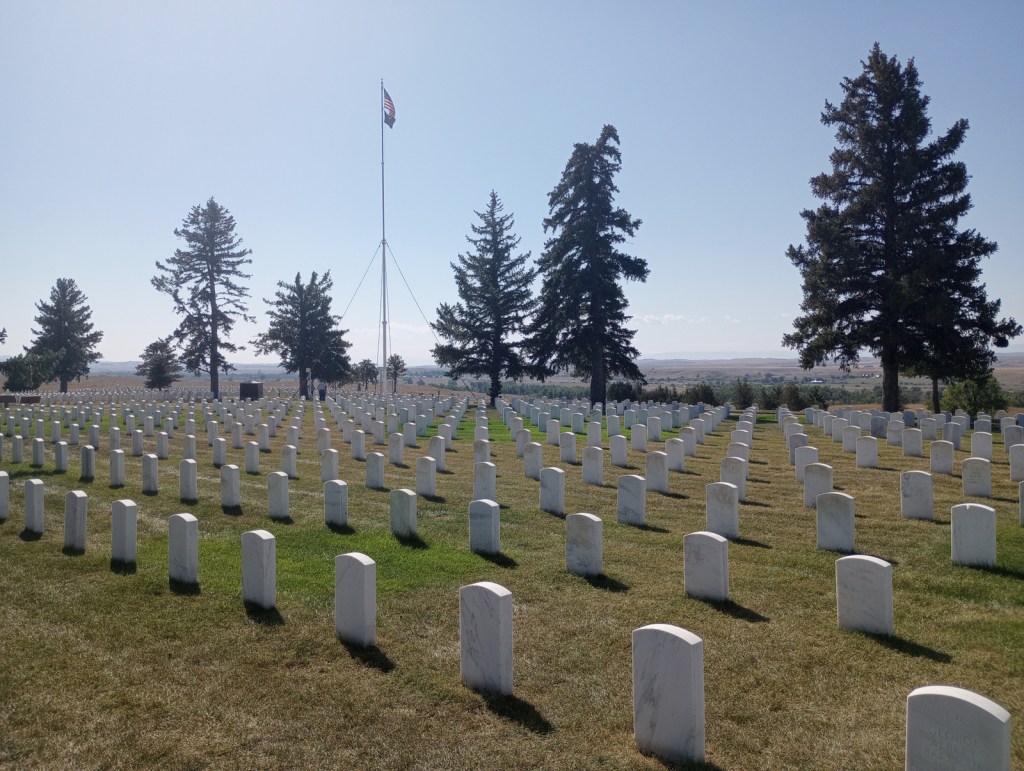
Deep Ravine Trail is a half-mile out-and-back hike that was first laid out in the immediate aftermath of the battle to mark the sites of casualties with wooden stakes made from teepee poles, and then in 1890 replaced by white marble markers.

Photographic Opportunity

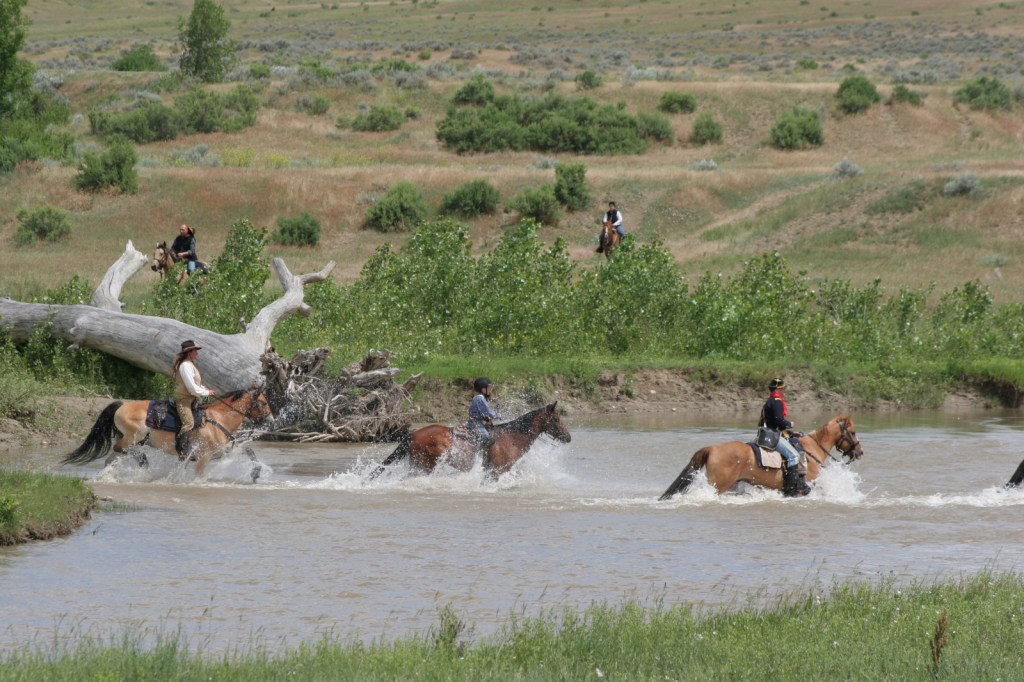
The Battle of the Little Bighorn Reenactment is a two-hour, fully narrated presentation explaining the significance of the Battle of the Greasy Grass (as the American Indians call it).  The site of the reenactment is a ford where Lieutenant Colonel Custer’s battalion came closest to the encampment where 1,800 warriors of the Sioux, Cheyenne, and Arapahoe Nations were gathered to protect their families.  American Indian riders go bareback, leaping on and off their ponies with ease, while saddled 7th U.S. Cavalry re-enactors splash through the fast-flowing Little Bighorn River astride powerful horses.

Peak Season

Summer (the best time of year to visit is around the June 25 anniversary when a reenactment of the battle is held)

Hours

https://www.nps.gov/libi/planyourvisit/hours.htm

Fees

$25 per vehicle or America the Beautiful pass

Road Conditions

All roads are paved, including the 4.5-mile-long road to the Reno-Benteen Battlefield.

Camping

There is a small, private campground at the exit from Interstate 90, but the nearest NPS campground is 40 miles away at Bighorn Canyon National Recreation Area.

Related Sites

Washita Battlefield National Historic Site (Oklahoma)

Big Hole National Battlefield (Montana)

Devils Tower National Monument (Wyoming)

Nearest National Park

Yellowstone

Explore More – When was Custer National Cemetery originally established and when did it become part of a National Monument?

Learn more about the other 137 National Monuments in our book Monumental America: Your Guide to All 138 National Monuments

Chiricahua National Monument

Overview

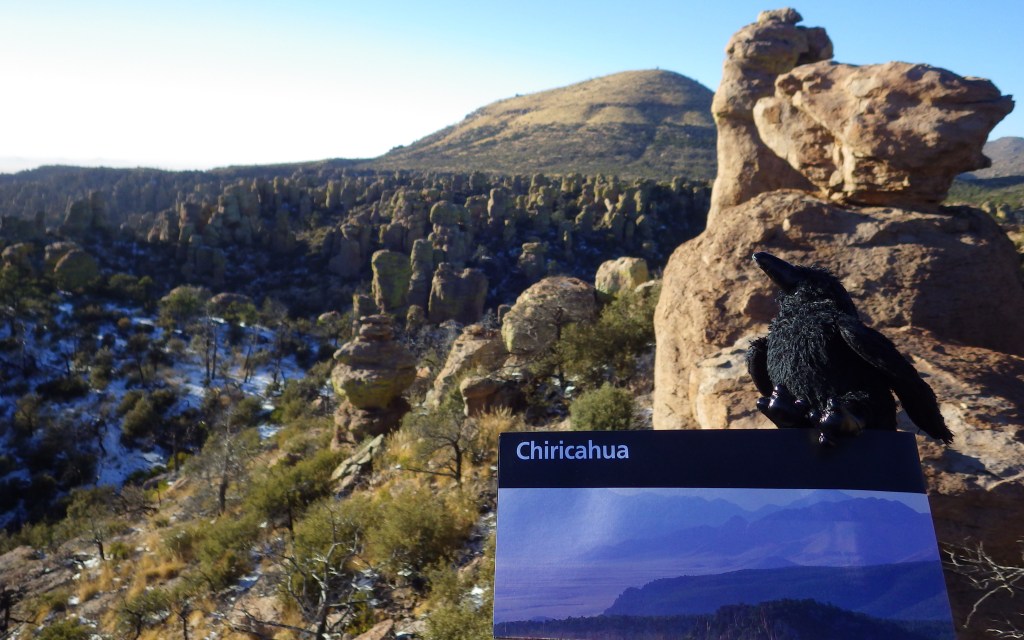
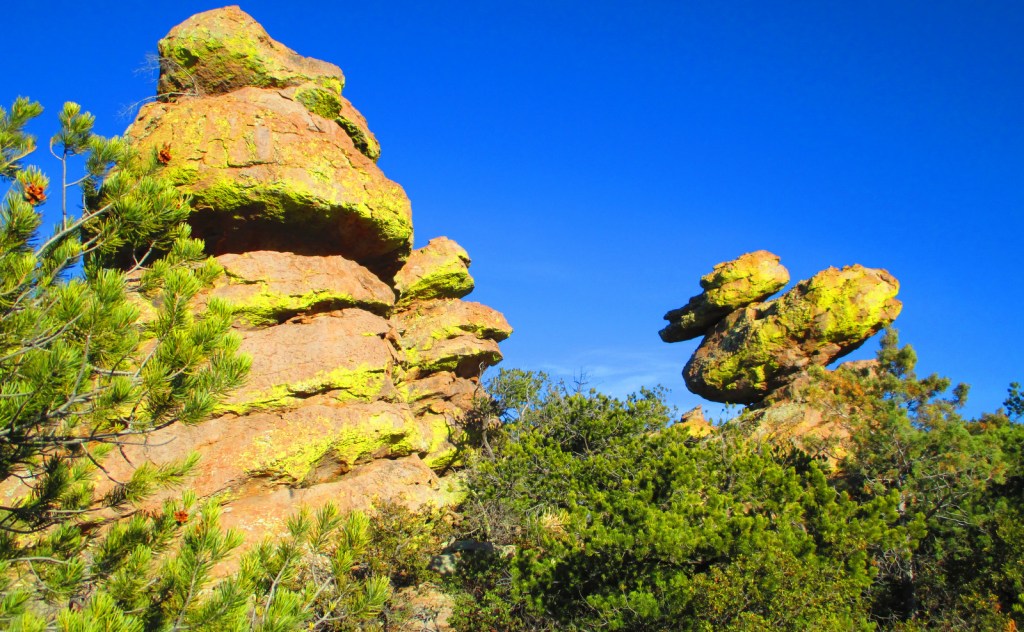
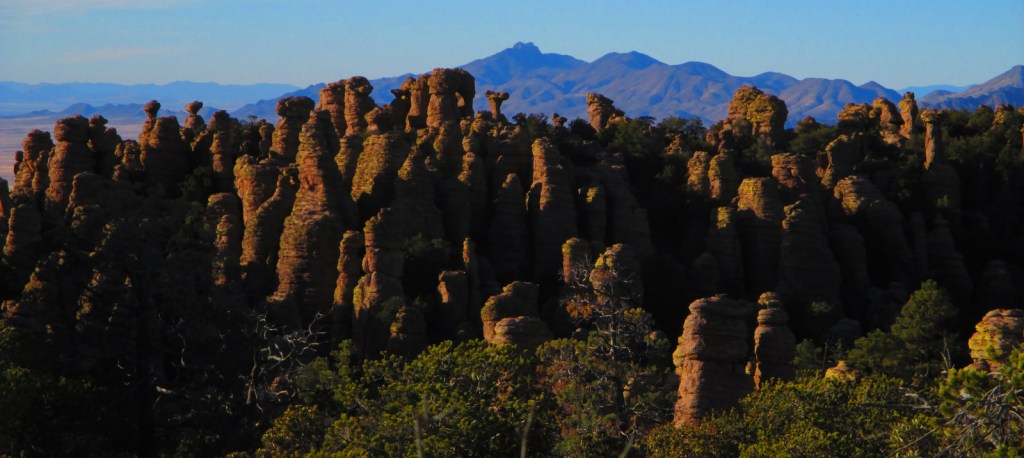
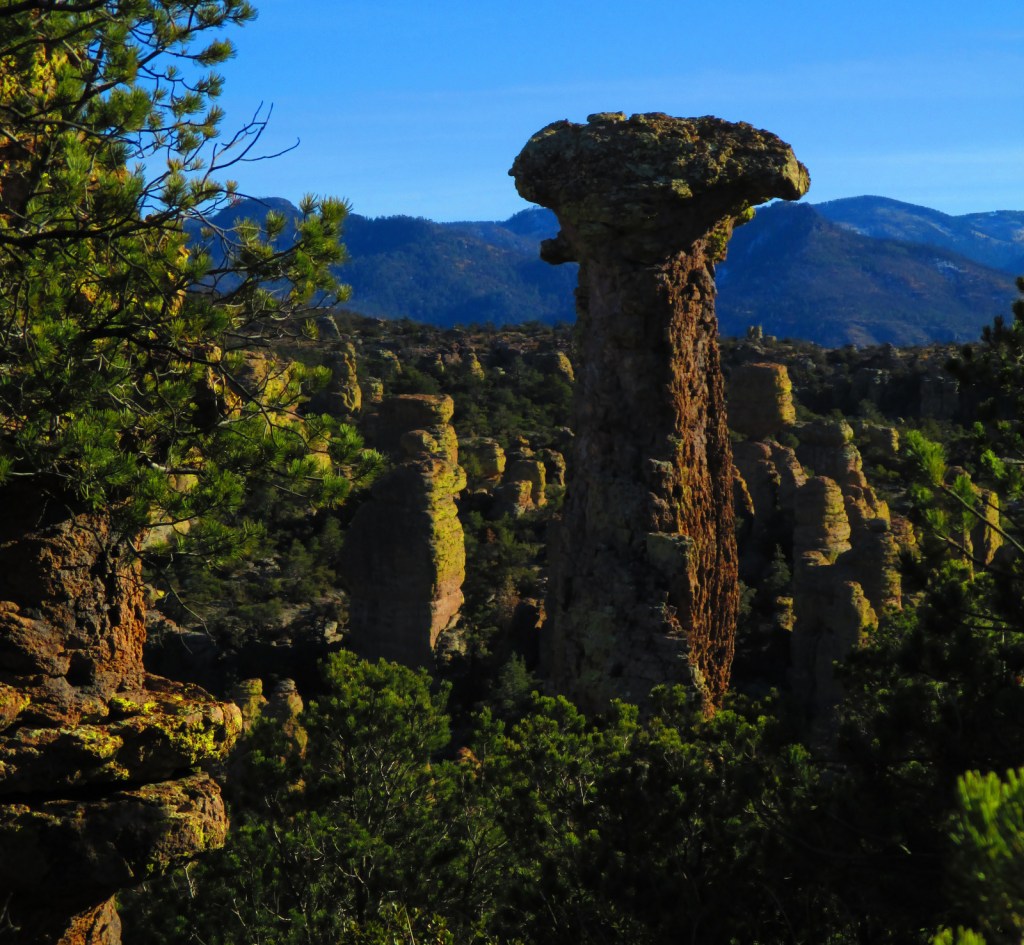
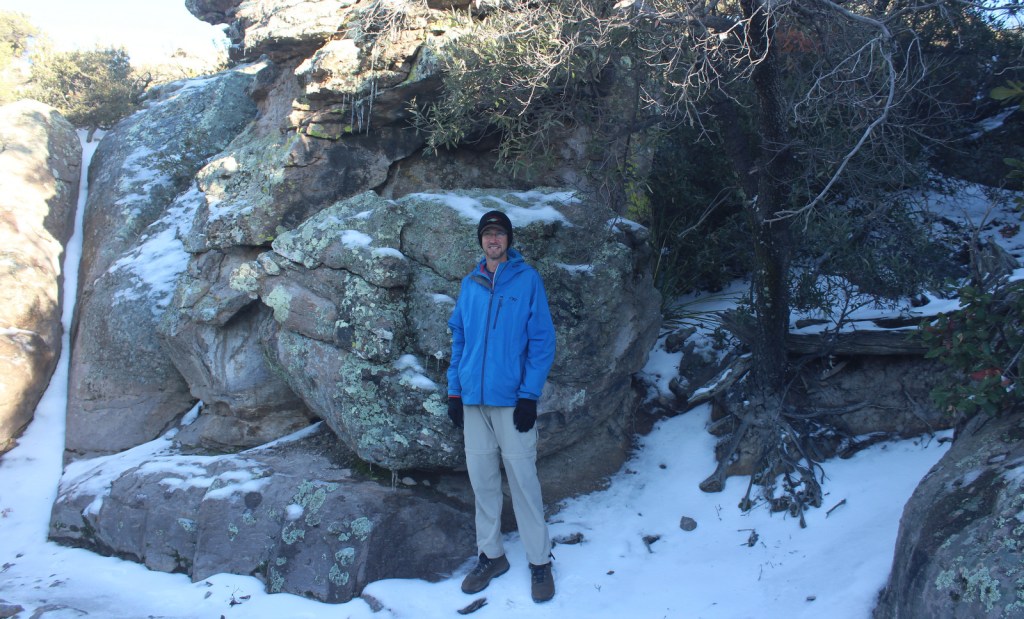
Tucked away in the southeastern corner of Arizona, Chiricahua National Monument was established in 1924 to protect a spectacular collection of rhyolite rock formations.  Millions of years of erosion left behind tall pinnacles that rise above surrounding evergreen trees.  A six-mile long paved road leads up from the National Park Service (NPS) visitor center to Massai Point for great views of the volcanic pillars.  At an elevation of around 7,000 feet it can get cold in the winter, but still quite hot in the summer, so spring and fall are the best seasons to visit.

Highlights

Massai Point, Echo Canyon, Big Balanced Rock, Heart of Rocks Loop

Must-Do Activity

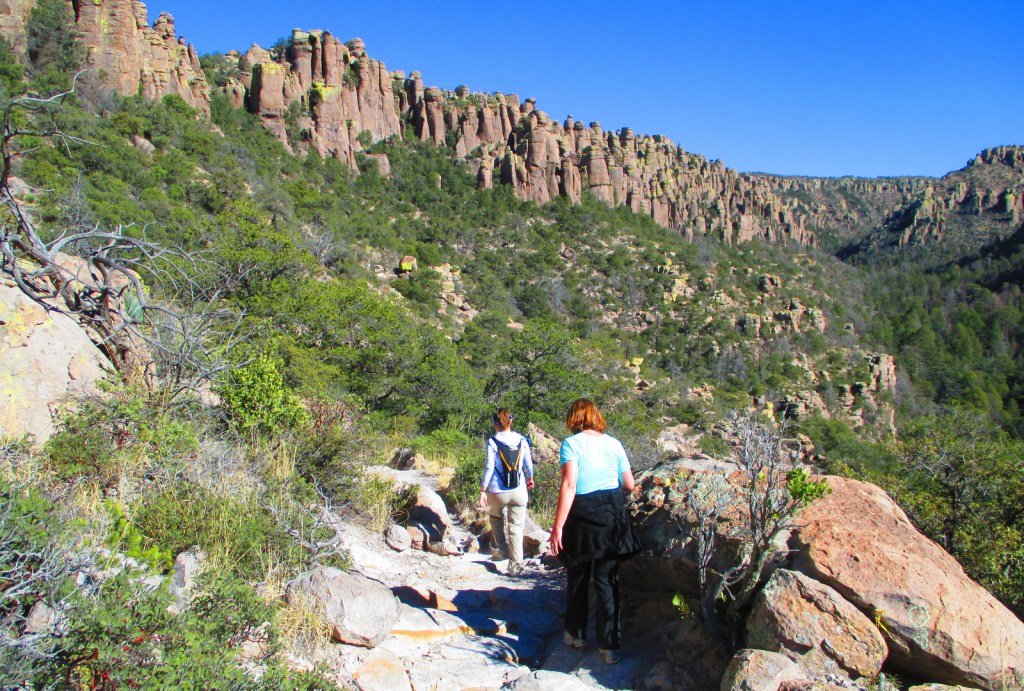
We recommend an all-day loop hike through Echo Canyon to the Heart of Rocks Loop where you will find rocks resembling camels, ducks, and anything else you can imagine.  The wildlife and vegetation here is diverse and representative of many ecosystems because of the elevation range of this “sky island.”  Many visitors that spend the night in the NPS campground report seeing coatimundi, a unique long-tailed omnivore related to the raccoon with a species distribution stretching into South America. 

Best Trail

There are 17 miles of trails in the park and hiking is the best way to explore the rock formations.  A self-guided loop at Massai Point is an option if you are short on time and cannot make it all the way to the impressive Big Balanced Rock.

Instagram-worthy Photo

There is a formation on the Heart of Rocks Loop that is appropriately known as Duck on a Rock. 

Peak Season

Spring and fall

Hours

https://www.nps.gov/chir/planyourvisit/hours.htm

Fees

None

Road Conditions

All roads paved

Camping

The small 24-site NPS campground is known for its nocturnal visitations by coatimundi.

Related Sites

Coronado National Memorial (Arizona)

Organ Pipe Cactus National Monument (Arizona)

Tumacacori National Historical Park (Arizona)

Explore More – Big Balanced Rock is 22-feet in diameter, so how much is it estimated to weigh?

Buck Island Reef National Monument

Overview

Located 1.5 miles north of the large Caribbean island of St. Croix is Buck Island, which covers only 176 acres of the 19,015 acres designated as Buck Island Reef National Monument.  Arguably the best coral reef in the entire National Park Service (NPS) system is the barrier reef around the island’s northern and eastern shore, which includes large examples of elkhorn coral with its beautiful yellow branches.  Private boats can get a permit to visit the island, but most tourists reserve trips with an NPS-authorized concessionaire that provides the gear for guided snorkeling and scuba diving experiences.

Highlights

Snorkeling, Underwater Trail, West Beach, Observation Point

Must-Do Activity

Snorkeling on the eastern end of the island is the highlight of a day trip to Buck Island.  The water offshore from St. Croix is cooler, even though your boat will moor in a lagoon, so consider wearing a wet suit.  There is an Underwater Trail with interpretive signs at one location along the coral reef.  Watch for a variety of parrotfish, angelfish, filefish, and sharks (lemon and nurse).  Sea turtles (green, hawksbill, loggerhead, and leatherback) are more common the west side of the island.

Best Trail

A steep, sandy trail climbs from Diedrichs Point and forms a loop when you walk West Beach, the designated anchorage area.  The 45-minute trek has a must-do spur to Observation Point for the best views, otherwise you will not be able to see through the thick vegetation of thorny trees interspersed with organ pipe cactus.  Stay on the trail and be careful not to touch poisonous manchineel trees or Christmas bush (related to poison-ivy).

Instagram-worthy Photo

Bring an underwater camera for great photo opportunities.  We followed a spotted eagle ray and a large school of blue tangs around the reef.  We also saw a nurse shark, lemon shark, and dozens of barracudas.

Peak Season

Anytime except hurricane season

Hours

Buck Island is only open during daylight hours

https://www.nps.gov/buis/planyourvisit/hours.htm

Fees

None, except for concessionaire boat trip

Road Conditions

There are no roads on the island, so a boat tour through an NPS-authorized concessionaire is necessary to access it.  There is a large parking lot (fee) near the Christiansted marina and floatplane airport.  Note: you drive on the left side of the road in the U.S. Virgin Islands, but in standard American left-side driver seat vehicles.

Camping

Buck Island is closed between sunset and sunrise, with no overnight mooring allowed.  On St. Croix, there is no official NPS campground at Salt River Bay National Historical Park and Ecological Preserve, but people camp along the coast there and at many beachside locations around the entire island.

Related Sites

Christiansted National Historic Site (U.S. Virgin Islands)

Salt River Bay National Historical Park and Ecological Preserve (U.S. Virgin Islands)

Virgin Islands National Park (U.S. Virgin Islands)

Explore More – What type of domesticated animals were let loose on Buck Island in the 1700s (permanently altering the vegetation)?