Tag Archives: National Memorial

General Grant National Memorial

Overview

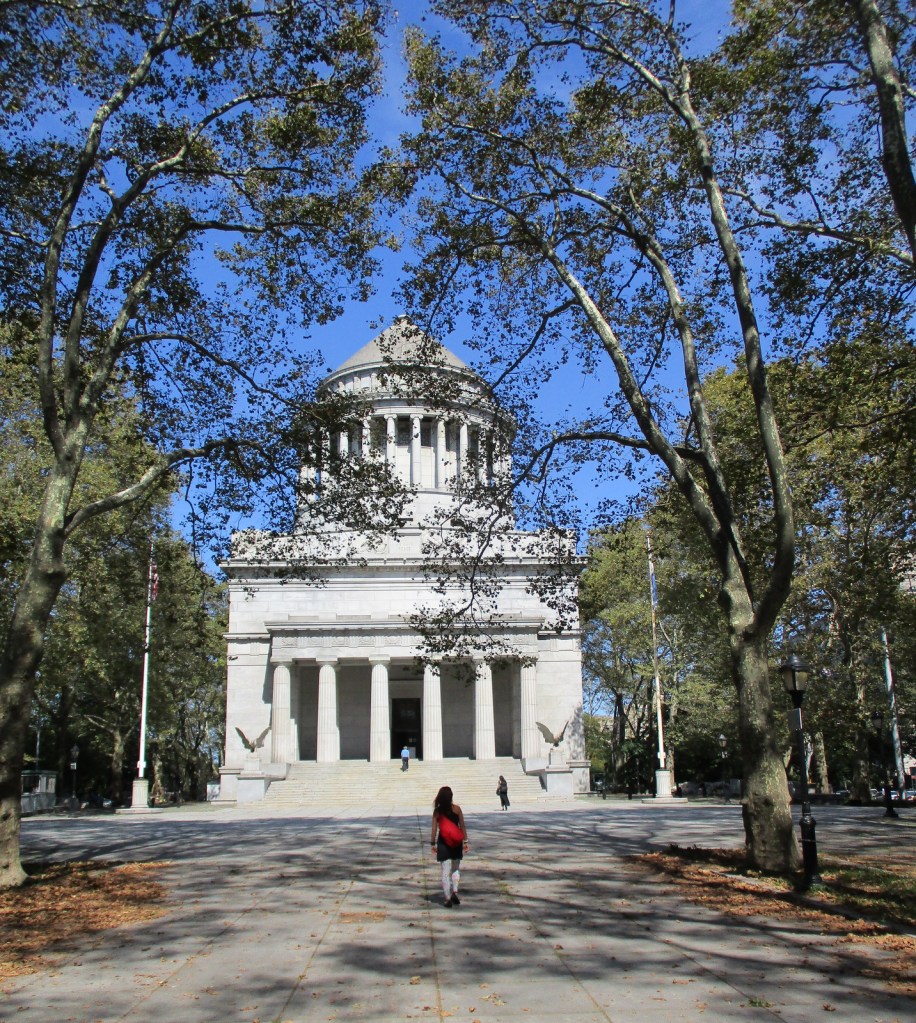
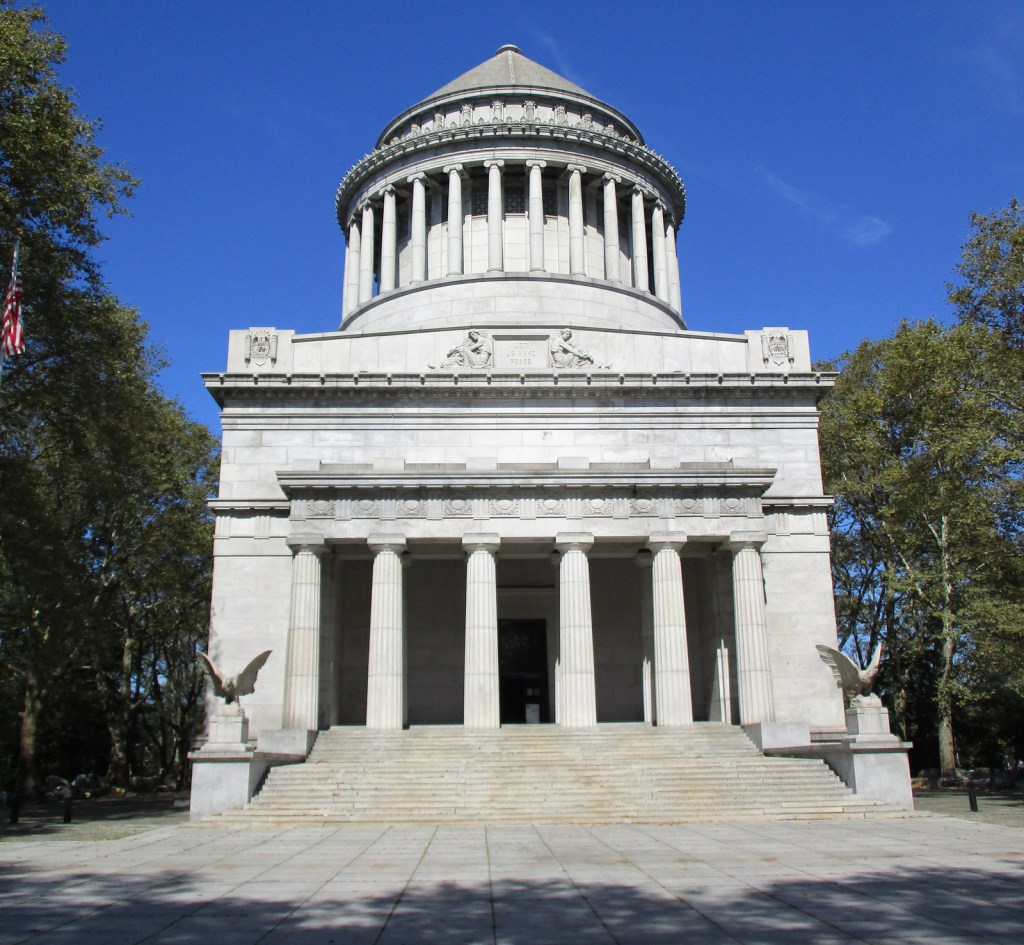
Often referred to as Grant’s Tomb, this 150-foot tall marble and granite rotunda is the largest mausoleum in North America.  Following his death in 1885, the rotunda was constructed in less than two years with donations from 90,000 individuals worldwide, the largest ever public fundraising effort at the time.  It is located on a bluff overlooking the Hudson River in the Morningside Heights area of Manhattan, where Grant spent the final five years of his life after serving two terms as President (1868-1876).

Highlights

Museum, film, tomb

Must-Do Activity

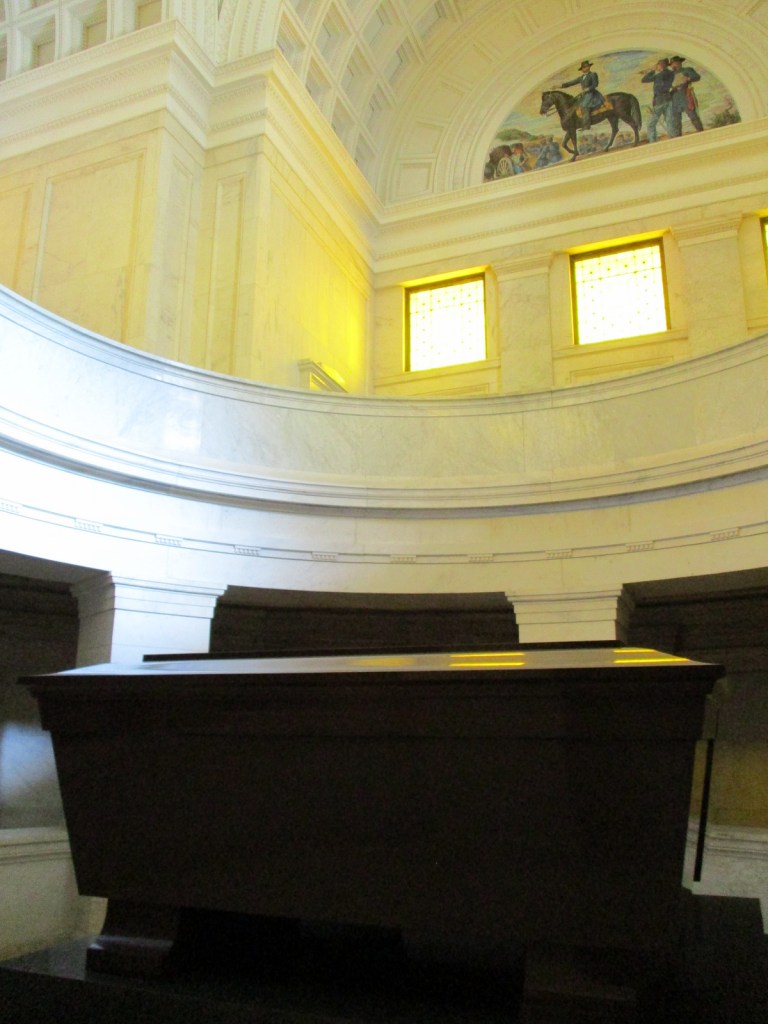
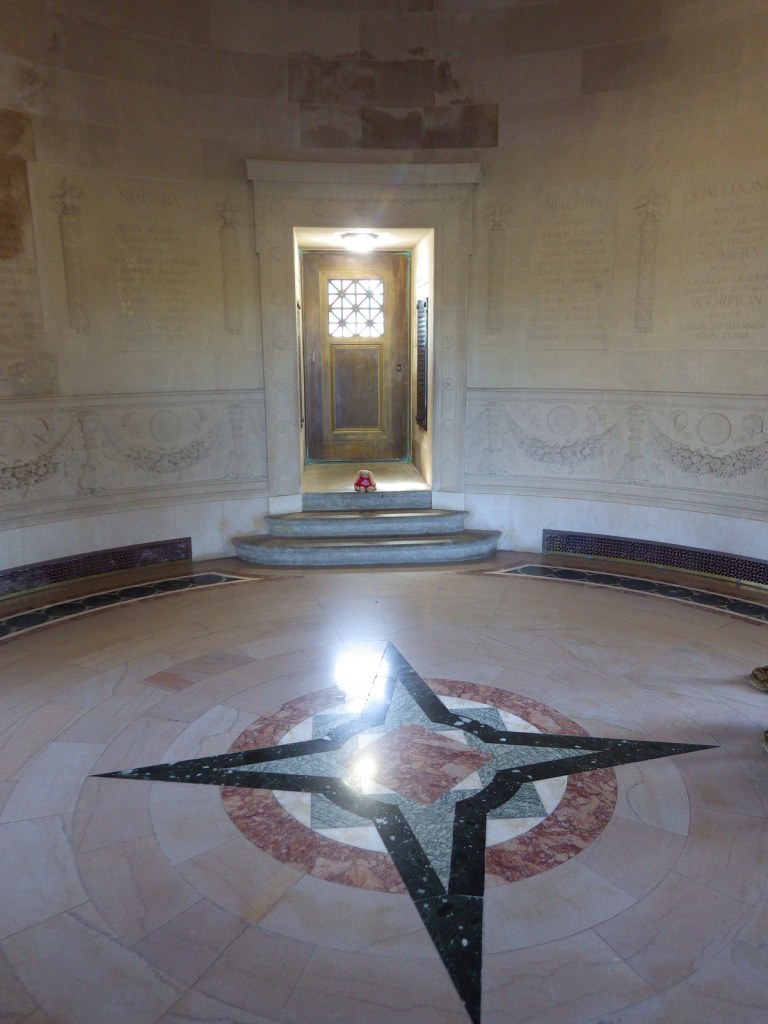
The Overlook Pavilion is separate from the rotunda and offers a few exhibits and a film about Ulysses S. Grant (plus you can put your head in an oversized $50 bill which typically bears Grant’s face).  The rotunda contains the tombs of Ulysses and his wife (Julia) who passed in 1902, as well as murals and bronze busts of fellow Civil War generals. 

Best Trail

None

Instagram-worthy Photo

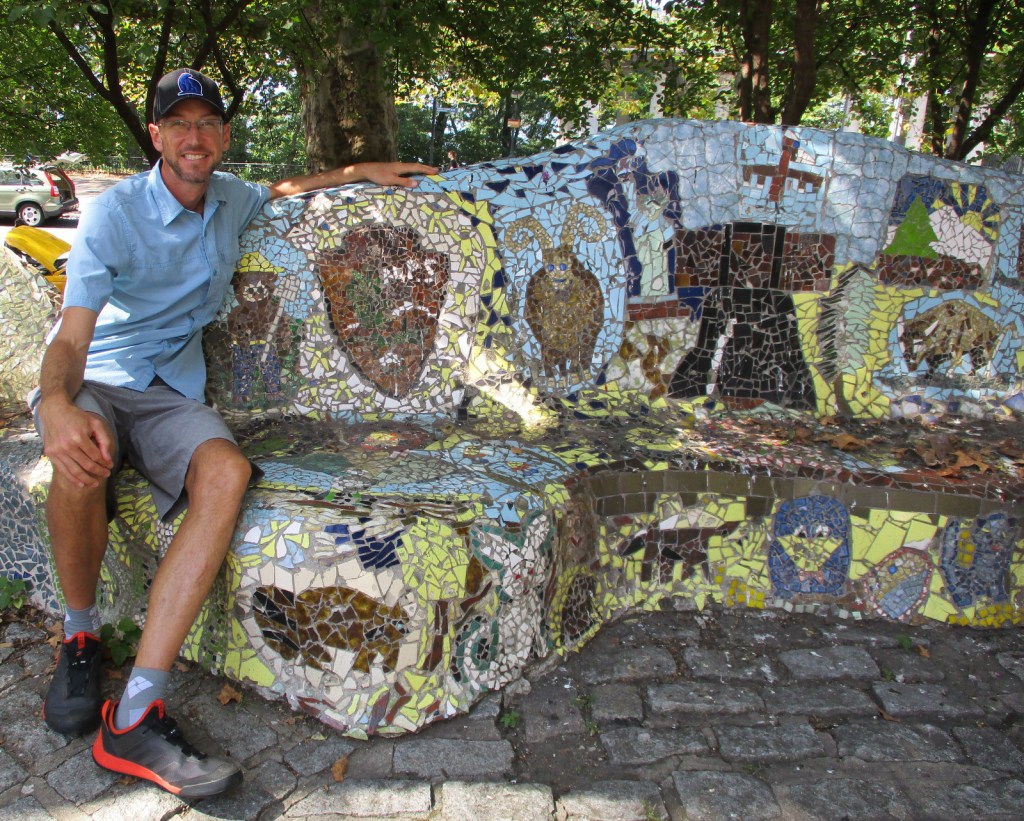
Outside the rotunda is long curving bench with mosaic images (a la Gaudi) depicting different aspects of the National Park Service (NPS) system.

Peak Season

Summer

Hours

https://www.nps.gov/gegr/planyourvisit/hours.htm

Fees

None

Road Conditions

All roads are paved, but it is better to take the subway to get to this area.

Camping

There is camping available within Gateway National Recreation Area, which is managed by the NPS.

Related Sites

Ulysses S. Grant National Historic Site (Missouri)

Hamilton Grange National Memorial (New York)

Statue of Liberty National Monument (New York)

Explore More –Julia Grant requested that which feature never be added to the rotunda?

World War II Memorial

Overview

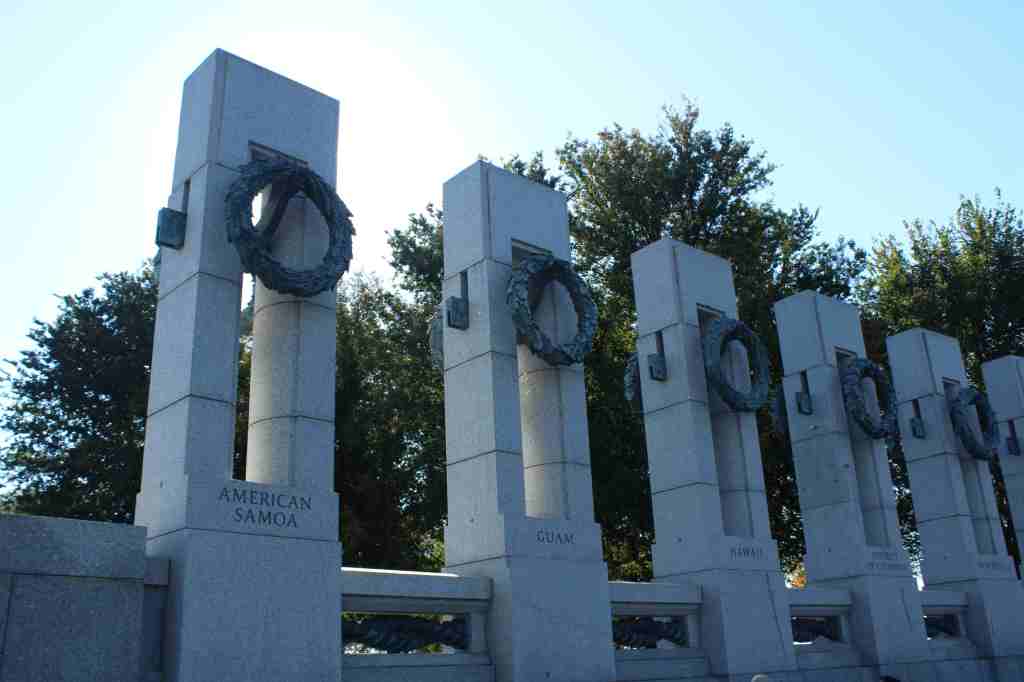
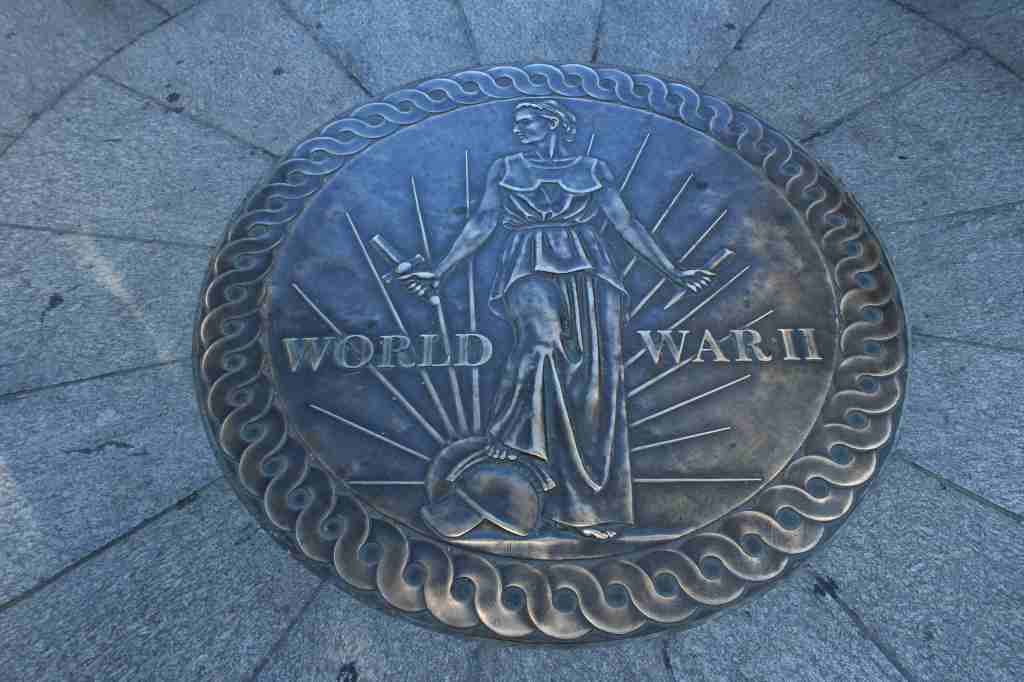
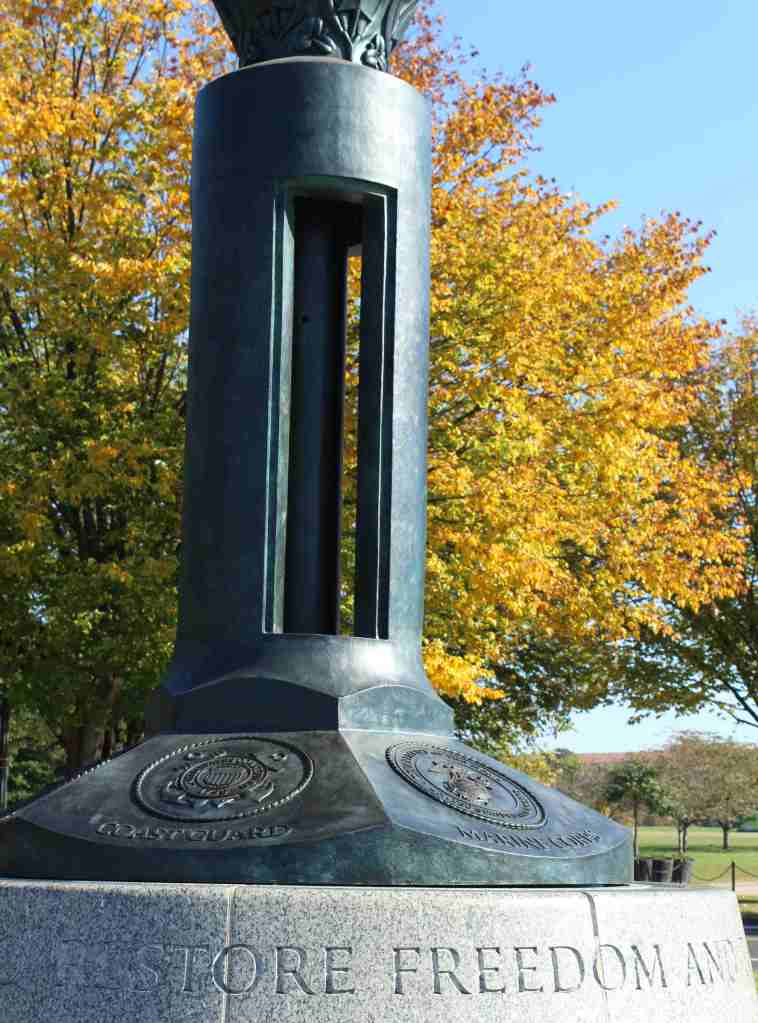
The World War II Memorial in Washington, D.C. was dedicated in 2004 to remember the 16-million Americans that served in uniform during the war.  It is located on the National Mall between the Washington Monument and Lincoln Memorial.  The seven-acre site is managed by the National Park Service (NPS).  There is not an NPS visitor center at the site, but there are information kiosks around the area, including two near the Lincoln Memorial.

Highlights

Pavilions, pillars, bas-relief sculptures, fountains

Must-Do Activity

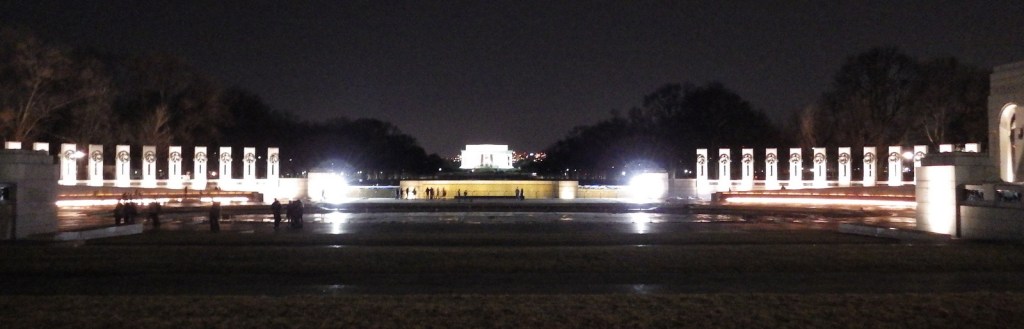
The memorial’s design was chosen in a competition with more than 400 others and was created in 1997 by Austrian-born architect Friedrich St. Florian.  It features a large pool and fountains, two pavilions labeled Atlantic and Pacific, 56 pillars for each state and territory, as well as bas-relief sculptures and quotes from historic figures.  On the Freedom Wall, each gold star represents one hundred of the 405,399 Americans who died during World War II.

Best Trail

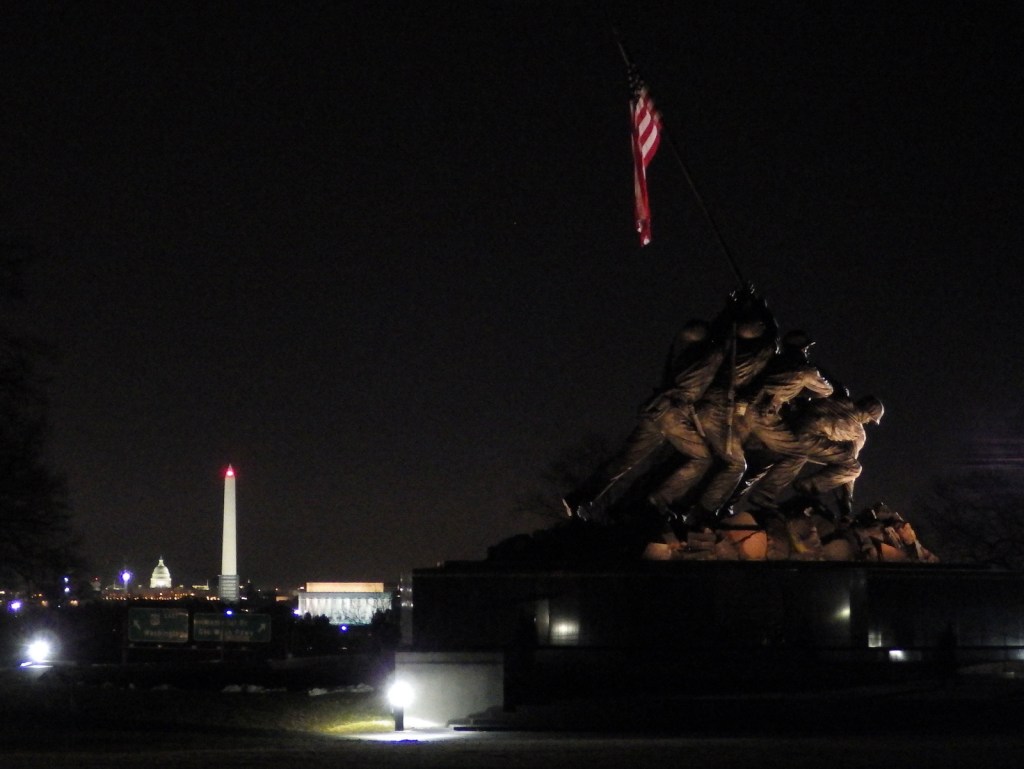
Walk the bridge across the Potomac River to Arlington, Virginia for a view of the U.S. Marine Corps War Memorial that depicts the American flag being raised over Mount Suribachi on Iwo Jima during World War II.  This is technically part of George Washington Memorial Parkway (another NPS site), and offers a commanding view of the National Mall and is especially photogenic at night.

Instagram-worthy Photo

After dark is a great time for photography on the National Mall, and the World War II Memorial is no exception.  You might consider bringing a tripod for clearer photos.

Peak Season

Spring

Hours

24 hours a day with NPS rangers posted until 10 p.m.

https://www.nps.gov/wwii/planyourvisit/hours.htm

Fees

None

Road Conditions

All roads are paved, but public transportation is recommended in Washington, D.C.

Camping

There are no NPS campgrounds in the Washington, D.C., so it might be best to head for Shenandoah National Park in Virginia.

Related Sites

World War I Memorial (District of Columbia)

Franklin Delano Roosevelt Memorial (District of Columbia)

Korean War Veterans Memorial (District of Columbia)

Explore More – The memorial contains two hidden “Kilroy was here” engravings; what is the significance of this inclusion?

.

Perry’s Victory and International Peace Memorial

Overview

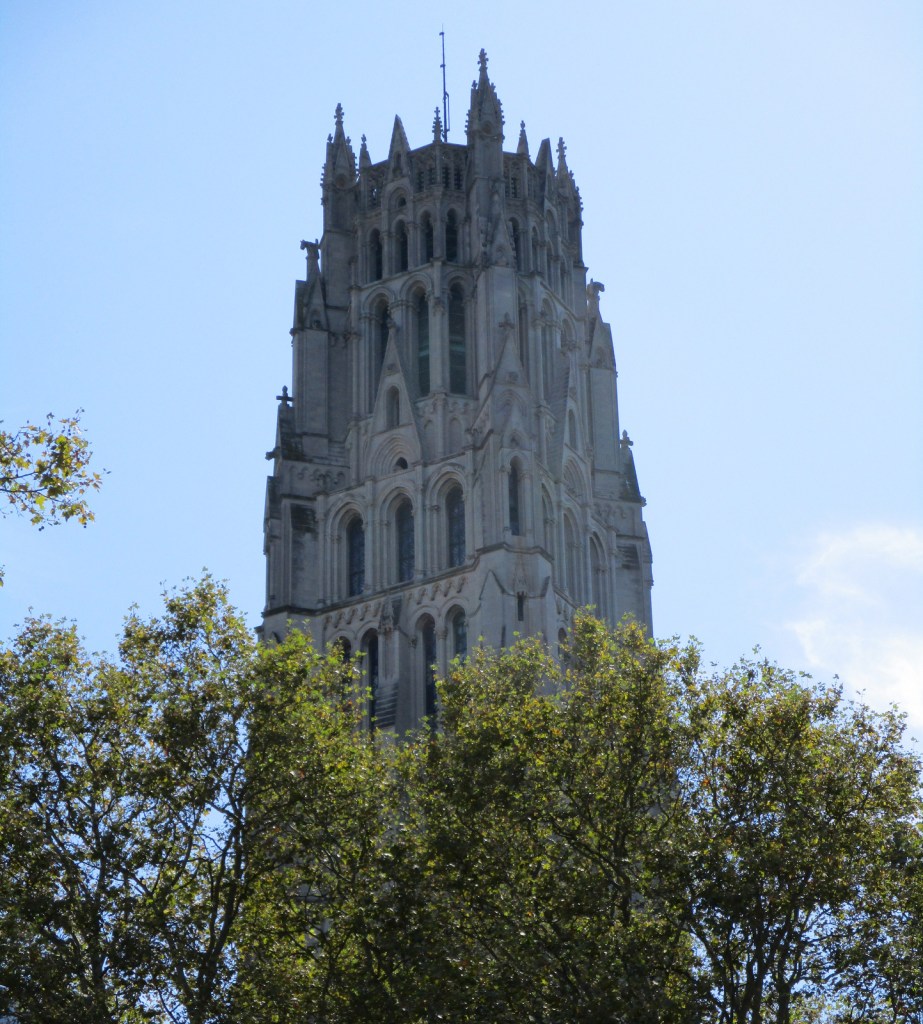
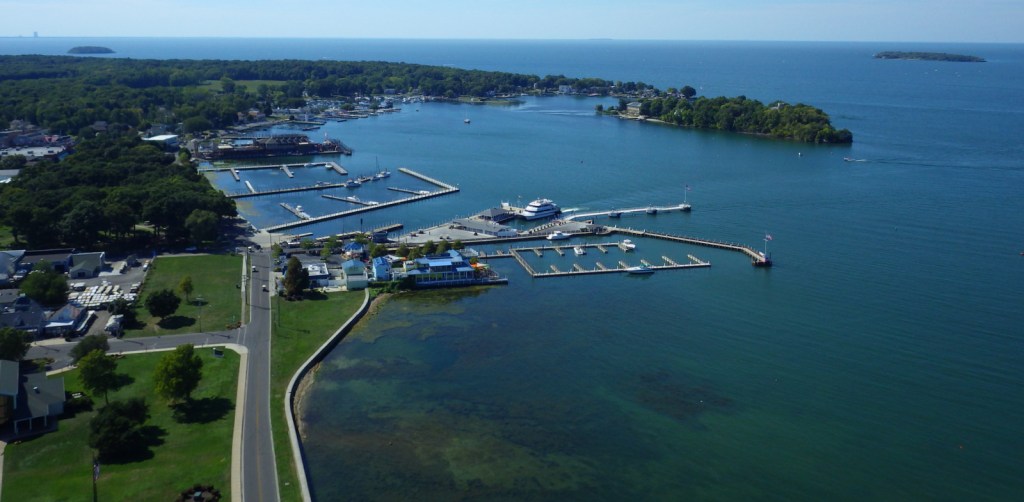
Perry’s Victory and International Peace Memorial is located on South Bass Island in western Lake Erie.  Commodore Oliver Hazard Perry not only had the best name in the War of 1812, his naval victory near here on September 10, 1813 was a turning point.  The 1817 Rush-Bagot Agreement is still in effect today, assuring that the U.S. and Canada maintain the world’s longest undefended international border.  The 352-foot tall memorial tower was built between 1912-15 and became part of the National Park Service (NPS) system in 1936.

Highlights

Museum, film, 352-foot tall memorial tower, black squirrels

Must-Do Activity

After departing from your ferry or airplane, head to the NPS visitor center for the free museum and film, then pay for your ticket to ascend the granite memorial tower in an elevator.  On a sunny day the views from the 317-foot tall viewing level across Lake Erie are splendid, including the shoreline of Canada and the roller coasters at Cedar Point.  The rotunda at the tower’s base also contains the remains of three American and three British soldiers who died during the 1813 battle.

Best Trail

It is about two miles from the ferry terminal to the NPS visitor center, but if the weather is nice it is a pleasant walk on roads that are not busy.

Instagram-worthy Photo

The windows facing the memorial tower at the NPS visitor center are mirrored, which makes for a really interesting and distorted reflection.

Peak Season

Summer (May to October is the only time you can enter the memorial)

Hours

Open seasonally: https://www.nps.gov/pevi/planyourvisit/hours.htm

Fees

Free for museum, $10 per person for elevator to top of tower or free with America the Beautiful pass

Road Conditions

South Bass Island is only accessible by boat or airplane.  Ferry service allows you to bring your own vehicle to the island, which is small enough to walk everywhere or drive in a rental golf cart.

Camping

South Bass Island State Park has more than 100 primitive campsites on the island and East Harbor State Park on the mainland has more than 500 campsites with modern facilities.

Related Sites

River Raisin National Battlefield Park (Michigan)

Cuyahoga Valley National Park (Ohio)

Dayton Aviation Heritage National Historical Park (Ohio)

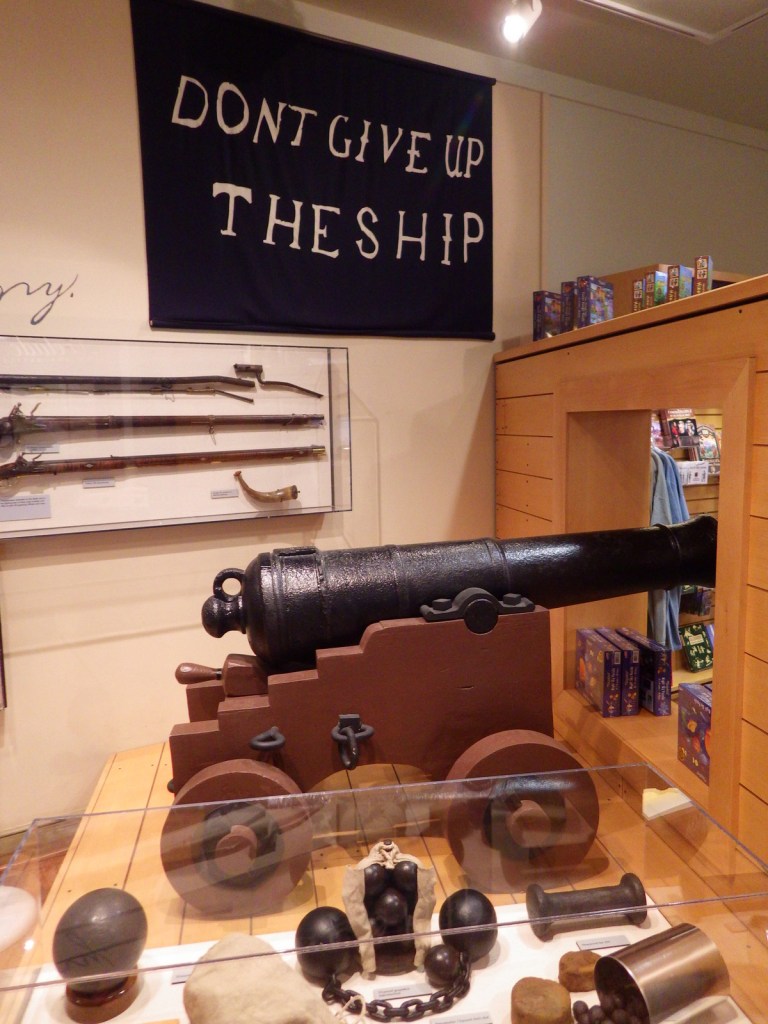
Explore More – What is the significance of the “DON’T GIVE UP THE SHIP” flag?

We are a participant in the Amazon Services LLC Associates Program, an affiliate advertising program designed to provide a means for us to earn fees by linking to Amazon.com and affiliated sites.

Arkansas Post National Memorial

Overview

Arkansas Post National Memorial is in the southeastern section of its namesake state near the confluence of the Arkansas and Mississippi Rivers.  The French first settled this area in 1686 in order to trade with a large village of Quapaw Indians.  From 1763-1800 the fort was controlled by the Spanish, who were attacked by the British here in 1783 in what became known as the Colbert Incident, considered one of the final battles in the American Revolution.

Highlights

Museum, film, ruins, cannons, wildlife, fishing

Must-Do Activity

Following the Louisiana Purchase, the post briefly served as the territorial capital, then that moved to Little Rock, Arkansas in 1821.  It fell into decline until Fort Hindman was built during the Civil War, after which time much of the shoreline was washed away by the Arkansas River.  There are not many human structures left to see at the site, but the bayou offers great opportunities for birdwatching.

Best Trail

A trail passes Park Lake through the Old Townsite to shoreline views of Post Bayou and the Arkansas River.  A trench dug by the Confederate army during the Civil War is also visible from the trail and a side road north of the visitor center.

Instagram-worthy Photo

There are plenty of cannons around to pose with, but Tiff was most excited about the original location of The Arkansas Gazette newspaper that started right here in 1819 and is still printed today in Little Rock (which is where she grew up with Wondon).

Peak Season

Spring and fall when there are less mosquitoes.

Hours

https://www.nps.gov/arpo/planyourvisit/basicinfo.htm

Fees

None

Road Conditions

All roads paved

Camping

Camping is not allowed within the park, but the U.S. Army Corps of Engineers manages campgrounds at Pendleton Bend and Merrisach Lake Park.

Related Sites

Little Rock Central High School National Historic Site (Arkansas)

Hot Springs National Park (Arkansas)

Natchez Trace Parkway (Mississippi-Tennessee)

Explore More – Following the 1863 Civil War battle to take the fort, how many Confederate soldiers were taken prisoner?

Fort Caroline National Memorial

Overview

After a failed settlement by persecuted French Protestants (Huguenots) in 1562, two years later a group of 200 soldiers, artisans, and a few women established a colony at the mouth of the St. Johns River (east of present-day Jacksonville, Florida).  Led by René de Goulaine de Laudonnière, they hurriedly assembled the triangular Fort Caroline, named for King Charles IX.  In 1565, Jean Ribault arrived with 600 more settlers and soldiers.  After learning the Catholic Spanish had established a base to the south at St. Augustine, Ribault set sail for a surprise attack, only to be shipwrecked by a hurricane.  The unprotected Fort Caroline was easily captured by the Spanish, who executed 140 of its 200 inhabitants.  The Spanish then killed the majority of the 250 French marooned at Matanzas Inlet, which gained its name from these “slaughters.”

Highlights

Museum, reconstructed fort, Hammock Trail, Ribault Monument

Must-Do Activity

The National Park Service (NPS) administers Fort Caroline National Memorial (established in 1950) as a unit of Timucuan Ecological and Historic Preserve (established in 1988).  Start your visit at the NPS museum, which provides information on the indigenous Timucuan, as well as the European colonization efforts.  After walking the Hammock Trail to see the reconstructed fort, drive to the nearby Ribault Monument, a replica of a stone column left by Jean Ribault at the mouth of the St. Johns River on May 2, 1562.

Best Trail

Within this 139-acre National Memorial, the Hammock Trail visits the reconstructed fort along the St. Johns River.  Starting from two parking lots south of Fort Caroline Road several trails explore Spanish Pond and the Theodore Roosevelt Area of Timucuan Ecological and Historic Preserve.

Instagram-worthy Photo

The actual site of the original fort has never been found (and is probably underwater), but you can tour a one-third scale reconstruction of the triangular structure based upon a drawing from 1564 by French artist Jacques le Moyne.  The French got a measure of revenge in 1568 when they attacked and burned Spanish-controlled Fort Caroline, but they could not take St. Augustine and never colonized Florida again.

Peak Season

Winter when there is less mosquito activity.

Hours

https://www.nps.gov/timu/learn/historyculture/foca_visiting.htm

Fees

None

Road Conditions

All roads paved

Camping

Little Talbot Island State Park and Kathryn Abbey Hanna Park (run by the city of Jacksonville) both have campgrounds.

Related Sites

Timucuan Ecological and Historic Preserve (Florida)

Castillo de San Marcos National Monument (Florida)

Fort Matanzas National Monument (Florida)

Explore More – When the Spanish took control of Fort Caroline in 1565, what did they rename it?