Tag Archives: National Historic Site

Vanderbilt Mansion National Historic Site

Vanderbilt Mansion National Historic Site

New York

Managed by National Park Service

Established 1940

211 acres

Website: nps.gov/vama

Overview

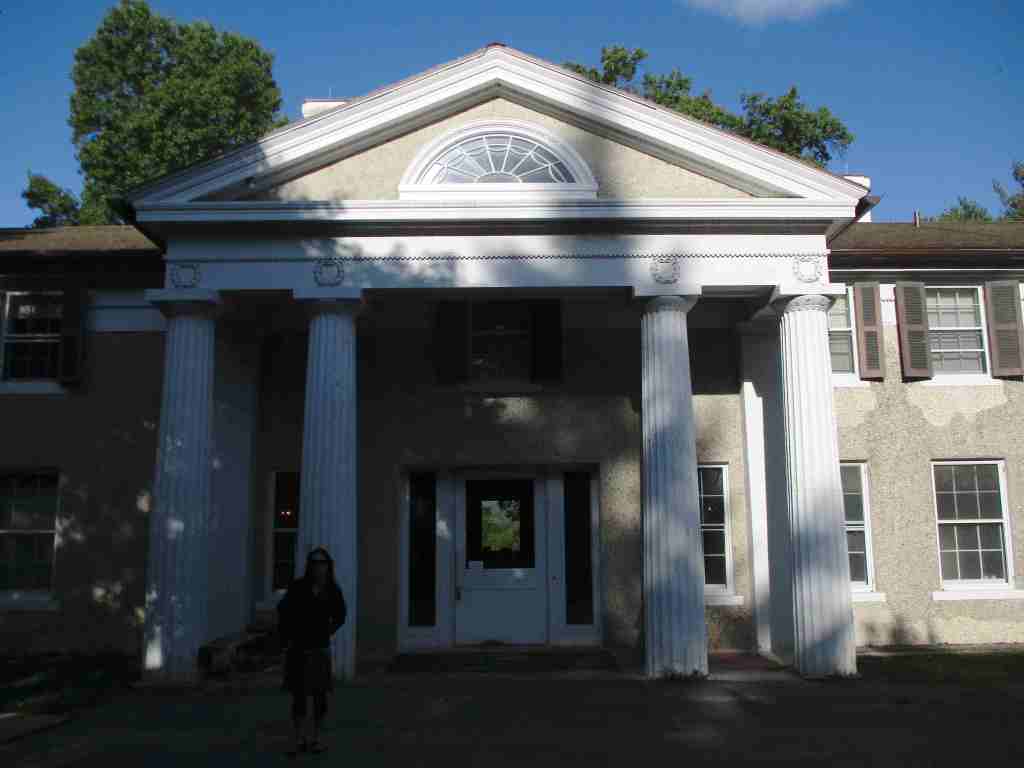
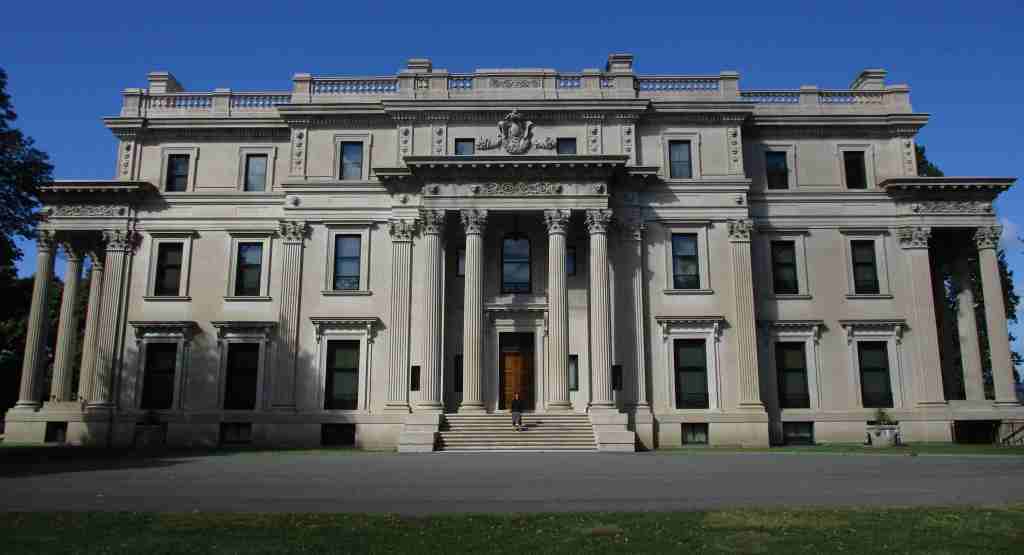
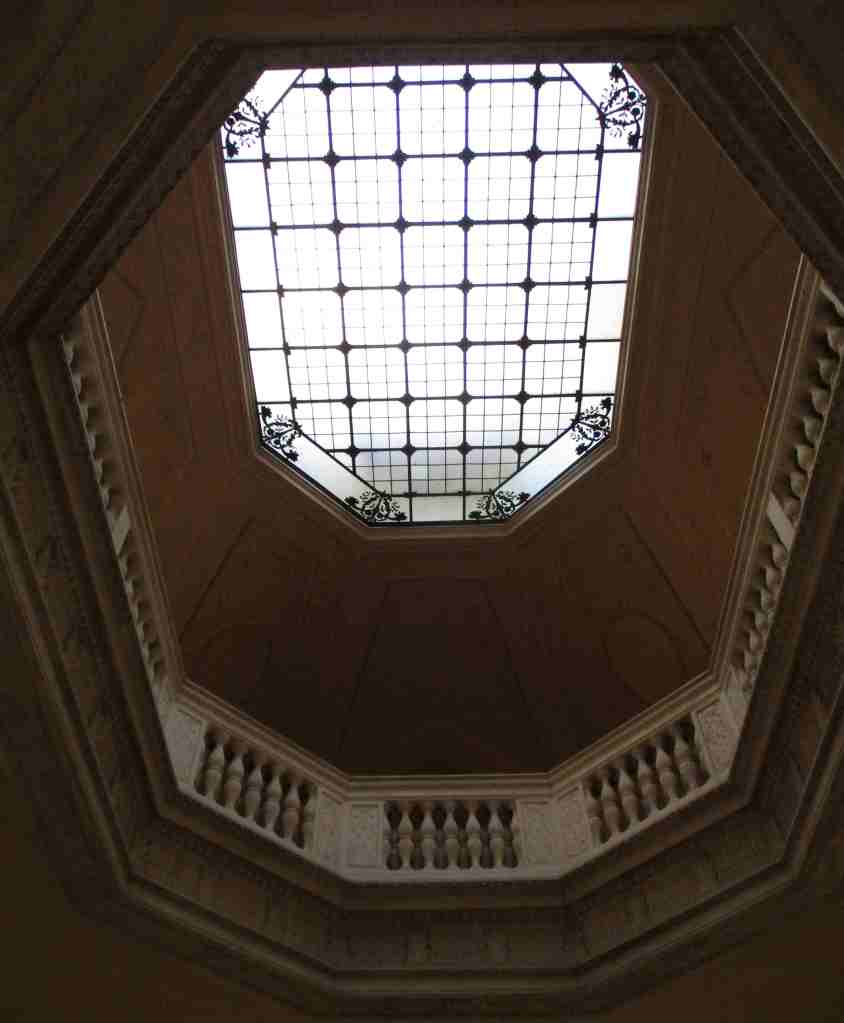
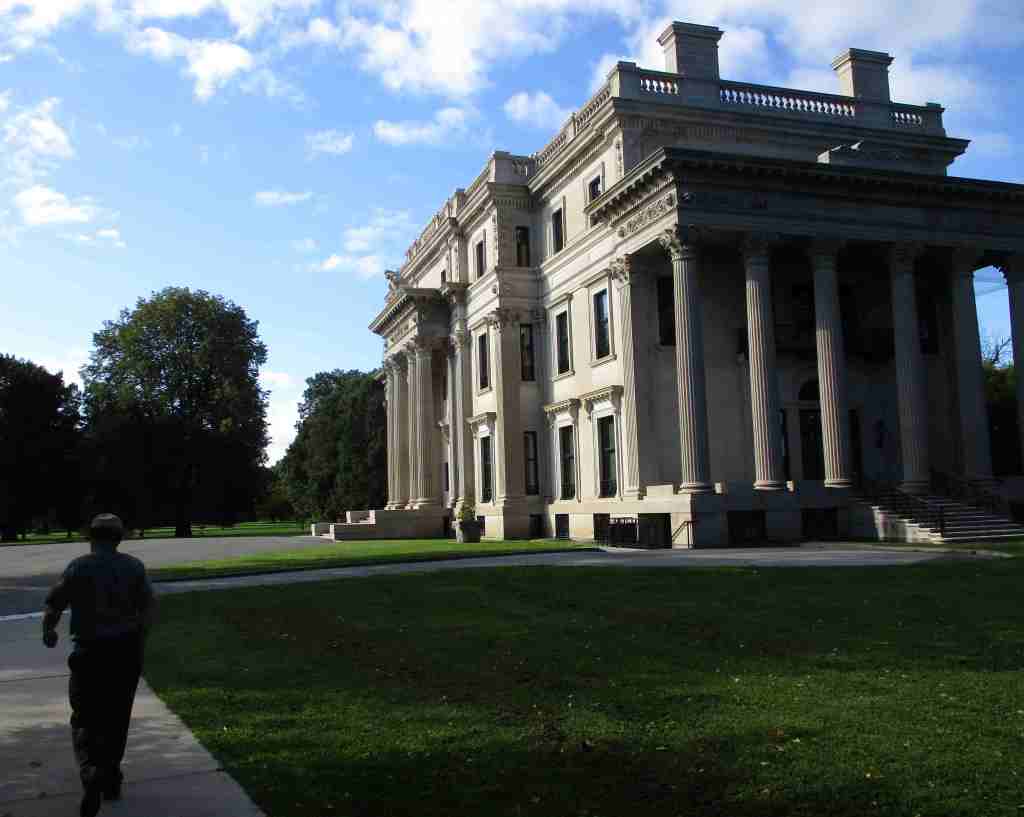
The Gilded Age is the term referring to the period from the Civil War to the end of the century, a time of growth in industry and immigration.  Gilding is the process of putting a thin layer of gold on an object to improve its appearance and was used as a slight to the nouveau riche families that built lavish mansions and threw extravagant parties.  Shipping and railroad tycoon Cornelius Vanderbilt’s grandson Frederick purchased this 600-acre Hyde Park estate in 1895.  He and his wife Louise had the mansion there torn down and it took nearly four years to complete their 54-room mansion ornamented in beaux arts style.  It was the first in the area to have electricity, which was supplied by its own hydroelectric plant.  It was inhabited by the family only in the spring and fall with as many as 60 staff needed to run the place.  When Louise’s niece could not sell the property during the Great Depression, her neighbor President Franklin D. Roosevelt suggested she donate it to the National Park Service. 

Highlights

Mansion, Pavilion, Formal Gardens, Hyde Park Trail

Must-Do Activity

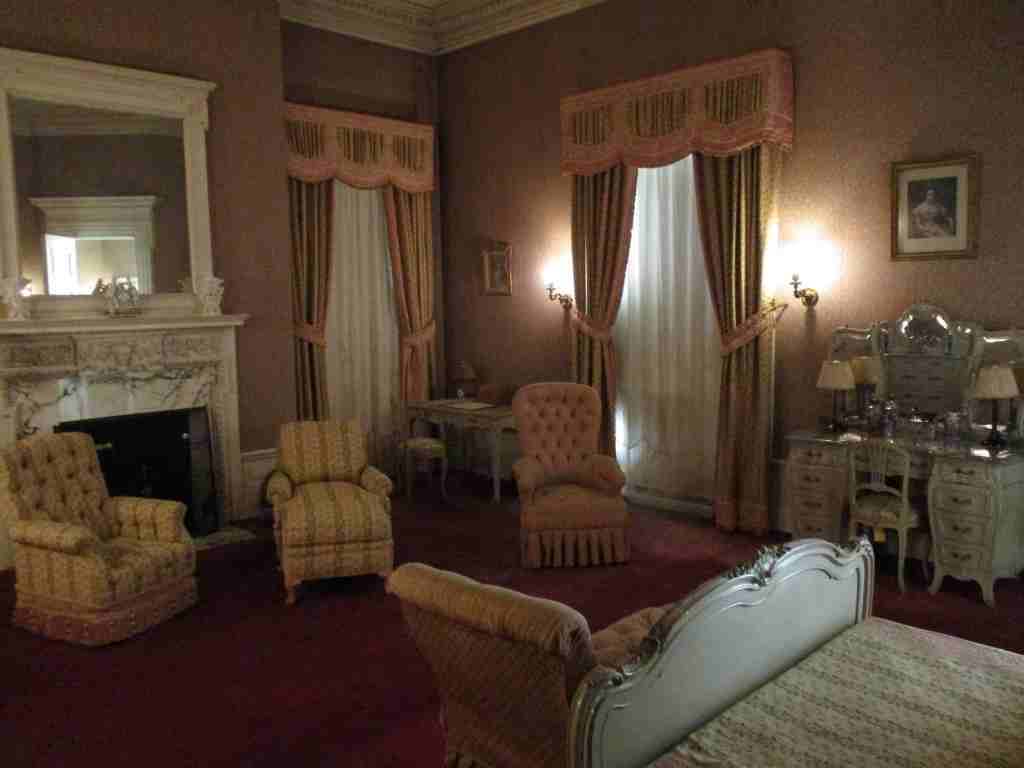
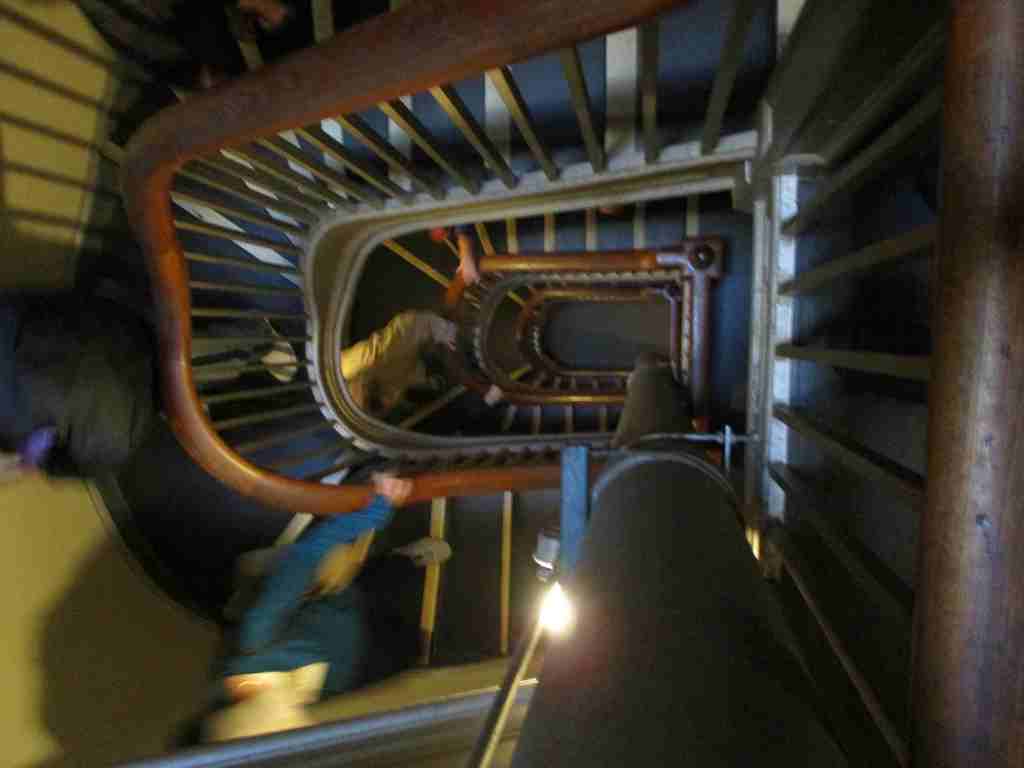
The only way inside the mansion is on a one-hour guided tour that does not take reservations.  They can be purchased at the visitor center inside The Pavilion, a guest house built in 66 days in 1895.  The grounds are free to explore, where you can walk on the carriage roads, picnic at the overlook, and peruse the Italian gardens.  The mansion was designed by the leading architectural firm McKim, Mead & White, known for their emphasis on high classicism.  It features a large living room, grand staircase, and semicircular portico overlooking the Hudson River and Catskill Mountains.  The house cost $660,000 at the time, while the interior furnishings pushed the total cost to $2.3-million (equivalent to about $90-million today) since many of the decorations were purchased in Europe.

Best Trail

Vanderbilt Service Road Trail loops through this 211-acre site and Bard Rock Road Trail splits off to a point on the Hudson River.  Hyde Park Trail follows the river south to connect with the Home of Franklin D. Roosevelt National Historic Site and Eleanor Roosevelt National Historic Site

Photographic Opportunity

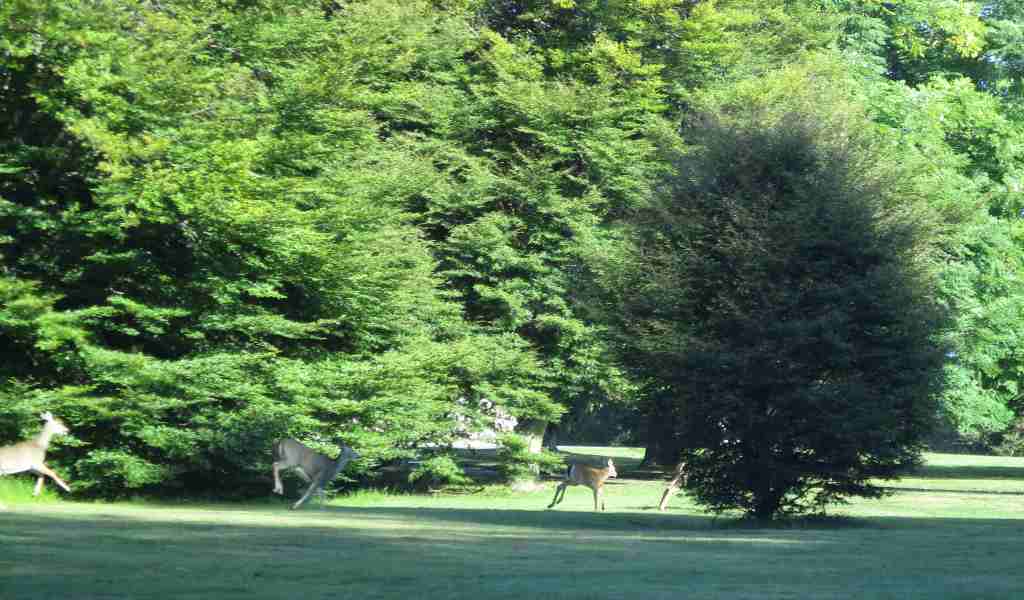
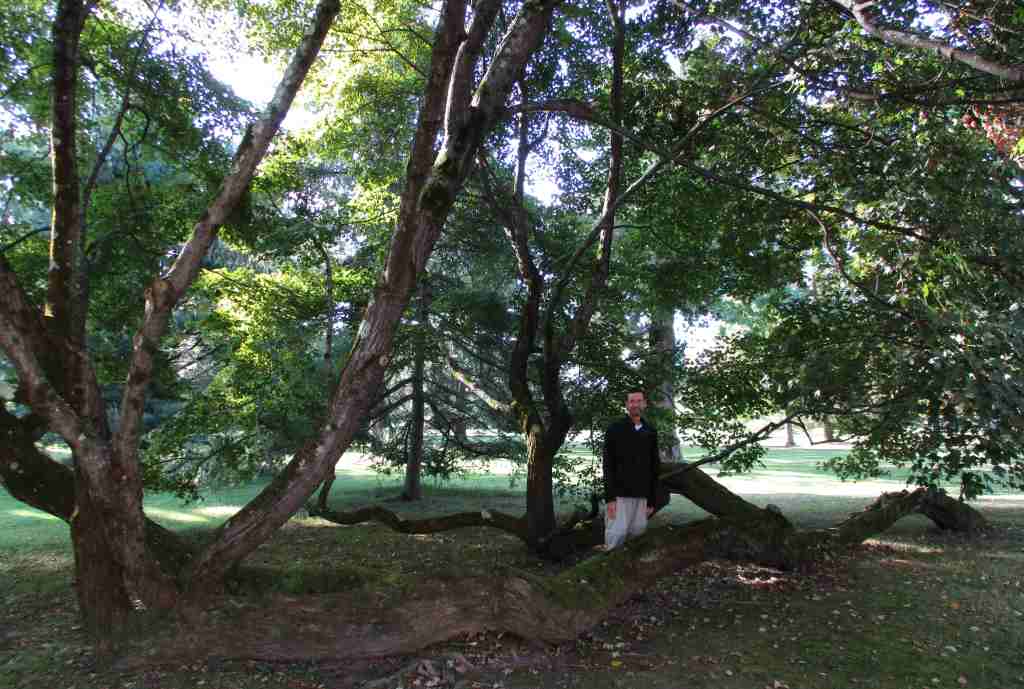
The landscape design (and a ginkgo tree) on the property dates back to the 1700s, while its current look was restored to its 1930s appearance.

Peak Season

Summer

Hours

https://nps.gov/vama/planyourvisit/hours.htm

Fees

$15 per person for the mansion tour or use the annual America the Beautiful pass

Road Conditions

Parking and access roads are paved from the Albany Post Road (Highway 9). 

Camping

Mills-Norrie State Park is located 3.5 miles north on Highway 9 and has a campground offering running water and hot showers. 

Related Sites

Home of Franklin D. Roosevelt National Historic Site (New York)

Eleanor Roosevelt National Historic Site (New York)

Martin Van Buren National Historic Site (New York)

Nearest National Park

Shenandoah

Explore More – Who were the authors who coined the term “Gilded Age” in their 1873 book?

John Fitzgerald Kennedy National Historic Site

John Fitzgerald Kennedy National Historic Site

Massachusetts

Managed by National Park Service

Established 1967

0.09 acre

Website: nps.gov/jofi

Overview

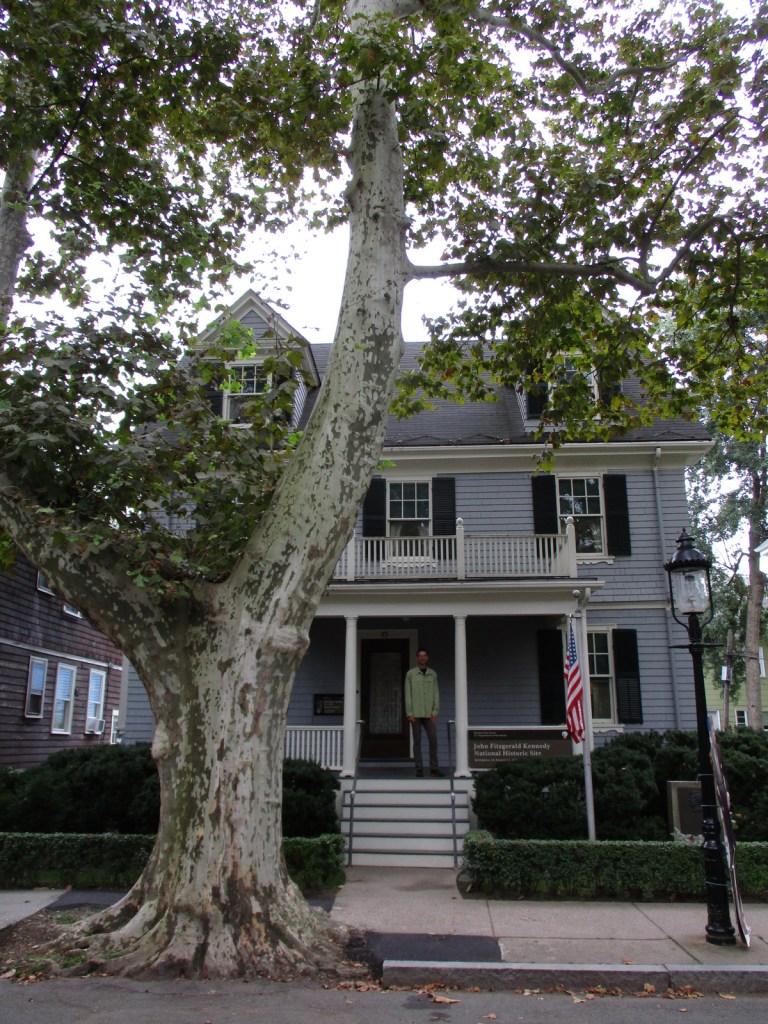
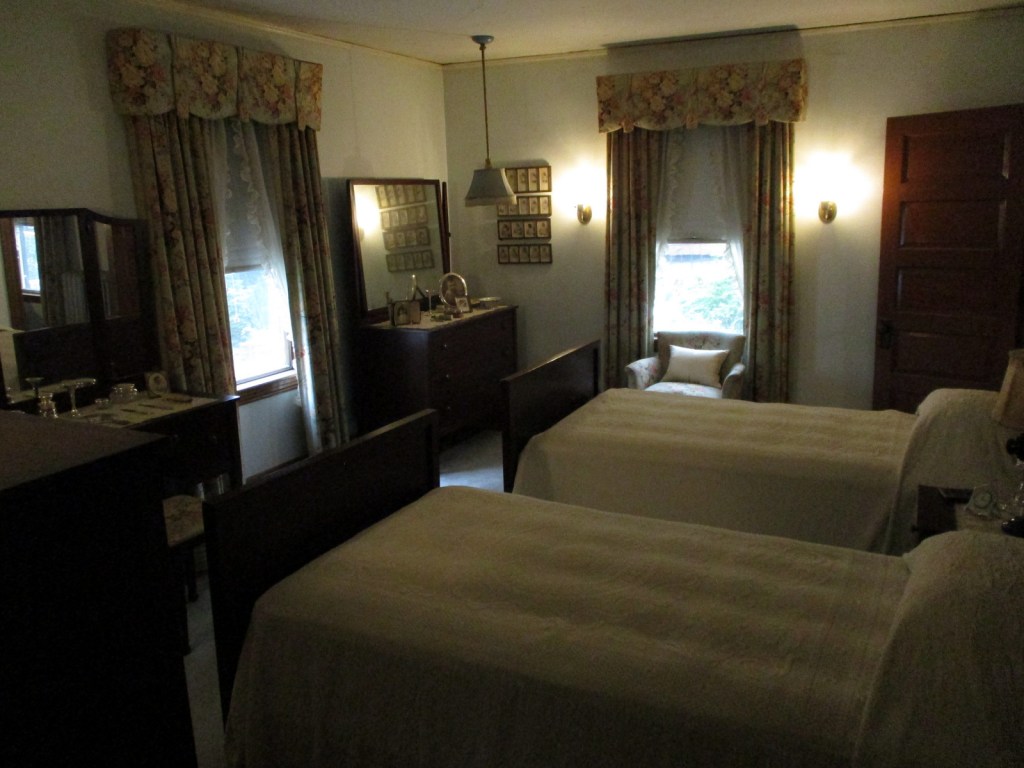
The Coolidge Corner neighborhood of Brookline (a suburb of Boston) contains the birthplace of John F. Kennedy (JFK), the 35th U.S. President and one of four born in Norfolk County.  The house was purchased by Joseph Patrick Kennedy, Sr. in 1914 before his marriage to Rose Elizabeth Fitzgerald.  Rose gave birth to John and his two sisters in the house’s upstairs bedroom before the expanding Irish Catholic family moved a few blocks away in 1920.  Following JFK’s assassination, the family repurchased the home and Rose restored it to its 1917 appearance then donated it to the National Park Service (NPS).

Highlights

Tour, film

Must-Do Activity

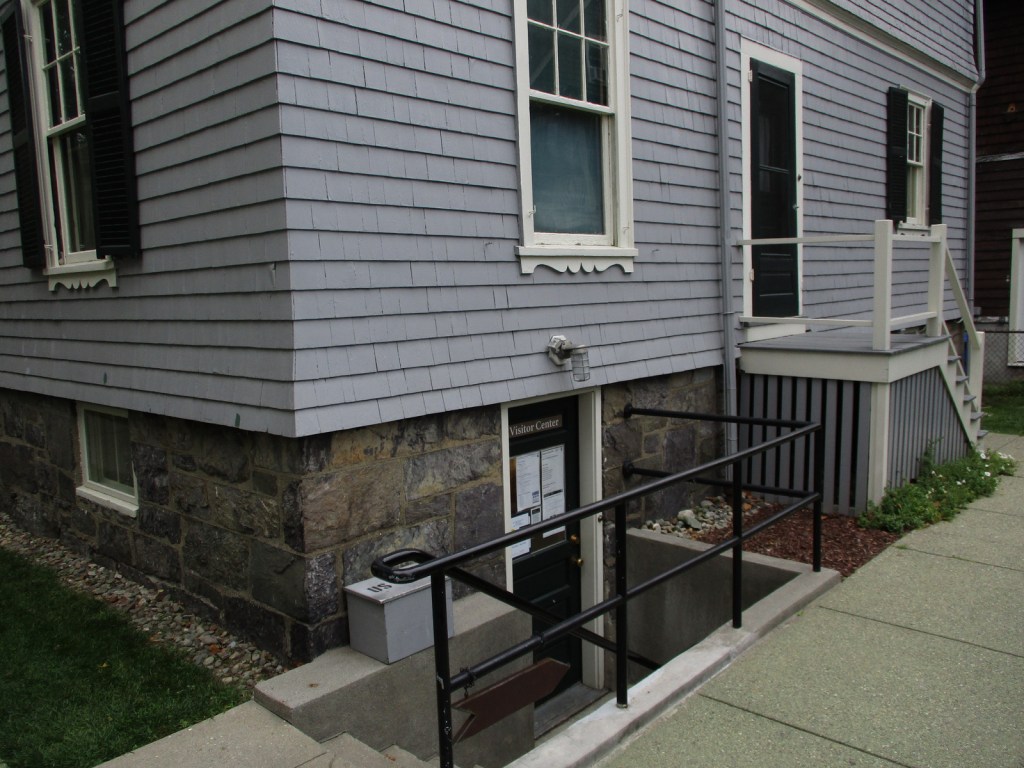
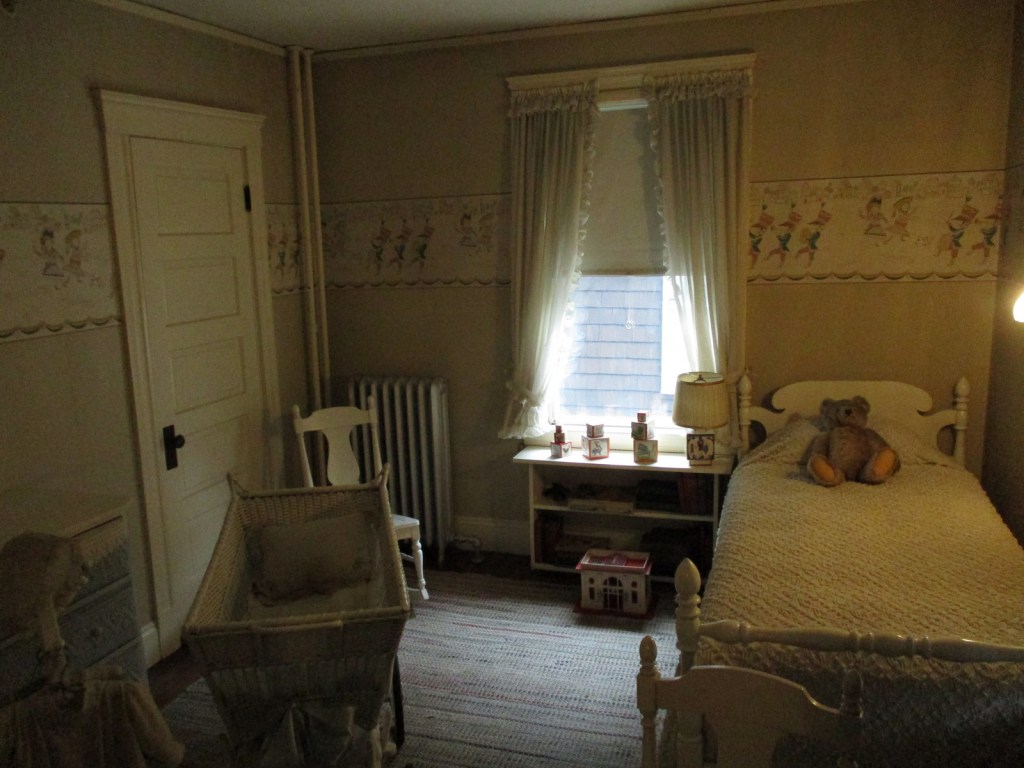
The entrance to the NPS site is through the back door into the basement where a film is shown.  On a free, 30-minute guided house tour, rangers show the room where JFK was born and the nursery containing a bassinet that held each of the nine Kennedy children.  About 19% of the furnishings in the home belonged to the family.  Self-guided tours inside the house are allowed during the lunch hour and the closing hour of the day with free audio wands available in a variety of languages.  The third story where the servants lived is off limits to visitors.  The John F. Kennedy Presidential Library and Museum is located about nine miles away.

Best Trail

You can walk around the neighborhood on your own or reserve a spot on a free 90-minute ranger-guided tour of Boston’s North End (beginning at 2:15 Thursday through Sunday), which includes a stop outside Rose Kennedy’s birthplace home.

Photographic Opportunity

You can drive by the Florida Ruffin Ridley School (formerly known as the Coolidge Corner School and the Edward M. Devotion School) that JFK attended.

Peak Season

Summer

Hours

https://www.nps.gov/jofi/planyourvisit/hours.htm

Fees

None

Road Conditions

The house is located at 83 Beals Street and there is free, two-hour parking available on the street in front of neighbors’ houses.  You can also take the train to Coolidge Corner and walk four blocks north up Harvard Street.

Camping

There is camping in Boston Harbor Islands National Recreation Area and outside the city at the famous Walden Pond.

Related Sites

Adams National Historical Park (Massachusetts)

Frederick Law Olmsted National Historic Site (Massachusetts)

Boston National Historical Park (Massachusetts)

Nearest National Park
Acadia

Explore More – Why did gangster Whitey Bulger toss a Molotov cocktail into the house on September 8, 1975?

New Philadelphia National Historic Site

New Philadelphia National Historic Site

Illinois

Managed by National Park Service

Established 2022

124 acres

Website: nps.gov/neph

Overview

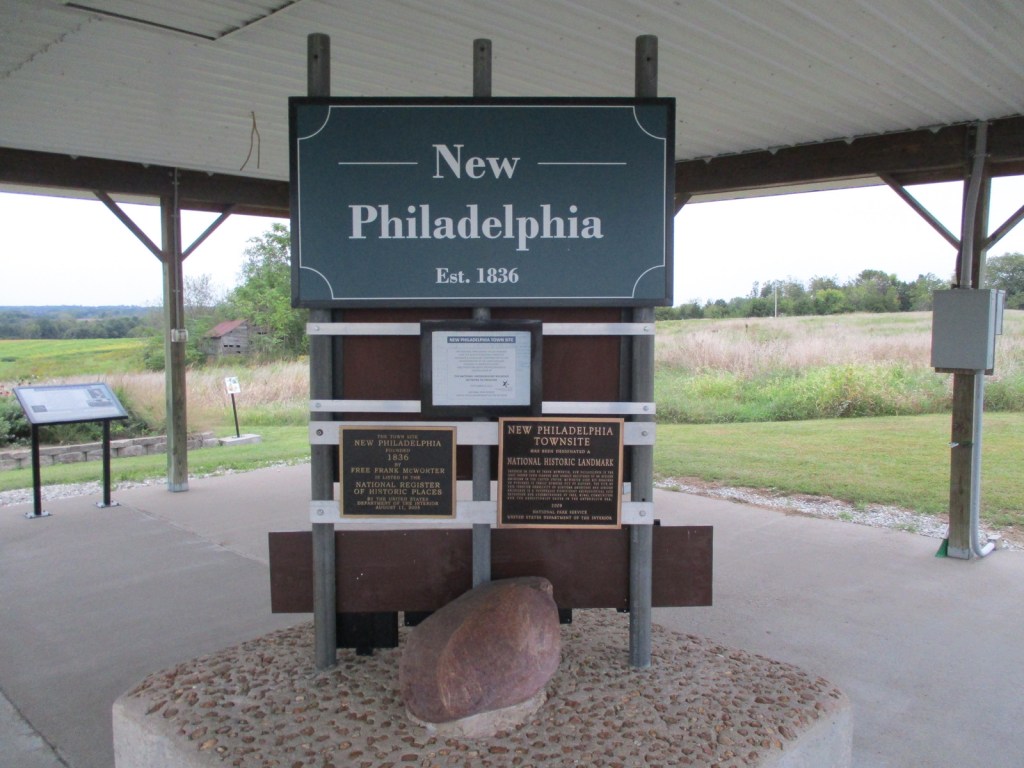
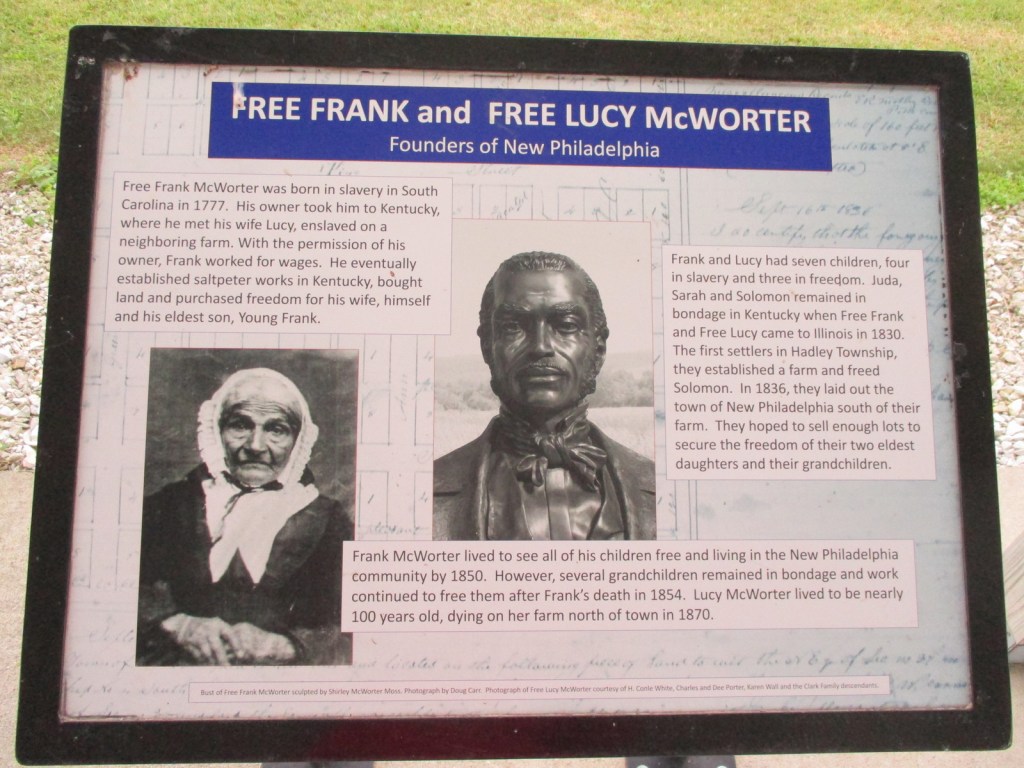
About 77 miles west of Springfield, Illinois, a 42-acre parcel of land became the first U.S. town platted and registered by an African American in 1836.  Back then, Illinois had stringent Black Codes that restricted African Americans and required proof they were not slaves.  This did not deter “Free” Frank McWorter who was born into slavery in South Carolina and after being moved to Kentucky worked to purchase his pregnant wife’s freedom in 1817, then his own two years later.  Once settled in Illinois, McWorter paid $100 for 80 acres and platted a portion of it into 144 lots that he named New Philadelphia.  This was a time of racial tension in Illinois, when an abolitionist was killed while trying to protect his printing press in Alton and a violence flared after a petition to abolish slavery was signed in Griggsville only 13 miles east.  It is likely that New Philadelphia served as a major stop on the Underground Railroad.  The town’s population peaked in 1865 with 160 individuals, 30% of whom were black according to the census.  Although the town was abandoned within a century, a major archaeological excavation in 2002 found artifacts including glass bottles, ceramics, children’s toys, possible pieces of the game Mancala, and a 1903 Illinois State Fair badge.  The site was added to the National Register of Historic Places in 2005 and became a National Historic Landmark in 2009.

Highlights

Kiosk, interpretive trail

Must-Do Activity

Where you park right off County Highway 2, there is an information kiosk that includes brochures and interpretive panels.  We could not get the Augmented Reality (AR) Tour app to work when we visited, but you might have better luck if you use the public WiFi provided by the New Philadelphia Association (the WiFi password is Frank1836).  You can always watch the AR videos before or after your visit on their website (http://newphiladelphiail.org/ar-website).  If you want to stamp your National Parks passport, go four miles west to the Barry City Hall or public library, or visit Lincoln Home National Historic Site in Springfield.

Best Trail

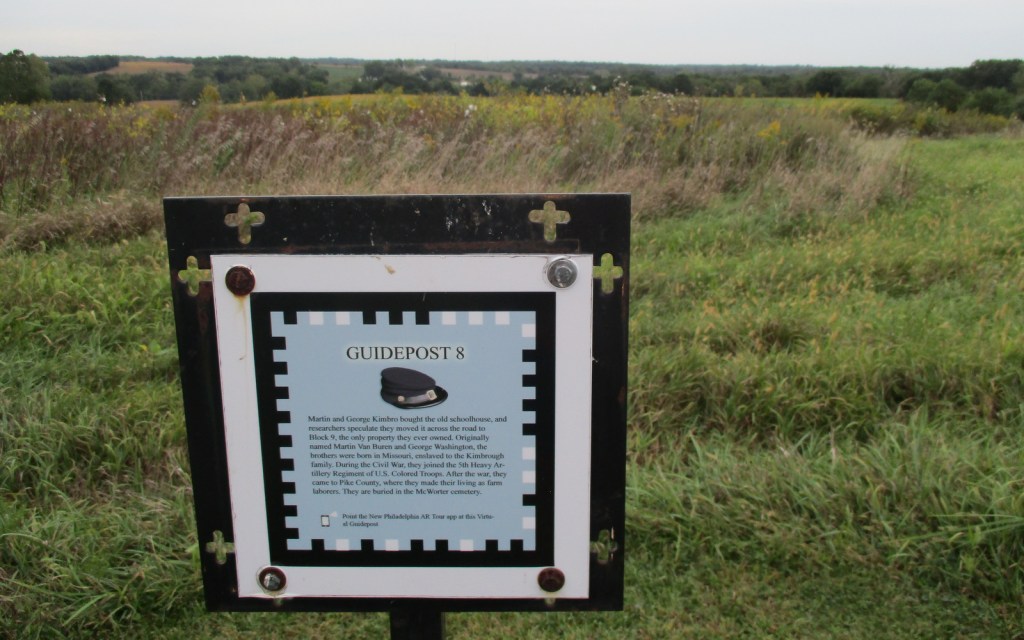
A quarter-mile-long walking trail is mowed into the grassy field where the Augmented Reality Tour has guideposts that also include written information. 

Photographic Opportunity

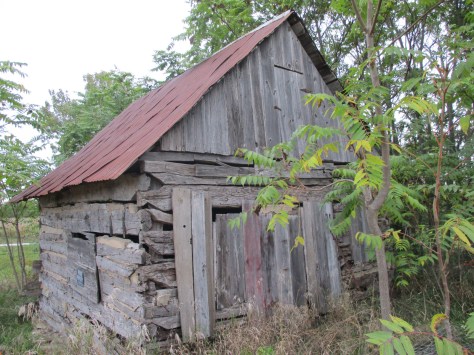
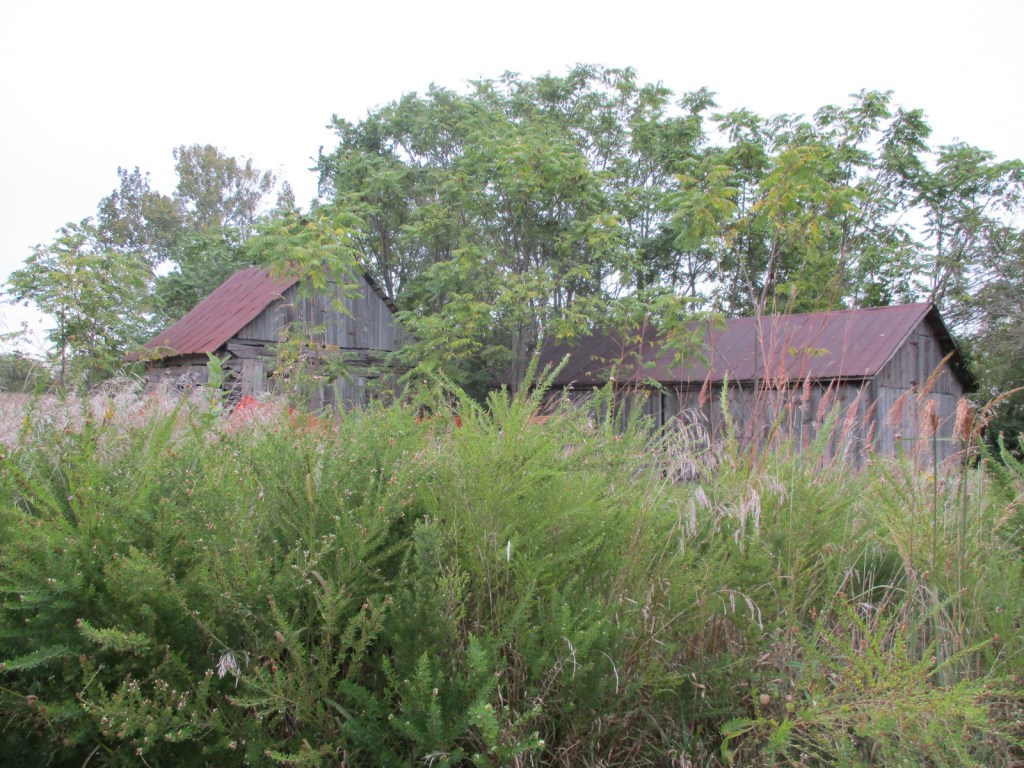
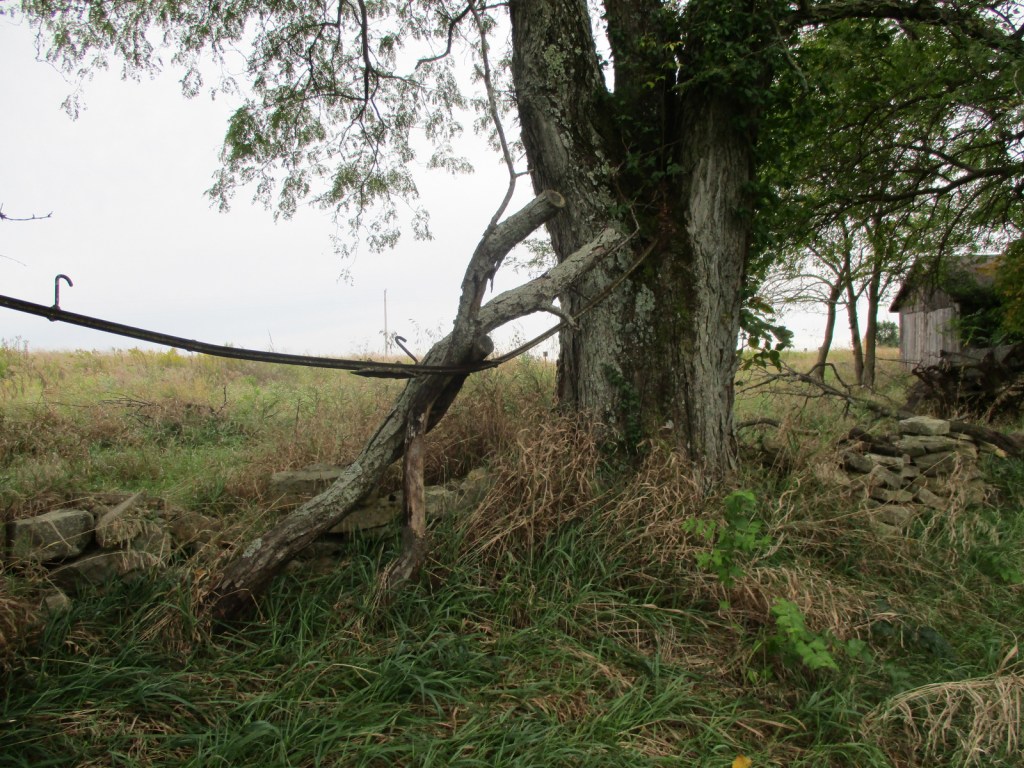
No original structures remain on the site of New Philadelphia, but there are some old farm buildings that make interesting photographic subjects.  Watch for poison-ivy if you step off the mowed trail for photographs.

Peak Season

Spring and fall

Hours

https://www.nps.gov/neph/planyourvisit/hours.htm

Fees

None

Road Conditions

There is a paved parking area right off County Highway 2 when you turn on the gravel 306th Lane, easily accessible from Interstate 72 only 27 miles east of the Mississippi River.  Springfield, Illinois is 76 miles east and St. Louis, Missouri is about 115 miles south.

Camping

There is a campground at Lincoln’s New Salem State Historic Site and other Illinois state parks, plus several in Mark Twain’s hometown of Hannibal, Missouri.

Related Sites

Nicodemus National Historic Site (Kansas)

Springfield 1908 Race Riot National Monument (Illinois)

Emmett Till and Mamie Till-Mobley National Monument (Mississippi-Illinois)

Nearest National Park

Gateway Arch

Explore More – Frank McWorter purchased the freedom from slavery for how many family members, (including his son who had escaped to Canada)?

Amache National Historic Site

Amache National Historic Site

Colorado

Managed by National Park Service

Established 2024

410 acres

Website: nps.gov/amch

Overview

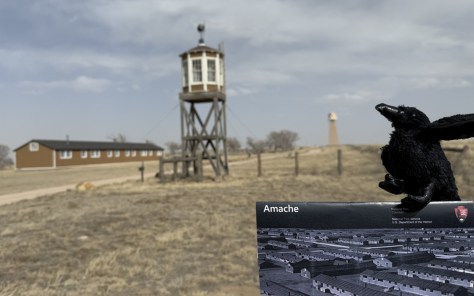
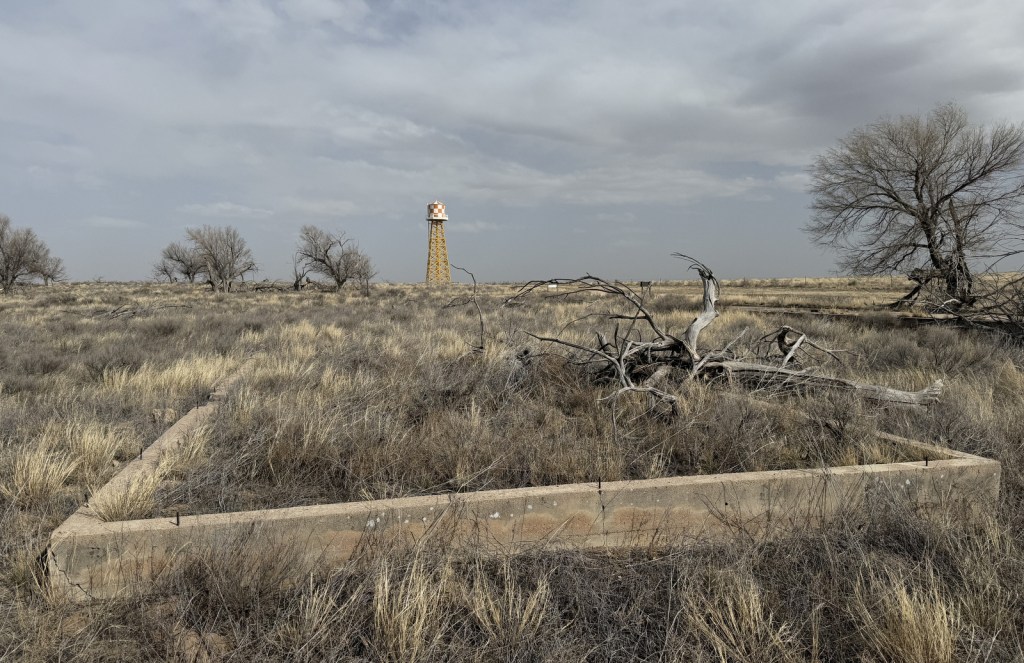
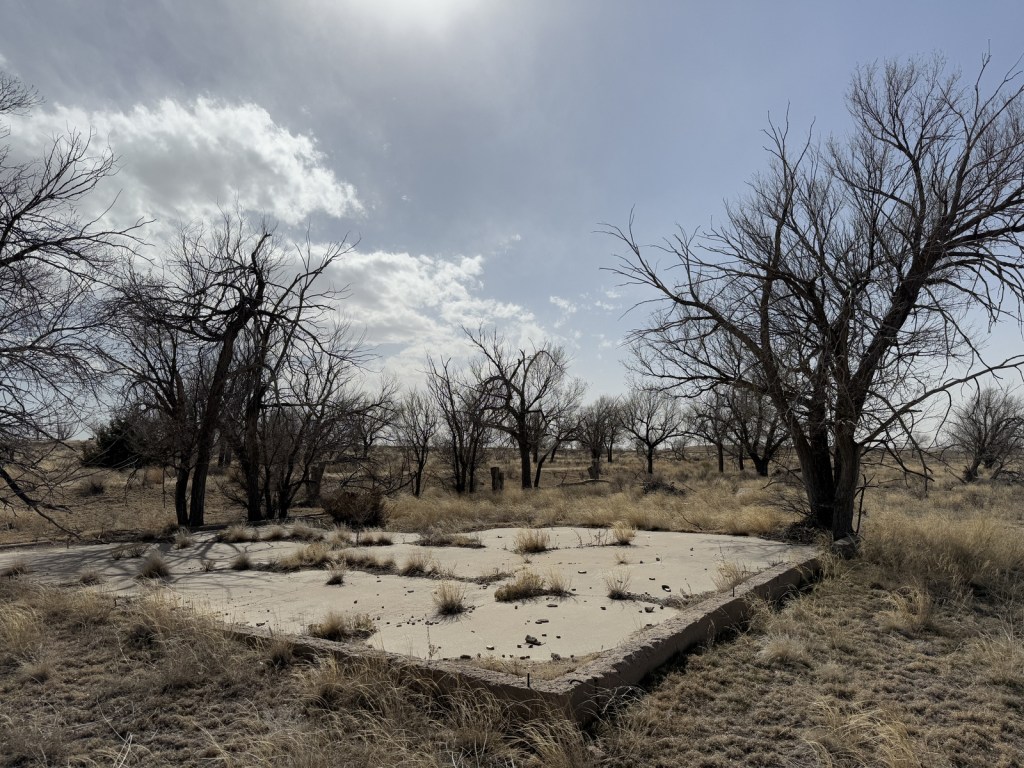
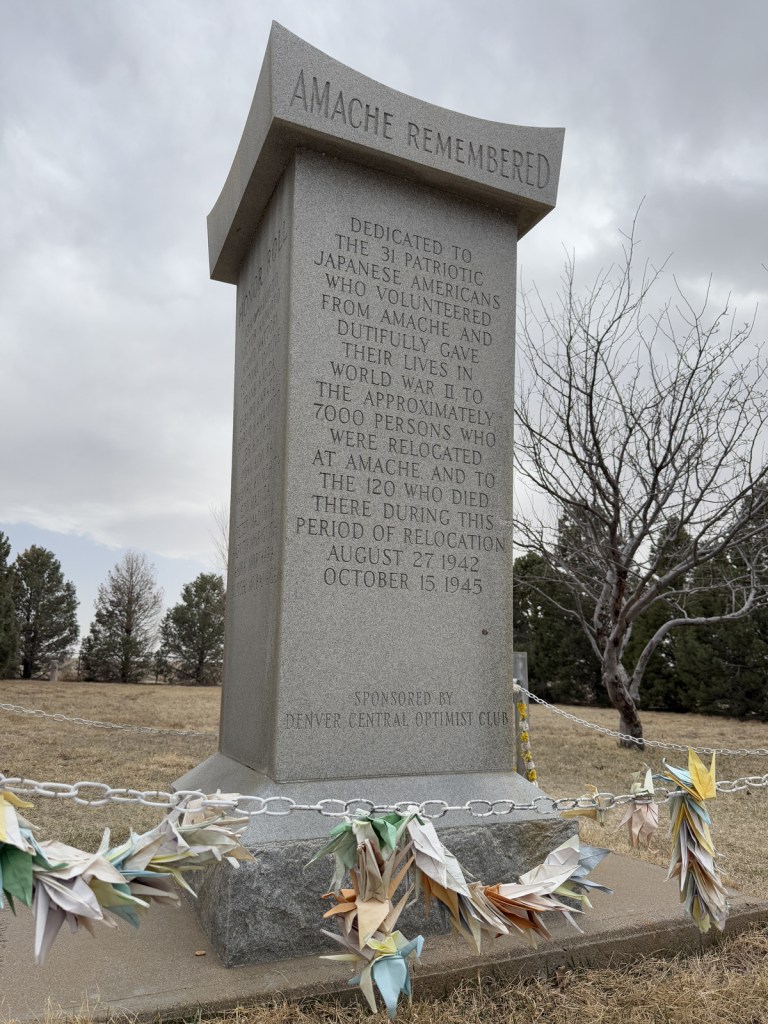
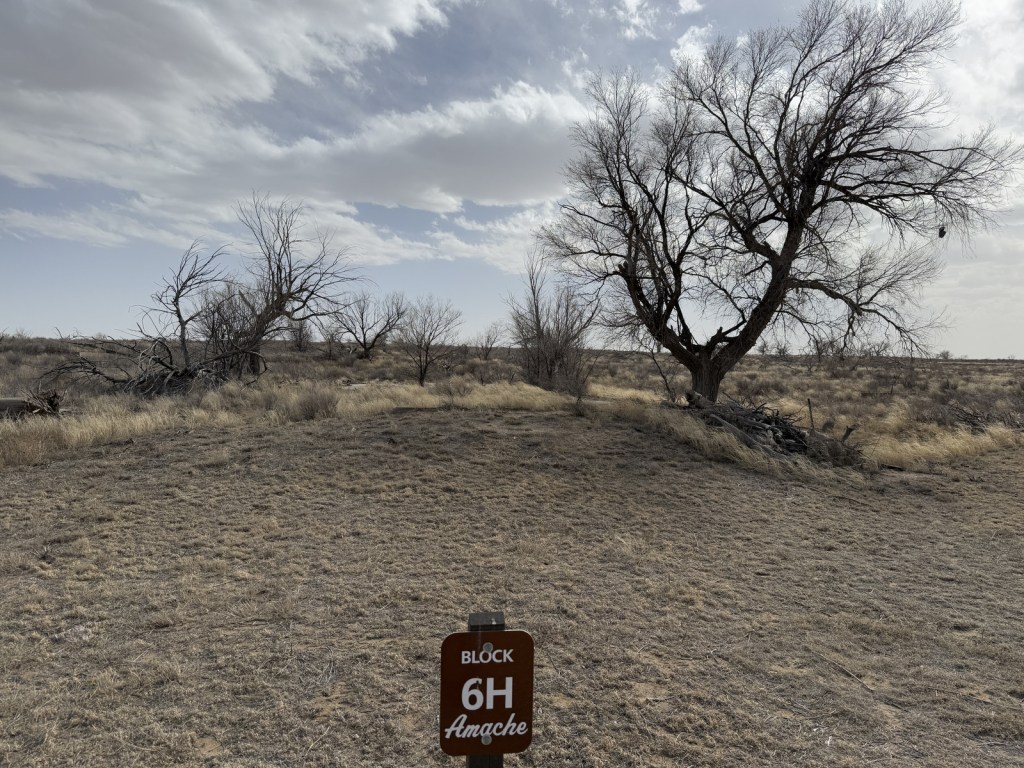
Added to the National Park Service (NPS) system on February 15, 2024, Amache National Historic Site is the fifth unit dedicated to remembering the sad story of the forced internment of 110,000 Japanese-Americans during World War II.  Operated between 1942 and 1945, at its peak the Granada Relocation Center in southeast Colorado housed 7,310 incarcerees making it the state’s tenth largest city at the time.  Although it does not have a visitor center, the site of the internment camp is more developed than other new NPS sites since it was previously added to the National Register of Historic Places in 1994 and then designated a National Historic Landmark in 2006.  Learn more about the history of these camps by checking out the Related Sites below and watching some of our Top 10 World War II Films or reading one of the Top 10 World War Novels

Highlights

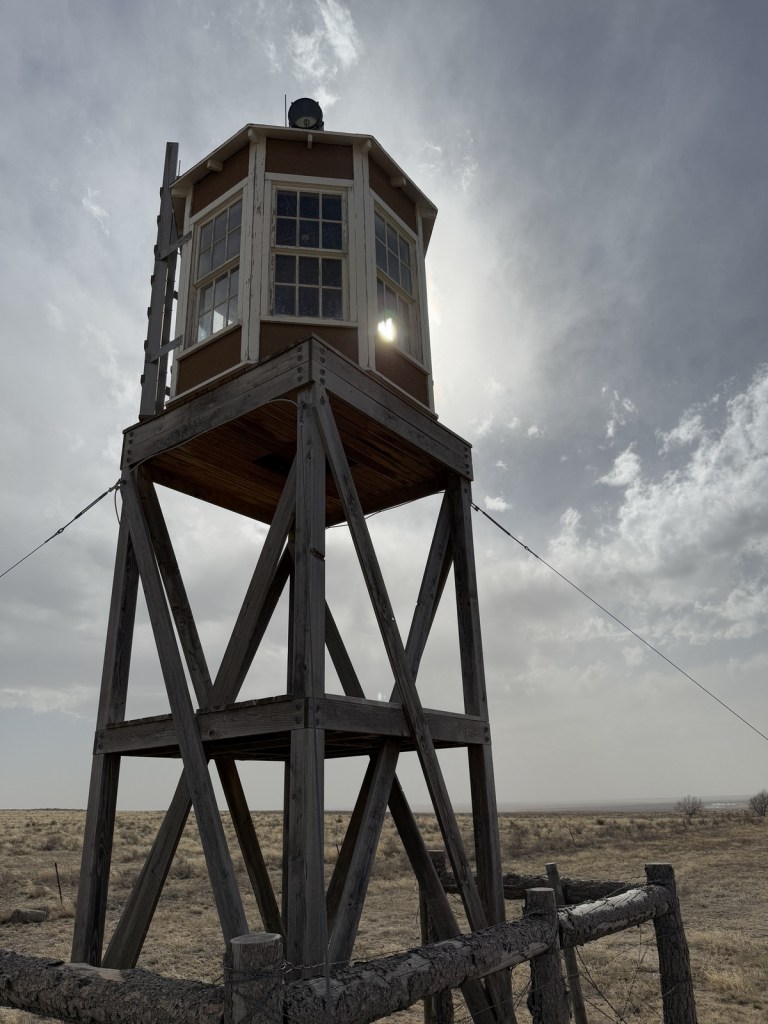
Amache Museum, water tower, barracks, guard tower, cemetery, Recreation Hall

Must-Do Activity

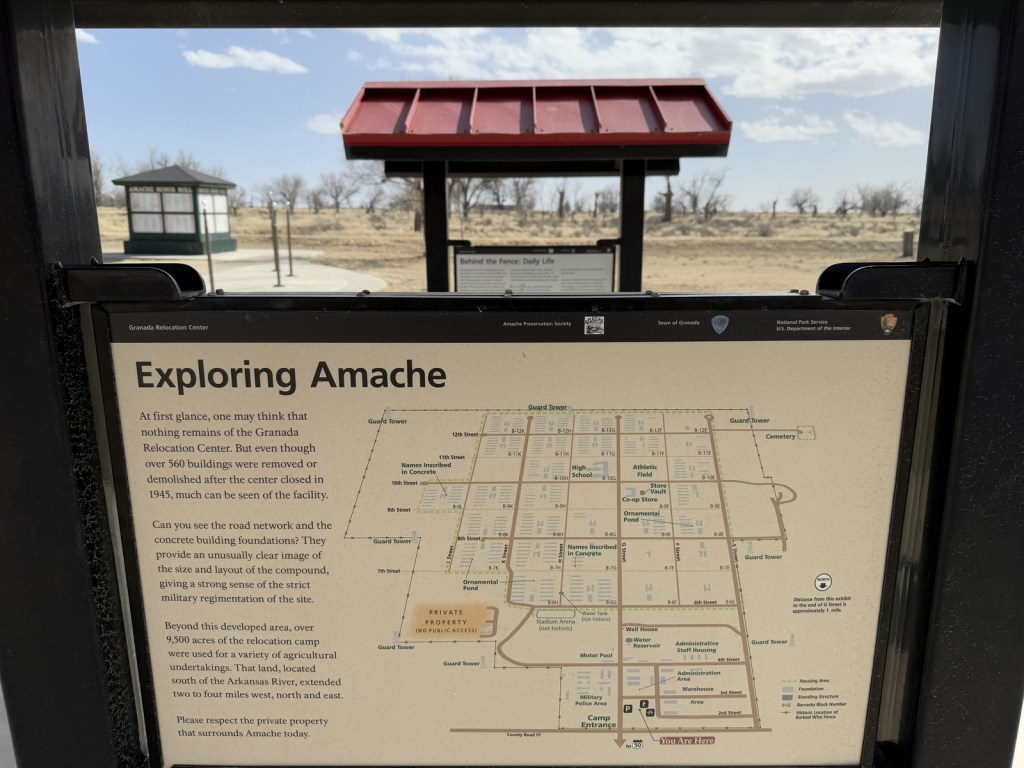
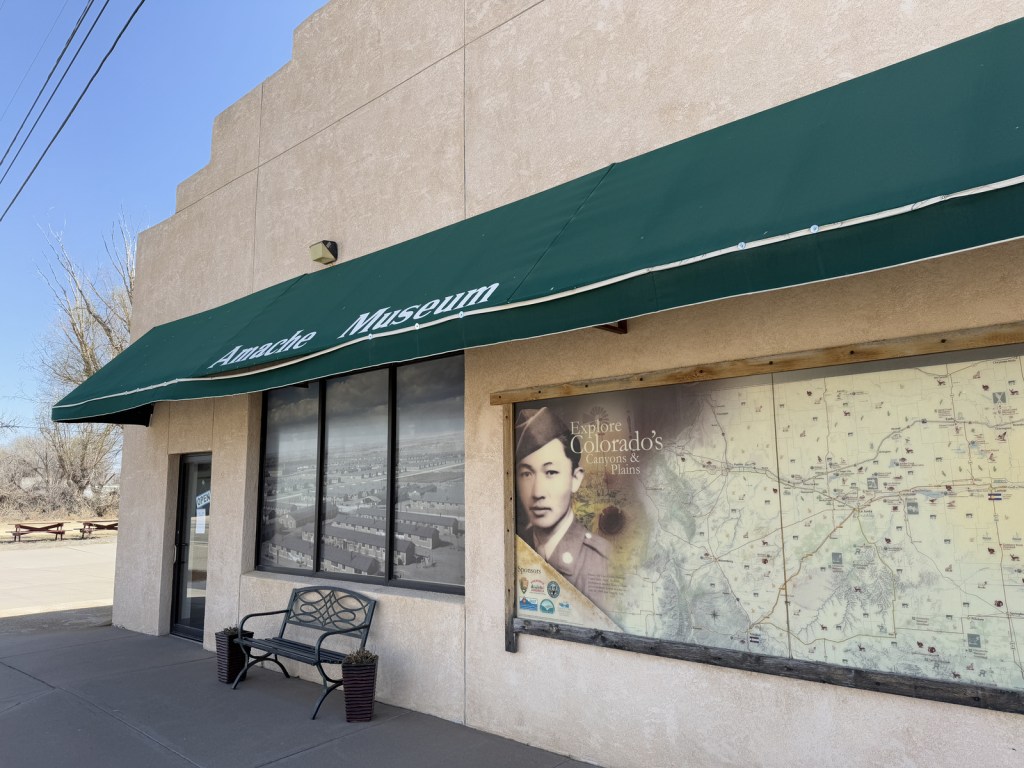
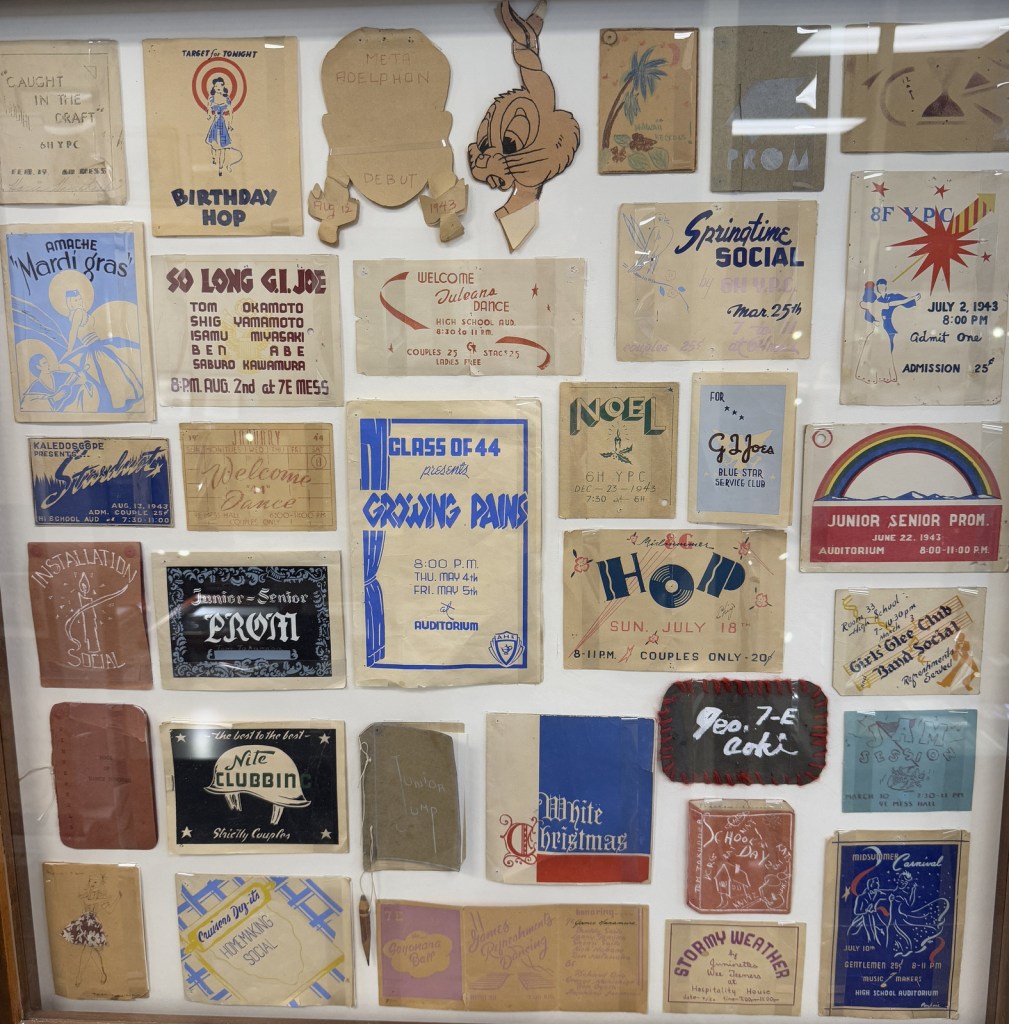
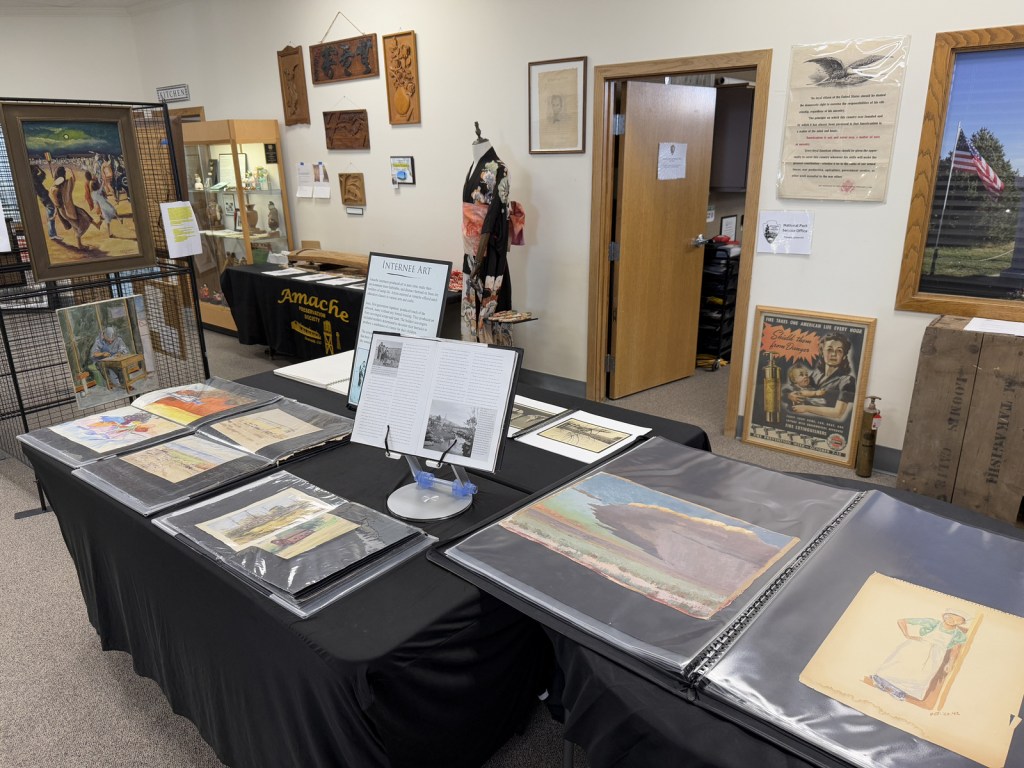
Start at the excellent Amache Museum in Granada, which is run by local high school students and has free admission (donations accepted).  Be sure to pick up a map of the driving tour or visit the website (https://amache.org/driving-tour-map-podcasts) to listen to the audio recordings at each stop (there is smartphone coverage on site).  Drive the route in order or skip around, but make it a point to see Stop 4 (guard tower and barracks), Stop 8 (cemetery), and the Rec Hall.  Starting in June 2025, ranger-led tours will be offered at 10 a.m. on the first and third Friday of the summer months.

Best Trail

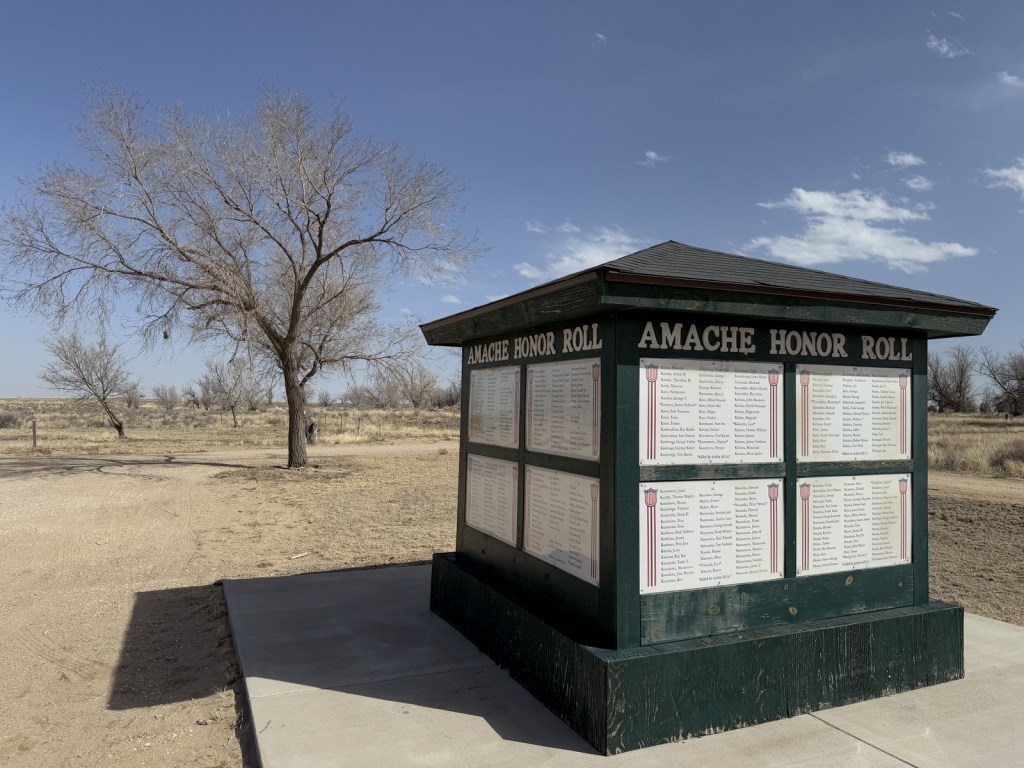
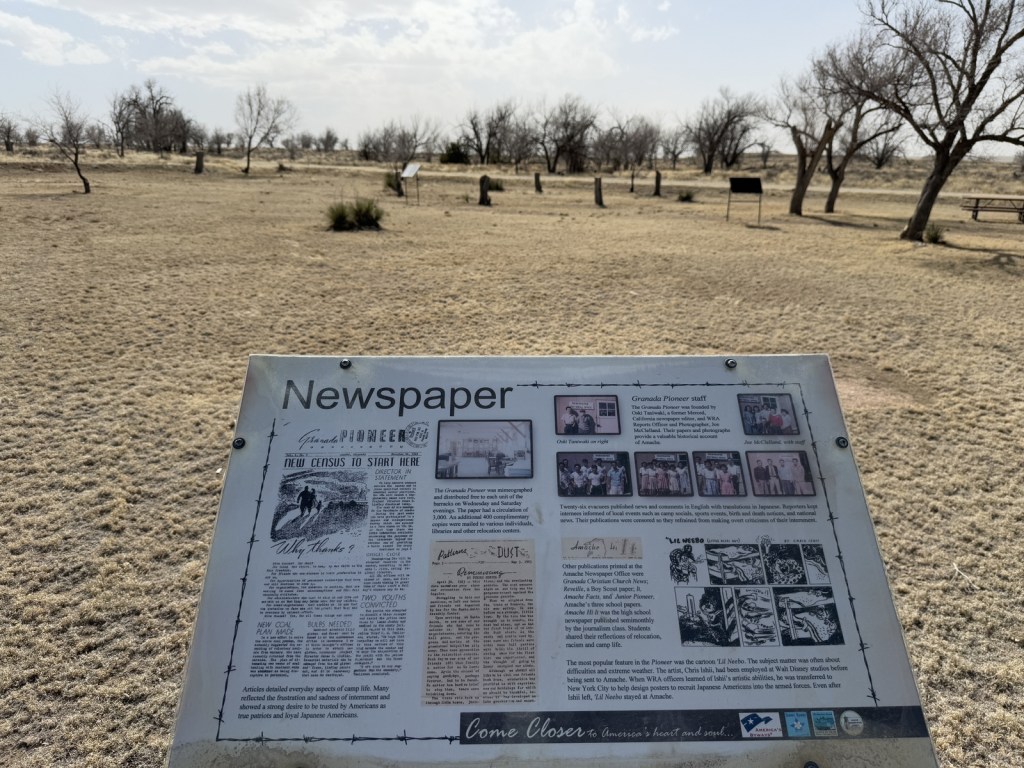
There is a short loop trail with many interpretive signs at the picnic area when you first arrive at the site by the Honor Roll square structure.  There is also an off-trail walk to the old koi pond at Stop 2 that you can navigate if you listen to the directions on the audio recordings.

Photographic Opportunity

The reconstructed barracks and guard tower at the south end of the site are two of the only structures standing above the open prairie.  They are near the water tower, which is worth a short detour to see.

Peak Season

Spring and fall

Hours

https://www.nps.gov/amch/planyourvisit/basicinfo.htm

Amache Museum: https://amache.org/visitor-information/

Fees

None; donations accepted at Amache Museum

Road Conditions

Roads through the site are gravel, but they seemed to be in good condition and seemingly passable even when wet.

Camping

Most of the southeast corner of Colorado is privately-owned agriculture land, so to find dispersed camping drive to Comanche National Grassland or Cimarron National Grassland.

Related Sites

Manzanar National Historic Site (California)

Tule Lake National Monument (California)

Minidoka National Historic Site (Idaho)

Nearest National Park
Great Sand Dunes

Explore More – Most of the 10,000 acres dedicated to Granada Relocation Center was for agriculture, so how many acres were used for residential and administrative buildings?

Theodore Roosevelt Inaugural National Historic Site

Theodore Roosevelt Inaugural National Historic Site

New York

Managed by National Park Service

Established 1966

1 acre

Website: nps.gov/thri

Overview

On September 6, 1901, while attending the Pan-American Exposition in Buffalo, New York, President William McKinley was shot by anarchist Leon Czolgosz.  Vice President Theodore Roosevelt came by the house (now demolished) where McKinley was recovering and left after being assured he would survive.  Roosevelt was hiking the highest peak in the Adirondacks when he was informed that he needed to rush back to Buffalo because the President was dying.  Rather than take the oath of office in the house where McKinley died 11 hours before Roosevelt’s arrival, he chose the residence of his friend Ansley Wilcox, which has been preserved as a National Historic Site.  Oddly, no photographs were taken at the historic event.

Highlights

Wilcox house, museum, films

Must-Do Activity

The Wilcox house dates back to 1837, when it was built as an officers’ quarters at the U.S. Army’s Poinsett Barracks.  The only way inside is on a ranger-guided tour, which you can reserve online in advance (see Fees below).  The downstairs has a small, nice museum featuring interactive exhibits, where you will watch the second of three video presentations during your 45-minute tour.  It was good enough that we added it to our Top 10 Museums Run by the National Park Service. There is an annual reenactment of the 1901 Inauguration held every September 14.

Best Trail

No trails, but you can walk the sidewalks of Delaware Avenue in downtown Buffalo and stop by the Bank of America ATM conveniently located next door. Maybe you will find a four-leaf clover like Tiff did (see photo below).

Instagram-worthy Photo

The third video is presented in a small theater upstairs about halfway through the tour and features dramatic lighting and videos highlighting the challenges facing the U.S. in the early 1900s.

Peak Season

Fall

Hours

https://www.nps.gov/thri/planyourvisit/hours.htm

Fees

$12 per adult for tour (or America the Beautiful pass and $1 online registration fee for up to 4 adults)

Road Conditions

All roads are paved and a free parking lot is located behind the house on one-way Franklin Street.

Camping

Outside Buffalo, camping is available at Darien Lake, Four Mile Creek, Joseph Davis, and Letchworth State Parks.

Related Sites

Theodore Roosevelt Birthplace National Historic Site (New York)

Home of Franklin D. Roosevelt National Historic Site (New York)

Sagamore Hill National Historic Site (New York)

Check out our Top 10 Roosevelt Family NPS Sites

Explore More – When was the Wilcox house turned into a restaurant?