Tag Archives: museum

Herbert Hoover National Historic Site

Overview

Herbert Hoover was raised in a Quaker community in West Branch, Iowa.  After he was orphaned in 1884 at age nine, his uncle in Oregon took him in.  Hoover’s 1895 geology degree from the recently-established Stanford University in California then took him around the globe.  After eight years as Secretary of Commerce under Presidents Harding and Coolidge, he became President at exactly the wrong time in 1929, only nine months before the stock market crash.  His years out of the spotlight were spent mostly on philanthropic work until his death in 1964. 
Highlights

Historic buildings, museum, film, Tallgrass Prairie Trail

Must-Do Activity

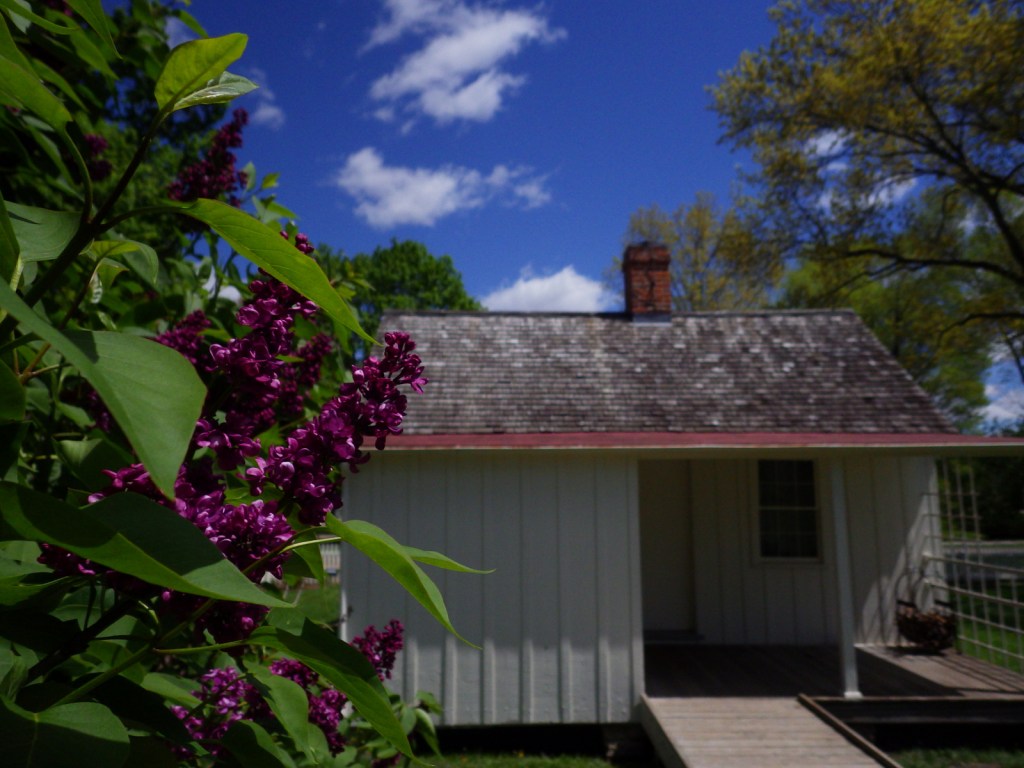
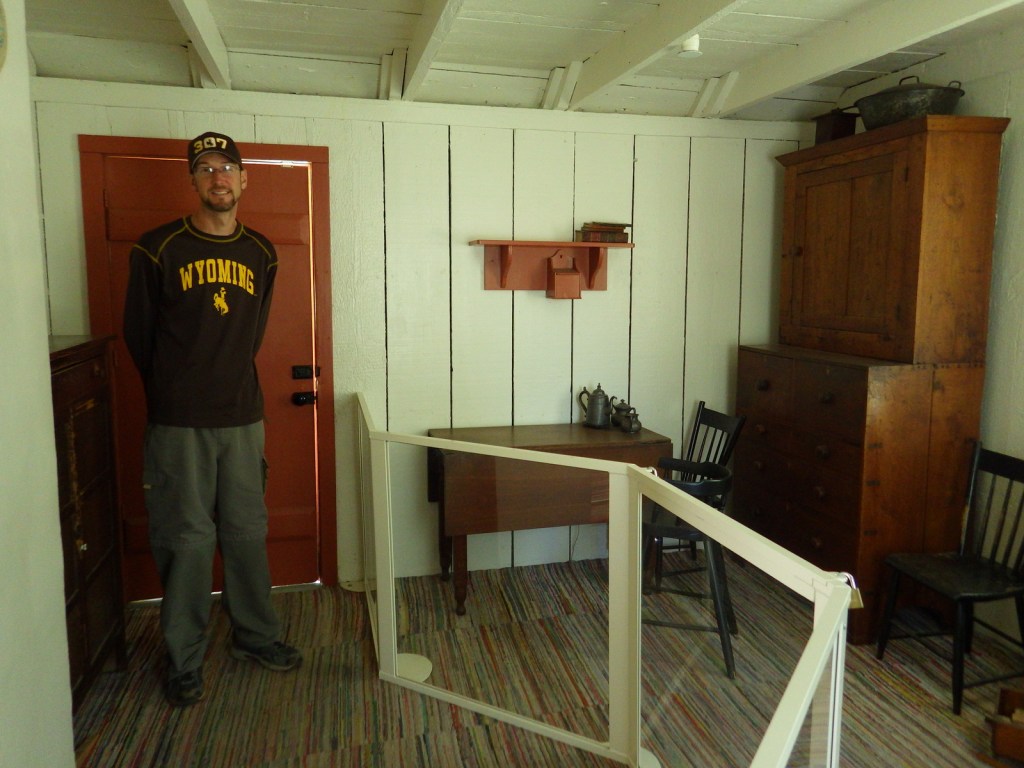
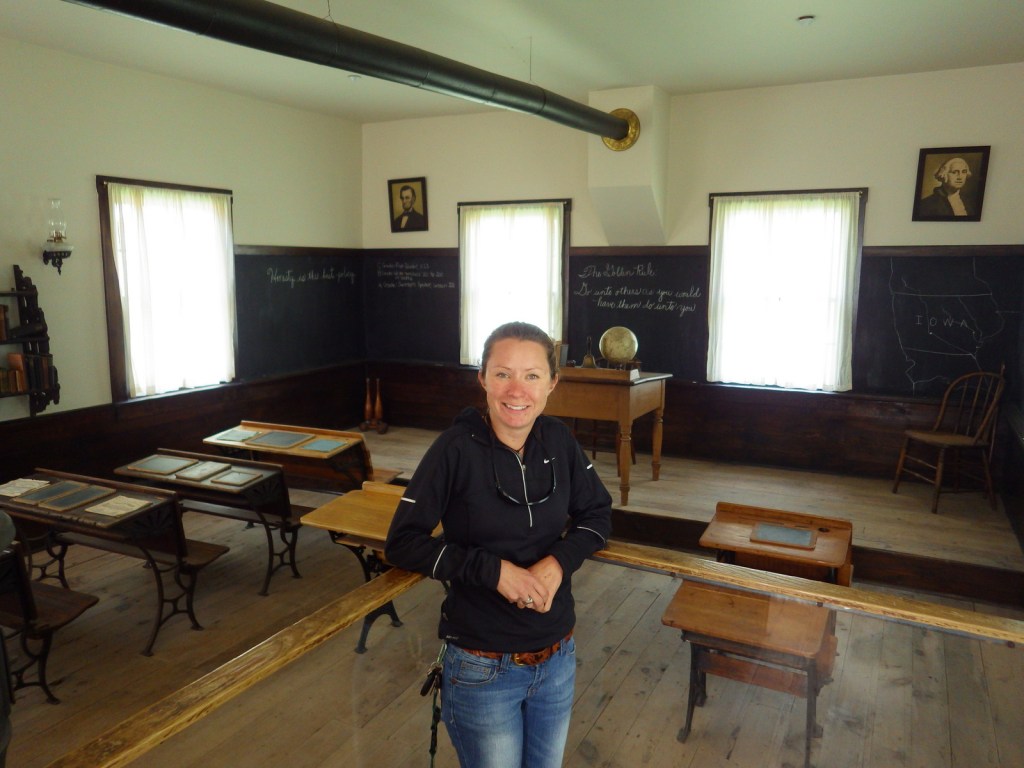
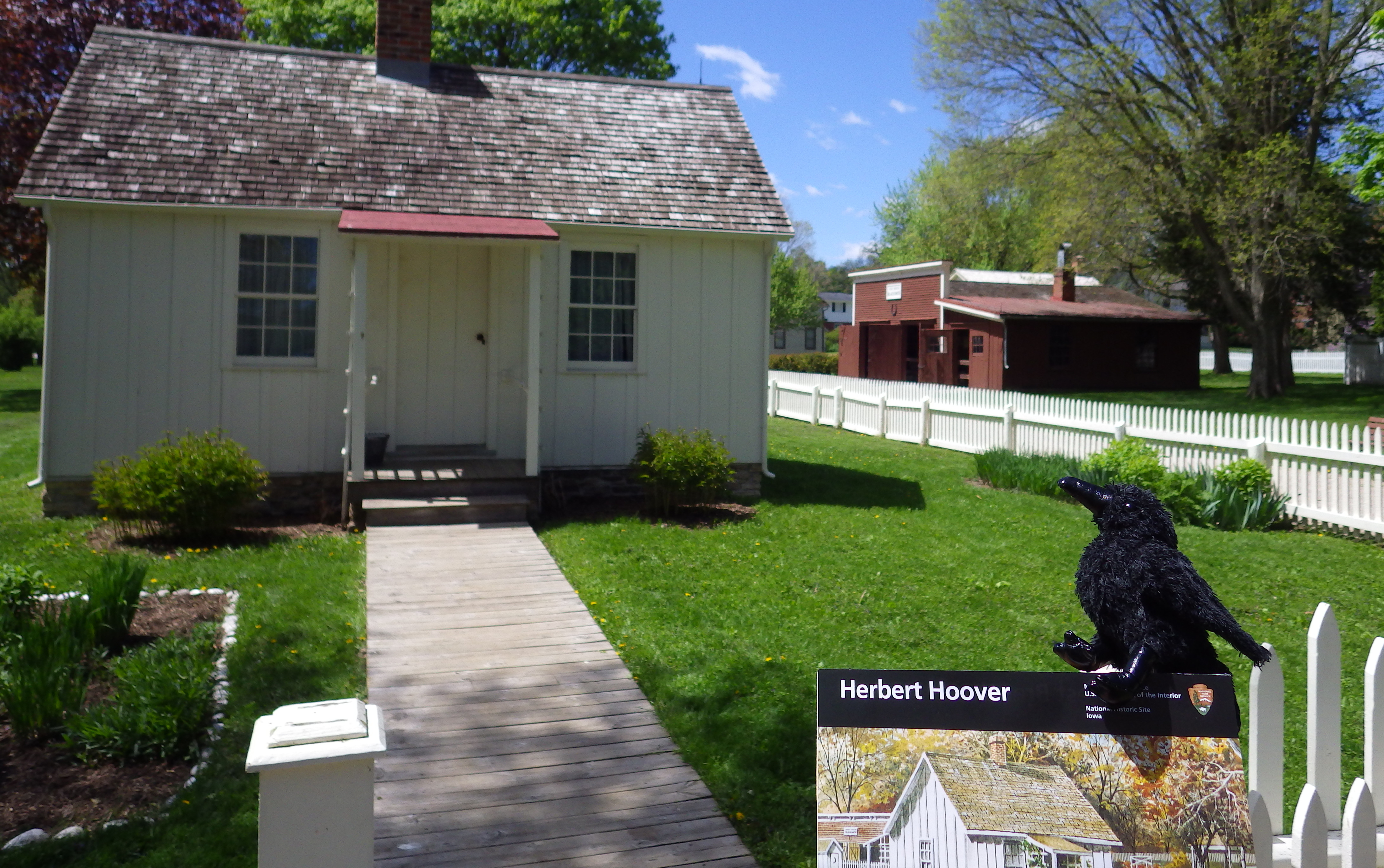
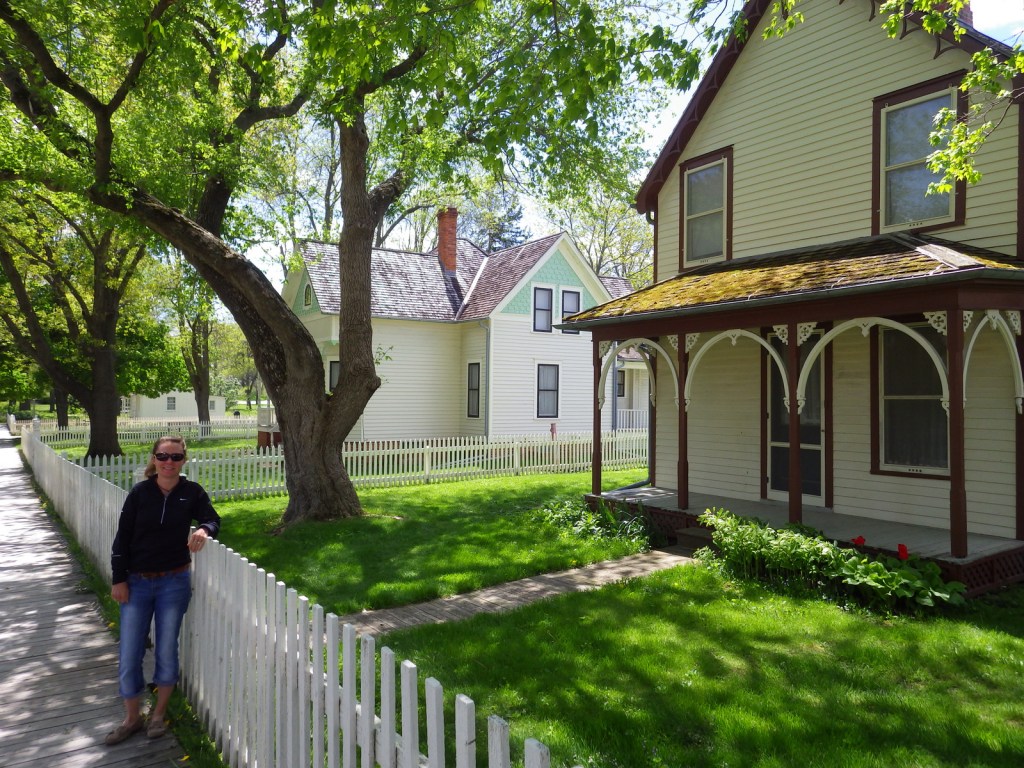
The National Park Service (NPS) runs a small visitor center and maintains several historic buildings on the 187-acre property in West Branch, Iowa.  A walking tour includes the 14×20-foot cottage was where Bert was born in 1874, a blacksmith shop similar to the one his father ran, and a schoolhouse built in 1853 and moved many times before being relocated by the NPS in 1971.  The gravesite of Herbert and his wife Lou Henry is also here.

Best Trail

2.2 miles of trails run through the tallgrass prairie south of Hoover’s gravesite.  The prairie ecosystem was restored by the NPS starting in 1971 and contains the Isaac Miles Farmstead, contemporary to Hoover’s childhood here.

Instagram-worthy Photo

While Hoover was in London, World War I broke out and he helped organize a relief effort that gained him international fame.  The citizens of Belgium gifted Hoover a statue of Isis, the Egyptian goddess of life, following the war.

Peak Season

Summer

Hours

https://www.nps.gov/heho/planyourvisit/hours.htm

Fees

None, but the nearby Presidential Library and Museum are not free.

Road Conditions

All roads paved

Camping

There are campgrounds around Lake McBride, 9 miles north of Iowa City.
Explore More – Hoover was the first President born west of which major river?
Fort Pulaski National Monument

Overview

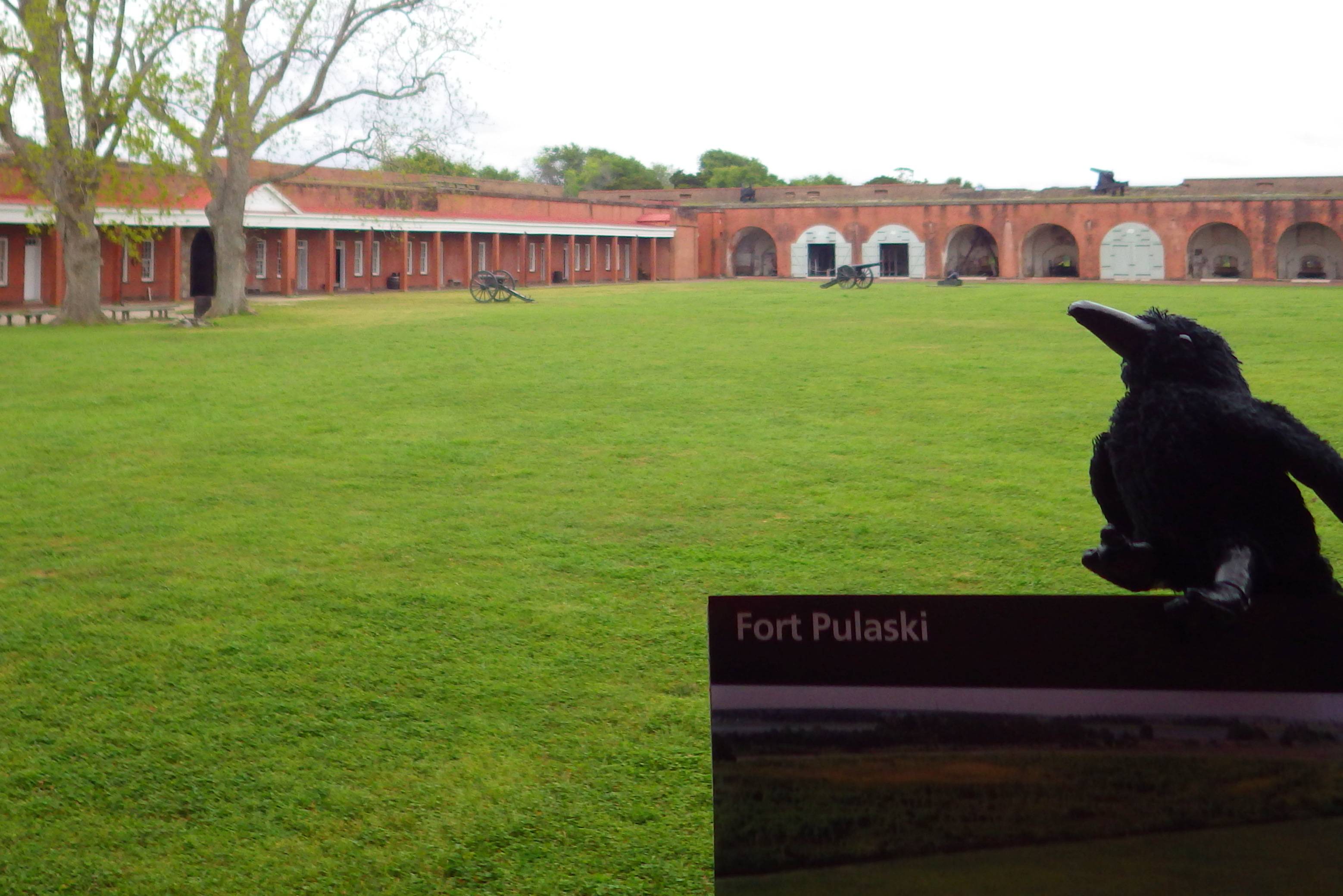
Located 17 miles east of Savannah, Georgia, Fort Pulaski National Monument makes a great daytrip destination near the coast.  The 5-sided brick fort was built in 1829 along the Savannah River and named for a Polish Count who was killed-in-action during the American Revolution. 

Highlights

Historic fort with a moat, 1856 Cockspur Island Lighthouse

Must-Do Activity

The invention of rifled cannons made forts like this (and Fort Jefferson in Florida) obsolete.  Fort Pulaski was claimed by the Confederacy early during the Civil War, but it was surrendered to the Union Army in April 1862 after thirty hours of shelling from nearby Tybee Island.  It has been mostly reconstructed and is safe to explore.  Rifle and cannon firing demonstrations are held throughout the day inside the parade grounds.

Best Trail

A 0.75-mile trail leads from the fort to an overlook of Cockspur Island Lighthouse, where wading birds are often seen.  Only 3 miles down the road, also check out the Tybee Island Light Station and Museum, first built in 1773, then reconstructed after the Civil War.

Instagram-worthy Photo

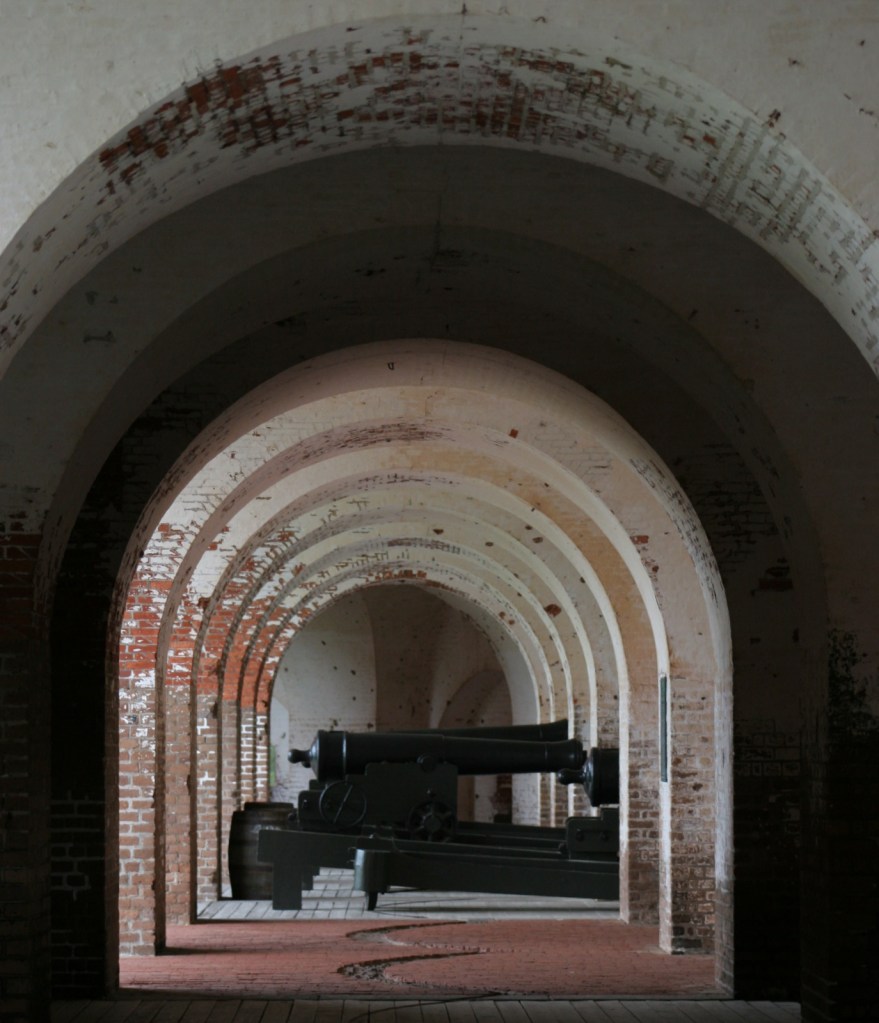
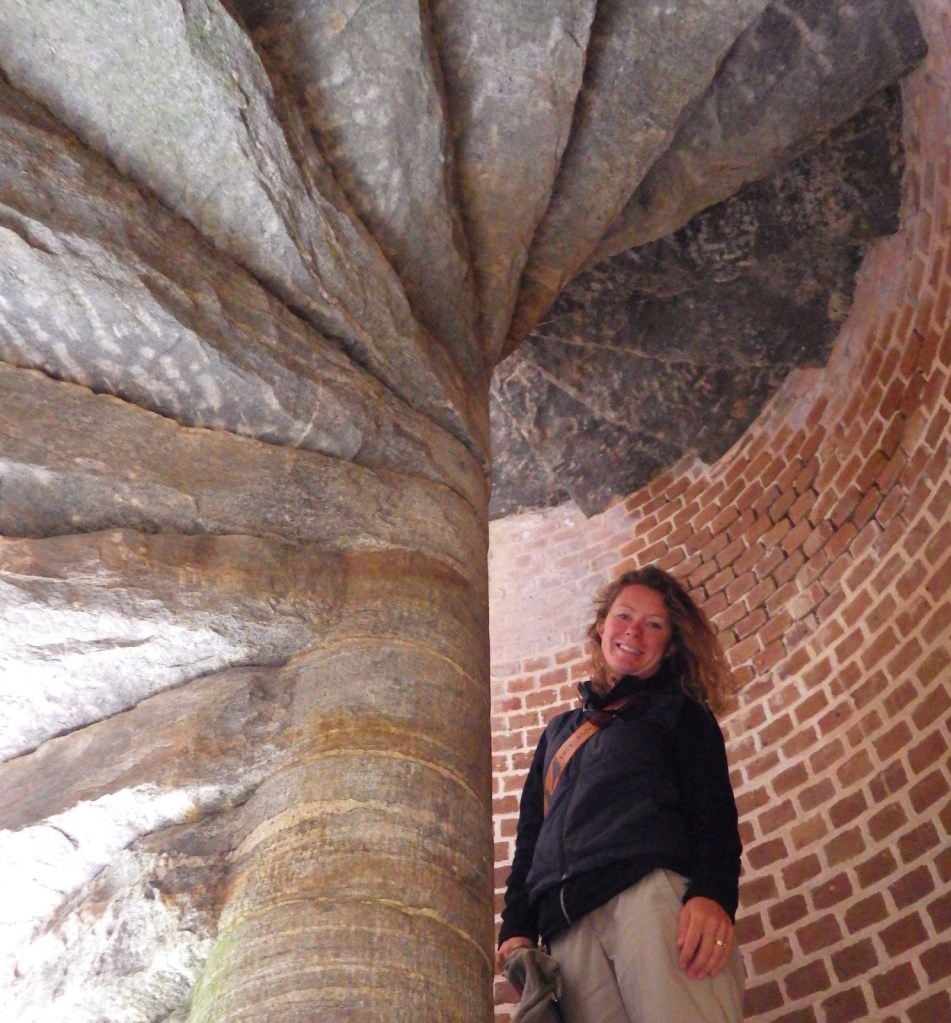
Fort Pulaski has 7-foot thick walls, a drawbridge, demilune (earthworks), and even a moat around its perimeter.  The fort’s symmetry makes for beautiful photos, especially inside the powder magazines.

Peak Season

Summer, though it can be quite muggy.

Hours

https://www.nps.gov/fopu/planyourvisit/hours.htm

Fees

$10 per person or America the Beautiful pass

Road Conditions

All roads paved

Camping

Skidway Island State Park has a campground just outside Savannah, Georgia.

Explore More – On nearby Tybee Island, Battery Garland was part of which decommissioned fort also named for a Revolutionary War casualty?
Badlands National Park

Overview

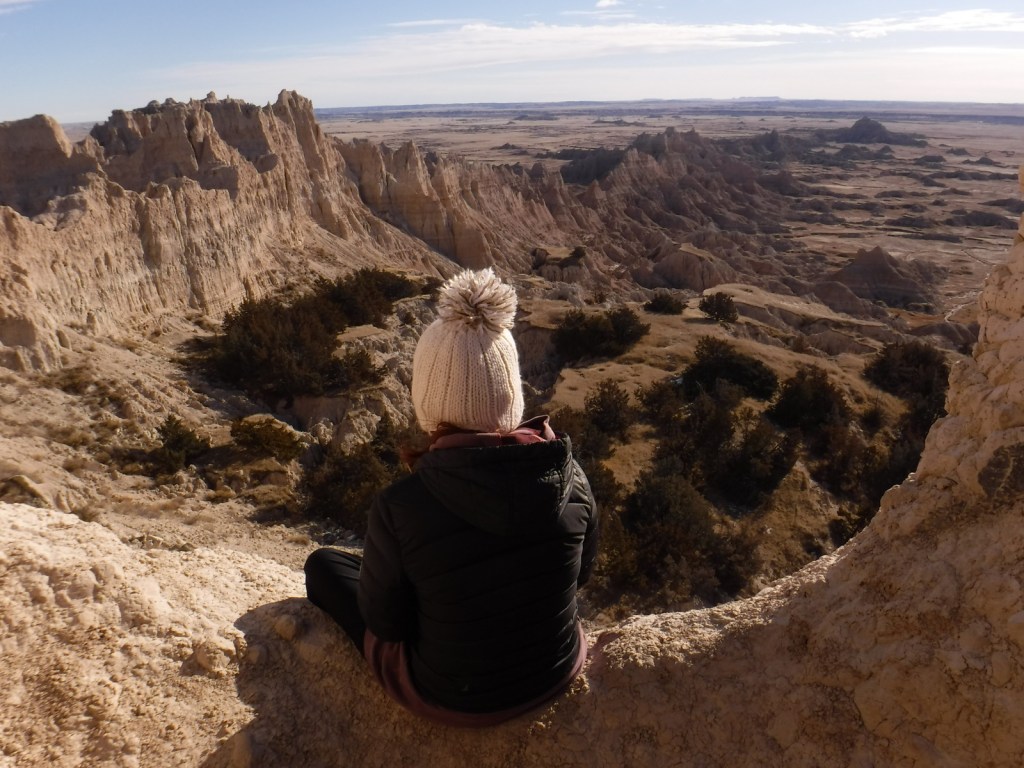
Badlands National Park is known for its fossils, but not all of the mammals here are extinct.  Bison and bighorn sheep were reintroduced to the park, in addition to common prairie residents that include pronghorn, mule deer, prairie dogs, and coyotes.

Highlights

Door Trail, Notch Trail, Conata Basin, Sage Creek Road

Must-Do Activity

Driving the dirt road back to the free Sage Creek Primitive Campground, you will likely encounter a roaming bison herd and several prairie dog towns.  Bighorn sheep and pronghorn can also be found near the road.

Best Trail

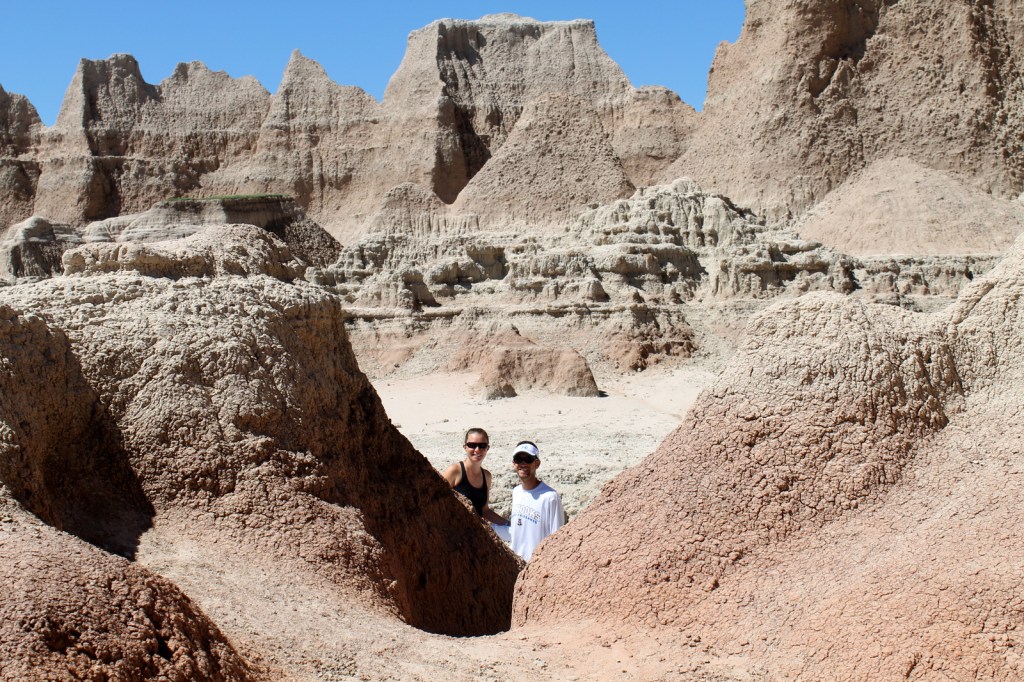
The Notch Trail is only 1.5 miles in and out, but is an adventure with a large ladder, badlands, cliffs, and an excellent overlook at the end.

Instagram-worthy Photo

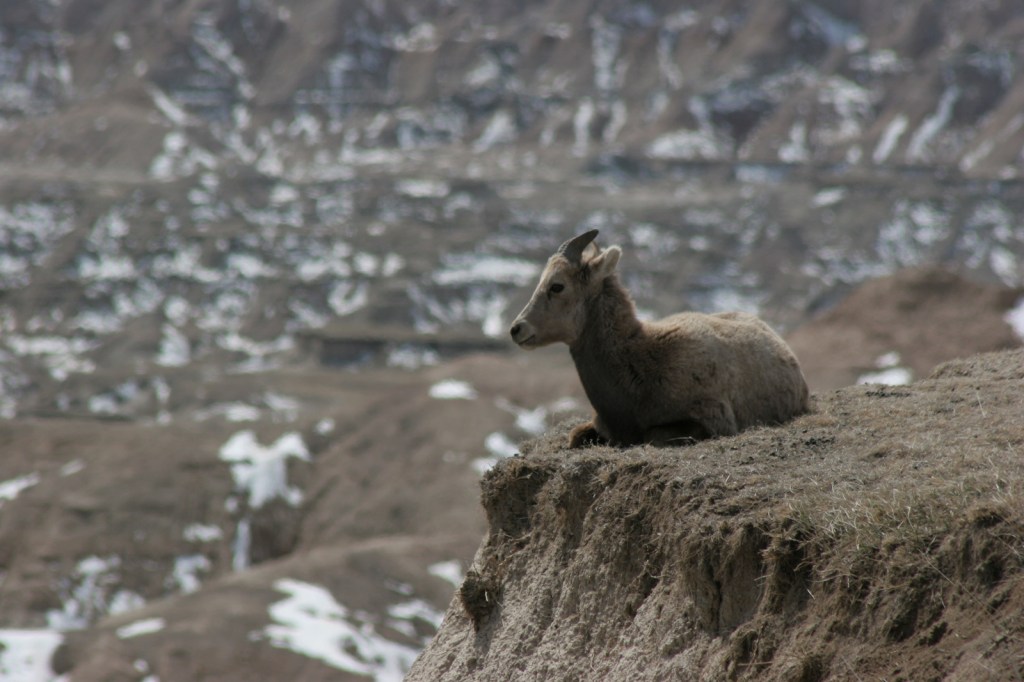
Bighorn sheep, many with large curling horns, seem to pose atop the badlands formations, especially around the Pinnacles Overlook.

A big horn sheep in Badlands National Park

Peak Season

Summer, but we prefer the fall when it is less crowded, especially in Sage Creek Primitive Campground.

Hours

https://www.nps.gov/badl/planyourvisit/hours.htm

Fees

$25 per vehicle or America The Beautiful pass

Road Conditions

Badlands Loop Road is paved, and Sage Creek Road and Conata Road are both graded and passable to all vehicles.  Sheep Mountain Table Road in the Stronghold Unit may be more difficult when wet, but otherwise does not require four-wheel drive as designated on the park map.

Camping

Cedar Pass Campground has RV sites and the free Sage Creek Primitive Campground is located down a good dirt road on the west side of the park. Backpacking is free and only requires registration at the trailhead.


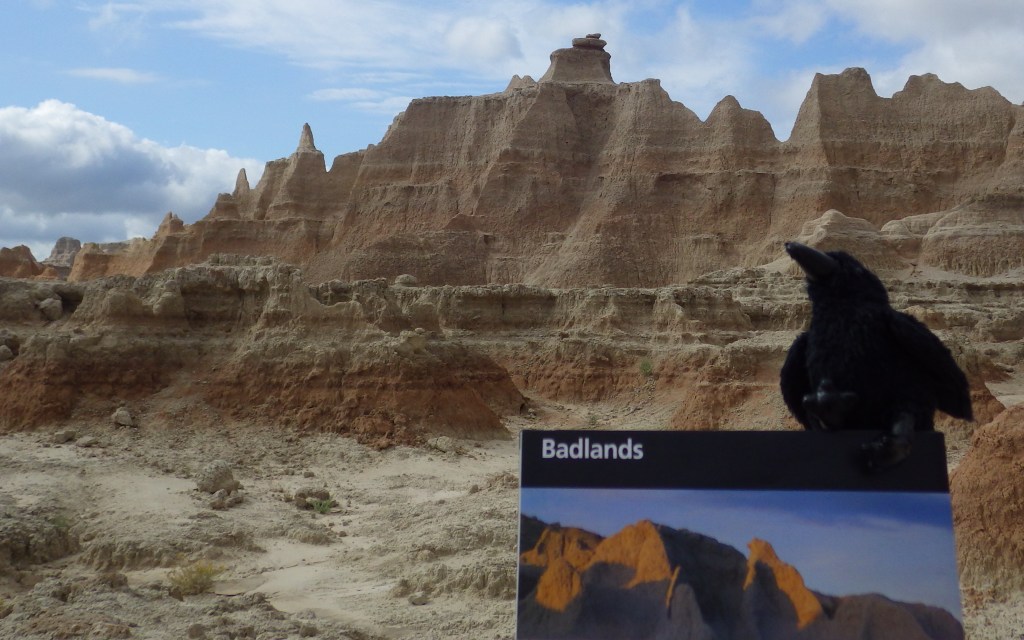
This design we created to celebrate Badlands National Park is available on a variety of products at Cafe Press and Amazon.

Explore More – How many endangered black-footed ferrets were reintroduced to the park in 1994?

We are a participant in the Amazon Services LLC Associates Program, an affiliate advertising program designed to provide a means for us to earn fees by linking to Amazon.com and affiliated sites.

San Antonio Missions National Historical Park

Overview

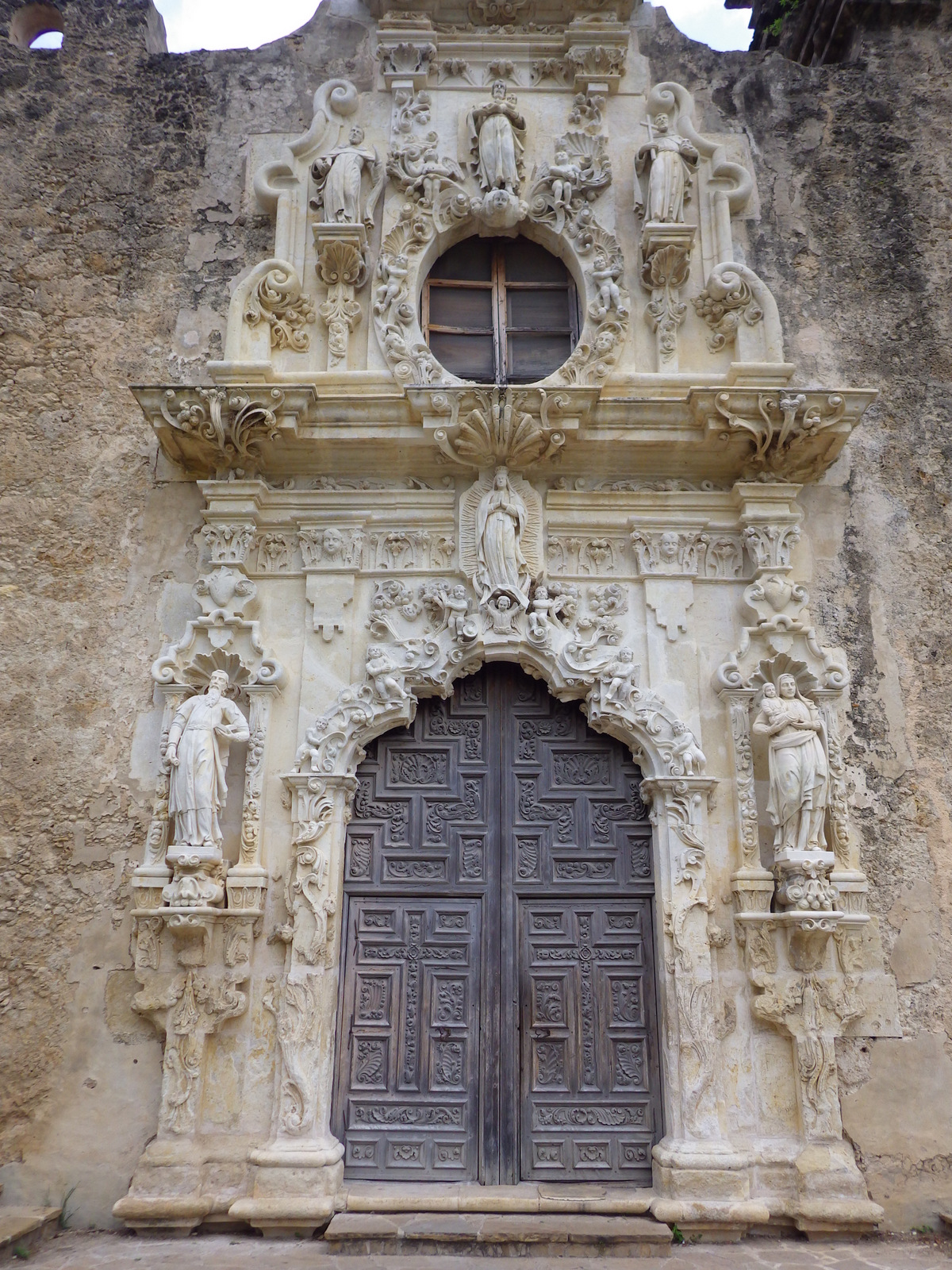
This park protects four historic Spanish missions around San Antonio, Texas, but does not include the famous Alamo (managed by the Daughters of the Republic of Texas).  Construction began in 1718 and by 1824 secularization was complete and land was distributed among the converted natives.  In 2015, these five missions along the San Antonio River were designated a UNESCO World Heritage Site.

Highlights

1720 Mission San José, 1755 Mission Concepción, 1731 Mission Espada, 1731 Mission San Juan Capistrano

Must-Do Activity

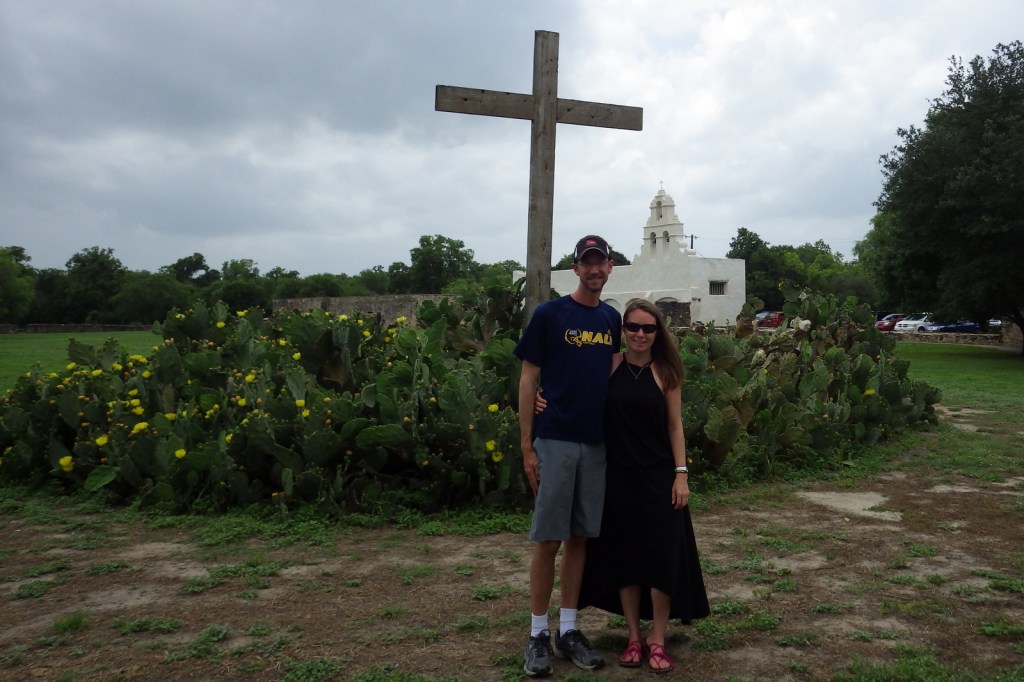
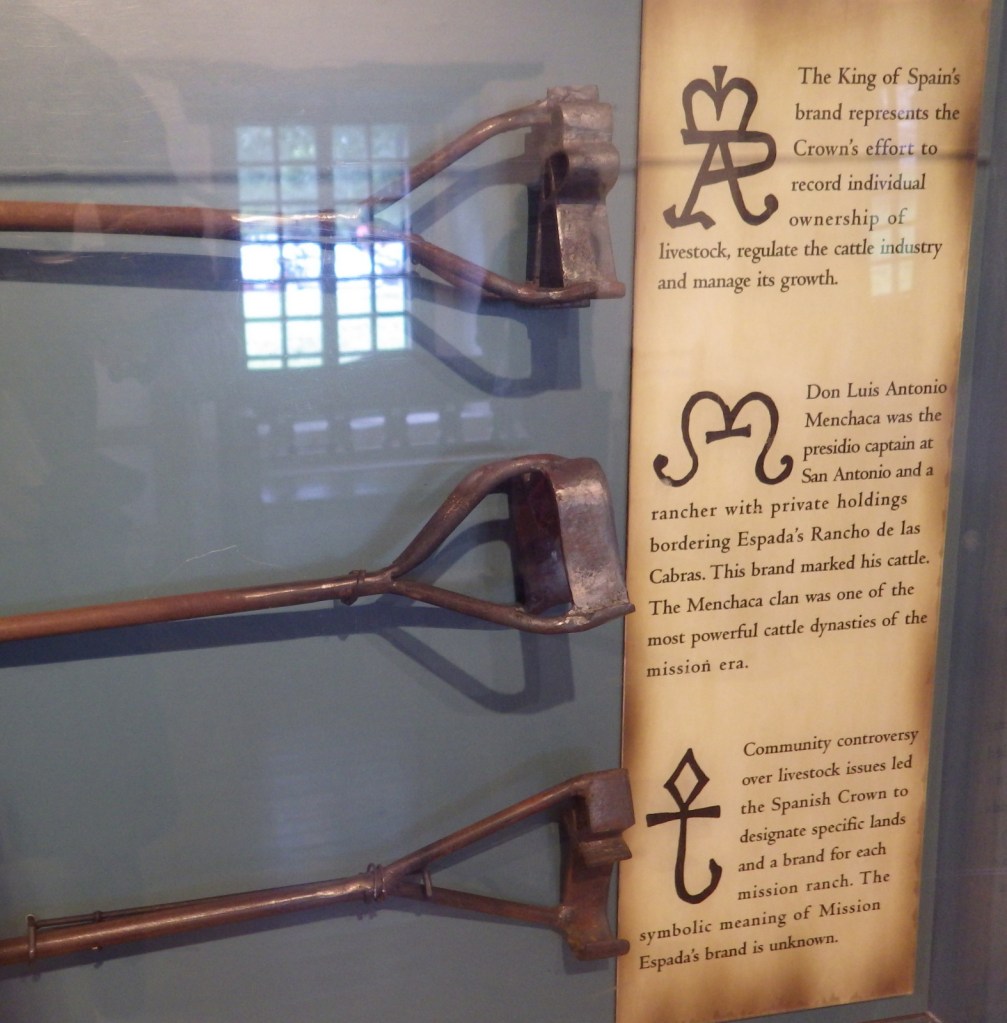
At the farthest south of the four missions (San Francisco de la Espada) there is also an interesting acequia system that includes an aqueduct, ditches, and a dam built in 1745, all of which are still used for irrigation purposes.  Mission San Juan Capistrano is covered in white stucco the way they all would have been historically.  Mission Concepción is the farthest north of the four missions and we thought it had the prettiest interior.

Best Trail

San Antonio’s famous River Walk Trail continues from the downtown area all the way south to Mission Espada, not to be confused with the signed Mission Trail driving route.

Instagram-worthy Photo

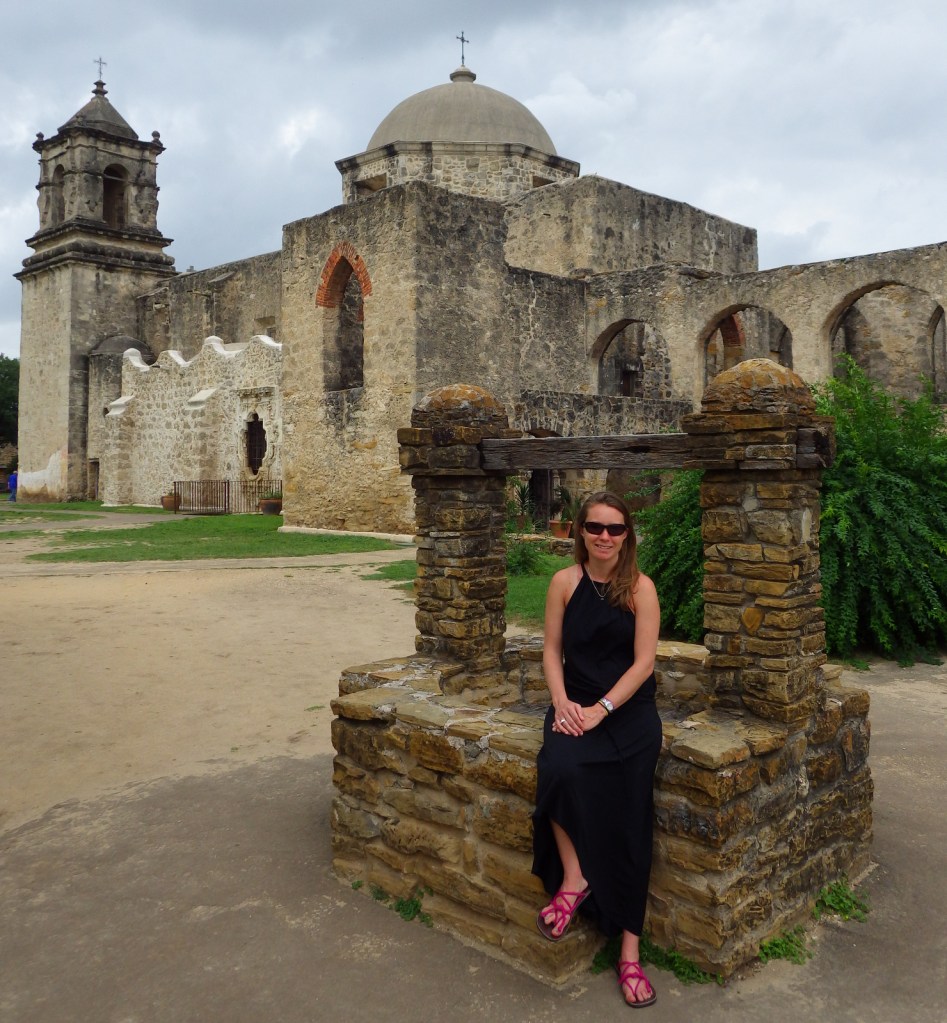
The beautifully preserved San José y San Miguel de Aguayo Mission dates back to 1720.  Today this large village complex is a popular location for wedding and graduation photos. 

Peak Season

Spring

Hours

https://www.nps.gov/saan/planyourvisit/hours.htm

Fees

None

Road Conditions

All roads paved with designated NPS parking lots.

Camping

None

Explore More – What is the historic mission name for the Alamo?

We are a participant in the Amazon Services LLC Associates Program, an affiliate advertising program designed to provide a means for us to earn fees by linking to Amazon.com and affiliated sites.

Salinas Pueblo Missions National Monument

Overview

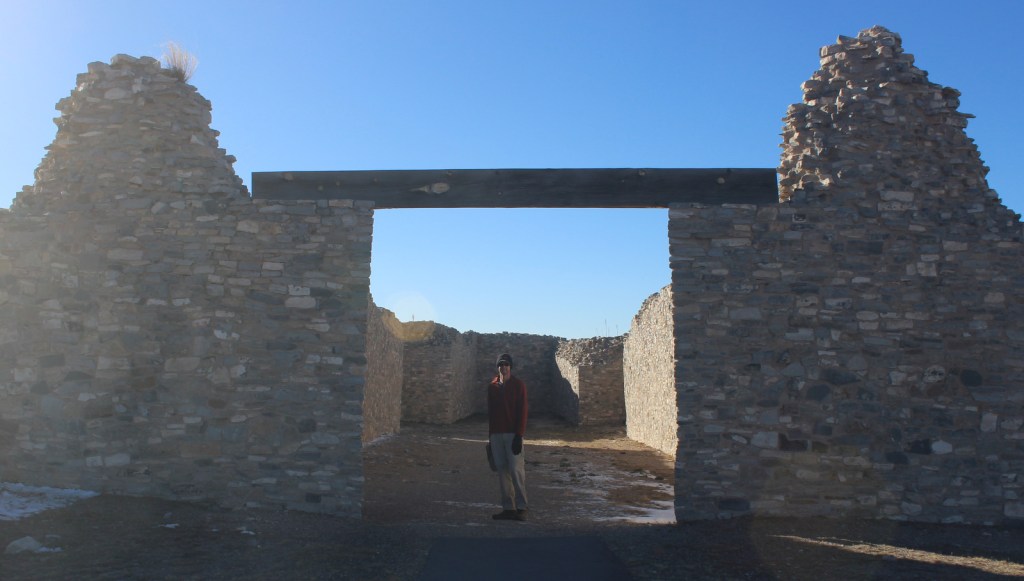
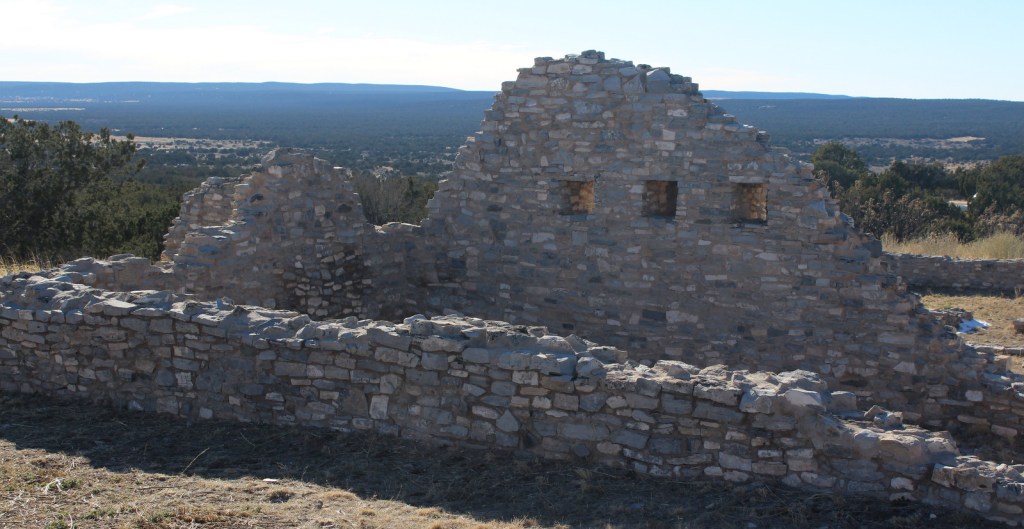
This interesting National Monument protects three separate Spanish missions that date to the 1600s, though its main visitor center in Mountainair, New Mexico is not next to any of them.  Their location near salt flats led to the name Salinas and contributed to the pueblos’ abandonment when a major drought struck in the 1670s.

Highlights

Gran Quivira, Quarai, Abó, film at main visitor center

Must-Do Activity

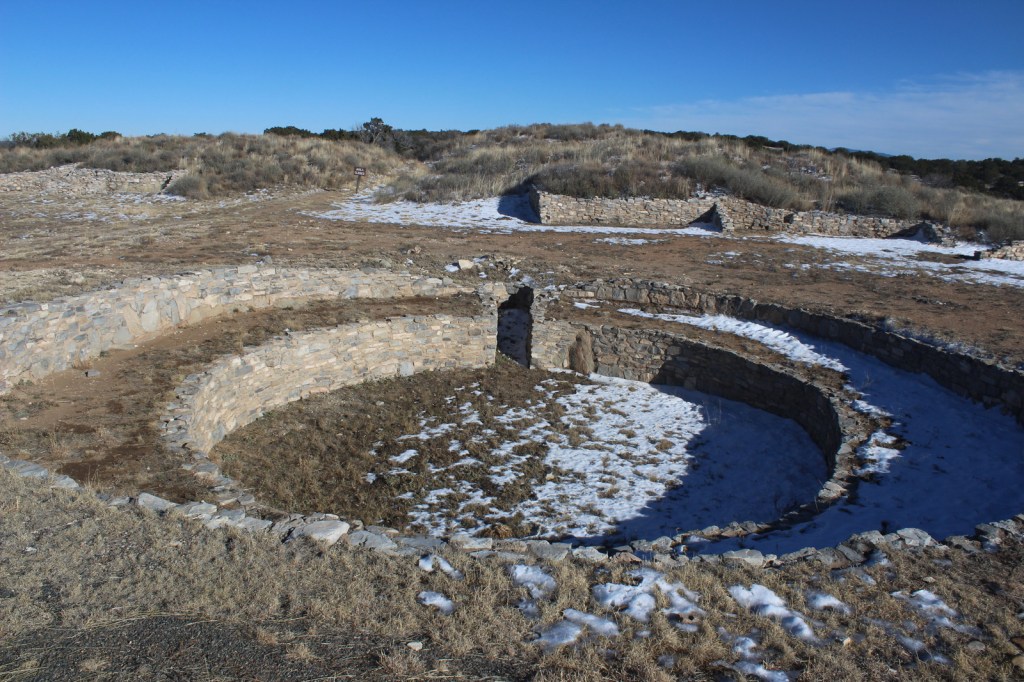
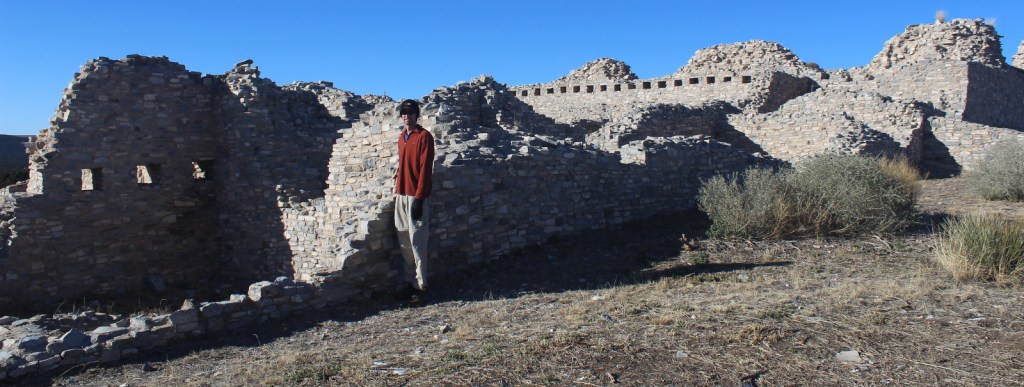
Gran Quivira has the remains of two churches (the second unfinished at the time of abandonment) and the most significantly excavated pueblo ruins (with kivas) of the three sites.

Best Trail

Each of the three pueblos has a paved walkway that leads through its ruins that leaves from the parking lot and past its contact station staffed by a National Park Service employee. 

Instagram-worthy Photo

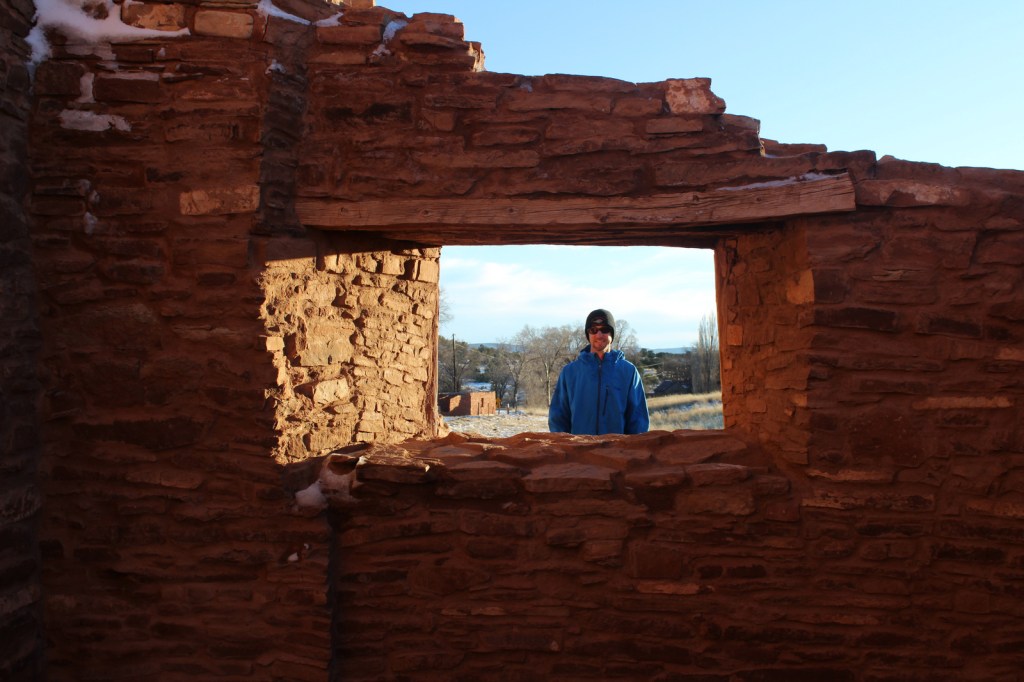
The church at Quarai is the most complete of the three sites and its red walls photograph well at sunset.

Peak Season

Spring and Fall

Hours

https://www.nps.gov/sapu/planyourvisit/hours.htm

Fees

None

Road Conditions

All roads paved

Camping

Manzano Mountains State Park has a seasonal campground 15 miles north of Mountainair, New Mexico.

Explore More – Other than the major drought in the 1670s, what other factors contributed to the abandonment of these pueblos?