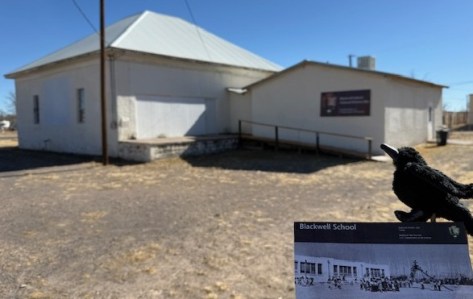
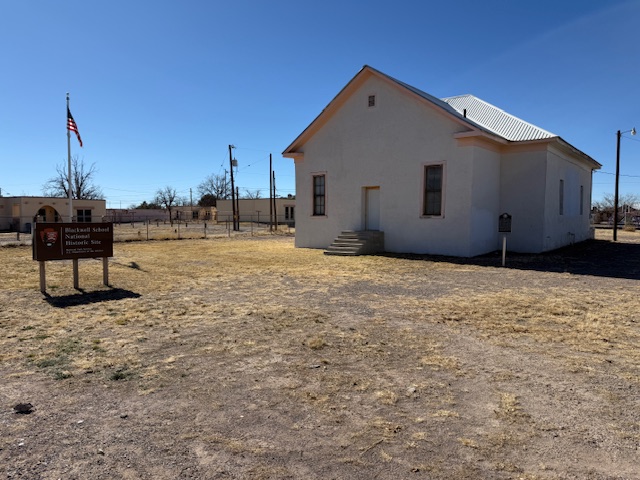
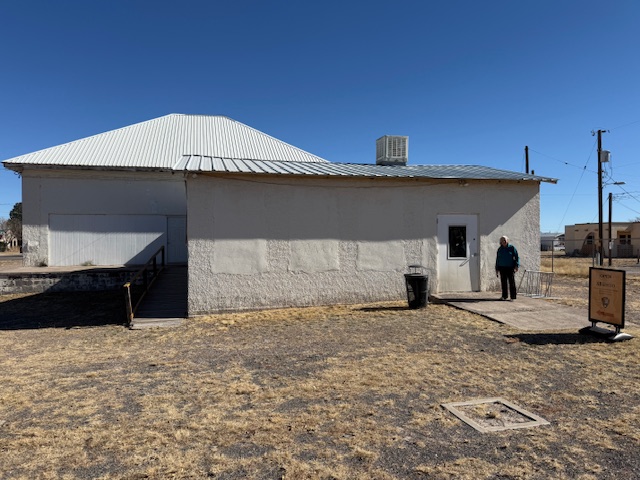
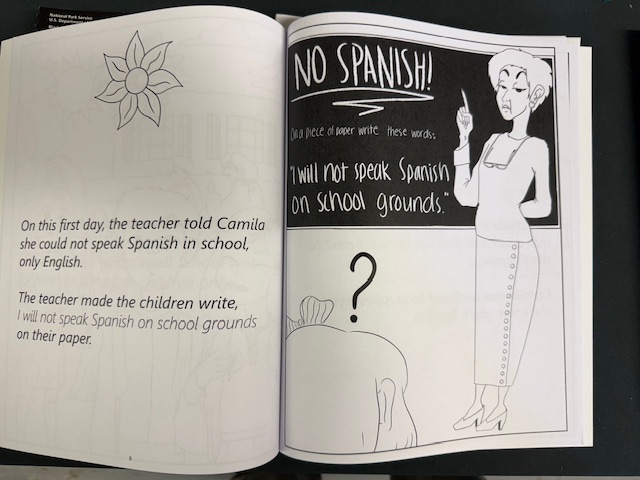
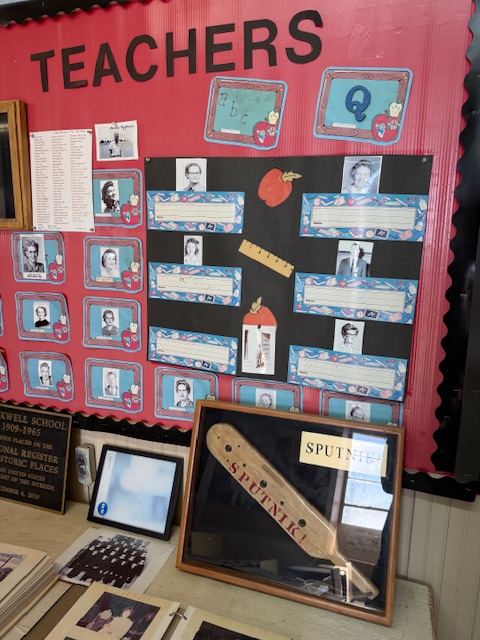
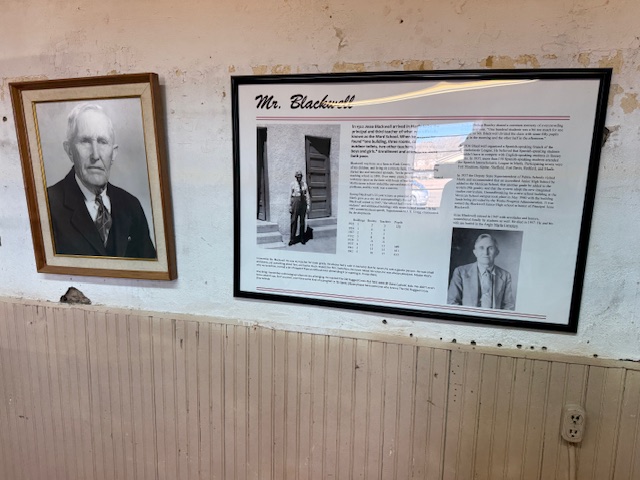
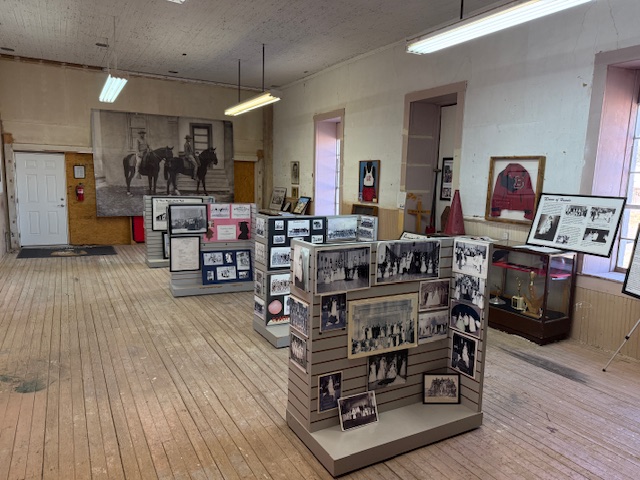
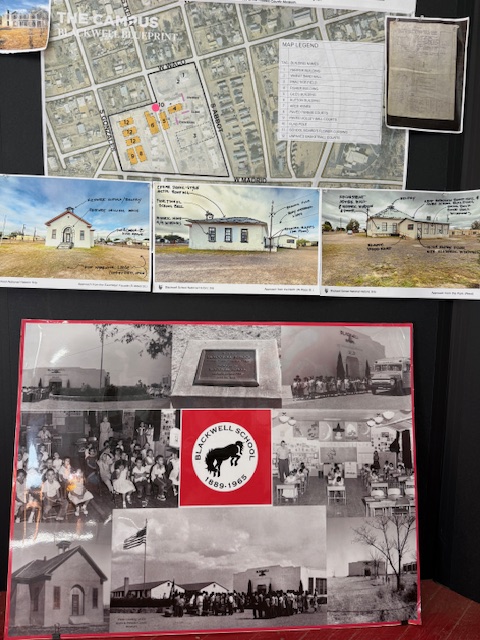
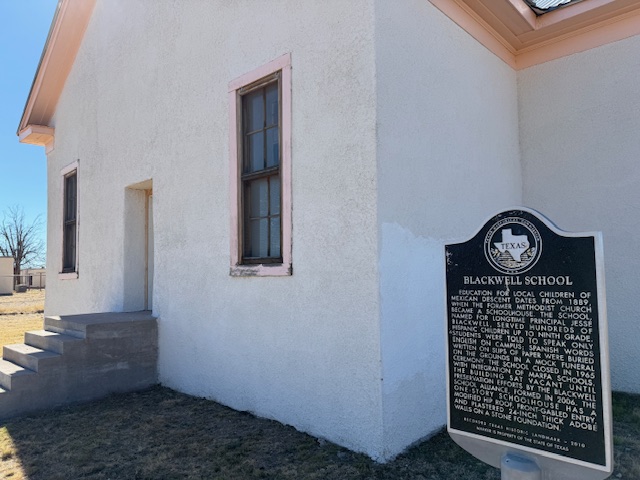
A three-room schoolhouse built for Marfa’s Hispanic children in 1909 is all that remains of a once larger campus (the Band Hall from 1927 is still attached). Blackwell School was named for a prominent early principal, and it closed in 1965 following legally mandated integration more than a decade after the Brown v. Board of Education decision. At its peak, the school had more than 600 students, with Hispanic students segregated, except on sports teams. After 1954, students were no longer allowed to speak Spanish on campus with a mock funeral held for the language and corporal punishment inflicted upon violators. Not all former students wanted to preserve this site where “separate but equal” education was practiced, but enough felt it was important to recall this history. The main building was saved from demolition by the nonprofit Blackwell School Alliance who helped the National Park Service (NPS) acquire the property from the Marfa Independent School District in 2024. The NPS has plans to reconstruct a belltower atop the adobe building.
Highlights
School building, playground
Must-Do Activity
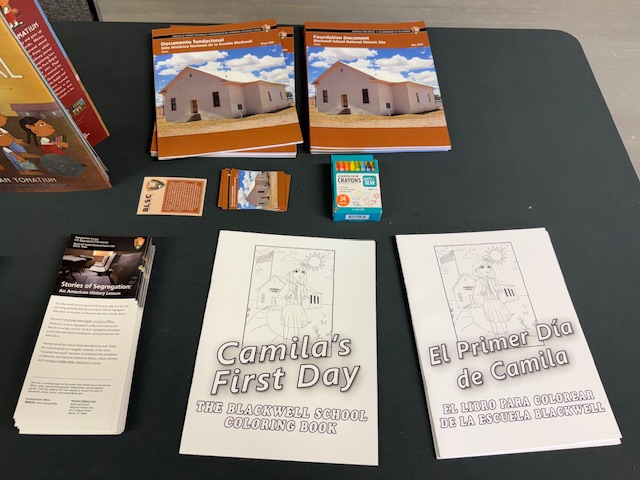
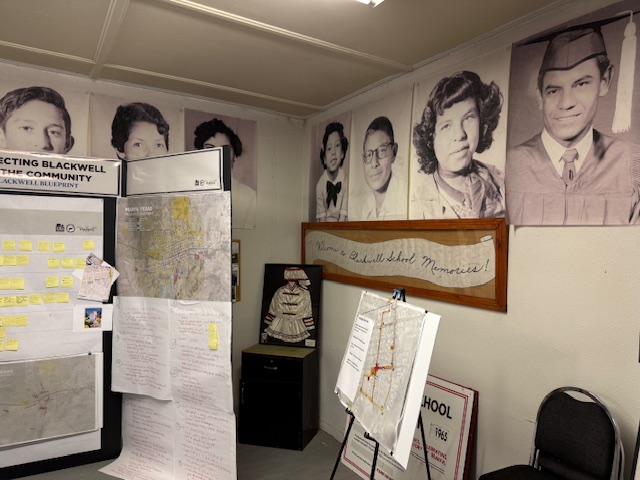
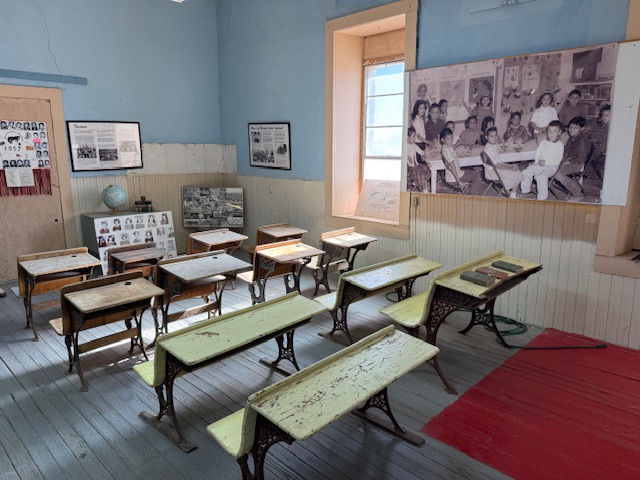
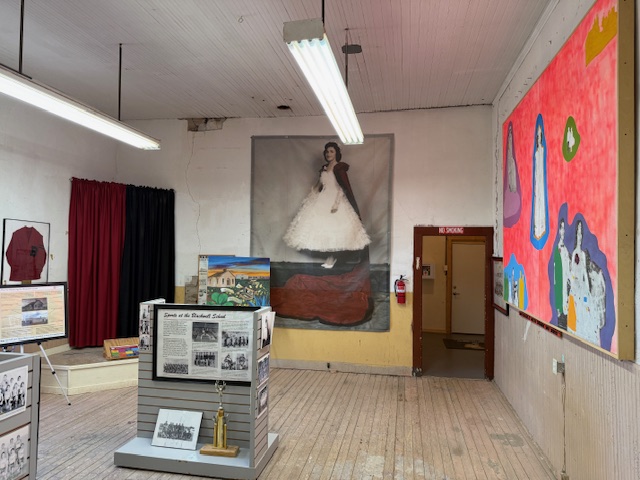
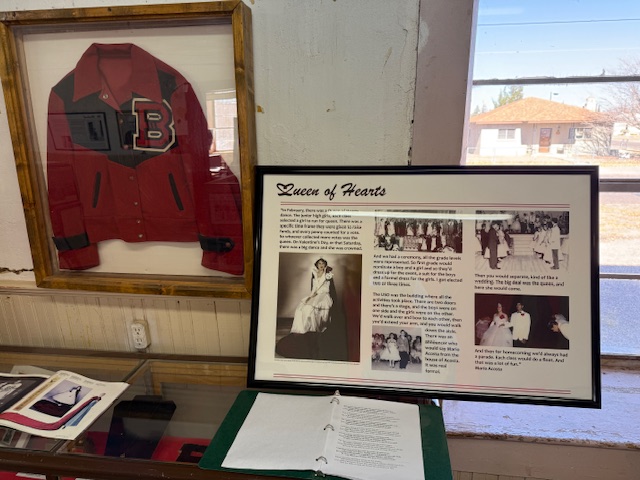
You definitely want to arrive when an NPS employee is on site to allow you inside the building and to explain its history. There are artifacts and informational panels on display inside. There is even a coloring book available in both English and Spanish that explains the story of Blackwell School to children.
Best Trail
None
Photographic Opportunity
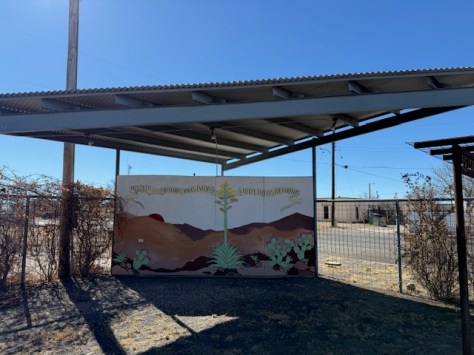
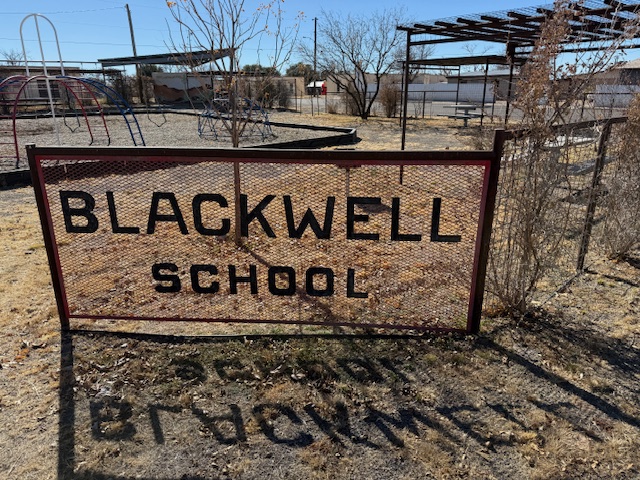
In the lot next to the school building is a playground, and there are plans to install outdoor interpretive signs and photos under the awning to provide information to visitors when the site is closed on weekdays.
Paved street parking is available at the site in Marfa.
Camping
There is an RV park in Marfa, or you can boondock at the Marfa Lights viewing area that has bathrooms. Big Bend National Park takes reservations for its campsites (with no hookups).
We have now published blog posts on more than half of the 155 National Forests and 20 National Grasslands in America, so it seemed like a good time to do another Top 10 list. Visitor centers are much rarer in National Forests than sites managed by the National Park Service (plus they seem to mostly be open only on weekdays), but there are still some good ones. Some are small and tourist-focused like the one at historic Lolo Pass on the Idaho-Montana border, while others are large but mostly serve as the headquarters for employees, like at Black Hills National Forest in South Dakota. Presented here are the best from our travels, plus check out some of our favorite National Forests in our many other Top 10 lists. Still struggling to figure out the difference between a National Park and a National Forest? Read this blog post for help.
The Forest Service’s El Portal Rainforest Visitor Center reopened in January 2022, just weeks after we visited this as our final one of all 155 National Forests.
This visitor center is co-managed with the National Park Service due to its proximity to Gila Cliff Dwellings National Monument; ask about the hot springs in the area.
8. Ottawa National Forest (Michigan)
An interpretive trail through the forest leaves from this site, a good stop before driving down to Black River Harbor Recreation Area past its many waterfalls.
In the White Mountains, a steep paved road leads to a visitor center at the Ancient Bristlecone Pine Forest, and visit the one on Mono Lake along scenic Highway 395.
Gifford Pinchot National Forest runs seasonal visitor centers on both the east and west sides of Mt. St. Helens, plus there is one in Seaquest State Park.
…and finally our #1 National Forest visitor center:
1. Tongass National Forest (Alaska)
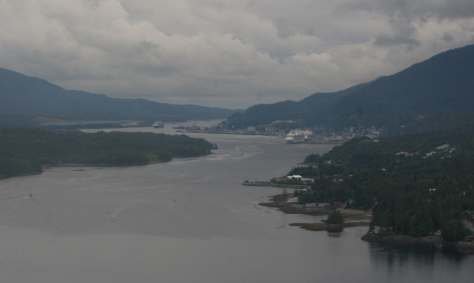
The Southeast Alaska Discovery Center in Ketchikan accepts America the Beautiful passes, so bring yours along on the cruise ship, which is how most visitors arrive.
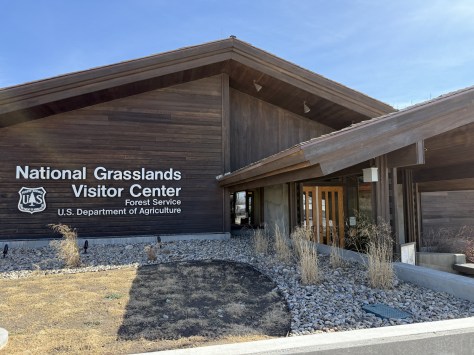
Wall Drug is not the only attraction in the town of Wall, as the National Grasslands Visitor Center serves as the main interpretive site for all 20 National Grasslands (plus Midewin National Tallgrass Prairie, which has its own nice visitor center in Illinois).
Forest Service Information Center (Washington, D.C.)
We have been inside the historic 1878 Sidney R. Yates building on Independence Avenue SW, but do not recall the animatronic Smokey Bear that now resides there.
Learn more about all 155 National Forests in our travel guidebook Out in the Woods
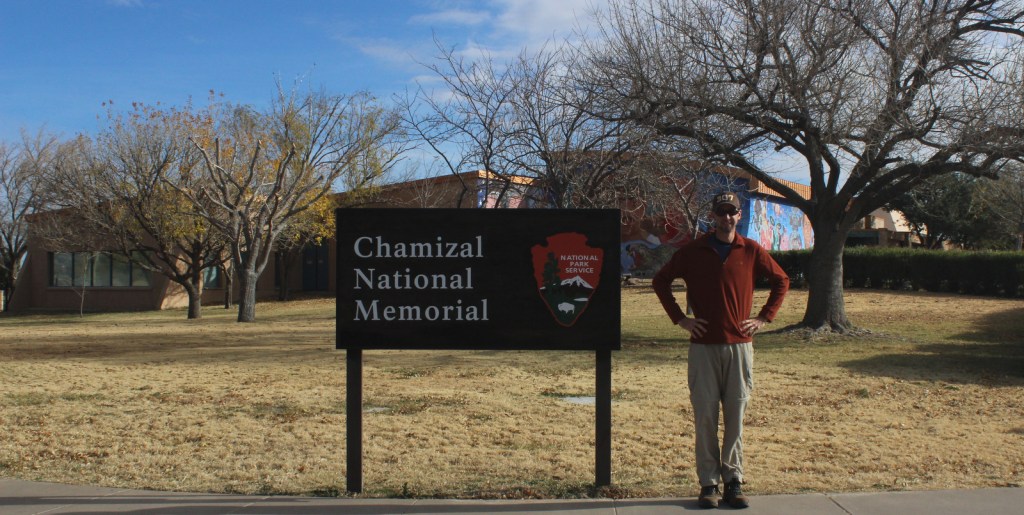
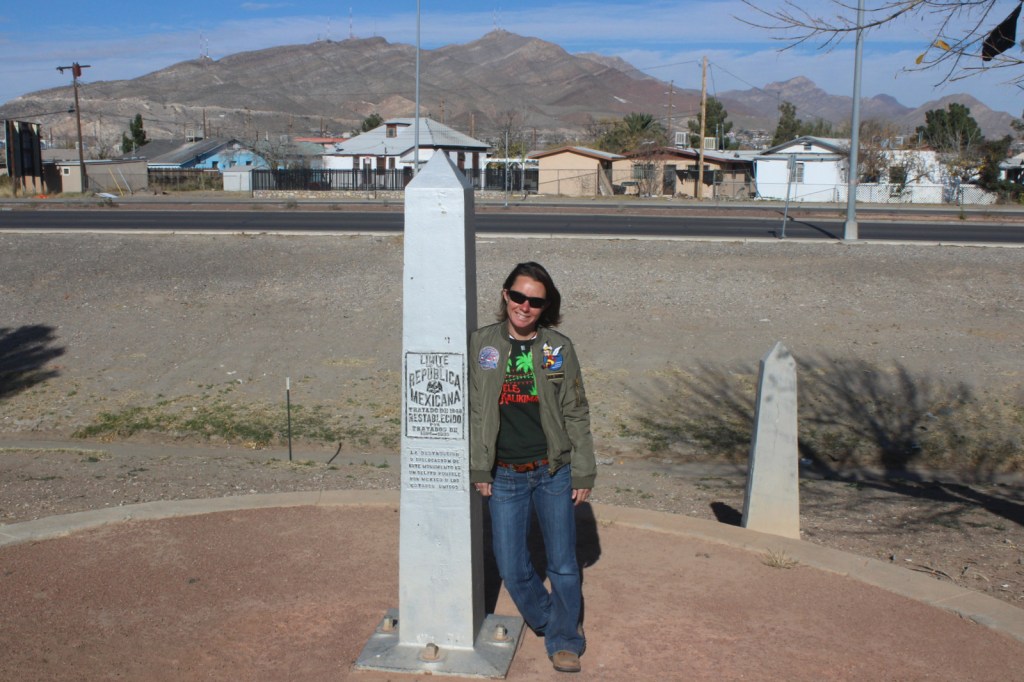
The Rio Grande forms the international border between the U.S. and Mexico for 1,248 miles, but in El Paso the river changed course suddenly in 1864 creating Cordova Island and leading to a 630-acre land dispute that lasted a century. An 1884 treaty agreed in principle that if the river changed course slowly by erosion, then the boundary moved with the deepest channel, but a commission investigating it a decade later found that Americans were settling land owned by Mexico. The issue remained contentious, with a 1909 meeting between Presidents Taft and Diaz almost resulted in the assassination of them both. Finally, a 1963 settlement involved displacing 5,600 Americans, as well as moving a railroad, school, bridge, and the river channel itself. Chamizal National Memorial was authorized by Congress three years later to celebrate the goodwill inherent to this treaty with a history museum, as well as three art galleries and a 500-seat indoor theater.
Highlights
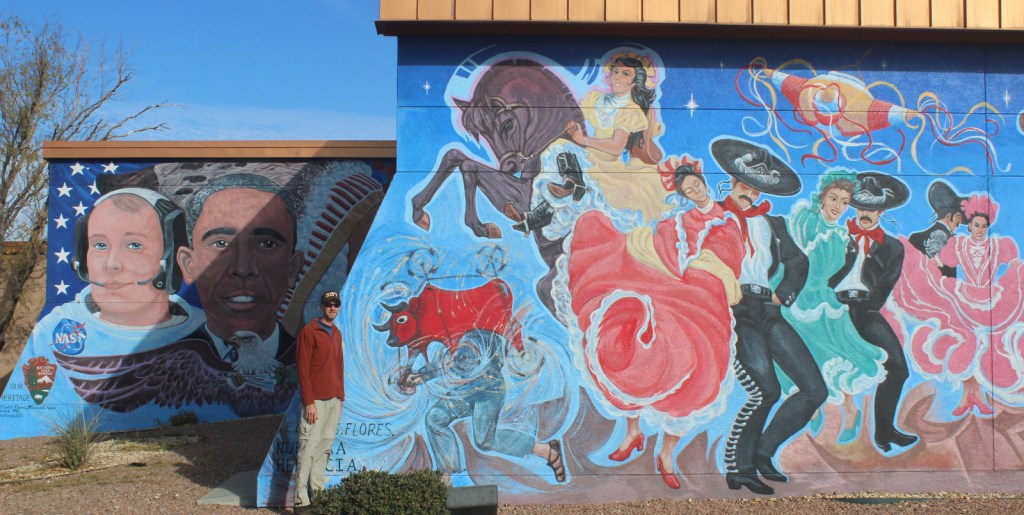
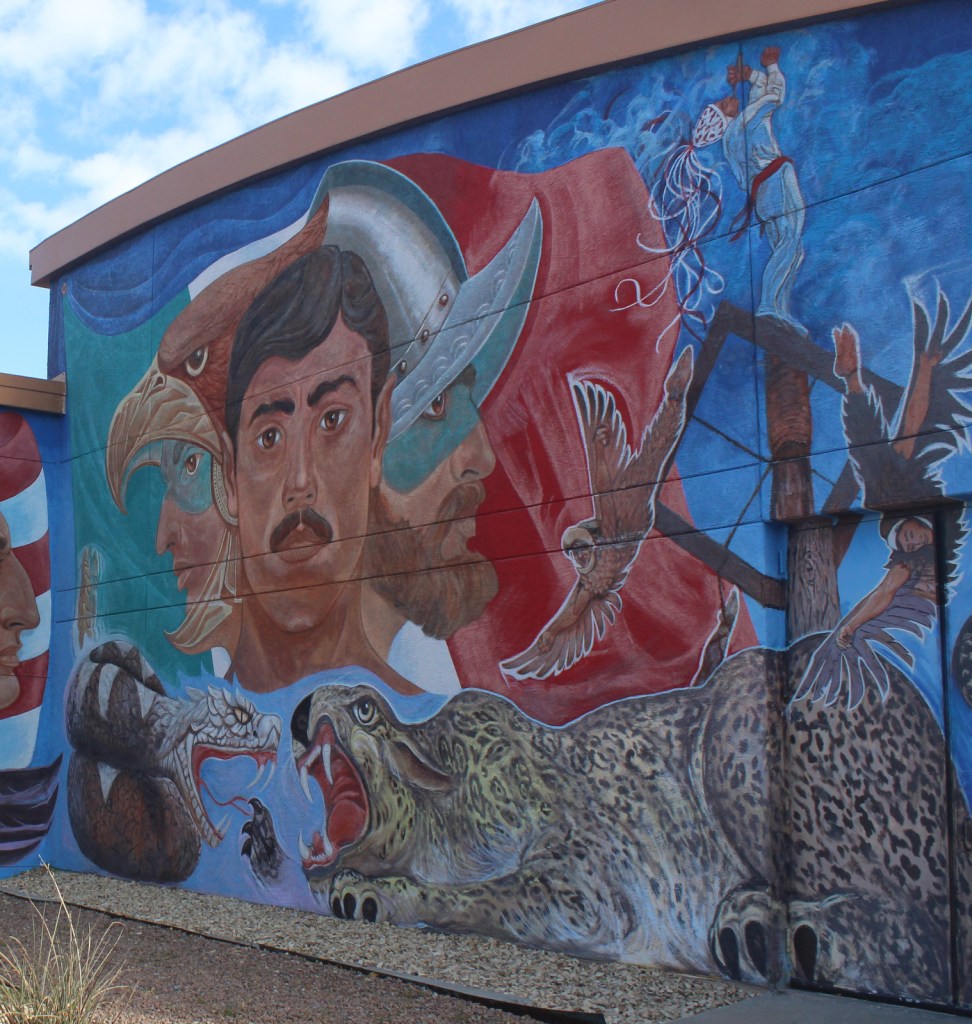
Museum, film, Franklin G. Smith Gallery, Benito Juarez sculpture, Nuestra Herencia mural
Must-Do Activity
There is a film shown in the visitor center, in addition to the museum about the treaty and exhibits in the art galleries that change every few months. Summer concerts take place in the outdoor amphitheater and the Chamizal Festival is held the first weekend in October featuring music, crafts, dance, and visual arts. The park annually holds a Siglo de Oro Drama Festival in the spring, when acting troupes performed plays from the golden age of Spanish theater, including those by Lope de Vega. In September 2025, the first Chihuahuan Desert Festival was held throughout the city of El Paso. Check the National Park Service website or Facebook page for events throughout the year.
Best Trail
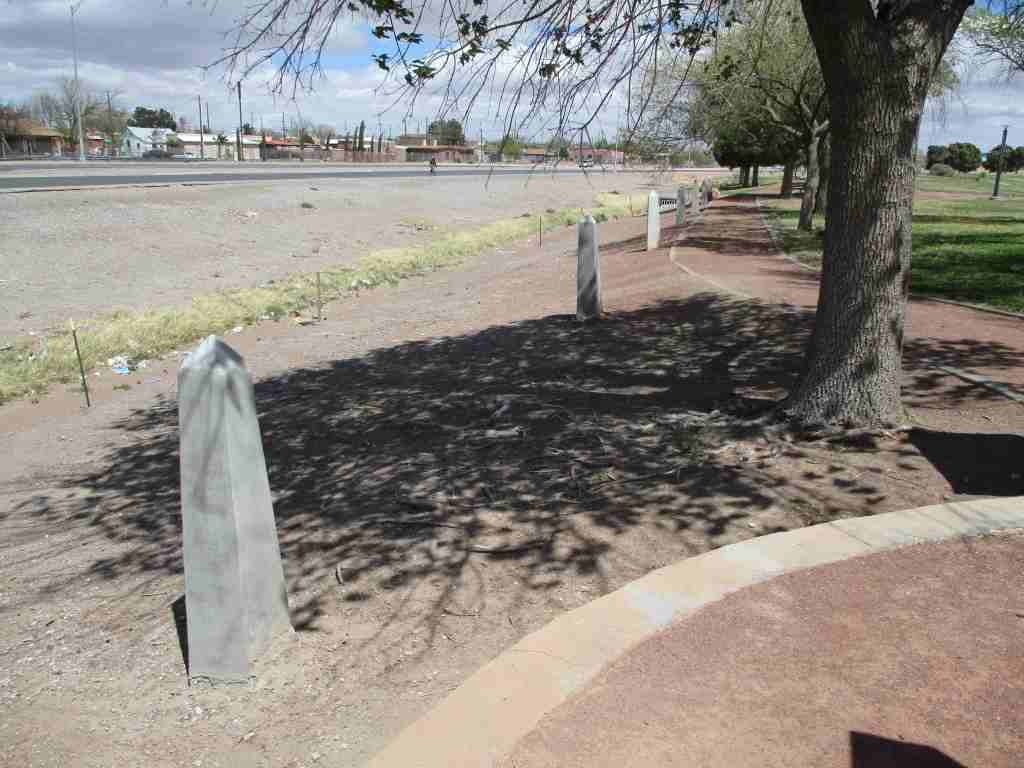
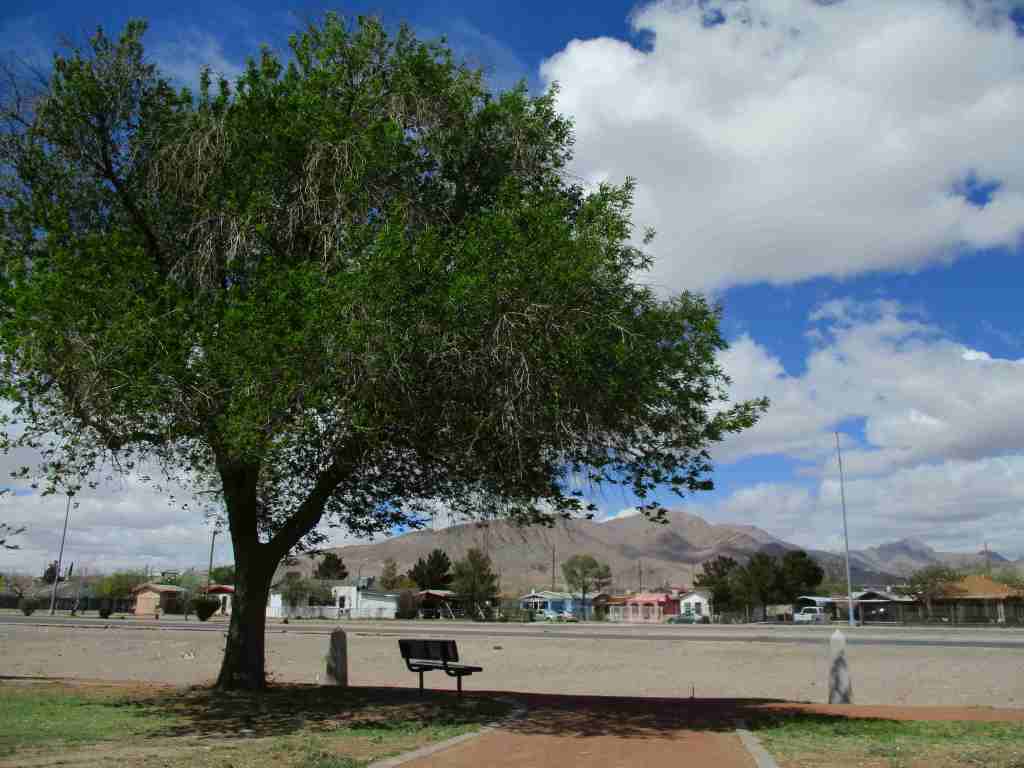
There are walking trails around the 55-acre property that pass some of the historic boundary markers along East Paisano Drive.
Photographic Opportunity
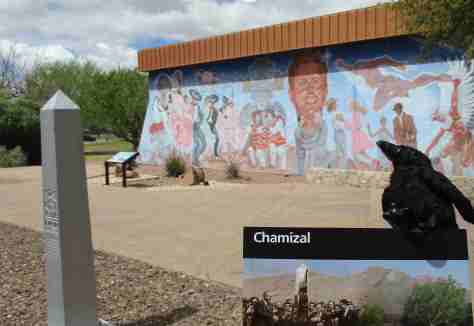
Nuestra Herencia is a very colorful mural painted on the outside of the visitor center.
Access roads are paved, but be careful how you get there because it is very close to a border crossing station and you do not want to accidentally wind up in Ciudad Juarez, Mexico.
Camping
There are private campgrounds in El Paso, or visit Franklin Mountains State Park for camping, hiking, mountain biking, and rock climbing opportunities. Encompassing 24,248 acres, this is one of the largest urban parks in the country lying completely within city limits.
Manti Forest Reserve dates back to 1903, becoming a National Forest four years later and expanded in 1915 with the addition of Nebo National Forest. Despite being separated by more than 100 miles, Manti and La Sal National Forests were combined in 1949, an early example of improved bureaucratic efficiency by the Forest Service. Due to this longstanding association, it can be difficult to find information for the more northerly Manti National Forest alone. Manti National Forest covers much of the Wasatch Plateau and also manages the busy Maple Canyon Trail system (technically in Uinta National Forest).
Know someone who loves the National Forests? Gift them our travel guidebook Out in the Woods so they can learn more about this and the 154 other National Forests.
Highlights
Energy Loop, Skyline, Eccles Canyon, Drive Scenic Backway, Stuart Guard Station National Historic Site, Electric Lake, Nelson Mountain, Maple Canyon, Fish Creek National Recreation Trail, Left Fork of Huntington Creek National Recreation Trail
Must-Do Activity
Many visitors to Manti National Forest drive the Energy Loop, named for Utah’s coal country, which partially follows the paved Huntington and Eccles Canyons Scenic Byway. Campgrounds, historic sites, reservoirs, trails, and trout streams are all accessible along the 86-mile drive. The more adventurous can take on the unpaved Skyline Drive Scenic Backway that climbs the Wasatch Plateau. This 58-mile route has many side roads popular with ATV and OHV drivers, and it is open to snowmobiles in the winter.
Best Trail
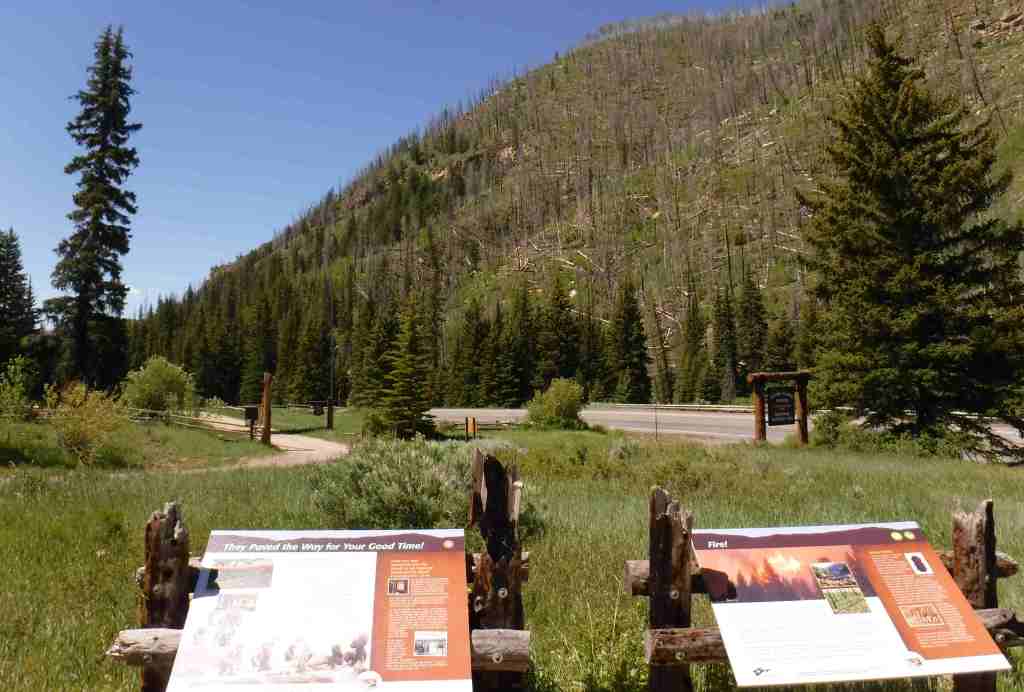
Easily accessible from the Energy Loop drive, the six-mile long Left Fork of Huntington Creek National Recreation Trail follows the canyon gaining 847 feet in elevation. It can be completed one-way downhill from Miller Flat Trailhead by leaving a vehicle at Forks of Huntington Campground. Despite a wildfire on the south canyon wall and subsequent erosion, the creek remains a good fishing spot, especially the lower half-mile that has interpretive signs on hydrology for children. The trail can also be joined with Horse Canyon, Scad Valley, and Mill Canyon Trails to form longer loops, but a vehicle shuttle would still be necessary to avoid walking the highway. Nearby, Fish Creek National Recreation Trail is ten miles long and open to travel by foot, horse, and bicycle.
Watchable Wildlife
The Wasatch Plateau rises from 5,000 to over 10,000 feet in elevation, and its vertical escarpments and subalpine lakes support a diversity of habitats. Huntington Creek is one of the premiere fly-fishing streams in Utah. Joe’s Valley is a 1,200-acre reservoir that offers fishing for splake, and allows motor boats (as does Electric Lake). Large mammals found here include black bears, mountain lions, bobcats, coyotes, elk, mule deer, and pronghorns. Birds of Manti National Forest include bald eagles, golden eagles, northern goshawks, turkey vultures, wild turkeys, common ravens, and various species of owls and woodpeckers.
Photographic Opportunity
Fremont cottonwood trees are named for explorer John C. Fremont and this riparian species is an indicator of permanent subsurface water, with trunks that can reach more than four feet in diameter.
Peak Season
Spring and fall
Fees
None
Road Conditions
The Huntington and Eccles Canyons Scenic Byway is paved, but the Skyline Drive Scenic Backway is not. Check the Forest Service website for updates on road conditions and closures.
Camping
There are several designated campgrounds along Huntington and Eccles Canyons Scenic Byway, plus dispersed camping is allowed along most of the unpaved roads. Maple Canyon Campground is a popular destination with online reservations available May through October.
Explore More – In 1849, Brigham Young sent 225 settlers to the San Pitch (now Sanpete) Valley; where did they get the name Manti?
Know someone who loves the National Forests? Gift them our travel guidebook Out in the Woods so they can learn more about this and the 154 other National Forests.
We recently published our guidebook 50 States of Great: Road Trip Guide to America, so we decided to start a new type of blog post where we create a travel itinerary for all 50 states, in addition to our usual National Forest and National Park entries. After starting with Kansas, Georgia, Idaho, Rhode Island, Minnesota, Hawai’i, Arizona, Louisiana, South Dakota, Indiana, and Montana, we decided to do another state in the deep south. We made an ambitious seven-day plan starting in the south on the Gulf Coast and then zigzagging across the state with plenty of options to extend the trip.
You will have to take a ferry to enjoy the white sand beaches of West Ship Island, which are considered some of the best in the U.S. If you are stuck on the mainland, at least check out the visitor center and hiking trails just off Interstate 10.
Biloxi
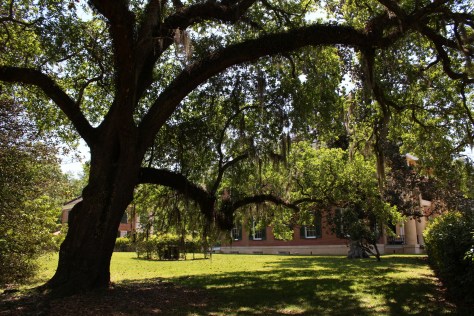
Biloxi has beaches, a lighthouse, casinos, and the Maritime and Seafood Industry Museum. I still want to see the Patriarch Oak, estimated to be more than 2,000 years old and located at Mary Mahoney’s Old French House seafood restaurant.
Tuxachanie National Recreation Trail runs 12 miles through De Soto National Forest with the path from its western trailhead following an old logging railroad right off Highway 49. Near the far eastern end of the trail is a lakeside World War II Prisoner of War camp with a pond.
Some sandhill cranes migrate to this forested spot for the winter, but a small population lives there year-round. There are trails, interpretive signs, and a visitor center.
National Park Service (NPS) rangers or volunteers are on location at the William Johnson House, Melrose Estate, and the Forks of the Road where hundreds of thousands of slaves were sold in the 1800s. The William Johnson House tells the story of a slave freed at age 11 who apprenticed to a barber, and became a successful businessman before his murder.
There is a nice campground with showers on Clear Springs Lake, accessed by a paved road four miles south of Highway 84. A one-mile trail circles the lake, which has a picnic shelter built by the Civilian Conservation Corps (CCC) in 1935 that is listed on the National Register of Historic Places.
This paved road runs 444 miles from the Mississippi River to Nashville, Tennessee, including 309 miles in Mississippi. The trace (or trail) started as an American Indian footpath and was heavily used in the 1800s by “Kaintuck” flatboatmen returning from New Orleans who left the Mississippi River at Natchez and continued on foot north. At several roadside pullouts, you can still follow portions of the “sunken” trail worn down by travelers over the centuries. Popular stops along the way include the boardwalk at Cypress Swamp outside Jackson and its three free campgrounds.
Paralleling the parkway, this trail exists in five segments totaling 67 miles in length. One of the longest sections is located north of Jackson (Miles 108-130). There are also eight miles of the original trace around the free Rocky Springs Campground (Mile 58) accessing Owens Creek Waterfall and a historic town site.
Day 4
Jackson
The capital city is home to the Mississippi Civil Rights Museum, Museum of Mississippi History, and Mississippi Agriculture and Forestry Museum. The Mississippi Museum of Natural Science is a 73,000-square-foot facility situated in a 300-acre forest with 2.5 miles of trails that also boasts a 200-seat theater and many aquariums, including “The Swamp” where alligators reside inside a large greenhouse.
In Jackson, the National Park Service manages the former home of a prominent Civil Rights Leader who was assassinated in his driveway in 1963. Across the street, there is a sidewalk through Myrlie’s Garden, a community garden where interpretive signs on the wooden fence tell the story of the Evers family.
There are several lakes here open to the public, including 50-acre Marathon Lake (which got its name a lumber company that closed in 1929). The lake was built in the 1950s for recreation in a former logging camp and now has 34 campsites (with water and electric hook-ups), a boat ramp, a swimming area, and a 1.7-mile trail that circles it.
The numerous failed attempts to take Vicksburg by force are evidenced by the 17,000 soldiers buried in the National Cemetery here. Following a 46-day bombardment, the city finally surrendered on July 4, 1863. The best part of visiting the park is walking through the partially-reconstructed U.S.S. Cairo, an ironclad gunboat which was carefully salvaged from the Yazoo River during the 1960s.
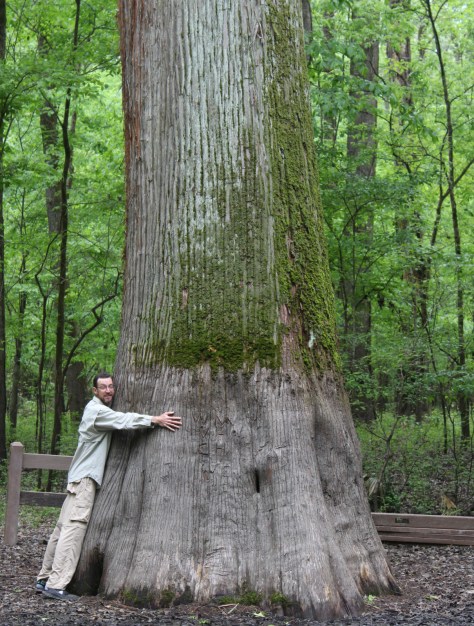
Delta National Forest is seasonally flooded for wildlife, but it was dry enough to walk up to the Kay Cypress Tree even when other trails were underwater during our April visit. The tree is more than ten feet in diameter even above the widely fluted base common to baldcypress. It is located across from Blue Lake on unpaved Fire Tower Road.
Located in a former cotton gin near the site of Emmett Till’s torture and murder on the farm of “J.W.” Milam in Glendora. Established in 2005, there is an atmosphere to the museum that bears the full weight of history, heightened by the short introductory video showing Emmett Till’s family members’ recollections of the events of 1955.
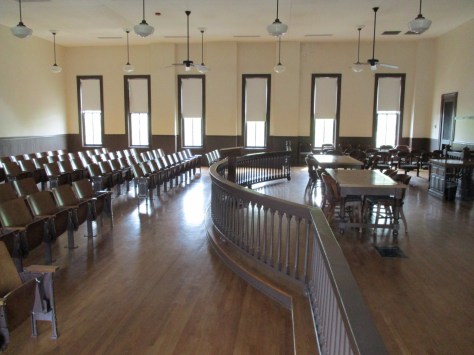
The National Park Service operates out of the Emmett Till Interpretive Center, located in a strip mall opposite the Tallahatchie County Second District Courthouse in Sumner. It has limited hours, but the courtroom where the September 1955 trial was held was unlocked when we visited on a Tuesday morning.
Optional stop at a Blues Museum
The Yazoo-Mississippi Delta (or simply “the Delta”) is a distinct section of western Mississippi renowned for its blues musicians. There is plenty to learn and listen to at the Delta Blues Museum in Clarksdale, GRAMMY Museum Mississippi in Cleveland, and B.B. King Museum and Delta Interpretive Center in Indianola. Spend the night in the area to go to a bar for live music in the evening.
Optional stop at Belzoni Catfish Museum and Welcome Center
At its peak in 1993, this region produced 461-million pounds of catfish annually (about 60% of U.S. production) and still hosts the World Catfish Festival every April. The best part is that Belzoni has catfish sculptures spread around town, painted to represent different occupations like a fireman and nurse.
The National Park Service site here is tiny with no facilities and only a couple interpretive signs, but a local battlefield commission owns 1,400 acres with walking trails. The nearby Mississippi Final Stands Interpretive Center is located five miles east of the battlefield in Baldwyn.
Two cannons and a monument mark this one-acre National Park Service site surrounded by the city of Tupelo. Its visitor center is combined with the one for the Natchez Trace Parkway just outside Tupelo.
Tishomingo State Park is located just off the Natchez Trace Parkway (Milepost 304) northeast of Tupelo. The park’s sandstone and limestone rock formations represent the furthest southwest extent of the Appalachian Plateau. The park opened in 1939, after its infrastructure was built using local rock by the Civilian Conservation Corps (CCC). Several structures remain from that period, including a spectacular swinging bridge over Bear Creek.
Chewalla Lake Recreation Area is the most developed site offering a swimming beach and campground, plus fishing and boating opportunities. A 2.3-mile trail at the 260-acre lake passes an overlook and a reconstructed Choctaw burial mound. In the northeast corner off Highway 72, a short trail accesses Baker’s Pond, the source of the Wolf River. Further south, Lake Tillatoba is a fee-free primitive site managed by Tombigbee National Forest.
An important railroad crossroads in Corinth made it a strategic spot during the Civil War. In April 1862, two days of intense fighting across the border in Tennessee resulted in 23,746 soldiers killed, wounded, captured, or missing, and the Confederates abandoned the field and Corinth. There were an additional 7,000 casualties when they failed to recapture the town in October 1862, which is the focus of the museums in town.
Apron Museum
Iuka is home to the Apron Museum that has collected thousands of vintage aprons, plus it has a gift shop with quilts, crafts, and, of course, aprons for sale. Nearby, a restored wooden covered bridge is also worth a look-see and a drive across.




























 Raven About The Parks