Abraham Lincoln has even more National Park Service (NPS) sites dedicated to him than Theodore Roosevelt (and both are carved into Mount Rushmore National Memorial). The Lincoln Memorial at the west end of the National Mall in Washington D.C. is by far the busiest with around 7-million visitors annually. President Lincoln will always have his place in history for issuing the Emancipation Proclamation during the Civil War.
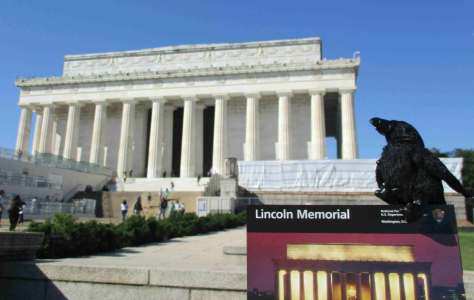
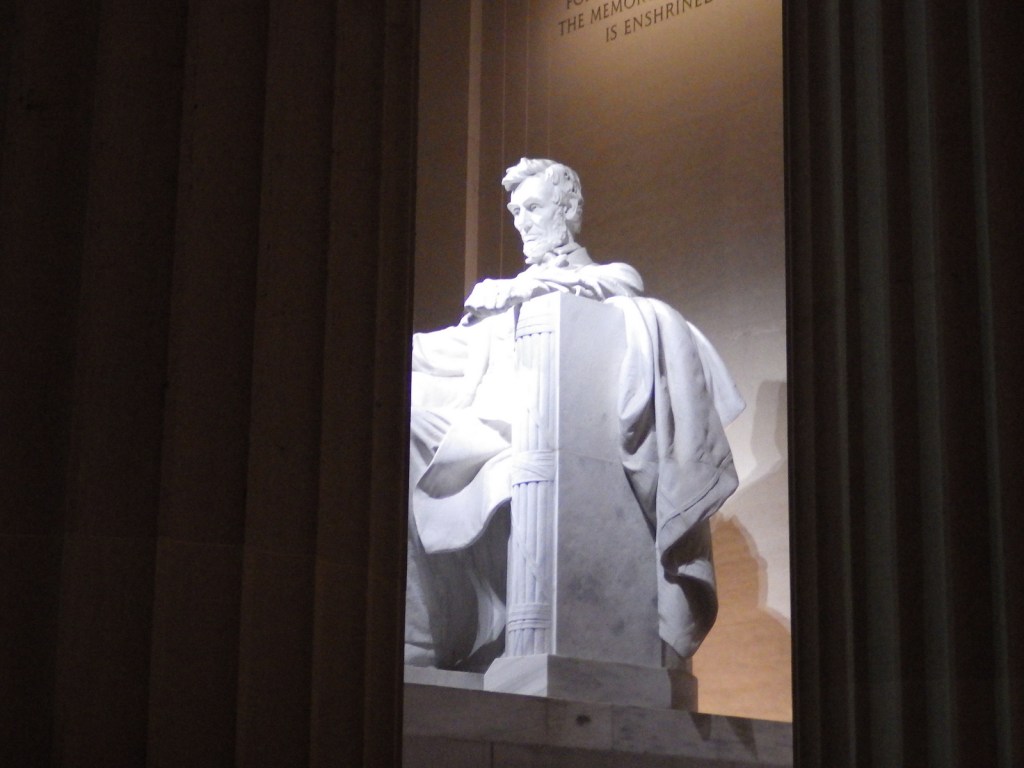
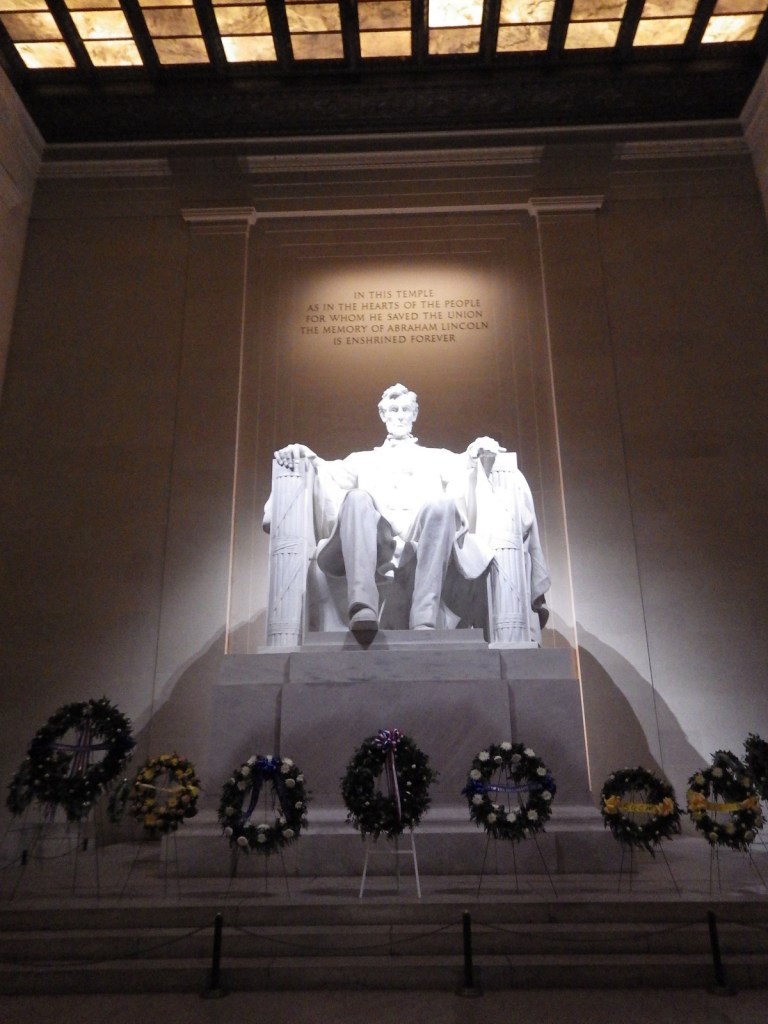
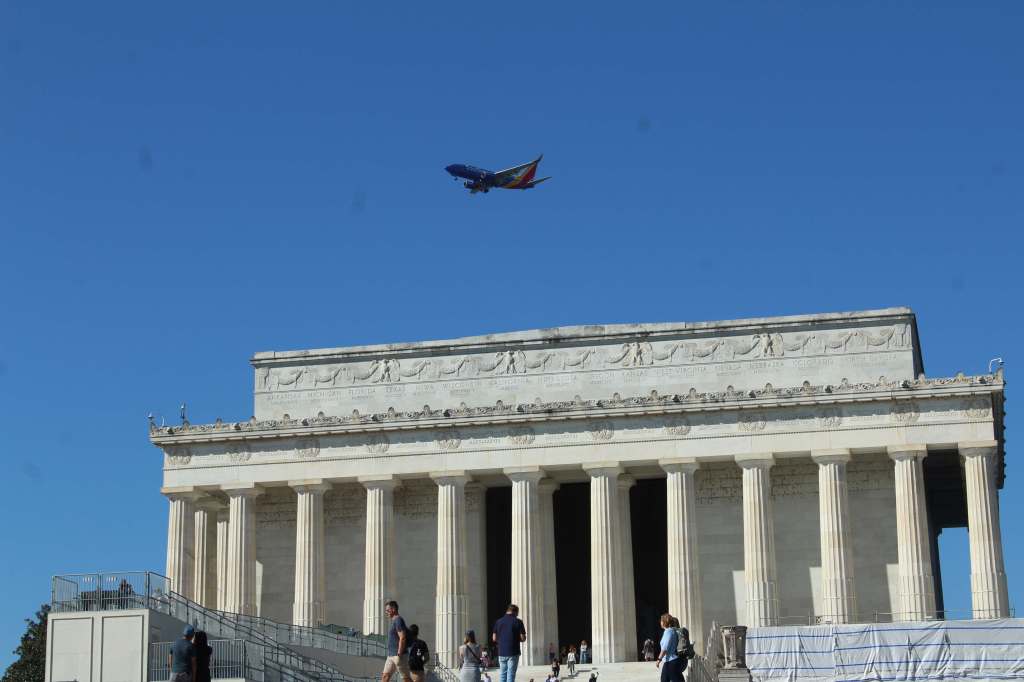
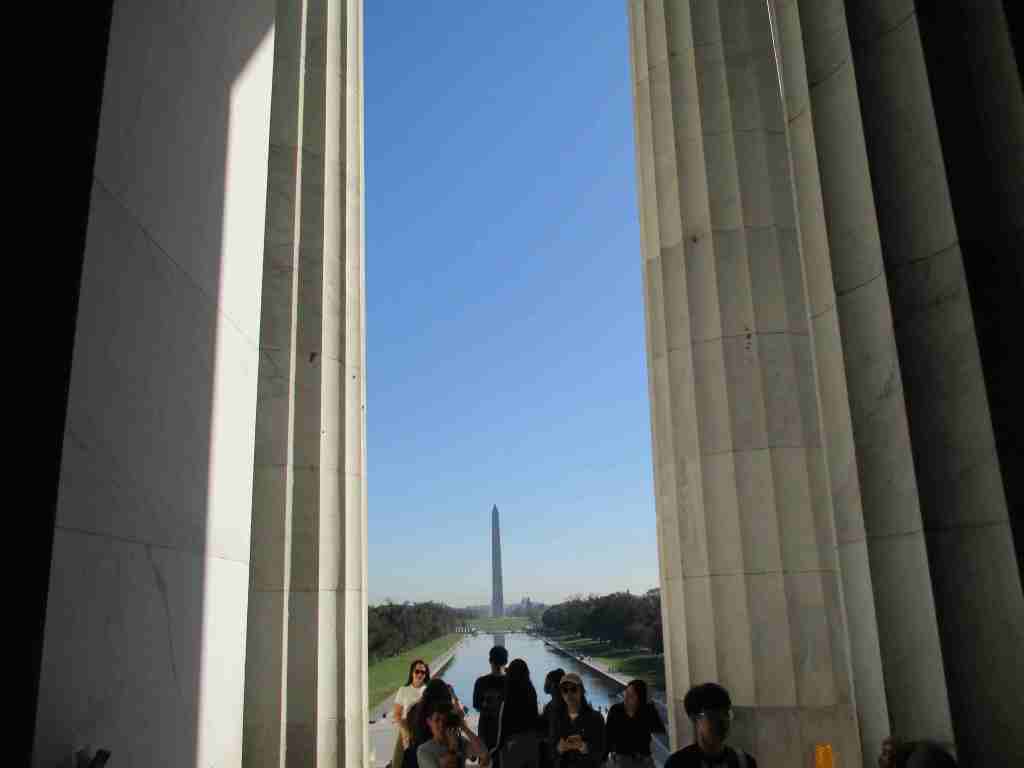
The Lincoln Memorial was inspired by Greek temples and features 36 Doric columns, a giant statue of the seated man, and two large murals. Be sure to walk to either side of the statue to read two speeches: his Gettysburg Address of 1863 and his Inaugural Address of 1865. We looked long and hard for a penny-crushing machine at the Lincoln Memorial. We thought it would be awesome to have that building stamped onto a penny.
Best Trail
None
Instagram-worthy Photo
If you ever have the chance to visit the National Mall in Washington D.C., do yourself a favor and come after dark. Seeing the white marble and limestone shining under spotlights is quite spectacular (but you might need a tripod for photographs).
Gettysburg AddressOur shadows on the outside of the Lincoln Memorial.A view towards the Washington Monument.Scott showing off a shiny penny with a huge penny below the Lincoln Memorial.Under construction in 2024
Explore More – The Lincoln Monument Association was incorporated in 1867, but when was the Lincoln Memorial finally dedicated?
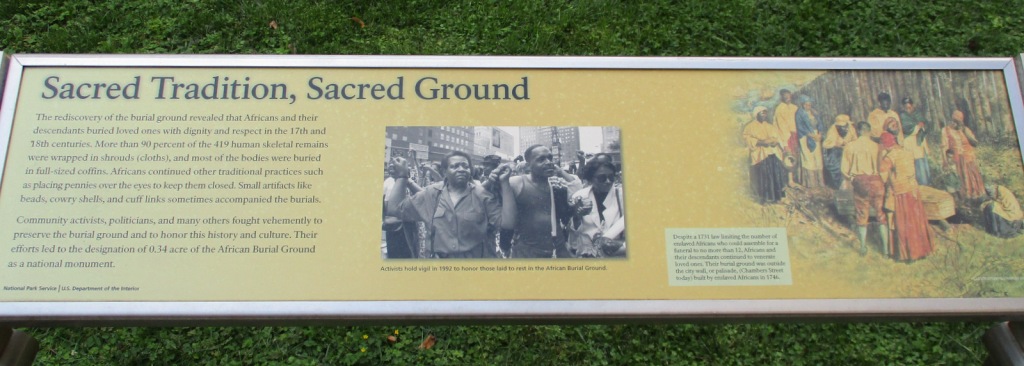
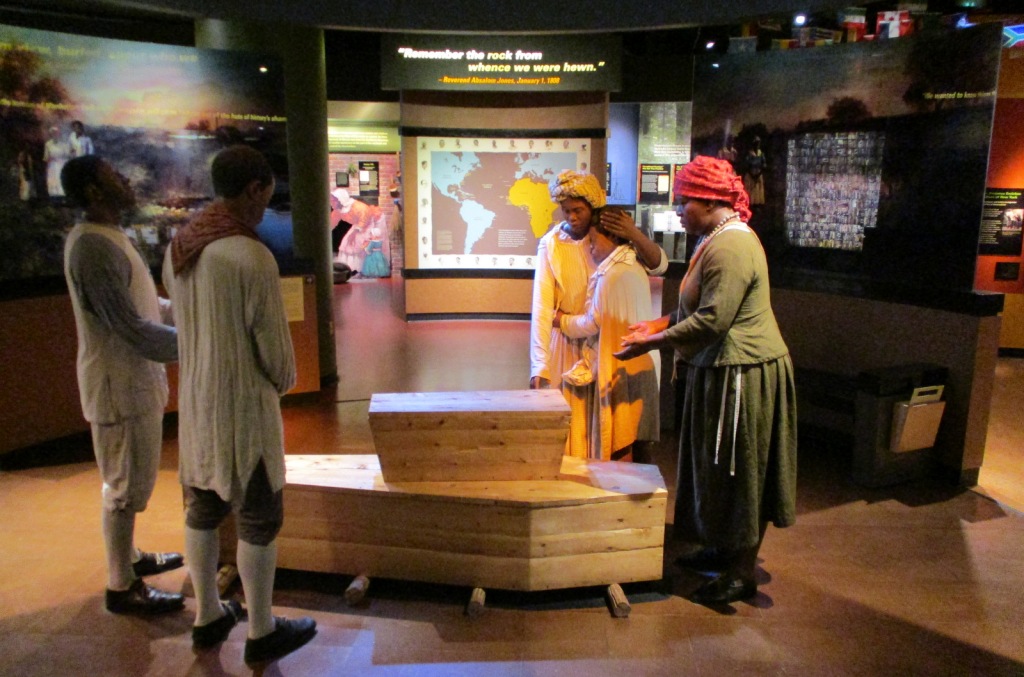
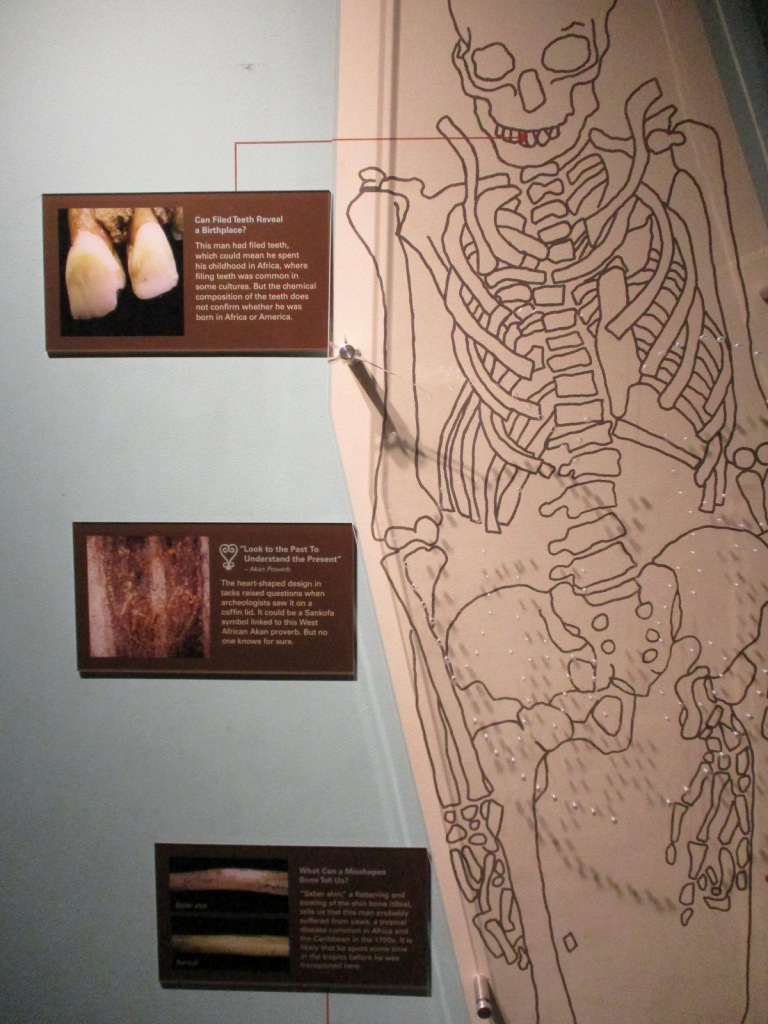
When excavating a federal office building in New York City in 1991, construction workers came upon a massive cemetery forgotten since it closed in 1794. Archaeologists eventually found the remains of 419 bodies from a time when Africans were not allowed to be buried inside the walls of the Dutch city of New Amsterdam. There are believed to be about 15,000 people buried in the original six-acre cemetery.
Highlights
Museum, film, Circle of the Diaspora, Ancestral Libation Chamber
Must-Do Activity
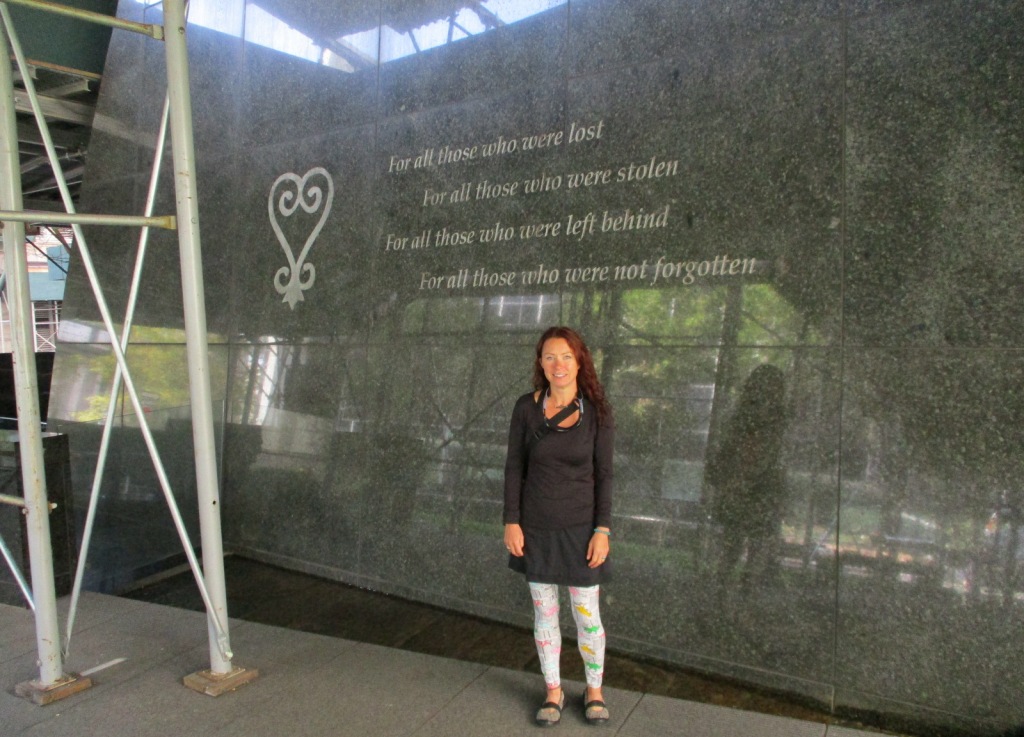
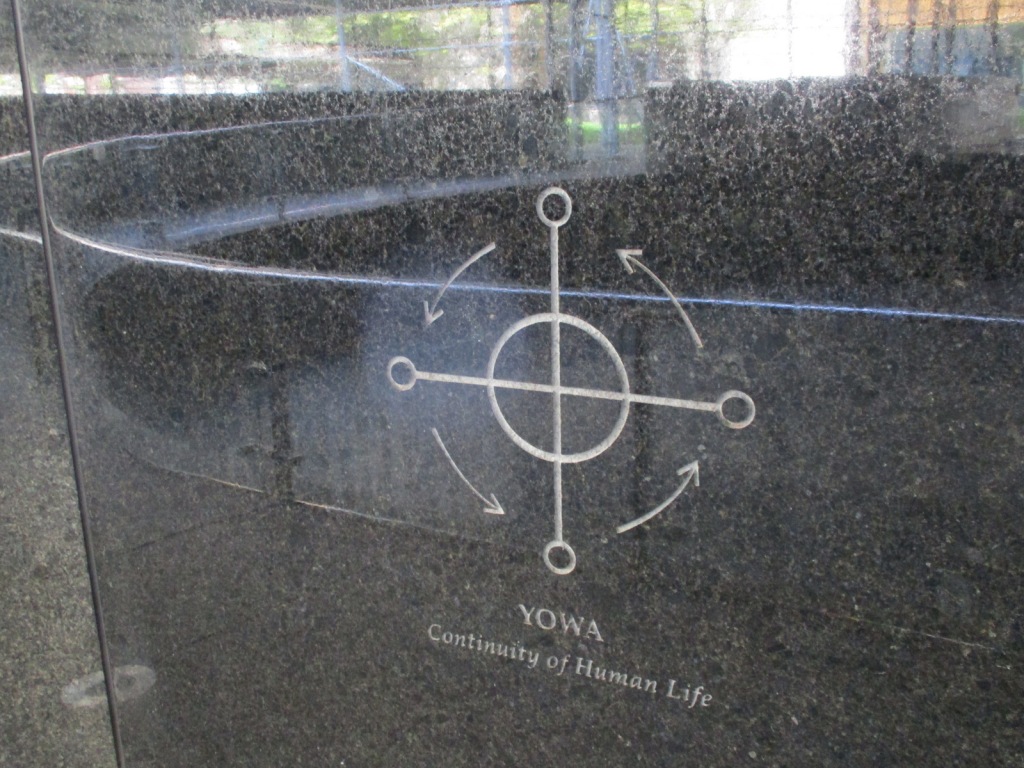
After passing through security, check out the National Park Service (NPS) visitor center that opened in 2010. It has interactive exhibits about the thousands of captive and freed Africans that lived in the city in the eighteenth century. Outside, a memorial made of Verde Fontaine green granite from Africa was completed in 2007 with the 24-foot high Ancestral Libation Chamber symbolizing the depth at which the bodies were discovered. Nearby the 419 bodies were ceremonially reinterred in 2003. Call ahead to schedule your place on an NPS ranger-led tour of the site.
Best Trail
None
Instagram-worthy Photo
The symbolic “Door of Return” is part of the outdoor memorial, which was entirely covered by scaffolding to protect it from a construction project during our visit in 2019.
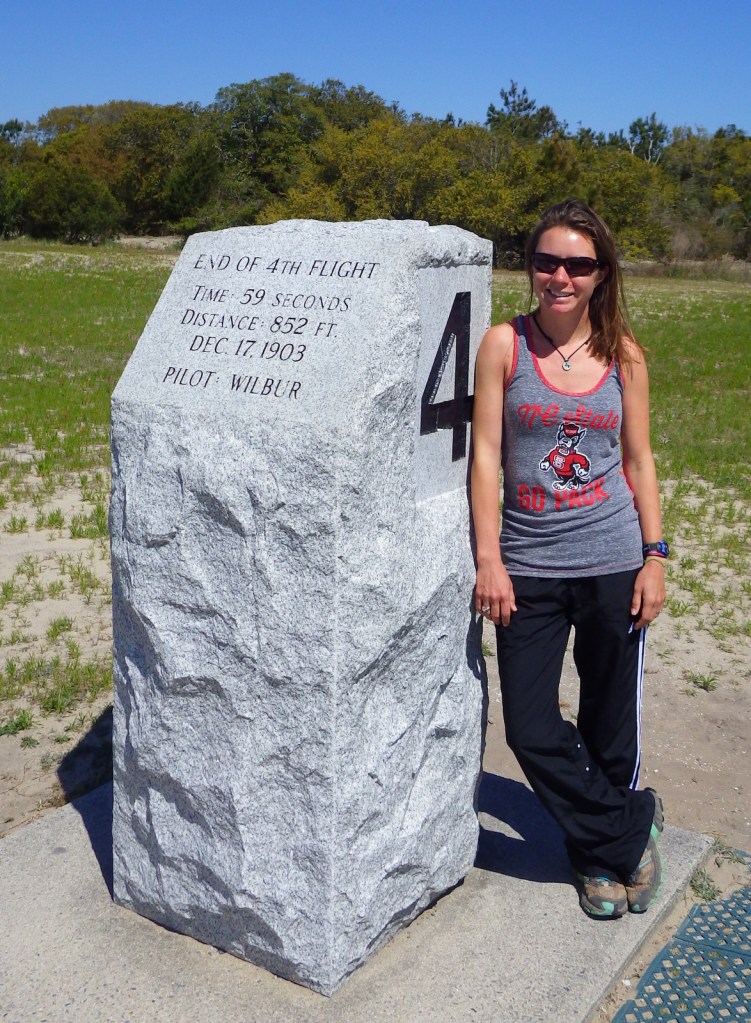
The Wright Brothers hailed from Dayton, Ohio but they came to the Outer Banks of North Carolina for the sustained winds they needed to get their winged contraptions off the ground. They glided from the top of Kill Devil Hill more than a thousand times between 1900 and 1902. Then on December 17, 1903 they finally made history: twelve-seconds of motor-powered, man-carrying flight in a heavier-than-air airplane. After the fourth and longest flight (59 seconds) that day the flying machine was irreparably crashed and the brothers headed back to Ohio.
Highlights
Museum, replica flyer and glider, monument, sculpture
Must-Do Activity
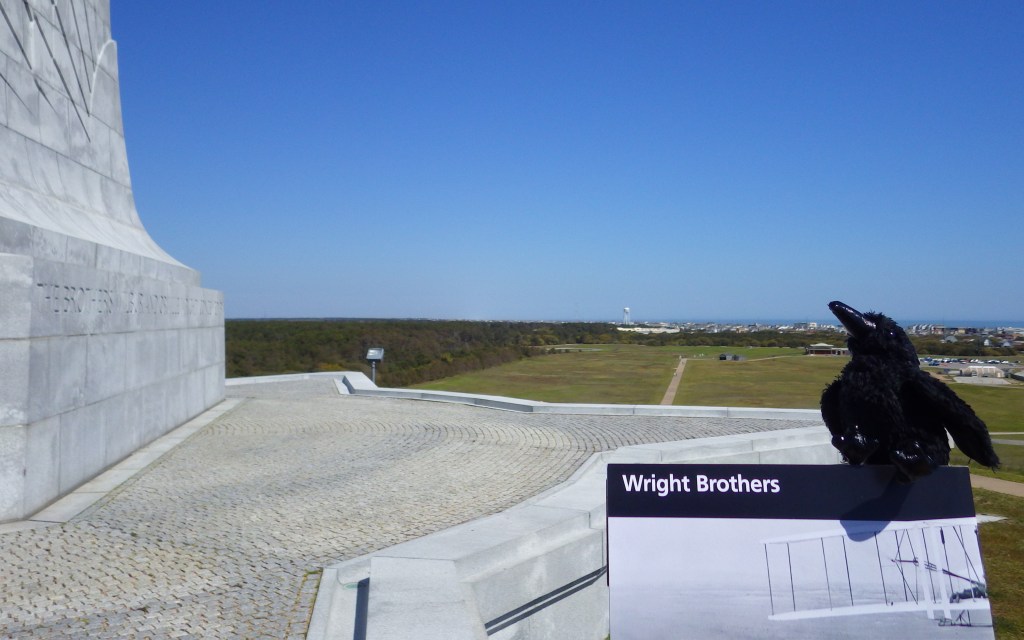
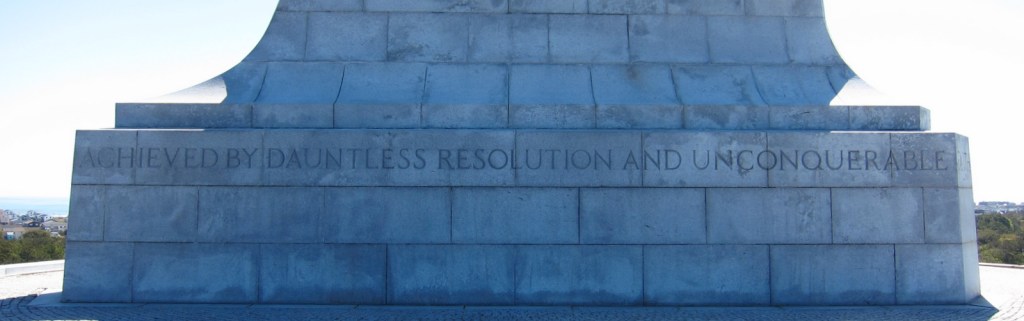
Since 1932, a massive granite monument has stood atop the 90-foot tall hill, which is actually a sand dune stabilized with planted grass. Visitors to Kitty Hawk will also find a replica flyer and glider, reconstructed hangar, boulders marking the landing spot of each of the four flights, and a life-size bronze sculpture added on the first flight centennial in 2003.
Best Trail
A paved walkway connects the Wright Brothers Monument atop Kill Devil Hill with the five boulders marking the lift-off point and four landings that occurred on December 17, 1903.
Instagram-worthy Photo
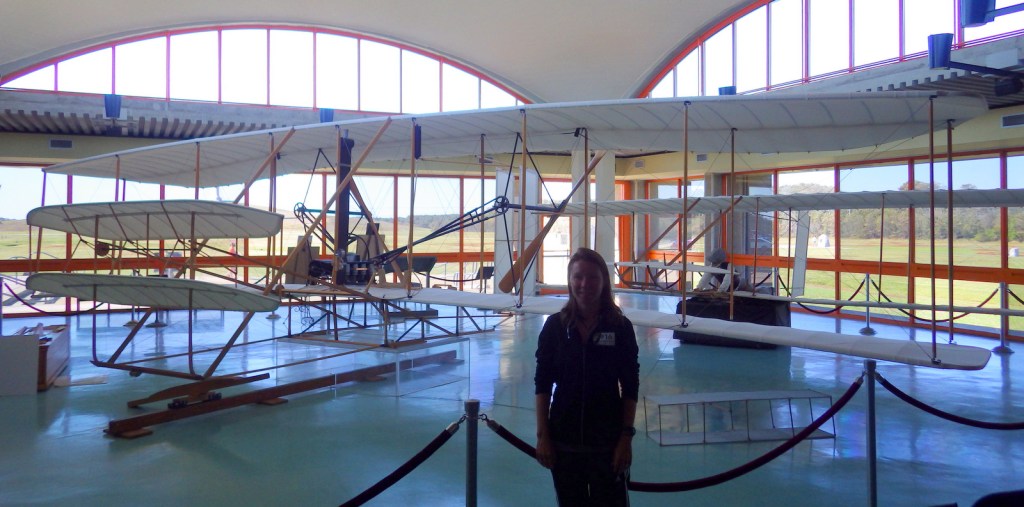
A full-scale replica of the 1903 flyer is located inside the museum run by the National Park Service (NPS). Rangers give lectures in that room throughout the day, also explaining details of the replica 1902 glider.
Tiff with a statue who was holding her tripod for the group shot
Raven about the park
Explore More – The 1903 flyer on display here is a replica, so where is the original exhibited?
We are a participant in the Amazon Services LLC Associates Program, an affiliate advertising program designed to provide a means for us to earn fees by linking to Amazon.com and affiliated sites.
You may not recall the 1876 battle at the Little Bighorn River in southern Montana, but most Americans (even children) recognize its label “Custer’s Last Stand.” For such a relatively minor skirmish in the bloody 1800s, it has an outsized legend that only grows with time. At this site more than 140 years ago, a large portion of the 7th U.S. Cavalry met their demise for tactical reasons still debated to this day. The blame is generally placed upon Lieutenant Colonel George Armstrong Custer who was believed to be jockeying for a presidential nomination in the 1876 election. Today this National Park Service (NPS) site is located on the Crow Indian Reservation in southern Montana, just off Interstate 90.
Museum, Custer National Cemetery, driving tour, Last Stand Hill, Indian Memorial
Must-Do Activity
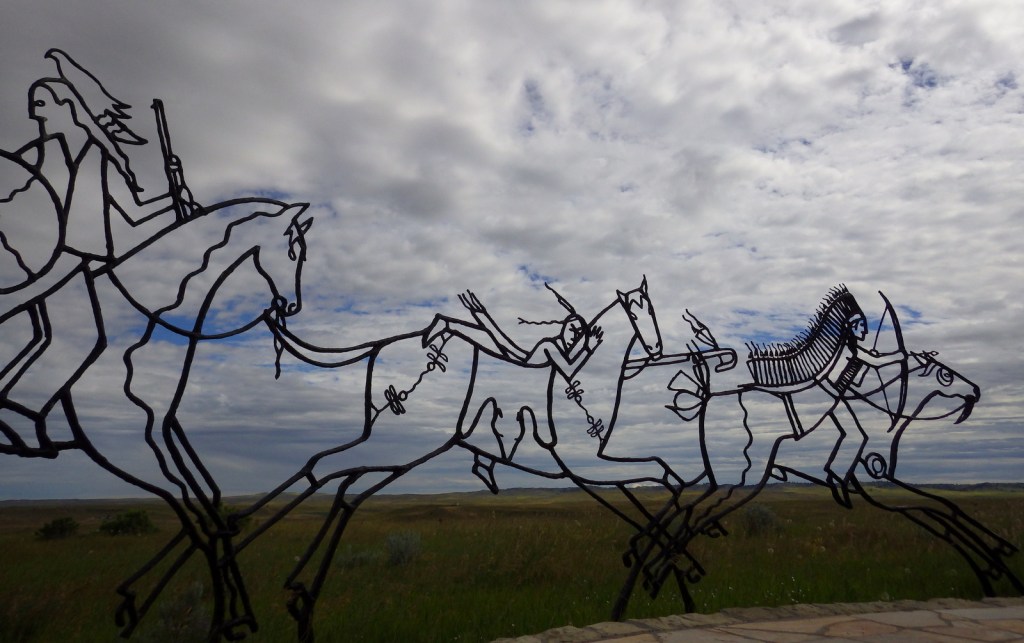
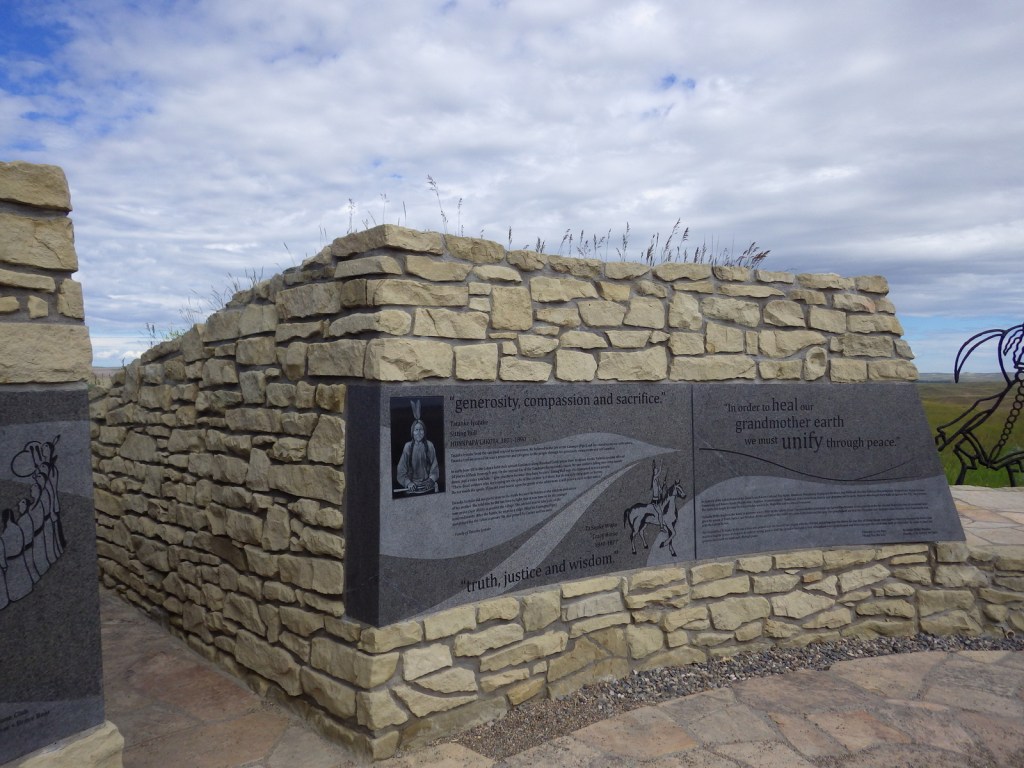
On June 25, 1876, with only 600 soldiers, Custer attempted to defeat a temporary village composed of multiple tribes numbering over 7,000 individuals. Never before had so large an American Indian encampment been collected anywhere on the Great Plains. Renowned war chiefs Sitting Bull, Crazy Horse, Two Moons, and many others have their words memorialized at the Indian Memorial, not built at Little Bighorn Battlefield National Monument until 2003 near the mass grave on Last Stand Hill. Be sure to come in late June for the opportunity to witness a historical reenactment of the famous battle, which is held on the Crow Indian Reservation adjacent to the 765-acre National Monument.
Best Trail
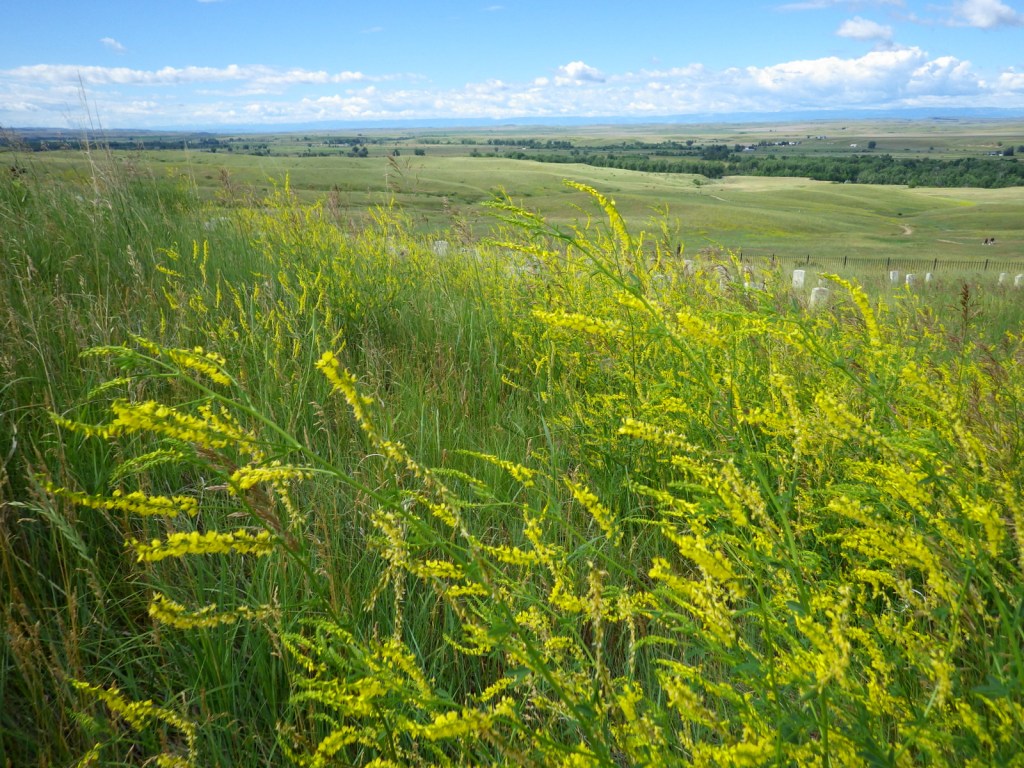
Deep Ravine Trail is a half-mile out-and-back hike that was first laid out in the immediate aftermath of the battle to mark the sites of casualties with wooden stakes made from teepee poles, and then in 1890 replaced by white marble markers.
Photographic Opportunity
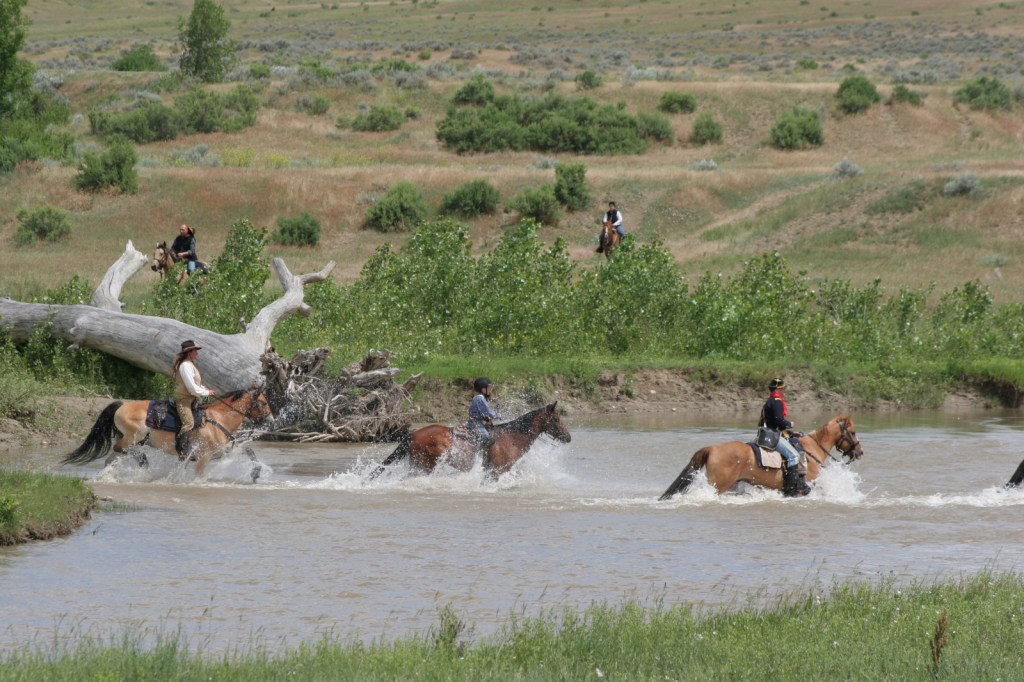
The Battle of the Little Bighorn Reenactment is a two-hour, fully narrated presentation explaining the significance of the Battle of the Greasy Grass (as the American Indians call it). The site of the reenactment is a ford where Lieutenant Colonel Custer’s battalion came closest to the encampment where 1,800 warriors of the Sioux, Cheyenne, and Arapahoe Nations were gathered to protect their families. American Indian riders go bareback, leaping on and off their ponies with ease, while saddled 7th U.S. Cavalry re-enactors splash through the fast-flowing Little Bighorn River astride powerful horses.
Peak Season
Summer (the best time of year to visit is around the June 25 anniversary when a reenactment of the battle is held)
All roads are paved, including the 4.5-mile-long road to the Reno-Benteen Battlefield.
Camping
There is a small, private campground at the exit from Interstate 90, but the nearest NPS campground is 40 miles away at Bighorn Canyon National Recreation Area.
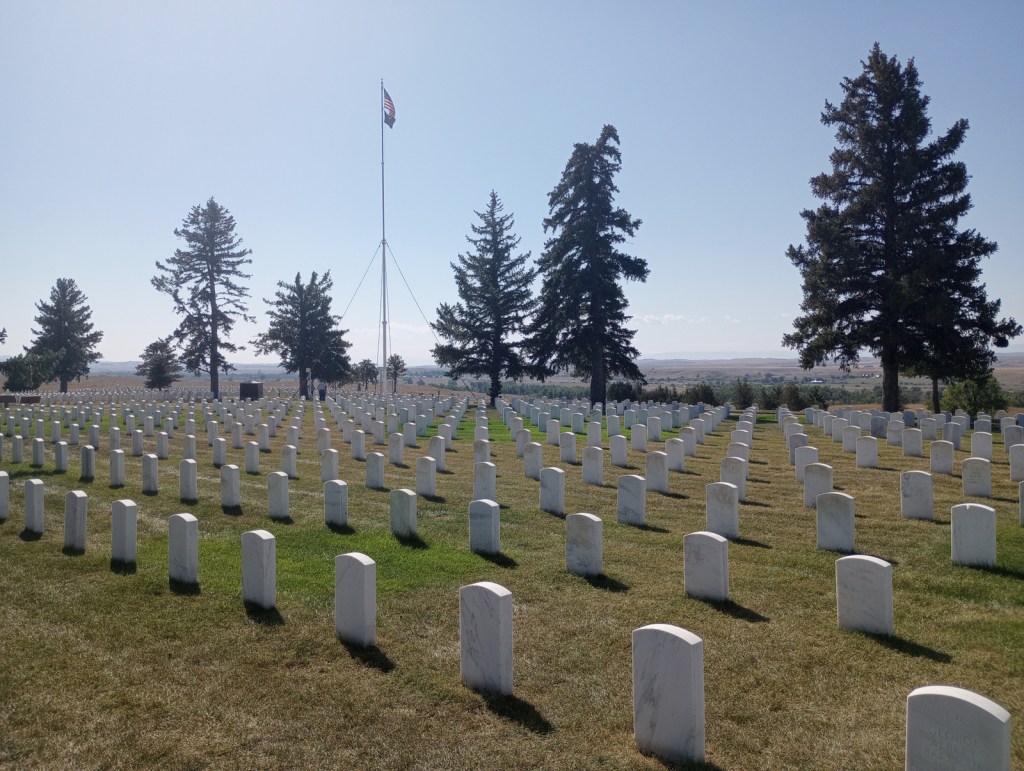
Last Stand HillIndian MemorialIndian MemorialLieutenant Colonel Custer in buckskins at the June reenactmentHorses crossing the Little Bighorn River at the June reenactmentCuster National CemeteryCuster National Cemetery
Explore More – When was Custer National Cemetery originally established and when did it become part of a National Monument?
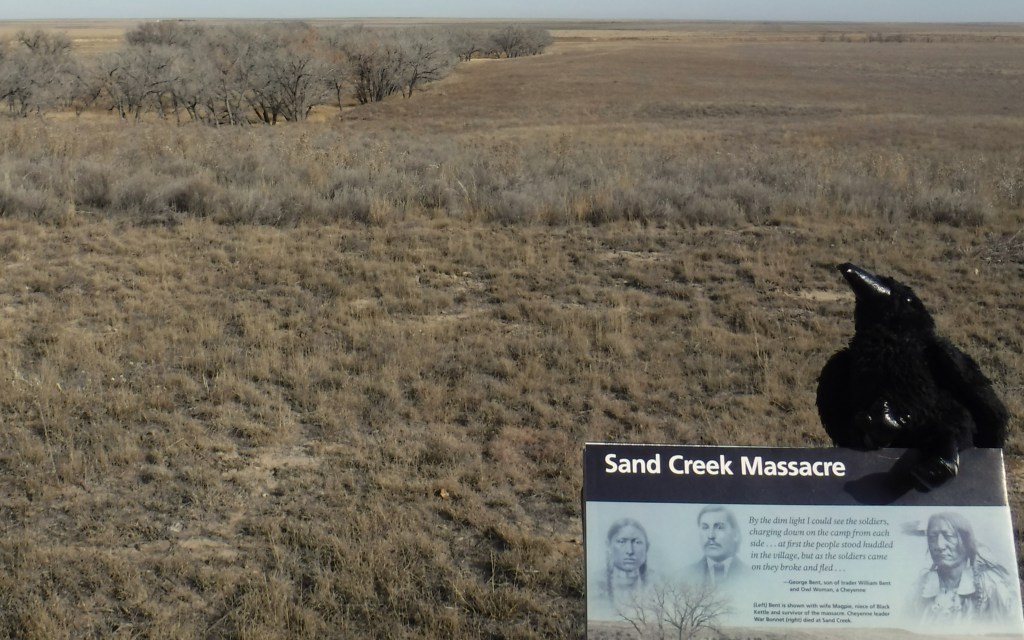
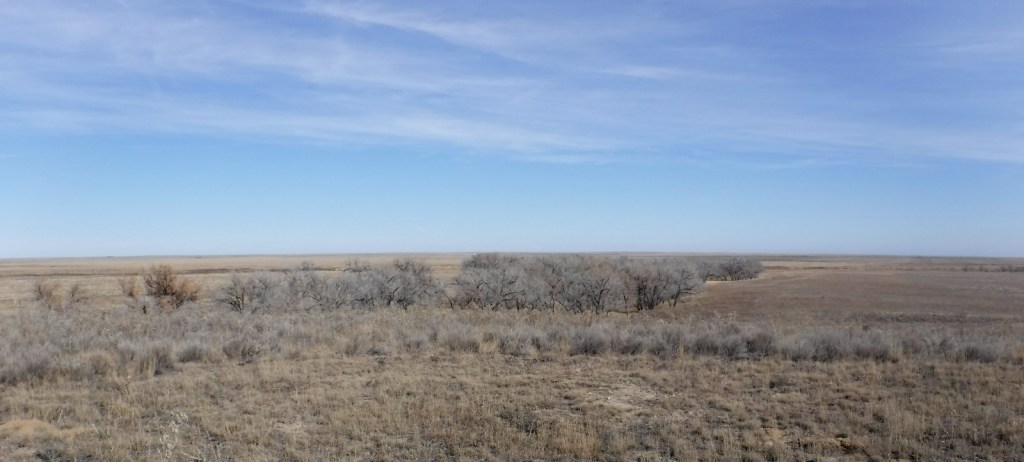
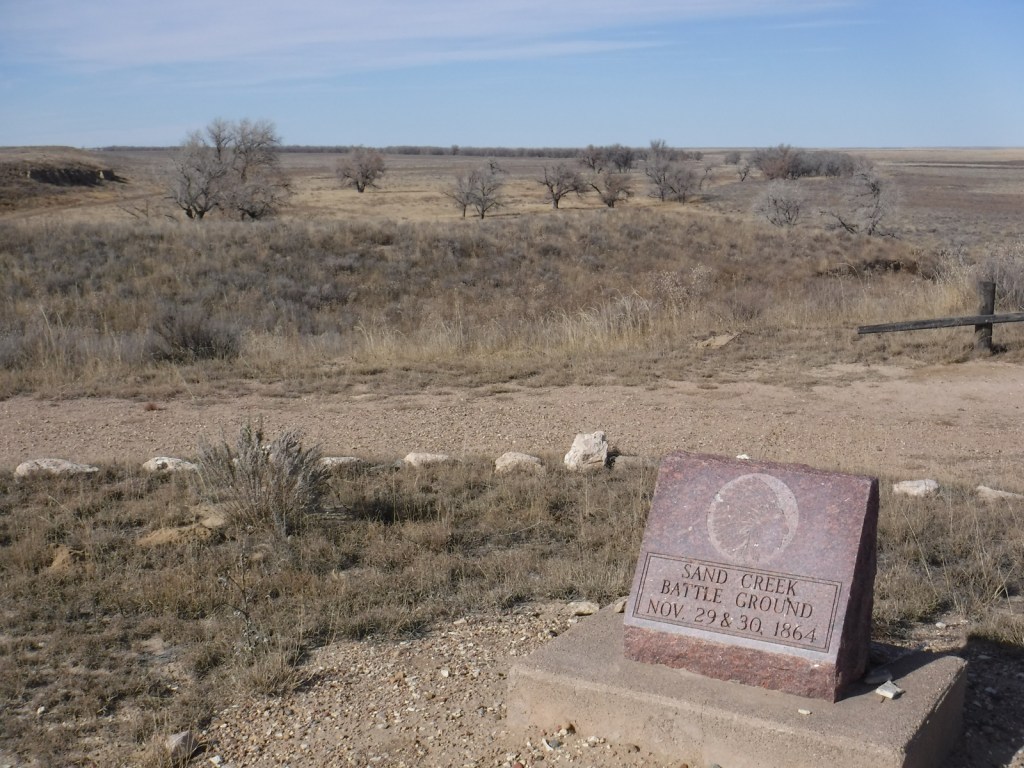
On November 29, 1864, in the middle of the Civil War, a tragedy played out on this spot where Chief Black Kettle and 700 other American Indians were peacefully spending the winter in accordance with the 1861 Treaty of Fort Wise. A surprise attack led by Colonel John Chivington killed between 165 and 200 Cheyenne and Arapaho, primarily women, children, and the elderly. The site is held sacred by the Cheyenne and Arapaho, so is only viewable from an overlook above the cottonwood-lined creek. It serves as an important reminder of the terrible acts people can undertake when they dehumanize their fellow men.
Highlights
Memorial, trail, overlook
Must-Do Activity
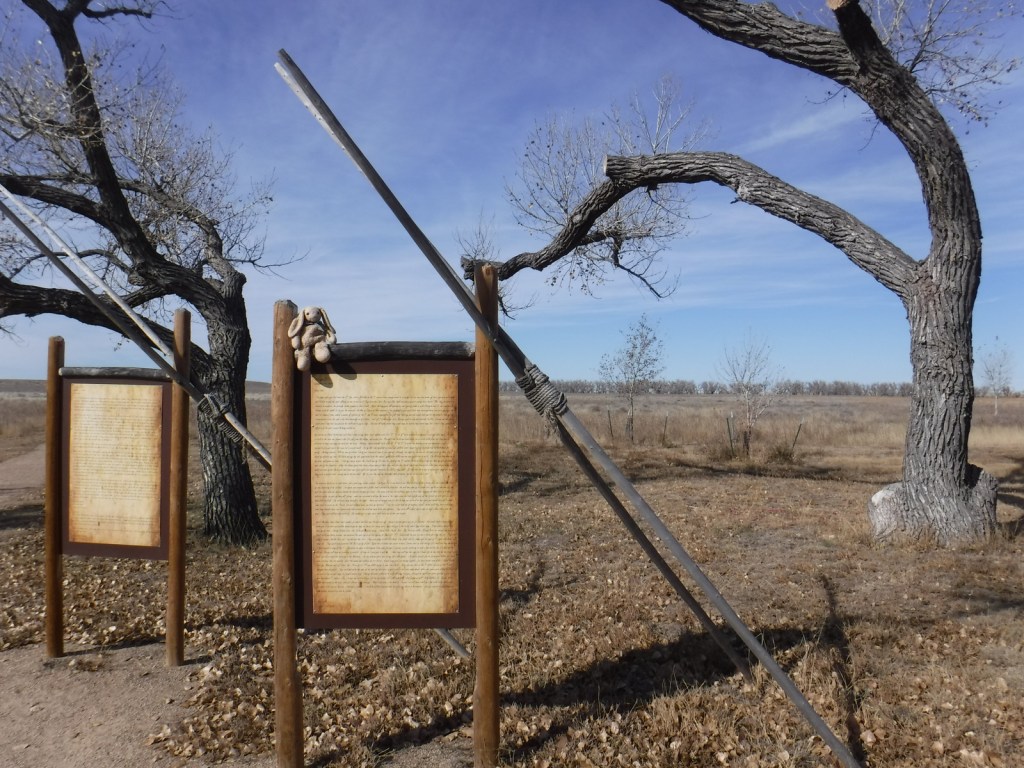
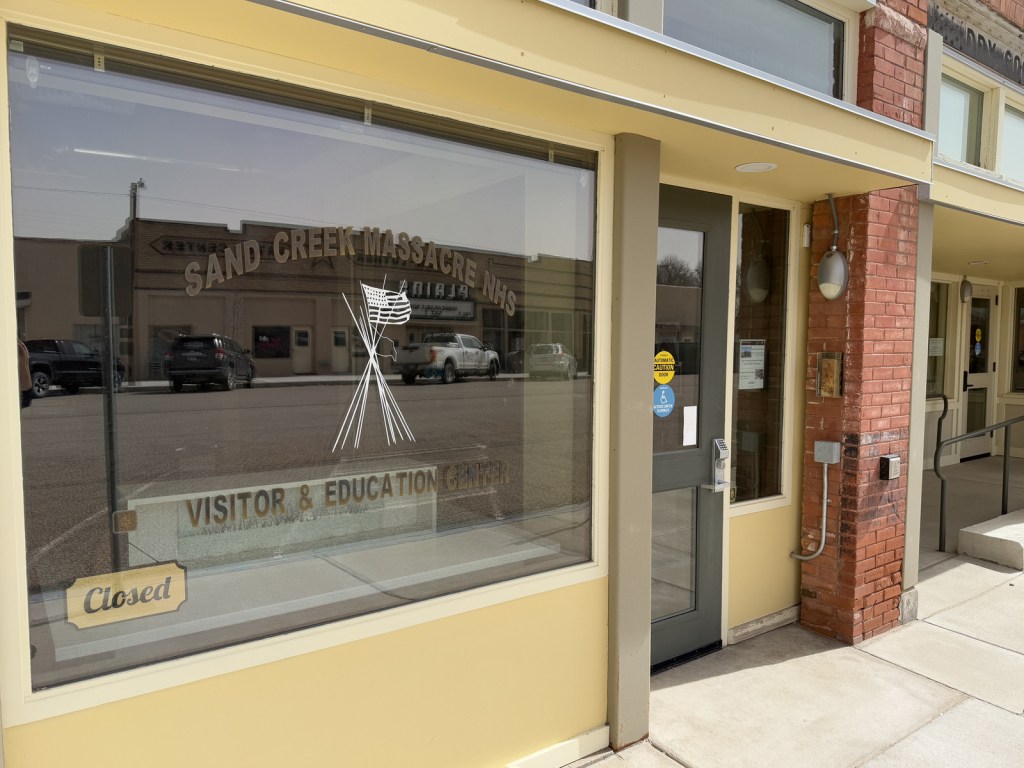
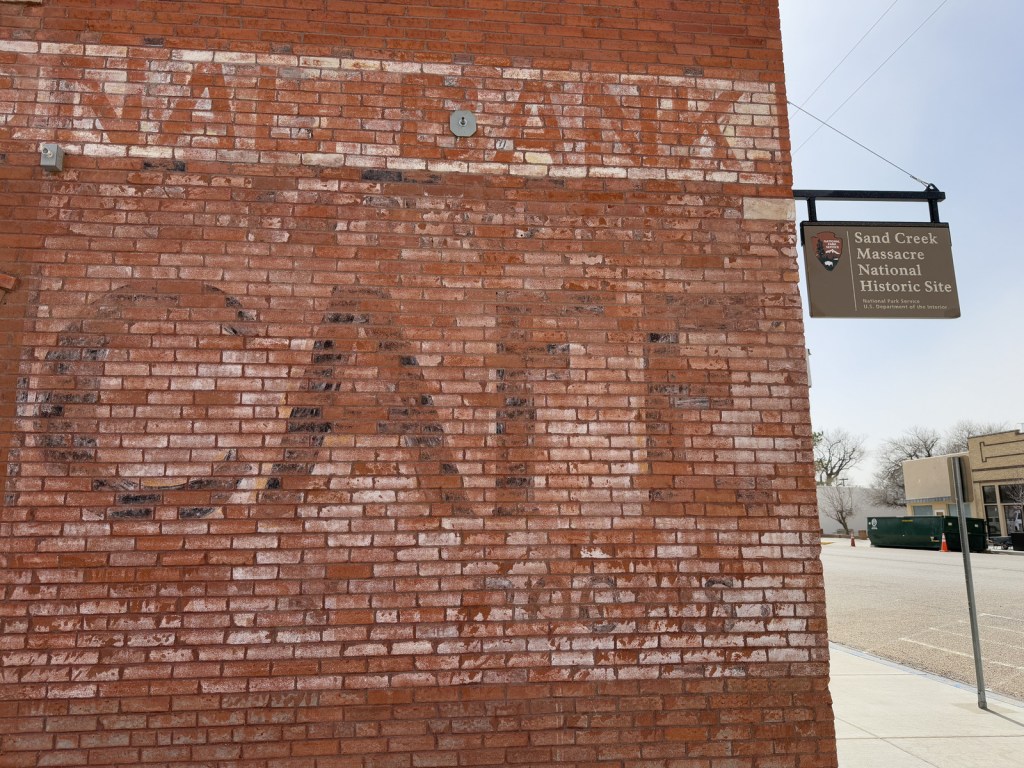
Authorized in 2000 upon the discovery of two grisly letters describing the gruesome event, Sand Creek Massacre National Historic Site opened to the public in 2007. It is located in a remote section of the eastern Colorado plains, down a long dirt road, but it does have a small visitor center in a trailer staffed by the National Park Service (NPS). Near the parking lot you will find posted the letters written by Captain Soule and Lieutenant Cramer, whose units refused to fire during the massacre. Be warned that the description of the mutilation of the bodies is painful to read and not suitable for children. Another NPS visitor center is located in the town of Eads, Colorado (see photos below).
Best Trail
There is a 0.8-mile self-guided walking trail with a few interpretive signs. There is also a 600-mile Sand Creek Massacre Trail designated on highways between here and the Wind River Reservation in Wyoming.
Instagram-worthy Photo
We took this photo from the overlook of the 1864 Cheyenne and Arapaho camp in November nearly 153 years after the massacre.
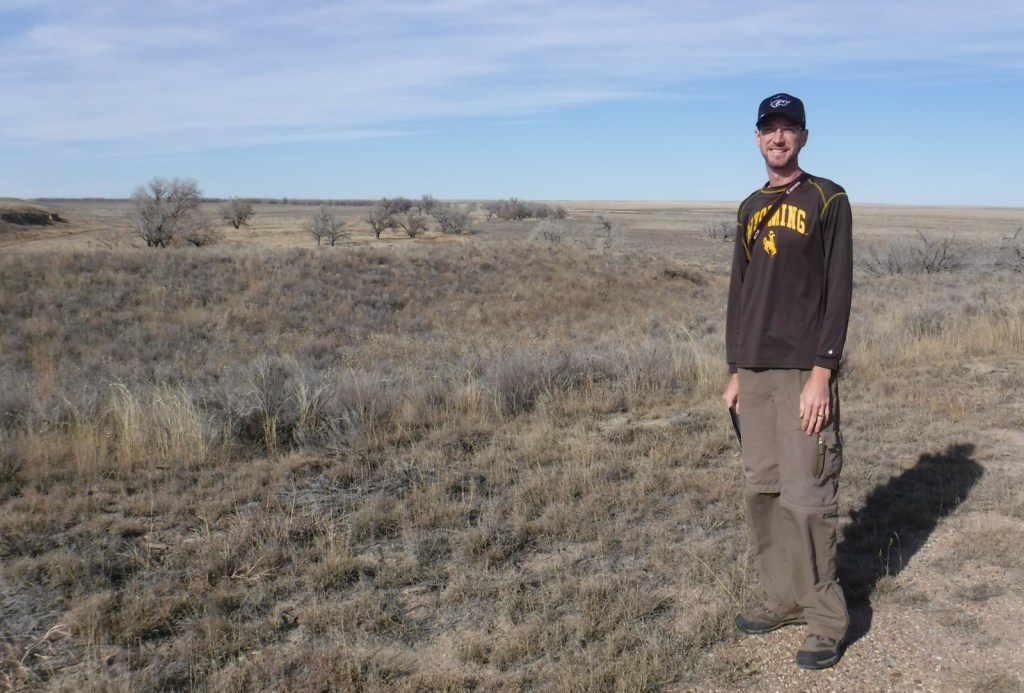
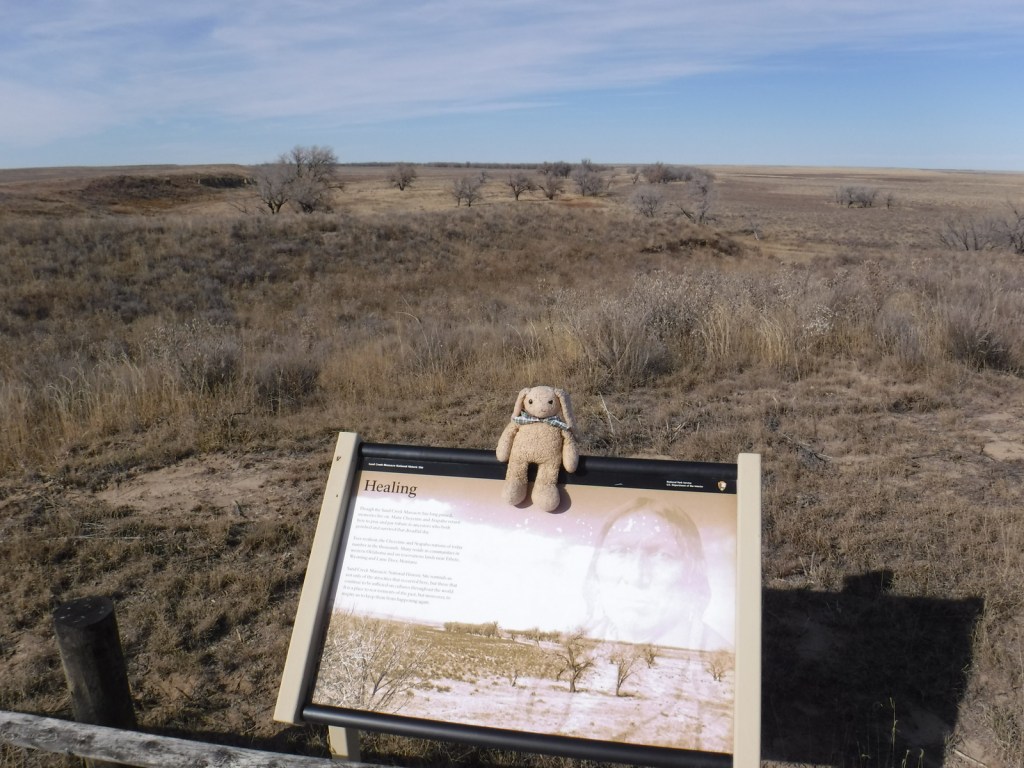
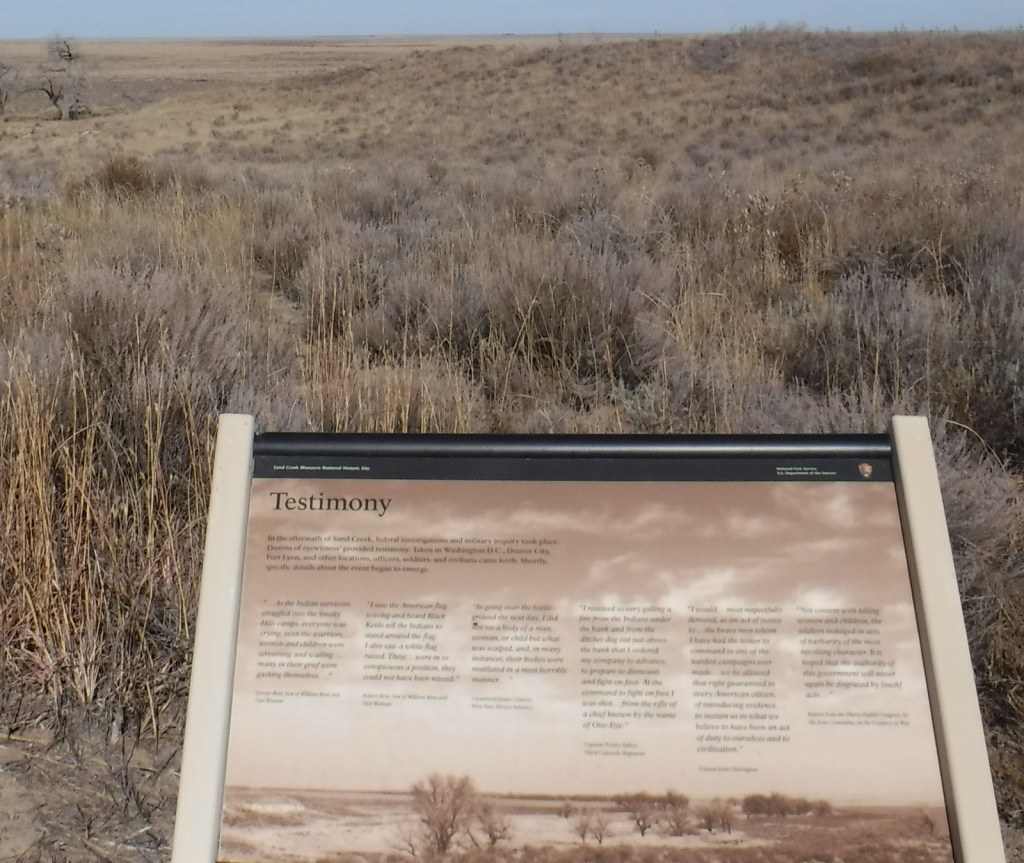
These disturbing letters were written by Captain Soule and Lieutenant Cramer, whose units refused to fire during the attack.Scott at the overlookWondon at the overlookVisitor center in Eads
Explore More – Who was the Colorado Territorial Governor that authorized the 100-day volunteer cavalry to “kill and destroy” hostile American Indians?
Start your U.S. National Parks, National Forests, and National Monuments adventure here!
























 Raven About The Parks