Tag Archives: List

Top 10 Non-Fiction Books on Wildlife

It is the holiday gift buying season again, so in addition to promoting our newest travel guidebook 50 States of Great: Road Trip Guide to America, we decided to rank our favorite non-fiction books about wildlife.  We did not realize how many we had read until we started researching other lists on the subject, so the competition was stiff.  We focused on wildlife, not domesticated wild animals, so we left off three popular books: H is for Hawk by Helen Macdonald, The Daily Coyote by Shreve Stockton, and Wesley the Owl by Stacey O’Brien.  Click here to see all our Top 10 lists, including our Top 10 Gifts for National Park Lovers.

10. Lily Pond: Four Years with a Family of Beavers by Hope Ryden (1989)

A personal story that is enhanced by references to scientific studies on beavers

9. Refuge: An Unnatural History of Family and Place by Terry Tempest Williams (1991)

Mostly autobiographical, this beautifully written tome is a love letter to Utah’s Bear River Migratory Bird Refuge

8. Red Fox: The Catlike Canine by J. David Henry (1996)

Red foxes live almost everywhere in the U.S. having adapted to a wide variety of environments

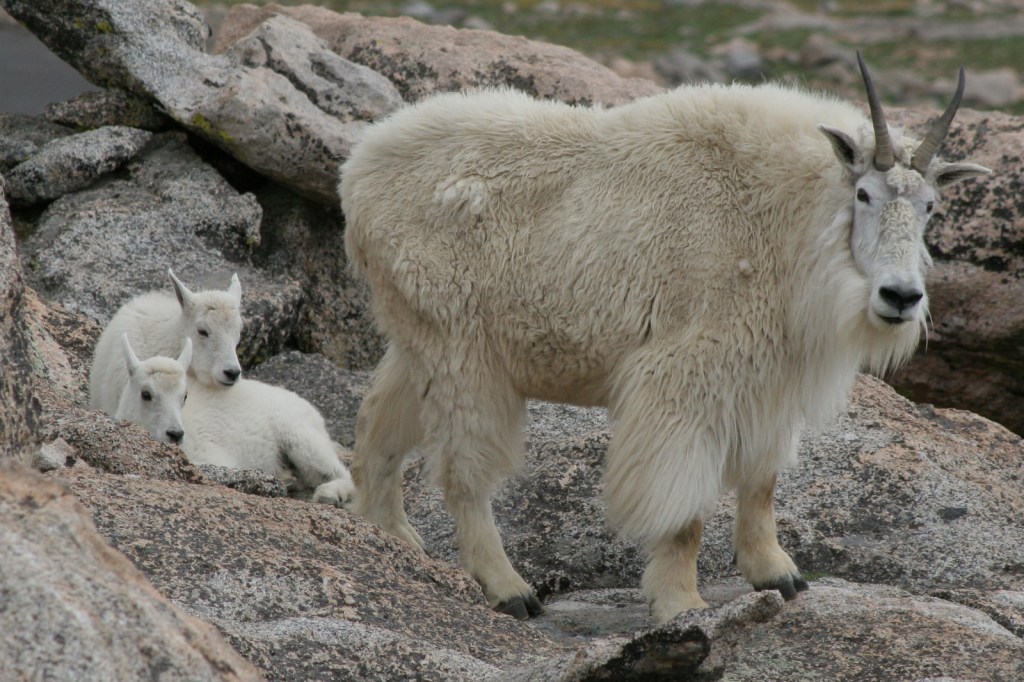
7. A Beast the Color of Winter: The Mountain Goat Observed by Douglas H. Chadwick (1983)

North American mountain goats are the subject of this concise volume; Chadwick has also written The Wolverine Way (2010)

6. Heart and Blood: Living with Deer in America by Richard Nelson (1997)

Set mostly in Alaska’s Tongass National Forest, this is an interesting perspective on a common mammal

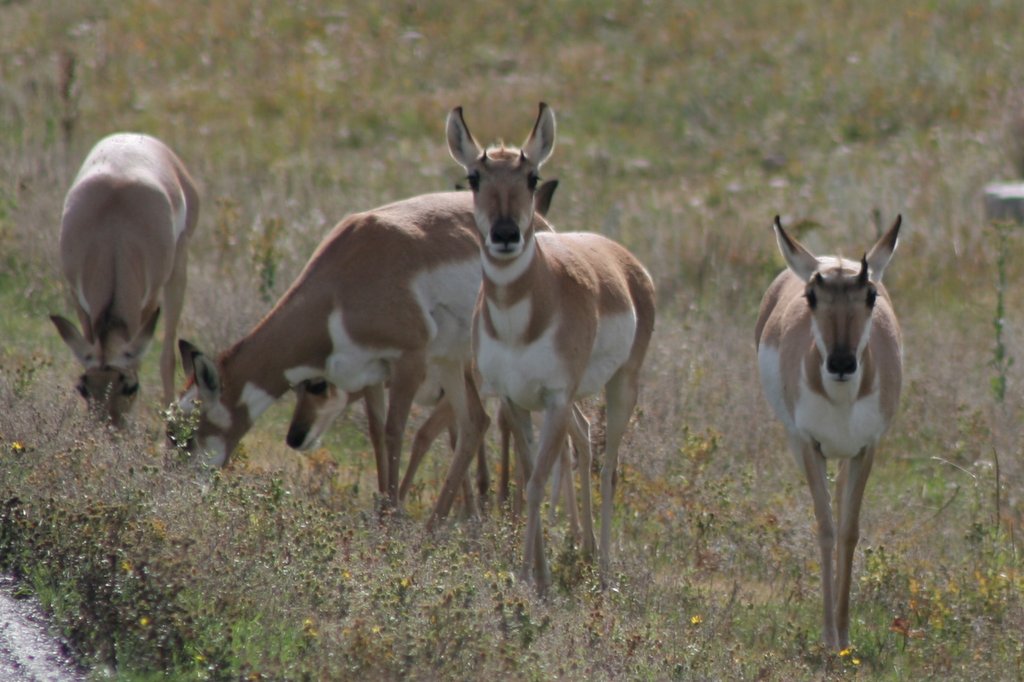
5. Built for Speed: A Year in the Life of Pronghorn by John A. Byers (2003)

This book taught us so much about our backyard neighbors, from their predatory zygotes to their oversized hearts and lungs

4. Birdology: Adventures with Hip Hop Parrots, Cantankerous Cassowaries, Crabby Crows, Peripatetic Pigeons, Hens, Hawks, and Hummingbirds by Sy Montgomery (2010)

The first book we have read by prolific nature writer Sy Montgomery, but certainly not the last

3. The Rise of Wolf 8: Witnessing the Triumph of Yellowstone’s Underdog by Rick McIntyre (2019)

The first of a series that documents the dramatic lives of the reintroduced wolfpacks of Yellowstone National Park over the decades

2. Watch the Bear: A Half Century with the Brown Bears of Alaska by Derek Stonorov (2023)

One of the best books about bears ever written, it dispels myths based on a lifetime of close observation in Alaska

…and finally our #1 non-fiction book about wildlife:

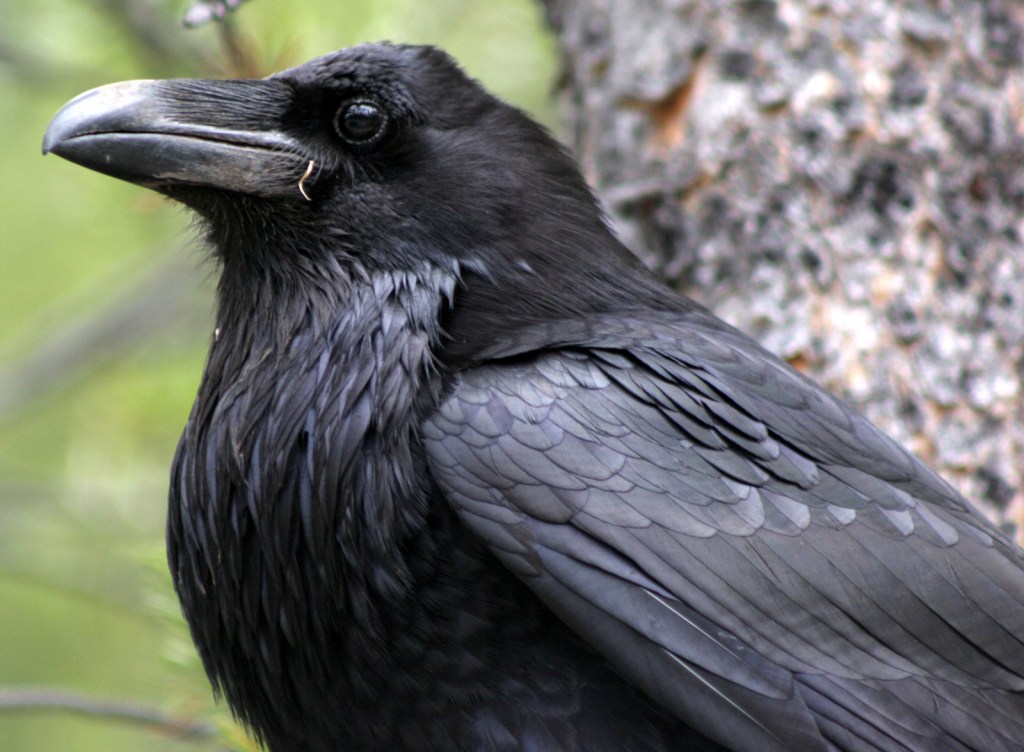
1. Mind of the Raven: Investigations and Adventures with Wolf-Birds by Bernd Heinrich (1999)

Even if you know a lot about these fascinating and intelligent birds, you will learn something new. The obvious #1 choice for Raven About the Parks!

.

Honorable Mentions

North American Tree Squirrels by Michael A. Steele and John L. Koprowski (2003)

Two researchers recount their studies on these frequently seen, but often misunderstood creatures

Wild in Arizona: Photographing Arizona’s Wildlife by Bruce D. Taubert (2016)

Incredible color photographs and expert tips on where to find wildlife in Arizona

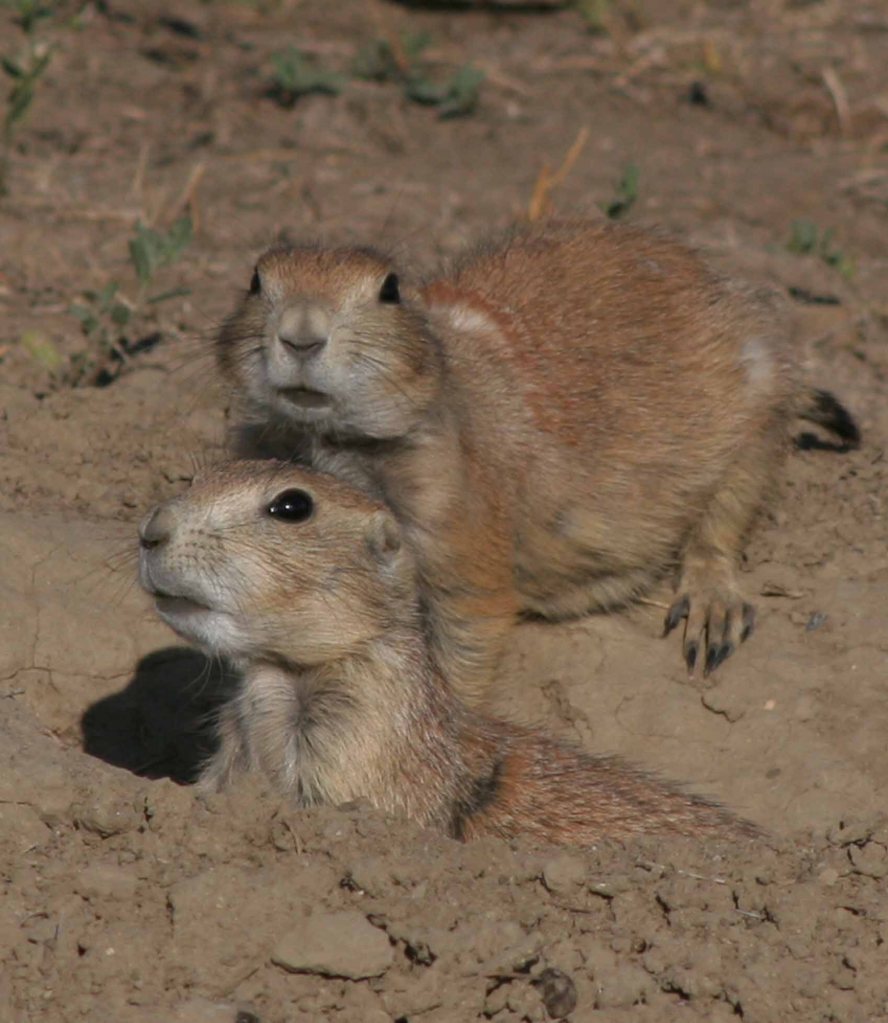
Prairie Dogs: A Wildlife Handbook by Kim Long (2002)

A succinct look at this keystone species; we have also read the author’s equally good Squirrels: A Wildlife Handbook

The Social Lives of Animals by Ashley Ward (2022)

A biologist shares her personal experiences with wild animals across the globe

The Sound of a Wild Snail Eating by Elisabeth Tova Bailey (2010)

Well-written and inspirational look at the often-overlooked wildlife that shares our daily existence

The Animal Dialogues: Uncommon Encounters in the Wild by Craig Childs (2007)

Personal encounters with wild animals from the celebrated author of House of Rain: Tracking a Vanished Civilization Across the American Southwest (2007)

 A Naturalist in Alaska by Adolph Murie (1961)

Set in Denali National Park, previously on our list of Top 10 Books Set in a National Park

Wildlife Watching in America’s National Parks: A Seasonal Guide by Gary W. Vequist and Daniel S. Licht (2013)

This useful guide was previously in our Top 10 Guidebooks to National Parks

Tracks of the Unseen: Meditations on Alaska Wildlife, Landscape, and Photography by Nick Jans (2000)

Previously in our Top 10 Non-Fiction Books Set in Alaska; Jans’ work is also included in the anthology Wild Moments: Adventures with Animals of the North (2009)

Know someone who loves National Parks? Gift them our travel guidebook A Park to Yourself: Finding Solitude in America’s 63 National Parks

Top 10 Novels Set in Hawai‘i

We recently returned from our fourth trip to the Hawai‘i, so we are still island dreaming.  We have previously released our Top 10 Non-Fiction Books Set in Alaska and Top 10 Novels Set in Alaska, now we are turning our attention to the 50th state.  There are many novels to choose from set on the Hawaiian Islands, but all our selections are a good introduction to the Aloha State.  The Stench of Honolulu was a contender, but the comic novel is not really set in Hawai‘i, although it is hilarious.  We have not read enough non-fiction about the state to create a separate list, so we put a few of our favorites at the bottom, not including some interesting works by early tourists Mark Twain, Jack London, and Isabella BirdClick here to see all our Top 10 Lists.

10. From Here to Eternity by James Jones (1962)

A ne’er-do-well soldier goes AWOL in the months before the attack on Pearl Harbor from the author of The Thin Red Line

9. Sharks in the Time of Saviors by Kawai Strong Washburn (2020)

There are magical elements in this gritty story that follows a modern Hawaiian family and was selected as a favorite book by former President Barack Obama

8. Hawaii: A Novel by James A. Michener (1959)

Michener’s epic style covers the history of the islands in an easy-to-digest manner; the story about Mark Twain visiting Kilauea Volcano stood out

7. Micro: A Novel by Michael Crichton and Richard Preston (2011)

A work in progress when the Jurassic Park author passed away, this sci-fi thriller set on Oahu was finished by the author of The Cobra Event and The Wild Trees (which is on our Top 10 Non-Fiction Books Set in a National Park)

6. The Descendants by Kaui Hart Hemmings (2007)

This novel of family dynamics was adapted into an excellent movie starring George Clooney

5. Lei and the Fire Goddess by Malia Maunakea (2023)

This juvenile fiction book follows a 12-year-old girl who is swept up in a supernatural quest after insulting the goddess Pele, the sequel Lei and the Invisible Island is out now

4. Hawaiian Myths of Earth, Sea, and Sky by Vivian L. Thompson (1966)

There are many books to choose from about Pele, Maui, and other gods that are a good introduction to the indigenous culture, including the classic by Martha Beckwith

3. Honolulu by Alan Brennert (2009)

An interesting book of historical fiction, Brennert also wrote Moloka’i about the Kalaupapa leper colony

2. Radar Girls by Sara Ackerman (2021)

A romance novel based on the women who worked for the military during World War II; the characters are great and you will probably want to read Ackerman’s other Hawaiian-set books after finishing

…and finally our #1 novel set in Hawai‘i

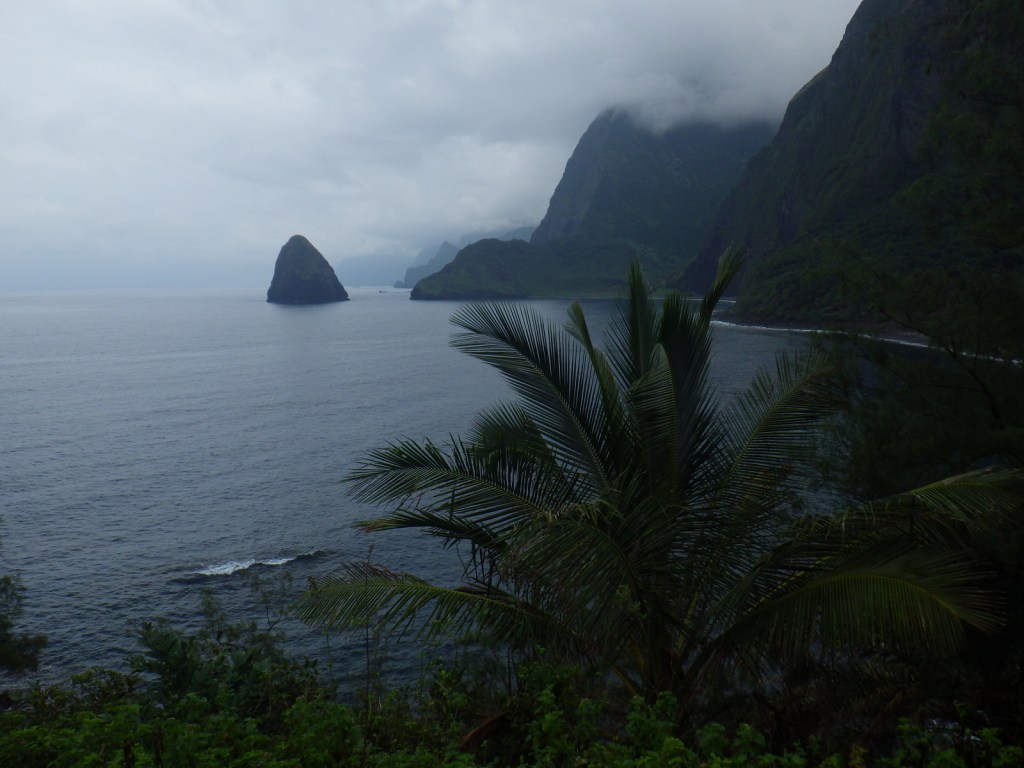
1. Song of the Exile by Kiana Davenport (1999)

Historical fiction follows the decades of changes experienced by a woman who is exiled to the leper colony that is now Kalaupapa National Historical Park on Molokai Island (the author’s Shark Dialogues and House of Many Gods are also on our list to read)

.

Honorable Mentions (Favorite Non-Fiction Books Set in Hawai‘i)

The Three-Year Swim Club: The Untold Story of Maui’s Sugar Ditch Kids and Their Quest for Olympic Glory by Julie Checkoway (2015)

A gripping non-fiction tale of the sons and daughters of sugarcane workers that set international swimming speed records in the 1930s and ’40s

By Wind, By Wave: An Introduction to Hawai‘i’s Natural History by David L. Eyre (2000)

Invasive species have a long history of disturbing the ecological balance of these islands in the middle of the Pacific Ocean

Unfamiliar Fishes by Sarah Vowell (2011)

The author of Assassination Vacation turns her sarcastic pen on the haole invaders who “settled” Hawai‘i

No Worries Hawaii by Jerry and Janine Sprout (2009)

We have utilized many guidebooks to the islands, but given the overload of information out there this one is actually helpful in prioritizing options

We are a participant in the Amazon Services LLC Associates Program, an affiliate advertising program designed to provide a means for us to earn fees by linking to Amazon.com and affiliated sites.

Top 10 National Park Service Sites for Living History

Parks Canada is all about costumed interpreters pretending to be from a specific time period, like the Vikings at L’Anse aux Meadows, Newfoundland and the fur traders at Fort Langley, British Columbia.  However, in the U.S., the National Park Service (NPS) has decreased the presence of living history reenactors over recent decades.  In March 2024, Bent’s Old Fort National Historic Site near La Junta, Colorado announced it was removing its costumed interpreters except on specific weekends, similar to the Civil War sites like Gettysburg National Military Park (neighboring Eisenhower National Historic Site also has living history weekends commemorating World War I and II).  There are still blacksmiths to be found at some NPS sites and weapons demonstrations at others, but private museums are the main place to find this type of interpretation today in the U.S.  So we decided to make a list of NPS sites where you can still travel back in time.  Please let us know if you have any favorites that we left off.  Click here to see all our Top 10 lists.

10. Fort Vancouver National Historic Site (Washington)

Reconstructed buildings include the bakehouse, blacksmith shop, chief factor’s house, fur store, and bastion with costumed reenactors inside

9. New Orleans Jazz National Historical Park (Louisiana)

Park rangers play concerts at the New Orleans Jazz Museum

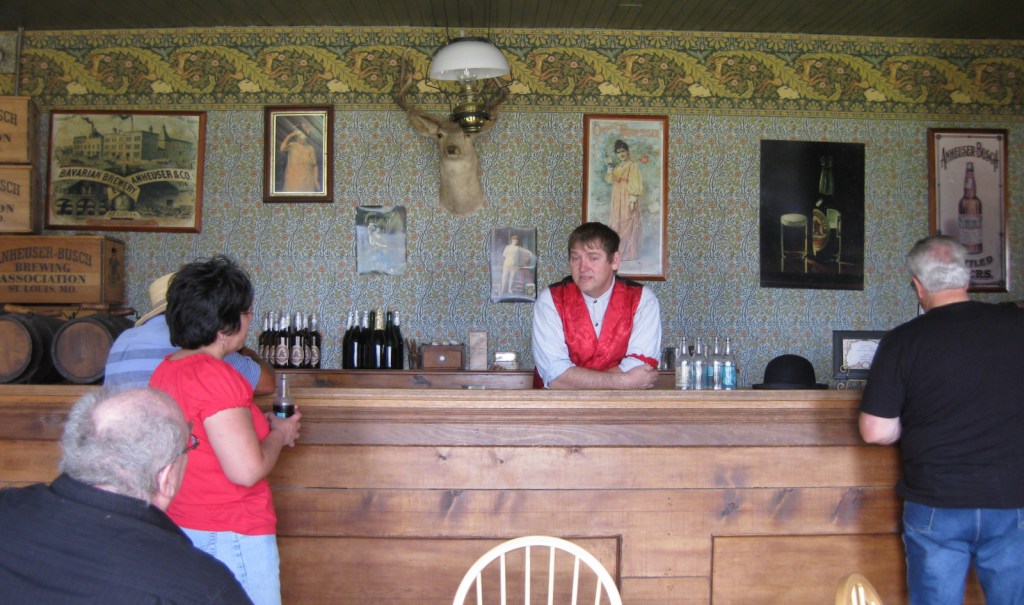
8. Fort Laramie National Historic Site (Wyoming)

Order a sarsaparilla at the bar at this significant stop on the Oregon Trail (come on the 4th of July for sack races, cannon firing demonstrations, and fireworks)

7. Lowell National Historical Park (Massachusetts)

Watch working textile machinery inside the old Boott Cotton Mills

6. Fort Larned National Historic Site (Kansas)

The soldiers, blacksmith, schoolteacher, commissar, and officers’ wives love to share stories of this extraordinary place on the Santa Fe National Historic Trail

5. Golden Spike National Historical Park (Utah)

Colorfully reconstructed train engines run daily in the summer to evoke the spirit of May 10, 1869

4. Grand Portage National Monument (Minnesota)

Rendezvous with costumed reenactors who demonstrate canoe building, bread baking, and weapons firing at this reconstructed North West Company headquarters on Lake Superior

3. Castillo de San Marcos National Monument (Florida)

If you do not want to pay the admission fee to enter the fort, you can still watch the cannon-firing demonstrations atop its corner bastion for free from outside the moat

2. Cuyahoga Valley National Park (Ohio)

Stop at the Canal Exploration Center at working Lock 38, experience living history at Hale Farm and Village (fee), and board the Cuyahoga Valley Scenic Railroad for a train ride

…and finally our #1 National Park Service Sites for living history:

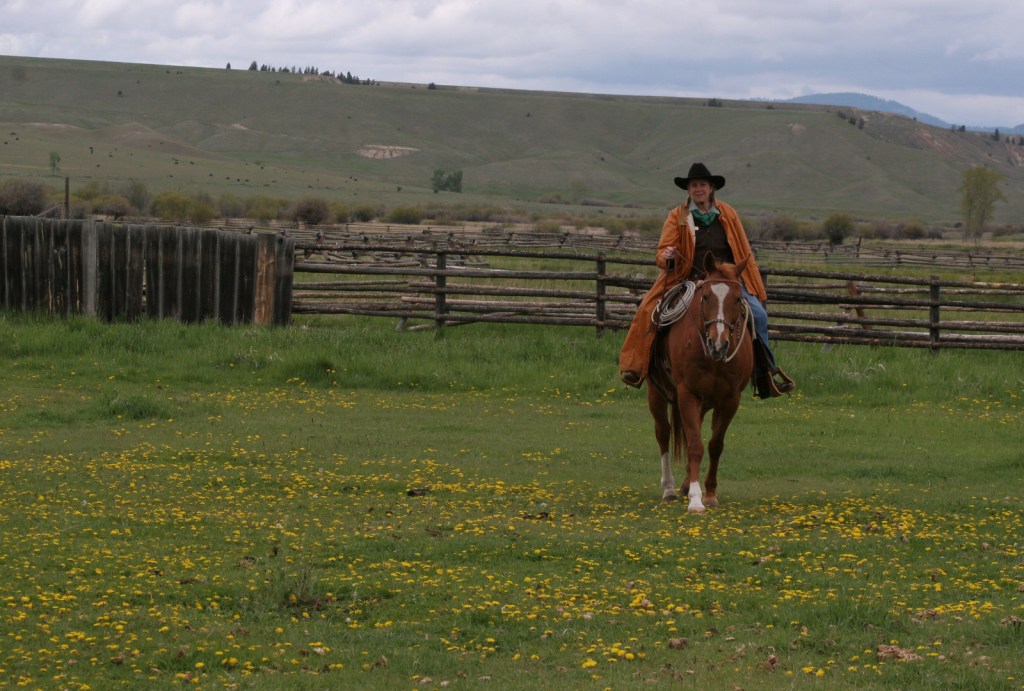
1. Grant-Kohrs Ranch National Historic Site (Montana)

All things “cowboy” are remembered here with volunteer interpreters roaming on horseback

.

Honorable Mentions

Colonial National Historical Park (Virginia)

Next door to the NPS site is Jamestowne Settlement with reenactors at the Powhatan Indian Village, fort, and three reproduction ships (plus, don’t miss nearby Colonial Williamsburg, the national capital of living history)

Fort Raleigh National Historic Site (North Carolina)

Step inside the NPS visitor center’s Elizabethan Room, then buy tickets for “The Lost Colony” outdoor musical performed most nights throughout the summer (there is also a musical held outside Theodore Roosevelt National Park in Medora, North Dakota)

Ford’s Theatre National Historic Site (District of Columbia)

Live theater is still performed at this infamous site of Abraham Lincoln’s assassination (but they officially will never stage the play “My American Cousin” that Abe was watching that night)

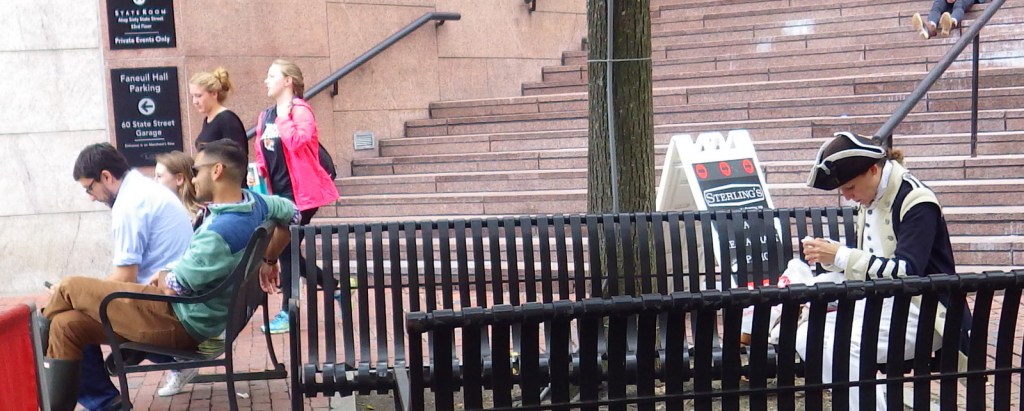
Boston National Historical Park (Massachusetts)

The NPS does not utilize costumed volunteers, but you can hire a guide who does, plus pay to participate in your own tea party by chucking replica bundles into Boston Harbor

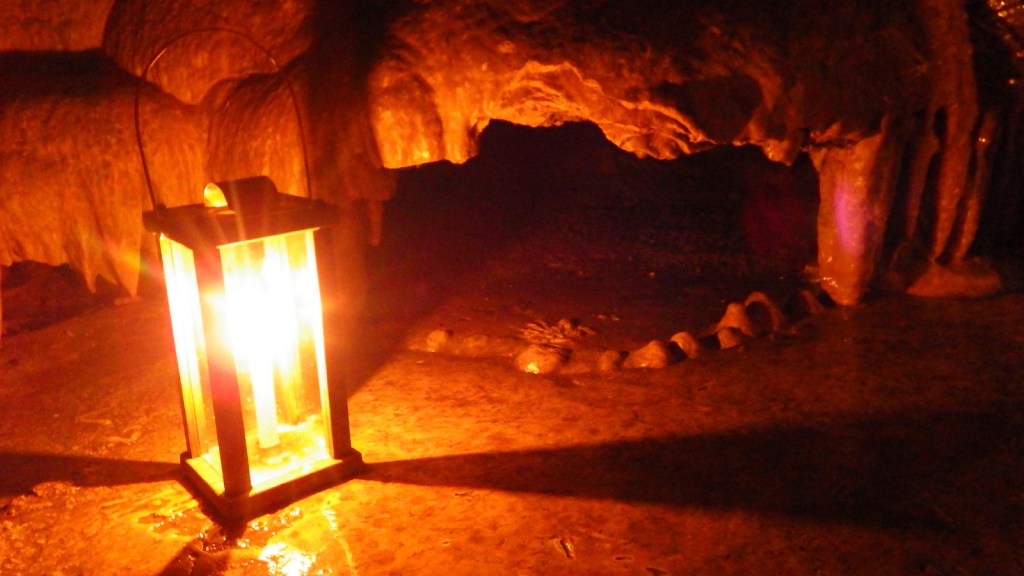
Jewel Cave National Monument and Wind Cave National Park (South Dakota)

Guided cave tours using lanterns are a fun way to explore underground caverns similar to how tourists did it before the invention of electric lights (also available at Mammoth Cave National Park in Kentucky and Oregon Caves National Monument and Preserve)

Top 10 National Recreation Areas in National Forests

There are 21 National Recreation Areas administered solely by the U.S. Forest Service (and one co-managed with the National Park Service).  This is a list of our favorites, since we already ranked our Top 10 National Recreation Areas run by the National Park Service.  The U.S. Forest Service also manages nine National Scenic Areas, so we will probably never rank those, but by far the two best are Oregon’s Columbia River Gorge and California’s Mono BasinClick here to see all our Top 10 lists.

10. Land Between The Lakes (Kentucky-Tennessee)

A planetarium and a bison herd can be found in the land between Lake Barkley and Kentucky Lake

9. Grand Island (Michigan)

An undeveloped island beckons hikers and bikers at the western edge of Pictured Rocks National Lakeshore

8. Winding Stair Mountain (Oklahoma)

Eastern Oklahoma is surprisingly mountainous and densely forested

7. Mt. Rogers (Virginia)

Hike the Appalachian National Scenic Trail to the top of Virginia or hop on a bike to coast down the Virginia Creeper Rail Trail

6. Spring Mountains (Nevada)

Snow frequently falls in these scenic peaks just north of Las Vegas

5. Hells Canyon (Oregon-Idaho)

The whitewater rapids of the Snake River cut what is arguably the deepest canyon in North America

4. Oregon Dunes (Oregon)

Coastal sand dunes interspersed with Douglas-fir forests attract hikers and ORV drivers

3. Spruce Knob-Seneca Rocks (West Virginia)

The state’s highest point and a popular rock climbing area are separated by a narrow valley

2. Mt. Baker (Washington)

One of the prettiest roads in the U.S., Mt. Baker Scenic Byway (Highway 542) dead ends at the high elevation of Artist Point

…and finally our #1 National Recreation Area in a National Forest:

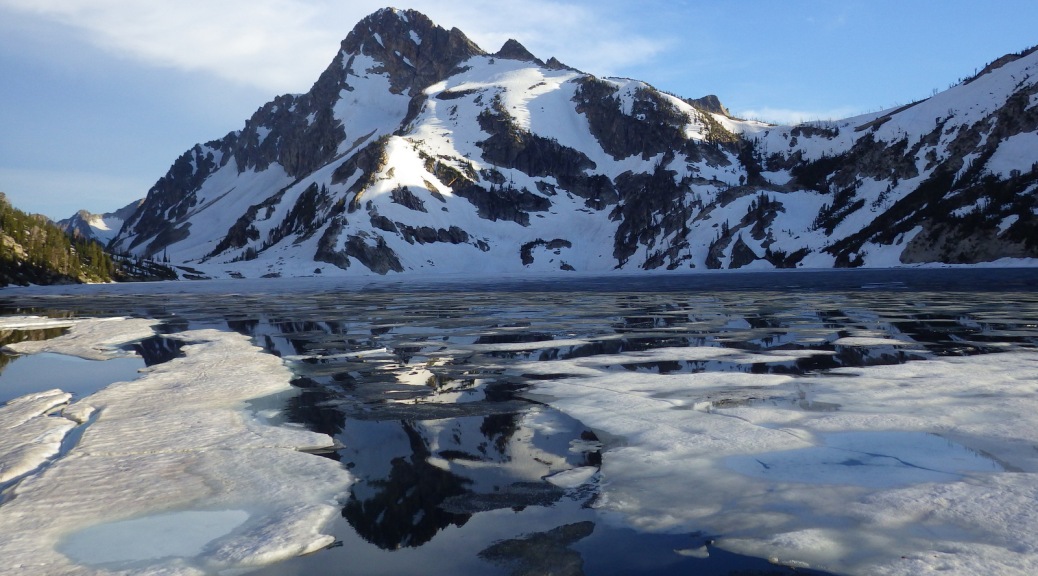
1. Sawtooth (Idaho)

The jagged peaks here live up to their name at the intersection of Boise, Challis, and Sawtooth National Forests

.

Honorable Mentions

Ed Jenkins (Georgia)

Encompassing Springer Mountain, the southern terminus of the Appalachian National Scenic Trail

Arapaho (Colorado)

The Continental Divide National Scenic Trail cuts through this lake-filled basin west of Rocky Mountain National Park

Flaming Gorge (Wyoming-Utah)

A red rock canyon on the Green River was dammed to form this pretty border-crossing reservoir

Pine Ridge (Nebraska)

An extension of the Black Hills into northwestern Nebraska, this seldom visited area is home to reintroduced bighorn sheep

Moosalamoo (Vermont)

The Falls of Lana, Silver Lake, Voter Brook Overlook, and Robert Frost Interpretive Trail are all worth a visit

Learn more about these National Recreation Areas and the 155 National Forests they are in with our guidebook Out in the Woods

Top 10 Natural Phenomena to See in the U.S.

We like to make Top 10 Lists for our readers to prioritize where to go, so here is a new one we came up with specifically to celebrate our 500th blog post.  If we already have a post highlighting the type of natural wonder mentioned, we included a link (plus a few extra for future posts).  These lists are by no means exhaustive of all the states or public lands where you can witness these phenomena.  Click here for all our Top 10 Lists.

10. Natural bridge or arch (Alabama, Arkansas, Kentucky, Nevada, Ohio, Utah, Virginia, Wyoming)

Arches National Park, Canyonlands National Park, Capitol Reef National Park, Daniel Boone National Forest, Natural Bridges National Monument

9. Sand dune field (California, Colorado, Indiana, Michigan, New Mexico, Texas, Utah)

Death Valley National Park, Great Sand Dunes National Park and Preserve, Indiana Dunes National Park, Mojave National Preserve, Sleeping Bear Dunes National Lakeshore, White Sands National Park

8. Sea cave (California, Michigan, Oregon, Wisconsin)

Apostle Islands National Lakeshore, Channel Islands National Park, Pictured Rocks National Lakeshore

7. Slot canyon (Arkansas, California, New Mexico, Utah)

Capitol Reef National Park, Death Valley National Park, Kasha-Katuwe Tent Rocks National Monument

6. Coral reef (American Samoa, Florida, Hawai‘i, Virgin Islands)

National Park of American Samoa, Buck Island Reef National Monument, Dry Tortugas National Park, Pu‘uhonua o Honaunau National Historical Park, Virgin Islands Coral Reef National Monument, Virgin Islands National Park

5. Giant sequoia or coast redwood tree (California)

Giant Sequoia National Monument, Kings Canyon National Park, Los Padres National Forest, Redwood National Park, Sequoia National Park, Sierra National Forest

4. Geyser or geothermal area (California, Hawai‘i, Nevada, Oregon, Wyoming)

Hawai‘i Volcanoes National Park, Lassen Volcanic National Park, Yellowstone National Park

3. Bioluminescence (Alabama, Florida, Hawai‘i, Puerto Rico, Virgin Islands)

Canaveral National Seashore, Hawai‘i Volcanoes National Park, Salt River Bay National Historical Park and Ecological Preserve

2. Aurora borealis (Alaska, Michigan, Minnesota)

Chippewa National Forest, Denali National Park and Preserve, Hiawatha National Forest, Keweenaw National Historical Park, Voyageurs National Park

…and finally our #1 natural phenomenon to see in the U.S.:

1. Lava (Hawai‘i)

Hawai‘i Volcanoes National Park

.

Honorable Mentions

Cave (Alabama, Arizona, California, Indiana, Kentucky, Missouri, New Mexico, South Dakota, Tennessee)

Caribou National Forest, Carlsbad Caverns National Park, Great Basin National Park, Jewel Cave National Monument, Mammoth Cave National Park, Sequoia National Park, Wind Cave National Park

Tidepool (Alaska, California, Maine, Oregon, Washington)

Acadia National Park, Cabrillo National Monument, Glacier Bay National Park and Preserve, Lewis and Clark National Historical Park, Olympic National Park, Redwood National Park

Tidewater glacier (Alaska)

Glacier Bay National Park and Preserve, Kenai Fjords National Park

Natural hot springs (Arkansas, California, Idaho, Oklahoma, Texas, Wyoming)

Beaverhead National Forest, Big Bend National Park, Boise National Forest, Chickasaw National Recreation Area, Clearwater National Forest, Hot Springs National Park, Yellowstone National Park

Walk behind a waterfall (Arkansas, Colorado, Indiana, New York, Ohio, Oregon, Utah)

Buffalo National River, Cuyahoga Valley National Park, Hoosier National Forest, Zion National Park

Alpine tundra (Alaska, California, Colorado, Idaho, Montana, Wyoming)

Bighorn National Forest, Bridger National Forest, Coconino National Forest, Eldorado National Forest, Gallatin National Forest, Glacier National Park, Grand Teton National Park, Inyo National Forest, Rocky Mountain National Park, Yosemite National Park