Tag Archives: house

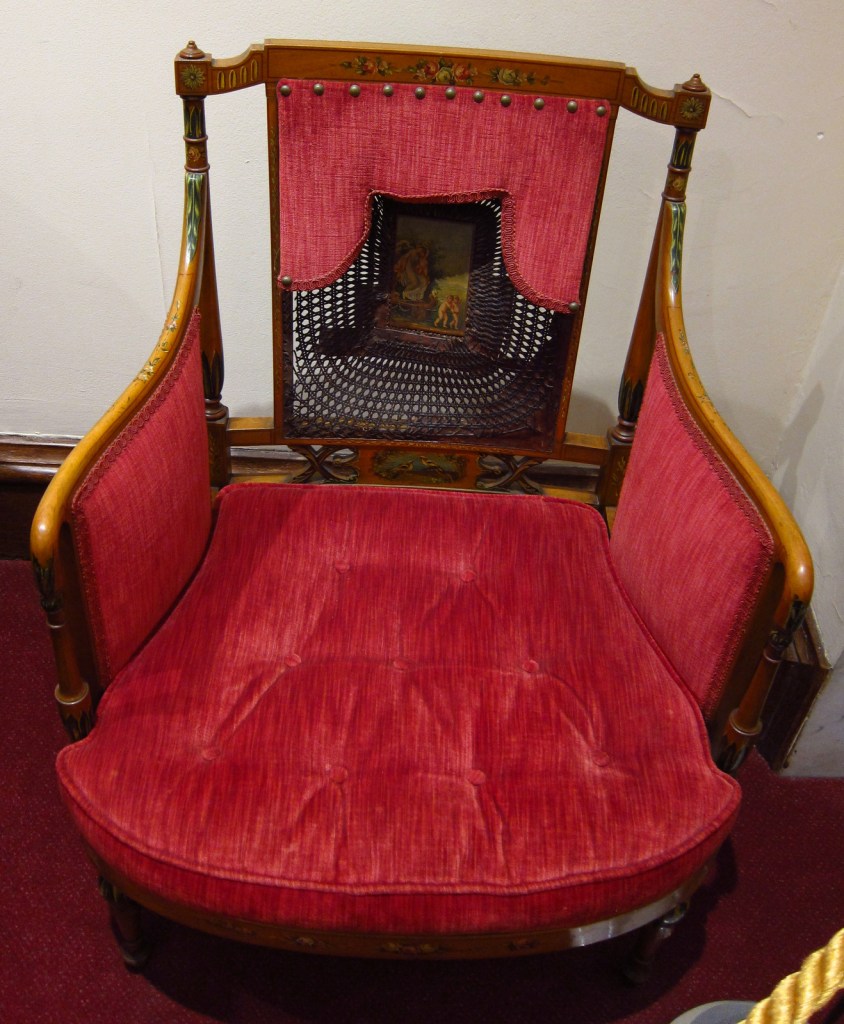
Mary McLeod Bethune Council House National Historic Site

Overview

In 1875, Mary McLeod Bethune was born the 15th of 17 children to former slaves in South Carolina.  Throughout her life she fought for civil rights, founding the Daytona Educational and Industrial School for Negro Girls in Florida (which later merged to become Bethune-Cookman College).  In 1943, she purchased a Victorian townhouse in Washington, D.C.’s Logan Circle area to serve as her residence for six years and headquarters for the National Council of Negro Women (until a fire in 1966).

Highlights

House tour, film, National Archives for Black Women’s History, Logan Circle Historic District

Must-Do Activity

Mary McLeod Bethune Council House National Historic Site was designated by Congress in 1982.  Since 1994, the National Park Service (NPS) has managed the property displaying historic photographs and original furnishings in some of the 15 rooms.  After a self-guided tour of the house, go check out a 12-foot tall statue of Mary McLeod Bethune located in Lincoln Park on East Capitol Street.

Best Trail

You can pick up an informational booklet at this site for the Washington, DC Black History National Recreation Trail.

Instagram-worthy Photo

This is the only NPS site we have visited where the first thing you do upon arrival is ring the doorbell.

Peak Season

Spring and summer

Hours

https://www.nps.gov/mamc/planyourvisit/hours.htm

Fees

None

Road Conditions

As with most NPS sites in Washington, D.C., it is easier to walk or take the Metro than find parking for your car.

Camping

There are no NPS campgrounds in the Washington, D.C. area, so it might be best to head for Shenandoah National Park in Virginia.

Related Sites

Carter G. Woodson Home National Historic Site (District of Columbia)

Belmont-Paul Women’s Equality National Monument (District of Columbia)

Martin Luther King, Jr.  National Memorial (District of Columbia)

Explore More – Before her death in 1955, Mary McLeod Bethune worked on civil rights issues for how many U.S. Presidents?

Tuskegee Institute National Historic Site

Overview

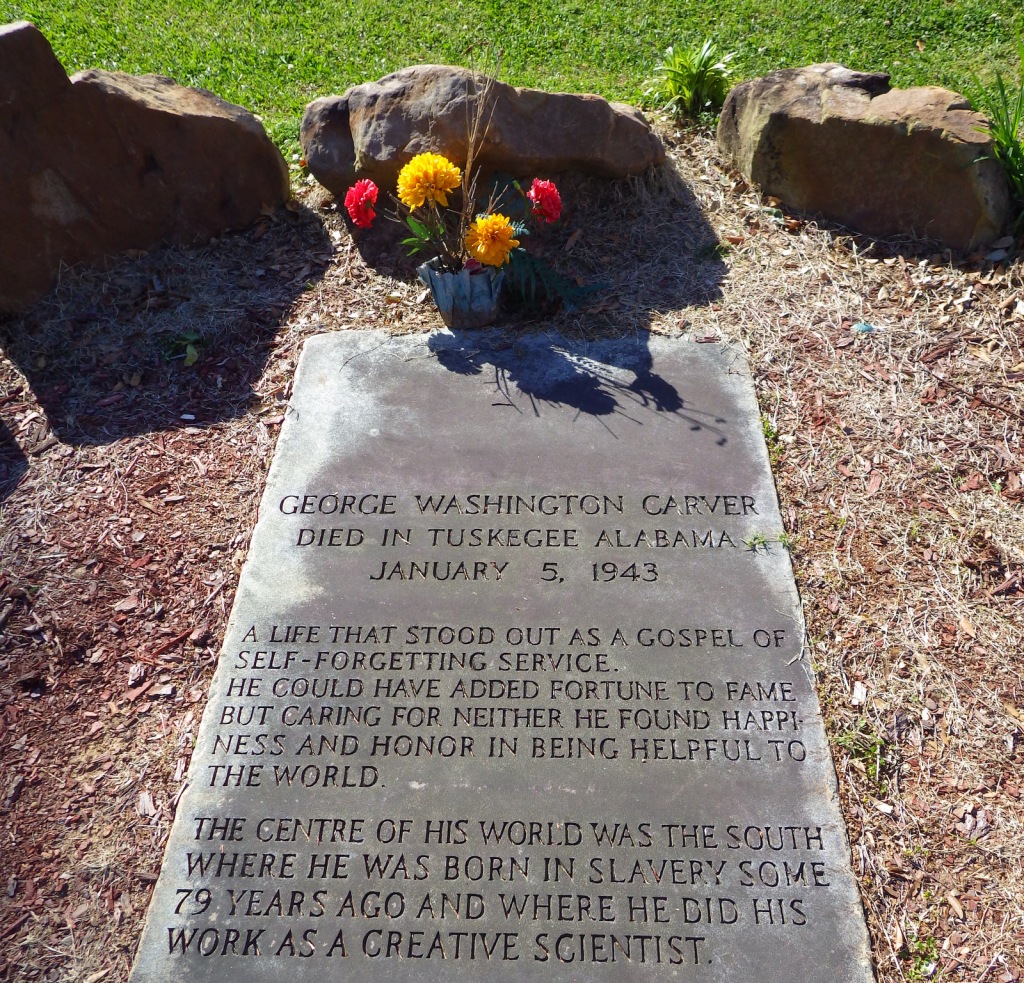
This historic college for African Americans is also the final resting place for pioneering staff members Booker T. Washington and George Washington Carver.  In 1881, a 25-year-old Washington moved to an abandoned plantation in Alabama to found the Tuskegee Normal and Industrial Institute with a $2,000 appropriation from the state.  From its initial enrollment of 30 students, Tuskegee has grown and continues to be an active and prominent university today.

Highlights

Historic campus, George Washington Carver Museum, Tuskegee Chapel, The Oaks

Must-Do Activity

Since only eight of the 58 acres dedicated to this National Historic Site are owned by the National Park Service (NPS) on this active college campus, it behooves you to call ahead to schedule your visit.  Guided tours are available of the university and The Oaks, the historic Washington family home that was built by students.  At least make sure the excellent George Washington Carver Museum is open when you visit.  At the beginning of World War II, the school was selected to train African-American pilots, which is detailed at the nearby Tuskegee Airmen National Historic Site, also managed by the NPS.

Best Trail

None

Instagram-worthy Photo

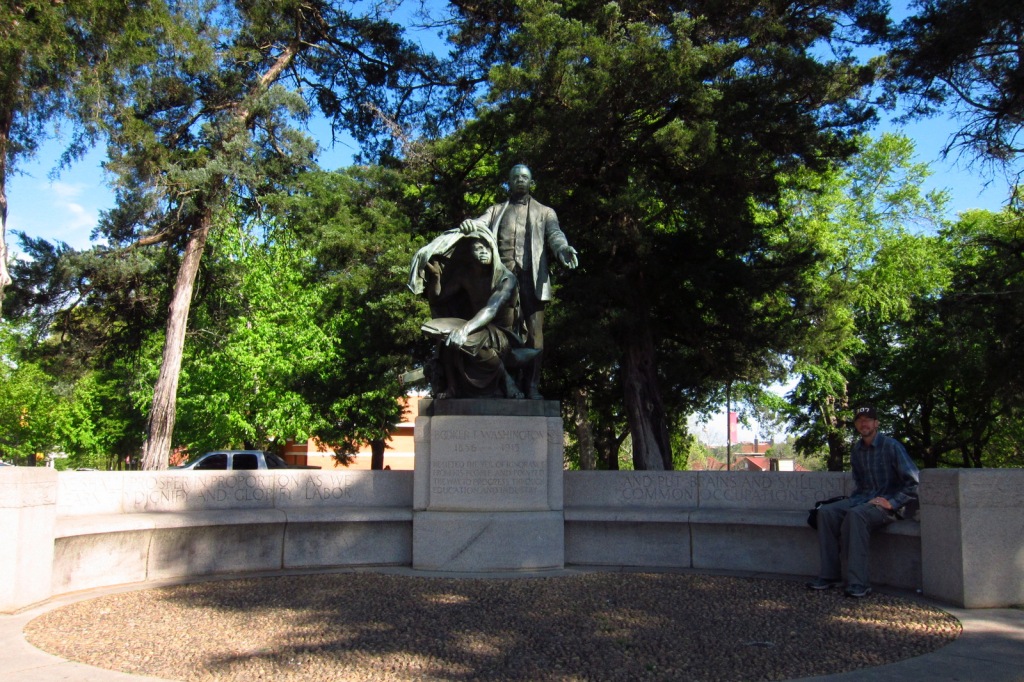
The sculpture of Booker T. Washington lifting the veil of ignorance from a slave was completed by Charles Keck in 1922.

Peak Season

Spring and fall

Hours

https://www.nps.gov/tuin/planyourvisit/hours.htm

Fees

None

Road Conditions

All roads are paved, but there is limited parking on campus for tourists.

Camping

Chewacla State Park is located northeast of town and primitive camping is allowed in Tuskegee National Forest (the smallest U.S. National Forest at 11,252 acres).

Related Sites

Booker T. Washington National Monument (Virginia)

George Washington Carver National Monument (Missouri)

Tuskegee Airmen National Historic Site (Alabama)

Explore More – How many bricks were made and laid by Tuskegee students to build the original chapel in 1896-98?
George Washington Carver National Monument

Overview

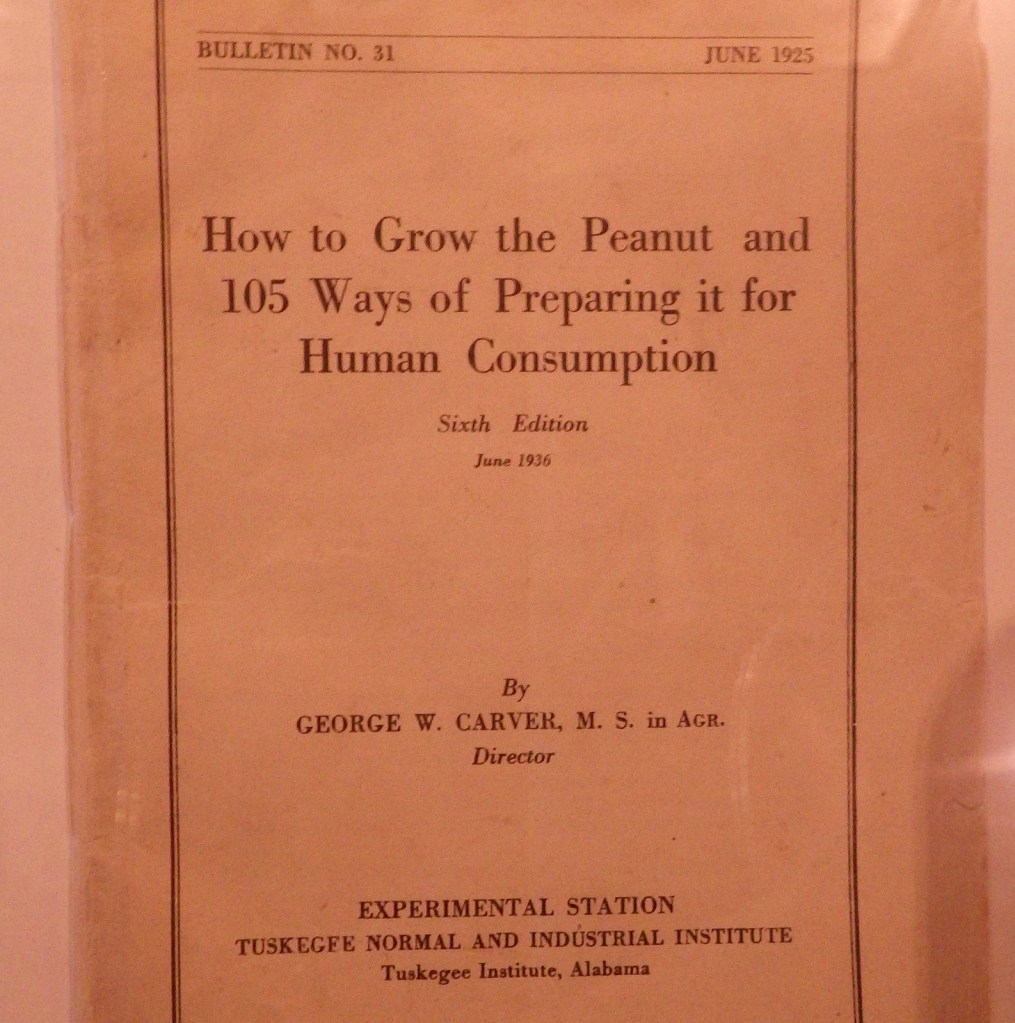
In southwestern Missouri is 210-acre George Washington Carver National Monument where the artist and inventor was born into slavery.  Near the end of the Civil War, raiders captured he and his mother (who was never seen again), but he was returned to his older brother and they were both raised by the Carver family.  He went on to earn a master’s degree in botany from Iowa State University in 1896 and work at Tuskegee Institute in Alabama for 47 years.  His most influential legacy is arguably his outreach work marketing peanut and soy plants, helping to turn them into the widespread agricultural products they are today.

Highlights

Museum, films, bronze sculptures, 1881 Moses Carver House, Williams Pond

Must-Do Activity

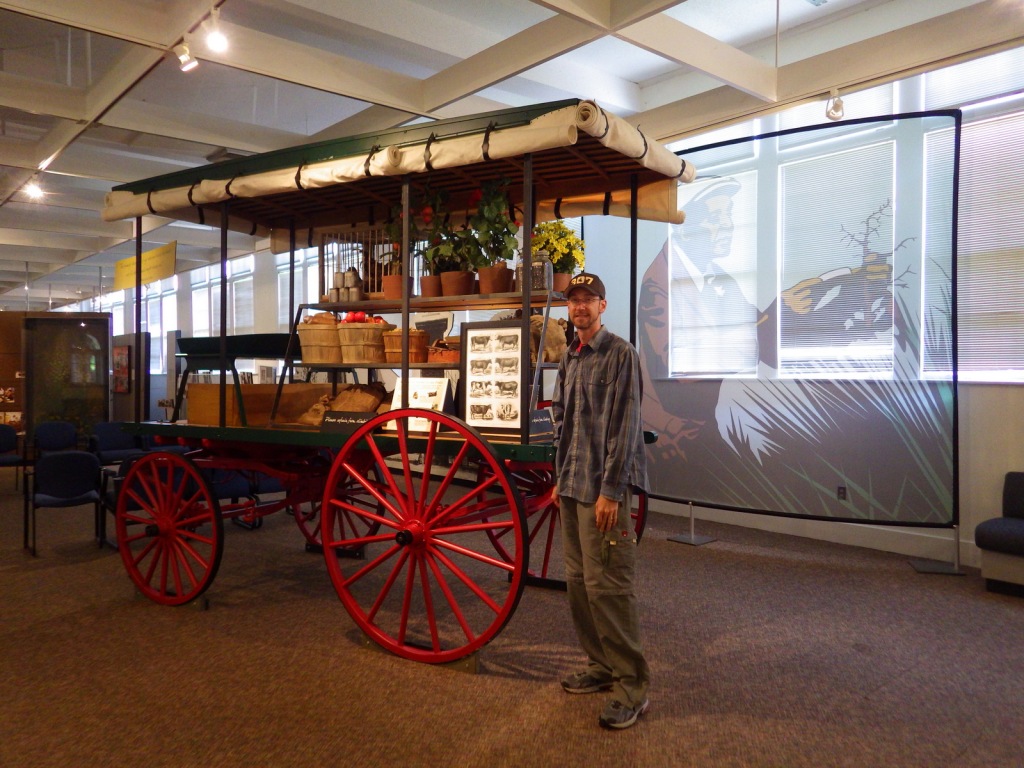
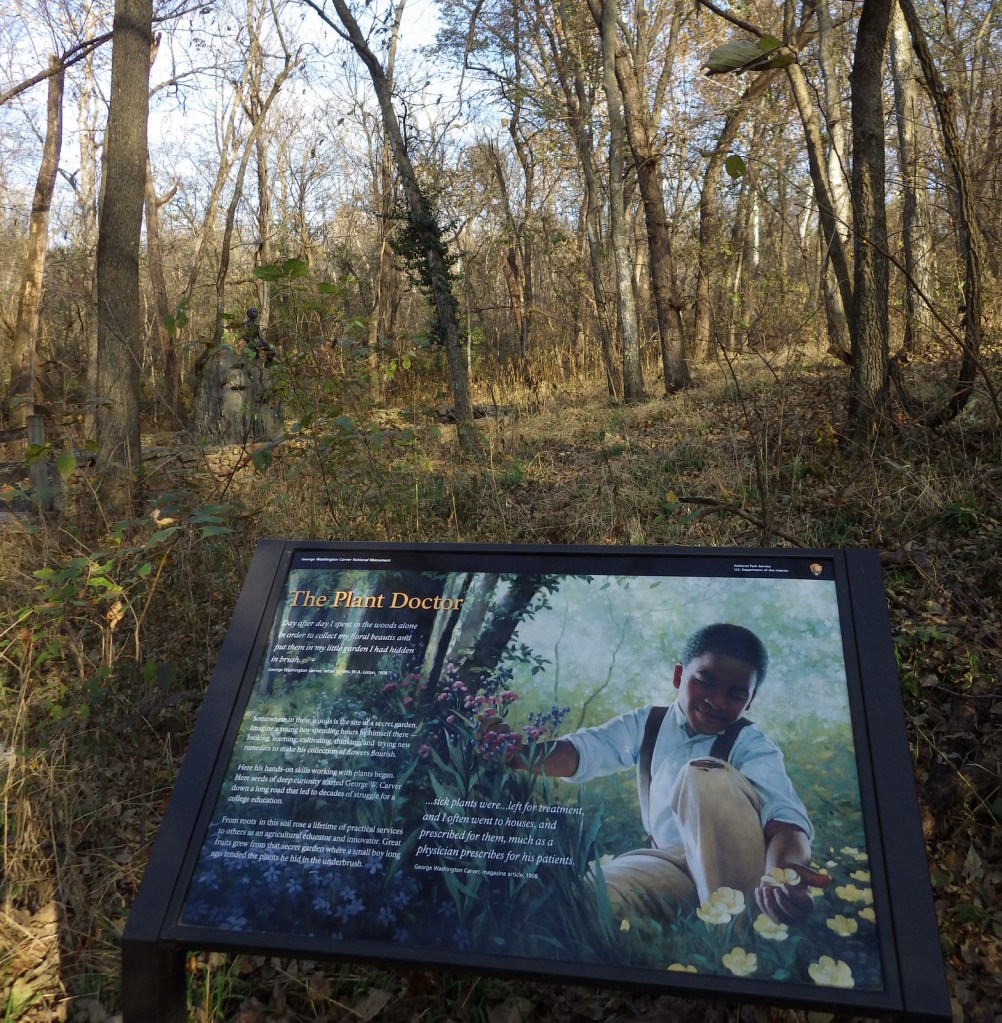
The National Monument has an excellent museum with interactive exhibits and examples of Carver’s paintings.  A self-guided 0.75-mile trail passes several bronze sculptures and interpretive signs.  It leads through the forest to Williams Pond and a house that dates back to 1881.  George Washington Carver’s spirit lives on at this site, inspiring future generations to great aspirations despite humble beginnings.

Best Trail

The self-guided 0.75-mile trail loops from the visitor center and is partially wheelchair accessible.

Instagram-worthy Photo

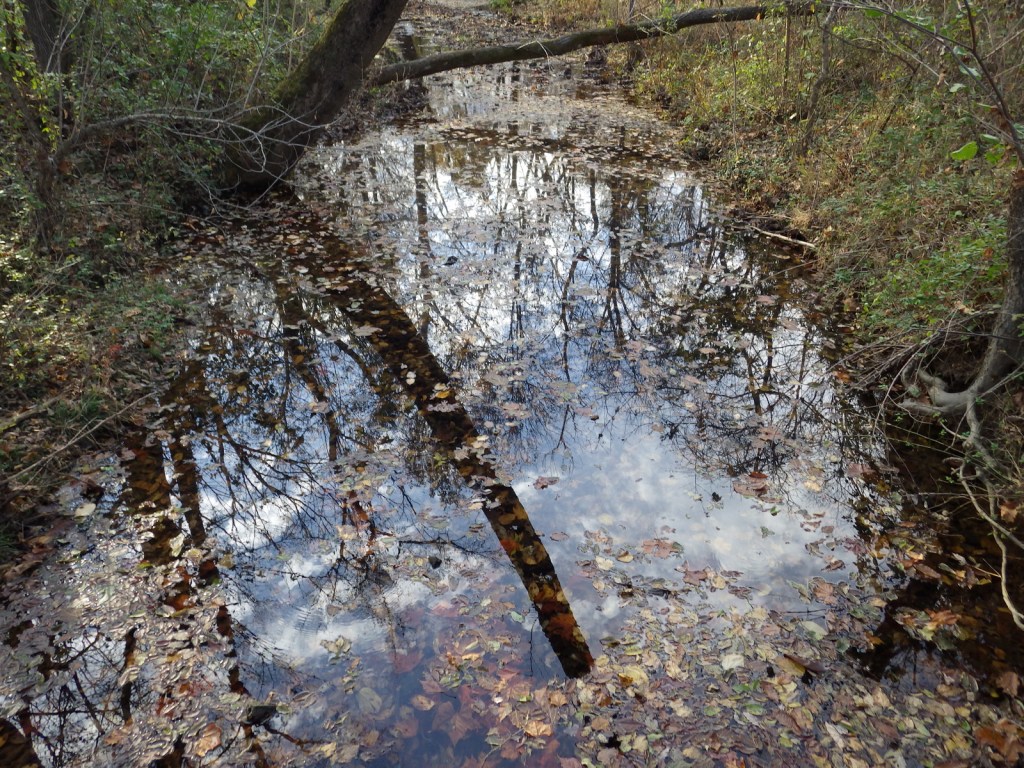
Williams Pond is a nice place to sit and contemplate what each of us can accomplish regardless of how we start.

Peak Season

Summer

Hours

https://www.nps.gov/gwca/planyourvisit/hours.htm

Fees

None

Road Conditions

All roads paved

Camping

There are private campgrounds around Joplin, Missouri and 50 miles away is Roaring River State Park.

Related Sites

Booker T. Washington National Monument (Virginia)

Tuskegee Institute National Historic Site (Alabama)

Wilson’s Creek National Battlefield (Missouri)

Explore More – When was the year the National Monument was dedicated, which was the same year Carver died?

Ebey’s Landing National Historical Reserve

Overview

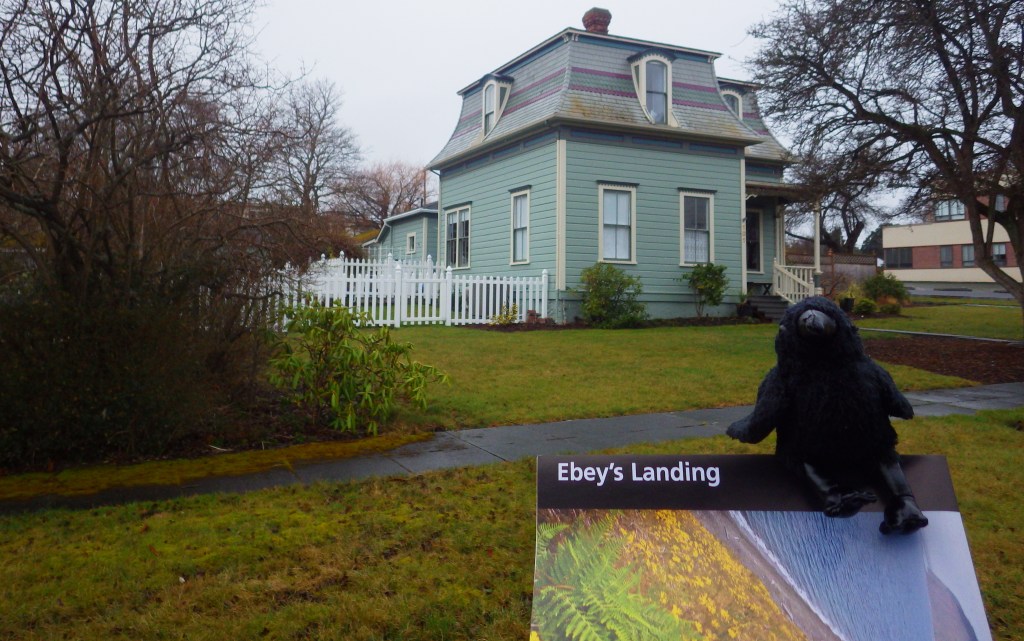
As the only National Historical Reserve in the National Park Service (NPS) system, Ebey’s Landing is a unique 17,000-acre site under federal, state, county, town, and private ownership.  Located on Whidbey Island at the entrance to Puget Sound, it is accessible by ferry from the Seattle area and the Olympic Peninsula, or by driving Highway 20 across a bridge from the north (closer to Bellingham).  There are nearly one hundred historical structures protected by the reserve, mostly Victorian houses within Coupeville, Washington.

Highlights

Jacob Ebey House, Davis Blockhouse, Fort Ebey State Park, Fort Casey State Park

Must-Do Activity

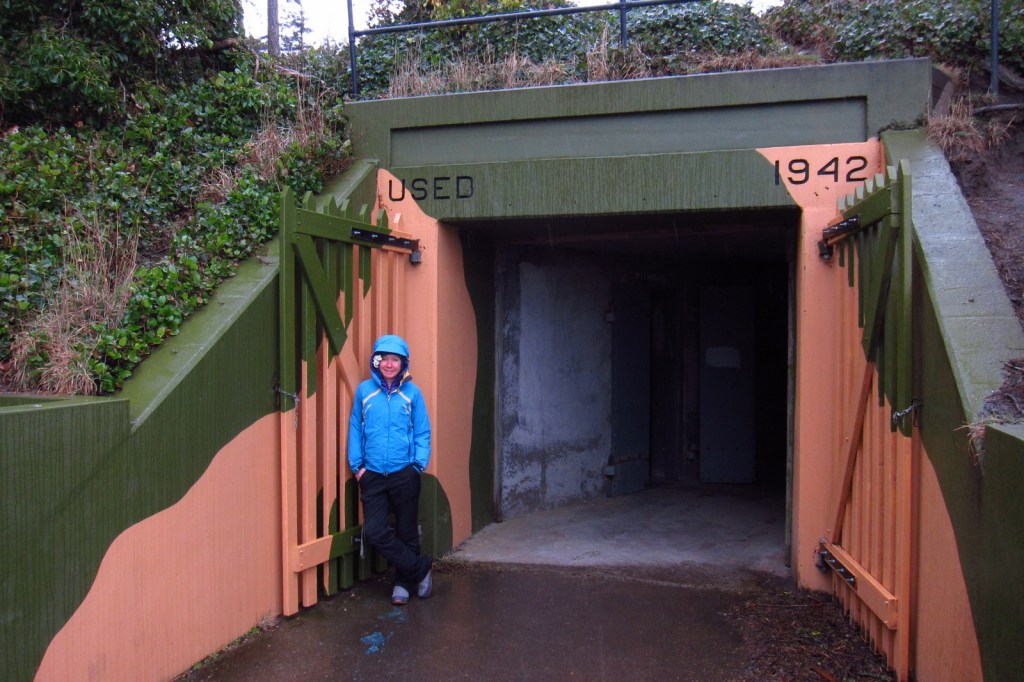
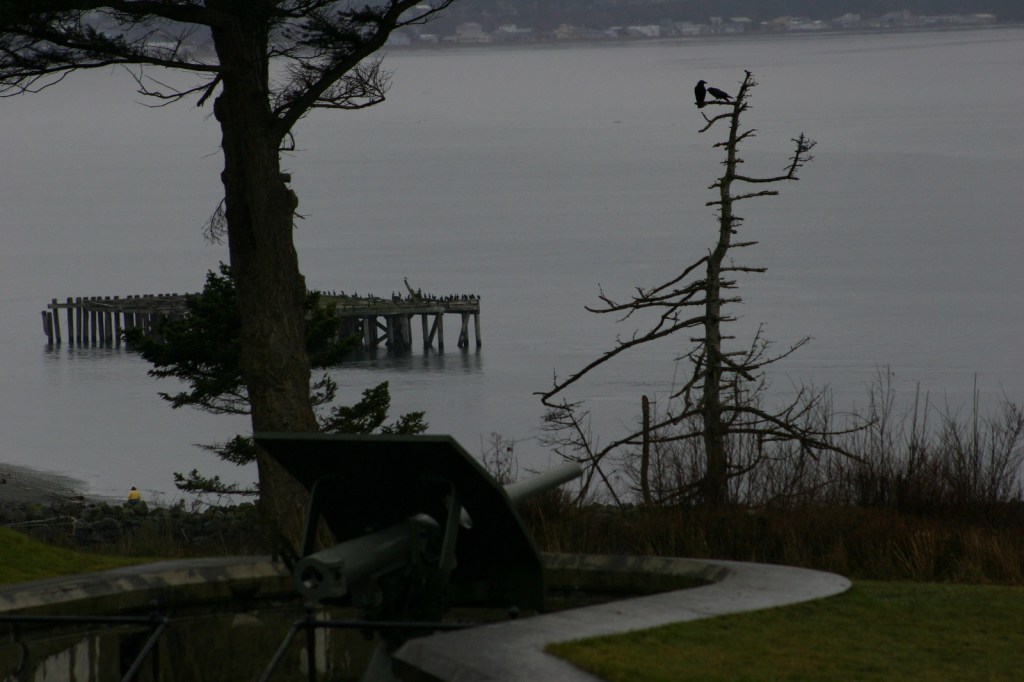
A good place to start your visit is at the Island County Historical Museum (which charges an admission fee) in Coupeville, Washington.  After enjoying the Victorian architecture in town, drive to the Jacob Ebey House, World War II-era Fort Ebey State Park, and Fort Casey State Park where you will find gun emplacements from 1901 and picturesque Admiralty Head Lighthouse. 

Best Trail

Much of Whidbey Island was prairie when it was settled in the 1850s, and remains pastoral, which is great for travelers looking for a glimpse back in time.  Located adjacent to farm fields, Bluff Trail is known for its great views on clear days.

Instagram-worthy Photo

Admiralty Head Lighthouse provides a great photo op in Fort Casey State Park.  Gun emplacements built there became obsolete shortly after their installation due to the rise of the airplane.

Peak Season

Summer

Hours

https://www.nps.gov/ebla/planyourvisit/hours.htm

Fees

None except at the 3 State Parks and Island County Historical Museum in Coupeville, Washington

Road Conditions

The main roads are all paved and any gravel roads are well-maintained.

Camping

Both Fort Casey State Park and Fort Ebey State Park have campgrounds, and the latter provides shower facilities.

Related Sites

San Juan Island National Historical Park (Washington)

Fort Vancouver National Historic Site (Washington)

Klondike Gold Rush National Historical Park (Alaska-Washington)

Explore More – How many islands are there in Puget Sound (with the largest being Whidbey Island)?

Lyndon B. Johnson National Historical Park

Overview

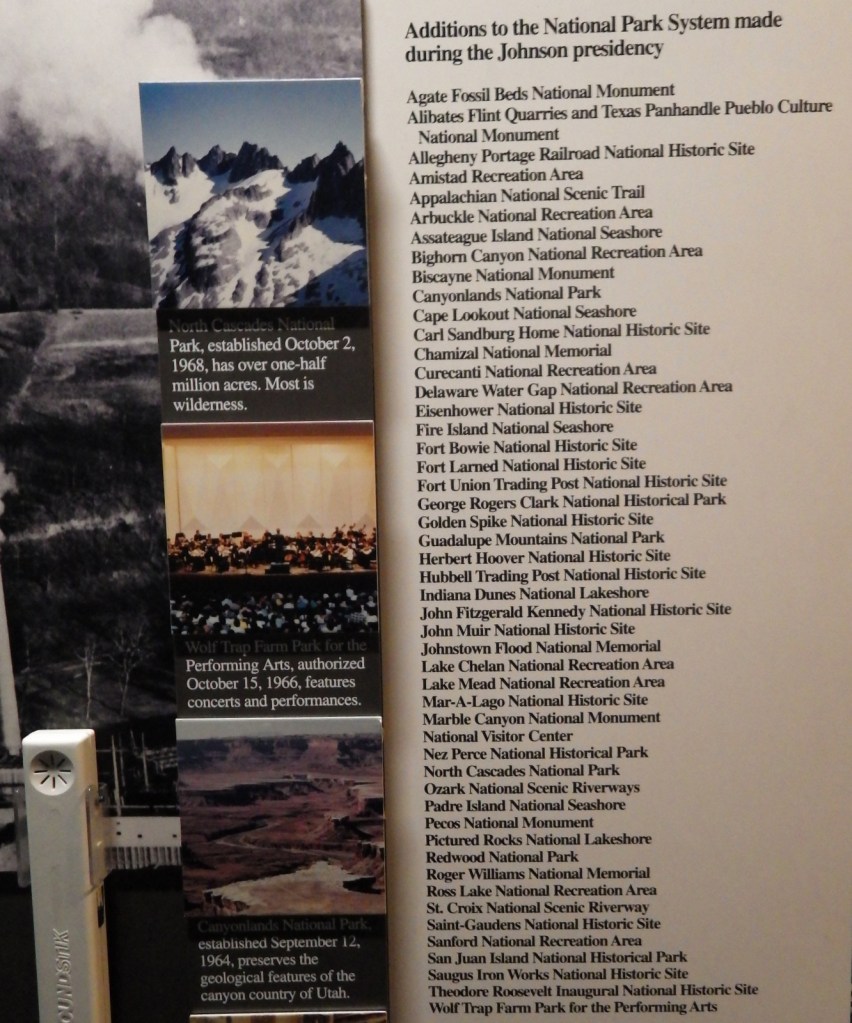
Lyndon B. Johnson National Historical Park is composed of two separate sites located 14 miles apart in Johnson City and Stonewall, Texas.  Museums here highlight the significant legislation that passed during his presidency from 1963-1969, including the pivotal Civil Rights Act, and, for nature lovers, the Wilderness Act.  Additions to the National Park Service (NPS) system during his presidency were extensive, including five sites in his home state of Texas (see Related Sites below).

Highlights

Johnson Settlement, films, Texas White House, Johnson Family Cemetery

Must-Do Activity

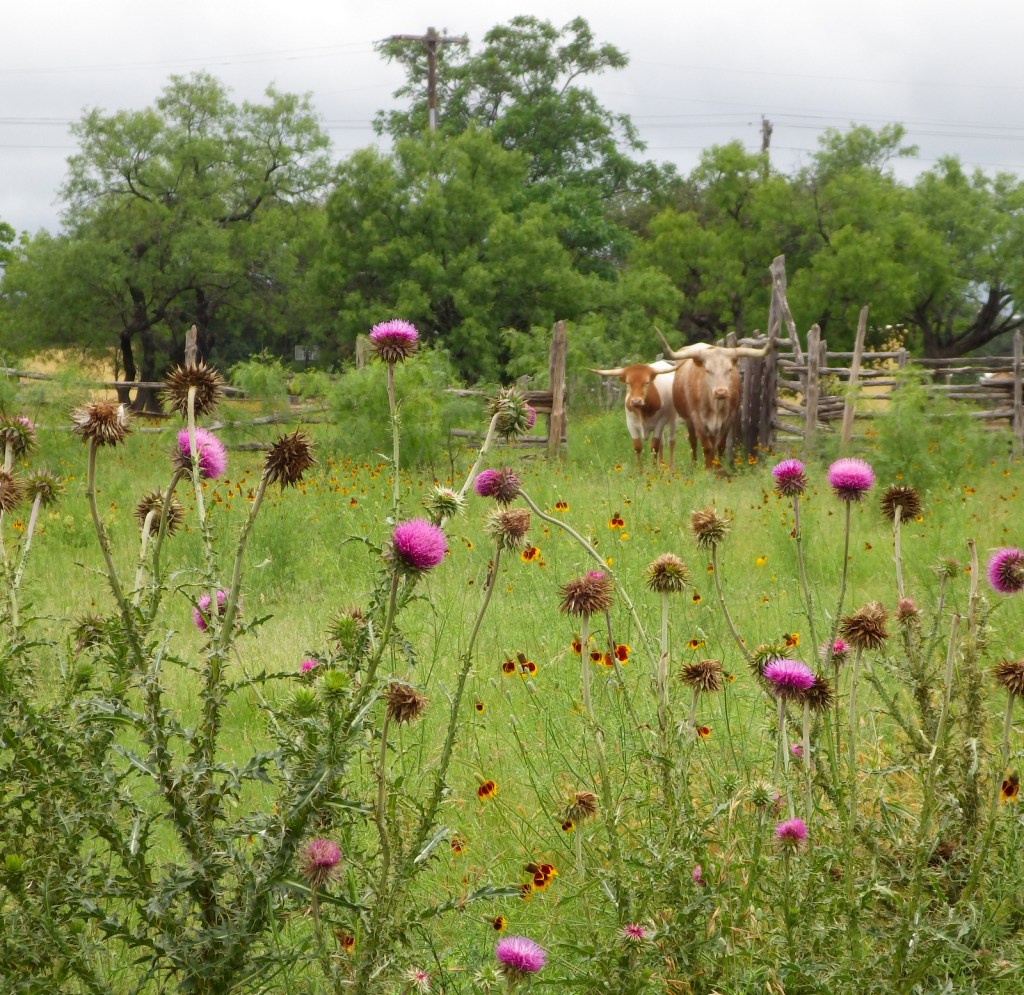
The 36th President of the United States is typically referred to as LBJ.  Birders know an “LBJ” as an acronym for those hard to identify “little brown jobs” that flit away before you can focus them in your binoculars.  Fittingly, President LBJ’s wife was named Lady Bird, and together they did much to preserve our public lands for native plants and animals.  Around the boyhood home where LBJ grew up in Johnson City, there are plenty of birds to watch, as well as longhorn cattle.  A driving tour through the Stonewall property (14 miles west) requires a permit from the LBJ State Park and Historic Site.  Once you get that, tickets for a guided tour of the Texas White House are available at the NPS visitor center located inside the Airplane Hangar.

Best Trail

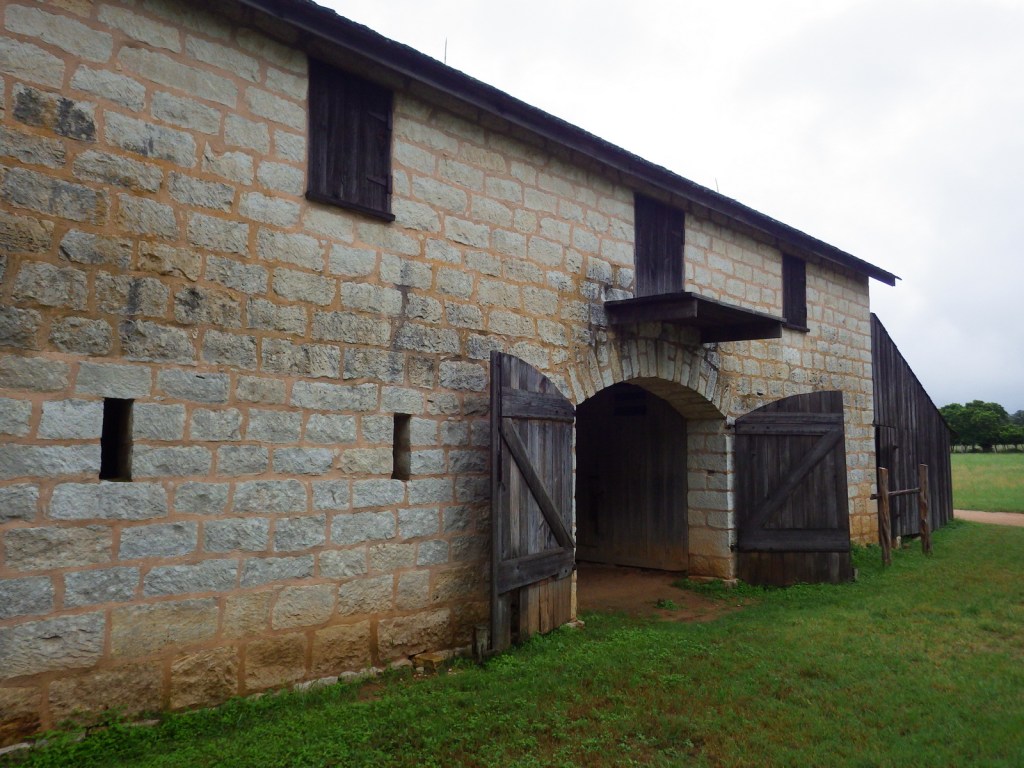
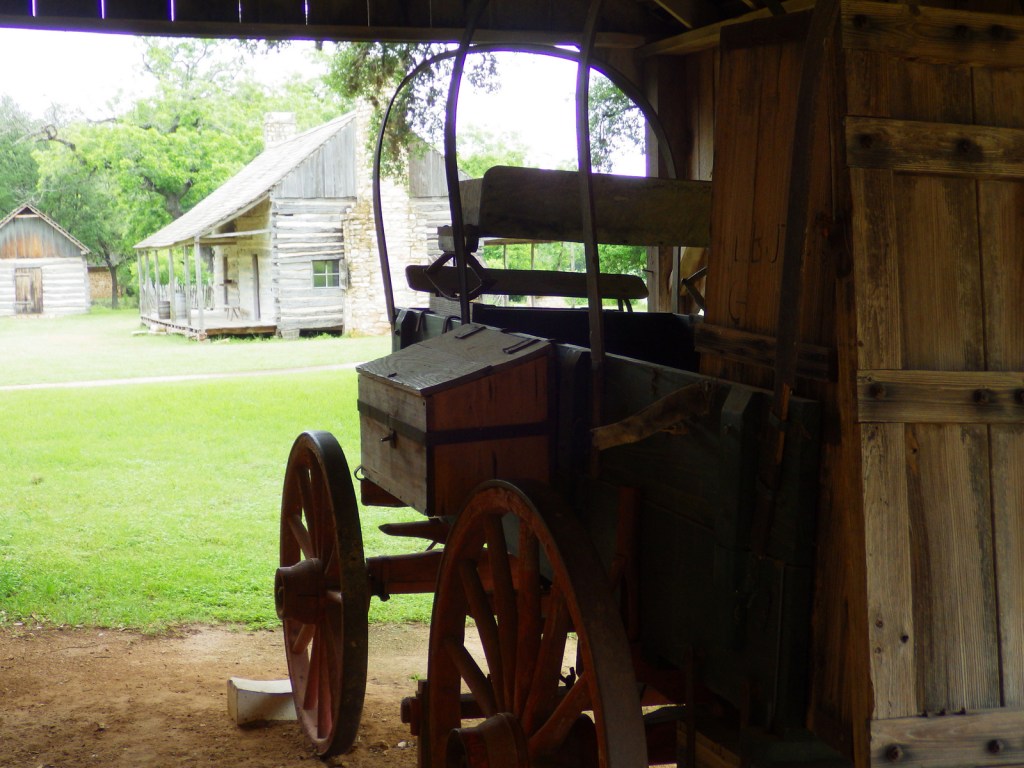
A walking tour through Johnson City includes stops at Withers and Spauldings General Store, LBJ’s boyhood home, and barns and cabins that date back to the 1800s within the Johnson Settlement.

Instagram-worthy Photo

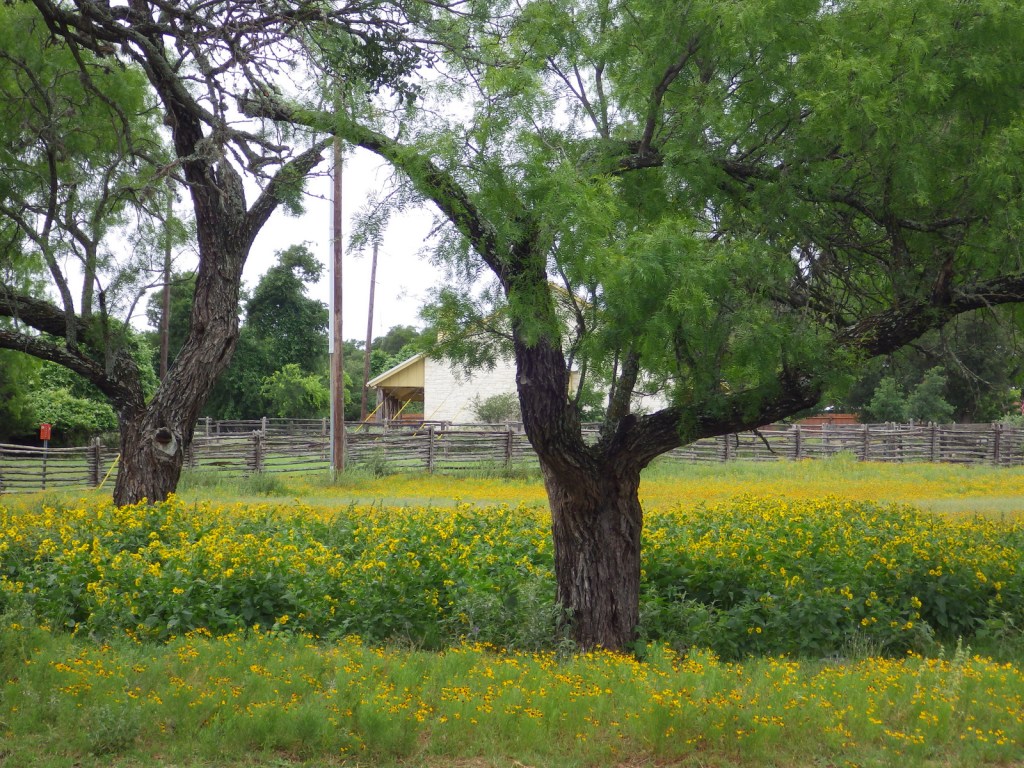
Longhorn cattle can be seen at the Johnson Settlement in Johnson City, Texas.  Hereford cattle are still raised at the working ranch in Stonewall.

Peak Season

Spring and fall

Hours

https://www.nps.gov/lyjo/planyourvisit/hours.htm

Fees

None except for the Texas White House tour ($3 per person or free with the America the Beautiful pass)

Road Conditions

All roads paved

Camping

East of Johnson City, Pedernales Falls State Park has a campground, as does Lady Bird Johnson Municipal Park in Fredericksburg, Texas.

Related Sites

Guadalupe Mountains National Park (Texas)

Padre Island National Seashore (Texas)

Alibates Flint Quarries National Monument (Texas)

Explore More – Which resort in Florida (later owned by a future U.S. President) was designated a National Historic Site under the Johnson administration (then eventually sold and disbanded)?