Tag Archives: house

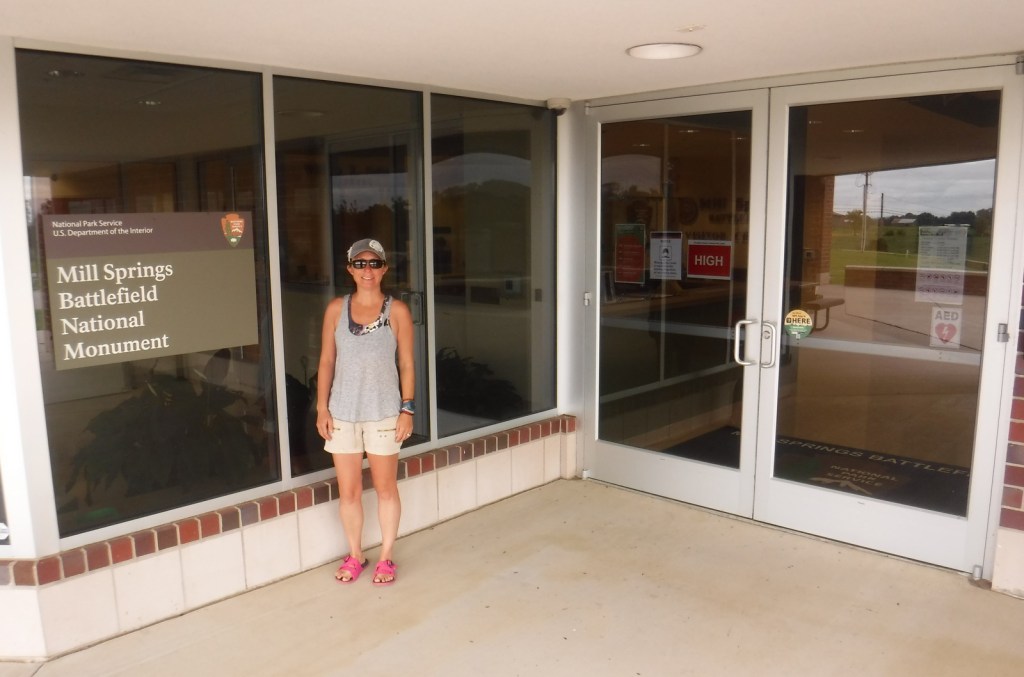
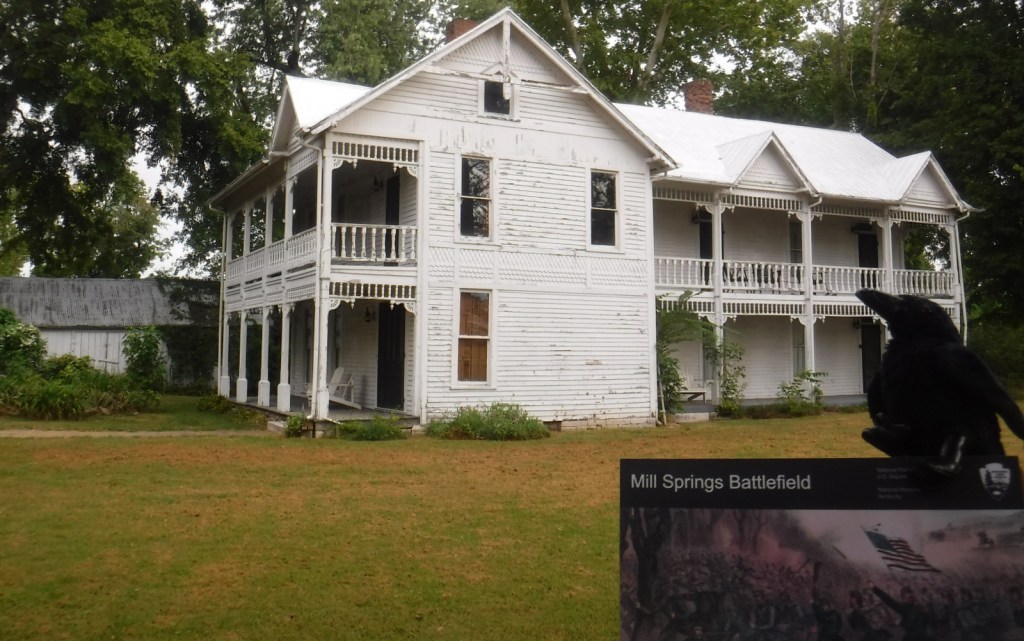
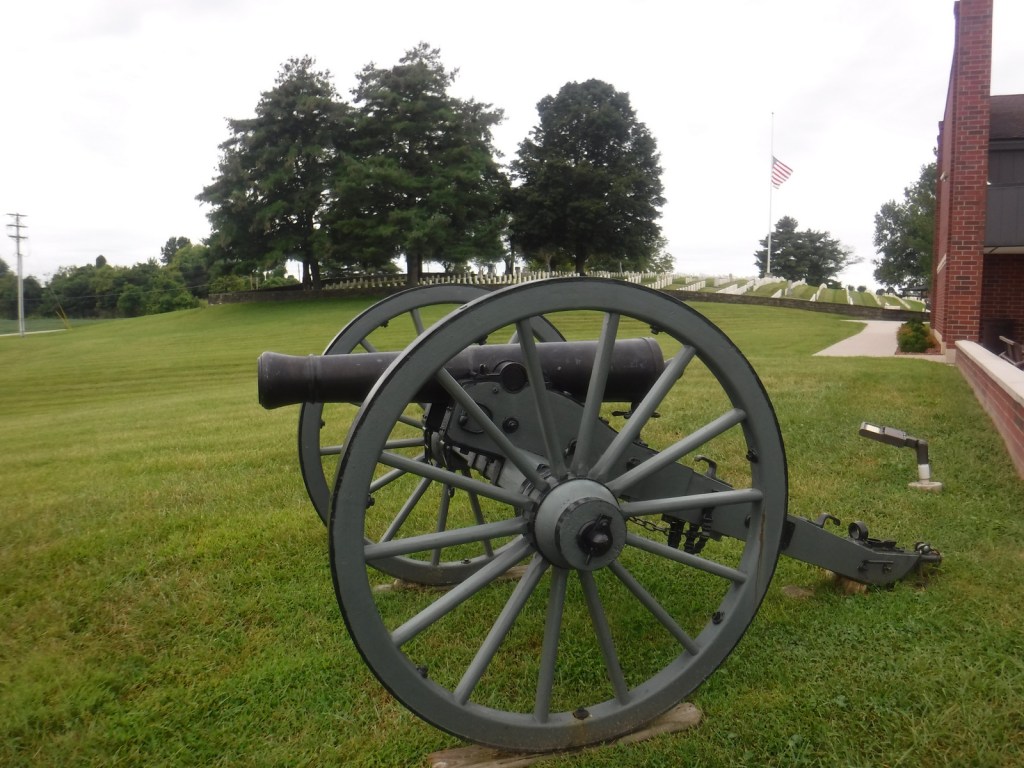
Mill Springs Battlefield National Monument

Mill Springs Battlefield National Monument

Kentucky

Managed by National Park Service

Established 2019

1,459 acres

Website: nps.gov/misp

Overview

During the Civil War, the Battle of Mill Springs started on January 19, 1862 in the Union state of Kentucky (where slavery was still legal).  North of the Cumberland River, a surprise attack by the Confederate Army was repelled and celebrated as the first decisive Union victory in the western theater.  The battlefield was declared a National Historic Landmark in 1993 and acquired by the National Park Service (NPS) in 2020. 

Learn more about the other 137 National Monuments in our book Monumental America: Your Guide to All 138 National Monuments. It is now available for sale on Amazon.com.
Highlights

Museum, film, Mill Springs National Cemetery, Zollicoffer Park, Brown-Lanier House, Mill Springs Mill, Lake Cumberland

Must-Do Activity

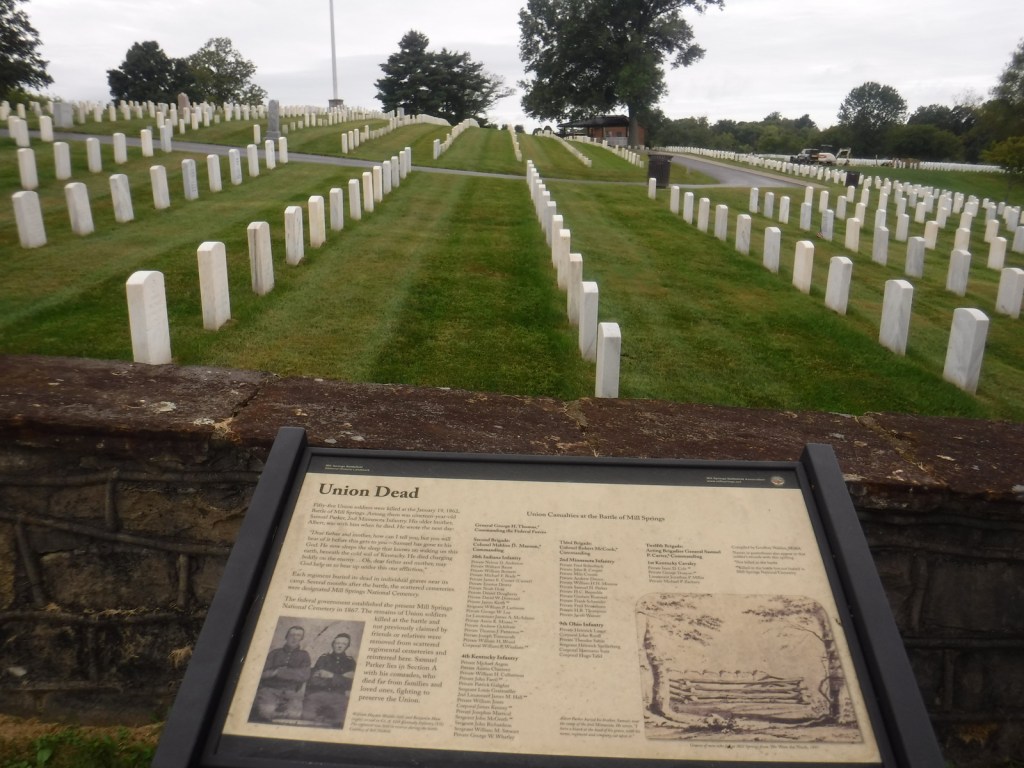
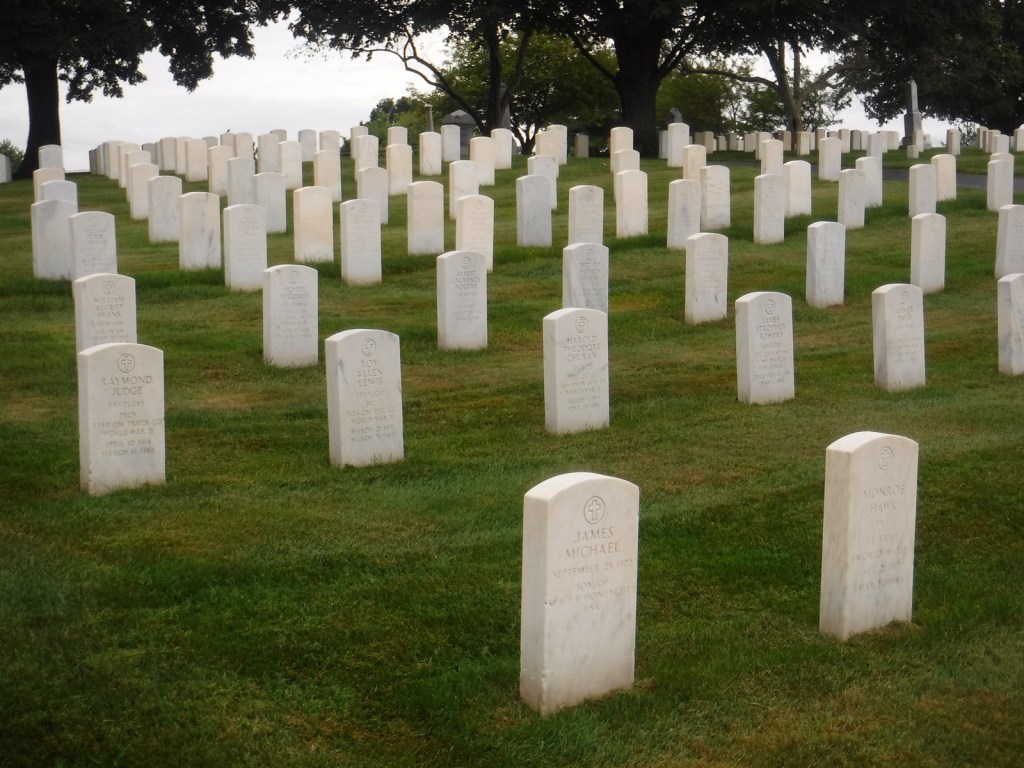
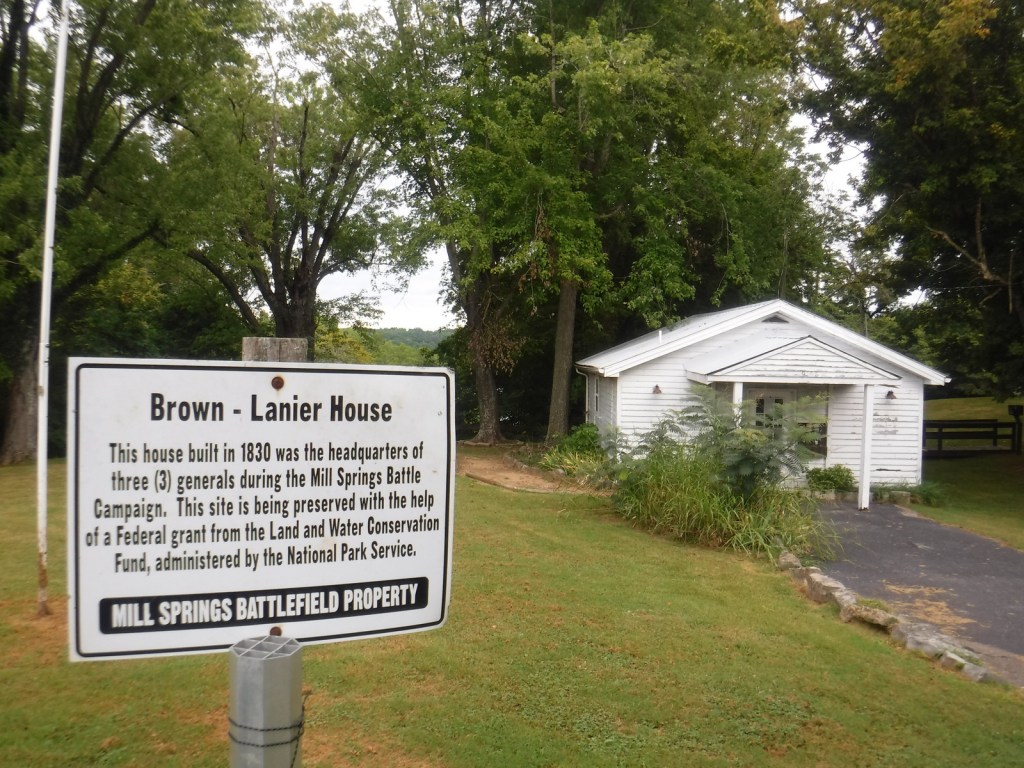
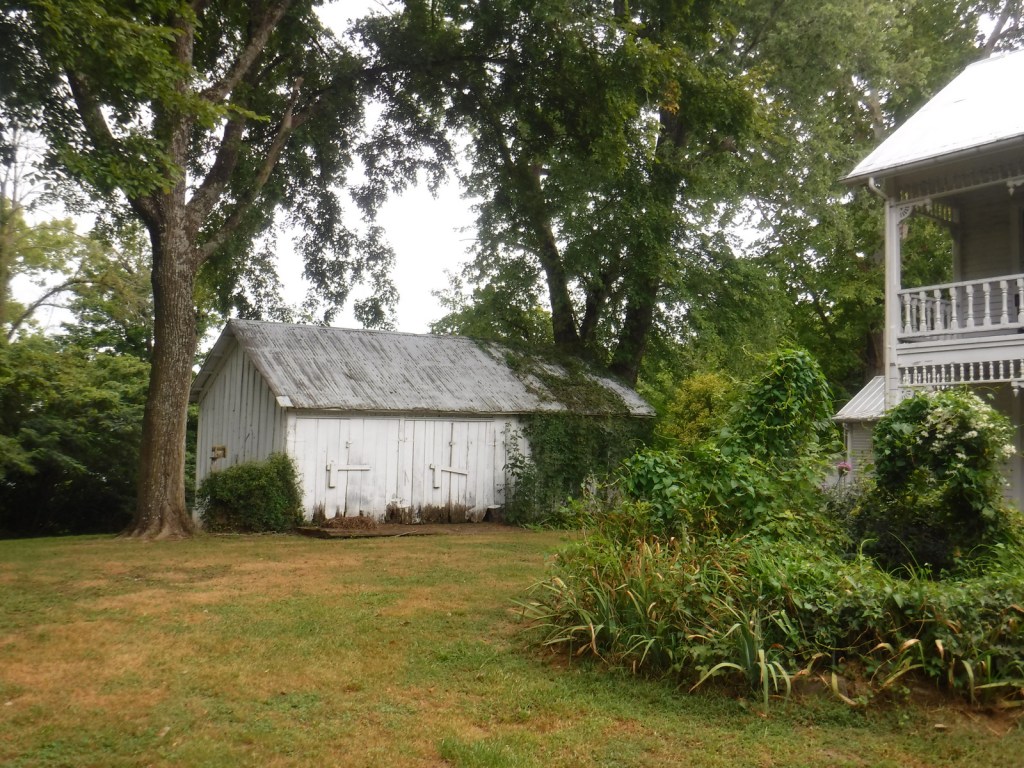
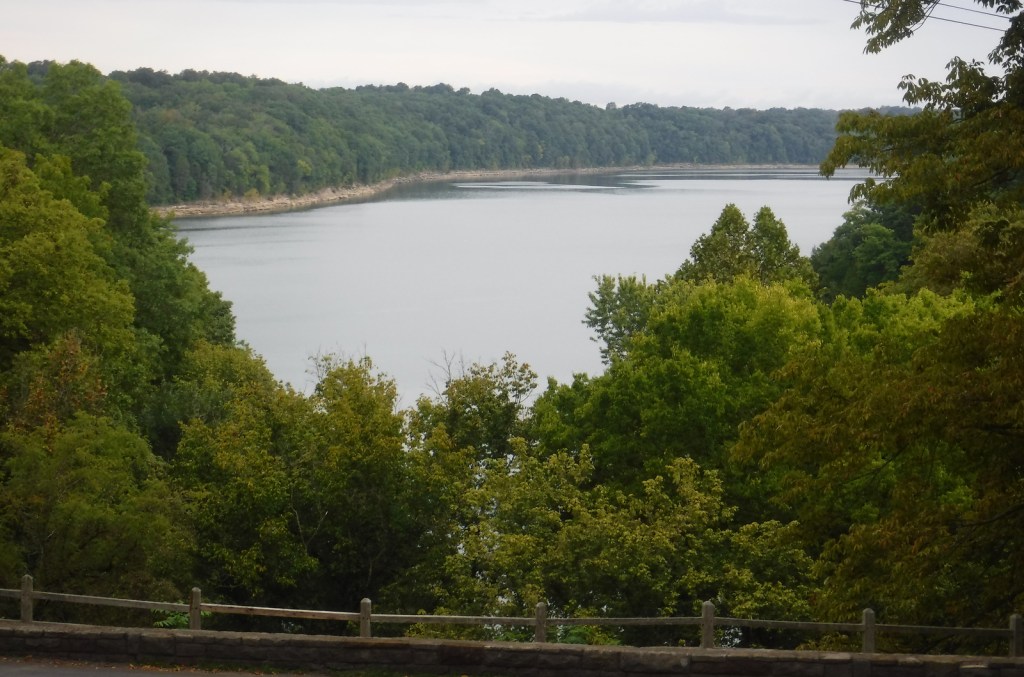
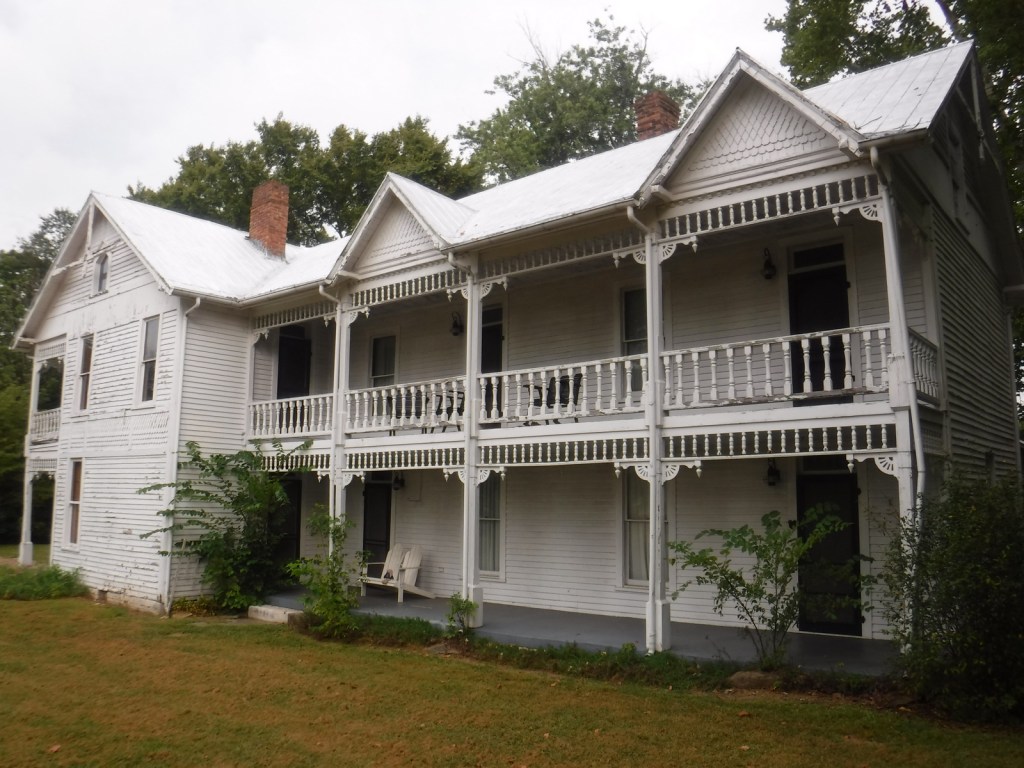
Start your visit by watching the film at the NPS visitor center next to Mill Springs National Cemetery, opened in 1867 as one of 12 original National Cemeteries.  The driving tour starts from there south down Kentucky Highway 235 to Zollicoffer Park where there are markers for Confederate General Felix K. Zollicoffer (buried beneath the “Zollie Tree”) and a Confederate mass grave.  There are six more stops on the driving tour north of Lake Cumberland, but there is no bridge across the reservoir, so to reach the final two stops requires backtracking and connecting to Kentucky Highway 1275.  There you will reach the Brown-Lanier House at Mill Springs that was utilized by both sides of the battle.  Open seasonally to the public, the working grist mill on Lake Cumberland dates to 1877 and is managed by the Army Corps of Engineers.  The final tour stop is at the West-Metcalfe House that served as a Confederate headquarters and hospital, but is not currently open.

Best Trail

A 0.75-mile walking trail in Zollicoffer Park goes down into a ravine that was behind the Confederate lines, as explained by interpretive signs there.  You can also walk to the edge of Lake Cumberland at Ferry Landing on the north shore and Mill Springs Mill on the south shore.

Photographic Opportunity

Built in 1860, the Brown-Lanier House offers guided tours inside the house that was twice hit by artillery during the Battle of Mill Springs.
Peak Season

Summer

Hours

https://www.nps.gov/misp/planyourvisit/hours.htm

Fees

Tours of the Brown-Lanier House now seem to be free and offered by NPS rangers every other Saturday in the summer.

Road Conditions

All roads are paved, but be careful while driving onto small pullouts along the highways.

Camping

There are campgrounds along Lake Cumberland and further north at Mammoth Cave National Park.

Related Sites

Camp Nelson National Monument (Kentucky)

Shiloh National Military Park (Tennessee-Mississippi)

Fort Donelson National Battlefield (Tennessee-Kentucky)
Explore More – What other two names has the Battle of Mill Springs been called?

Learn more about the other 137 National Monuments in our book Monumental America: Your Guide to All 138 National Monuments

Medgar and Myrlie Evers Home National Monument

Medgar and Myrlie Evers Home National Monument

Mississippi

Managed by National Park Service

Established 2019

0.74 acres

Website: nps.gov/memy

Overview

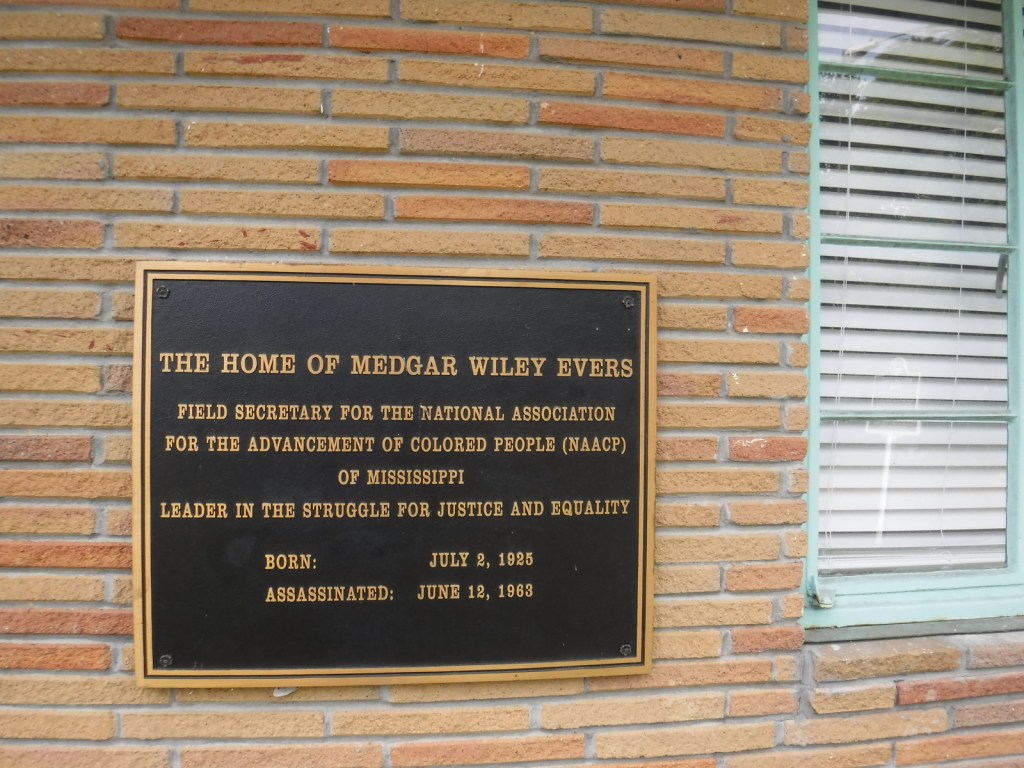
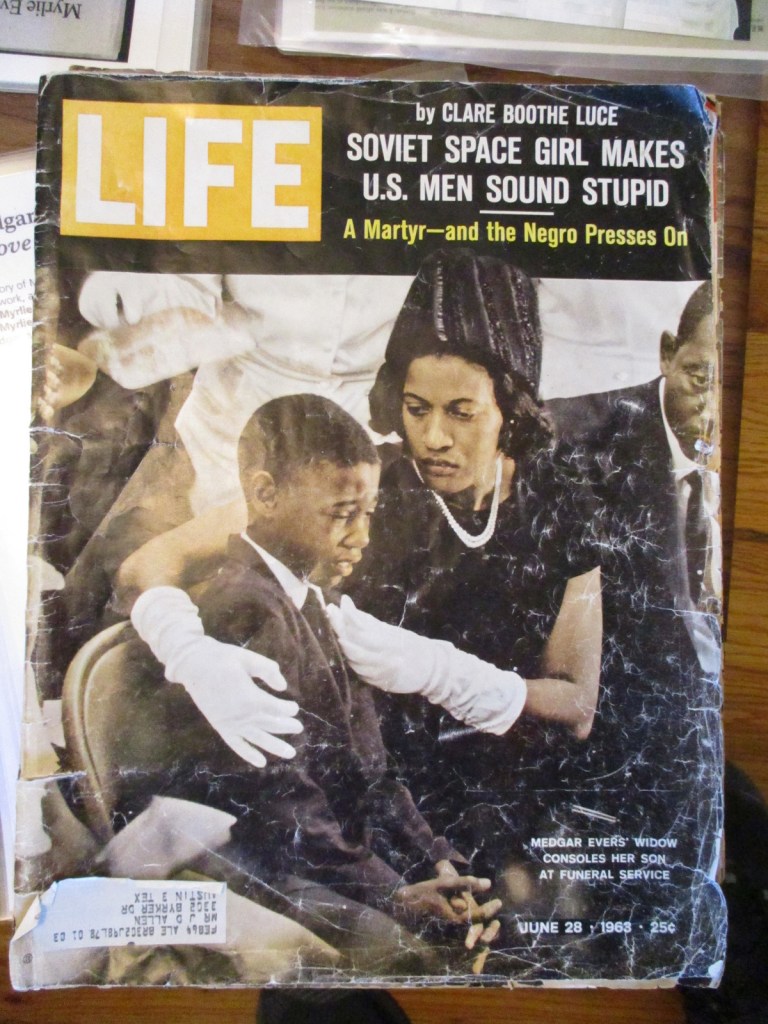
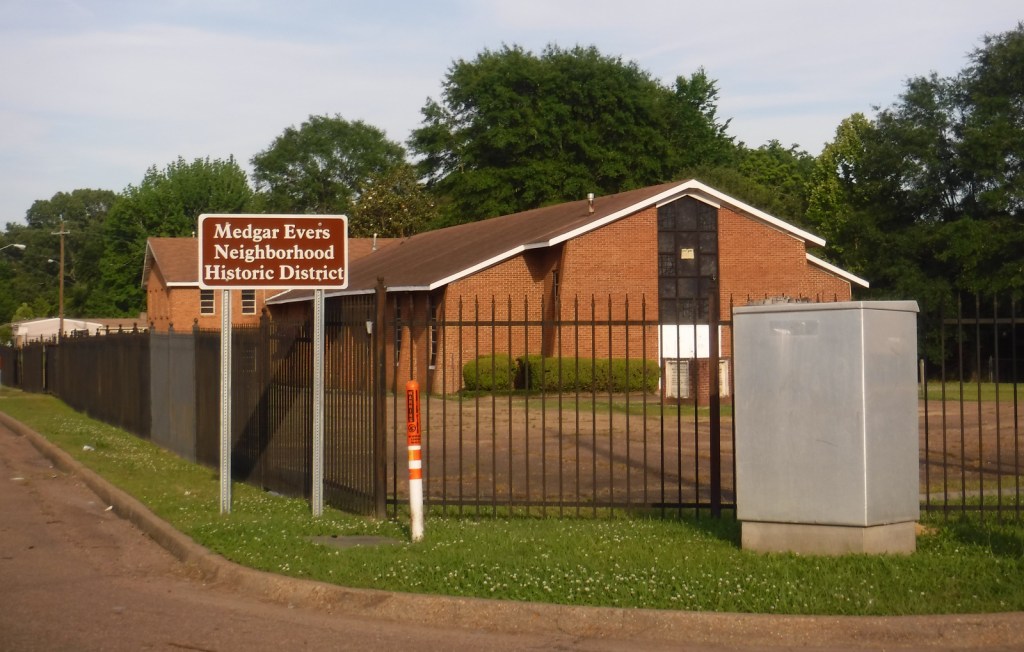
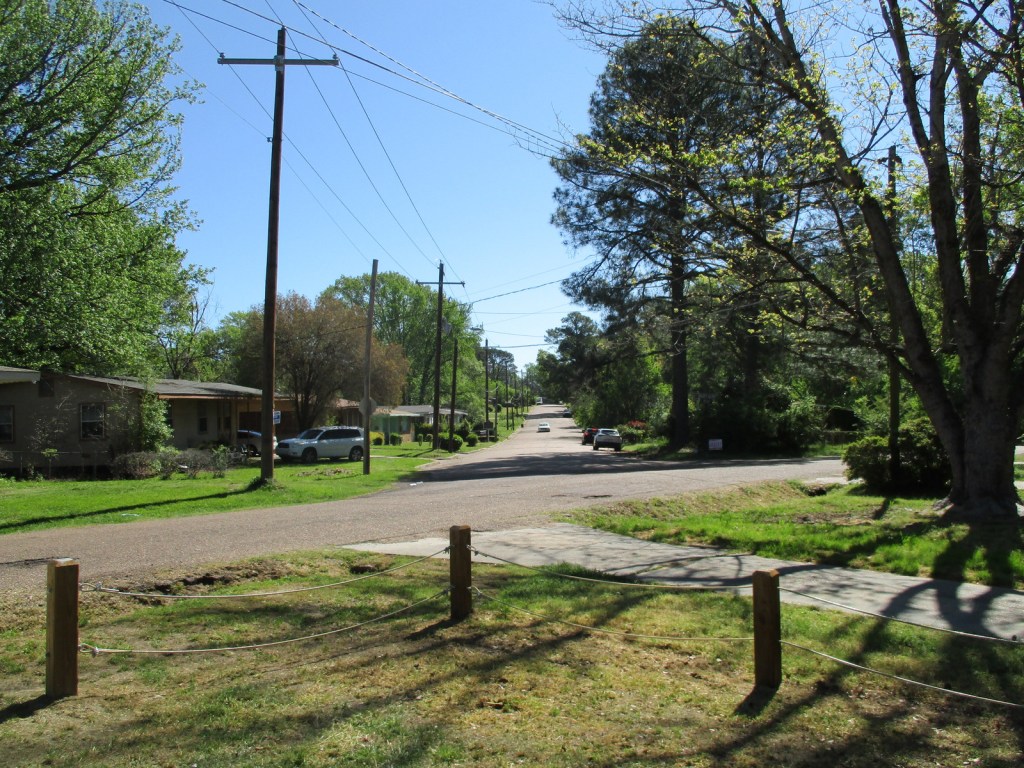
In the early 1960s, Medgar Evers served as a field secretary for the National Association for the Advancement of Colored People (NAACP) and became a target for racial hatred in Jackson, Mississippi.  After Medgar was slugged while aboard a bus and almost run over by a car, the Evers family home was firebombed on May 28, 1963.  Then just before midnight on June 11, Medgar was assassinated in his driveway by a sniper from a vacant lot across the street.  Medgar died the next morning and his wife Myrlie moved the family to California where she continued as a civil rights advocate (and was eventually elected as Chair of the NAACP).  The family rented the property for 30 years before donating it to Tougaloo College who restored the house and sold it to the National Park Service (NPS) in 2020.

Learn more about the other 137 National Monuments in our book Monumental America: Your Guide to All 138 National Monuments. It is now available for sale on Amazon.com.

Highlights

Evers’ House, Myrlie’s Garden

Must-Do Activity

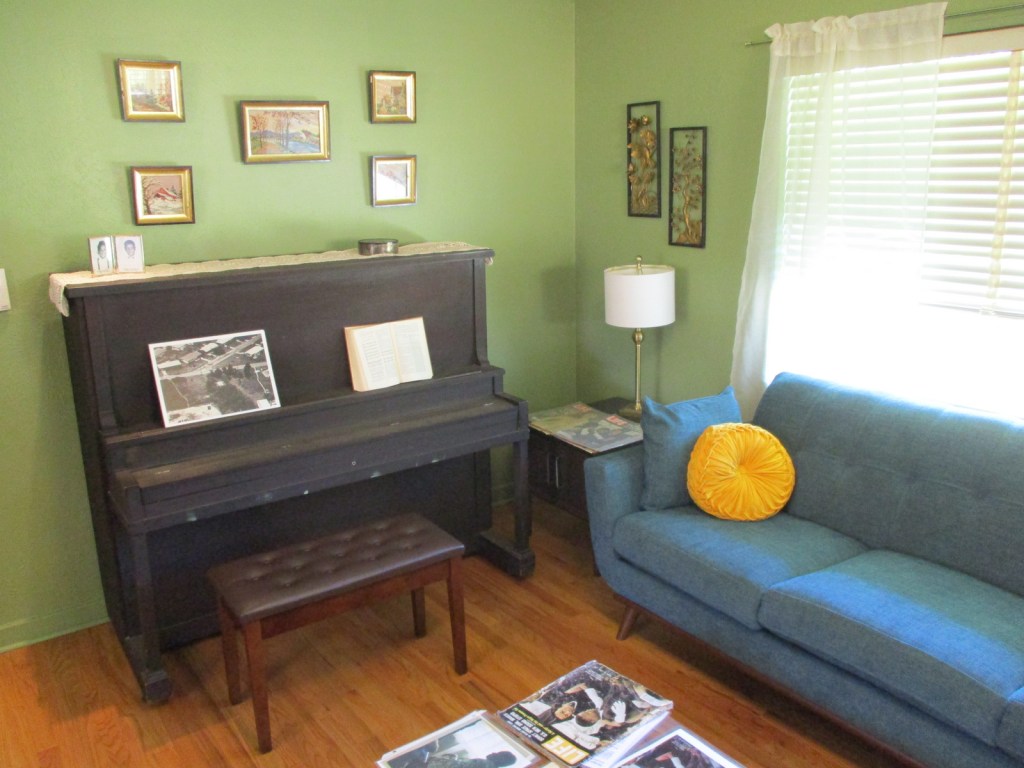
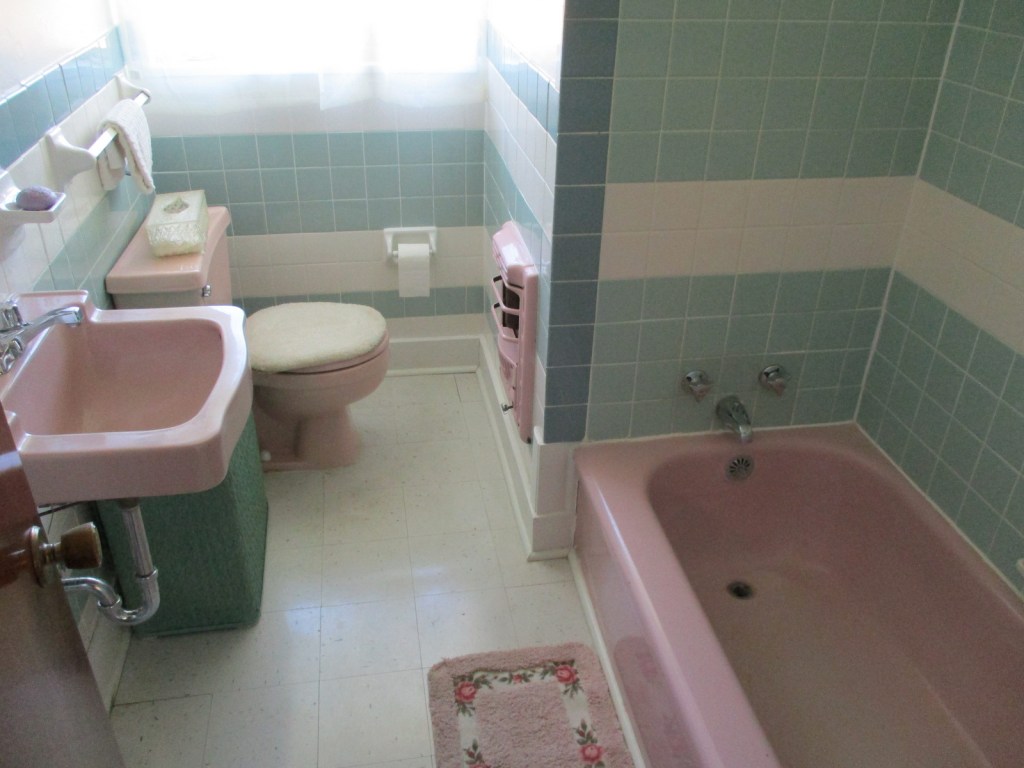
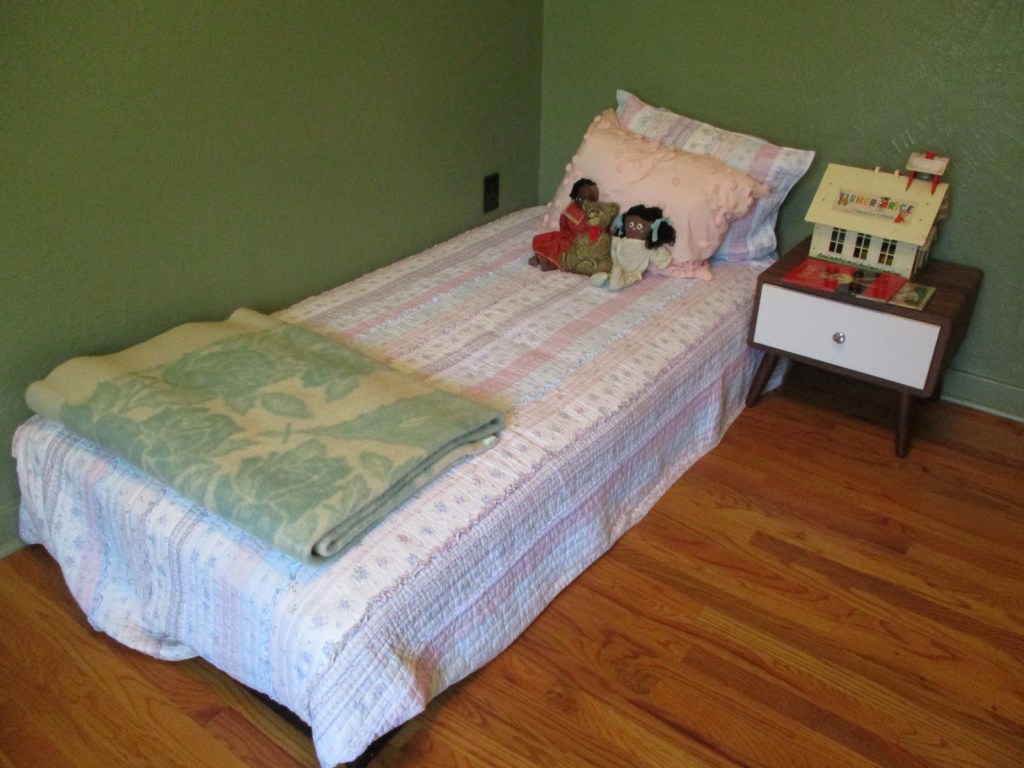
In 1956, the Evers family chose this new house because it did not have a front door, but rather an entrance on the side off the covered carport for security.  After you enter the house from the back door, be sure to find where the bullet hole is still in the wall to the kitchen.  You will also notice that the children’s beds were on the floor below the window level for safety, and Medgar trained them to crawl to the bathroom in case of an attack.  There is a four-page Junior Ranger booklet for the site that can be completed during a short visit, which takes a serious yet positive tone for this important civil rights site.  Still, it made it on our list of the Top 10 Most Depressing National Park Service Sites.

Best Trail

There is a sidewalk through Myrlie’s Garden, a community garden less than one-tenth of a mile from the house where interpretive signs on the wooden fence tell the life story of the Evers.

Photographic Opportunity

In Jackson’s Elraine Subdivision, the Evers’ house is one of 36 ranch-style houses built as the first planned middle-class subdivision for African Americans in Mississippi after World War II.

Peak Season

Spring and fall

Hours

Closed Sundays and Mondays, and noon to 1 p.m. for lunch

https://www.nps.gov/memy/planyourvisit/hours.htm

Fees

None

Road Conditions

There is street parking available in the neighborhood, but rangers prefer that you park at Myrlie’s Garden and walk over.

Camping

There are three free NPS campgrounds along the 444-mile Natchez Trace Parkway, which runs through Jackson, Mississippi.  To the east on Interstate 20, Bienville National Forest also has camping options.

Related Sites

Emmett Till and Mamie Till-Mobley National Monument (Mississippi-Illinois)

Natchez Trace National Scenic Trail (Mississippi-Alabama-Tennessee)

Birmingham Civil Rights National Monument (Alabama)

Explore More – The assassin Byron De La Beckwith was immediately caught, then set free after two deadlocked trials, so how many years later was he finally convicted?

Learn more about the other 137 National Monuments in our book Monumental America: Your Guide to All 138 National Monuments

Charles Young Buffalo Soldiers National Monument

Charles Young Buffalo Soldiers National Monument

Ohio

Managed by National Park Service

Established 2013

60 acres

Website: nps.gov/chyo

Overview

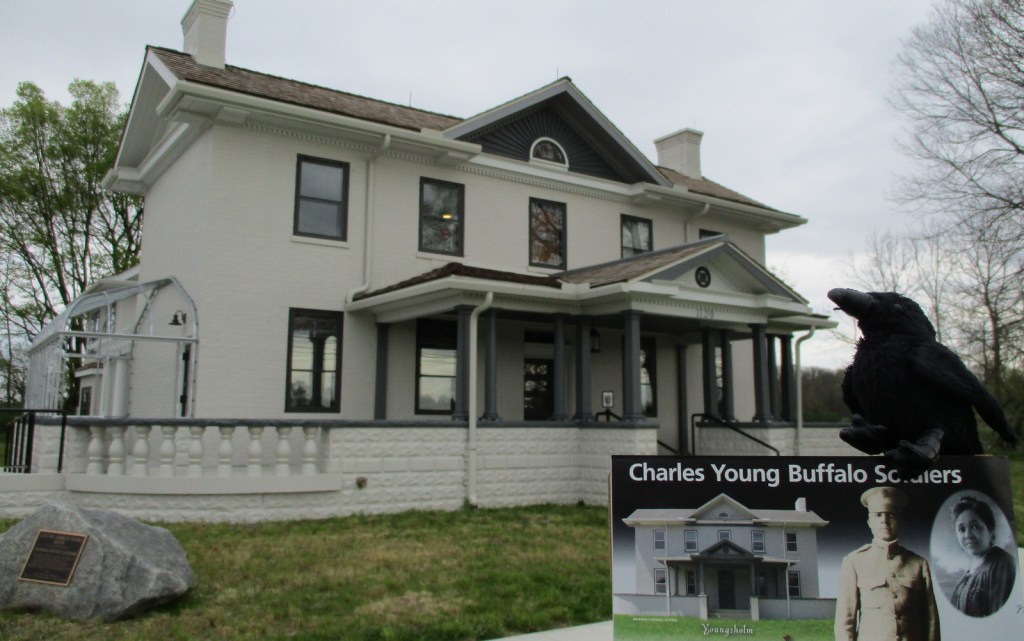
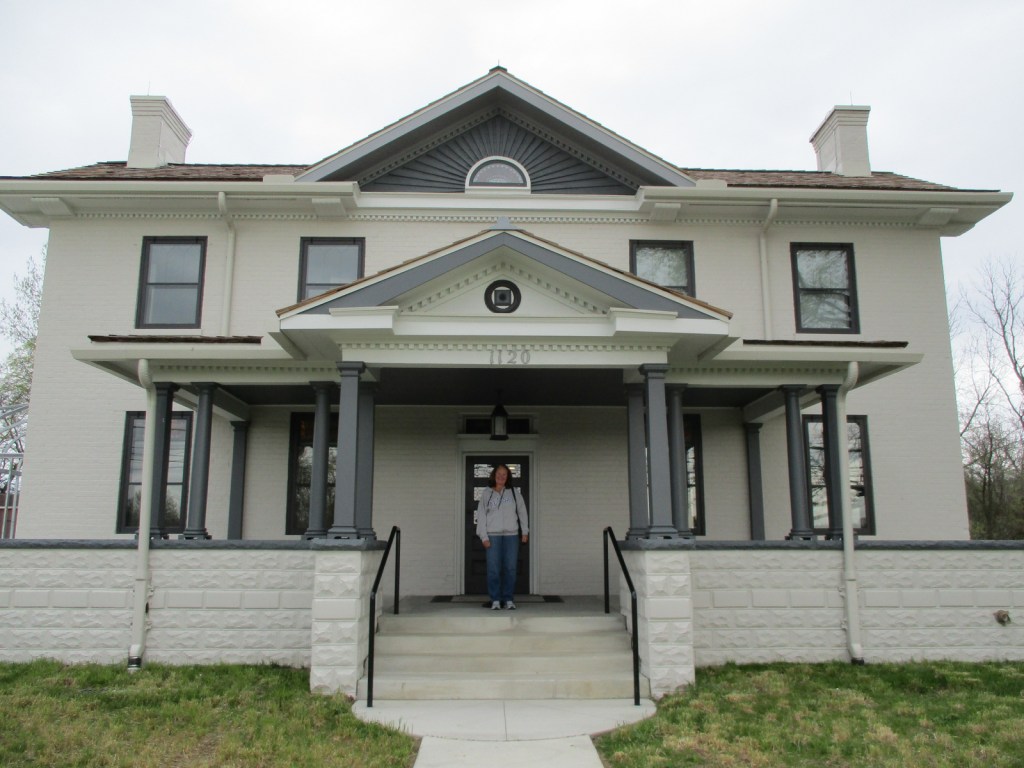
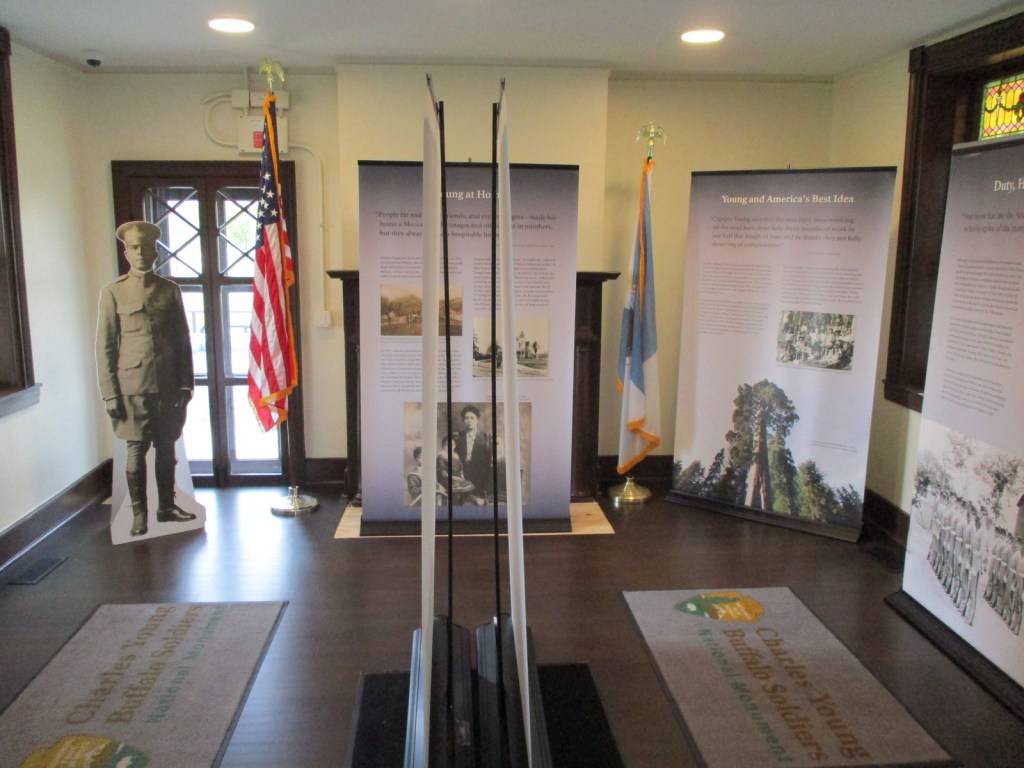
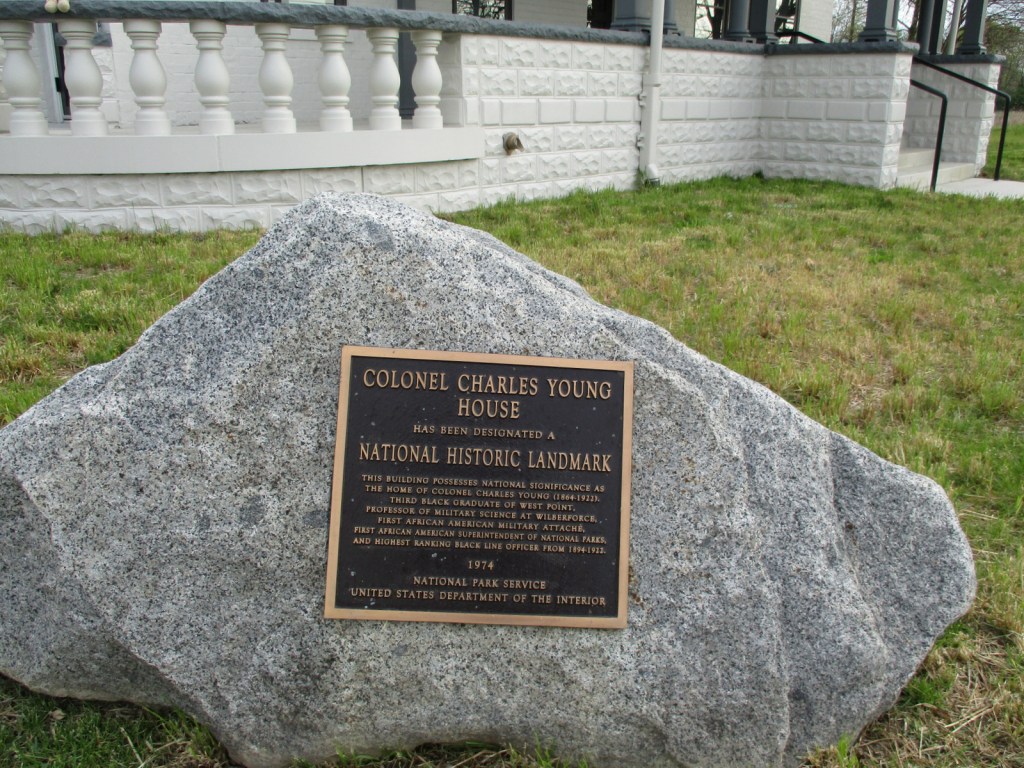
Charles Young was born to enslaved parents in 1864 and went on to become only the third African American to graduate from the U.S. Military Academy at West Point despite being the target of constant insults and social isolation.  He was commissioned an Army officer, serving with the “Buffalo Soldiers,” so named by American Indians because their hair and ferocious fighting style was similar to the bison.  Young became the first African American to serve as the Superintendent of a National Park when he commanded troops at General Grant (now Kings Canyon) and Sequoia National Parks in 1903.  Four years later, Young and his family purchased the 1839-built house he called “Youngsholm” after teaching military science at nearby Wilberforce University for over a decade.  His military career took him to the Philippines, Dominican Republic, Haiti, Mexico, and Liberia, but he was not allowed to fight in Europe during World War I.  In 1922, Young died while serving as a military attaché in Africa and after a campaign by his family and notable African-American celebrities his body was reinterred at Arlington National Cemetery.

Learn more about the other 137 National Monuments in our book Monumental America: Your Guide to All 138 National Monuments. It is now available for sale on Amazon.com.

Highlights

Youngsholm, film, living history demonstrations

Must-Do Activity

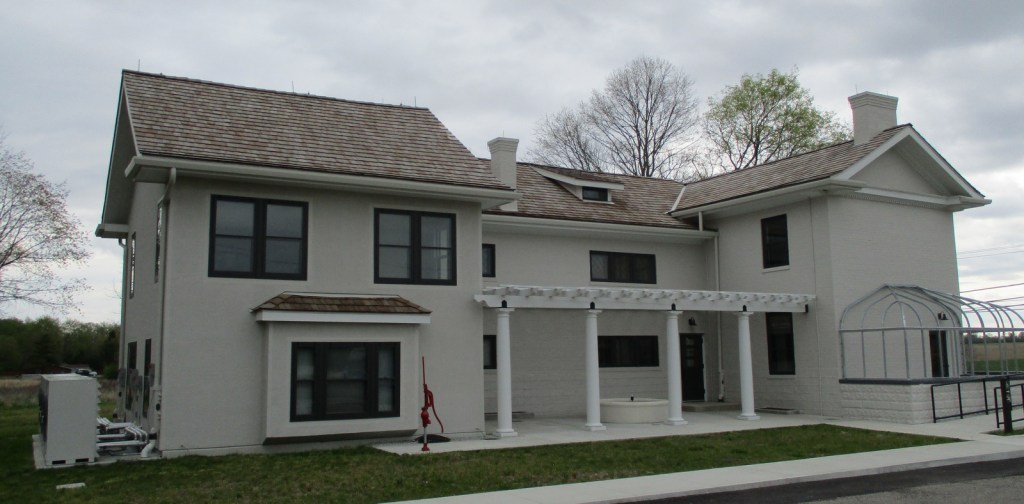
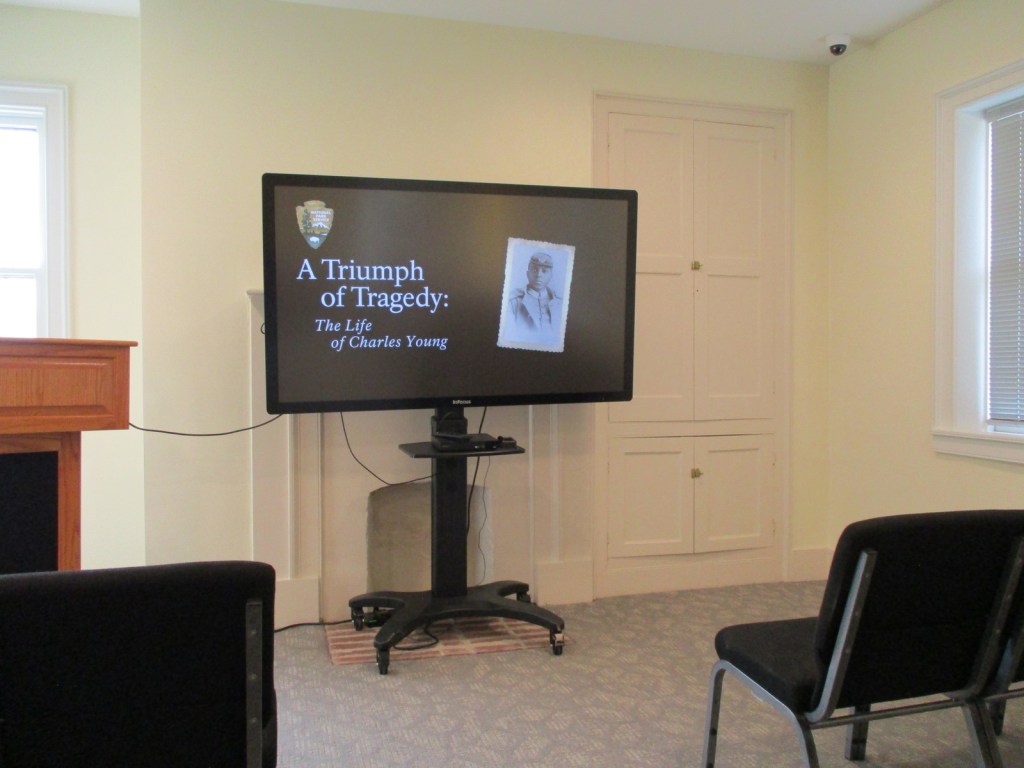
A “15-month renovation” of Youngsholm began in October 2021 to restore the house and add an elevator, which in typical government fashion was not finished until April 2024.  There is a film focused on his life as a civil rights trailblazer that is played on the second floor of the house, which you can also watch online before visiting.  We also recommend the 2023 PBS special Buffalo Soldiers that focuses extensively on Charles Young.  None of the rooms inside Youngsholm are furnished, but there are many informational signs about Young and the Buffalo Soldiers.  In addition, 30-minute talks on a variety of topics are given on most weekends by park rangers and there is a Junior Ranger booklet for the site.

Best Trail

None

Photographic Opportunity

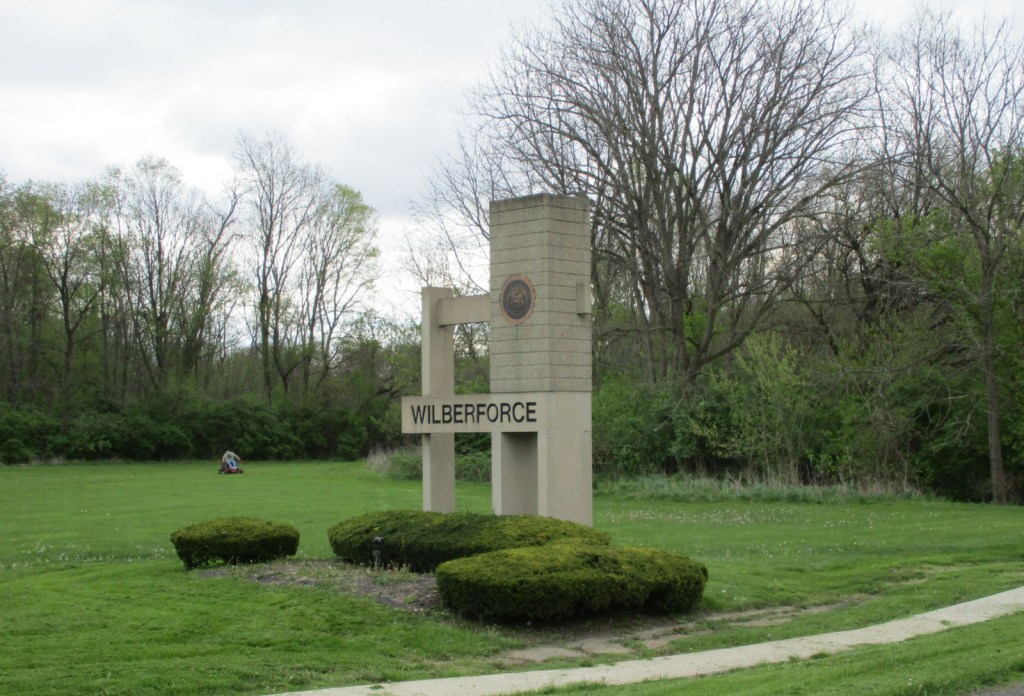
A short drive across Highway 42 from Youngsholm takes you to Wilberforce University where there is an Ohio Historical Marker telling the story of Charles Young’s connection with the school. 

Peak Season

Summer

Hours

https://www.nps.gov/chyo/planyourvisit/hours.htm

Fees

None

Road Conditions

Youngsholm is located right off paved Highway 42 near the campus of Wilberforce University.

Camping

The scenic Hocking Hills State Park has 172 campsites (reservations recommended) and is one of the most popular places to camp in Ohio.  Hueston Woods State Park offers 490 campsites, 59 cabins, and a lodge.

Related Sites

Dayton Aviation Heritage National Historical Park (Ohio)

Hopewell Culture National Historical Park (Ohio)

Fort Davis National Historic Site (Texas)

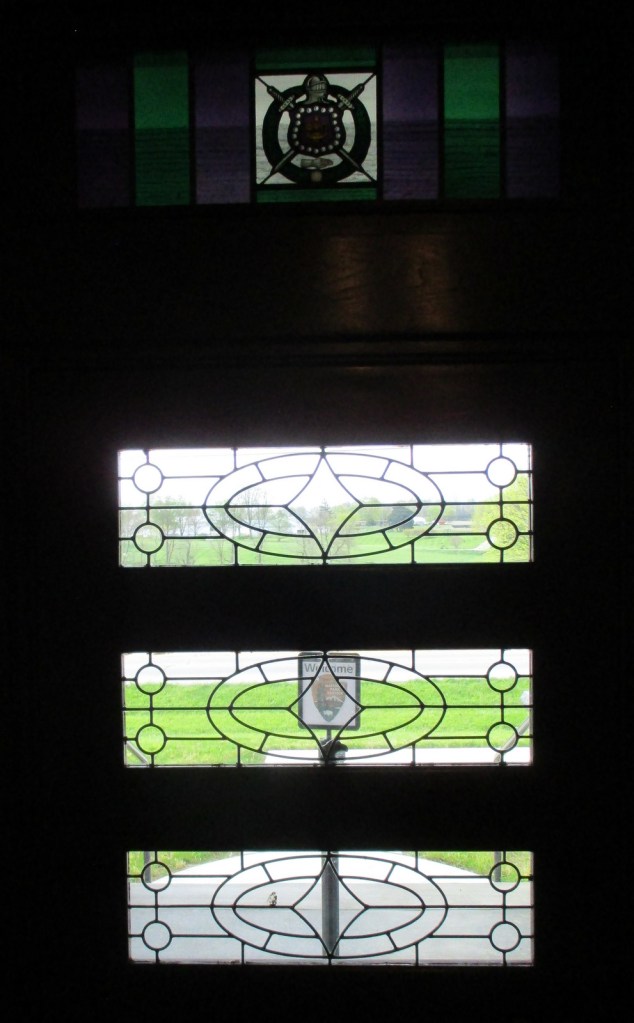
Explore More – What fraternity of African-American leaders is represented by the purple-and-green stained-glass window in Youngsholm?

Learn more about the other 137 National Monuments in our book Monumental America: Your Guide to All 138 National Monuments

Theodore Roosevelt Inaugural National Historic Site

Theodore Roosevelt Inaugural National Historic Site

New York

Managed by National Park Service

Established 1966

1 acre

Website: nps.gov/thri

Overview

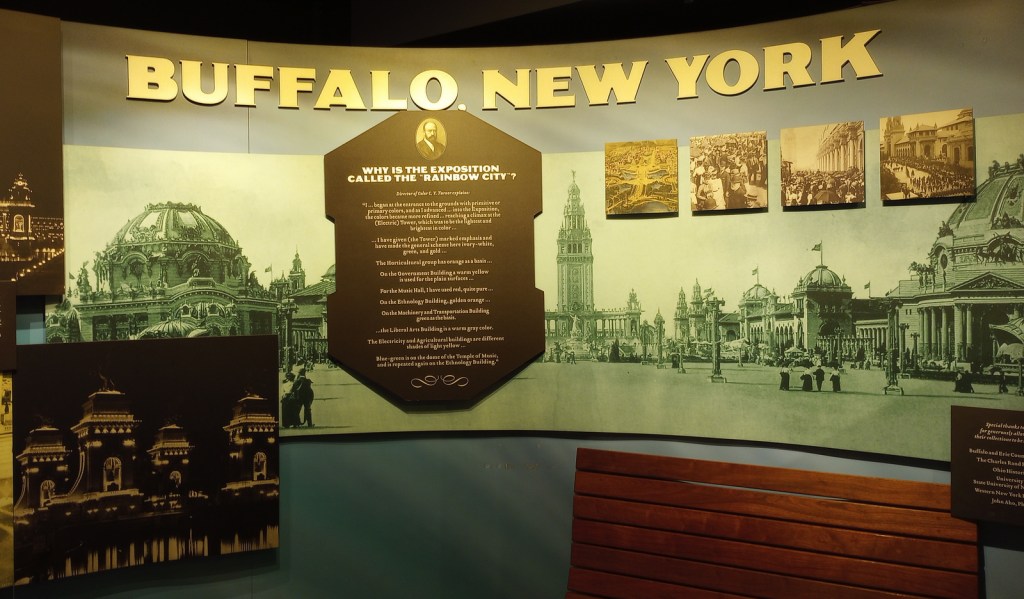
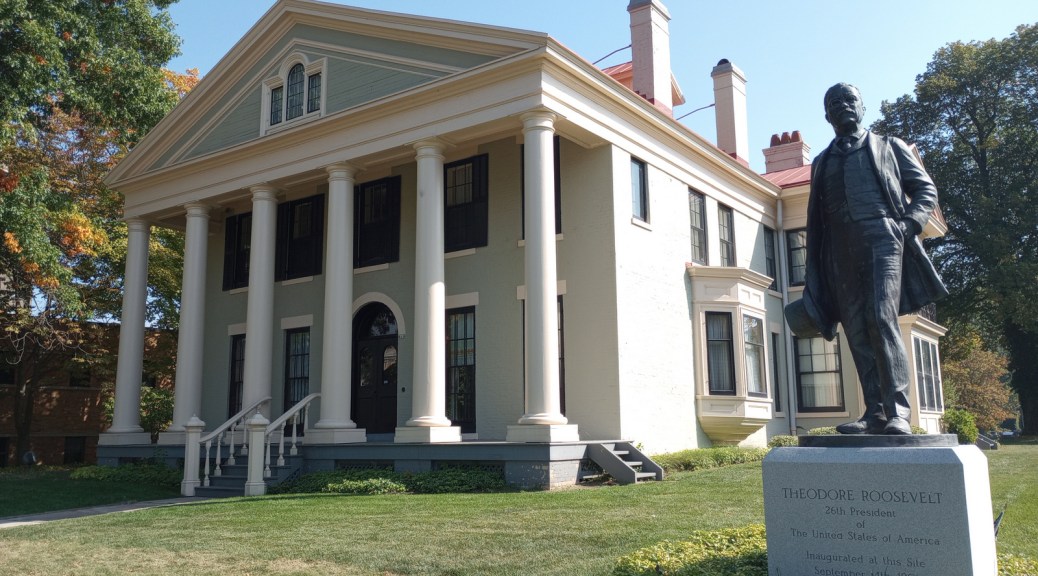
On September 6, 1901, while attending the Pan-American Exposition in Buffalo, New York, President William McKinley was shot by anarchist Leon Czolgosz.  Vice President Theodore Roosevelt came by the house (now demolished) where McKinley was recovering and left after being assured he would survive.  Roosevelt was hiking the highest peak in the Adirondacks when he was informed that he needed to rush back to Buffalo because the President was dying.  Rather than take the oath of office in the house where McKinley died 11 hours before Roosevelt’s arrival, he chose the residence of his friend Ansley Wilcox, which has been preserved as a National Historic Site.  Oddly, no photographs were taken at the historic event.

Highlights

Wilcox house, museum, films

Must-Do Activity

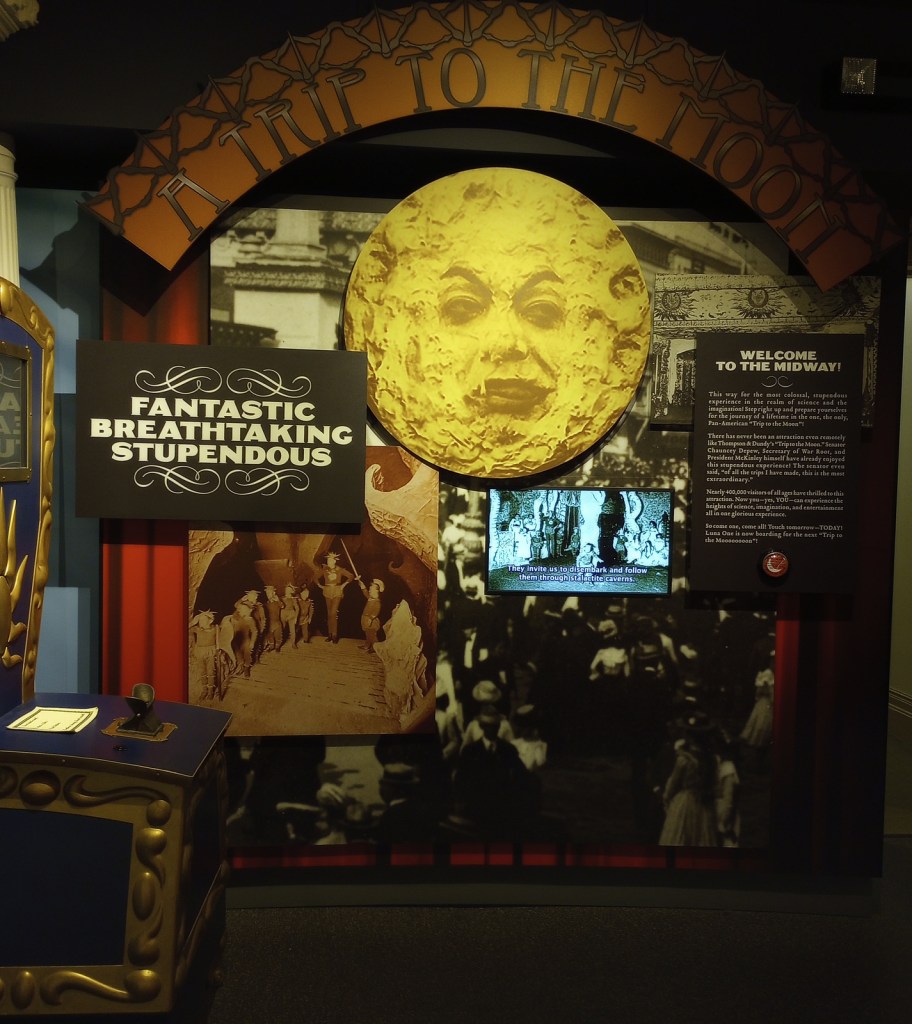
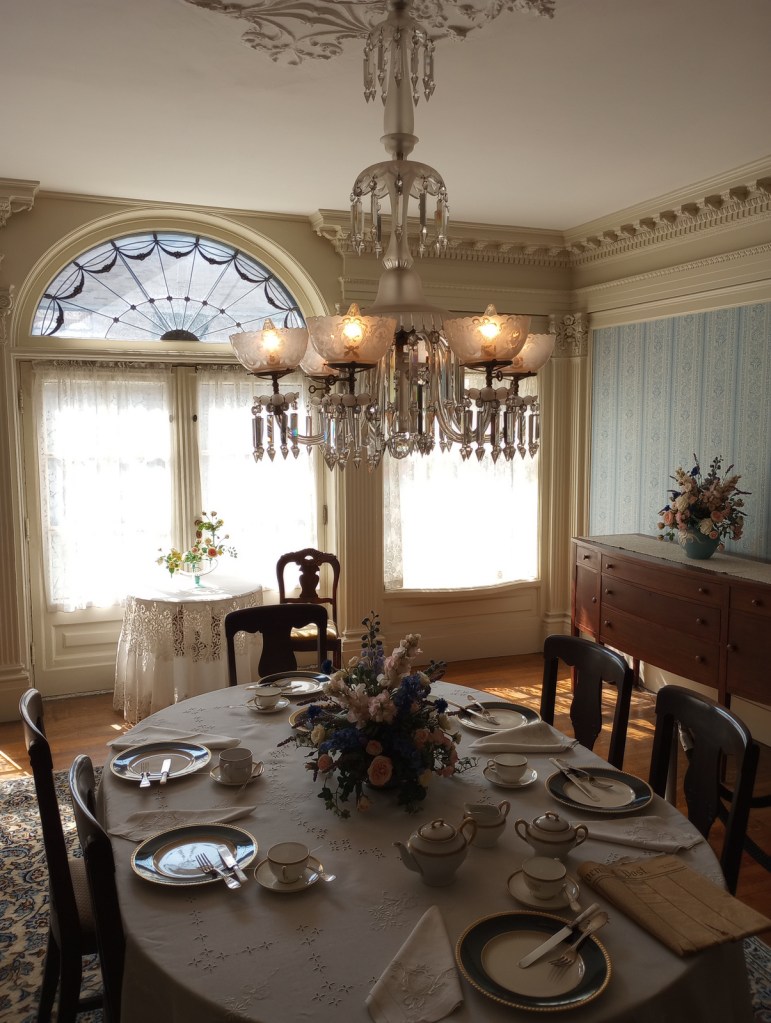
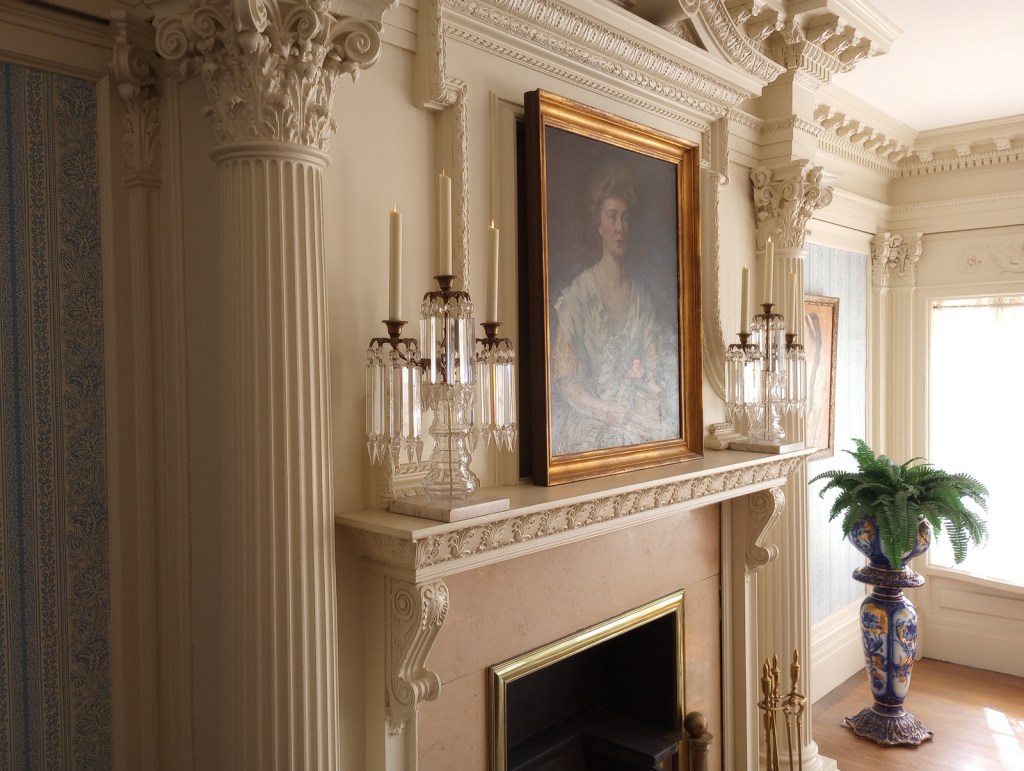
The Wilcox house dates back to 1837, when it was built as an officers’ quarters at the U.S. Army’s Poinsett Barracks.  The only way inside is on a ranger-guided tour, which you can reserve online in advance (see Fees below).  The downstairs has a small, nice museum featuring interactive exhibits, where you will watch the second of three video presentations during your 45-minute tour.  It was good enough that we added it to our Top 10 Museums Run by the National Park Service. There is an annual reenactment of the 1901 Inauguration held every September 14.

Best Trail

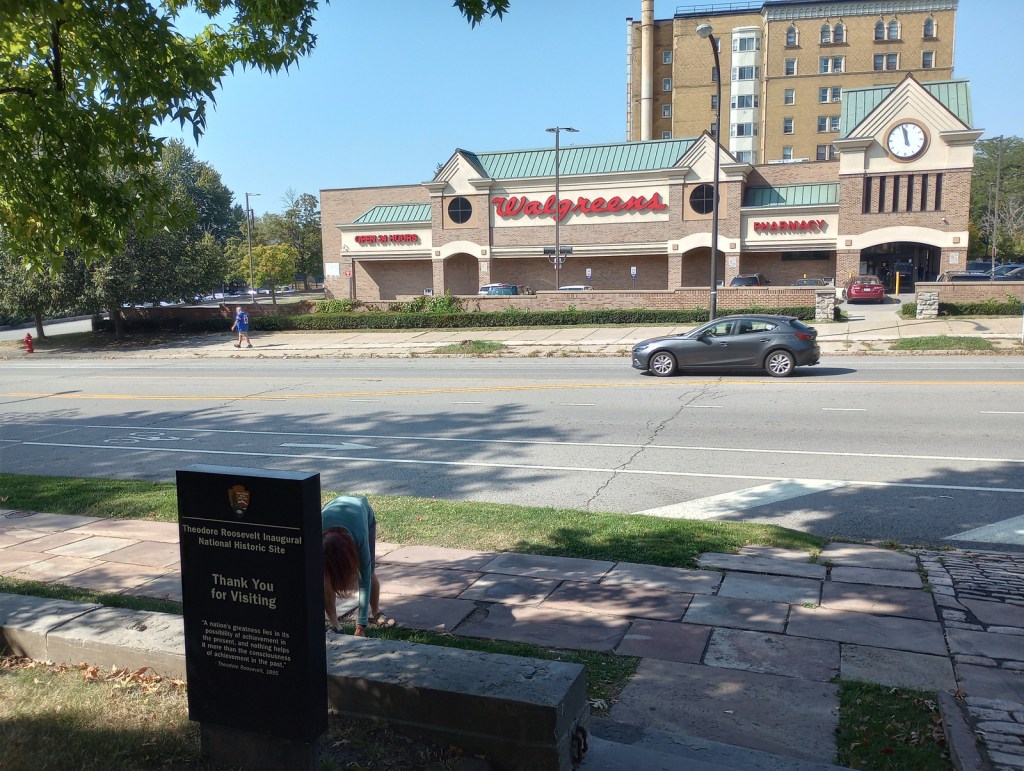
No trails, but you can walk the sidewalks of Delaware Avenue in downtown Buffalo and stop by the Bank of America ATM conveniently located next door. Maybe you will find a four-leaf clover like Tiff did (see photo below).

Instagram-worthy Photo

The third video is presented in a small theater upstairs about halfway through the tour and features dramatic lighting and videos highlighting the challenges facing the U.S. in the early 1900s.

Peak Season

Fall

Hours

https://www.nps.gov/thri/planyourvisit/hours.htm

Fees

$12 per adult for tour (or America the Beautiful pass and $1 online registration fee for up to 4 adults)

Road Conditions

All roads are paved and a free parking lot is located behind the house on one-way Franklin Street.

Camping

Outside Buffalo, camping is available at Darien Lake, Four Mile Creek, Joseph Davis, and Letchworth State Parks.

Related Sites

Theodore Roosevelt Birthplace National Historic Site (New York)

Home of Franklin D. Roosevelt National Historic Site (New York)

Sagamore Hill National Historic Site (New York)

Check out our Top 10 Roosevelt Family NPS Sites

Explore More – When was the Wilcox house turned into a restaurant?

Top 10 Roosevelt Family NPS Sites

Following our 2023 visit to Buffalo, New York, we realized how many National Park Service (NPS) units revolve around the Roosevelt Family: Presidents Theodore (Teddy) and Franklin (FDR), plus influential First Lady Eleanor.  There are dozens of other NPS sites dedicated to former Presidents, so we will have to determine our favorites of those after we finish visiting them all someday.  We hope you enjoy our ranking and please let us know your favorite.  Click here to see all our Top 10 lists.

10. Theodore Roosevelt Birthplace National Historic Site (New York)

An interesting example of a historic brownstone home in New York City where a wealthy Knickerbocker family resided

9. Catoctin Mountain Park (Maryland)

Camp David is in the middle of this park, which was called Shangri-La by FDR, the first U.S. President to utilize the compound

8. Eleanor Roosevelt National Historic Site (New York)

Many world leaders visited this nondescript former-factory in Hyde Park even after the passing of Eleanor’s husband FDR

7. Theodore Roosevelt Island National Memorial (District of Columbia)

Teddy used to swim in the Potomac River year round, so it is fitting that his statue stands on this island on its Virginia bank

6. Home of Franklin D. Roosevelt National Historic Site (New York)

A lavish mansion sits above the Hudson River in Hyde Park near Vanderbilt National Historic Site

5. Franklin Delano Roosevelt Memorial (District of Columbia)

Instead of one large statue, there are multiple smaller ones portraying FDR’s historically long presidency

4. Theodore Roosevelt Inaugural National Historic Site (New York)

There is an interesting small museum downstairs and interactive exhibits throughout the house in downtown Buffalo where Teddy was sworn in following President McKinley’s death

3. Mount Rushmore National Memorial (South Dakota)

Theodore Roosevelt was the most contemporary and controversial figure carved into Mt. Rushmore, but his legacy has justified his inclusion

2. Sagamore Hill National Historic Site (New York)

Teddy’s mansion on Long Island is a beautiful house full of historic artifacts

…and finally our #1 Roosevelt Family NPS Site:

1. Theodore Roosevelt National Park (North Dakota)

We think Teddy would love to visit the only one of the 63 National Parks named for a President, with bison roaming where he once ranched cattle

.

Honorable Mentions

Roosevelt Campobello International Park (New Brunswick)

Summer home of FDR and Eleanor jointly managed by Parks Canada and the NPS

Lake Roosevelt National Recreation Area (Washington)

The reservoir created by the Grand Coulee Dam in the 1930s was named for FDR

Roosevelt National Forest (Colorado)

Not an NPS site, but named for Teddy who created the U.S. Forest Service during his presidency

Yosemite National Park (California)

Who could forget the famous image of John Muir and Teddy camping in this National Park

Grand Canyon National Park (Arizona)

One of many National Monuments established during Teddy’s presidency, several of which became National Parks