Tag Archives: house

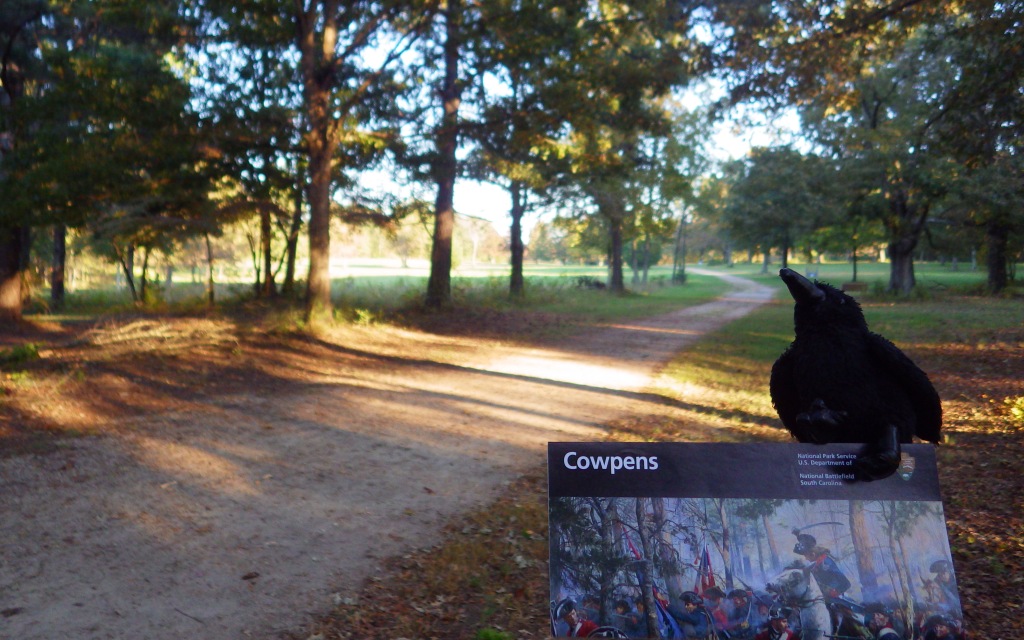
Cowpens National Battlefield

Overview

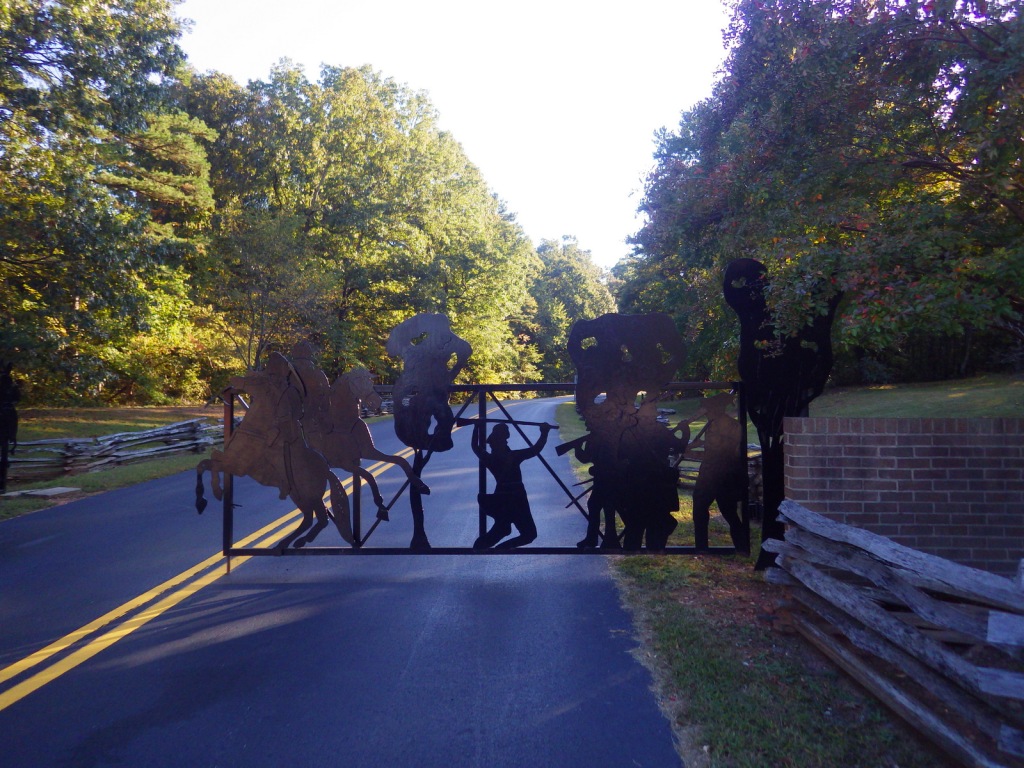
In 1780, there were 8,000 British troops in South Carolina and Georgia, but none were as feared as the 270 cavalry under Colonel Banastre Tarleton.  Following an attack at Waxhaws where his men inflicted 75% casualties on the retreating Patriots, he became known as “Bloody Ban” and a slaughter of surrendering soldiers was known as giving “Tarleton’s quarter.”  After the major American victory at nearby Kings Mountain, the British were also defeated here on January 17, 1781 as they retreated to Yorktown, Virginia. 

Highlights

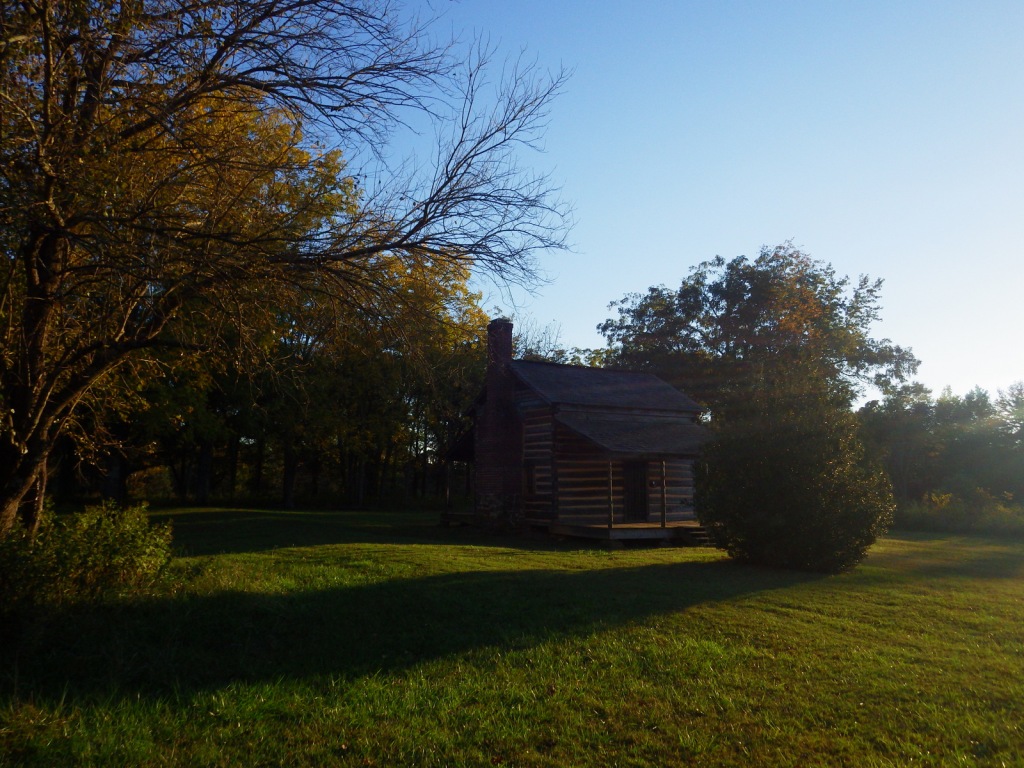
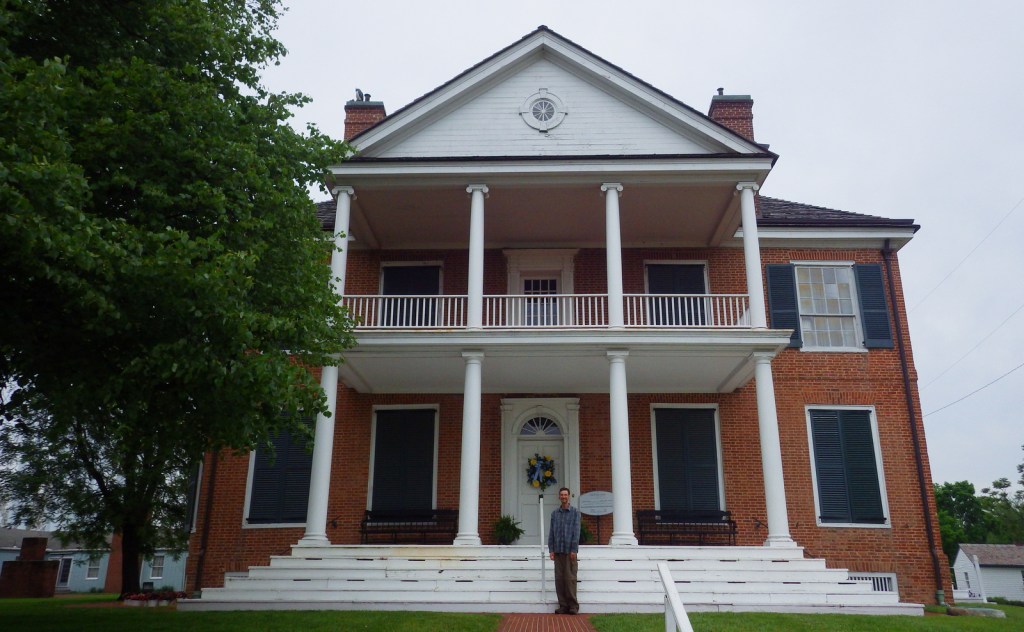
Museum, Battlefield Trail, U.S. Memorial Monument, Robert Scruggs house

Must-Do Activity

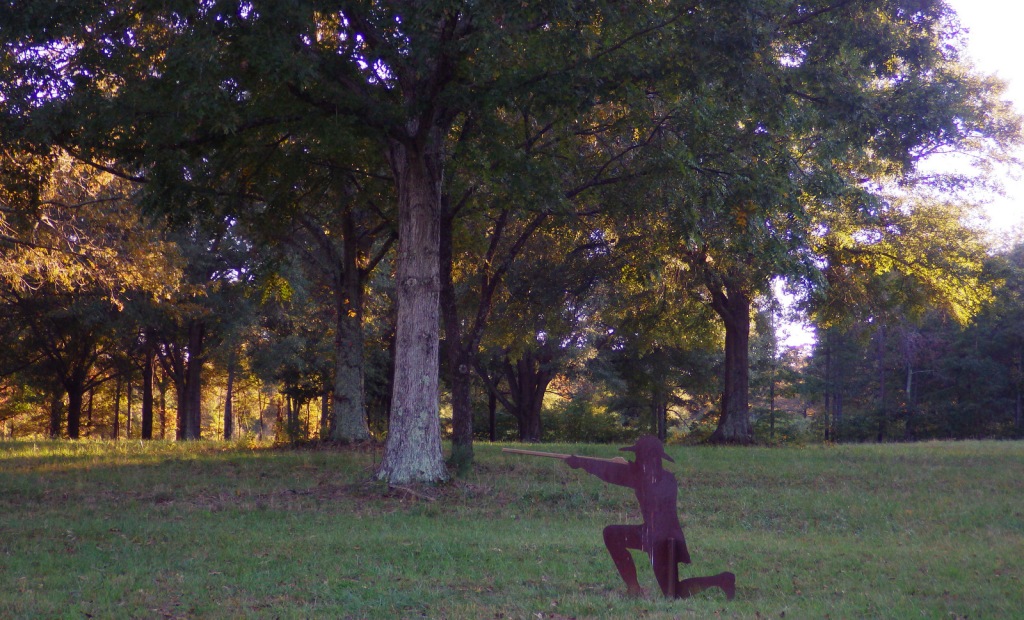
The fiberoptic map in the National Park Service visitor center provides a good understanding of this 20-minute battle.  Following the Patriot victory at Kings Mountain, Colonel Tarleton was sent to capture a Patriot army under Brigadier General Daniel Morgan.  On January 17, 1781, Morgan used his militiamen to sucker in the aggressive Tarleton, instructing them to fire two shots then retreat towards the lines of trained infantry and cavalry under Lieutenant Colonel William Washington (George’s second cousin).  The British took the bait and lost 80% of their force (110 killed, 229 wounded, and 600 captured), though Tarleton escaped. 

Best Trail

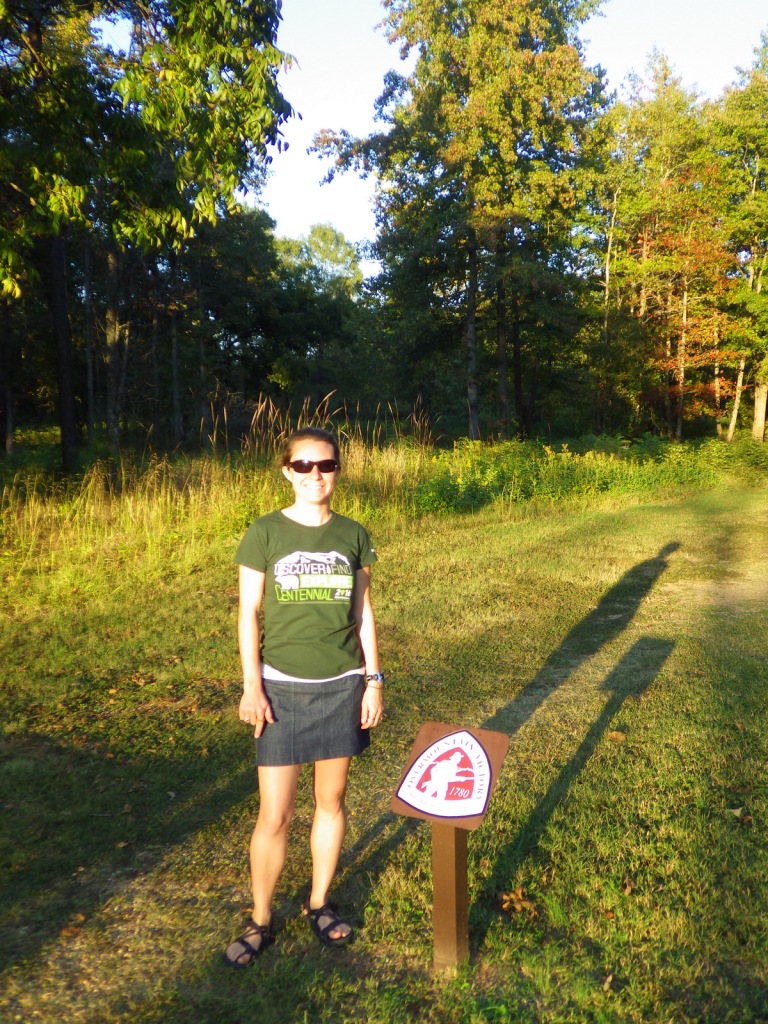
The Battlefield Trail partially follows the historic Green River Road and is 1.25 miles roundtrip from the visitor center.  The auto tour route closes at 4:30 p.m. but after hours parking is available at the trailhead off Highway 11, which also accesses the Battlefield Trail.  It is part of the Overmountain Victory National Historic Trail, which has 87 of its 330 miles publicly accessible, starting in Tennessee.  There is also a 2-mile nature trail near the picnic area.

Instagram-worthy Photo

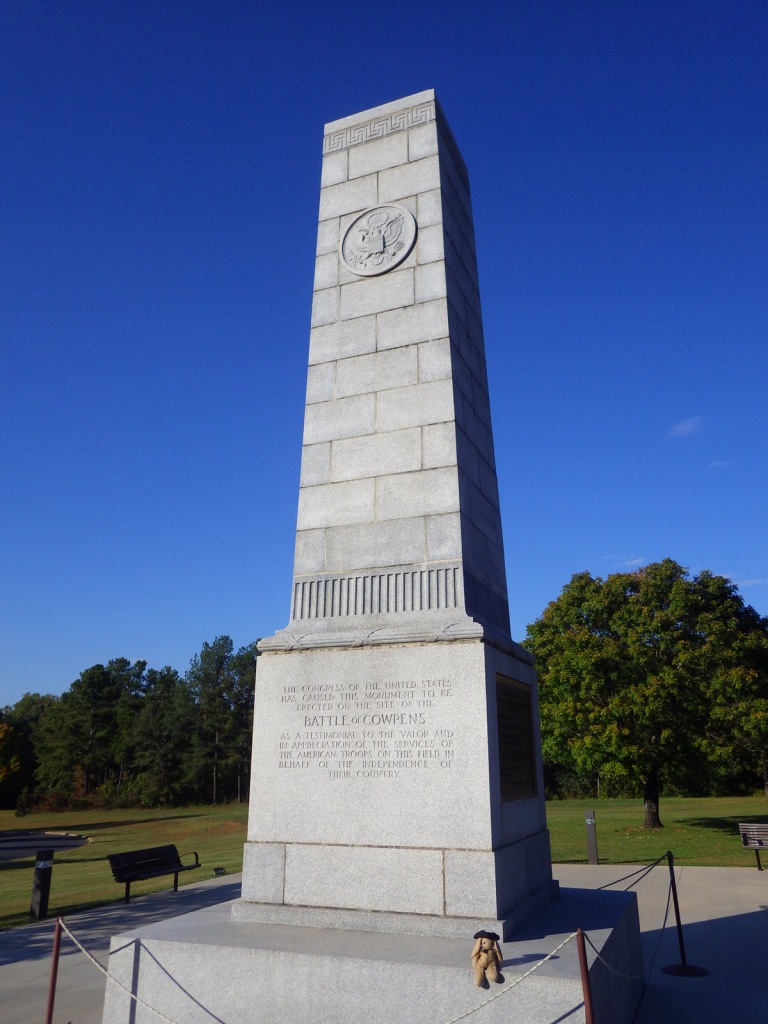
A 1932 monument marks the beginning of the Battlefield Trail.

Peak Season

Summer

Hours

https://www.nps.gov/cowp/planyourvisit/hours.htm

Fees

None

Road Conditions

All roads paved

Camping

Kings Mountain State Park is 30 miles east of the park next to Kings Mountain National Military Park.

Explore More – What locally grown fruit provided the inspiration for the painted water tower in Gaffney, South Carolina?

George Rogers Clark National Historical Park

Overview

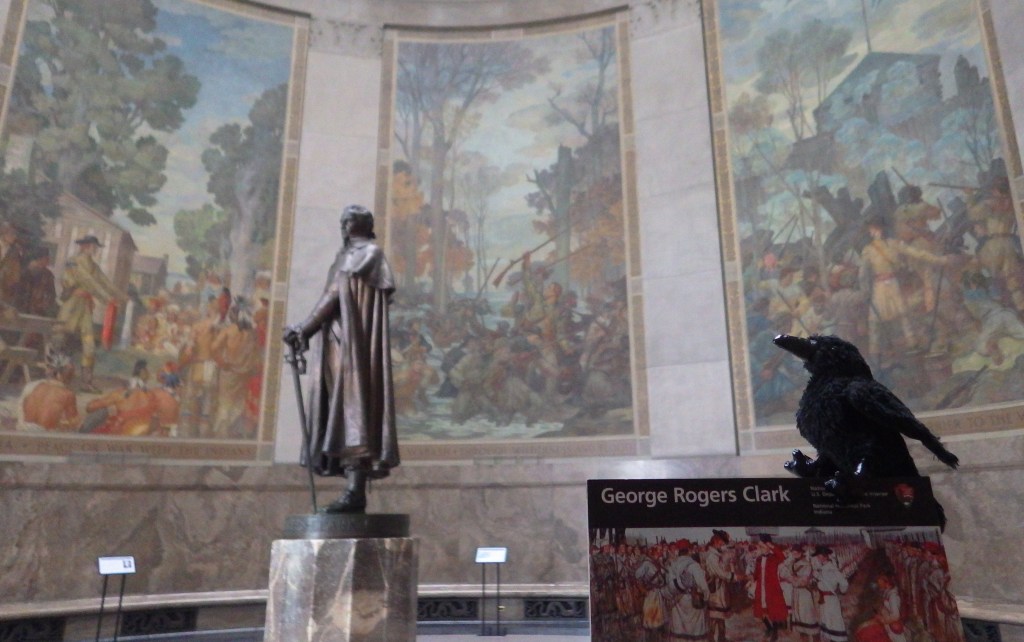
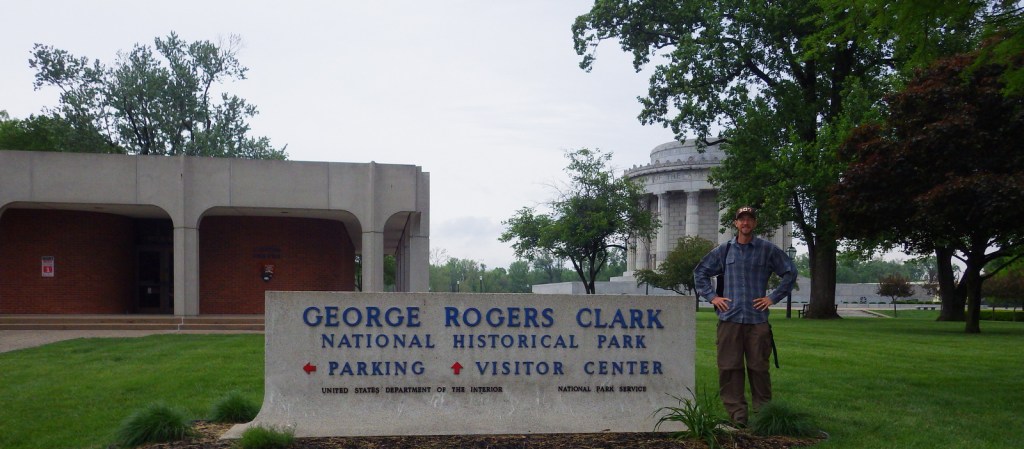
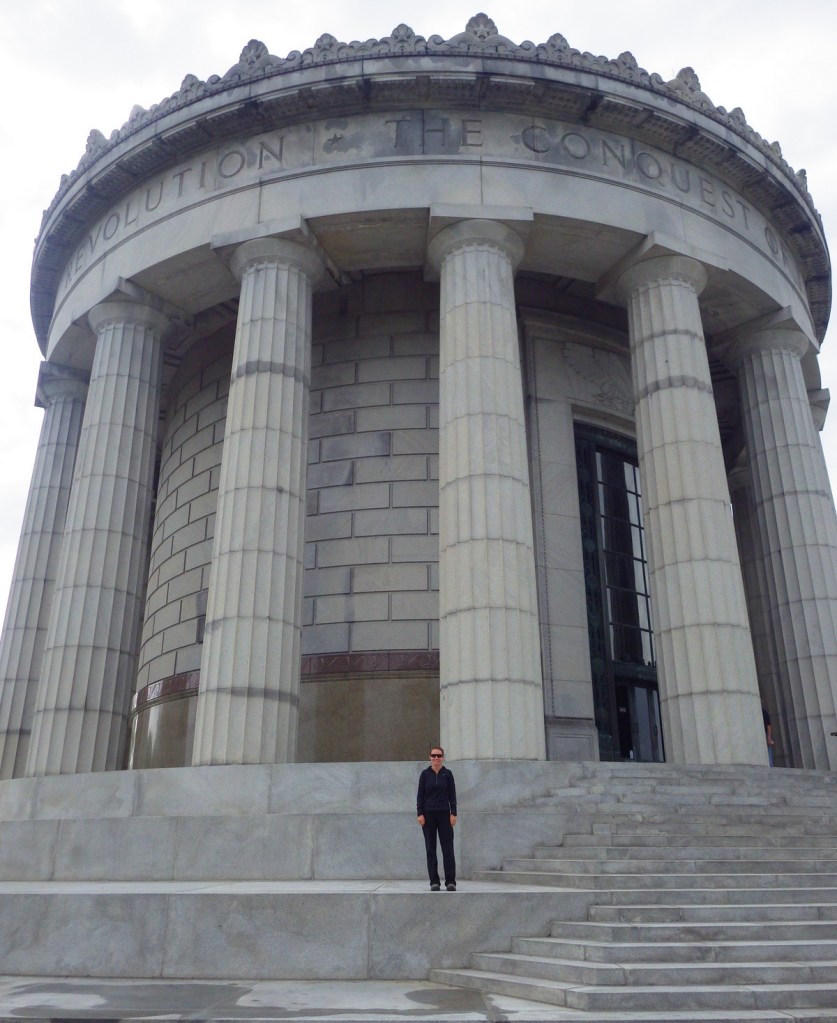
Perhaps less well-known today than his brother William Clark of the Lewis and Clark Expedition, during the American Revolution George Rogers Clark’s fame was on par with that of George Washington.  A beautiful 80-foot tall granite memorial was built on the site of Fort Sackville (in present day Vincennes, Indiana) in the 1930s to commemorate Clark’s achievements.

Highlights

Memorial building with statue and murals, Vigo statue, film

Must-Do Activity

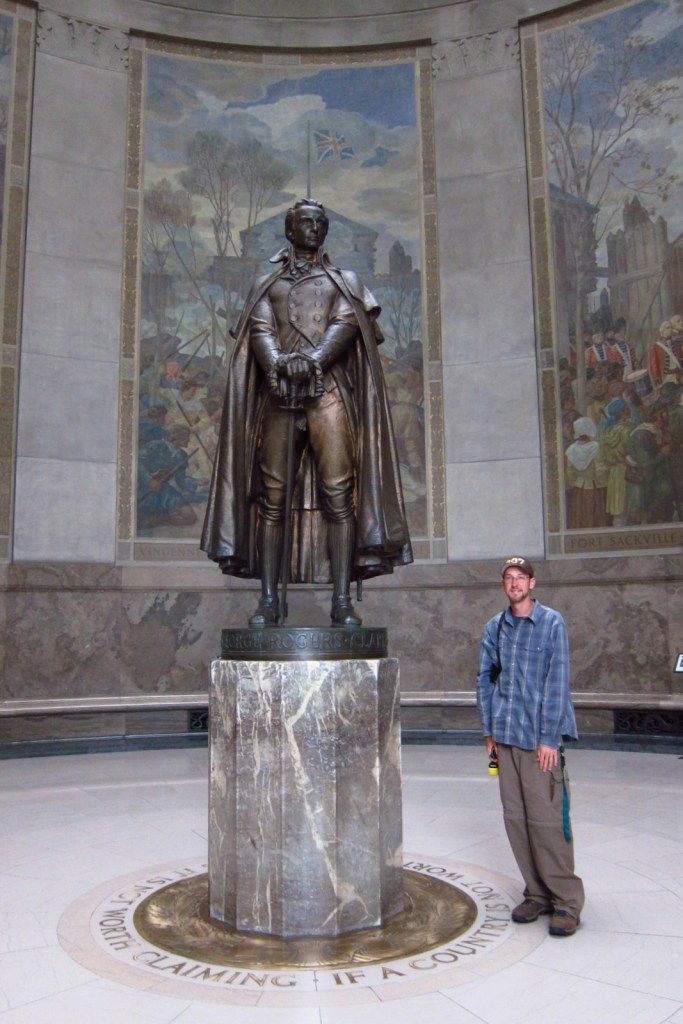
After watching the 20-minute film in the visitor center, go inside the circular memorial with 16 columns in classic Greek style to see a bronze statue surrounded by seven murals.  George Rogers Clark was one of the early pioneers in Kentucky and after war broke out he led 150 local men west to convince French settlers on the Mississippi River to join the patriots.  With the assistance of the French, he defeated the British at Fort Sackville on February 25, 1779.  After the 1783 Treaty of Paris, much of this territory would become part of the fledgling United States of America. 

Best Trail

There are no trails, but you can walk or drive a few blocks to visit the home of President William Henry Harrison and the old Indiana Territory capitol.

Instagram-worthy Photo

Francis Vigo was a French merchant who tipped off Clark that Fort Sackville was lightly guarded and then provided financial support for the mission.  His statue sits on the banks of the Wabash River.

Peak Season

Summer

Hours

The memorial closes daily at 4:45 p.m.

https://www.nps.gov/gero/planyourvisit/hours.htm

Fees

None

Road Conditions

All roads paved

Camping

Only 2 miles north of Vincennes, Indiana, the county-operated Ouabache Trails Park offers campsites with electric and water hookups.

Explore More – His bronze statue is larger than life, but the real George Rogers Clark stood what impressive height by eighteenth-century standards?

We are a participant in the Amazon Services LLC Associates Program, an affiliate advertising program designed to provide a means for us to earn fees by linking to Amazon.com and affiliated sites.

Valley Forge National Historical Park

Overview

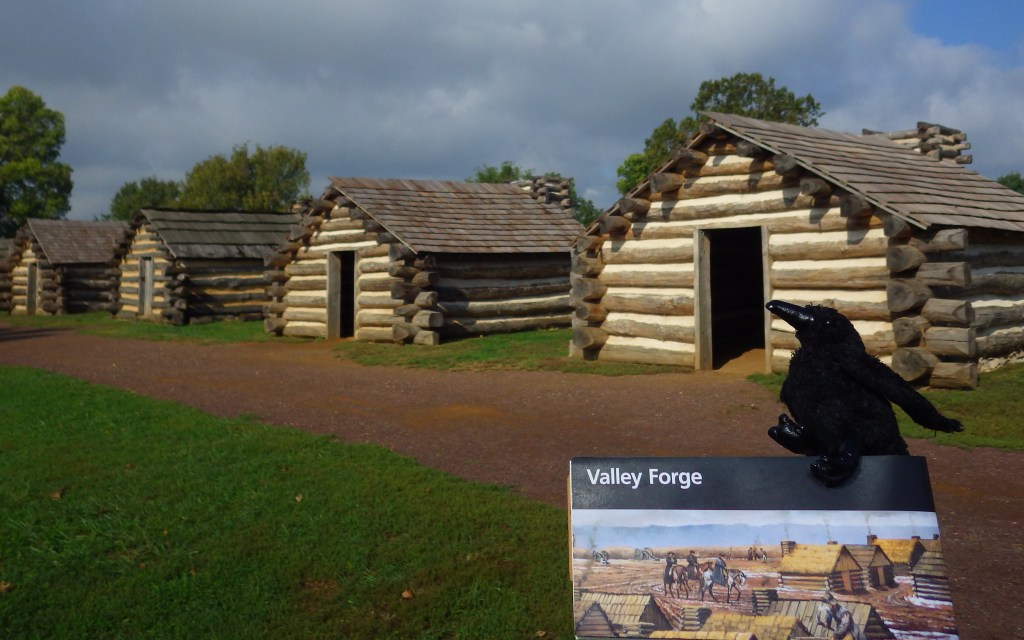
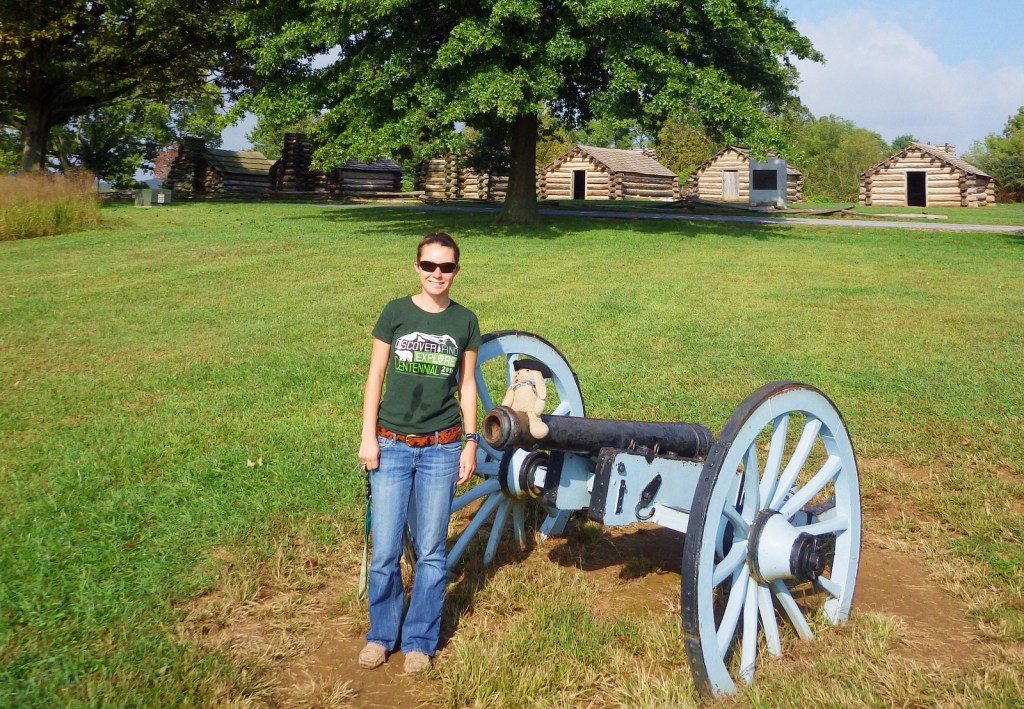
The winter of 1777-78 was actually mild by Pennsylvania standards, but for 12,000 poorly-clothed rebels it was hard enough.  Following a retreat from Philadelphia, General George Washington’s army arrived at Valley Forge on December 19 to keep British soldiers from scouring the countryside for winter provisions.  Soldiers quickly set about building log cabins and cutting firewood, establishing the fourth-largest city in the colonies. 

Highlights

Museum, film, reconstructed cabins, National Memorial Arch, Washington’s headquarters

Must-Do Activity

The Encampment Tour is a 10-mile driving route that takes you to reconstructed cabins, earthwork redoubts, and General George Washington’s headquarters which contains 80% original artifacts.  Primarily due to a lack of food and hygiene, approximately 2,500 soldiers died at Valley Forge, many from typhus, influenza, and pneumonia.  This represented about 7% of the army’s total fatalities during the Revolutionary War.  Those that survived the hardships became an elite fighting force; however, many of them would spend the remaining years of the war waiting for orders that never came to attack British-held New York City. 

Best Trail

A paved trail follows much of the driving tour route and is popular with joggers and bikers.  The Schuylkill River Trail goes all the way from Valley Forge to Philadelphia.

Instagram-worthy Photo

The National Memorial Arch was dedicated in 1917, one more reason this beautiful park is frequented by local joggers.

Peak Season

Summer.  Although it would be more authentic, you may not want to visit this park during the cold and snowy winter months.

Hours

https://www.nps.gov/vafo/planyourvisit/hours.htm

Fees

None

Road Conditions

All roads paved, but freeway traffic in this Philadelphia suburb can be congested during rush hour.

Camping

French Creek State Park (next to Hopewell Furnace National Historic Site) offers a campground 25 miles northwest of Valley Forge National Historical Park.

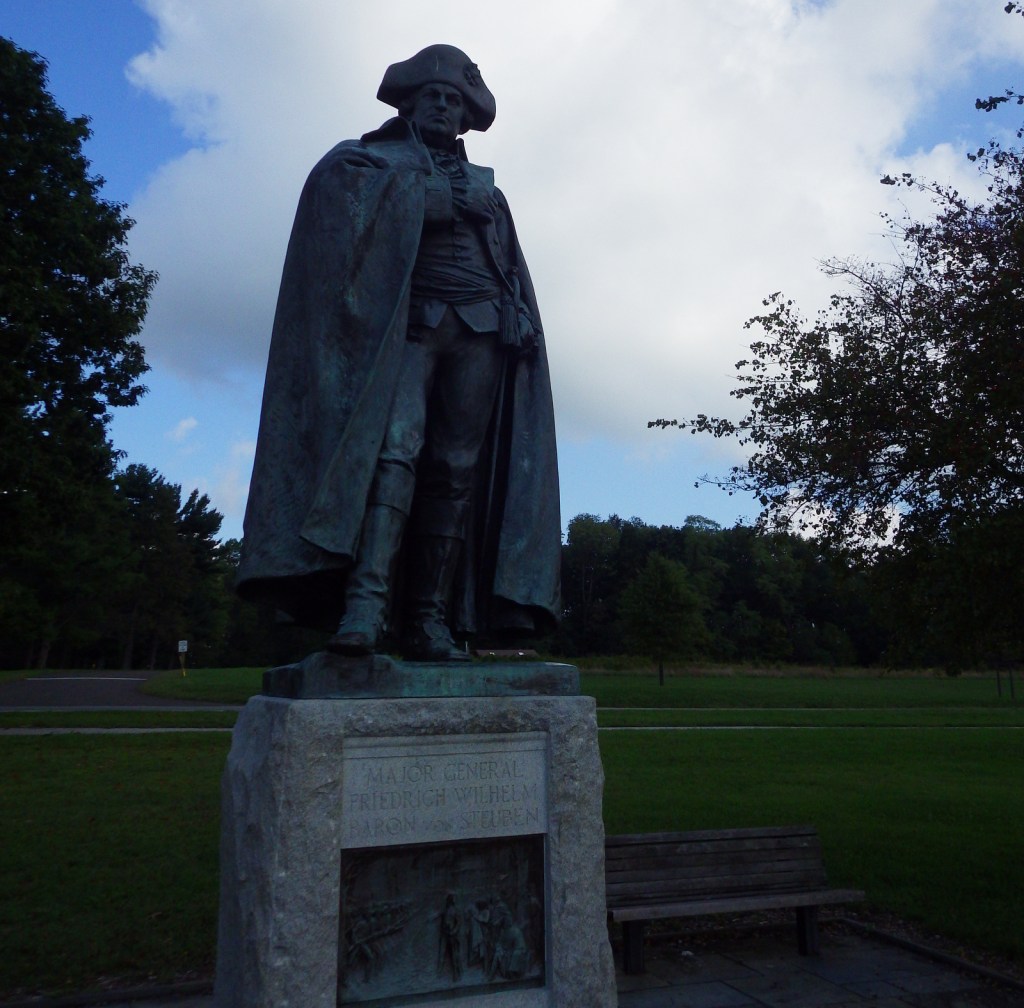
Explore More – What was the name of the Prussian general that led the troops through months of drills?

Independence National Historical Park

Overview

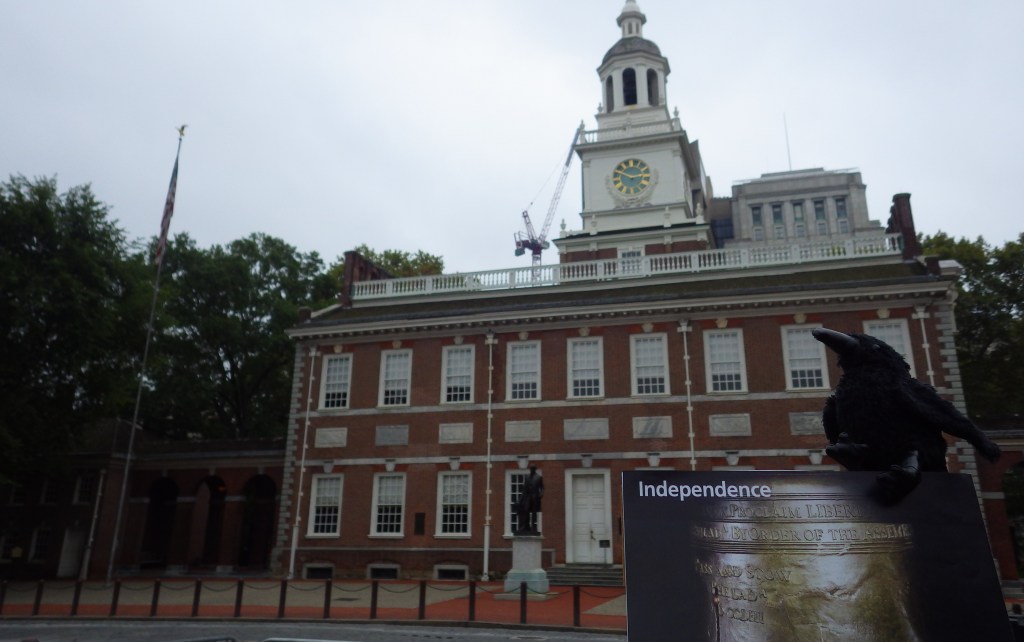
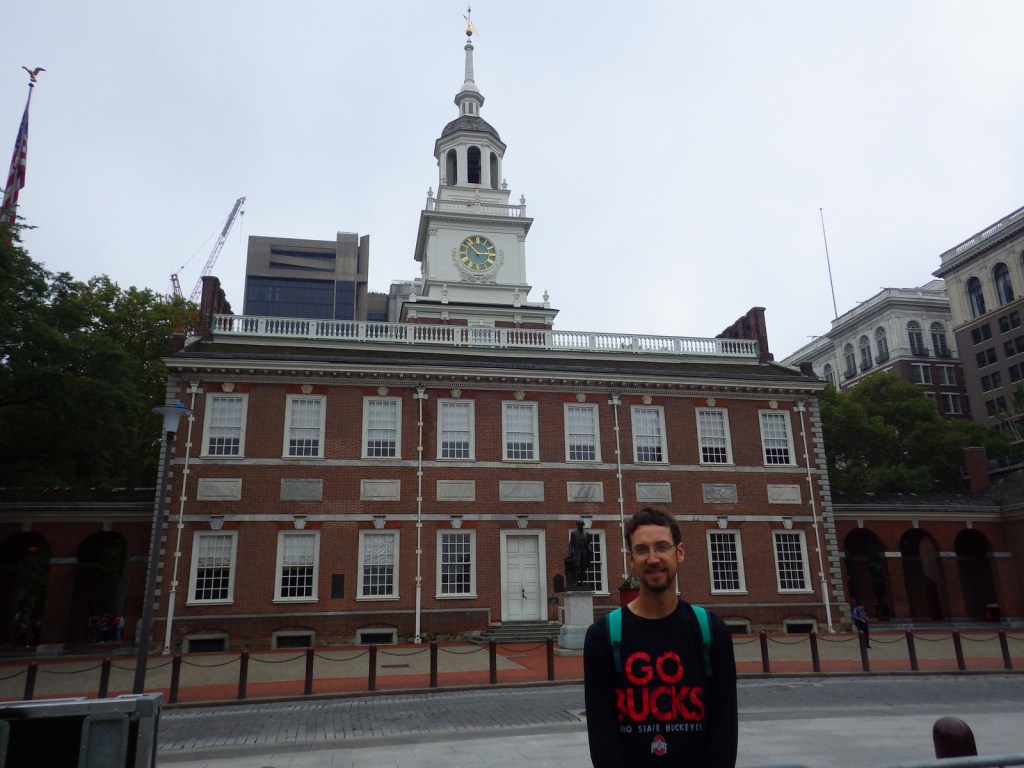
Philadelphia, Pennsylvania is home to Independence National Historical Park, one of the most popular units in the National Park Service (NPS) System with approximately 5-million visitors annually.  The “City of Brotherly Love” was the site of many important moments before, during, and after the American Revolution.  Independence Hall is a World Heritage Site where the Declaration of Independence was adopted on July 4, 1776 and the U.S. Constitution was created in 1787. 

Highlights

Liberty Bell, Independence Hall, City Tavern, Carpenters’ Hall, Ben Franklin’s grave

Must-Do Activity

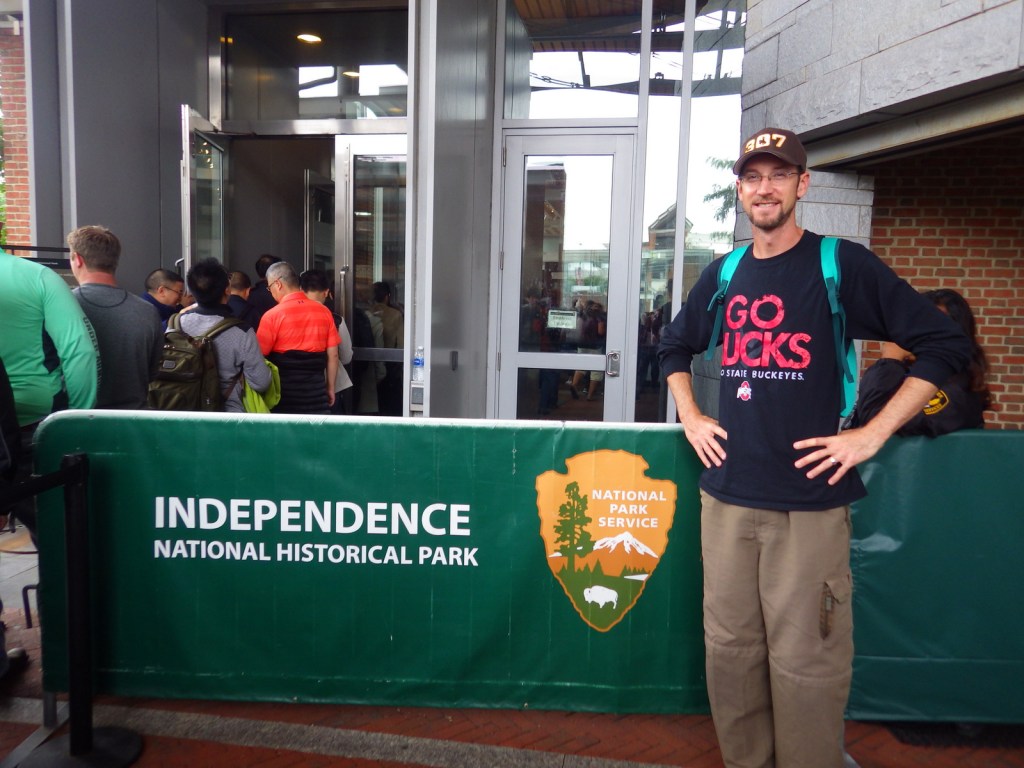
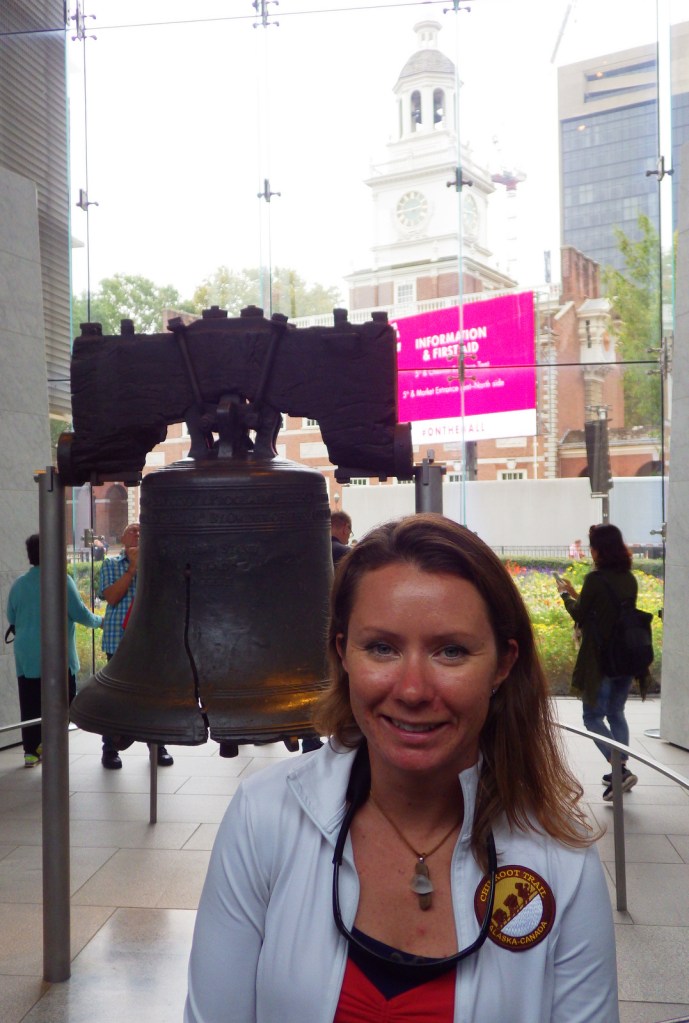
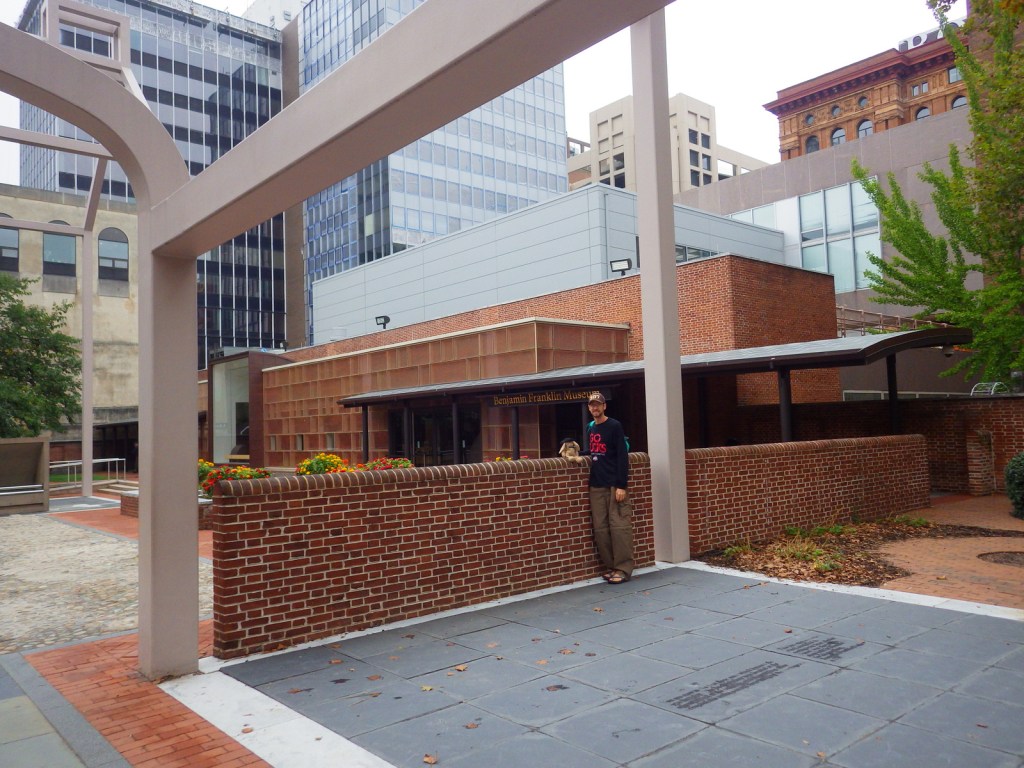
We do not recommend watching the two films at the NPS visitor center, but plan to arrive early as the free timed tickets to tour Independence Hall are all claimed first thing each morning.  It is free to enter the Liberty Bell Center to see the famous cracked bell.  While waiting in the security screening line, you will be on the grounds of the house used by the country’s first two presidents, Washington and Adams.  Less busy is Carpenters’ Hall, where the First Continental Congress met in 1774.  Nearby non-NPS sites include the National Constitution Center, Benjamin Franklin Museum, and new Museum of the American Revolution, all of which charge an admission fee. 

Best Trail

Walk the streets of Philadelphia past Ben Franklin’s grave, Betsy Ross’ house, the reconstructed City Tavern (where you can grab a bite to eat), and the Todd House (the home of Dolley Madison and her first husband).

Instagram-worthy Photo

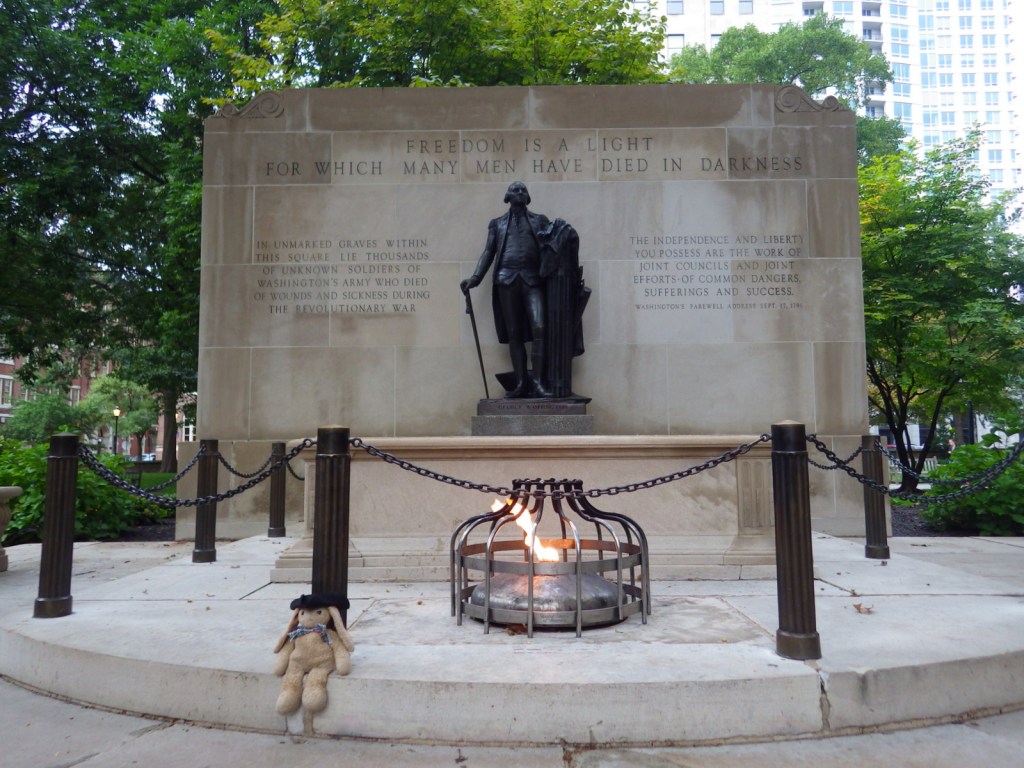
Less iconic than the Liberty Bell and Independence Hall, Washington Square is a small park that contains to the Tomb of the Unknown Soldier of the American Revolution.

Peak Season

Summer

Hours

https://www.nps.gov/inde/planyourvisit/hours.htm

Fees

None, except for parking (there is an underground parking garage at the NPS visitor center) and visiting some museums and historic buildings (like Betsy Ross’ house).

Road Conditions

All roads paved, but street parking is limited.

Camping

None in Philadelphia, Pennsylvania, but there are options in its suburbs.

Explore More – When did Philadelphia serve as the nation’s capital?

Minute Man National Historical Park

Overview

The events that occurred at Lexington and Concord, Massachusetts on April 19, 1775 were immortalized by Ralph Waldo Emerson as “the shot heard round the world.”  First of all, a “Minute Man” was a colonial militiaman who was always ready to fight at a minute’s notice.  Secondly, when the colonial militia fired upon British troops at North Bridge, it was considered an act of treason against the Crown and truly started the Revolutionary War at a time when the majority of colonists did not want independence. 

Highlights

Films, Hartwell Tavern, North Bridge, the Wayside, Sleepy Hollow Cemetery

Must-Do Activity

If your memory on what exactly happened here is a bit foggy, start with the multimedia presentation at either of two National Park Service (NPS) visitor centers, located in the suburbs west of Boston.  At Lexington, you will learn the true story of how Paul Revere’s ride ended early when he was captured by British soldiers and that he did not mention redcoats, instead yelling “the Regulars are coming out!”  At Concord, you will learn about “the shot heard round the world.” 

Best Trail

Battle Road Trail stretches 5 miles between Fiske Hill in Lexington to Meriam’s Corner in Concord, and is open to bicycles.  It passes many historic sites, including Hartwell Tavern.

Instagram-worthy Photo

We recommend a walk up Author’s Ridge in Sleepy Hollow Cemetery.  The graves of famous local writers, including Ralph Waldo Emerson, Henry David Thoreau, Louisa May Alcott, and Nathaniel Hawthorne, are located here.

Peak Season

Summer

Hours

Hours for the many historic buildings vary and most are not open every day of the week.

https://www.nps.gov/mima/planyourvisit/hours.htm

Fees

None, except at some historic buildings (like the Wayside) which require guided tours.

Road Conditions

All roads paved

Camping

Harold Parker State Forest (28 miles northeast) has campsites with running water. There is no camping at Walden Pond State Reservation.

Explore More – Which famous authors once resided at the Wayside in Concord, Massachusetts?