After a failed settlement by persecuted French Protestants (Huguenots) in 1562, two years later a group of 200 soldiers, artisans, and a few women established a colony at the mouth of the St. Johns River (east of present-day Jacksonville, Florida). Led by René de Goulaine de Laudonnière, they hurriedly assembled the triangular Fort Caroline, named for King Charles IX. In 1565, Jean Ribault arrived with 600 more settlers and soldiers. After learning the Catholic Spanish had established a base to the south at St. Augustine, Ribault set sail for a surprise attack, only to be shipwrecked by a hurricane. The unprotected Fort Caroline was easily captured by the Spanish, who executed 140 of its 200 inhabitants. The Spanish then killed the majority of the 250 French marooned at Matanzas Inlet, which gained its name from these “slaughters.”
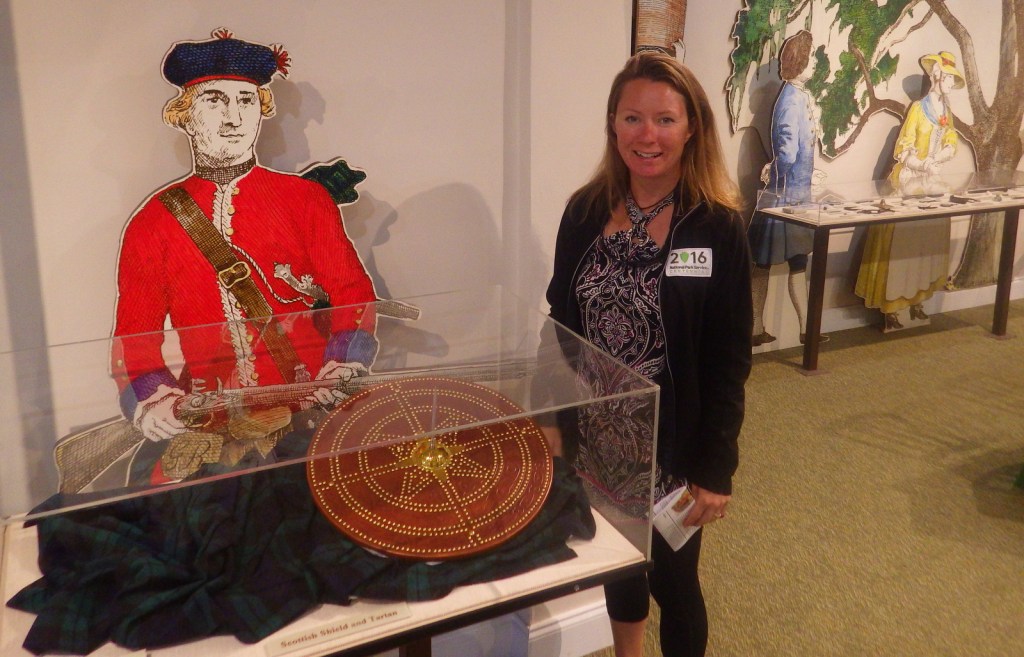
The National Park Service (NPS) administers Fort Caroline National Memorial (established in 1950) as a unit of Timucuan Ecological and Historic Preserve (established in 1988). Start your visit at the NPS museum, which provides information on the indigenous Timucuan, as well as the European colonization efforts. After walking the Hammock Trail to see the reconstructed fort, drive to the nearby Ribault Monument, a replica of a stone column left by Jean Ribault at the mouth of the St. Johns River on May 2, 1562.
Best Trail
Within this 139-acre National Memorial, the Hammock Trail visits the reconstructed fort along the St. Johns River. Starting from two parking lots south of Fort Caroline Road several trails explore Spanish Pond and the Theodore Roosevelt Area of Timucuan Ecological and Historic Preserve.
Instagram-worthy Photo
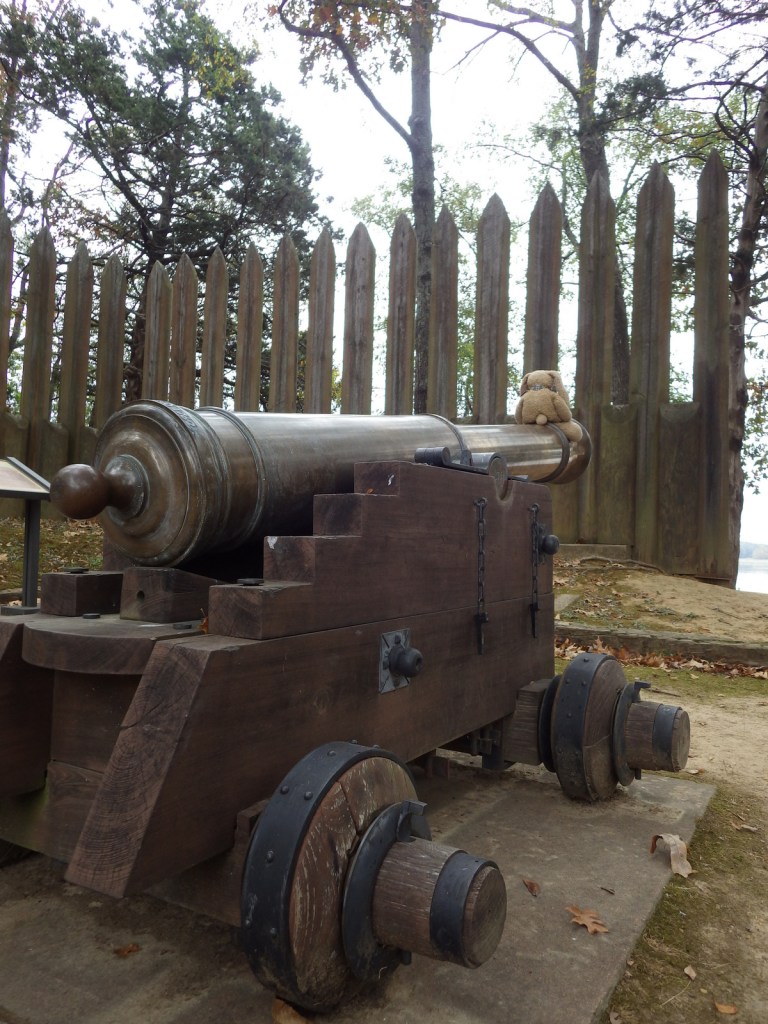
The actual site of the original fort has never been found (and is probably underwater), but you can tour a one-third scale reconstruction of the triangular structure based upon a drawing from 1564 by French artist Jacques le Moyne. The French got a measure of revenge in 1568 when they attacked and burned Spanish-controlled Fort Caroline, but they could not take St. Augustine and never colonized Florida again.
Whiskeytown-Shasta-Trinity National Recreation Area is co-managed by the National Park Service (NPS) and the U.S. Forest Service. The NPS is in charge of Whiskeytown Lake, a reservoir west of Interstate 5, about 230 miles north of San Francisco, California. Camping, hiking, gold panning, fishing, boating, and swimming are popular activities, but watch out for poison-oak.
Highlights
Waterfall Challenge, Camden House, gold panning, lake
recreation opportunities
Must-Do Activity
Pick up an official Waterfall Challenge Passport at the NPS visitor center along with information on the four waterfall hiking trails. Tower House Historic District includes the Camden House built in 1852 by a Gold Rush prospector, with seasonal tours offered by the NPS (it was temporarily closed in 2019 after the Carr Fire). You can even pan for gold (with a $1 permit).
Best Trail
Whiskeytown Falls, Boulder Creek Falls, Brandy Creek Falls,
and Crystal Creek Falls are accessible by hiking a total of 11 miles, but it
may take longer depending on your choice of trails and road closures. The trails are steep and poorly marked in
some places.
Instagram-worthy
Photo
Whiskeytown Falls is 220 feet tall and is accessible on a 3.4-mile roundtrip trail, but we thought the most photogenic waterfall was Crystal Creek Falls.
Highway 299 on the north side Whiskeytown Lake is paved and
accesses Oak Bottom Campground. Some of
the gravel access roads are rough, but passable even with passenger vehicles.
Camping
There are eight campgrounds around the lake, some tent-only,
but RVs are allowed at Oak Bottom and Brandy Creek Campgrounds.
Acadia National Park in Maine is famous for its 45 miles of Carriage Roads and watching a sunrise from atop 1,530-foot tall Cadillac Mountain. We recommend you plan your visit around attending a Star Party to view the night sky through dozens of telescopes. We visited on a September weekend, and even though it was not yet leaf-peeping season, the main park road across Mount Desert Island was jam packed and parking spaces were difficult to come by. [This is also one of 50 National Parks covered in our new guidebook]
Highlights
Cadillac Mountain, Precipice Trail, Bass Harbor Head
Lighthouse
Must-Do Activity
If you don’t like crowds, then visit on a weekday and avoid
Cadillac Mountain, Bar Harbor, Precipice Trailhead, Thunder Hole, Jordan Pond
House, and Bass Harbor Head Lighthouse.
We preferred our time spent on the Schoodic Peninsula with its nice
campground and unoccupied overlooks across the bay towards busy Mount Desert
Island.
Best Trail
Iron rungs and ladders assist those who wish to climb the
aptly named Precipice Trail. The trail
provides awesome Atlantic Ocean views from the cliffs on the way up to
Champlain Mountain. A 2.5-mile loop can
be formed when combined with Champlain North Ridge and Orange & Black
Trails. Other “ladder trails” in the
park include the Beehive and Perpendicular Trails.
Instagram-worthy
Photo
Photographers hang out for hours waiting for sunset on the rocks below Bass Harbor Head Lighthouse.
View towards Mount Desert Island from Schoodic Point
Raven about the park
This design we created to celebrate Acadia National Park is available on a variety of products at Cafe Press and Amazon.
Cafe Press
Explore More – What was the original name of this park when it was created on February 26, 1919 (the same day as Grand Canyon National Park)?
We are a participant in the Amazon Services LLC Associates Program, an affiliate advertising program designed to provide a means for us to earn fees by linking to Amazon.com and affiliated sites.
We wanted to demonstrate how our new guidebook (A Park to Yourself: Finding Adventure in America’s National Parks) is different from this website, so we are providing a sample chapter for Rocky Mountain National Park in Colorado. Here is a link to the Raven About The Parks blog post on the park.
The holidays are coming up, so order A Park to Yourself now on Amazon!
39. Rocky Mountain National Park
Colorado
265,795 acres
Established 1915
4,590,493 visitors in 2018
Overview
This truly is a National Park for
all seasons. In the summer, it is worth
the extra time it takes to drive 11 miles up the unpaved curves of one-way Old
Fall River Road to Alpine Visitor Center at 11,796 feet, then back down Trail
Ridge Road. Elk bulls spar and bugle in
the autumn, when aspen trees briefly turn the mountainsides gold. Winter is a wonderful time for outdoor
recreation here if you are prepared for the icy conditions, even on a short
1.6-mile trip up to Gem Lake just outside of Estes Park, Colorado.
Peak Visitation Months
July (20%) August (18%) June (16%)
September (15%)
Busiest Spots
Bear Lake Trailhead, Alluvial Fan,
Alpine Visitor Center, Longs Peak
Worth The Crowds
Bear Lake Trailhead is the busiest
area in the park. Its huge parking lot
fills up early year round, but a hiker shuttle is available during the
summer. While the trail starts above
9,000 feet elevation, it is only 1.1 miles with a steady ascent up to stunning
Dream Lake ringed by jagged peaks. From
there, you can continue on to Emerald Lake or take the long loop around to Lake
Haiyaha and Alberta Falls. Even in the
winter, these trails are generally packed enough that snowshoes are not
required.
A Park To Yourself
The western side of the park is
generally less busy throughout the year, but even less so in the winter when it
is cut off after Trail Ridge Road closes each October. Snowshoeing past Adams Falls up the East
Inlet valley is breathtaking when the snow sparkles in the sun and the river
gurgles deep under foot. There are
majestic mountain views once the forest opens up into a spectacular
meadow. Better yet, there is never a fee
required to park at the East Inlet or North Inlet Trailheads.
Iconic Photograph
Around Memorial Day each year, all
48 miles of Trail Ridge Road open to vehicles.
Its high point is at 12,183 feet, the highest elevation reached by a
fully-paved road in the United States.
For much of its length, jagged black mountaintops lined in pure white
snow surround the visitor on all sides.
Our favorite view is looking southwest towards the Gorge Lakes and Mount
Ida from the overlooks at Rock Cut or Forest Canyon parking areas.
Scott’s Favorite Trail
Starting at the small parking lot
at Poudre Lake, it is a steady climb five miles one-way to Mount Ida at 12,880
feet. After a mile, it is less a trail
and more following cairns along the Continental Divide. Needless to say, above timberline there are
first-class views of surrounding mountains.
Elk and bighorn sheep are commonly spotted on the route. From the top you look down on the colorful
Gorge Lakes and far across to Trail Ridge Road.
Tiff’s Favorite Trail
The Dunraven Trailhead is in
Roosevelt National Forest, northeast of Estes Park. From there a trail drops to the canyon bottom
then follows the North Fork of the Big Thompson River 4.4 miles before it
enters the National Park, and backpack camping is allowed without a permit
along this length. The views open up on
the Mummy Range before the trail ends around Lost Lake. You can continue to explore the other lakes
past there, but overnight stays in this area require a permit from the National
Park Service.
Bonus Winter Trail
In the winter months, the road off
Highway 7 to Wild Basin shuts down, but it is still plowed for those entering
on foot. Adding the two mile road length
to any hiking distance makes it about eight miles roundtrip to Calypso
Cascades, which continues to flow beneath the snow and ice. Snowshoes are recommended as this trail sees
much less use than those around Bear Lake.
Camping
There are multiple campgrounds
within the park, but only Glacier Basin is open year round. Several National Forests surround the park
and provide opportunities for dispersed camping, although near Grand Lake it
does get crowded during the summer.
Backpacking
Backpacking permits are required and
designated sites are reservable, including on the Continental Divide National
Scenic Trail. You must still pay the
National Park entry fee, but there is no additional charge to get a permit to
park at the Bowen/Baker Trailhead and camp in the Never Summer Wilderness
outside the park boundaries.
Getting Around
Most of the park roads are paved and
the two-mile long dirt road to Wild Basin Trailhead is well-maintained. A hiker shuttle operates from Beaver Meadows
Visitor Center in the summer. Old Fall
River Road typically does not open until July, but this 11-mile long one-way
dirt road makes a great loop when connected with Trail Ridge Road (open late-May
to October).
Nearby Public Lands
There are no National Park Service
units near this park, but it does border Arapaho National Recreation Area on
the west side. If you are flying in or
out of Denver International Airport, a short detour from Interstate 70 takes
you to Rocky Mountain Arsenal National Wildlife Refuge, which contains bison,
white-tailed deer, pronghorns, prairie dogs, and other animals.
Insider Tip
Estes Park is the gateway town to
the eastern portion of the park. There
are often elk grazing in its neighborhoods and golf courses. While there, we recommend the ghost tour of
the Stanley Hotel, which inspired Stephen King’s The Shining.
Wildlife
In the summer, most of the elk
herds head to high elevation, but other times of year they walk through the
town of Estes Park and congregate near the eastern entrance stations. Rock Cut is a great spot to watch the spastic
wanderings of yellow-bellied marmots and American pikas. Mule deer are found throughout the park, but
moose are more common on the west side.
We commonly see bighorn sheep on Highway 34 through Big Thompson Canyon,
but have never spotted one within the park, even at Sheep Lakes where they come
to lick salt.
Journal Entry
March 2013
We never thought we would have an entire National Park campground to ourselves, but that is exactly what we found at Timber Creek one beautiful March weekend. The ranger could not recall the last campers they had stayed there and it took some work to excavate a site from almost three feet of snow, but it was worth it. Sitting around the campfire that night, the silence was palpable until abruptly pierced by the eerie cries of coyotes that echoed up the valley. Snow camping is not for the faint of heart, but with proper planning we were well prepared for the 15°F temperatures that met us in the morning. On a clear day, the winter scenery in the Rocky Mountains is unsurpassed.
We are a participant in the Amazon Services LLC Associates Program, an affiliate advertising program designed to provide a means for us to earn fees by linking to Amazon.com and affiliated sites.
On the west coast of the Big Island of Hawai‘i, Kaloko-Honokōhau National Historical Park was established in 1978, the same year the green sea turtles were federally listed as a threatened species. This park’s current population of 130 long-term resident juvenile turtles is believed to be a direct result of that protection. The honus (green sea turtles) are visible both in the clear ocean water and onshore in haul-outs.
Highlights
Honokōhau Beach, ‘Ai‘ōpio fishtrap, heiau (temple), Ala Kahakai National Historic Trail, Kaloko fishpond, green sea turtles
Must-Do Activity
Just like wading humans, green sea turtles are attracted to
the shallow, calm waters created by the ‘Ai‘ōpio fishtrap, an artificial reef
built of black lava rock. Some of these
young sea turtles already weigh 140 pounds!
Please refrain from touching or lifting the turtles. Instead, sit in the sun on a white gravelly
beach to watch the methodical paddling of these ancient reptiles on this
undeveloped portion of coast on the largest island in the United States.
Best Trail
Visitors cannot park at the beach, instead they have to walk
a half-mile one-way, which keeps the numbers down. Two historic trails go to fishponds in this
dry, volcanic landscape.
Instagram-worthy
Photo
At Honokōhau Beach, next to the ‘Ai‘ōpio fishtrap is a reconstructed hālau (long house), a nice spot to take a break in the shade.
This sea turtle was distinctively adorned with several large barnacles growing on his back. We called him “Barney.” National Park Service visitor centerDriving to Kaloko FishpondKaloko FishpondTiff at Kaloko FishpondKaloko FishpondTiff on the Ala Kahakai National Historic Trail Scott on the Ala Kahakai National Historic Trail ‘Aimakapa Fishpond with Hawaiian cootsTiff on the Ala Kahakai National Historic Trail
Explore More – What
did native Hawaiians use to line their 150-foot long hōlua (stone slide) for
racing toboggan-like sleds?
Start your U.S. National Forests, National Parks, and National Monuments adventure here!