Tag Archives: grave

Jimmy Carter National Historical Park

Jimmy Carter National Historical Park

Georgia

Managed by National Park Service

Established 1987 National Historic Site, 2021 National Historical Park

71 acres

Website: nps.gov/jica

Overview

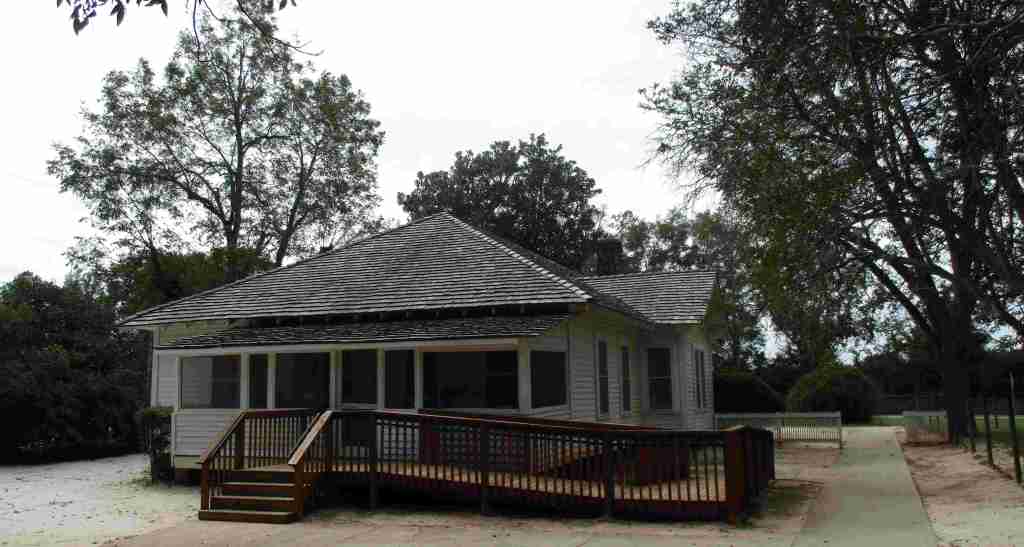
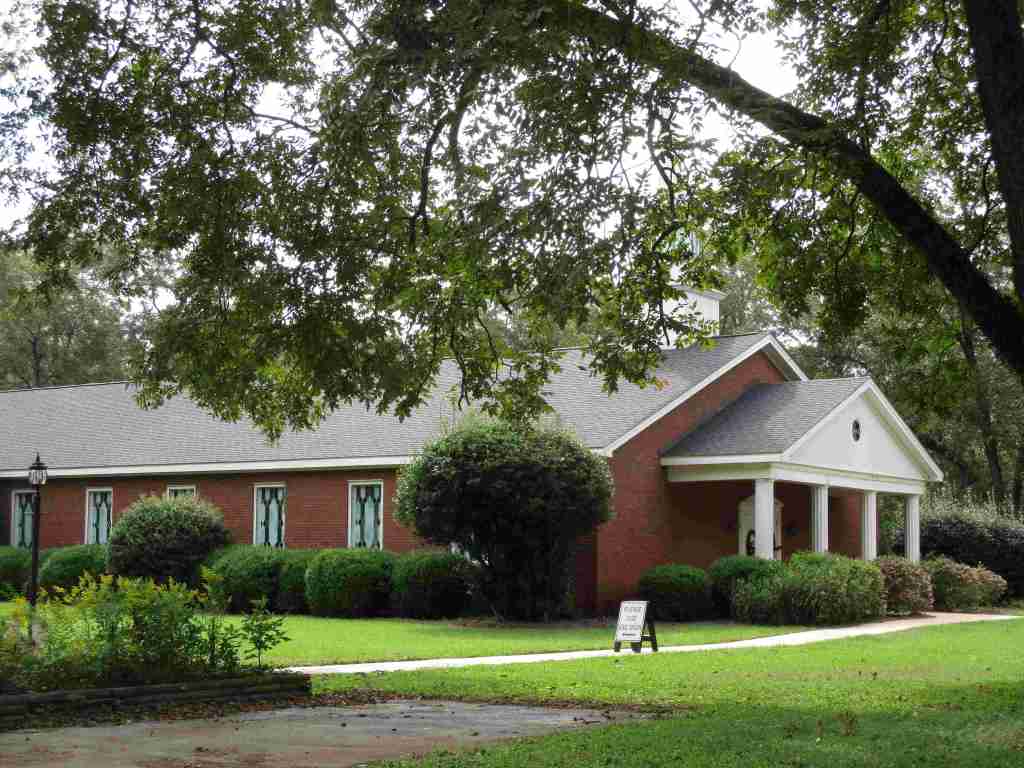
Jimmy Carter was the 39th U.S. President (1977-1981) and the first to reach the age of 100 before he passed away on December 29, 2024.  Following his presidency, he and his wife (Rosalynn) returned to their hometown of Plains and cemented their legacy as diplomats and humanitarians, mostly through their work with the Carter Center in Atlanta (he was awarded a Nobel Peace Prize in 2002).  Up until the end, Jimmy Carter taught Sunday school at Maranatha Baptist Church, which is open to the public.  The National Historical Park encompasses Jimmy’s boyhood farm, high school, and the old Plains railroad depot.  It also includes his residence since 1961, which continues to be closed but will eventually be turned into a museum by the National Park Service (NPS).  In July 2025, the Carter Gardens and Burial Site of Jimmy and Rosalynn Carter opened to the public.

Highlights

Plains High School, film, train depot, boyhood farm, burial site, Carter Gardens

Must-Do Activity

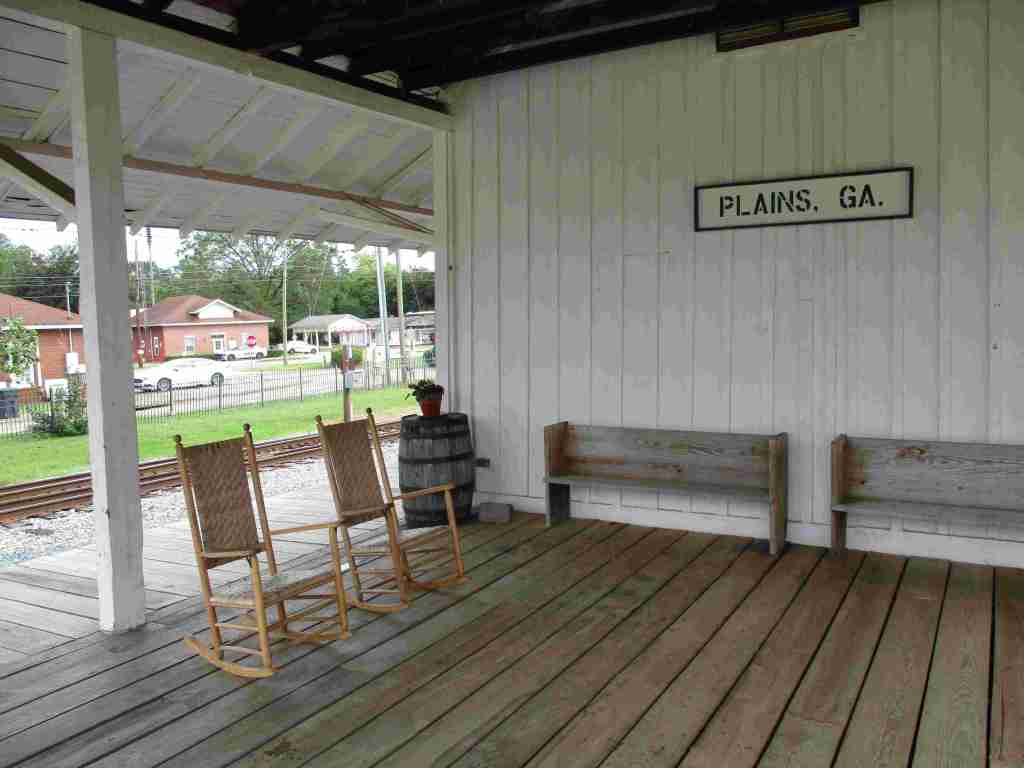
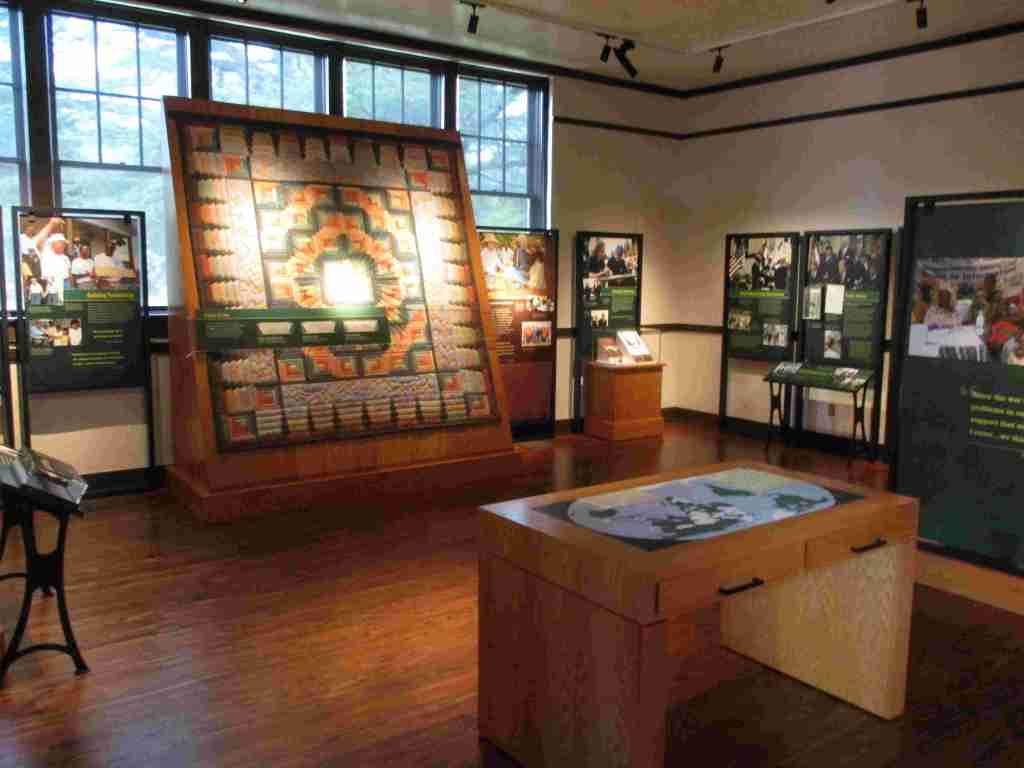
The best place to start a visit is the NPS visitor center and museum in the former Plains High School, which is full of artifacts and information on the Carters.  Next, drive or walk to the main street, where the train depot that shut down in 1951 was turned into Jimmy’s presidential campaign headquarters.  While downtown, check out the shops for souvenirs and try some boiled peanuts or soft-serve peanut-flavored ice cream.  There are several other sites of interest around Plains, including the boyhood home, burial site, Carter Gardens, Maranatha Baptist Church, and peanut statue (see Photographic Opportunity).

Best Trail

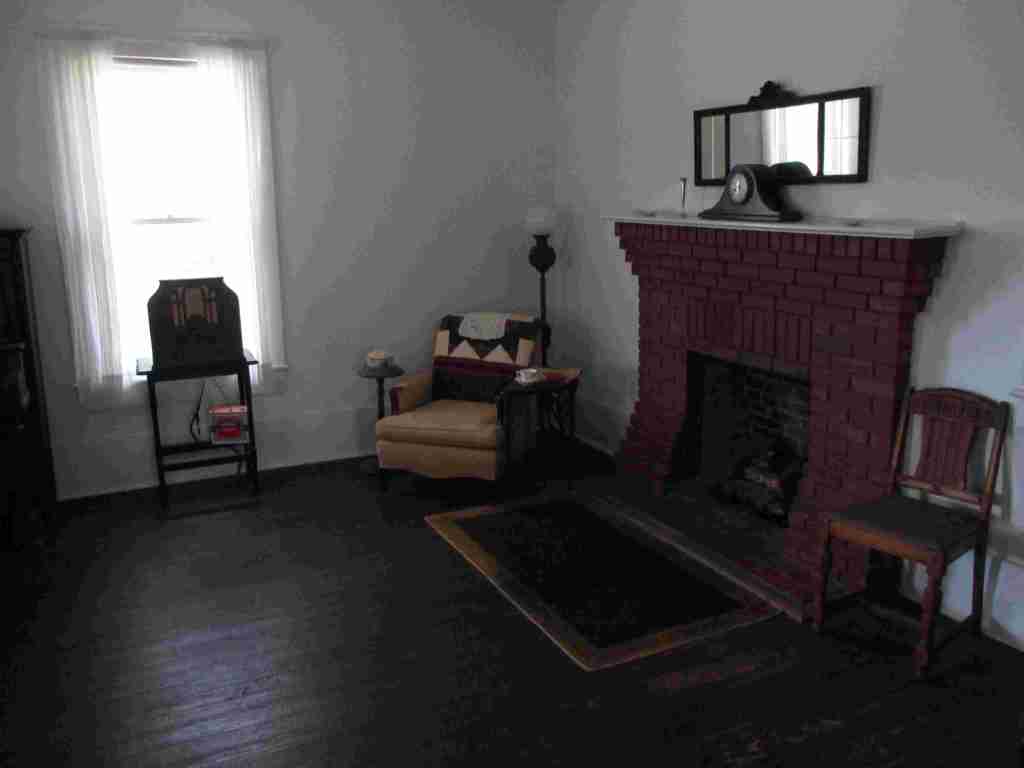
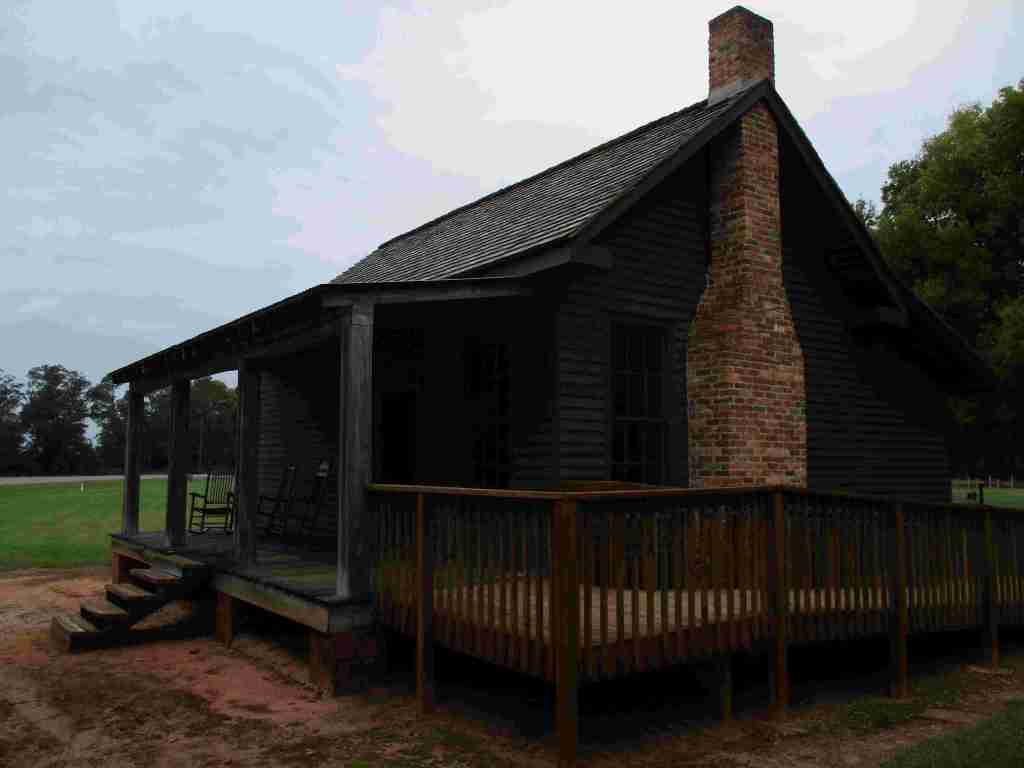
A half-mile trail winds through the boyhood farm where Jimmy lived starting at age four.  Farm animals and seasonal crops are raised here, including peanuts.  You can take a self-guided tour through his boyhood home, which was restored to its appearance before electricity was installed in 1938.

Photographic Opportunity

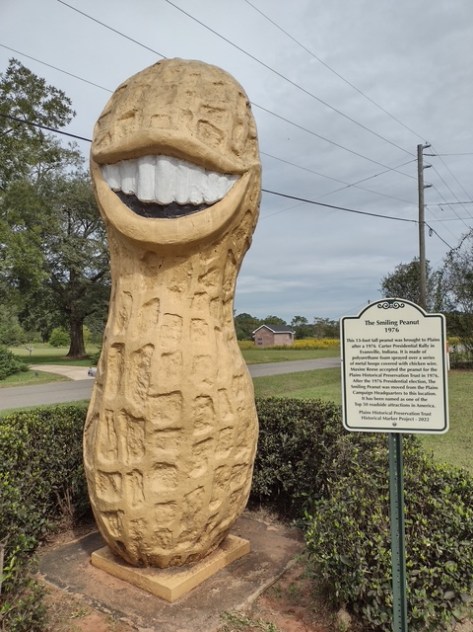
While not part of the official National Historical Park, when you drive up Buena Vista Road to see Maranatha Baptist Church, you pass the 13-foot-tall Jimmy Carter peanut statue built during the 1976 presidential election to support the former peanut farmer.
Peak Season

Spring and fall

Hours

https://www.nps.gov/jica/planyourvisit/hours.htm

Fees

None

Road Conditions

Paved parking is available at the high school, train depot, and boyhood farm (located about three miles west of town). 

Camping

About 30 miles away in each direction are campgrounds at Georgia Veterans State Park and Providence Canyon State Park (which is featured on a U-Haul super graphic). 

Related Sites

Andersonville National Historic Site (Georgia)

Cumberland Island National Seashore (Georgia)

Ocmulgee Mounds National Historical Park (Georgia)

Nearest National Park

Great Smoky Mountains

Explore More – According to an urban legend, why was a hole cut in the back of the Jimmy Carter peanut statue by the U.S. Secret Service?

Home of Franklin D. Roosevelt National Historic Site

Home of Franklin D. Roosevelt National Historic Site

New York

Managed by National Park Service

Established 1944

645 acres

Website: nps.gov/hofr

Overview

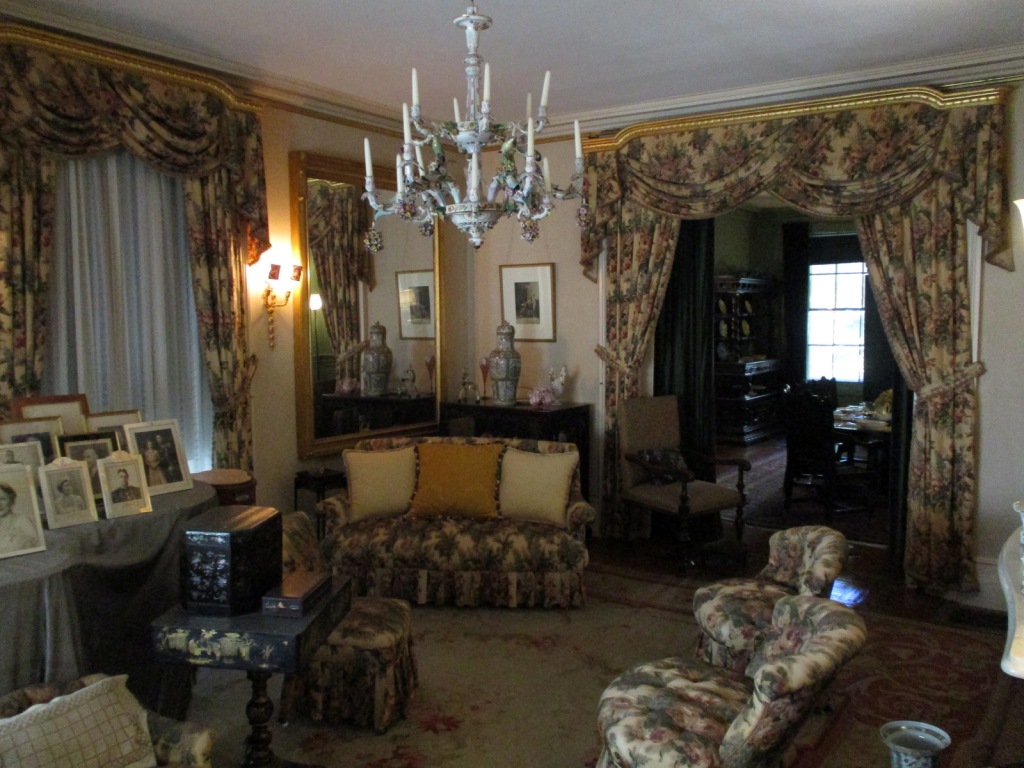
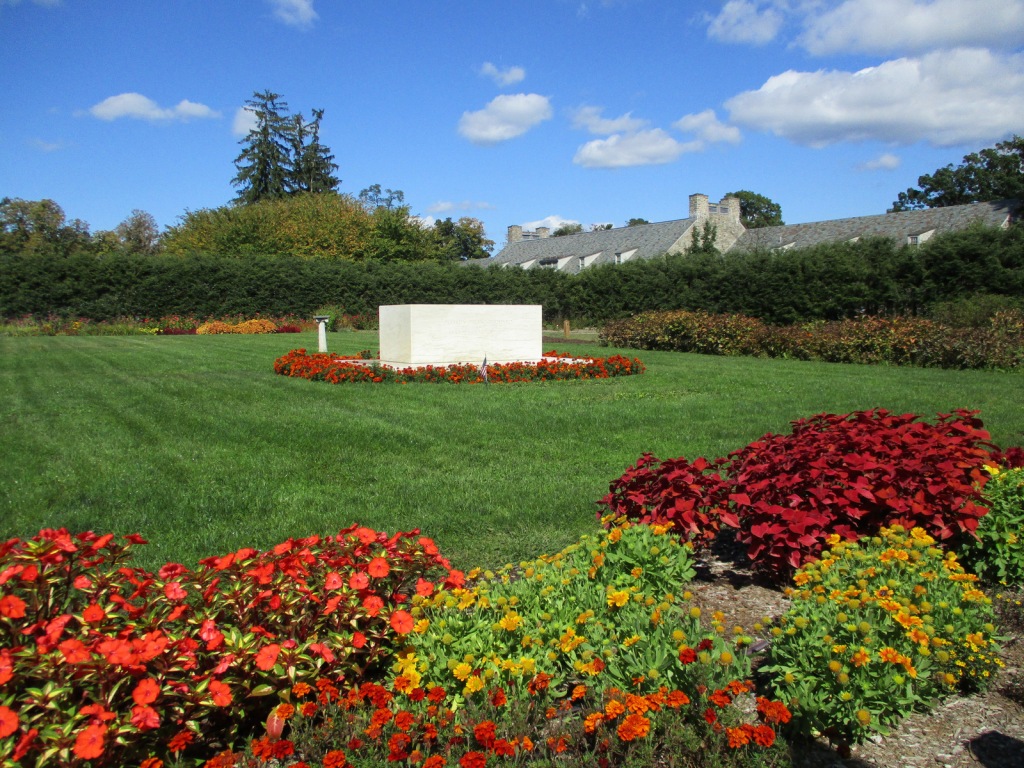
In 1882, Franklin Delano Roosevelt (FDR) was born at Springwood, his family’s estate on the Hudson River in Hyde Park, New York.  In 1905, FDR married his distant cousin Eleanor and moved into the mansion with his mother.  FDR contracted polio in 1921 and was paralyzed from the waist down, so some changes were made to Springwood to make it more wheelchair accessible.  After FDR became President, noteworthy visitors to the house included England’s King George VI and Winston Churchill.  FDR was buried on the property in 1945 and Eleanor in 1962, in the rose garden alongside Fala, their famous Scottish terrier.  Exactly one year after his death, the mansion opened to the public.

Highlights

Springwood, FDR Presidential Library and Museum, Top Cottage, Hyde Park Trail

Must-Do Activity

Start your visit at the Henry A. Wallace Visitor and Education Center where you can purchase tickets for the tour inside the mansion (reservations recommended), the 22-minute film A Rendezvous With History, the Presidential Library and Museum (not managed by the National Park Service), and Top Cottage, which is located behind the nearby Eleanor Roosevelt National Historic Site.  Tours meet inside the visitor center then walk a quarter-mile to the mansion.  Top Cottage was built in 1938 and is only accessible on a guided tour in the summer, which a park ranger discouraged us from going on saying it was mostly a seminar-style discussion of world politics (Top Cottage tours were closed through at least 2022). 

Best Trail

Hyde Park Trail connects Vanderbilt Mansion National Historic Site with Home of Franklin D. Roosevelt National Historic Site following the Hudson River.  The trail then heads two miles east towards Eleanor Roosevelt National Historic Site and Top Cottage.

Instagram-worthy Photo

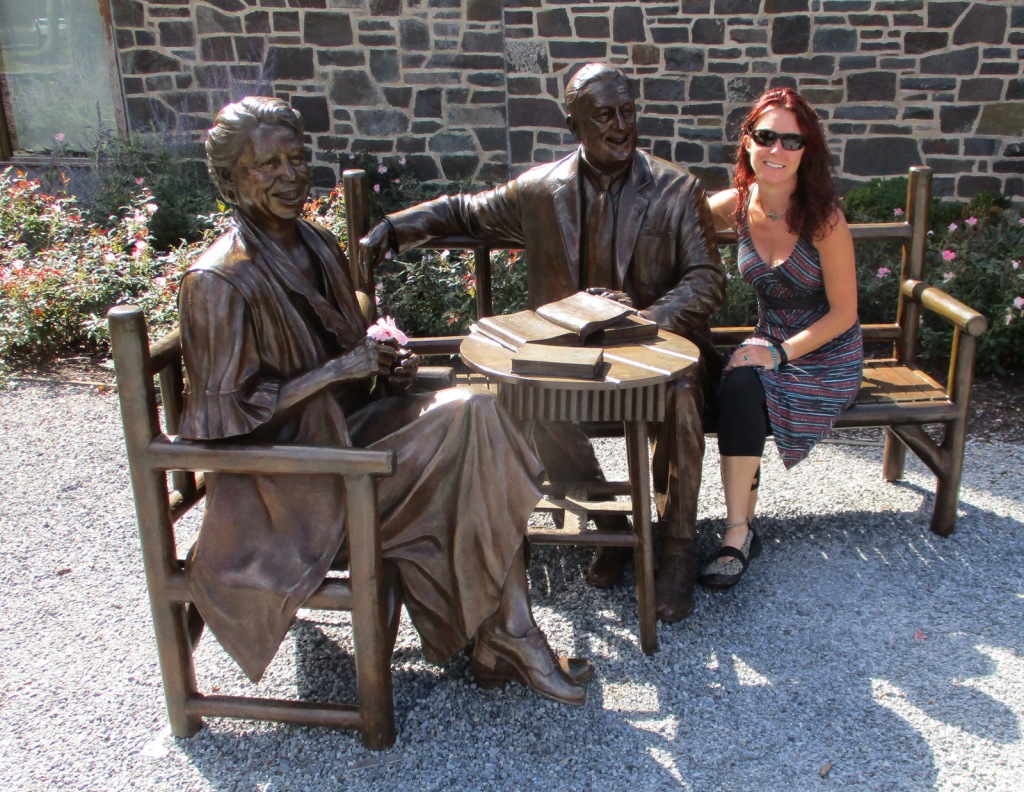
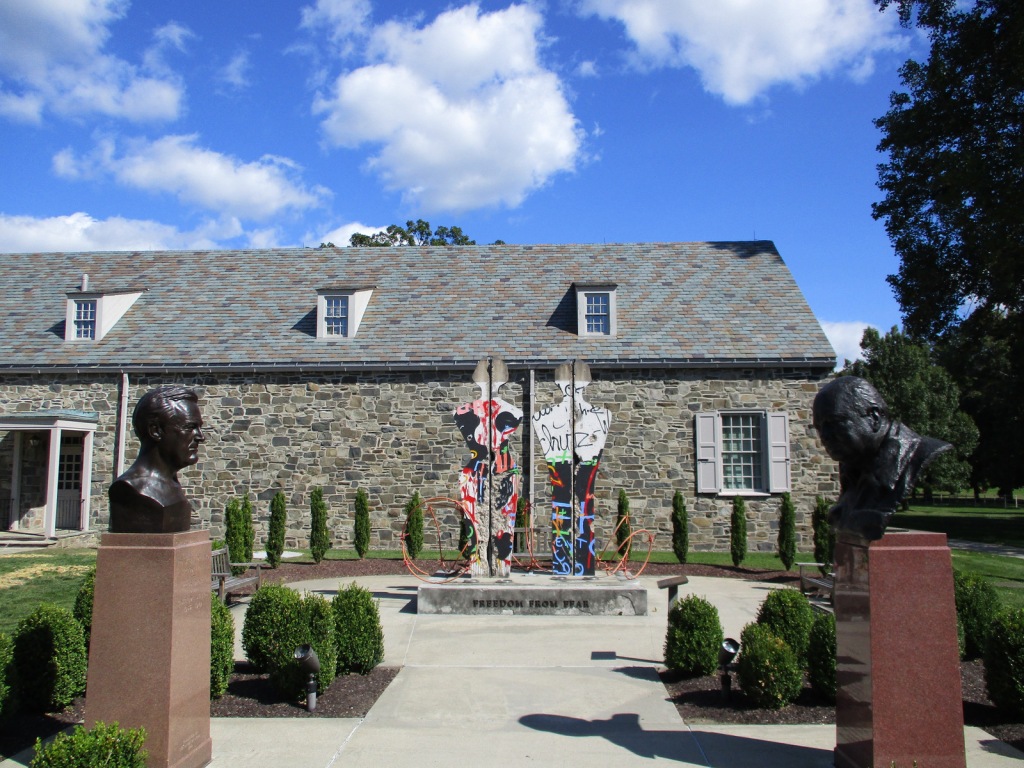
Freedom From Fear is a sculpture of a man and woman made from a section of the Berlin Wall, installed here in 1994 with a companion piece at the Winston Churchill Memorial in Fulton, Missouri.  Both were created by Edwina Sandys, Churchill’s granddaughter.

Peak Season

Summer

Hours

https://www.nps.gov/hofr/planyourvisit/hours.htm

Fees

$10 per person for mansion tour or free with America the Beautiful pass; $10 per person for Top Cottage tour with $5 off for America the Beautiful pass; separate entry fee for FDR Presidential Library and Museum

Road Conditions

All roads are paved with ample parking.

Camping

Mills-Norrie State Park has 45 campsites about five miles north of Hyde Park on Highway 9.

Related Sites

Franklin Delano Roosevelt Memorial (District of Columbia)

Eleanor Roosevelt National Historic Site (New York)

Martin Van Buren National Historic Site (New York)

Explore More – In what year was there an assassination attempt on FDR?

Martin Luther King, Jr., National Historical Park

Overview

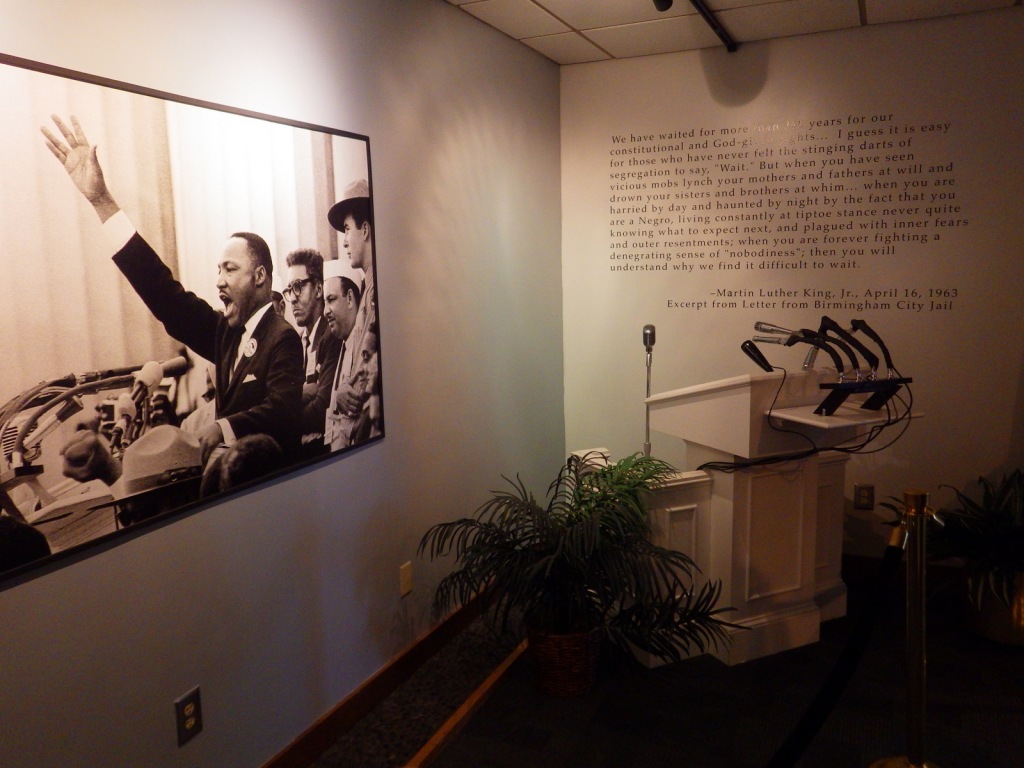
Sweet Auburn is a neighborhood in Atlanta, Georgia where Martin Luther King, Jr. was baptized and ordained as a minister in Ebenezer Baptist Church.  The National Park Service (NPS) was granted 39 acres here in 1980 to honor the Civil Rights leader who won the Nobel Peace Prize in 1964.  Following his assassination in Memphis, Tennessee, King’s funeral was held at Ebenezer Baptist Church on April 4, 1968.  It is free to visit the NPS museum, birth home, and affiliated Martin Luther King, Jr. Center for Nonviolent Social Change.

Highlights

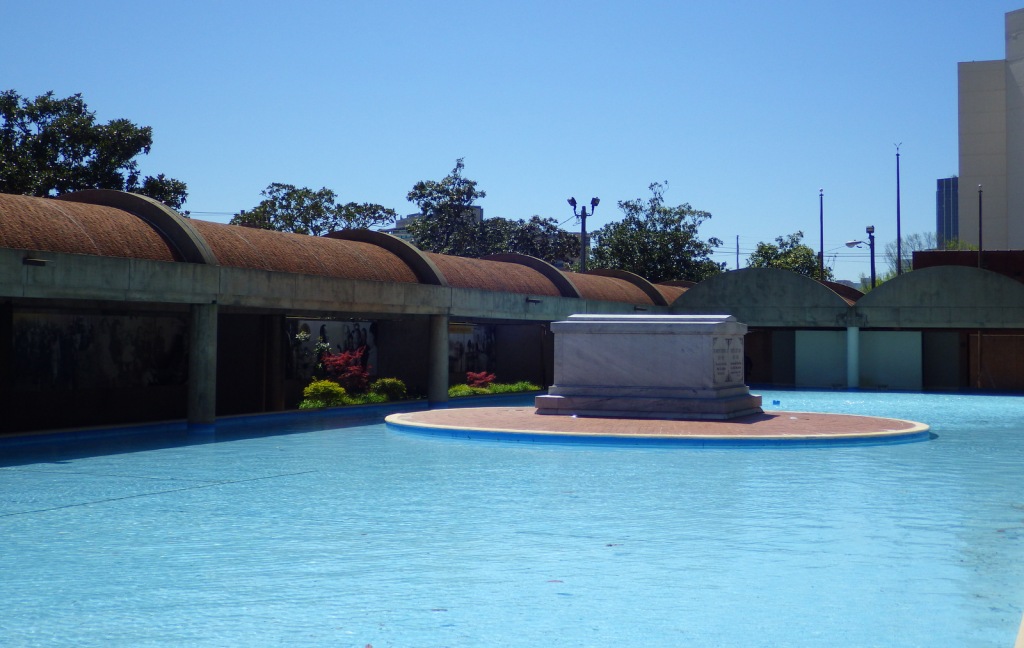
Museum, Ebenezer Baptist Church, MLK birth home, Reflection Pool tomb

Must-Do Activity

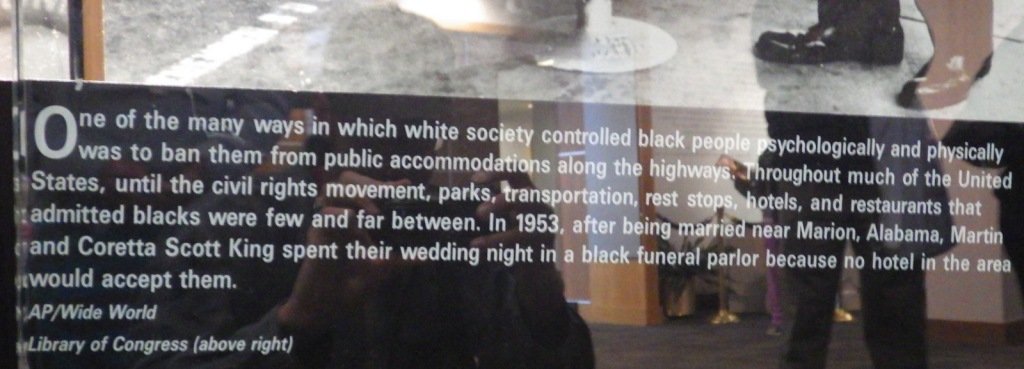
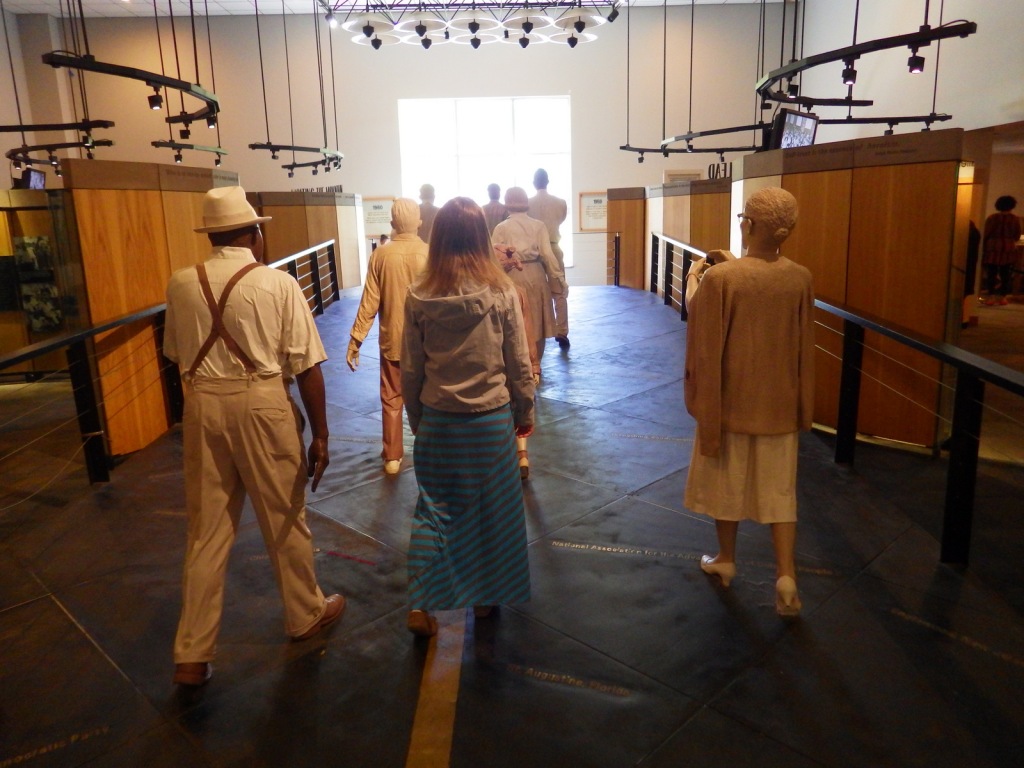
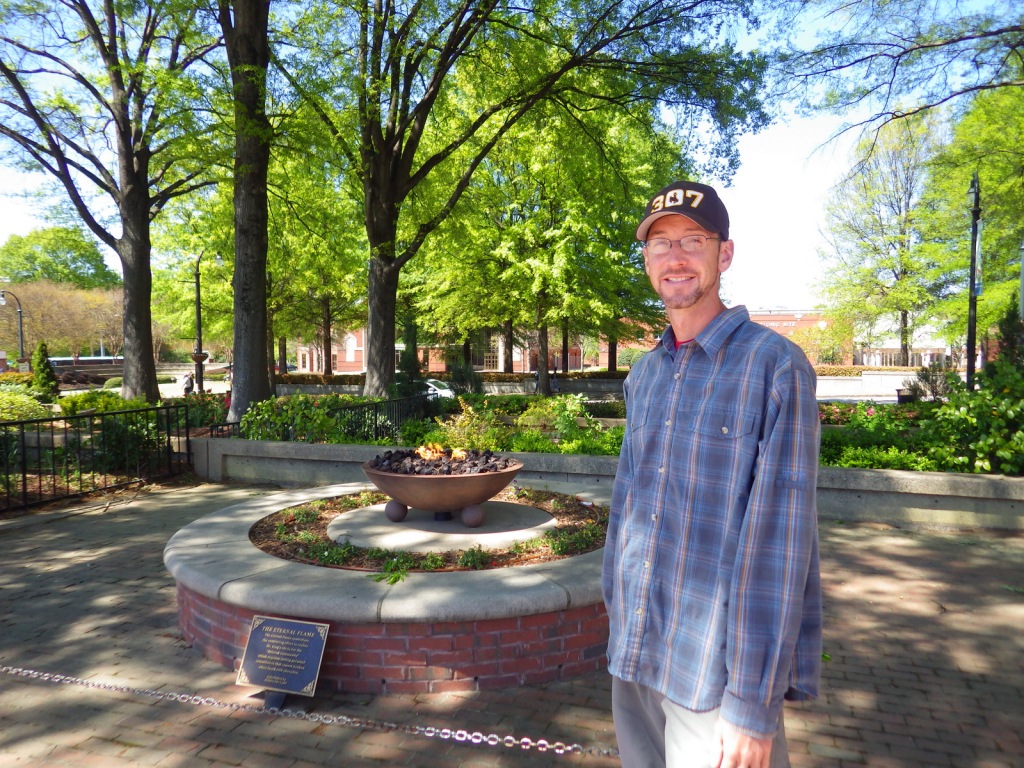
Inside the NPS museum, immersive audiovisual bubbles take visitors through the life of this prominent Civil Rights protestor.  A short walk is required to enter his boyhood home (which is wheelchair accessible).  Silence is mandatory while inside.  Outside the neighboring King Center, the Reflection Pool contains the tombs of Martin Luther King, Jr. and his wife Coretta Scott King, as well as an eternal flame. 

Best Trail

None

Instagram-worthy Photo

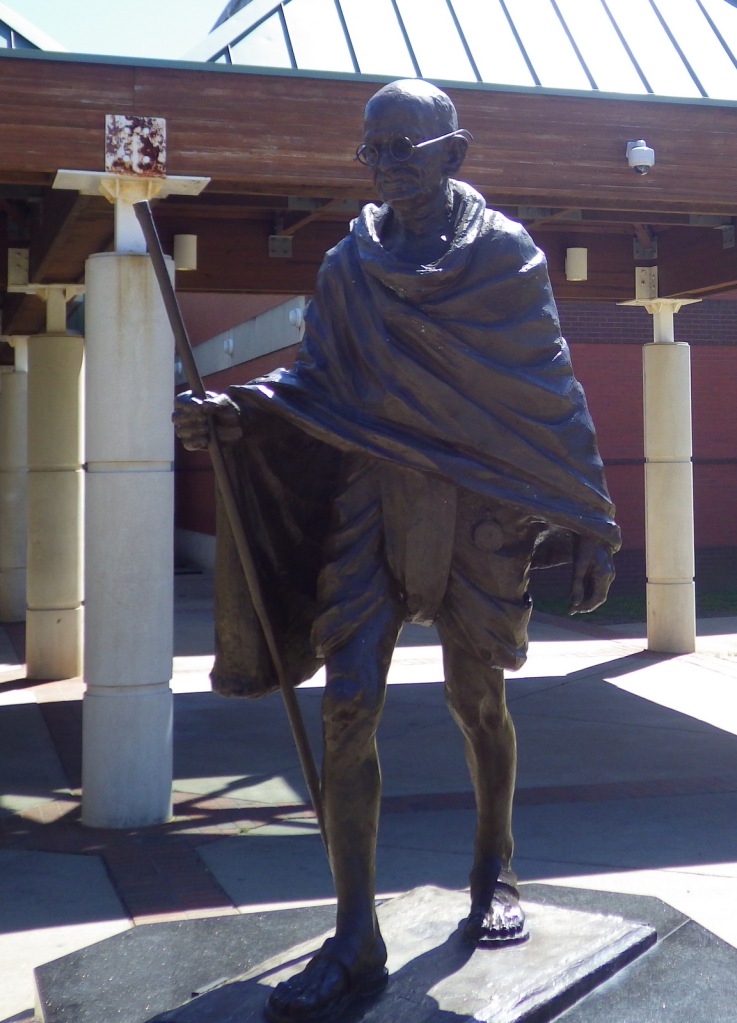
When reviewing this picture, Tiff swore she thought Gandhi was holding a selfie stick and was wearing sunglasses.

Peak Season

Spring and fall

Hours

https://www.nps.gov/malu/planyourvisit/hours.htm

Fees

None

Road Conditions

A large, free parking lot is located north of the NPS visitor center.

Camping

Campgrounds are located outside Atlanta at the Corps of Engineers’ Lake Sidney Lanier and Forest Service’s Chattahoochee National Forest.

Related Sites

Martin Luther King, Jr.  National Memorial (District of Columbia)

Medgar and Myrlie Evers Home National Monument (Mississippi)

Chattahoochee River National Recreation Area (Georgia)

Explore More – How was Martin Luther King, Jr.’s mother also tragically killed by gunshot in 1974?

Tuskegee Institute National Historic Site

Overview

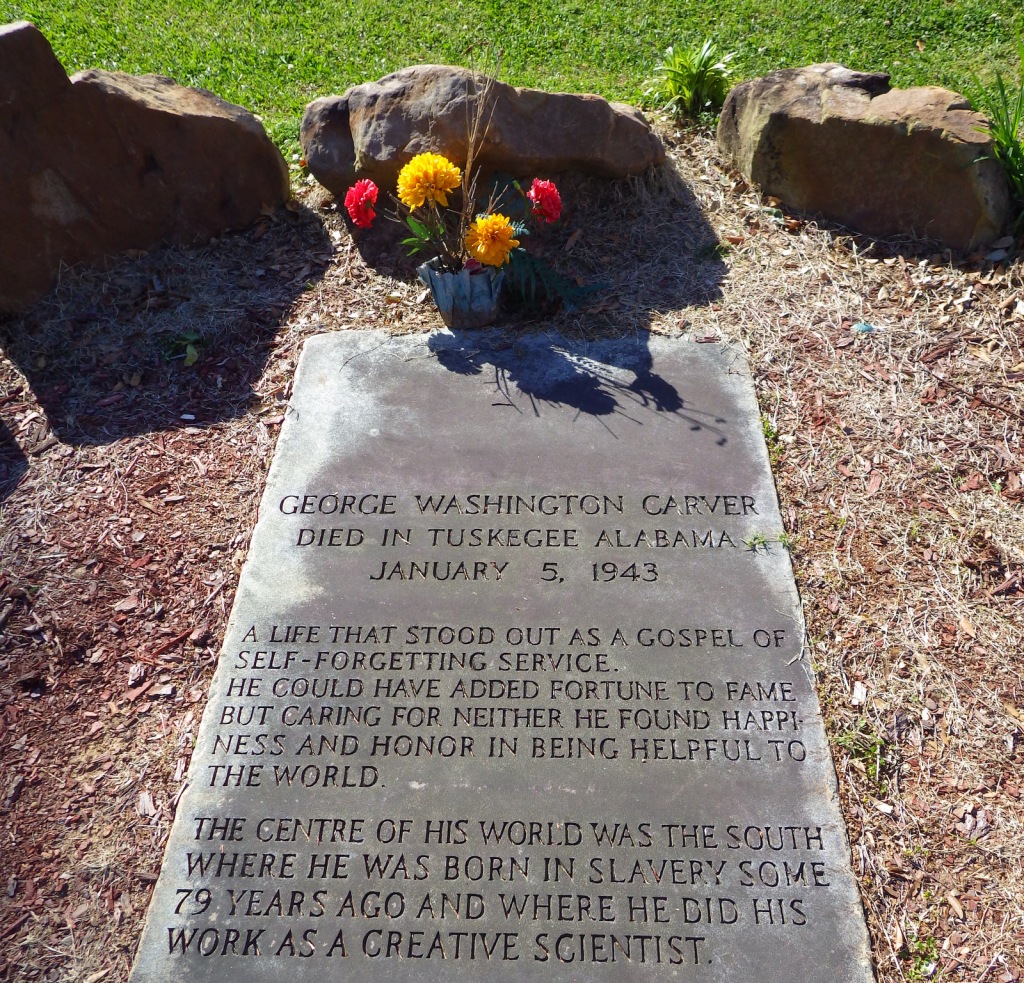
This historic college for African Americans is also the final resting place for pioneering staff members Booker T. Washington and George Washington Carver.  In 1881, a 25-year-old Washington moved to an abandoned plantation in Alabama to found the Tuskegee Normal and Industrial Institute with a $2,000 appropriation from the state.  From its initial enrollment of 30 students, Tuskegee has grown and continues to be an active and prominent university today.

Highlights

Historic campus, George Washington Carver Museum, Tuskegee Chapel, The Oaks

Must-Do Activity

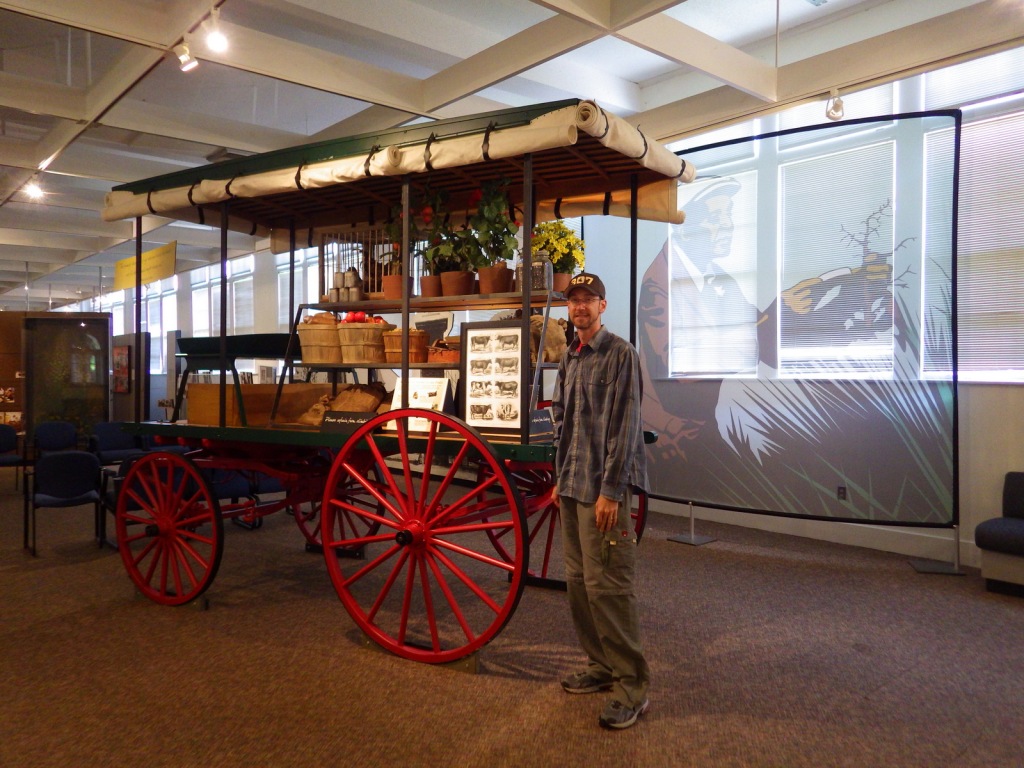
Since only eight of the 58 acres dedicated to this National Historic Site are owned by the National Park Service (NPS) on this active college campus, it behooves you to call ahead to schedule your visit.  Guided tours are available of the university and The Oaks, the historic Washington family home that was built by students.  At least make sure the excellent George Washington Carver Museum is open when you visit.  At the beginning of World War II, the school was selected to train African-American pilots, which is detailed at the nearby Tuskegee Airmen National Historic Site, also managed by the NPS.

Best Trail

None

Instagram-worthy Photo

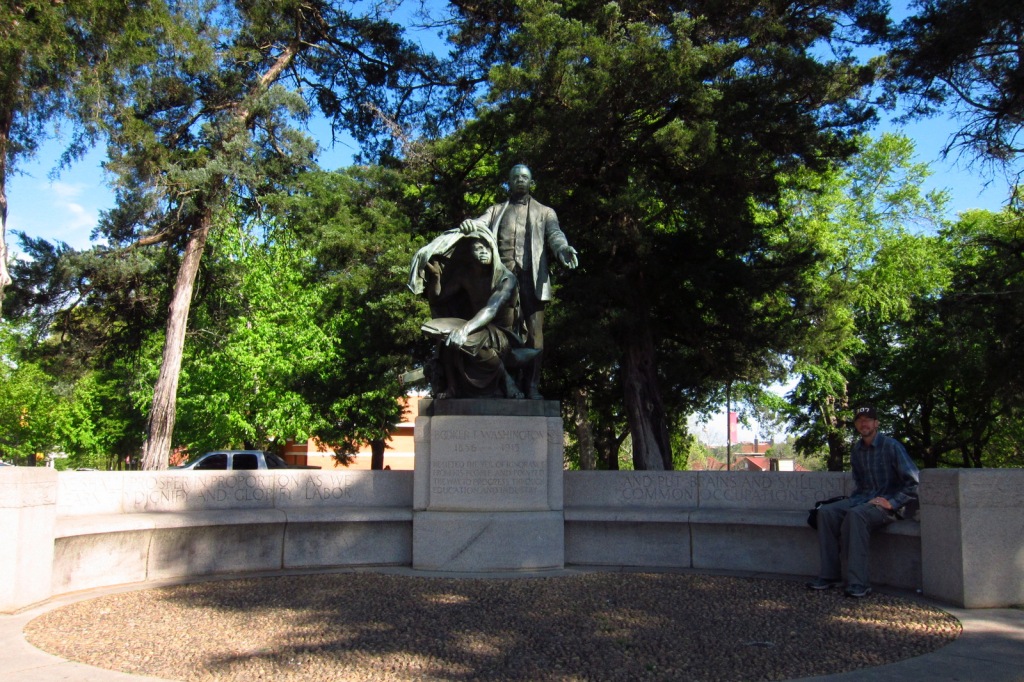
The sculpture of Booker T. Washington lifting the veil of ignorance from a slave was completed by Charles Keck in 1922.

Peak Season

Spring and fall

Hours

https://www.nps.gov/tuin/planyourvisit/hours.htm

Fees

None

Road Conditions

All roads are paved, but there is limited parking on campus for tourists.

Camping

Chewacla State Park is located northeast of town and primitive camping is allowed in Tuskegee National Forest (the smallest U.S. National Forest at 11,252 acres).

Related Sites

Booker T. Washington National Monument (Virginia)

George Washington Carver National Monument (Missouri)

Tuskegee Airmen National Historic Site (Alabama)

Explore More – How many bricks were made and laid by Tuskegee students to build the original chapel in 1896-98?

African Burial Ground National Monument

Overview

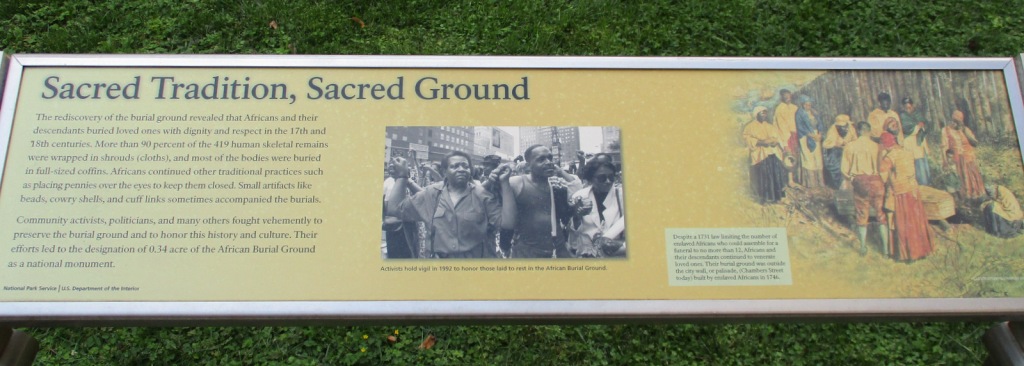
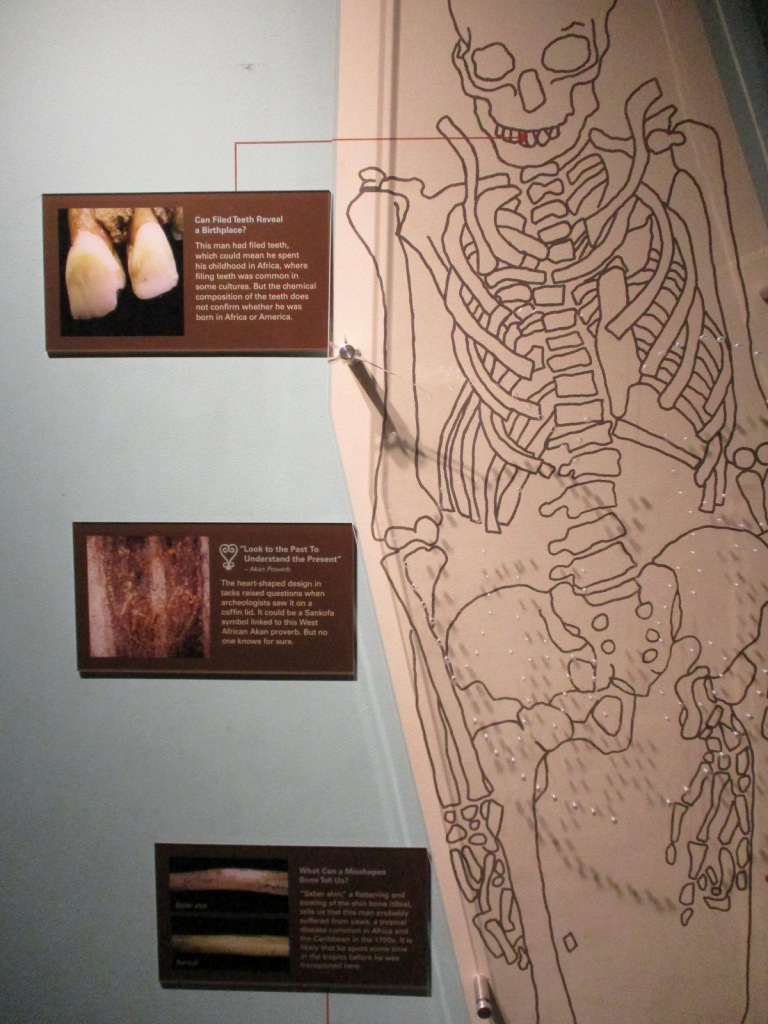
When excavating a federal office building in New York City in 1991, construction workers came upon a massive cemetery forgotten since it closed in 1794.  Archaeologists eventually found the remains of 419 bodies from a time when Africans were not allowed to be buried inside the walls of the Dutch city of New Amsterdam.  There are believed to be about 15,000 people buried in the original six-acre cemetery.

Highlights

Museum, film, Circle of the Diaspora, Ancestral Libation Chamber

Must-Do Activity

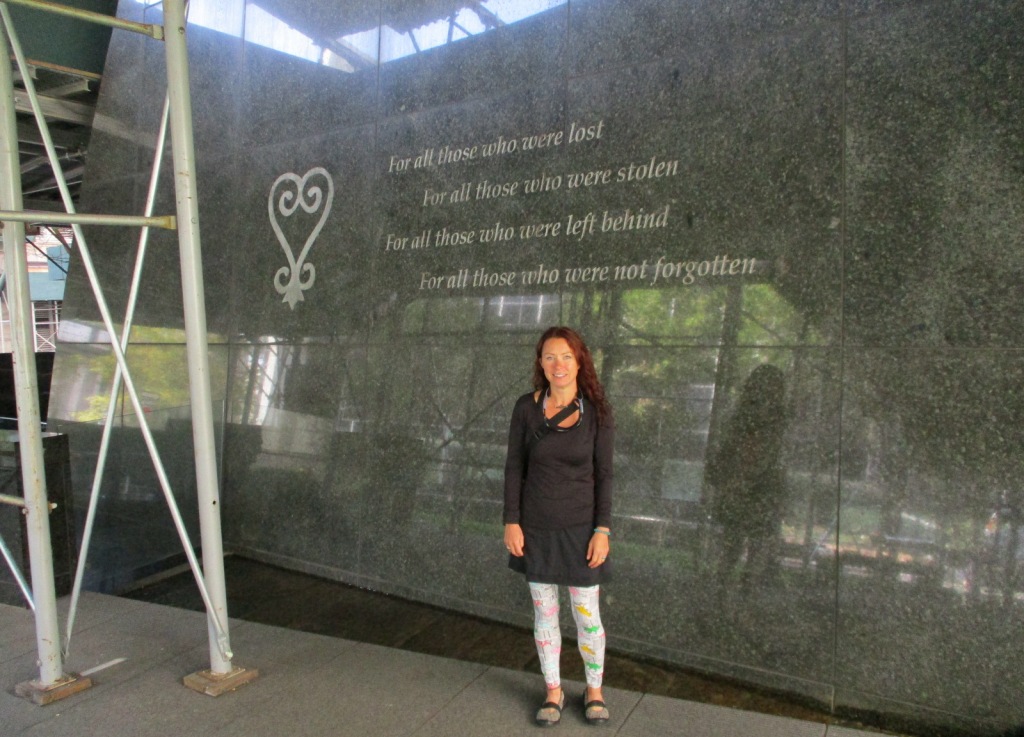
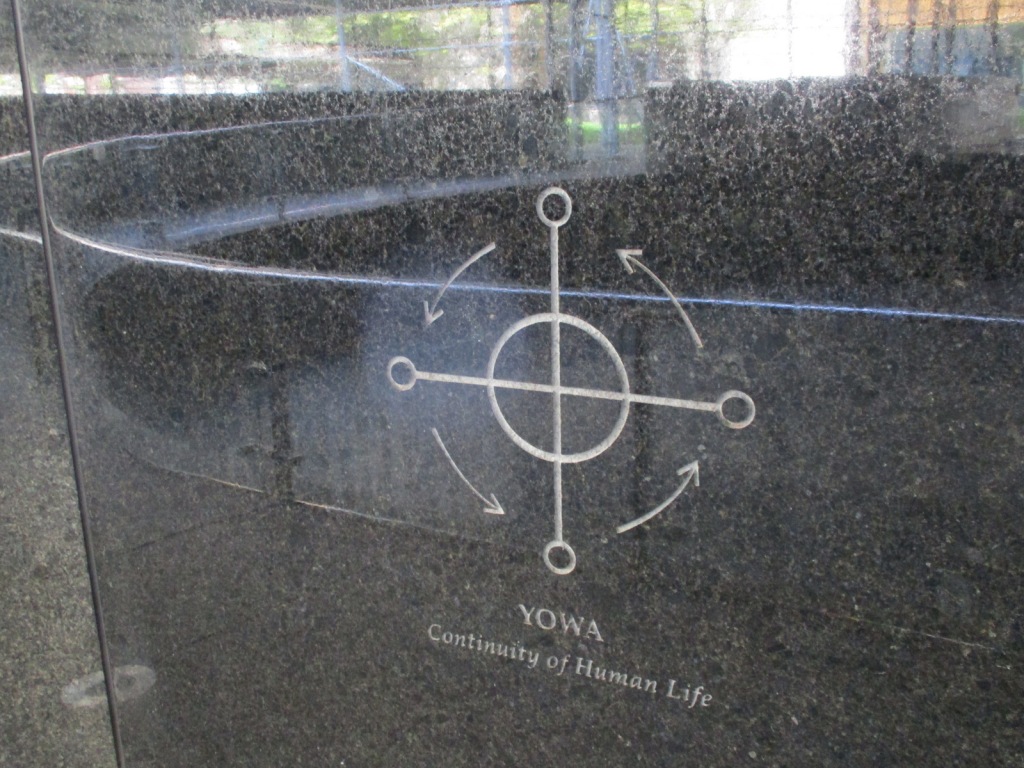
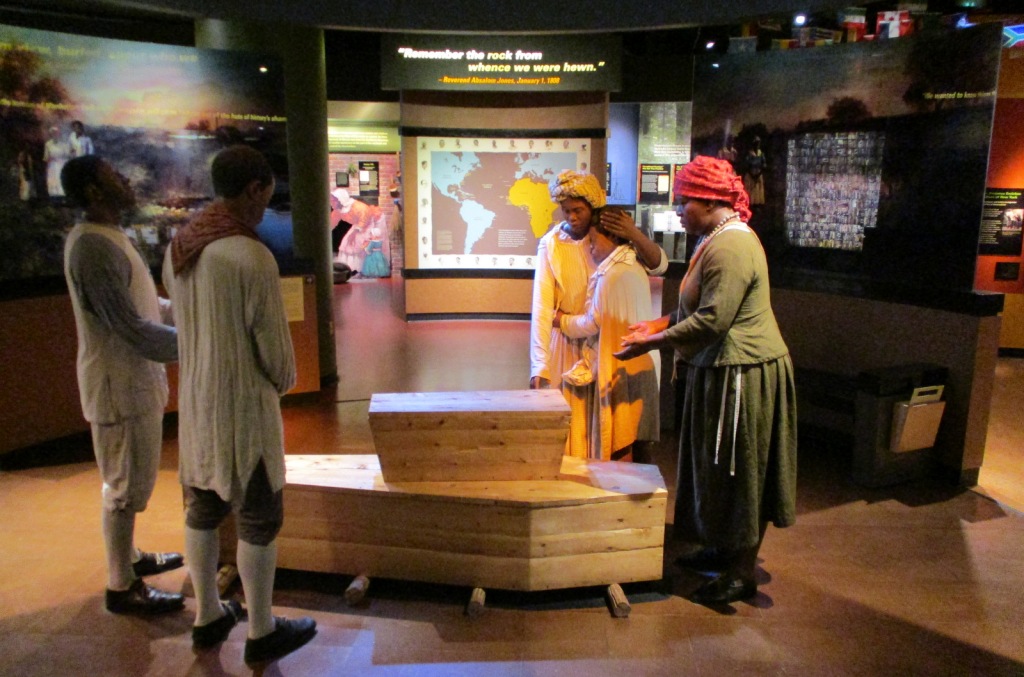
After passing through security, check out the National Park Service (NPS) visitor center that opened in 2010.  It has interactive exhibits about the thousands of captive and freed Africans that lived in the city in the eighteenth century.  Outside, a memorial made of Verde Fontaine green granite from Africa was completed in 2007 with the 24-foot high Ancestral Libation Chamber symbolizing the depth at which the bodies were discovered.  Nearby the 419 bodies were ceremonially reinterred in 2003.  Call ahead to schedule your place on an NPS ranger-led tour of the site.

Best Trail

None

Instagram-worthy Photo

The symbolic “Door of Return” is part of the outdoor memorial, which was entirely covered by scaffolding to protect it from a construction project during our visit in 2019.

Peak Season

Summer

Hours

https://www.nps.gov/afbg/planyourvisit/hours.htm

Fees

None

Road Conditions

Take public transportation!

Camping

Check out our blog post on Gateway National Recreation Area for information on camping in the New York City area.

Related Sites

Saint Paul’s Church National Historic Site (New York)

Stonewall National Monument (New York)

Boston African American National Historic Site (Massachusetts)

Explore More – What does the Sankofa (a West African heart-shaped symbol) mean?