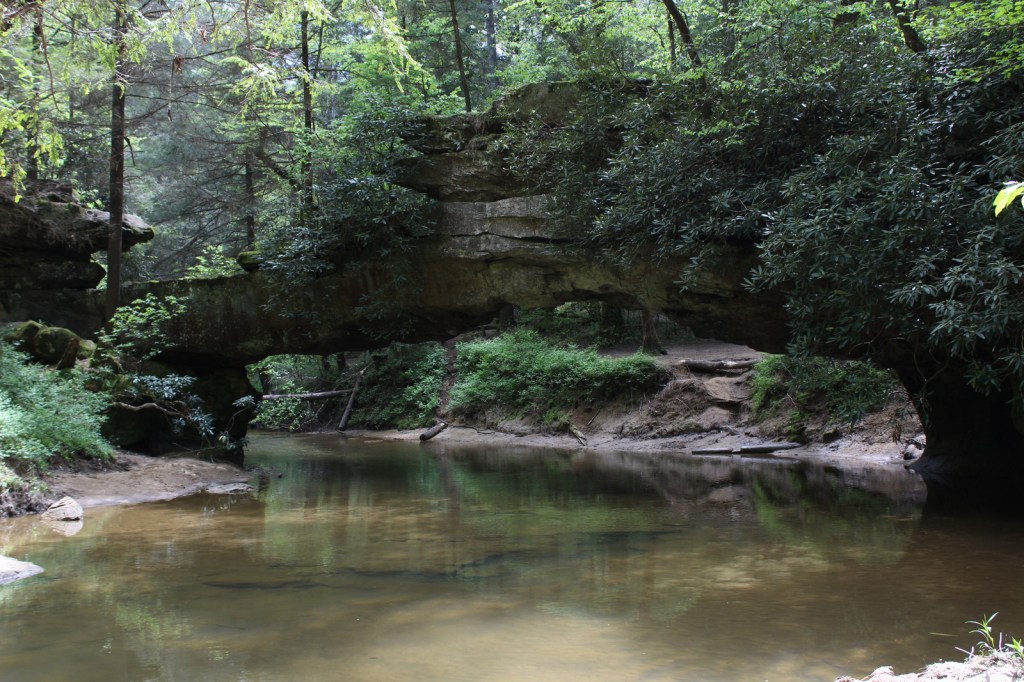
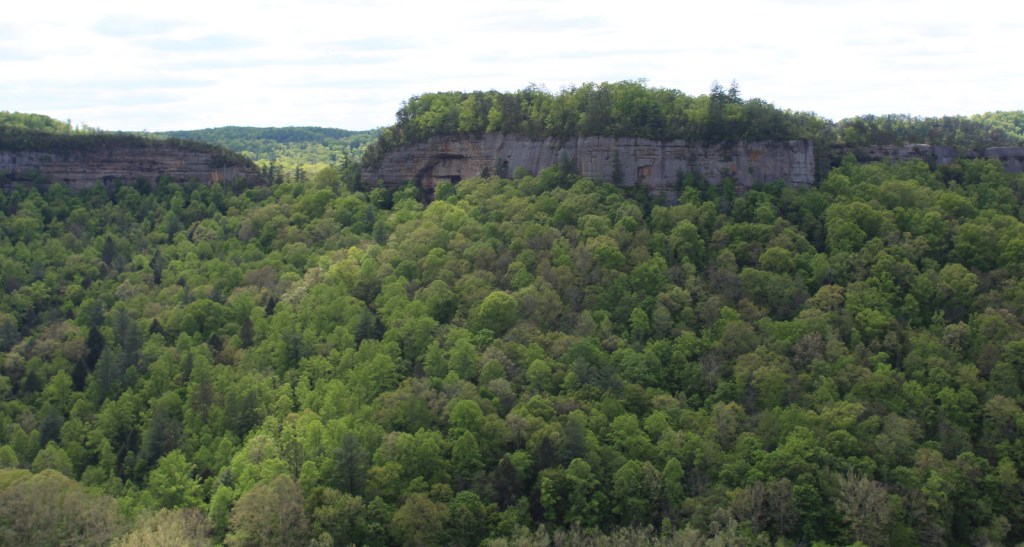
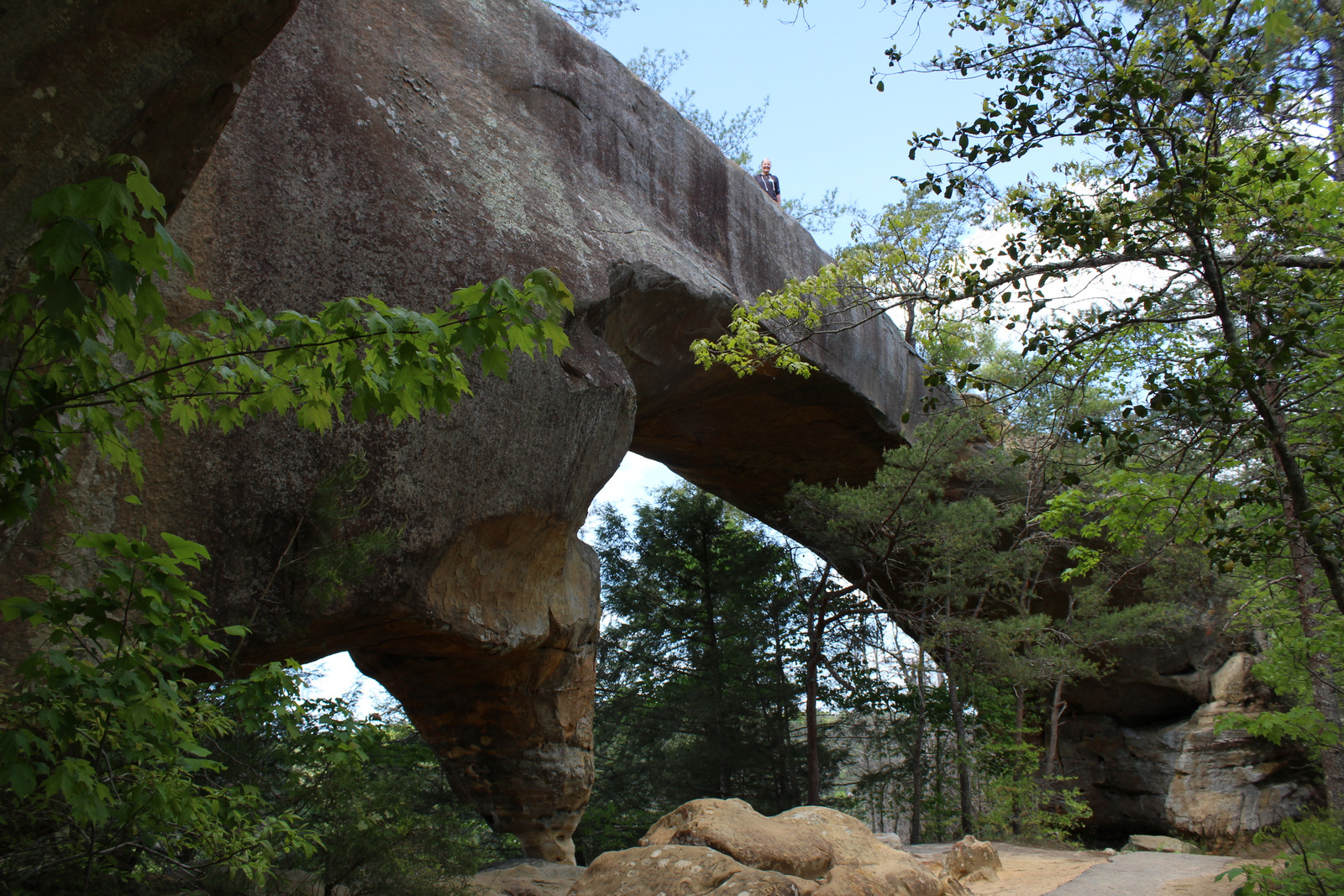
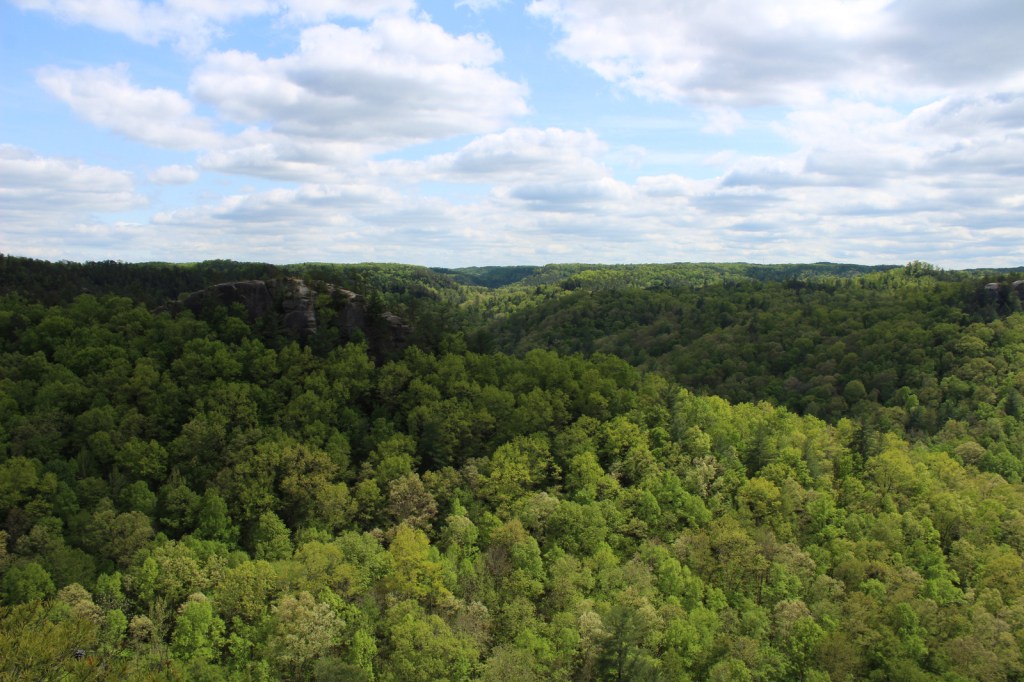
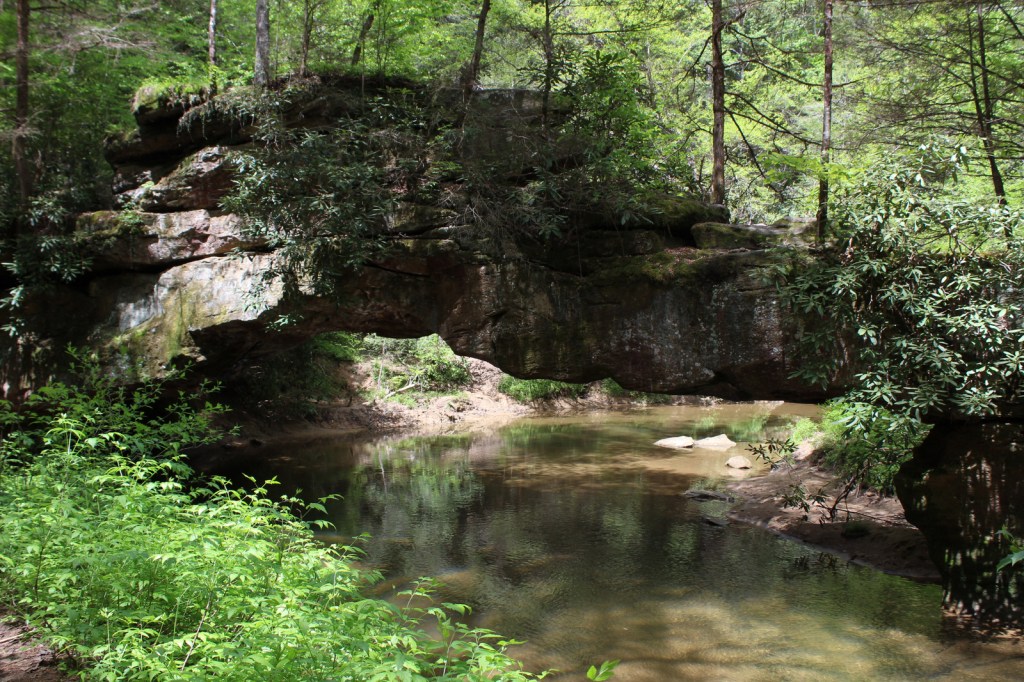
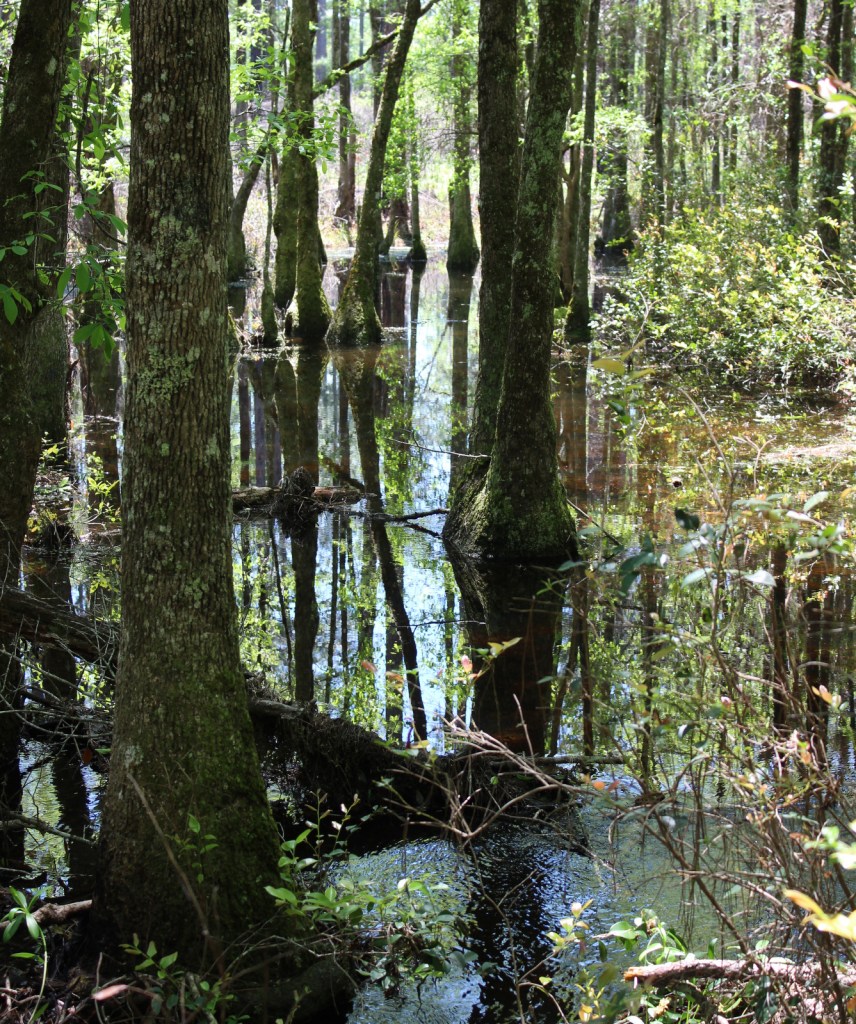
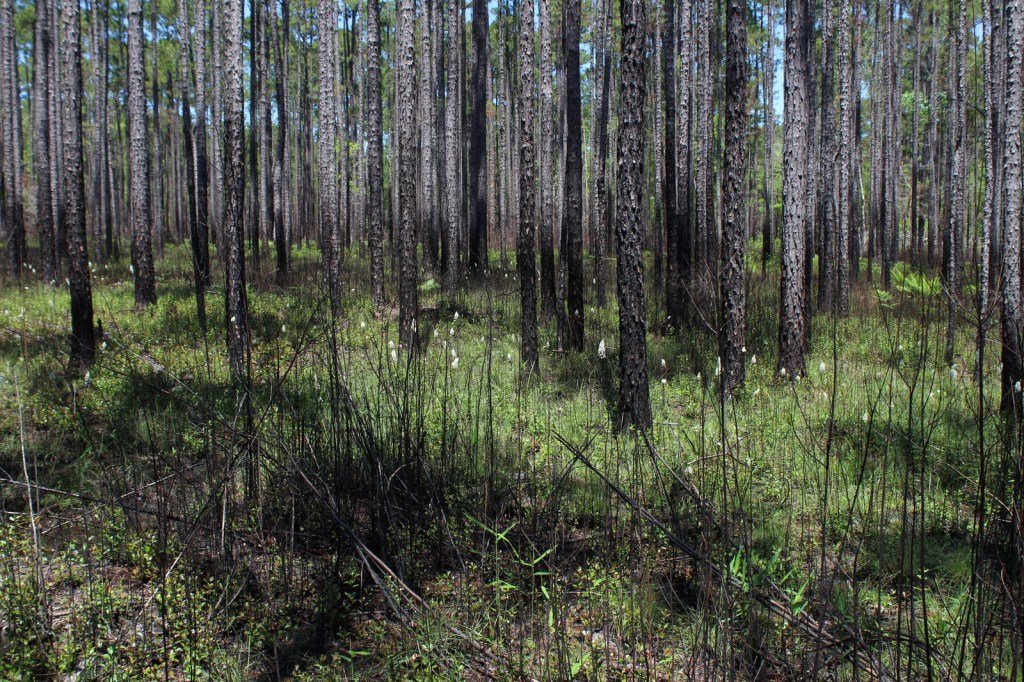
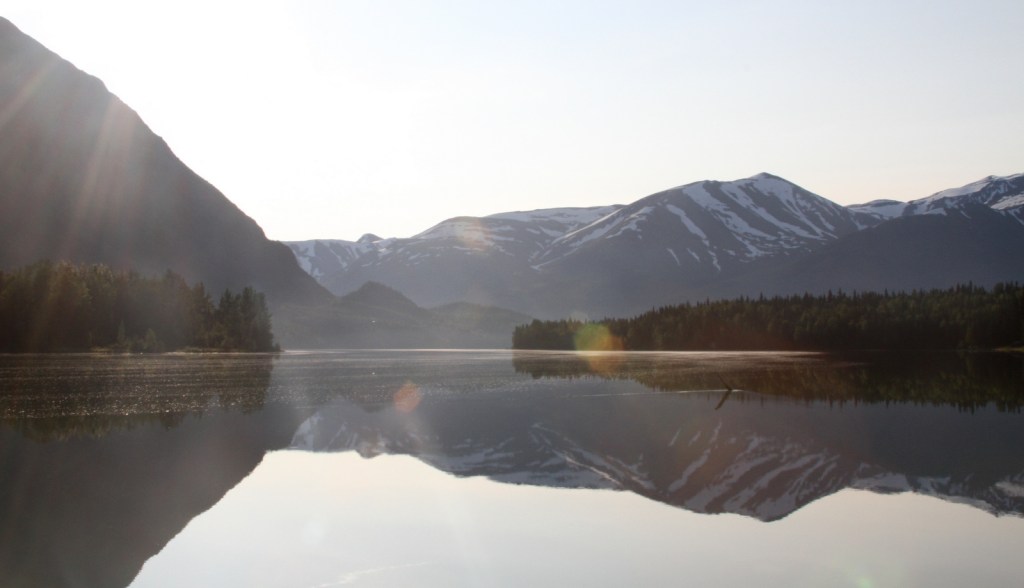
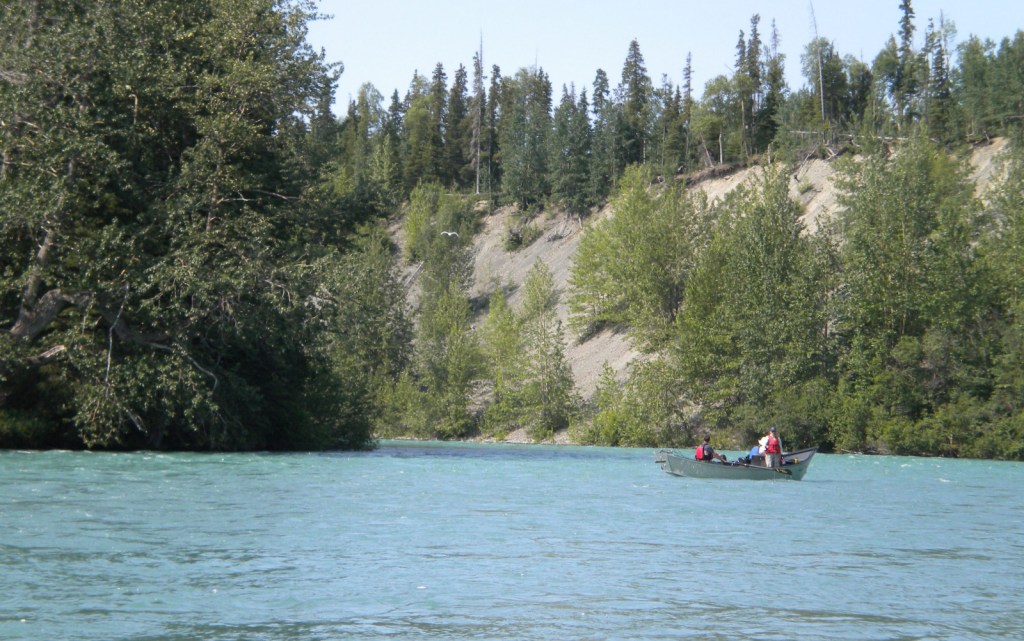
In southern Alabama, Conecuh National Forest was created in 1936 from clearcut and burned-over lands that were replanted with fast-growing slash pine. Reforestation efforts today focus on native longleaf pine trees that provide habitat for endangered red-cockaded woodpeckers. The topography of these coastal plain forests is fairly flat with broad ridges flanked by bottomlands and floodplains. Conecuh National Forest is primarily developed at two Recreation Areas: Open Pond and Blue Lake.
Highlights
Open Pond Recreation Area, Buck Pond, Blue Spring, Open Pond Fire Tower, Yellow River Basin, Blue Lake Recreation Area, Lake Shore Trail, Conecuh National Recreation Trail
Must-Do Activity
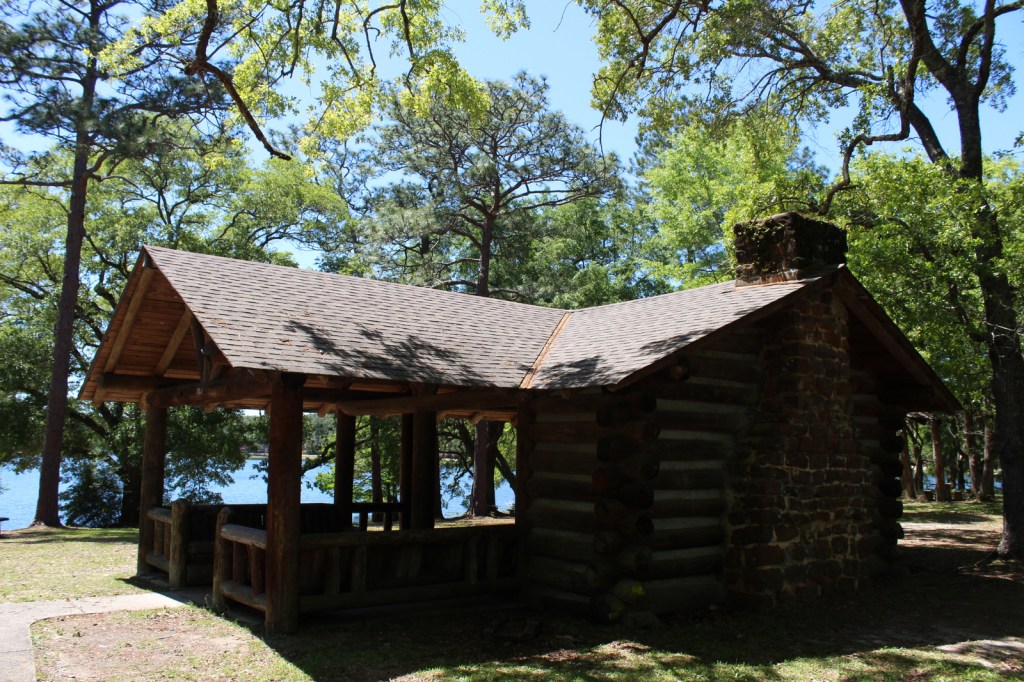
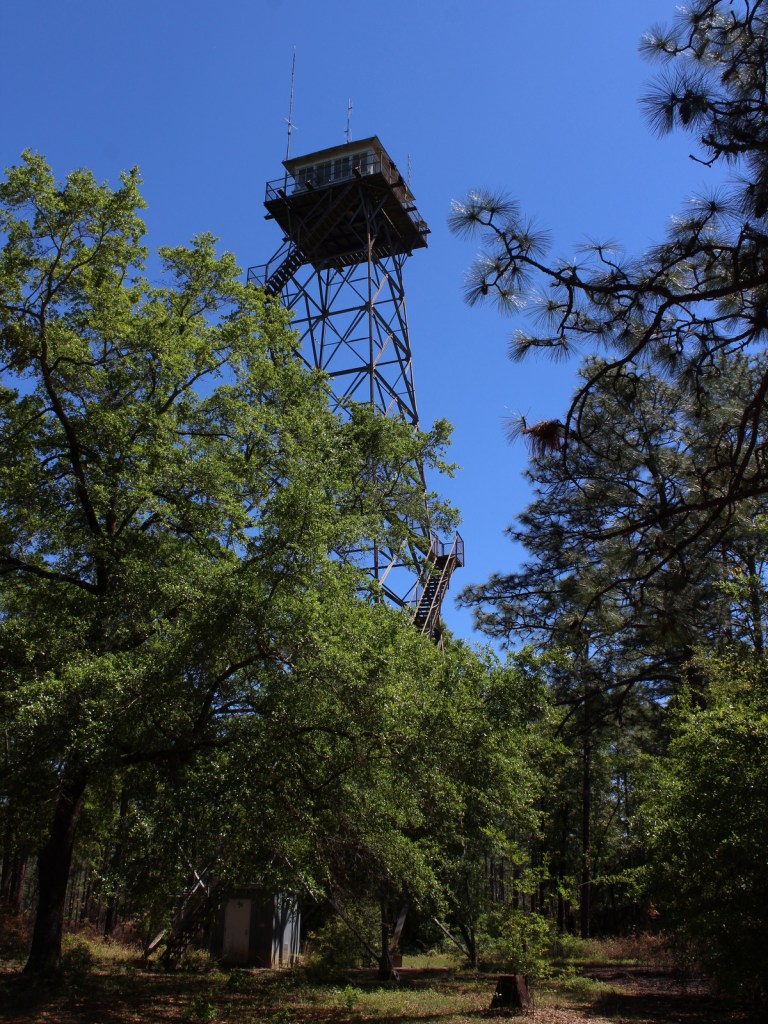
Open Pond Recreation Area (fee) surrounds a 30-acre natural sinkhole lake and has a campground, boat ramps, and a historic 1938 fire tower. Located only a ten-minute drive away, Blue Lake Recreation Area (fee) offers a day-use picnic area and swimming beach (the only place in the National Forest where swimming is allowed, presumably due to the presence of alligators elsewhere).
Best Trail
The 20-mile long Conecuh Trail was built by the Youth Conservation Corps beginning in 1976 and traverses longleaf pine stands and hardwood bottomlands. Leaving from Open Pond Recreation Area, the seven-mile long South Loop of the Conecuh Trail passes Blue Spring, but that portion of the trail was closed due to hurricane damage during our visit.
Watchable Wildlife
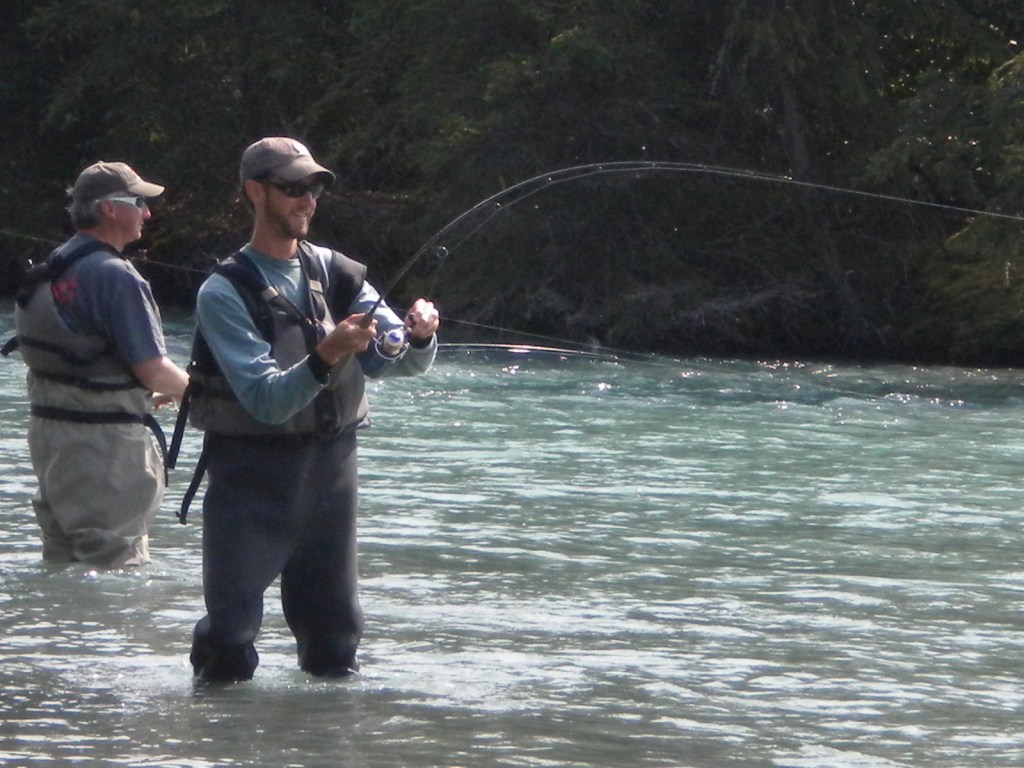
Notable wildlife species that inhabit Conecuh National Forest include red-cockaded woodpeckers (see above), wild turkeys, fox squirrels, raccoons, red foxes, gray foxes, bobcats, coyotes, black bears, and alligators. Fishing is a popular activity, with interesting spiky PVC pipe constructions put in the water to provide habitat for bream, bass, and crappie.
Instagram-worthy Photo
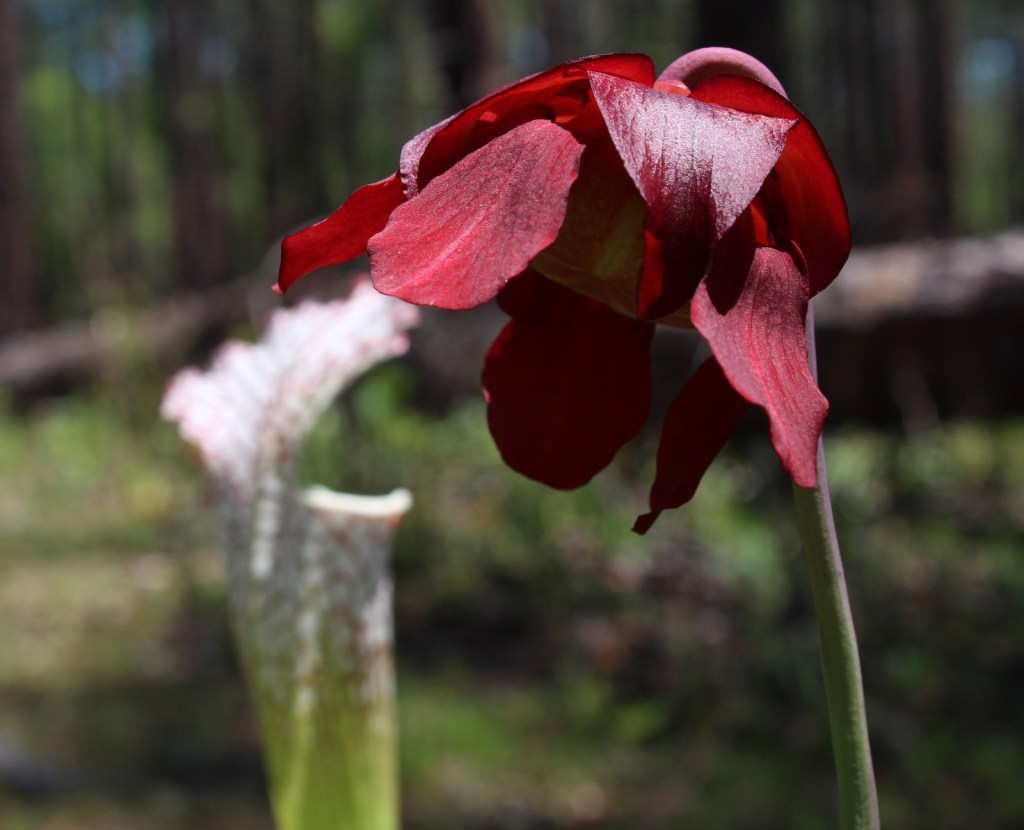
Watch for carnivorous pitcher plants growing in the wet soils on the edge of bogs and baldcypress ponds.
Peak Season
Spring and fall
Fees
There is a day use fee at both Open Pond and Blue Lake Recreation Areas, but an America the Beautiful pass can be substituted.
Road Conditions
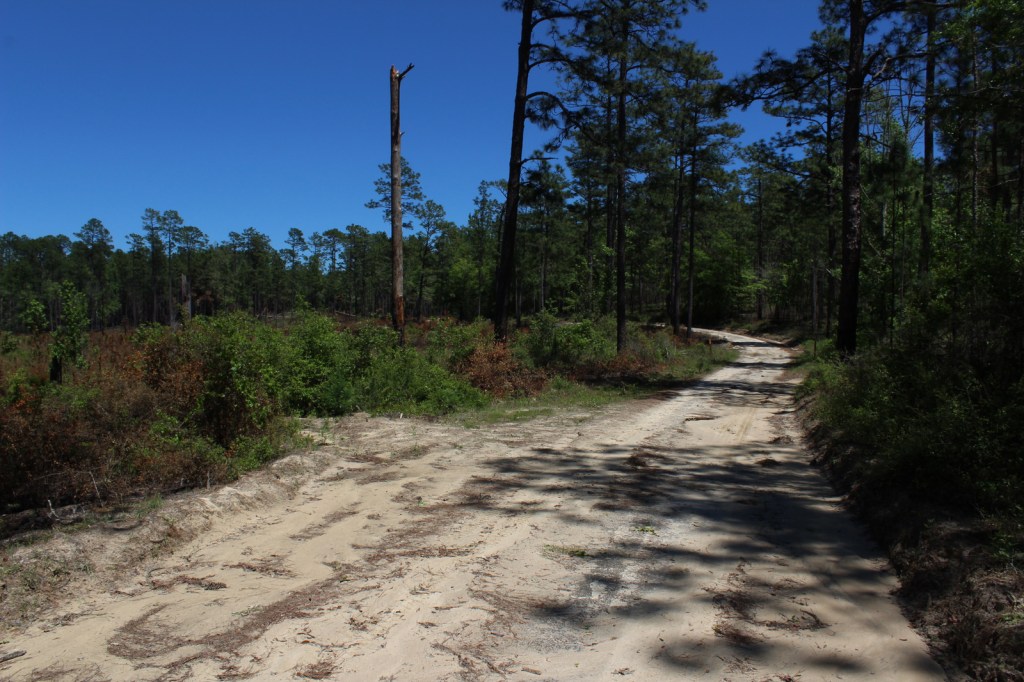
Many of the roads in Conecuh National Forest are unpaved, but the sand packs down well and provides a good surface for any vehicle to drive.
Camping
Open Pond Campground contains 75 campsites available on a first-come, first-served basis.
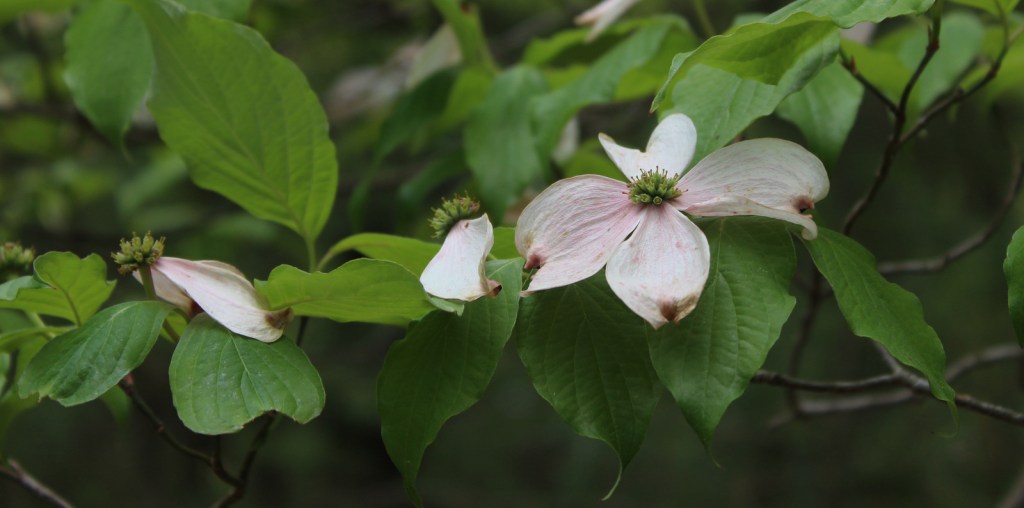
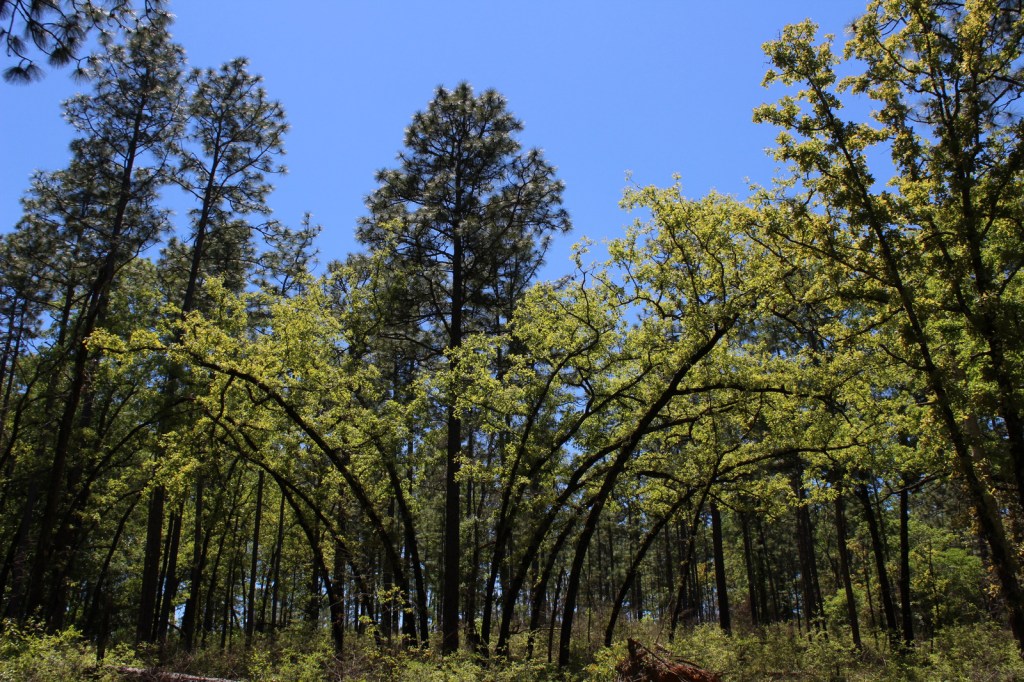
American holly, flowering dogwood, southern magnolia, swamp tupelo, pumpkin ash, swamp cottonwood, overcup oak, swamp chestnut oak, cherryark oak
Explore More – Believed to be of Muskogee origin, what does the name “Conecuh” translate as?
Learn more about this and the 154 other National Forests in our new guidebook Out in the Woods
We are a participant in the Amazon Services LLC Associates Program, an affiliate advertising program designed to provide a means for us to earn fees by linking to Amazon.com and affiliated sites.
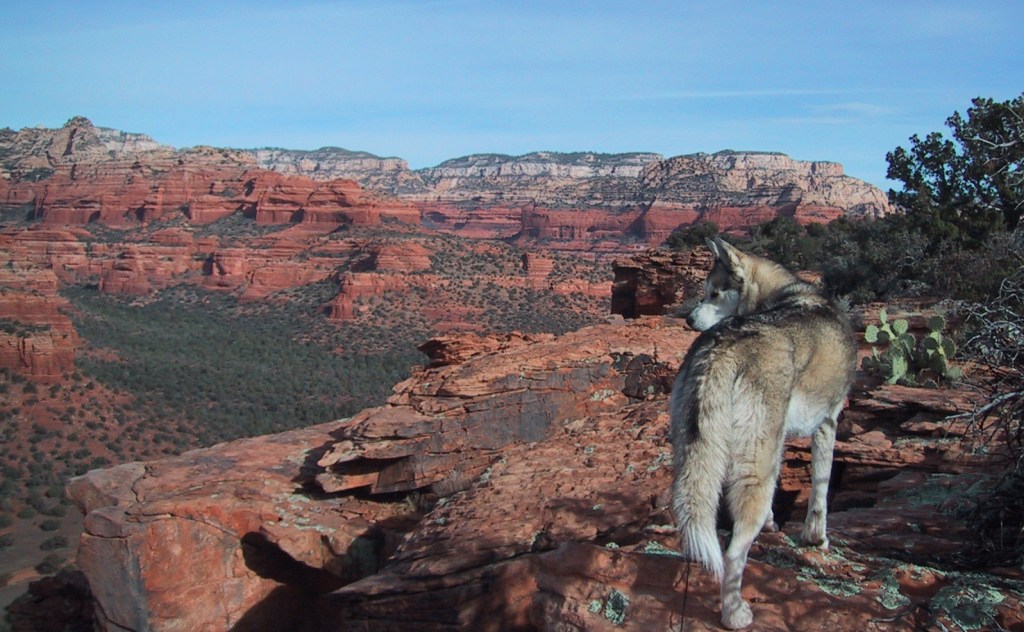
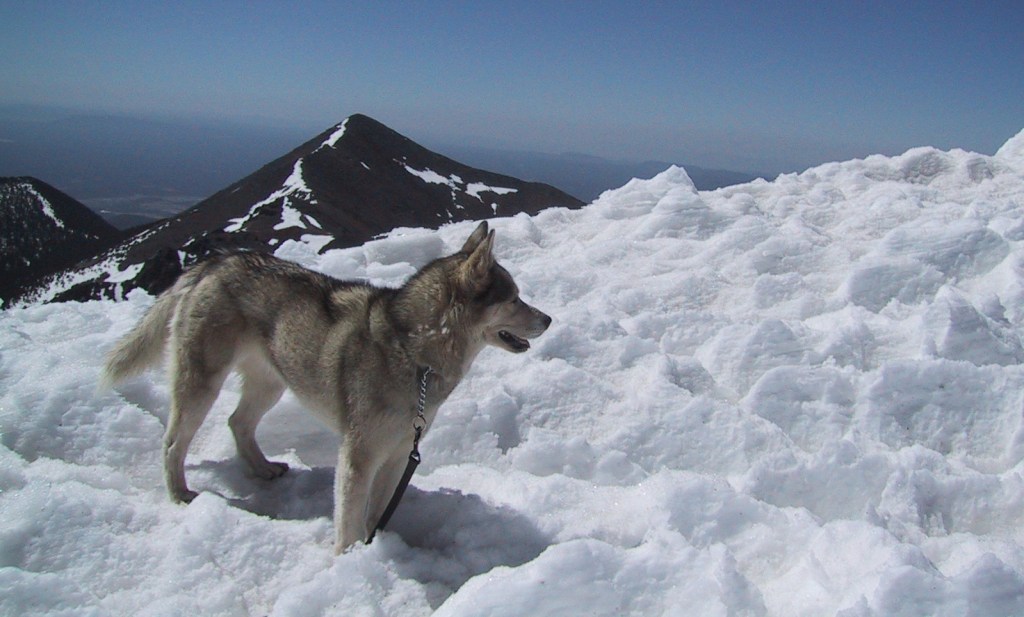
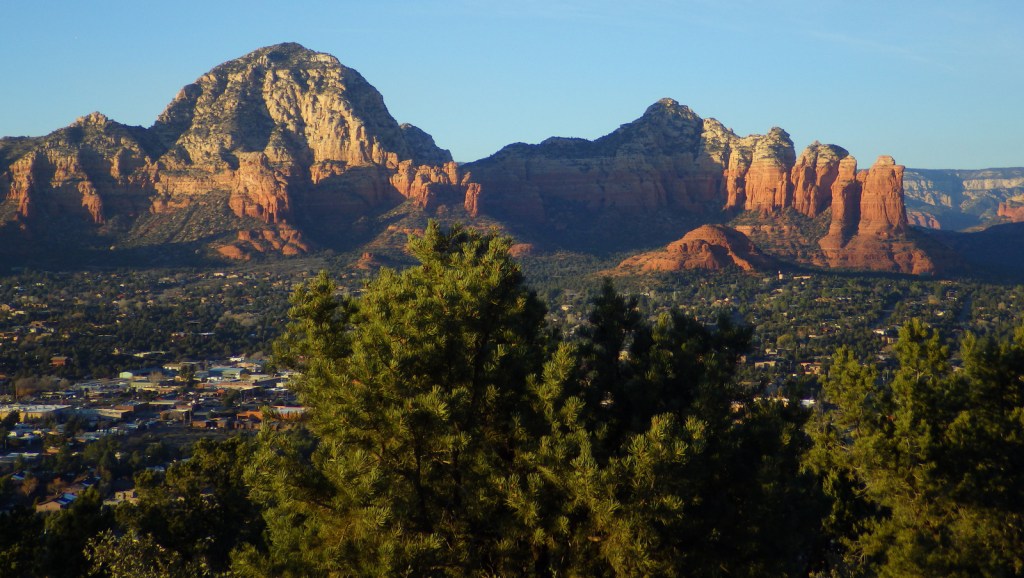
Coconino National Forest has an elevation range of 10,000 feet from the Verde River up to 12,637-foot Mt. Humphreys, the highest point in Arizona. It borders four other National Forests: Kaibab, Prescott, Sitgreaves, and Tonto. The National Forest encompasses two busy recreational areas: the red rocks around Sedona and the San Francisco Peaks north of Flagstaff. While in college for three years at Northern Arizona University, Scott probably hiked 100 different trails and more than 1,000 miles through Coconino National Forest. He and his Siberian husky would often wake up early to get a hike in before class, including one moonlit summiting of Mt. Humphreys completed in time for an 8 a.m. lecture. See where it ended up on our list of Top 10 Summit Trails in National Forests.
Highlights
Oak Creek Canyon, Bell Rock, Vultee Arch, Cathedral Rock, Sycamore Canyon, Honanki Ruins, Wet Beaver Creek, San Francisco Peaks, Mt. Humphreys, Lockett Meadow, Mt. Elden, West Clear Creek, Upper Lake Mary, West Fork Trail, Kachina Trail, Bear Jaw Canyon Trail, Dixon Lewis Trail
Must-Do Activity
North of Sedona is the deep, shady Oak Creek Canyon that houses a diversity of plant species, including riparian trees like sycamore and walnut. The steep, forested walls make for beautiful scenery, but also create ideal conditions for crown fires as evidenced in 2006 and 2014. The steep Wilson Mountain South Trail #10 provides extraordinary panoramas and the shady West Fork Trail #108 is perfect on hot summer days, though in the winter it is also beautiful covered in snow and ice. The remains of the historic lodge and orchard at the latter site provide a glimpse into the past of a place immortalized in Zane Grey’s novel The Call of the Canyon. Continue driving north up Highway 89A for unforgettable hairpin turns that lead to Oak Creek Vista and on to Flagstaff.
Best Trail
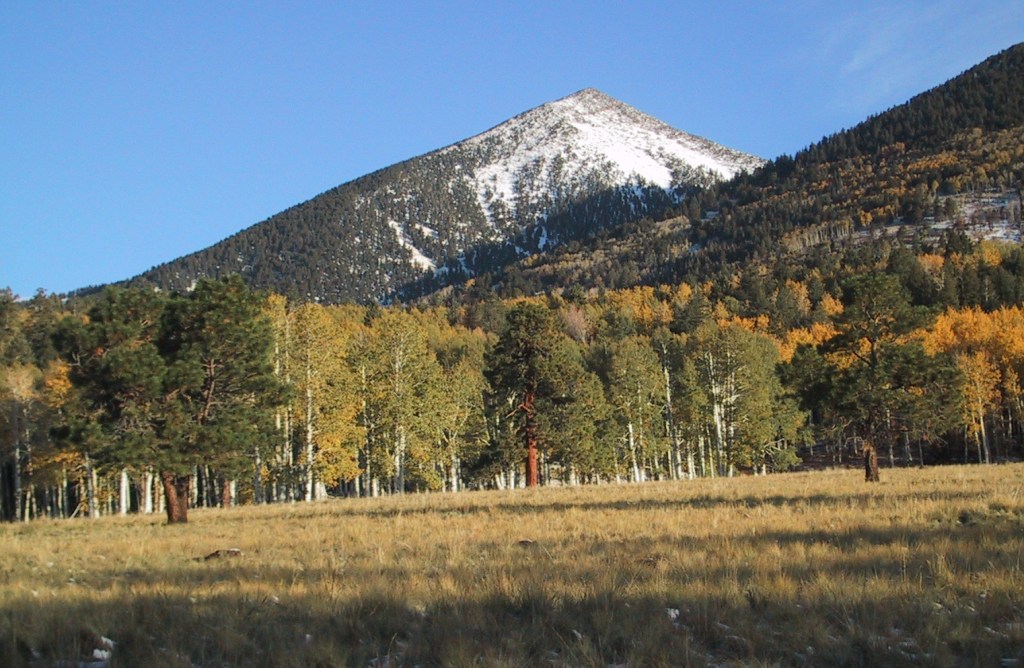
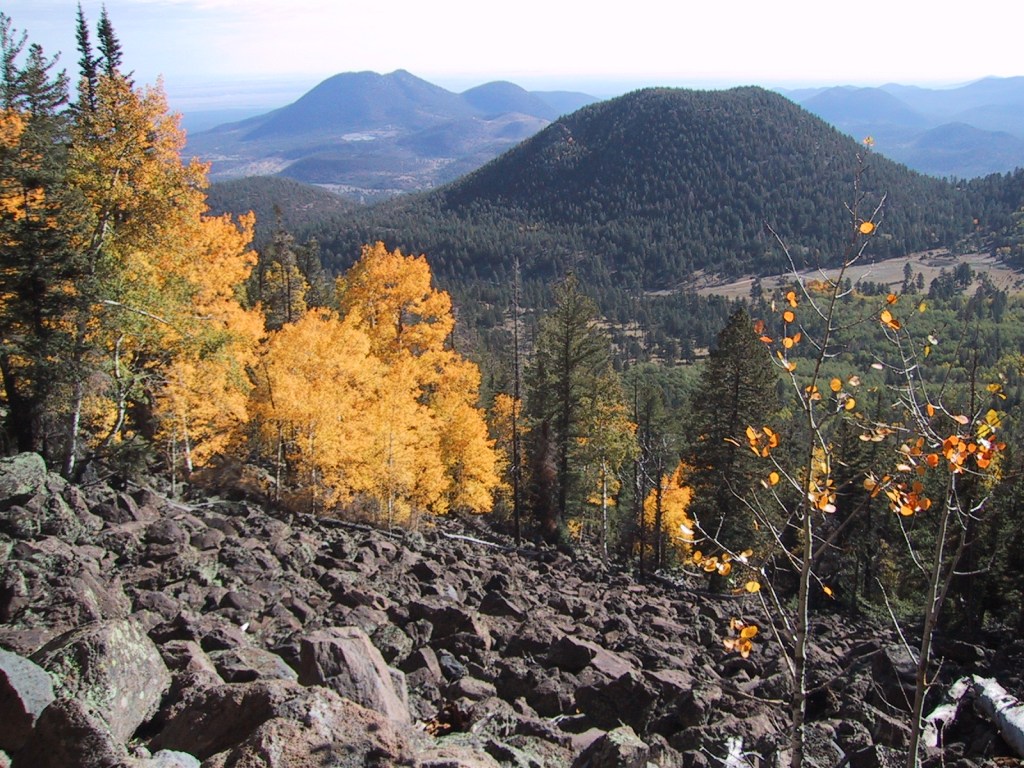
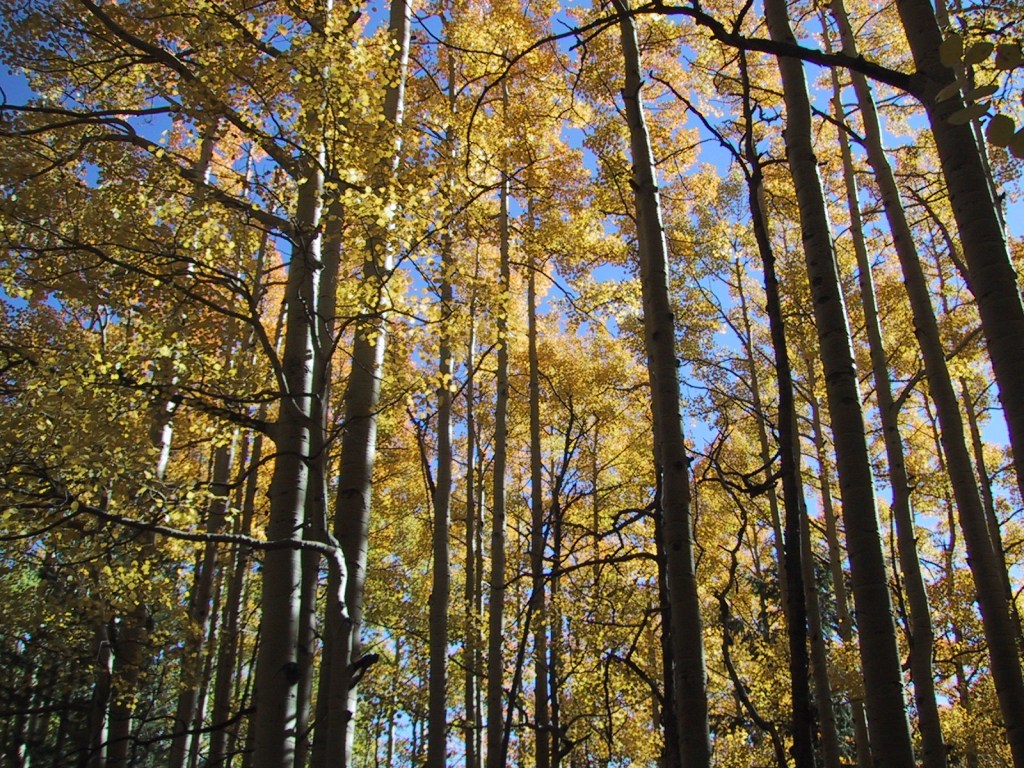
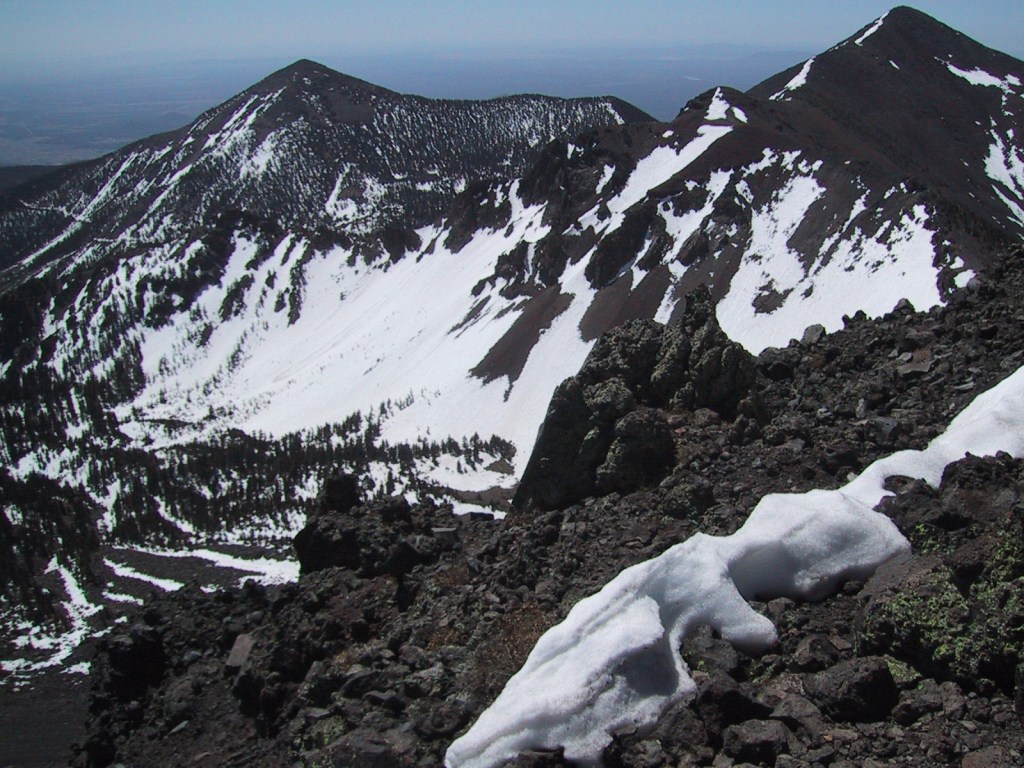
The San Francisco Peaks are the remains of an extinct volcano that forms the dramatic mountain skyline north of Flagstaff. You cannot actually see the highest summit (12,637-foot Mt. Humphreys) from town, but you will if you drive Highway 180 toward Grand Canyon National Park. The shortest route to the top leaves from 8,800 feet at Arizona Snowbowl Ski Resort and is nine miles roundtrip. For the more adventurous: start on the Inner Basin Trail from Lockett Meadow (now requires three-mile hike on closed road), hike 19 miles roundtrip via the Weatherford Trail, or tack on seven miles to Snowbowl on the scenic Kachina Trail. The San Francisco Peaks are beautiful (especially when aspen trees turn in the fall), but can be dangerous during thunderstorms that occur almost every afternoon during monsoon season. Nostalgia may have been a factor in naming this #1 on the list of Top 10 National Forests for Day Hiking.
Watchable Wildlife
Elk are the most prevalent charismatic megafauna in Coconino National Forest, although mule deer and pronghorns are also common. We have encountered black bears in the San Francisco Peaks and rattlesnakes in Sycamore Canyon. Tassel-eared squirrels are the noisiest residents of the ponderosa pine forests, enough so that Bertie the talking squirrel became the main character in the children’s book Scott illustrated while working for the Ecological Restoration Institute at Northern Arizona University.
Instagram-worthy Photo
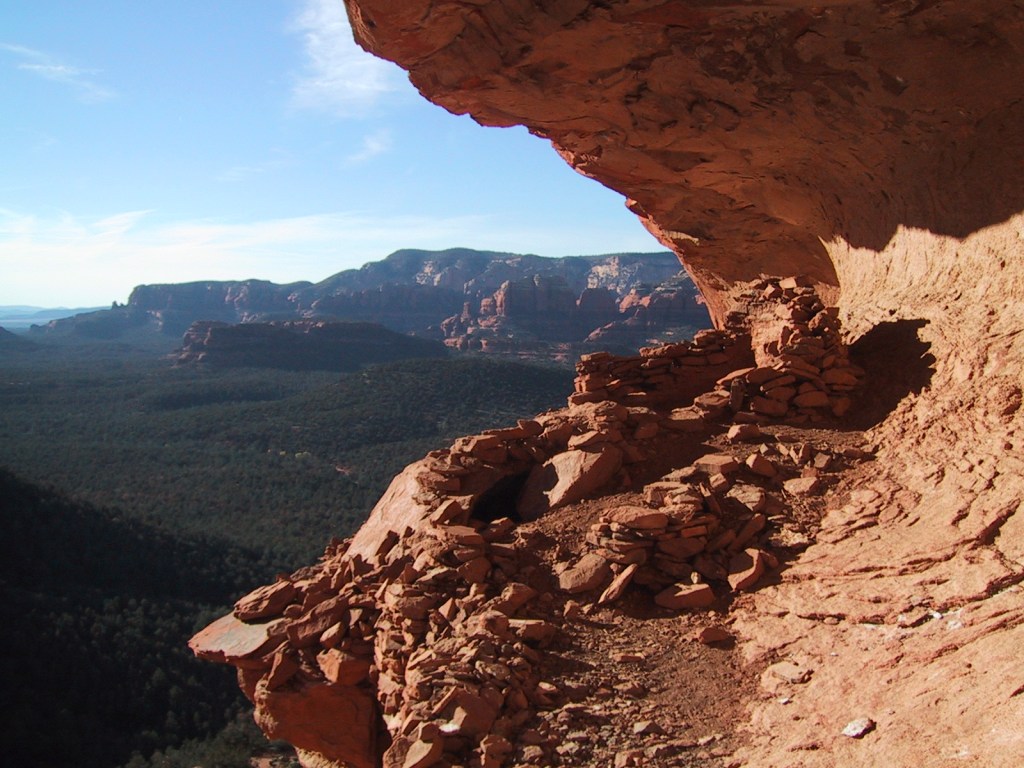
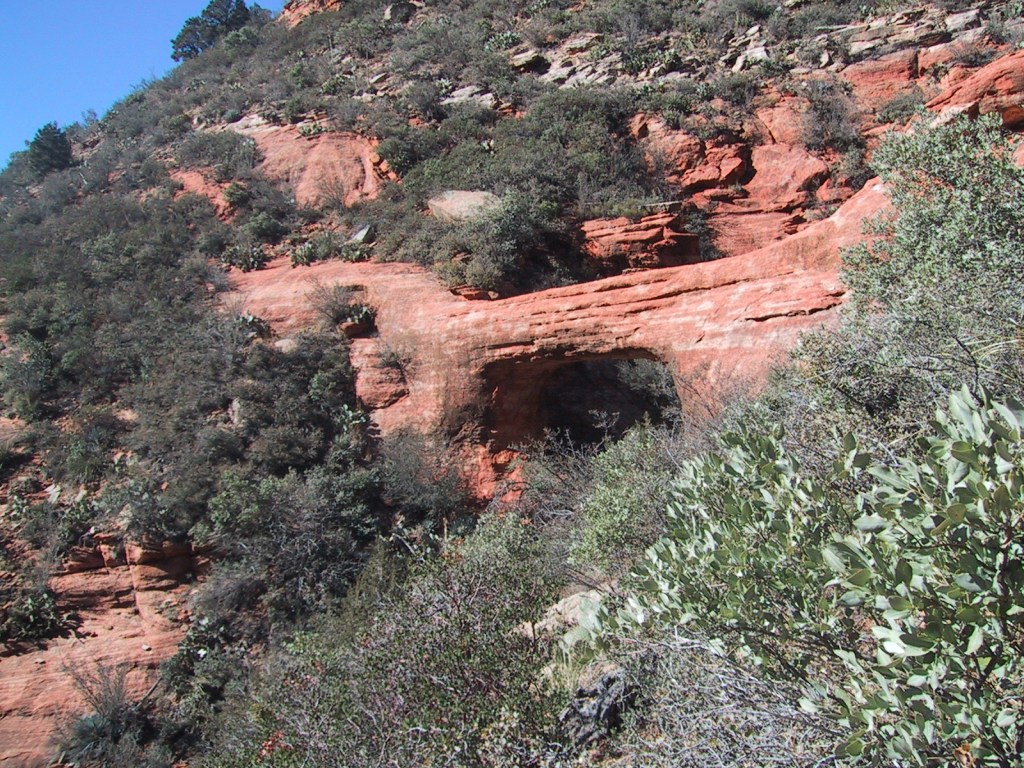
The cliff dwelling in Sedona’s Lost Canyon is in a beautiful spot overlooking a wide green valley that cuts between the red rock buttes and escarpments. There is water in this narrow canyon, feeding the tall Arizona cypress trees below. Just outside the cave, juniper trees offered firewood, pinyon pine produced edible nuts, and yucca plants provided thread for its former residents. To the north numerous canyons drain the ponderosa pine forests where elk and mule deer reside in the summer.
Peak Season
Summer
Fees
A day-use fee applies at nearly every trailhead in Sedona, but an America the Beautiful pass can be substituted. A $6 online reservation per vehicle is required to park at Dixon Lewis (formerly Waterfall) Trail to Fossil Creek from April 1 to October 1.
Road Conditions
Most of the dirt roads through Coconino National Forest are well maintained, especially around Sedona. One exception to that is Woody Mountain Road that requires high-clearance once you get past the first 20 miles or so towards the Mogollon Rim above Sycamore Canyon.
Camping
Lockett Meadow Campground is special place that came in at #4 on our Top 10 Campgrounds in National Forests list. However, camping there now requires a three-mile hike up the road since it closed following the Pipeline Fire (which does mean you are more likely to get a campsite). The coveted campsites in Oak Creek Canyon on scenic Highway 89A are full throughout the summer and fall (online reservations available).
Wilderness Areas
Fossil Springs Wilderness
Kachina Peaks Wilderness
Kendrick Mountain Wilderness (also in Kaibab National Forest)
Mazatzal Wilderness (also in Tonto National Forest)
Munds Mountain Wilderness
Red Rock-Secret Mountain Wilderness
Strawberry Crater Wilderness
Sycamore Canyon Wilderness (also in Prescott and Kaibab National Forests)
Mt. HumphreysSunset in SedonaVultee ArchOak Creek Canyon from Wilson Mountain South TrailQuaking aspensLockett MeadowWendigo in SedonaCollared lizardOak Creek CanyonWendigo on Mt. Humphreys in MayKachina Peaks WildernessSedona at sunsetScott and Tiff at Cathedral RockTiff cross-country skiingTiff hugging a quaking aspen
Explore More – What is largest natural lake in the state of Arizona, which is found atop Coconino National Forest’s Anderson Mesa (although it is often dried up in the summer)?
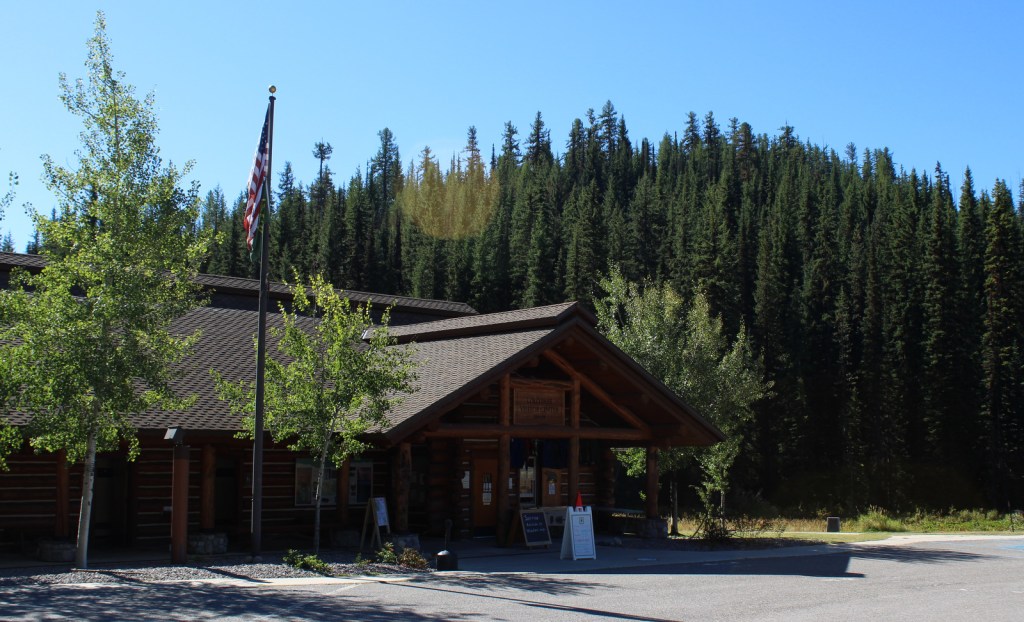
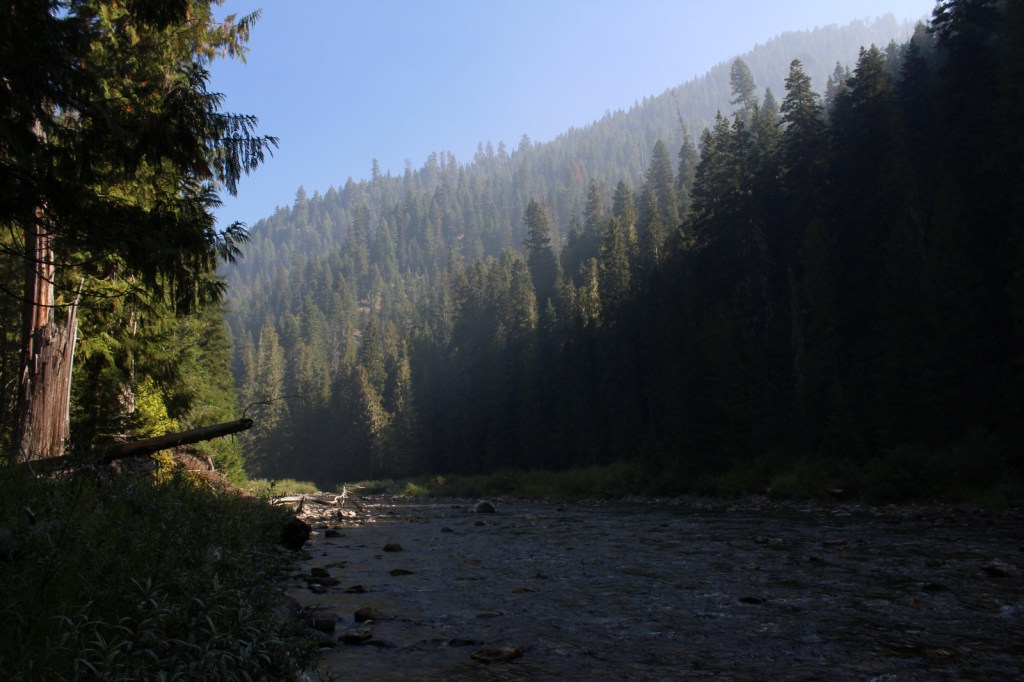
In central Idaho, Clearwater National Forest was established in 1908 and administratively combined with Nez Perce National Forest in 2012. A great place to start is the Forest Service visitor center at Lolo Pass on the Idaho-Montana border southwest of Missoula, where you will learn about the Corps of Discovery’s visit in 1805. Elsewhere, the North Fork of the Clearwater River ends in the Dworshak Reservoir where a separate section of the National Forest can be explored on the White Pine Scenic Byway and Elk River Backcountry Byway. The latter accesses Giant Cedar Grove and Elk Creek Falls, which is three separate waterfalls totaling a 140-foot drop.
Highlights
White Pine Scenic Byway, Lolo Pass, Lolo Motorway, DeVoto Memorial Grove, Colgate Licks, Jerry Johnson Hot Springs, Shoestring Falls, Elk Creek Falls, Giant Cedar Grove, Aquarius Natural Area, Nez Perce (Nee-Me-Poo) National Historic Trail, and Lewis and Clark National Historic Trail, Down River Trail, Beason Meadows National Recreation Trail
Must-Do Activity
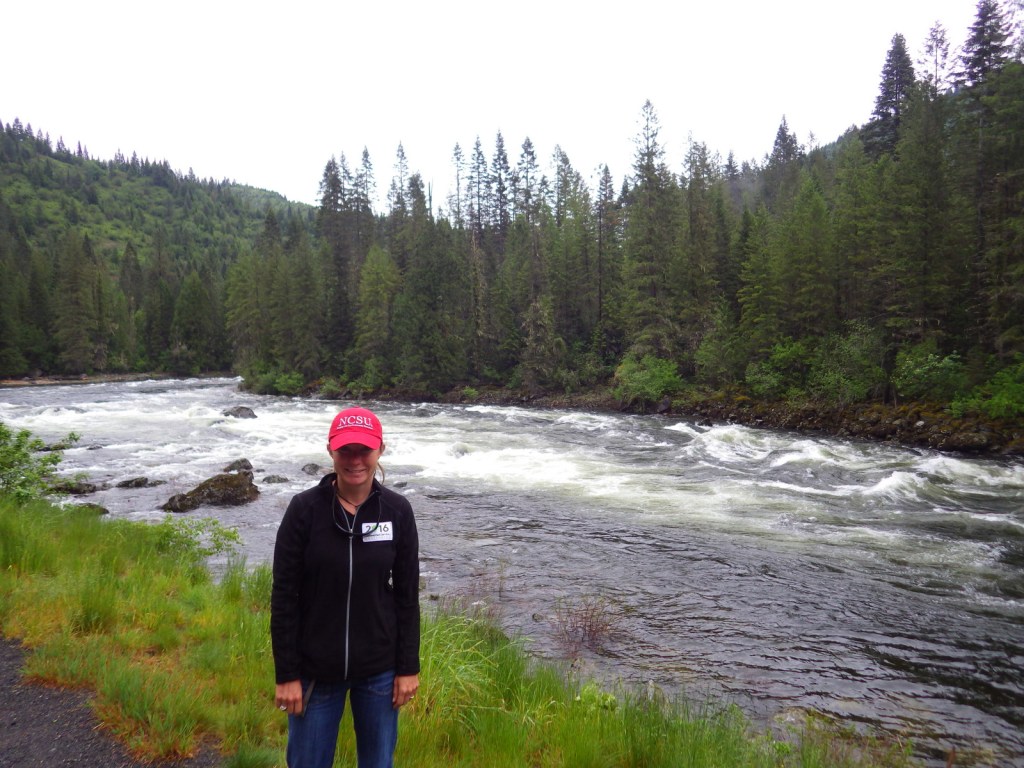
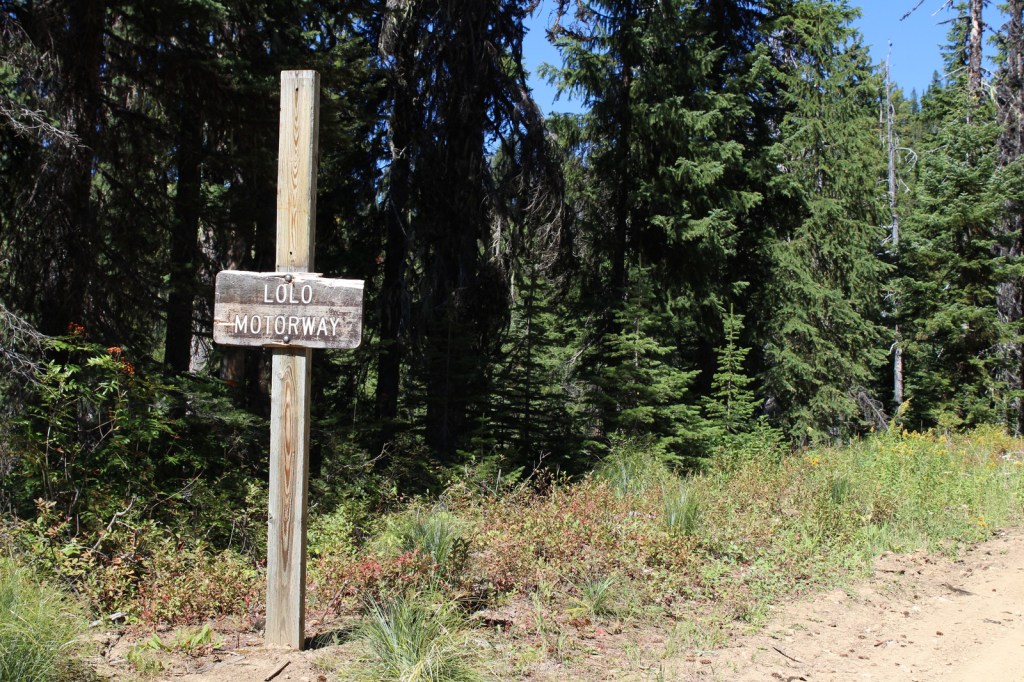
Most of the recreational activity in Clearwater National Forest occurs along the Northwest Passage Scenic Byway (Highway 12), which runs west from the Lolo Pass visitor center along the Lochsa National Wild and Scenic River. The legendary dirt road called the Lolo Motorway (see below) can be accessed from several points along this route. Both the famous Jerry Johnson Hot Springs and the smaller Weir Creek Hot Springs are reachable from roadside trailheads. Also along Highway 12, short trails lead through the DeVoto Memorial Grove of western redcedars and Colgate Licks mineral springs.
Best Trail
From parking areas on both sides of Highway 12, it is only about a one-mile easy walk to Jerry Johnson Hot Springs where multiple pools can be found creekside and uphill at the source. The trail continues along Warm Springs Creek into the Selway-Bitterroot Wilderness and beyond.
Watchable Wildlife
The North Fork of the Clearwater and the Lochsa Rivers provide habitat for fish and water-loving animals like moose, raccoons, river otters, muskrats, beavers, fishers, ospreys, and bald eagles. The mountains are home to elk, mule deer, mountain goats, black bears, martens, red foxes, gray wolves, and mountain lions.
Instagram-worthy Photo
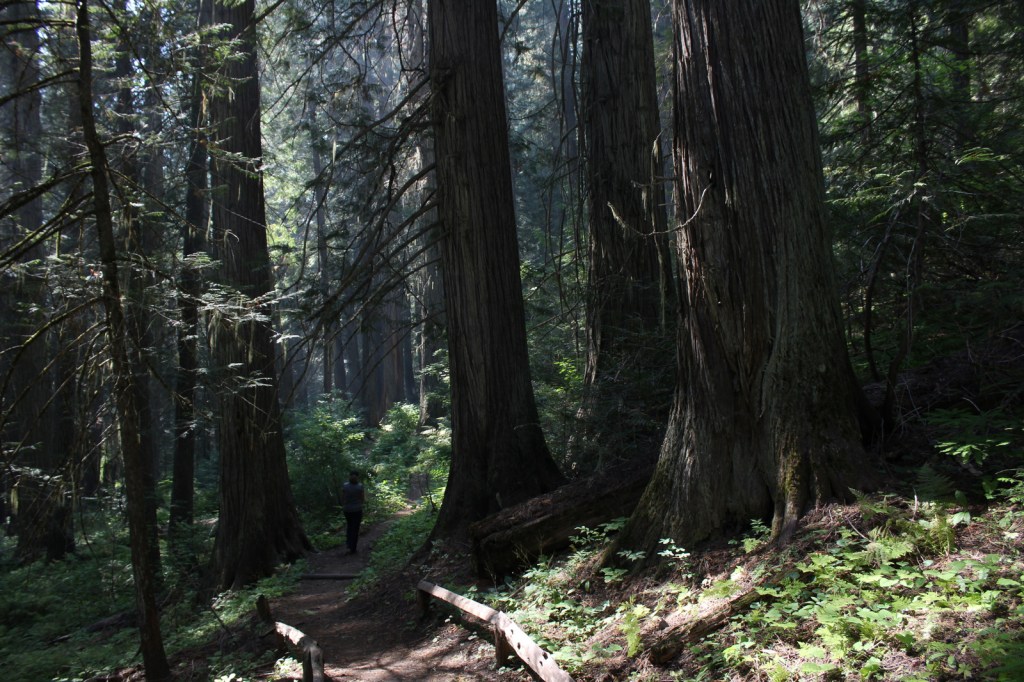
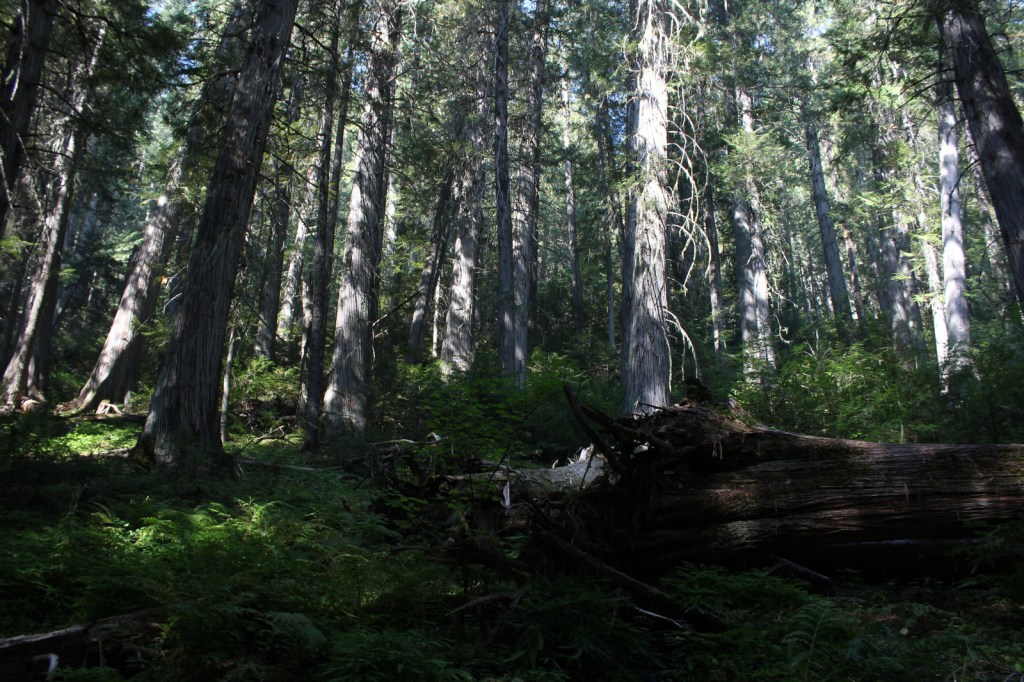
A short trail leads through the DeVoto Memorial Grove of western redcedars, named for author Bernard DeVoto.
Peak Season
Summer
Fees
None
Road Conditions
The scenic 73-mile Lolo Motorway is a single-lane, dirt road that tracks both the Nez Perce (Nee-Me-Poo) and Lewis and Clark National Historic Trails. Also labeled Forest Road 500, it follows a ridgeline north of the Lochsa River and several steep access roads climb to meet it from Highway 12. High-clearance vehicles (or motorcycles) are a must and four-wheel drive is required on the rougher western end of the route. Driving up Parachute Hill Forest Road 569 and down Saddle Camp Forest Road 107 makes for a good four-hour loop with short stops at the Indian Post Office and Devils Chair.
Camping
Although it is close to Highway 12, the pleasant Jerry Johnson Campground is one of several campgrounds found along the Lochsa National Wild and Scenic River and located only a short drive from the trailhead for the hot springs.
Wilderness Areas
Selway-Bitterroot Wilderness (also in Bitterroot, Nez Perce, and Lolo National Forests)
Walking bridge across the Lochsa RiverScott’s mother at Jerry Johnson Hot SpringsJerry Johnson Hot SpringsJerry Johnson CampgroundLolo Pass Visitor CenterTiff at the roaring Lochsa River during spring snowmeltDeVoto Memorial GroveDogwoodScott hugging a western redcedar in the DeVoto Memorial GroveLolo MotorwayLolo MotorwayLolo MotorwayRaven about the forest
Learn more about Clearwater and the 154 other National Forests in our new guidebook Out in the Woods
We are a participant in the Amazon Services LLC Associates Program, an affiliate advertising program designed to provide a means for us to earn fees by linking to Amazon.com and affiliated sites.
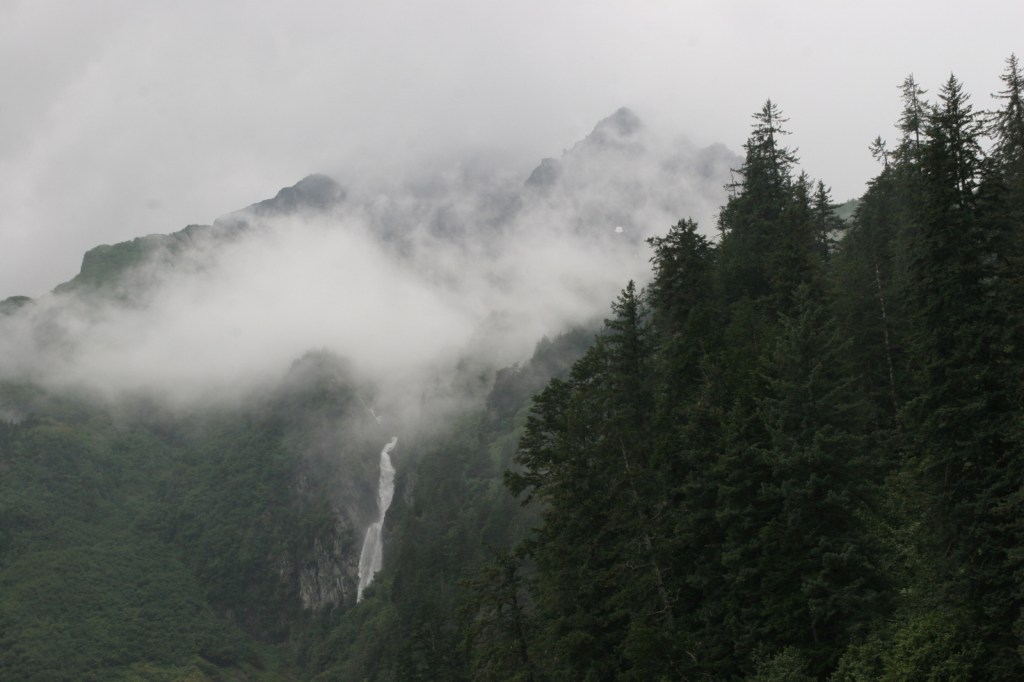
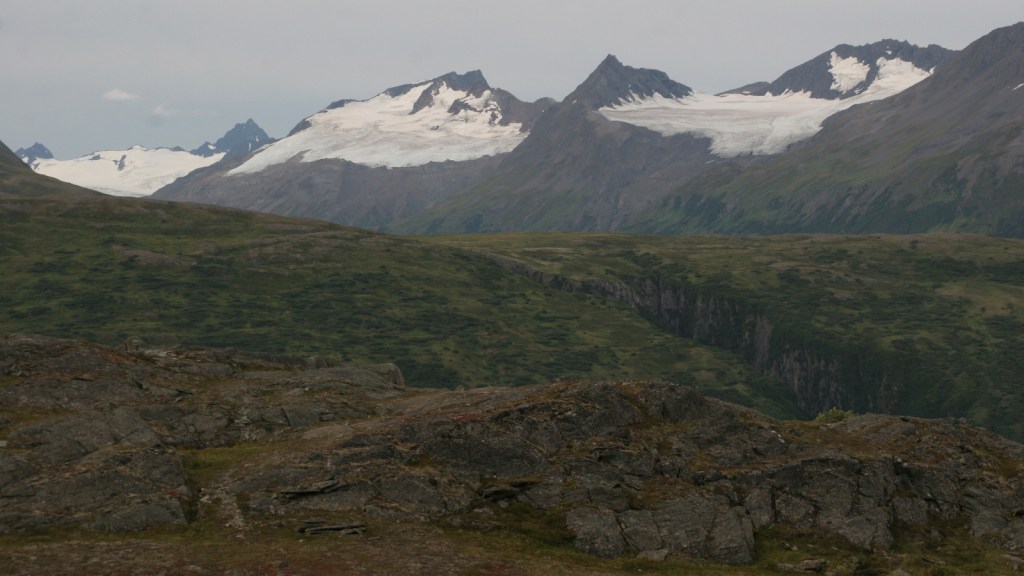
Roughly the size of New Hampshire, Chugach National Forest stretches from Seward, Alaska to the east beyond Cordova. It encompasses 3,500 miles of shoreline in scenic Prince William Sound, one of the sport fishing world’s top destinations for halibut, ling cod, and salmon. It is the northernmost and westernmost of all 155 National Forests, and 30% of its acreage is covered by glaciers (including 22 tidewater glaciers). Chugach National Forest was established in 1907 from part of a Forest Reserve originally created in 1892, only 25 years after Alaska was purchased from Russia.
Highlights
Seward Scenic Byway, Turnagain Arm, Portage Glacier, Porcupine Campground, Russian River, Columbia Glacier, Million Dollar Bridge, Childs Glacier, Grayling Lake, Porcupine Creek Falls, Hope Point Trail, Iditarod National Historic Trail, Johnson Pass Trail, Russian Lakes Trail
Must-Do Activity
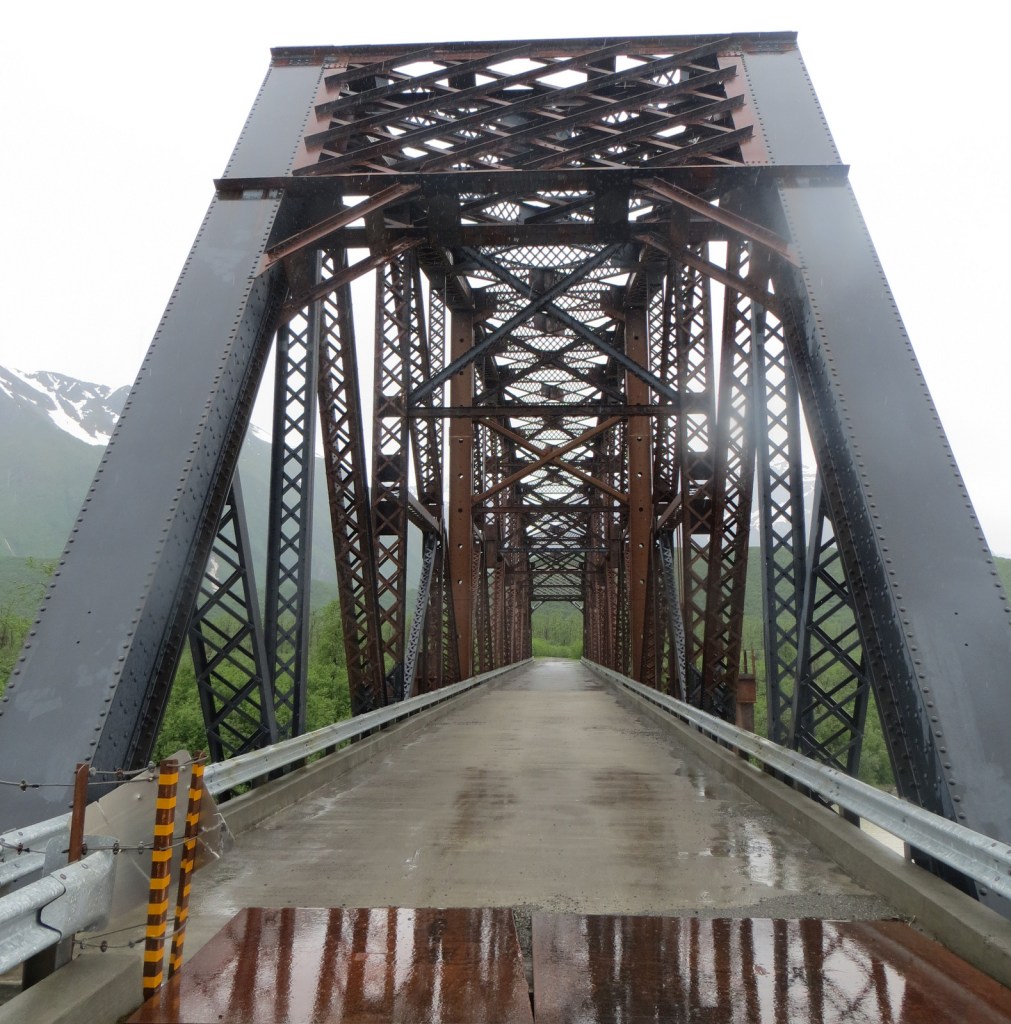
Cut off from the road system of Alaska, Cordova is a fishing village on Prince William Sound at the end of the Copper River Delta, which is considered the largest contiguous wetlands complex on North America’s Pacific coast. Surrounded by Chugach National Forest, Cordova’s road network was dramatically shortened in 2011 when the mighty Copper River washed out a bridge 36 miles outside of town. Now if you want to get to the dramatic Million Dollar Bridge or stunning Childs Glacier you have to arrange a trip by air boat. Starting in 1911, the Million Dollar Bridge brought railcars full of copper ore from Kennecott Mine (which is now part of Wrangell-St. Elias National Park and Preserve). Just across the Million Dollar Bridge, a short climb up a small hill provides great views of Miles Lake and the surrounding area.
Best Trail
There are over 500 miles of designated trails in the National Forest, including several long trails on the Kenai Peninsula, which is accessible by paved roads from Anchorage. Three trails popular with backpackers are the 23-mile Johnson Pass Trail, 22-mile long Russian Lakes Trail (with three Forest Service cabins for rent along its route), and 39-mile Resurrection Pass Trail (with eight Forest Service cabins).
Watchable Wildlife
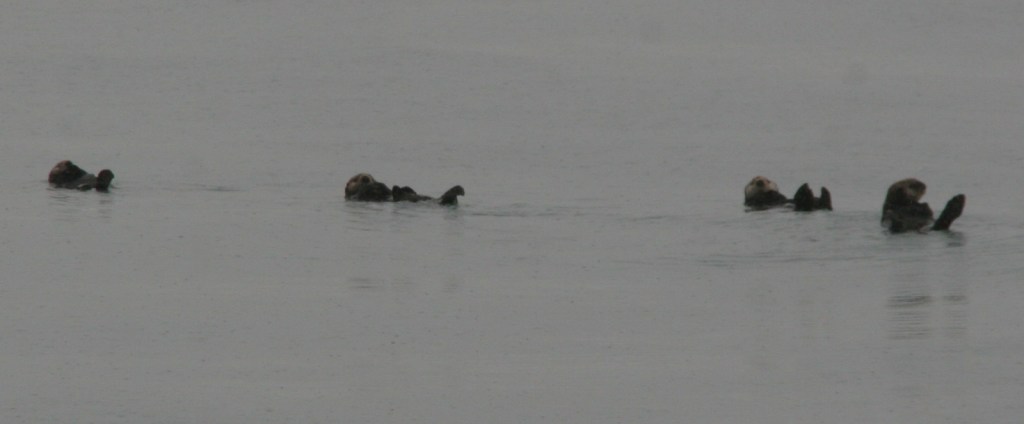
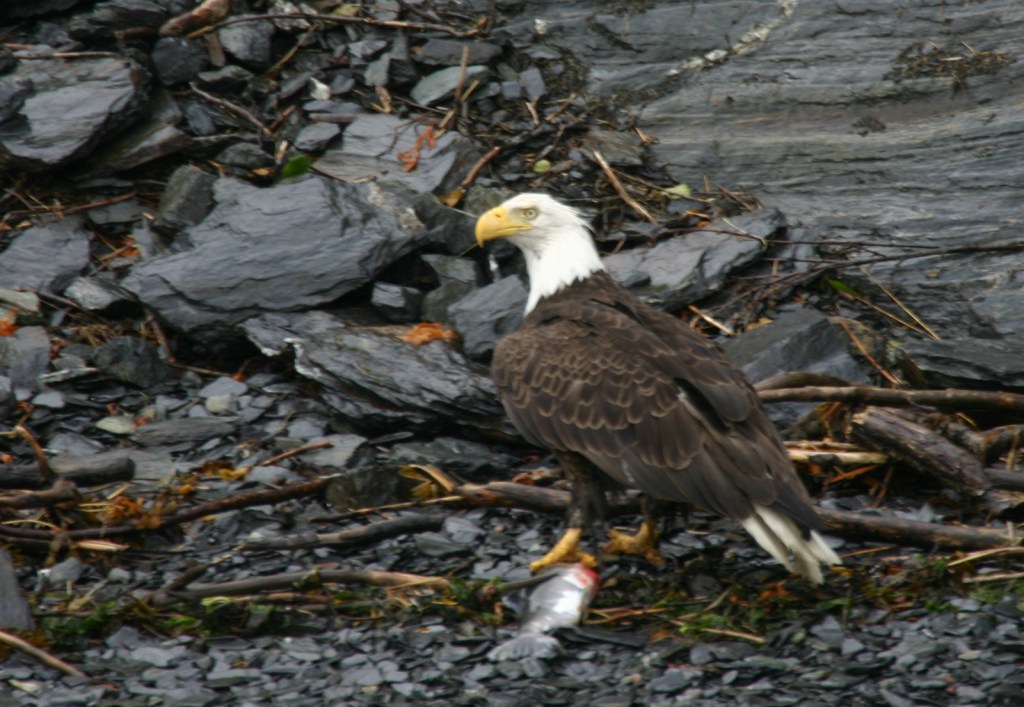
Chugach National Forest provides nesting habitat for millions of birds, including a huge population of bald eagles and more than 200 colonies of seabirds. Large mammals include moose, caribou, Sitka black-tailed deer, Dall sheep, mountain goats, pine martens, coyotes, gray wolves, black bears, and grizzly/brown bears. Marine mammals include humpback whales, minke whales, Dall’s porpoises, Steller sea lions, and sea otters. Rivers and creeks provide spawning beds for all five species of Pacific salmon: chinook/king, sockeye/red, coho/silver, chum/dog, and pink/humpback.
Instagram-worthy Photo
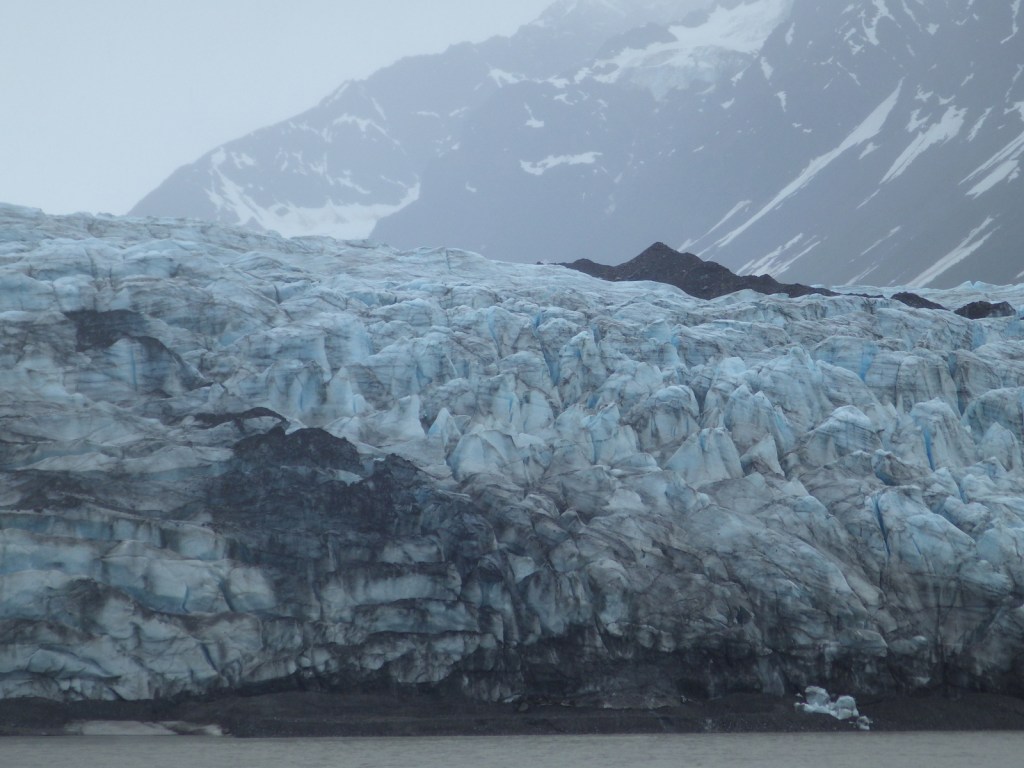
Boat tours out of the beautiful port of Valdez get close to the massive Columbia Glacier, a tidewater glacier that produces so many icebergs that it is inaccessible from the water.
Peak Season
Summer
Fees
None
Road Conditions
There are not many roads in Chugach National Forest, and to access the Million Dollar Bridge and Childs Glacier outside Cordova you will need to arrange a trip by air boat since a bridge washed out in 2011.
Camping
There are 16 campgrounds in Chugach National Forest, including the Porcupine Campground in Hope near a creek popular for salmon fishing.
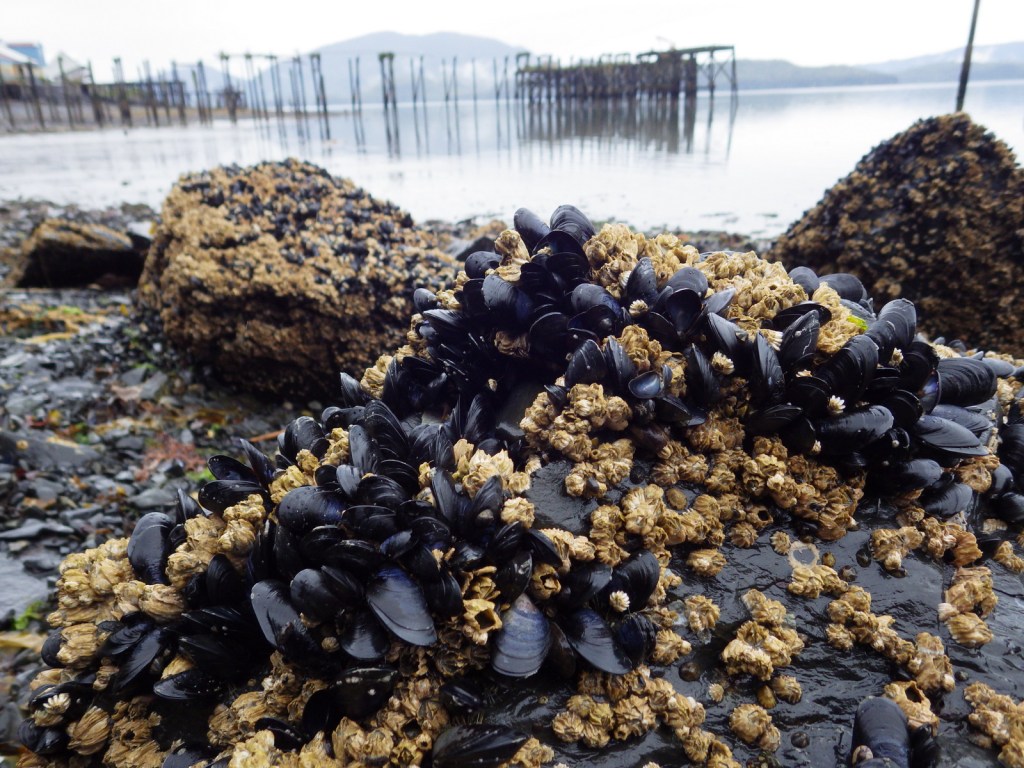
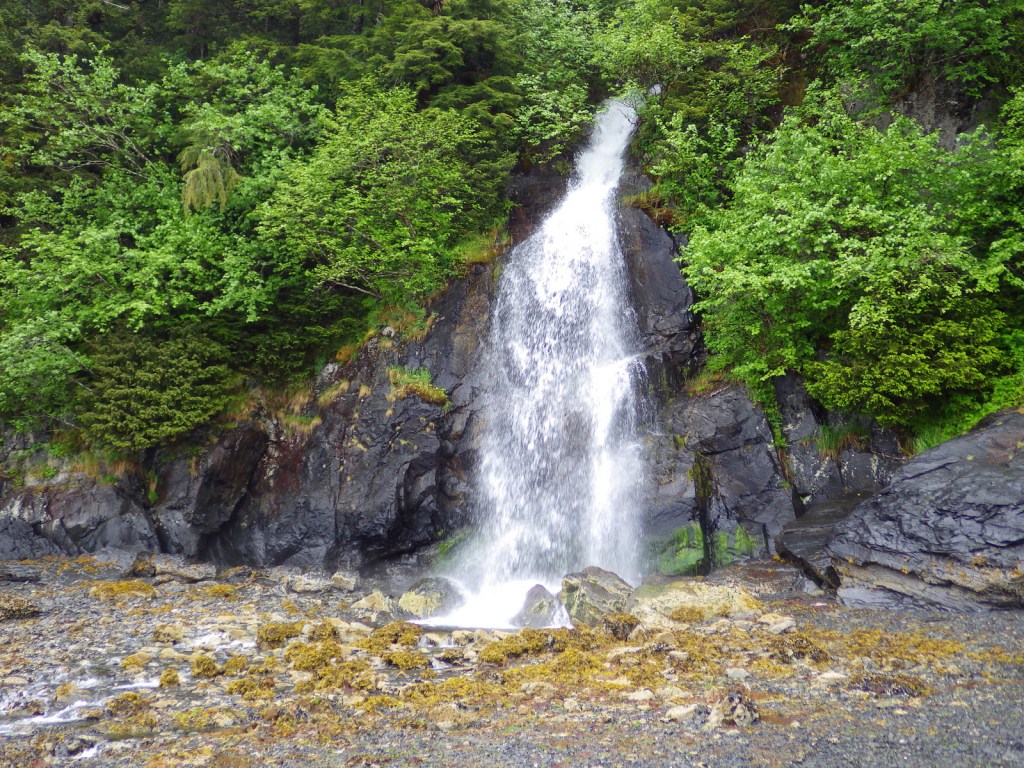
Whittier, AlaskaTidepooling in CordovaOrca Adventure Lodge in CordovaWaterfalls abound in the temperate rainforestScott and his father after crossing the Copper River on an air boatMillion Dollar BridgeMillion Dollar BridgeChilds GlacierChilds GlacierSea ottersScott and Tiff near the Columbia GlacierSteller sea lionsThompson Pass outside ValdezThompson Pass outside ValdezBald eagleKenai LakeScott and his father fishing the Kenai RiverKenai RiverRaven about the forest
Conifer Tree Species
Sitka spruce, western hemlock, mountain hemlock, yellow-cedar
Learn more about Chugach and the 154 other National Forests in our new guidebook Out in the Woods
We are a participant in the Amazon Services LLC Associates Program, an affiliate advertising program designed to provide a means for us to earn fees by linking to Amazon.com and affiliated sites.
Katmai National Monument was created after the Novarupta Volcano erupted in 1912 (an event recorded in the skinny tree rings grown throughout Alaska that year). Ash fell in Seattle (1,500 miles away) and piled up to 700 feet deep in the Valley of Ten Thousand Smokes. The valley is no longer smoking, but it is there are still 15 active volcanoes within the park’s boundaries. This remote park on the Alaska Peninsula has few roads and is only accessible by airplane (typically equipped with floats for water landings). Oh yeah, and there are lots of grizzly bears, or brown bears as they are called in coastal areas of Alaska.
Highlights
Brooks Falls, North Arm of Naynek Lake, Hallo Bay, Valley of Ten Thousand Smokes, Baked Mountain Huts, Savonoski Loop
Must-Do Activity
The grizzly/brown bears of Brooks Falls are celebrities due to the annual Fat Bear Week vote for the chunkiest bear on social media. Less famous are the bears that hang out around Hallo Bay on the coastline, eating grass and shellfish until the salmon arrive. Regardless of your destination, flights from road-accessible portions of Alaska (like Homer and Kenai) can be quite costly. Most of the approximately 50,000 annual visitors come only for a day trip, although there are three expensive lodges and a campground in the park.
Best Trail
Brooks Falls Trail connects the Lower River Bear Viewing Platform 1.2 miles to the Falls and Riffles Platforms at Brooks Falls. Near the visitor center, the short Cultural Site Trail visits a prehistoric camp and reconstructed dwelling.
Instagram-worthy Photo
Brooks Falls is a world-class destination for wildlife photographers from around the world, so you might want to bring along a camera with a good zoom lens if you pay to get there during the peak months of July and September. This photo is from Scott’s father (see more of his photos and paintings at Bruce Sink.com)
The National Park Service does not charge an entry fee, but it is very expensive to fly to Brooks Camp or Hallo Bay.
Road Conditions
There is a 23-mile long road that leads from Brooks Falls to the Valley of Ten Thousand Smokes and a daily eight-hour ranger-guided bus tour is available in the summer. Backpackers can buy one-way tickets and explore the area, with the Baked Mountain Huts a popular destination 12 miles away across two difficult river crossings.
Camping
There are 60 sites at Brooks Camp Campground (reservations required prior to arrival), which is surrounded by an electric fence to keep bears out.
Snaggletooth was a famous bear at Hallo Bay back in 2005Hallo BayNot just bears to seeThe imaginatively named Devil’s Desktop is covered by glaciersMost visitors arrive by float planeBrooks FallsRaven about the park
Explore More – How many grizzly/brown bears are estimated to live within Katmai National Park and Preserve?
We are a participant in the Amazon Services LLC Associates Program, an affiliate advertising program designed to provide a means for us to earn fees by linking to Amazon.com and affiliated sites.
Start your U.S. National Forests, National Parks, and National Monuments adventure here!