Tag Archives: film

Golden Spike National Historical Park

Overview

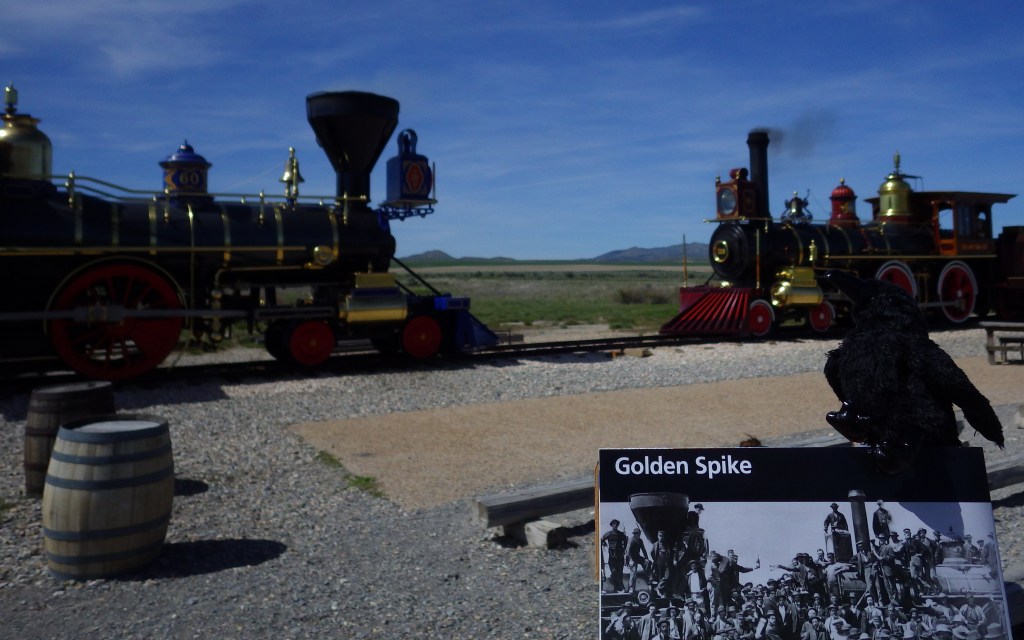
On May 10, 1869, there were actually four commemorative spikes (made of both silver and gold) to celebrate completing the monumental task to lay 1,776 miles of track connecting Sacramento and Omaha, linking west to east.  In front of a crowd of thousands that gathered at Promontory Point in Utah, Leland Stanford, President of the Central Pacific Railroad, missed when attempting to drive the final spike.

Highlights

Replica train engines, museum, film, Chinese Arch

Must-Do Activity

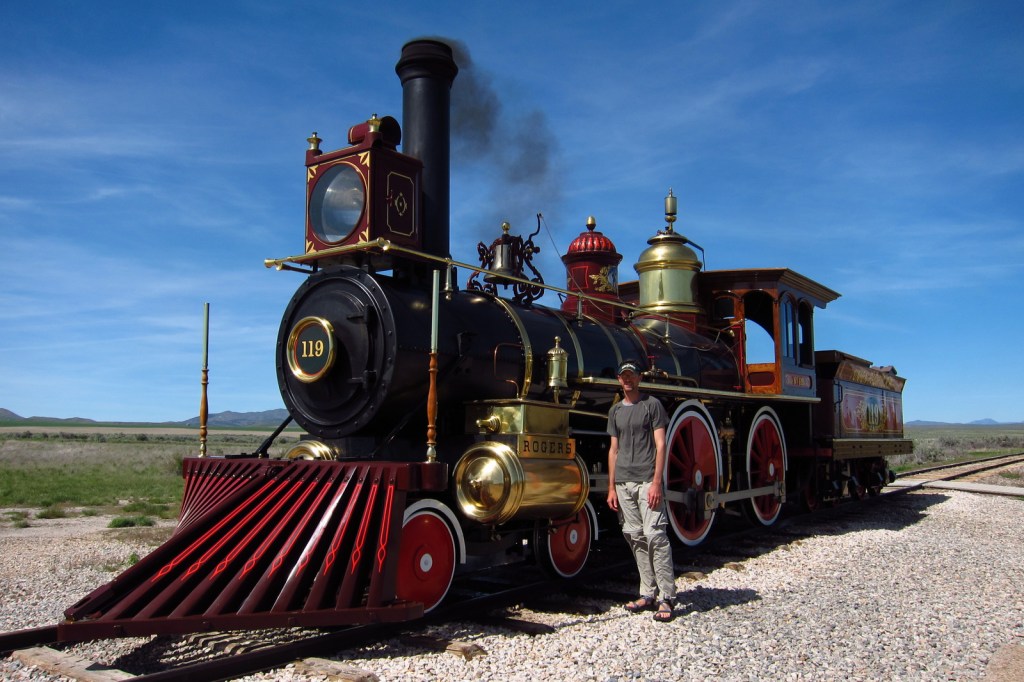
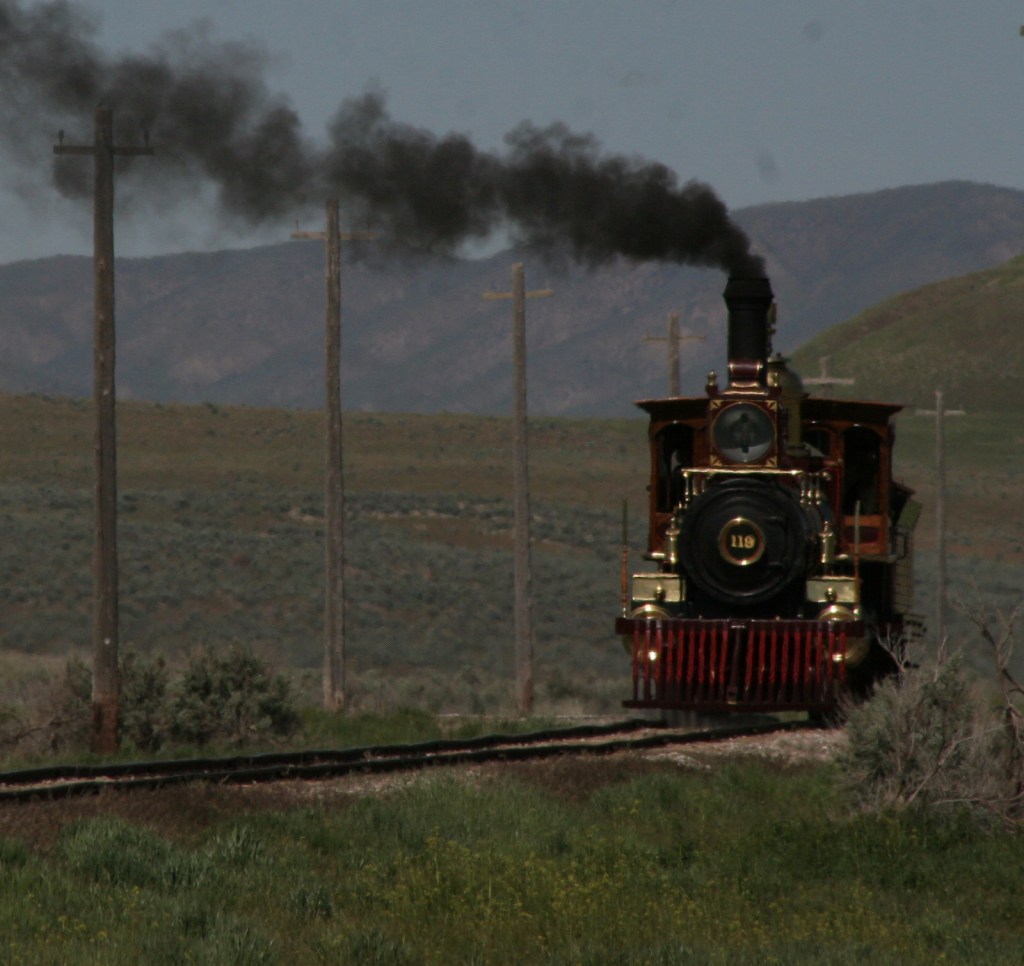
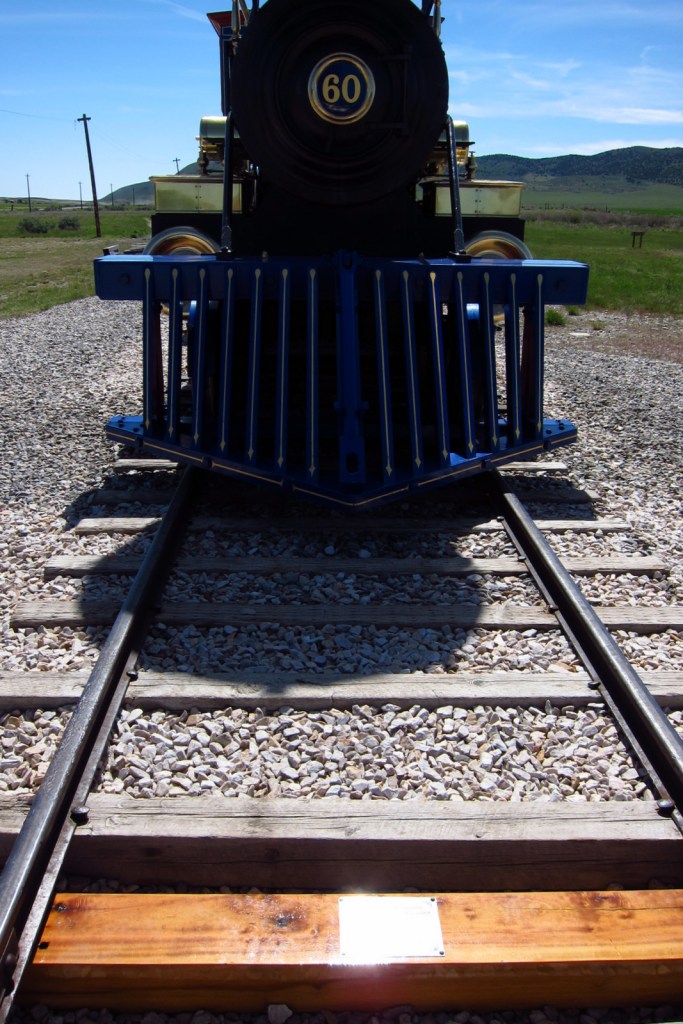
Thanks to the National Park Service, each day in the summer you can see working replicas of two steam engines, burning wood and coal, come together for a daily photo op.  It took some effort just to figure out where the junction occurred, since it was moved by 1870, in 1904 a shorter causeway was built across the Great Salt Lake, and during World War II the track here was ripped up. 

Best Trail

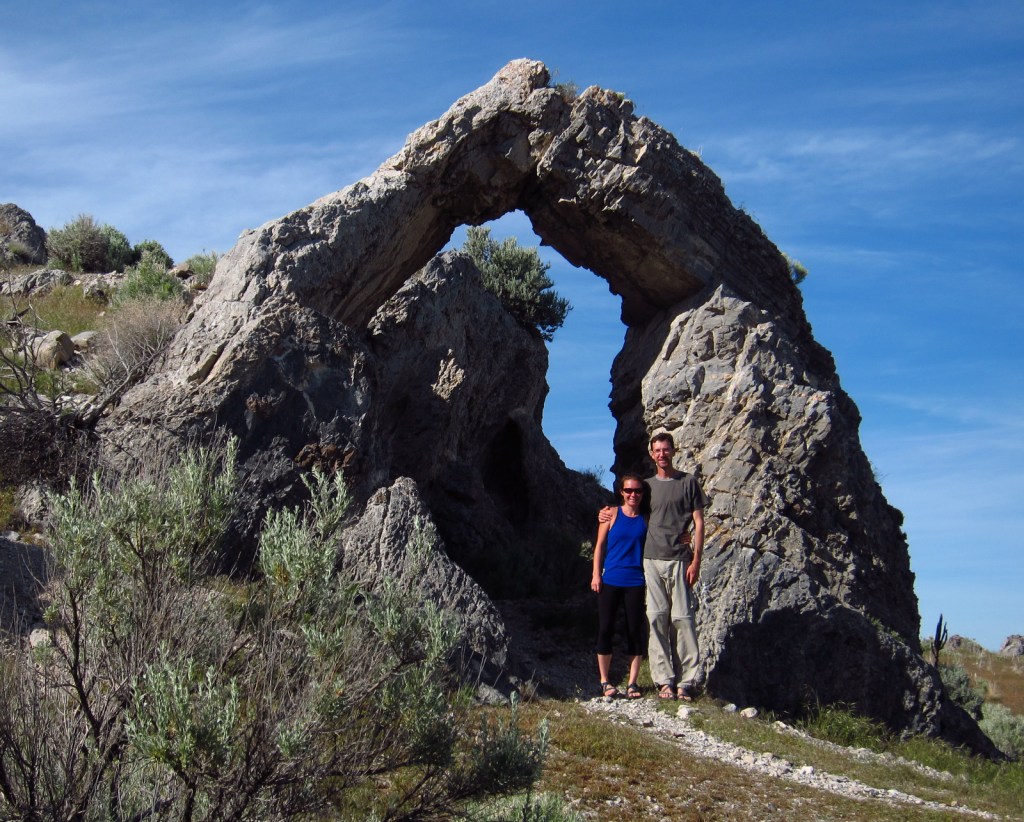
Big Fill Loop Trail (1.5 miles) leads to a ravine filled by hand to create a gentle grade for the trains.  Two unpaved auto tours (2 and 14 miles) follow the rail route, with the highlight stop being the natural limestone Chinese Arch.

Instagram-worthy Photo

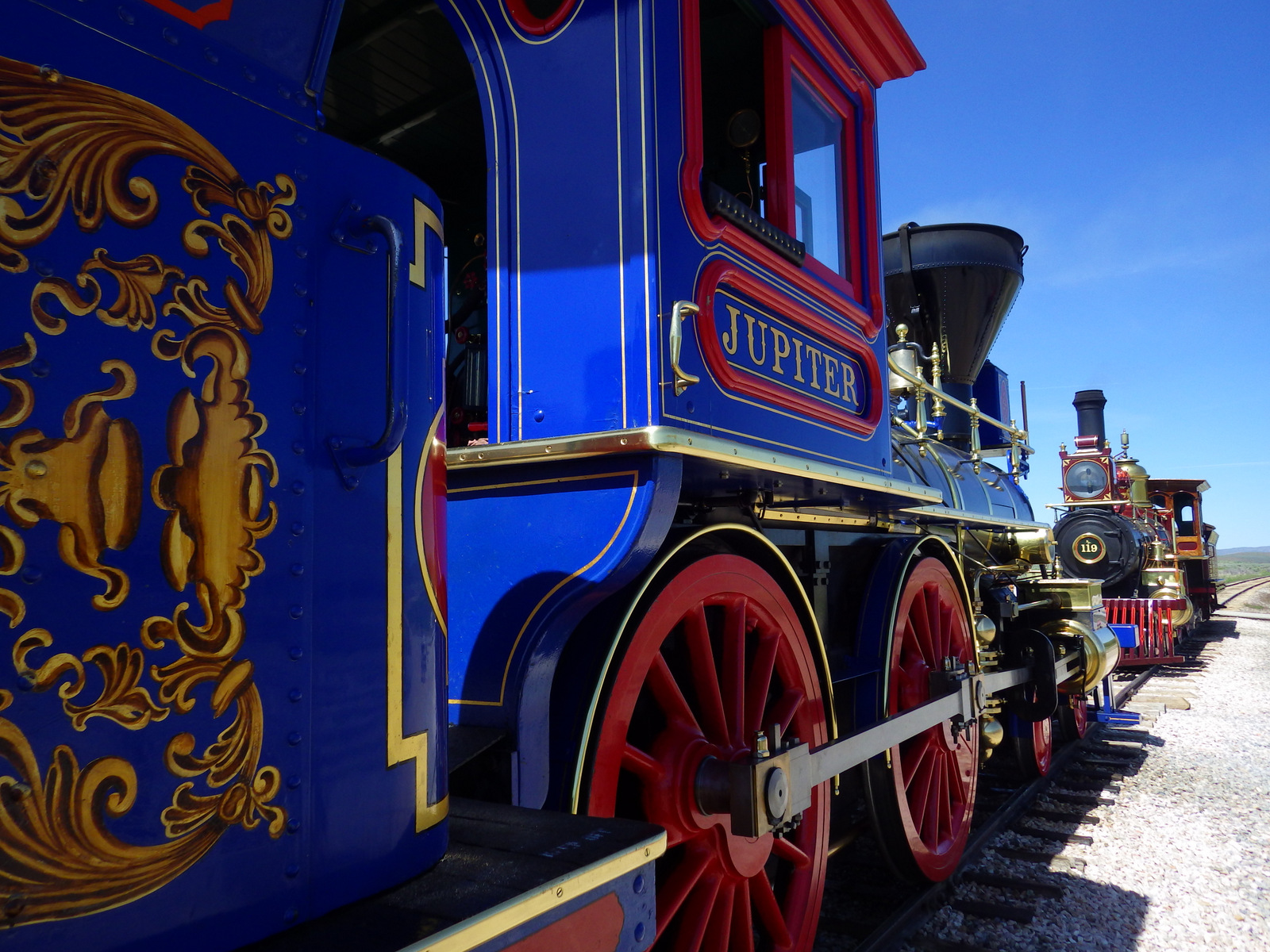
The Central Pacific Railroad’s locomotive Jupiter and the Union Pacific’s No. 119 are both beautiful reproductions, but they only run between May and mid-October.  Please note that you are not allowed to mush pennies on the train tracks but they do have a 51-cent mushed penny machine inside the visitor center.

Peak Season

Summer, but also May 10 annually (especially in 2019, the 150th anniversary)

Hours

https://www.nps.gov/gosp/planyourvisit/basicinfo.htm

Fees

$20 per vehicle or free with America The Beautiful pass

Road Conditions

The main road to the visitor center is paved, but the two auto tour routes follow graded dirt roads.

Camping

None within the park, but Hyrum Lake State Park, Willard Bay State Park, and Box Elder Campground (U.S. Forest Service) are located near Brigham City, Utah.

Explore More – How many miles of parallel grades did the two greedy companies (that got paid by the mile) lay out before Congress stepped in to establish Promontory Summit as the official meeting place?

We are a participant in the Amazon Services LLC Associates Program, an affiliate advertising program designed to provide a means for us to earn fees by linking to Amazon.com and affiliated sites.

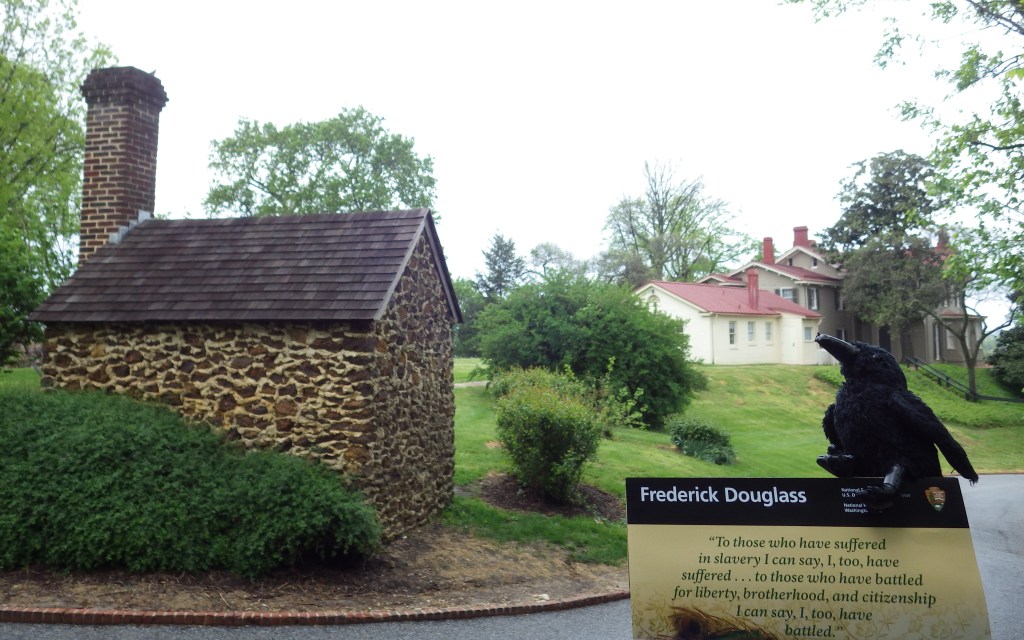
Frederick Douglass National Historic Site

Overview

Frederick Douglass was born into slavery in 1818 and learned to read despite rules against teaching slaves.  He later escaped his bondage and published his autobiography in 1845, becoming the leading African-American voice for the abolitionist movement.  He lived at the nine-acre Cedar Hill estate in the Anacostia neighborhood of Washington, D.C. from 1877 until his death in 1895.

Highlights

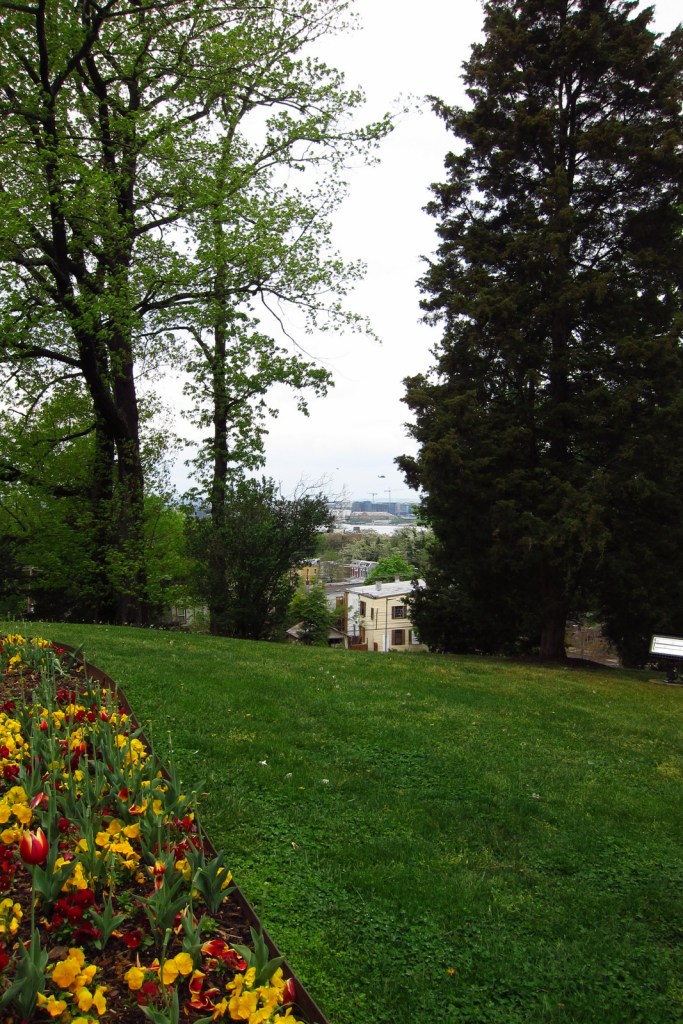
Historic home, great views of D.C., retro educational film

Must-Do Activity

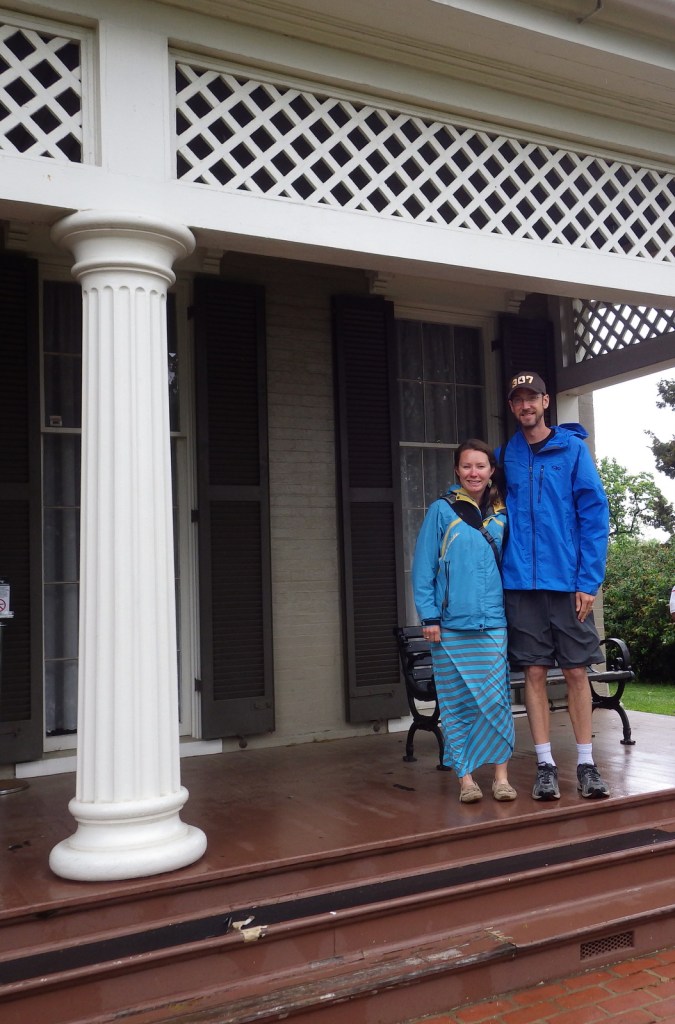
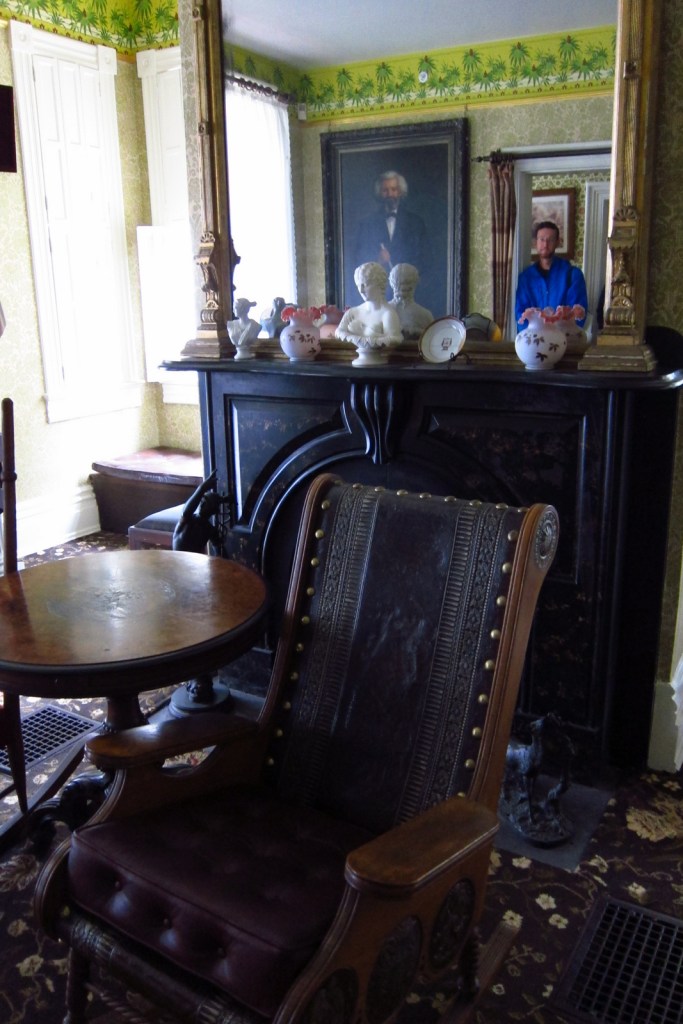
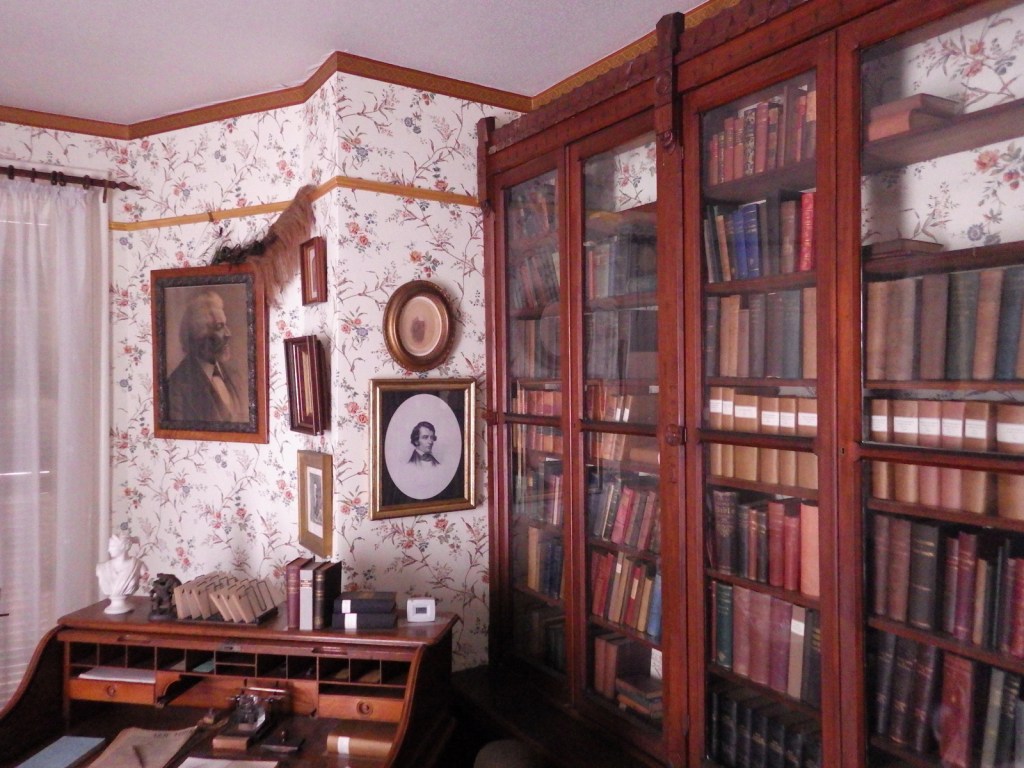
There is a small museum at the National Park Service (NPS) visitor center and there is an educational film which seemed like it was recorded in the 1970s.  There are limited tickets for each tour inside the Cedar Hill estate which are reserveable online or you can show up and hope to get in like we did.  You are allowed to take photos inside the house.  Spoiler alert: Frederick died in the front hallway where your tour starts.

Best Trail

No trails, but you can walk the grounds of Cedar Hill where picnicking is allowed.

Instagram-worthy Photo

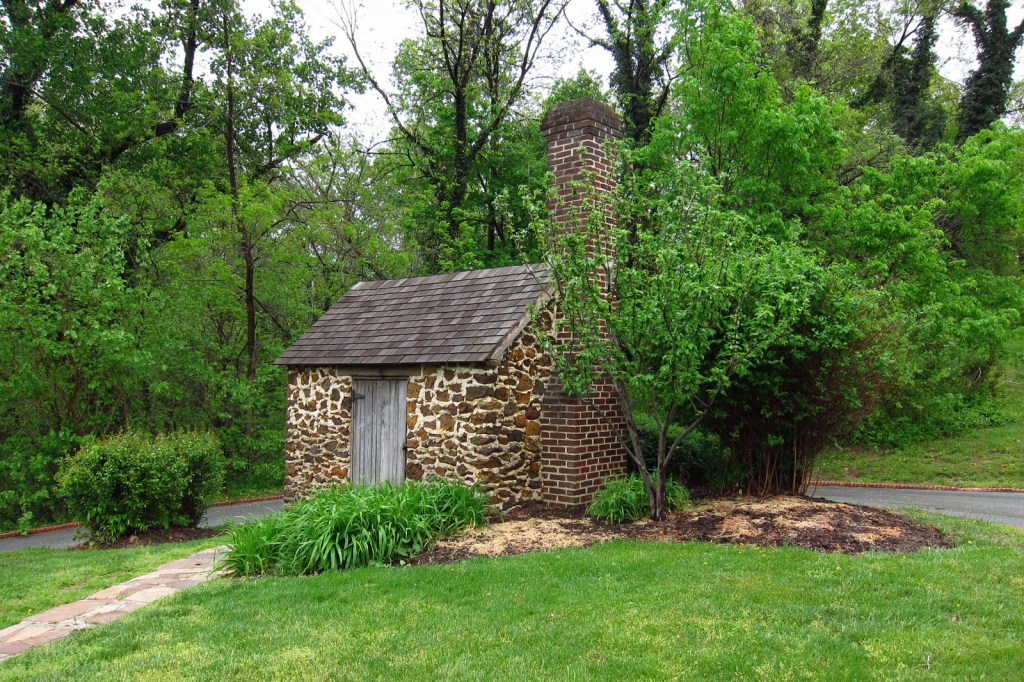
After you tour inside the home, be sure to stop at Frederick’s “man cave” which his family dubbed “the Growlery.”

Peak Season

Summer

Hours

https://www.nps.gov/frdo/planyourvisit/hours.htm

Fees

None, but a timed ticket it required for the tour inside the house.

Road Conditions

All roads paved with a small parking lot at the NPS visitor center.

Camping

There are NPS campgrounds in Greenbelt Park (Maryland) and Prince William Forest Park (Viriginia).

Explore More – Frederick Douglass served as U.S. Minister to which Caribbean nation?

Salinas Pueblo Missions National Monument

Overview

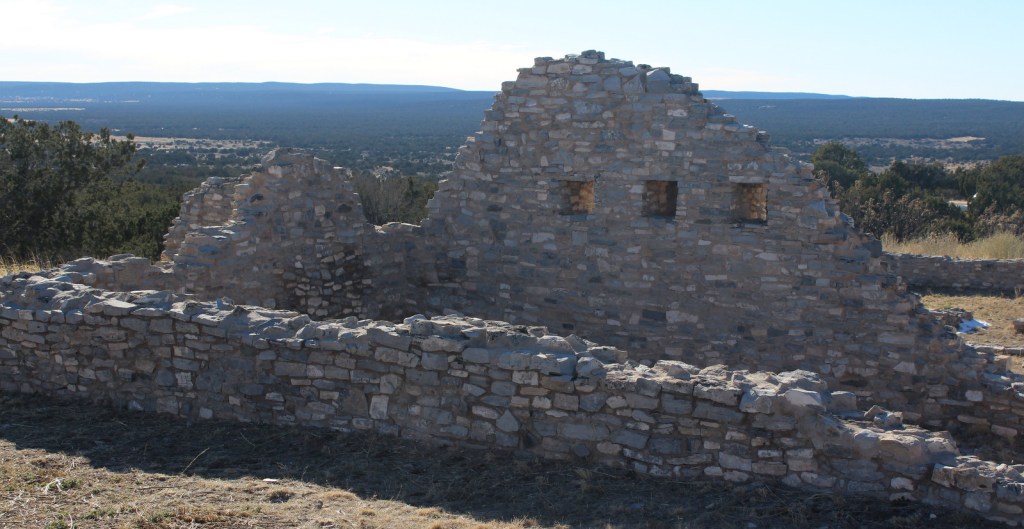
This interesting National Monument protects three separate Spanish missions that date to the 1600s, though its main visitor center in Mountainair, New Mexico is not next to any of them.  Their location near salt flats led to the name Salinas and contributed to the pueblos’ abandonment when a major drought struck in the 1670s.

Highlights

Gran Quivira, Quarai, Abó, film at main visitor center

Must-Do Activity

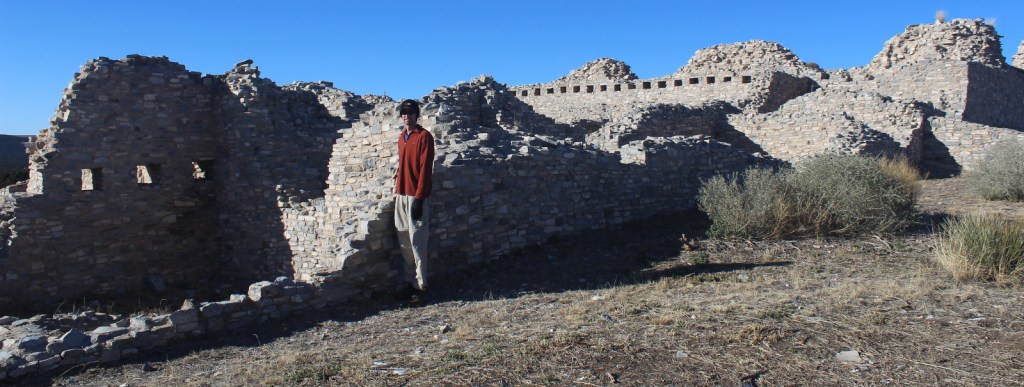
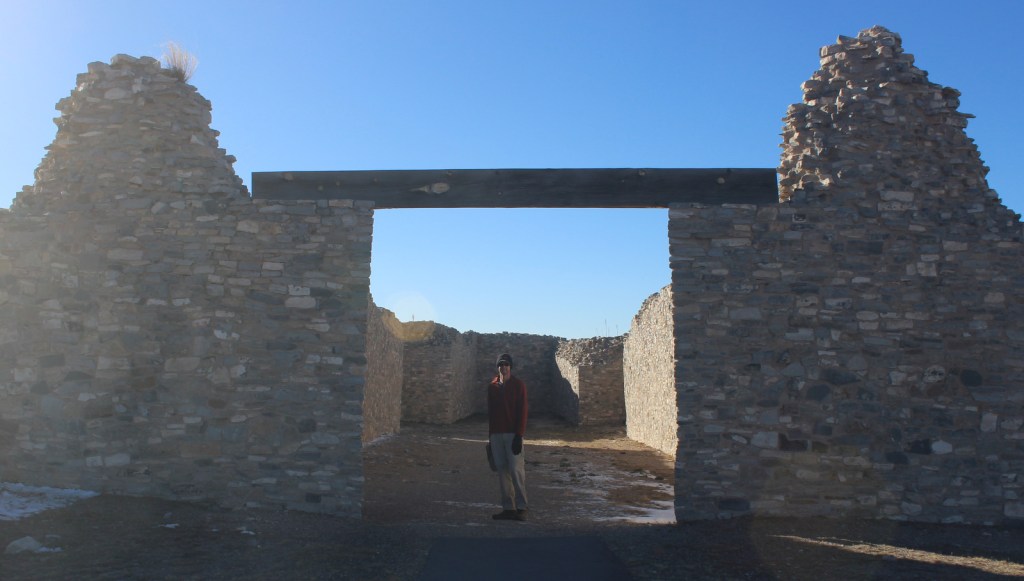
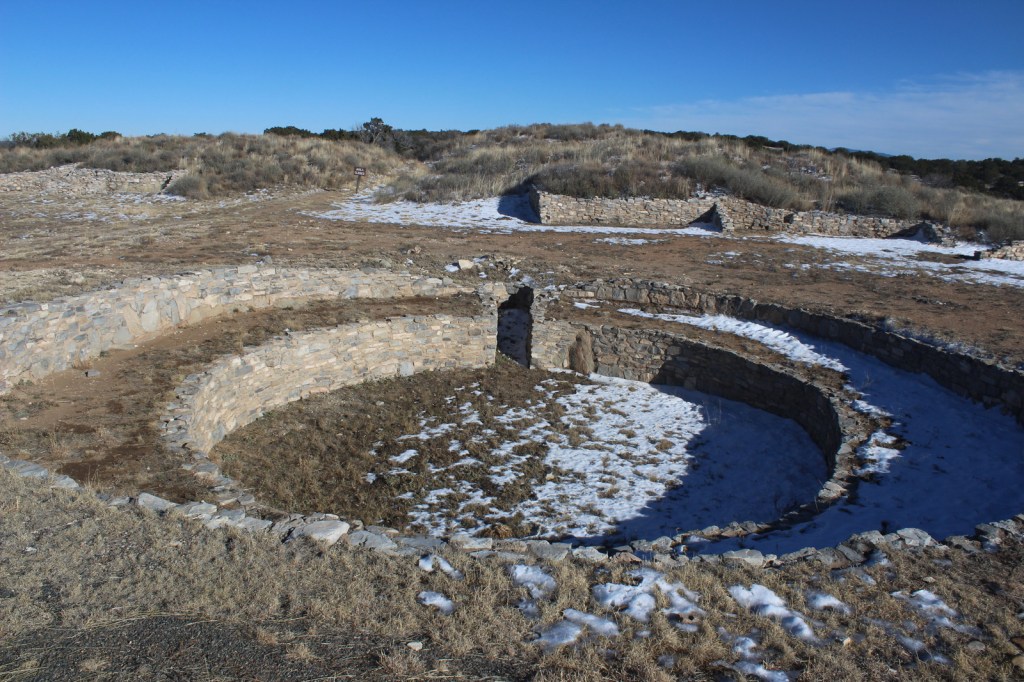
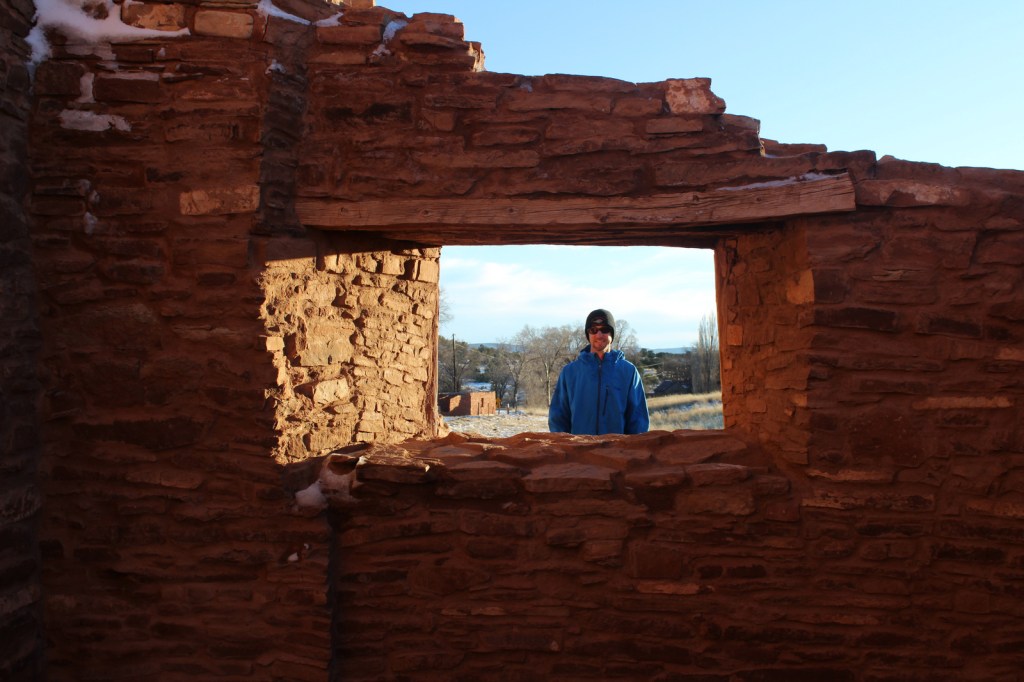
Gran Quivira has the remains of two churches (the second unfinished at the time of abandonment) and the most significantly excavated pueblo ruins (with kivas) of the three sites.

Best Trail

Each of the three pueblos has a paved walkway that leads through its ruins that leaves from the parking lot and past its contact station staffed by a National Park Service employee. 

Instagram-worthy Photo

The church at Quarai is the most complete of the three sites and its red walls photograph well at sunset.

Peak Season

Spring and Fall

Hours

https://www.nps.gov/sapu/planyourvisit/hours.htm

Fees

None

Road Conditions

All roads paved

Camping

Manzano Mountains State Park has a seasonal campground 15 miles north of Mountainair, New Mexico.

Explore More – Other than the major drought in the 1670s, what other factors contributed to the abandonment of these pueblos?
De Soto National Memorial

Overview

Why create a memorial to a genocidal Conquistador when he was not the first Spaniard to land in Florida?  Good question.  Juan Pónce de León and Pánfilo de Narváez had both already met their demise in this region, but that did not deter Hernando de Soto from trying again in 1539.  He did not die until three years later, after he led his soldiers all the way to the Mississippi River leaving a path of destruction in their wake.

Highlights

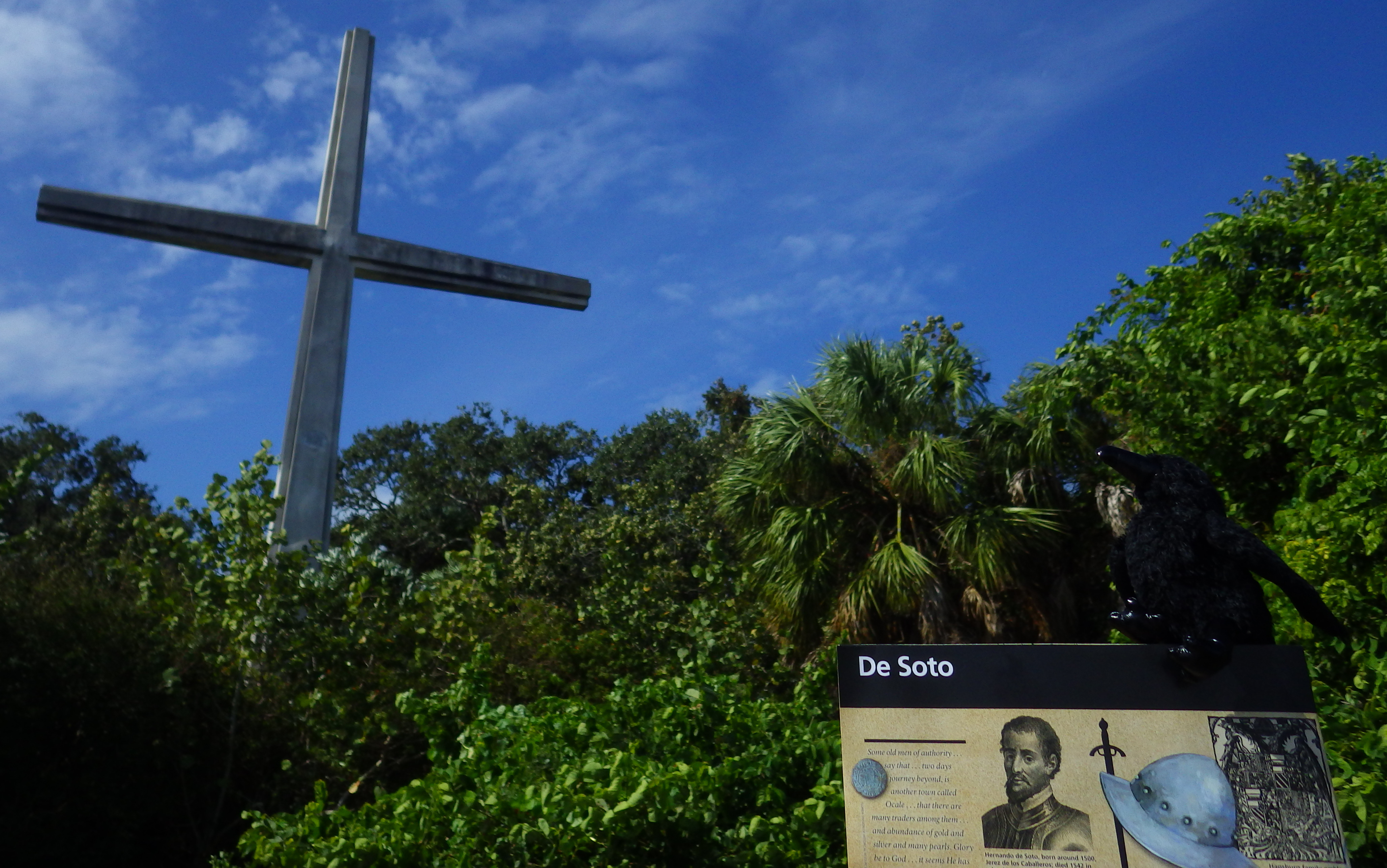
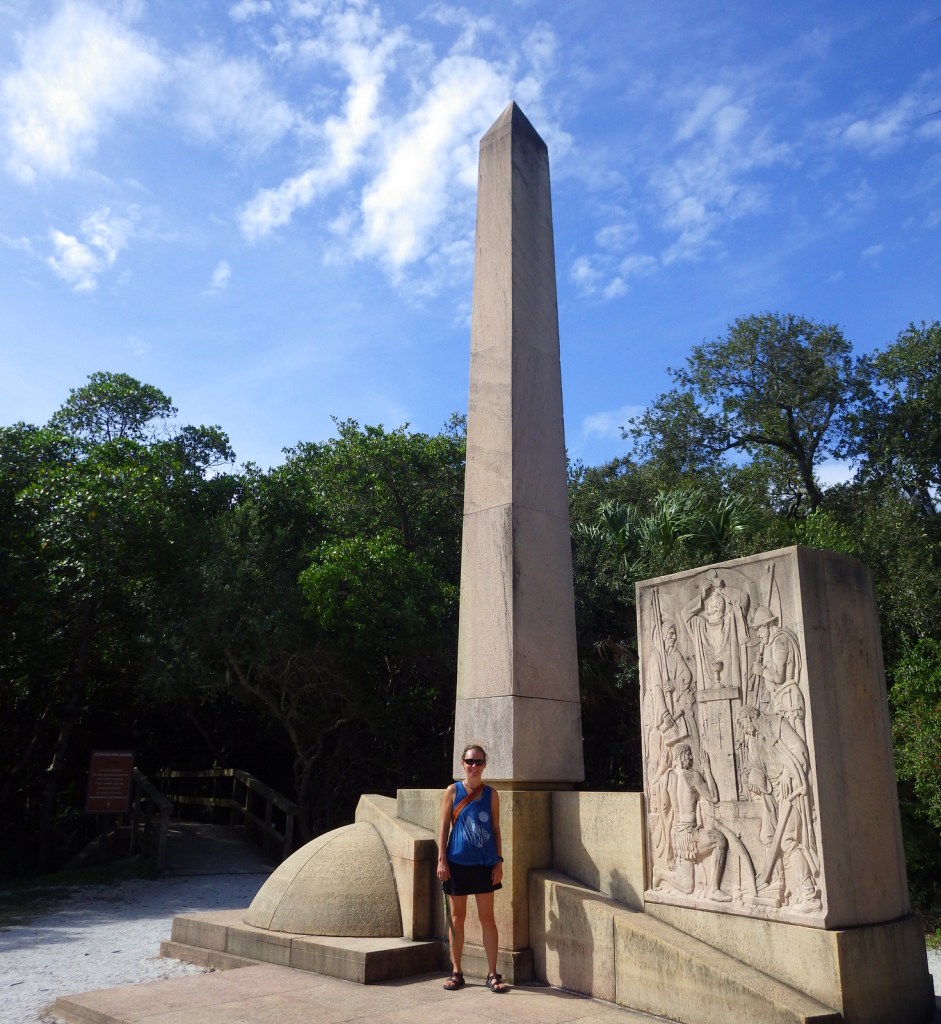
Camp Ucita, film, Memorial Trail, Holy Eucharist Monument

Must-Do Activity

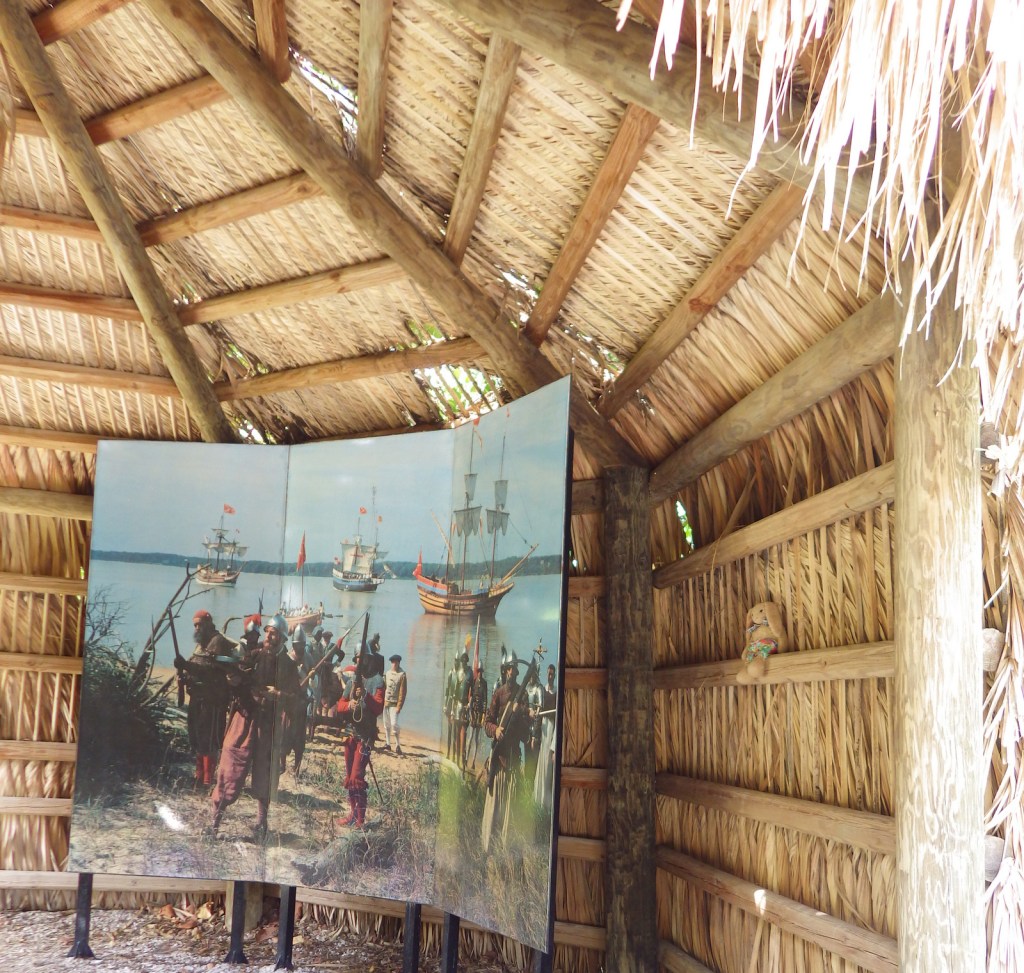
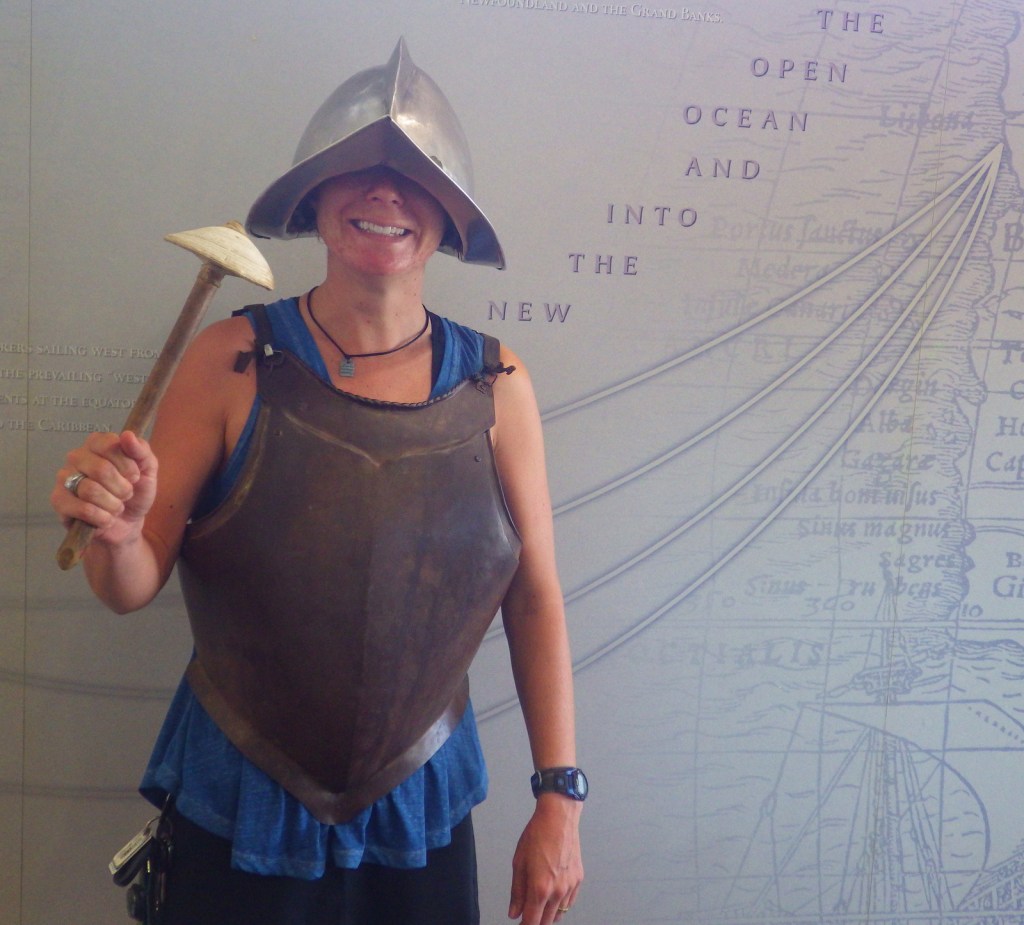
De Soto made landfall in Florida somewhere in the vicinity of modern-day Bradenton, Florida where the Manatee River reaches Tampa Bay on the Gulf of Mexico.  He left behind 100 men there in Camp Ucita, a replica of which was built on the site of the 27-acre De Soto National Memorial.  In the winter (a.k.a. touristy) months, costumed interpreters work at the replica Camp Ucita.

Best Trail

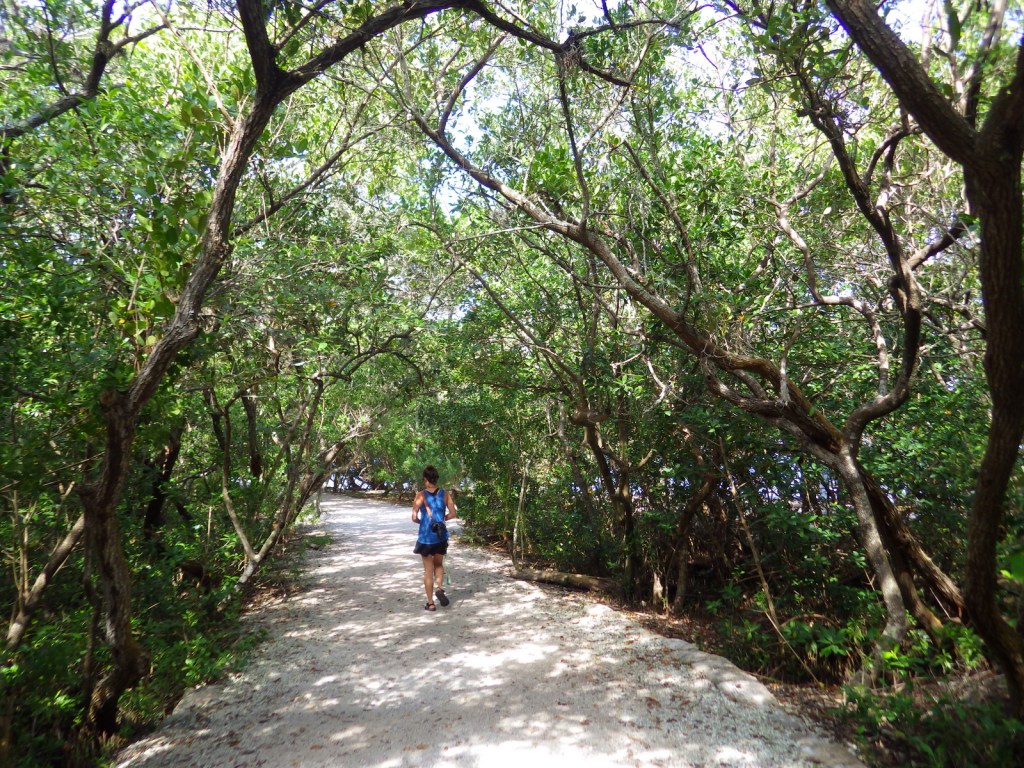
Hike the half-mile Memorial Trail through the mangroves to the Holy Eucharist Monument.  Then cool off in the air-conditioned visitor center to watch a 22-minute film on the Spanish expedition. 

Instagram-worthy Photo

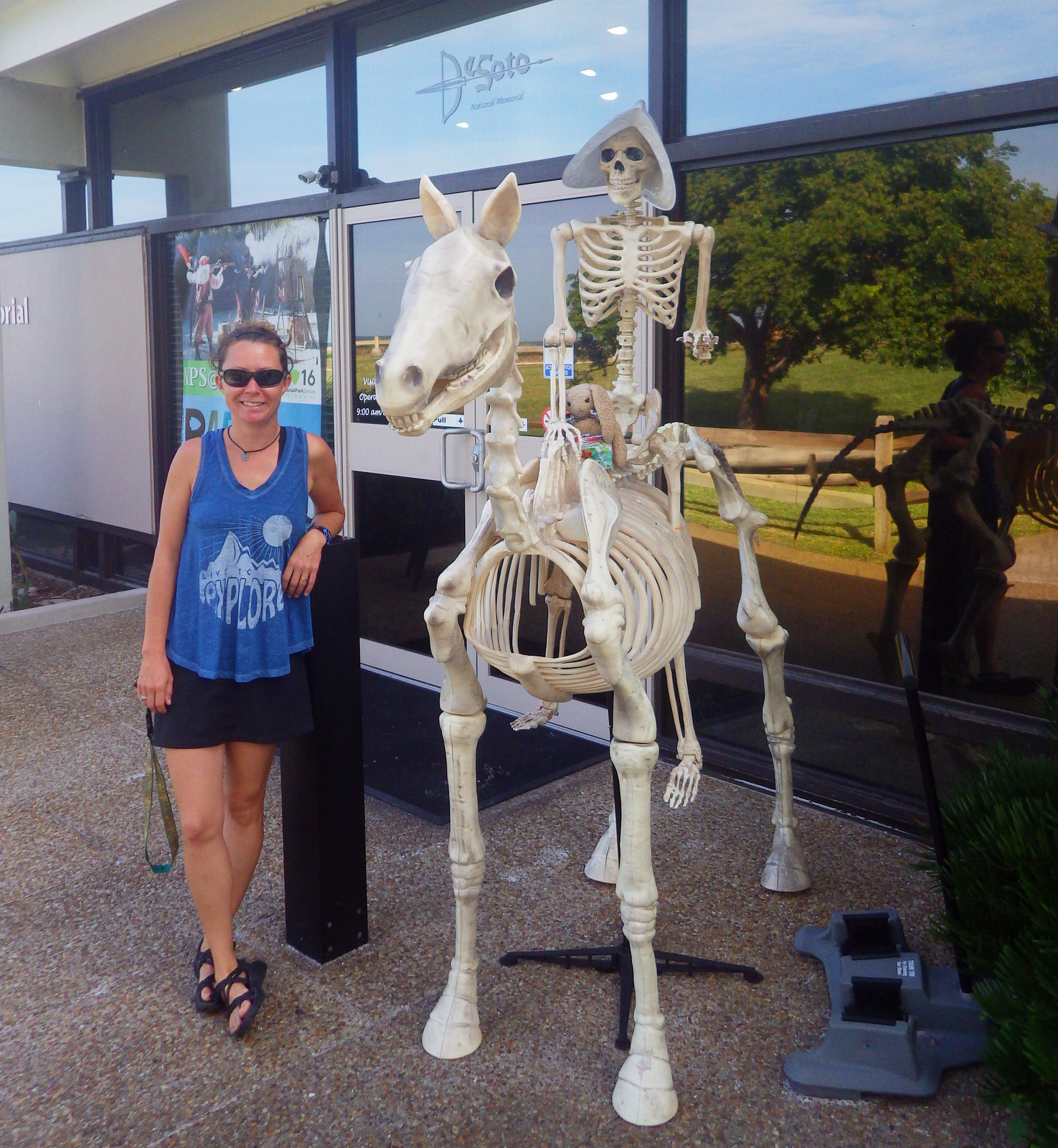
If you visit around Halloween, a scary skeleton Conquistador atop a skeleton horse will greet you at the entrance to the National Park Service visitor center.

Peak Season

Winter

Hours

https://www.nps.gov/deso/planyourvisit/hours.htm

Fees

None

Road Conditions

A paved road leads through a residential neighborhood to the visitor center, so watch out for dog walkers and joggers on the road and trail.

Camping

Myakka River State Park is southeast of Bradenton (where private campgrounds are also available).

Explore More – The Spaniards brought many diseases to the indigenous peoples, but the introduction of which domesticated animal had the longest lasting ecological impact?

Hopewell Culture National Historical Park

Overview

The Hopewell Culture was found in southern Ohio from approximately 2,200 to 1,500 years before present.  Sites are identified by their construction of geometric enclosures made of earth, primarily for burials.  Many earth mounds were plowed under for farms or destroyed during construction of an army base in Chillicothe during the 1910s, which increased awareness of these archaeological treasures.  In 1923, it was protected as Mound City Group National Monument and in 1992 expanded to become Hopewell Culture National Historical Park.

Highlights

Indian mounds, museum, film from 2016

Must-Do Activity

The National Park Service (NPS) visitor center in Chillicothe is small but has had recent updates, including the excellent film and displays of beautifully intricate artwork in the museum.  From there you can walk to the Mound City Group on the Scioto River.  Most of these 23 mounds are less than four feet tall, but the largest mound in the area was 33 feet high. 

Best Trail

At separate portions of the National Historical Park, Tri-County Triangle bike path passes near the Hopewell Mound Group and the Ohio Historical Society maintains Seip Earthworks, 17 miles west of Chillicothe on Highway 50.  Two other protected earthworks are closed to the public.

Instagram-worthy Photo

The Hopewell Culture must have had an extensive trading network to obtain the shells, copper, obsidian, and sharks’ teeth which have been excavated from their burial mounds and displayed artfully in the NPS museum.

Peak Season

Open year round

Hours

https://www.nps.gov/hocu/planyourvisit/hours.htm

Fees

None

Road Conditions

All roads paved or good gravel

Camping

There are private campgrounds in Chillicothe and state parks within 30 miles, including the scenic Hocking Hills.

Explore More – Where in today’s United States of America did the copper and obsidian found here originate?