Tag Archives: church

Jimmy Carter National Historical Park

Jimmy Carter National Historical Park

Georgia

Managed by National Park Service

Established 1987 National Historic Site, 2021 National Historical Park

71 acres

Website: nps.gov/jica

Overview

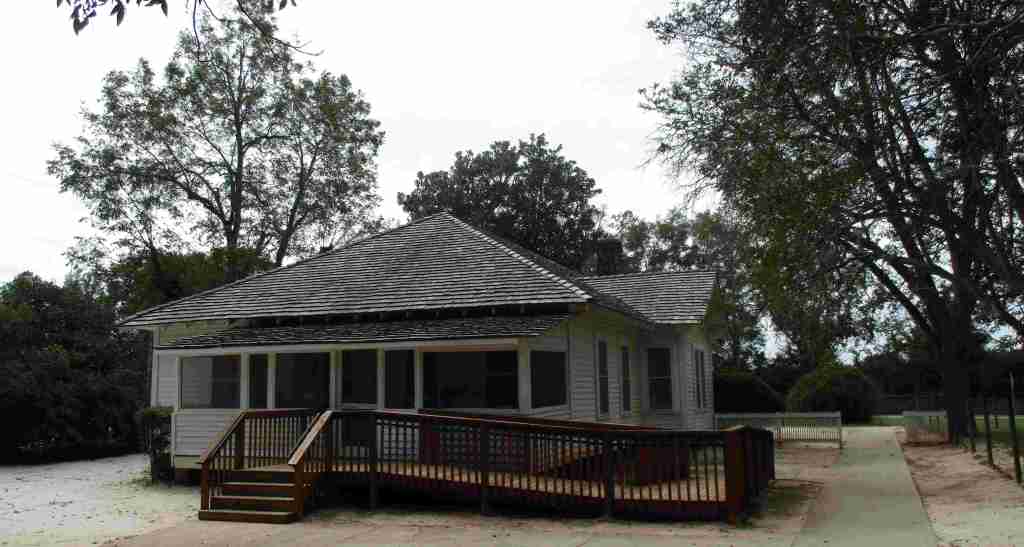
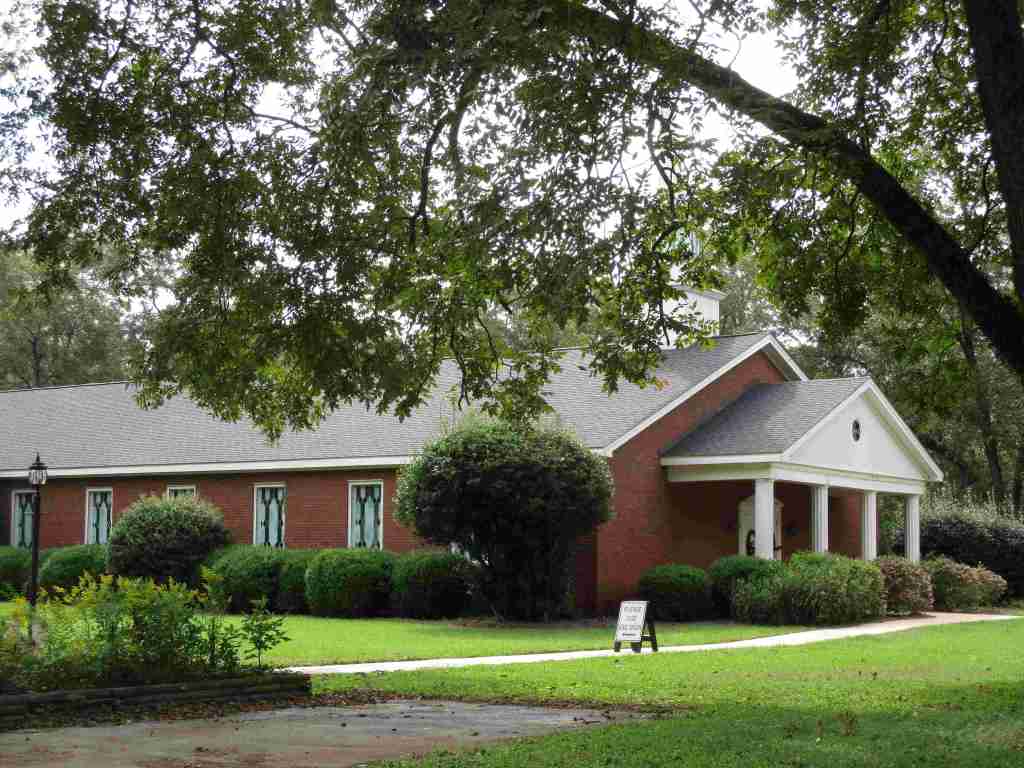
Jimmy Carter was the 39th U.S. President (1977-1981) and the first to reach the age of 100 before he passed away on December 29, 2024.  Following his presidency, he and his wife (Rosalynn) returned to their hometown of Plains and cemented their legacy as diplomats and humanitarians, mostly through their work with the Carter Center in Atlanta (he was awarded a Nobel Peace Prize in 2002).  Up until the end, Jimmy Carter taught Sunday school at Maranatha Baptist Church, which is open to the public.  The National Historical Park encompasses Jimmy’s boyhood farm, high school, and the old Plains railroad depot.  It also includes his residence since 1961, which continues to be closed but will eventually be turned into a museum by the National Park Service (NPS).  In July 2025, the Carter Gardens and Burial Site of Jimmy and Rosalynn Carter opened to the public.

Highlights

Plains High School, film, train depot, boyhood farm, burial site, Carter Gardens

Must-Do Activity

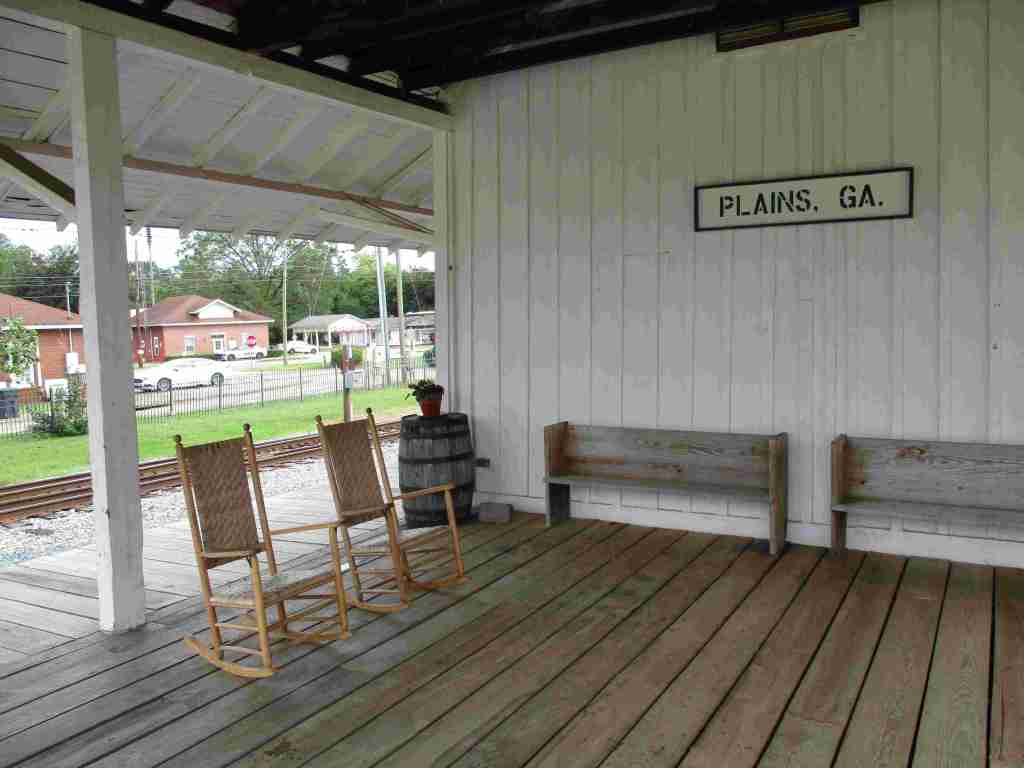
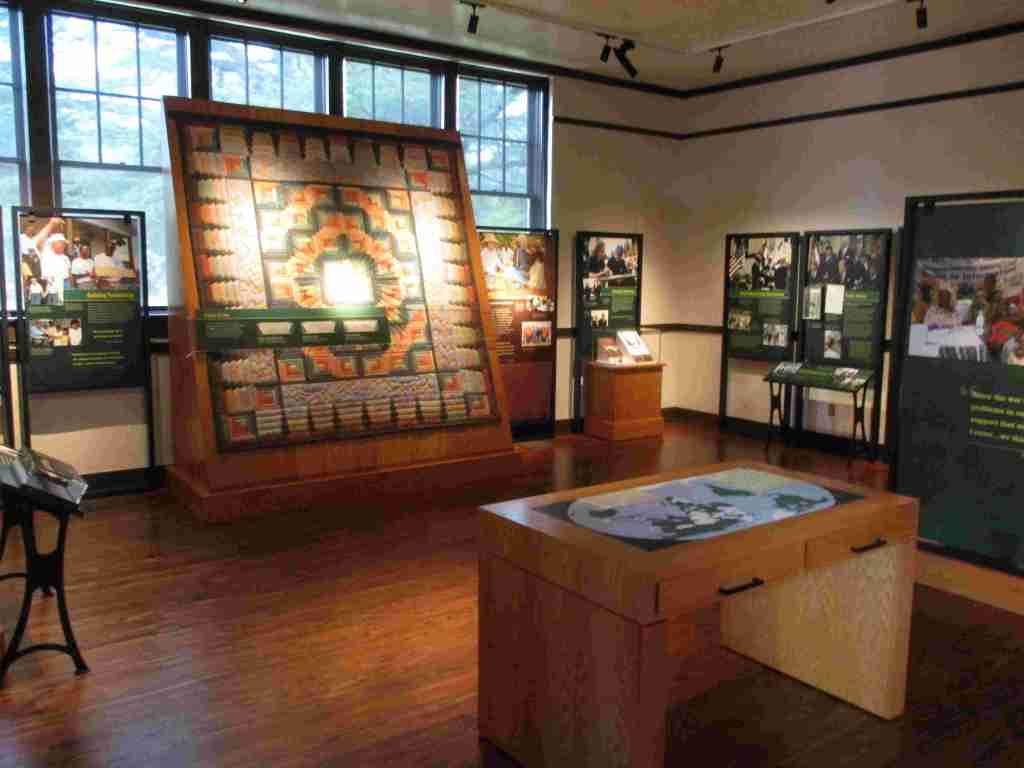
The best place to start a visit is the NPS visitor center and museum in the former Plains High School, which is full of artifacts and information on the Carters.  Next, drive or walk to the main street, where the train depot that shut down in 1951 was turned into Jimmy’s presidential campaign headquarters.  While downtown, check out the shops for souvenirs and try some boiled peanuts or soft-serve peanut-flavored ice cream.  There are several other sites of interest around Plains, including the boyhood home, burial site, Carter Gardens, Maranatha Baptist Church, and peanut statue (see Photographic Opportunity).

Best Trail

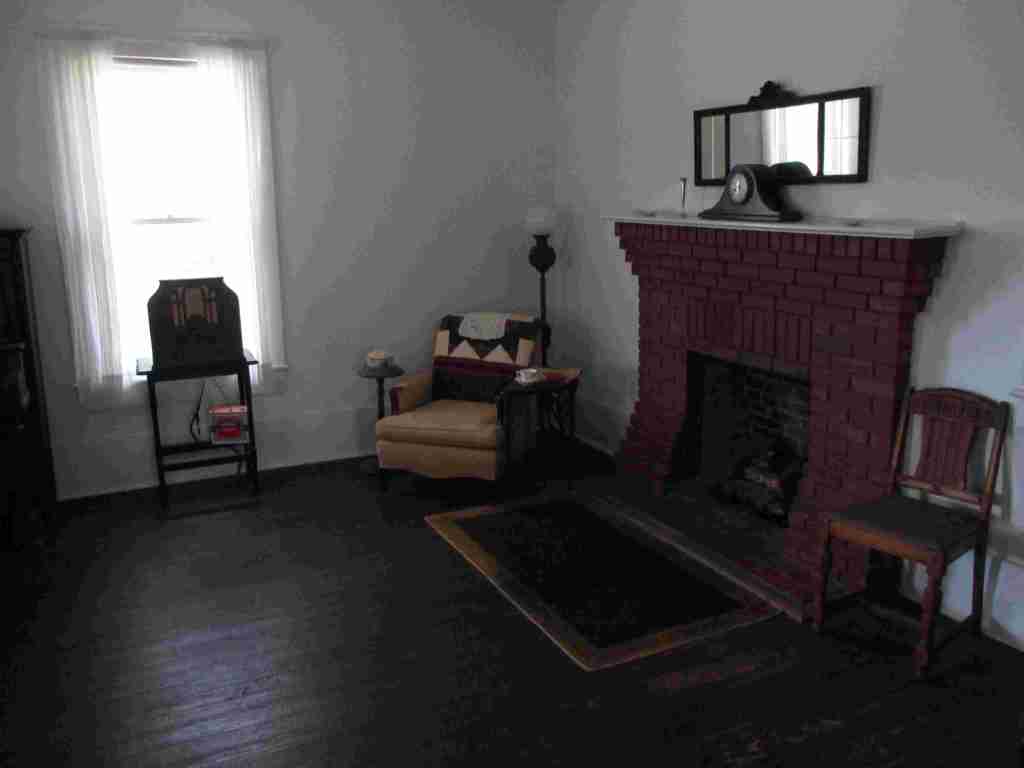
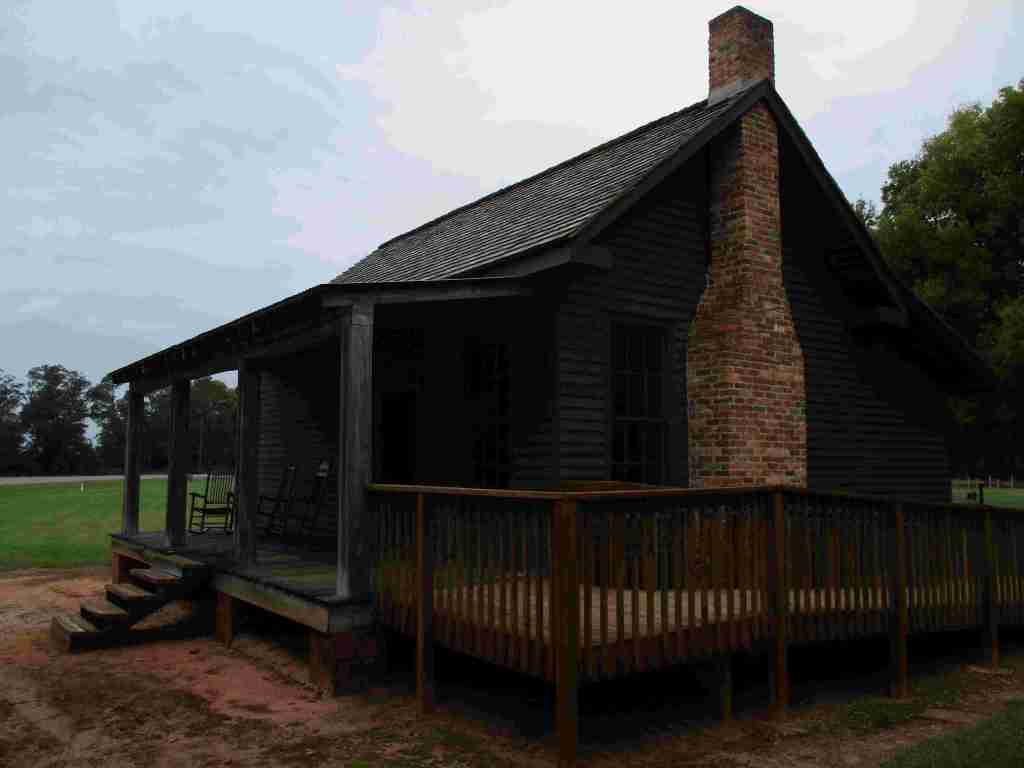
A half-mile trail winds through the boyhood farm where Jimmy lived starting at age four.  Farm animals and seasonal crops are raised here, including peanuts.  You can take a self-guided tour through his boyhood home, which was restored to its appearance before electricity was installed in 1938.

Photographic Opportunity

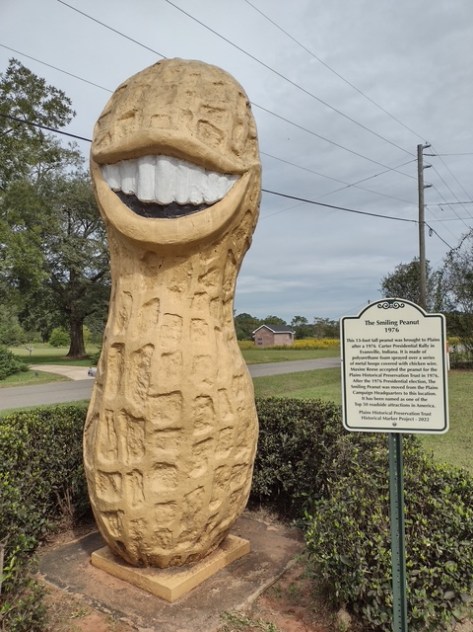
While not part of the official National Historical Park, when you drive up Buena Vista Road to see Maranatha Baptist Church, you pass the 13-foot-tall Jimmy Carter peanut statue built during the 1976 presidential election to support the former peanut farmer.
Peak Season

Spring and fall

Hours

https://www.nps.gov/jica/planyourvisit/hours.htm

Fees

None

Road Conditions

Paved parking is available at the high school, train depot, and boyhood farm (located about three miles west of town). 

Camping

About 30 miles away in each direction are campgrounds at Georgia Veterans State Park and Providence Canyon State Park (which is featured on a U-Haul super graphic). 

Related Sites

Andersonville National Historic Site (Georgia)

Cumberland Island National Seashore (Georgia)

Ocmulgee Mounds National Historical Park (Georgia)

Nearest National Park

Great Smoky Mountains

Explore More – According to an urban legend, why was a hole cut in the back of the Jimmy Carter peanut statue by the U.S. Secret Service?

Gateway Arch National Park

Gateway Arch National Park

Missouri

Managed by National Park Service

Established 1935 National Expansion Memorial, 2018 National Park

91 acres

Website: nps.gov/jeff

Overview

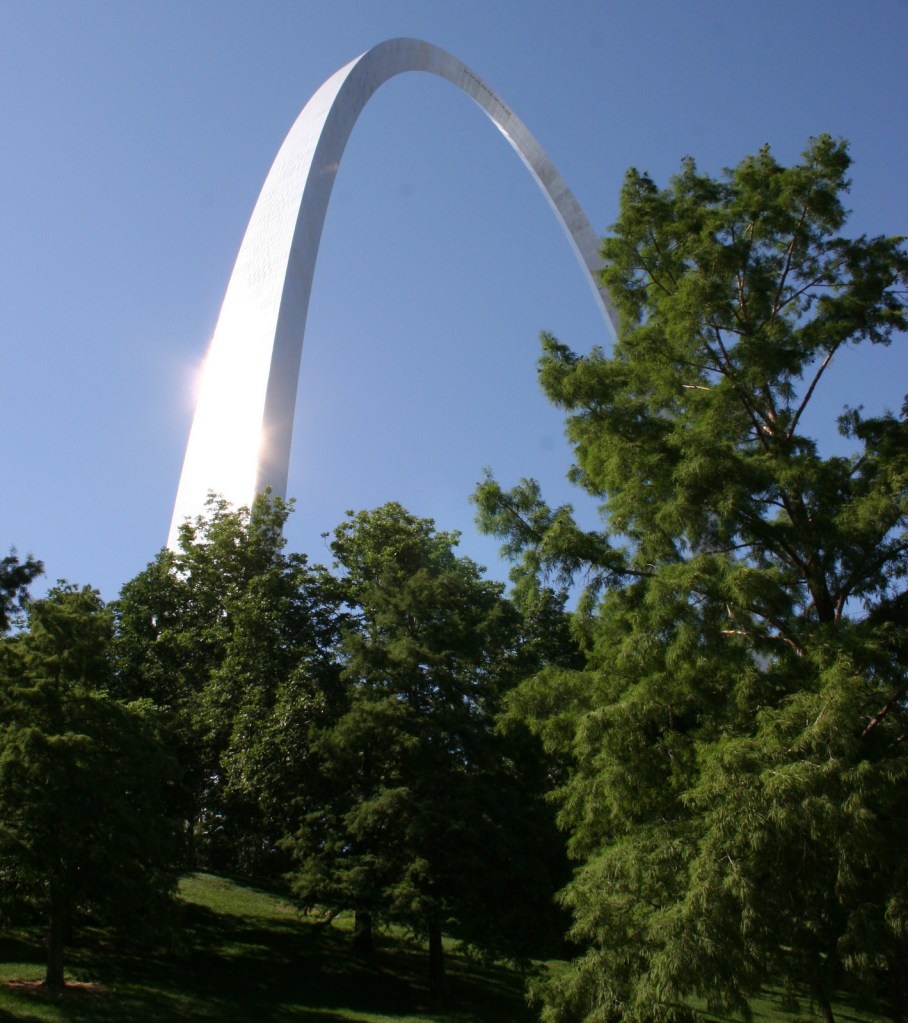
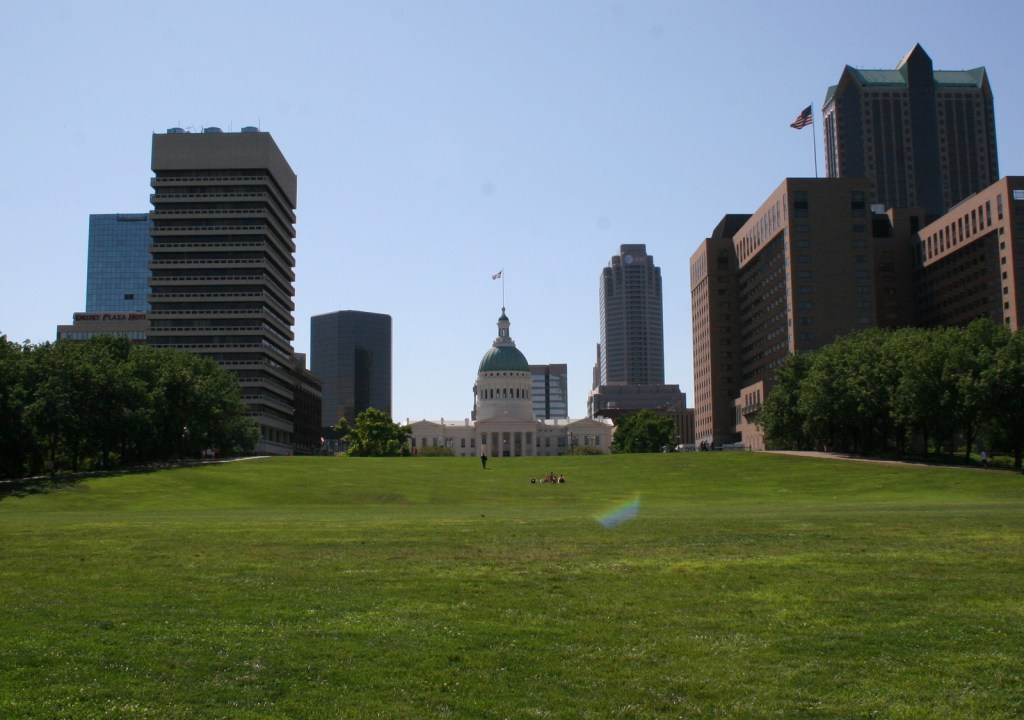
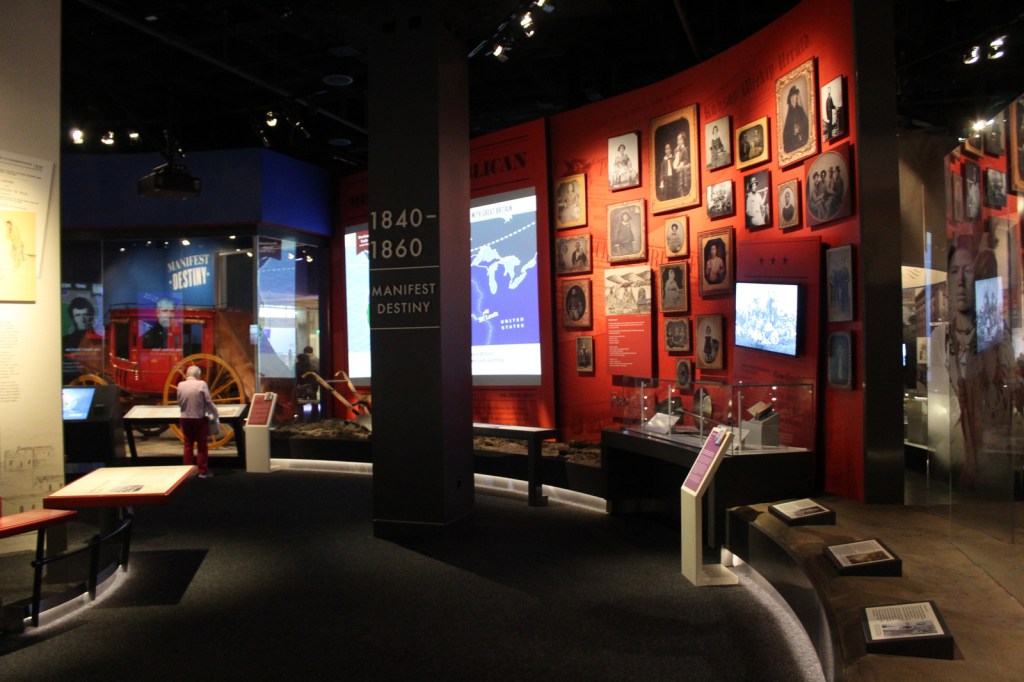
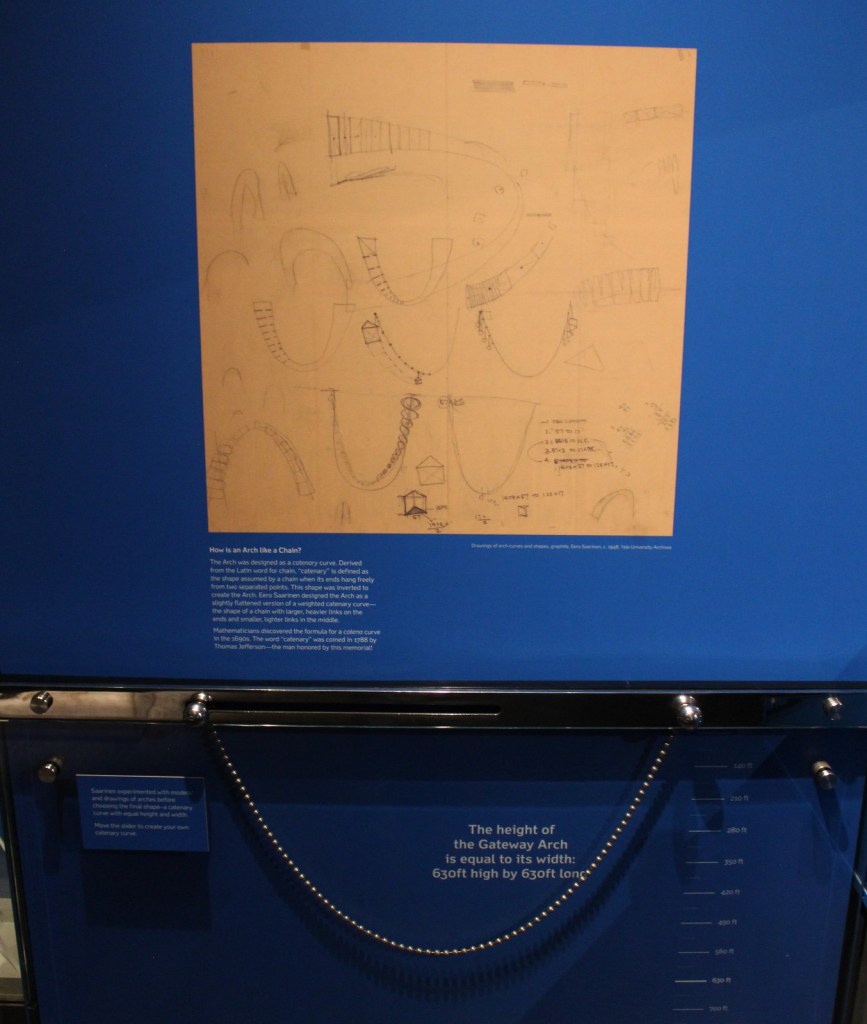
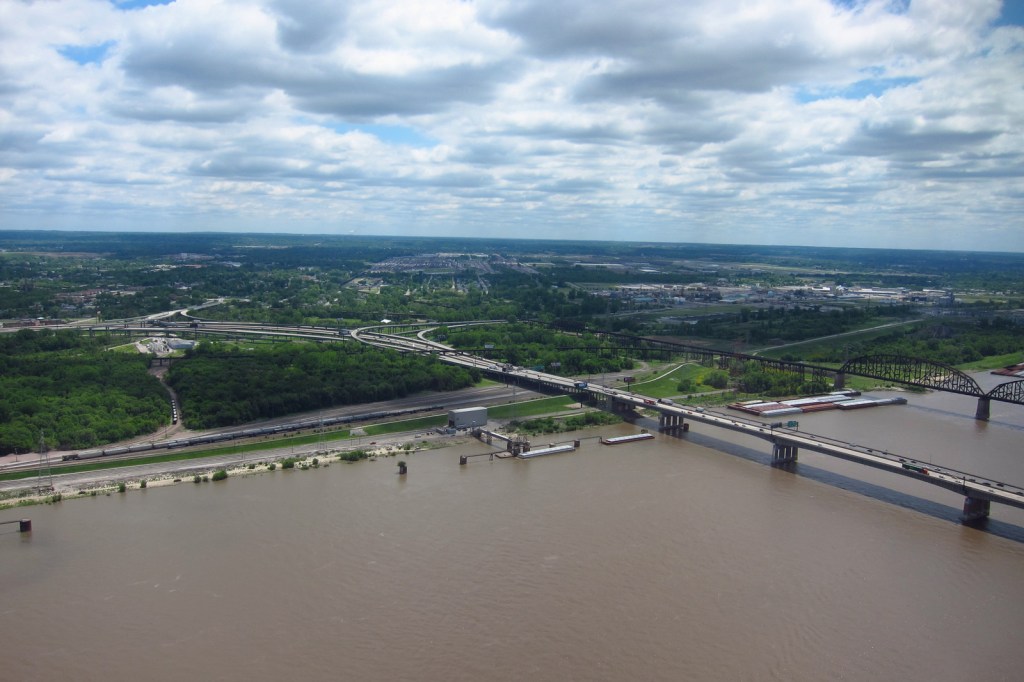
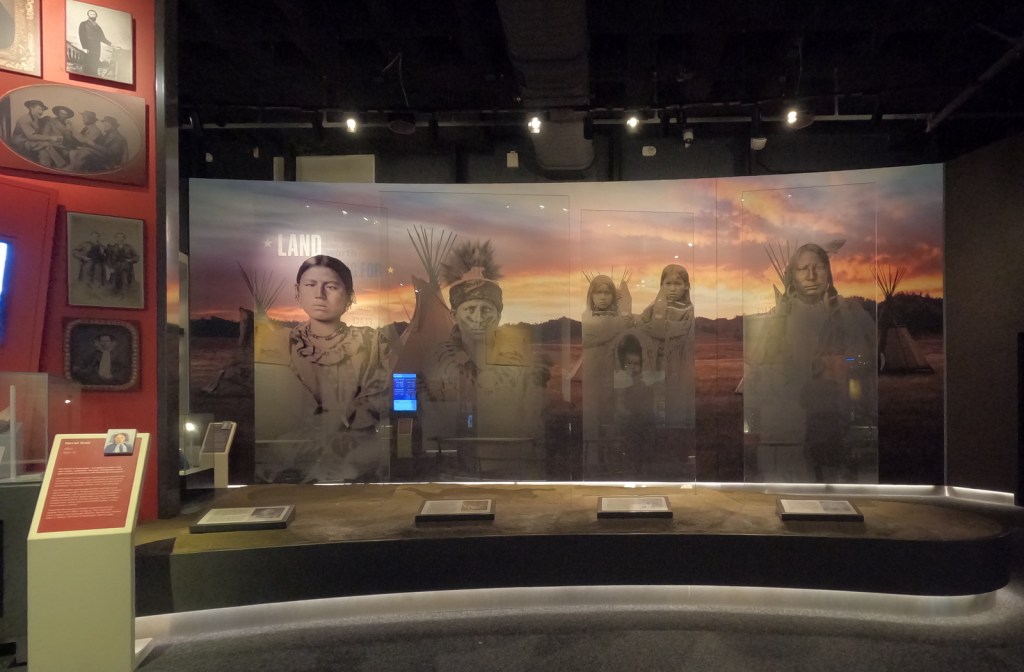
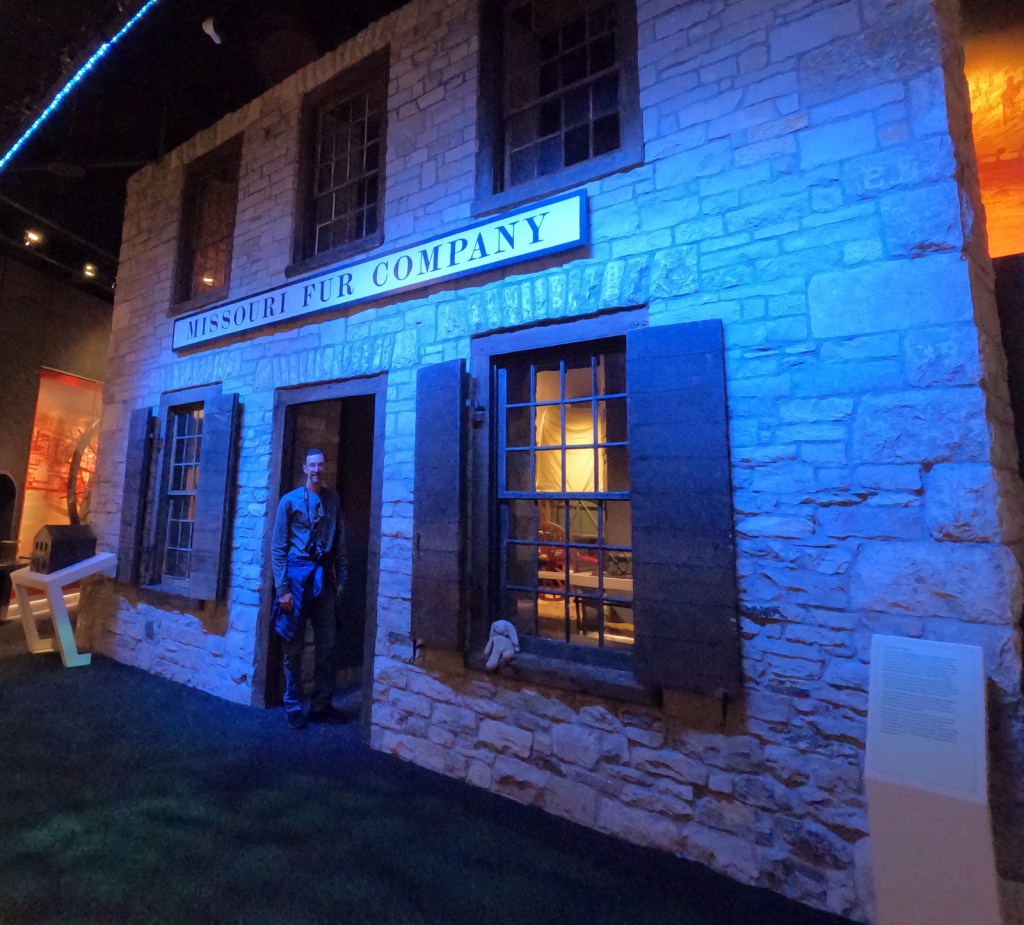
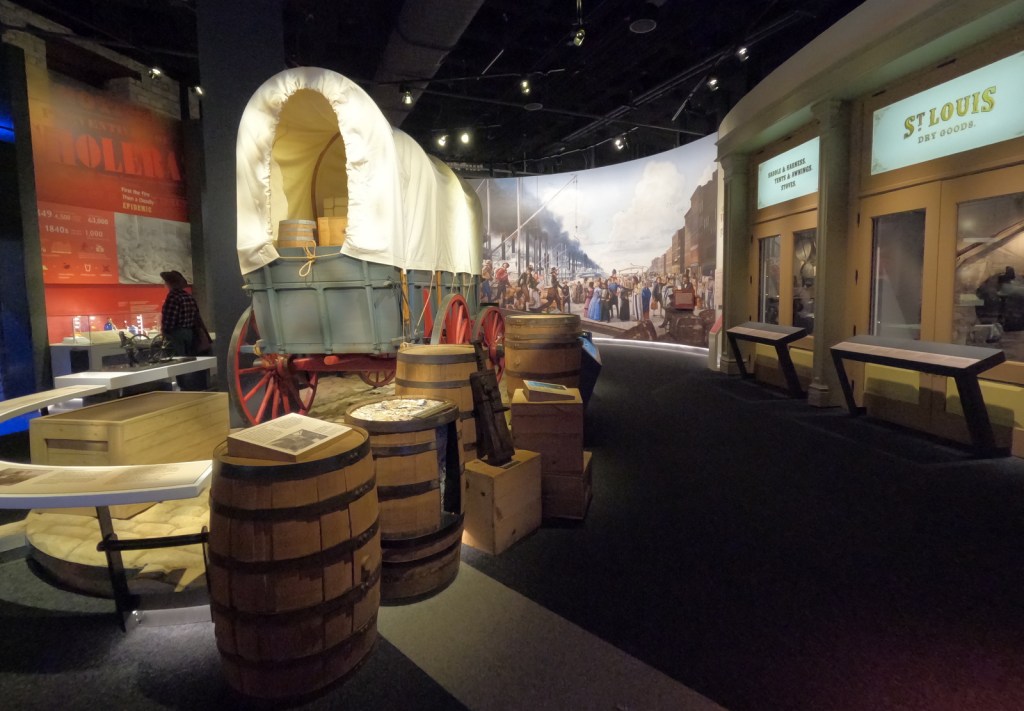
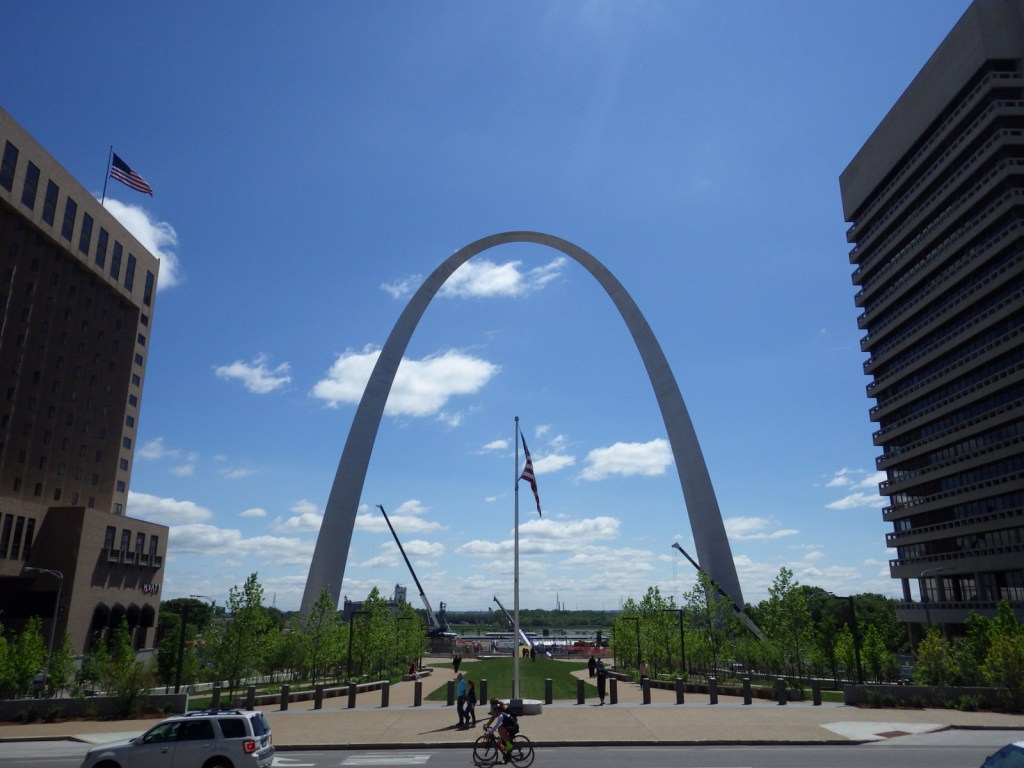
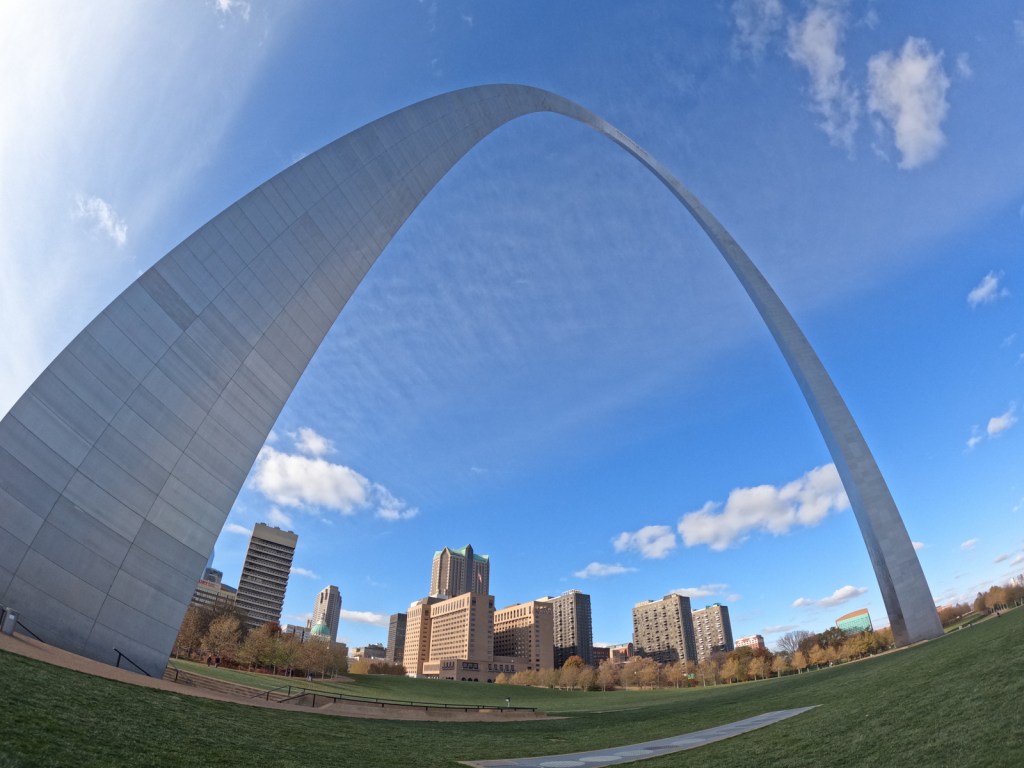
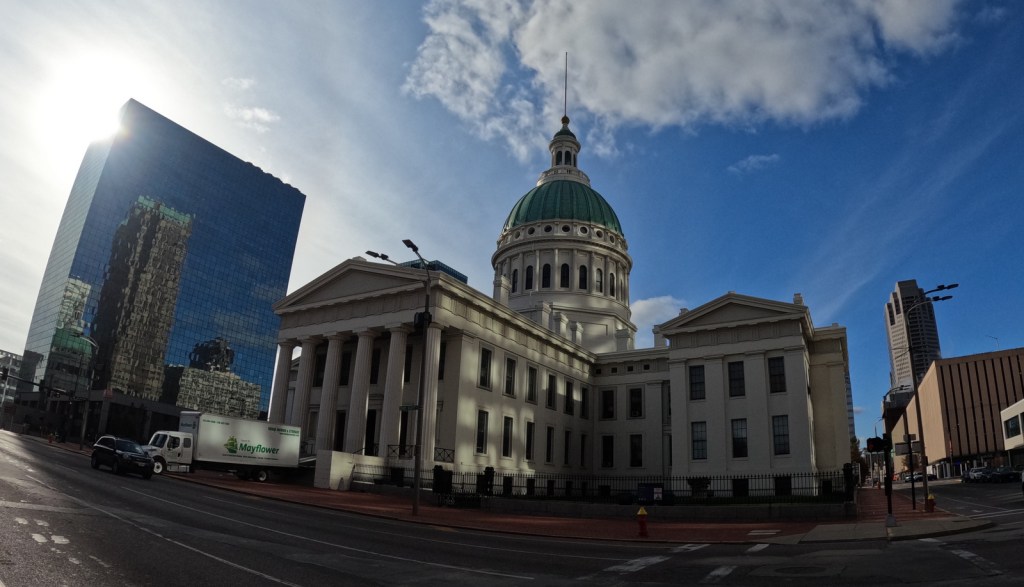
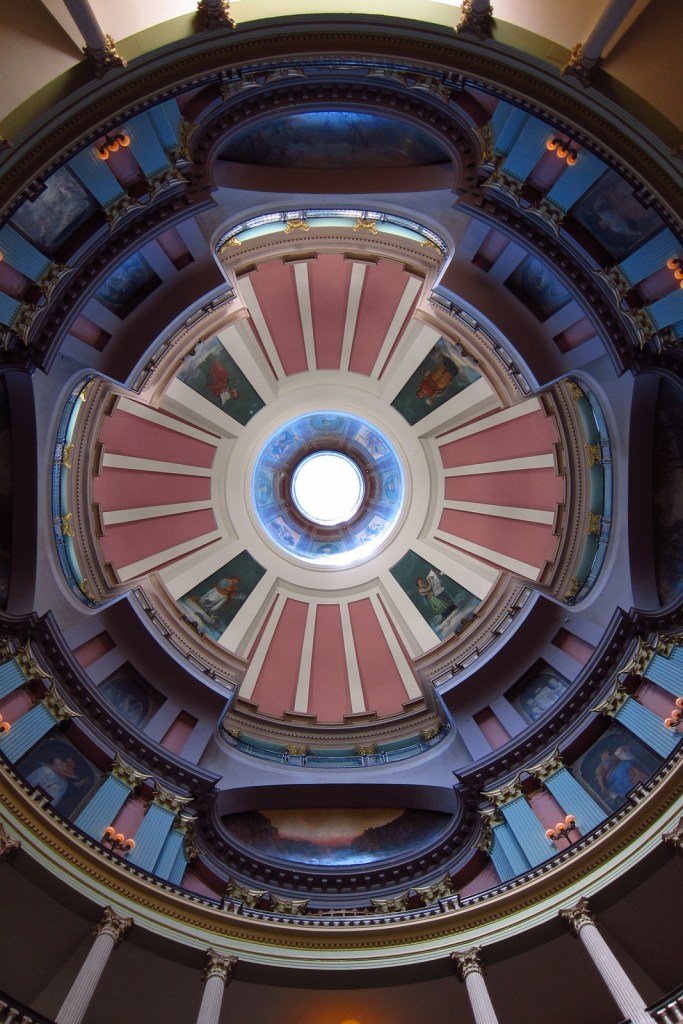
On February 22, 2018, the 60th National Park in the U.S. was created from what was formerly Jefferson National Expansion Memorial in St. Louis, Missouri.  Gateway Arch National Park encompasses 91 acres on the Mississippi River, including the historic 1828 courthouse and the iconic 630-foot-tall arch that was finished in 1965.  We first visited on our cross-country road trip in 2007 and returned in 2016 while the underground museum was under construction and the greenway was extended over Interstate 44.  When we came back in 2022, the courthouse was closed for renovation, but the museum had reopened with exhibits explaining the importance of this city as a starting point for the settlement of the west after President Thomas Jefferson signed the Louisiana Purchase, doubling the size of the country in 1803.  It is by far the smallest of the 63 National Parks (5,457 acres less than Hot Springs), which begs the question: Why wasn’t this designated a National Historical Park instead?

Learn more about how to visit this National Park in the expanded second edition of our guidebook A Park to Yourself: Finding Solitude in America’s 63 National Parks

Highlights

Gateway Arch, tram, film, museum, Old Courthouse, Old Cathedral

Must-Do Activity

Unlike other National Parks, this one does not preserve a natural landmark, but it does have claustrophobia-inducing tram cars (fee) that take you four-minutes to the top of the Gateway Arch for excellent views across Illinois and Missouri.  It is worth the hassle to go through a security screening to see the new museum.  The 35-minute film Monument to the Dream is also available for a fee. 

Best Trail

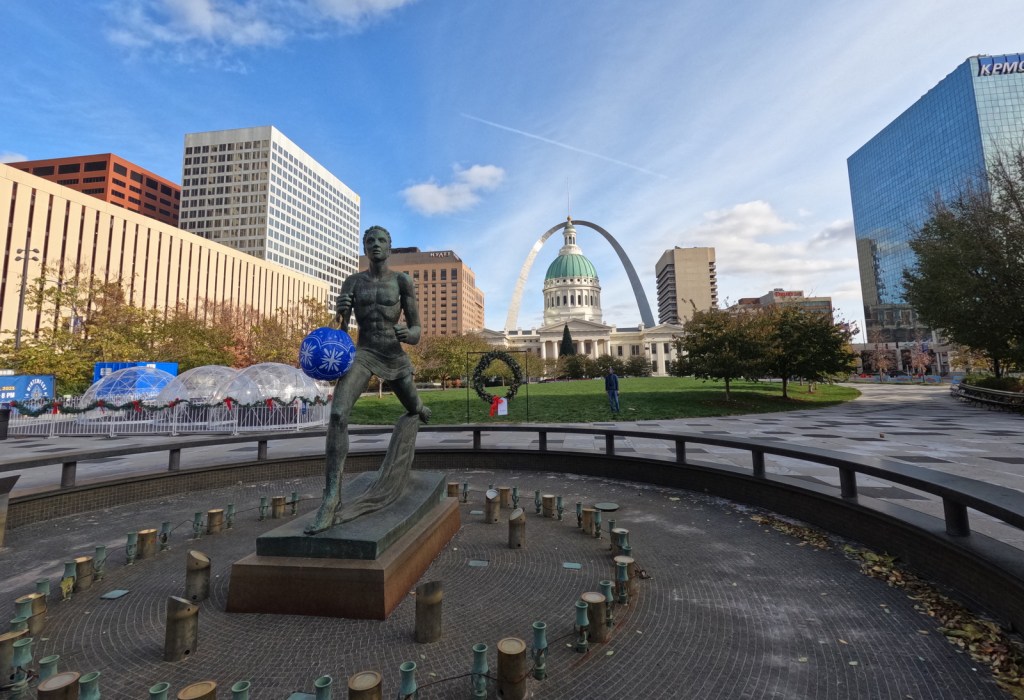
There are sidewalks that follow the Mississippi River and loop around the arch.  Be sure to cross the street to the Old Courthouse where the first of two trials in the infamous Dred Scott case was held in 1854.  Continue west behind to the courthouse to the Kiener Memorial Fountain for a photo that frames the building beneath the Gateway Arch.

Photographic Opportunity

The 630-foot-tall Gateway Arch is the defining landmark of St. Louis, but the historic 1834 Old Cathedral still serves as an active Catholic Church inside the park boundaries.

Peak Season

Summer

Hours

https://www.nps.gov/jeff/planyourvisit/hours.htm

Fees

There is no fee to walk the grounds or pass through security for the museum and gift shop, but you do have to pay to view the film or ride the tram to the top of Gateway Arch.  When open, the Old Courthouse is also free to enter.

Road Conditions

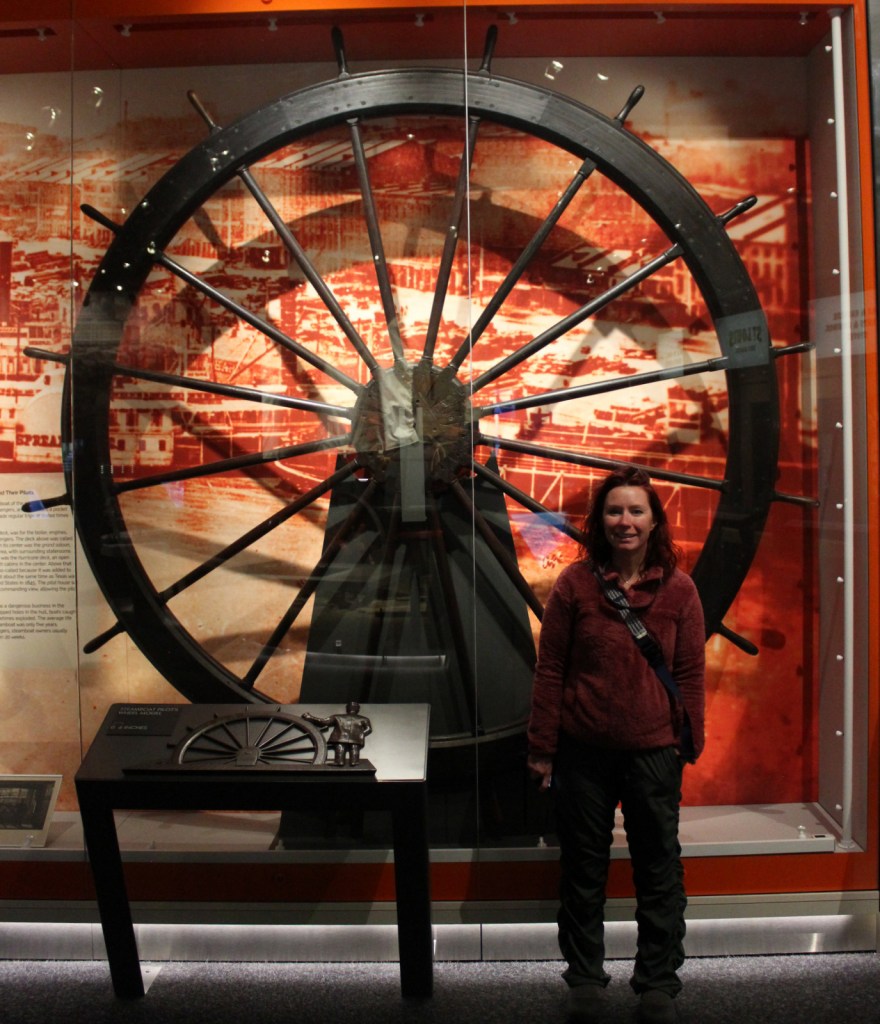
All roads are paved, but parking can be tricky.  We suggest paying for a parking garage or paying to park on the river levee near the paddlewheel boats, since car break-ins are common in downtown St. Louis.

Camping

This is the only National Park without the option to camp, so consider heading southwest to the wonderful Ozark National Scenic Riverways or Mark Twain National Forest.  In southeast Missouri, Johnson’s Shut-Ins State Park is rated as one of the best RV campgrounds in the country.

Related Sites

Ulysses S. Grant National Historic Site (Missouri)

Ste. Genevieve National Historical Park (Missouri)

Harry S Truman National Historic Site (Missouri)

Explore More – In 1947, how many city blocks were razed to make way for the memorial, including several historic buildings dating back to 1818?

We designed this Gateway Arch logo for the park available on Amazon.com

We are a participant in the Amazon Services LLC Associates Program, an affiliate advertising program designed to provide a means for us to earn fees by linking to Amazon.com and affiliated sites.

Birmingham Civil Rights National Monument

Birmingham Civil Rights National Monument

Alabama

Managed by National Park Service

Established 2017

18 acres

Website: nps.gov/bicr

Overview

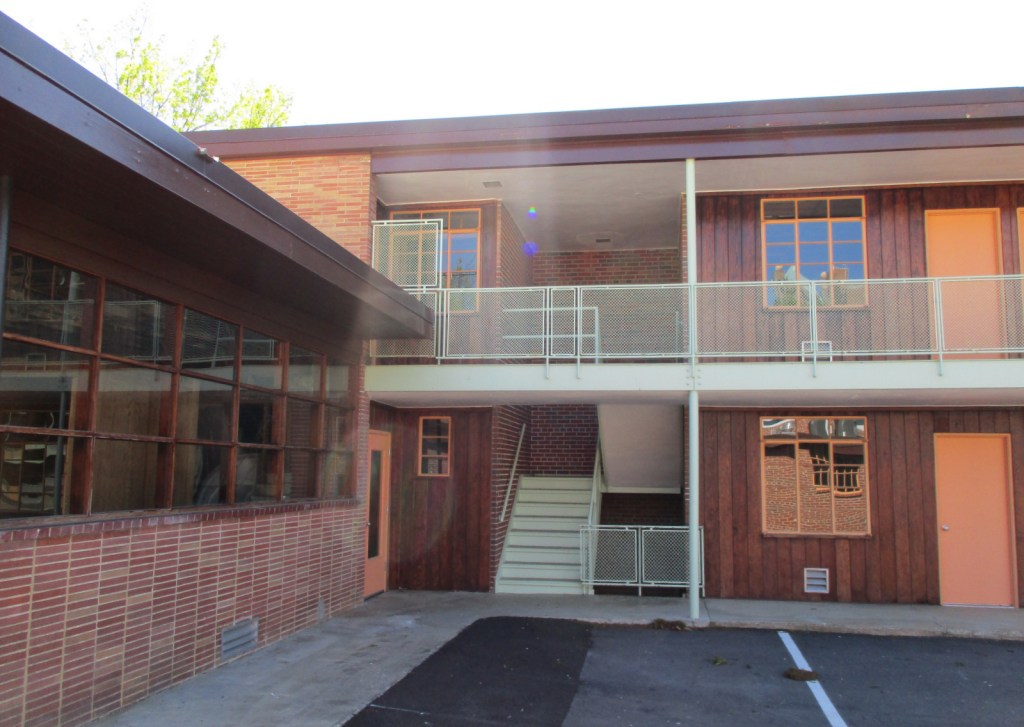
Created by President Barack Obama on January 12, 2017 (the same day as Freedom Riders and Reconstruction Era National Monuments), this site encompasses four city blocks of downtown within the larger 36-acre Birmingham Civil Rights District.  In 1963, this area was where the 16th Street Baptist Church was bombed and the Children’s Crusade (a non-violent protest march) was attacked by policemen with water hoses and dogs.  The only portion of the site run by the National Park Service (NPS) is the A. G. Gaston Motel, which was bombed by the KKK after Rev. Martin Luther King, Jr. and other civil rights leaders stayed there from April through May 1963 to plan their non-violent campaign against segregation laws.  The City of Birmingham and the NPS have restored the motel to its historic appearance and a park ranger is stationed there three days a week.

Learn more about the other 137 National Monuments in our book Monumental America: Your Guide to All 138 National Monuments. It is now available for sale on Amazon.com.

Highlights

Birmingham Civil Rights Institute, A.G. Gaston Motel, 16th Street Baptist Church, Kelly Ingram Park, St. Paul United Methodist Church, Bethel Baptist Church

Must-Do Activity

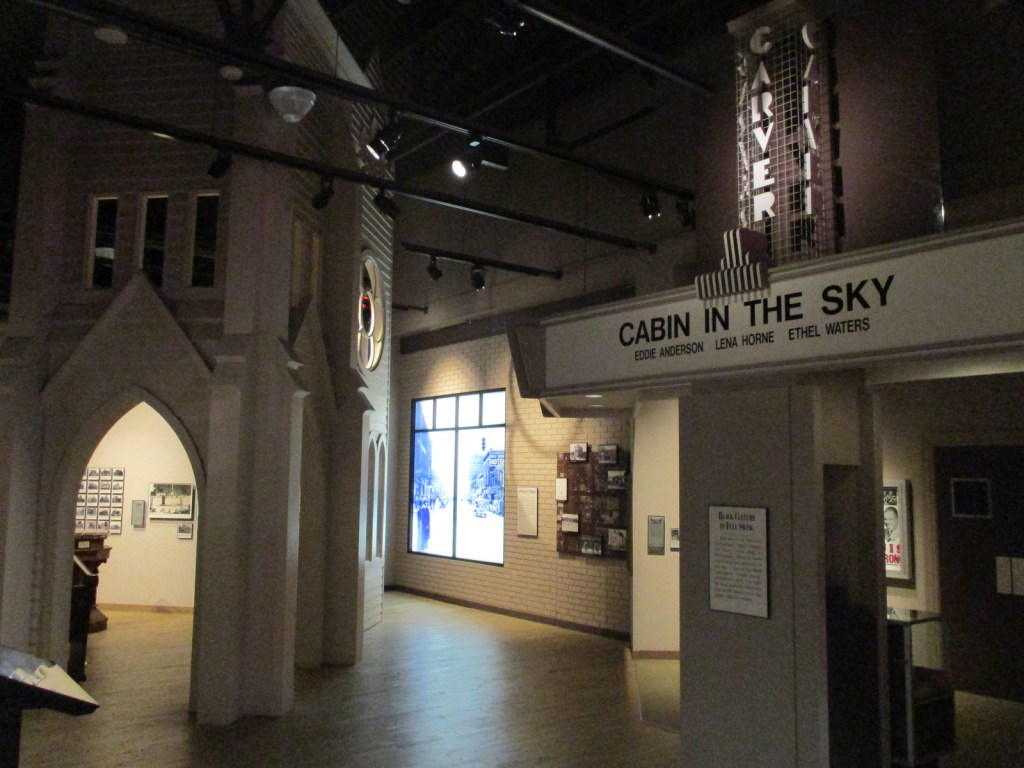
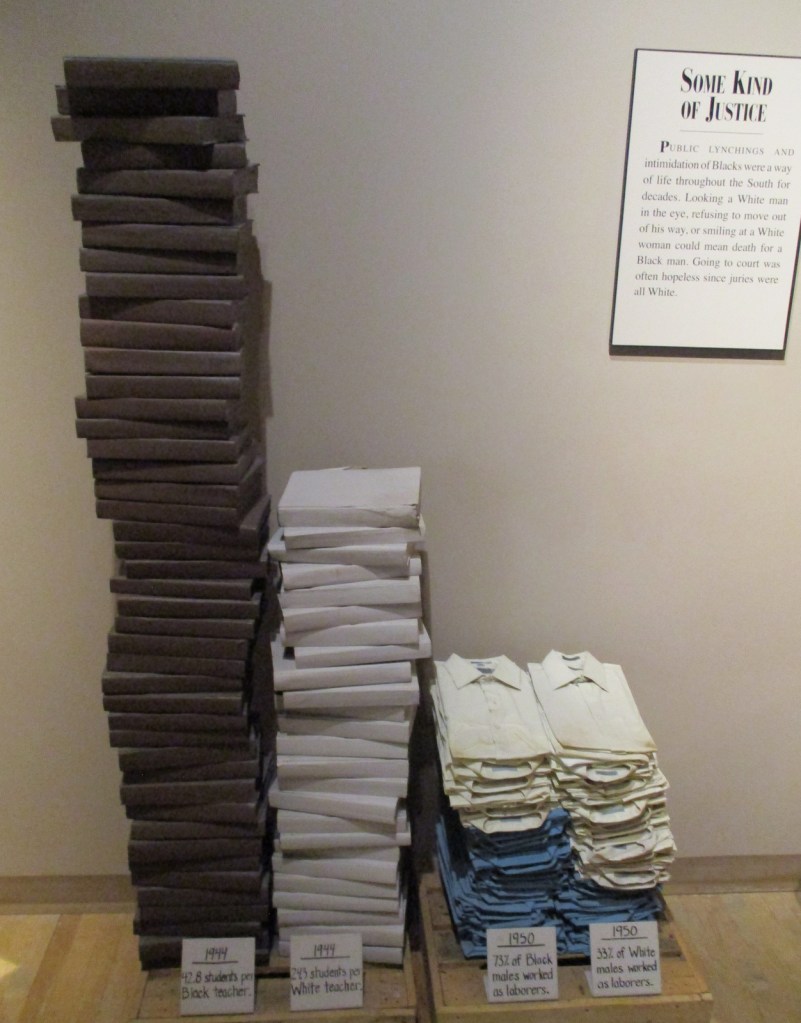
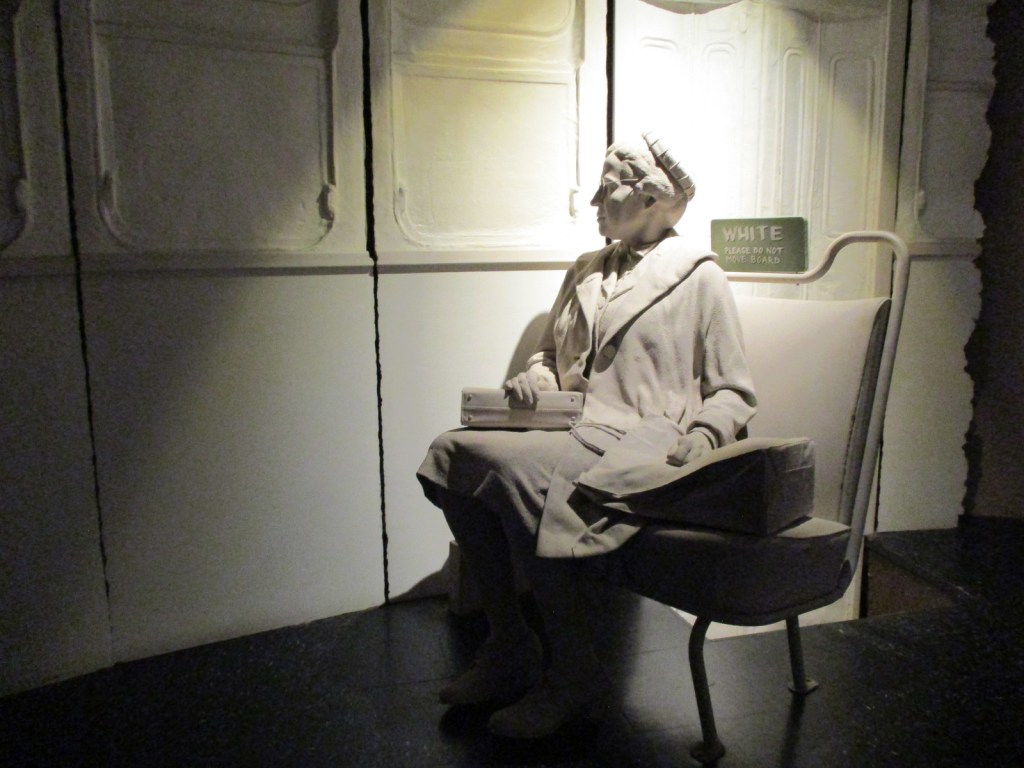
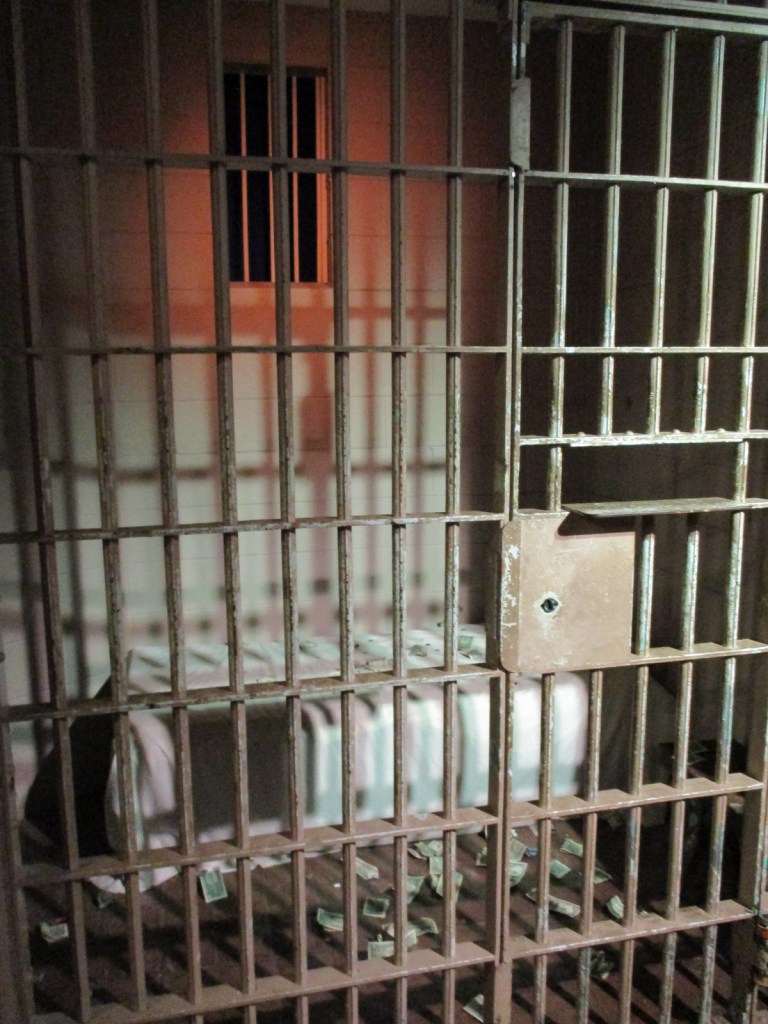
The Birmingham Civil Rights Institute is a history museum that opened in 1992 across from the 16th Street Baptist Church (see Photographic Opportunity).  With a timed entry ticket, your self-guided tour starts with a short video, then an immersive walk through the struggle for civil rights in Birmingham and around the U.S.  It includes powerful displays on the Freedom Riders bus burning and Rev. Martin Luther King, Jr.’s “Letter from Birmingham Jail,” as well as the decades-long effort to bring to justice the bombers of the 16th Street Baptist Church.  If you come on one of the three days per week that a park ranger is posted at the A.G. Gaston Motel, be sure to stop there afterwards to see the ongoing reconstruction work.  Six miles north of the city in the Collegeville neighborhood, Bethel Baptist Church was bombed three times in 1956, 1958 and 1962, partly why the city earned the nickname “Bombingham.”  The church is associated with the influential Rev. Fred Shuttlesworth, who has a statue outside the Birmingham Civil Rights Institute.

Best Trail

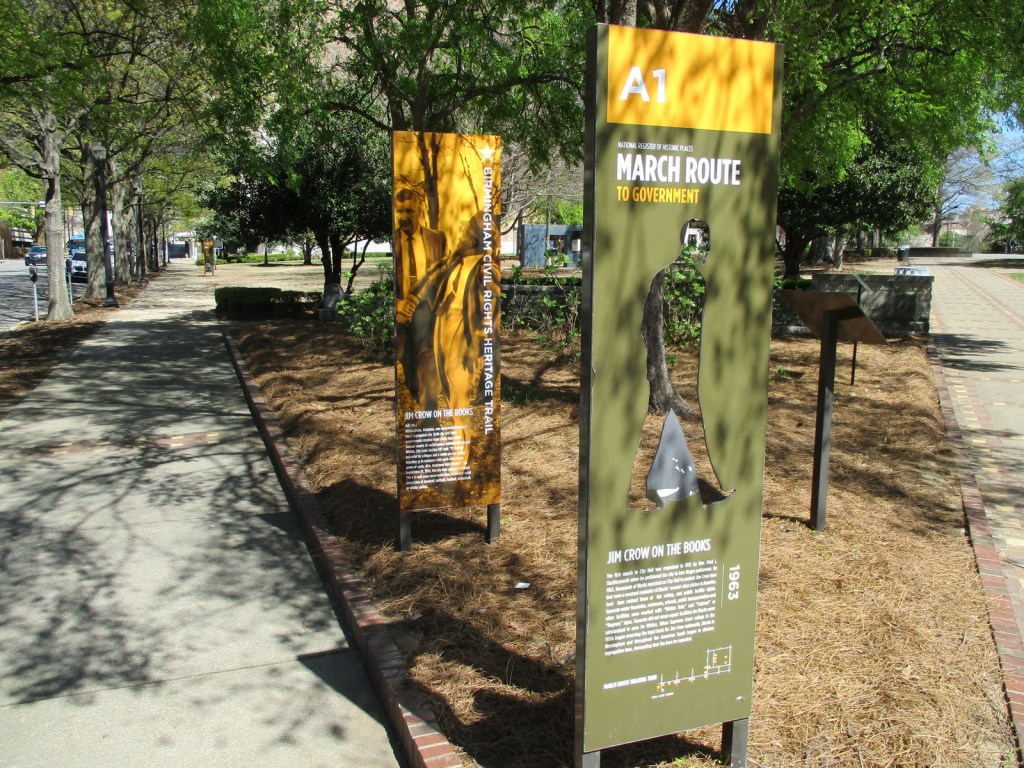
Across the street from the Birmingham Civil Rights Institute, Kelly Ingram Park features sculptures, interpretive signs, and an audio tour describing the violent attacks by police officers and dogs on civil rights protesters (many of them children) on May 7, 1963.

Photographic Opportunity

Across the street from the Birmingham Civil Rights Institute, 16th Street Baptist Church was bombed on September 15, 1963, killing four young girls, an act of domestic terrorism that propelled the passage of the Civil Rights Act of 1964.  Tours inside the church are by appointment only.

Peak Season

Spring and fall

Hours

The A.G. Gaston Motel is open Thursday through Saturday 10 a.m. to 4 p.m. and the Birmingham Civil Rights Institute is open Tuesday through Saturday 10 a.m. to 5 p.m.

https://www.nps.gov/bicr/planyourvisit/hours.htm

Fees

No cost for the A.G. Gaston Motel or Kelly Ingram Park, but there is an admission fee at the Birmingham Civil Rights Institute (online reservations recommended).

Road Conditions

All roads are paved with a free parking lot next to the Birmingham Civil Rights Institute.

Camping

In northeast Alabama, De Soto State Park offers camping, in addition to excellent hiking trails to several waterfalls.  There are also three backcountry campsites in Little River Canyon National Preserve available from February through September with a permit.  Cheaha State Park and Joe Wheeler State Park both have campgrounds and lodges.  Talladega, Tuskegee, and William B. Bankhead National Forests also offer car camping and backpacking opportunities.

Related Sites

Freedom Riders National Monument (Alabama)

Horseshoe Bend National Military Park (Alabama)

Tuskegee Airmen National Historic Site (Alabama)

Explore More – When did the City of Birmingham establish the 36-acre Birmingham Civil Rights District?

Learn more about the other 137 National Monuments in our book Monumental America: Your Guide to All 138 National Monuments

Hamilton Grange National Memorial

Overview

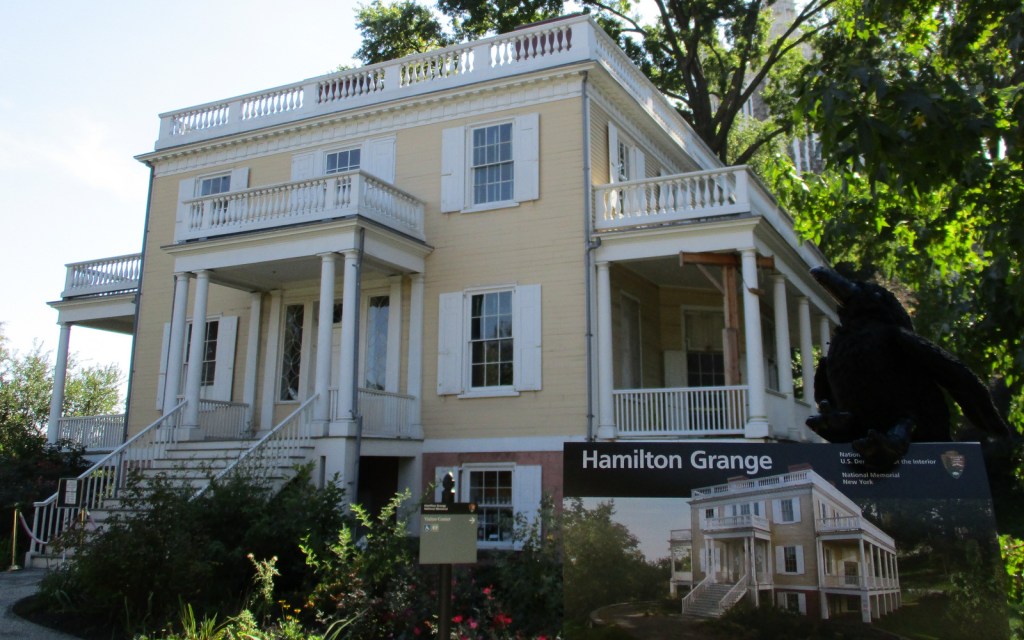
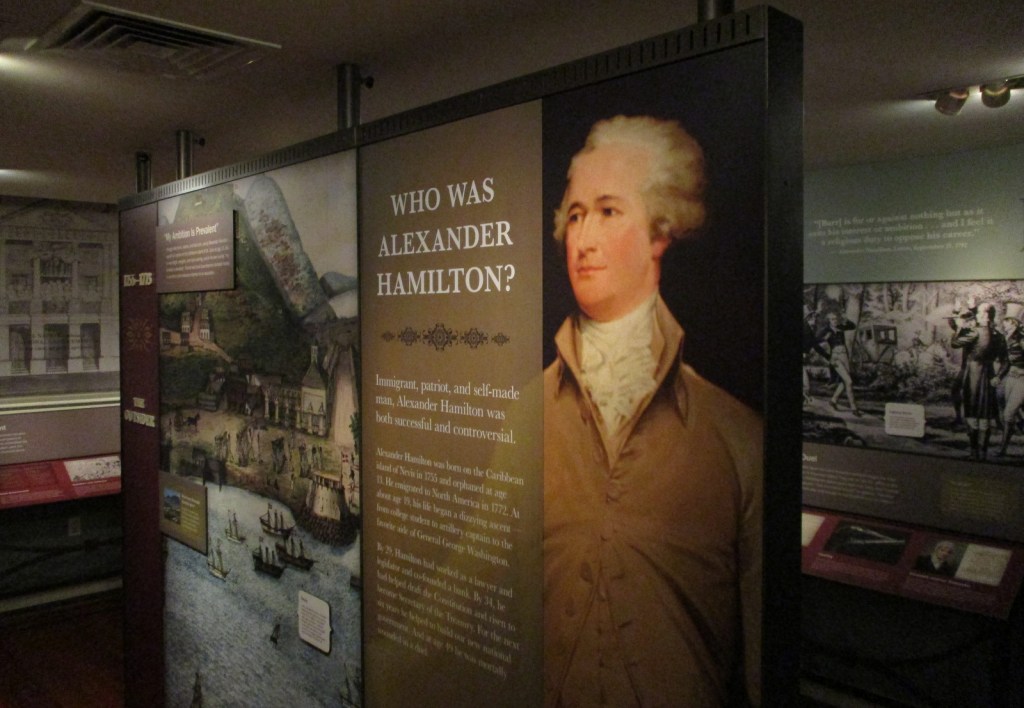
Anyone who has watched the musical Hamilton is familiar with the life story of Alexander Hamilton.  Hamilton Grange National Memorial is the only National Park Service (NPS) site dedicated to this “founding father.”  It is also the only one of 45 National Memorials built by the person it honors.  What you may not know is that his historic home in New York City has been moved twice, once in 1889 and again in 2008.

Highlights

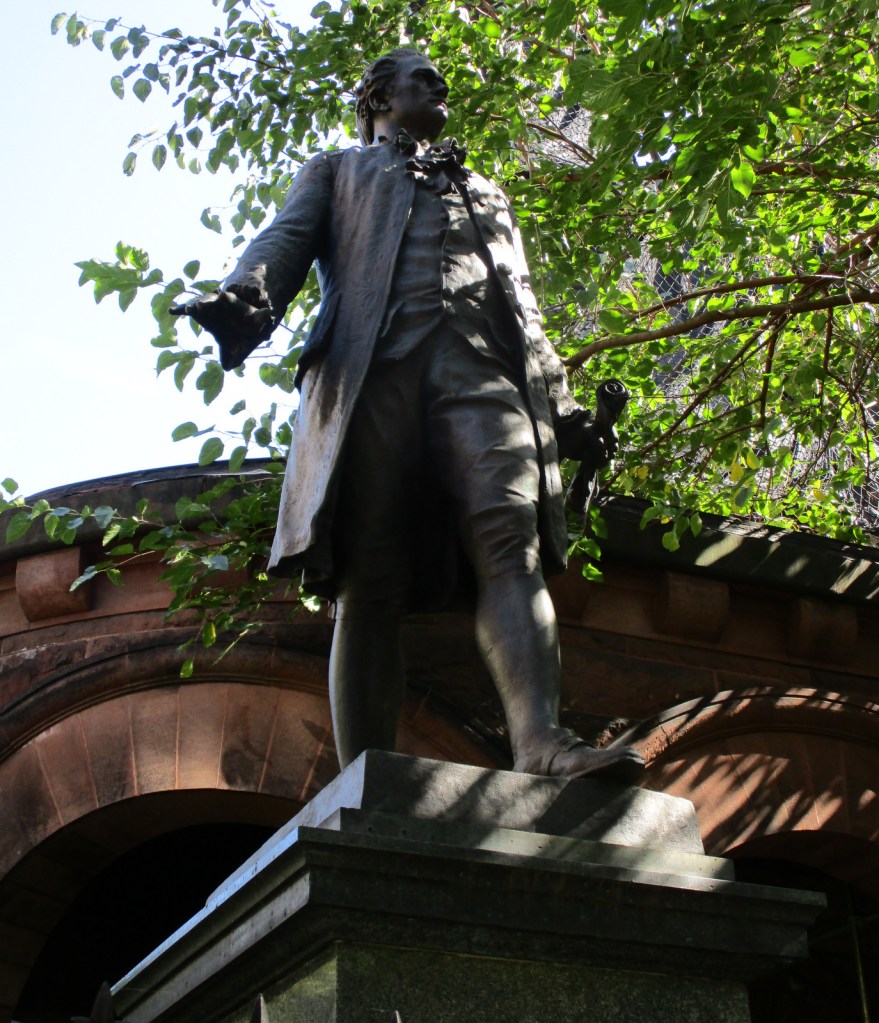
Museum, tour, statue at St. Luke’s Episcopal Church

Must-Do Activity

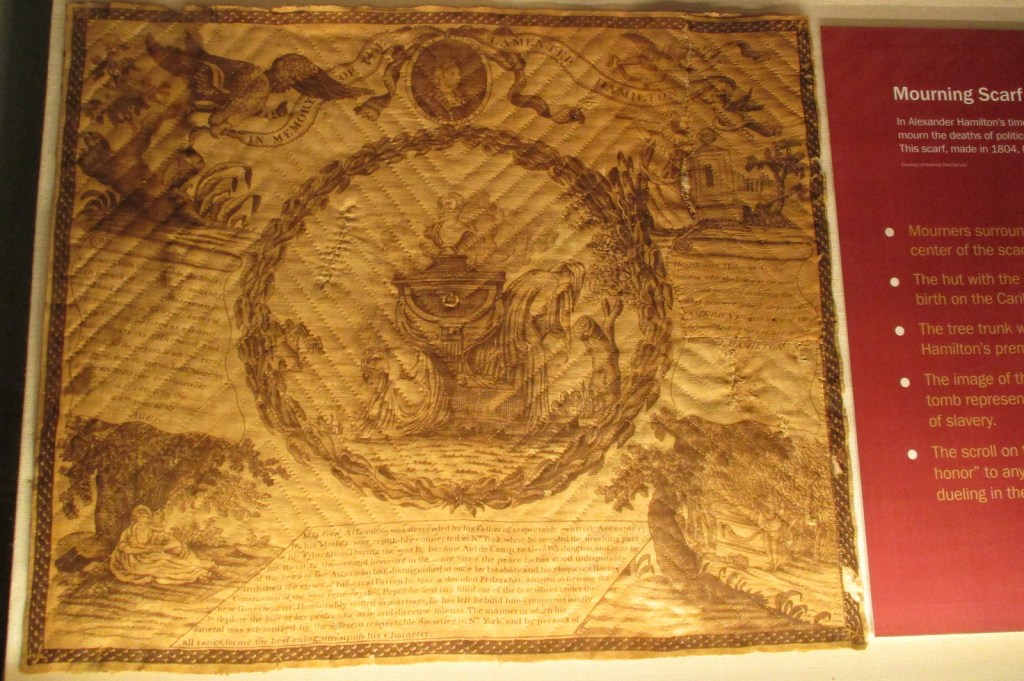
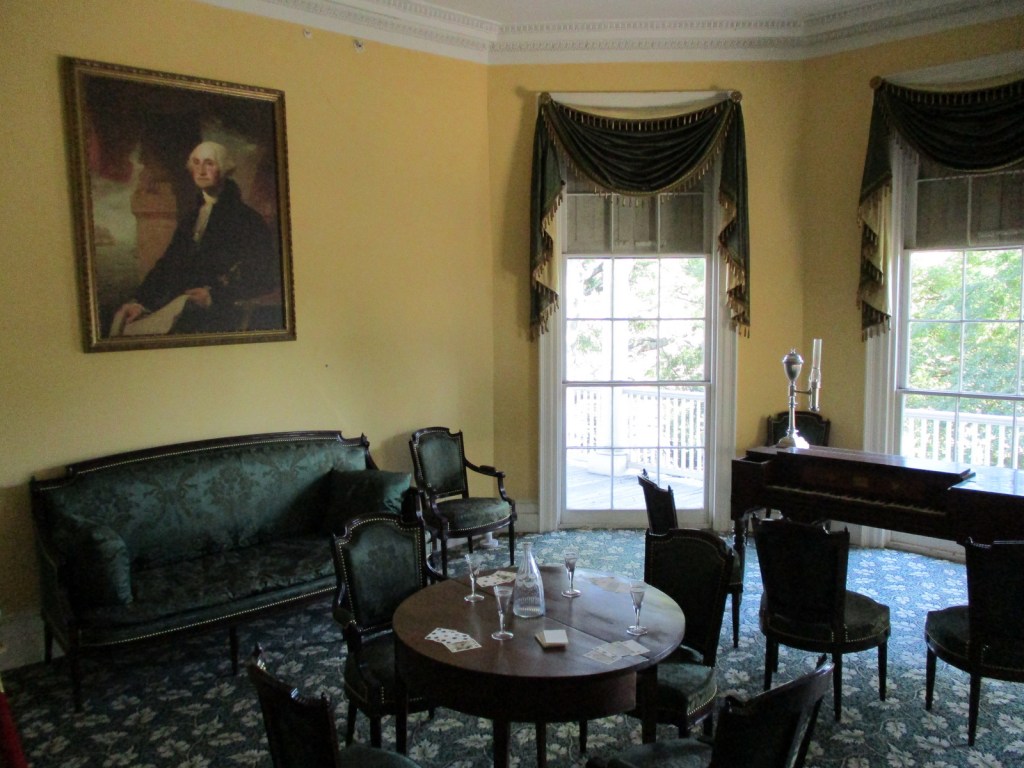
The Grange gets its name from the Hamilton family’s ancestral home in Scotland.  Built in 1802 on a 32-acre estate in Upper Manhattan, Hamilton only lived there two years before being shot and killed in an infamous duel with Aaron Burr.  Today you enter the home through the basement where the NPS runs a museum.  Access upstairs is available on guided tours or during daily “open house” hours, but you must leave large items in lockers.

Best Trail

None

Instagram-worthy Photo

The Grange was tucked between St. Luke’s Episcopal Church and an apartment building until 2008 when the NPS moved it to St. Nicholas Park, part of the original 32-acre estate.  A statue of Alexander Hamilton still stands where the house resided for more than a century.

Peak Season

Summer

Hours

https://www.nps.gov/hagr/planyourvisit/hours.htm

Fees

None

Road Conditions

It is easiest not to drive into New York City, instead opt to take public transportation.

Camping

None

Related Sites

African Burial Ground National Monument (New York)

Federal Hall National Memorial (New York)

Saint Paul’s Church National Historic Site (New York)

Explore More – After resuming his law practice in 1795, Hamilton represented free and enslaved African Americans and defended a newspaper editor sued for slander by which future president?

Keweenaw National Historical Park

Overview

The Keweenaw Peninsula juts north into Lake Superior from Michigan’s Upper Peninsula and is home to the richest copper ore (97% pure) on the planet.  American Indian artifacts made from this region’s copper have been found at several other National Park Service (NPS) sites, such as Georgia’s Ocmulgee Mounds National Historical Park and Ohio’s Hopewell Culture National Historical Park.  In the 1840s, immigrants representing 38 ethnic groups flooded this area to work as miners.  More recently, the NPS led a project to recreate historic buildings and archaeological sites within the digital world of Minecraft (click here for an article).

Highlights

Adventure Mine Tours, Quincy Mine, Delaware Copper Mine, downtown Calumet, Laurinium Mansion

Must-Do Activity

The NPS does not have much of a presence in this park, but rather relies on its partners to preserve the heritage sites.  We highly recommend the Miner’s Tour guided by the Adventure Mining Company in Greenland, Michigan.  In addition to getting a great history lesson, we rappelled down an 80-foot deep mine shaft and walked across a swinging bridge without handrails.  They also offer a less intense tour for all ages.

Best Trail

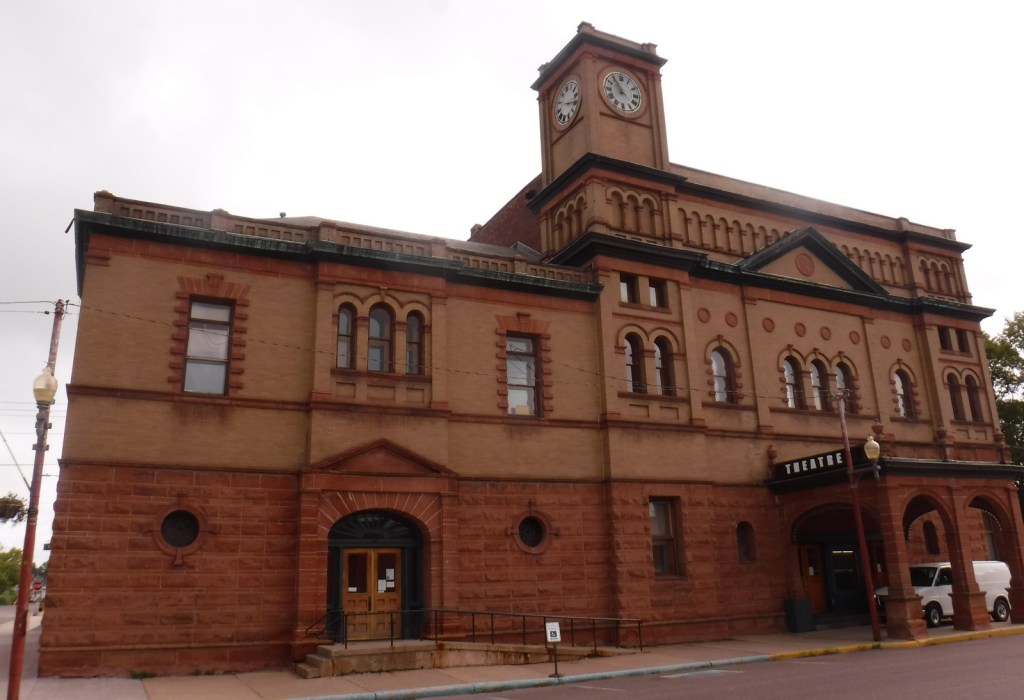
We walked the streets of Calumet, Michigan while doing our laundry across the street from the historic Calumet Theatre.  The NPS visitor center was closed, but we still got to see the Copper Country Firefighters History Museum and the Keweenaw Heritage Center inside St. Anne’s Church.  We also recommend a stop at the quirky vintage consignment store in the three-story Vertin Building built in 1885.

Instagram-worthy Photo

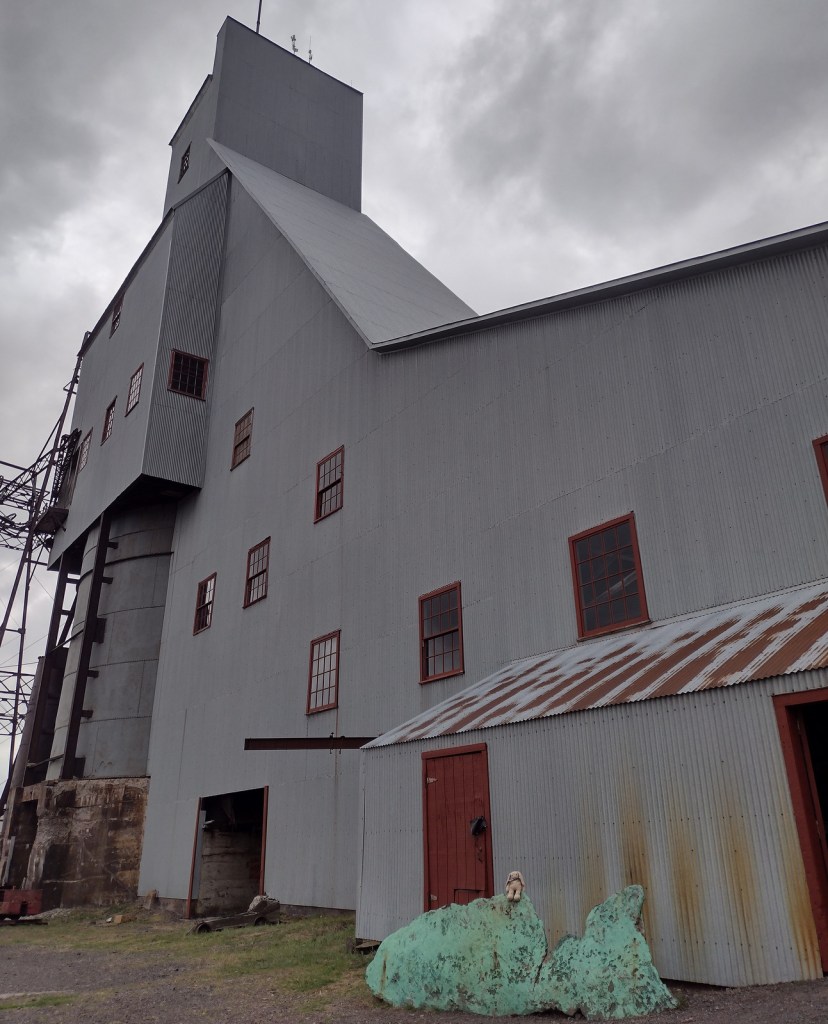
Quincy Mine is the most tourist-friendly part of Keweenaw National Historical Park offering a museum, tram ride, and underground mine tours.

Peak Season

Summer

Hours

https://www.nps.gov/kewe/planyourvisit/hours.htm

Fees

No NPS fees, but each heritage site charges its own admission with one of the cheapest being the $1 donation per person requested at the Copper Range Historical Museum in South Range, Michigan.

Road Conditions

Most roads are paved, with the exception of the short gravel road to the Adventure Mining Company.

Camping

Fort Wilkins and McLain State Parks both have campgrounds and dispersed campsites can be found in parts of Ottawa National Forest.  Backpacking is popular in Porcupine Mountains Wilderness State Park.

Related Sites

Pictured Rocks National Lakeshore (Michigan)

Isle Royale National Park (Michigan)

Effigy Mounds National Monument (Iowa)

Explore More – How deep was the shaft dug at Quincy Mine before it was closed in 1945 and allowed to fill with water?