Tag Archives: art

Vanderbilt Mansion National Historic Site

Vanderbilt Mansion National Historic Site

New York

Managed by National Park Service

Established 1940

211 acres

Website: nps.gov/vama

Overview

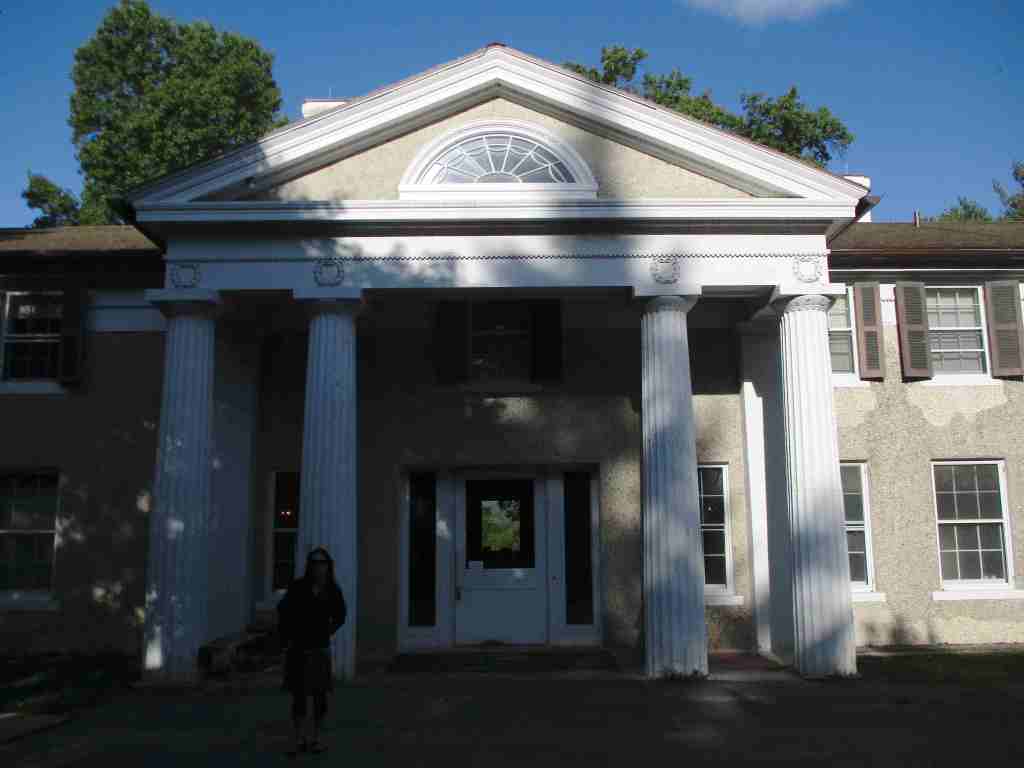
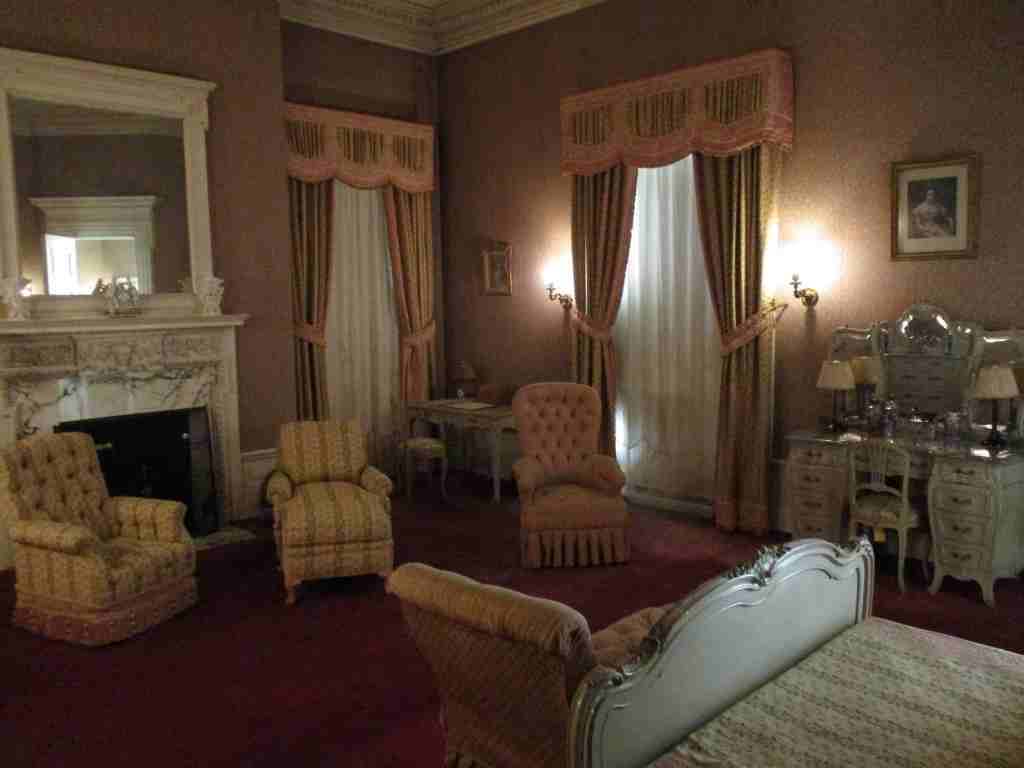
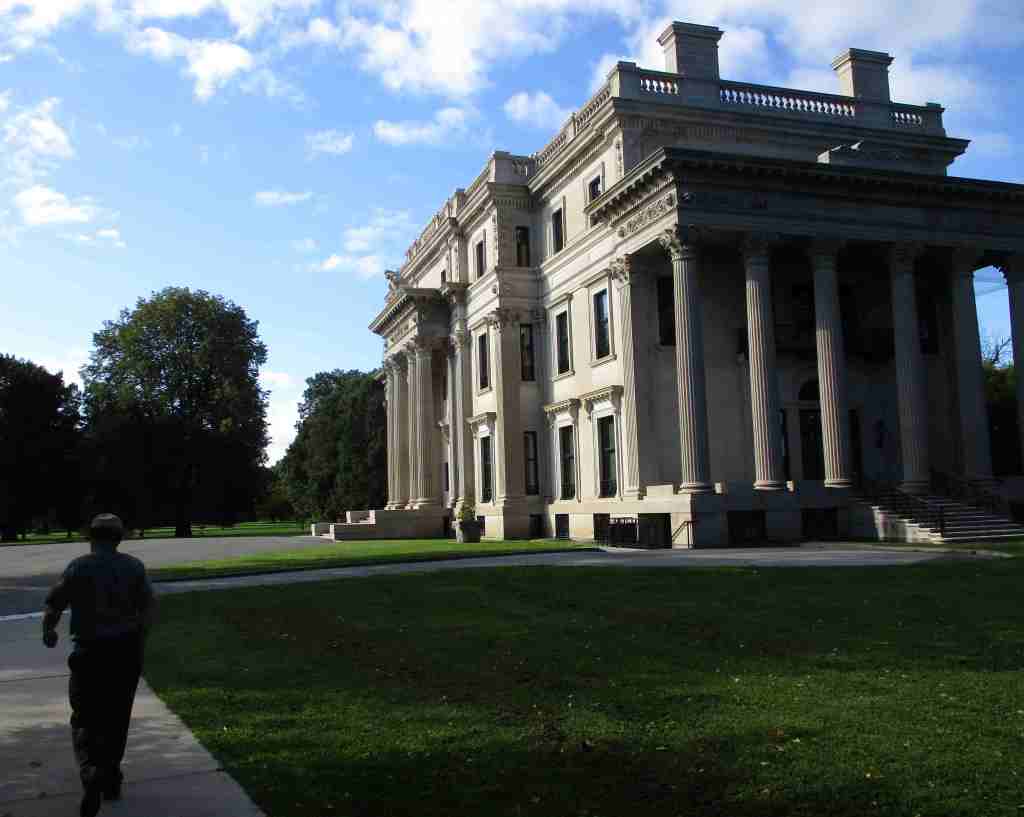
The Gilded Age is the term referring to the period from the Civil War to the end of the century, a time of growth in industry and immigration.  Gilding is the process of putting a thin layer of gold on an object to improve its appearance and was used as a slight to the nouveau riche families that built lavish mansions and threw extravagant parties.  Shipping and railroad tycoon Cornelius Vanderbilt’s grandson Frederick purchased this 600-acre Hyde Park estate in 1895.  He and his wife Louise had the mansion there torn down and it took nearly four years to complete their 54-room mansion ornamented in beaux arts style.  It was the first in the area to have electricity, which was supplied by its own hydroelectric plant.  It was inhabited by the family only in the spring and fall with as many as 60 staff needed to run the place.  When Louise’s niece could not sell the property during the Great Depression, her neighbor President Franklin D. Roosevelt suggested she donate it to the National Park Service. 

Highlights

Mansion, Pavilion, Formal Gardens, Hyde Park Trail

Must-Do Activity

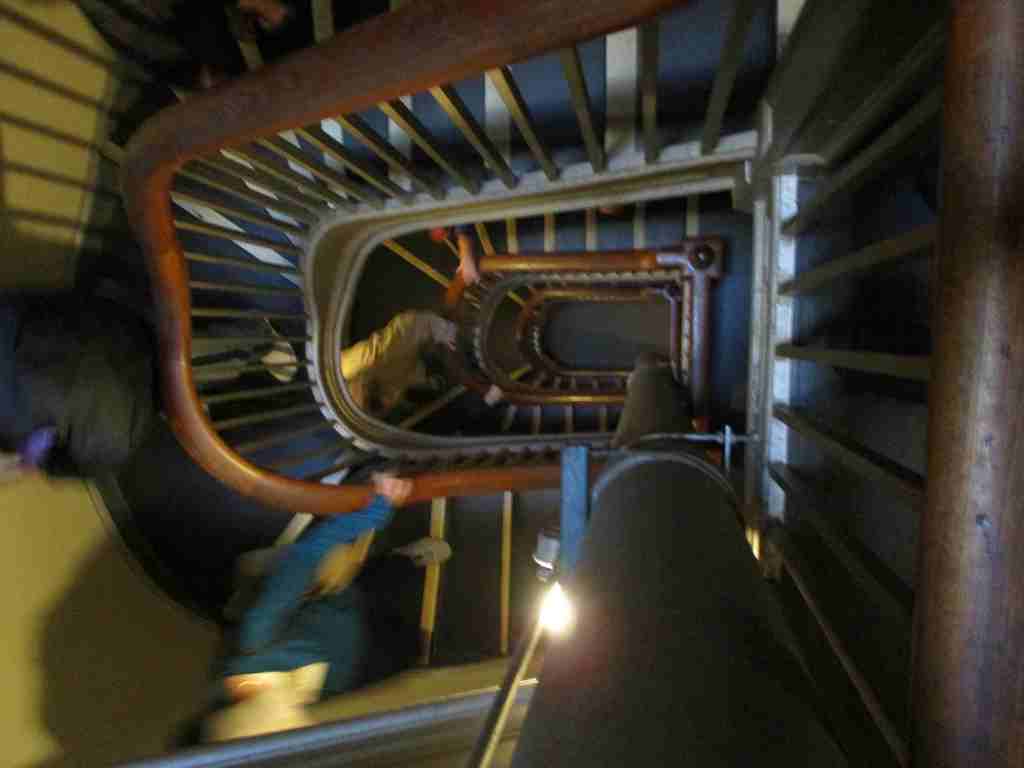
The only way inside the mansion is on a one-hour guided tour that does not take reservations.  They can be purchased at the visitor center inside The Pavilion, a guest house built in 66 days in 1895.  The grounds are free to explore, where you can walk on the carriage roads, picnic at the overlook, and peruse the Italian gardens.  The mansion was designed by the leading architectural firm McKim, Mead & White, known for their emphasis on high classicism.  It features a large living room, grand staircase, and semicircular portico overlooking the Hudson River and Catskill Mountains.  The house cost $660,000 at the time, while the interior furnishings pushed the total cost to $2.3-million (equivalent to about $90-million today) since many of the decorations were purchased in Europe.

Best Trail

Vanderbilt Service Road Trail loops through this 211-acre site and Bard Rock Road Trail splits off to a point on the Hudson River.  Hyde Park Trail follows the river south to connect with the Home of Franklin D. Roosevelt National Historic Site and Eleanor Roosevelt National Historic Site

Photographic Opportunity

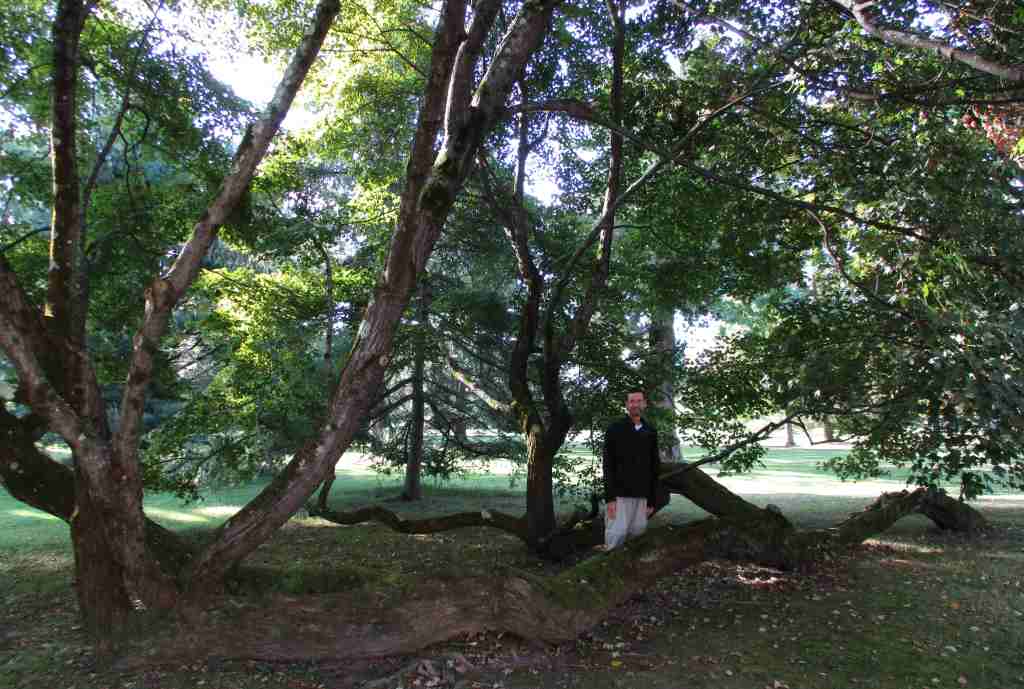
The landscape design (and a ginkgo tree) on the property dates back to the 1700s, while its current look was restored to its 1930s appearance.

Peak Season

Summer

Hours

https://nps.gov/vama/planyourvisit/hours.htm

Fees

$15 per person for the mansion tour or use the annual America the Beautiful pass

Road Conditions

Parking and access roads are paved from the Albany Post Road (Highway 9). 

Camping

Mills-Norrie State Park is located 3.5 miles north on Highway 9 and has a campground offering running water and hot showers. 

Related Sites

Home of Franklin D. Roosevelt National Historic Site (New York)

Eleanor Roosevelt National Historic Site (New York)

Martin Van Buren National Historic Site (New York)

Nearest National Park

Shenandoah

Explore More – Who were the authors who coined the term “Gilded Age” in their 1873 book?

Top 10 Gifts Highlighting National Monuments

It is gift buying season again, so here are the best ideas for the person on your list who loves National Monuments.  This year we published Monumental America, our travel guidebook to the 138 National Monuments, so we have had those often-overlooked public lands on our minds. We previously published our Top 10 Gifts for National Park Lovers.  Click here to see all of our Top 10 Lists, including some book lists that may help you find a special gift for your favorite reader.  As always, products we have created are available under the Shop tab above. We also have a Pinterest board for National Monuments, as well as one for National Park gifts and those harder-to-find National Forest gifts.

10. Postcards

For someone who loves one of the 138 National Monuments, pick up a postcard from Anderson Design Group

9. Quarters

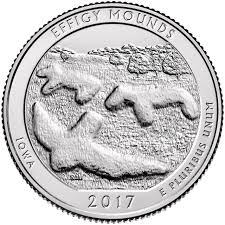
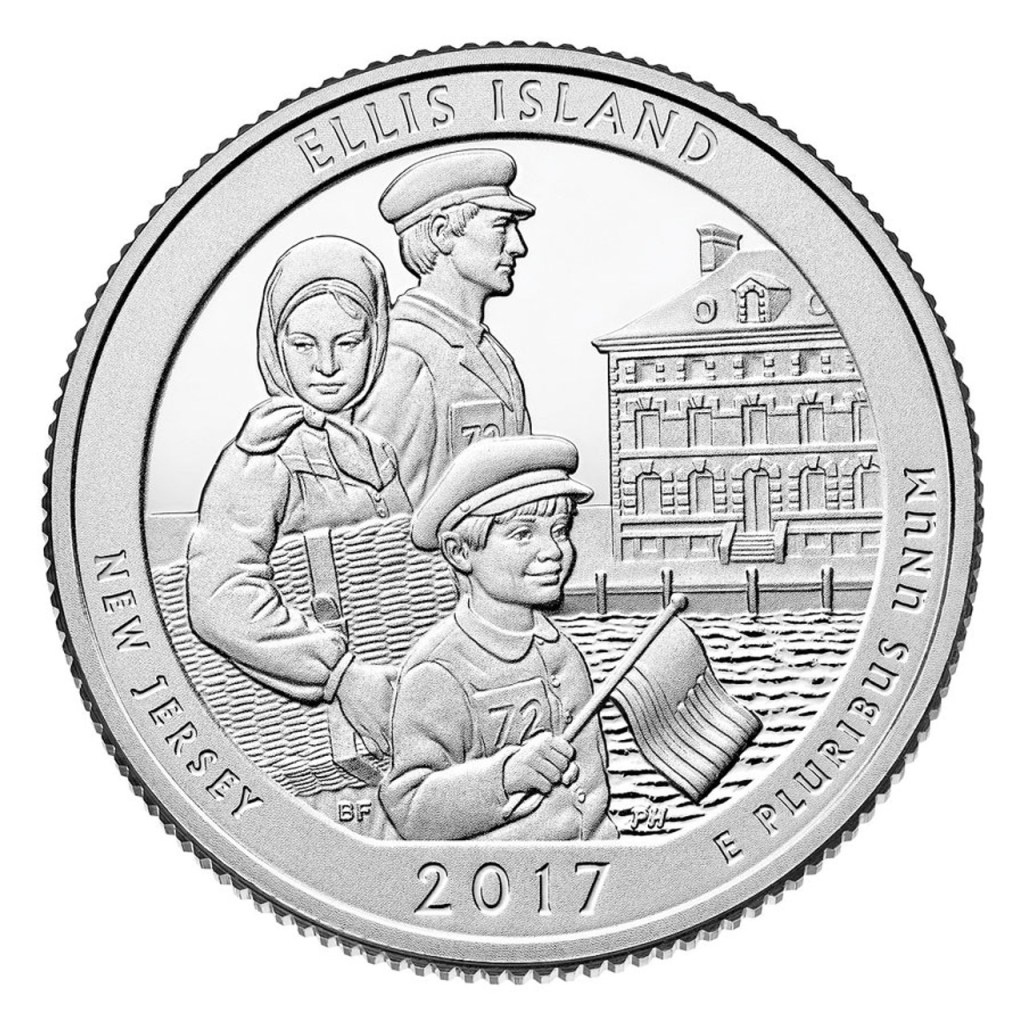
The U.S. Mint finished releasing its America the Beautiful series in 2021; there are books and maps highlighting all 56 quarters (and you can buy the entire set for little more than the coins’ value)

8. Phone Case

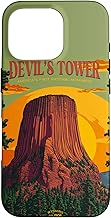
Devils Tower became the first National Monument in 1906, so why not commemorate it on the one thing you take with you everywhere?

7. Coasters

We often purchase a Lantern Press coaster from the National Park Service bookstore during our visits, but there are also sets for sale online

6. Stickers

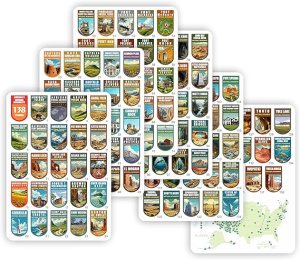
For someone on the quest to visit all 138 National Monuments, pick up a sticker set showcasing all of them

5. Mugs

Why not recall a favorite National Monument every time you enjoy a hot beverage? Check out the options at Western National Parks Association

4. Blanket

Keep warm under a National Parks and Monuments blanket map from Nomadix

3. Posters

Artwork or photographs of our beautiful National Monuments make a great gift and there are an overwhelming number of options (try starting at Creative Action Network)

2. Clothing

T-shirts, hoodies, socks, and anything else people wear have all been emblazoned with National Monument logos and images; did you know the Statue of Liberty is a National Monument?

…and finally our #1 gift featuring National Monuments:

1. Monumental America Guidebook

Especially if your National Monuments journey is just getting started, our one-of-a-kind guidebook can help with planning the travel logistics

.

Honorable Mentions

Puzzles

Jigsaw puzzles had a renaissance during the pandemic and there are many National Monument options in photographs or artwork

Photo album or photo board

We passport stamp all of the “unigrid” pamphlets (like the ones Echo the Raven poses with for each NPS blog post) from the parks and collect them in a photo album (actually three since we have visited 414 of 433 units so far)

We are a participant in the Amazon Services LLC Associates Program, an affiliate advertising program designed to provide a means for us to earn fees by linking to Amazon.com and affiliated sites.

Hawai‘i Volcanoes National Park

Hawai‘i Volcanoes National Park

Hawai‘i

Managed by National Park Service

Established 1916

344,812 acres

Website: nps.gov/havo

Overview

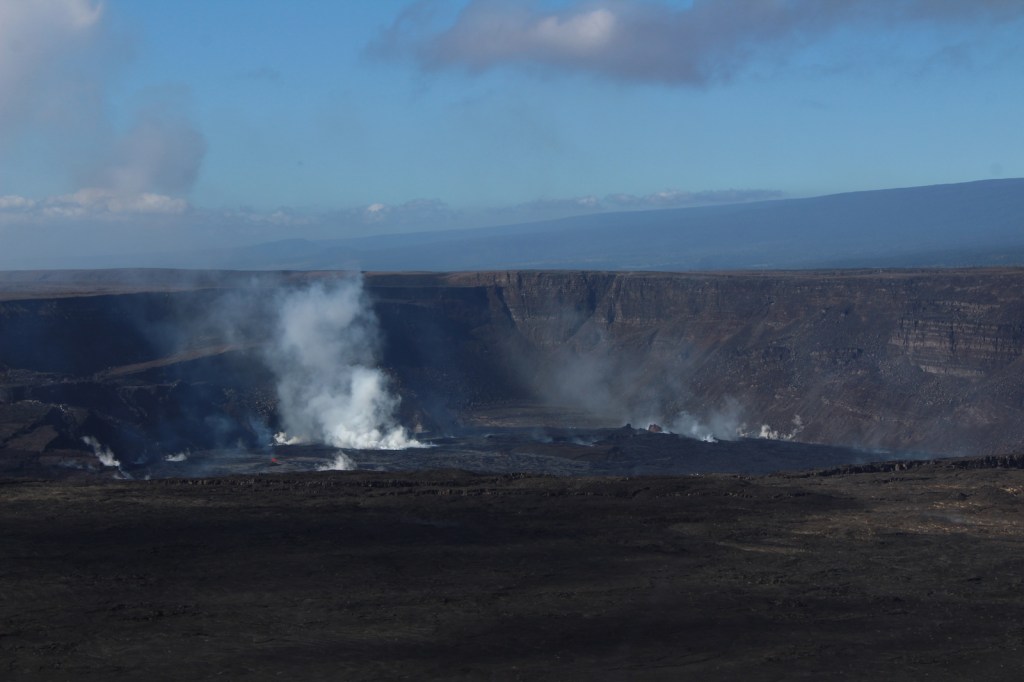
Hawai‘i National Park was created in 1916, before being split in 1961 into this park on the Big Island of Hawai‘i and Haleakala National Park on Maui.  Encompassing two of the world’s most active volcanoes (Kīlauea and Mauna Loa), Hawaiʻi Volcanoes National Park is constantly changing.  Indigenous people considered Kīlauea Caldera and its bubbling Halemaʻumaʻu Crater as the sacred home of Pele, goddess of the volcano.  This area first became a tourist attraction in the 1840s when Volcano House was still a grass shack.  A small, wooden hotel was built in 1877 that now serves as Volcano Art Center Gallery, before the larger lodge was finished in the 1940s on the edge of the caldera.  A strenuous backpacking trail summits the world’s largest shield volcano, 13,677-foot Mauna Loa, which erupted in 1926, 1942, 1950, 1984, and 2022. 

To learn more about the separate Kahuku Unit and how to find solitude in this National Park that saw 1.6-million visitors in 2023, check out our expanded 2nd edition of our guidebook A Park to Yourself: Finding Solitude in America’s 63 National Parks

Highlights

Volcano Art Center, Halemaʻumaʻu Crater, Chain of Craters Road, Kīlauea Iki Crater, Nāhuku (Thurston Lava Tube), Hōlei Sea Arch, Lava Tree Molds, Mauna Loa Overlook, Kīpukapuaulu Trail, Pu‘u Loa Petroglyphs Trail

Must-Do Activity

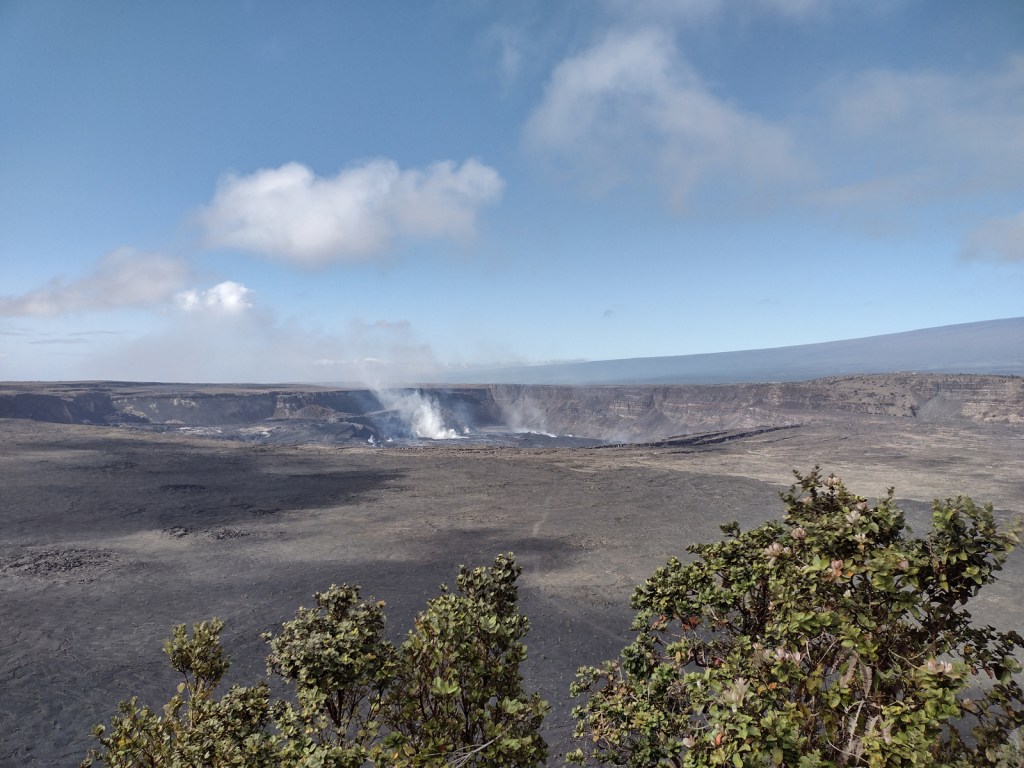
Arrive early or late at the visitor center to avoid tour bus crowds, then check with a ranger to find the best overlooks to view any volcanic activity in Halemaʻumaʻu Crater (depicted in our illustration below).  Consider returning to view the molten lava after dark, although parking can be a challenge.  The Chain of Craters Road leads 20 miles south from the forested caldera rim above 4,078 feet in elevation down to the sparsely vegetated seashore, descending through a wide range of environments before it dead ends into recent lava flows near the Hōlei Sea Arch and 1.5-mile Pu‘u Loa Petroglyphs Trail, where the crisp images chipped into the black lava have been spared from centuries of volcanic activity. 

Best Trail

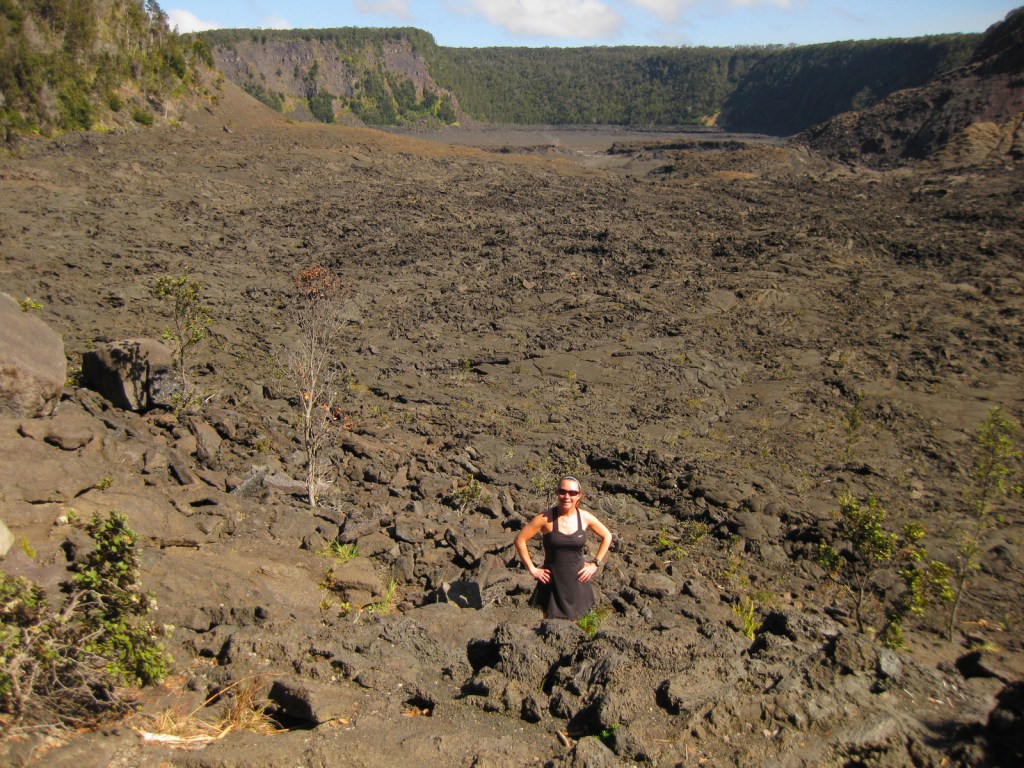
Kīlauea Iki Trail makes a four-mile loop descending 400 feet to the bottom of the crater that was a lake of lava in 1959.  It is recommended to hike it in a counter-clockwise direction to avoid ascending the steepest sections. 

Instagram-worthy Photo

Kīlauea erupted nonstop from 1983 through 2018, when lava poured in a near constant stream into the ocean, and it has been sporadically active since then.  Lava made it into the #1 spot on our Top 10 Natural Phenomena to See in the U.S.

Peak Season

Year round or whenever a volcano is active

Hours

https://www.nps.gov/havo/planyourvisit/hours.htm

Fees

$30 per vehicle or America the Beautiful pass

Road Conditions

Chain of Craters Road is paved, but can be closed during volcanic eruptions, just as half of Crater Rim Drive has been closed since March 19, 2008.  The side road to Hilina Pali Overlook is usually closed beyond Kulanaokuaiki Campground.  The one-lane, potholed Mauna Loa Road is doable with a passenger vehicle if you take it slow, as is the unpaved road into the western Kahuku Unit. 

Camping

The name of Kulanaokuaiki Campground translates as “shaking earth,” and this nine-site primitive camp has no drinking water, unlike the concessionaire-run Nāmakanipaio Campground and Cabins on Highway 11.  Even though this is Hawai‘i, bring some warm clothes as it can be quite rainy and windy, especially when the volcano is erupting; the temperature around Halemaʻumaʻu Crater did not rise above 59°F all day during our 2023 visit.

Related Sites

Pu‘uhonua o Honaunau National Historical Park (Hawai‘i)

Kaloko-Honokohau National Historical Park (Hawai‘i)

Pu’ukohola Heiau National Historic Site (Hawai‘i)

Explore More – When was the 115,788-acre Kahuku Unit added to the National Park?

This design we created to celebrate Hawai’i Volcanoes National Park is available on a variety of products at Cafe Press
We designed this ‘ohi’a lehua logo for the park available on Amazon.com

We are a participant in the Amazon Services LLC Associates Program, an affiliate advertising program designed to provide a means for us to earn fees by linking to Amazon.com and affiliated sites.

Freedom Riders National Monument

Overview

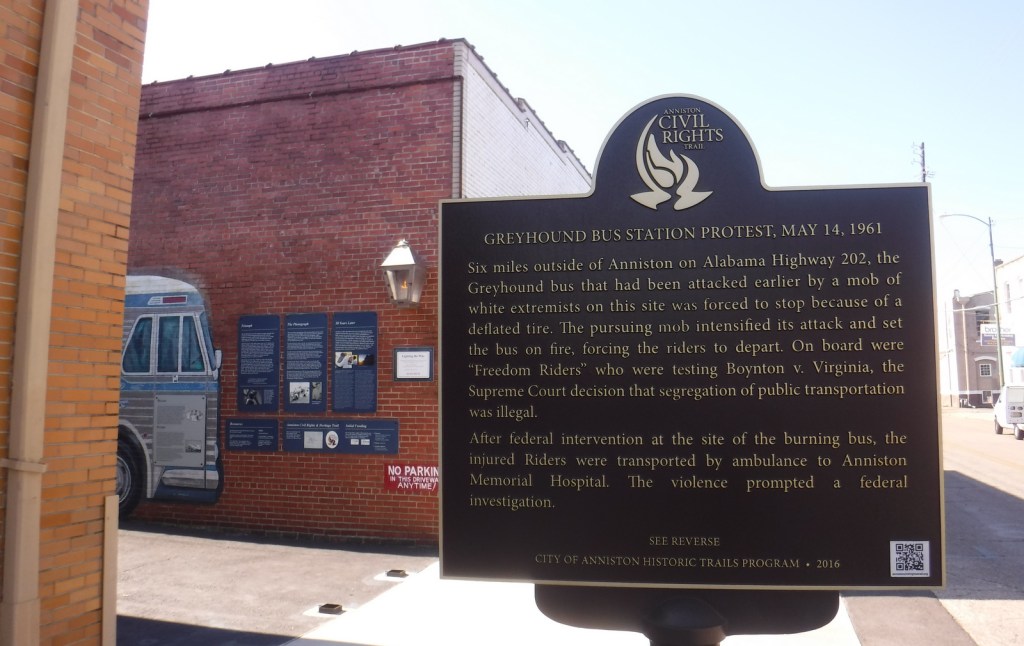
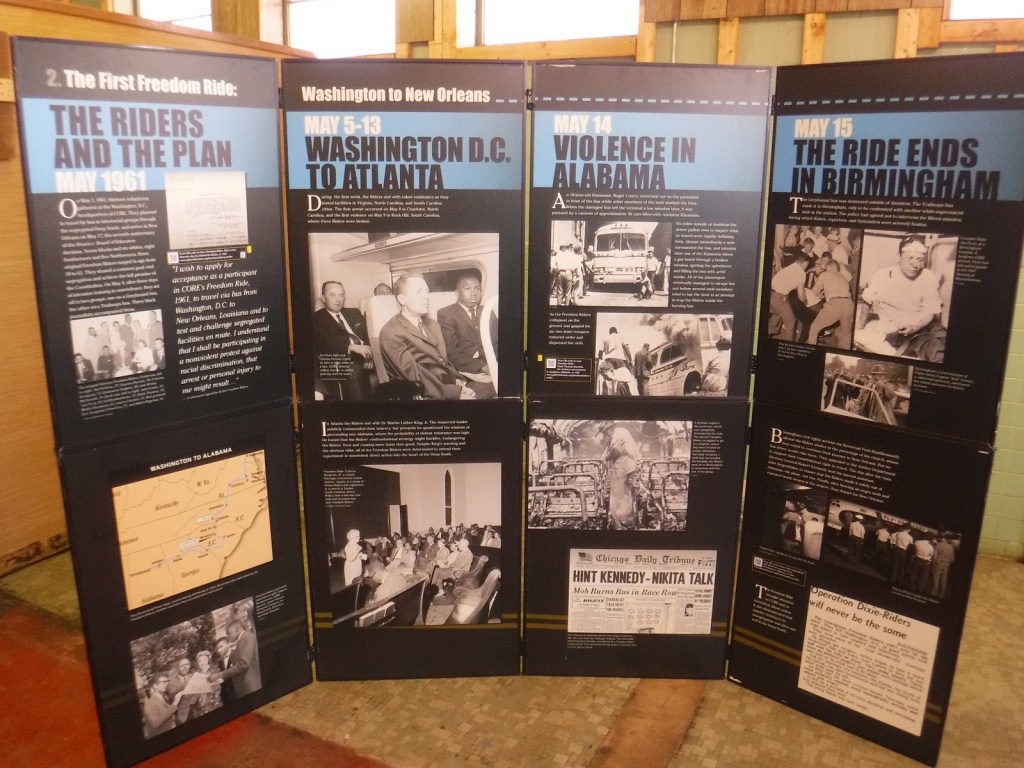
On May 4, 1961, an interracial group of “Freedom Riders” boarded two buses in Washington, D.C. bound for New Orleans to test whether southern bus stations were following the U.S. Supreme Court ruling that ended segregation in interstate travel.  On Sunday, May 14, the Greyhound bus was met by an angry mob in Anniston, Alabama that broke windows and slashed tires.  Eventually police officers cleared a path for the bus, but it was forced to stop just five miles outside town where a bundle of flaming rags caused an explosion and fire inside the vehicle.  Everyone escaped the bus although there were attempts to trap the seven Freedom Riders on board.  Joseph Postiglione’s iconic photo of the burning bus appeared in newspapers across the country, encouraging more Freedom Riders and changes to laws.

Highlights

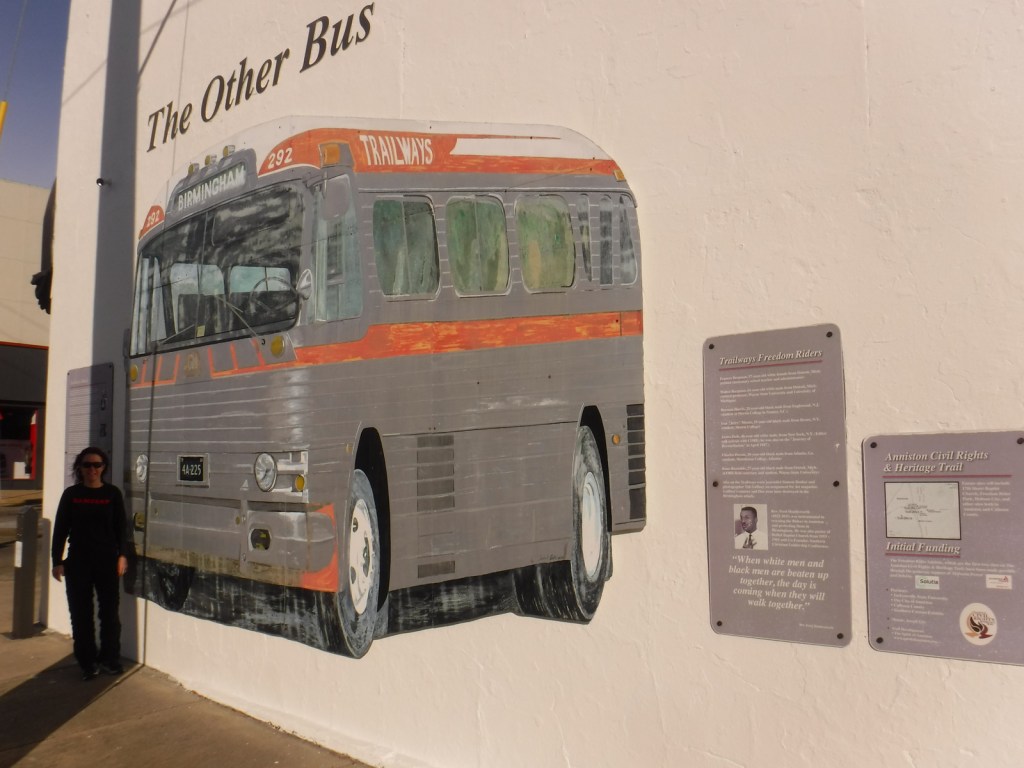
Greyhound bus depot, Trailways bus mural, site of bus burning

Must-Do Activity

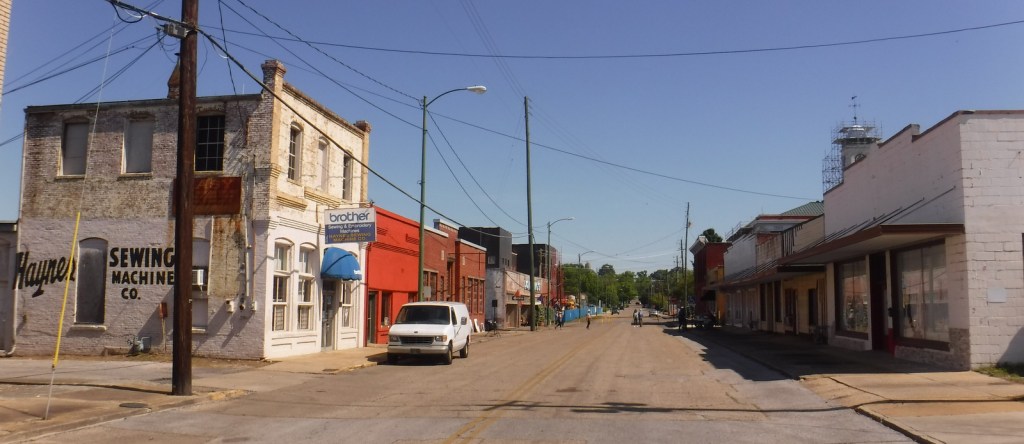
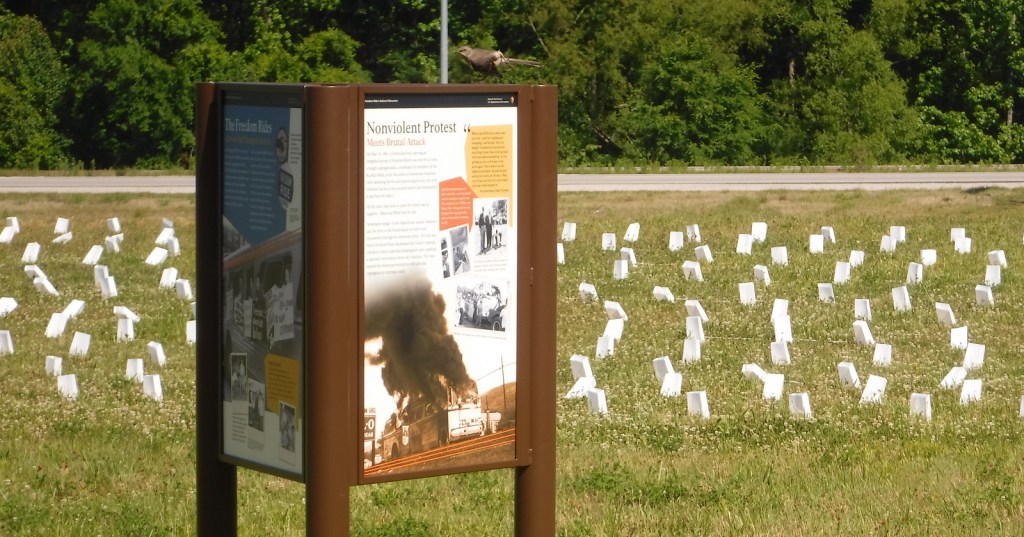
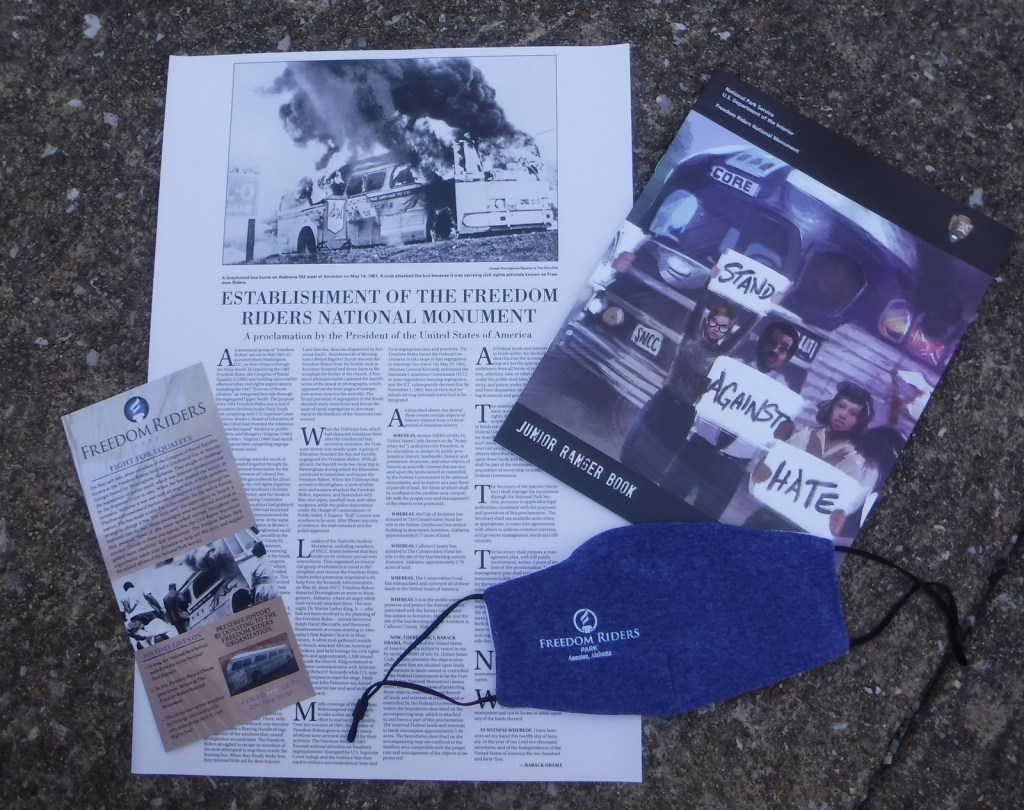
President Obama established Freedom Riders National Monument in 2017, so the park is still under development, but they do already have an outstanding Junior Ranger program.  The National Park Service (NPS) has temporary displays inside its visitor center in the historic Anniston bus station and outside is a beautiful mural of a Greyhound bus and an audio recounting of the 1961 events by Hank Thomas, a survivor.  Down the road on Highway 202, the bus burning site is currently just an informational display in a field.  We were there for the 60th anniversary events, when 400 luminaria were placed to represent the total number of Freedom Riders.  Several other murals can be found around Anniston, including a second bus at Noble and 9th Street with Charles Person’s audio description of events that took place that same day. We also recommend the excellent Freedom Rides Museum (admission charged) in Montgomery, Alabama, where similar violence took place on May 20, 1961.

Best Trail

None

Instagram-worthy Photo

In the alley next to the NPS visitor center, in front of the life-sized mural of a 1961 Greyhound bus is a lamp dedicated in August 2013 to the bravery of the Freedom Riders.

Peak Season

Spring

Hours

https://www.nps.gov/frri/planyourvisit/hours.htm

Fees

None

Road Conditions

Street parking is free outside the NPS visitor center.  To access the bus burning site, be sure to park off Old Birmingham Highway and not along the busy Highway 202 shoulder.

Camping

South of Interstate 20, campgrounds can be found in Cheaha State Park and Talladega National Forest, which also provides dispersed camping and great backpacking opportunities.

Related Sites

Birmingham Civil Rights National Monument (Alabama)

Martin Luther King, Jr., National Historical Park (Georgia)

Medgar and Myrlie Evers Home National Monument (Mississippi)

Explore More – Who was the future U.S. Congressman who took part in the 1961 Freedom Rides?

Chickamauga and Chattanooga National Military Park

Overview

Chickamauga and Chattanooga National Military Park was authorized in 1890, the first park of its kind in the United States.  It covers multiple battlefields from late-1863 that straddle the Tennessee-Georgia borderline.  Though the Confederate army initially won at Chickamauga, Georgia, the Union took control of Chattanooga, Tennessee after the arrival of General Ulysses S. Grant with reinforcements in November.  Like Fort Monroe in Virginia, this area then became a beacon for escaped slaves, eventually numbering 2,000 people.

Highlights

Museums, film, driving tour, Point Park, Ochs Memorial Observatory, Cravens House, cannons

Must-Do Activity

Point Park sits on top of Lookout Mountain offering awesome views of the city of Chattanooga and Moccasin Bend on the Tennessee River.  It is also the home of Ochs Memorial Observatory and museum, one reason Point Park charges an admission fee.  The nearby National Park Service (NPS) visitor center displays the 30×13-foot painting The Battle of Lookout Mountain by James Walker.  At the Chickamauga battlefield, a seven-mile long driving tour explains what happened there on September 20, 1863.  The National Military Park also entails seven small military reservations and the Phelps Monument along the road atop Missionary Ridge, east of Chattanooga.

Best Trail

There are miles of trails atop Lookout Mountain and Ochs Memorial Observatory is only accessible by trail (and many stair steps).  It contains a museum dedicated to the Civil War and American Indians, specifically the Cherokee who passed through Moccasin Bend (which has its own three-mile loop trail) on the Trail of Tears in 1838.

Instagram-worthy Photo

The entrance to Point Park is designed to look like the Army Corps of Engineers insignia.

Peak Season

Summer

Hours

https://www.nps.gov/chch/planyourvisit/hours.htm

Fees

$10 per person to enter Point Park or America the Beautiful pass

Road Conditions

All roads paved, but there is limited free parking available at the NPS visitor center near Point Park.

Camping

Cloudland Canyon State Park in Georgia is about 20 miles southwest of Chattanooga, Tennessee.

Related Sites

Fort Donelson National Battlefield (Tennessee-Kentucky)

Shiloh National Military Park (Tennessee-Mississippi)

Kennesaw Mountain National Battlefield Park (Georgia)

Explore More – Why did President Abraham Lincoln consider capturing Chattanooga (a town of only 2,500) as important as Atlanta?