Tag Archives: African American

Hoosier National Forest

Hoosier National Forest

Indiana

Managed by U.S. Forest Service, Eastern Region

644,214 acres (202,814 federal/ 441,400 other)

Website: https://www.fs.usda.gov/hoosier

Overview

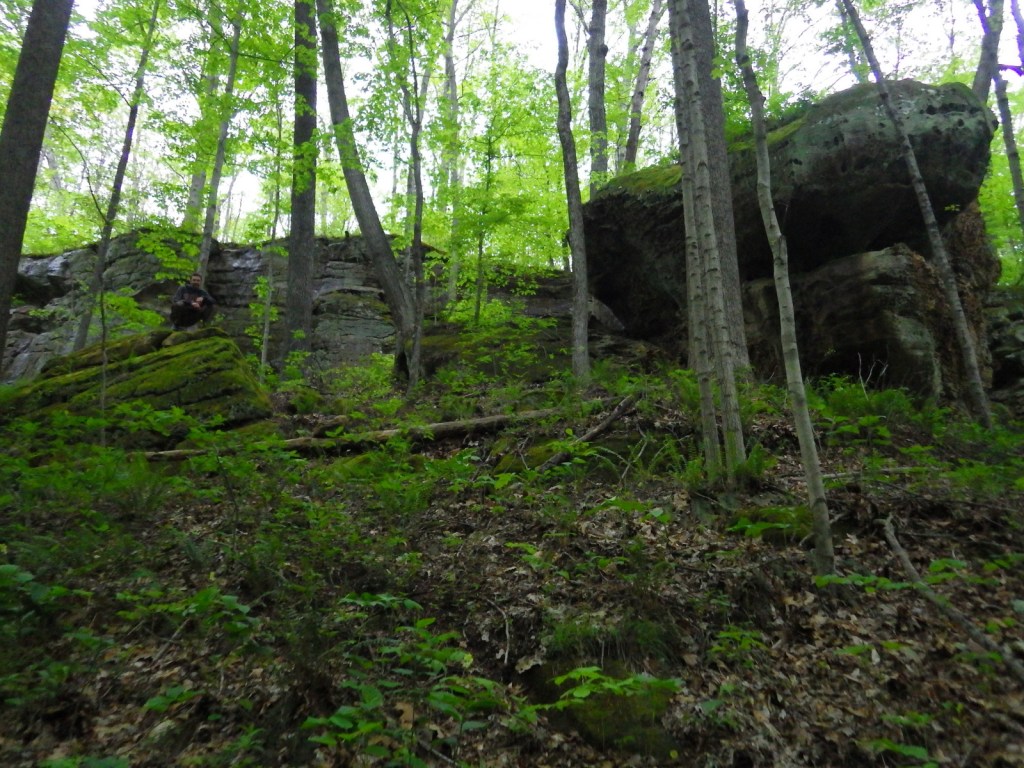
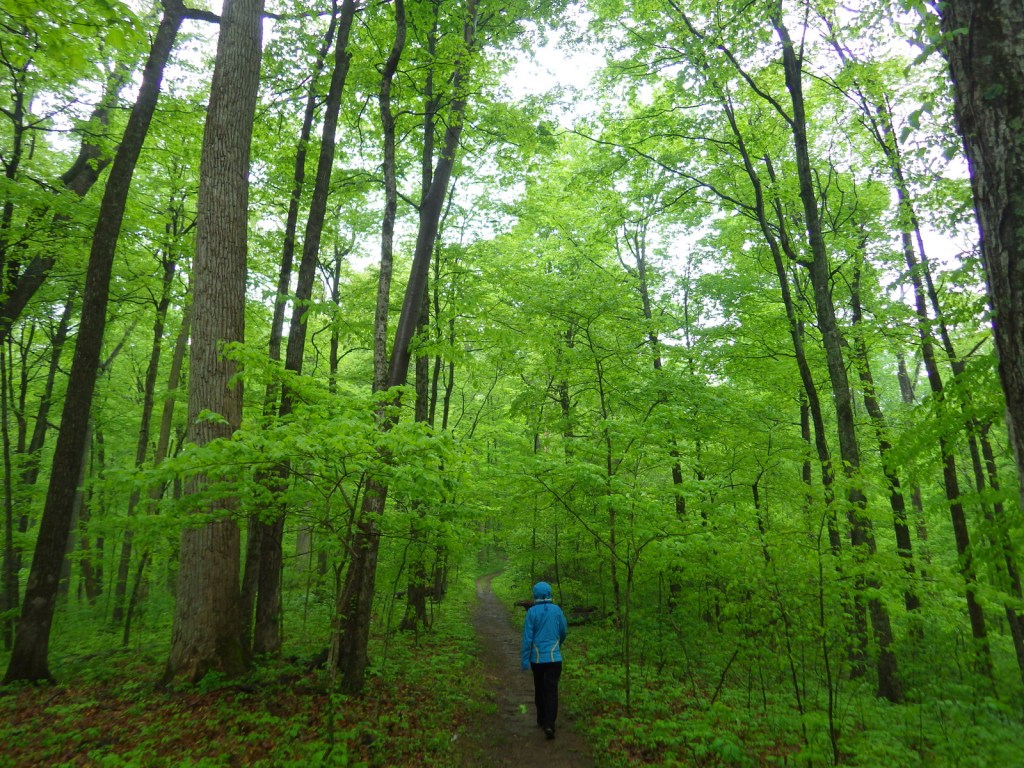
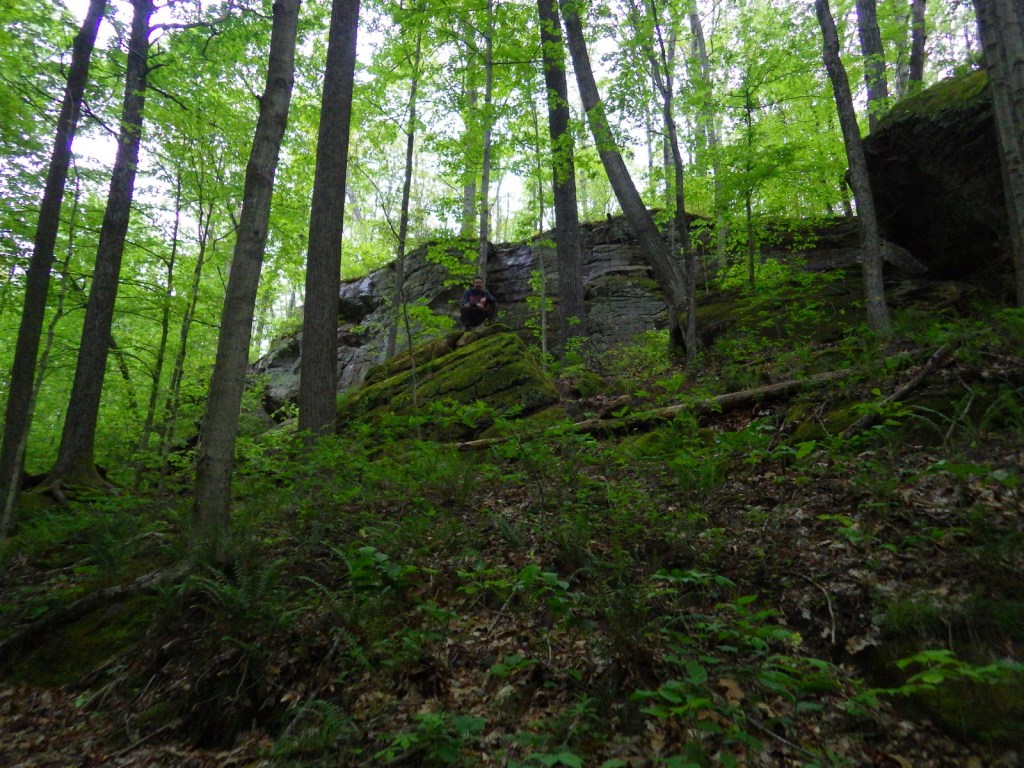
Southern Indiana’s Hoosier National Forest was created in 1935 from cutover and abandoned farm land.  Six years later an additional 88 acres of old-growth forest was purchased that became Pioneer Mothers Memorial Forest, which has never been cut and is used to study natural succession.  A 0.8-mile trail runs through the woods and accesses the Indiana Pioneer Mothers Memorial and Lick Creek Settlement Site.  The latter was a community of free African-Americans led by the Quaker Jonathan Lindley from 1819 to 1865, and located nearby is an archaeological site where there was a stockaded village in the 1300s. 
Highlights

Pioneer Mothers Memorial Forest, Monroe Lake, Hickory Ridge Lookout Tower, German Ridge Lake, Lick Creek Settlement Site, Sundance Lake, Potts Creek Rockshelter Archeological Site, Lake Tarzian, Rickenbaugh House, Tipsaw Lake, Buzzard Roost Overlook, Clover Lick Barrens, Hardin Ridge Recreation Area, Birdseye Trail, Hemlock Cliffs Trail

Must-Do Activity

There are 266 miles of trails in Hoosier National Forest, including the 36.3-mile Terrill Ridge Trail that enters the Charles C. Deam Wilderness (Indiana’s one and only) and the 24.1 miles of trails around German Ridge Lake.  Horse camps provide access to miles of bridle trails, including the 48.7-mile Hickory Ridge Trail.  Many of the National Forest’s trails are old roads (even in the Wilderness), so while hiking watch for evidence of house foundations, fences, domestic plants, and cemeteries.

Best Trail

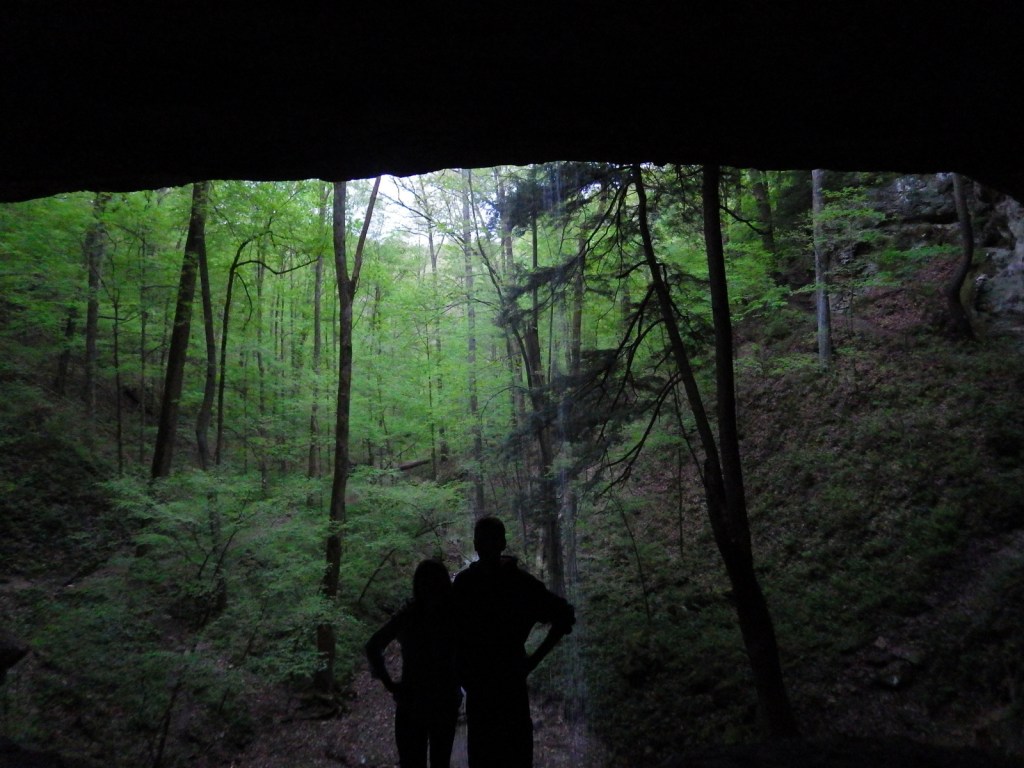
Hemlock Cliffs Trail is a 1.2-mile loop through a sandstone canyon that passes two unique waterfalls.  Tall eastern hemlock trees surround both waterfalls that you can walk behind where the cliffs are undercut by erosion in this crumbly sedimentary rock.  The falls only flow seasonally, but when they do the trail is often muddy and slippery, so take caution. 

Watchable Wildlife

In 1972, wild turkeys were reintroduced to 6,000 acres around Clover Lick Barrens, an area of prairie vegetation.  Other birds of interest include red-shouldered hawks, sharp-shinned hawks, scarlet tanagers, and pileated woodpeckers.  Timber rattlesnakes and copperheads are two venomous snake species found here.  Mammals include fox squirrels, raccoons, and white-tailed deer, which attract hunters in season.

Instagram-worthy Photo

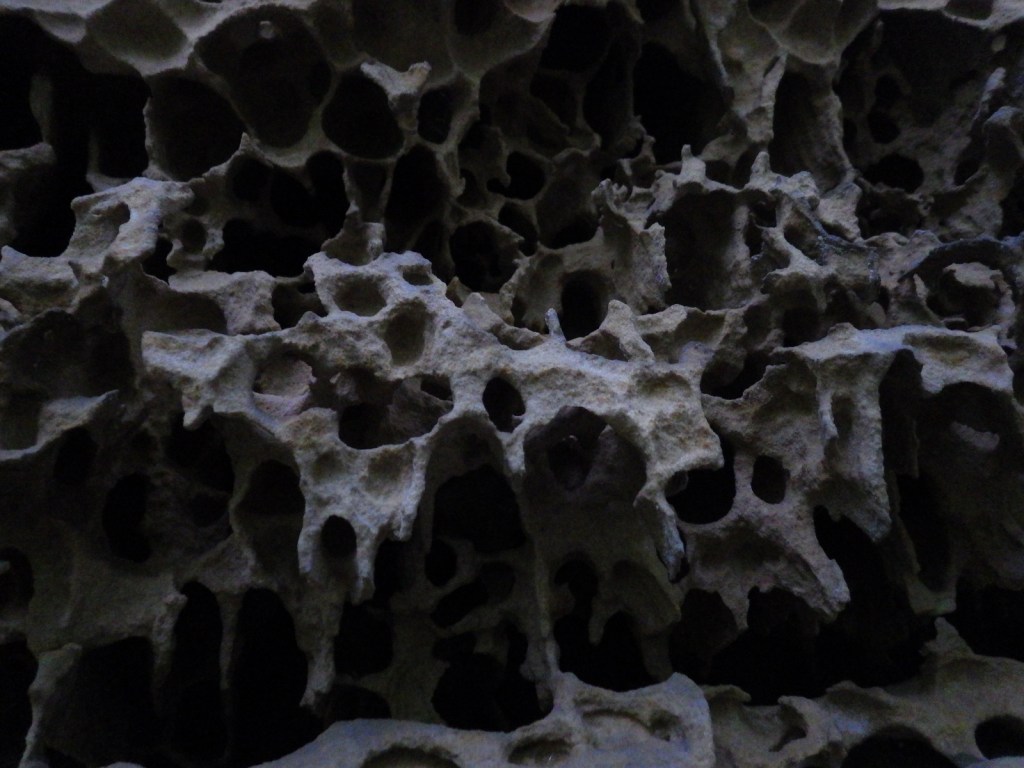
Southern Indiana is known for its Karst topography, which often forms limestone caves, as well as some beautiful Swiss-cheese formations that can be seen along the Hemlock Cliffs Trail.

Peak Season

Summer

Fees

None

Road Conditions

Road access is paved to the pullout for the Pioneer Mothers Memorial Forest, and the unpaved road to Hemlock Cliffs Trailhead was a good enough for our mini-van.

Camping

There are horse camps at Shirley Creek, Blackwell, Hickory Ridge, and Youngs Creek, in addition to other campgrounds dispersed throughout Hoosier National Forest.

Wilderness Areas

Charles C. Deam Wilderness

Related Sites

Shawnee National Forest (Illinois)

Lincoln Boyhood National Memorial (Indiana)

George Rogers Clark National Historical Park (Indiana)

Nearest National Park

Indiana Dunes

Conifer Tree Species

eastern hemlock, eastern white pine, shortleaf pine, eastern redcedar

Flowering Tree Species

American beech, tulip-poplar, basswood, Ohio buckeye, white ash, green ash, American elm, winged elm, black walnut, white oak, northern red oak, black oak, chinquapin oak, rock chestnut oak, post oak, blackjack oak, sugar maple, red maple, ironwood, sassafras, black cherry, black gum, black walnut, honeylocust, Kentucky coffeetree, flowering dogwood, redbud, basswood, sycamore, mockernut hickory, shagbark hickory, pawpaw, slippery elm, butternut, hophornbeam, sweetgum, mountain laurel

Explore More – Who was Charles C. Deam, the namesake for the only Wilderness in Indiana (designated in 1982)?

Learn more about this and the 154 other National Forests in our new guidebook Out in the Woods

Camp Nelson National Monument

Camp Nelson National Monument

Kentucky

Managed by National Park Service

Established 2018

525 acres

Website: nps.gov/cane

Overview

Camp Nelson National Monument occupies 525 acres where a Civil War fort was located 20 miles south of Lexington.  During the war, Kentucky was technically a Union state so the Emancipation Proclamation of 1863 did not apply to the state’s slaves.  Many local slaves were impressed by the U.S. Army to build the camp and their owners were compensated for the work.  In May 1864, when freedom was offered to any black man to join the United States Colored Troops, thousands of escaped slaves brought their families (who were not granted freedom) to this supply depot, which led to numerous conflicts between refugees and Army officials. 

Highlights

Museum, film, Oliver Perry House, barracks, Fort Putnam, Fort Jones, Home for Colored Refugees Site

Must-Do Activity

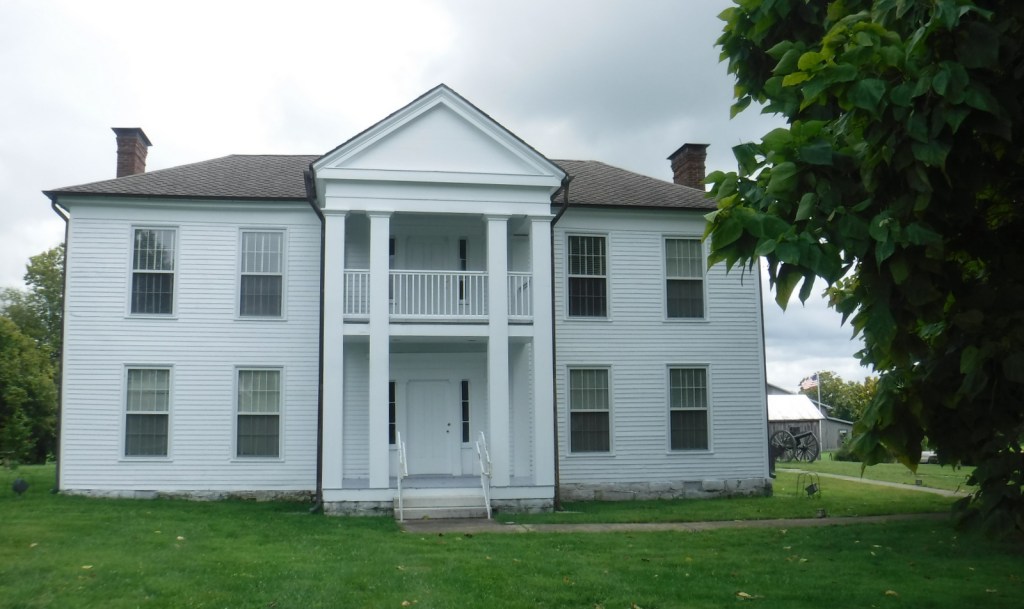
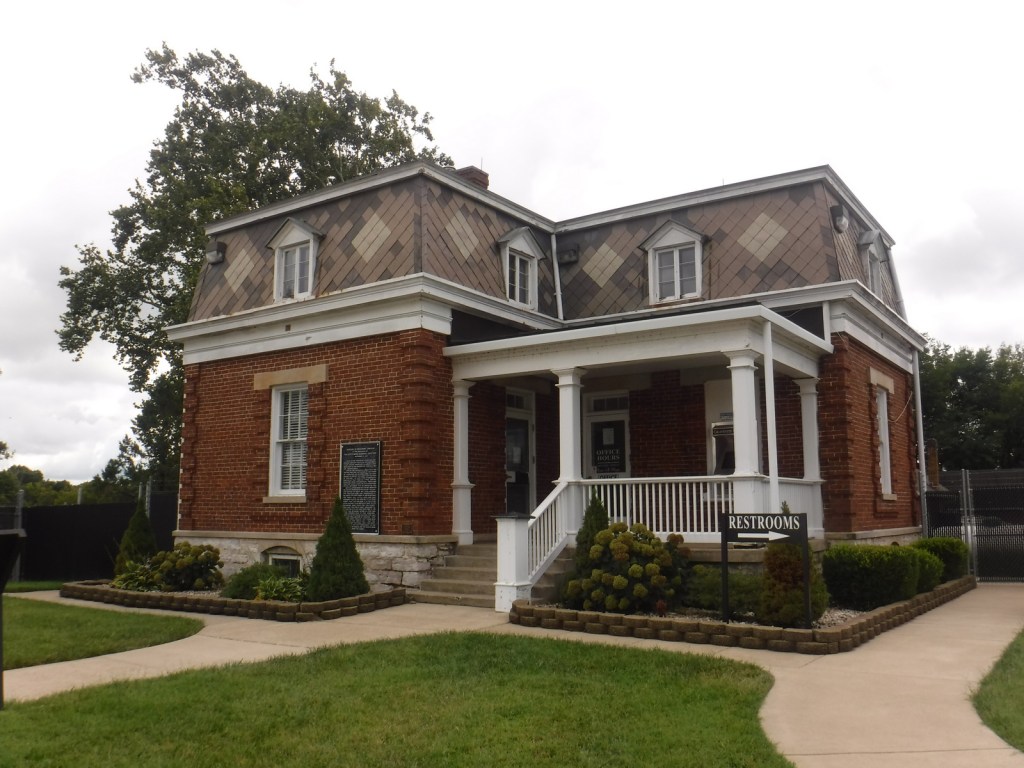
Unlike many new National Monuments, this one was already developed as the Camp Nelson Civil War Heritage Park so it has a historical museum, hiking trails, and interpretive film (that made our Top 10 list for NPS films).  The Oliver Perry House is the only original structure on site, although a barracks building and the earthworks of Fort Putnam have been reconstructed.  A living history weekend is typically held during the summer in the park, which is adjacent to Camp Nelson National Cemetery (see photos below) where hundreds of Civil War soldiers are buried.

Best Trail

There are four miles of trails in Fort Nelson National Monument with numerous interpretive signs and flags placed to identify the former locations of the bakery, prison, stables, Quartermaster Office, and other structures.  The Fort Jones/Overlook Trail accesses extensive stone revetment walls that provided defenses for the eastern side of Camp Nelson.  There is little shade in this grassy landscape, so come prepared on hot summer afternoons.

Instagram-worthy Photo

Built in 1846, the Oliver Perry House (also called the White House) is the only remaining original structure on site, which served as officers’ quarters.

Peak Season

Summer

Hours

https://www.nps.gov/cane/planyourvisit/hours.htm

Fees

None

Road Conditions

All roads paved

Camping

There is no campground on site, but there are some nice ones found throughout the Kentucky state parks system and Daniel Boone National Forest (where we recommend Cave Run Lake).

Related Sites

Daniel Boone National Forest (Kentucky)

Mill Springs Battlefield National Monument (Kentucky)

Mammoth Cave National Park (Kentucky)

Explore More – When was Army policy changed at Camp Nelson to allow the families of United States Colored Troops to have a mess hall, school, and housing?

Timucuan Ecological and Historic Preserve

Overview

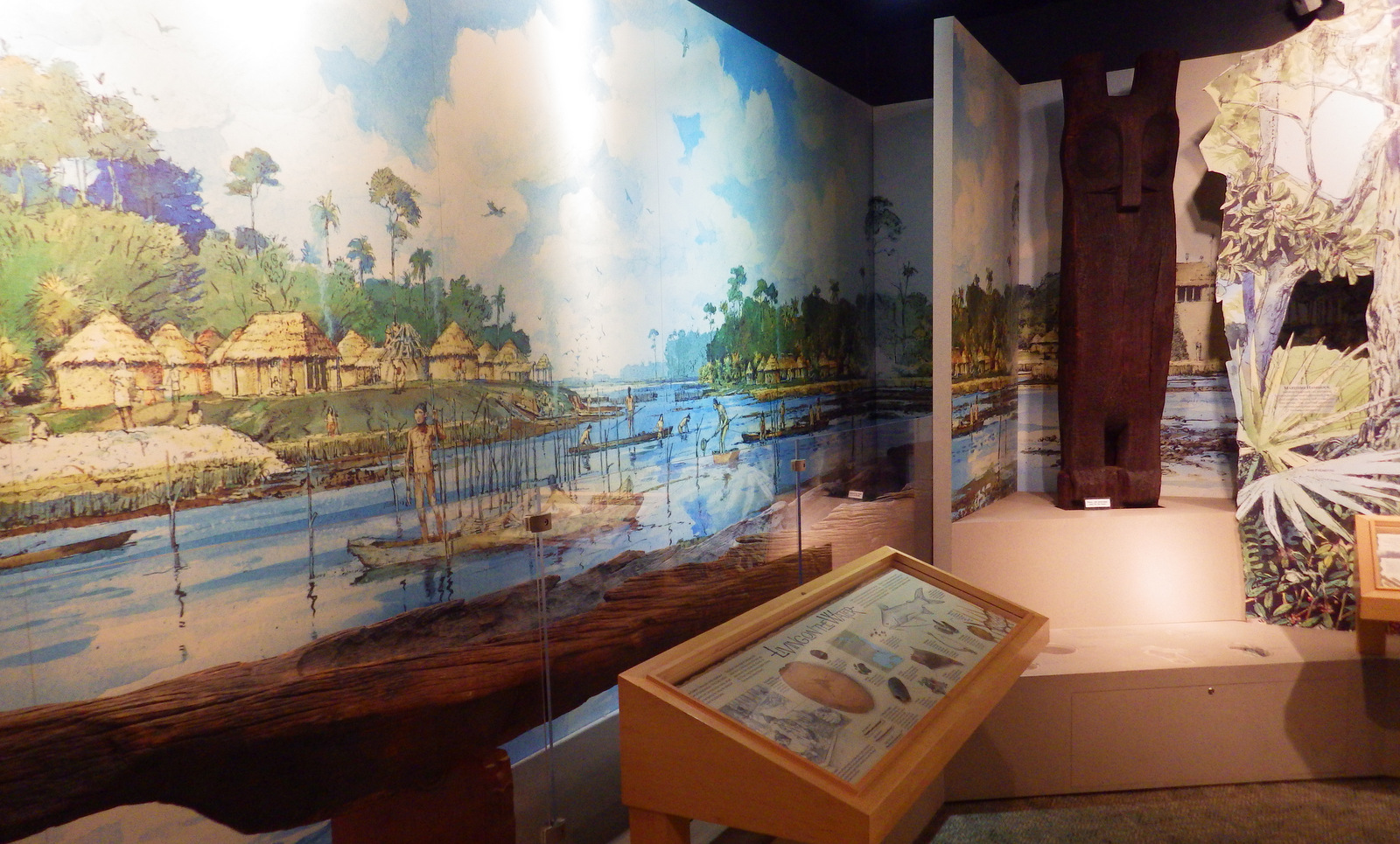
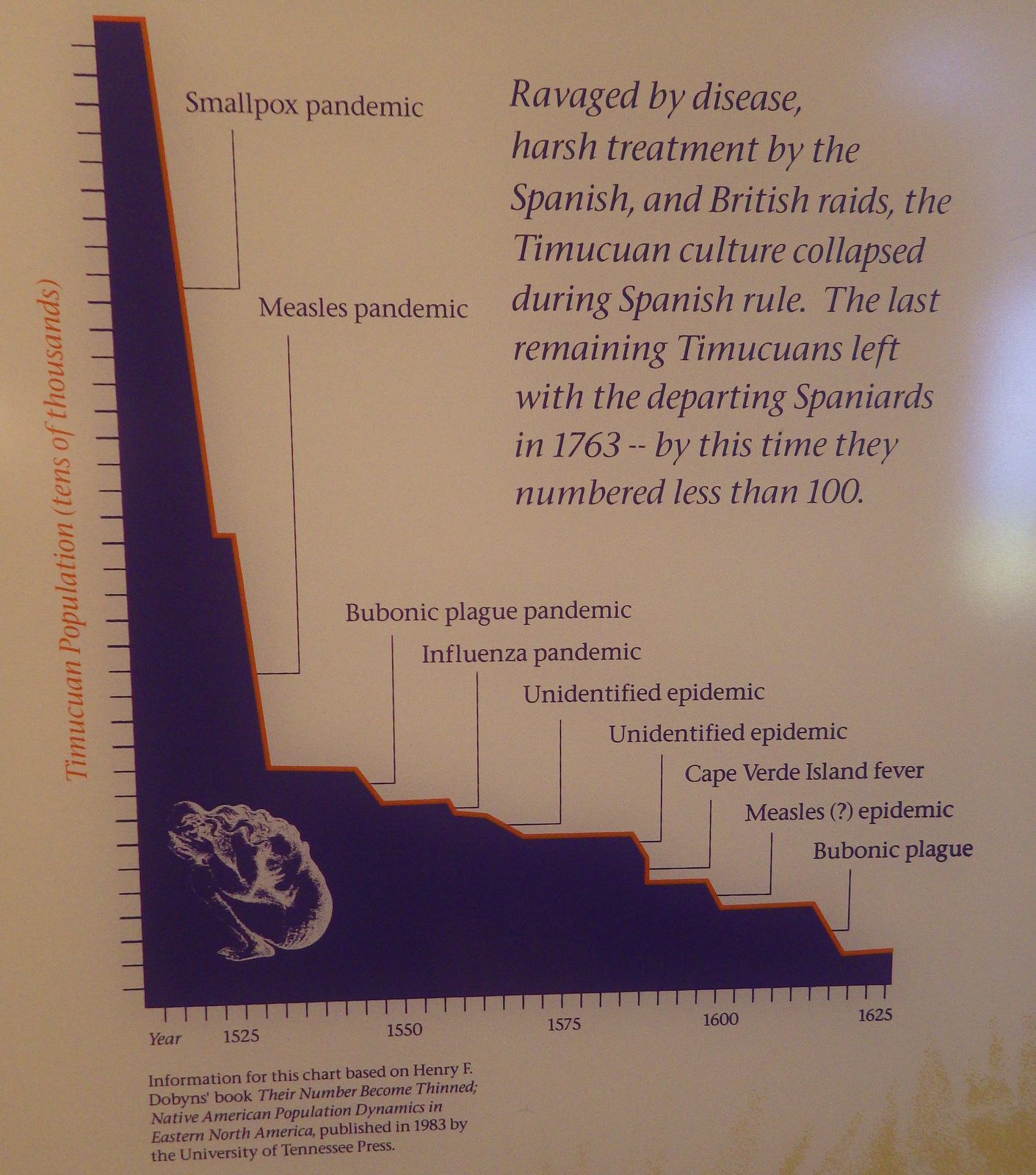
The Timucuan Indians inhabited northeastern Florida’s coastal wetlands and maritime hammocks when French colonists first arrived in 1562.  The settlers constructed Fort Caroline (a National Memorial established in 1950), which the National Park Service (NPS) administers as a unit of Timucuan Ecological and Historic Preserve (established in 1988).  Start your visit at the NPS museum at Fort Caroline National Memorial, which provides information on the indigenous Timucuan, as well as the European colonization efforts.  Then you can tour a one-third scale reconstruction of the triangular Fort Caroline based upon a drawing from 1564 by French artist Jacques le Moyne.

Highlights

Fort Caroline, Kingsley Plantation, Theodore Roosevelt Area

Must-Do Activity

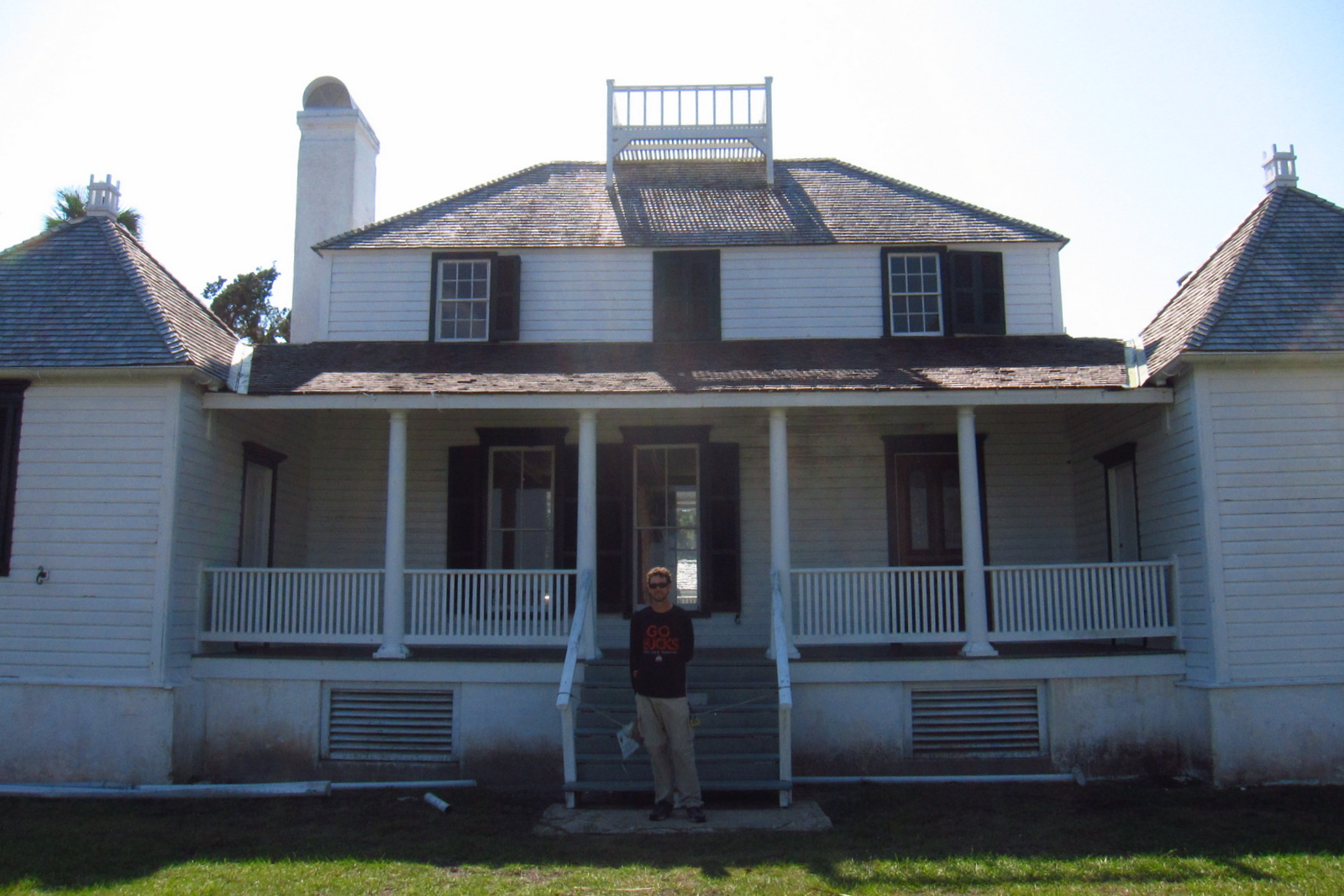
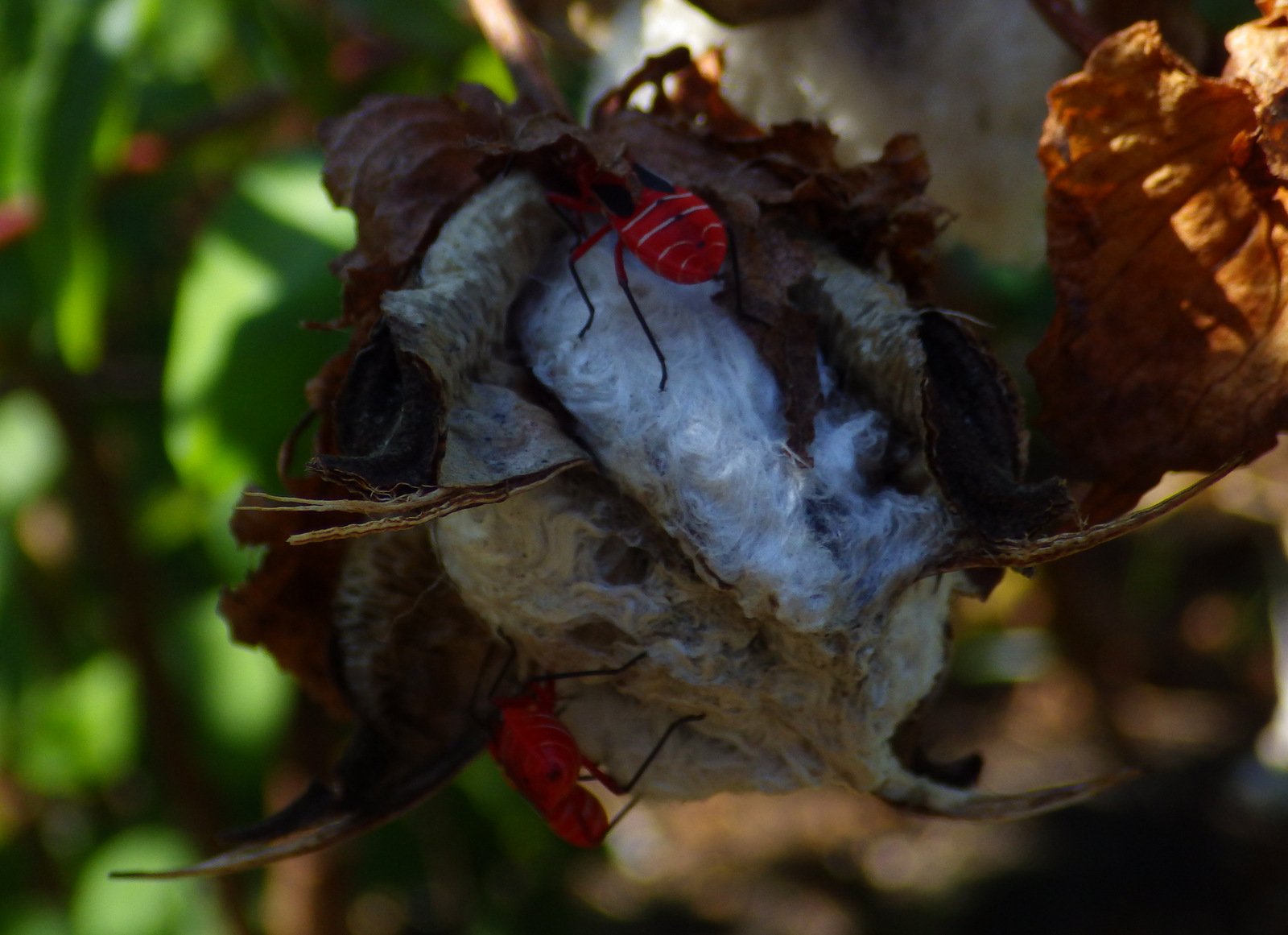
The second place the NPS manages a visitor center is at Kingsley Plantation on Fort George Island east of Jacksonville, Florida.  Established in 1798, it is the oldest remaining plantation house in Florida.  Slaves here harvested Sea Island cotton, which is still grown in a small garden alongside indigo, another regional cash crop.  Visitors can take a self-guided trail around the property, but tours inside the main plantation house are only offered on weekends and require a reservation.

Best Trail

The 1.5-mile Willie Browne Trail winds through the 600 undeveloped acres at Theodore Roosevelt Area, donated by the trail’s namesake to the Nature Conservancy in 1969.  The Spanish Pond Trail connects this trail with Fort Caroline National Memorial.

Instagram-worthy Photo

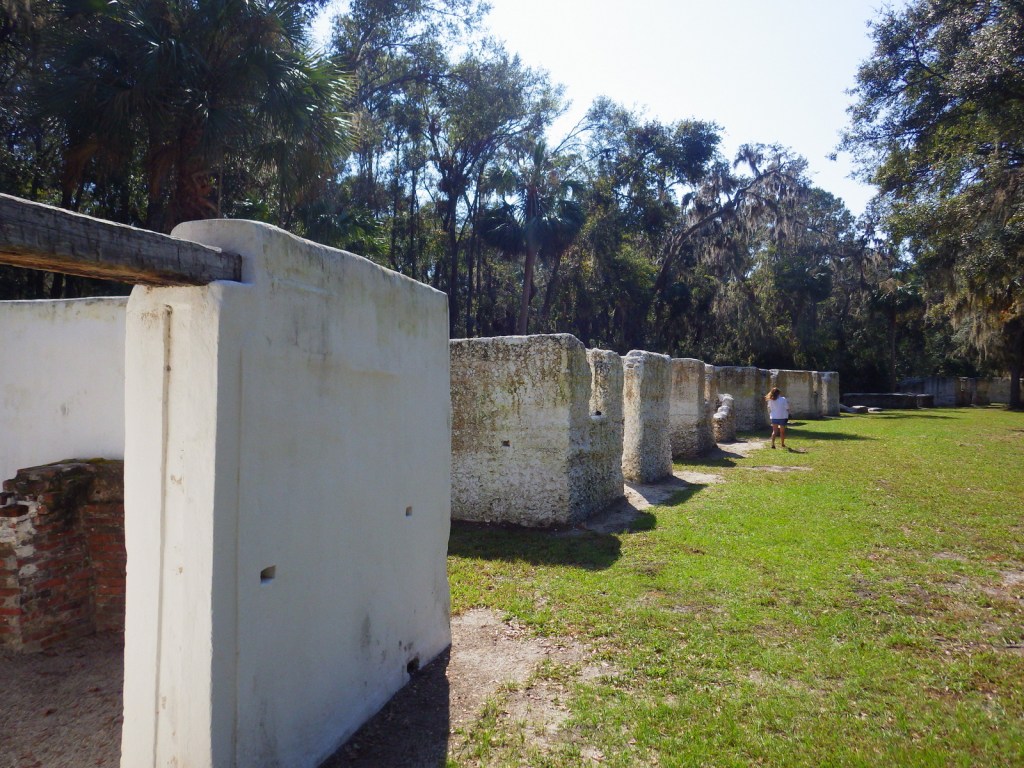
The tabby walls of 23 of the original 32 slave quarters still stand in a row at Kingsley Plantation. 

Peak Season

Winter

Hours

https://www.nps.gov/timu/planyourvisit/hours.htm

Fees

None

Road Conditions

All major roads are paved, but the fastest route between Fort Caroline and Kingsley Plantation is probably via the St. Johns River Ferry.

Camping

The NPS does not have a campground, but nearby Little Talbot Island State Park, Huguenot Memorial Park, and Kathryn Abbey Hanna Park all do.

Related Sites

Fort Caroline National Memorial (Florida)

Fort Matanzas National Monument (Florida)

Castillo de San Marcos National Monument (Florida)

Explore More – Florida had “relatively liberal” racial policies under Spanish rule, but that changed when it became a U.S. territory in what year?

Natchez National Historical Park

Natchez National Historical Park

Mississippi

Managed by National Park Service

Established 1988

108 acres

Website: nps.gov/natc

Overview

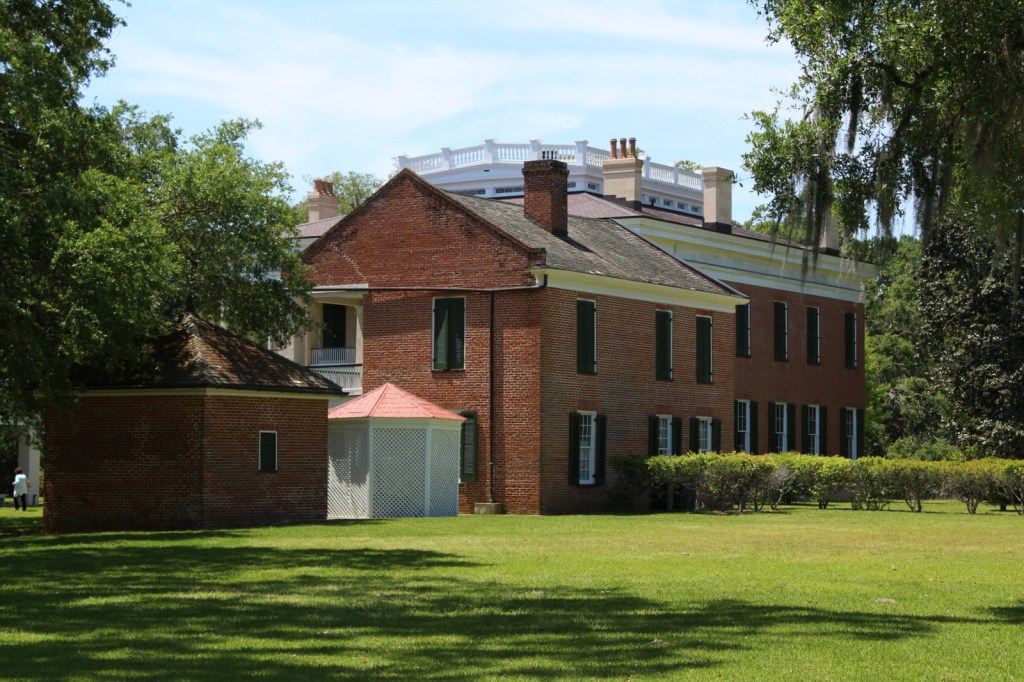
Authorized in 1988, Natchez National Historical Park occupies 108 acres in the riverside town of Natchez, Mississippi.  The town started as Fort Rosalie, a French trading post built on the Mississippi River in the early 1700s, now the site of the Visitor Reception Center.  National Park Service (NPS) rangers or volunteers are always on location at the William Johnson House and Melrose Estate.  A newer part of the park is located at the Forks of the Road where interpretive signs discuss its role as a major slave trading market from 1833 to 1863.

Highlights

Melrose Estate, William Johnson House, Fort Rosalie, Forks of the Road

Must-Do Activity

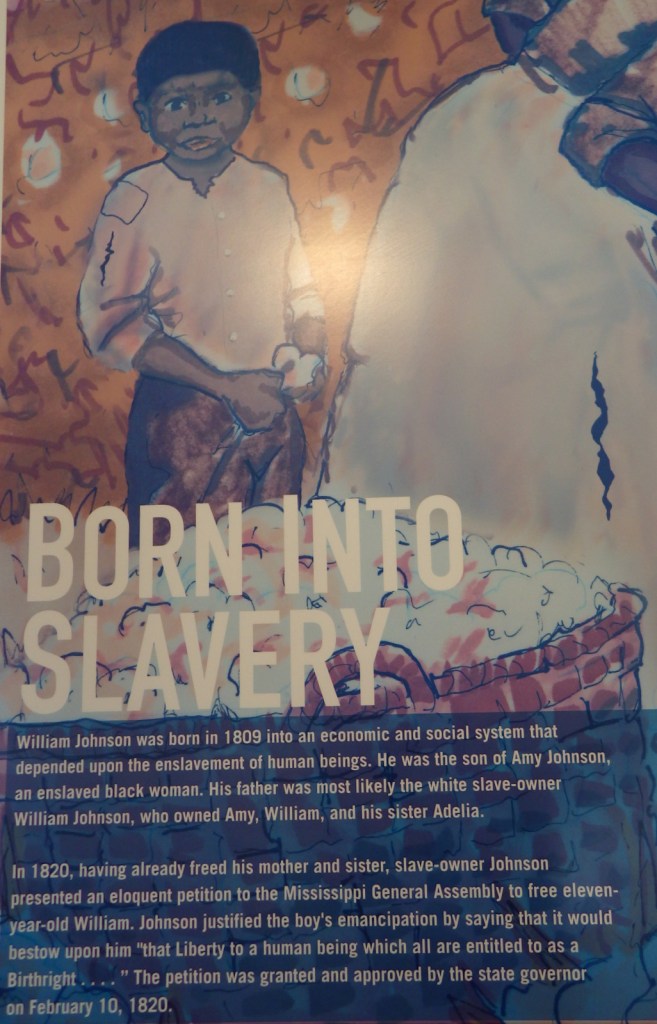
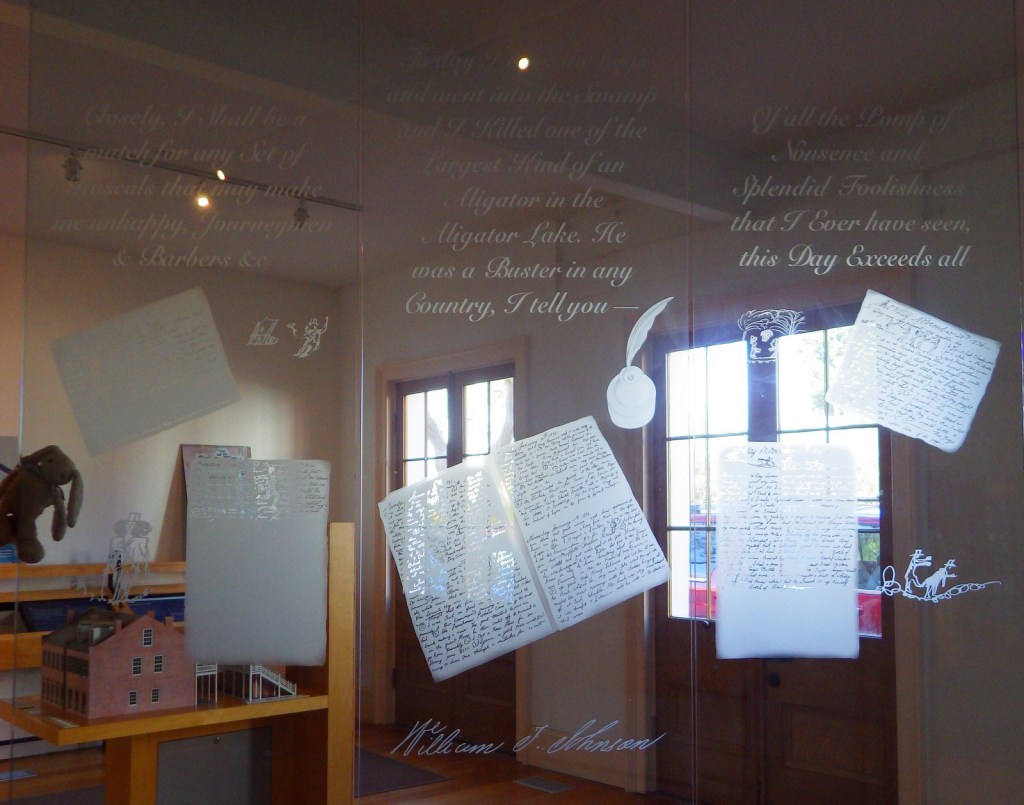
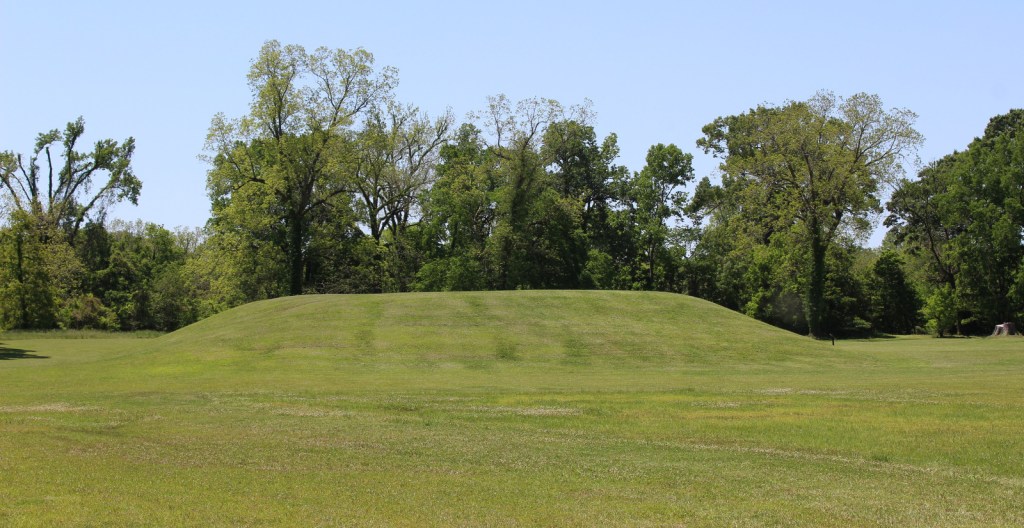
The museum in the William Johnson House tells the story of a slave freed at age 11 by his owner, also named William Johnson and presumed to be his father.  The boy apprenticed to a barber, eventually becoming a successful businessman and slave owner himself.  A diary he kept for 16 years provides insight into antebellum Natchez, including the May 7, 1840 tornado that destroyed downtown, which had about 5,000 inhabitants at the time.  Inside the NPS museum you will learn the strange story of William Johnson’s murder in 1851 that ended in three mistrials. Although it is not part of the NPS unit, we also recommend a stop at the Grand Village of the Natchez Indians State Historic Site for its free museum, film, historic mounds, and air conditioning (which is important in the humid summer).

Best Trail

Naturally, Natchez is one terminus of the Natchez Trace Parkway, which also preserves its share of history starting at the Elizabeth Female Academy Site (Milepost 5.1) just outside town.  There are a few portions of the Old Trace that you can still follow along on the Natchez Trace National Scenic Trail.

Instagram-worthy Photo

The Melrose Estate recalls the antebellum period when slaves grew cotton in the rich soil of the Mississippi River floodplains.

Peak Season

Spring and fall

Hours

https://www.nps.gov/natc/planyourvisit/hours.htm

The NPS museum at the William Johnson House is closed daily for lunch.

Fees

None for Fort Rosalie, William Johnson House, and Melrose Estate grounds, but $10 per person for mansion interior tours (no discount for America the Beautiful pass)

Road Conditions

All roads paved

Camping

Rocky Springs is the furthest south campground managed by the NPS on the Natchez Trace Parkway (Milepost 54.8) and it has no fees for camping.

Related Sites

Vicksburg National Military Park (Mississippi)

Cane River Creole National Historical Park (Louisiana)

Natchez Trace National Scenic Trail (Mississippi-Alabama-Tennessee)

Natchez Trace Parkway (Mississippi-Alabama-Tennessee)

Nearest National Park
Hot Springs

Explore More – In 1839 a fire burned through Natchez destroying the William Johnson House, but the family was living in the country at the time to avoid an epidemic of what disease?

Reconstruction Era National Historical Park

Overview

Like Freedom Riders National Monument in Alabama, President Obama established Reconstruction Era National Monument in 2017.  The park is located about an hour south of Charleston, South Carolina and is still under development, but they already have a Junior Ranger program.  The Reconstruction Era took place following the Civil War when the U.S. military helped freed African-American slaves integrate into southern society.  It was a complicated and mostly failed social experiment with long-lasting repercussions within American culture.

Highlights

Old Beaufort Firehouse, Robert Smalls Memorial, Camp Saxton, Penn Center, Brick Baptist Church

Must-Do Activity

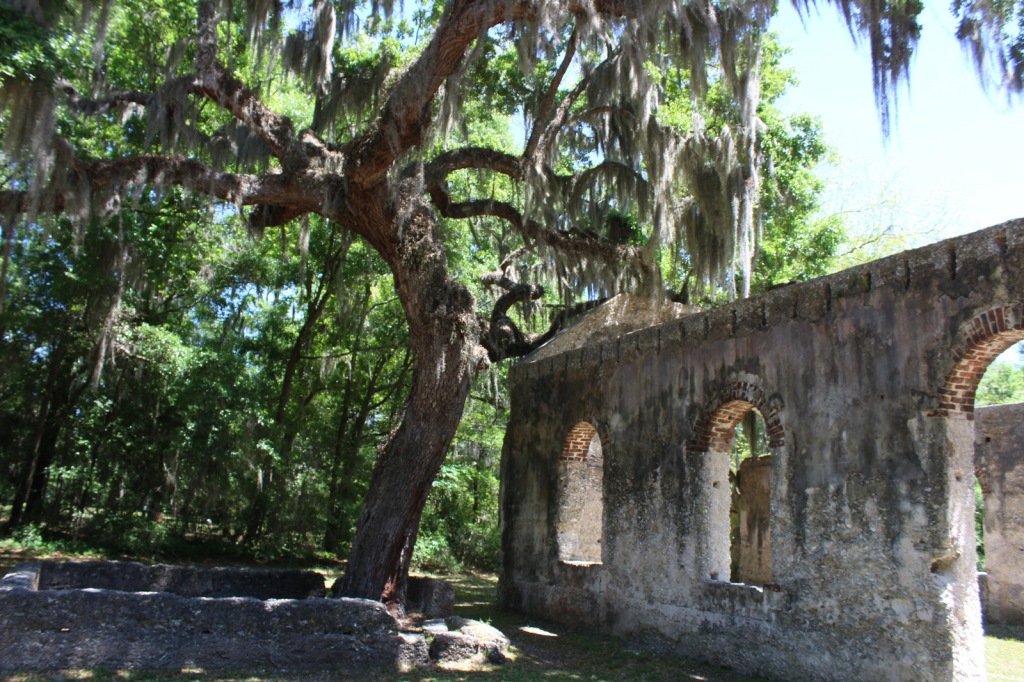
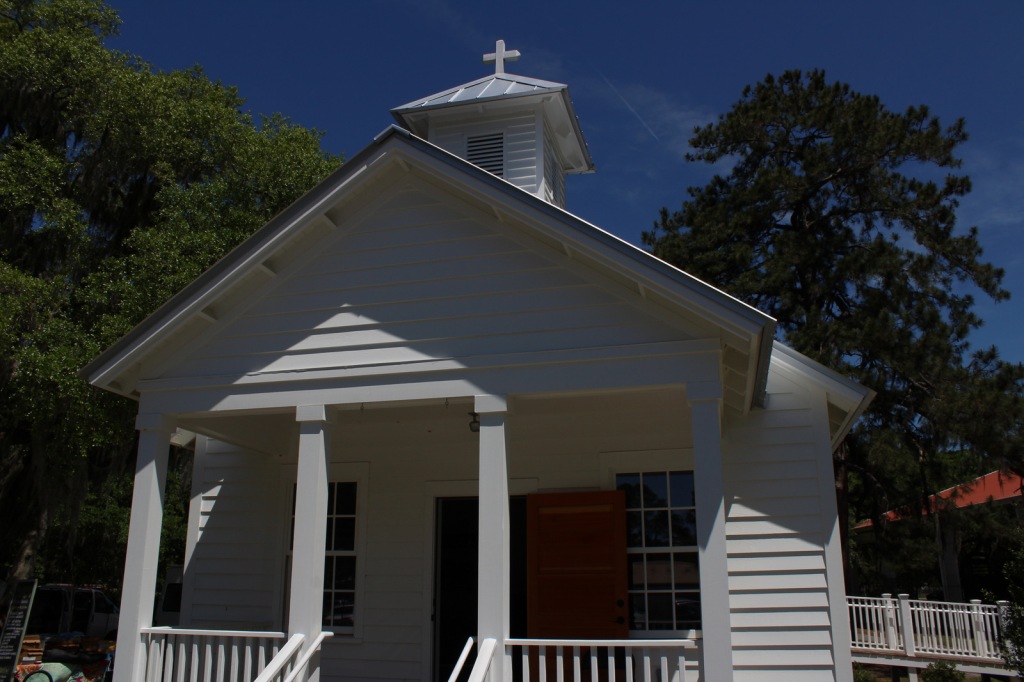
We recommend the ranger-guided tour of Camp Saxton that leaves from the National Park Service (NPS) operated Porter’s Chapel, next to the skate park in Port Royal, South Carolina.  Following the loss of Fort Sumter, the Union Army occupied this area by late-1861, eventually training former slaves to serve as soldiers.  There is nothing left to see of the camp, but there are tabby walls from old Fort Frederick.  After a short walk, the park ranger will help you imagine what the scene would have looked like when the black soldiers were officially freed on Emancipation Day, January 1, 1863.

Best Trail

You can walk around the historic Penn Center (guided tours offered) where the NPS maintains a visitor center in Darrah Hall, a donated part of this National Historic Landmark that has a long history of African-American education. 

Instagram-worthy Photo

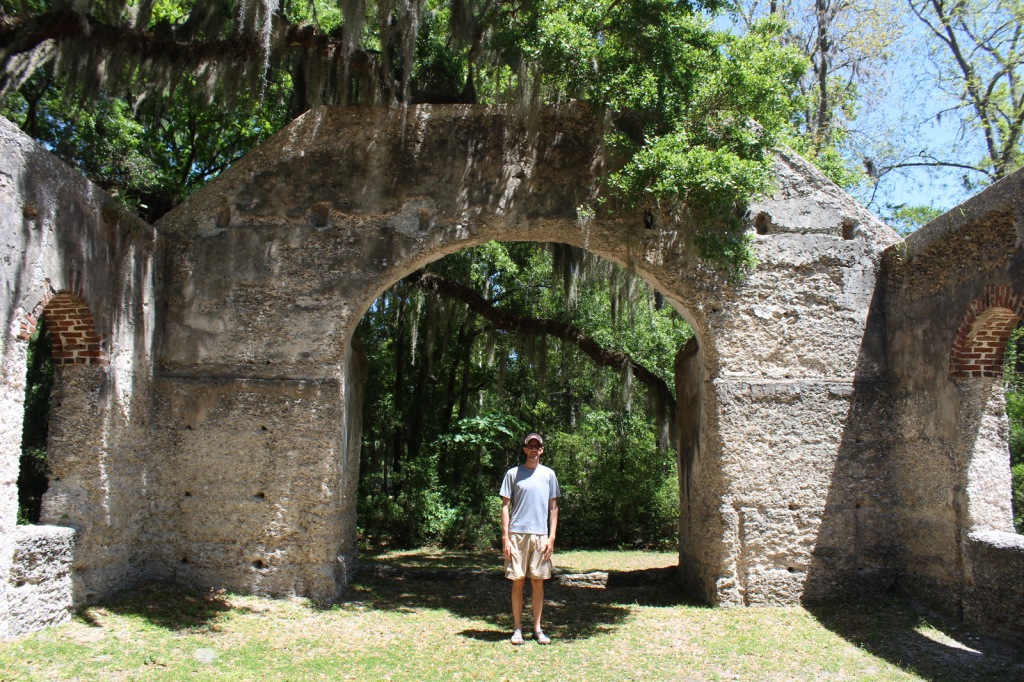
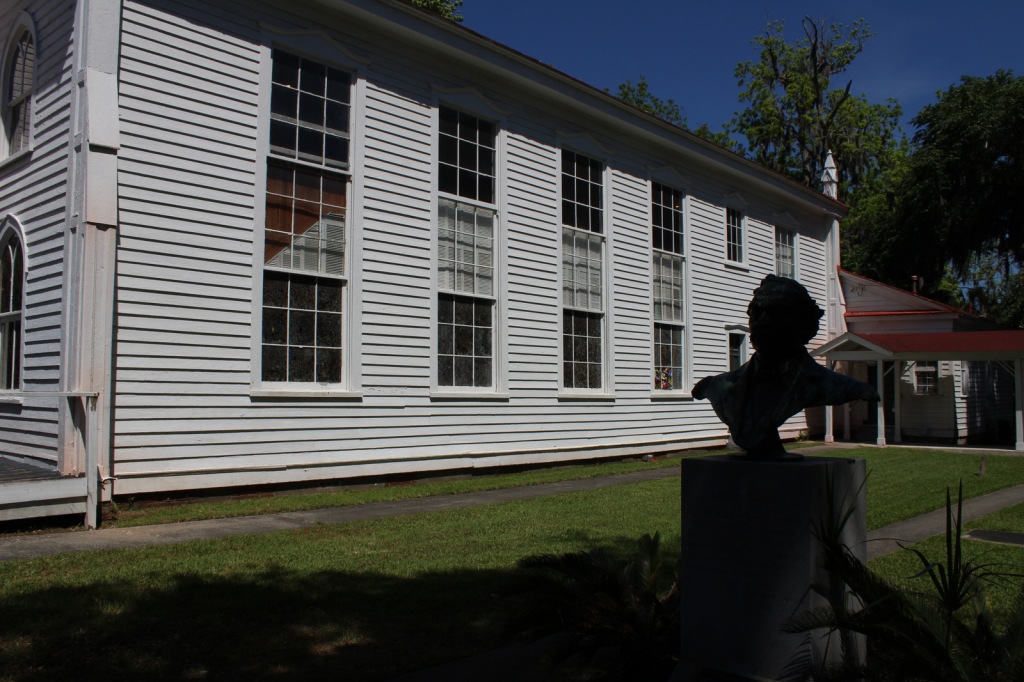
The Old Sheldon Church Ruins are not technically part of the park, but they are located just down the road from the Penn Center.  The Parrish Church of St. Helena outside Beaufort is also very photogenic.

Peak Season

Summer

Hours

https://www.nps.gov/reer/planyourvisit/hours.htm

Fees

None

Road Conditions

All major access roads are paved, although parking can be scarce around Port Royal during the farmers’ market.

Camping

Hunting Island and Edisto Beach State Parks both take camping reservations, so book early.  There are also campgrounds and backcountry campsites north of Charleston, South Carolina in Francis Marion National Forest.

Related Sites

Fort Sumter and Fort Moultrie National Historical Park (South Carolina)

Camp Nelson Heritage National Monument (Kentucky)

Fort Monroe National Monument (Virginia)

Explore More – How did future U.S. Congressman Robert Smalls escape slavery during the Civil War?