Kings Mountain National Military Park

Overview

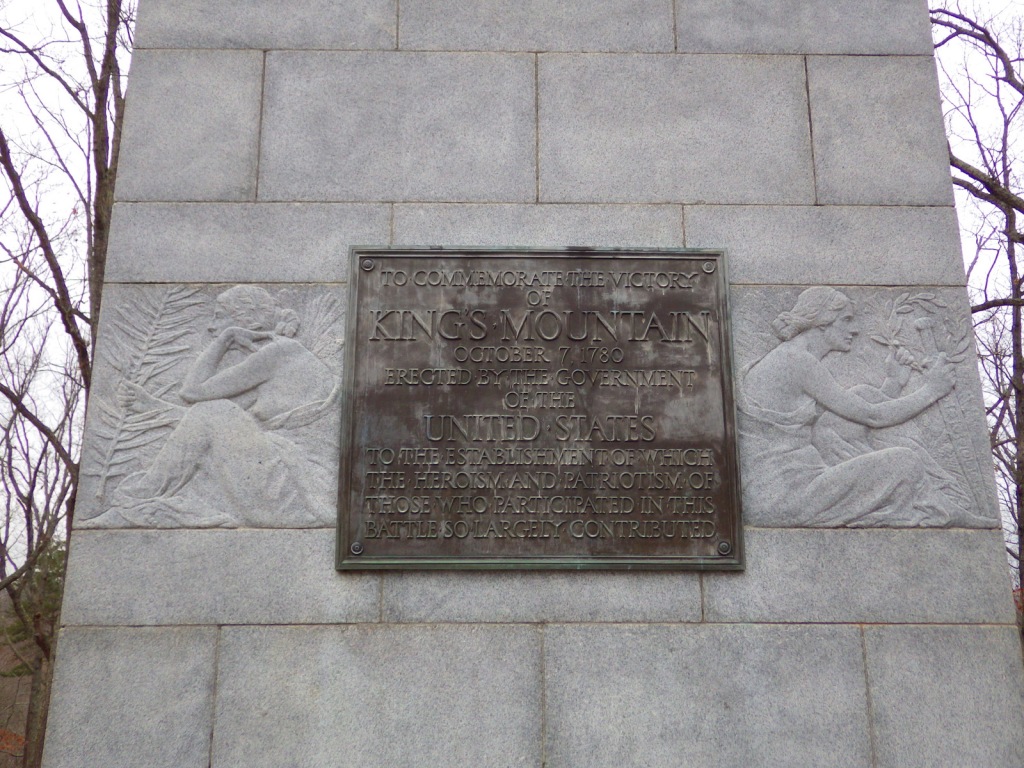
In 1780, the conclusion of the Revolutionary War was anything but decided with the British army firmly entrenched in New York City, Charleston, and Savannah.  General Charles Cornwallis commanded 2,200 troops in the colony of South Carolina and his plan was to meet up with Major Patrick Ferguson’s 1,100 men near Charlotte, North Carolina.  Many historians consider the events that took place here on October 7, 1780 the beginning of the end of the war that culminated less than a year later at Yorktown. 
Highlights

Museum, film, Battlefield Trail, U.S. Monument, grave of Major Ferguson

Must-Do Activity

Though the museum in the National Park Service visitor center is small, it is well done and very informative.  You will learn that throughout 1780, a ragtag band of Patriot militia dogged Major Ferguson, forcing him to make a stand 39 miles south of his destination at Kings Mountain on October 7, 1780.  When the Loyalist force finally surrendered, the enraged Patriots gave them “Tarleton’s quarter.”  Killed during the fighting, Major Ferguson was the only person in the battle born in the British Isles (in Scotland).

Best Trail

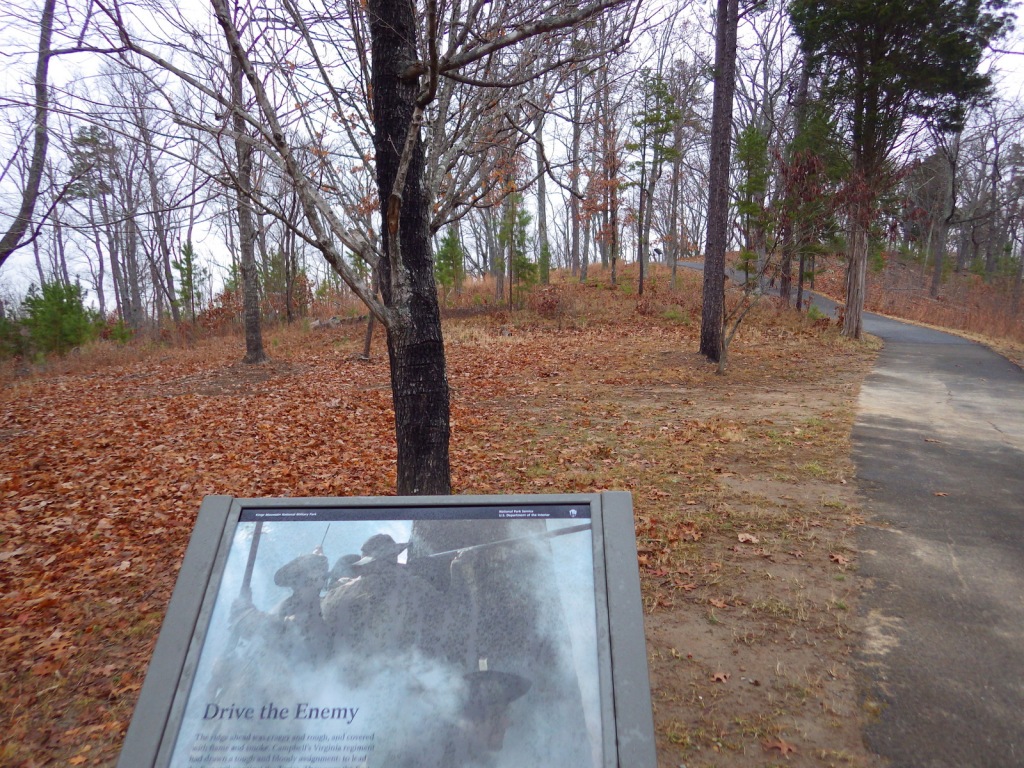
Start at the visitor center, then walk the 1.5-mile Battlefield Trail.  It is part of the Overmountain Victory National Historic Trail, which has 87 of its 330 miles publicly accessible, starting in Tennessee.  Just be sure to be out of the park before the gates close for the night.

Instagram-worthy Photo

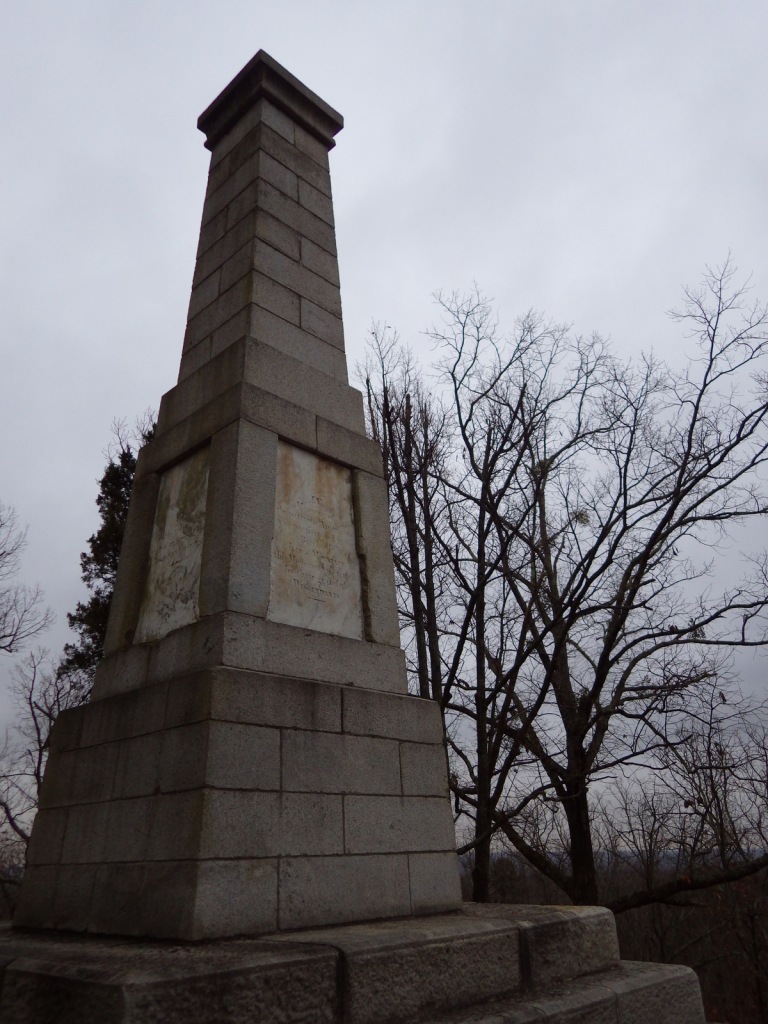
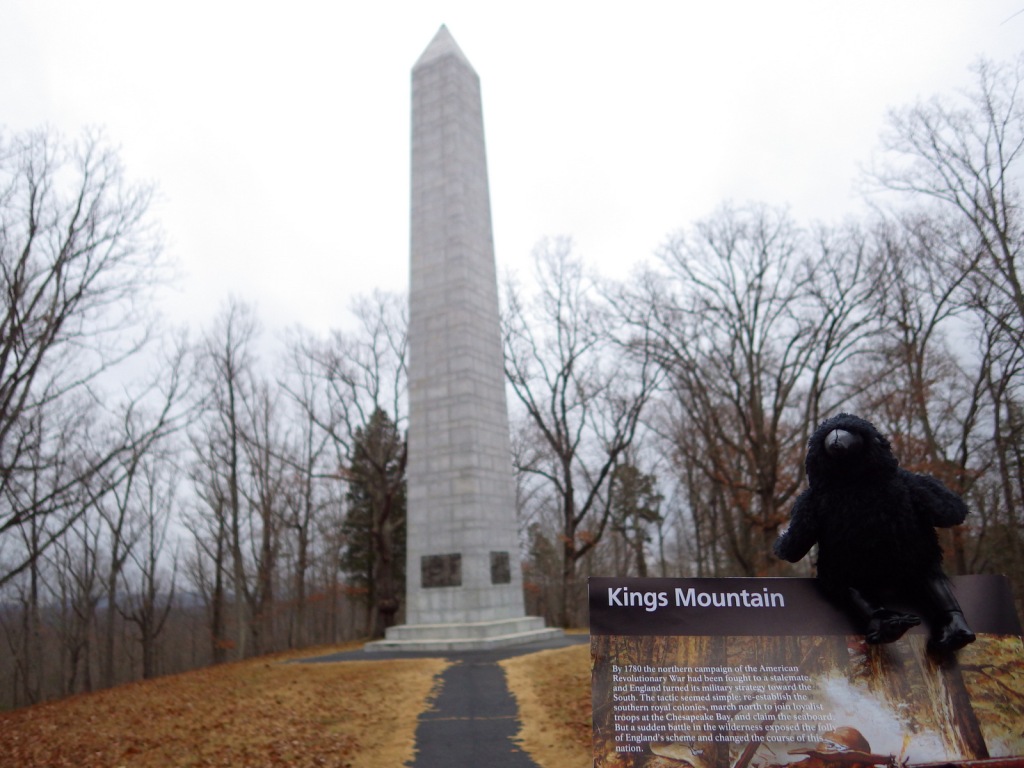
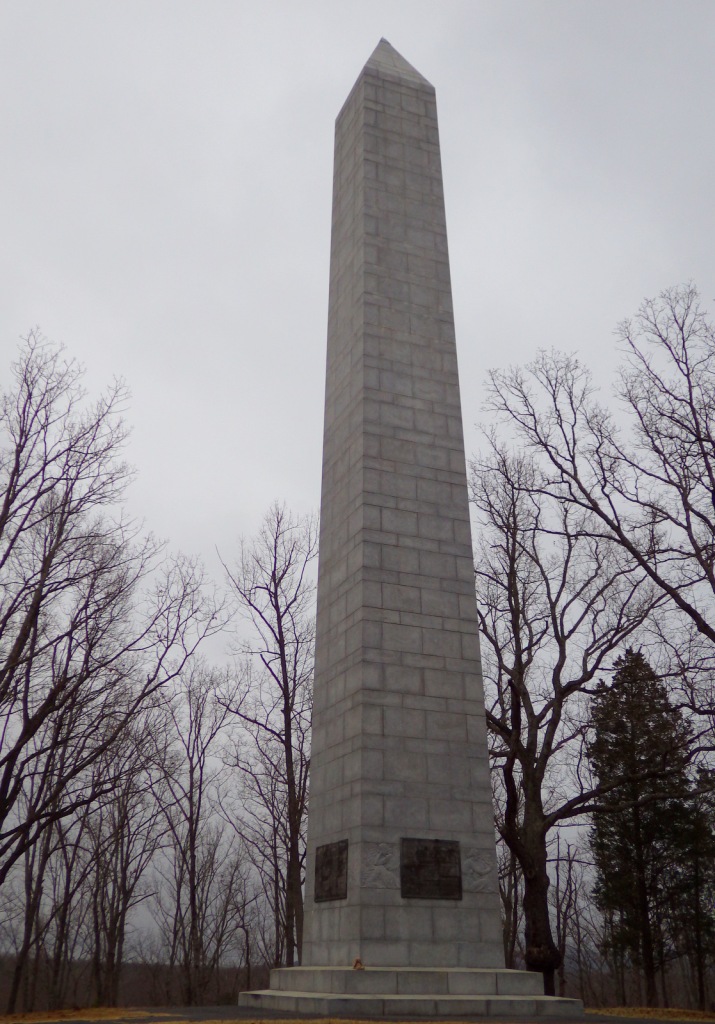
The 83-foot tall U.S. Monument was dedicated in 1909 by the Daughters of the American Revolution.
Peak Season

Late summer when 18th-century military encampments occur on select weekends.

Hours

https://www.nps.gov/kimo/planyourvisit/hours.htm

Fees

None

Road Conditions

All roads paved

Camping

There is one backcountry campsite on the grounds, which requires free registration at the visitor center.  Neighboring Kings Mountain State Park offers 119 campsites and many miles of trails.
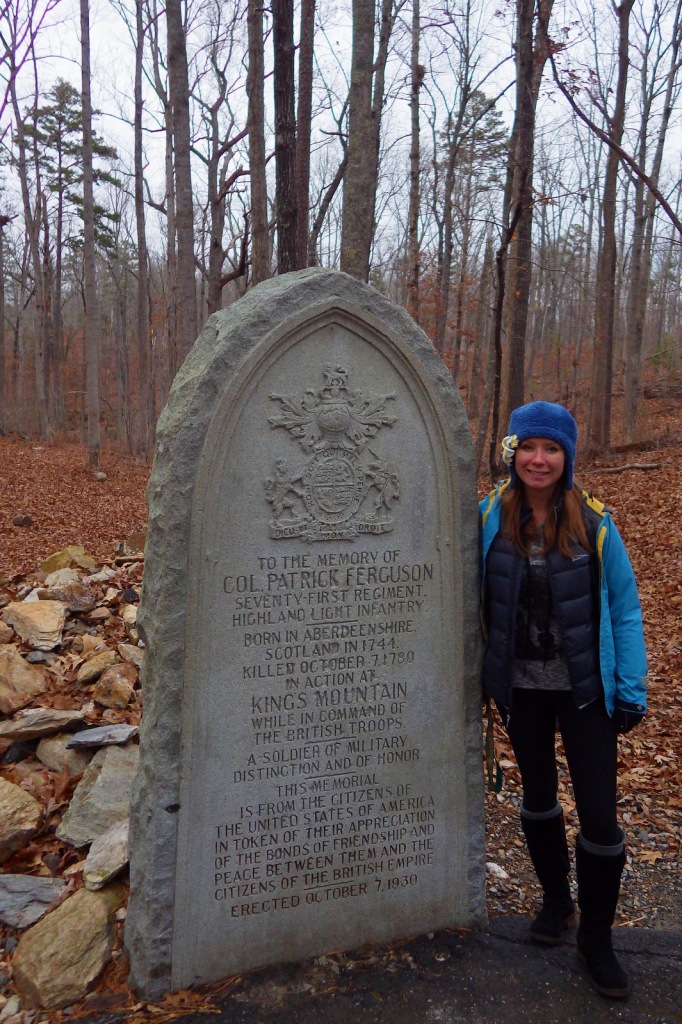
Explore More – What earlier event provoked the Patriots to give “Tarleton’s quarter” after the Loyalists surrendered?
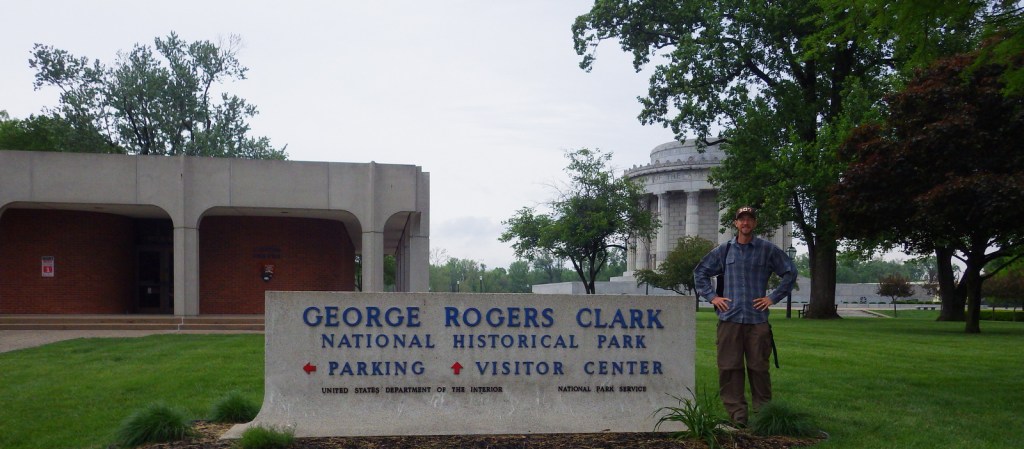
George Rogers Clark National Historical Park

Overview

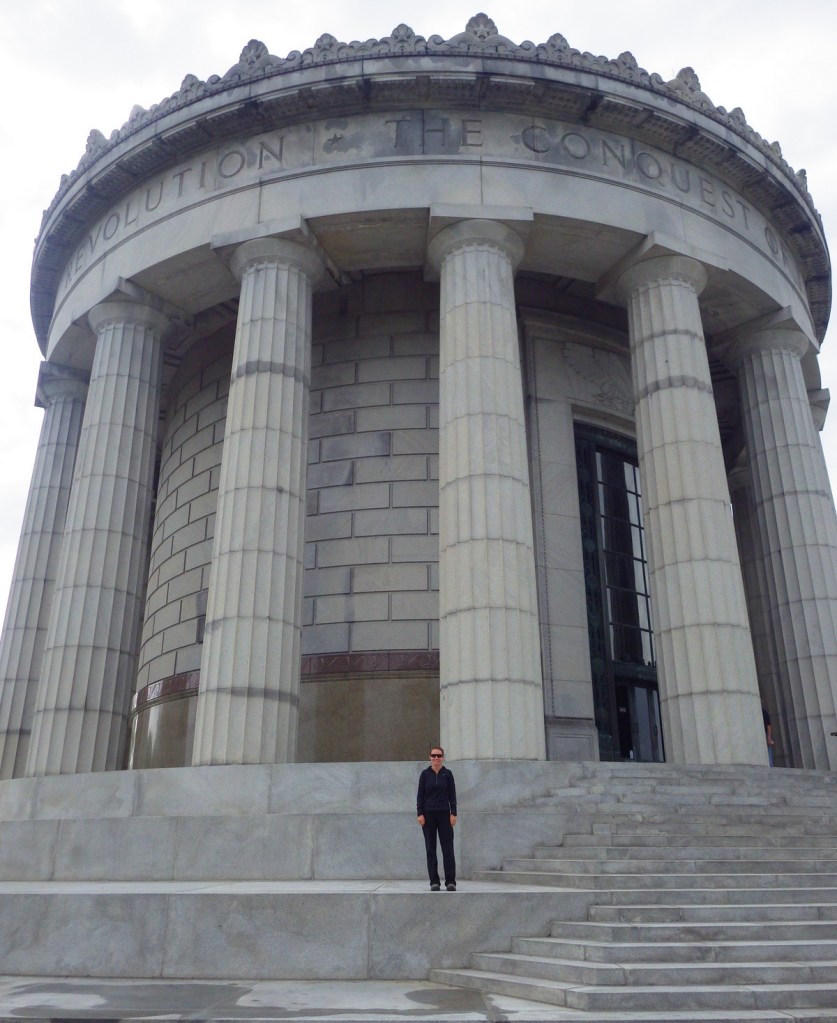
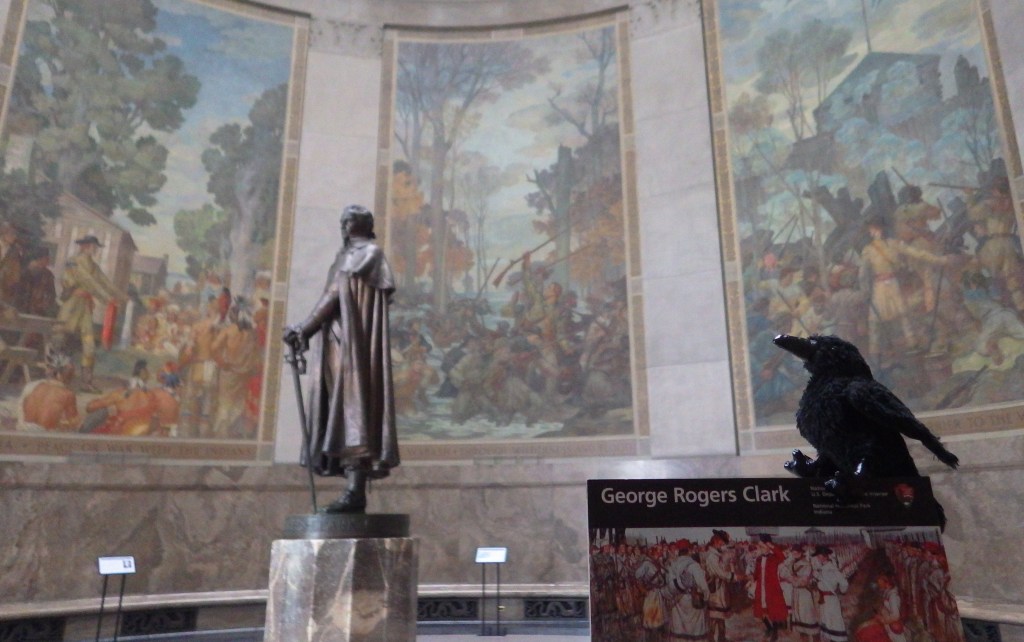
Perhaps less well-known today than his brother William Clark of the Lewis and Clark Expedition, during the American Revolution George Rogers Clark’s fame was on par with that of George Washington.  A beautiful 80-foot tall granite memorial was built on the site of Fort Sackville (in present day Vincennes, Indiana) in the 1930s to commemorate Clark’s achievements.

Highlights

Memorial building with statue and murals, Vigo statue, film

Must-Do Activity

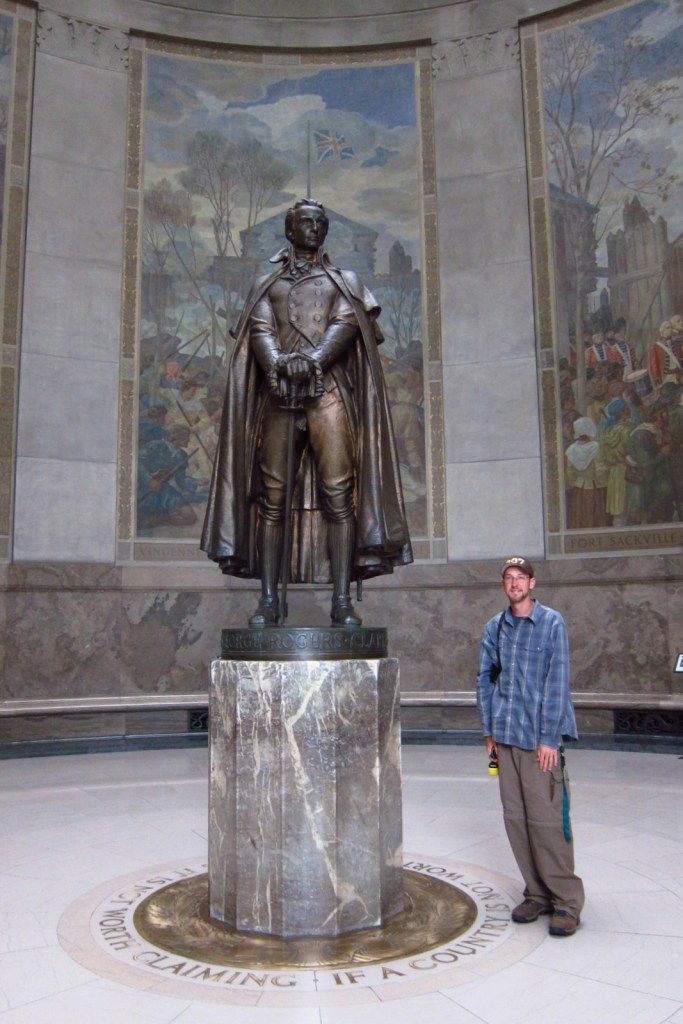
After watching the 20-minute film in the visitor center, go inside the circular memorial with 16 columns in classic Greek style to see a bronze statue surrounded by seven murals.  George Rogers Clark was one of the early pioneers in Kentucky and after war broke out he led 150 local men west to convince French settlers on the Mississippi River to join the patriots.  With the assistance of the French, he defeated the British at Fort Sackville on February 25, 1779.  After the 1783 Treaty of Paris, much of this territory would become part of the fledgling United States of America. 

Best Trail

There are no trails, but you can walk or drive a few blocks to visit the home of President William Henry Harrison and the old Indiana Territory capitol.

Instagram-worthy Photo

Francis Vigo was a French merchant who tipped off Clark that Fort Sackville was lightly guarded and then provided financial support for the mission.  His statue sits on the banks of the Wabash River.

Peak Season

Summer

Hours

The memorial closes daily at 4:45 p.m.

https://www.nps.gov/gero/planyourvisit/hours.htm

Fees

None

Road Conditions

All roads paved

Camping

Only 2 miles north of Vincennes, Indiana, the county-operated Ouabache Trails Park offers campsites with electric and water hookups.

Explore More – His bronze statue is larger than life, but the real George Rogers Clark stood what impressive height by eighteenth-century standards?

We are a participant in the Amazon Services LLC Associates Program, an affiliate advertising program designed to provide a means for us to earn fees by linking to Amazon.com and affiliated sites.

Top 10 Non-Fiction Books Set During World War II

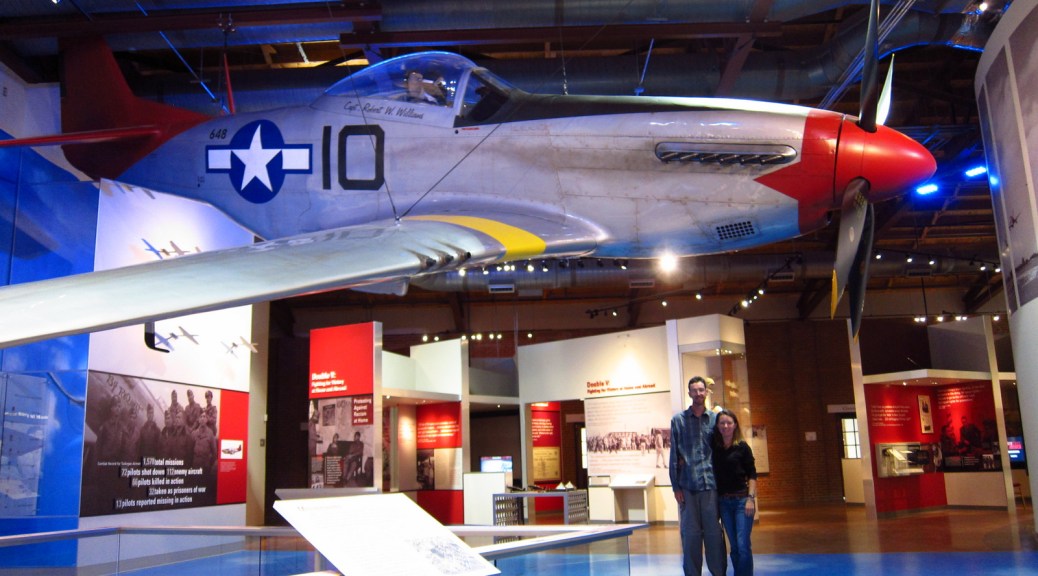
Following up on our list of the Top 10 novels set during World War II, these are our favorite non-fiction works.  If you feel that we missed an important one, we invite you to walk into your local library and count how many shelves are filled by this subject.  The choices may betray our preference for pilots and air combat, which is perhaps why our first blog post covered Tuskegee Airmen National Historic Site.  Do not miss our other book recommendations under the Top 10 Lists tab.

10. God Is My Co-Pilot by Col. Robert L. Scott (1943)

One of the original “Flying Tigers” wrote his autobiography during the war.

9. The Greatest Generation by Tom Brokaw (1998)

These short biographical sketches focus on the post-war lives of servicemen and women.

8. Going Solo by Roald Dahl (1986)

An autobiography of his time as a young pilot by the author of The BFG, Matilda, and James and the Giant Peach.

7. In Harm’s Way: The Sinking of the U.S.S. Indianapolis and the Extraordinary Story of Its Survivors by Doug Stanton (2001)

The horrifying tale of the few survivors of a lone battleship torpedoed and sunk in the Pacific Ocean in 1945.

6. Thirty Seconds Over Tokyo by Capt. Ted W. Lawson (1943)

A first-hand account of the lead-up and aftermath of the Doolittle Raid on Tokyo in 1942.

5. Night by Elie Wiesel (1960)

The first in a trilogy tells the story of the author’s survival in a concentration camp.

4. Band of Brothers: E Company, 506th Regiment, 101st Airborne from Normandy to Hitler’s Eagle’s Nest by Stephen E. Ambrose (1992)

Better known as a TV miniseries, a book by the author of D-Day and Citizen Soldiers.

3. The Diary of a Young Girl by Anne Frank (1947)

A 20th-century classic featuring writing that still elicits fear and dread in a reader.

2. Unbroken: A World War II Story of Survival, Resilience, and Redemption by Laura Hillenbrand (2010)

This well-written biography of Louie Zamperini can be summed up in one word: unbelievable.

1. Man’s Search for Meaning by Viktor E. Frankl  (1946)

This is one of the most inspiring books ever written and it starts with the author’s experience in a concentration camp.

Honorable Mentions

Soaring to Glory: A Tuskegee Airman’s Firsthand Account of World War II by Philip Handleman and Lt. Col. Harry T. Stewart Jr. (2019)

The latest in a growing library of books written about and by Tuskegee Airmen.

The Boys in the Boat: Nine Americans and Their Epic Quest for Gold at the 1936 Berlin Olympics by Daniel James Brown (2013)

The events described in one of the best non-fiction books ever written culminated in Germany before the war began.

7. The Forgotten 500: The Untold Story of the Men Who Risked All for the Greatest Rescue Mission of World War II by Gregory A. Freeman (2007)

A gripping story of the daring rescue of Allied airmen stranded on the Balkan Peninsula.

We are a participant in the Amazon Services LLC Associates Program, an affiliate advertising program designed to provide a means for us to earn fees by linking to Amazon.com and affiliated sites.

Saratoga National Historical Park

Overview

Saratoga National Historical Park was the site of two 1777 Revolutionary War battles at Freeman’s Farm on September 19 and Bemis Heights on October 7, which together are considered the turning point in the war.  Following this decisive victory when 6,000 British soldiers surrendered, the French King officially entered the war on the side of the Americans, providing the equivalent of $1.4-billion in aid by war’s end. 

Highlights

Museum, film, Neilson Farm, Boot Monument, Bemis Heights, the Great Redoubt

Must-Do Activity

Start at the National Park Service (NPS) visitor center where displays describe the two separate battles that took place here.  The 10-mile driving tour has ten stops that provide more details.  Do not look for Saratoga, New York on maps today, it was renamed Schuylerville in honor of a Revolutionary War general.  Nonetheless, since 1883 it has been home to the 155-foot tall Saratoga Monument commemorating these battles.

Best Trail

There are a few short trails accessed along the driving tour, but you should at least plan to park and climb the stairs at Breymann Redoubt.  At the top, an unmarked monument draped with a boot commemorates the leg injury suffered in the fighting by General Benedict Arnold, whose name would go down in history synonymous with his later traitorous actions downstream at West Point. 

Instagram-worthy Photo

The American defensive location at Bemis Heights was chosen by Colonel Thaddeus Kosciuszko, a Polish engineer serving in the Continental Army, to block the British army from moving south down the Hudson River.  It still provides commanding views of the valley.

Peak Season

Summer

Hours

https://www.nps.gov/sara/planyourvisit/hours.htm

Fees

None

Road Conditions

All roads paved

Camping

Not far north on Interstate 87, Moreau Lake State Park offers a campground with running water.

Explore More – Although France had not officially entered the war at the time, how many muskets had they donated to the American cause by the beginning of the Battles of Saratoga?

We are a participant in the Amazon Services LLC Associates Program, an affiliate advertising program designed to provide a means for us to earn fees by linking to Amazon.com and affiliated sites.

Valley Forge National Historical Park

Overview

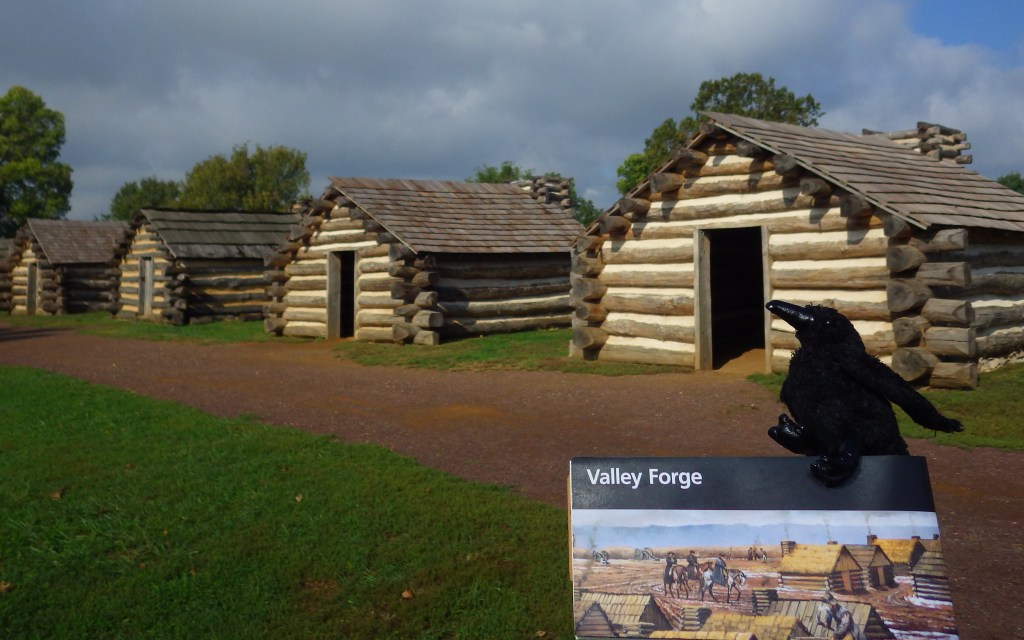
The winter of 1777-78 was actually mild by Pennsylvania standards, but for 12,000 poorly-clothed rebels it was hard enough.  Following a retreat from Philadelphia, General George Washington’s army arrived at Valley Forge on December 19 to keep British soldiers from scouring the countryside for winter provisions.  Soldiers quickly set about building log cabins and cutting firewood, establishing the fourth-largest city in the colonies. 

Highlights

Museum, film, reconstructed cabins, National Memorial Arch, Washington’s headquarters

Must-Do Activity

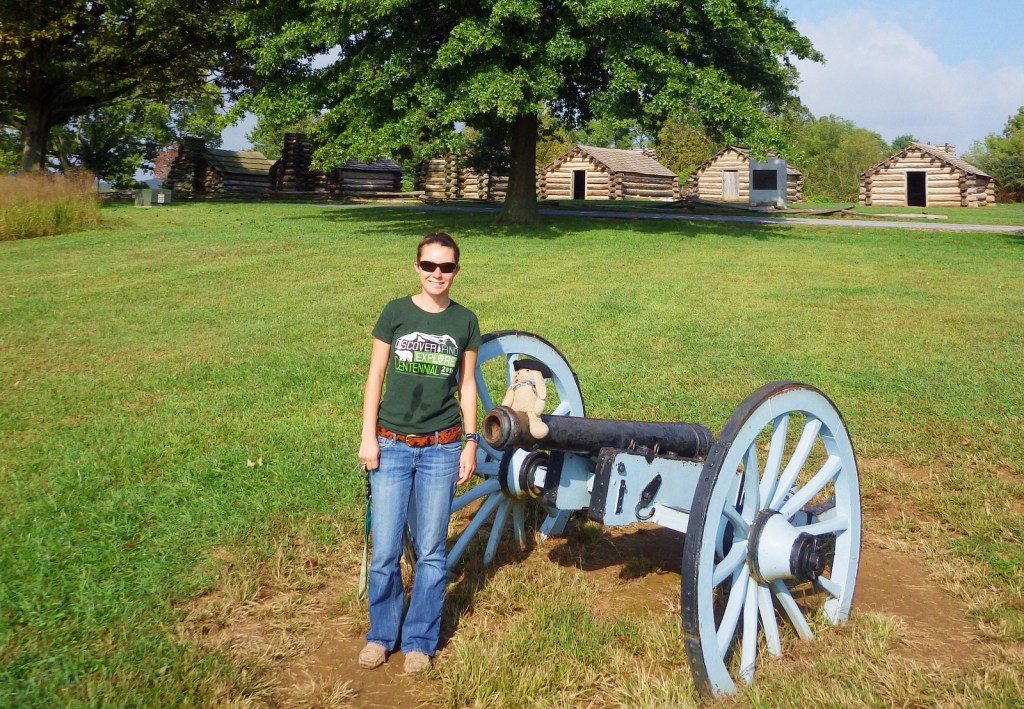
The Encampment Tour is a 10-mile driving route that takes you to reconstructed cabins, earthwork redoubts, and General George Washington’s headquarters which contains 80% original artifacts.  Primarily due to a lack of food and hygiene, approximately 2,500 soldiers died at Valley Forge, many from typhus, influenza, and pneumonia.  This represented about 7% of the army’s total fatalities during the Revolutionary War.  Those that survived the hardships became an elite fighting force; however, many of them would spend the remaining years of the war waiting for orders that never came to attack British-held New York City. 

Best Trail

A paved trail follows much of the driving tour route and is popular with joggers and bikers.  The Schuylkill River Trail goes all the way from Valley Forge to Philadelphia.

Instagram-worthy Photo

The National Memorial Arch was dedicated in 1917, one more reason this beautiful park is frequented by local joggers.

Peak Season

Summer.  Although it would be more authentic, you may not want to visit this park during the cold and snowy winter months.

Hours

https://www.nps.gov/vafo/planyourvisit/hours.htm

Fees

None

Road Conditions

All roads paved, but freeway traffic in this Philadelphia suburb can be congested during rush hour.

Camping

French Creek State Park (next to Hopewell Furnace National Historic Site) offers a campground 25 miles northwest of Valley Forge National Historical Park.

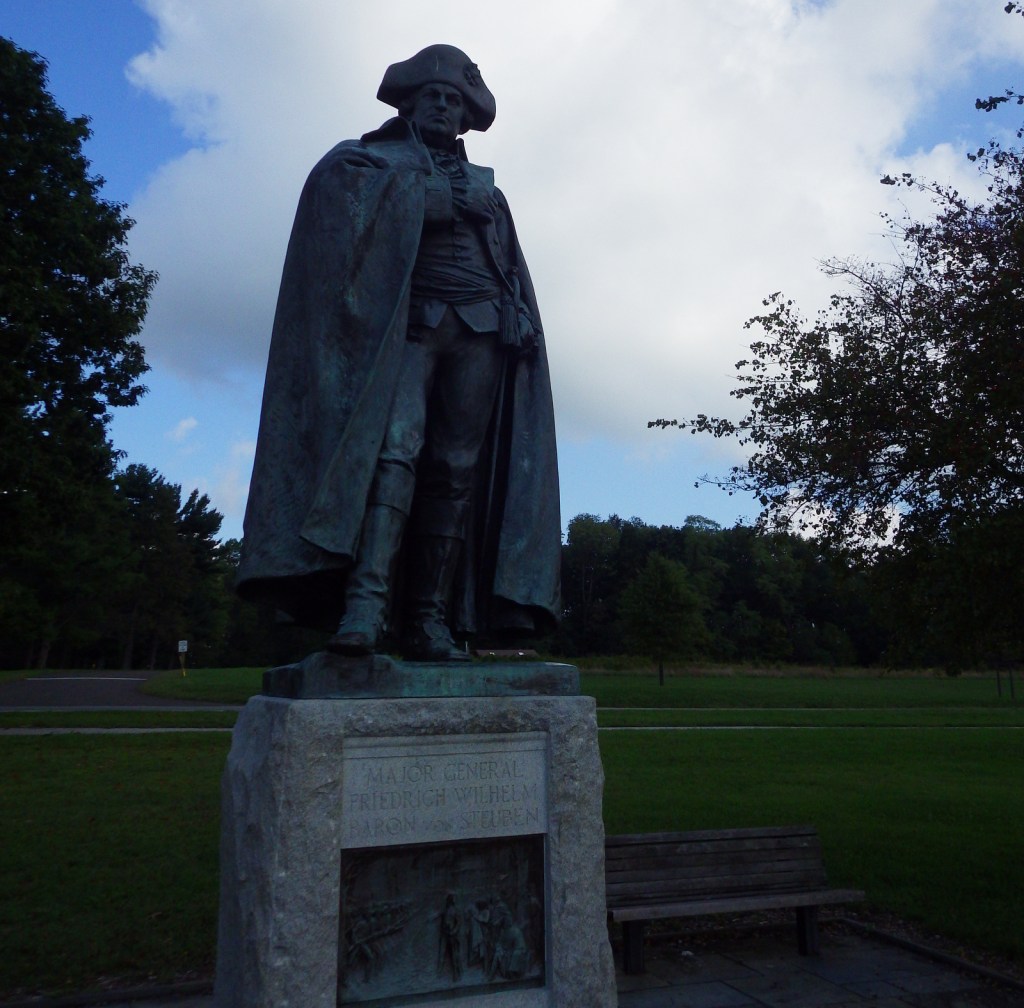
Explore More – What was the name of the Prussian general that led the troops through months of drills?