
Cedar River National Grassland
North Dakota
Managed by U.S. Forest Service, Northern Region
6,717 acres (6,717 federal/ 0 other)
Website: https://www.fs.usda.gov/recarea/dpg/recarea/?recid=79471
Overview
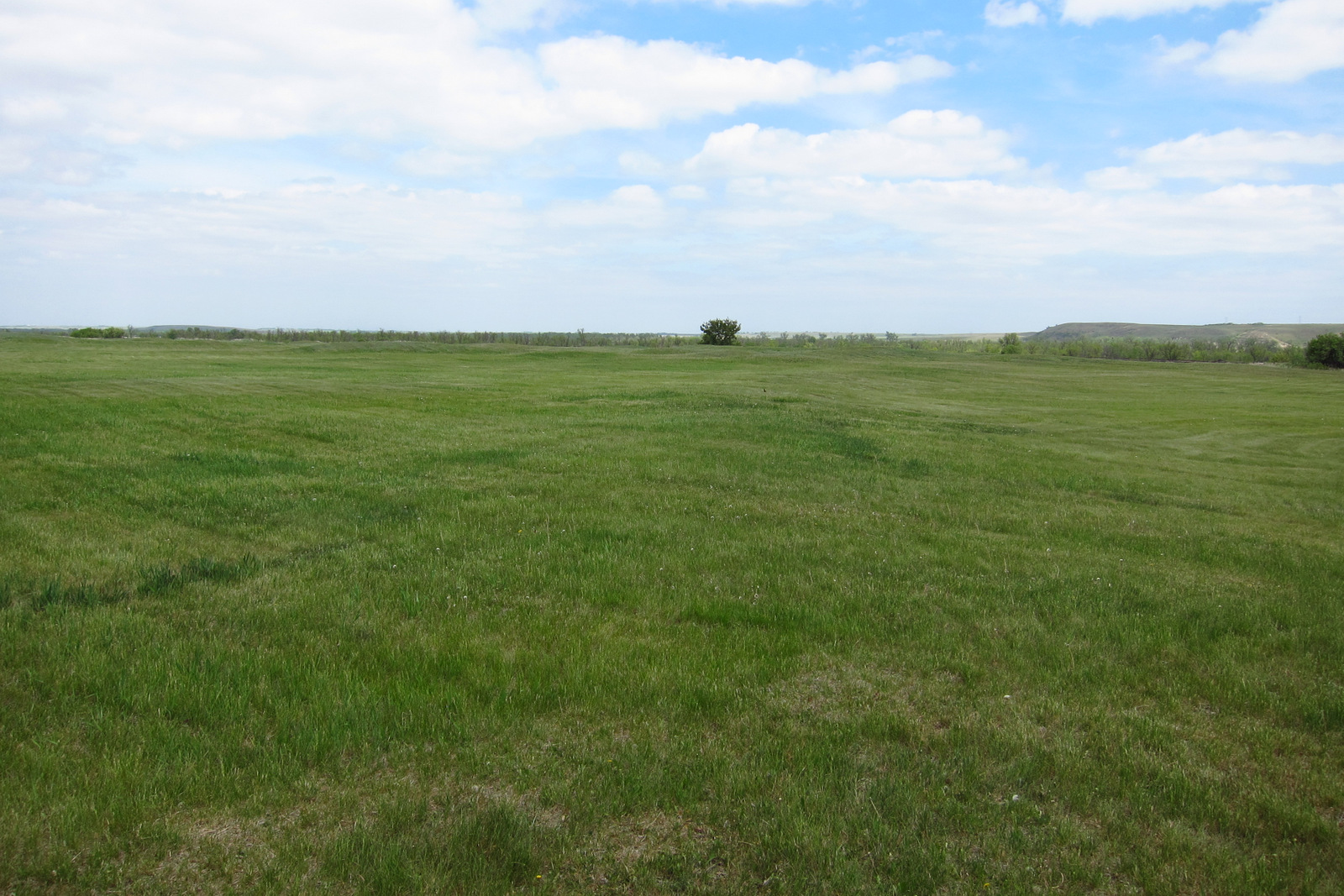
Cedar River National Grassland was created in 1998 from part of Custer National Forest, as is true of all four of the units managed as The Dakota Prairie Grasslands by the U.S. Forest Service. The number above showing 0 acres of private inholdings is a little misleading since Cedar River National Grassland is a patchwork of public lands surrounded by the Standing Rock Reservation of the Lakota Sioux. It is administered from the office just across the state border in Lemmon, South Dakota along with 154,783-acre Grand River National Grassland. Although situated close to the Cedar River, the grassland contains no river bottomlands and is primarily composed of rolling hills cut by dry gullies.

Highlights
Knispel Wildlife Area, Cedar River
Must-Do Activity
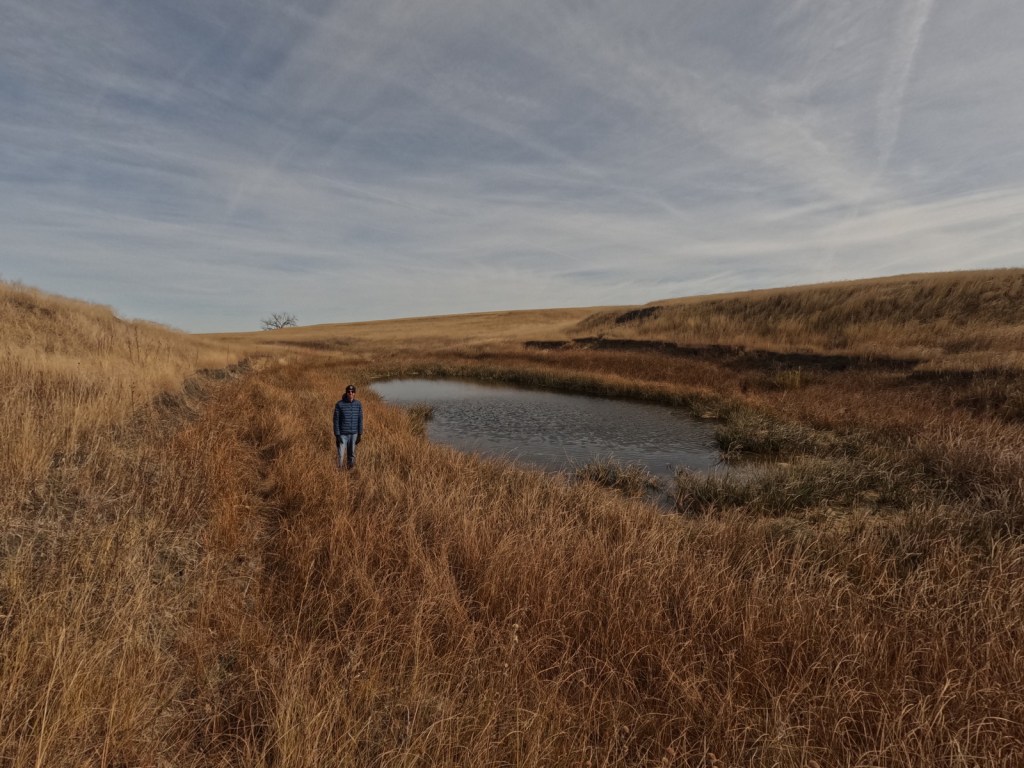
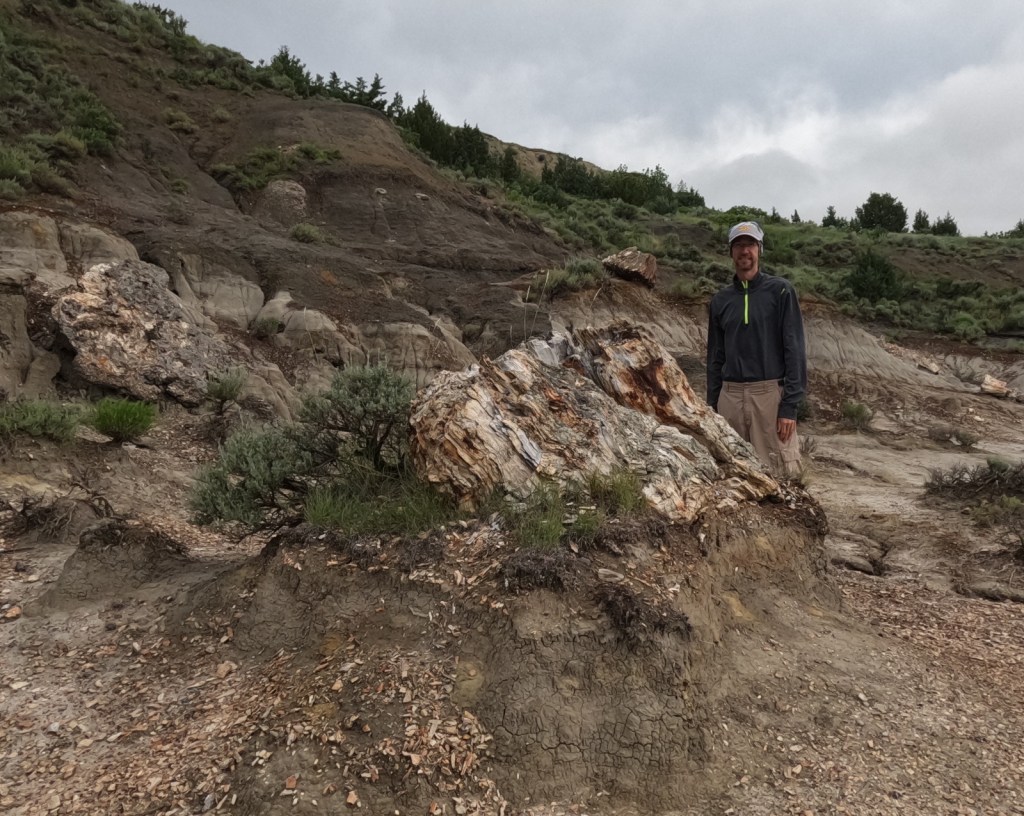
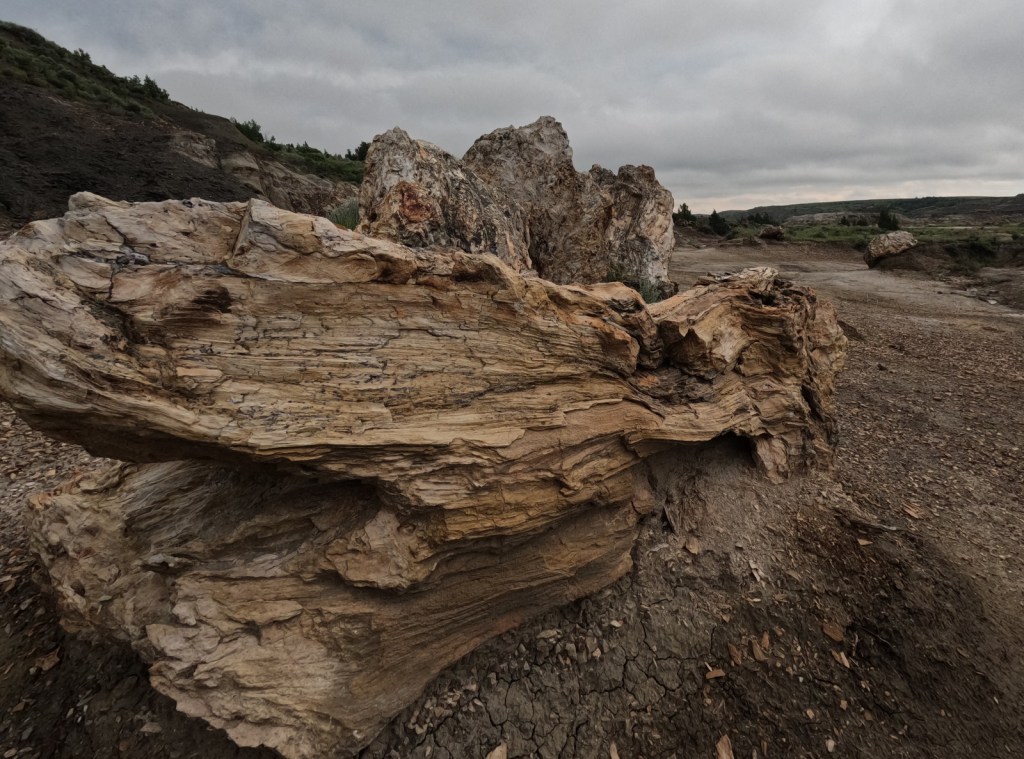
The soils of Cedar River National Grassland are mostly clay, but we found some interesting rocks on the surface near the buttes at Knispel Wildlife Area off Highway 31. Although it is not in the National Grassland, you should try to drive across one of the bridges over the namesake Cedar River. Using the Forest Service app, we hiked to a small pond with cattails we could see on the aerial photos near the North Community Allotment.
Best Trail
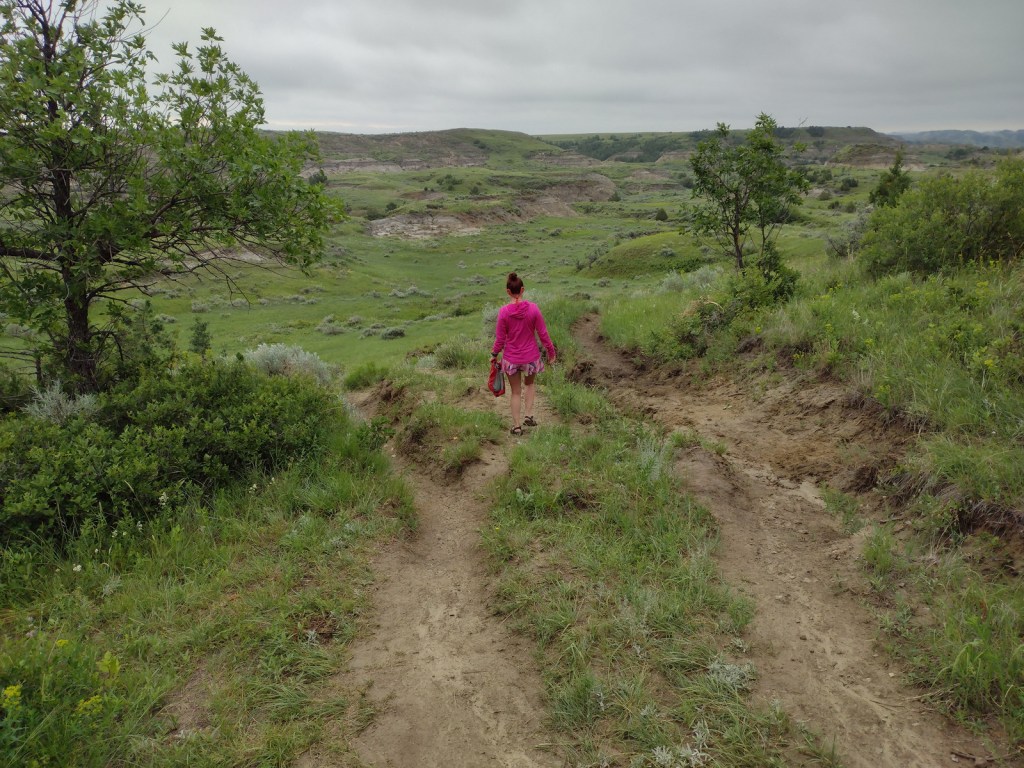
There are no designated trails in Cedar River National Grassland, so we just walked cross-country. We do recommend a stop at the World’s Largest Petrified Wood Park in nearby Lemmon, South Dakota.
Watchable Wildlife
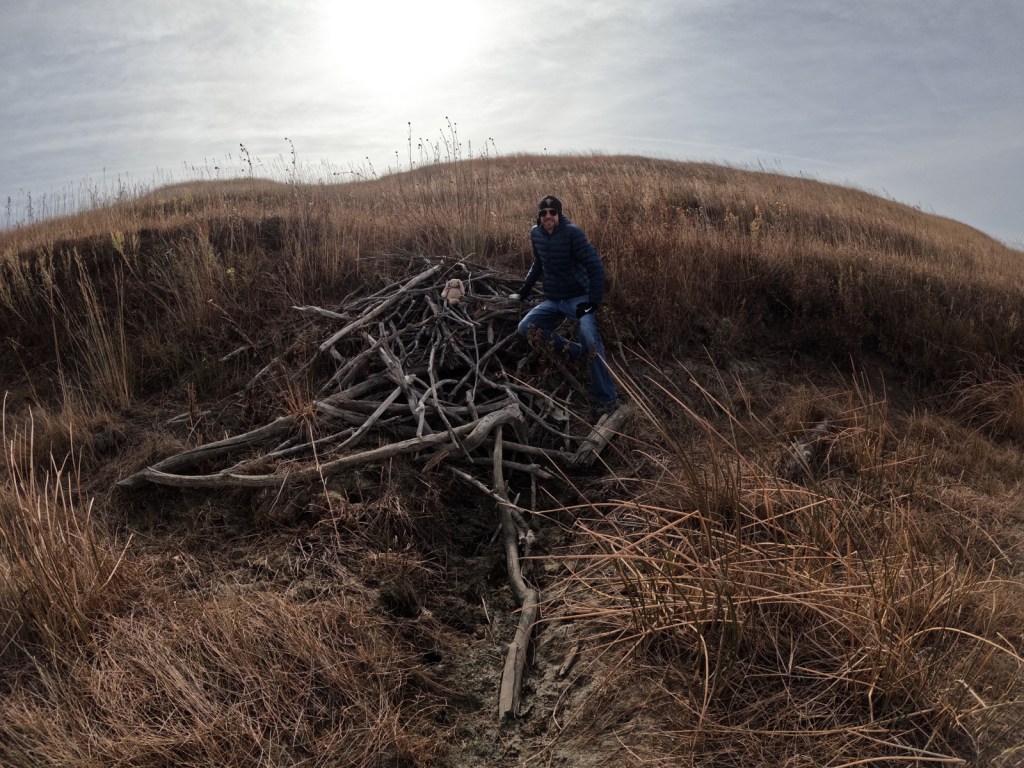
About 25% of the National Grassland was reseeded with crested wheatgrass providing good grazing for white-tailed deer, pronghorn, and cattle. Sharp-tailed grouse and exotic pheasants are also found in this area and the neighboring farm fields (primarily growing sunflowers). Potholes and stock ponds provide habitat for blue-winged teals, gadwalls, and mallards, as well as fathead minnows, painted turtles, and northern leopard frogs. In the summer, listen for the songs of western meadowlarks. Birds of prey reported are red-tailed hawks, ferruginous hawks, Swainson’s hawks, northern harriers, American kestrels, golden eagles, and bald eagles. We saw evidence of a hut on a dry stream built by a beaver, and there are also or muskrats, raccoons, coyotes, red foxes, and badgers.
Instagram-worthy Photo
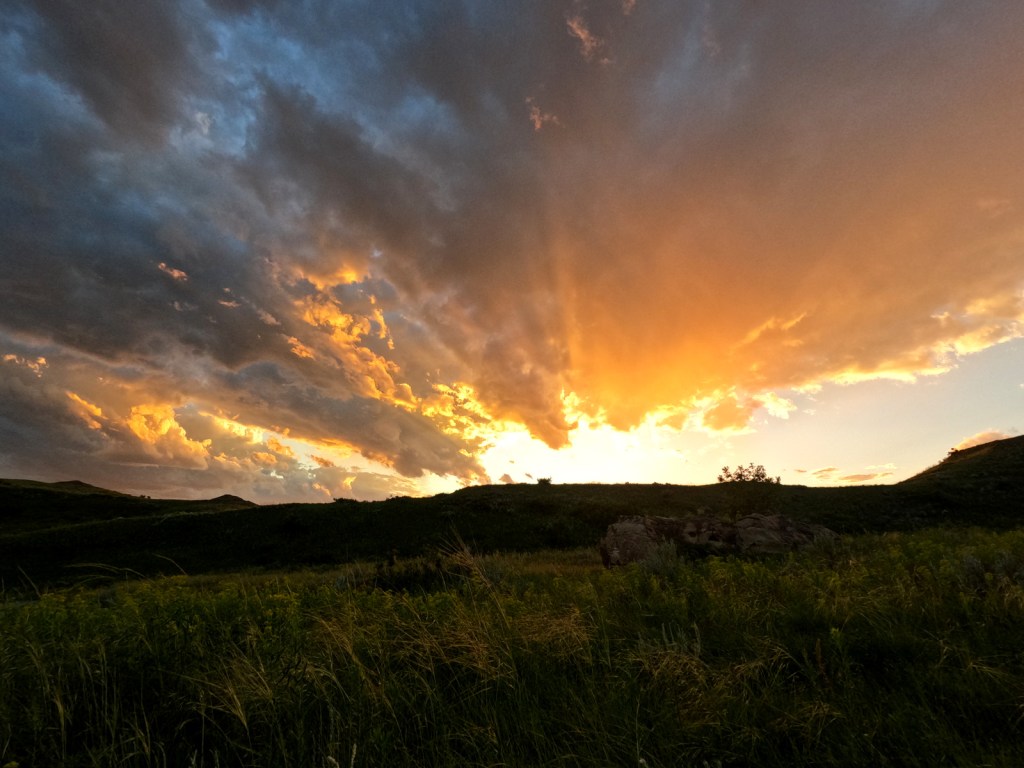
Cottonwood trees are about the only subject that will break the horizon in a photograph at Cedar River National Grassland.

Peak Season
Summer
Fees
None
Road Conditions
Highway 31 is paved, but most of the roads were unpaved; those with gravel were in good shape in October, although the clay could turn to gumbo during wet spring months.
Camping
There is not a designated campground and dispersed camping might be tough due to the lack of pullouts and the predominance of private land. It is probably better to head south to Grand River National Grassland, which has campgrounds.
Related Sites
Cimarron National Grassland (Kansas)
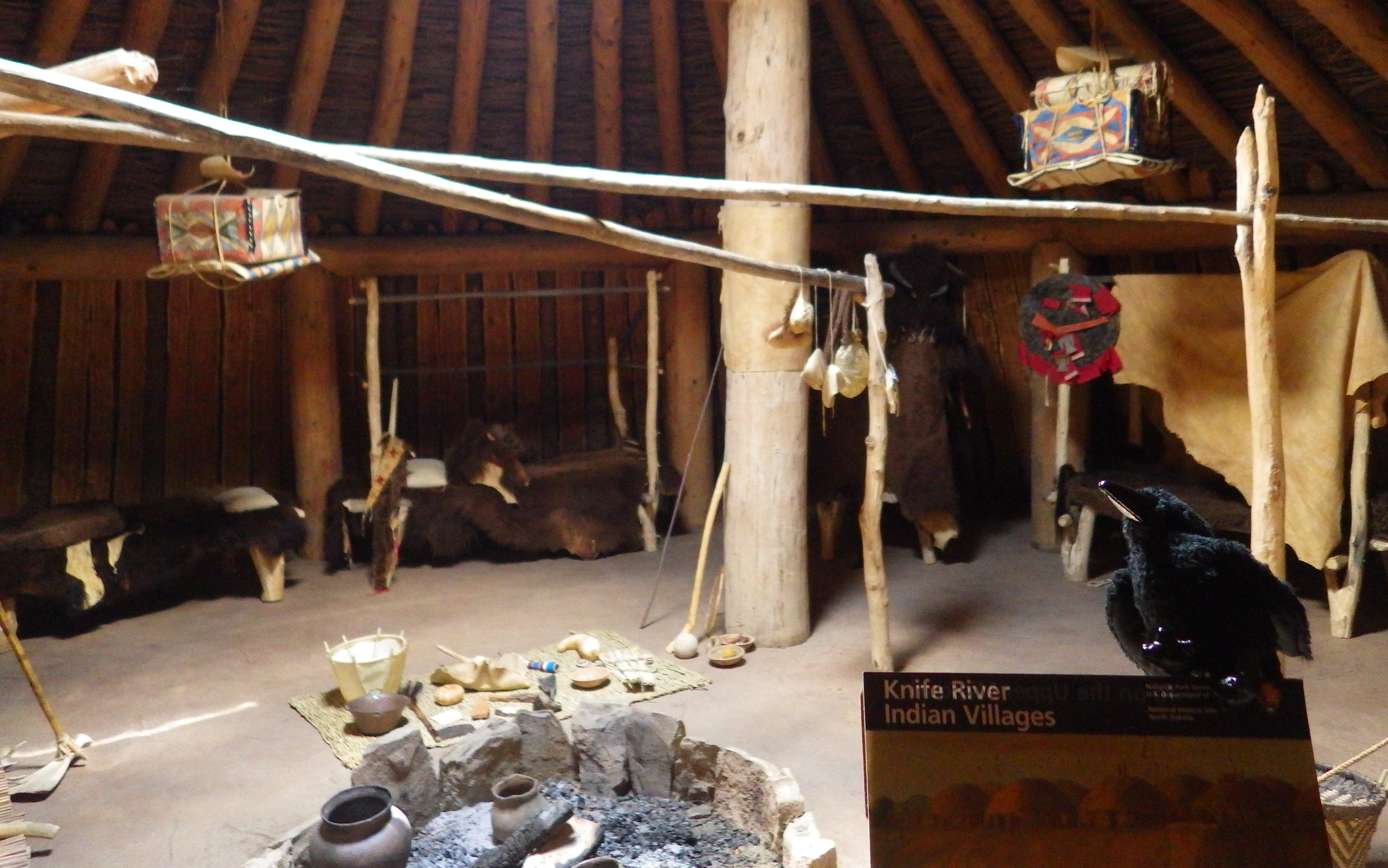
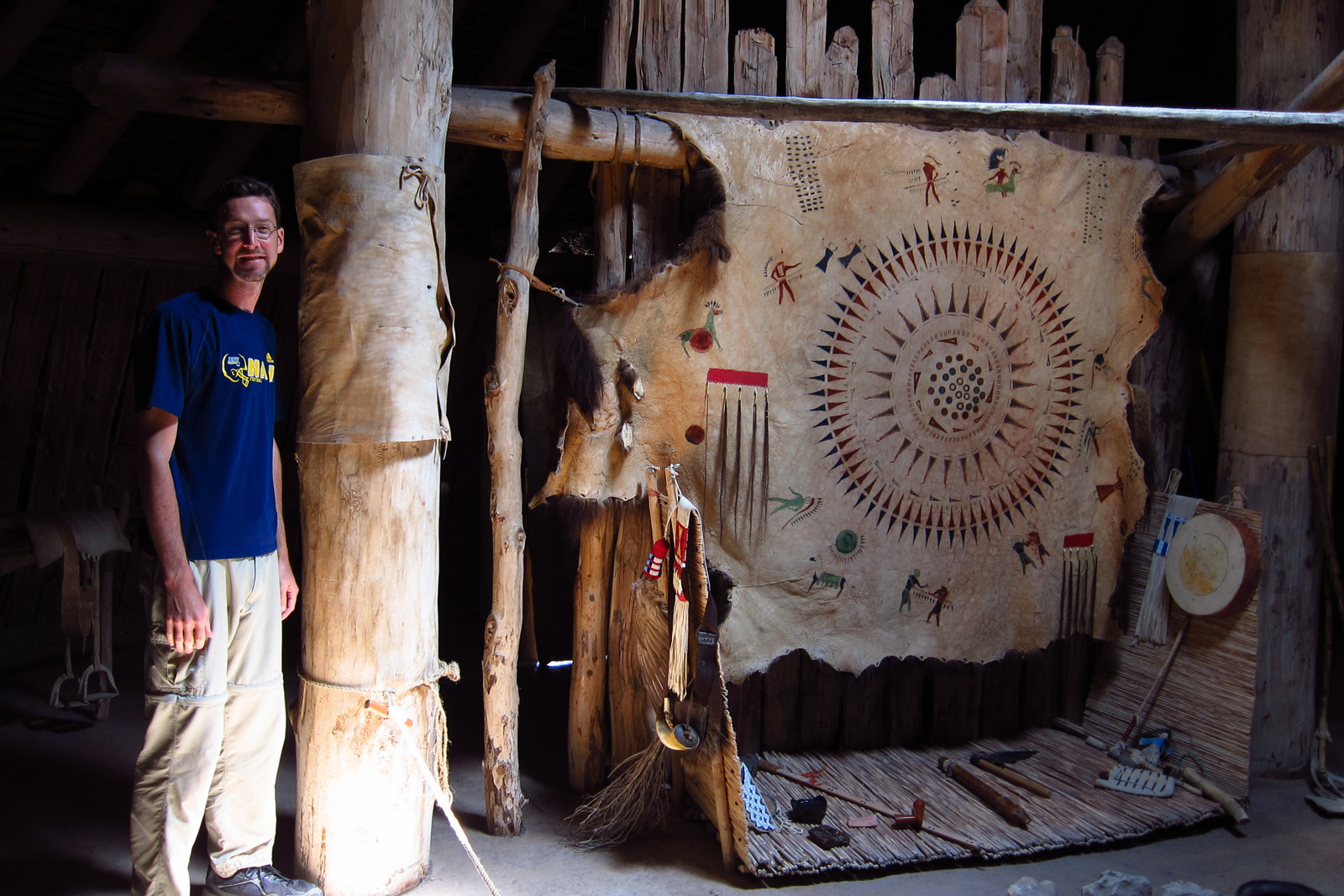
Knife River Indian Villages National Historic Site (North Dakota)
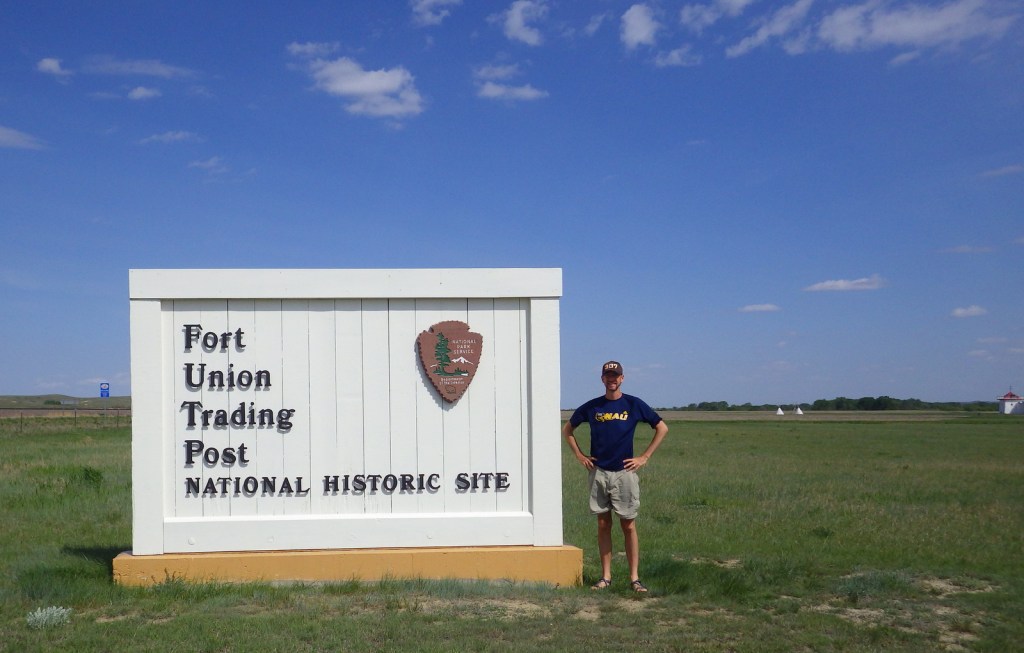
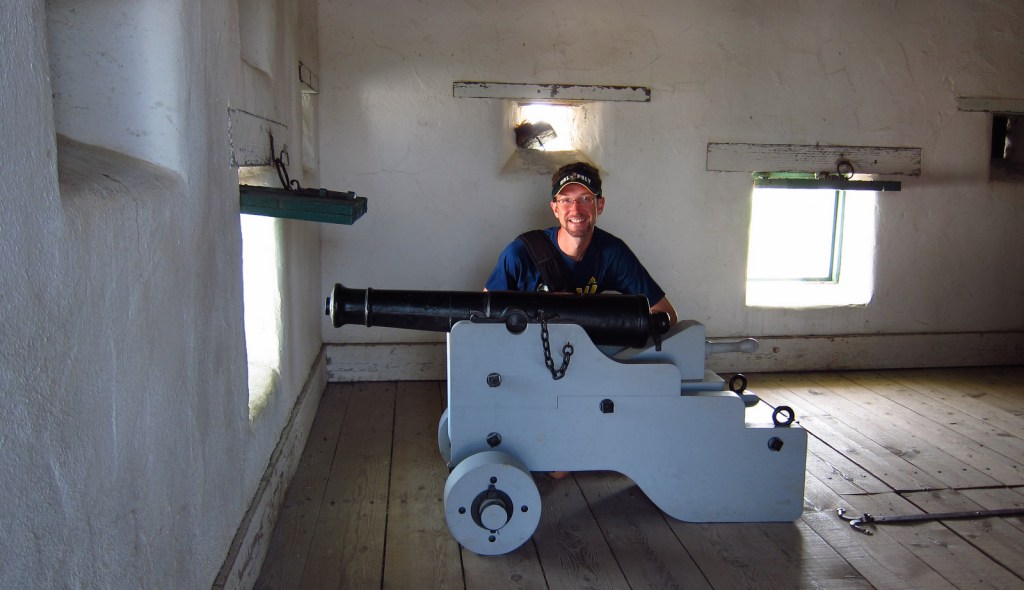
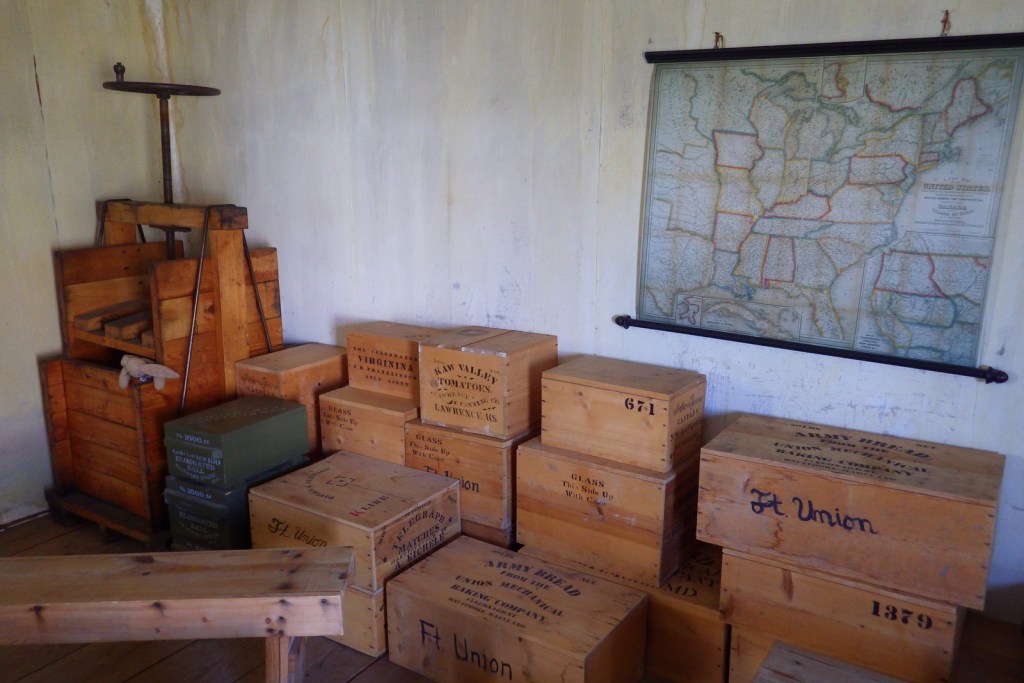
Fort Union Trading Post National Historic Site (North Dakota-Montana)
Nearest National Park






Explore More – After the federal government acquired about 48,000 acres of the Standing Rock Reservation from homesteads in the 1930s, how many acres did they later return to the Lakota Sioux (although the tribe would like it all returned)?










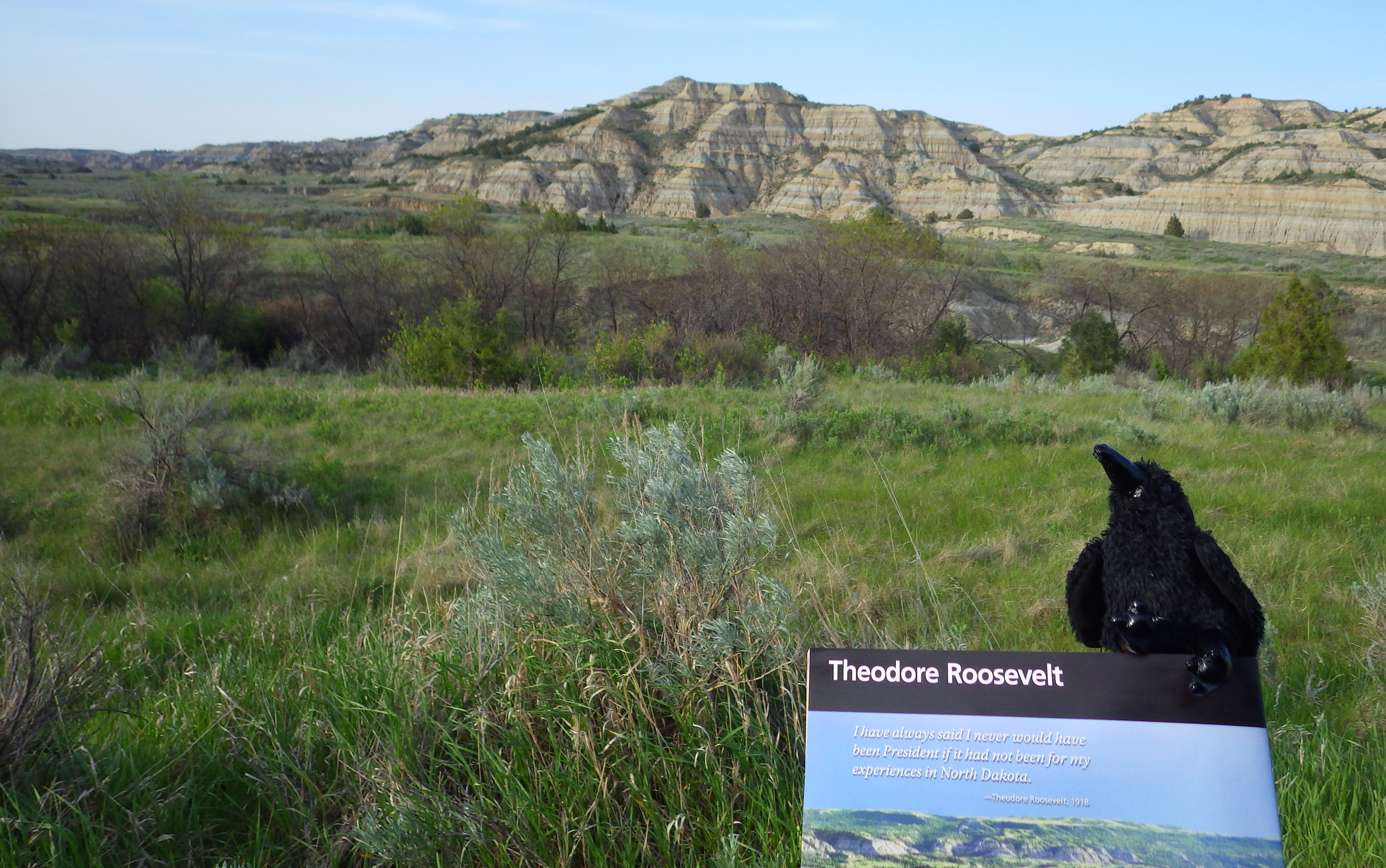





 Explore More – The death of which two important women in his life led Roosevelt to flee New York for North Dakota in 1884?


 Raven About The Parks