Category Archives: Indiana

Indiana Road Trip Itinerary

22,928,710 acres

Statehood 1816 (19th)

Capital: Indianapolis

Population: 6,785,528 (17th)

High Point: Hoosier Hill (1,257 feet)

Best time of year: Summer

Last year we published our guidebook 50 States of Great: Road Trip Guide to America, so we decided to start a new type of blog post where we create a travel itinerary for all 50 states, in addition to our usual National Forest and National Park entries.  After starting by jumping around to KansasGeorgia, Idaho, Rhode Island, Minnesota, Hawai’i, Arizona, Louisiana, and South Dakota, we headed to the Midwest for our tenth state.  We start in the northwest corner of Indiana on the shores of Lake Michigan near Chicago, then all roads lead to Indianapolis, so we head south with plenty of options to extend the trip. See for yourself why Indiana made it on our Top 10 States for State Parks list.

Day 1

Indiana Dunes National Park (click here for our complete blog post)

Indiana Dunes National Lakeshore was originally created in 1966 as a compromise between industrialists seeking to build more steel mills and conservationists wanting to preserve biodiversity.  Though it is now one of the 63 National Parks, the quiet Dunewood Campground still provides hot showers in a wooded setting inland from the lakeshore.

Optional stop at Indiana Dunes State Park

Complete the 3 Dune Challenge by climbing the three tallest dunes in the State Park (separate entrance fee) to earn a prize at the visitor center shared with the National Park.

Day 2

Raclin Murphy Museum of Art

This museum on the University of Notre Dame campus in South Bend offers free admission and highlights Christian art from Europe.  Guided tours are offered of the famous football stadium year-round, and the Basilica of the Sacred Heart and adjacent Grotto of Our Lady of Lourdes spiritual shrine are always open.  On a college football gameday, do not miss the midnight drumming circle beneath the golden dome and other traditions throughout the day.

Optional stop at Studebaker National Museum

South Bend was once the headquarters for manufacturing Studebakers and the museum displays many made-in-Indiana automobiles.

Day 3

RV/MH Hall of Fame

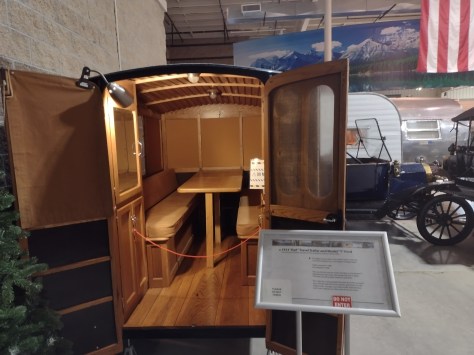
Elkhart is recognized as “the RV Capital of the World” since so many Recreational Vehicles are built in local factories.  The Hall of Fame first opened in 1991 then moved to a larger building where it exhibits more than 50 historic vehicles dating back to the 1913 Earl Travel Trailer.  You can also take a free plant tour of Jayco, Inc. to see RVs being manufactured in nearby Middlebury.
Optional stop at Hall of Heroes Superhero Museum

Six miles down the road in Elkhart, the Hall of Heroes Superhero Museum has more than 50,000 comic books and countless toys and movie props on display.  All-you-can-play arcade games are included with your admission.

Optional stop at Turkey Run State Park

This popular state park is about an hour west of Indianapolis and offers camping, hiking, swimming, kayaking, and fishing.

Day 4

Indianapolis Motor Speedway

The first auto race took place here in 1909 and the first Indy 500 was held two years later.  The car that won that inaugural Indy 500 was the Marmon Wasp and it is held in the track’s Hall of Fame Museum, along with the Borg-Warner Trophy.  This is considered the world’s largest stadium (with a capacity of 257,325).  When cars are not running, you can take a bus tour around the oval (at significantly less than 200 miles-per-hour) and kiss the 36-inch strip of bricks at the finish line left unpaved. 

Optional stop at James A. Allison Exhibition Center

Down the road from the racetrack, the free James A. Allison Exhibition Center tells the story of a local auto parts builder who expanded his company (founded in 1915) into engines for military airplanes.

Optional stop at the Children’s Museum of Indianapolis

Hands-on exhibits abound in this renowned museum southeast of downtown.

Day 5

Spring Mill State Park

Today you can still buy cornmeal ground by the historic gristmill that runs for ten minutes every hour, part of Pioneer Village where costumed reenactors demonstrate chair caning, broom making, and fiddle making.  The park also contains trails, an elevated flume reconstructed by the Civilian Conservation Corps (CCC), Hamer Pioneer Gardens, guided boat trips that enter 500 feet into Twin Caves, and the Grissom Memorial Museum dedicated to the local hero who was the second American astronaut in space and died in a 1967 launchpad fire.

Optional stop at White River State Park

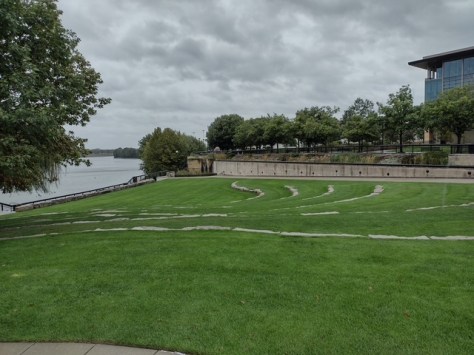
Located in downtown Indianapolis, this unique State Park surrounds the Indiana State Museum, Eiteljorg Museum of American Indian and Western Art, Indiana Zoo, and NCAA Hall of Champions featuring many interactive exhibits next door to the National Collegiate Athletics Association (NCAA) headquarters.
Day 6

Hoosier National Forest (click here for our complete blog post)

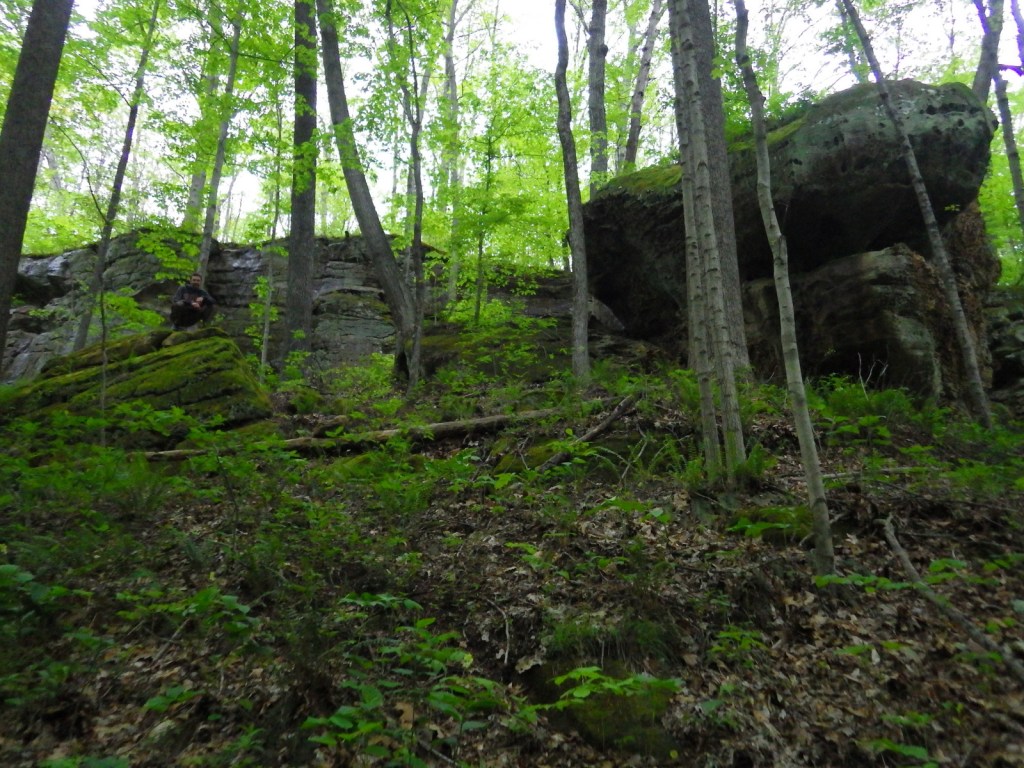
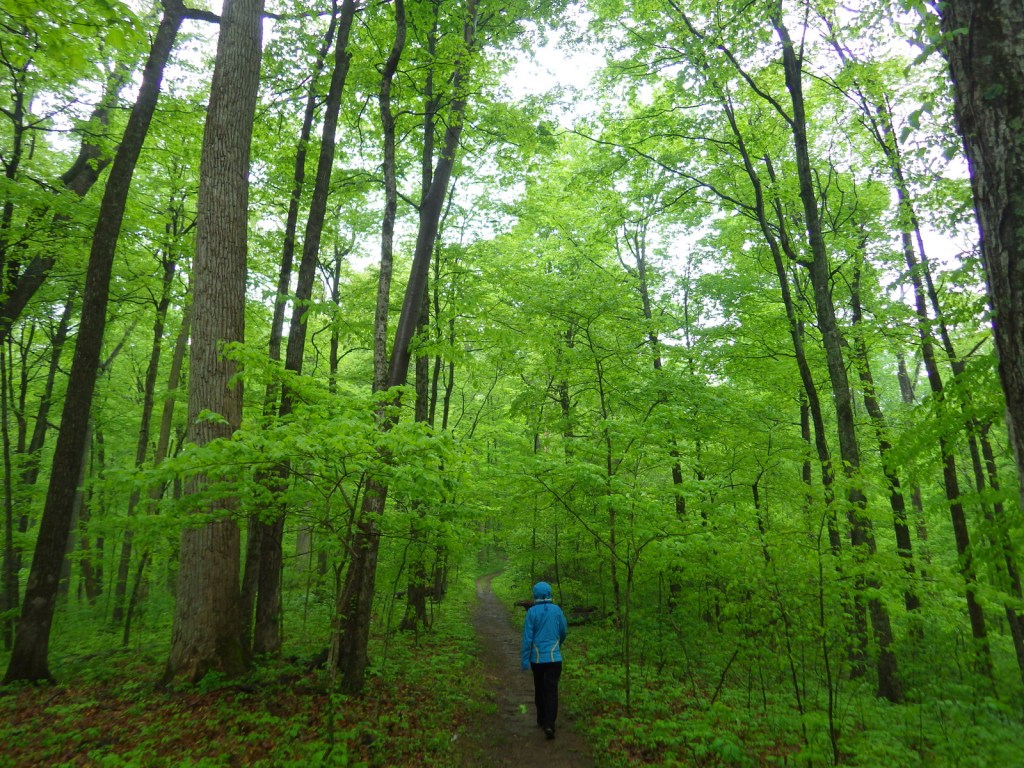
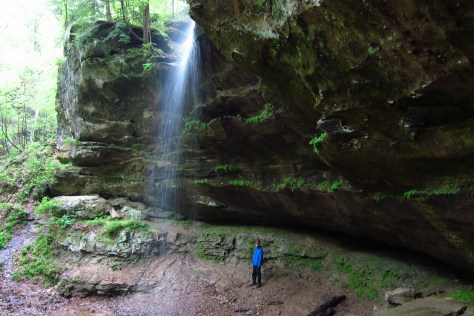
Created in 1935 from cutover and abandoned farmland, the National Forest’s best hike is Hemlock Cliffs Trail, a 1.2-mile loop through a canyon that passes two unique waterfalls.  A 0.8-mile trail runs through the 88 acres of old-growth forest of Pioneer Mothers Memorial Forest.  The tall trees here range in age from 150- to 600-years-old, and the black walnuts that grow in a moist cove known as Walnut Cathedral are considered the finest specimens in the country.
Optional stop at Muscatatuck National Wildlife Refuge

A visitor center and auto trail make this the most developed National Wildlife Refuge in Indiana for birding and fishing.  The nearby Big Oaks National Wildlife Refuge encompasses a former military property and requires special authorization to visit.

Day 7

Lanier Mansion State Historic Site

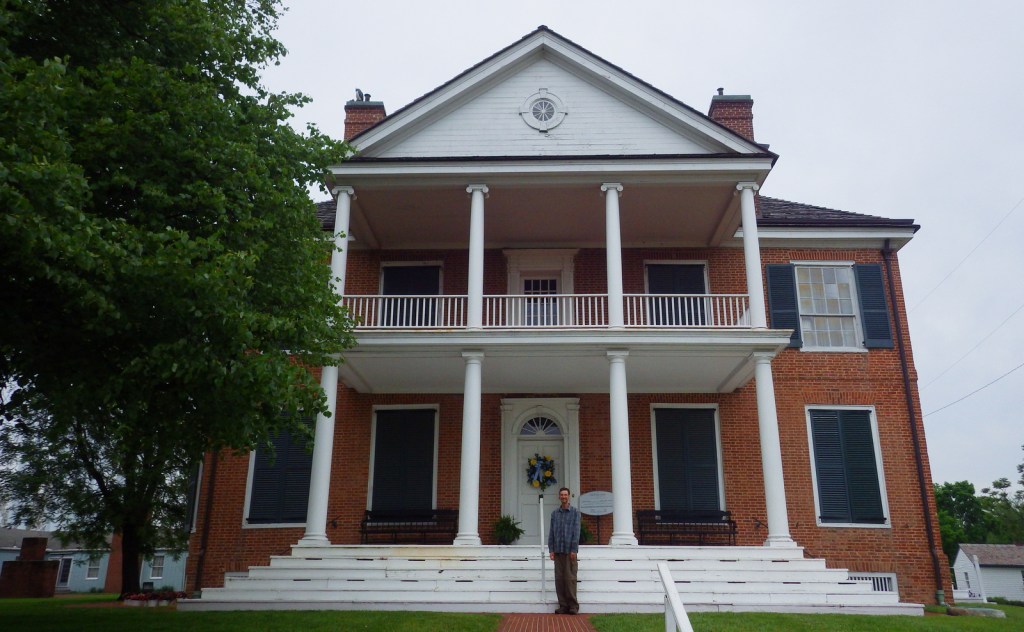
The beautiful Lanier Mansion was built for James Franklin Doughty Lanier, a prominent businessman in the state of Indiana around the mid-1800s. The Greek Revival-style house was completed in 1844 and is one of the finest buildings in Madison’s National Historic Landmark District on the Ohio River.  Well-preserved Madison was an important waystation on the Underground Railroad. 

Clifty Falls State Park

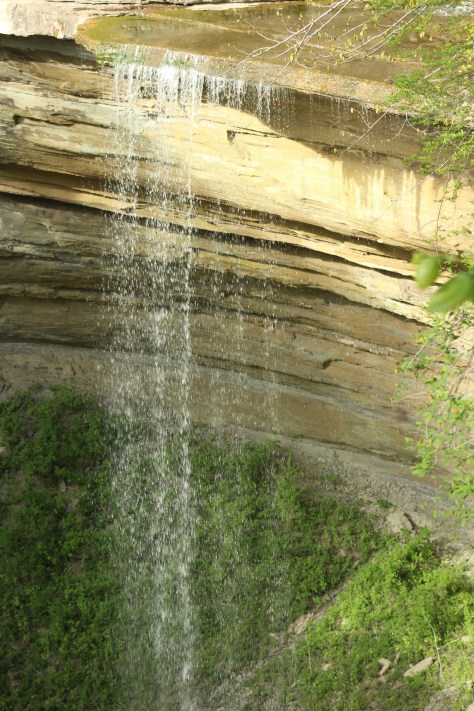
This park protects a deep, boulder-strewn canyon with several waterfalls, including one with a 60-foot drop.  It also has a campground and the blufftop Clifty Inn built in 1924 with views of the Ohio River.
Optional stop on the Indiana Cave Trail

A driving route connects several show caves in the southern part of the state where the brisk air is always a humid 57°F.  Highlights include Indiana Caverns, Wyandotte Caves State Recreation Area, Squire Boone Caverns, Marengo Cave, and Bluespring Caverns that offers a one-hour boat ride through America’s longest navigable underground river. 

Day 8+

George Rogers Clark National Historical Park (click here for our complete blog post)

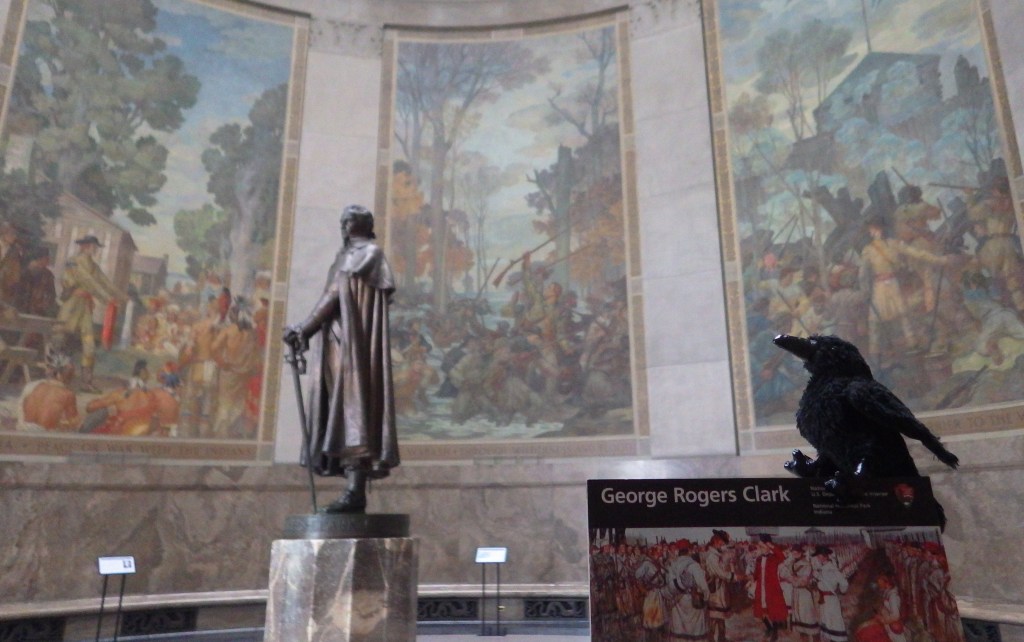
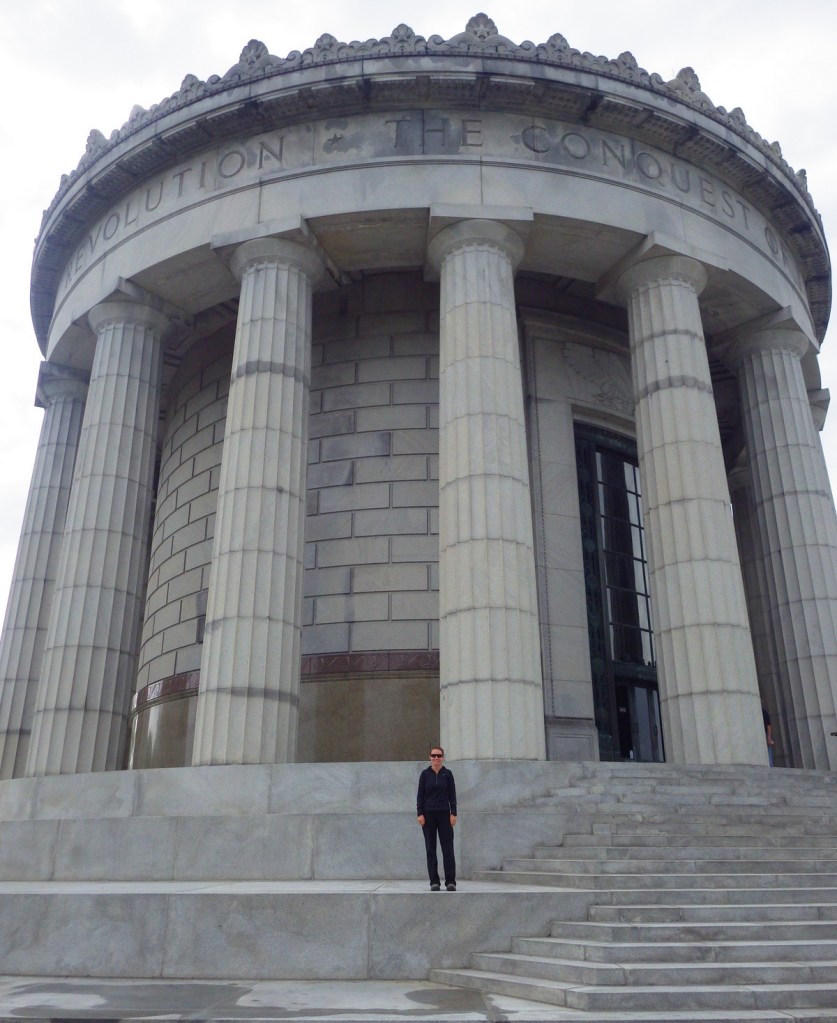
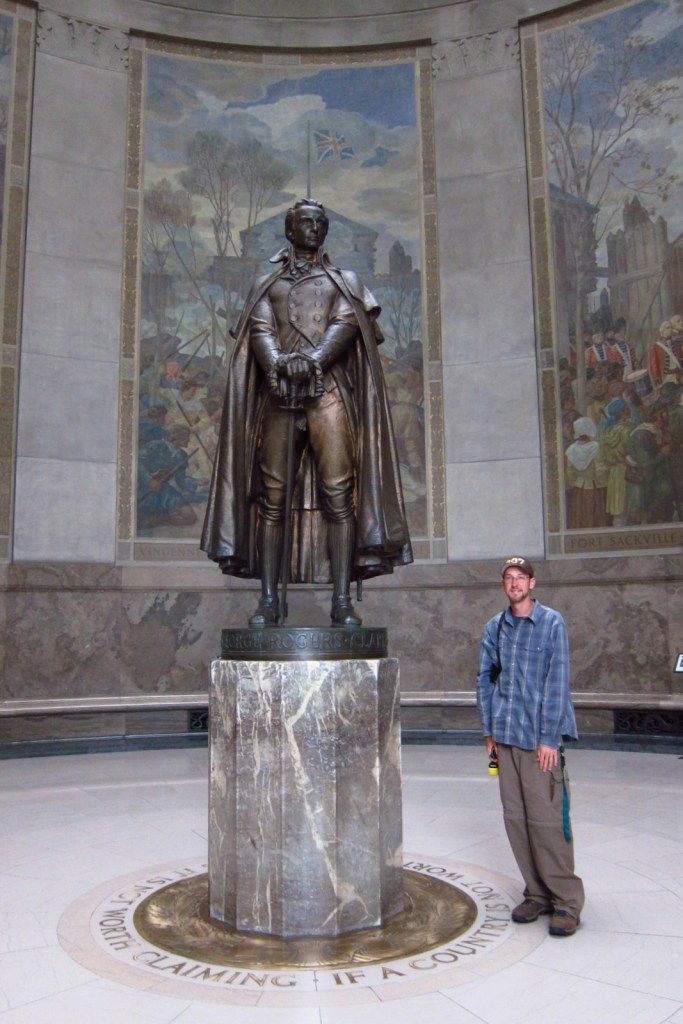
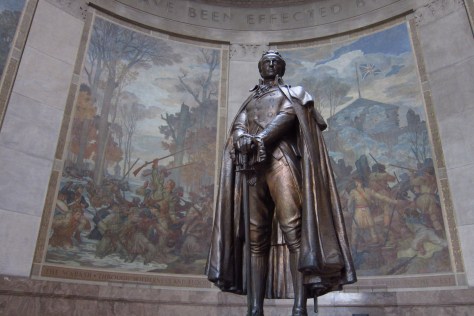
A beautiful 80-foot-tall granite memorial was built on the site of Fort Sackville in the 1930s to commemorate the victory Clark led there on February 25, 1779.  After watching the 20-minute film in the visitor center in Vincennes, go inside the circular memorial with 16 columns in classic Greek style to see a bronze statue surrounded by seven murals.  You can then walk down the Wabash River to see the home of President William Henry Harrison and the old territorial capitol.
Holiday World

Located in the town of Santa Claus, this Christmas-themed amusement park has roller coasters, a water park, and many shops.

Lincoln Boyhood National Memorial (click here for our complete blog post)

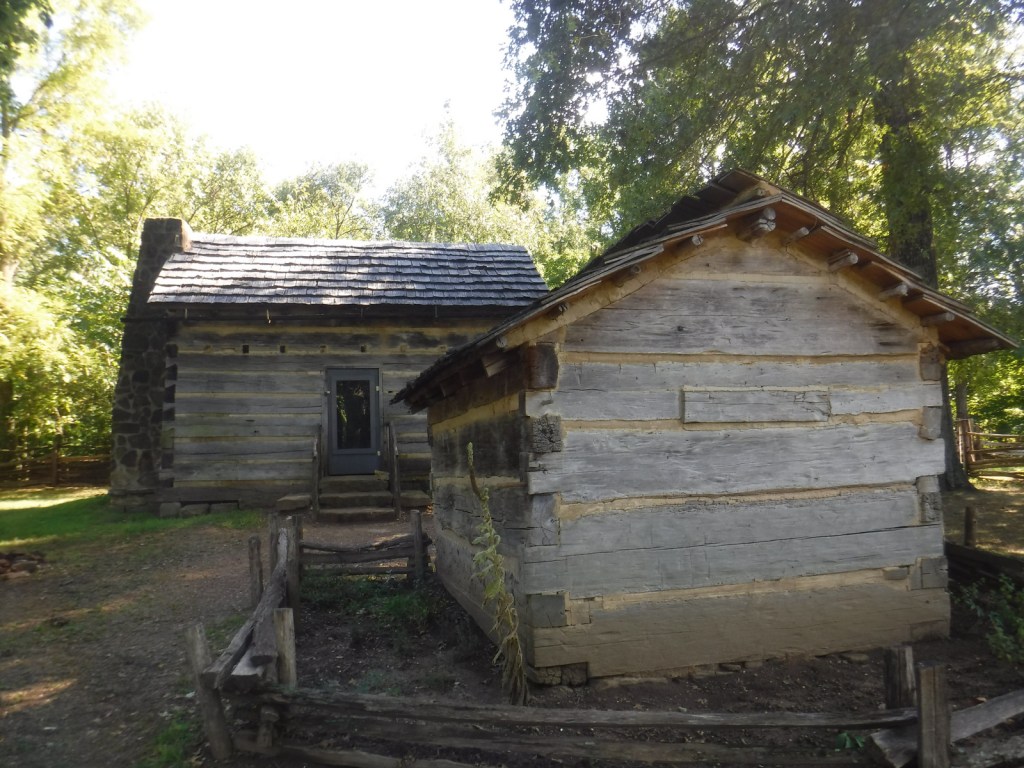
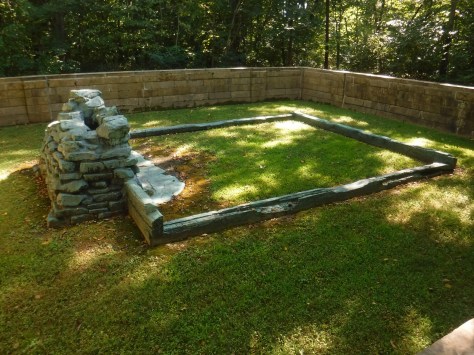
Take a walk past the pioneer cemetery to the Cabin Site Memorial where a bronze casting of sill logs and the fireplace hearthstones are at the site of Abraham Lincoln’s family cabin from 1829.  The Living Historical Farm has costumed interpreters in the summer that depict homestead life at an authentic cabin and several outbuildings that were moved here from other parts of Indiana.
Angel Mounds State Historic Site

Near Evansville is a 430-acre site where there are 11 grass-covered Mississippian mounds built as early as 1,000 years ago, plus a replica village, simulated excavation site, and a visitor center full of artifacts. 

Milan ’54 Museum

Commemorates the town’s 1954 high school boys’ basketball team that defeated the mighty Muncie Central for the state championship, as immortalized in the 1986 film Hoosiers.

Indiana Basketball Hall of Fame

In a state obsessed with basketball, this museum was moved from the capital city to New Castle in 1990 so it could have more room for expansion. 

Learn more about Indiana’s Most Scenic Drive, Top Backpacking Destination, and other categories in our travel guidebook 50 States of Great: Road Trip Guide to America.

Lincoln Boyhood National Memorial

Lincoln Boyhood National Memorial

Indiana

Managed by National Park Service

Established 1962

200 acres

Website: nps.gov/libo

Overview

In 1816, Thomas and Nancy Lincoln moved their two children, Sarah and Abraham, from Hodgenville, Kentucky to a 160-acre farm in southern Indiana.  The future-President Abraham Lincoln lived there 14 years until he turned 21 and the family relocated to Illinois.  In 1818, his mother Nancy Hanks Lincoln died of milk poisoning because a dairy cow had eaten white snakeroot plant, and visitors can learn more about the poison tremetol in the Memorial Visitor Center and stop at her memorial stone in the pioneer cemetery (although her exact burial place is unknown).

Highlights

Museum, film, Abraham Lincoln Hall, U.S. Post Office, cemetery, spring, Living Historical Farm, Cabin Site Memorial

Must-Do Activity

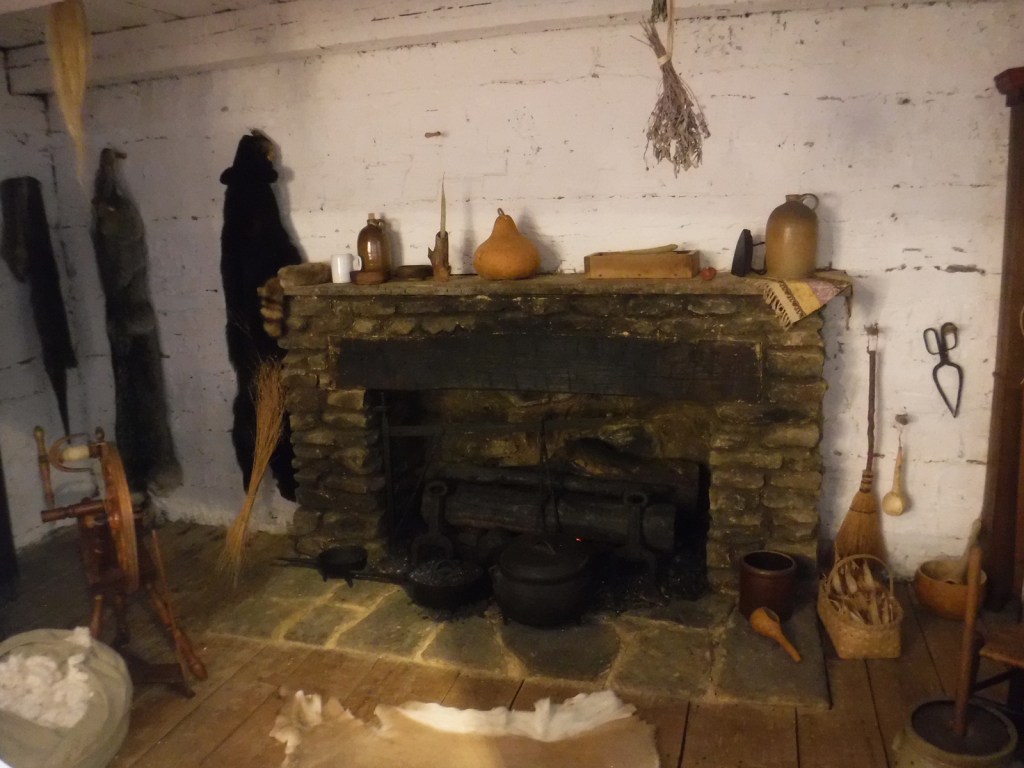
Start at the Memorial Visitor Center to visit the museum inside and use the U.S. Post Office if needed.  If the weather is nice, take a walk past the pioneer cemetery to the Cabin Site Memorial where a bronze casting of sill logs and the fireplace hearthstones are at the site of the Lincoln’s cabin begun in 1829.  The Living Historical Farm has costumed interpreters in the summer that depict homestead life at an authentic cabin and several outbuildings that were moved here from other parts of Indiana.

Best Trail

It is about one mile roundtrip to walk from the museum to the Living Historical Farm and then return on the Trail of Twelve Stones.  There is a parking area closer to the Cabin Site Memorial, if you do not wish to walk the entire way.  The Boyhood Nature Trail offers an additional one-mile loop through the forest.

Instagram-worthy Photo

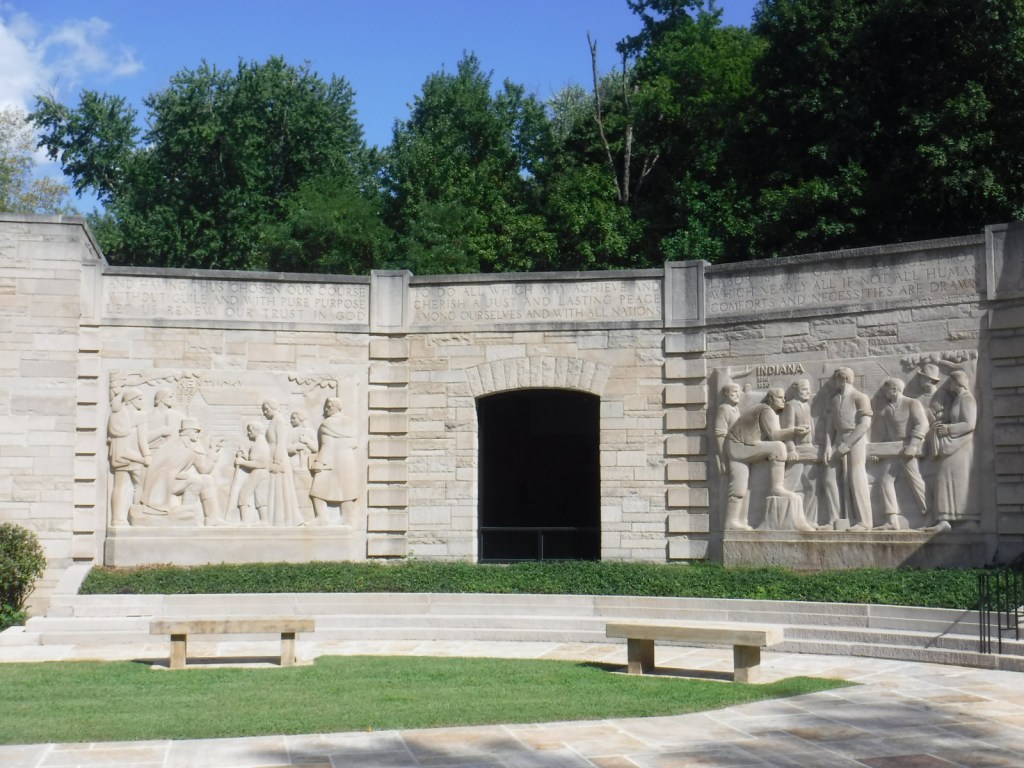
The five relief panels on the outside of the Memorial Visitor Center were created from Indiana limestone by E.H. Daniels to depict different periods in Abraham Lincoln’s life.  The building was constructed in the 1940s by the state of Indiana and given to the National Park Service when they took over the site in 1962.

Peak Season

Summer when living history demonstrations occur

Hours

https://www.nps.gov/libo/planyourvisit/hours.htm

Fees

None

Road Conditions

All roads are paved

Camping

There is a campground with running water and RV hookups at adjacent Lincoln State Park.

Related Sites

Abraham Lincoln Birthplace National Historical Park (Kentucky)

Lincoln Home National Historic Site (Illinois)

Lincoln Memorial (District of Columbia)

Hoosier National Forest (Indiana)

Explore More – How many step-siblings did Abraham Lincoln gain when his father wed the widow Sarah Bush Johnston from Kentucky in 1819?

Hoosier National Forest

Hoosier National Forest

Indiana

Managed by U.S. Forest Service, Eastern Region

644,214 acres (202,814 federal/ 441,400 other)

Website: https://www.fs.usda.gov/hoosier

Overview

Southern Indiana’s Hoosier National Forest was created in 1935 from cutover and abandoned farm land.  Six years later an additional 88 acres of old-growth forest was purchased that became Pioneer Mothers Memorial Forest, which has never been cut and is used to study natural succession.  A 0.8-mile trail runs through the woods and accesses the Indiana Pioneer Mothers Memorial and Lick Creek Settlement Site.  The latter was a community of free African-Americans led by the Quaker Jonathan Lindley from 1819 to 1865, and located nearby is an archaeological site where there was a stockaded village in the 1300s. 

Highlights

Pioneer Mothers Memorial Forest, Monroe Lake, Hickory Ridge Lookout Tower, German Ridge Lake, Lick Creek Settlement Site, Sundance Lake, Potts Creek Rockshelter Archeological Site, Lake Tarzian, Rickenbaugh House, Tipsaw Lake, Buzzard Roost Overlook, Clover Lick Barrens, Hardin Ridge Recreation Area, Birdseye Trail, Hemlock Cliffs Trail

Must-Do Activity

There are 266 miles of trails in Hoosier National Forest, including the 36.3-mile Terrill Ridge Trail that enters the Charles C. Deam Wilderness (Indiana’s one and only) and the 24.1 miles of trails around German Ridge Lake.  Horse camps provide access to miles of bridle trails, including the 48.7-mile Hickory Ridge Trail.  Many of the National Forest’s trails are old roads (even in the Wilderness), so while hiking watch for evidence of house foundations, fences, domestic plants, and cemeteries.

Best Trail

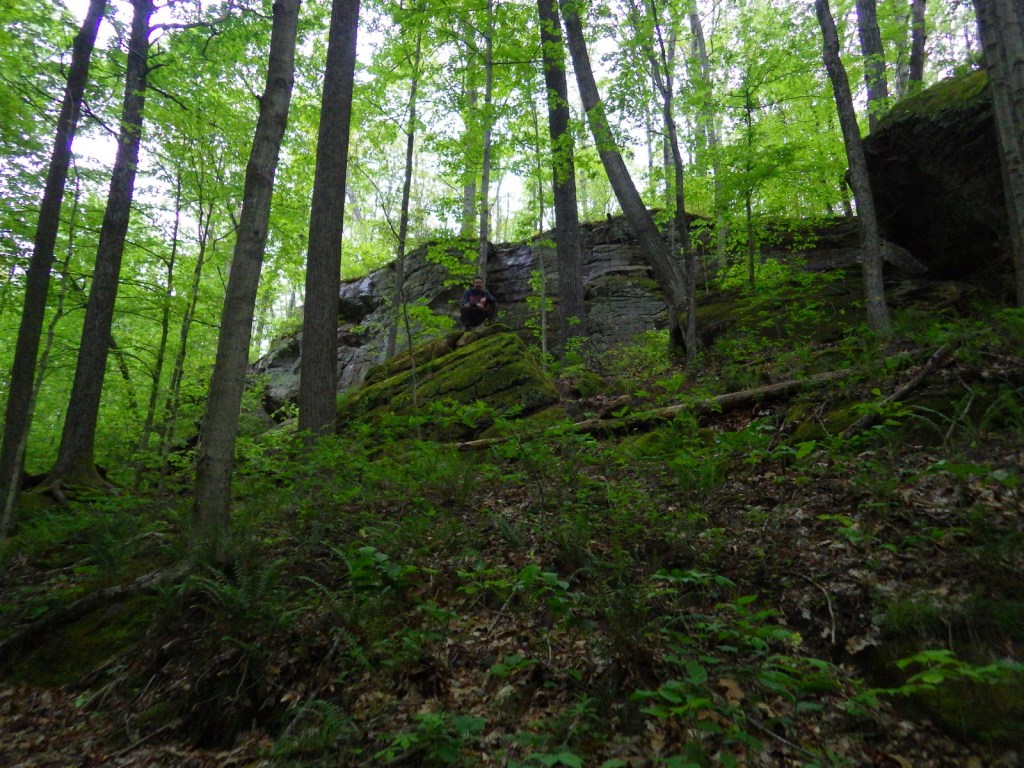
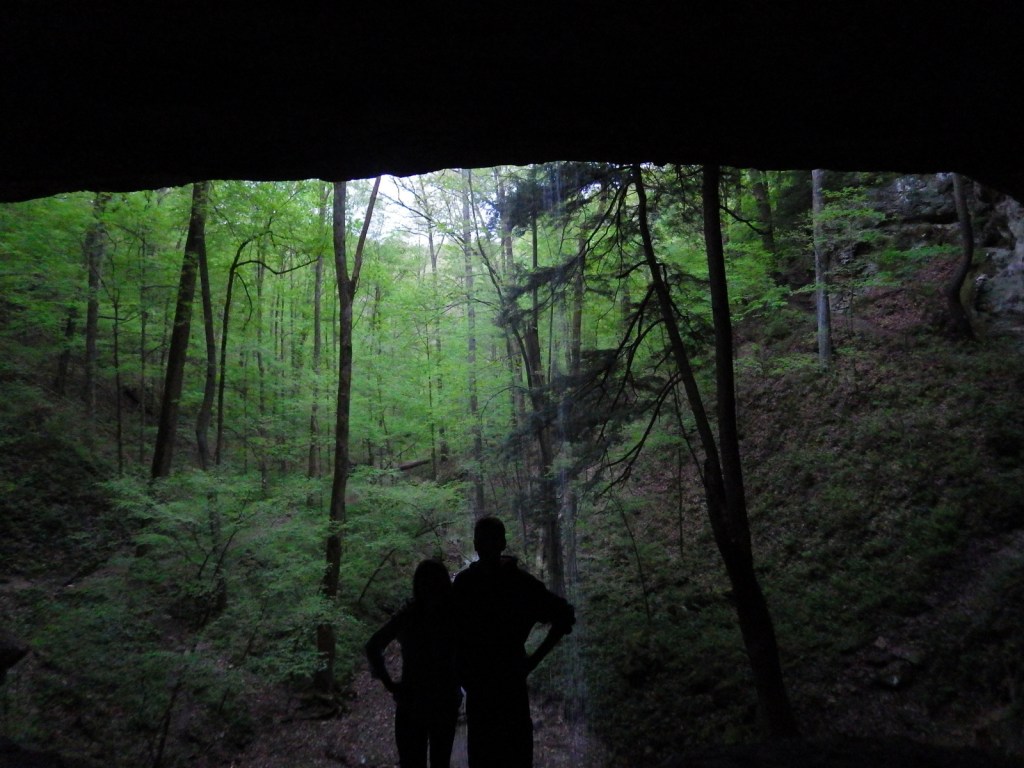
Hemlock Cliffs Trail is a 1.2-mile loop through a sandstone canyon that passes two unique waterfalls.  Tall eastern hemlock trees surround both waterfalls that you can walk behind where the cliffs are undercut by erosion in this crumbly sedimentary rock.  The falls only flow seasonally, but when they do the trail is often muddy and slippery, so take caution. 

Watchable Wildlife

In 1972, wild turkeys were reintroduced to 6,000 acres around Clover Lick Barrens, an area of prairie vegetation.  Other birds of interest include red-shouldered hawks, sharp-shinned hawks, scarlet tanagers, and pileated woodpeckers.  Timber rattlesnakes and copperheads are two venomous snake species found here.  Mammals include fox squirrels, raccoons, and white-tailed deer, which attract hunters in season.

Instagram-worthy Photo

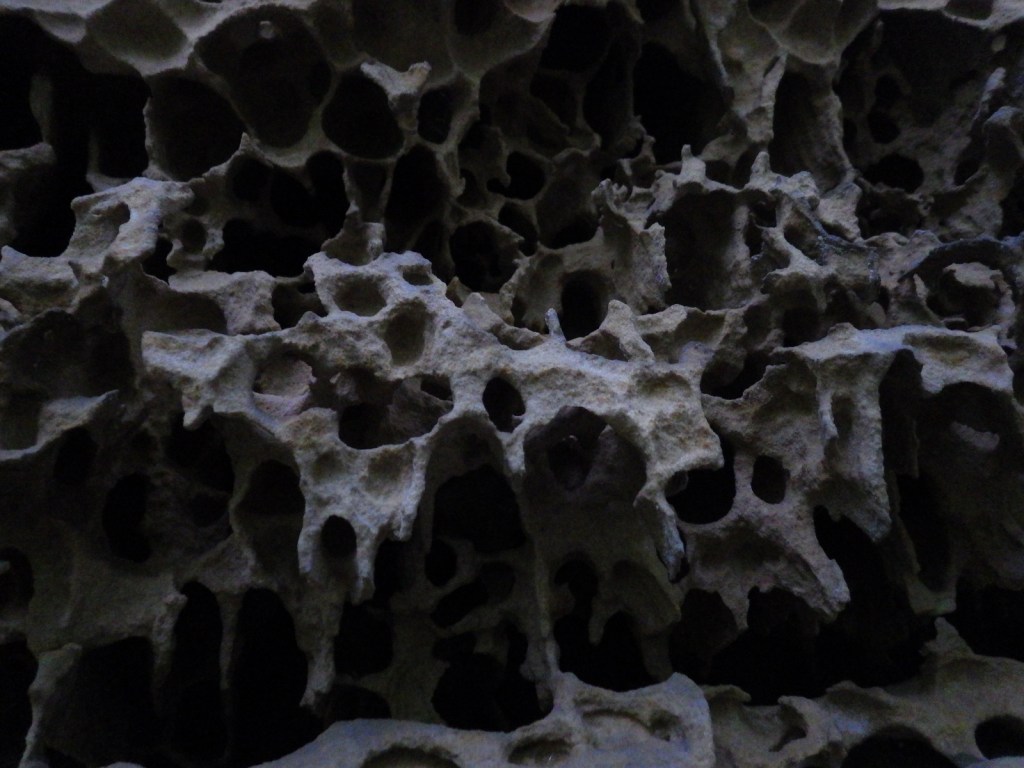
Southern Indiana is known for its Karst topography, which often forms limestone caves, as well as some beautiful Swiss-cheese formations that can be seen along the Hemlock Cliffs Trail.

Peak Season

Summer

Fees

None

Road Conditions

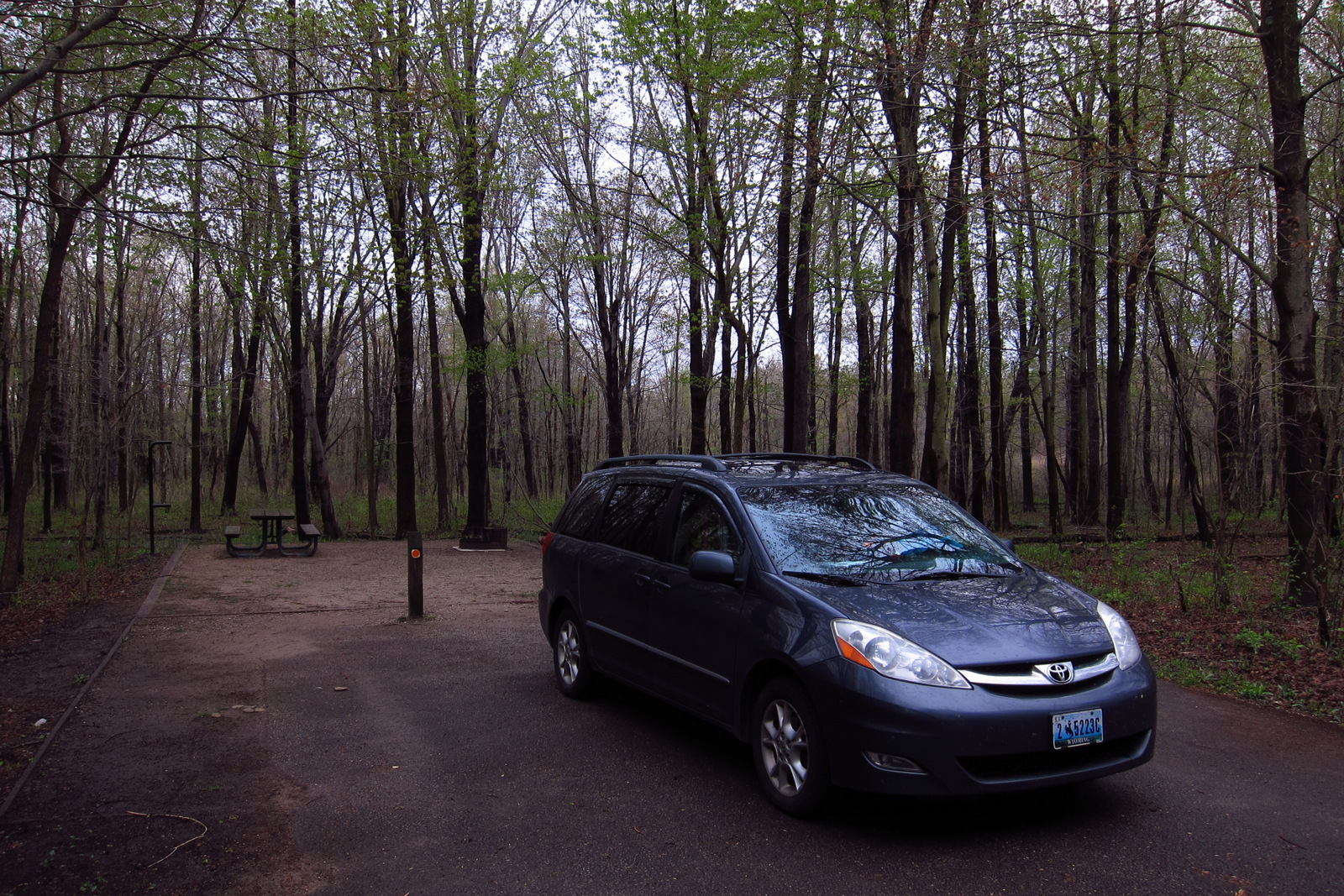
Road access is paved to the pullout for the Pioneer Mothers Memorial Forest, and the unpaved road to Hemlock Cliffs Trailhead was a good enough for our mini-van.

Camping

There are horse camps at Shirley Creek, Blackwell, Hickory Ridge, and Youngs Creek, in addition to other campgrounds dispersed throughout Hoosier National Forest.

Wilderness Areas

Charles C. Deam Wilderness

Related Sites

Shawnee National Forest (Illinois)

Lincoln Boyhood National Memorial (Indiana)

George Rogers Clark National Historical Park (Indiana)

Nearest National Park

Indiana Dunes

Conifer Tree Species

eastern hemlock, eastern white pine, shortleaf pine, eastern redcedar

Flowering Tree Species

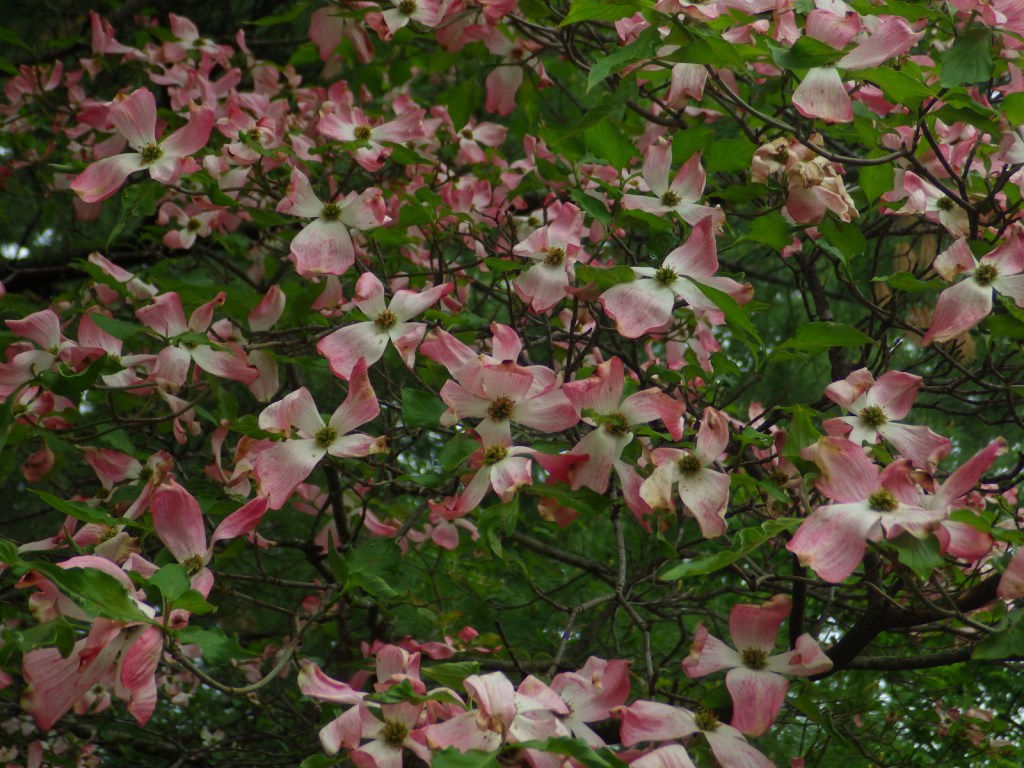
American beech, tulip-poplar, basswood, Ohio buckeye, white ash, green ash, American elm, winged elm, black walnut, white oak, northern red oak, black oak, chinquapin oak, rock chestnut oak, post oak, blackjack oak, sugar maple, red maple, ironwood, sassafras, black cherry, black gum, black walnut, honeylocust, Kentucky coffeetree, flowering dogwood, redbud, basswood, sycamore, mockernut hickory, shagbark hickory, pawpaw, slippery elm, butternut, hophornbeam, sweetgum, mountain laurel

Explore More – Who was Charles C. Deam, the namesake for the only Wilderness in Indiana (designated in 1982)?

Learn more about this and the 154 other National Forests in our new guidebook Out in the Woods

George Rogers Clark National Historical Park

Overview

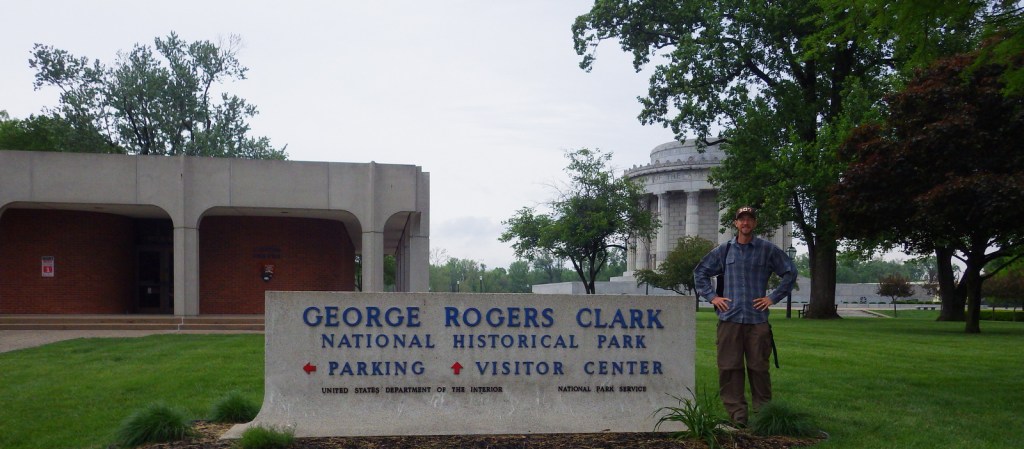
Perhaps less well-known today than his brother William Clark of the Lewis and Clark Expedition, during the American Revolution George Rogers Clark’s fame was on par with that of George Washington.  A beautiful 80-foot tall granite memorial was built on the site of Fort Sackville (in present day Vincennes, Indiana) in the 1930s to commemorate Clark’s achievements.

Highlights

Memorial building with statue and murals, Vigo statue, film

Must-Do Activity

After watching the 20-minute film in the visitor center, go inside the circular memorial with 16 columns in classic Greek style to see a bronze statue surrounded by seven murals.  George Rogers Clark was one of the early pioneers in Kentucky and after war broke out he led 150 local men west to convince French settlers on the Mississippi River to join the patriots.  With the assistance of the French, he defeated the British at Fort Sackville on February 25, 1779.  After the 1783 Treaty of Paris, much of this territory would become part of the fledgling United States of America. 

Best Trail

There are no trails, but you can walk or drive a few blocks to visit the home of President William Henry Harrison and the old Indiana Territory capitol.

Instagram-worthy Photo

Francis Vigo was a French merchant who tipped off Clark that Fort Sackville was lightly guarded and then provided financial support for the mission.  His statue sits on the banks of the Wabash River.

Peak Season

Summer

Hours

The memorial closes daily at 4:45 p.m.

https://www.nps.gov/gero/planyourvisit/hours.htm

Fees

None

Road Conditions

All roads paved

Camping

Only 2 miles north of Vincennes, Indiana, the county-operated Ouabache Trails Park offers campsites with electric and water hookups.

Explore More – His bronze statue is larger than life, but the real George Rogers Clark stood what impressive height by eighteenth-century standards?

We are a participant in the Amazon Services LLC Associates Program, an affiliate advertising program designed to provide a means for us to earn fees by linking to Amazon.com and affiliated sites.

Indiana Dunes National Park

Overview

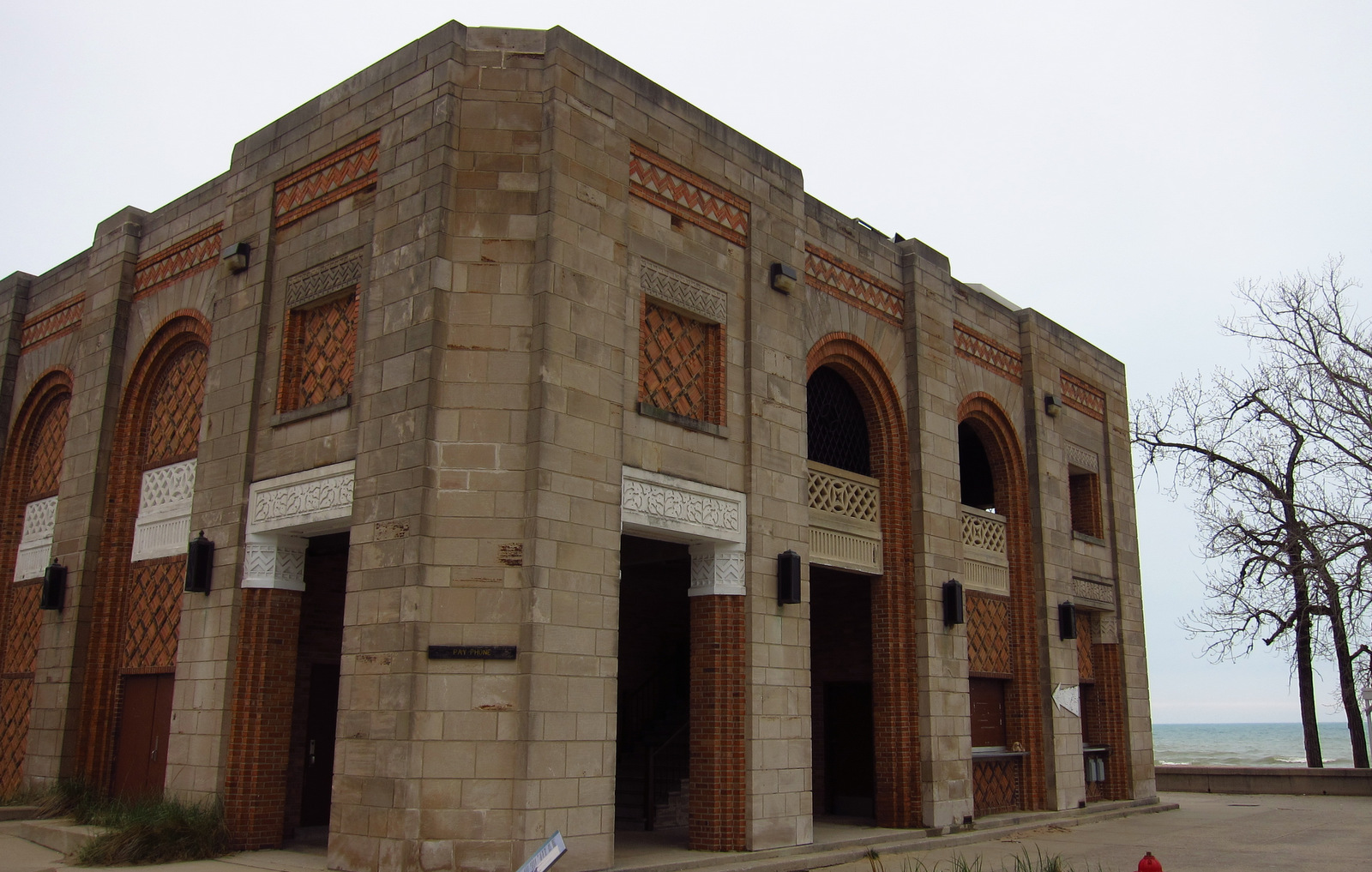
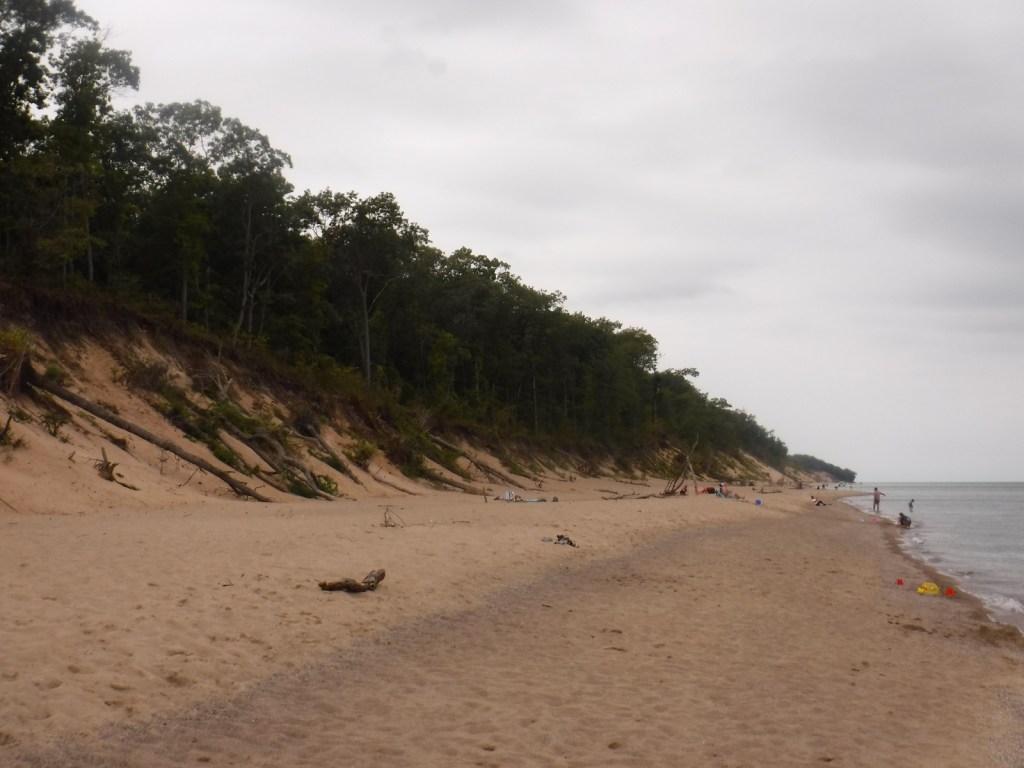
A 20th-century battleground east of Chicago between industrialists seeking to build more steel mills and conservationists wanting to preserve natural diversity, in 1966 Indiana Dunes National Lakeshore was created as a compromise between the opposing sides.  Its scattered bogs and dunes surround a beachside state park on Lake Michigan that dates back to the 1920s, with an Art Deco bathhouse dating to that era.
Update: As of February 15, 2019 it is called Indiana Dunes National Park.
Indiana

Highlights

West Beach, Bailey Homestead, Chellberg Farm, Century of Progress Homes, Mount Baldy, Glenwood Dunes Trail, heron rookery

Must-Do Activity

It is worth the price of admission to access the trail system within Indiana Dunes State Park to complete the 3 Dunes Challenge.  Take your photos back to the joint NPS-State Park visitor center to claim your prizes.

Best Trail

Cowles Bog Trail covers 5 rugged miles and accesses an isolated beach with views of the Chicago skyline. The trail to the top of Mount Baldy is closed due to erosion.

Instagram-worthy Photo

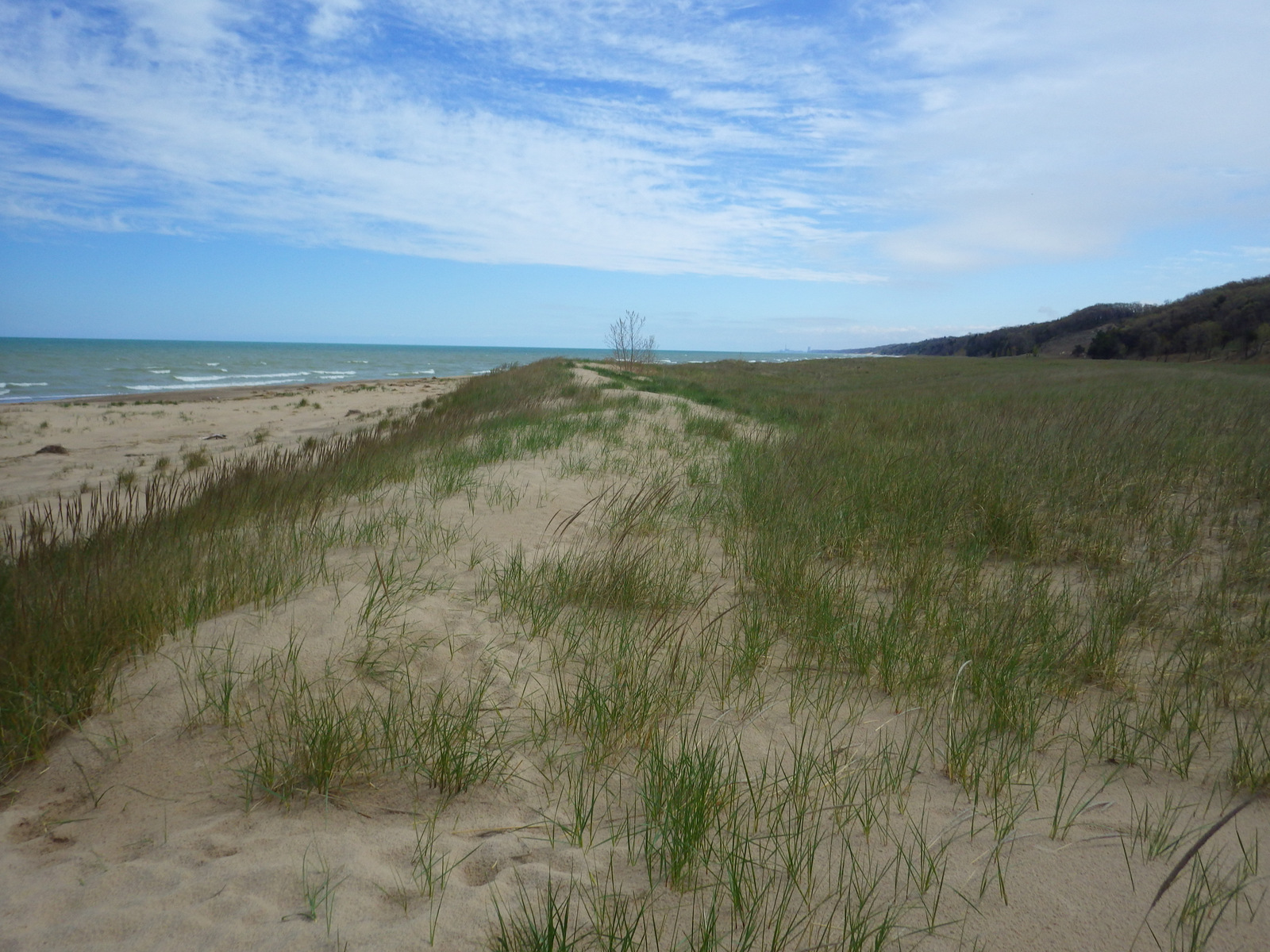
Beach grasses with a backdrop of a steel mill are a surreal mix on the Cowles Bog Trail.

Peak Season

The park is open year round, with the Lake Michigan beaches attracting crowds in the summer.

Hours

https://www.nps.gov/indu/planyourvisit/hours.htm

Fees

No admission for most of the National Park, except $6 per vehicle for summer lifeguards at West Beach and $12 per vehicle day use fee year round to enter Indiana Dunes State Park.

Road Conditions

All roads are paved.

Camping

While it is not on the beach, we enjoyed the quiet Dunewood Campground (fee) with its hot showers.

INDU4
INDU
Historic bathhouse at Indiana Dunes State Park.
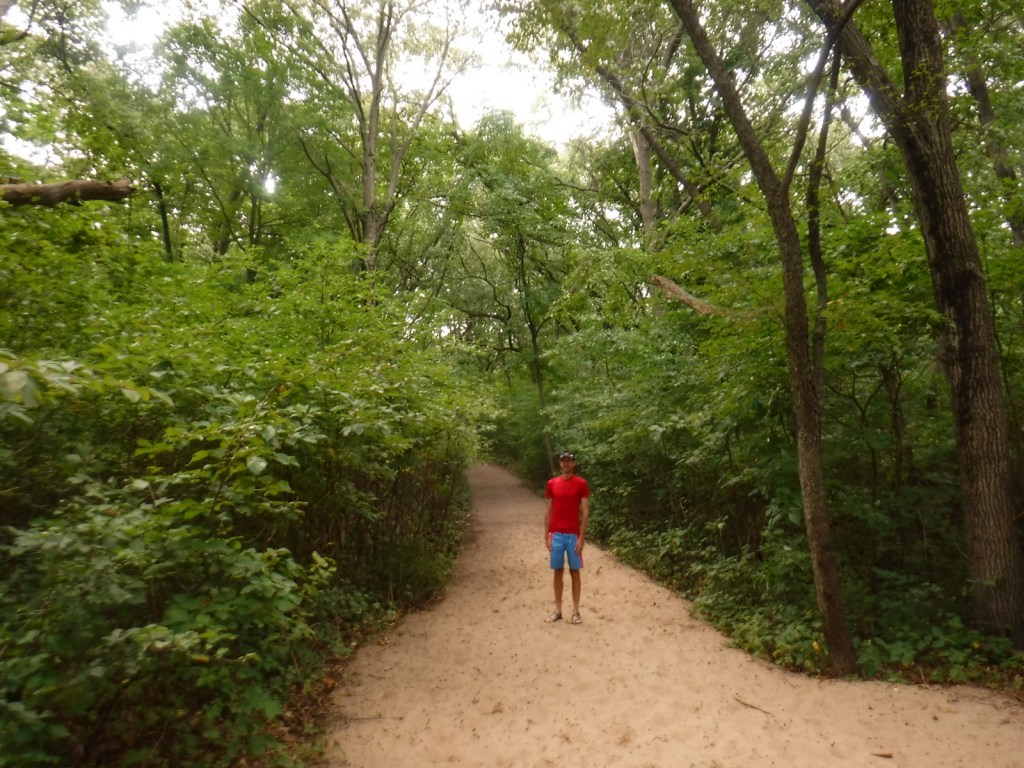
Climbing the dunes - there was a hiking challenge, so we had to do it
A view of Chicago from the dunes
The Chicago skyline is visible from the beach.
Baby geese!
INDU3
INDU
This design we created to celebrate Indiana Dunes National Park is available on a variety of products at Cafe Press and Amazon.

Explore More – Mount Baldy stands 126 feet tall, but how much shorter is that than Mount Tom in neighboring Indiana Dunes State Park?

We are a participant in the Amazon Services LLC Associates Program, an affiliate advertising program designed to provide a means for us to earn fees by linking to Amazon.com and affiliated sites.