Category Archives: Florida

Big Cypress National Preserve

Overview

Big Cypress National Preserve was originally planned to be a part of Everglades National Park (established in 1947), but this wild area to the north did not gain federal protection until 1974.  There are few roads and trails in the 729,000-acre preserve, which makes it ideal habitat for the endangered Florida panther.  The easiest access points are along Alligator Alley (Interstate 75) or the Tamiami Trail (Highway 41).  While many of the “trails” require route-finding and slogging through deep water, there are also designated ATV and canoe trails located throughout the park.

Highlights

Kirby Storter Roadside Park, Big Cypress Bend Trail, canoeing

Must-Do Activity

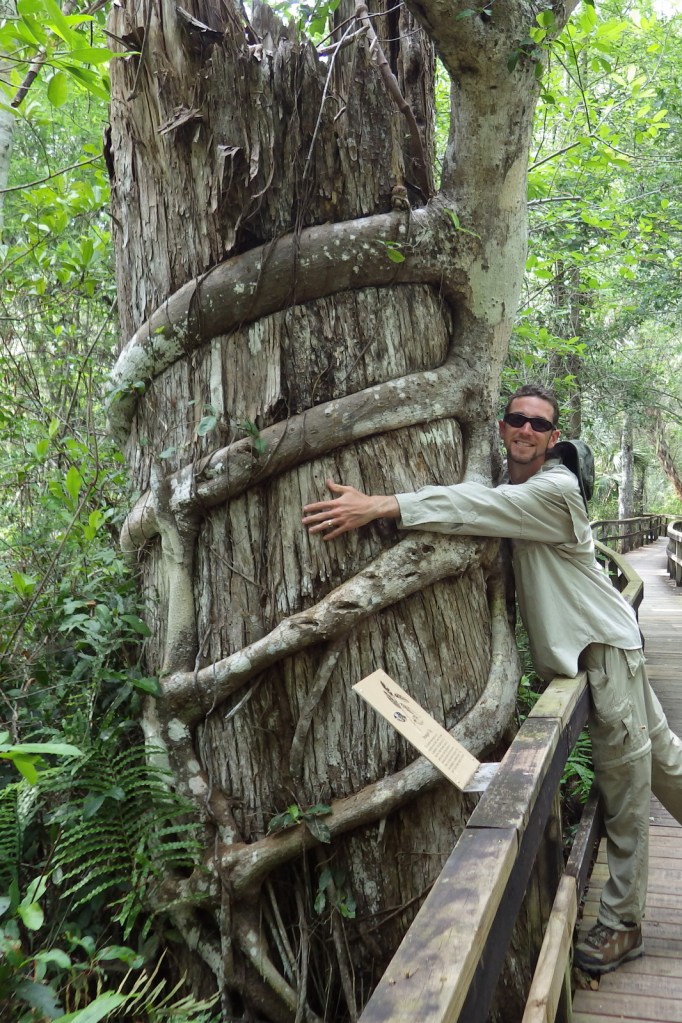
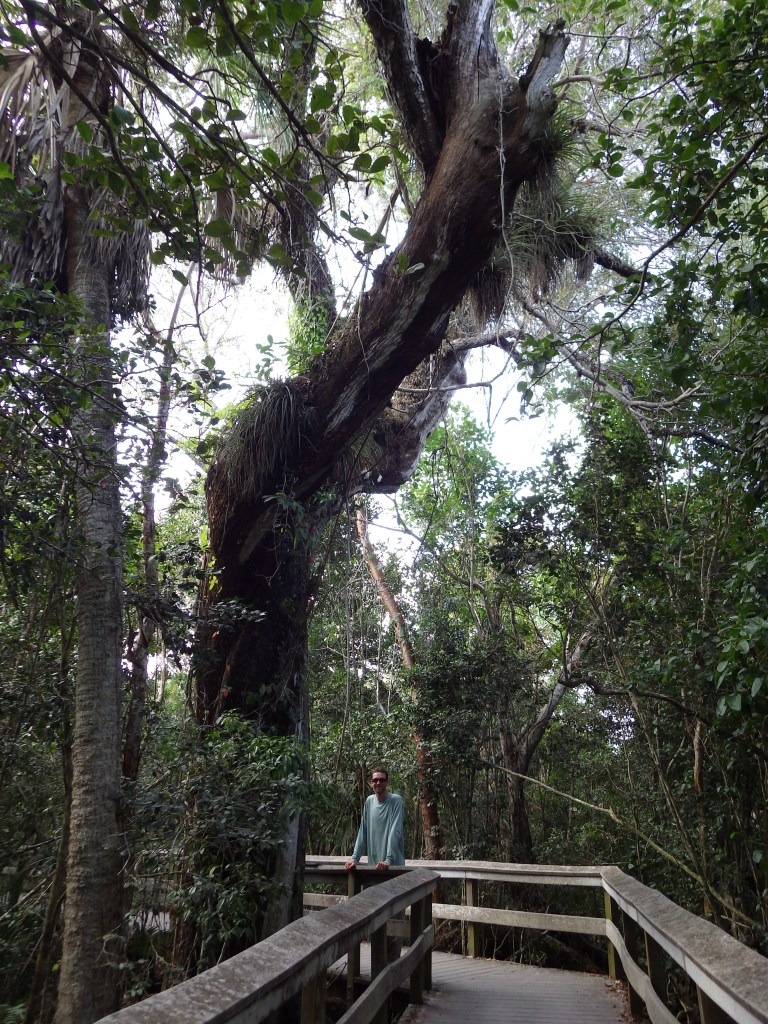
Many of the baldcypress and pond cypress trees that once stood here were logged in the 1930s and 1940s.  At the Kirby Storter Roadside Park, you can still see some large examples of these trees famous for their buttressed boles and root nodules, or “knees,” that stand above the high water level.  We previously reported on these unique deciduous conifers at Congaree National Park in South Carolina, but here they grow right alongside tall palm trees that we typically associate with sandy beaches. 

Best Trail

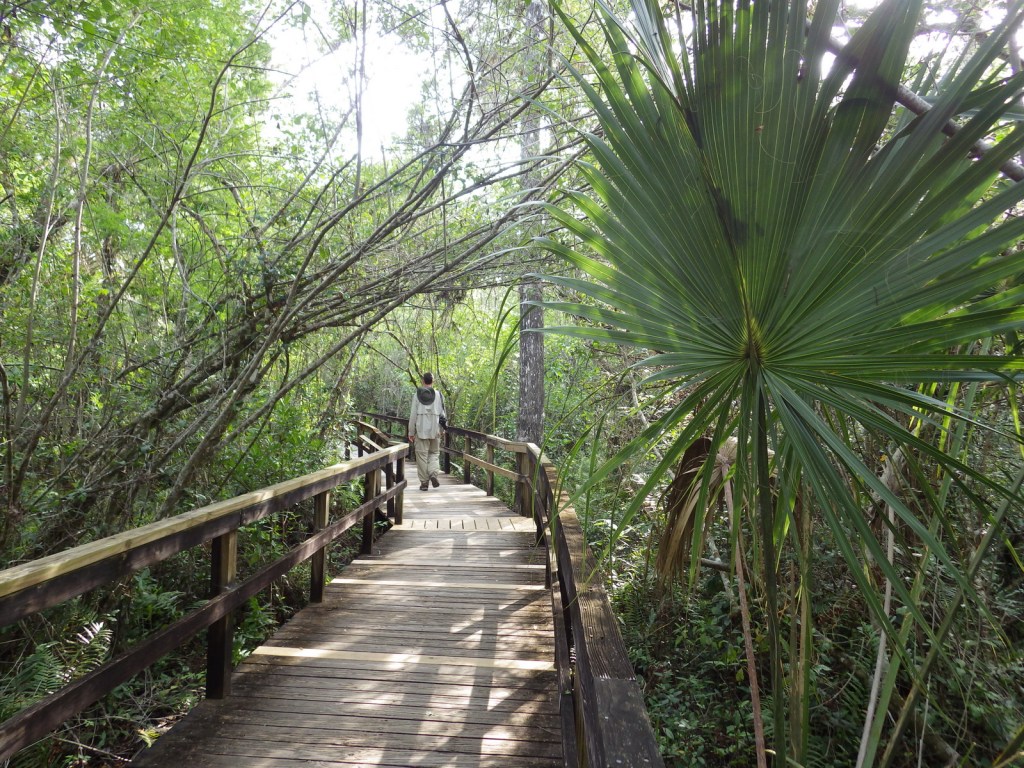
Many of the trails in the park are underwater and require slogging.  Two exceptions with boardwalks are at Kirby Storter Roadside Park and Big Cypress Bend (technically within Fakahatchee Strand Preserve State Park).

Instagram-worthy Photo

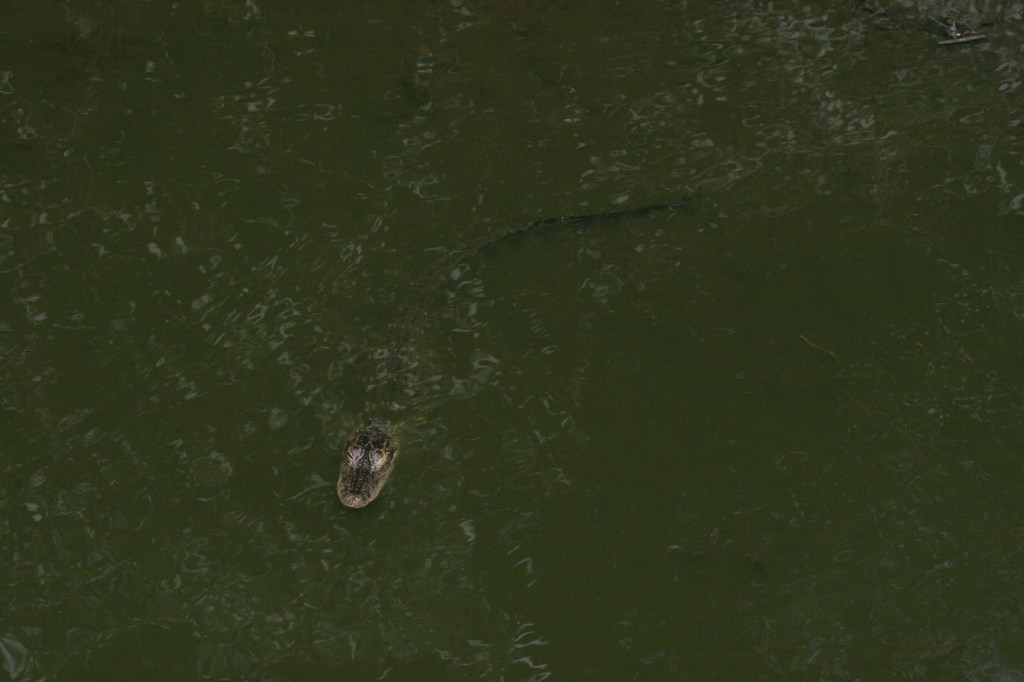
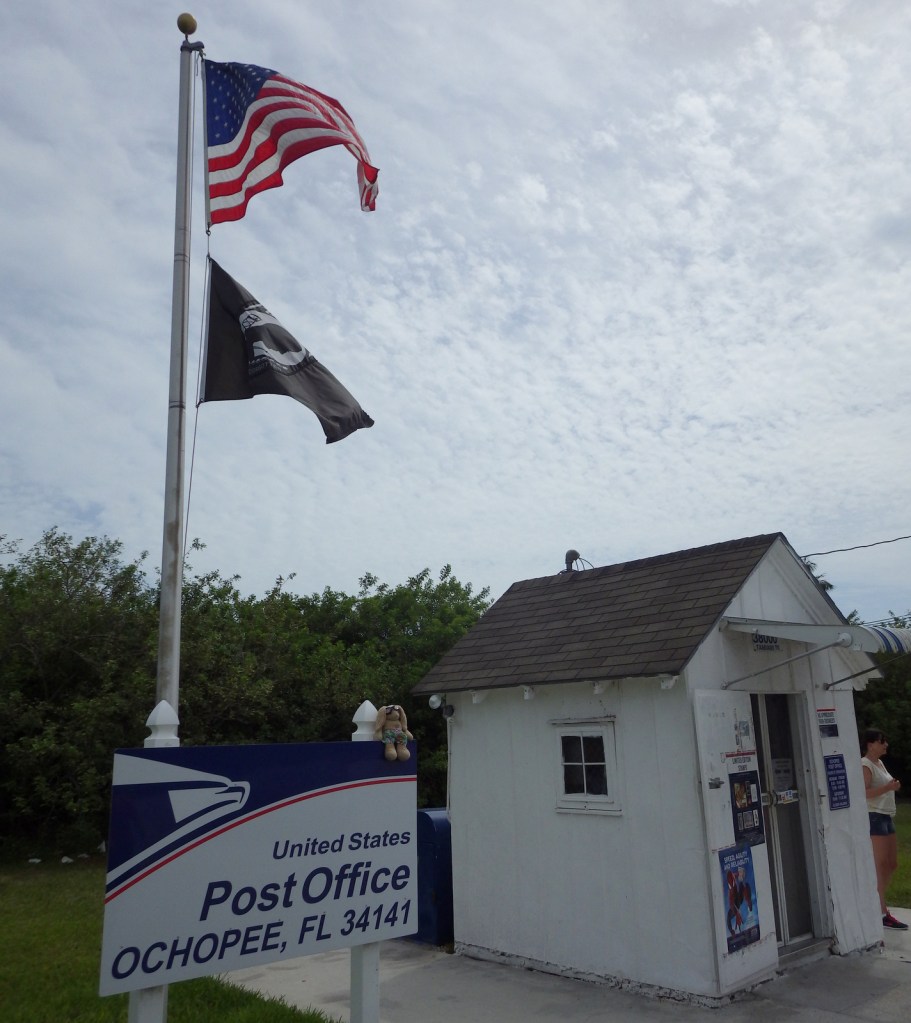
Wherever you look, you are likely to spot an alligator or two in this wild section of south Florida.  An extra photo-op can be found at the smallest post office in the United States, a former irrigation pipe shed located in Ochopee, Florida since 1953.
Peak Season

Winter

Hours

https://www.nps.gov/bicy/planyourvisit/hours.htm

Fees

None (except for off-road vehicle permits)

Road Conditions

Highway 41 and Interstate 75 are paved, but just about every other road in the park is sandy (and/or submerged) and should only be attempted with an ATV or swamp buggy.

Camping

The NPS offers two campgrounds along Highway 41 (there is also one in Collier-Seminole State Park), as well as designated primitive wilderness sites.

Related Sites

Everglades National Park (Florida)

De Soto National Memorial (Florida)

Big Thicket National Preserve (Texas)

Explore More – What are the five main habitat types protected within the preserve?
Castillo de San Marcos National Monument

Overview

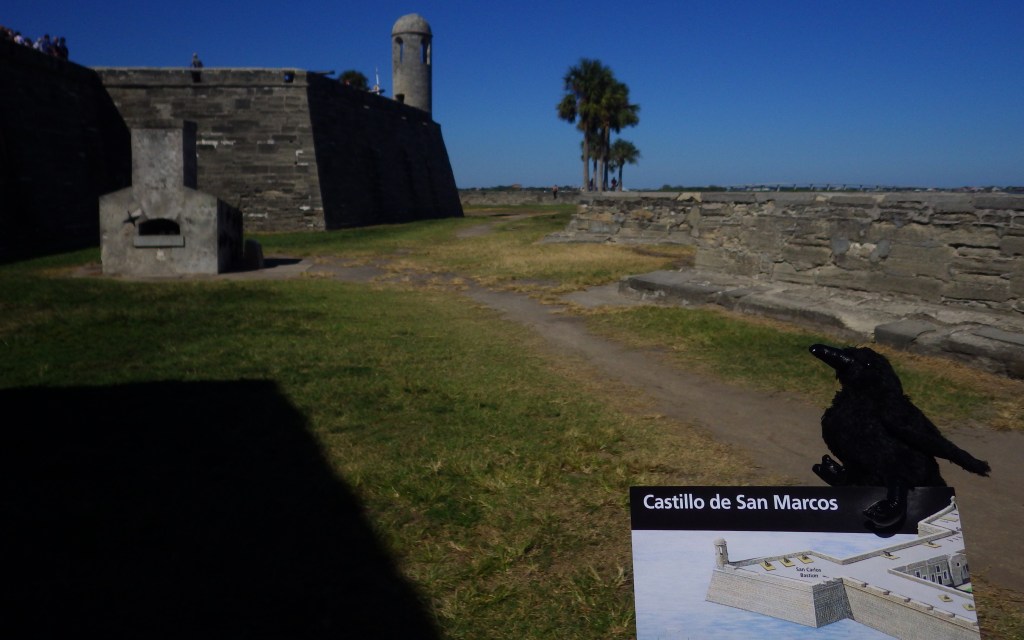
Established in 1565, St. Augustine, Florida is the oldest permanent European settlement in the continental U.S.  Its centerpiece is Castillo de San Marcos National Monument, a four-sided stone fort dating back to 1672.  In 1702, the British army unsuccessfully besieged the Spanish fort for 50 days, but before they left they burned the entire city.  This explains why the oldest house in St. Augustine dates to this time period and why this charming coastal village is still laid out on a grid of narrow streets, as it was one of the first master-planned communities in America.

Highlights

Historic fort, museum, cannon demonstrations

Must-Do Activity

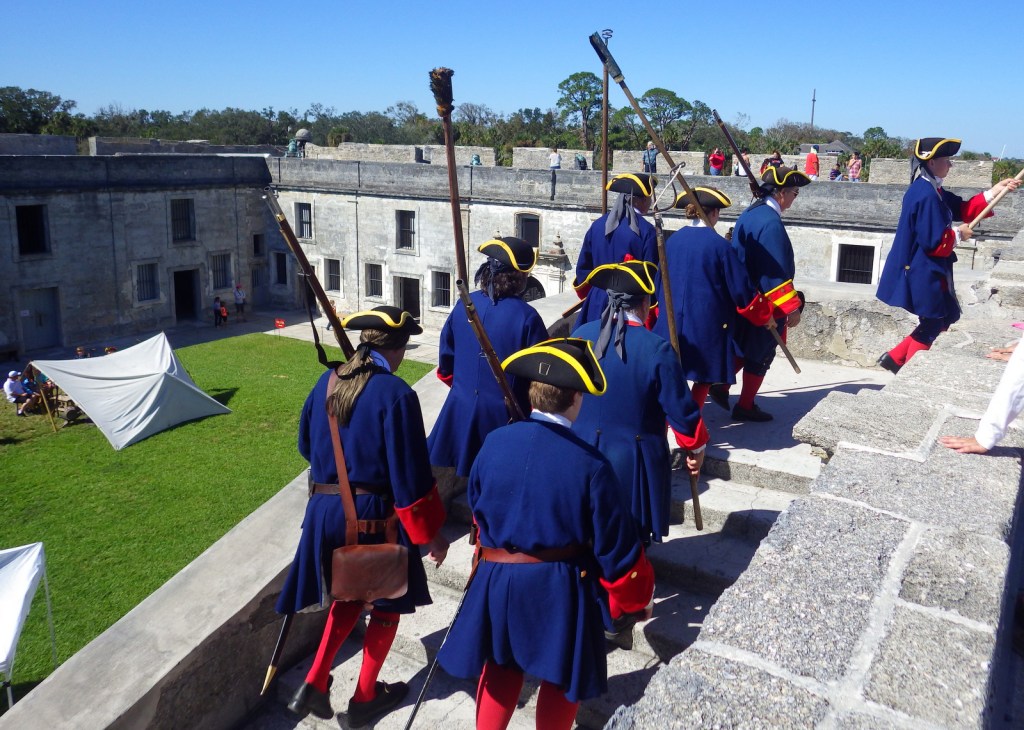
The National Park Service (NPS) charges an admission fee to enter the fort, but you can watch the cannon-firing demonstrations atop its corner bastion for free from outside.  Costumed reenactors shout orders in Spanish before firing the big cannon.  There is only one entrance to the Castillo de San Marcos across a wide moat.  Your entrance fee also allows you to explore the powder magazines and interpretive displays inside the fort’s walls.

Best Trail

None

Instagram-worthy Photo

The Castillo was renamed Fort Marion by the U.S. military in 1825, when the final changes were made to the coquina structure.  In 1924 it was named a National Monument along with nearby Fort Matanzas.

Peak Season

Winter

Hours

https://www.nps.gov/casa/planyourvisit/hours.htm

Fees

$15 per person or America the Beautiful pass

Road Conditions

Roads are paved, but there is limited pay parking at the fort, which is especially an issue on busy weekends.

Camping

Anastasia State Park is located just south of St. Augustine, Florida with access to a nice beach.

Related Sites

Fort Caroline National Memorial (Florida)

Fort Matanzas National Monument (Florida)

Dry Tortugas National Park (Florida)

Explore More – Which nation controlled the fort during the American Revolution until its conclusion in 1783 (Hint: It was called Fort St. Mark at the time)?

Fort Caroline National Memorial

Overview

After a failed settlement by persecuted French Protestants (Huguenots) in 1562, two years later a group of 200 soldiers, artisans, and a few women established a colony at the mouth of the St. Johns River (east of present-day Jacksonville, Florida).  Led by René de Goulaine de Laudonnière, they hurriedly assembled the triangular Fort Caroline, named for King Charles IX.  In 1565, Jean Ribault arrived with 600 more settlers and soldiers.  After learning the Catholic Spanish had established a base to the south at St. Augustine, Ribault set sail for a surprise attack, only to be shipwrecked by a hurricane.  The unprotected Fort Caroline was easily captured by the Spanish, who executed 140 of its 200 inhabitants.  The Spanish then killed the majority of the 250 French marooned at Matanzas Inlet, which gained its name from these “slaughters.”

Highlights

Museum, reconstructed fort, Hammock Trail, Ribault Monument

Must-Do Activity

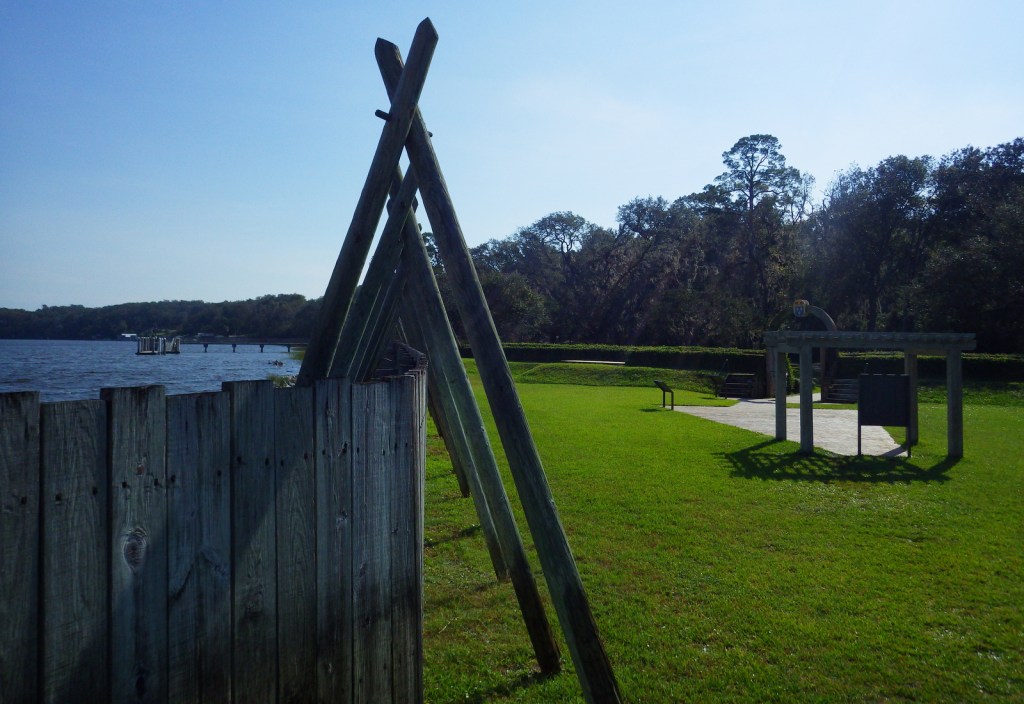
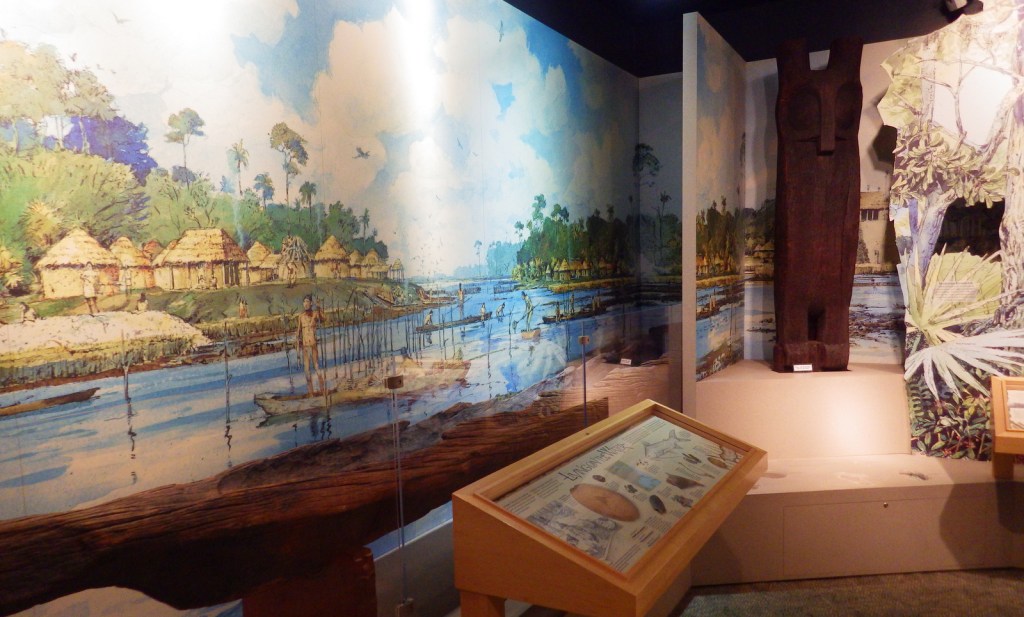
The National Park Service (NPS) administers Fort Caroline National Memorial (established in 1950) as a unit of Timucuan Ecological and Historic Preserve (established in 1988).  Start your visit at the NPS museum, which provides information on the indigenous Timucuan, as well as the European colonization efforts.  After walking the Hammock Trail to see the reconstructed fort, drive to the nearby Ribault Monument, a replica of a stone column left by Jean Ribault at the mouth of the St. Johns River on May 2, 1562.

Best Trail

Within this 139-acre National Memorial, the Hammock Trail visits the reconstructed fort along the St. Johns River.  Starting from two parking lots south of Fort Caroline Road several trails explore Spanish Pond and the Theodore Roosevelt Area of Timucuan Ecological and Historic Preserve.

Instagram-worthy Photo

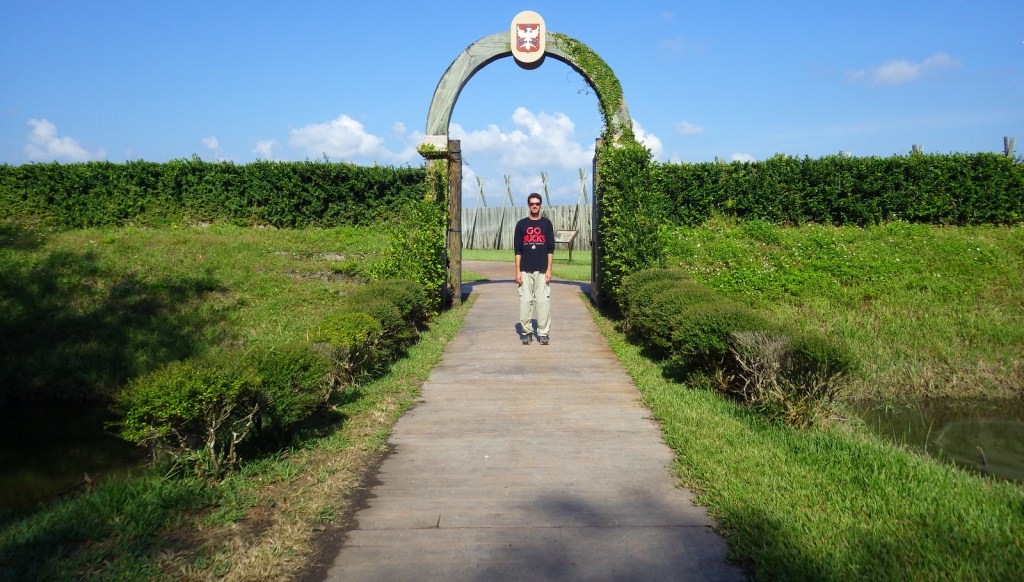
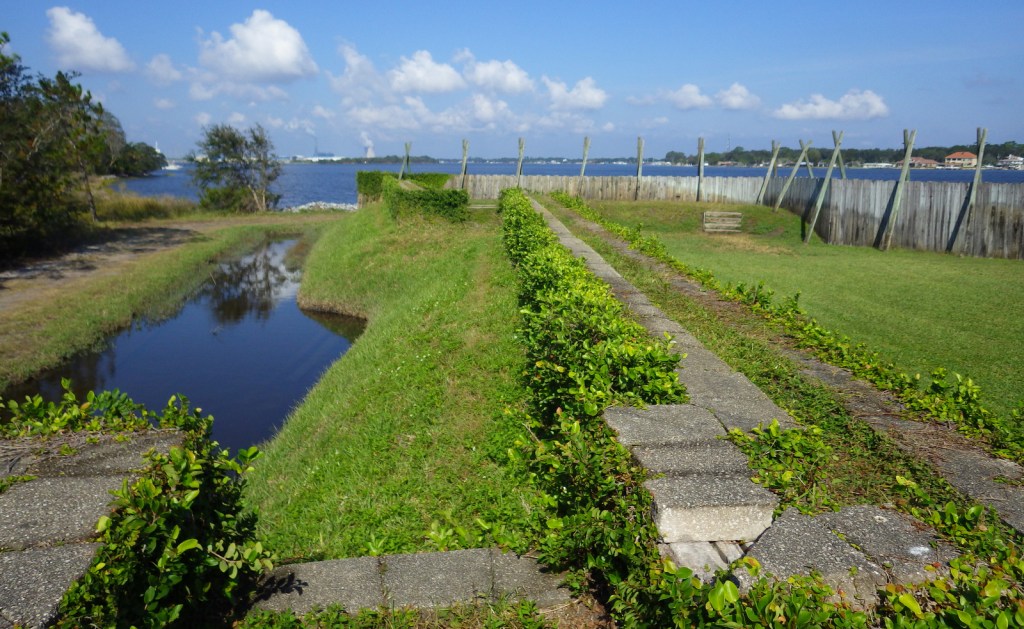
The actual site of the original fort has never been found (and is probably underwater), but you can tour a one-third scale reconstruction of the triangular structure based upon a drawing from 1564 by French artist Jacques le Moyne.  The French got a measure of revenge in 1568 when they attacked and burned Spanish-controlled Fort Caroline, but they could not take St. Augustine and never colonized Florida again.

Peak Season

Winter when there is less mosquito activity.

Hours

https://www.nps.gov/timu/learn/historyculture/foca_visiting.htm

Fees

None

Road Conditions

All roads paved

Camping

Little Talbot Island State Park and Kathryn Abbey Hanna Park (run by the city of Jacksonville) both have campgrounds.

Related Sites

Timucuan Ecological and Historic Preserve (Florida)

Castillo de San Marcos National Monument (Florida)

Fort Matanzas National Monument (Florida)

Explore More – When the Spanish took control of Fort Caroline in 1565, what did they rename it?

Everglades National Park

Overview

Everglades National Park covers most of the southwestern corner of Florida.  The ’Glades are very flat, with elevation topping out at 8 feet above sea level.  This region is important to many unique species of wildlife, imperiled by sea level rise and the introduction of exotic species.  Incredibly close to the city of Miami, the Shark Valley tram tour offers a great opportunity to see alligators.  Near the campground at Flamingo, Eco Pond and Mrazek Pond are both good spots to watch for wading birds like ibis, egret, heron, wood stork, and roseate spoonbill.

Highlights

Eco Pond, Mahogany Hammock, Anhinga Trail, Shark Valley tram tour, Wilderness Waterway

Must-Do Activity

There are few roads in Everglades National Park, so the best way to experience this “river of grass” is from the water.  There are guided tours out of Flamingo and Thousand Islands, or you can get a permit to explore the untamed Wilderness Waterway and the keys of Florida Bay.  We had a blast navigating the mangrove channels to our chickee (elevated camping platform) and did not see another person for two days. “Hell to get into; hell to get out of” is how old-timers described the mazelike route to Hell’s Bay.  Good navigation skills are required and you should come prepared for mosquitoes every month of the year.

Best Trail

On the Anhinga Trail, its namesake birds stretch their wings to dry in pond apple trees while alligators swim right under your feet beneath the boardwalk. 

Instagram-worthy Photo

Wildlife abounds so you will want to remember to bring your binoculars and a zoom lens for your camera.  You can get good photos of alligators while remaining safe and dry on the Anhinga Trail boardwalk.  We also got very close to a barred owl and several black vultures on the same trail in April 2014.

Peak Season

Winter

Hours

https://www.nps.gov/ever/planyourvisit/hours.htm

Fees

$30 per vehicle or America The Beautiful pass

Road Conditions

The major entry roads are paved to access Flamingo, Thousand Islands, and Shark Valley.

Camping

Camping in the park, at Long Pine Key or Flamingo, provides quick access to trails that come alive with wildlife during the crepuscular hours (sunrise and sunset). 

This design we created to celebrate Everglades National Park is available on a variety of products at Cafe Press and Amazon.

Explore More – Who was the woman instrumental in the creation of Everglades National Park when she published The Everglades: River of Grass in 1947?

We are a participant in the Amazon Services LLC Associates Program, an affiliate advertising program designed to provide a means for us to earn fees by linking to Amazon.com and affiliated sites.

De Soto National Memorial

Overview

Why create a memorial to a genocidal Conquistador when he was not the first Spaniard to land in Florida?  Good question.  Juan Pónce de León and Pánfilo de Narváez had both already met their demise in this region, but that did not deter Hernando de Soto from trying again in 1539.  He did not die until three years later, after he led his soldiers all the way to the Mississippi River leaving a path of destruction in their wake.

Highlights

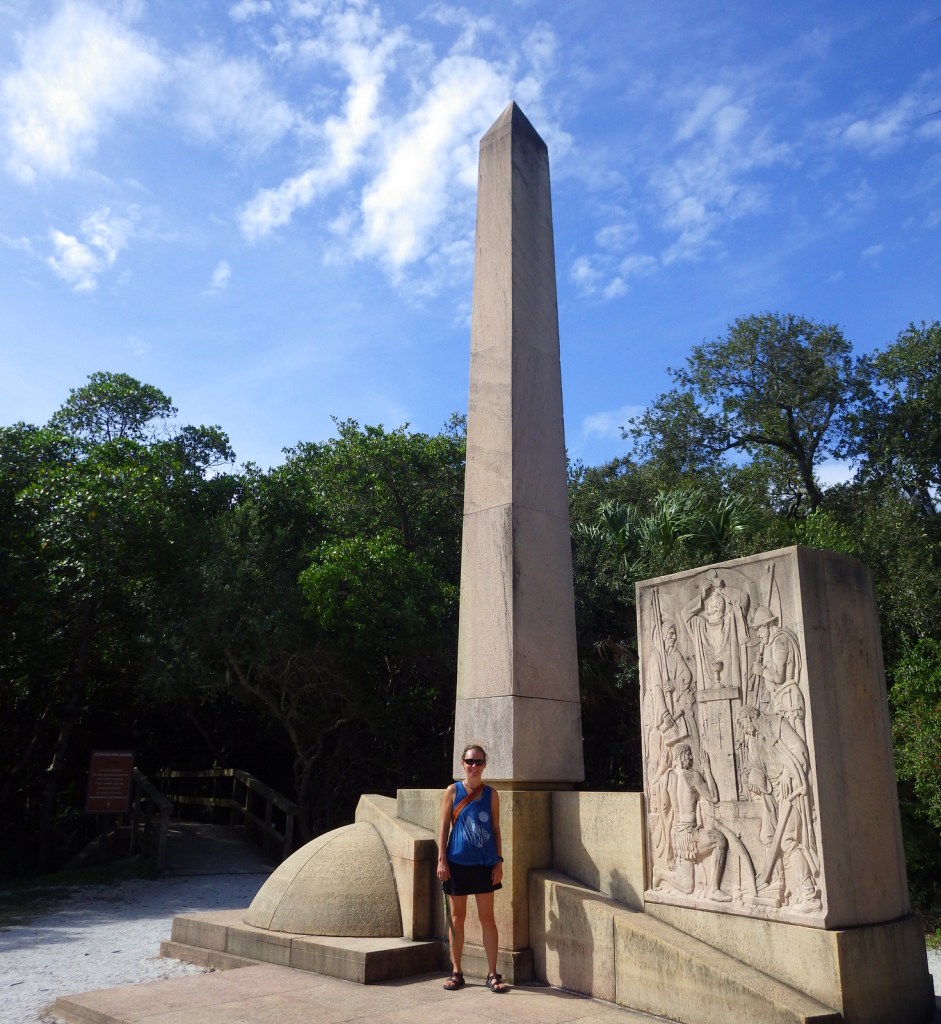
Camp Ucita, film, Memorial Trail, Holy Eucharist Monument

Must-Do Activity

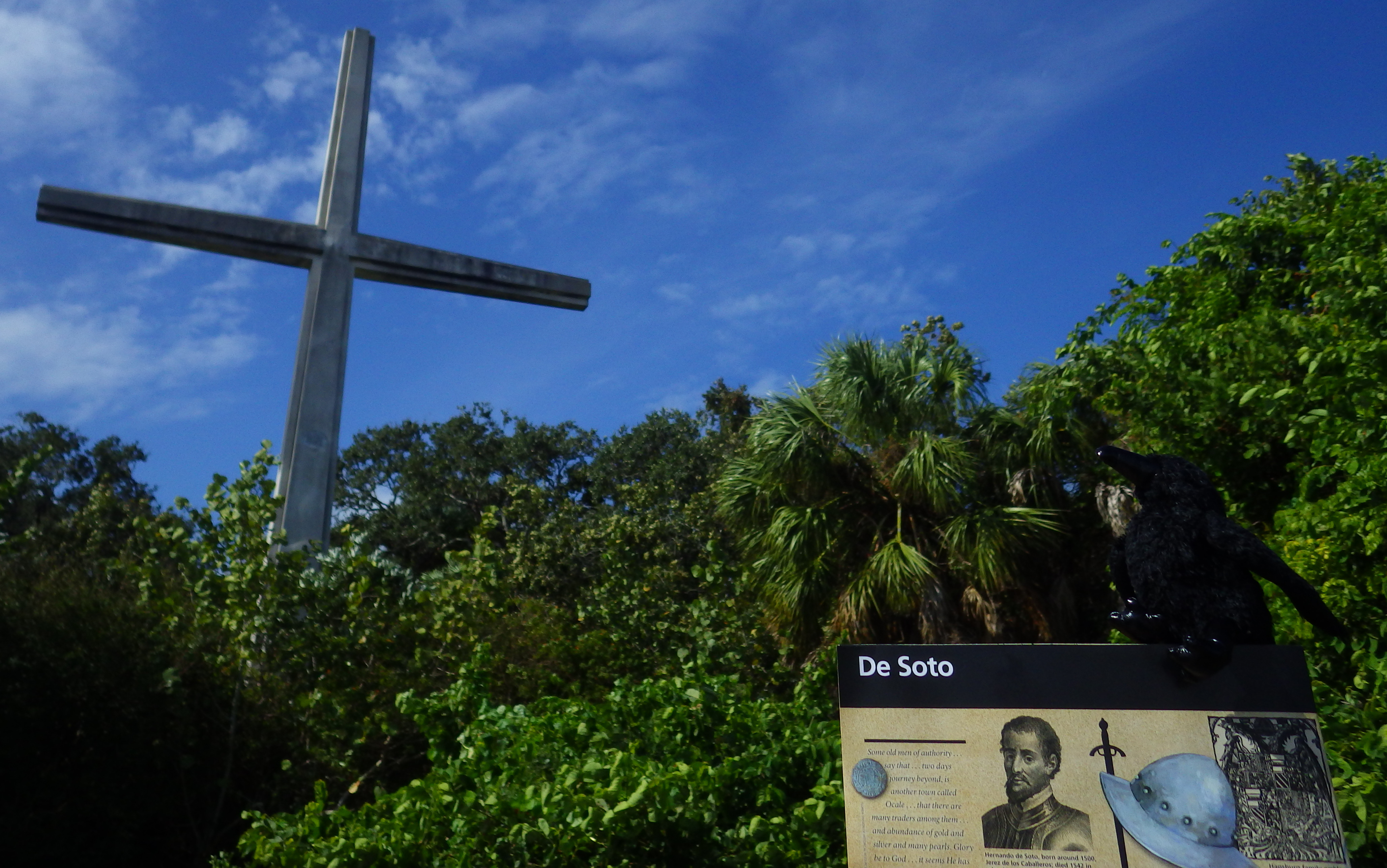
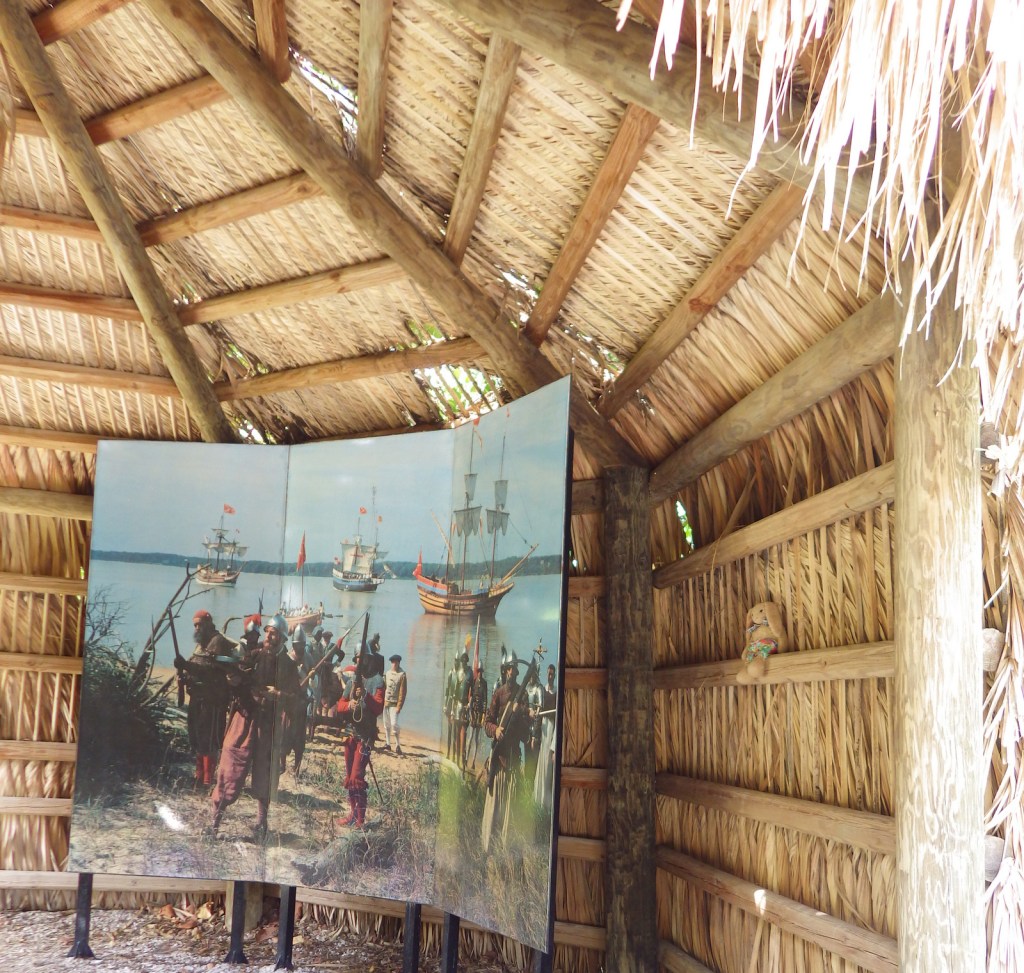
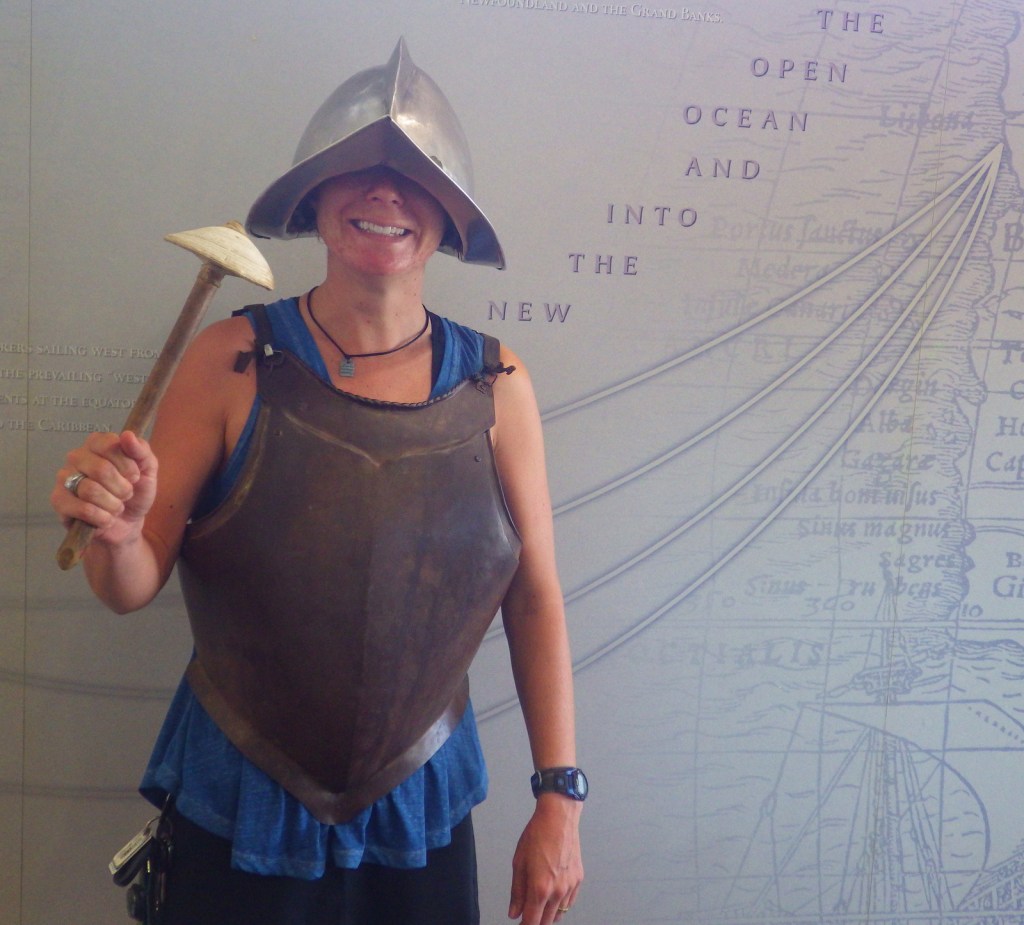
De Soto made landfall in Florida somewhere in the vicinity of modern-day Bradenton, Florida where the Manatee River reaches Tampa Bay on the Gulf of Mexico.  He left behind 100 men there in Camp Ucita, a replica of which was built on the site of the 27-acre De Soto National Memorial.  In the winter (a.k.a. touristy) months, costumed interpreters work at the replica Camp Ucita.

Best Trail

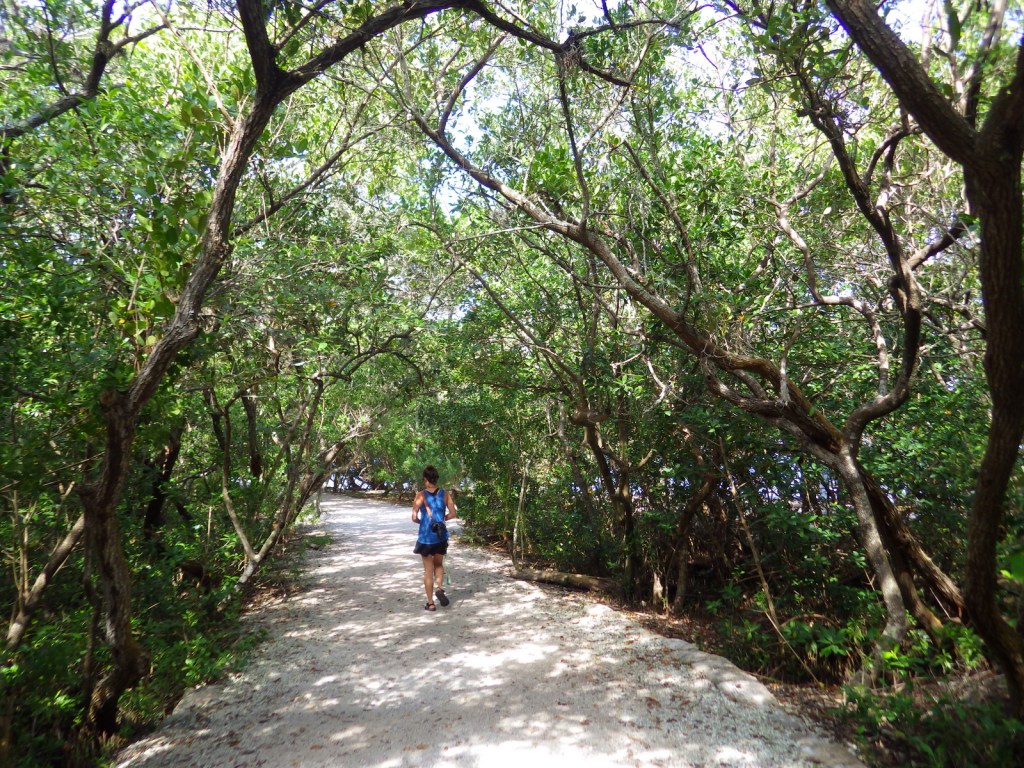
Hike the half-mile Memorial Trail through the mangroves to the Holy Eucharist Monument.  Then cool off in the air-conditioned visitor center to watch a 22-minute film on the Spanish expedition. 

Instagram-worthy Photo

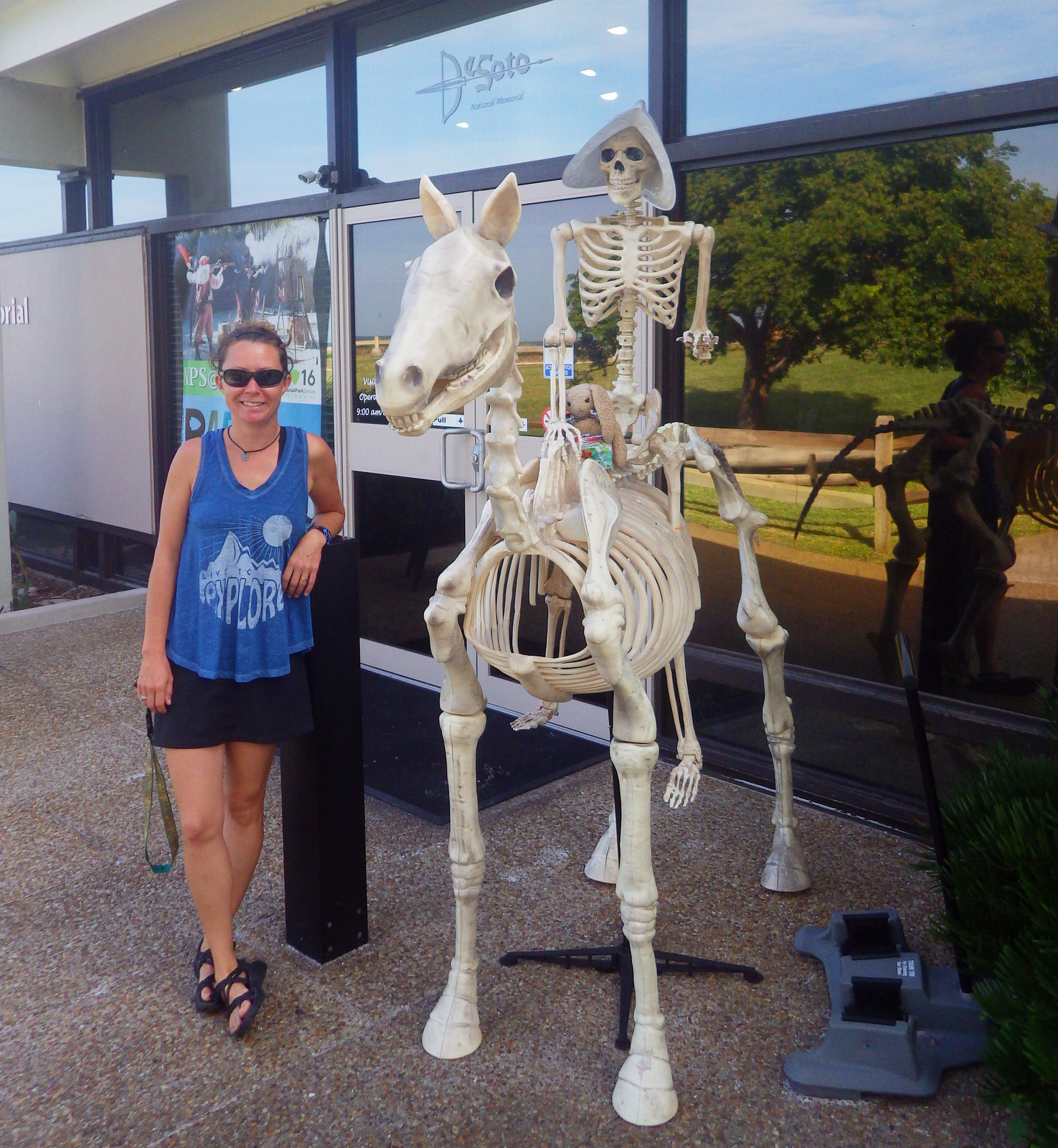
If you visit around Halloween, a scary skeleton Conquistador atop a skeleton horse will greet you at the entrance to the National Park Service visitor center.

Peak Season

Winter

Hours

https://www.nps.gov/deso/planyourvisit/hours.htm

Fees

None

Road Conditions

A paved road leads through a residential neighborhood to the visitor center, so watch out for dog walkers and joggers on the road and trail.

Camping

Myakka River State Park is southeast of Bradenton (where private campgrounds are also available).

Explore More – The Spaniards brought many diseases to the indigenous peoples, but the introduction of which domesticated animal had the longest lasting ecological impact?