Category Archives: Colorado

Black Canyon of the Gunnison National Park

Black Canyon of the Gunnison National Park

Colorado

Managed by National Park Service

Established 1933 National Monument, 1999 National Park

30,750 acres

Website: nps.gov/blca

Overview

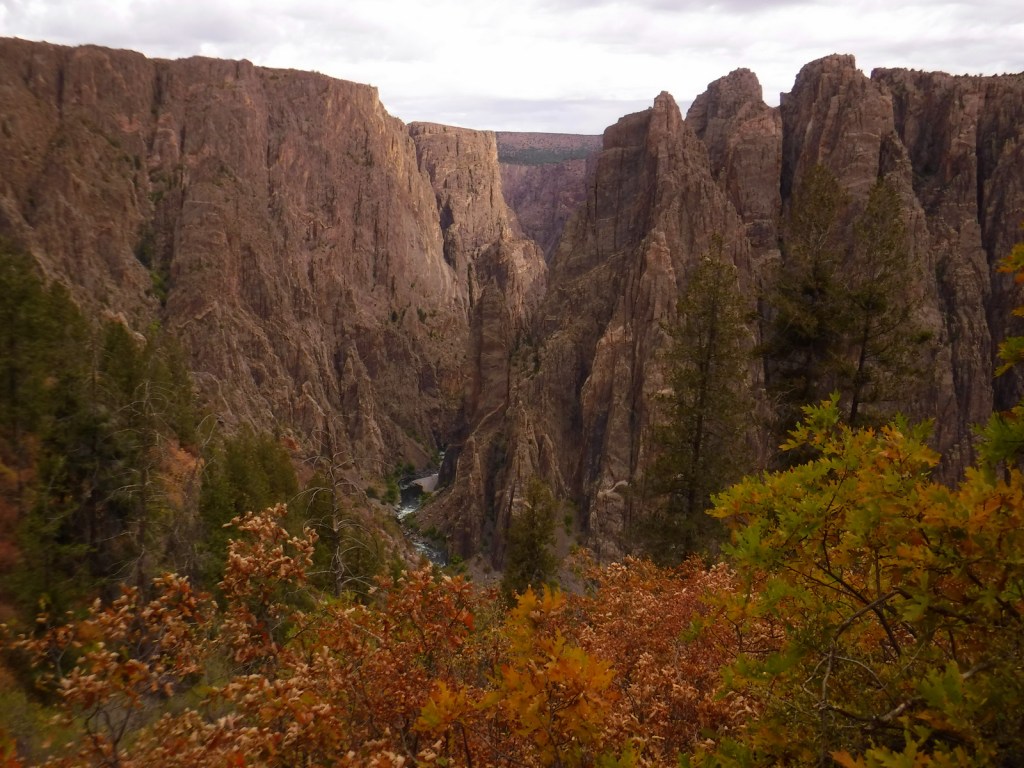
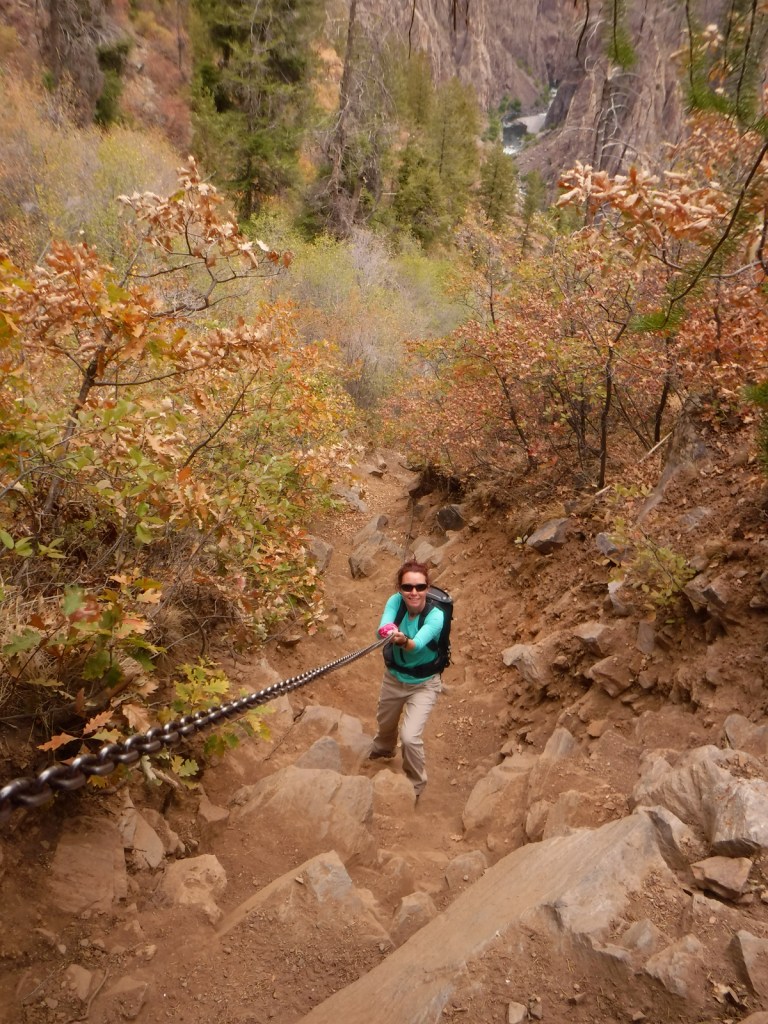
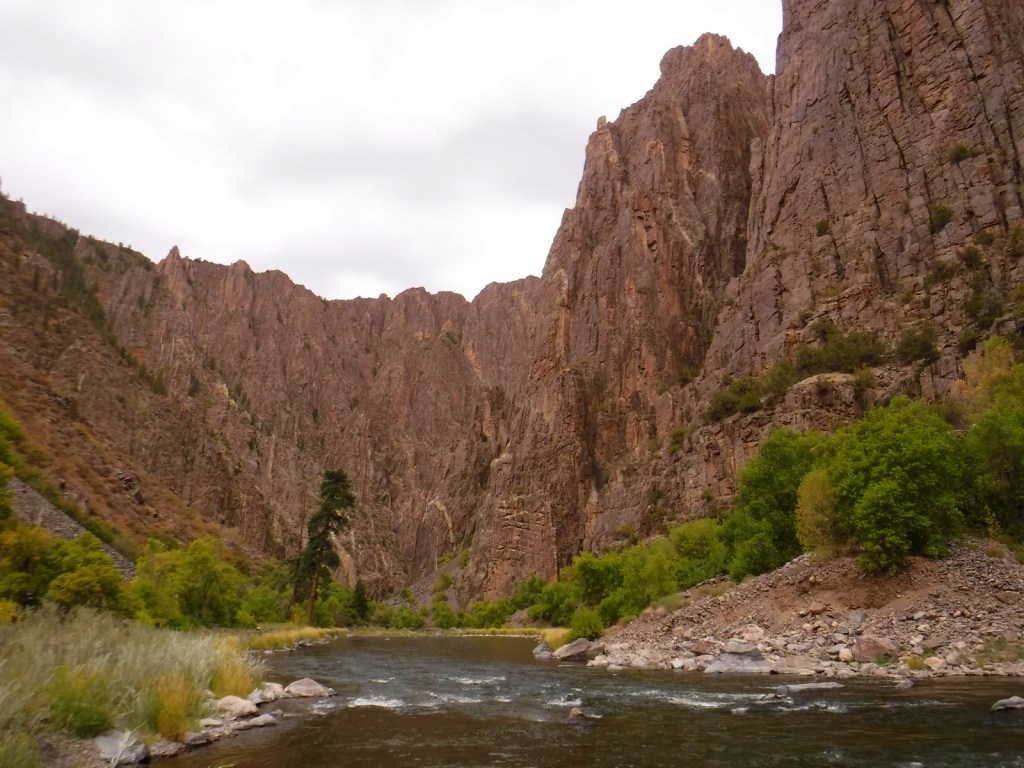
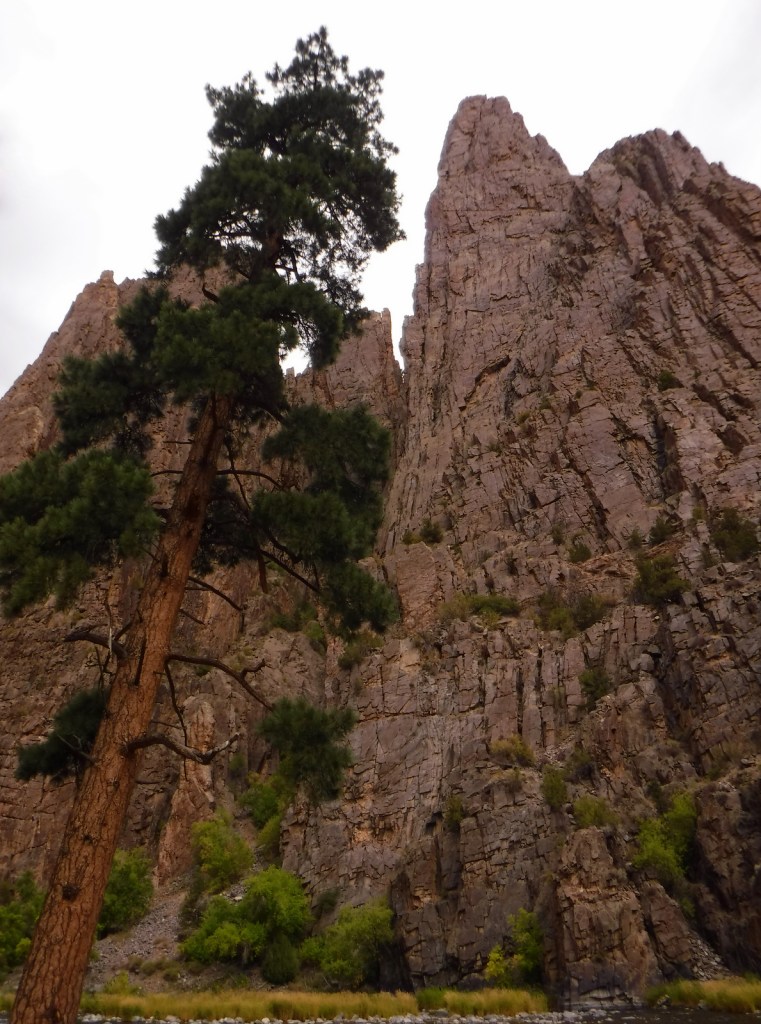
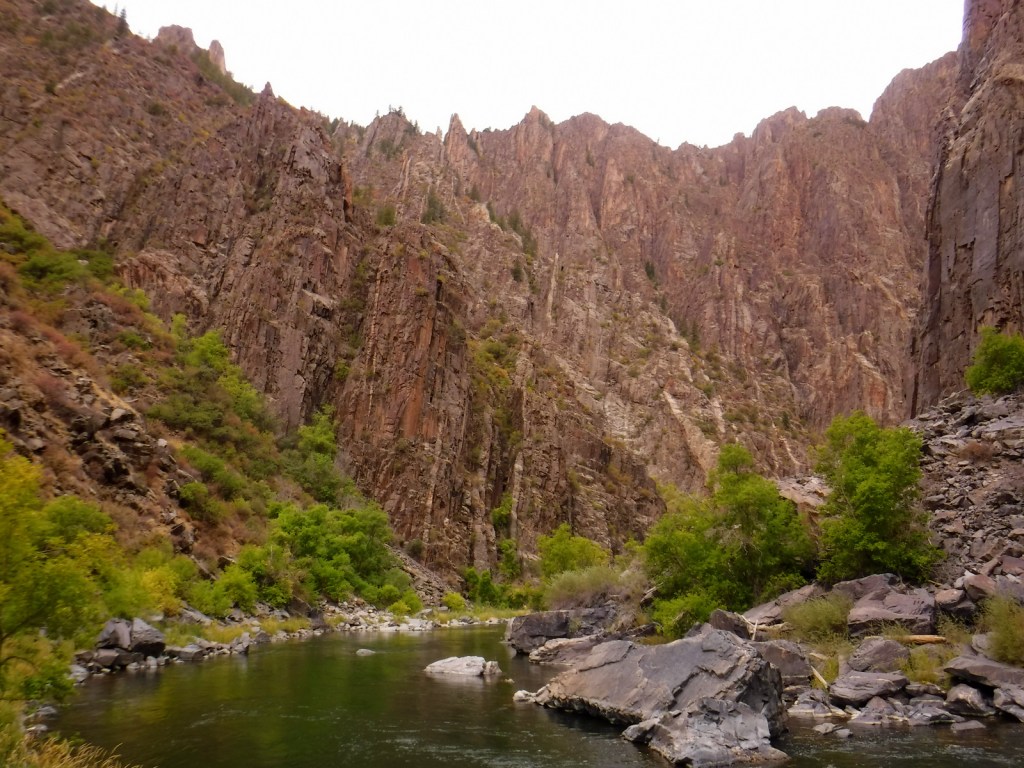
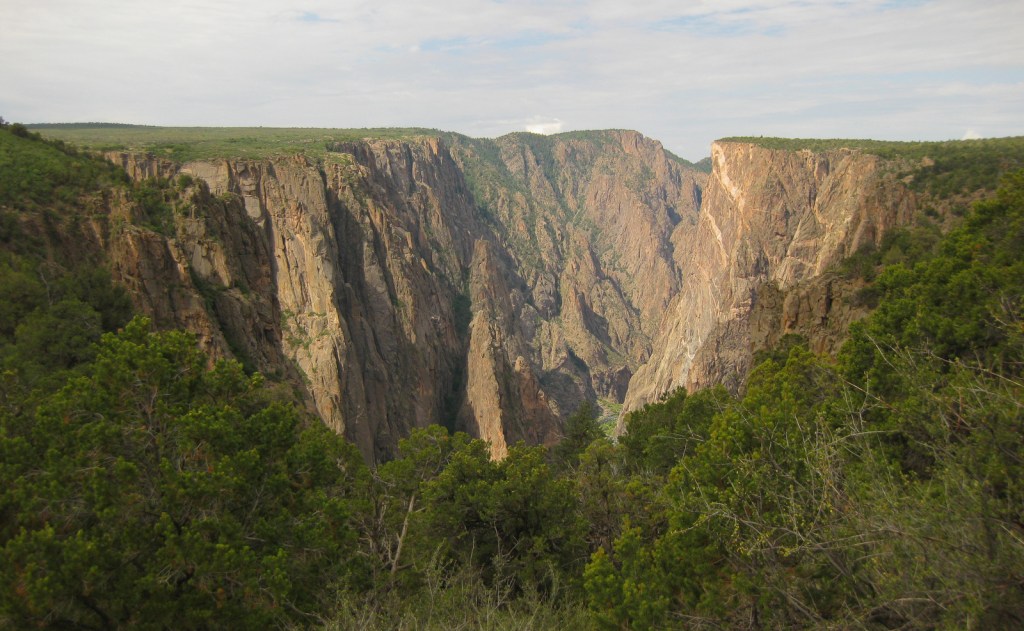
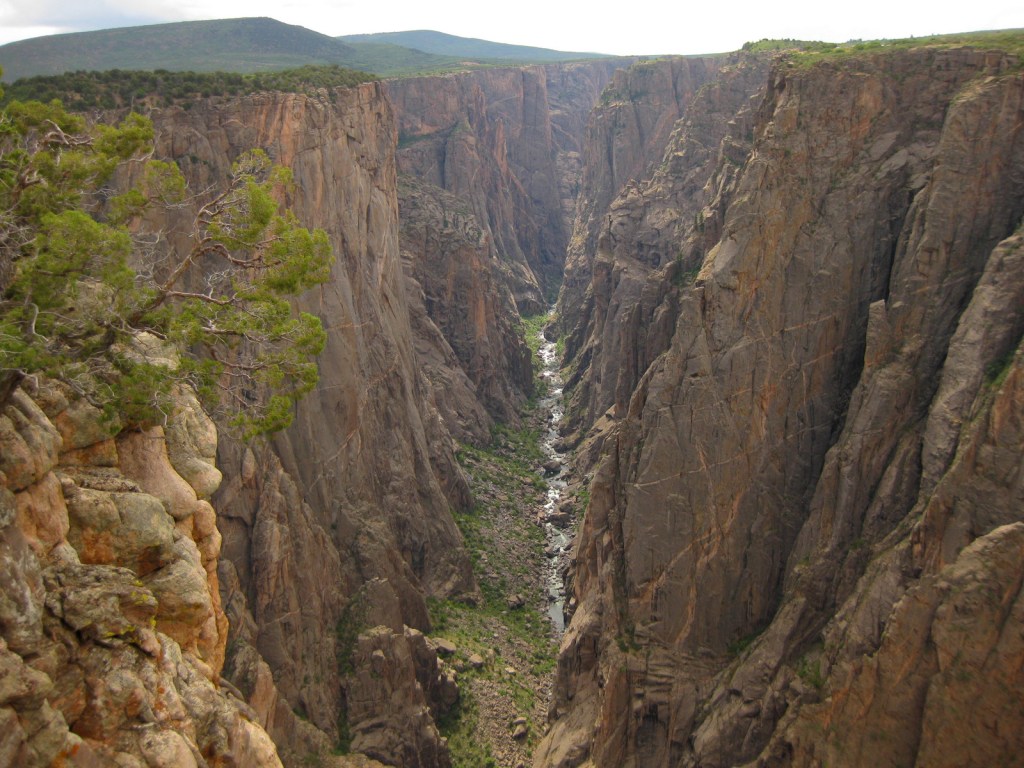
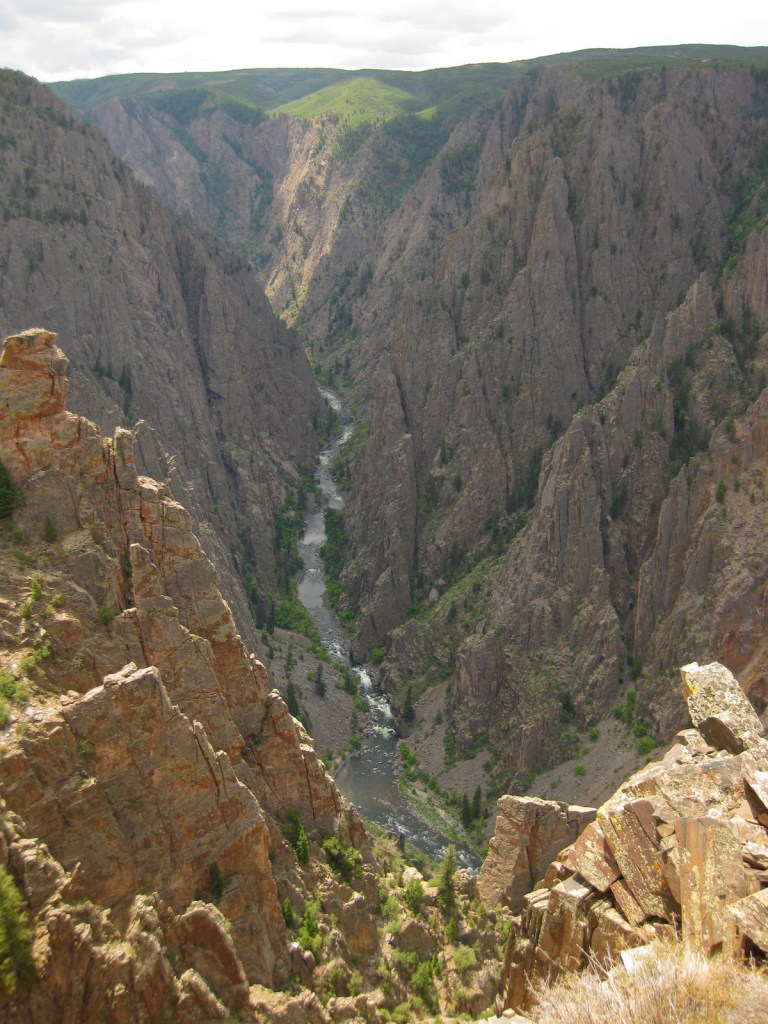
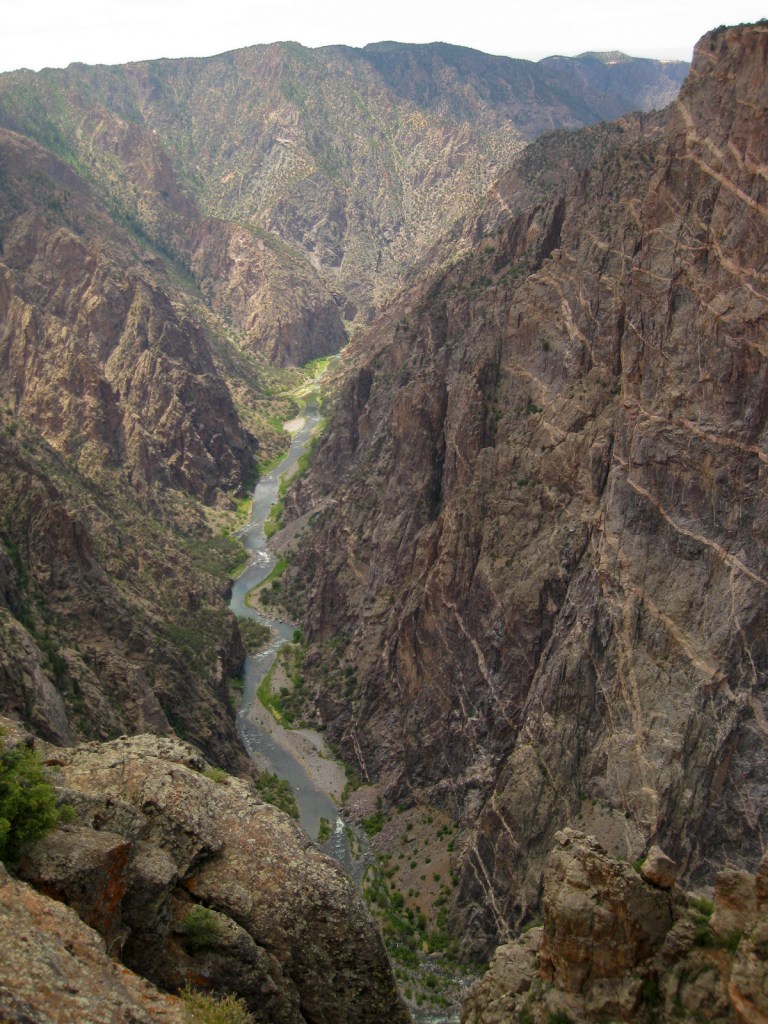
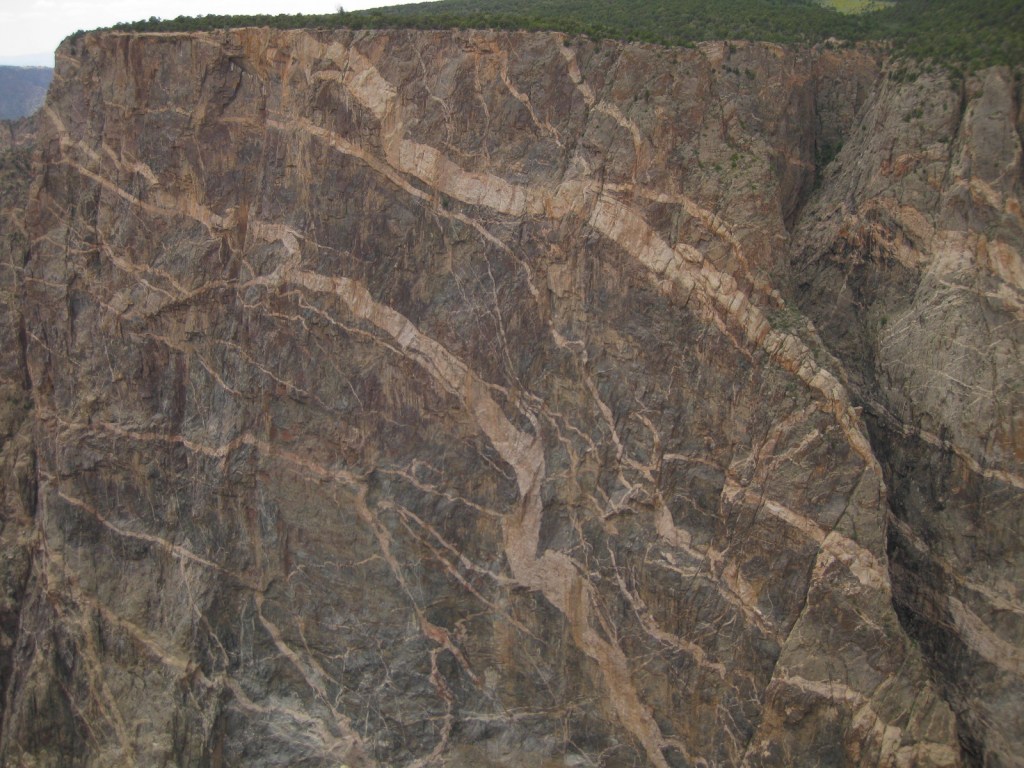
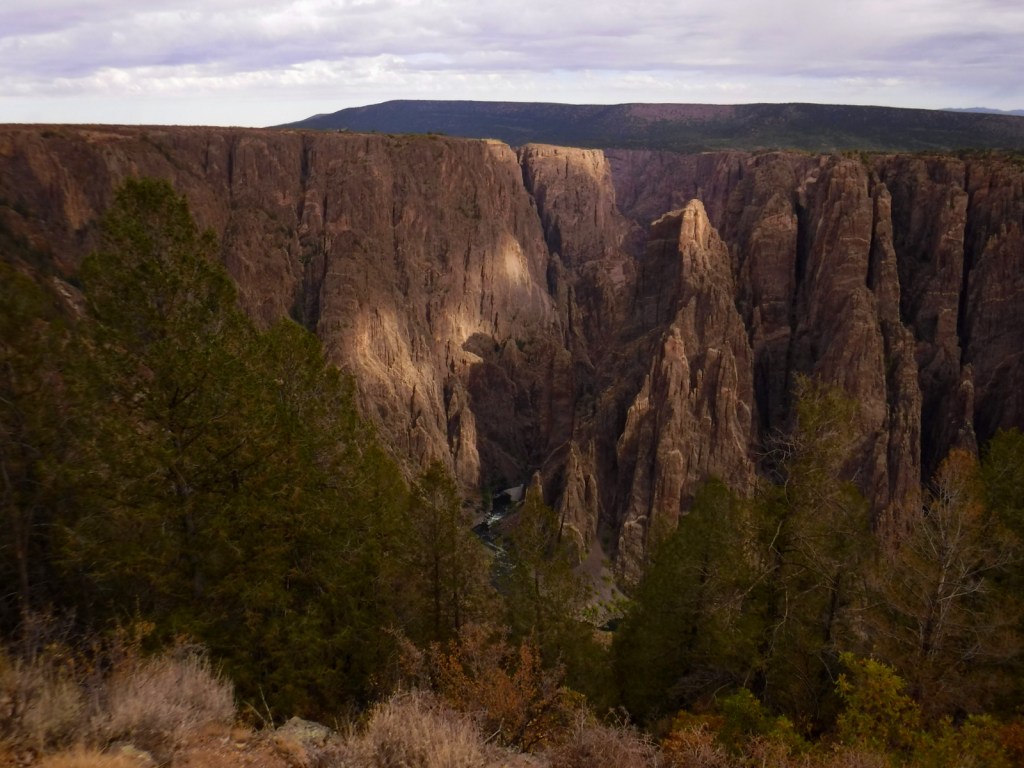
Located in a remote part of central Colorado, visiting Black Canyon of the Gunnison National Park will require hours of driving no matter where you are coming from, but to experience this phenomenal place is well worth the trip.  The canyon is incredibly photogenic; its dark cliff faces of gneiss and schist are adorned with white stripes of pegmatite crystals.  Although the canyon is less than a quarter-mile across at Chasm View, to get from one rim to the other is a three-hour drive.  The best panoramas are found on the rims, but talk to a ranger if you wish to take an unmarked trek 2,000 feet down to the Gunnison River.  Even the easiest Gunnison Route (free permit required) is a strenuous and steep effort on loose rock with fixed chains in many sections.  It is also possible to drive to the bottom by driving the 16% grades to the end of paved East Portal Road in neighboring Curecanti National Recreation Area. 

Learn more in the expanded 2nd edition of our guidebook to the National Parks— A Park to Yourself: Finding Solitude in America’s 63 National Parks.

Highlights

Pulpit Rock Overlook, Painted Wall View, Exclamation Point, Oak Flat Trail, Warner Point Nature Trail, Rim Rock Trail

Must-Do Activity

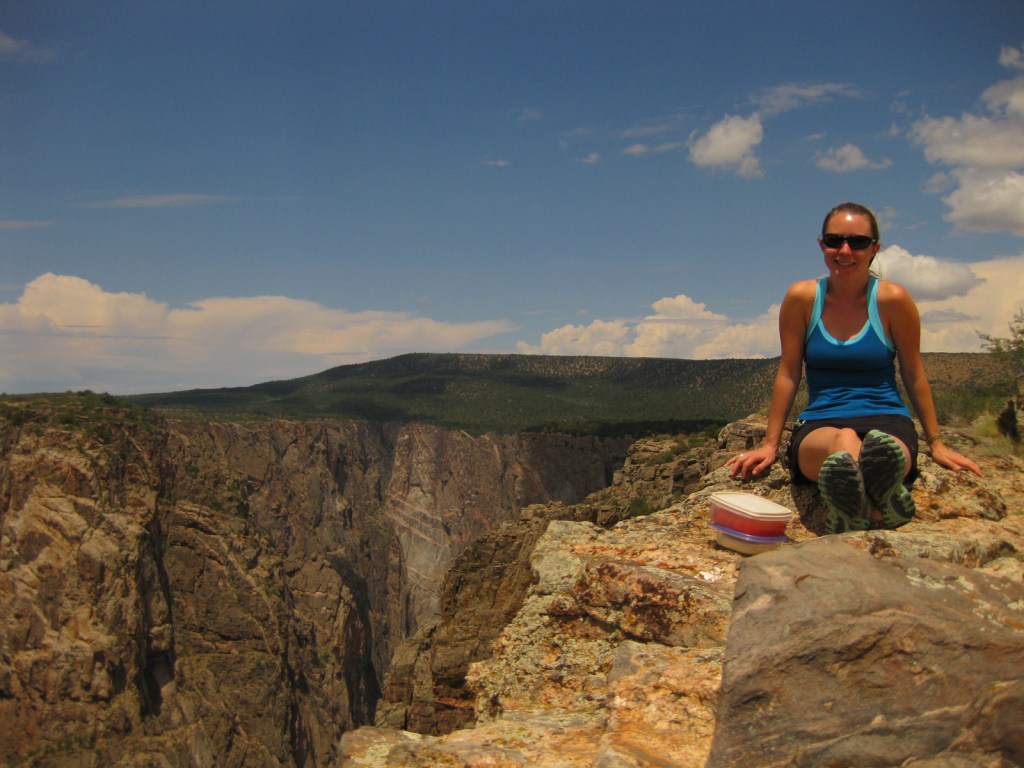
Do not miss the opportunity to picnic with an incredible canyon backdrop, just hold onto your food since the cliffs are always windy at spots like Sunset View.  Swallows and swifts love to dart around on the thermals here and will get so close that you cannot help but duck as they zip by your head.  Bring layers to wear, as it can be gusty and cold year round at around 8,000 feet in elevation.

Best Trail

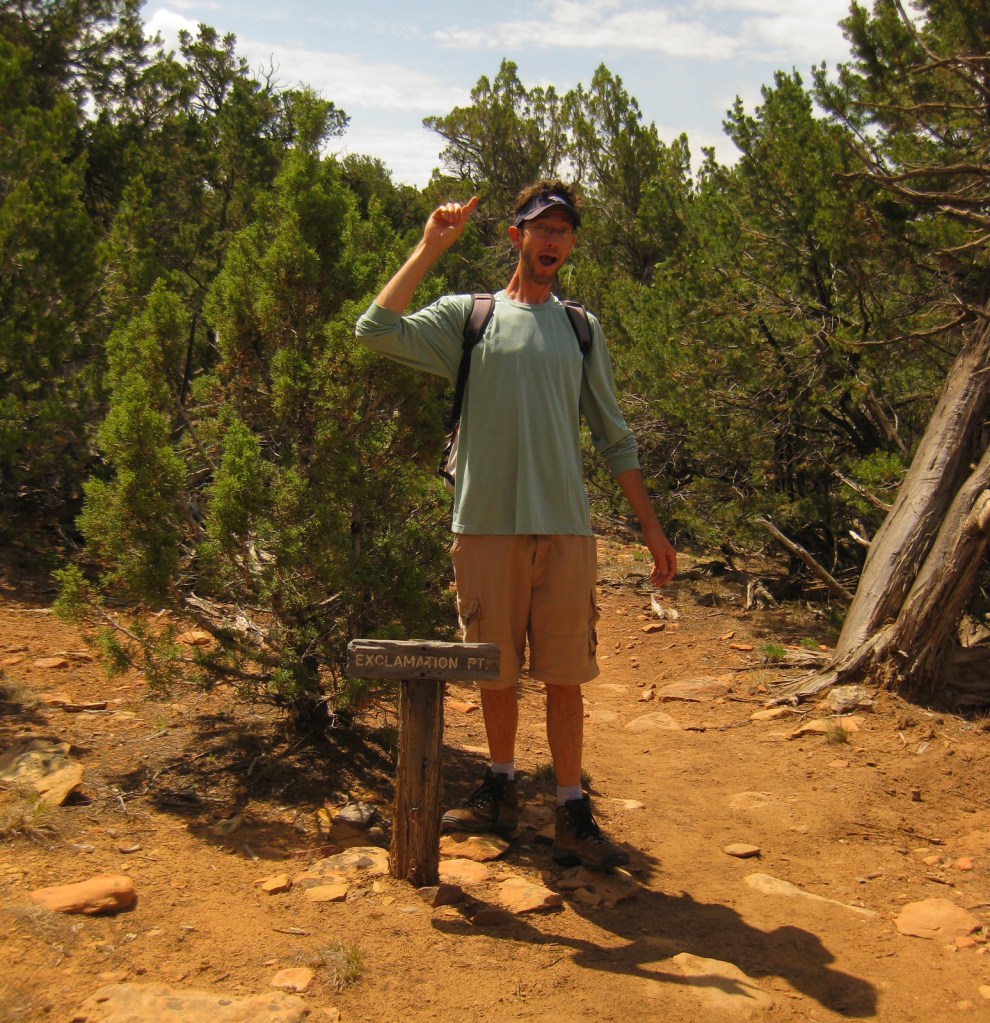
Most visitors to Black Canyon of the Gunnison National Park arrive on the south rim, but we recommend a first stop at the north rim when the dirt road is open in the summer.  It is easy to drive right to an overlook for your first view of this geologic wonder, but we think it is better to hike up to one.  This can be accomplished by hiking North Vista Trail three miles to Exclamation Point or Rim Rock Trail from the main campground. 

Instagram-worthy Photo

One particular outline of white rock intrusion on the north wall is referred to as the Dragon.  A short trail leads to the south rim overlook from the Dragon Point parking pullout. 
Peak Season

Summer

Hours

https://www.nps.gov/blca/planyourvisit/hours.htm

Fees

$30 per vehicle or America the Beautiful Pass

Road Conditions

South Rim Road (paved) past the visitor center, East Portal Road (paved), and the dirt road to the north rim are all closed in the winter.  Although less than a quarter-mile across at Chasm View, to get between the north and south rims, it is a minimum three-hour drive.  Luckily, the eastern route takes you on scenic winding roads that overlook gorgeous Curecanti National Recreation Area.  If you drive around the west side of the park instead, you will skirt 62,844-acre Gunnison Gorge National Conservation Area, a Wilderness area known for its whitewater rafting. 

Camping

South Rim Campground (closed in winter) has 88 total sites and provides RV sites that can be reserved in advance.  There is also primitive camping available on the north rim and at end of East Portal Road within Curecanti National Recreation Area.

Related Sites

Gunnison National Forest (Colorado)

Curecanti National Recreation Area (Colorado)

Mesa Verde National Park (Colorado)
This design we created to celebrate this National Park is available on a variety of products at Cafe Press and Amazon.

Explore More – How high is the Painted Wall, which is the tallest cliff in Colorado?

We are a participant in the Amazon Services LLC Associates Program, an affiliate advertising program designed to provide a means for us to earn fees by linking to Amazon.com and affiliated sites.
Continental Divide National Scenic Trail

Continental Divide National Scenic Trail

New Mexico, Colorado, Wyoming, Idaho, Montana

Managed by U.S. Forest Service (70%), Bureau of Land Management (12%), National Park Service (10%), other (8%)

Established 1978

3,028 miles

Website: https://www.fs.usda.gov/managing-land/trails/cdt

Overview

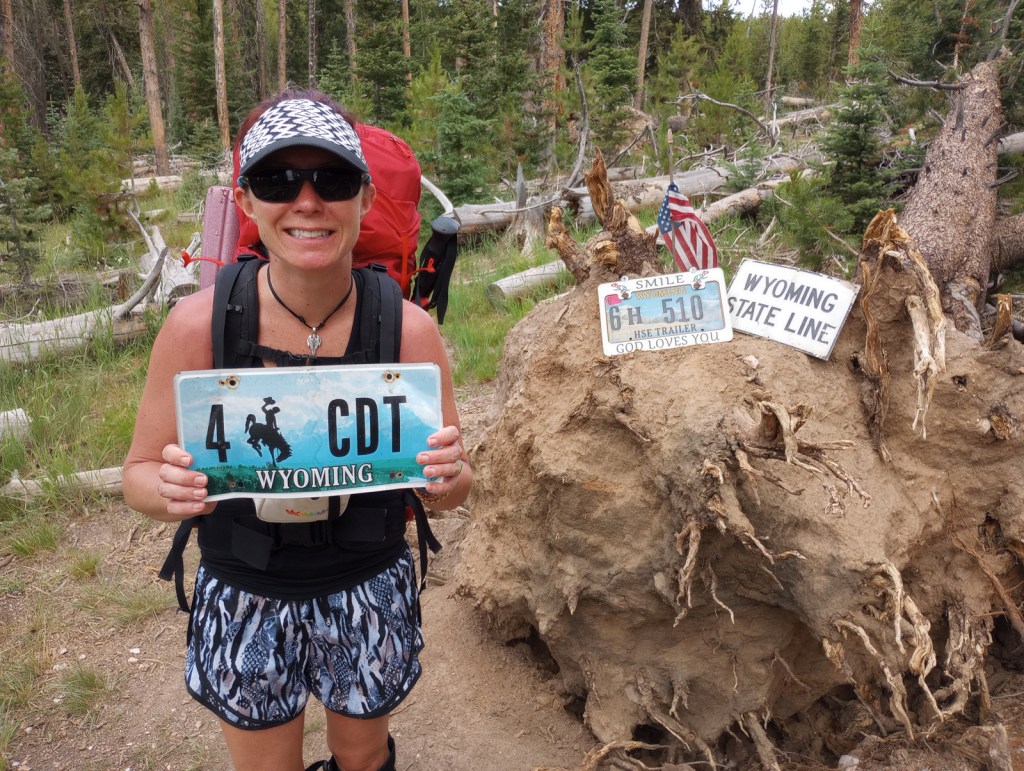
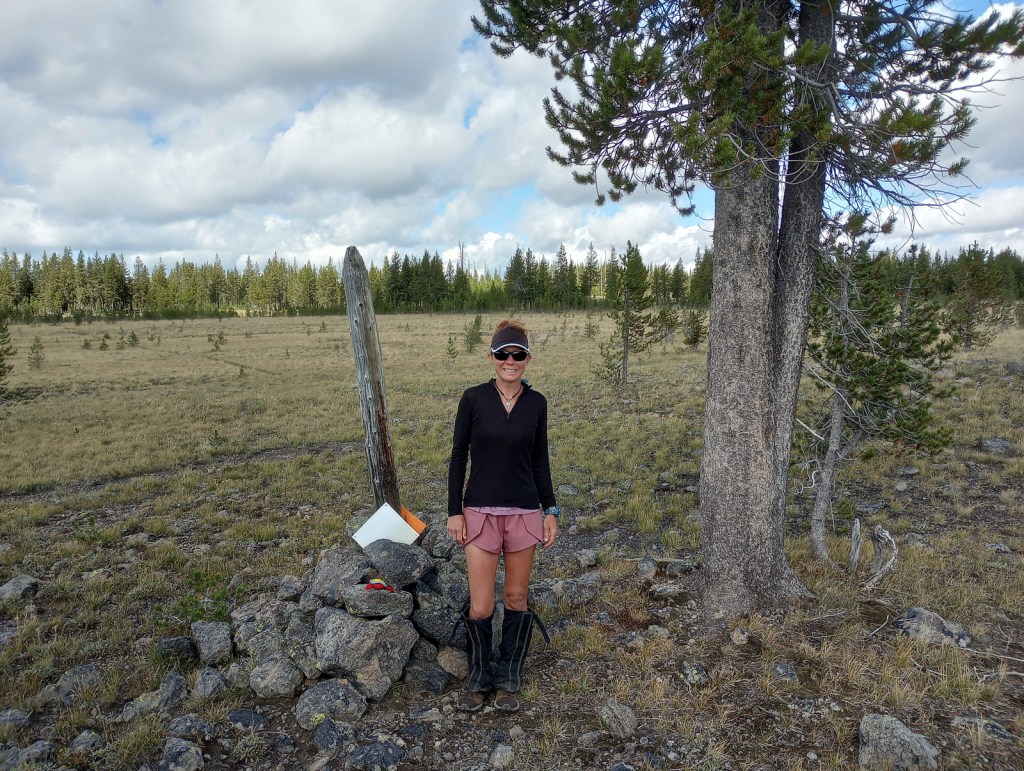
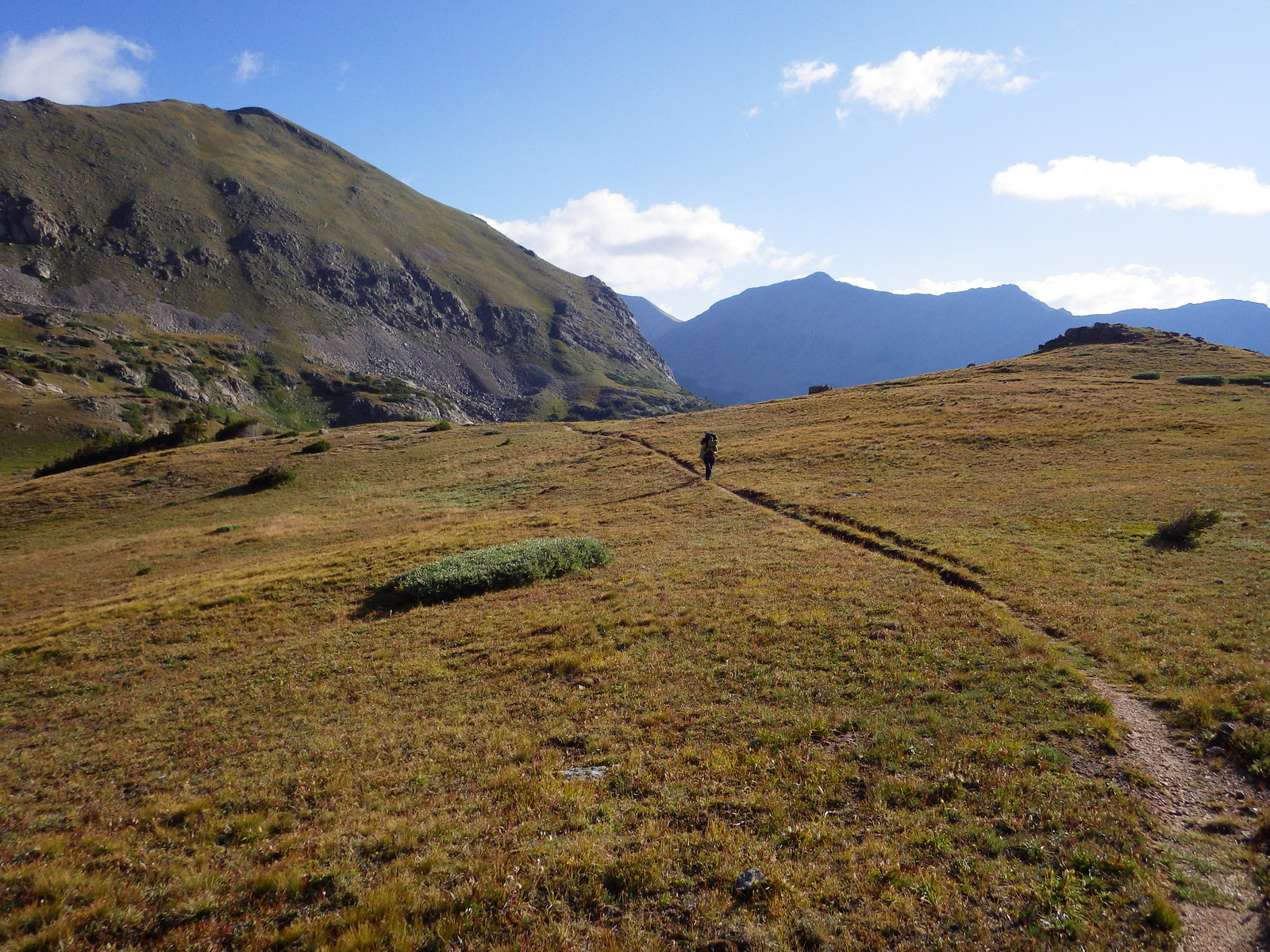
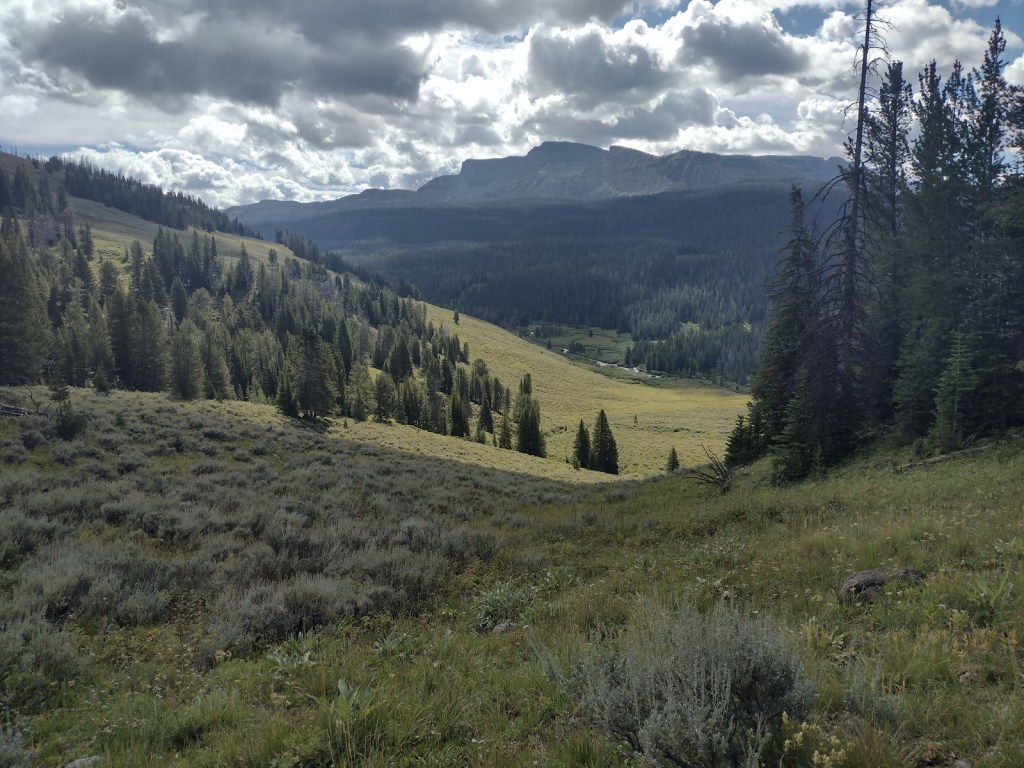
We decided to write about the Continental Divide National Scenic Trail (CDT) now, since Tiff recently finished backpacking the entire 512-mile Wyoming section of the route.  The CDT stretches 3,028 miles from the Crazy Cook Monument on the border with Mexico north to Waterton-Glacier International Peace Park.  The official trail is known as the “red route,” with popular alternatives called “blue routes” detouring through sections like New Mexico’s Gila Wilderness (which 95% of thru-hikers choose).  Tiff was supported by Scott along portions of the trail and they both backpacked through Yellowstone National Park together.  Tiff met dozens of thru-hikers doing the entire trail this year, many of whom were “flip-flopping” after getting stopped north bound (NOBO) by snowy Colorado mountains so switching to a south bound (SOBO) direction to finish.

Highlights

Rocky Mountain National Park, Yellowstone National Park, Glacier National Park, Gila Wilderness, El Malpaís National Monument, South Pass City State Park, Wind River Range, Lemhi Pass, Chinese Wall, Triple Divide Pass

Must-Do Activity

It takes the average thru-hiker 147 days to complete the trek (including “zeros days”), but you can get a feel for the experience on shorter point-to-point or loop hikes.  We have done the Rocky Mountain National Park section as a long day hike and Scott has backpacked the minimum 40 miles to see the famous Chinese Wall in Montana’s Lewis and Clark National Forest.  We had all three of our backcountry campsites to ourselves along Yellowstone National Park’s 67-mile stretch of CDT and went a full day without seeing another person near the park’s Idaho border.

Best Trail

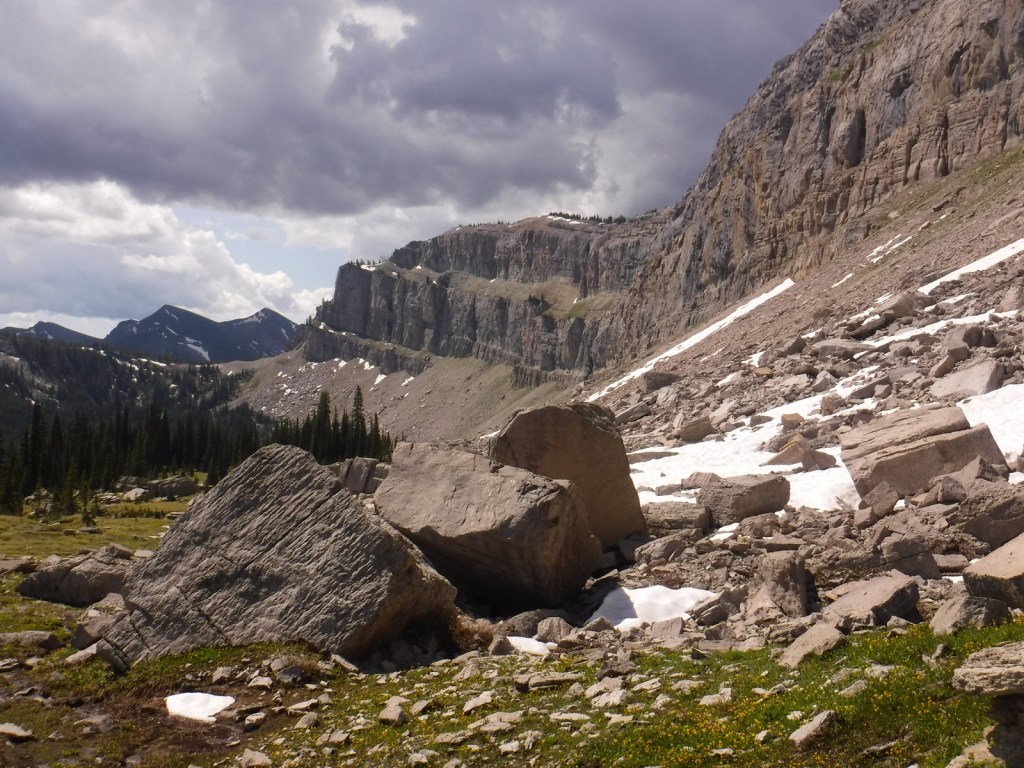
The Wind River Range in Wyoming’s Bridger National Forest is probably the most scenic stretch of mountains on the entire CDT.  Many thru-hikers detour to a blue route to see beautiful, but overcrowded Titcomb Basin and the Cirque of the Towers (actually in neighboring Shoshone National Forest).  Read more about our 2020 trip (mostly) following the CDT 120 miles through the range in our newspaper article.

Instagram-worthy Photo

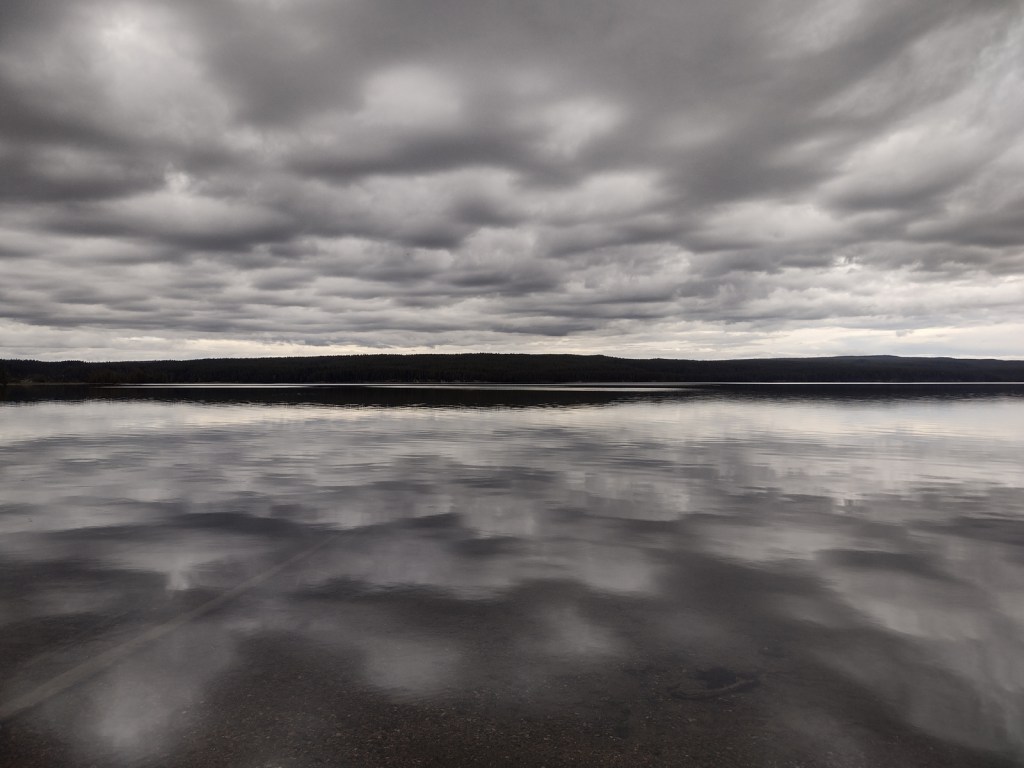
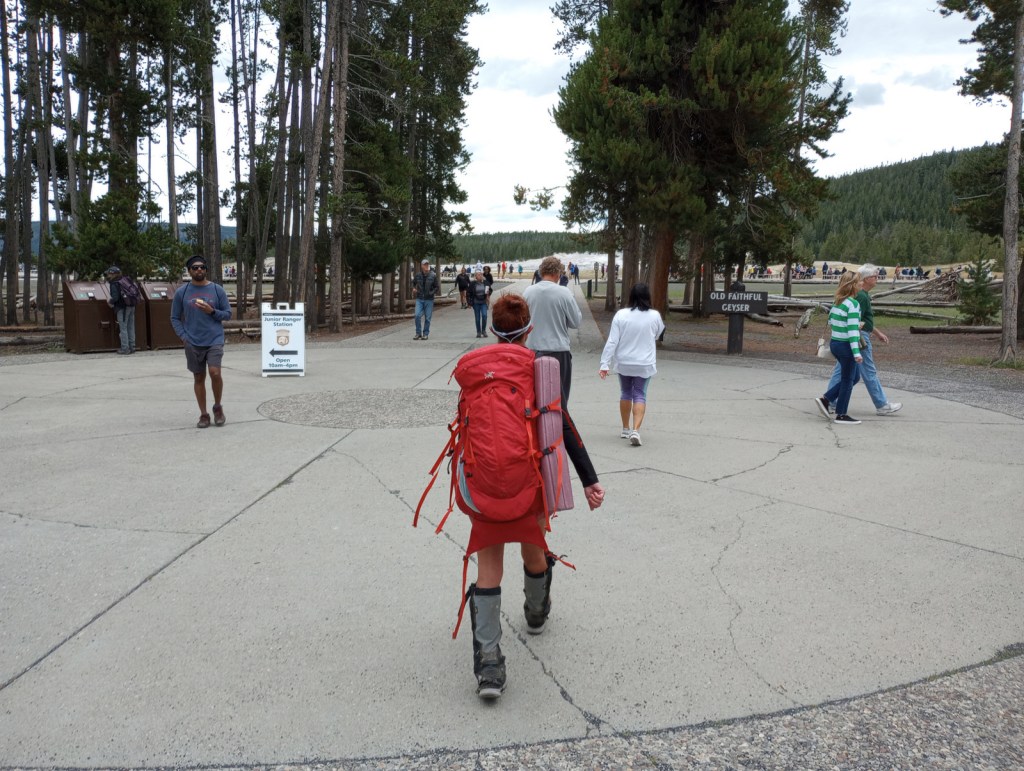
The CDT goes right past crowded Old Faithful in Yellowstone National Park’s Lower Geyser Basin, although there are other areas of colorful hot springs like those near Heart Lake (pictured).

Peak Season

Summer

Fees

Fees apply if you camp inside or drive into Rocky Mountain, Yellowstone, and Glacier National Parks

Road Conditions

Much of the trail is actually walking dirt roads and some paved roads, especially in New Mexico.  Access roads to certain trailheads can be very rough and require driving long unpaved sections, such as the 30 miles to busy Big Sandy Trailhead in Bridger National Forest.

Camping

Camping is dispersed except for designated sites (permit required) in Rocky Mountain, Yellowstone, and Glacier National Parks.

Related Sites

Appalachian National Scenic Trail (Georgia to Maine)

Pacific Crest National Scenic Trail (California-Oregon-Washington)

Natchez Trace National Scenic Trail (Mississippi-Alabama-Tennessee)

Explore More – Which three oceans receive water from Triple Divide Pass in Montana?

Arapaho National Recreation Area

Arapaho National Recreation Area

Colorado

Managed by U.S. Forest Service, Arapaho National Forest

30,690 acres

Website: https://www.fs.usda.gov/attmain/arp/specialplaces

Overview

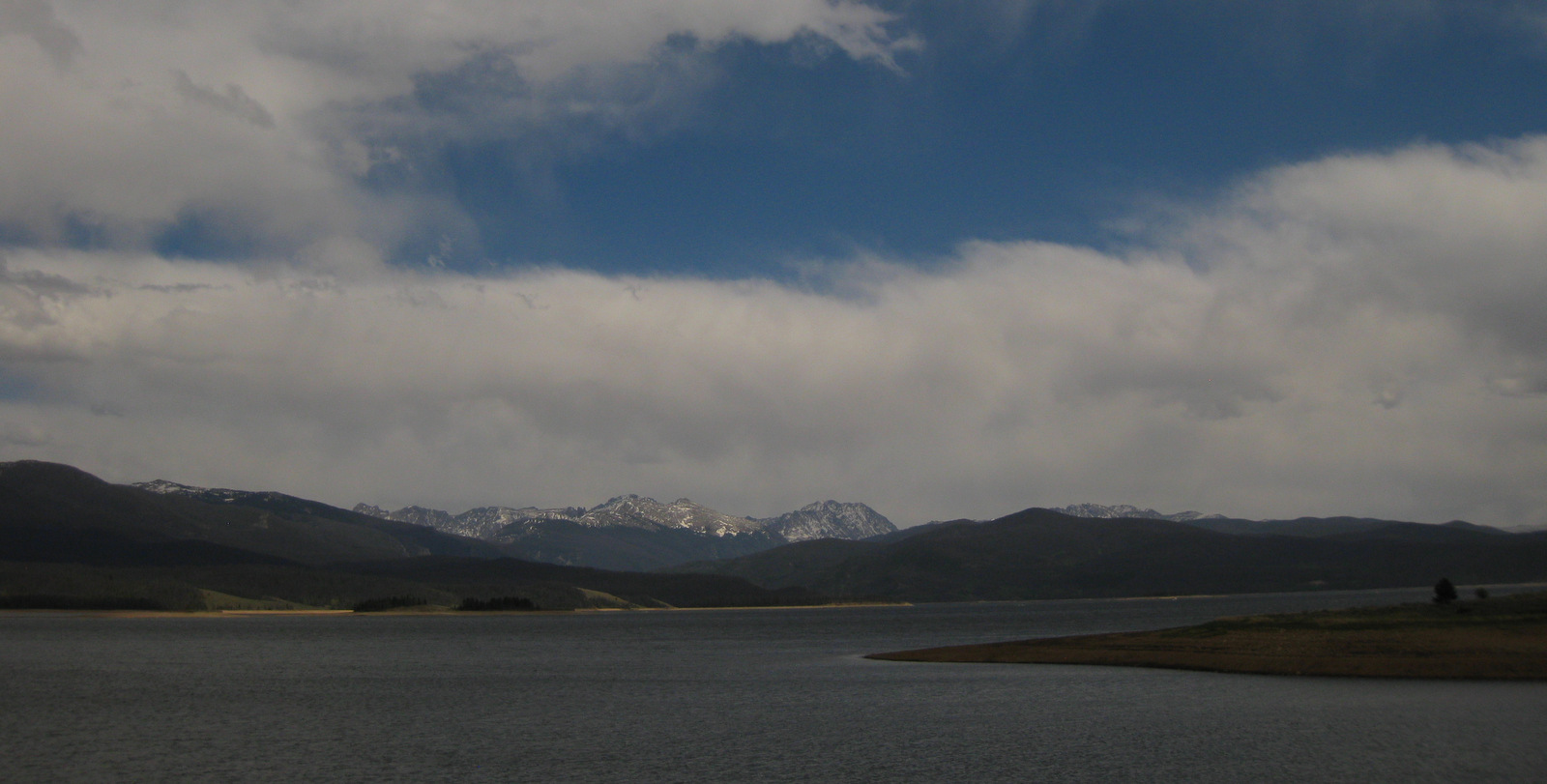
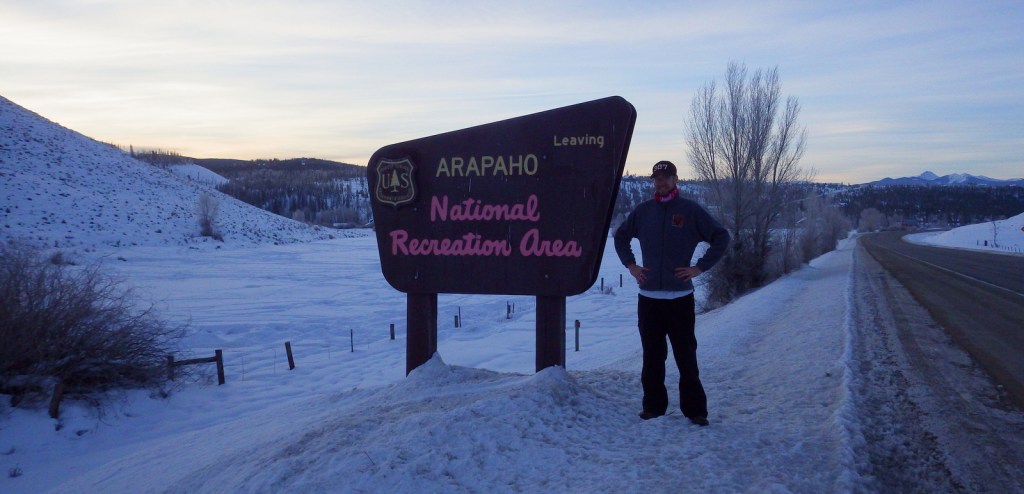
On the west side of Rocky Mountain National Park are the first of many dams across the Colorado River forming several lakes around Granby, Colorado.  Arapaho National Recreation Area contains five reservoirs, the largest of which is Lake Granby (but not including Grand Lake and Shadow Mountain Lake).  Also nearby, Monarch Lake is the starting point for multiple trails into the Indian Peaks Wilderness.  Despite its proximity to the Denver metropolitan area, this untamed country is home to a variety of wildlife including moose, martens, and mountain lions, as well as the river otter and ouzel (or dipper) we saw during our January visit. 

Highlights

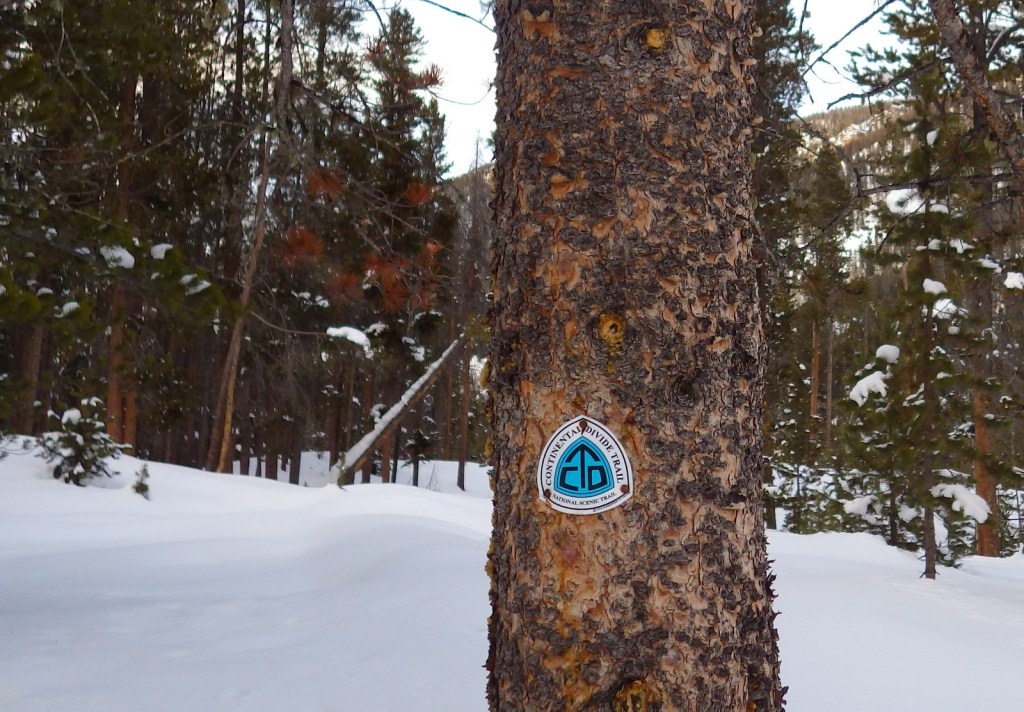
Lake Granby, Monarch Lake, Meadow Creek Reservoir, Roaring Fork Falls, Willow Creek Reservoir, High Lonesome Trail, Continental Divide National Scenic Trail

Must-Do Activity

The largest reservoir in Arapaho National Recreation Area is Lake Granby, an area popular with snowmobilers and ice fisherman in the winter.  Summer is also a good time to visit when the lakes are unfrozen and available for boating, swimming, and other water sports.  That’s when backpackers on the Continental Divide National Scenic Trail prefer to come through here.

Best Trail

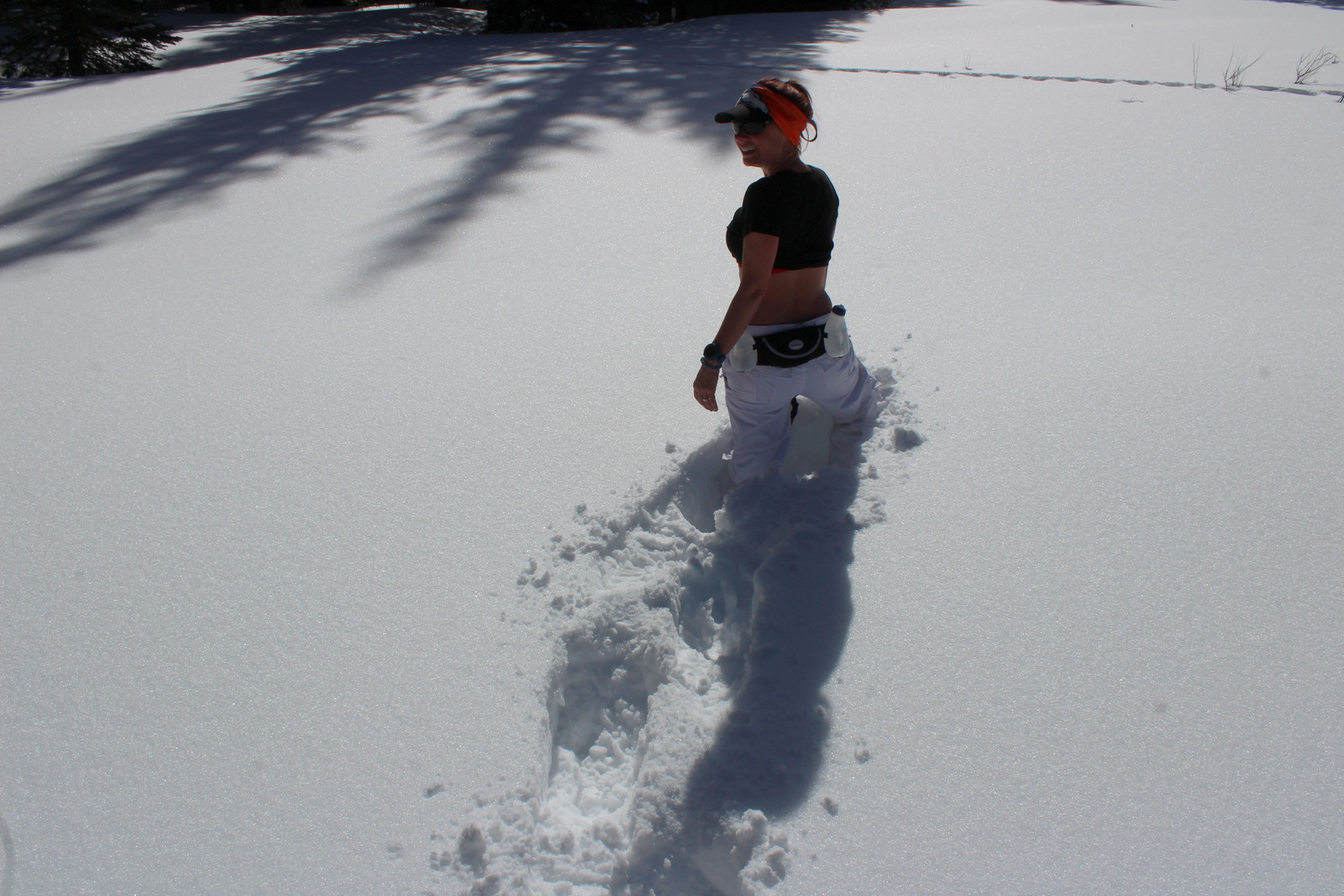
Snowshoers looking for some quiet can drive to the eastern end of Lake Granby and hike a mile to Monarch Lake on a road that is closed during the winter months.  Throughout the year, Monarch Lake is the starting point for multiple trails that climb into the high elevations of the Indian Peaks Wilderness, plus the Continental Divide National Scenic Trail.

Instagram-worthy Photo

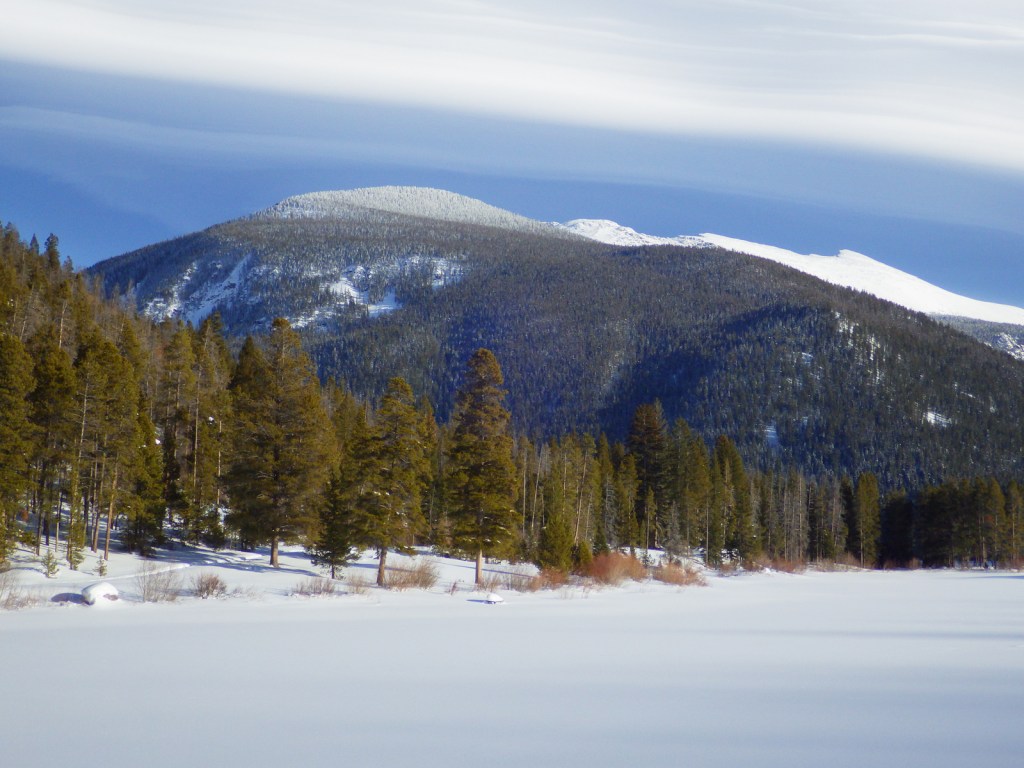
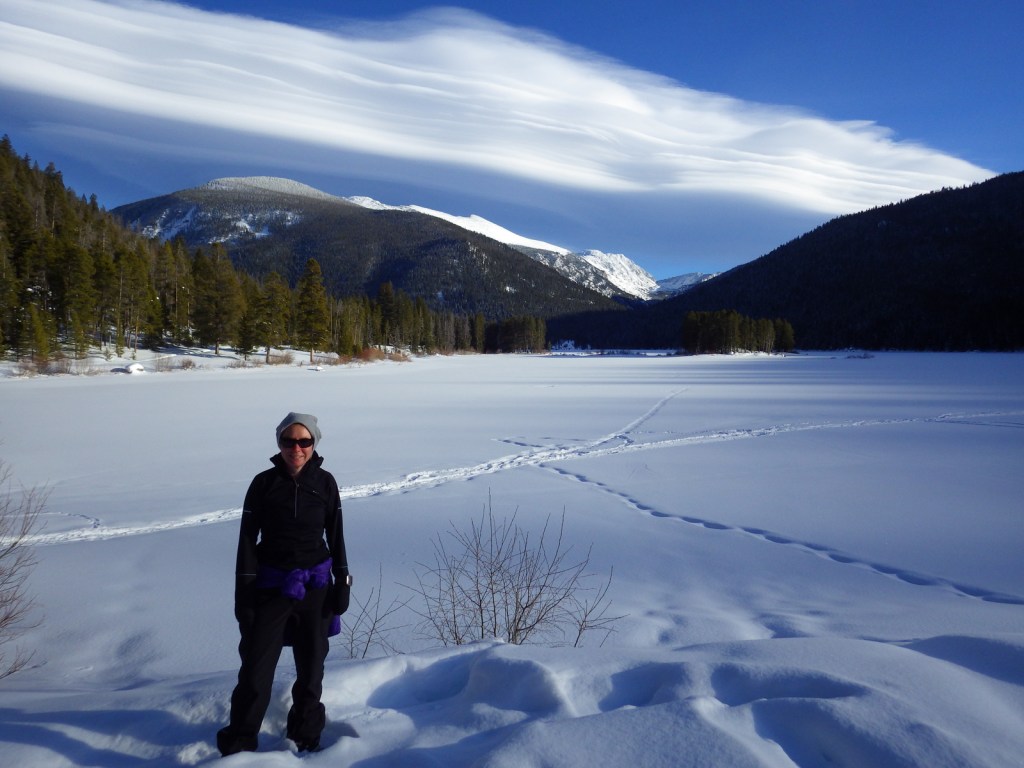
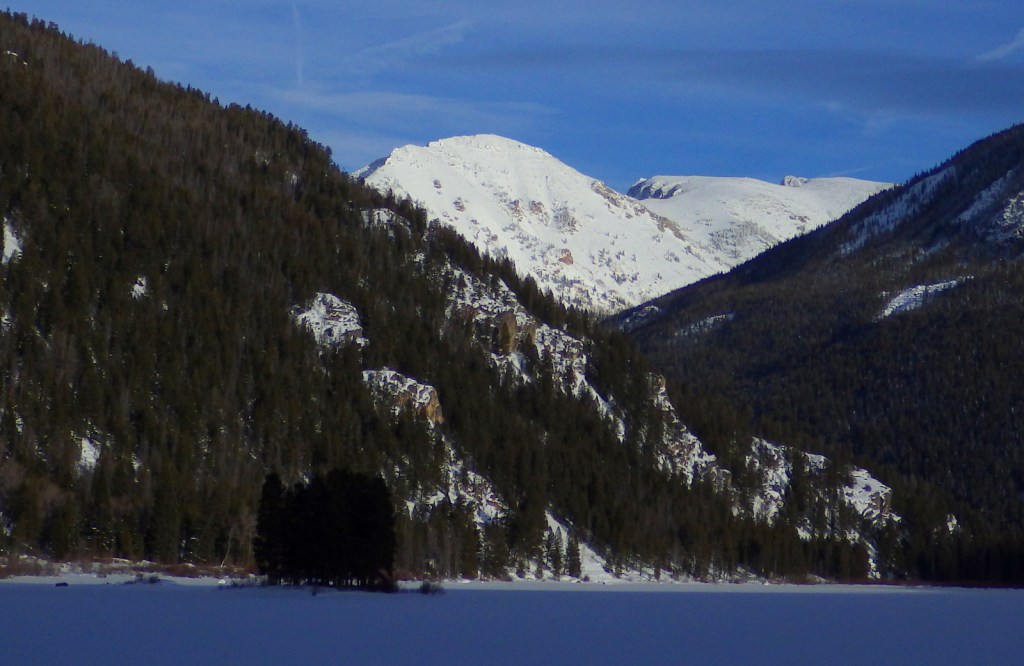
Under a blanket of snow, there is a majestic view from Monarch Lake looking at the Arapaho Creek Valley.

Peak Season

Summer

Fees

During the summer, day-use fees apply at portions of Arapaho National Recreation Area, like Monarch Lake and boat launches.

Road Conditions

The road back to Monarch Lake and many others are closed seasonally due to heavy snow accumulations.

Camping

Campgrounds on the lakes fill up in the summer and even the dirt roads around the west entrance to Rocky Mountain National Park can be jam-packed with dispersed campers.

Related Sites

Curecanti National Recreation Area (Colorado)

Colorado National Monument (Colorado)

Dinosaur National Monument (Utah-Colorado)

Nearest National Park

Rocky Mountain (Colorado)

Lake Granby in summer

Explore More – When was Arapaho National Recreation Area established?

Arapaho National Forest

Arapaho National Forest

Colorado

Managed by U.S. Forest Service, Rocky Mountain Region

770,604 acres (724,678 federal/ 45,926 other)

Website: https://www.fs.usda.gov/arp

Overview

Arapaho National Forest is managed jointly with Roosevelt National Forest and Pawnee National Grassland in northern Colorado.  Easily accessible from Interstate 70 west of Denver, the National Forest is best known for its many ski resorts.  Mt. Blue Sky (formerly Evans) Highway and Guanella Pass Scenic Byway provide access to the high country in the summer when a rainbow of wildflowers bloom, both above and below treeline.

Highlights

Arapaho National Recreation Area, Mt. Blue Sky (formerly Evans), St. Mary’s Glacier, Guanella Pass Scenic Byway, Devil’s Thumb Lake, Berthoud Falls, Ute Peak, Boardwalk Trail, Continental Divide National Scenic Trail

Must-Do Activity

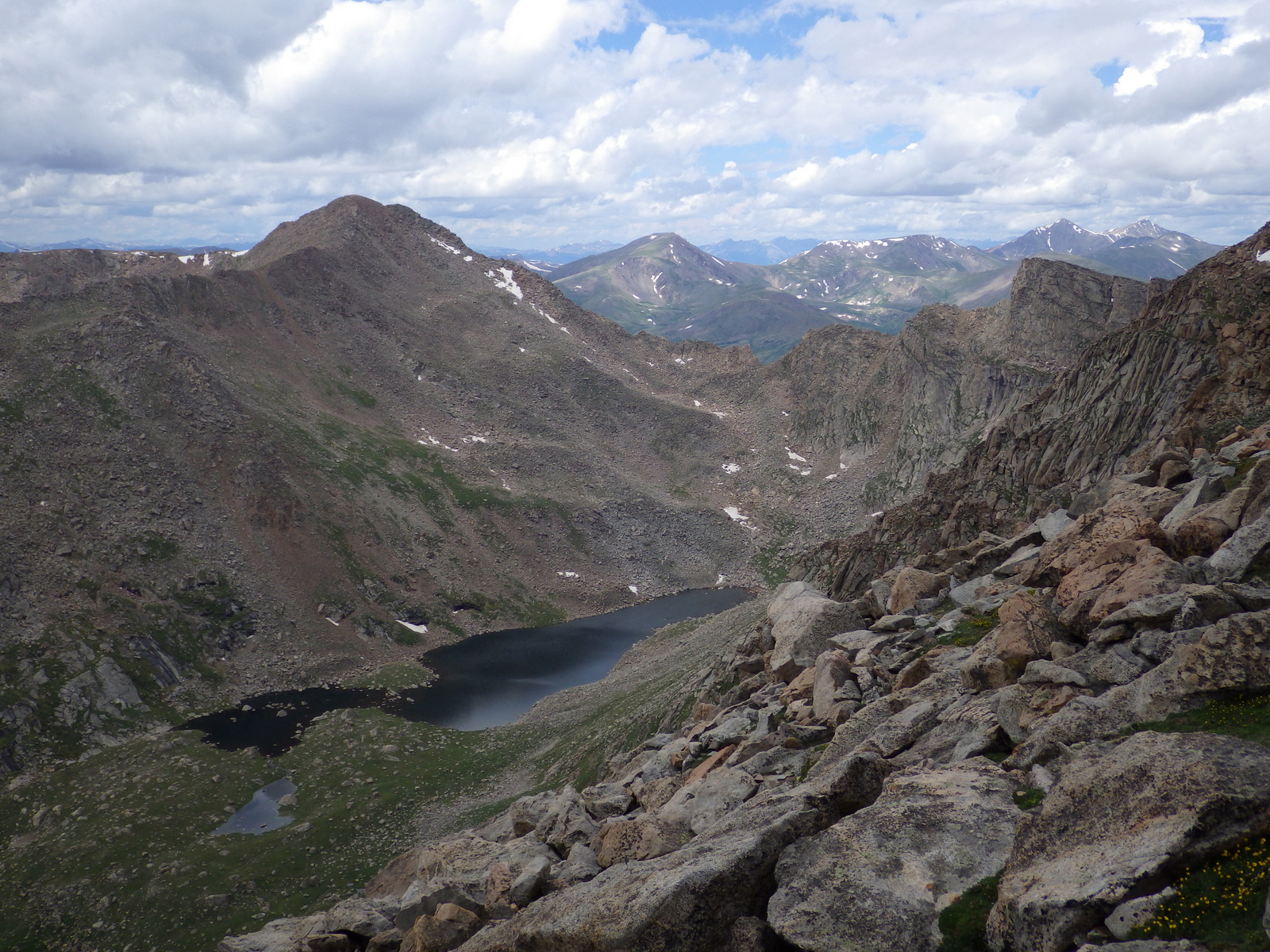
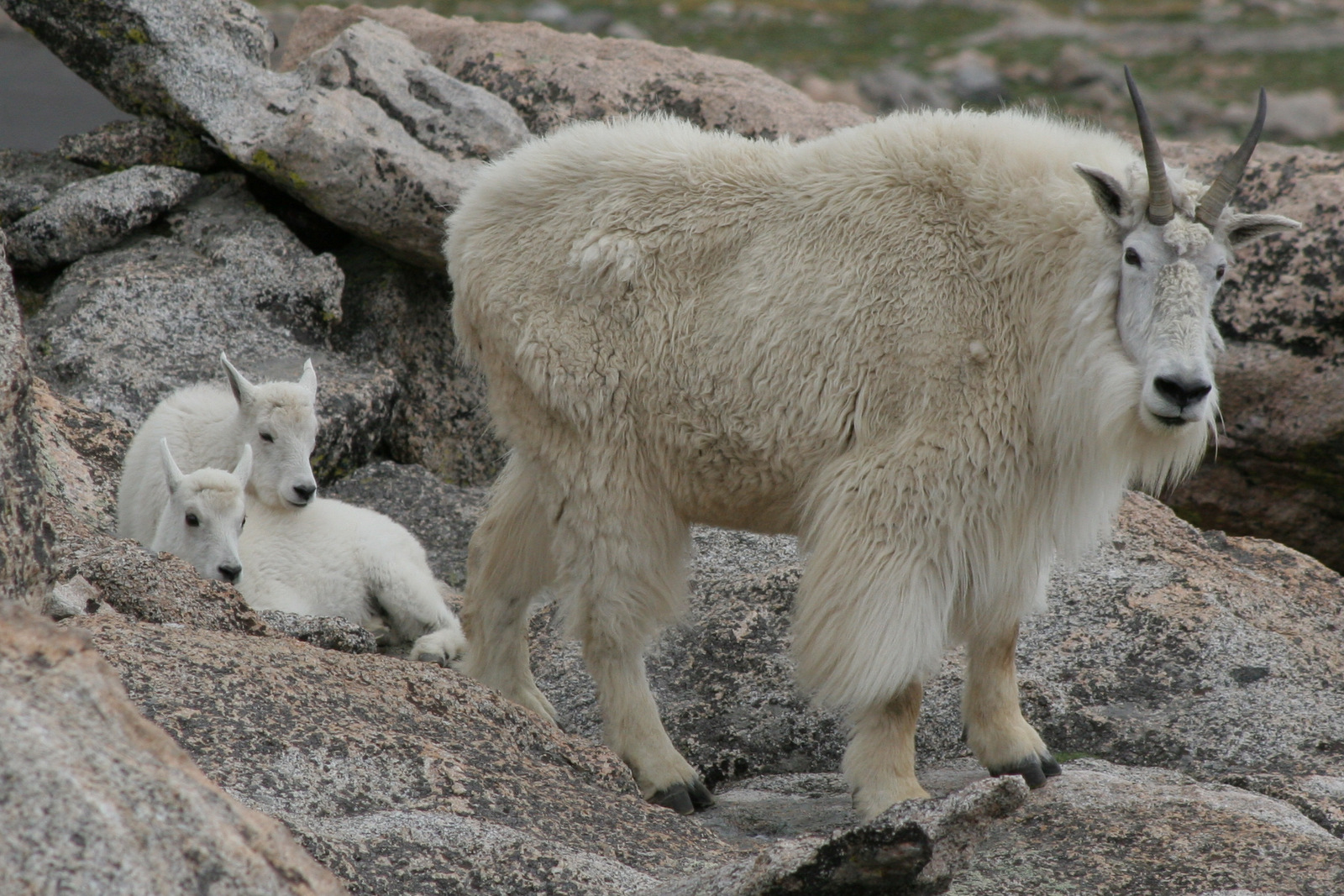
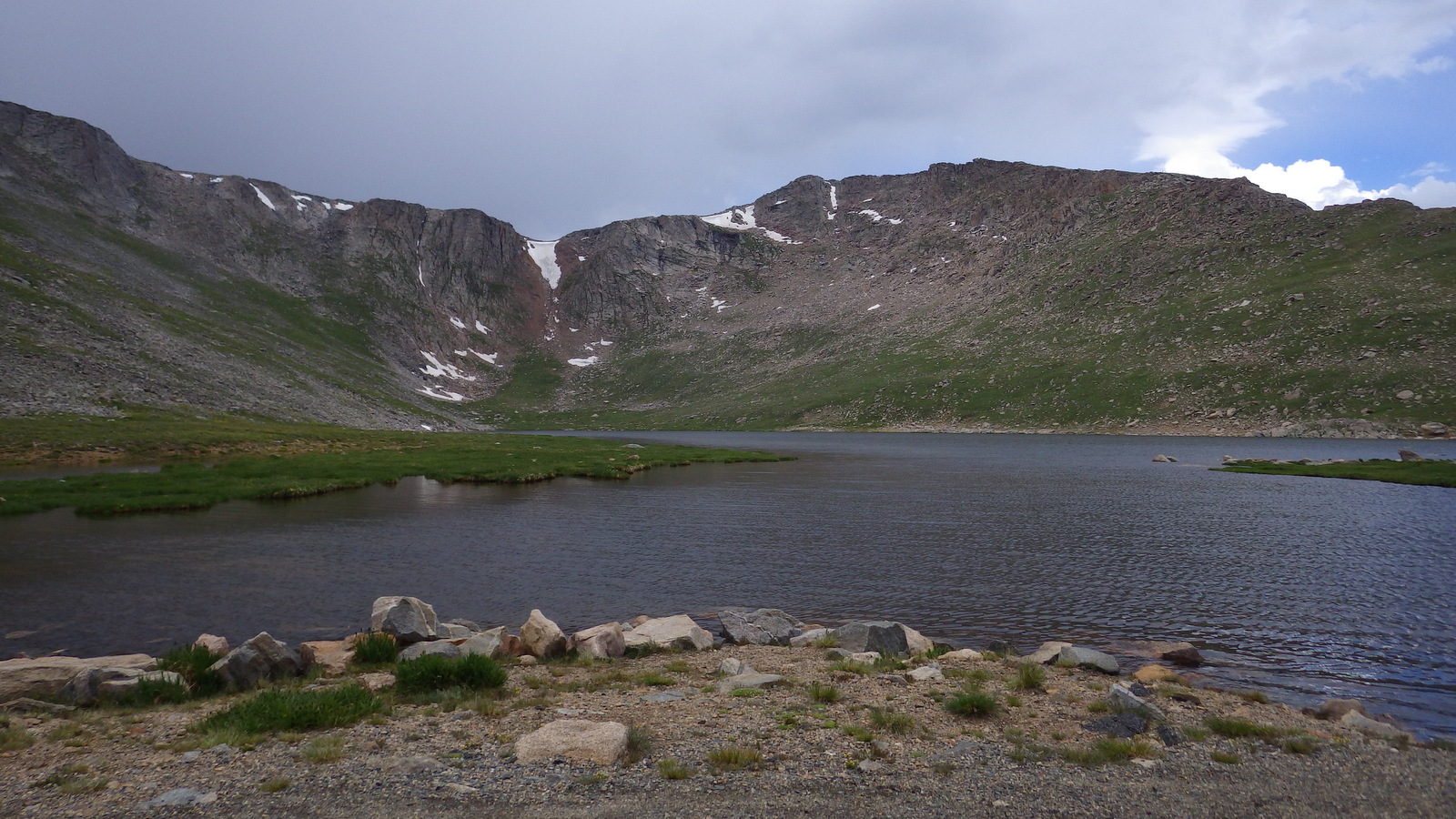
Located just west of Denver, the Mt. Blue Sky (formerly Evans) Highway (the highest fully-paved road in North America) provides access to the rarely-seen world above 14,000 feet in elevation.  Online reservations are now required before you show up, so be sure to click to include a stop at Mt. Goliath Research Natural Area, which provides an interpretive hike through a forest of long-lived Rocky Mountain bristlecone pine trees.  Keep your eyes sharp for bighorn sheep and mountain goats along the road once you hit the switchbacks around Summit Lake.  While the Crest House is no longer in business near the summit, you can still park there and walk the remaining one-hundred feet to the top of the 14,264-foot peak for unsurpassed views.

Best Trail

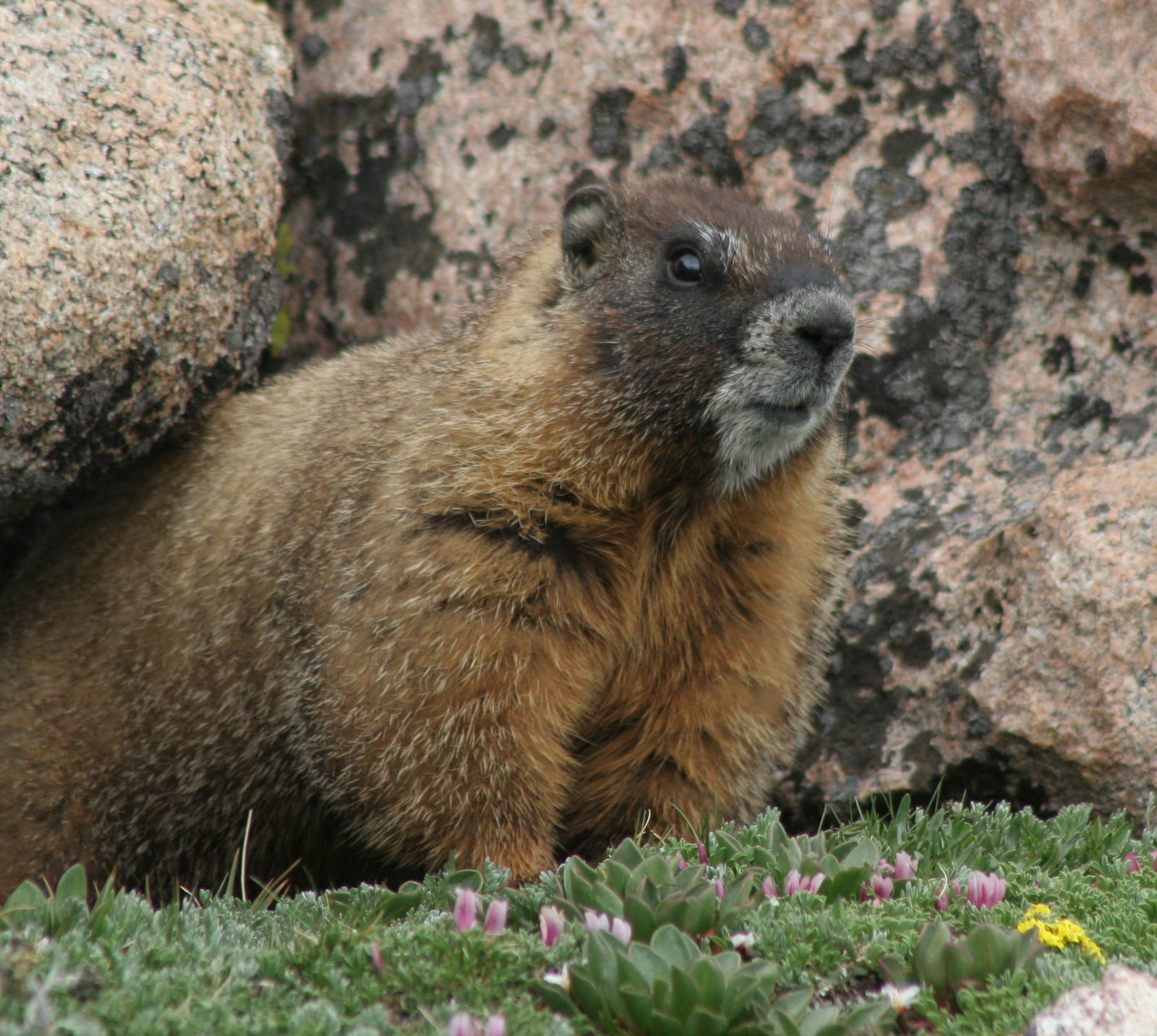
The easiest way to access the aptly-named Never Summer Wilderness is from the Kawuneeche Valley in Rocky Mountain National Park.  You can backpack the 18-mile loop of Baker Gulch to Bowen Gulch in either direction, but keep an eye out for moose as we saw six along the way!  High elevation dwellers like yellow-bellied marmots and pikas were also abundant along the trail, which enters Routt National Forest on the west side of Fairview Mountain.

Watchable Wildlife

Moose and elk can be found throughout the National Forest, but are often easiest to locate around the west entrance to Rocky Mountain National Park.  Bighorn sheep and mountain goats are known to approach cars on the paved road to the top of Mt. Blue Sky (formerly Evans).  During our January visit to Arapaho National Recreation Area we spotted a river otter and ouzel (or dipper, a swimming songbird) in one of the few sections of unfrozen creek.

Instagram-worthy Photo

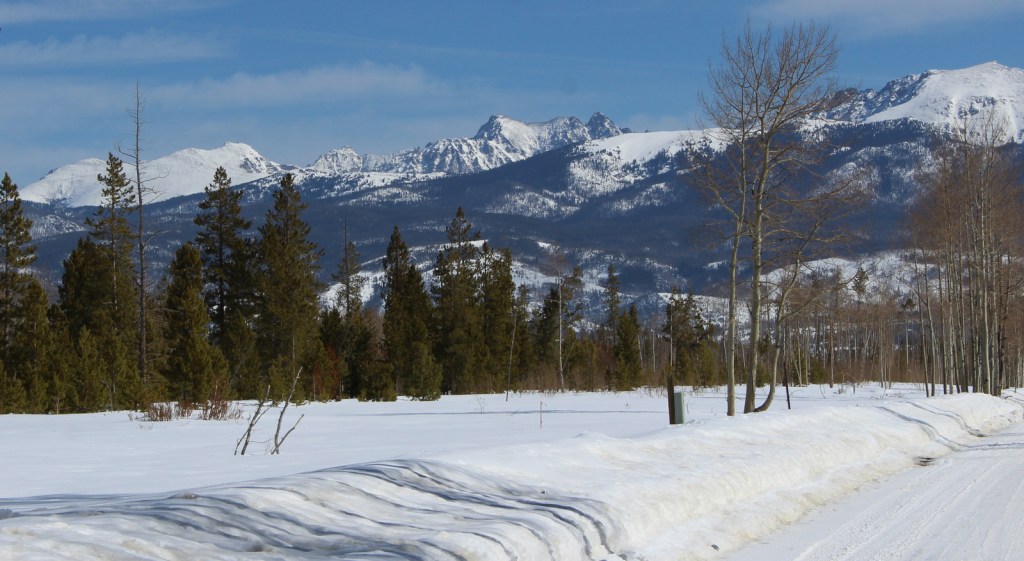
North of the ski resort town of Winter Park is Fraser Experimental Forest, managed by the U.S. Forest Service’s Rocky Mountain Research Station.  In winter, roads within Fraser Experimental Forest are closed and turn into routes for cross-country skiers and snowshoers with no entry fee charged.

Peak Season

Summer

Fees

A $15 fee is charged per vehicle (online reservation required before arrival, $2 fee even if you use your America the Beautiful pass) to drive the one-way Mt. Blue Sky (formerly Evans) Highway during its short open season.  Also during the summer, day-use fees apply at Fraser Experimental Forest and Arapaho National Recreation Area.

Road Conditions

The road to the top of Mt. Blue Sky (formerly Evans) is paved the whole way, but there are plenty of rough dirt roads to explore throughout Arapaho National Forest.  The road back to Monarch Lake is closed seasonally in Arapaho National Recreation Area.

Camping

Campgrounds fill up in the summer and even the dirt roads around the west entrance to Rocky Mountain National Park can be jam-packed with dispersed campers.  There are some scenic campgrounds around Fraser Experimental Forest near Winter Park, Colorado.

Wilderness Areas

Byers Peak Wilderness

Eagles Nest Wilderness (also in White River National Forest)

Indian Peaks Wilderness (also in Roosevelt National Forest)

Mt. Blue Sky (formerly Evans) Wilderness (also in Pike National Forest)

Never Summer Wilderness (also in Routt National Forest)

Ptarmigan Pass Wilderness

Vasquez Peak Wilderness

Related Sites

Arapaho National Recreation Area (Colorado)

Florissant Fossil Beds National Monument (Colorado)

Sand Creek Massacre National Historic Site (Colorado)

Nearest National Park

Rocky Mountain (Colorado)

Conifer Tree Species

Engelmann spruce, Colorado blue spruce, subalpine fir, Douglas-fir, Rocky Mountain bristlecone pine, ponderosa pine, lodgepole pine

Flowering Tree Species

quaking aspen, Rocky Mountain maple, narrowleaf cottonwood, mountain ash, dwarf willow, Scouler willow, mountain willow, alpine fen willow, purple-twig willow, sandbar willow, Geyer’s willow, Wolf’s willow

Explore More – When did research begin in Fraser Experimental Forest on the response of conifer species to different harvesting techniques, insect outbreaks, and climate conditions?

We are a participant in the Amazon Services LLC Associates Program, an affiliate advertising program designed to provide a means for us to earn fees by linking to Amazon.com and affiliated sites.

Hovenweep National Monument

Overview

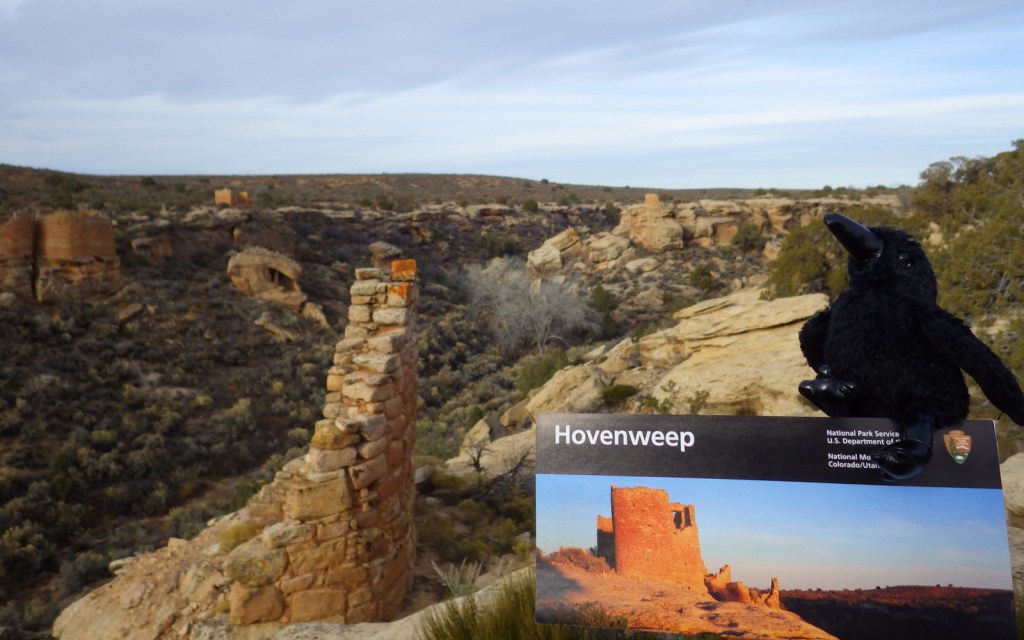
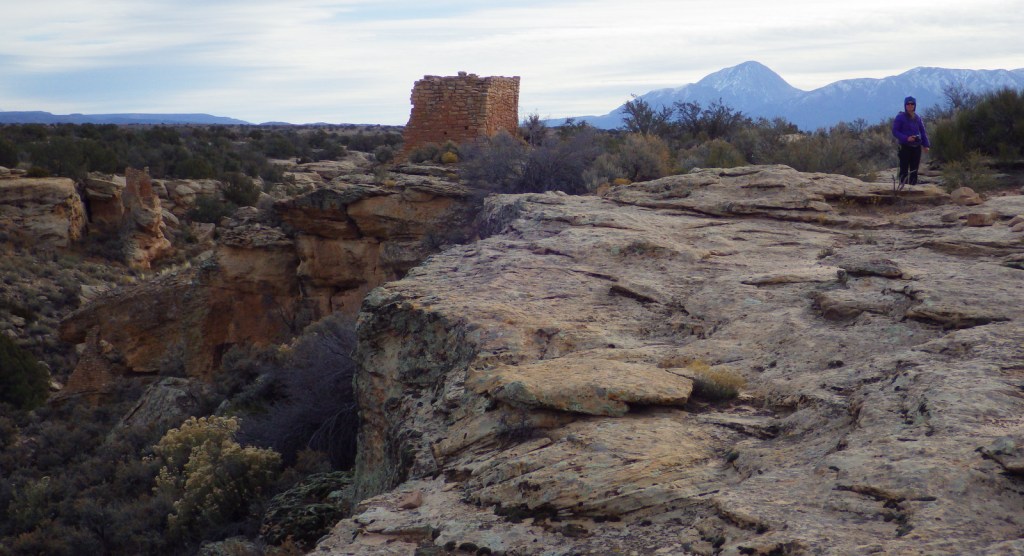
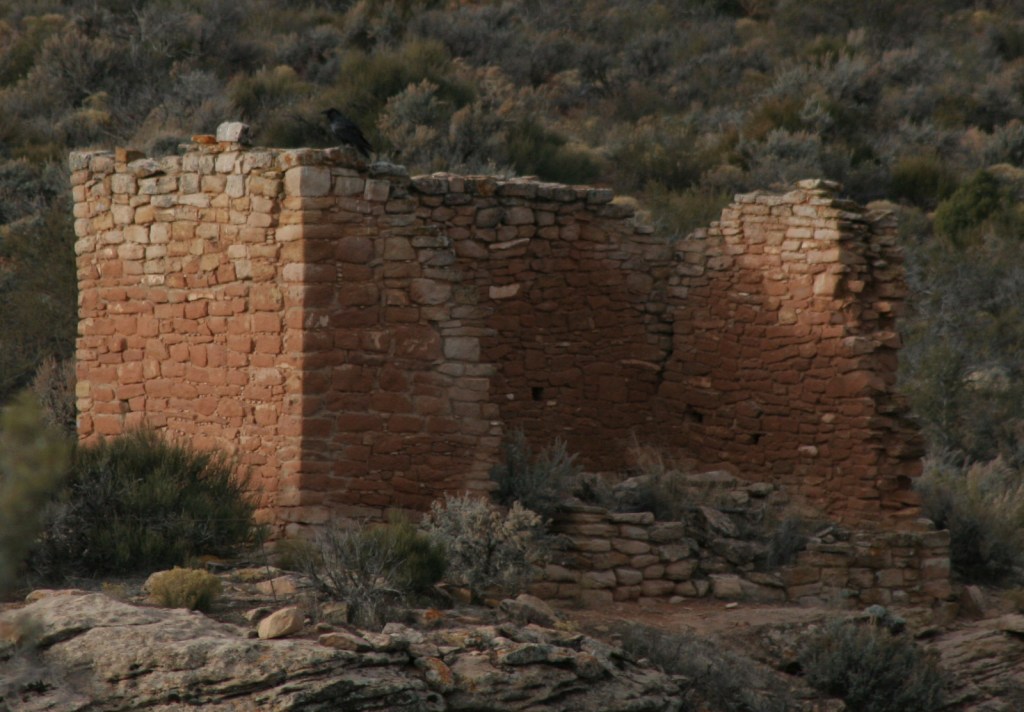
Partially surrounded by Canyons of the Ancients National Monument (run by the Bureau of Land Management), Hovenweep National Monument occupies a remote area on the southern Utah-Colorado border.  Established in 1923, it is composed of six units, the largest of which has a National Park Service (NPS) visitor center on the rim of Little Ruin Canyon, the location of the variable architectural styles of Square Tower Group. 

Highlights

Square Tower Group, Holly Group, Cajon Group, Hackberry Group, Cutthroat Castle Group

Must-Do Activity

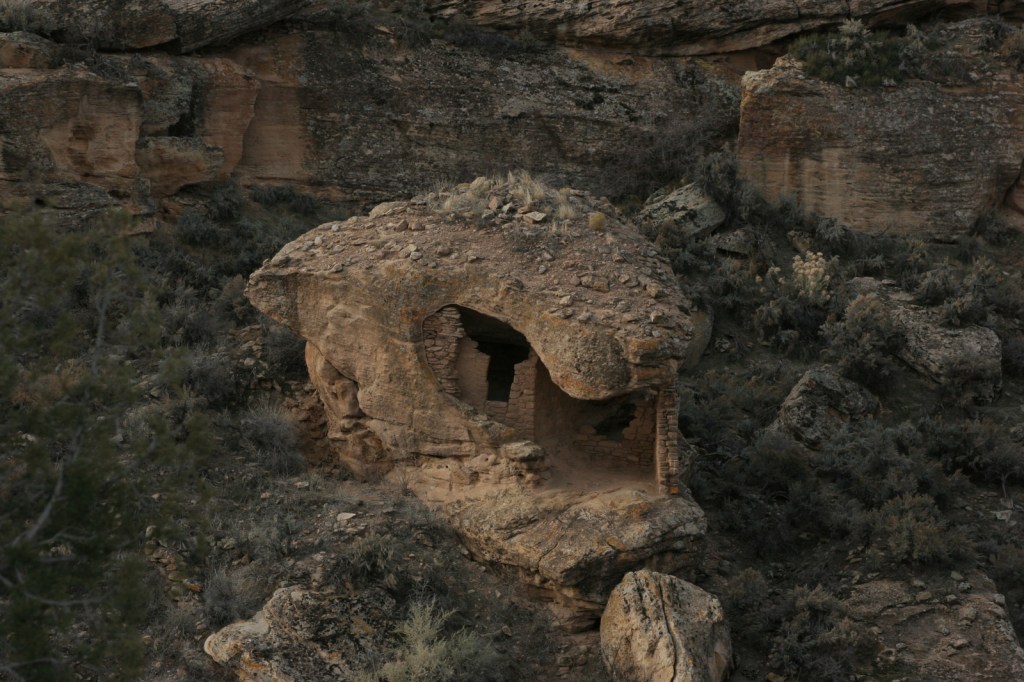
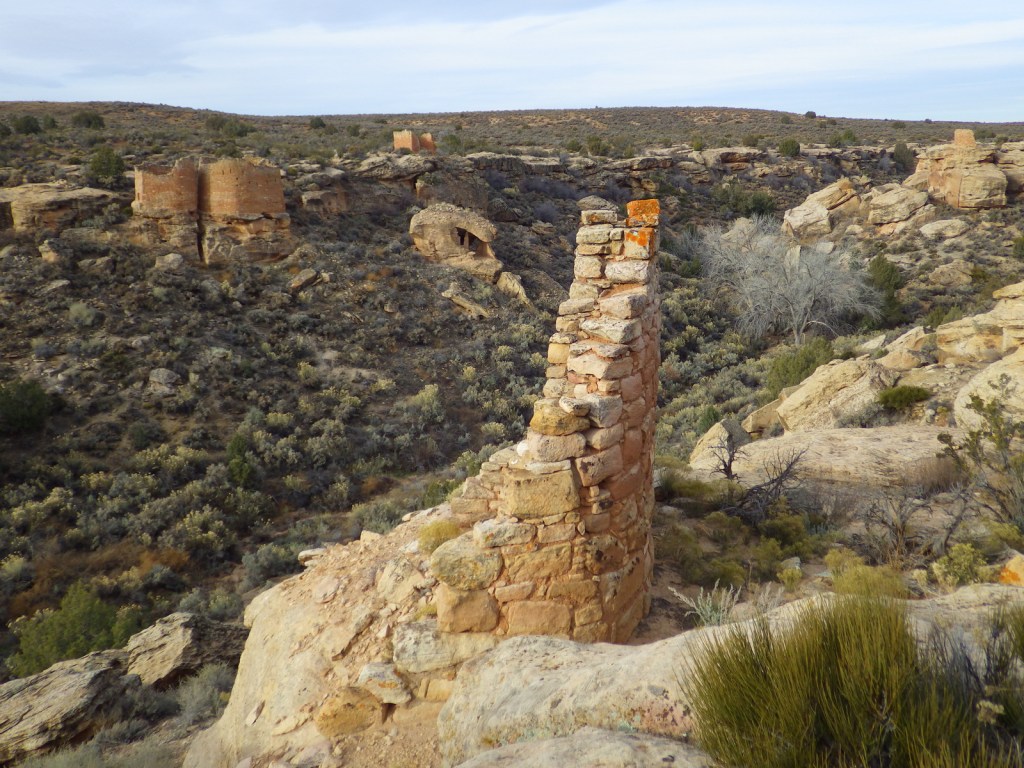
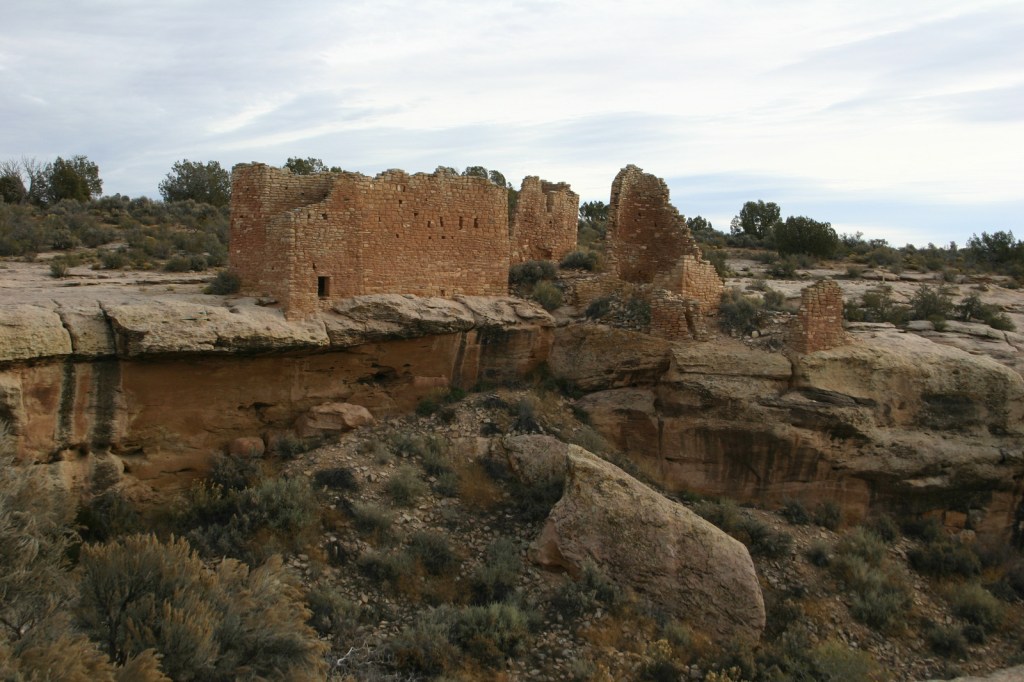
At Square Tower Group a two-mile loop hike takes visitors past an impressive collection of structures that date back to the 1200s, the same period that Ancestral Puebloans inhabited nearby Mesa Verde National Park.  The variety of building styles in this narrow canyon is remarkable, from Square Tower and Hovenweep Castle to Twin Towers and the unique Eroded Boulder House.  There is almost no shade to be found on the sagebrush plain of Cajon Mesa, so visiting in the heat of summer may not be as enjoyable.  The good news is that it makes for boundless vistas, especially to the south where Sleeping Ute Mountain looms.

Best Trail

The loop trail at Square Tower Group is paved and wheelchair accessible to the first overlook at Stronghold Point, but then gets much rougher over its two miles, especially at the end where it drops into Little Ruin Canyon.  A four-mile one-way trail connects this area to the Holly Group of ruins.
Instagram-worthy Photo

Little Ruin Canyon has one of the highest density collections of ruins anywhere in the southwest U.S., including the cool Eroded Boulder House, a part of the Square Tower Group.

Peak Season

Spring and fall

Hours

https://www.nps.gov/hove/planyourvisit/hours.htm

Fees

$20 per vehicle or America the Beautiful pass

Road Conditions

Despite its remote location, roads are paved to Square Tower Group, but accessing most of the other units requires driving or hiking rough dirt roads.  Further east in Colorado’s Canyons of the Ancients National Monument, visitors can drive well-maintained roads to the Escalante Ruins and Lowry Pueblo, as well as the two trailheads for Sand Canyon.

Camping

The NPS runs a 30-site campground (for a fee) at its visitor center near Square Tower Group.  Dispersed camping is allowed in many parts of Canyons of the Ancients National Monument.

Related Sites

Yucca House National Monument (Colorado)

Natural Bridges National Monument (Utah)

La Sal National Forest (Utah)

Nearest National Park

Canyonlands

Explore More – Hovenweep is a Ute-Paiute word that translates as what?