Category Archives: Arizona

Petrified Forest National Park

Petrified Forest National Park

Arizona

Managed by National Park Service

Established 1906 National Monument, 1962 National Park

221,390 acres

Website: nps.gov/pefo

Overview

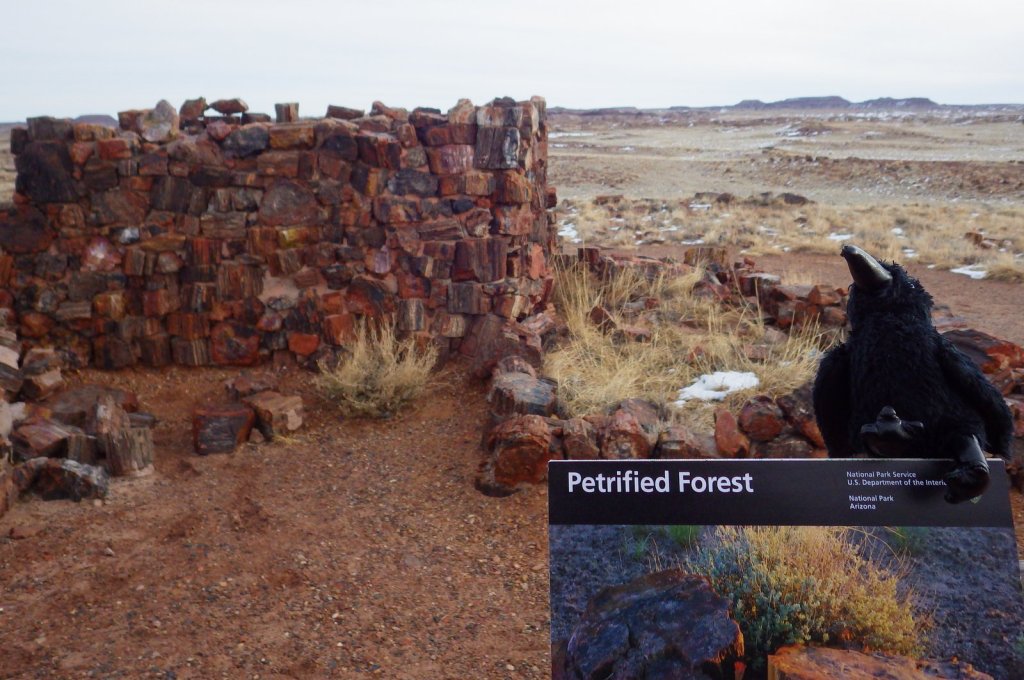
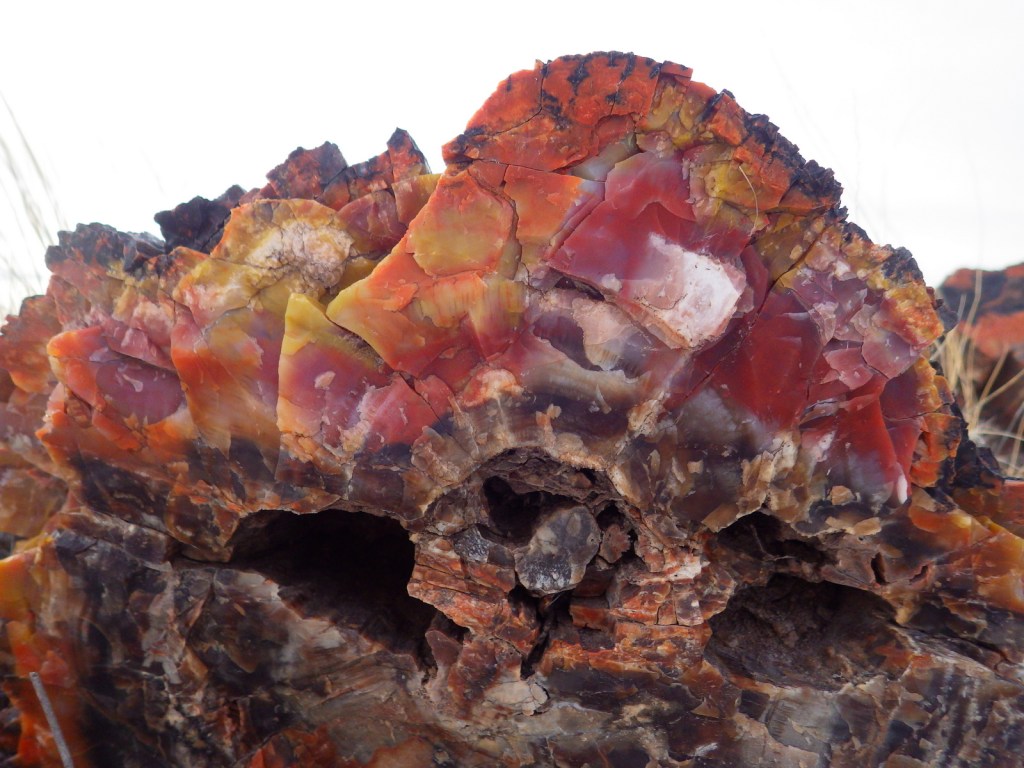
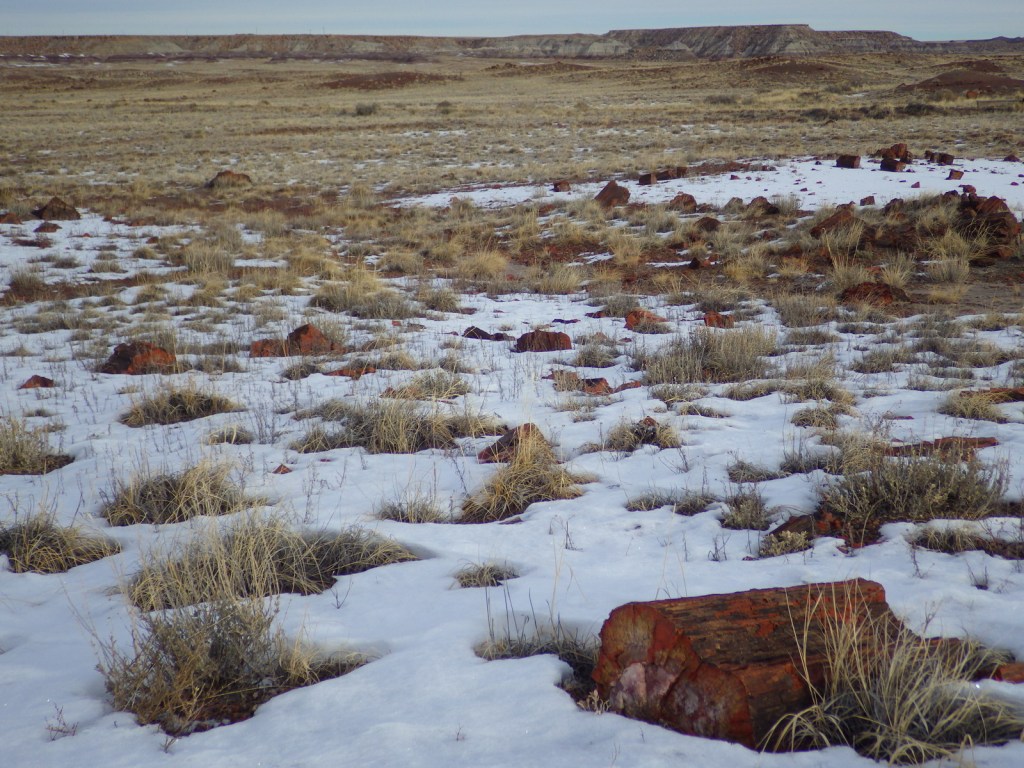
East of Flagstaff, Arizona on Interstate 40 (the historic Route 66) is Petrified Forest National Park, which started as one of the first National Monuments created by President Teddy Roosevelt.  It is hard to believe in the dry expanses of the Painted Desert, but 225-million years ago this land existed in a tropical climate where trees grew to 200 feet in height.  Some of those trees were buried in mud when they fell and over time silica crystalized in their decaying cells forming colorful rocks.  You can still see annual growth rings and rays from the wood preserved on the cross-sections that look like they were cut by a chainsaw.  The rocks are protected inside the park, so for a souvenir head to the gift shops around the park’s borders. 

Learn more in our guidebook to the National Parks, A Park to Yourself: Finding Adventure in America’s National Parks (available on Amazon).

Highlights

Rainbow Forest Museum, Giant Logs Trail, Agate House, Newspaper Rock, Painted Desert Inn, Blue Mesa Trail

Must-Do Activity

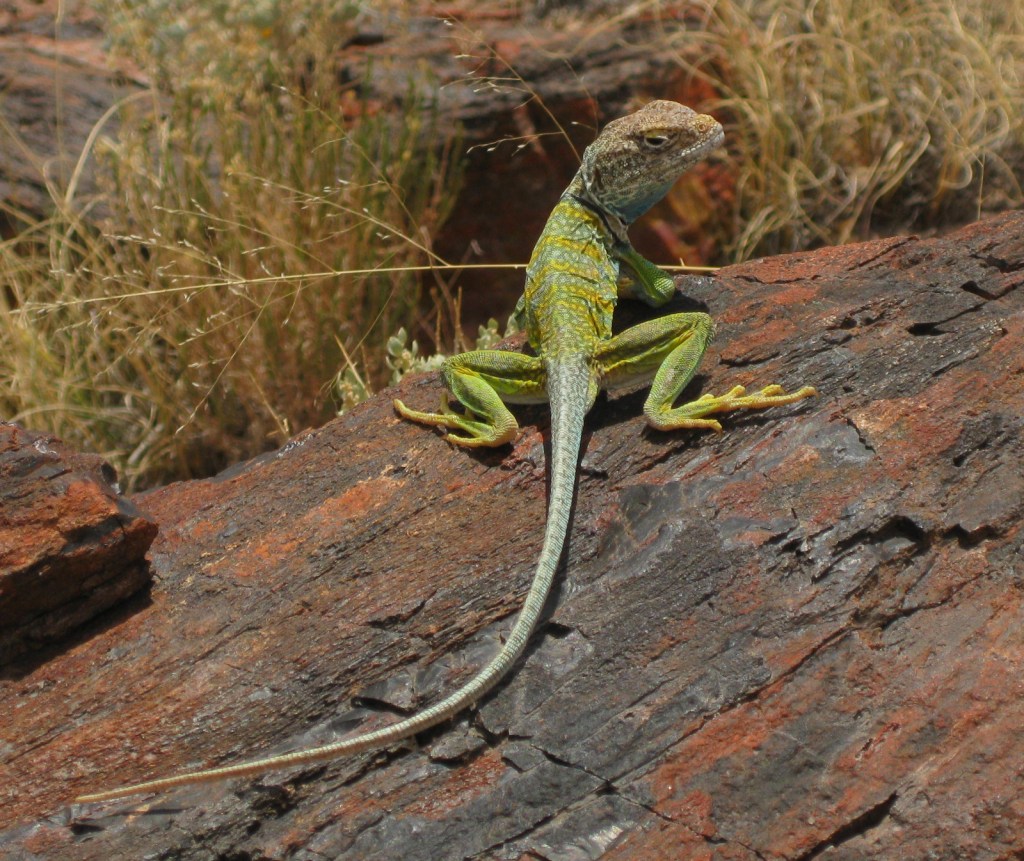
It is the kaleidoscope of colors that makes this park so beautiful and unique.  The intricate weave of minerals in each bit of petrified wood is found in an array of colors: red, orange, yellow, green, purple, black, and white.  A paved walkway behind the Rainbow Forest Museum is a great place to start, as rangers give guided tours there throughout the day.  In the warm season, watch for the bright colors of a collared lizard hiding among the rocks.  It is worth a hike to Agate House and a connection to the Giant Logs Trail to see more petrified wood, but be sure to bring water with you in the summer since there is no shade.

Best Trail

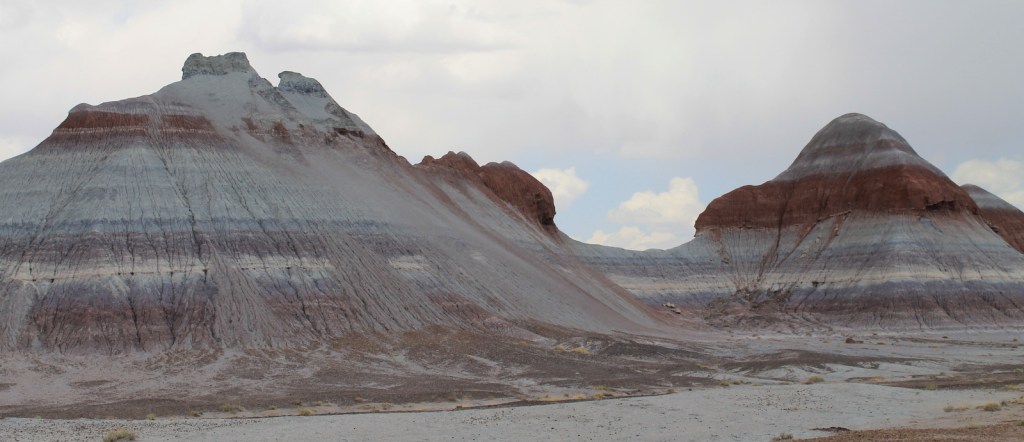
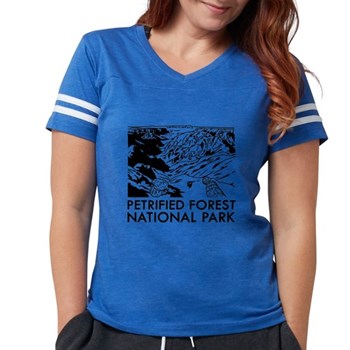
Blue Mesa Trail is only one mile in length, but you will stop so often for photos that it seems much longer.  In this area the blueish bentonite badlands are striped by reduced iron and rust (as depicted in our logo illustration).  The trail can be muddy if there has been recent precipitation.

Instagram-worthy Photo

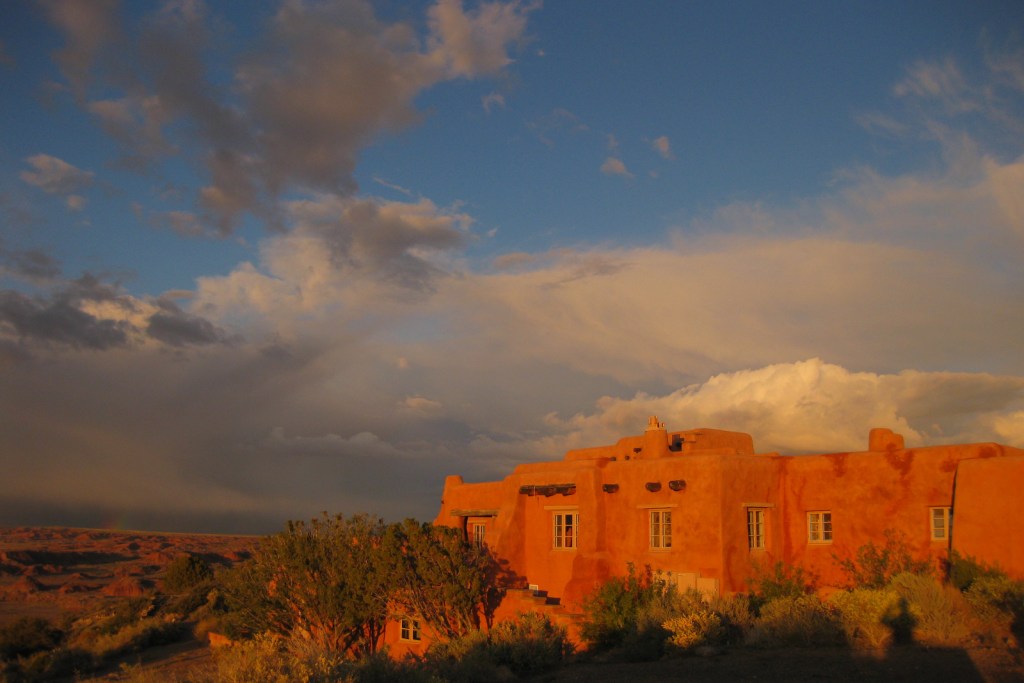
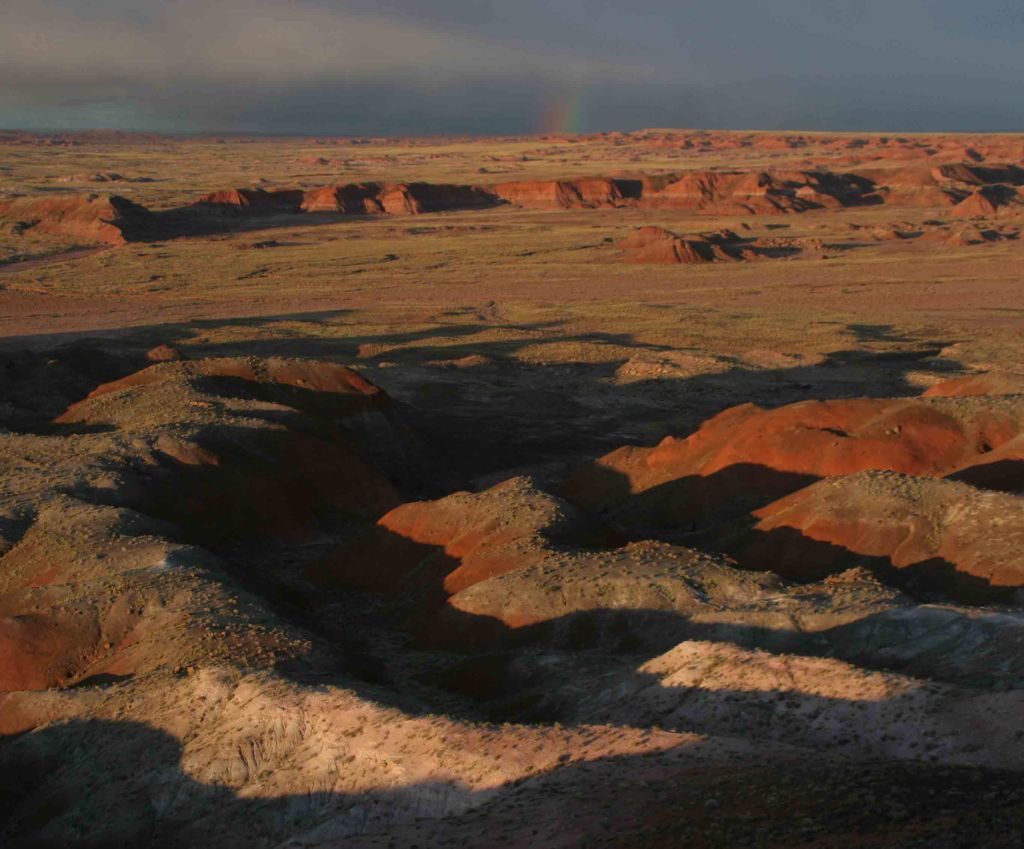
The Painted Desert often lives up to its name during the golden hours of sunrise and sunset when the pink adobe walls of the Painted Desert Inn can positively blaze.  After summer thunderstorms, watch for rainbows that hang under the billowy cumulus clouds.

Peak Season

Spring and fall

Hours

https://www.nps.gov/pefo/planyourvisit/hours.htm

Fees

$25 per vehicle or America the Beautiful pass

Road Conditions

All roads in the park are paved and the 28-mile paved scenic drive is nice in either direction.

Camping

There are no overnight facilities within the park, but there are private campgrounds in both Holbrook and Winslow, Arizona.  Lyman Lake State Park also offers camping.  A free backcountry permit is required to camp in the Wilderness area north of the Painted Desert Inn.  There are no trails and the only requirement is that you cross Lithodendron Wash about a mile from the rim, which sometimes means walking through shallow water.

Related Sites

Coconino National Forest (Arizona)

Hubbell Trading Post National Historic Site (Arizona)

Canyon de Chelly National Monument (Arizona)

This design we created to celebrate this National Park is available on a variety of products at Cafe Press and Amazon.

Explore More – How many pounds of rock are mailed back to Petrified Forest National Park every year by people who claim their theft led to a string of bad luck?

We are a participant in the Amazon Services LLC Associates Program, an affiliate advertising program designed to provide a means for us to earn fees by linking to Amazon.com and affiliated sites.

Apache National Forest

Apache National Forest

Arizona, New Mexico

Managed by U.S. Forest Service, Southwestern Region

1,876,891 acres (1,813,601 federal/ 63,290 other)

Website: https://www.fs.usda.gov/main/asnf/home

Overview

Growing up in Arizona, we only ever heard this referred to as Apache-Sitgreaves National Forest since it was merged in 1974.  The more eastern Apache National Forest section represents about 69% of the combined forests total acreage and partly spills into New Mexico.  On its west side it borders the Fort Apache and the San Carlos Indian Reservations, only containing one side of Mt. Baldy (which is famous for its ski resort).  The National Forest contains the eastern portions of the White Mountains and Mogollon Rim, a forested escarpment that cuts 200 miles across much of the state of Arizona.

Highlights

Coronado Trail Scenic Byway, Mt. Baldy, Butler Canyon, Escudilla National Recreation Trail, Hannagan Meadow, Chitty Canyon, Big Tree Trail, Eagle National Recreation Trail

Must-Do Activity

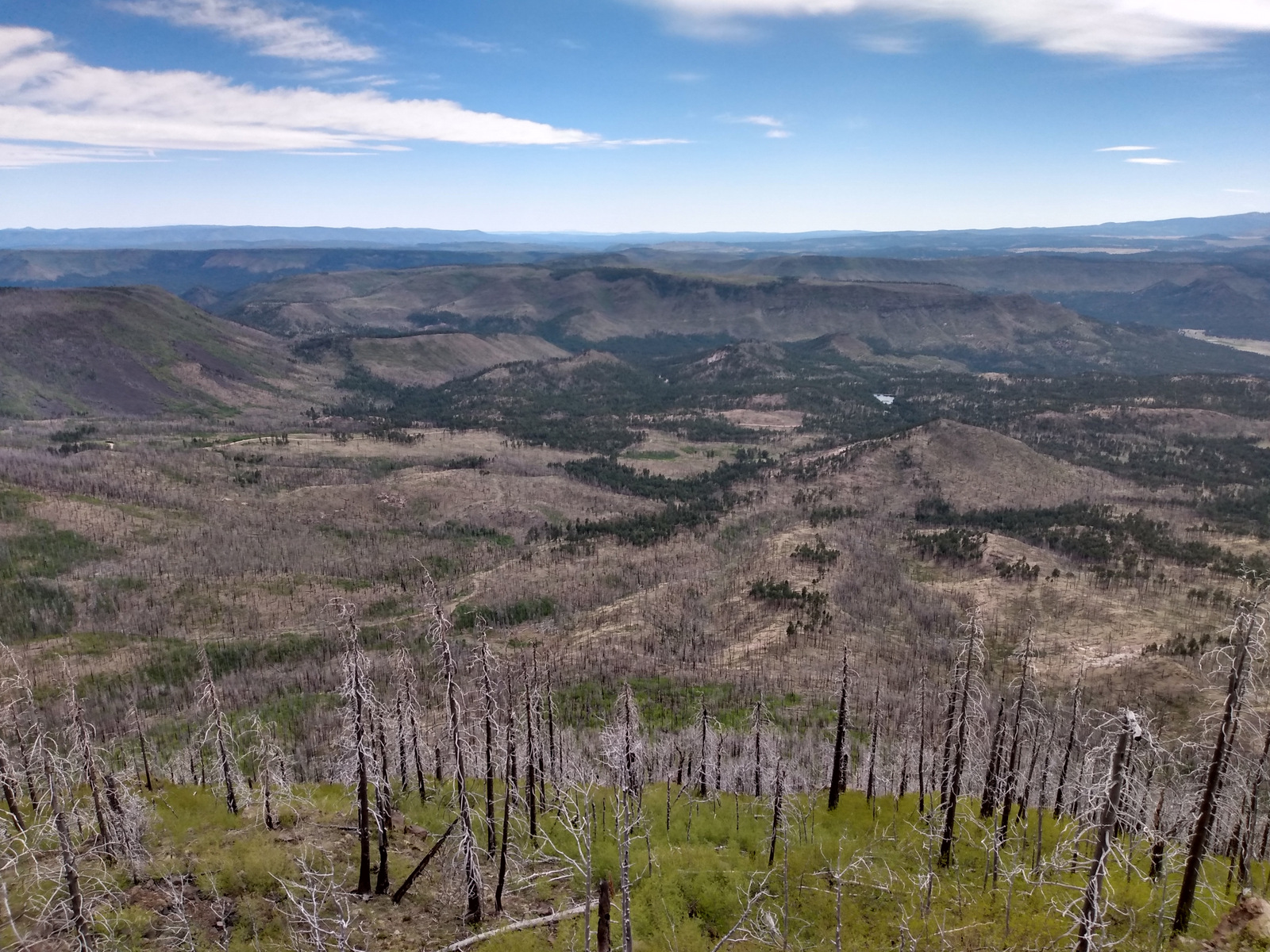
The Coronado Trail Scenic Byway (Highway 191) is a narrow, winding paved road that runs 120 miles north-south through Apache National Forest and is the best way to explore.  Near the northern end of the highway, a steep unpaved road leads east up to the trailhead for Escudilla National Recreation Trail.  A fire burned the 10,912-foot mountain that the trail summits and on our hike in May 2020 we counted 75 downed trees that we had to step over, both on the three miles in and the three miles out.  To the east, the remote Blue Range Primitive Area was created in 1933, but has yet to receive Wilderness designation.  About 18 miles south of Alpine make a stop at the historic Hannagan Meadow lodge, the only place to get gas along the route (or air if like us you have to put on your spare tire).  The highway continues south dropping down from the Mogollon Rim into a more desert-like environment.

Best Trail

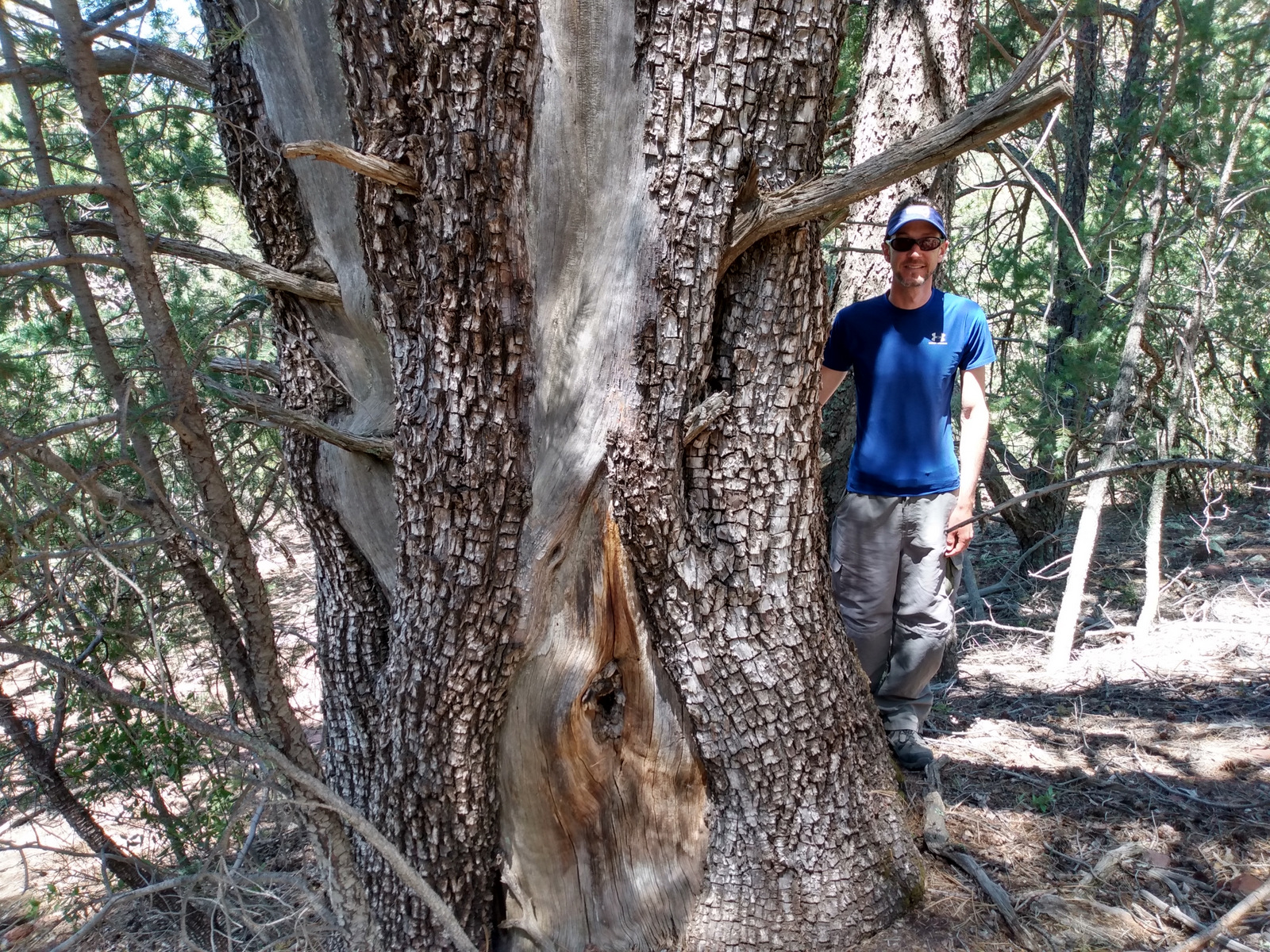
A short, but worthwhile hike descends west from Sardine Saddle near the southern end of the Coronado Trail Scenic Byway.  At the end of the 0.4-mile trail is the largest Arizona cypress tree growing in the United States (97 feet tall with a 181-inch trunk circumference).  There are also some big alligator juniper trees growing near the bottom of the canyon, and if you see their bark you will realize why they got their name.

Watchable Wildlife

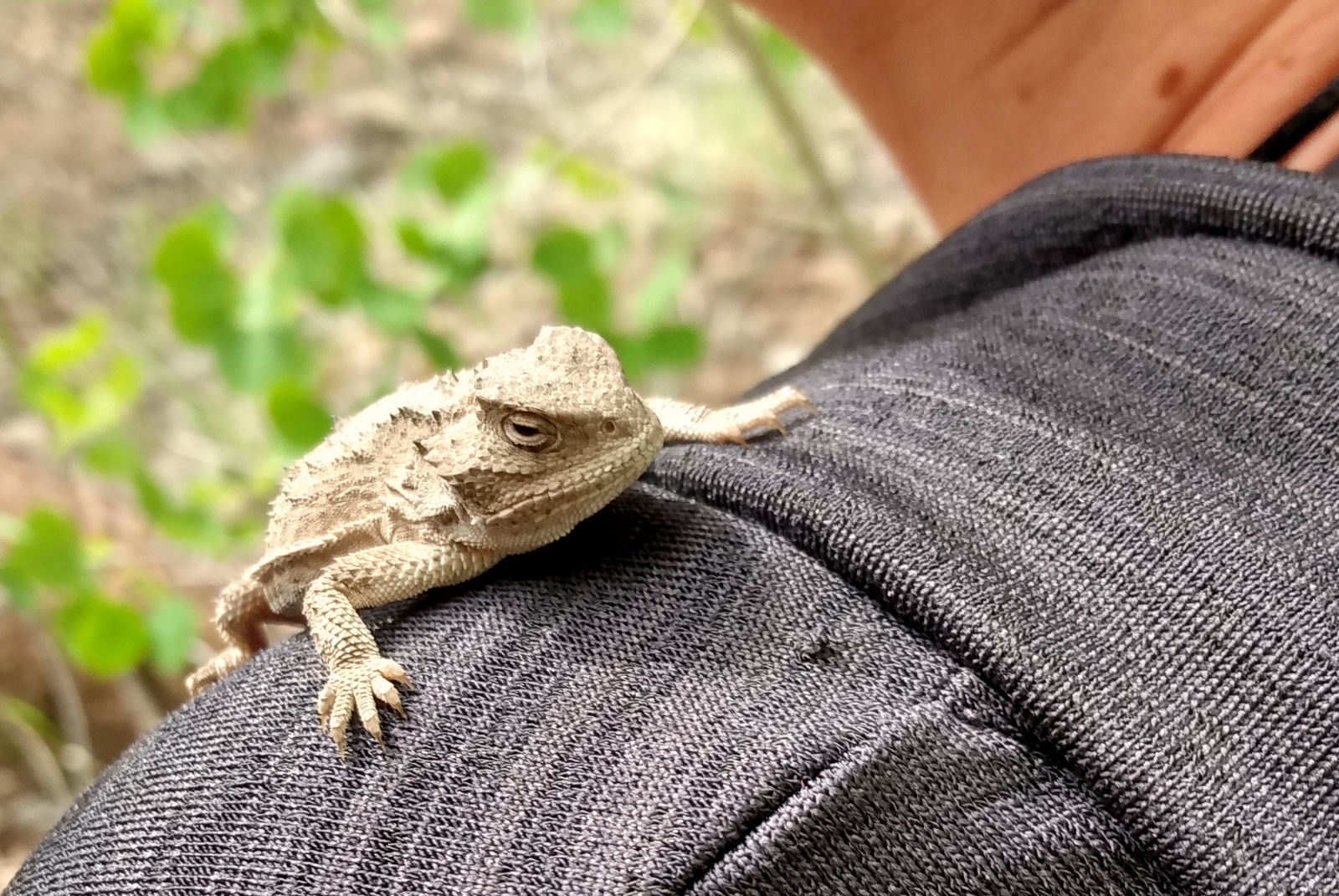
We were excited to find horned lizards (a.k.a. frogs or toads) along the Escudilla National Recreation Trail.  The cliffs of the Mogollon Rim provide good thermal updrafts so are a good place to looks for turkey vultures and a variety of raptors.  The ranges of mule deer and Coues whitetail deer overlap in this part of the country.  We saw turkeys on the road back to Rose Spring Trail (Forest Road 54).

Instagram-worthy Photo

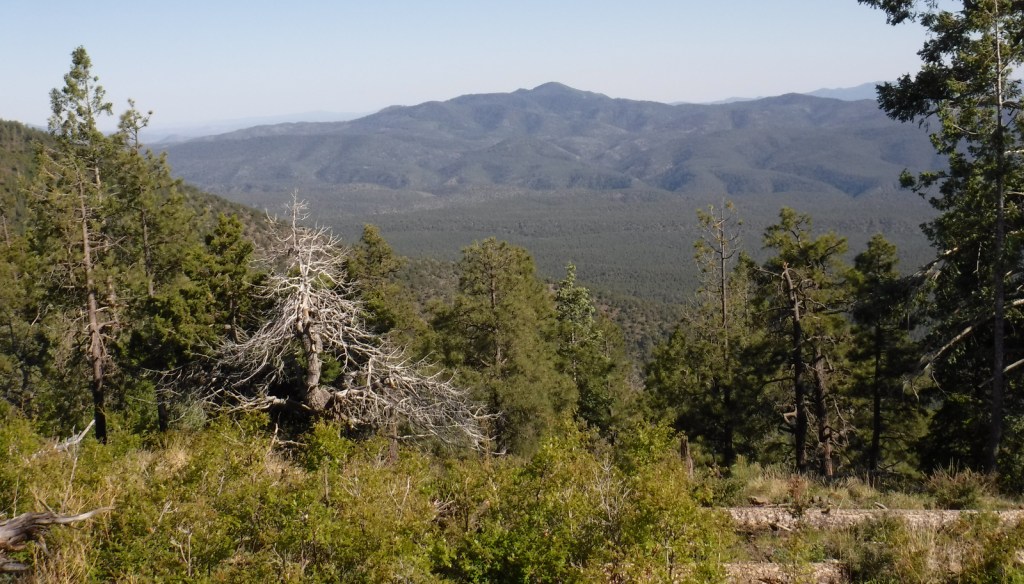
There are great views from atop the Mogollon Rim at Blue Point Overlook on the Coronado Trail Scenic Byway.

Peak Season

Spring and fall

Fees

None

Road Conditions

Highway 191 is paved, but is a slow drive due to its many curves.  Many of the side roads are very rough and a high-clearance vehicle is recommended.  We got a flat tire on the rocky Forest Road 54.

Camping

There are several developed campgrounds, including one at Luna Lake and several along the East Fork of the Black River.  Dispersed camping options abound, including on the road to Escudilla National Recreation Trail and we found a nice campsite near the entrance to Forest Road 54.

Wilderness Areas

Bear Wallow Wilderness

Escudilla Wilderness

Mount Baldy Wilderness

[Blue Range Primitive Area]

Related Sites

Coronado National Memorial (Arizona)

Chiricahua National Monument (Arizona)

Fort Bowie National Historic Site (Arizona)

Nearest National Park
Petrified Forest (Arizona)

Conifer Tree Species

Arizona cypress, alligator juniper, pinyon pine, ponderosa pine, Chihuahua pine, Douglas-fir, white fir, Engelmann spruce

Flowering Tree Species

quaking aspen, Emory oak, Arizona white oak, turbinella oak, New Mexico locust, Rocky Mountain maple, pointleaf manzanita

Explore More – The Apache arrived in this area from the north in the 1300s and their name comes from a Zuni word translated as what?

We are a participant in the Amazon Services LLC Associates Program, an affiliate advertising program designed to provide a means for us to earn fees by linking to Amazon.com and affiliated sites.

Fort Bowie National Historic Site

Overview

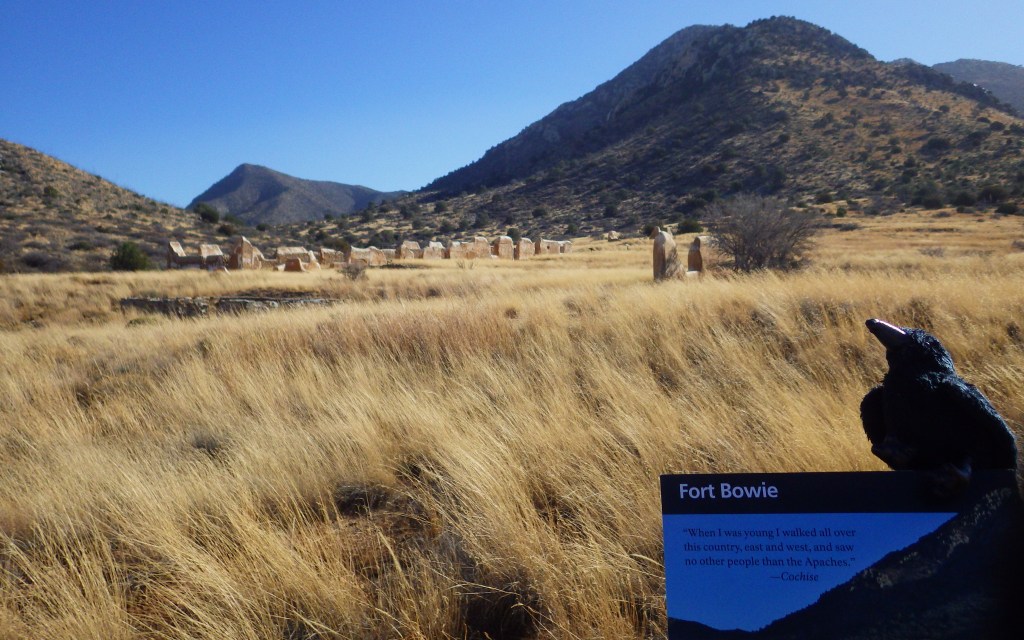
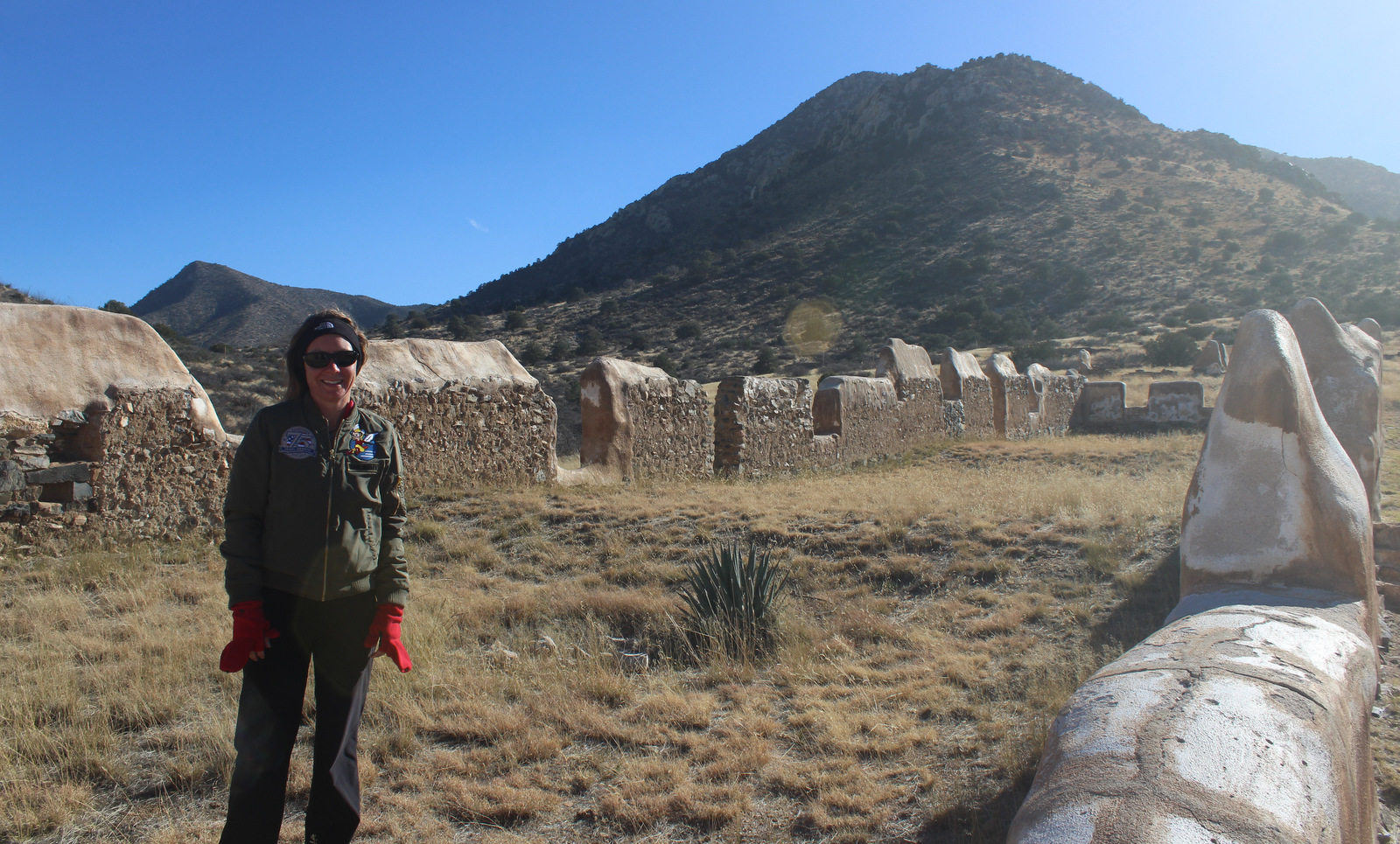
The spring at Apache Pass has attracted humans to this part of the Sonoran Desert for hundreds of years (at least).  As you might have guessed from its name, the Apaches were the area’s inhabitants when the Butterfield Overland Mail route built a station here in 1858.  Four years later, after Apaches ambushed the Union Army during the Civil War, they constructed Fort Bowie to help keep peace in New Mexico.  The fort received an upgrade in 1868, and then was used to fight against Cochise and Geronimo until it was finally abandoned in 1894.
Highlights

Fort Bowie ruins, cemetery, stage station ruins, site of wagon train massacre

Must-Do Activity

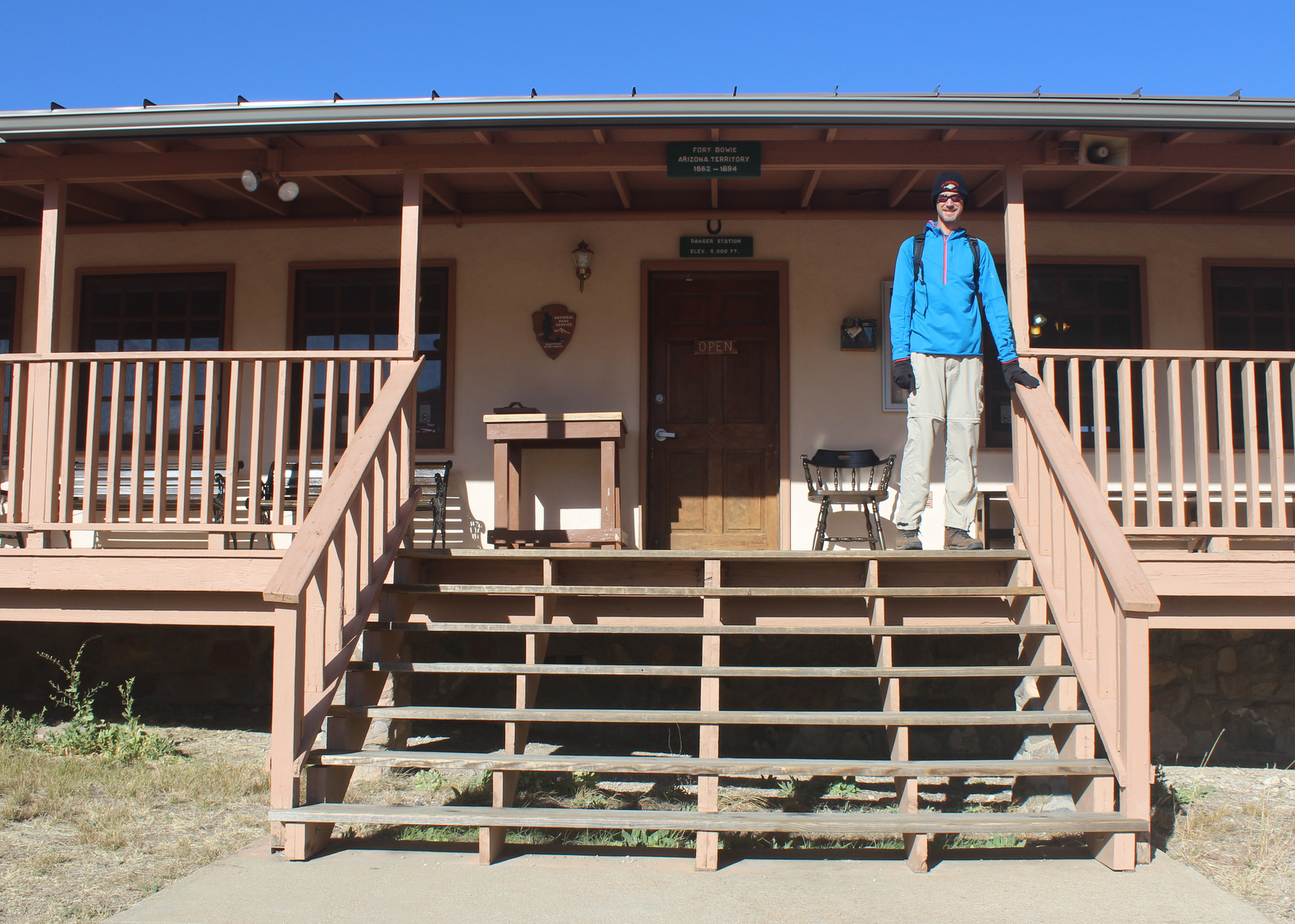
To visit the National Park Service (NPS) visitor center, the literal “must-do activity” is to hike 1.5 miles from the trailhead.  You do pass interpretive signs, a cemetery, and ruins along the way, plus you earn an “I Hike For Health” pin just by getting there.  For those unable to hike the trail, contact the NPS for alternate access directions.

Best Trail

Getting to the NPS visitor center means hiking three miles roundtrip in a shadeless desert.  If it is a nice day, make a loop of it by taking Overlook Ridge on the way back to the trailhead.

Instagram-worthy Photo

The post cemetery has freshly-painted wooden grave markers, including one for Geronimo’s two-year-old son.

Peak Season

Winter

Hours

https://www.nps.gov/fobo/planyourvisit/hours.htm

Fees

None

Road Conditions

Access to this NPS site requires driving a graded dirt road that is impassable during flash floods.

Camping

Private campgrounds are available in Bowie and Wilcox, Arizona, but we recommend a night at the NPS campground in Chiricahua National Monument (which is well-known for its ringtail and coati sightings).

Related Sites

Chiricahua National Monument (Arizona)

Coronado National Memorial (Arizona)

Tumacacori National Historical Park (Arizona)

Explore More – When did Geronimo finally surrender to U.S. troops before being sent to Fort Bowie and on to Florida’s Fort Pickens (now part of Gulf Islands National Seashore)?

Wupatki National Monument

Overview

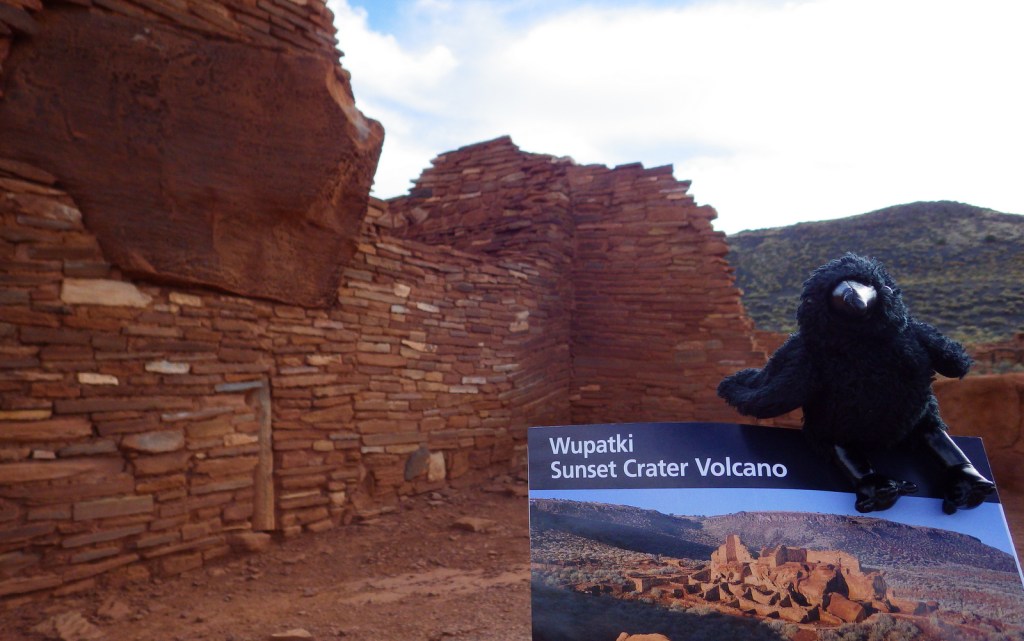
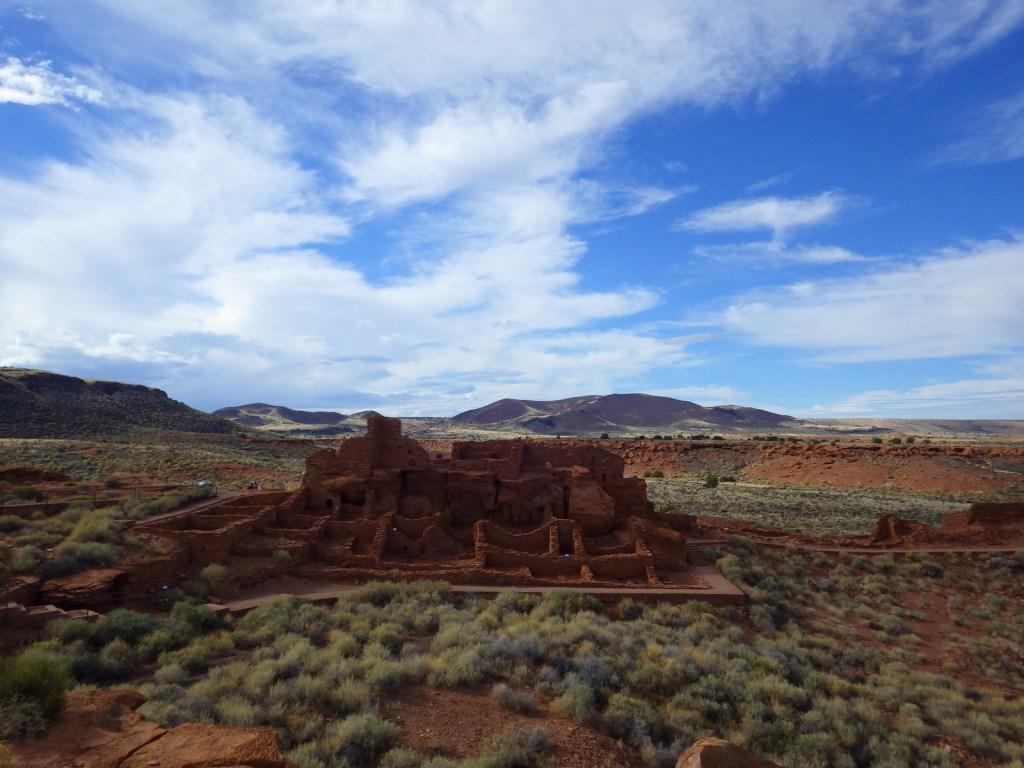
In the open plateau northeast of Flagstaff, Arizona lies 35,000 acres set aside in 1924 to protect a collection of archaeological sites.  A 35-mile drive through Sunset Crater Volcano National Monument and adjacent Wupatki National Monument passes through ponderosa pine forests and sunflower-filled meadows on its way to an arid, rocky high desert.  Archaeologists theorize the Ancestral Puebloan people were attracted to this place by the fertile volcanic ash deposited by the contemporaneous eruptions at Sunset Crater. 

Highlights

Wupatki Pueblo, Lomaki Pueblo, Citadel and Nalakihu Pueblos, Wukoki Pueblo

Must-Do Activity

The most famous of the ruins is named Wupatki Pueblo, a three-story, 100-room house inhabited by Sinagua around AD 1100.  At the height of its occupation, the structure was three stories tall and contained 100 rooms.  Its location near a spring allowed villagers to farm the volcanically-enriched soil, plus the leisure to build an amphitheater and ball court.  Here there is more than just crumbling ruins and pottery shards behind glass in a museum; there is a palpable feeling that this was a place where people lived.

Best Trail

The paved walking loop from the visitor center at Wupatki Pueblo is a half mile long and there are short interpretive trails at several additional ruins (see Highlights above), most located not far from parking lots.

Instagram-worthy Photo

Next to the ball court, do not miss the small opening to a larger cavern (or earthcrack) that breathes in or out depending upon the change in barometric pressure.  It is not hard to imagine kids playing here hundreds of years ago.

Peak Season

Summer

Hours

https://www.nps.gov/wupa/planyourvisit/hours.htm

Fees

$25 per vehicle (or America the Beautiful pass), which also covers entrance to neighboring Sunset Crater Volcano National Monument

Road Conditions

All roads to ruins are paved, but there is one dirt road that leads to the Little Colorado River, which forms the border with the Navajo Indian Reservation.

Camping

The U.S. Forest Service runs the Bonito Campground across from the Sunset Crater visitor center between May and October.  Dispersed camping is allowed in portions of Coconino National Forest.

Related Sites

Walnut Canyon National Monument (Arizona)

Tuzigoot National Monument (Arizona)

Grand Canyon National Park (Arizona)

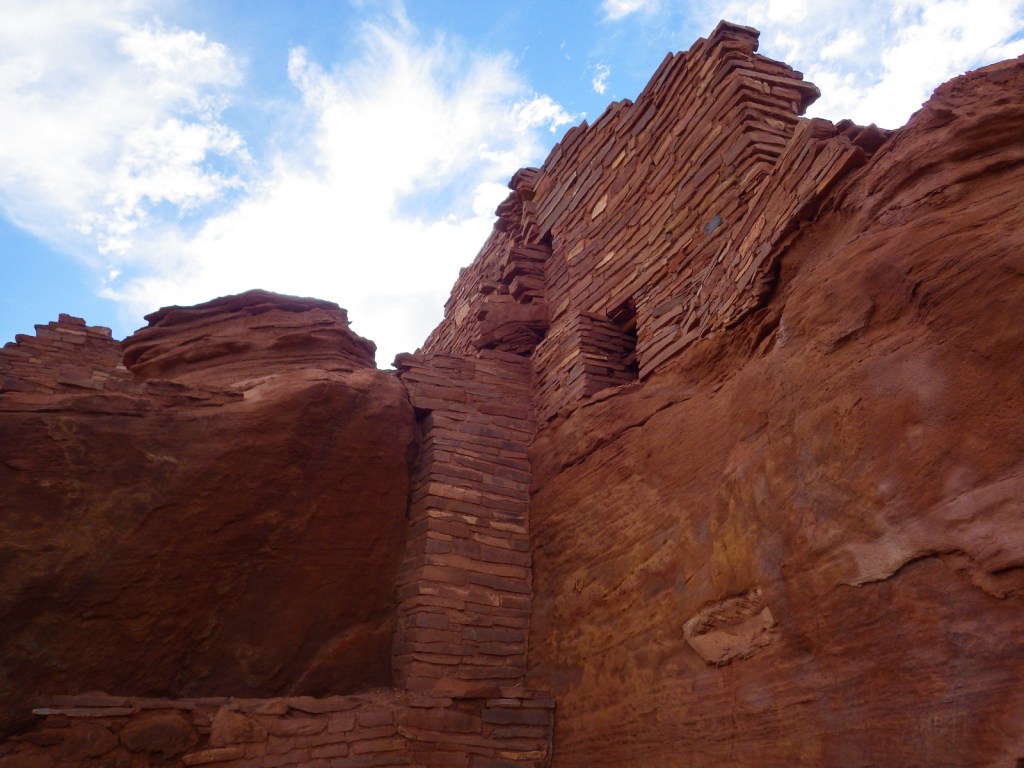
Explore More – What were the two main types of sedimentary rock used to construct the pueblos?

Canyon de Chelly National Monument

Canyon de Chelly National Monument

Arizona

Managed by National Park Service

Established 1931

83,840 acres

Website: nps.gov/cach

Overview

In the heart of the Navajo Nation in northeast Arizona lies Canyon de Chelly National Monument.  Humans have inhabited this area for 4,500 years, leaving behind numerous pictographs and the dramatic ruins of Ancestral Puebloan cliff dwellings.  The Navajo arrived in this region around AD1700 with sheep they gained from Spanish colonists which they utilized to weave intricate wool blankets.  Wars with the Utes, Spanish, Mexicans, and then U.S. government eventually led to their forced migration (“The Long Walk”) to Bosque Redondo in New Mexico around 1864.

Know someone who loves exploring new National Monuments? Gift them our book Monumental America: Your Guide to All 138 National Monuments that is available for sale on Amazon.com.

Highlights

Spider Rock Overlook, White House Ruin, guided vehicle tours, horseback tours

Must-Do Activity

Four years after being forced to the uninhabitable Bosque Redondo, the Navajo were granted the largest reservation in the country and families still inhabit Canyon de Chelly (pronounced “d’shay”) to this day.  The 84,000-acre National Monument is administered cooperatively with the National Park Service (NPS).  However, entrance into the canyon is limited to guided trips and one publicly accessible trail that drops 500 feet to White House Ruin.  Overlooks along the North and South Rim Drives (17 and 18 miles respectively) are free and open year-round, though.  It not only seems like everything runs on a different clock here, but, unlike the rest of Arizona (and now New Mexico), the Navajo Nation observes Daylight Savings Time, so is always an hour later in the summer months (the same time as New Mexico until the fall).

Best Trail

White House Ruin was inhabited AD1060-1275 and is named for the white plaster used to coat the wall in the upper dwelling.  The 2.5-mile roundtrip White House Trail drops down the canyon wall and cuts through a tunnel.

Instagram-worthy Photo

At the end of South Rim Drive is 800-foot tall Spider Rock, a great spot to watch the sun set, which is an ideal time to photograph the canyon’s red sandstone walls.

Peak Season

Summer

Hours

https://www.nps.gov/cach/planyourvisit/hours.htm

Note that there is typically a time difference because Arizona and New Mexico do not observe Daylight Savings Time.

Fees

There is no entrance fee for the North and South Rim Drives, but guided tours into the canyon do charge admission.

Road Conditions

All roads open to the public are paved, but guided tours can be very bumpy since they use the canyon bottom as a road.

Camping

The NPS runs Cottonwood Campground with 96 spaces (and running water in the summer) in a grove of Fremont cottonwood trees that turn yellow in the late autumn.  Guided camping trips in the canyon are also available.

Related Sites

Grand Canyon National Park (Arizona)

Navajo National Monument (Arizona)

Hubbell Trading Post National Historic Site (Arizona)

Explore More – How many millions of years ago did sand dunes turn into Canyon de Chelly’s red sandstone?

Learn more about the other 137 National Monuments in our book Monumental America: Your Guide to All 138 National Monuments