All posts by Raven About The Parks

Deerlodge National Forest

Deerlodge National Forest       

Montana

Managed by U.S. Forest Service, Northern Region

1,369,894 acres (1,227,155 federal/ 142,739 other)

Website: https://www.fs.usda.gov/bdnf

Overview

President Theodore Roosevelt originally created the Big Hole Forest Reserve in 1908 after the area around Butte, Montana was clearcut by the Anaconda Copper Mining Company.  There are still many remnants of historical mining found throughout Deerlodge National Forest.  In 1996, it became part of Beaverhead-Deerlodge National Forest, the largest of the many National Forests in Montana.  The smaller and more northerly Deerlodge section includes portions of the Boulder Mountains, Highland Mountains, Flint Creek Range, John Long Mountains, and Elkhorn Mountains, as well as part of the Anaconda-Pintler Wilderness.

Highlights

Pintler Scenic Loop, Skalkaho Pass, Elkhorn ghost town, Boulder River, Sheepshead Recreation Area, Delmoe Lake, Pipestone Rock, Maud South Canyon Loop Trail, Lost Cabin National Recreation Trail

Must-Do Activity

Butte, Montana is surrounded by mountains that are part of Deerlodge National Forest and many dirt roads explore this area.  One road leads to Delmoe Lake, six miles east of Butte and located near Pipestone Rock, once a source of stone for making various implements.  Ghost towns accessible by road include the mining settlements of Elkhorn and Highland City.  The Deer Lodge Mound is a 40-foot-tall geothermal formation that resembles a medicine lodge with steam emitting from its top.  Historically, the mineral-laden water attracted large herds of deer.  It is currently on the grounds of the Warm Springs State Hospital and is visible from Interstate 90.

Best Trail

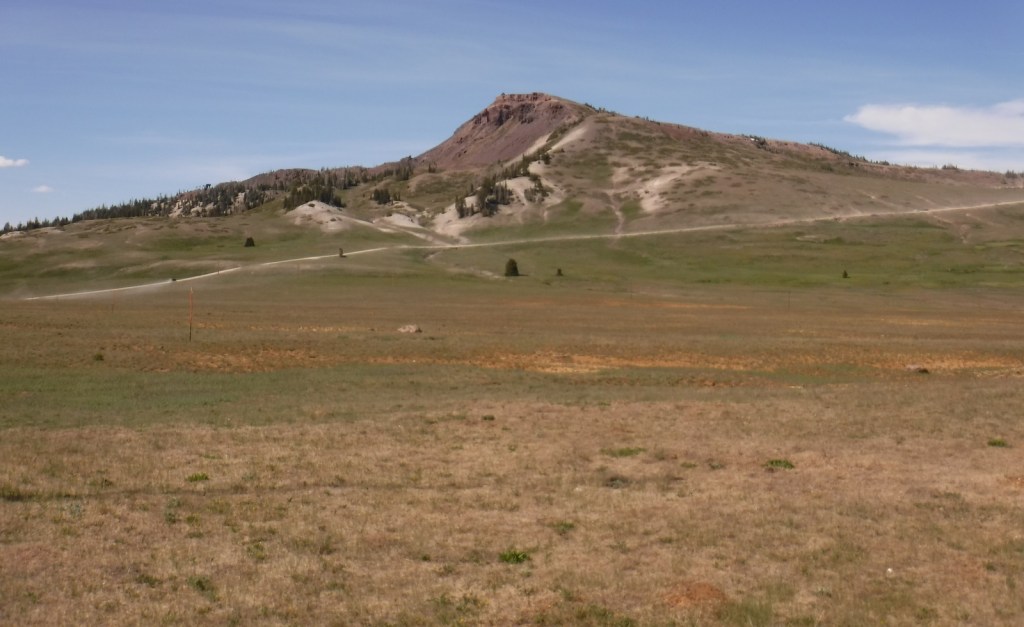
Although the official trailhead for Haystack Mountain National Recreation Trail is 1.2 miles uphill from Interstate 15, we had to park along the frontage road because access required a high-clearance vehicle.  This added about 700 feet of elevation gain to the 2,000 feet from the trailhead and made the total hike eight miles out-and-back.  There is not much shade along the route that ends in a mountaintop boulder field with stunning panoramic views and the remnants of a fire lookout tower.

Watchable Wildlife

Due to its proximity to Yellowstone National Park, Deerlodge National Forest still has most of its pre-settlement carnivores: grizzly bears, black bears, mountain lions, Canadian lynx, coyotes, and gray wolves.  Grazing ungulate species include moose, elk, mule deer, white-tailed deer, bighorn sheep, mountain goats, and pronghorns.  Bald eagles and ospreys are common around bodies of water.  Mountain whitefish, golden trout, cutthroat trout, rainbow trout, brook trout, lake trout, arctic grayling, and burbot are some of the gamefish sought by fishermen.

Instagram-worthy Photo

The boulder field at the end of Haystack Mountain National Recreation Trail provides 360° views (even on a smoky day), which is why it once housed a fire lookout tower.

Peak Season

Summer

Fees

None

Road Conditions

There are many rough roads in Deerlodge National Forest, including the one to the official trailhead for Haystack Mountain National Recreation Trail, 1.2 miles uphill from an Interstate 15 frontage road. 

Camping

There are campgrounds throughout the National Forest, including several along the Boulder River and one on the southern side of Toll Mountain.

Wilderness Areas

Anaconda-Pintler Wilderness (also in Beaverhead and Bitterroot National Forests)

Related Sites

Grant-Kohrs Ranch National Historic Site (Montana)

Beaverhead National Forest (Montana)

Bitterroot National Forest (Montana-Idaho)

Nearest National Park

Yellowstone

Conifer Tree Species

lodgepole pine, whitebark pine, ponderosa pine, Douglas-fir, Engelmann spruce, subalpine fir, subalpine larch

Flowering Tree Species

quaking aspen, balsam poplar, Bebb willow, sagebrush

Explore More – The Anaconda Copper Mine is one of the largest open pit mines in the world, but what originally brought miners to this region in the 1800s?

Learn more about this and the 154 other National Forests in our new guidebook Out in the Woods

We are a participant in the Amazon Services LLC Associates Program, an affiliate advertising program designed to provide a means for us to earn fees by linking to Amazon.com and affiliated sites.

De Soto National Forest

De Soto National Forest

Mississippi

Managed by U.S. Forest Service, Southern Region

802,944 acres (518,587 federal/ 284,357 other)

Website: https://www.fs.usda.gov/mississippi

Overview

All six National Forests in Mississippi are managed as one administrative unit, with De Soto National Forest being the southernmost of them.  This sandy stretch of forest near the Gulf Coast has some of the last longleaf pine savannahs remaining in North America, providing habitat for multiple species of carnivorous plants.  De Soto National Forest also contains Mississippi’s sole National Wild and Scenic River and its only two designated Wilderness areas: Black Creek and Leaf. 

Highlights

Turkey Fork Recreation Area, Airey Lake, Big Biloxi Recreation Area, Ashe Nursery, Buttercup Flats, Bethel ATV Trail, Rattlesnake Bay ATV Trail, Longleaf Horse Trail, Black Creek National Recreation Trail, Tuxachanie National Recreation Trail, Bigfoot Horse Trail, General Jackson Interpretive Trail

Must-Do Activity

There are several boat launches along Black Creek that also provide access to the 41-mile Black Creek National Recreation Trail that follows its course, which was partially closed during our visit to Fairly Bridge Landing.  The National Forest boasts the 69-mile-long Bethel ATV Trail, as well as routes specifically designed for mountain bikers and horseback riders.

Best Trail

Tuxachanie National Recreation Trail runs 12 miles through the National Forest with its western trailhead easily accessible right on busy Highway 49.  This first four miles of this sandy trail follows an old logging railroad that once led to the abandoned sawmill town of Howison.  Interpretive signs explain how sap was collected from longleaf pine trees, then cooked down in kilns to produce turpentine and rosin.  Near the far eastern end of the trail is a lakeside World War II Prisoner of War camp (see Camping below).

Watchable Wildlife

De Soto National Forest has a wide variety of habitats, from sandy pine ridges to flooded tupelo-baldcypress swamps.  White-tailed deer and American alligators are two of the most common types of wildlife.  Wet pine savannahs support rare animal species, like gopher frogs and gopher tortoises, as well as unique orchids and pitcher plants (especially at Buttercup Flats). 

Instagram-worthy Photo

Concrete ammunition bunkers are the only visible remains of the World War II Prisoner of War camp on the Tuxachanie National Recreation Trail.

Peak Season

Spring and fall

Fees

None

Road Conditions

The major highways through the National Forest are paved and even the unpaved roads are flat, packed sand, especially around the World War II Prisoner of War camp.

Camping

Developed campgrounds are found at Turkey Creek and Big Boloxi Recreation Areas.  There is free dispersed camping allowed at the far eastern end of the Tuxachanie National Recreation Trail, where a lakeside World War II Prisoner of War camp is also reachable by County Road 402.  Be aware that warning signs suggested the pond there has alligators.

Wilderness Areas

Black Creek Wilderness

Leaf Wilderness

Related Sites

Bienville National Forest (Mississippi)

Apalachicola National Forest (Florida)

Gulf Islands National Seashore (Florida)

Nearest National Park

Hot Springs

Conifer Tree Species

baldcypress, loblolly pine, longleaf pine, shortleaf pine

Flowering Tree Species

white oak, southern red oak, willow oak, overcup oak, blackjack oak, laurel oak, shagbark hickory, winged elm, black gum, tupelo gum, sweetgum, red maple, flowering dogwood, tulip-poplar, mountain-laurel, sweet bay, southern magnolia, black cherry, loblolly bay, American holly, yaupon holly, dahoon holly, black titi

Explore More – Why does yaupon holly have to descriptive Latin binomial of Ilex vomitoria?

Learn more about this and the 154 other National Forests in our new guidebook Out in the Woods

We are a participant in the Amazon Services LLC Associates Program, an affiliate advertising program designed to provide a means for us to earn fees by linking to Amazon.com and affiliated sites.

Davy Crockett National Forest

Davy Crockett National Forest

Texas

Managed by U.S. Forest Service, Southern Region

394,200 acres (160,647 federal/ 233,553 other)

Website: https://www.fs.usda.gov/texas

Overview

The pine forests and blackland prairies of Davy Crockett National Forest are situated between Lufkin and Crockett, Texas.  The National Forest is located within the Trinity and Neches River basins, where the Big Slough Canoe Trail explores the swampy 3,639-acre Big Slough Wilderness.  David Crockett was a frontiersman, soldier, and Tennessee politician who died at the infamous Battle of the Alamo in 1836 and later became an almost-mythical American folk hero known as the “King of the Wild Frontier.”  This swampy stretch of eastern Texas is a fitting place to be his namesake.

Highlights

Ratcliff Lake Recreation Area, Holly Bluff Campground, Neches Bluff Overlook, Neches River, Big Slough Canoe Trail, Tall River Trail, Four C Trail

Must-Do Activity

Davy Crockett National Forest’s most developed site is Ratcliff Lake Recreation Area, where several trails run near the campsites that surround the 45-acre lake, including one end of the 20-mile-long Four C National Recreation Trail.  The site also has a bathhouse, picnicking and swimming areas, and boat ramps.

Best Trail

The 20-mile Four C National Recreation Trail connects Ratcliff Lake Recreation Area with Neches Bluff Overlook, although hurricane damage closed the northern portion of the trail in 2019.  The trail is named after the Central Coal and Coke Company, which had a sawmill at Ratcliff Lake.  Much of the well-marked route follows abandoned tramways built by the company to haul logs.  The two trailheads are easily accessible from highways, but no backpack camping is allowed during deer hunting season (November through January).

Watchable Wildlife

Fishing is a major draw to Ratcliff Lake, as is hunting for white-tailed deer, fox squirrels, northern bobwhite quail, doves, wild turkeys, and various waterfowl.  Beavers and American alligators are also found at Ratcliff Lake.  Longleaf pine forests are managed to provide habitat for red-cockaded woodpeckers, an endangered species.  We saw an armadillo while hiking a swampy section of the Four C National Recreation Trail along the Neches River.

Instagram-worthy Photo

There is not much vertical topography in eastern Texas, so Neches Bluff Overlook stands out and commands an expansive view, including Caddo Mounds State Historic Site.

Peak Season

Spring and fall

Fees

None

Road Conditions

Access to Neches Bluff Overlook is by a well-maintained unpaved road that would be drivable by an RV.

Camping

There is free primitive camping allowed at Neches Bluff Overlook, which is located just south of Highway 21 near Caddo Mounds State Historic Site.  No backpack camping is allowed on the Four C National Recreation Trail during deer hunting season (November through January), when dispersed camping is also restricted to 20 designated hunter camps.

Wilderness Areas

Big Slough Wilderness

Related Sites

Angelina National Forest (Texas)

Sabine National Forest (Texas)

Big Thicket National Preserve (Texas)

Nearest National Park

Hot Springs

Conifer Tree Species

baldcypress, loblolly pine, shortleaf pine, longleaf pine, eastern redcedar

Flowering Tree Species

blackjack oak, post oak, southern red oak, white oak, swamp chestnut oak, willow oak, sweetgum, red maple, swamp red maple, green ash, swamp cottonwood, black willow, water hickory, pignut hickory, hophornbeam, sassafras, slippery elm, water elm, winged elm, American holly, yaupon holly, red buckeye, redbud, rough-leaf dogwood, flowering dogwood

Explore More – When were the mounds created at nearby Caddo Mounds State Historic Site?

Learn more about this and the 154 other National Forests in our new guidebook Out in the Woods

We are a participant in the Amazon Services LLC Associates Program, an affiliate advertising program designed to provide a means for us to earn fees by linking to Amazon.com and affiliated sites.

Top 10 National Park License Plates

We recently returned from an amazing trip to Hawai‘i Volcanoes National Park and National Park of American Samoa (our 62nd of 63 National Parks).  While in Hawai‘i, we noticed two cool license plates on cars celebrating the state’s two parks, which you can even purchase in keychain form.  This made us reflect on all of the interesting plates we have seen that commemorate National Park Service sites across the country.  We also added photos to our previous posts on the Big Island’s Kaloko-Honokōhau National Historical Park, Pu‘uhonua o Hōnaunau National Historical Park, and Pu‘ukoholā Heiau National Historic SiteClick here to see all of our Top 10 Lists.

10. National Parks of Washington

The standard license plate for Washington state depicts Mount Rainier, but this alternative one seemingly covers North Cascades and Olympic National Parks as well

9. Yellowstone National Park (Montana)

The first ever National Park is mostly located in Wyoming, but only Montana offers a special plate

8. Glacier National Park (Montana)

Another of the approximately 200 different license plates available in Montana, which is by far the most of any state

7. Yosemite National Park (California)

We always found the image on this specialty plate a little too washed out to see while driving down the road when we lived in California (but more interesting than the state’s white plate)

6. Big Bend National Park (Texas)

The image on this plate is tucked into the corner, sort of like Big Bend in Texas itself

5. Everglades National Park (Florida)

A roseate spoonbill adorns this plate commemorating the River of Grass

4. Haleakalā National Park (Hawai‘i)

This plate depicts the endangered Hawaiian goose (nēnē), which we have only seen at the landfill on Kauai

3. Crater Lake National Park (Oregon)

A beautiful license plate for a beautiful National Park

2. Hawai‘i Volcanoes National Park (Hawai‘i)

Seeing lava is the best reason to visit this park, although it is harder to predict since Pu‘u Ō‘ō stopped flowing into the ocean in 2018

…and finally our #1 National Park License Plate:

1. Arches National Park (Utah)

This stunning plate has been standard issue for all Utah drivers for decades and depicts Delicate Arch while not specifically mentioning the National Park (there is a mostly white Zion plate, too)

.

Honorable Mentions

Devils Tower National Monument (Wyoming)

Our home state changes its license plate background image every 10 years by law, so currently it shows Bridger National Forest, but who knows in 2027

Grand Teton National Park (Wyoming)

This was the beautiful license plate when we moved to Wyoming in 2012

Klondike Gold Rush National Historical Park (Alaska)

This was the cool plate depicting the golden stairs in Dyea when Scott moved to Alaska for grad school

Great Smoky Mountains National Park (North Carolina)

This park split evenly across two states is famous for its large population of black bears

Great Smoky Mountains National Park (Tennessee)

The second license plate dedicated to the most visited of the 63 National Parks

Blue Ridge Parkway (North Carolina)

This distinctive plate has been available since we lived in North Carolina almost 20 years ago

Blue Ridge Parkway (Virginia)

We have never seen this neat plate on the road and discovered it while researching this Top 10 List

Shenandoah National Park (Virginia)

We have never seen this neat plate on the road and discovered it while researching this Top 10 List

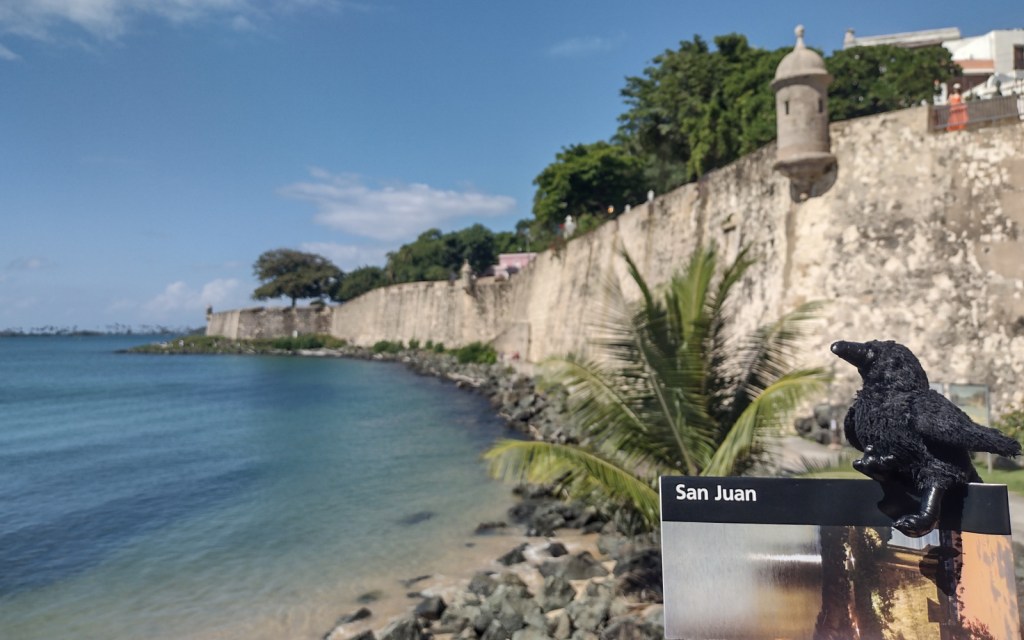
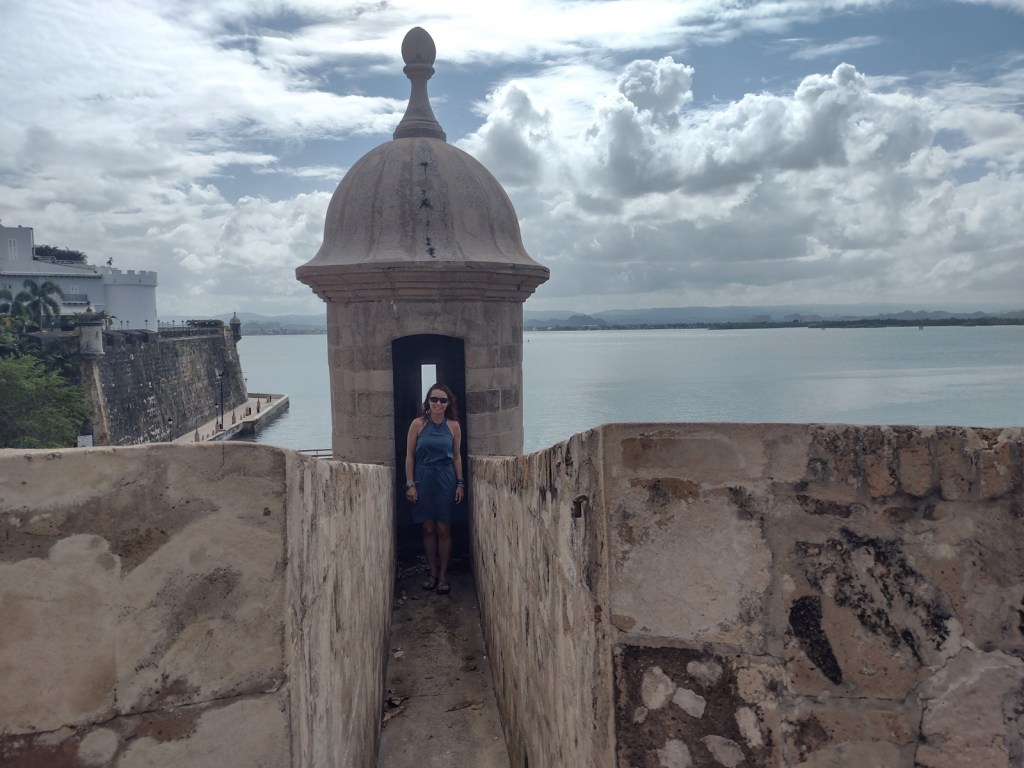
San Juan National Historic Site (Puerto Rico)

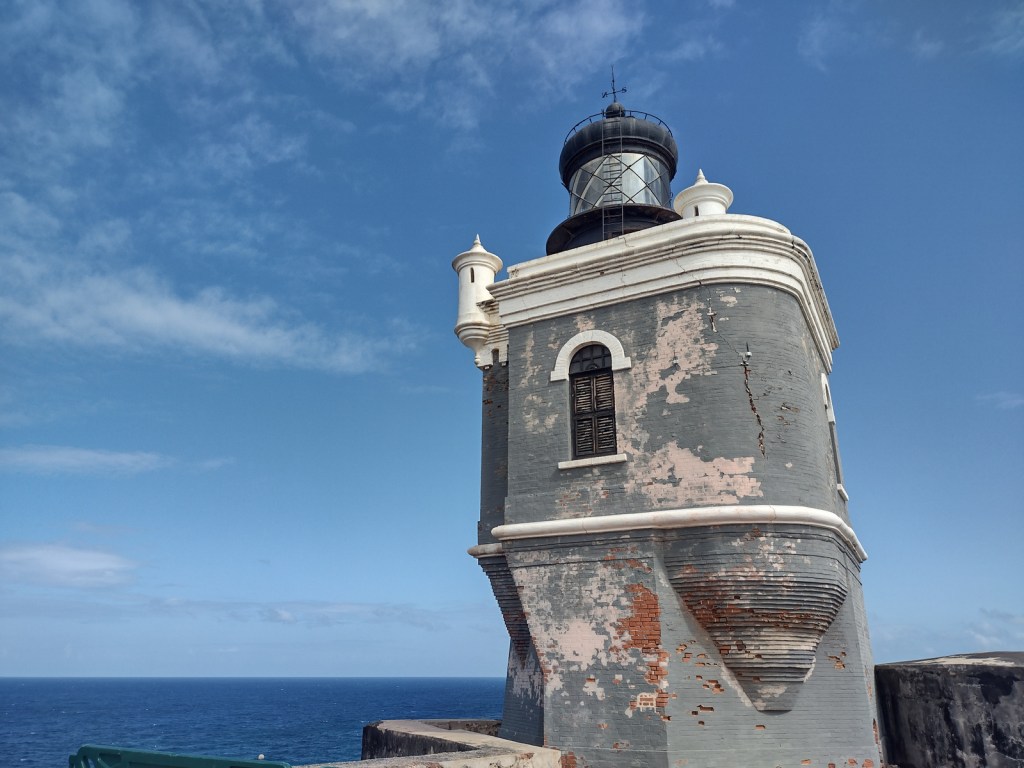
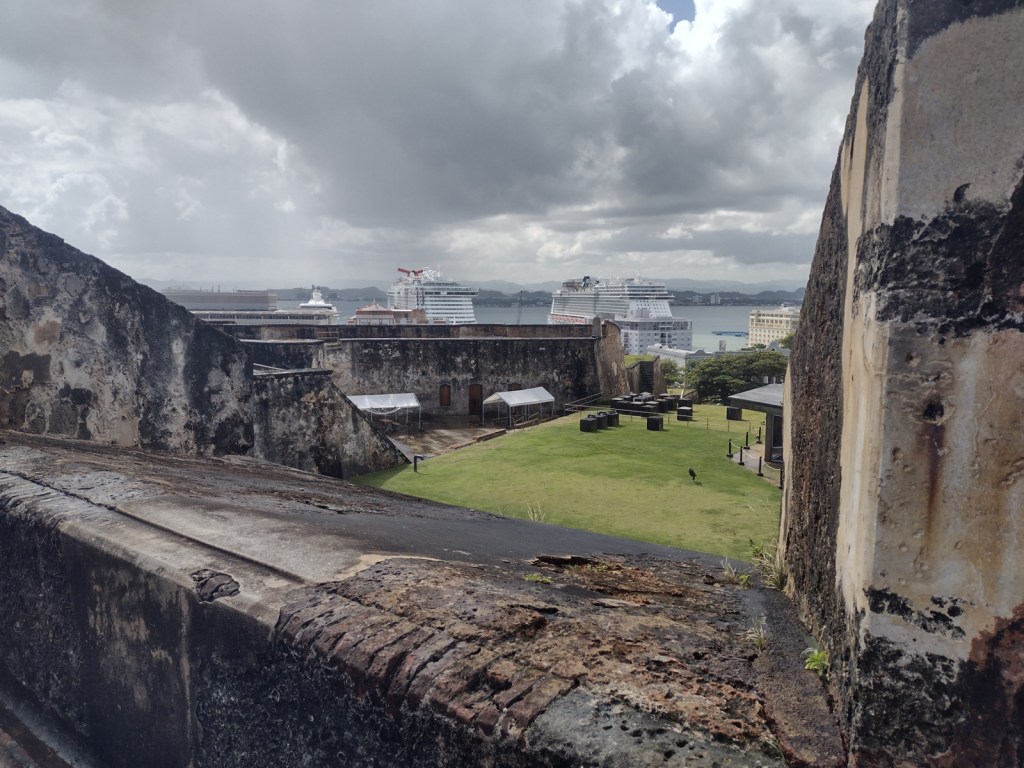
The garitas on the walls of Old San Juan are an iconic symbol of Puerto Rico

National Park of American Samoa (American Samoa)

Flowerpot Rock is not actually in the park, but we liked this colorful plate the best during our recent trip

National Park of American Samoa

National Park of American Samoa

American Samoa (territory)

Managed by National Park Service

Established 1988

13,500 acres

Website: nps.gov/npsa

Overview

The only U.S. territory located south of the equator, American Samoa is home to a National Park unlike any other in the National Park Service system.  In 1900, the U.S. Navy Governor outlawed the sale of land to non-Samoans so the federal government leases the land for the park on three separate islands in the South Pacific Ocean.  There are two flights per week to Pago Pago (on the island of Tutuila) from Honolulu, Hawai‘i on Mondays and Thursdays, and flights from Pago Pago to Ofu Island on Tuesdays and Thursdays (only reservable once you are in American Samoa).  You would need to charter a boat from Ofu to nearby Ta‘ū Island to see the highest sea cliffs in the world.

Highlights

Mt. ‘Alava Trail, Tuafanua Trail, Pola Island Trail, Blunts Point Trail (outside park), Matafao Peak Trail (outside park), Fagatele Bay (outside park, currently closed), Lower Sauma Ridge Trail

Must-Do Activity

The best place to start is the visitor center in Pago Pago, where the park rangers can answer your questions and update you on what trails are currently open.  Hiking is the only activity on Tutuila, at least with the waves as large as they were during our visit.  We have heard there is good snorkeling right off the beach on Ofu, and we found good coral reefs in Utulei protected within Pago Pago Harbor (outside the National Park at Sadie’s by the Sea).  The coral is very shallow in most places, so it is best to snorkel around high tide.  Everything about this tropical forest is unique, but we were most fascinated by the fruit bats called flying foxes that are diurnal and have three-foot wingspans.

Best Trail

The Mt. ‘Alava Trail travels 3.4 miles one-way from Fagasā Pass on an old, rutted road to an incredible overlook of Pago Pago Harbor where an old tramway station sits rusting.  If you continue along the ridgeline you immediately come to a “ladder” built into the slope with a knotted rope for dropping down the muddy hill, which is part of the Mt. ‘Alava Adventure Trail (which is partially closed and not a loop).  This is the first of many ladders that descend the 1,610-foot mountain to the seaside village of Vatia.  It would be difficult to find the trailhead from that side (it is basically in somebody’s backyard) and since there is not currently a bus to Vatia we rode in the bed of a pickup truck back to the main road in Aua.

Instagram-worthy Photo

The Lower Sauma Ridge Trail quickly drops down about 300 feet to an incredible view of Pola Island and Vai‘ava Strait National Natural Landmark.

Peak Season

Year round, but the Park Ranger we met said she recommends April after the rainy season ends

Hours

https://www.nps.gov/npsa/planyourvisit/basicinfo.htm

Fees

There is no entrance fee, but this is one of the most expensive National Parks to visit (a roundtrip plane ticket from Honolulu costs around $1,000 per person).

Road Conditions

All roads are paved except for the short stretch to the Pola Island Trailhead, which requires high clearance.  There is no longer a bus that runs to Vatia, so you will need to rent a car to access the trails on the north side of the island, but we did catch a bus to Fagasā Pass for the Mt. ‘Alava Trail (and some buses run on Sunday despite what we were told).

Camping

There is no camping allowed in the National Park, but there are other accommodations on Tutuila (we stayed at an Airbnb in Mesepa).  Since the COVID-19 pandemic, the National Park Service has not been able to get any families to volunteer for the Homestay Program that this park was once known for.

Related Sites

War in the Pacific National Historical Park (Guam)

Haleakalā National Park (Hawai‘i)

El Yunque National Forest (Puerto Rico)

Explore More –What tragic event occurred in 1980 that shut down the tramway across Pago Pago Harbor?

We are a participant in the Amazon Services LLC Associates Program, an affiliate advertising program designed to provide a means for us to earn fees by linking to Amazon.com and affiliated sites.