Tag Archives: World War II

National Mall

Overview

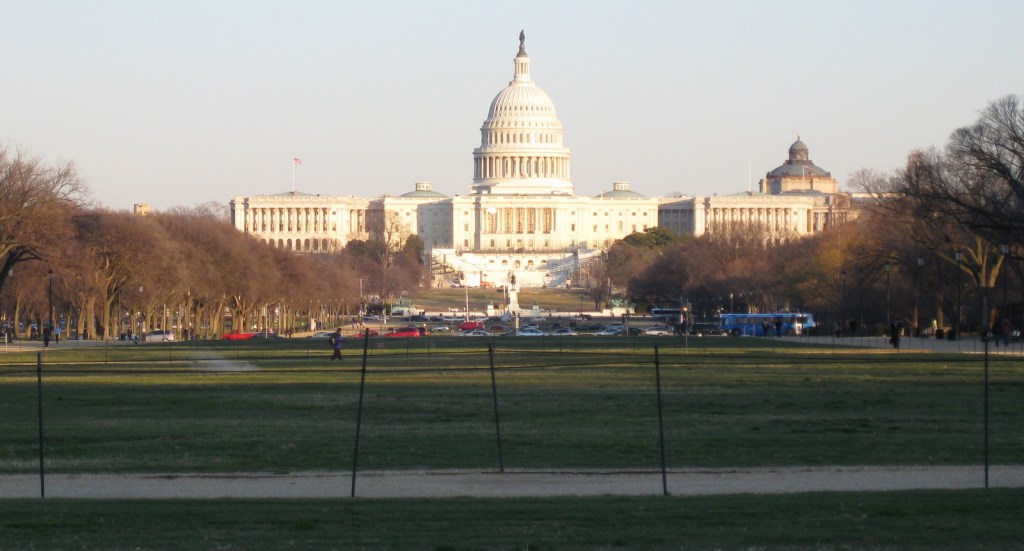
Part of Pierre L’Enfant’s 1791 design for Washington, D.C., his “grand avenue” was not fully realized until the 1900s when a train station was removed to fully open up two miles of grass between the U.S. Capitol and Lincoln Memorial.  Today, America’s front lawn is lined with National Park Service (NPS) monuments and Smithsonian museums.  The 2003 Reserve Act declared the National Mall a completed work of civic art and restricted further construction after completion of the World War II Memorial.  However, in 2014 the American Veterans Disabled for Life Memorial was dedicated at its eastern end.

Highlights

Lincoln Memorial, Reflecting Pool, Washington Monument, Ulysses S. Grant Memorial, U.S. Capitol

Must-Do Activity

There is no official visitation count kept for the National Mall, but if there was its 24-million annual visitors would make it the number one busiest site in the entire NPS system.  Not far from the steps of the Lincoln Memorial where he gave his most famous speech in 1963, is the Martin Luther King, Jr. Memorial, one of the numerous NPS sites located here.  The National Air and Space Museum is one of several awesome galleries of the Smithsonian Institution, containing Charles Lindbergh’s The Spirit of Saint Louis, an Apollo Lunar Module, and the original Wright Brothers flyer used in 1903.  There is so much to see and do, you could easily spend more than a week exploring.

Best Trail

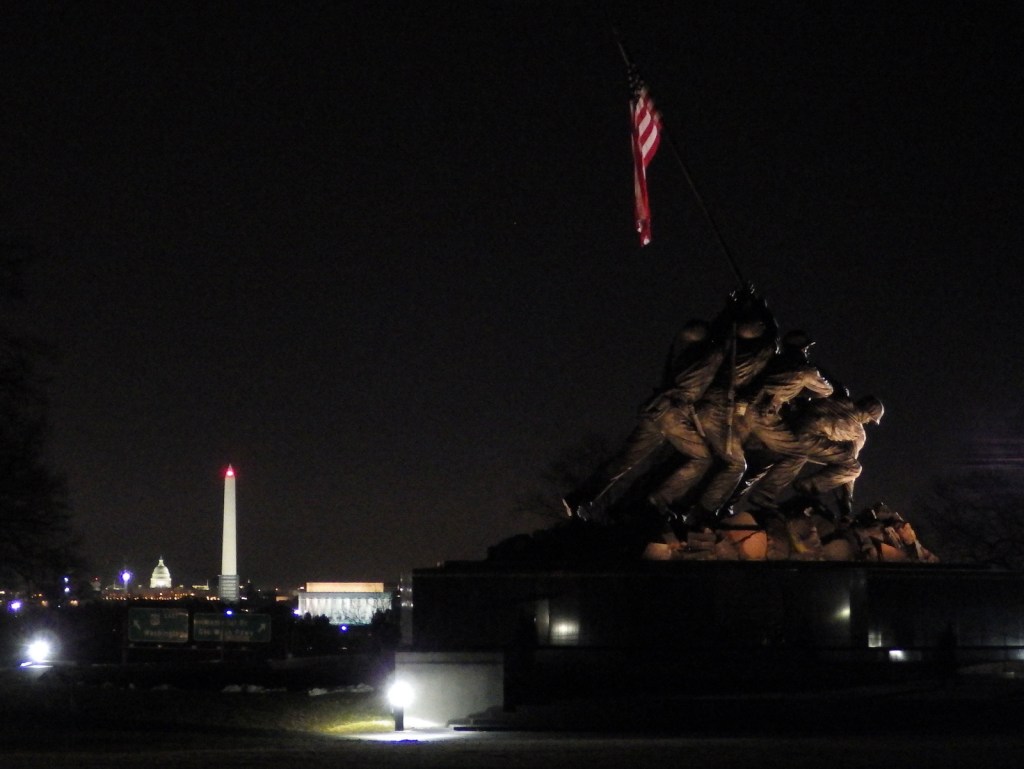
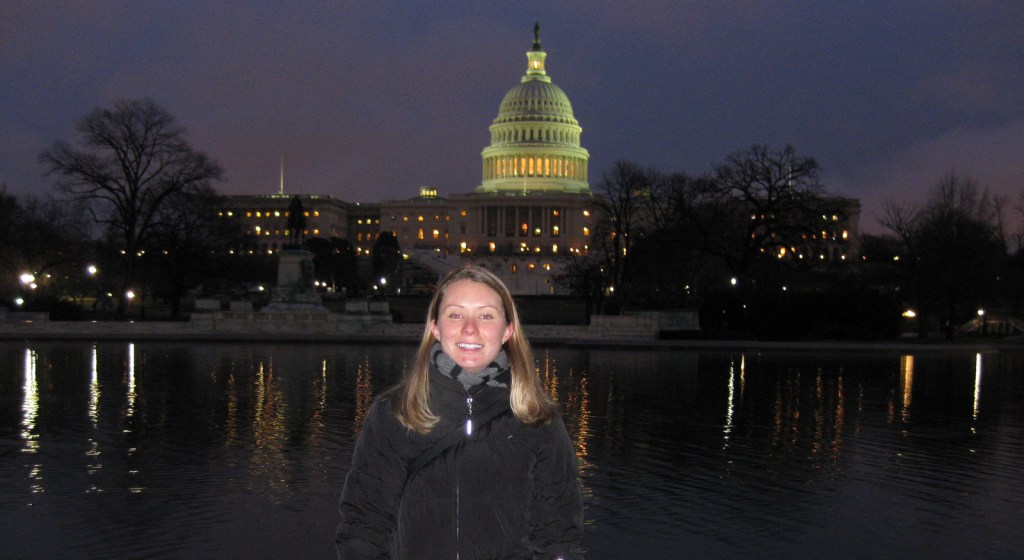
One of the greatest overlooks of the National Mall is from the U.S. Marine Corps War Memorial (part of George Washington Memorial Parkway), located across the Potomac River in Arlington, Virginia.  It is a bit of a walk from the National Mall, but the view is especially breathtaking at night.

Instagram-worthy Photo

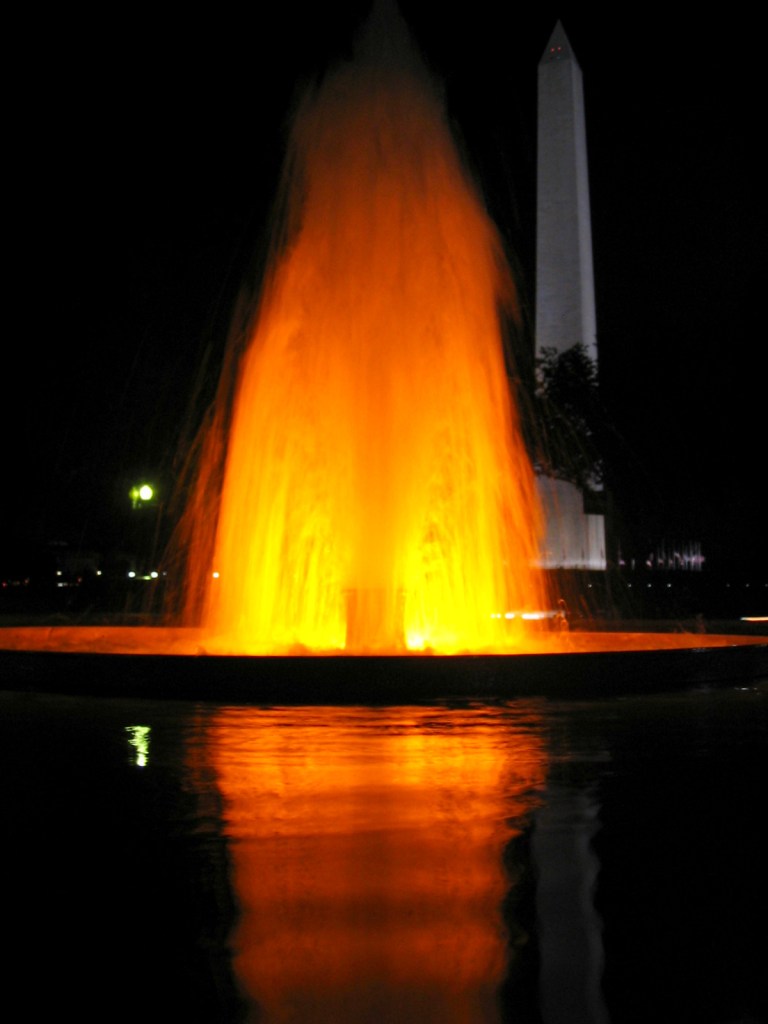
At some point during your visit, do yourself a favor and come after dark.  It is nicely decorated each December (but you might need a tripod for photographs).
Peak Season

Summer, and also weekends during the National Cherry Blossom Festival (March-April)

Hours

https://www.nps.gov/nama/planyourvisit/hours.htm

Fees

None

Road Conditions

As with most NPS sites in Washington, D.C., it is easier to walk or take the Metro than find parking for your car.

Camping

There are no NPS campgrounds in the Washington, D.C. area, so it might be best to head for Shenandoah National Park in Virginia.

Related Sites

Lincoln Memorial (District of Columbia)

Constitution Gardens (District of Columbia)

Korean War Veterans Memorial (District of Columbia)
Explore More – The Tidal Basin (home to the Thomas Jefferson Memorial and Franklin Delano Roosevelt Memorial) is considered part of the National Mall, so when were the famous cherry trees (a gift from Japan) planted there?

Top 10 Patriotic NPS Sites

The National Park Service (NPS) system preserves some of the most important locations in American history.  Visiting many of these sites has left us feeling very patriotic and proud to be citizens of the United States of America.  Here is a list of our favorite patriotic NPS sites (click here to see all of our Top 10 Lists).

10. Golden Spike National Historic Site (Utah)

On May 10, 1869 Americans (mostly immigrants) completed the monumental task to lay 1,776 miles of railroad track linking west to east

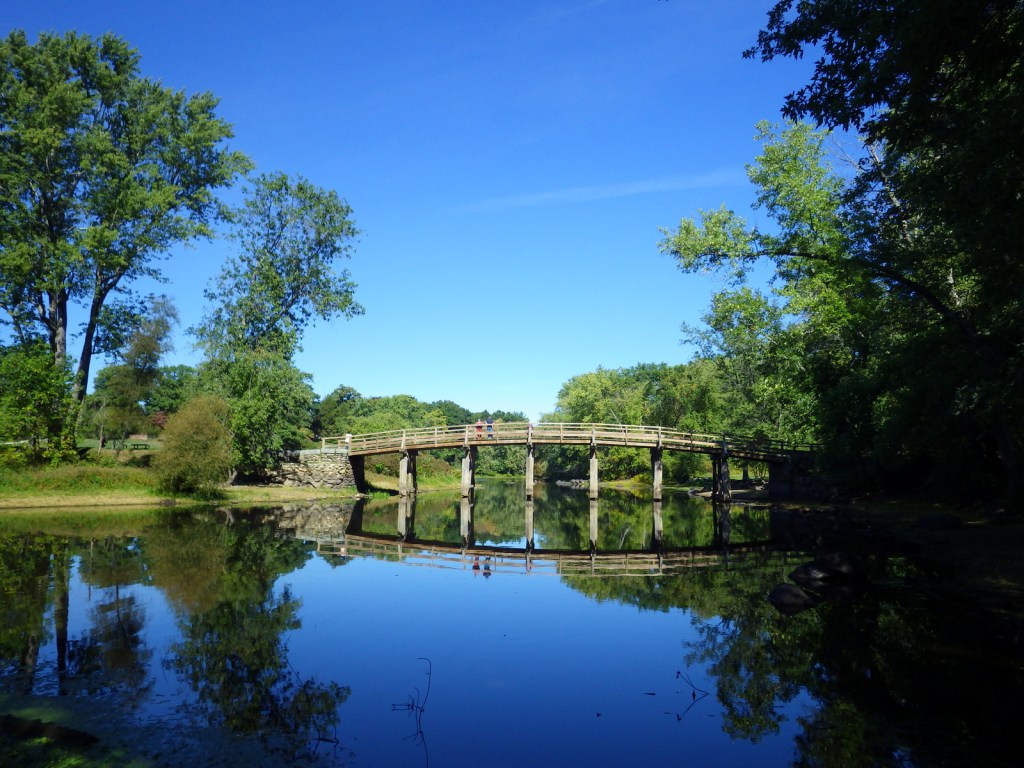
9. Minute Man National Historical Park (Massachusetts)

“The shot heard ’round the world” happened here, but the events really started in nearby Boston National Historical Park

8. Fort McHenry National Monument and Historic Shrine (Maryland)

A huge American flag flies over the site that inspired Francis Scott Key to write the National Anthem in 1814

7. Valley Forge National Historical Park (Pennsylvania)

We found the story of freezing and starving American troops more patriotic than nearby Independence National Historical Park where aristocrats signed a piece of paper

6. Tuskegee Airmen National Historic Site (Alabama)

“Double Victory” was the goal of these civil rights pioneers, who never would have flown if not for…

5. Wright Brothers National Memorial (North Carolina)

…the momentous 12-second flight that occurred here on December 17, 1903

4. Rosie the Riveter/World War II Home Front National Historical Park (California)

America was successful during World War II because every citizen made sacrifices for the greater good

3. National Mall (District of Columbia)

The nation’s front lawn is home to the Lincoln Memorial, World War II Memorial, and numerous other American monuments

2. Statue of Liberty National Monument (New York-New Jersey)

Lady Liberty is beautifully symbolic, but Ellis Island represents the gritty truth of the American dream

…and finally the #1 patriotic NPS site:

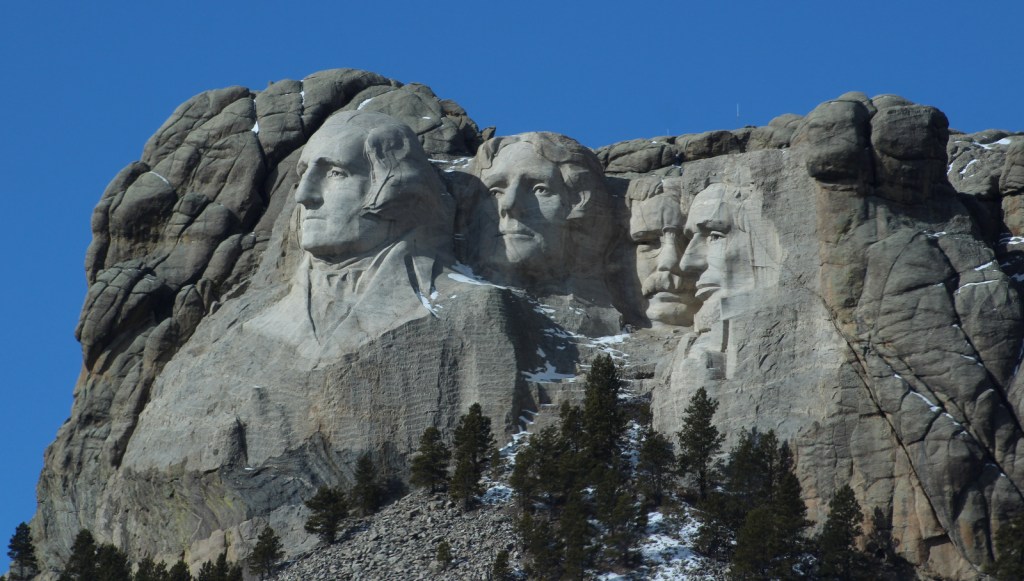
1. Mount Rushmore National Memorial (South Dakota)

Inspiring during the day, but for the full effect do not miss the Evening Lighting Ceremony offered May through September

Honorable Mentions

Lewis and Clark National Historical Park (Oregon-Washington)

There are numerous good museums celebrating the Corps of Discovery along the Lewis and Clark National Historical Trail that ends here on the Pacific Coast

Perry’s Victory and International Peace Memorial (Ohio)

A 352-foot tall memorial tower celebrates less the naval victory of 1813 and more so the world’s longest undefended international border

Colonial National Historical Park (Virginia)

Victory at Yorktown ended the Revolutionary War in 1781 near Jamestown, site of the first successful British colony in America

Ebey’s Landing National Historical Reserve

Overview

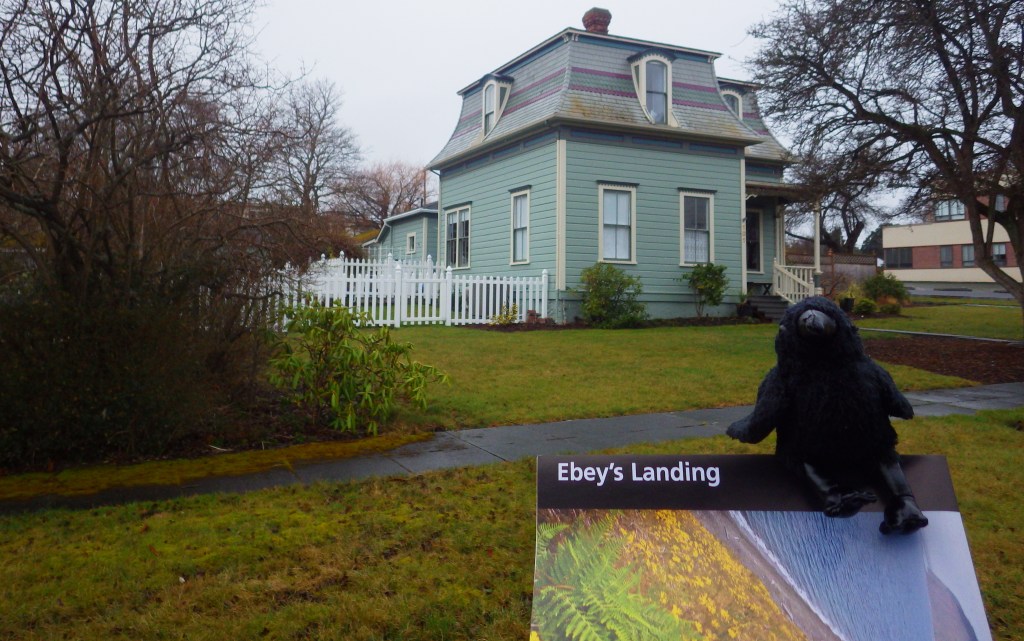
As the only National Historical Reserve in the National Park Service (NPS) system, Ebey’s Landing is a unique 17,000-acre site under federal, state, county, town, and private ownership.  Located on Whidbey Island at the entrance to Puget Sound, it is accessible by ferry from the Seattle area and the Olympic Peninsula, or by driving Highway 20 across a bridge from the north (closer to Bellingham).  There are nearly one hundred historical structures protected by the reserve, mostly Victorian houses within Coupeville, Washington.

Highlights

Jacob Ebey House, Davis Blockhouse, Fort Ebey State Park, Fort Casey State Park

Must-Do Activity

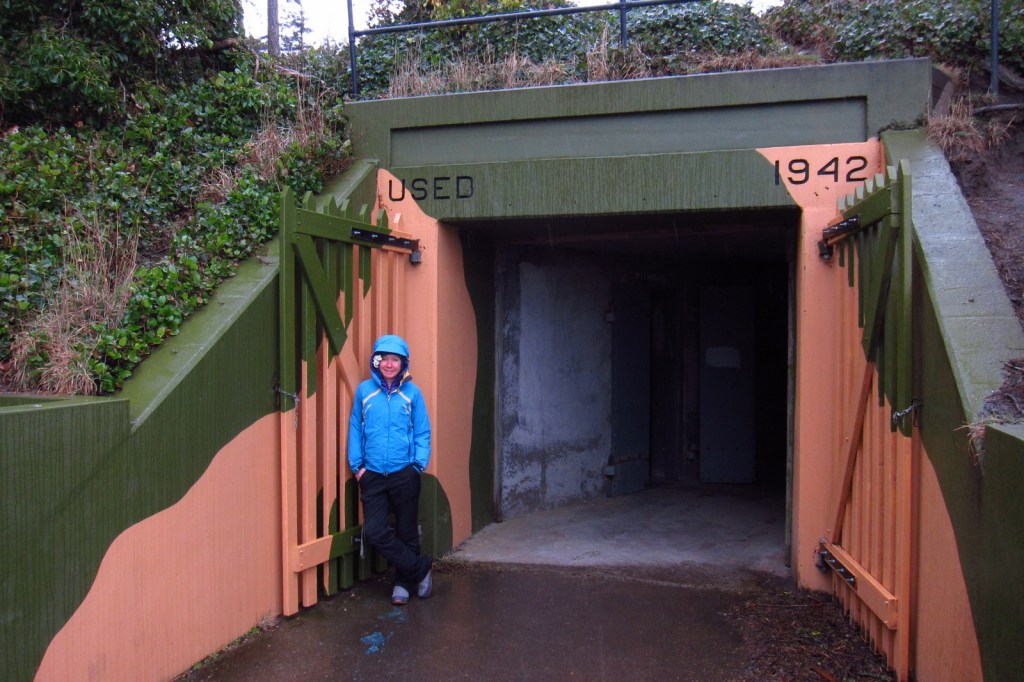
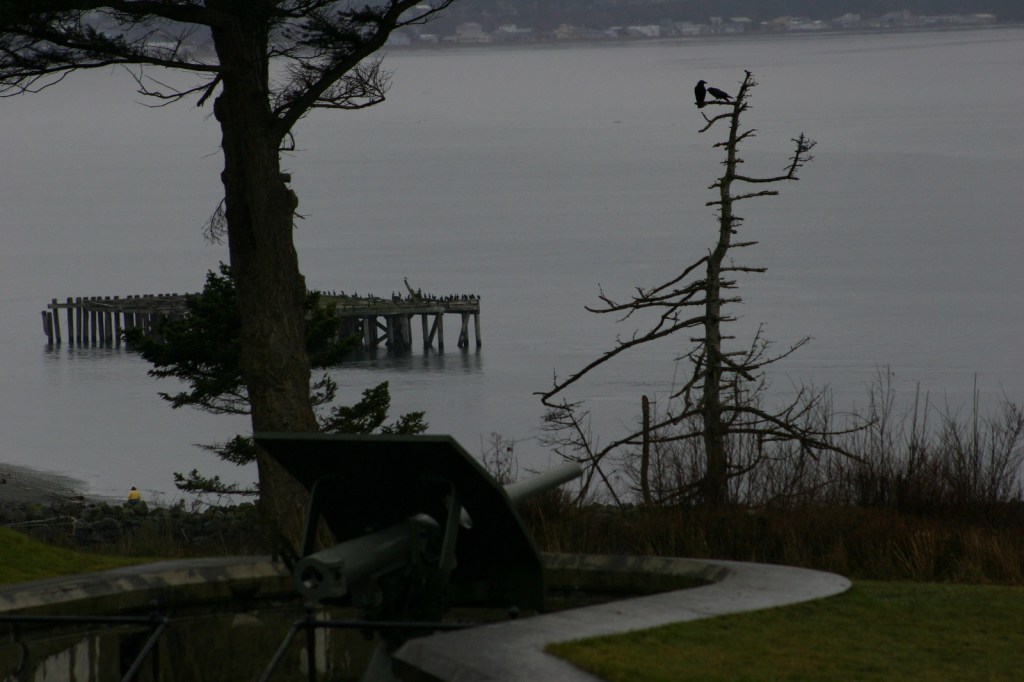
A good place to start your visit is at the Island County Historical Museum (which charges an admission fee) in Coupeville, Washington.  After enjoying the Victorian architecture in town, drive to the Jacob Ebey House, World War II-era Fort Ebey State Park, and Fort Casey State Park where you will find gun emplacements from 1901 and picturesque Admiralty Head Lighthouse. 

Best Trail

Much of Whidbey Island was prairie when it was settled in the 1850s, and remains pastoral, which is great for travelers looking for a glimpse back in time.  Located adjacent to farm fields, Bluff Trail is known for its great views on clear days.

Instagram-worthy Photo

Admiralty Head Lighthouse provides a great photo op in Fort Casey State Park.  Gun emplacements built there became obsolete shortly after their installation due to the rise of the airplane.

Peak Season

Summer

Hours

https://www.nps.gov/ebla/planyourvisit/hours.htm

Fees

None except at the 3 State Parks and Island County Historical Museum in Coupeville, Washington

Road Conditions

The main roads are all paved and any gravel roads are well-maintained.

Camping

Both Fort Casey State Park and Fort Ebey State Park have campgrounds, and the latter provides shower facilities.

Related Sites

San Juan Island National Historical Park (Washington)

Fort Vancouver National Historic Site (Washington)

Klondike Gold Rush National Historical Park (Alaska-Washington)

Explore More – How many islands are there in Puget Sound (with the largest being Whidbey Island)?

World War II Memorial

Overview

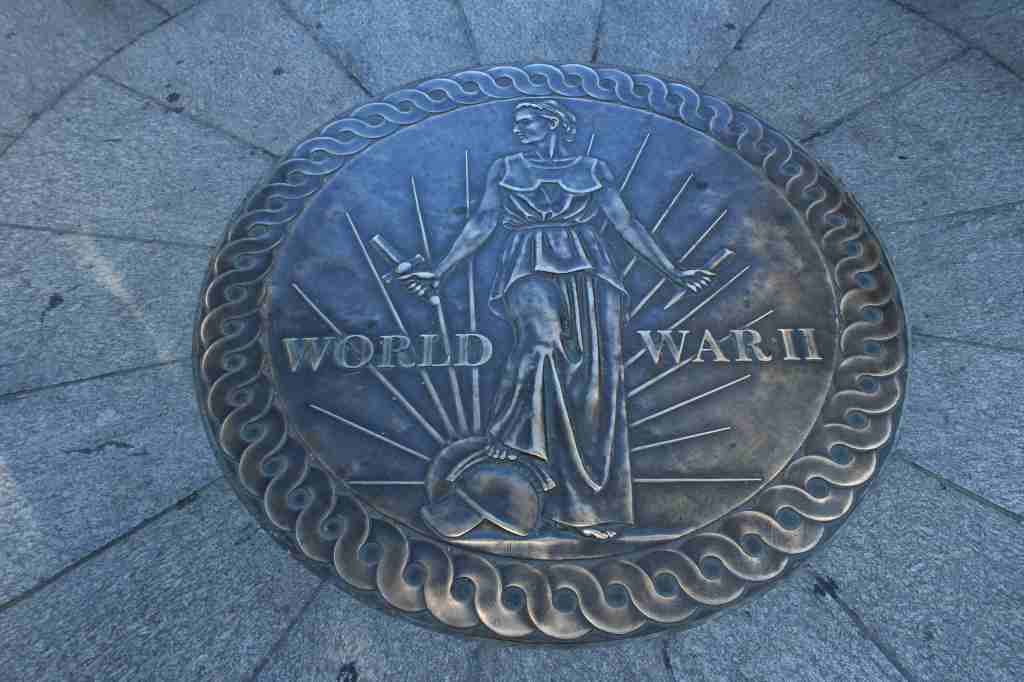
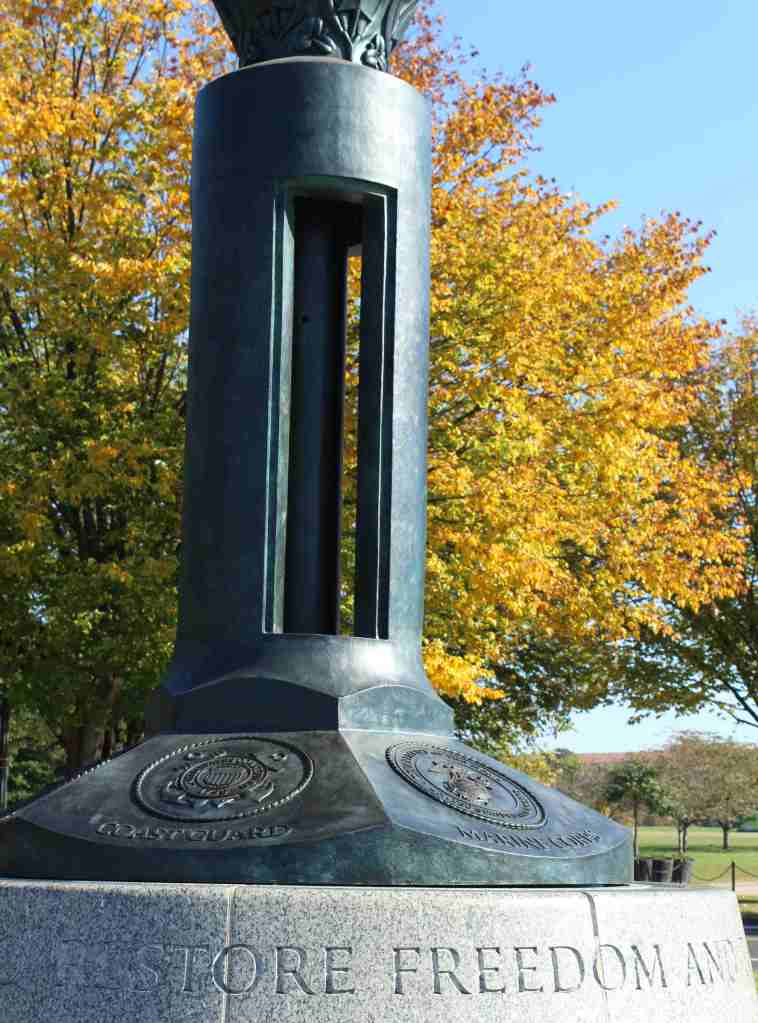
The World War II Memorial in Washington, D.C. was dedicated in 2004 to remember the 16-million Americans that served in uniform during the war.  It is located on the National Mall between the Washington Monument and Lincoln Memorial.  The seven-acre site is managed by the National Park Service (NPS).  There is not an NPS visitor center at the site, but there are information kiosks around the area, including two near the Lincoln Memorial.

Highlights

Pavilions, pillars, bas-relief sculptures, fountains

Must-Do Activity

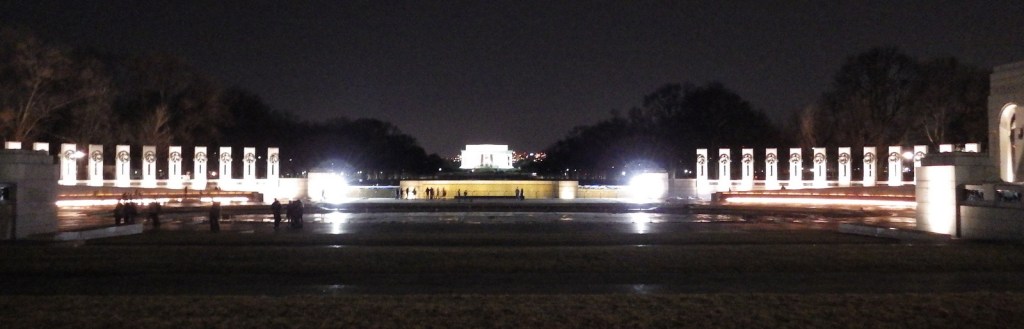
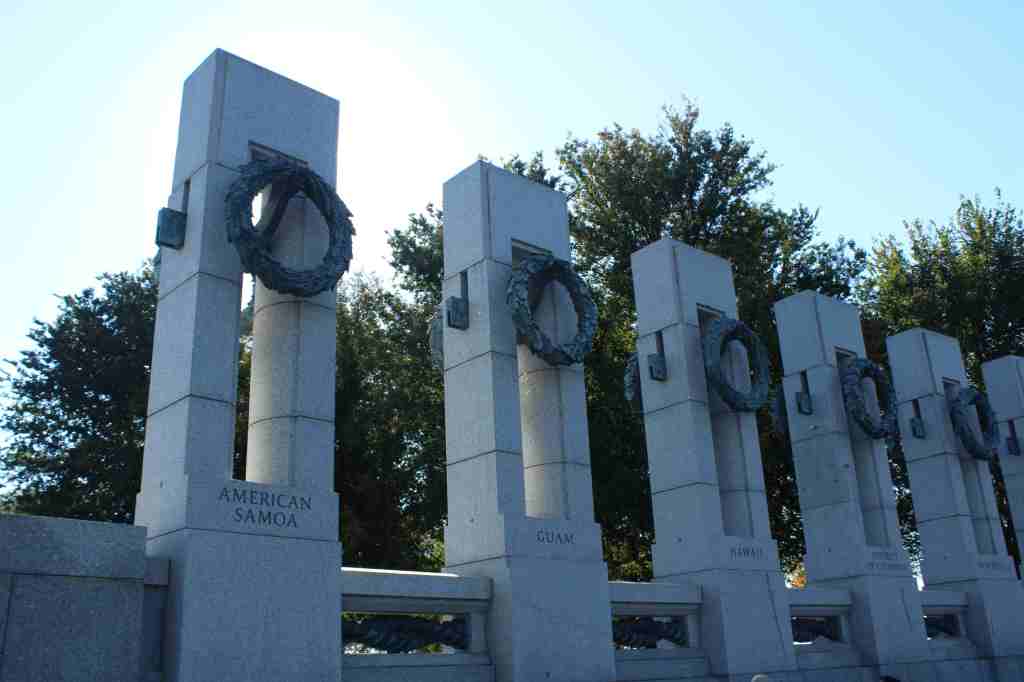
The memorial’s design was chosen in a competition with more than 400 others and was created in 1997 by Austrian-born architect Friedrich St. Florian.  It features a large pool and fountains, two pavilions labeled Atlantic and Pacific, 56 pillars for each state and territory, as well as bas-relief sculptures and quotes from historic figures.  On the Freedom Wall, each gold star represents one hundred of the 405,399 Americans who died during World War II.

Best Trail

Walk the bridge across the Potomac River to Arlington, Virginia for a view of the U.S. Marine Corps War Memorial that depicts the American flag being raised over Mount Suribachi on Iwo Jima during World War II.  This is technically part of George Washington Memorial Parkway (another NPS site), and offers a commanding view of the National Mall and is especially photogenic at night.

Instagram-worthy Photo

After dark is a great time for photography on the National Mall, and the World War II Memorial is no exception.  You might consider bringing a tripod for clearer photos.

Peak Season

Spring

Hours

24 hours a day with NPS rangers posted until 10 p.m.

https://www.nps.gov/wwii/planyourvisit/hours.htm

Fees

None

Road Conditions

All roads are paved, but public transportation is recommended in Washington, D.C.

Camping

There are no NPS campgrounds in the Washington, D.C., so it might be best to head for Shenandoah National Park in Virginia.

Related Sites

World War I Memorial (District of Columbia)

Franklin Delano Roosevelt Memorial (District of Columbia)

Korean War Veterans Memorial (District of Columbia)

Explore More – The memorial contains two hidden “Kilroy was here” engravings; what is the significance of this inclusion?

.

Top 10 World War II Sites in the 63 National Parks

The official end of World War II occurred on September 2, 1945 on the deck of the battleship USS Missouri (now docked at Pearl Harbor National Memorial in Hawai‘i).  To celebrate the 75th anniversary of this event we previously assembled our Top 10 National Park Service (NPS) units dedicated to the war.  This list ranks the best sites within our 63 National Parks.  Click here to see all our Top 10 lists, including our favorite WWII books and films.

Know someone who loves National Parks? Gift them our travel guidebook A Park to Yourself: Finding Solitude in America’s 63 National Parks

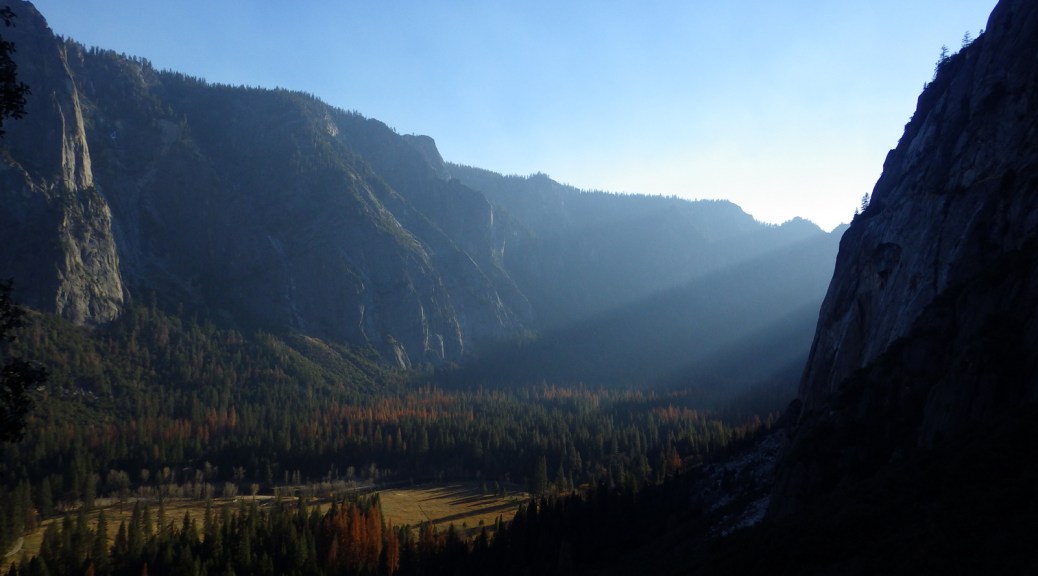
10. Yosemite National Park (California)

The “U.S. Naval Convalescent Hospital Yosemite National Park, California” opened in 1943.

9. Carlsbad Caverns National Park (New Mexico)

Soldiers were sent to recreate at the caverns from Hobbs Air Field, located 100 miles away.

8. Olympic National Park (Washington)

Two of the park’s coast guard and aircraft warning stations still exist.

7. White Sands National Park (New Mexico)

In 1942, the U.S. military established a weapons testing range in the Tularosa Basin that still functions today.

6. Denali National Park and Preserve (Alaska)

Denali’s rugged terrain was a great place to test soldiers and equipment.

5. Redwood National Park (California)

The Klamath River Radar Station B-71 is a rare early-warning radar station.

4. Haleakalā National Park (Hawai‘i)

The numerous antennas atop Red Hill led locals to dub this WWII radar station “Haleakalā National Forest.”

3. Acadia National Park (Maine)

The park’s Big Moose Island was home to a U.S. Navy radio station during WWII.

2. National Park of American Samoa (American Samoa)

These islands hosted soldiers and provided essential communications operations in the Pacific.

…and finally, our #1 National Park dedicated to World War II:

1. Mount Rainier National Park (Washington)

The 10th Mountain Division tested their mountaineering skills and equipment at Mt. Rainier.

Honorable Mention

Hawai‘i Volcanoes National Park (Hawai‘i)

After Pearl Harbor, this federal land on the largest of the Hawaiian Islands held several military installations.

Know someone who loves National Parks? Gift them our travel guidebook A Park to Yourself: Finding Solitude in America’s 63 National Parks