Tag Archives: tropics

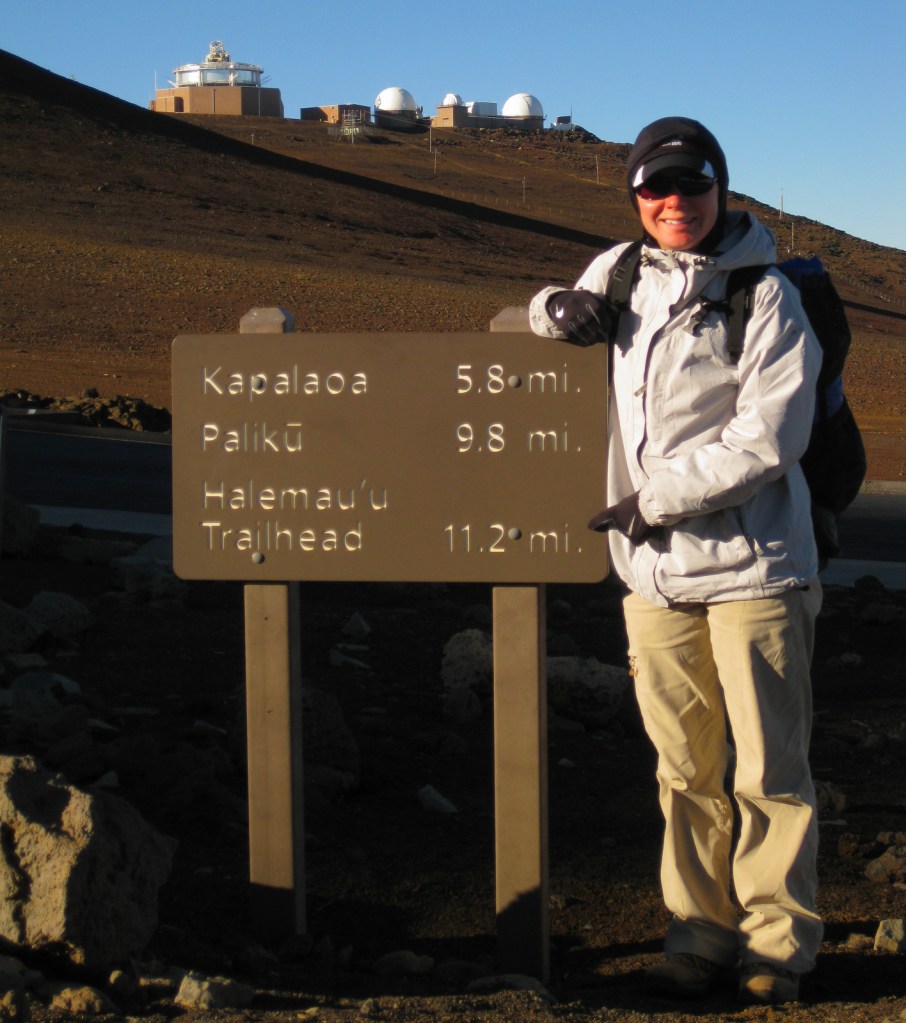
Haleakalā National Park

Overview

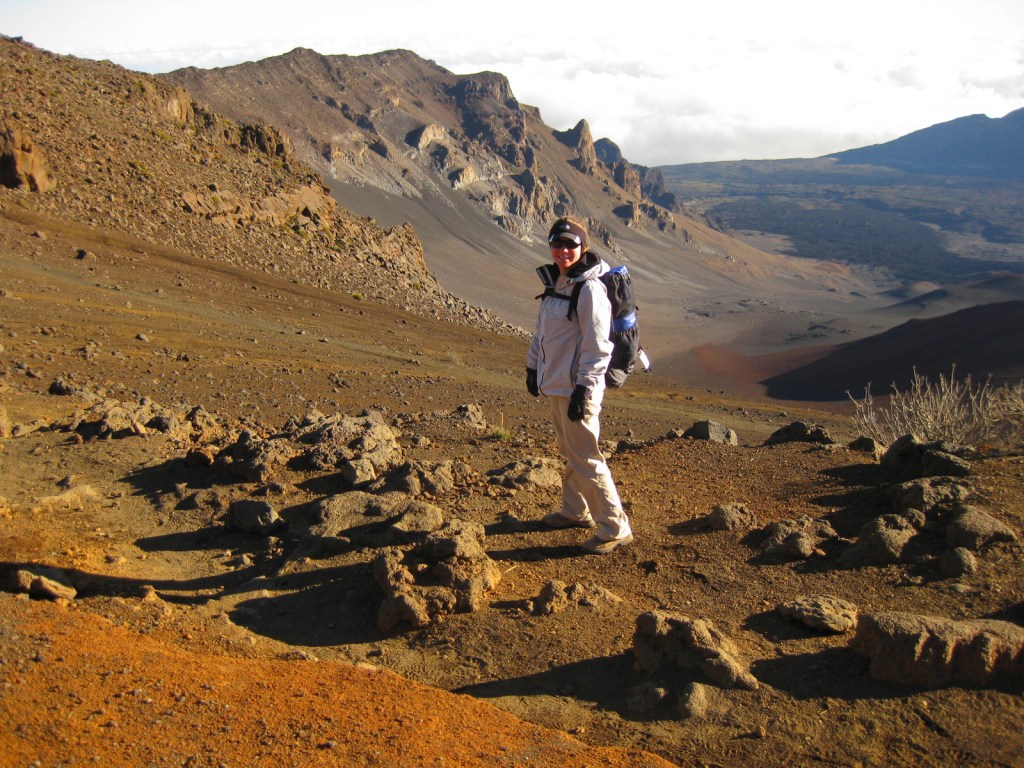
On the tropical island of Maui, Haleakalā National Park is accessible by two memorable roads.  One road climbs from sea level up to 10,023 feet overlooking Haleakalā Crater, which has almost no vegetation.  To the east, a lush tropical rainforest thrives in the Kīpahulu District located at the end of the winding road to Hana.  Both districts offer great hiking opportunities and free campgrounds. There is much more information about this park in our National Park guidebook, available on Amazon.

Highlights

Haleakalā Crater, Sliding Sands Trail, Hosmer Grove, ‘Ohe‘o Gulch pools, Waimoku Falls

Must-Do Activity

The thing to do at Haleakalā National Park is drive up the curvy entrance road in the pitch dark to catch a sunrise from 10,000 feet.  Haleakalā translates to “the house of the sun” so it is kind of a big deal here.  It is like a party atmosphere in the chilly air waiting for the guest of honor.  Of course, we were up there one morning, though we thought the sunsets were prettier and much less crowded.  Several tours drive visitors to the summit for sunrise then provide bicycles to coast back down the switchbacks outside the park boundaries.

Best Trail

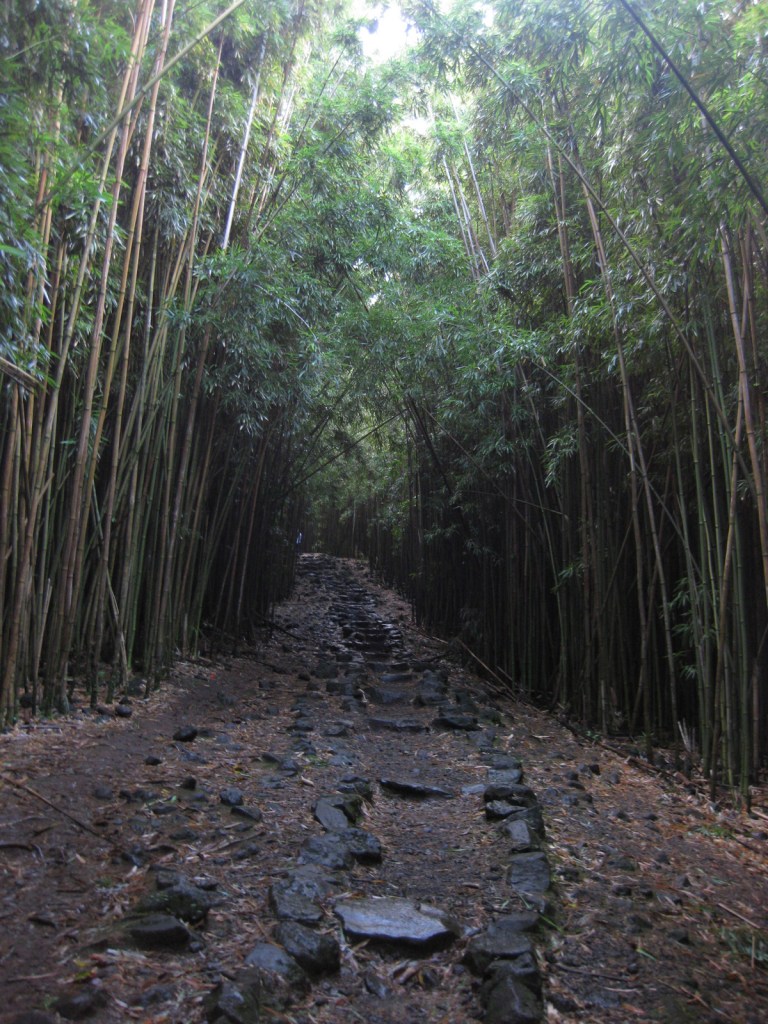
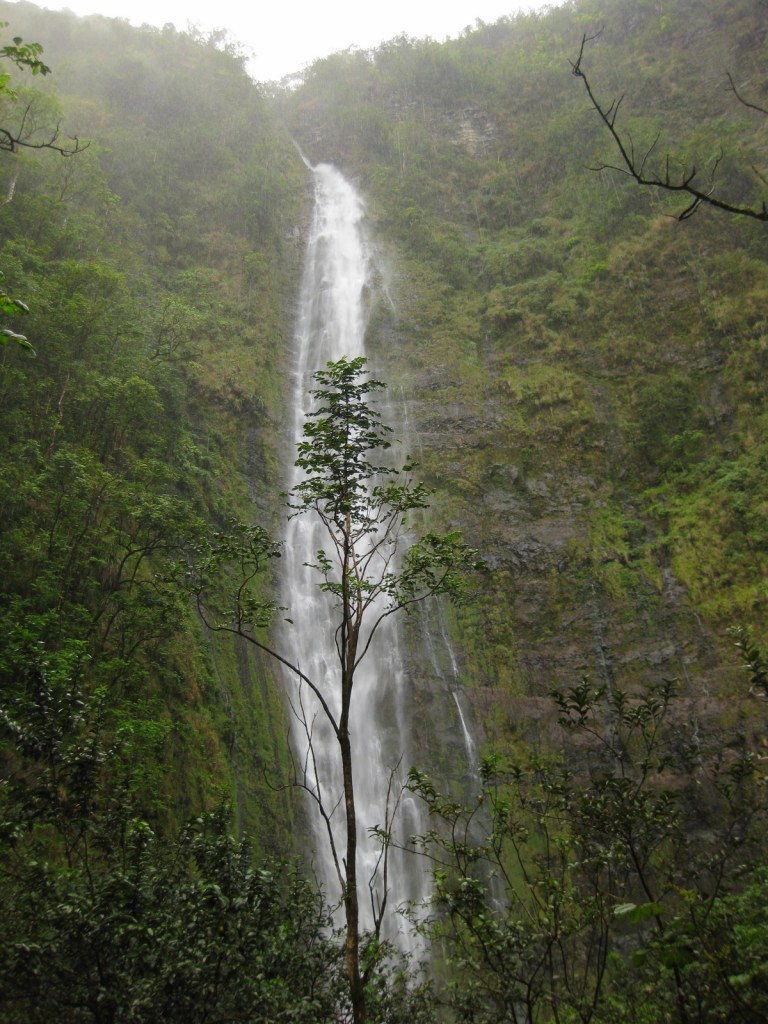
In the Kīpahulu District, we hiked the two-mile Pipiwai Trail to the 400 foot cascades of Waimoku Falls in a steady downpour.   The trail offers some protection from rain under sprawling banyan trees and incredibly dense bamboo thickets.  Like many of the plant and animal species found throughout Hawai‘i, the banyan and bamboo are not native to the islands, but have thrived on this isolated landmass 2,400 miles from the nearest continent. 

Instagram-worthy Photo

Silversword (‘ahinahina) plants grow all along the Sliding Sands Trail that accesses the bottom of the 2,000 foot deep crater.

Peak Season

Year round, though summer might be slightly warmer at 10,000 feet in elevation.

Hours

https://www.nps.gov/hale/planyourvisit/hours.htm

Fees

$30 per vehicle or America the Beautiful pass

Road Conditions

All roads are paved, but the road to the summit is full of switchbacks and bicyclists.  The curvy road to Hana is well known for its one-lane bridges, of which we counted 53 before we reached the Kīpahulu District.

Camping

The two National Park Service campgrounds here are free, a big savings in a place that can be expensive to visit.  There is a lottery for three hike-in cabins and permits available for wilderness backpacking campsites.

Related Sites

Kalaupapa National Historical Park (Hawai‘i)

Hawai‘i Volcanoes National Park (Hawai‘i)

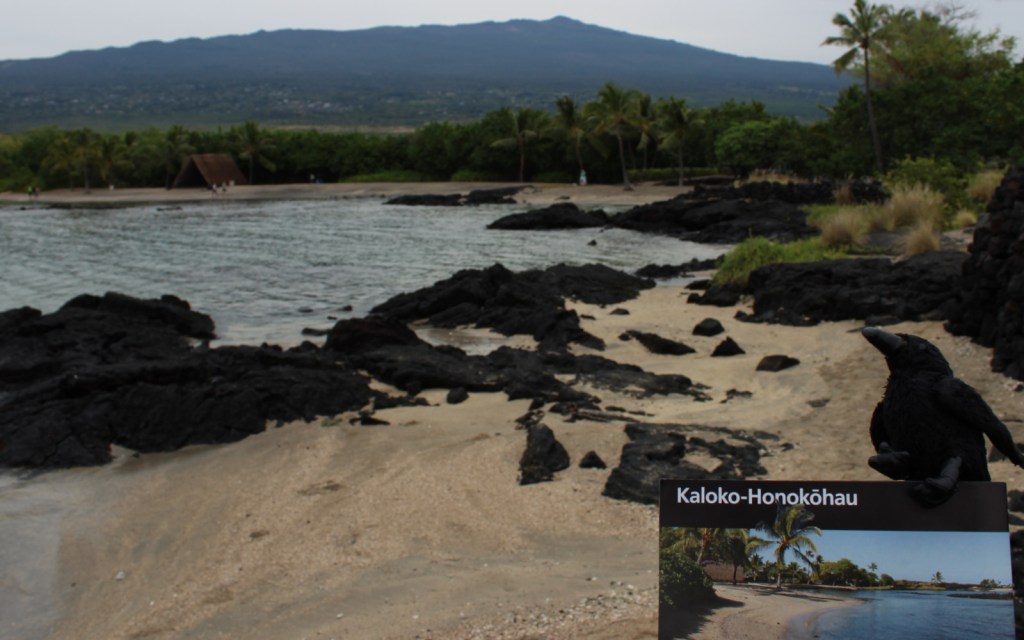
Kaloko-Honokōhau National Historical Park (Hawai‘i)

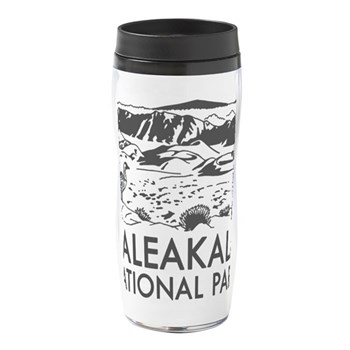
This design we created to celebrate Haleakalā National Park is available on a variety of products at Cafe Press.

Explore More – How much annual precipitation does the Kīpahulu District receive (making it one of the wettest places on Earth)?

We are a participant in the Amazon Services LLC Associates Program, an affiliate advertising program designed to provide a means for us to earn fees by linking to Amazon.com and affiliated sites.

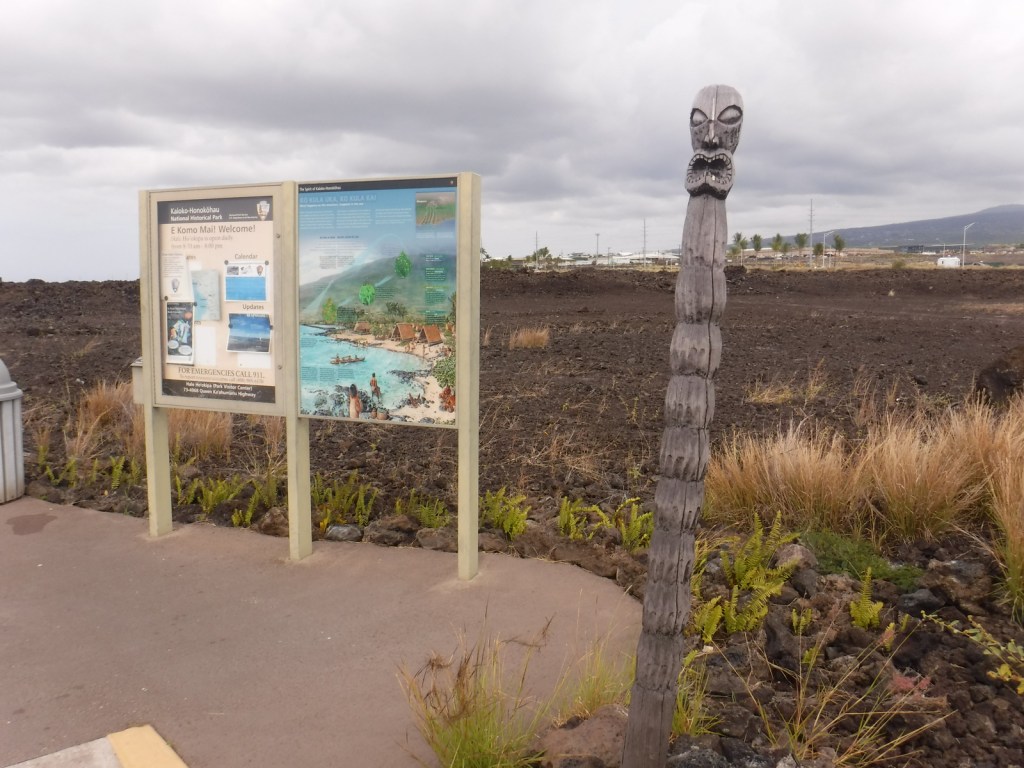
Kaloko-Honokōhau National Historical Park

Overview

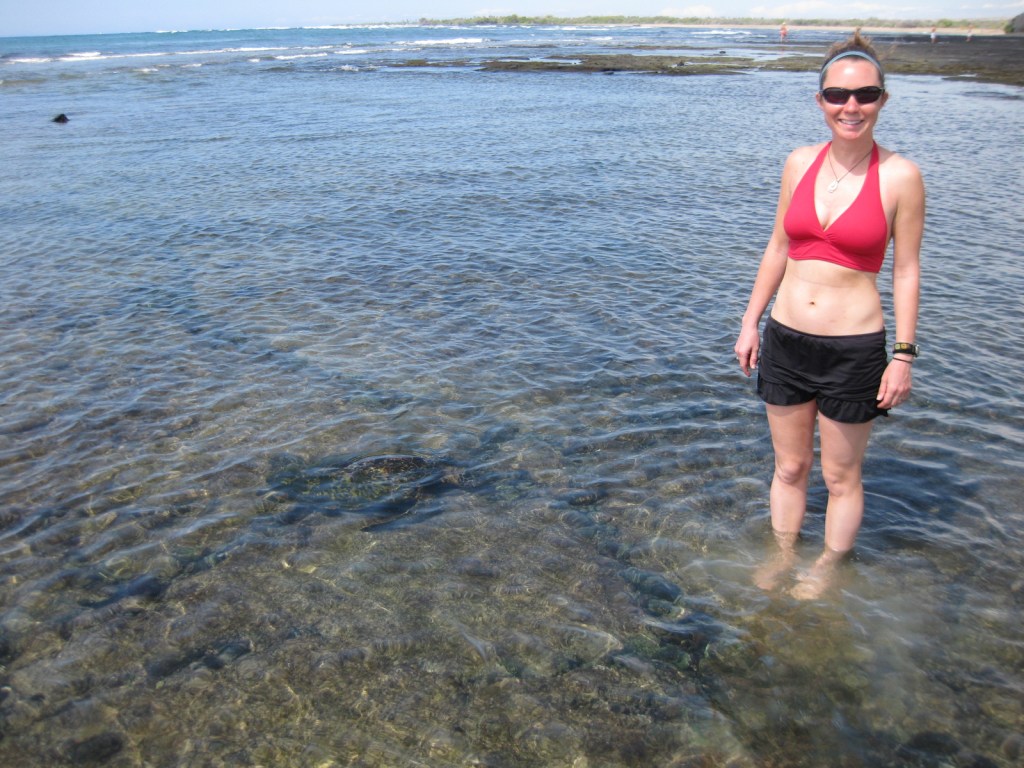
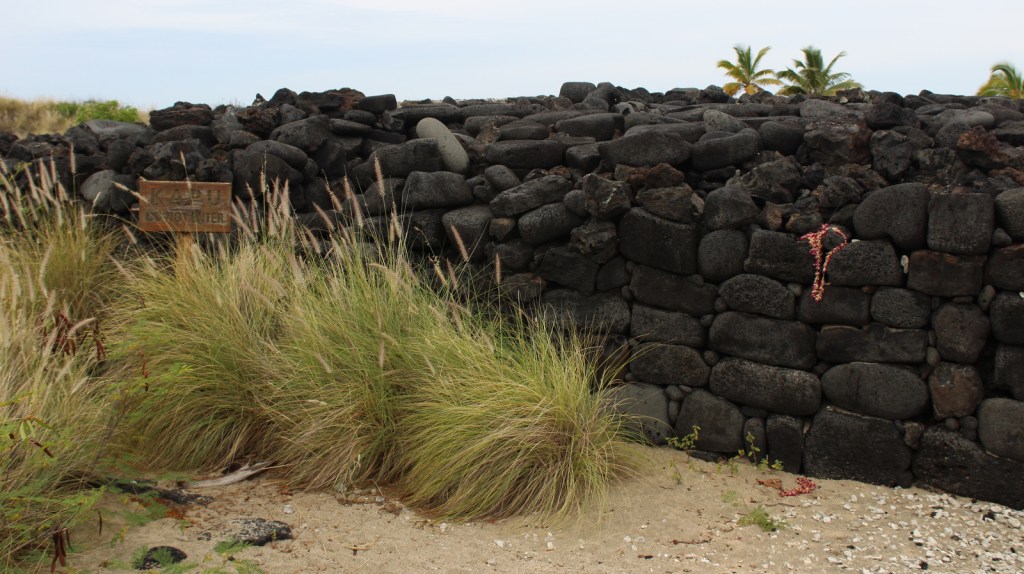
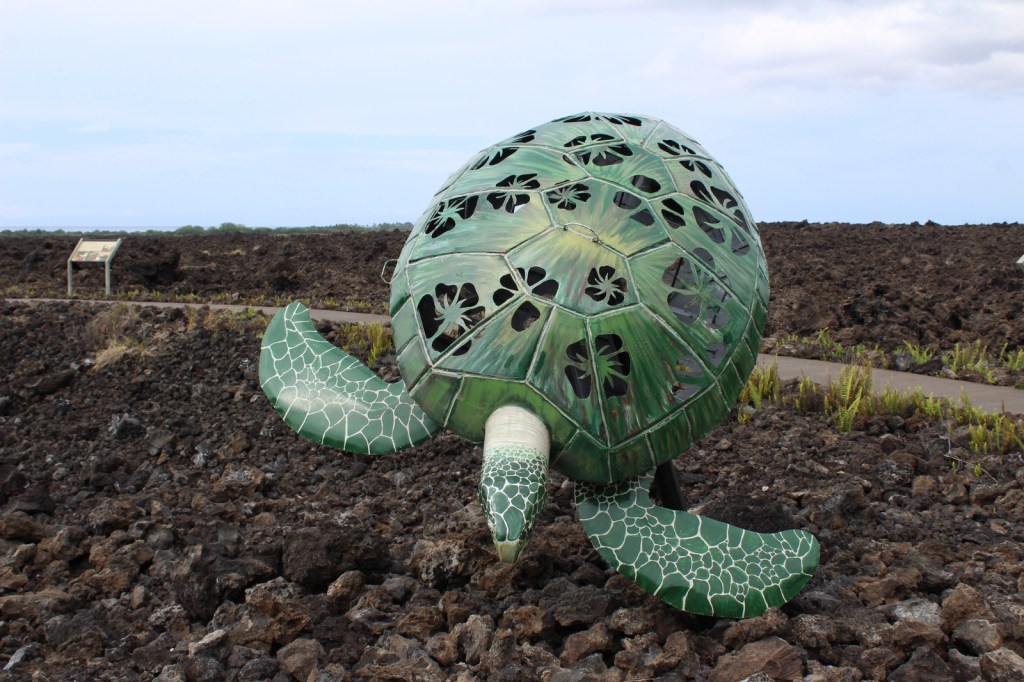
On the west coast of the Big Island of Hawai‘i, Kaloko-Honokōhau National Historical Park was established in 1978, the same year the green sea turtles were federally listed as a threatened species.  This park’s current population of 130 long-term resident juvenile turtles is believed to be a direct result of that protection.  The honus (green sea turtles) are visible both in the clear ocean water and onshore in haul-outs.

Highlights

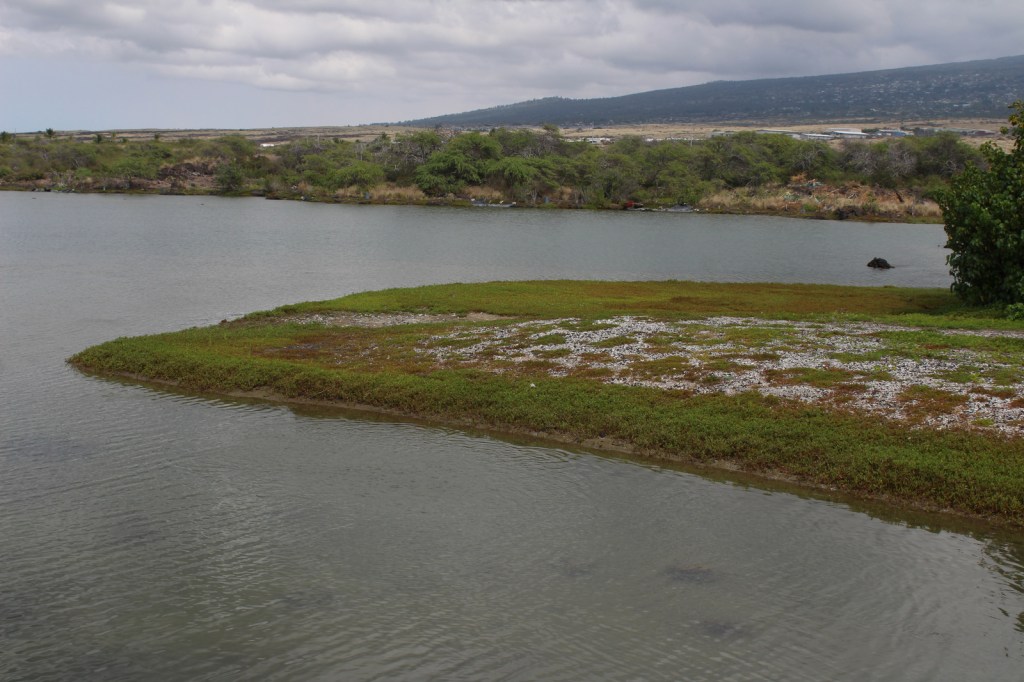
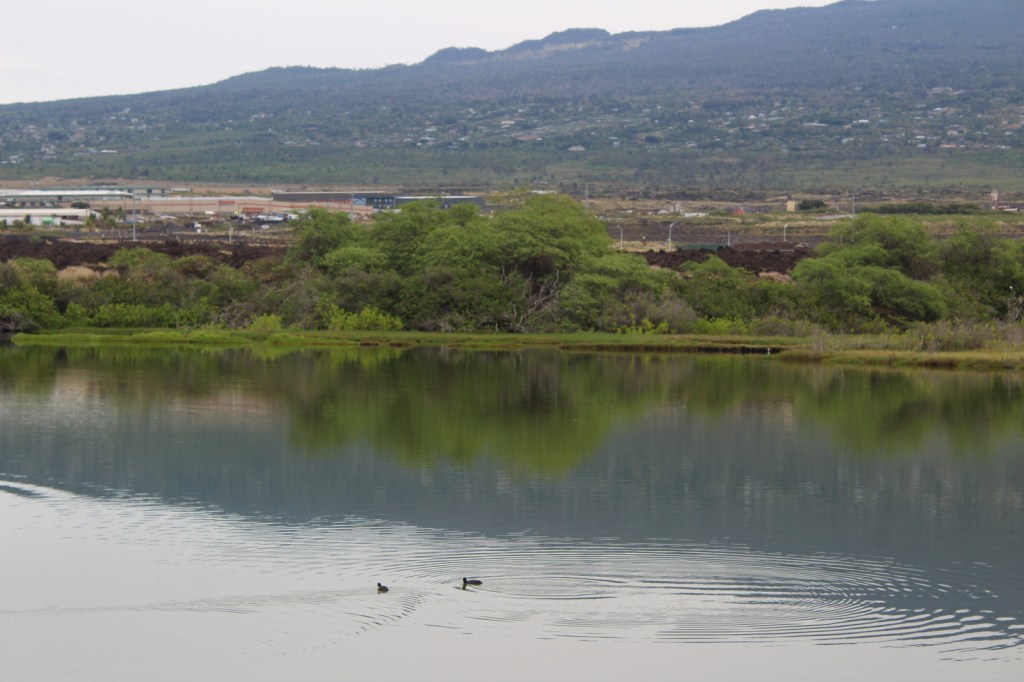
Honokōhau Beach, ‘Ai‘ōpio fishtrap, heiau (temple), Ala Kahakai National Historic Trail, Kaloko fishpond, green sea turtles

Must-Do Activity

Just like wading humans, green sea turtles are attracted to the shallow, calm waters created by the ‘Ai‘ōpio fishtrap, an artificial reef built of black lava rock.  Some of these young sea turtles already weigh 140 pounds!  Please refrain from touching or lifting the turtles.  Instead, sit in the sun on a white gravelly beach to watch the methodical paddling of these ancient reptiles on this undeveloped portion of coast on the largest island in the United States.

Best Trail

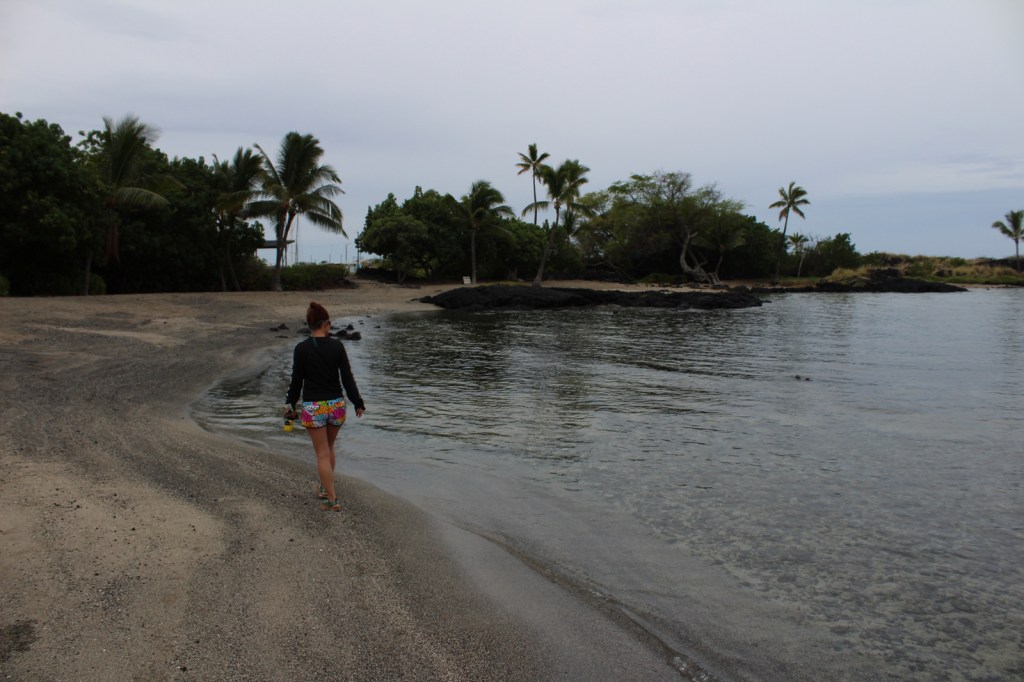
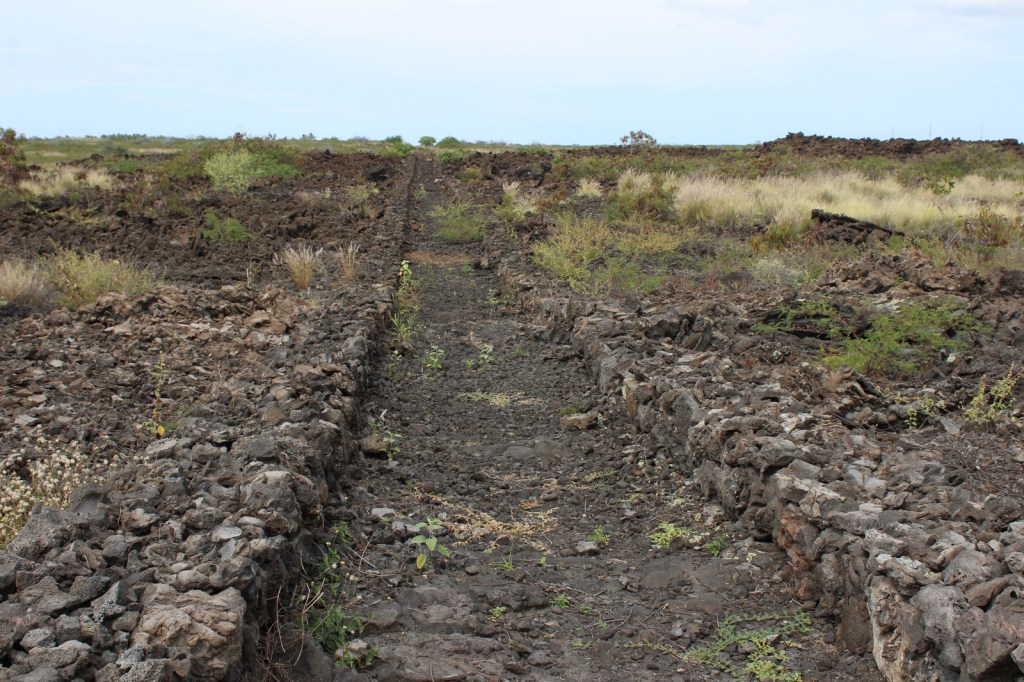
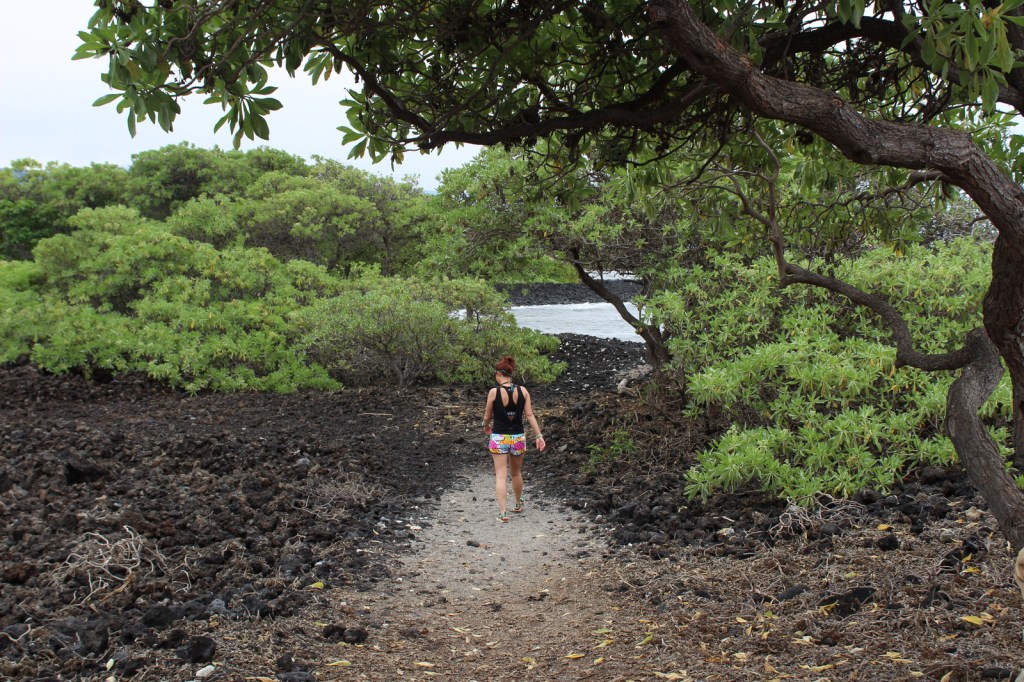
Visitors cannot park at the beach, instead they have to walk a half-mile one-way, which keeps the numbers down.  Two historic trails go to fishponds in this dry, volcanic landscape.

Instagram-worthy Photo

At Honokōhau Beach, next to the ‘Ai‘ōpio fishtrap is a reconstructed hālau (long house), a nice spot to take a break in the shade.

Peak Season

Year round

Hours

https://www.nps.gov/kaho/planyourvisit/hours.htm

Fees

None

Road Conditions

The main entrance is off Highway 19, but there is a good dirt road that accesses Kaloko fishpond that is gated at night.

Camping

Hawai‘i Volcanoes National Park offers a campground, but if you want to camp near the beach look into the state parks and county parks.

Related Sites

Pu’uhonua o Honaunau National Historical Park (Hawai‘i)

Pu’ukohola Heiau National Historic Site (Hawai‘i)

Kalaupapa National Historical Park (Hawai‘i)
Explore More – What did native Hawaiians use to line their 150-foot long hōlua (stone slide) for racing toboggan-like sleds?

Virgin Islands National Park

Overview

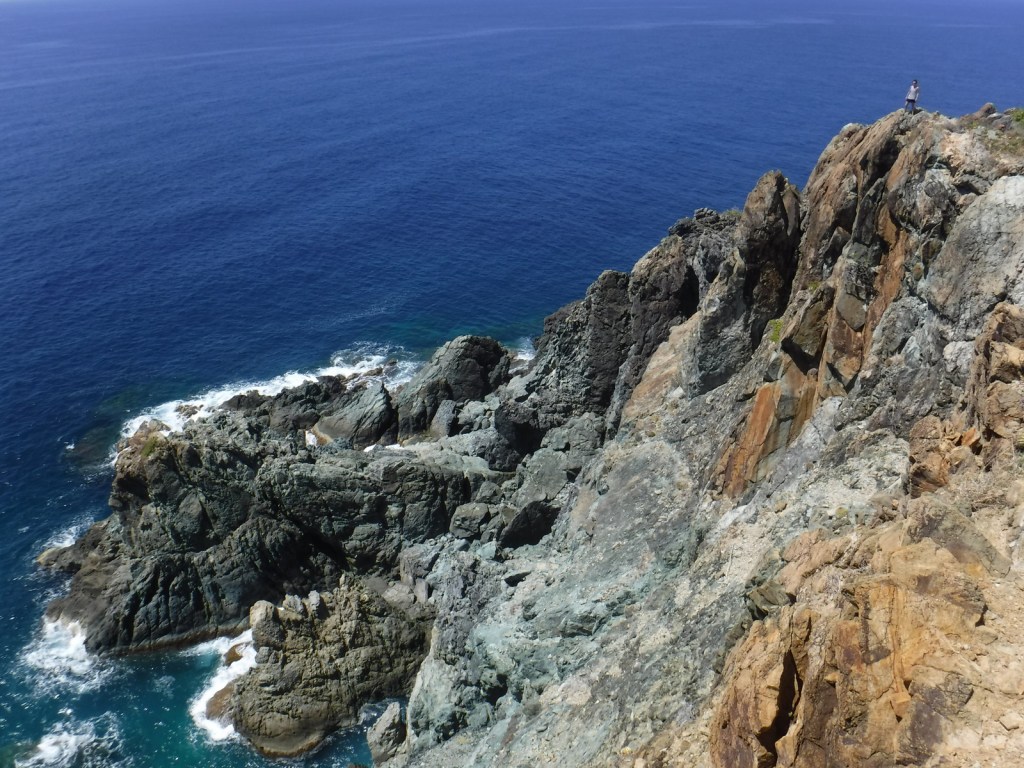
More than half the island of St. John is part of Virgin Islands National Park, a Caribbean paradise known for its white sand beaches and crystal waters.  The National Park also includes 95% of Hassel Island, which was once a peninsula connected to St. Thomas.  The region is still recovering after Hurricanes Irma and Maria did extensive damage in 2017, but did not seem to affect the sugar mill ruins that have been standing since the 1720s.

Highlights

Trunk Bay, Maho Bay, Annaberg Sugar Mill, Petroglyph Trail, Saltpond Bay

Must-Do Activity

Snorkeling is the number one reason to visit St. John, which is surrounded by coral reefs.  The Underwater Trail in popular Trunk Bay is a good place to start, but our favorite spot to snorkel was from the beautiful beach at Saltpond Bay where we saw sea turtles, reef squids, and countless other species.  From the beach a trail leads 1.8 miles roundtrip to the 200-foot high cliffs at Ram Head.
Best Trail

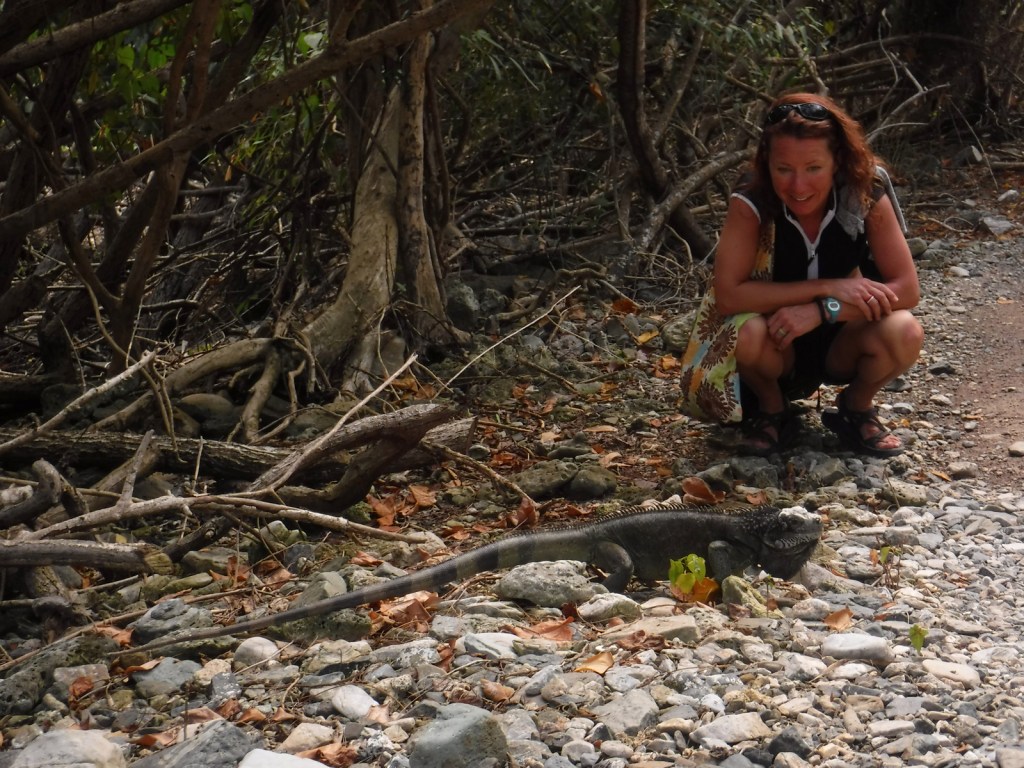
Reef Bay Trail starts near the island’s high point at 900 feet in elevation, then descends 1.5 miles to the split for Petroglyph Trail where the rocks around a seasonal waterfall have several Taino carvings.  Reef Bay Trail continues another mile to the ruins of a sugar mill where ranger-led hikes (fee) are met by a boat.

Instagram-worthy Photo

A small, paved pulloff at the top of a hill on North Shore Road looks east towards the white sand beaches of Trunk Bay, an image used in almost every promotional publication for St. John. 

Peak Season

Winter

Hours

https://www.nps.gov/viis/planyourvisit/hours.htm

Fees

None, except when lifeguards are on duty at Trunk Bay.

Road Conditions

Two narrow, winding, paved routes (North Shore and Centerline Roads) leave from Cruz Bay where the ferries arrive.  Several dirt roads require four-wheel-drive, including Catherineberg Road.  Note: you drive on the left side of the road in the U.S. Virgin Islands, but in standard American left-side driver seat vehicles.

Camping

None on the island of St. John until the NPS reopens Cinnamon Bay Campground, which closed following the 2017 hurricanes.

We created this design to celebrate Virgin Islands National Park and it is available on a variety of products at Cafe Press and Amazon.

Explore More – How long did the violent slave revolt in 1733 last before French troops arrived on St. John to return slaves to the sugarcane plantations?

We are a participant in the Amazon Services LLC Associates Program, an affiliate advertising program designed to provide a means for us to earn fees by linking to Amazon.com and affiliated sites.